Family Life With Teens: How to Stay Connected at 13–17
The teenage years don't have to mean growing apart. With the right communication habits, realistic boundaries, and genuine curiosity about your teen's world, your family can stay close through one of the most intense developmental periods of childhood.

In this article
Something shifts around the thirteenth birthday. The child who used to run to tell you everything now disappears into their bedroom and communicates mostly in grunts. If that sounds familiar, you are not failing as a parent. You are living through one of the most well documented transitions in developmental paediatrics.
According to the American Psychological Association, around 40% of teens report significant conflict with their parents during adolescence, yet research also shows that the vast majority of teenagers say their parents are the most important adults in their lives. Those two facts can coexist, and understanding why is the foundation of this guide.
Here is what you will understand by the time you finish reading:
1. Why Teens Pull Away (and Why That's Partly the Point)
The pulling away is not rejection. It is biology. Between ages 13 and 17, the prefrontal cortex, the part of the brain responsible for judgement, impulse control, and long term planning, is still under heavy construction. Meanwhile, the limbic system, which drives emotion and reward seeking, is running at full throttle. This imbalance is why your teenager can seem simultaneously brilliant and baffling.
Developmentally, the push for independence is healthy. Adolescents are supposed to individuate, to figure out who they are outside of the family identity. The research of developmental psychologist Laurence Steinberg at Temple University has consistently shown that teens who are given age appropriate autonomy within a warm, structured family environment develop better self regulation skills than teens in either very permissive or very authoritarian homes.
What parents often misread
When a teen stops sharing details about their day, parents frequently interpret that as a sign the relationship has broken down. More often it signals that your teenager is practising independence, which is exactly what they are supposed to be doing. The goal is not to get back the chatty eight year old. The goal is to build a different, more mature relationship.
For a deeper look at how the brain underpins this behaviour, understanding why teen risk taking is biological can reframe a lot of the frustrating moments in a way that actually reduces your own stress.
2. Communication That Actually Works With Teenagers
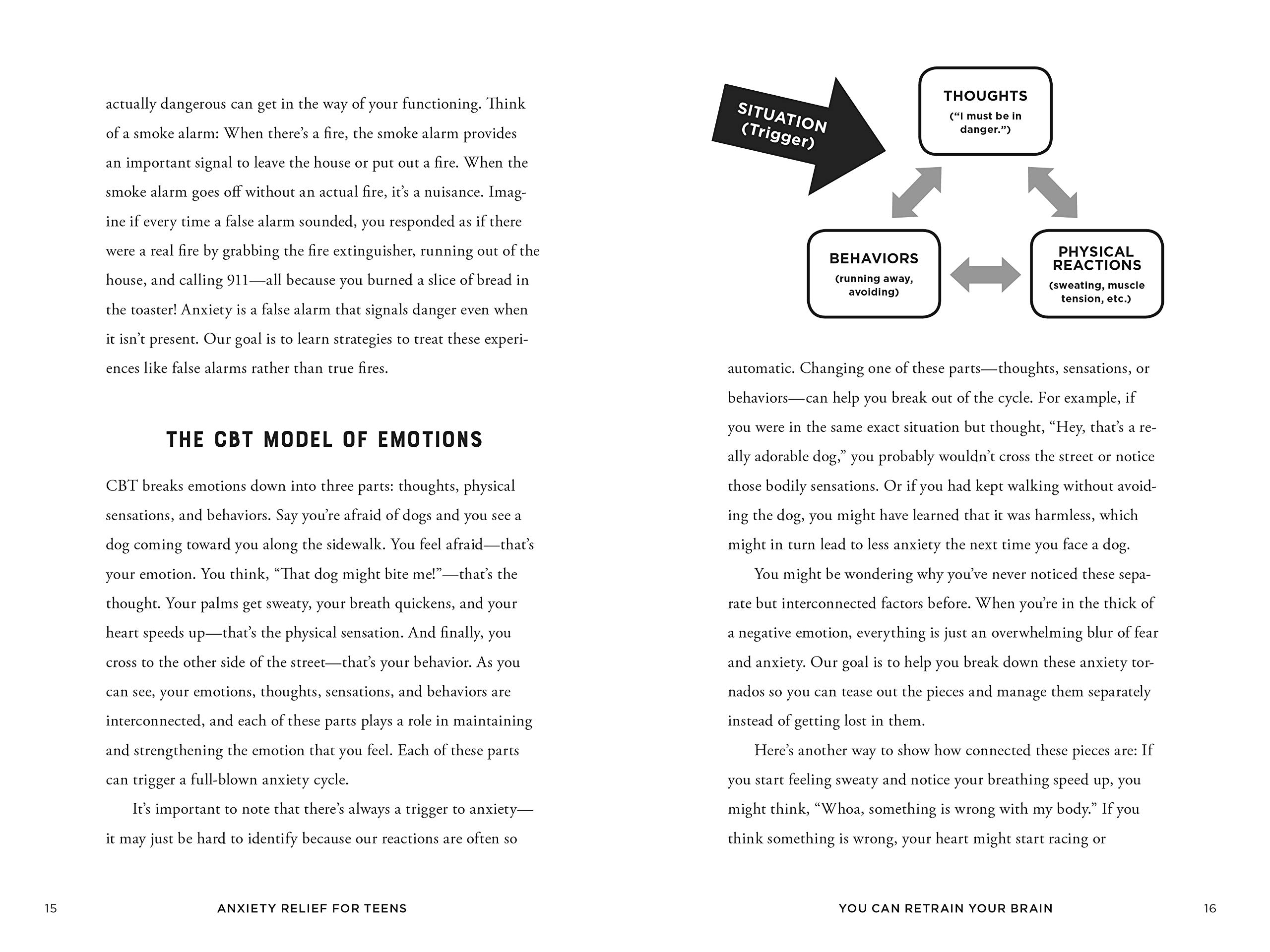
Most communication breakdowns between parents and teens happen for one of three reasons: the parent talks too much, the teen feels interrogated, or the conversation always seems to end up being about something the teen did wrong.
The fix is not complicated, but it does require practice.

How to Talk So Teens Will Listen and Listen So Teens Will Talk
- Relationships
- Conflict Management
- Image Unavailable Image not available forColor:
The classic advice in How to Talk So Teens Will Listen still holds up after decades in print because it addresses the core issue: teenagers stop talking when they feel judged rather than heard. Active listening, genuinely reflecting back what you have heard before launching into your own opinion, changes the dynamic almost immediately.
Practical approaches that open conversations
- Ask about their world, not their behaviour. "What's going on with that friend situation you mentioned?" lands very differently than "Have you done your homework?" - Talk side by side, not face to face. Car journeys, cooking together, walking the dog. Teens often open up more when there is no direct eye contact. - Acknowledge the feeling before addressing the problem. "That sounds really frustrating" before "Here's what you should do" is not weakness. It is what makes the next part of the conversation possible. - Accept imperfect openings. If your teenager mentions something briefly and then goes quiet, don't interrogate. Just say "I'm interested if you want to talk more." Then leave it.
For parents who want to go deeper on the skill of listening well, mastering active listening is the single habit that changes almost every difficult conversation.
3. Family Rituals and Routines: More Powerful Than You'd Expect
Your teenager might act like family dinner is a form of mild torture. Do it anyway.
A study published in the Journal of Adolescent Health found that teens who ate dinner with their families five or more times per week had significantly lower rates of substance use, depressive symptoms, and disordered eating compared to peers who rarely shared family meals. The mechanism is straightforward: rituals create predictable connection points, and predictable connection reduces the anxiety load on a developing brain.
What counts as a family ritual
A ritual does not need to be elaborate. It needs to be consistent and it needs to involve actual presence. Some options:
- Shared meals. Even three times a week makes a measurable difference. - Weekly check-ins. A low pressure, ten minute Sunday evening conversation about the week ahead. - Annual traditions. Holidays, birthdays, even a specific film you watch every year together. These create a sense of family identity that teenagers carry into adulthood. - Spontaneous rituals. A particular joke, a recurring Sunday morning activity, a playlist only your family knows. These small things signal belonging.


1-2-3 Magic Teen: Communicate, Connect, and Guide Your Teen to Adulthood
- Relationships
- Conflict Management
- Image Unavailable Image not available forColor:
1-2-3 Magic Teen gives parents a structured but flexible framework for the guided conversations and connected moments that build this kind of family culture over time, without it feeling forced.
4. Navigating Conflict Without Burning the Relationship
Conflict is not a sign that something is wrong with your family. According to research from the American Academy of Pediatrics (AAP), parent-teen conflict peaks around ages 13 to 15 and typically decreases significantly by 17, regardless of parenting style. The question is not whether you will have conflict. The question is whether conflict leaves the relationship stronger or weaker.
What makes conflict destructive
What makes conflict productive
Love the Teen You Have: A Practical Guide to Transforming Conflict into Connection
- Parenting & Relationships
- Image Unavailable Image not available forColor:
- Publisher : Flatiron Books
Love the Teen You Have is one of the most practically useful books I have recommended to parents in this exact situation. It directly addresses how to turn moments of high conflict into genuine reconnection, which is a skill that pays dividends long after your teenager leaves home.
5. Screens, Social Media, and Digital Family Life
Screen time in the teen years is a genuinely different issue than screen time in early childhood. The AAP's current guidance for teenagers does not set a specific hour limit but instead focuses on what activities screen time is replacing, whether it interferes with sleep, school, or in person relationships, and whether parents have visibility into what their teen is engaging with online.


Therapy Games for Teens: 150 Activities to Improve Self-Esteem, Communication, and Coping Skills
- Health, Fitness & Dieting
- Psychology & Counseling
- Adolescent Psychology
The more useful question for family life is not "how many hours?" but "are we still connecting in person?" Families where screens are used together, watching a film, playing games, following a shared interest, report stronger relationships than families where everyone is on separate devices in separate rooms.
A practical family media approach for teens
- Have a shared understanding, not a rigid set of rules. Teens follow agreements they helped create. - Keep bedrooms as low tech as possible, especially overnight. The AAP recommends devices charging outside the bedroom. - Follow your teenager on at least one platform with their knowledge. Transparency, not surveillance. - Talk about what they are watching and who they are talking to with genuine curiosity, not interrogation. - Model what you want to see. If you are scrolling through your own phone at dinner, the rule has no teeth.
The privacy risks that come with teenagers sharing their lives online are real. What every parent needs to know about sharenting extends into the teen years in ways many parents don't anticipate, particularly around consent and digital footprint.
6. Building Resilience and Independence in the Final Stretch
By around 15 to 17, the explicit goal of parenting shifts. You are no longer raising a child. You are finishing the job of raising an adult. That means deliberately creating opportunities for your teenager to practise real world decision making, to fail safely, to recover, and to learn that they are capable.
The 7 Habits of Highly Effective Teens
- Teen & Young Adult
- Education & Reference
- Social Science
The 7 Habits of Highly Effective Teens has sold millions of copies for a reason. It meets teenagers where they are and frames responsibility, relationships, and personal goals in language that actually resonates with them. Handing this to a 15 or 16 year old and reading it together can become its own family ritual.
What independence building actually looks like
- Letting them manage consequences. They forgot their sports kit. Let them sort it out. Being rescued repeatedly sends the message that you don't believe they can cope. - Including them in family decisions. Where to go on holiday, how to handle a family financial challenge, what to do when something goes wrong. This is not burdening them. This is practising. - Talking about your own struggles honestly. Not oversharing, but modelling that adults face problems and solve them. This is the most powerful resilience teaching available. - Celebrating competence. When your teenager handles something well, name it specifically. "The way you dealt with that situation showed real maturity" lands differently than generic praise.
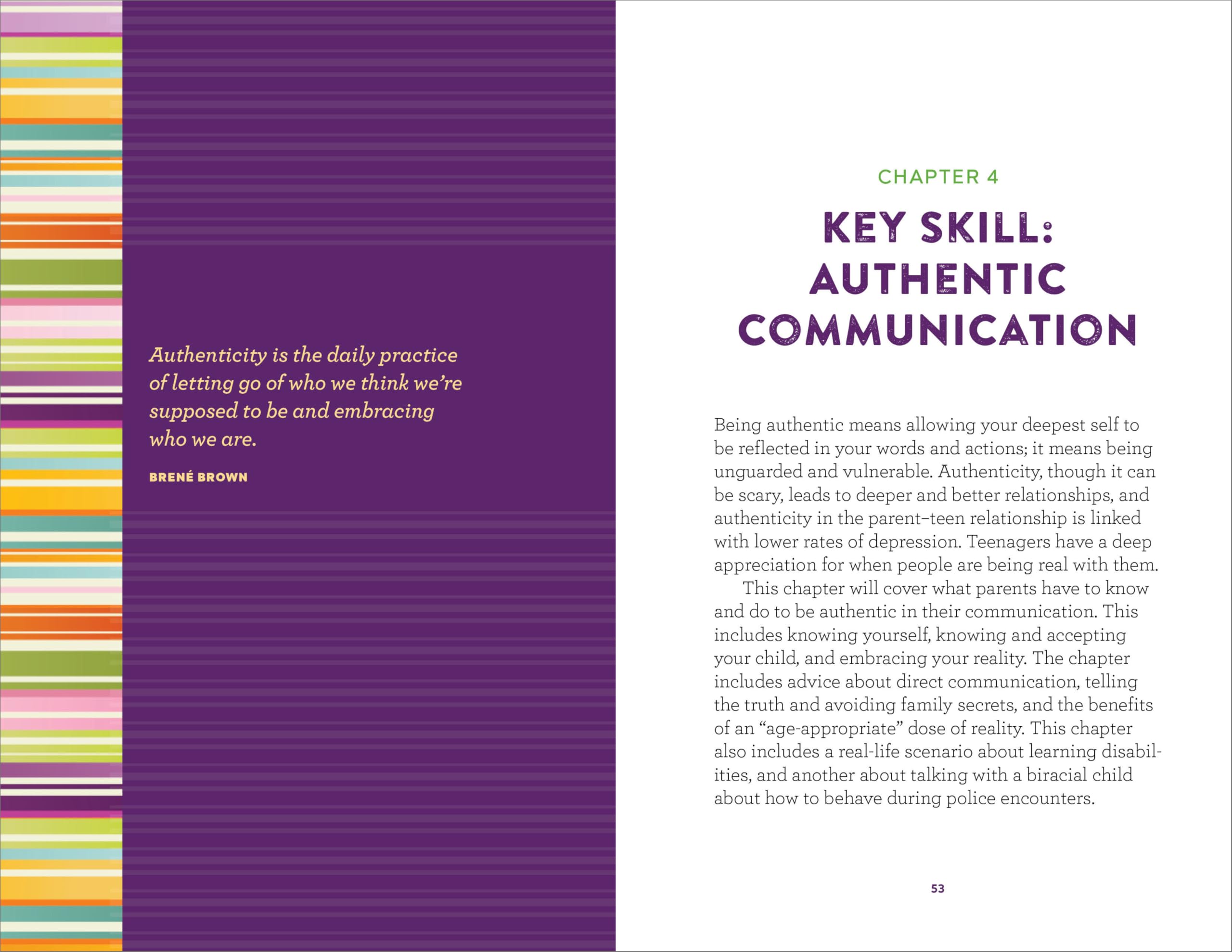
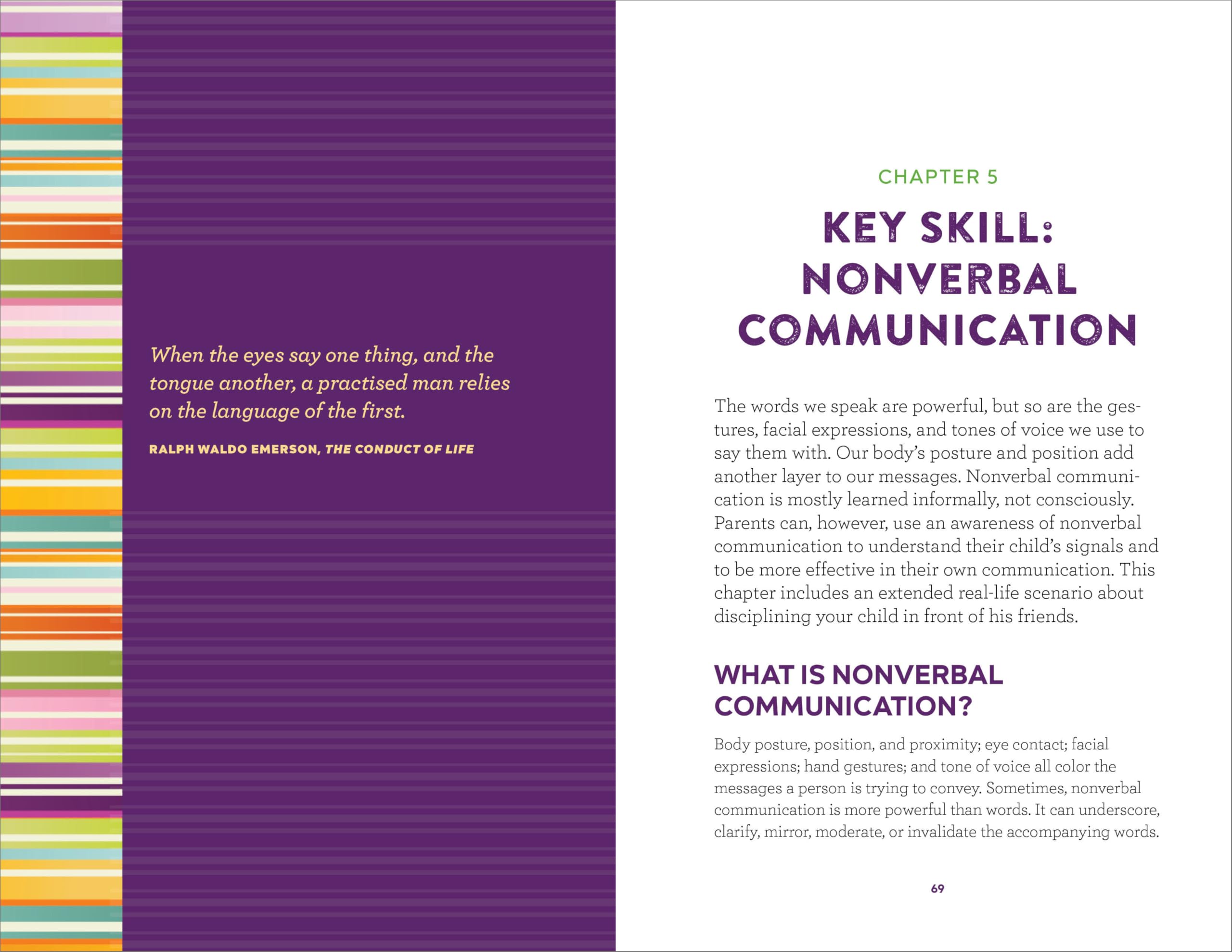
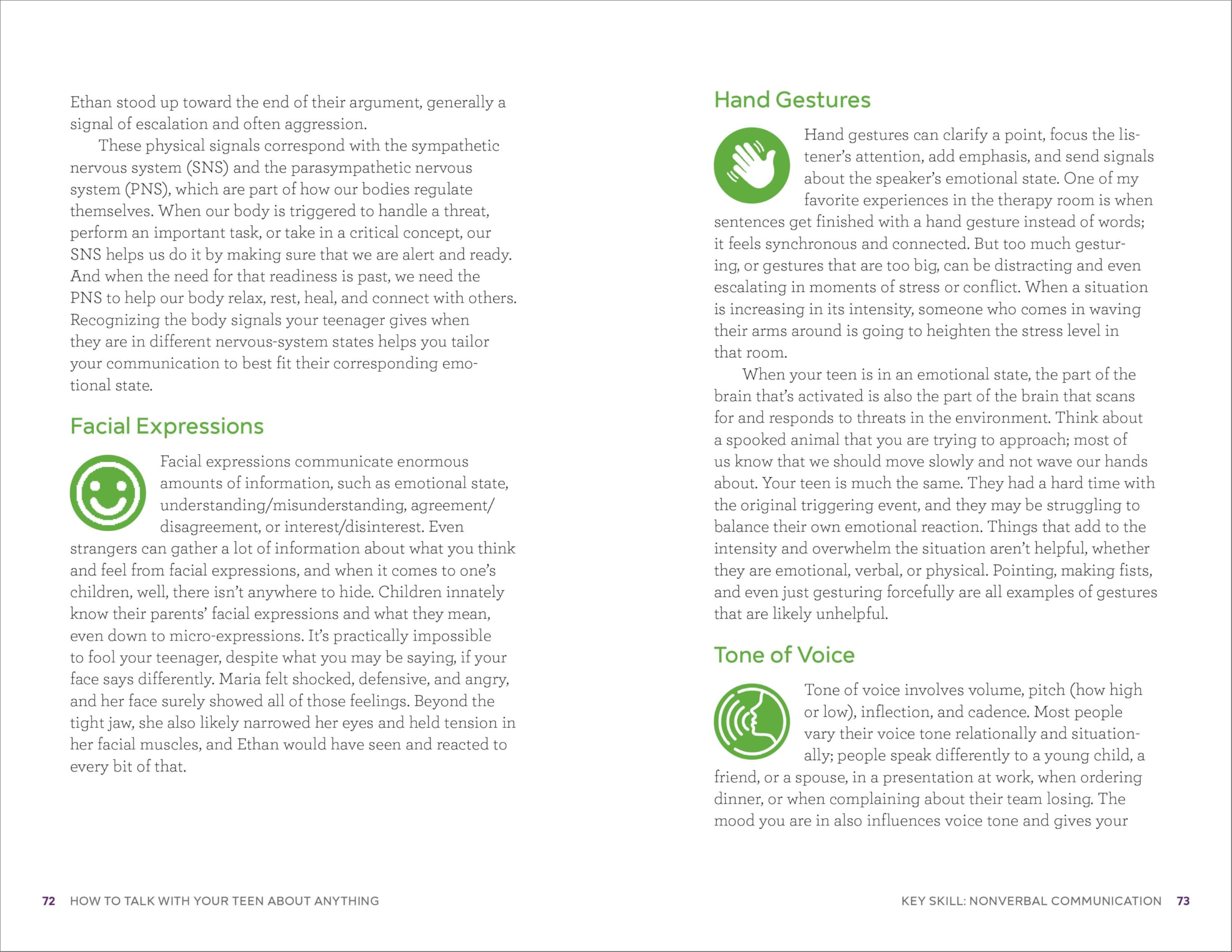

How to Talk to Your Teen About Anything: Effective Communication Strategies to Connect with Your Teen
- Parenting & Relationships
- Image Unavailable Image not available forColor:
- Key communication skills―Learn essential communication techniques, including active listening and emotional re
How to Talk to Your Teen About Anything covers the conversations most parents find genuinely difficult: mental health, relationships, sex, money, failure. Having a resource that gives you the actual words makes it far more likely those conversations happen at all.
Comparing Common Communication Approaches for Family Life With Teens
| Approach | Best Suited To | Key Strength | Main Risk | Recommended Resource | Approx Price |
|---|---|---|---|---|---|
| Active listening first | All ages 13 to 17 | Builds trust quickly, reduces defensiveness | Feels unnatural at first for directive parents | How to Talk So Teens Will Listen | $9.96 |
| Structured dialogue (1-2-3 framework) | Parents who want a step by step method | Reduces power struggles, clear process | Can feel scripted if not adapted to your voice | 1-2-3 Magic Teen | $9.03 |
| Conflict to connection approach | Families with frequent high conflict | Repairs relationship as you go | Requires genuine emotional regulation first | Love the Teen You Have | Varies |
| Skill building through books together | Ages 15 to 17, more independent teens | Teen takes ownership of their own growth | Only works if teen is willing to engage | The 7 Habits | $12.15 |
| Games and structured activities | Families where direct conversation feels hard | Low pressure, side by side engagement | Needs consistency to build momentum | Therapy Games for Teens | $9.59 |
| Communication skills focused reading | Parents wanting evidence backed techniques | Covers digital age challenges and emotional regulation | Requires parent to do their own work first | How to Talk to Your Teen | Varies |
The teenage years are genuinely hard. Not because your child has changed into someone you don't recognise, but because the relationship is being renegotiated at speed, and nobody hands you a manual. The parents I see who come through this period with close, honest relationships on the other side share one thing: they stayed curious about their teenager instead of just managing them.
The connection you build right now, in these years that feel so turbulent, is the foundation your adult child will stand on. That is worth every awkward car journey conversation, every repaired argument, and every dinner where the teenager said nothing and came back an hour later to tell you everything.
Save this guide. Share it with a co-parent. And keep showing up.
Sources & References
- American Psychological Association. "Parenting Teens." APA.org. 2023. https://www.apa.org/topics/parenting/teenagers
- Steinberg, Laurence. "We Know Some Things: Parent-Adolescent Relationships in Retrospect and Prospect." Journal of Research on Adolescence. 2001.
- American Academy of Pediatrics. "Media Use in School-Aged Children and Adolescents." Pediatrics. 2016. https://publications.aap.org
- Fiese, Barbara H. "Family Routines and Rituals." Child Development Perspectives. 2007.
- The Journal of Adolescent Health. "Family Dinner and Disordered Eating in Adolescents." 2008. Vol. 43, Issue 5.
- Przybylski, Andrew K. and Weinstein, Netta. "A Large-Scale Test of the Goldilocks Hypothesis." Psychological Science. Oxford Internet Institute. 2017.
- Evans, Yolanda. Adolescent Medicine, Seattle Children's Hospital. Clinical commentary on parent-teen relationship and health outcomes. 2022.
Frequently Asked Questions
My teen won't talk to me at all. What do I do?
How much independence should I give a 15 year old?
We fight about everything. Is that normal?
My teenager seems to prefer their friends over us. Should I be worried?
How do I set limits on screens without constant battles?
When should I be genuinely worried about my teenager's mental health?
Is it too late to repair a damaged relationship with my teen?
Was this helpful?
Thanks — your feedback helps us pick what to write next.