Kindergarten Readiness: Why It Predicts Scores for Years
The skills children bring to kindergarten, from letter recognition to emotional self regulation, are among the strongest known predictors of academic achievement all the way through high school.
In this article
There is a moment every September when a kindergarten teacher can already tell which children are going to thrive and which ones are going to struggle. It is not about smartness. It is about readiness. And the research backs that gut feeling with striking force.
A landmark study published in the journal Science found that children's skill levels at kindergarten entry predicted their academic performance well into adolescence, across reading, math, and even social outcomes. The National Institute for Early Education Research (NIEER) estimates that roughly 40 percent of American children start kindergarten without the foundational skills needed to keep pace with formal instruction. That is four in ten kids walking through the classroom door already behind.
In this article you will understand:
1. What Kindergarten Readiness Actually Means
Kindergarten readiness is not a single skill. It is a cluster of abilities, habits, and experiences that together allow a child to learn in a structured group setting. Most families think of it as knowing letters and numbers, and that matters, but teachers and researchers define readiness much more broadly than that.
The Head Start Early Learning Outcomes Framework, published by the U.S. Department of Health and Human Services, organises school readiness into five domains: approaches to learning (curiosity, persistence, creativity), social and emotional development, language and communication, literacy knowledge, and cognition including math. A child needs a foundation in all five areas, not just the academic ones.
What teachers actually need from incoming students
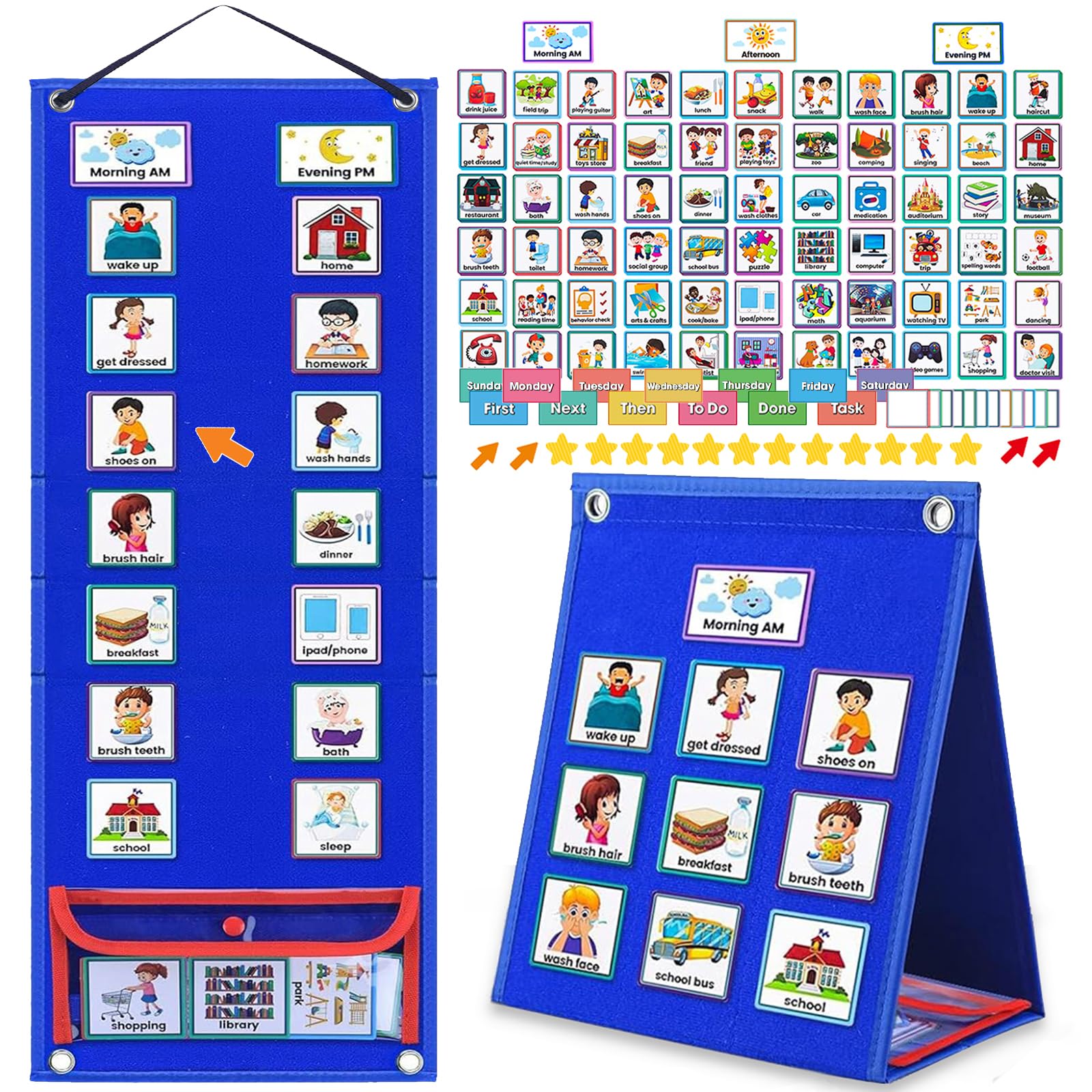
Ask any early years teacher what makes the biggest difference in the first weeks of kindergarten and you will hear a consistent list:
Notice that none of those require reading. They require self regulation, attention, and motor control. These are skills built over years of play, conversation, and daily routine, not cramming.
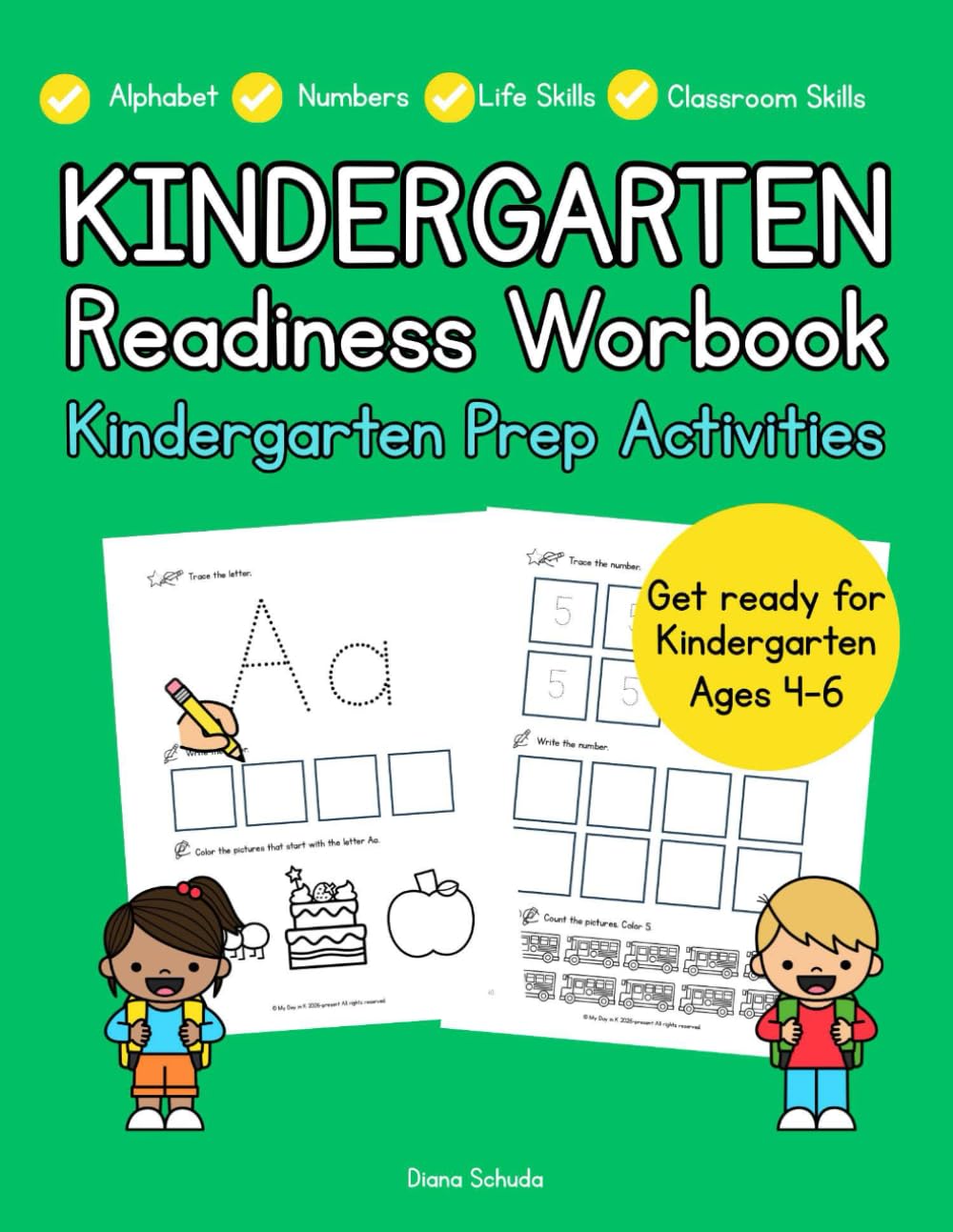
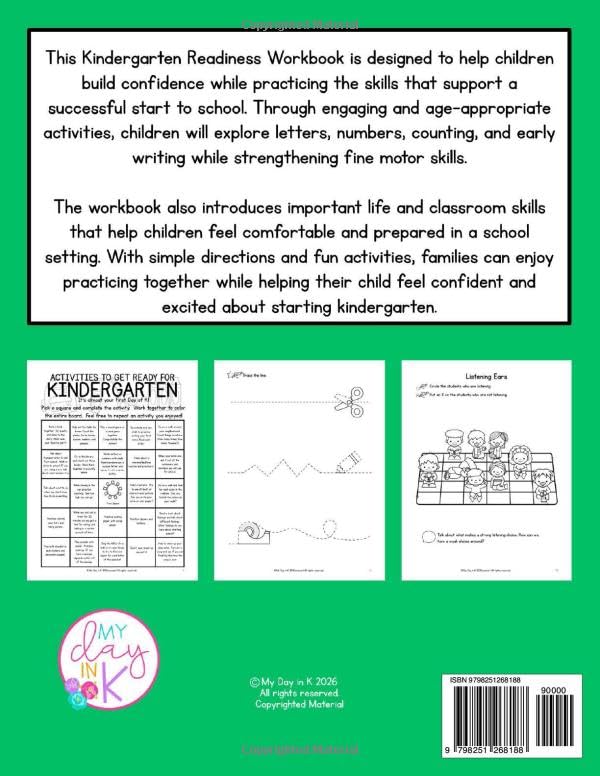
The Kindergarten Readiness Workbook approach used by many families is most effective when it sits inside a broader, rich daily routine rather than replacing play with worksheets.
2. The Science of Why Early Gaps Widen Over Time
The single most important thing parents need to understand about kindergarten readiness is this: skill gaps almost never close on their own. They compound. This is not pessimism; it is biology and sociology working together in a well documented pattern researchers call the Matthew Effect.
The term comes from the biblical verse "to him who has, more will be given." In education, it means that children who arrive at school with stronger language and literacy skills learn more from every lesson, because they can access the content. Children who arrive behind have to work harder just to keep up, which means they learn less efficiently from the same lesson. By third grade, the gap between the top and bottom readers in a class is typically three to four times wider than it was in kindergarten.
The associations between kindergarten skills and later outcomes are striking in their consistency and persistence across domains, cohorts, and countries.
— Duncan & Magnuson, *Developmental Psychology* (2011)
The brain development window you cannot get back
Between birth and age six, the brain produces synaptic connections at a rate it will never match again. The architecture laid down during these years literally shapes how efficiently the brain processes language, regulates emotion, and solves problems later. This is not to say that nothing can be learned after age six; the brain retains plasticity throughout life. But the ease and speed of foundational learning is highest in the preschool years, and that window has genuine limits.
Research from the Center on the Developing Child at Harvard University describes this period as one of "serve and return" interaction, where a child initiates (the serve) and a responsive caregiver replies (the return). Each of these exchanges literally builds neural circuitry. More exchanges equal stronger circuitry. It is as simple and as consequential as that.
3. Which Specific Skills Predict Test Scores Most Strongly
Research is unusually consistent on this point. Across dozens of longitudinal studies, three clusters of skills at kindergarten entry emerge as the strongest predictors of academic performance in primary school and beyond.
Literacy and language skills
Phonological awareness, the ability to hear and play with the sounds inside words, is the single strongest predictor of reading success. Children who can rhyme, clap syllables, and identify the starting sound in a word before they can read are far more likely to decode text fluently when formal reading instruction begins. Letter knowledge (recognising and naming letters) compounds this advantage.
A 2007 meta-analysis by the National Early Literacy Panel, commissioned by the National Institute for Literacy, reviewed over 300 studies and found that phonological awareness and alphabet knowledge at kindergarten entry had the highest predictive validity for reading achievement at ages 8 to 10.


hand2mind Reading Readiness Activity Set, Magnetic Wands and Chip Set, Learn to Spell for Kids, Spelling Toys, CVC Words for Kindergarten, Learning Letters, Science of Reading Manipulatives
- PHONICS AND WORD WORK LEARNING SET: Introduce early reading with magnetic letters, CVC games, and laminated ac
- PHONICS LEARNING TOYS: Match uppercase and lowercase, practice beginning and ending sounds, and blend and segm
- LITERACY MANIPULATIVES: Build phonemic awareness, phonics, and word‑building in small groups or at home. Bring
Math and numeracy foundations
Early numeracy is almost as predictive as early literacy. Children who enter kindergarten understanding that numbers represent quantities, that five is more than three, and that you count objects without skipping any are significantly ahead. Researchers call this "number sense" and it is built through play: counting stairs, sorting socks, sharing snacks equally.
A major 2013 analysis by Clements and Sarama published in Early Childhood Research Quarterly found that structured math play in the preschool years produced gains in arithmetic that persisted through at least second grade.
Self regulation and executive function
This is the one parents most often underestimate. Executive function covers working memory (holding information in mind while you use it), cognitive flexibility (switching between tasks or rules), and inhibitory control (stopping yourself from doing the impulsive thing). These are the mental tools a child needs to sit in a classroom, listen to a teacher, and then actually do the task.
4. Social and Emotional Skills: The Overlooked Predictor
If I had to pick one area of kindergarten readiness that parents consistently undervalue, it would be social and emotional development. It is not flashy. It does not go on a poster. But the research is clear: a child's ability to manage emotions, form relationships with adults and peers, and persist through difficulty is at least as predictive of later school outcomes as academic skills.
A 2015 study published in the American Journal of Public Health, following more than 700 children from kindergarten to age 25, found that for every one-point improvement in social competence in kindergarten (on a standardised teacher-rated scale), children were significantly more likely to graduate high school on time and complete a college degree by their mid-twenties. The researchers, led by Damon Jones at Penn State University, described social skills at school entry as "a critical indicator of long term success."
Kindergarten social skills predicted outcomes 20 years later above and beyond IQ, family income, and early academic achievement.
— Jones, Greenberg & Crowley, *American Journal of Public Health* (2015)
What social readiness actually looks like
It does not mean your child has to be extroverted, confident, or a natural leader. Social readiness means:
Understanding how your child's temperament shapes their social style matters a great deal here. Some children who read as "not ready" socially are actually highly sensitive children whose needs and strengths require a different kind of preparation, not more pressure.


Learning Resources All Ready for Kindergarten Readiness Kit - Classroom Must Haves, Toddler Activities, Homeschool Supplies, Learn to Read, Spelling , Alphabet Kindergarten Workbook
- SCHOOL READINESS - Build essential kindergarten skills through play with our comprehensive kit featuring activ
- PARENT-FRIENDLY GUIDANCE - Includes 32-page parent guide with over 60 leveled activities and games that grow w
- DEVELOPS FINE MOTOR SKILLS - Gator Grabber tweezers and lacing activities strengthen hand muscles needed for w
5. How Preschool Experience Shapes Readiness (and What to Do If You Did Not Have It)
Quality preschool experience closes readiness gaps. This is one of the most replicated findings in all of early childhood research. The Perry Preschool Project, the Abecedarian Project, and the Head Start Impact Study all show meaningful, lasting gains from high quality early education for children who might otherwise arrive at kindergarten underprepared.
But "quality" is the operative word. Research consistently shows that preschool programmes that combine warm relationships, rich language exposure, structured play, and intentional skill building produce the best outcomes. Child to teacher ratio, teacher responsiveness, and the variety of language used in the classroom matter more than fancy facilities.
What if your child did not attend preschool?
This is a question I get constantly in clinic, and the answer is genuinely reassuring. Preschool attendance is beneficial, but it is not the only path to readiness. Many children who have not attended formal preschool arrive at kindergarten ready because their home environment provided rich language, consistent routine, play with other children, and warm responsive caregiving.
Paying attention to what your child is eating matters too; their brain is physically building itself from the nutrients in their diet during these years. Check the evidence on preschool nutrition and brain development if you want a practical breakdown of what to prioritise.
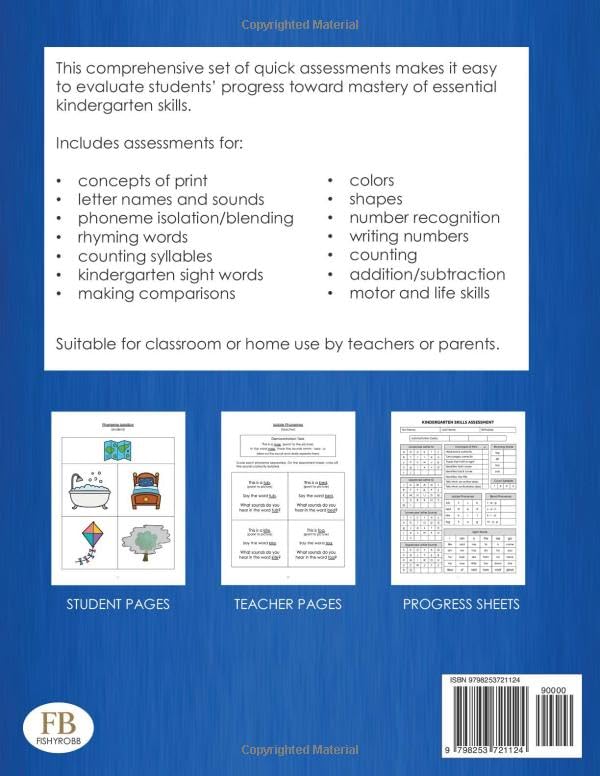
Essential Learning For Kindergarten Knowledge Test and Assessment Materials Testing Kit: Success In Kindergarten Progress Tracker For Reading Math Fine Motor Skills
- Education & Teaching
- Schools & Teaching
- Education Theory
6. Practical Steps You Can Take Before the First Day of School
Everything we have covered so far is useful only if it translates into something you can actually do on a Tuesday morning. Here is what the research supports as high impact, low cost preparation for kindergarten.
Build literacy every day, not just at bedtime
Reading aloud is non-negotiable. The American Academy of Pediatrics (AAP) recommends reading aloud to children from birth, and calls it "the single most important activity for building the knowledge required for eventual success in reading." Read slowly. Point to pictures. Ask "what do you think happens next?" and wait for the answer. That conversational reading style builds vocabulary and comprehension far better than passive listening.
Add in sound play. Make up silly rhymes in the car. Play "I spy something that starts with the ssss sound." Sing the alphabet, then sing it backwards. None of this requires curriculum materials, though a structured tool like the hand2mind Reading Readiness Activity Set can give you a scaffolded framework if you want one.
Develop fine motor skills through real activities
Pencil grip matters in kindergarten, but the way to build hand strength is not worksheets. It is play:
Build number sense through daily life
Count everything. Stairs, grapes on the plate, red cars on the way to the shops. Ask "which pile has more?" Put out three crackers and ask how many there would be if you added one more. These micro-conversations happen in the natural flow of a day and they are exactly what builds the early numeracy that predicts math scores years later.
Practice the social and emotional skills that classrooms require
Before September, give your child regular experience in small group settings. Arrange play dates that require sharing and taking turns. Read books together about starting school and talk about the feelings the characters have. Play school at home. Role play asking the teacher for help. Practice the physical routines: sitting at a table to eat, managing their own bag, putting on and taking off shoes.


Key Education Sentence Building Game, Phonics Puzzles for Kids Ages 6-8, Learn to Read Parts of Speech, Sight Words, and More, Speech Therapy Materials for Kindergarten, 1st Grade, and Up
- MULTI-PURPOSE LEARNING ACTIVITY: Practice building proper sentences with familiar sight words and picture card
- WHAT’S INCLUDED: This learning tool features 55 (2.2-inch x 2.2-inch) word cards color-coded by parts of speec
- HOW IT WORKS: Construct simple sentences by interlocking puzzle pieces to create sentence strips, and practice
Track where your child is and where the gaps are
If you want to understand your child's readiness profile before they walk through the school door, a structured assessment can help you and their teacher target support precisely. Tools like the Kindergarten Assessment Handbook give teachers and engaged parents a clear picture of literacy development levels, which makes it possible to meet each child's individual needs rather than guessing.
Essential Learning For Kindergarten kits offer a more comprehensive tracking approach across reading, math, and fine motor skills, which can be particularly useful if you are home educating or supporting a child who has missed some preschool time.
| Readiness Domain | Why It Predicts Scores | When to Focus | What to Do at Home | Recommended Product | Price Range |
|---|---|---|---|---|---|
| Phonological awareness | Strongest predictor of reading at ages 8–10 (NELP, 2007) | Ages 3–5 | Rhyming games, songs, sound play | hand2mind Reading Readiness Set | $20.99 |
| Letter and print knowledge | Predicts decoding speed and reading fluency | Ages 4–5 | Point to print while reading; label items at home | Kindergarten Readiness Workbook | $10.22 |
| Early numeracy and number sense | Predicts arithmetic through at least grade 2 | Ages 3–5 | Count in daily life; sort and compare objects | All Ready for Kindergarten Kit | $31.49 |
| Self regulation and executive function | Predicts math and reading 2–3 years post entry | Ages 3–5 | Rules-based play, Simon Says, board games | Key Education Sentence Building Game | $7.99 |
| Social competence | Predicts graduation rates and college completion at age 25 | Ages 2–5 | Group play, turn taking, emotion coaching | All Ready for Kindergarten Kit | $31.49 |
| Fine motor and writing readiness | Needed for classroom tasks from day one | Ages 3–5 | Playdough, threading, scissors, small construction toys | Essential Learning For Kindergarten Kit | N/A |
Expert Insights on Kindergarten Readiness
Conclusion
Here is the thing I want you to hold onto from everything we have covered: kindergarten readiness is not about whether your child is smart enough. It is about whether they have had enough warm, language rich, play filled experience to be able to learn in a group setting. That is something you have been building since the day they were born, and it is something you can still meaningfully influence in the months ahead.
The research does not tell this story to scare you. It tells it because the preschool years are genuinely the highest leverage time in a child's educational life. Small investments now have outsized returns later. Read together every night. Count the stairs. Play a board game. Talk over dinner. These are not trivial activities; they are the building blocks of a brain ready to learn.
Every conversation you have with your child today is laying the foundation for the scores they will achieve years from now.
If this article was useful, save it, share it with someone who has a child starting school soon, or come back to it as September gets closer.
Sources & References
- Duncan, G.J. & Magnuson, K. "The nature and impact of early achievement skills, attention skills, and behavior problems." Whither Opportunity? Rising Inequality, Schools, and Children's Life Chances. 2011. Russell Sage Foundation.
- Jones, D.E., Greenberg, M., & Crowley, M. "Early Social-Emotional Functioning and Public Health: The Relationship Between Kindergarten Social Competence and Future Wellness." American Journal of Public Health. 2015. https://doi.org/10.2105/AJPH.2015.302630
- Blair, C. & Razza, R.P. "Relating Effortful Control, Executive Function, and False Belief Understanding to Emerging Math and Literacy Ability in Kindergarten." Child Development. 2007. Vol 78(2), 647–663.
- National Early Literacy Panel. "Developing Early Literacy: Report of the National Early Literacy Panel." National Institute for Literacy. 2008. https://nifl.gov
- Hart, B. & Risley, T. Meaningful Differences in the Everyday Experience of Young American Children. 1995. Brookes Publishing.
- Clements, D.H. & Sarama, J. "Rethinking early mathematics: What is research-based curriculum for young children?" Early Childhood Research Quarterly. 2013.
- American Academy of Pediatrics. "Literacy Promotion: An Essential Component of Primary Care Pediatric Practice." Pediatrics. 2014. https://doi.org/10.1542/peds.2014-1384
- Center on the Developing Child, Harvard University. "The Science of Early Childhood Development: Closing the Gap Between What We Know and What We Do." 2007. https://developingchild.harvard.edu
- National Institute for Early Education Research (NIEER). "The State of Preschool Yearbook." 2023. https://nieer.org
- U.S. Department of Health and Human Services. "Head Start Early Learning Outcomes Framework: Ages Birth to Five." 2015. https://eclkc.ohs.acf.hhs.gov
- American Academy of Pediatrics. "Healthy Sleep Habits: How Many Hours Does Your Child Need?" 2022. https://healthychildren.org
Frequently Asked Questions
What age should I start preparing my child for kindergarten?
My child knows the alphabet but struggles to sit still. Should I be worried?
What is the difference between kindergarten readiness and school readiness?
Does kindergarten readiness really predict high school performance, or does it even out?
My child has been flagged as "not ready" for kindergarten. Should I hold them back a year?
Are there reliable tools to assess whether my child is kindergarten ready?
What role does sleep play in kindergarten readiness?
Was this helpful?
Thanks — your feedback helps us pick what to write next.