Preschool Feeding and Nutrition: What to Serve Ages 3 to 5
TL;DR: Quick summaryOffer your preschooler three meals and two snacks a day at regular times, with foods from each group: grains, vegetables, fruits, milk and meat or other protein. Expect fussiness, keep offering new foods calmly, and keep round and hard foods off the plate unti

In this article
TL;DR: Quick summary
Offer your preschooler three meals and two snacks a day at regular times, with foods from each group: grains, vegetables, fruits, milk and meat or other protein. Expect fussiness, keep offering new foods calmly, and keep round and hard foods off the plate until at least age 4.
What you'll get
About 25 minutes to read. Short on time? Read the bold lines and the Key Takeaways near the end.
Picture a four year old who ate three bites of chicken, pushed the broccoli to the edge of the plate, and asked for crackers right after dinner. You wonder whether she is getting enough, whether you are doing something wrong, and what on earth to cook tomorrow. If that sounds like your table, you are in very good company.
This guide is for parents and caregivers of children ages 3 to 5. I will walk you through what a day of eating can look like, how to structure meals and snacks, what to do about fussiness, which foods are choking risks, and how much milk and juice makes sense. I will also give you exact words to use at the table.
By the end, you should feel calmer about what "enough" looks like and clearer about what to do tonight. Nothing here needs special equipment or a perfect kitchen. Small, steady habits do most of the work.
What should a preschooler eat in a day?
A preschooler needs foods from each group across the day: grains, vegetables, fruits, milk and meat or other protein. Think of the day as a whole rather than judging one meal. Rough guides for amounts exist, but they are guides, not targets.
Your child should be eating from each of the food groups: grains, vegetables, fruits, milk and meat.
Cleveland Clinic
The rough numbers, and why they are only a guide
Cleveland Clinic says a preschooler generally eats between 1,200 and 1,600 calories a day, and that this varies with sex, weight, height and activity level. You do not need to count calories. I mention it so you know that a small eater and a bigger eater can both be perfectly normal.
The same source suggests at least 5 servings of fruit and vegetables a day, made up of 2 fruit and 3 vegetable. Spread across three meals and two snacks, that is roughly one fruit or vegetable at each eating time. That feels far more doable than "five a day" shouted at a toddler.
Johns Hopkins All Children's gives a daily breakdown: 3 ounces of protein, 2 to 2½ cups of dairy, ¾ cup to 1½ cups of vegetables that are not starchy, 1 cup of whole fruit and 1 cup of whole grains. The American Academy of Pediatrics (AAP) page on preschool feeding puts milk at about 3 servings of 1/2 cup a day.
Notice that the dairy figures do not match exactly. That is useful information, because it tells you these are ranges for planning, not a test your child passes or fails.
What a day can look like
Here is one example of a day that covers the groups without any heroics:
Protein does not have to be meat. Eggs, beans, lentils, fish and tofu all count, and you can mix them through the week. If your child refuses the main protein, offer another one at the next meal rather than worrying about that single plate.
Common mistakes

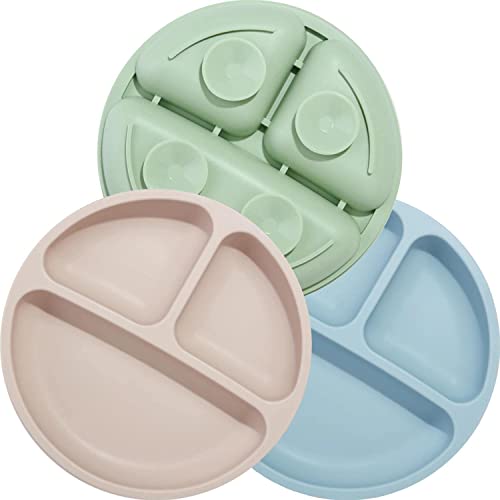


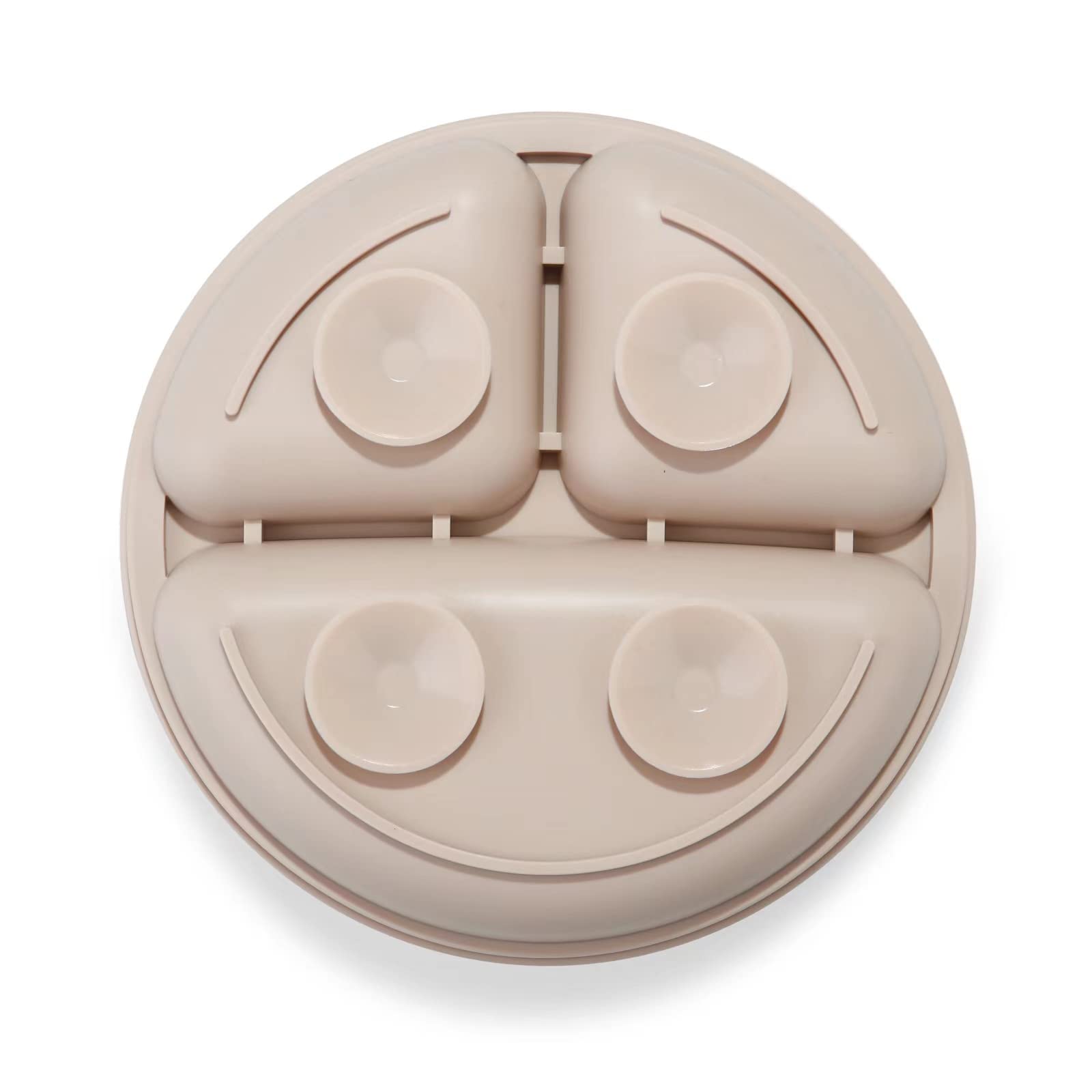
PandaEar 3 Pack Toddler Plates, Silicone Divided Suction Plate for Babies, BPA-Free 100% Food-Grade Silicone Unbreakable Baby Plate, Blue/Green/Beige
- 100% Silicone 3 Baby Plates - We have used BPA Free silicone in our silicone baby plate production so flavor…
- TODDLER PLATES - give your little one more independence at mealtimes with their very own silicone plate…
- EASY TO CLEAN - only the best materials have been used to make these kids plates as easy to clean as…
If portions are what worry you, a plate with sections can help you see the balance at a glance. A divided suction plate gives each food its own space, which also helps children who dislike foods touching. It is a tool, not a requirement, and an ordinary plate works too.
How many meals and snacks does a preschooler need?
Most preschoolers do well with three meals and two snacks a day at structured times. Set times matter because small stomachs fill quickly, and grazing all day leaves children too full or too distracted to eat properly at meals.
Why structure beats grazing
Picture a three year old who nibbles crackers, sips juice and picks at cheese from breakfast until bedtime. By dinner, she is not hungry, so she refuses the meal, and by 7pm she is "starving" again. Parents read this as a picky eater, when it is often a timing problem.
Regular eating times let hunger build in a healthy way. Your child learns that food comes at predictable times, which also takes the pressure off any single meal. If dinner goes badly, the next snack or meal is not far away.
A simple rhythm might look like this:
- Breakfast soon after waking
- A morning snack, then lunch
- Lunch
- An afternoon snack
- Dinner, with only water offered in the period before it
I am deliberately not giving you exact clock times, because they depend on your child's nap, preschool hours and your own day. What matters is that the times are roughly the same most days.
What makes a good snack?
Snacks are not a throwaway. They are an opportunity to give extra nutrients and should include at least two food groups, a fruit or vegetable plus a protein. That is a handy rule because it stops snack time becoming a crackers and nothing else situation.
Some combinations to try, all soft or easy to chew safely:
I have kept apples, grapes, nuts and cheese chunks off this list on purpose; the choking section later explains why. Packaged snack foods can be surprisingly salty too, and toddler sodium limits are worth a look if your child lives on bars, crackers and cheese crisps.
What to say when they ask for a snack outside snack time
Children test boundaries, and "I'm hungry!" ten minutes after a meal is very normal. You can stay kind and still hold the line.
Try: "I can hear you're hungry. Snack is after your nap. Would you like to help me choose what goes on the plate?" Offering a choice about the snack, not about whether it happens, keeps the routine intact and keeps your child involved.
If your child genuinely ate little at the last meal, it is fine to bring the next snack forward a little. The structure is a guide, not a rule that overrides a hungry child.
Common mistakes
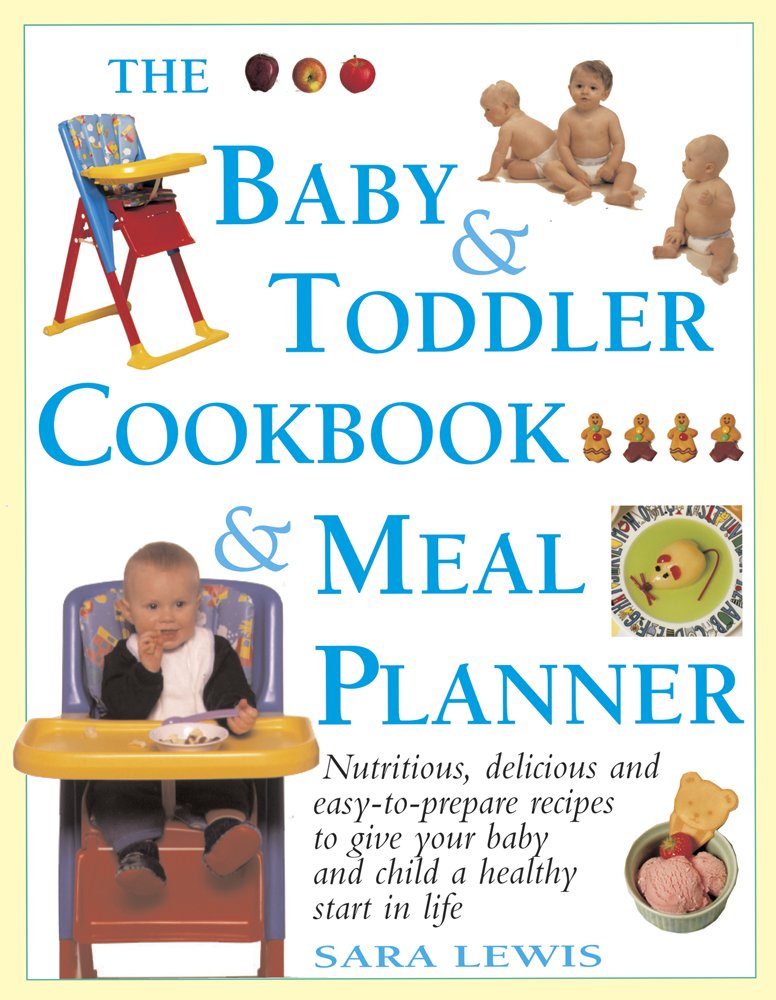
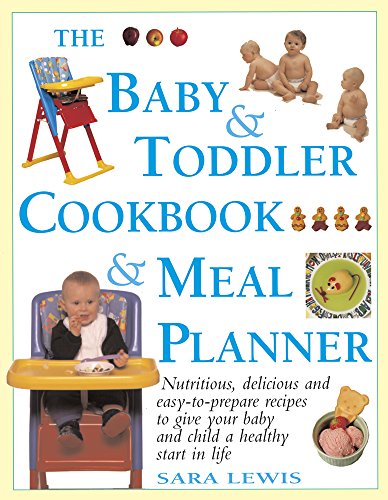
The Baby & Toddler Cookbook & Meal Planner: Nutritious, Delicious And Easy-To-Prepare Recipes To Give Your Baby And Child A Healthy Start In Life
- Cookbooks, Food & Wine
- Special Diet
- Image Unavailable Image not available forColor
If planning is what trips you up, a cookbook with a built in meal planner can take the daily "what do we eat?" decision off your plate. Feeding Toddlers: The Complete Guide to Maintaining Nutrition and Variety with Easy Family Meals is another option for family meal ideas. Both are written with toddlers in mind, so treat the recipes as a starting point and adjust textures for your older preschooler.
Is picky eating normal at ages 3 to 5?
Yes. Preferring one or two foods, or refusing certain foods, is a normal behaviour at this age. The best response is calm, repeated exposure to a variety of nutritious foods, without pressure, bribes or battles.
What the research says
Caregivers should be reassured that picky eating is a common stage of development that is unlikely to cause lasting harm. I say this to parents all the time, because most of the worry I hear is about harm that is very unlikely to happen.
The key strategy is graded and repeated exposure to unfamiliar foods. As many as 10 to 15 positive experiences may be needed before a child accepts a new food. "Positive" is the important word. A food that arrives with a lecture or a standoff is a negative experience, and it does not count.
That number changes how you read a refusal. Your child pushing away a pea on day three is not a verdict. It is day three of fifteen.
What to say at the table
Children this age hear pressure very clearly, even in a sweet voice. Compare these:
The word "yet" is doing quiet, helpful work there. It tells your child that tastes change, without making it a contest.
Serve one food you know your child usually eats alongside the new one, so the plate is never entirely unfamiliar. Put a very small amount of the new food on the plate. A huge pile of unwelcome broccoli looks like a threat, while two florets look like an invitation.
Ways to make new foods less scary
- Serve the new food in a different form on different days (raw and soft, cooked, mashed, mixed into a sauce).
- Let your child help wash, stir or choose it at the shop.
- Eat it yourself, visibly, without commentary.
- Keep portions tiny and repeat the offer over weeks.
- Move on calmly if it is refused, and offer it again later in the week.
For more on the bigger picture, our guide on what every parent needs to know about picky eaters goes deeper into causes and reassurance.
Common mistakes
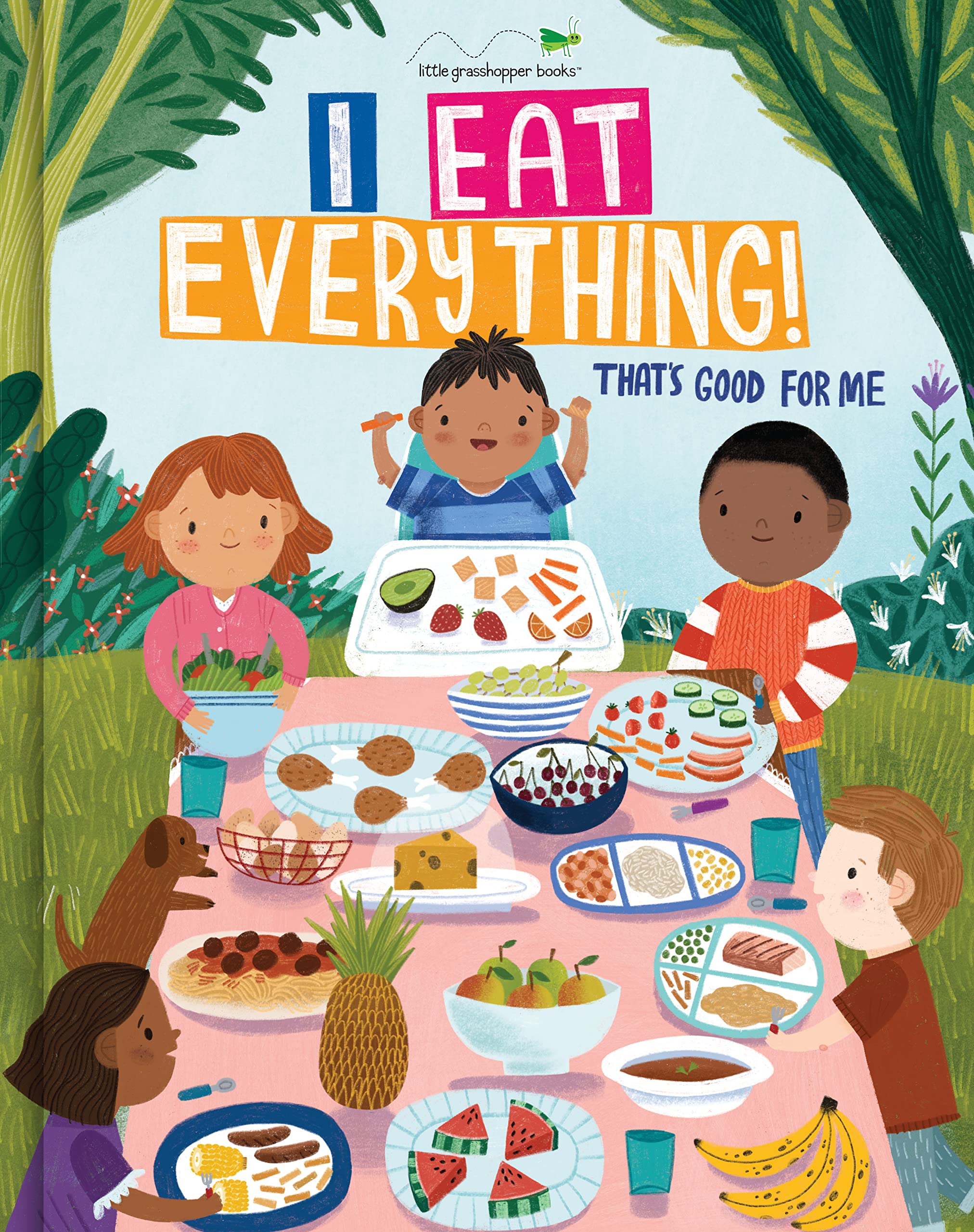
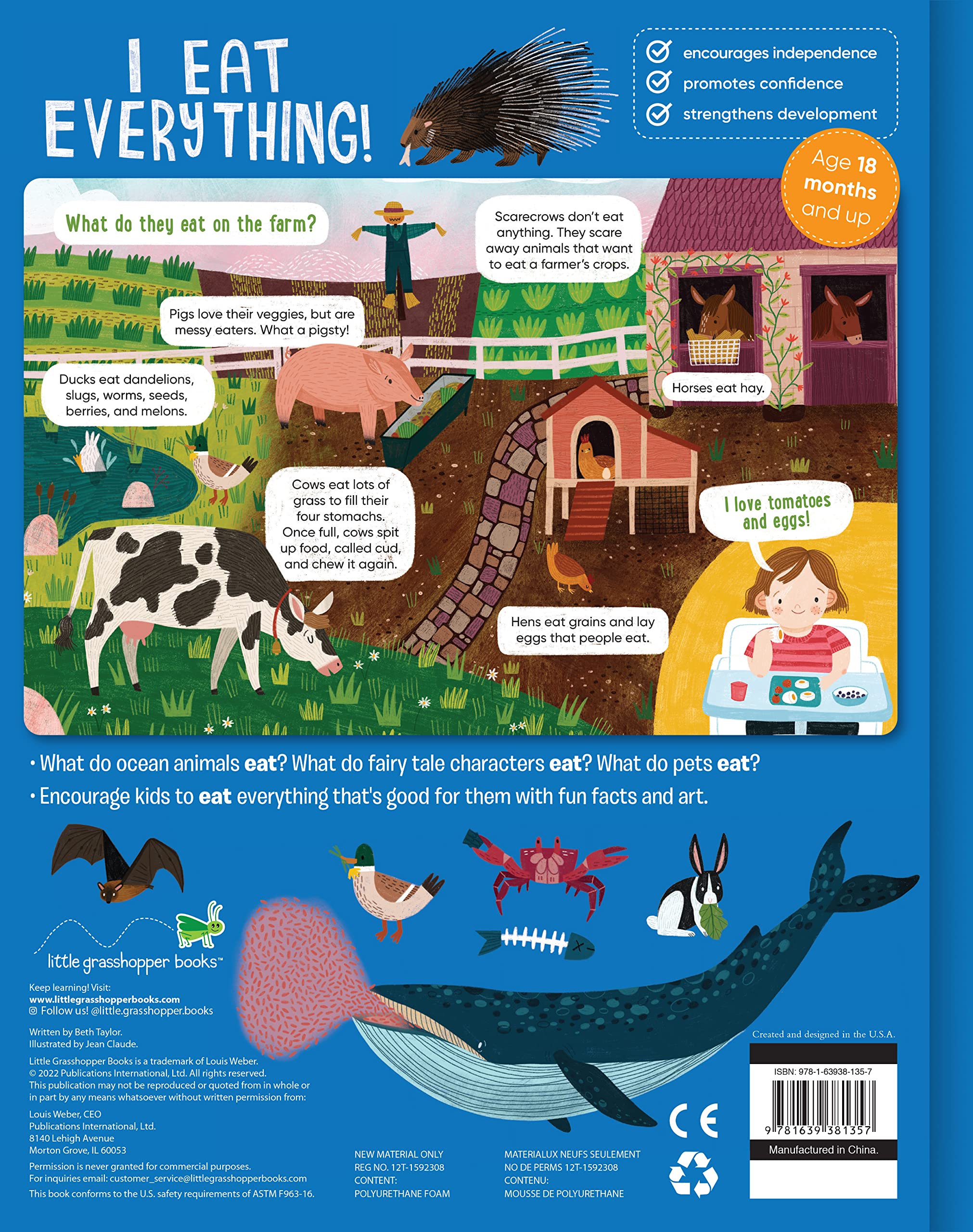
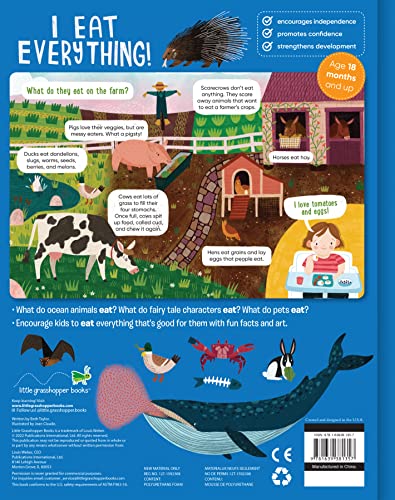
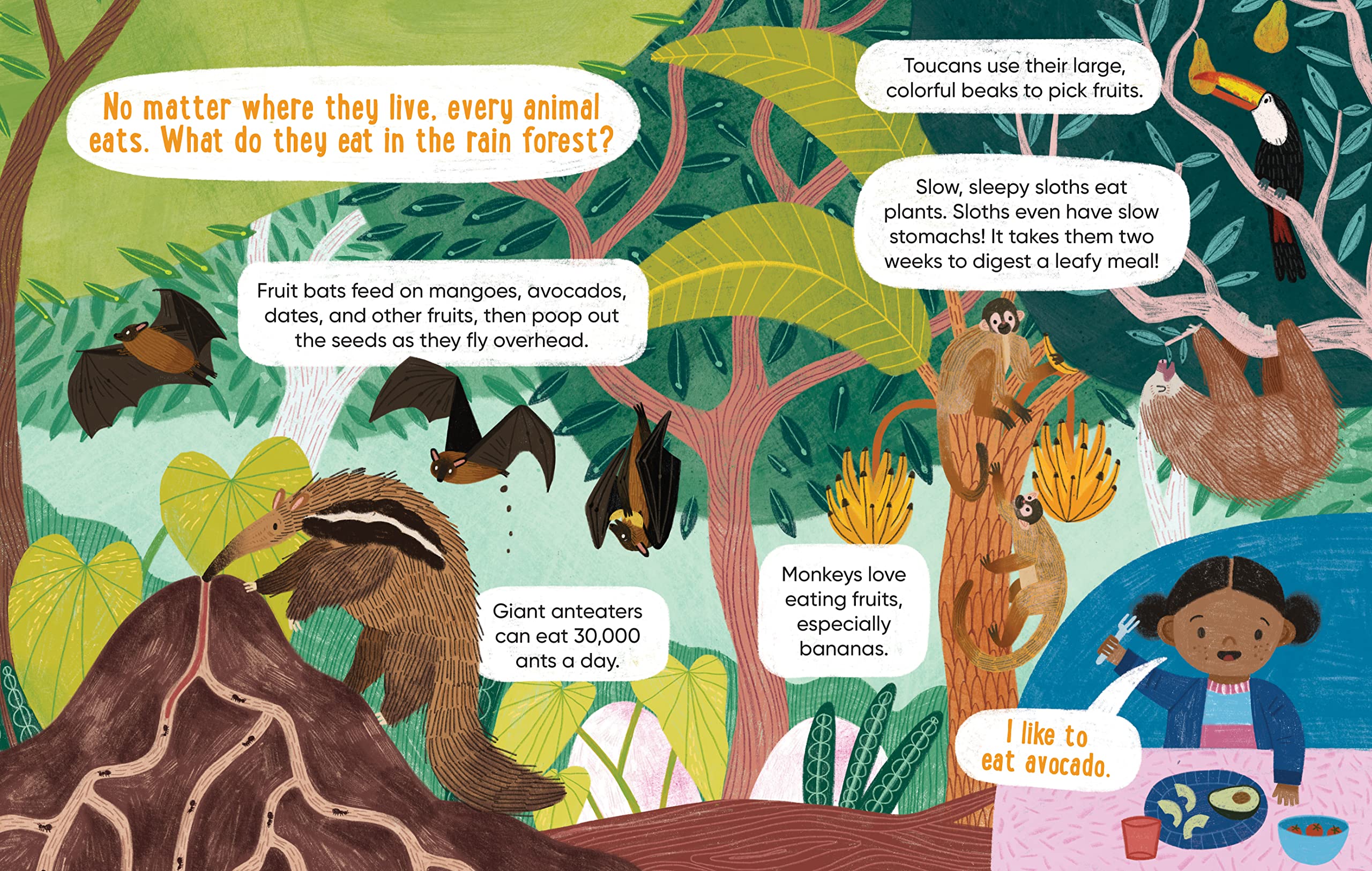
I Eat Everything!:That's Good for Me (For Kids 18 Months - 6 Years Old) (Early Learning)
- Children's Books
- Growing Up & Facts of Life
- Diet & Nutrition
Picture books can help take the heat out of it. I Eat Everything! is a book about foods that are good for you, and reading it away from the table lets your child meet vegetables without any pressure to eat them.
When to ask for help
Fussiness that is ordinary stays within a pattern: your child eats a limited range, is growing and has energy. Ask your doctor or health visitor if your child is eating a very small number of foods, gags or vomits regularly with certain textures, seems to be losing weight, or if mealtimes cause real distress for the whole family. You are not overreacting by asking.
Which foods are choking hazards for preschoolers?
Hold back hard, small and round foods, such as whole nuts, grapes, hot dog pieces, popcorn, hard candy and marshmallows, until at least age 4, and for some foods until age 5. Cut other foods small and keep your child seated while eating.
What the guidelines say
Choking guidance varies a little between organisations, so here is what the main sources say. Child care guidance from the US Department of Health and Human Services says caregivers and teachers should not offer children younger than 4 foods that may cause choking, such as hot dogs, popcorn, apples and grapes.
The AAP advises keeping dangerous foods from children until 4 years of age or older, depending on each child's development and maturity level.
Safe Kids goes a step further and says children under 5 should not eat small, round or hard foods, including pieces of hot dogs, cheese sticks or chunks, hard candy, nuts, grapes, marshmallows or popcorn. A review of guidelines also found small differences in the age at which these foods can be offered, ranging from 3 to 5 years old.
How to use this in real life
When sources disagree, I suggest this approach: treat age 4 as the minimum, and treat age 5 as the safer line for the hardest, roundest foods. If your child is a fast eater, stuffs food in, or runs around with food in their mouth, stay at the cautious end for longer. Maturity matters too, not only the birthday.
Some specifics:
Ask your doctor or health visitor how to prepare grapes, apples, nuts and nut butters safely for your child once they are past the age line you are using. I would rather you get advice that fits your child than guess.
Mealtime habits that lower the risk
- Have your child sit down to eat, not run, play or walk with food.
- Stay close and watch during meals and snacks.
- Turn off screens at the table so your child is paying attention to chewing.
- Encourage small bites and slow eating, with a sip of water if food seems dry.
- Check every plate and lunchbox before it leaves your hands.
Eating in the car is worth a second look. You cannot watch your child from the driver's seat, so save snacks for stops.
Common mistakes
Cutting a hot dog into coins still leaves a round piece, the shape the guidelines warn about.
If you have never done a first aid course for children, consider doing one. It is one of the most useful two hours you can spend as a parent. If your child is choking and cannot cough, speak or breathe, call emergency services straight away.
How much milk, juice and water does a preschooler need?
Preschoolers need about 3 servings of low fat or fat free milk a day, with each serving about 1/2 cup. Juice should be limited to a small glass at most, and water should be the main drink between meals.
Milk: how much and what type
The AAP says preschoolers need about 3 servings (1/2 cup for this age) of fat free (skim) or low fat (labeled 1%) milk every day. Johns Hopkins gives a broader daily dairy range of 2 to 2½ cups. Dairy includes yogurt and cheese too, so milk does not have to carry the whole load.
Some children drink far more milk than this and then have no room left for food. It is one of the most common reasons I see a preschooler who "never eats". If your child is drinking several large cups, try cutting back to the amounts above and offering milk with meals instead of between them. Our guide to milk for kids and how to choose by age covers the types in more detail.
If your child cannot or does not drink milk, talk to your doctor or a dietitian about other ways to cover dairy foods. Plant milks vary a lot, so do not swap them in without advice.
Juice: small, occasional, labeled 100%
Juice is where well meaning parents get tripped up. Johns Hopkins says the AAP recommends no more than 4 ounces a day. The AAP's own parent page says that if you do give juice, limit it to 1 small glass (4 to 6 ounces) a day and check the label says "100% fruit juice."
The two numbers differ slightly, so treat that as a ceiling rather than a target. Whole fruit gives your child fibre and takes longer to eat, which is why it is generally the better choice over juice.
The CDC says children younger than 24 months should not have added sugars. Your preschooler is past that age, but the habit is easier to prevent than to unpick. Sweet drinks, flavoured milks and fruit "drinks" that are not 100% juice add sugar without adding much else.
Water and the sipping problem
Water is the best drink between meals. Offer it freely, in a cup your child can handle alone. Keep the milk and juice to meal and snack times, so they do not blunt appetite.
Constant sipping on anything sweet also bathes teeth in sugar for hours. If your child walks around with a sippy cup of juice or milk, switch to water in it and keep other drinks at the table.
What to say
When your child asks for juice outside meal times, try: "Juice is for lunch time. Right now we have water. Would you like the blue cup or the red one?" The choice is real, but it sits inside a boundary that does not move.
If your child cries for juice, stay calm. The first few days are the hardest, and it usually fades faster than you expect. Do not give in during a tantrum, because that teaches your child that crying works.
Common mistakes
How can I get my preschooler involved in mealtimes?
Give your preschooler small, real jobs: washing vegetables, stirring, choosing between two foods, setting the table. Helping prepare food can turn the kitchen into a place for connection, not pressure.
Jobs for little hands
Preschoolers are surprisingly capable, and they love feeling useful. Safe jobs include washing fruit and vegetables, tearing lettuce, stirring batter, adding ingredients you have measured, mashing a banana and setting out napkins.
Keep any knife work, hot pans and oven tasks for you. For more ideas on skills that build up through the early school years, see why cooking skills matter most between ages 5 and 8. Getting your three or four year old comfortable in the kitchen now lays the groundwork.
Picture a child who stirs the yogurt and berries herself, then spots a strawberry and says, "I made that." Pride can be a helpful way to encourage a reluctant eater to try a bite.
Offering choices that work
Limited choices give your child control without turning dinner into a negotiation. Try:
Avoid open questions like "What do you want for dinner?" The answer is almost always pasta or crackers, and you end up cooking to order.
Make the table a pleasant place
Meals go better when they are relaxed. Sit down together when you can, put phones and the television away, and talk about anything but the food. Children often learn about food by watching the adults around them eat.
If your child is not eating, resist the urge to coax, count bites, or hover. For ideas on keeping your cool, our guide to positive parenting and gentle discipline has useful tools for the moments when dinner feels like a power struggle.
Books and tools that help
Reading about food away from the table can make it feel familiar. Mealtime is a short board book from the Toddler Tools series, good for a quick read before sitting down. The Food Groups is a picture book for toddlers, kids and preschoolers about the food groups, which fits well with the five groups your child is aiming for across the day.
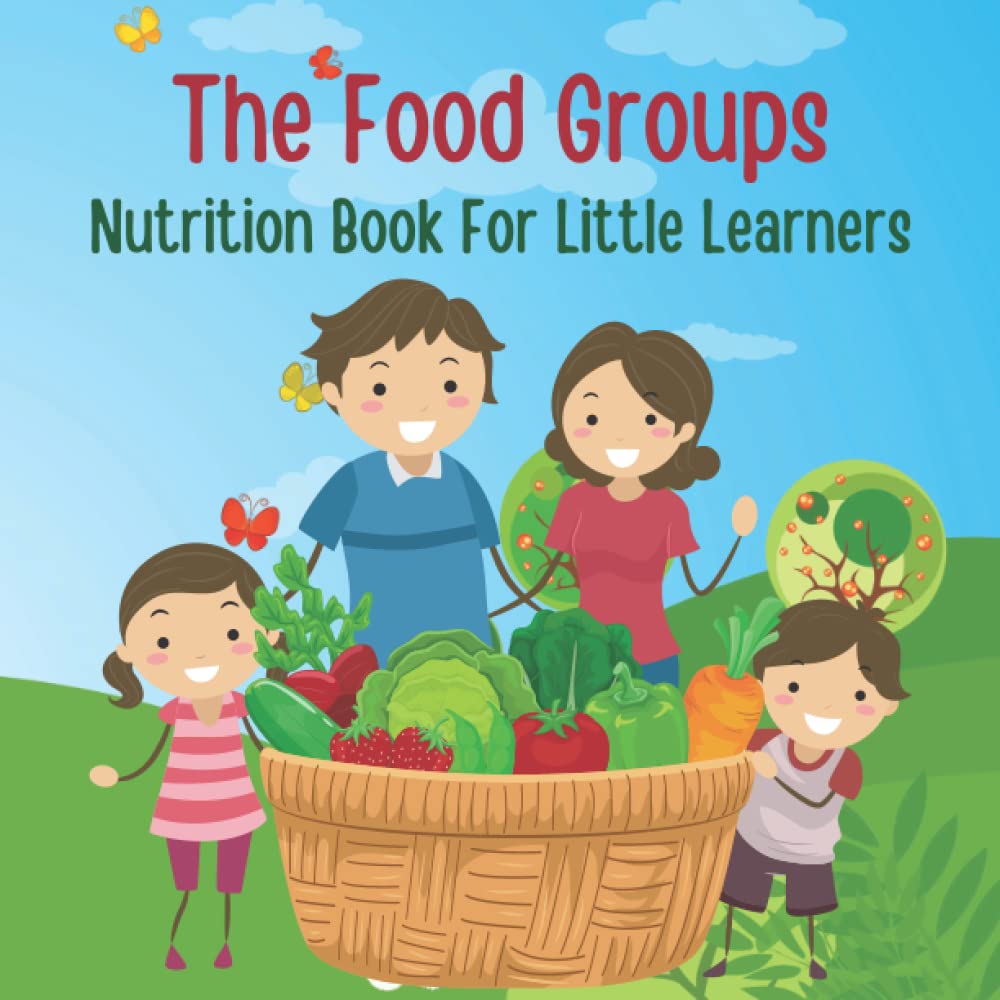
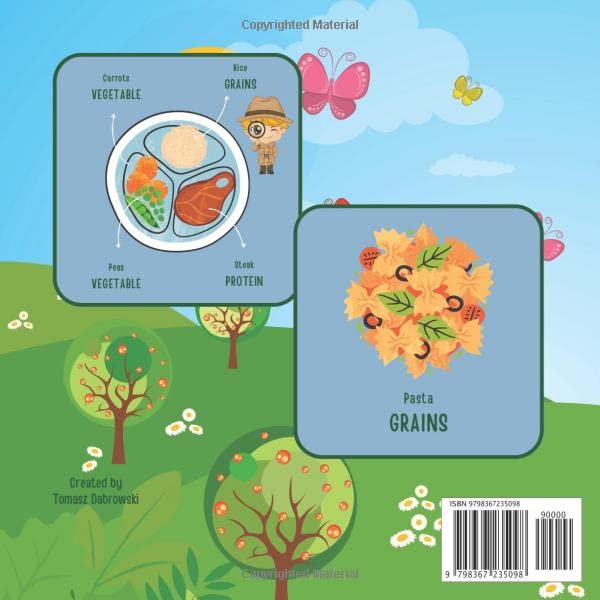
The Food Groups: Nutrition Book For Little Learners. Early Learning Picture Book for Toddlers, Kids, and Preschoolers.
- Children's Books
- Growing Up & Facts of Life
- Diet & Nutrition
A book will not fix fussiness by itself. Think of it as one more friendly way for your child to meet foods, without any pressure to eat them.
Common mistakes
When should I worry about my preschooler's eating?
Worry if your child is losing weight, not growing as expected, has very low energy, or eats an extremely narrow range of foods. Most fussy eaters are fine. If you are unsure, ask your doctor or health visitor, who can check growth and talk through what you are seeing.
Signs that are usually reassuring
Most preschoolers with ordinary picky eating share a few traits. They have energy, they are growing along their own curve, they eat something from several food groups over the week, and their appetite varies from day to day. That last point is key. Appetite in this age group goes up and down from day to day.
Signs worth a conversation
Ask your doctor or health visitor about your child's eating if you notice any of these:
I have deliberately not set a number of days or foods for these, because the right threshold depends on the child. Your clinician can look at the growth chart, which tells a far more reliable story than anything we can judge at home.
Do preschoolers need vitamins or supplements?
Ask your paediatrician whether your child needs any extras, especially if your child eats a very narrow range, avoids whole food groups or follows a restricted diet. Please do not start high dose supplements on your own.
If you are weighing it up, our guide to kids' probiotics and vitamins walks through what to ask and what to look for on labels.
Building a plan that you can sustain
- Keep a quick food diary for three or four days to see what is actually eaten.
- Note which food groups are thin and choose one to improve first.
- Keep your routine: three meals and two snacks at set times.
- Offer new foods repeatedly and calmly.
- Book a check up if anything in the list above fits.
Planning is easier with a book of simple recipes. 
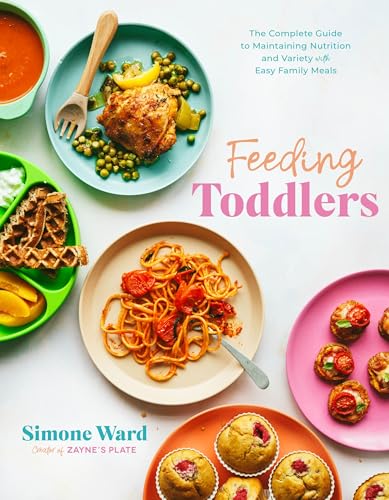
Feeding Toddlers: The Complete Guide to Maintaining Nutrition and Variety with Easy Family Meals
Common mistakes
Which mealtime tools can help?
You do not need gadgets to feed a preschooler well. Still, a few tools and books can make routines easier, and here is how the options compare.
| Option | Best Age Range | Primary Benefits | Main Drawbacks | Recommended Product | Price Range |
|---|---|---|---|---|---|
| Divided suction plate | Toddlers into the preschool years | Shows portions and food groups at a glance and stays put on the table | Does not change fussiness by itself | PandaEar 3 Pack Toddler Plates | $8.86 |
| Family meals guide | Parents of toddlers and young preschoolers | Easy family recipes with a focus on variety | Written with toddlers in mind, so textures may need adjusting | Feeding Toddlers: The Complete Guide | Check current price |
| Cookbook and meal planner | Parents of babies, toddlers and young preschoolers | Recipes and a planner to cut daily decision fatigue | Aimed at younger children, so some recipes will feel too basic | The Baby & Toddler Cookbook & Meal Planner | $18.98 |
| Mealtime board book | Toddlers and young preschoolers | Short, sturdy and good for a pre meal read | Very brief, so it works best as one tool among several | Mealtime (Toddler Tools Board Books) | $9.31 |
| Picture book about eating well | From about 18 months to 6 years | Introduces healthy foods with no pressure | Will not change eating on its own | I Eat Everything! | $7.36 |
| Food groups picture book | Toddlers, kids and preschoolers | Names the food groups in friendly, simple terms | Only one review so far, so look inside before you buy | The Food Groups | $10.57 |
Key Takeaways
- Aim for all five food groups across the whole day: grains, vegetables, fruits, milk and meat or other protein.
- Offer three meals and two snacks at structured times, and make snacks include two food groups.
- Picky eating is a normal stage, and new foods can take 10 to 15 positive experiences to be accepted.
- Keep small, round and hard foods off the plate until at least age 4, and be cautious until 5 for the riskiest ones.
- Limit juice to a small glass at most, offer about 3 half cup servings of fat-free or low-fat milk, and make water the main drink.
- Give your child small kitchen jobs and limited choices, and keep pressure and bribes away from the table.
- Ask your doctor or health visitor if your child is losing weight, not growing as expected, or eating a very narrow range of foods.
Feeding a preschooler is rarely tidy. Some days your child will eat like a champion, and others they will live on crackers and sheer willpower. Both can be perfectly normal, and neither says anything about your parenting.
What helps most is a steady rhythm, a calm tone and the patience to keep offering good food without making a fuss. You set the table; your child decides what to put in their mouth.
Remember this: a calm table and a steady routine will do more for your preschooler's eating than any single perfect meal. If this guide helped, save it for the next fussy week and share it with the other adults who feed your child.
Sources & References
- Cleveland Clinic. "What Should My Preschooler Be Eating?"
- Johns Hopkins All Children's Hospital. "Preschool Aged Healthy Weight Toolkit from Johns Hopkins All Children's."
- American Academy of Pediatrics. "Preschool Food & Feeding." HealthyChildren.org.
- CDC. "Foods and Drinks to Avoid or Limit."
- HHS. "4.5.0.10 Foods that Are Choking Hazards."
- American Academy of Pediatrics. "Choking Prevention for Babies & Children: What Every Parent Needs to Know." HealthyChildren.org.
- Safe Kids Worldwide. "Choking and Strangulation."
- Raising Children Network. "Choking hazards & prevention: children."
- NIH National Library of Medicine. "Regulatory and Educational Initiatives to Prevent Food Choking Injuries in Children: An Overview of the Current Approaches."
- American Academy of Pediatrics. "Toddler Food and Feeding."
- NIH National Library of Medicine. "Picky eating in children: causes and consequences."
Frequently Asked Questions
How much should a 4 year old eat in a day?
Should I make my preschooler finish everything on the plate?
What kind of milk should my preschooler drink?
Are grapes and other round foods safe for a 4 year old?
Is juice okay for preschoolers?
How many times do I need to offer a new food?
Can snacks replace a meal my child skipped?
Was this helpful?
Thanks — your feedback helps us pick what to write next.