Mom Life Is Hard: The Real Mental Health Story Behind Motherhood
Motherhood is one of the most mentally demanding roles a person can take on, and the data shows that maternal mental health struggles are common, underdiagnosed, and treatable at every stage of a child's life.

In this article
Picture this: it is 5:47 AM. The coffee is hot for exactly four minutes before a three-year-old materialises, needing their specific blue shirt (the dirty one), and a school form that was due yesterday. By 9:00 PM, when the house finally quiets, there is not a drop of energy left for the woman who made all of it happen. According to the American Psychological Association, mothers report significantly higher rates of stress, burnout, and loneliness than fathers or non-parents, yet they are also the least likely to seek professional support.
This article is not about glorifying exhaustion. It is about naming what is actually hard, why it is hard, and what the research says you can do about it. Whether your youngest is six days old or sixteen years old, you will find something here that fits.
In this guide, you will understand:
1. The Mental Load Is a Medical Issue, Not a Mindset Problem
The invisible labour of motherhood has a measurable neurological footprint. "Mental load" refers to the cognitive work of anticipating, planning, and monitoring every detail of family life; and research published in the journal Sex Roles confirms that this burden falls disproportionately on mothers, regardless of employment status.
Your brain is running a background operating system at all times: tracking the pediatrician appointment, the permission slip, the fact that the breadcrumbs are almost gone. This chronic low-grade cognitive activation keeps your stress-response system, specifically the hypothalamic-pituitary-adrenal axis, in a state of mild but persistent overdrive. Over months and years, that translates into elevated cortisol, disrupted sleep, and a heightened risk of anxiety and depression.
What this looks like across ages
- Newborn (0–3 months): Every feed, nappy change, and cry requires a decision. With sleep deprivation compounding cognitive load, new mothers are operating in a neurologically compromised state around the clock. - Toddler (1–3 years): Safety monitoring becomes relentless. Studies show that mothers of toddlers report the highest moment-to-moment vigilance of any parenting phase. - School age (5–12): The administrative load peaks. Schedules, friendships, academic worries, and extracurricular logistics layer on top of everything else. - Teen (13–17): The mental load shifts to emotional monitoring, worrying about what you do not know, and grieving the child who no longer needs you in the same way.
A 

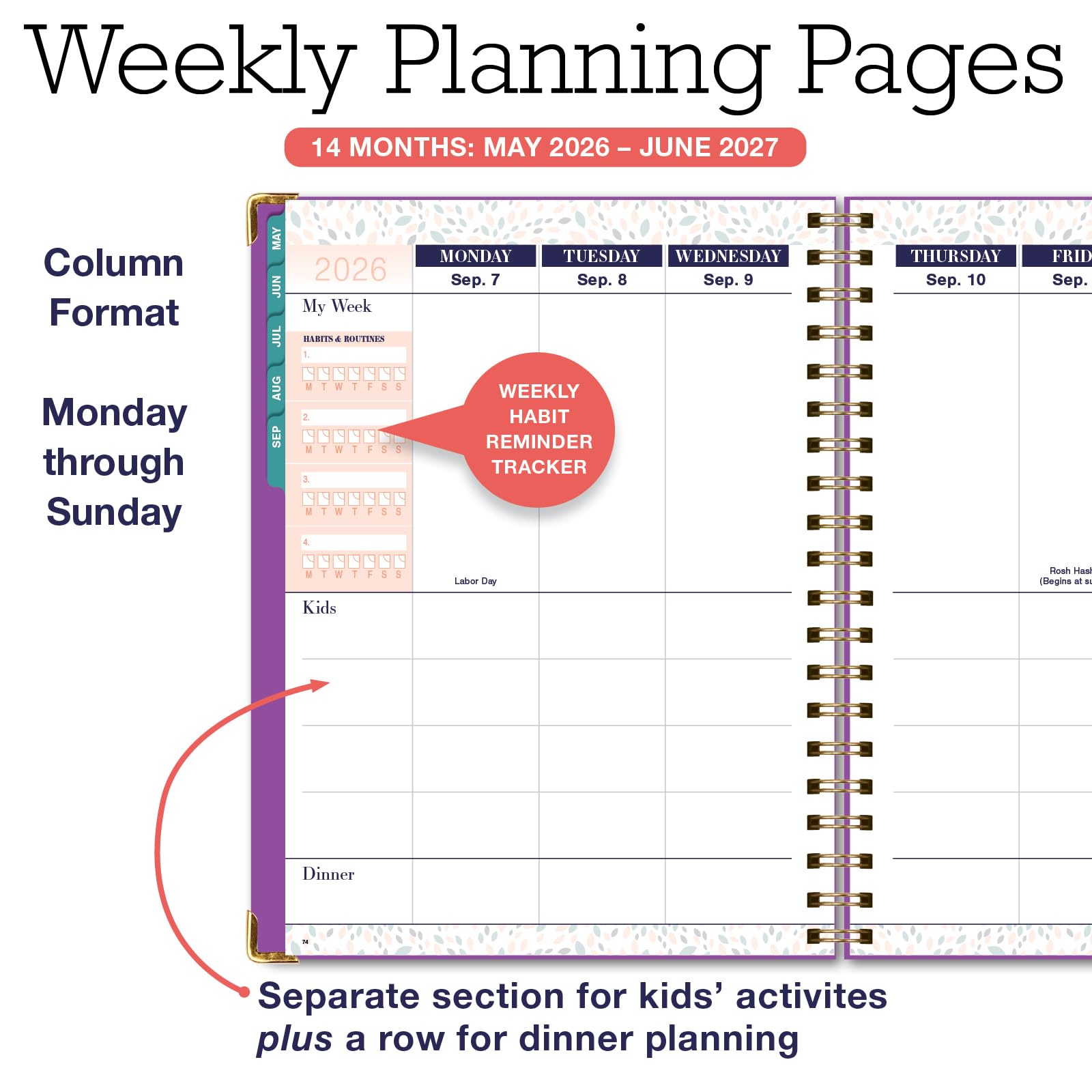
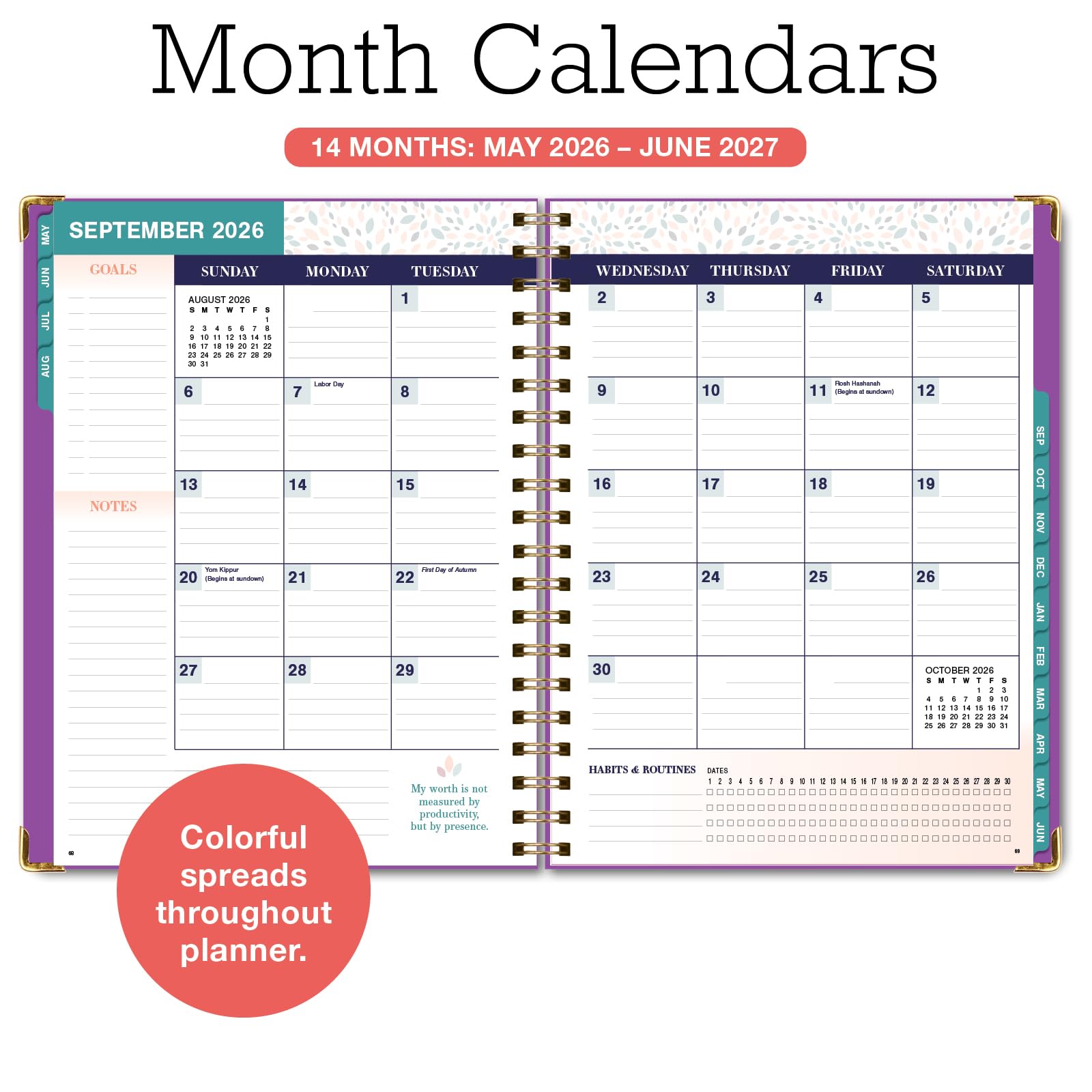
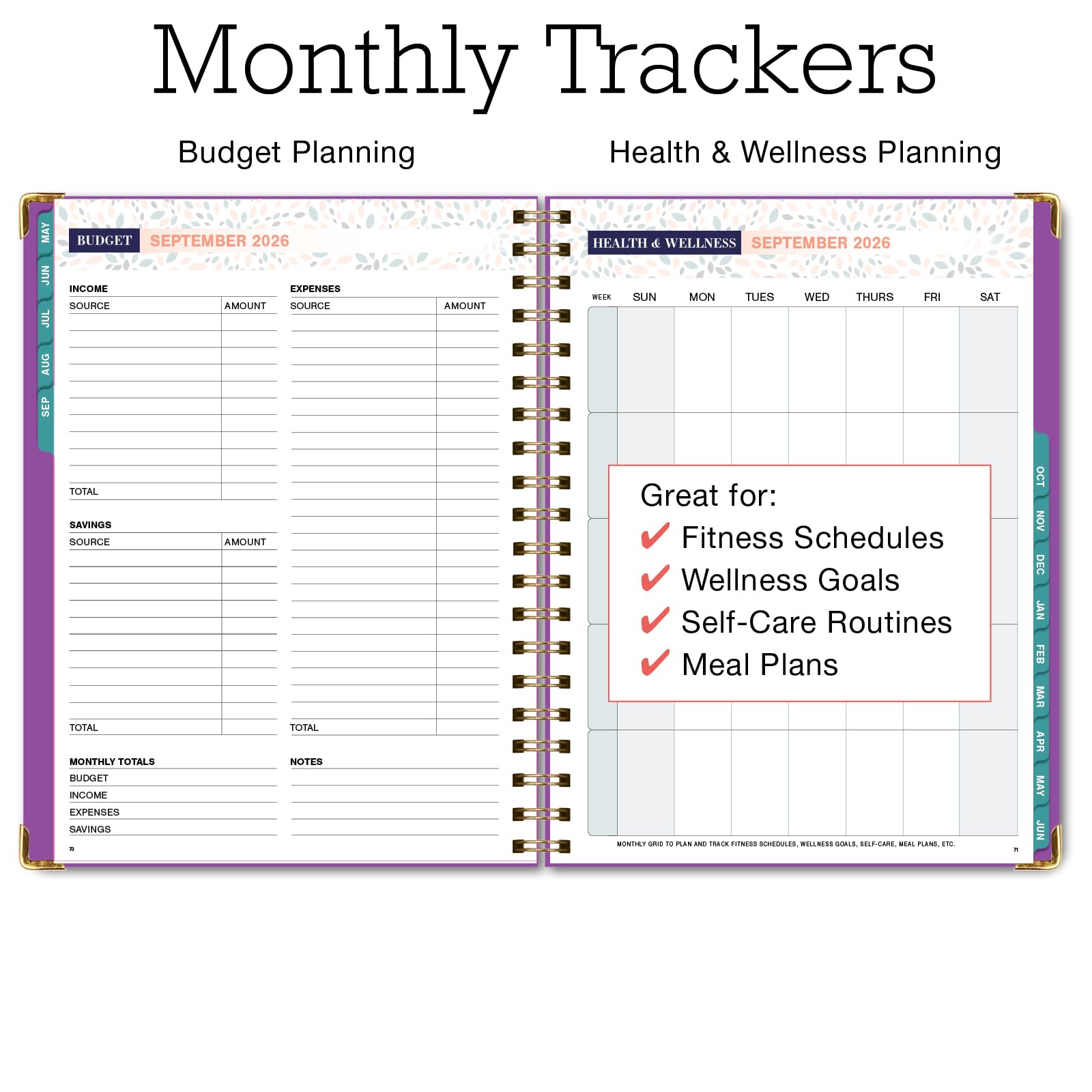
FAMILY PLANNER ORGANIZER – 8.5" x 11" Weekly & Monthly Calendar (May 2026-Jun 2026). 5+ People, Meal Planning, Budgeting, Habit Tracker – Hardcover, Household Schedule Organizer for Parents, Kids, & Caregivers (Rainbow Floral)
2. Perinatal Mental Health: The Crisis Nobody Talks About Loudly Enough
Postpartum depression is the most common complication of childbirth. The Centers for Disease Control and Prevention (CDC) report that approximately 1 in 8 women experience postpartum depression symptoms, and broader estimates including anxiety, OCD, and postpartum psychosis push the figure closer to 1 in 5. These are not rare edge cases; they are the leading complication of having a baby.
Despite this, the Edinburgh Postnatal Depression Scale (EPDS), the gold-standard screening tool, is still not universally administered at every postpartum visit. Many mothers leave the six-week check having been asked about their incision site but not their inner life.
Red flags to take seriously
If you recognise these signs, the fourth-trimester care framework your GP or midwife should be following includes mental health screening as a core component. Do not wait until the six-week check; call the next working day.
A structured planner like the Undefining Motherhood pregnancy organiser is not just for logistics; it includes prompts that help first-time mothers articulate what they are experiencing, which is often the hardest part of reaching out.
3. Isolation and Loneliness: The Hidden Toll of Modern Motherhood
Social isolation is a physiological stressor. A landmark 2015 meta-analysis by Holt-Lunstad and colleagues, published in Perspectives on Psychological Science, found that loneliness carries the same mortality risk as smoking 15 cigarettes a day. For mothers, isolation is not a personality problem; it is a structural one.
Maternity leave often coincides with the departure of a professional identity and a daily social environment. Friends without children drift. Friends with children are just as exhausted. Partners return to workplaces where adult conversation is simply part of the day. And the mother is left in a house that can feel, paradoxically, both full and completely lonely.
The pressure to perform motherhood perfectly for an audience compounds this isolation rather than relieving it. Understanding why modern parenthood feels like a performance can help you recognise when your social media habits are draining rather than replenishing your social reserves.
Building a real village in 2025
- Local: Mother and baby groups, school gate regulars, neighbourhood apps (Nextdoor, etc.) - Digital: Moderated online communities, not comment sections but actual facilitated groups - Structured: Parent-infant therapy groups, postnatal yoga, toddler music classes where the parent is as welcome as the child - Professional: A therapist or counsellor who specialises in maternal mental health counts as part of your village, not a last resort
4. Self-Care That Actually Works (Not the Instagram Version)
Self-care as marketed to mothers is a commercial construct. Bubble baths and face masks are fine, but they do not address the neurological depletion that real maternal burnout produces. Evidence-based self-care looks different, and it starts with sleep.
The CDC classifies insufficient sleep as a public health epidemic. Mothers of children under five are among the most sleep-deprived adults in any population study. Sleep deprivation of just six or fewer hours per night measurably impairs emotional regulation, working memory, and immune function. You cannot out-gratitude your way past that biology.
The self-care hierarchy for mothers
1. Biological basics: Sleep, food, hydration, movement. These are non-negotiable and non-negotiably neglected. 2. Identity maintenance: Time spent doing something that is yours, not a role. Art, reading, running, learning. This is what mindful parenting really means in practice: being a whole person, not just a function. 3. Relational repair: Regular, honest check-ins with your partner or support person, with a therapist if needed. 4. Administrative calm: When the logistics of family life are organised, your nervous system can rest. A tool like the Votum 18-month planner gives the chaotic second half of the week a visible structure, which reduces the ambient anxiety of "what am I forgetting?"
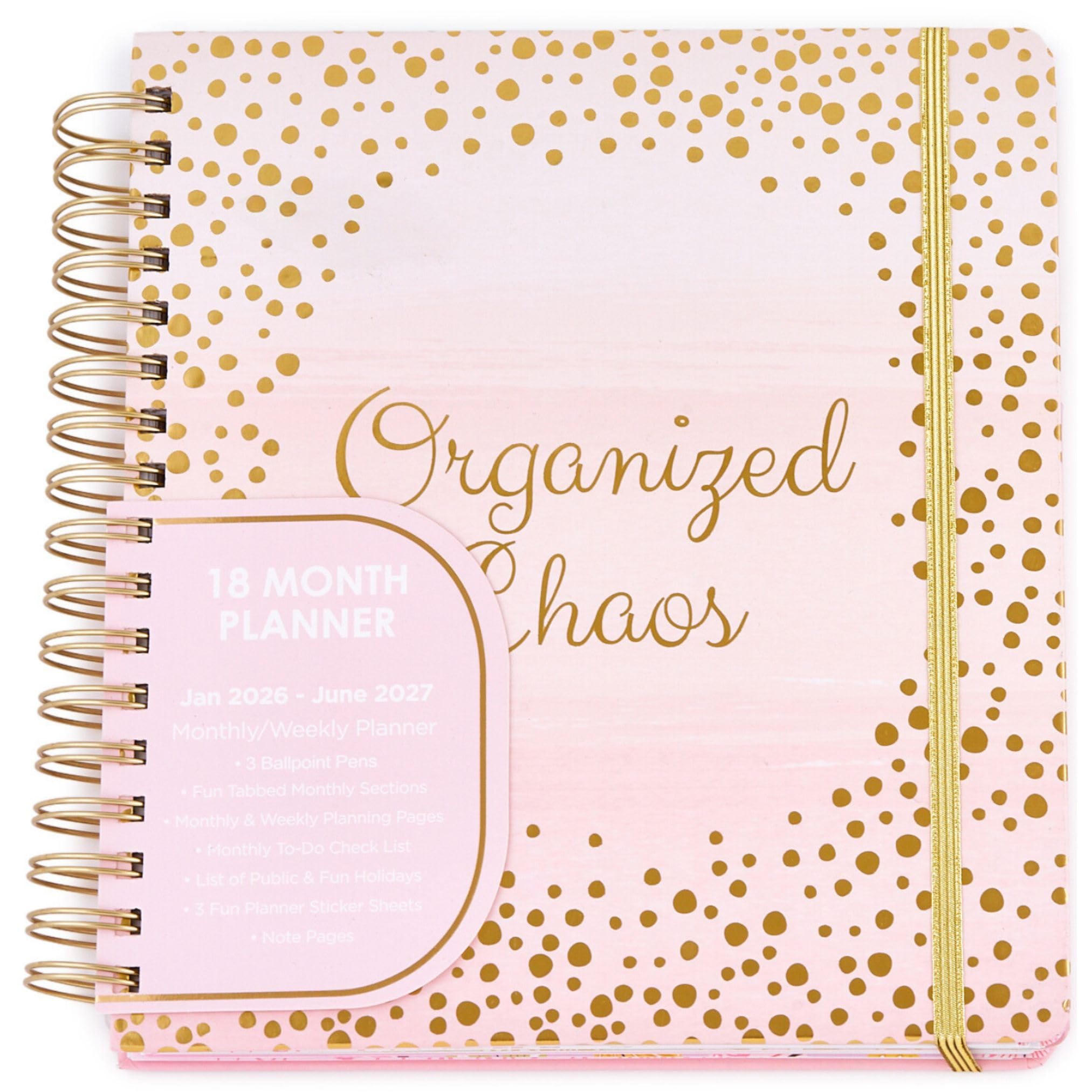
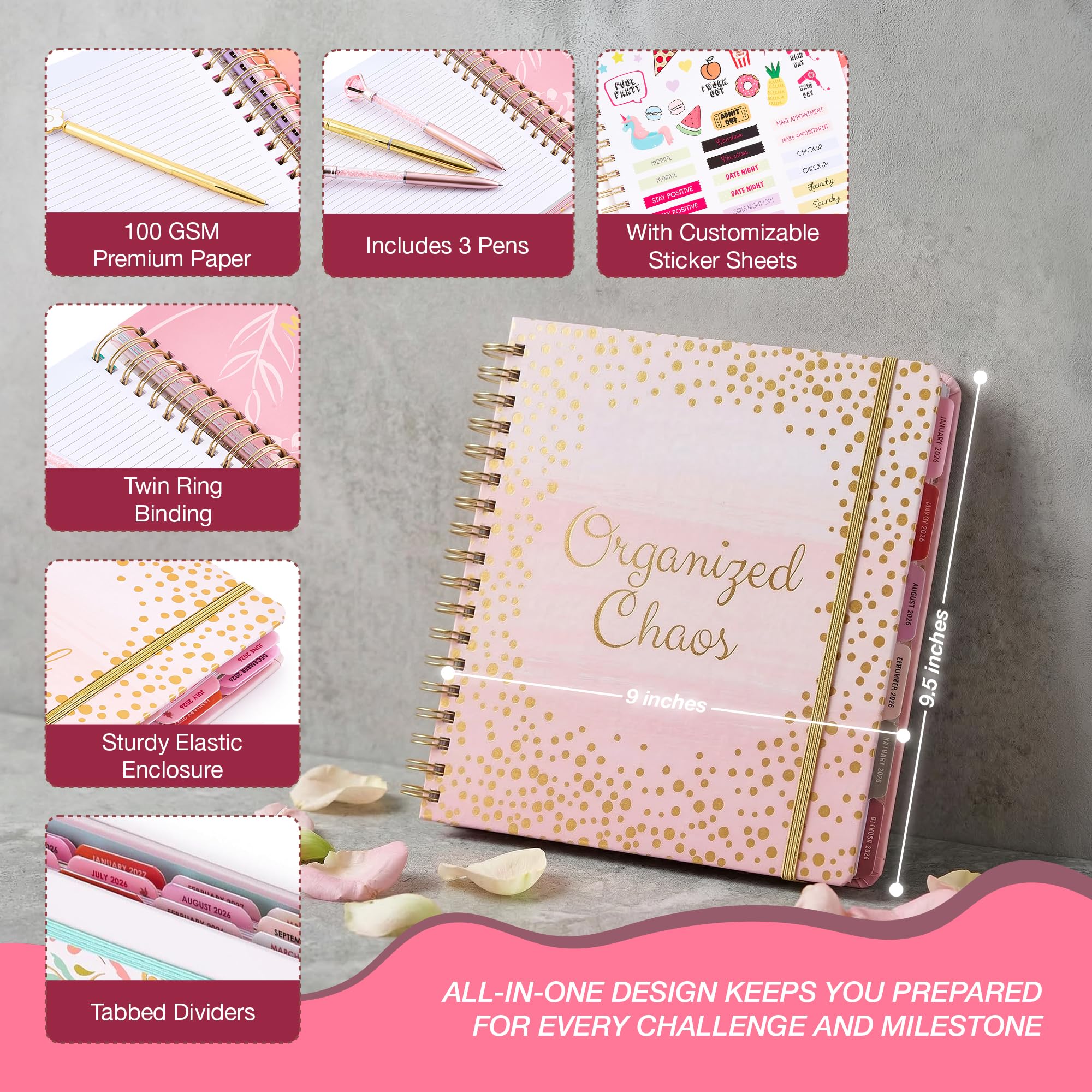



Votum 18 Month Hard Cover Planners/Calendars 10" x 10", January 2026 - June 2027 - Daily, Weekly & Monthly Organizer with Pens, Stickers, Sticky Notes, and a Sturdy Cover - Organized Chaos
- EMPOWER YOUR FUTURE: Stay inspired and organized with the Votum 18-Month Planner Organizer Notebook! Covering
- EFFORTLESS ORGANIZATION: This daily planner organizer is designed for clarity and productivity, featuring mont
- STYLISH AND MOTIVATIONAL: Elevate your planning with a beautifully designed cover showcasing a motivational sa
5. Your Mental Health Is Your Children's Foundation
This is not a guilt statement. It is a neurological one. Children's developing stress-response systems are calibrated in direct relationship to the emotional availability of their primary caregiver. A large body of research, including work from the Harvard Center on the Developing Child, demonstrates that a consistently regulated, emotionally present parent is the most protective factor in a child's mental health across all ages.
When a mother is experiencing untreated anxiety or depression, she is not failing her children through a character flaw. She is experiencing a medical condition that, left untreated, affects the relationship. Treating it is an act of parenting, not selfishness.
Age-banded impact of maternal mental health
- Newborns and infants: Attuned responsiveness builds secure attachment. Depression reduces this attunement; treatment restores it. - Toddlers: A regulated caregiver models co-regulation. Your calm is literally their teaching material. - School-age children: They read your mood before you speak. Chronic maternal stress is associated with increased anxiety and behavioural difficulties in primary school children (Journal of Child Psychology and Psychiatry, 2018). - Adolescents: They need you available for conversation even when they appear not to want it. Burnout makes that availability impossible.
The most research-supported thing you can do for your teenager's mental health is to work on your own. Learning active listening habits is one of the most direct ways to stay emotionally available when parenting a teen feels like shouting into a void.
6. When to Get Professional Help and How to Actually Do It
Knowing you need help and knowing how to access it are two different problems, and both are real barriers. The most common reason mothers delay seeking support is not denial; it is logistics, stigma, and the suspicion that what they are feeling is not "bad enough."
There is no threshold you must cross before you are allowed support. If you are struggling in a way that affects your daily functioning, your relationship with your children, or your sense of self, that is clinically sufficient.
Types of professional support
- GP or primary care physician: First port of call. Ask explicitly for a mental health review at any appointment. - Perinatal mental health specialist: For symptoms during pregnancy or the first year postpartum. Many hospitals have dedicated teams; ask your midwife or health visitor. - Psychologist or licensed therapist: Cognitive Behavioural Therapy (CBT) and Interpersonal Therapy (IPT) both have strong evidence bases for maternal depression and anxiety. - Peer support workers: Trained mothers with lived experience of perinatal mental illness. Available through organisations like Postpartum Support International (PSI) in the US and the Association for Post Natal Illness (APNI) in the UK. - Psychiatrist: For cases where medication is indicated. Effective medications are available that are safe during breastfeeding; do not rule this out without a conversation.


Peace of Mind Planner: Important Information about My Belongings, Business Affairs, and Wishes
- Office Products
- Office & School Supplies
- Calendars, Planners & Personal Organizers
| Parenting Stage | Primary Mental Health Challenge | Warning Signs | Evidence-Based Support | Recommended Planner |
|---|---|---|---|---|
| Newborn (0–3 months) | Perinatal mood disorders, sleep deprivation | Tearfulness beyond 2 weeks, detachment from baby, intrusive thoughts | EPDS screening, IPT, peer support | Undefining Motherhood planner |
| Infant/Toddler (3 months–3 years) | Burnout, identity loss, isolation | Chronic exhaustion, emotional numbness, loss of enjoyment | CBT, mother-infant therapy, social connection | Family Planner Organizer |
| Preschool (3–5 years) | Mental load overload, relationship strain | Persistent irritability, arguing more, can't switch off | Couples therapy, cognitive offloading strategies | Votum 18-month planner |
| School age (5–12 years) | Administrative overwhelm, secondary anxiety | Headaches, difficulty sleeping, dreading school mornings | Mindfulness-based stress reduction (MBSR), therapy | Forvencer academic planner |
| Teen (13–17 years) | Grief of independence shift, caregiver fatigue | Withdrawal, anger at children, loss of purpose | Individual therapy, peer groups for parents | Peace of Mind spiral planner |
Expert Insights
Anna's mornings will always begin before she is ready. The cereal will still spill. The blue shirt will still be dirty. But behind every one of those ordinary moments is a woman running a neurological marathon that most people, including Anna herself, have been taught to dismiss as "just what mums do."
It is not just what mums do. It is one of the most cognitively and emotionally demanding roles in human life, and the women doing it deserve the same quality of care, attention, and clinical seriousness that we give any other health challenge.
The most quotable truth in all of this research is also the simplest: you cannot pour from an empty cup, but no mother should be expected to fill her own cup alone.
If this article resonated with you, save it, share it with a mother who needs to hear it, and consider forwarding it to a GP or health visitor who can make a difference. You can also subscribe to tinymindsworld.com for evidence-based parenting content that treats parents, not just children, as whole people worth caring for.
Sources & References
- Centers for Disease Control and Prevention. "Depression Among Women." 2023. https://www.cdc.gov/reproductivehealth/depression/index.htm
- Holt-Lunstad, J., Smith, T.B., Baker, M., Harris, T., Stephenson, D. "Loneliness and Social Isolation as Risk Factors for Mortality." Perspectives on Psychological Science. 2015. https://doi.org/10.1177/1745691614568352
- Paulson, J.F., Bazemore, S.D. "Prenatal and Postpartum Depression in Fathers and Its Association with Maternal Depression." JAMA. 2010. https://doi.org/10.1001/jama.2010.605
- Harvard Center on the Developing Child. "The Science of Early Childhood Development." 2024. https://developingchild.harvard.edu
- American Psychological Association. "Stress in America: The State of Our Nation." 2023. https://www.apa.org/news/press/releases/stress
- Royal College of Psychiatrists. "Antidepressants in Pregnancy." 2022. https://www.rcpsych.ac.uk/mental-health/treatments-and-wellbeing/antidepressants-in-pregnancy
- Siegel, D.J. & Hartzell, M. "Parenting from the Inside Out." Norton, 2003.
- Murray, L. et al. "Maternal Postnatal Depression and the Development of Depression in Offspring up to 16 Years of Age." Journal of the American Academy of Child and Adolescent Psychiatry. 2011.
- Postpartum Support International. "About Perinatal Mood and Anxiety Disorders." 2024. https://www.postpartum.net
- Vilarroya, O. et al. "Pregnancy Leads to Long-lasting Changes in Human Brain Structure." Nature Neuroscience. 2017. https://doi.org/10.1038/nn.4458
Frequently Asked Questions
Is it normal to feel like I've lost myself after having a baby?
How do I know if I have postpartum depression or just "baby blues"?
Can fathers and non-birthing parents get postpartum depression?
My toddler is having huge tantrums and I feel like I might lose control. Is that a mental health concern?
Is medication safe while breastfeeding?
My teenager seems fine, but I'm struggling. Should I still seek help, or wait until things get harder?
What if I can't afford therapy?
Was this helpful?
Thanks — your feedback helps us pick what to write next.