
Romance for Moms: Why You Deserve Excitement in Love Too
TL;DR: Quick summaryYes, moms deserve romance and excitement in love, and wanting it does not make you a worse parent. Romance often fades in the early years as relationships change after a baby, not necessarily because love is gone. Small planned moments, honest talks and a shar
In this article
TL;DR: Quick summary
Yes, moms deserve romance and excitement in love, and wanting it does not make you a worse parent. Romance often fades in the early years as relationships change after a baby, not necessarily because love is gone. Small planned moments, honest talks and a shared load can help you feel close again.
What you'll get
About 28 minutes to read. Short on time? Read the bold lines and the Key Takeaways near the end.
It is 9:40 on a Tuesday night. The kids are finally asleep, the dishwasher is half loaded, and you and your partner sit at opposite ends of the couch, scrolling in silence. You are not fighting. You are not unhappy, exactly. You just cannot remember the last time you felt giddy, noticed, or like anything other than the person who knows where the other shoe is.
If that sounds familiar, you are in very big company. Research that followed Australian mothers from pregnancy to five years after birth found that relationship satisfaction declines over that stretch. That does not mean your love is broken. It means early parenthood is hard on romance, and romance usually needs deliberate care to survive it.
This article is for any mom, partnered or single, with a baby or a teenager, who wants to feel desired and excited again without guilt. I will explain why the spark fades, what to say to your partner, which small habits actually help, and how the picture changes as your children grow. You will also see when it is time to bring in extra support.
Is it normal for romance to fade after you have kids?
Yes, it is very common. Most couples notice their relationship change once a baby arrives, and satisfaction tends to dip over the early years. Common does not mean permanent, though, and small steady efforts are worth trying as a couple.
Let me start with the reassurance, because it matters. Nothing has gone wrong with you.
Most couples experience relationship changes when they become parents.
raisingchildren.net.au
Those changes are not all bad. The same guidance says that for many people the birth of a child brings positive changes in the relationship too. Both things can be true at once: you can feel closer as a team and further apart as lovers.
What the research does and does not say
The Australian study I mentioned followed mothers from pregnancy to five years after birth.
This study demonstrates that relationship satisfaction declines from pregnancy to five years postpartum in a sample of Australian mothers.
NIH (National Library of Medicine)
Two details matter here. Overall satisfaction in the sample stayed high, yet nearly one in five mothers showed clinical relationship distress at five years postpartum. "Clinical" simply means the score reached a level that professionals would want to look at more closely.
So most couples are coping, and a real minority are struggling and deserve proper support, not a pep talk.
A much larger Norwegian project followed 83,124 women across four waves, from pregnancy to three years after birth. It found that prenatal relationship satisfaction played a crucial role in maternal mental health postpartum. In plain terms, how a mom feels about her relationship and how she feels in herself are tied together.
That makes looking after the relationship part of looking after you, not a frivolous extra. These studies describe groups and averages, though. They are not a forecast of your own future.
Ordinary strain or something more?
Most parents I talk to want to know whether what they feel is a rough season or a bigger problem. Here is how I sort it.
These are signs of ordinary strain, and they respond well to small changes:
These are signs to take seriously and talk to a professional about:
If any of the last group sounds like you, please speak to your doctor or a trusted professional soon. If you feel unsafe at home, contact a local domestic abuse service.
Common mistakes in this first stage
If you would like a broader menu of habits to try, these relationship tips for parents are a good companion to this guide.
Why is it so hard to feel romantic when you are a mom?
Because romance needs energy, attention and time, and early motherhood drains all three. Sleep loss, a heavy household load and being touched all day leave very little room for desire. In most cases it is circumstance, not a flaw in you or your love.
Picture a mom of a toddler and a baby. By 8 pm she has been needed by someone for thirteen hours. When her partner reaches for her, her body says no before her mind has said anything at all.
She is not rejecting him. She has run out.
Sleep loss comes first
Sleep is the base layer. When it is broken, patience, humor and curiosity are the first things to go, and those are the ingredients of romance.
In a study of 93 first time Black mothers, mothers' sleep difficulties and experiences of racial discrimination were associated with changes in relationship satisfaction over time. It is a small study and it shows an association, not proof of cause. Still, it makes sense: when you are running on fumes, or carrying stress from outside the home, that stress lands in the relationship.
The workload nobody sees
Romance also struggles when one person is quietly managing everything. In a study of mothers' time use, married mothers did more housework and slept less than never married and divorced mothers, once the number of employment hours was taken into account.
In the same data, married mothers spent the most time on housework (about 3 hours) and childcare (2 hours 5 minutes), and the least time on leisure.
That last part is the heart of it. It is very hard to feel flirty when you are still the household project manager at bedtime.
The mental load is the invisible part: remembering the dentist appointment, the school trip form, the birthday present, the empty snack cupboard. Even if your partner does plenty of tasks, you may still be the one who tracks them. Tracking is work, and it is tiring.
Feeling touched out is real
Touched out means your body has had enough physical contact for the day. Babies and toddlers climb, cling, feed and cuddle, and by evening your nervous system just wants space. It is a sensory overload, not a lack of love.
What helps is giving your body a break before you give your partner a verdict. A few quiet minutes alone, a shower, or a walk around the block can change your answer. It also helps to offer touch that asks little of you, such as a hand on the back or sitting with your feet in their lap.
Calming your own body first is a skill worth practicing. One mom's account of regulating herself during toddler tantrums shows techniques such as slowing your breathing and naming a feeling that work just as well at the end of a long day.
Desire, support and the early months
In a small preliminary study of 65 women in the early postpartum period, older mothers who were employed and supported by a partner reported a higher level of contentment and sexual satisfaction. The study is small, so treat it as a hint. But it points to something I see often: support from a partner tends to travel with desire.
After birth, ask your doctor or midwife when sex is likely to be comfortable for you. If sex is painful, or your mood stays low, tell your doctor, because there is real help for both.
If you are too tired, overwhelmed or distracted to think about sex, the simplest first step is to talk to your partner about how you feel.
Is it selfish for a mom to want romance and excitement?
No. Wanting to feel desired, curious and alive is a normal human need, not a reward you earn after the chores. A mom who is running on fumes tends to have less to give, and her own health and well being can suffer. Romance is part of sustainable parenting, not a betrayal of it.
Where the guilt comes from
Many of us grew up with a picture of the perfect mother: endlessly giving, never needing, always available. That picture is not real, and it is quietly harmful. It teaches women that their own wants are a kind of failure.
Notice the unfairness in it. Nobody tells a dad that wanting time with his partner makes him a bad father. Moms get a double standard, and it helps to name it out loud.
What your children learn from watching you
Children learn what love looks like by watching the adults around them. They notice whether you speak kindly, whether you touch affectionately, and whether anyone in the house gets to have fun.
A mom who is exhausted, resentful and never takes a break is teaching something too. A mom who says "Dad and I are having a night together, and you will be fine with your grandma" is teaching that adult relationships matter and that a family has more than one person's needs in it.
This is not about choosing your partner over your children. If that worry sits heavy, read about whether you love your kids more than your partner and how the research frames it.
Reframes that help
When the guilty voice shows up, try answering it with something true:
Feeling like yourself again
Desire rarely arrives on command. It tends to show up when you feel like a person again, not a service. That can begin with very small, very ordinary acts of care for yourself.
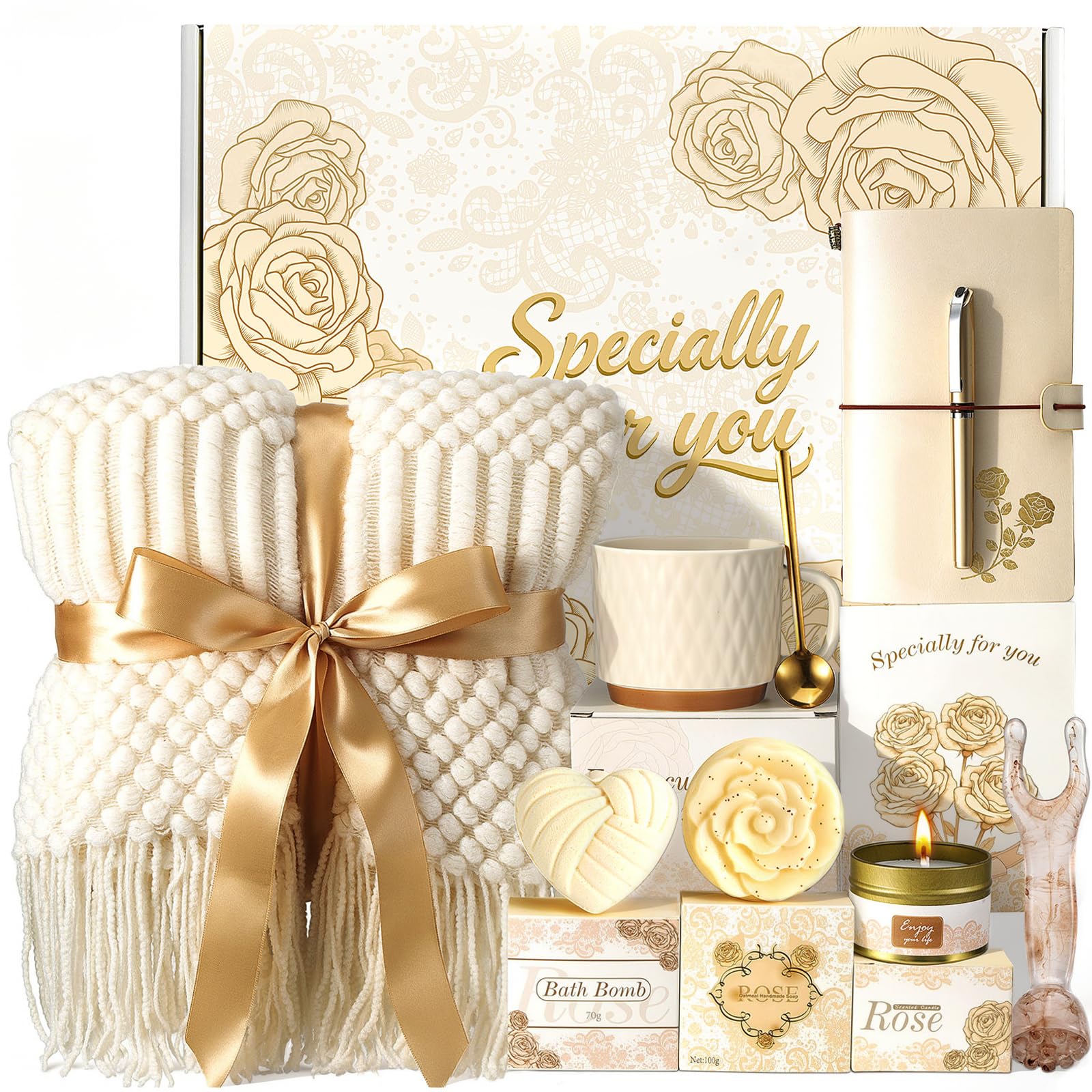
Rest is the foundation, and so are small pleasures. Some moms find a slow, cozy evening helps them soften. A set like this relaxing spa care package or the one below, with its throw, mug, candle and bath bomb, can turn a quiet hour into something that feels deliberately yours. A gift will never fix an unfair workload, but it can be a kind opening gesture.
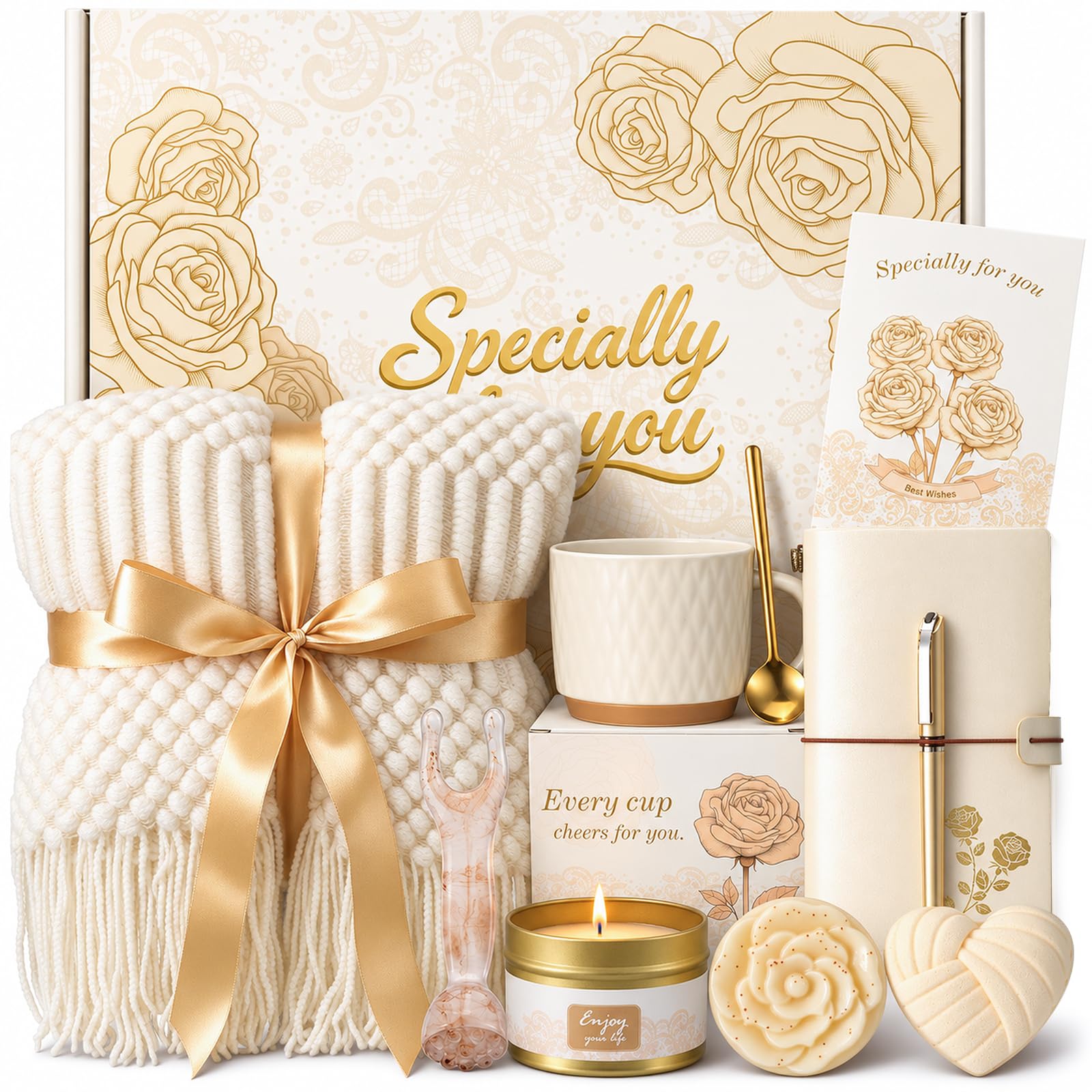



Birthday Gifts for Women Spa Self Care Gift, Thinking of You Get Well Gifts
- 11-PIECE GIFT SET: Includes a 50 x 67 in knitted tassel throw, 14 oz ceramic mug, 18/8 stainless steel spoon…
- COZY COMFORT FOR SLOW MOMENTS: The 50 x 67 in knitted tassel throw pairs with the 14 oz ceramic mug and…
- ROSE-THEMED SELF-CARE: Create a simple wind-down routine with the rose-scented soy wax candle, rose-shaped…
The point is not the products. The point is permission: you are allowed to spend an evening on something that lights you up.
Mistakes to avoid when working through guilt
How do you talk about this with your partner without a fight?
Pick a calm moment, start with what you miss instead of what they did wrong, and make one clear, specific request. Planned time together is not unromantic; it is one practical way busy couples protect connection. Keep the first talk short and kind.
The best conversations about romance do not start with "You never ...". They start with "I miss ...".
Choose your moment
Timing does more work than you might expect. Avoid bringing it up at 11 pm when you are both exhausted, in the middle of an argument, or in front of the children. A walk, a car ride or a quiet weekend morning is far better.
Tell your partner in advance that you would like to talk, so they are not caught off guard. Something simple works: "Can we find ten minutes this weekend to talk about us? Nothing is wrong, I just miss you."
Scripts you can borrow
Opening: "I miss us. I am not blaming you. I would like to figure out how we get a bit more of 'us' back this week."
Making a request: "Could you take bedtime on Tuesdays and Thursdays so I have those evenings free? Then I think I would have energy for us on Friday."
When they get defensive: "I am not saying you are doing it wrong. I am saying I want more of you, and I think we both need more rest."
About touch and desire: "When I say no tonight, it is about being touched out, not about you. Can we find a way to be close that I would actually enjoy?" If you are feeling too tired or overwhelmed to think about sex, try talking to your partner about how you feel.
Hearing their side: "What would help you feel closer to me?" Then listen without fixing.
A five step plan for the conversation
- Tell your partner a day ahead that you would like to talk, and that it is not a complaint session.
- Start with something you appreciate, then say what you miss, in one or two sentences.
- Make one specific request, such as a protected evening or a regular date.
- Ask for their view and their one request of you.
- Agree on a small first step and put it on the calendar before you finish.
Planning might feel unromantic, but guidance for parents suggests that if time together is hard to find in this new phase, a new approach, such as planning time together, can help. Spontaneity is lovely, but when two tired adults wait for it, it rarely turns up.
For a deeper set of scripts on difficult topics, the tough talk toolkit offers ways to have big conversations without meltdowns, and many of its ideas work for couples as well as for children.
Common mistakes in these talks
When your partner struggles to hear it
Some partners go quiet, joke it away, or say "I am doing my best." They may be hearing criticism, even when it was not meant that way. Try lowering the temperature: "You are a great parent. I am asking for us, not a better score."
If every attempt ends in contempt, stonewalling or fear, that is the moment to bring in a couples counselor, and there is more on that later in this article.
A small gesture as an opener
If your partner asks "What can I do?", you can say: "Plan one evening for us, and handle the logistics yourself." For moms, a small act of care can say "I see you." A thoughtful extra, such as a thinking of you care package, can be a sweet opener, though it is a starting gesture and never a substitute for sharing the load.
What are realistic ways to bring excitement back?
Start small and plan it. Aim for short, regular moments of real attention instead of rare, perfect nights. A home date after bedtime, a babysitter night out, and doing something you both loved before kids are all good places to begin.
Excitement does not require a big budget or a free weekend. It does require attention, novelty and a little protection from the rest of life.
Home dates after bedtime
Once your child is asleep, you can make an evening feel special with very little effort. Parent guidance suggests doing something special together at home, for example a special evening snack, a board game or a TV show after your child has gone to bed.
The key is that it feels chosen. Put the phones in a drawer, light a candle, and make it different from the usual couch scroll.
Ideas that work for tired parents:
For the cozy end of this, a blanket and mug set such as this knitted throw and ceramic mug set can become part of your ritual.
Going out, even briefly
When you are ready, guidance for parents suggests organizing a babysitter and going somewhere you both enjoy, whether that is a meal, a walk or a movie. It does not have to be fancy. A one hour walk without a stroller can feel like a holiday.
It also helps to build a short roster of go to sitters, whether that is a trustworthy local teen or nearby relatives. Having more than one option means a single cancellation does not end your plans.
Remember what one family guide says about parenting multiples, and it applies to everyone: spending time alone together is more a necessity than a luxury.
Find what you're comfortable with, and remember that spending time alone together is more a necessity than a luxury.
KidsHealth
Bringing back what you loved
Think about what you enjoyed doing before you became parents, and work out how you could make it happen again, even if you do it a bit differently now. Maybe you loved live music, long dinners or hiking. A daytime concert, a picnic or a short local trail may be the new version.
Novelty matters too. Trying something neither of you has done before, such as a pottery class, a new cuisine or a new neighborhood, gives your brains something fresh to share. It is the closest thing to those early butterflies you can plan.
Flirting counts
Do not underestimate small moments. A message at lunchtime, a lingering hug, a compliment that is not about parenting, or a look across the room all keep warmth alive. Aim for a few tiny moments each day, because connection is built from many small deposits.
The first half hour rule
Many couples spend date night discussing the children and the calendar. Try a "logistics ban" for the first half hour: no talk about schedules, school, money or chores. Ask questions you have not asked in a while: "What are you looking forward to this year?" or "What was the best part of your week?"
Time for you comes first
You cannot arrive at a date feeling like a ghost. Protecting some time for yourself beforehand matters, and so does your partner taking over so you can rest.
If a quiet hour with a bath and a candle helps you feel like yourself, a kit such as this one can set the scene:
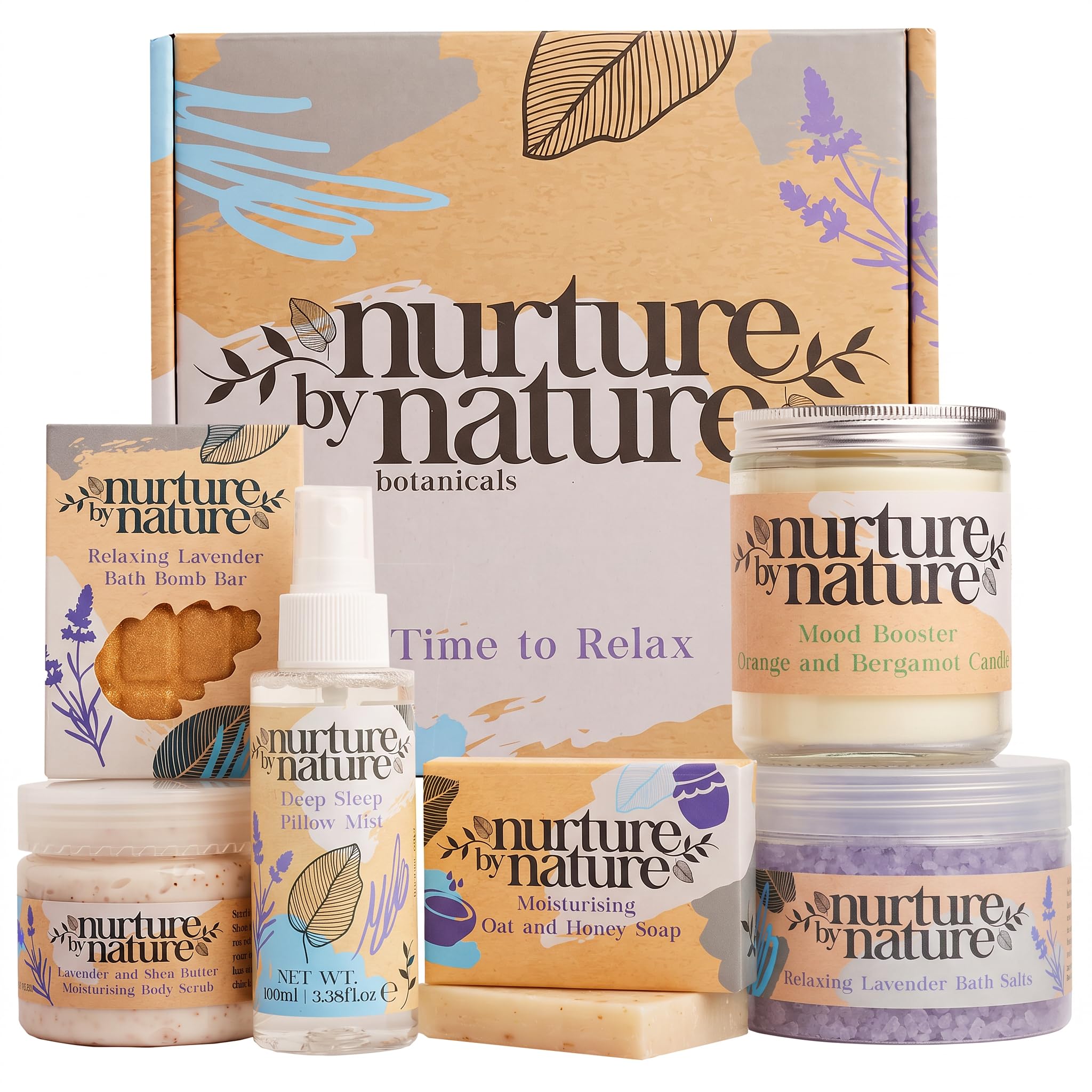
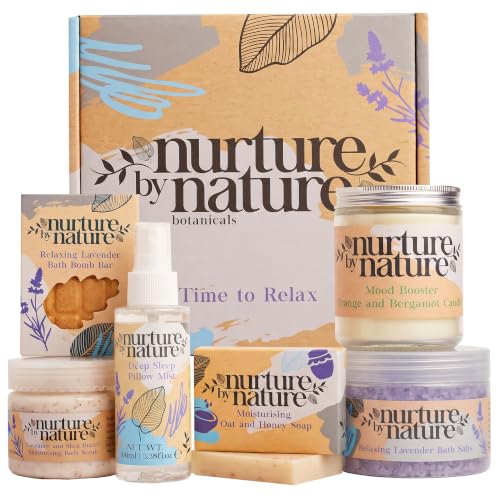



Nurture by Nature Spa Gift Baskets for Women - at Home Spa Kit, Bath Set
- A SELF CARE RITUAL IN A BOX - the self care gift for women who never take an hour for themselves: run the…
- LAVENDER LEADS THE SCENT STORY - calming lavender in the bath, a bright orange & bergamot candle to lift the…
- 6 FULL-SIZE PIECES, NO FILLERS - bath salts, a 50-hour soy candle, bath bomb bar, oat & honey scented soap…
Mistakes that stall date night
If spending time together feels hard in this new phase, planning it in advance can help. If you want another practical list, these proven marriage tips are worth a read.
What does romance look like from newborn to teen years?
It changes with each stage. In the early months it is tiny moments of kindness. With toddlers it is protected bedtimes and a sitter roster. In the school years it is regular dates, and with teens it is rebuilding your couple identity. Match your expectations to your stage.
Here is a stage by stage guide so you can find your own season.
Newborn to about the first year
This is survival mode, and that is normal. Sleep is broken, bodies are healing, and feeding may take over your days and nights. Expecting fireworks in this season is like expecting a marathon on broken sleep.
What helps here:
Keep an eye on your mood as well. Persistent low mood, anxiety or feeling disconnected from your baby is not something to push through, and I will cover when to ask for help below.
Toddlers and preschoolers
This is often the "touched out" peak. Your child wants you constantly, tantrums drain your reserves, and bedtimes can be long. Many couples find that this is when the relationship quietly goes into hibernation.
What helps here:
Toddlers also love to interrupt closeness. It is fine to tell them kindly, "This is Mom and Dad's hug time." They are learning that adults love each other and need time together.
School age children
The picture usually lightens. Children can play on their own for longer, bedtimes are more reliable, and you may sleep better. But school, sports and activities create a new kind of logistical overload.
What helps here:
This is also the stage where many moms realize they lost track of their own interests. Rediscovering them is part of rediscovering desire.
Preteens and teens
You may have more freedom than you have had in over a decade, and many couples are surprised to find they feel like strangers. Teens notice a great deal, even when they roll their eyes.
What helps here:
Teens learn what adult relationships look like from yours. Seeing parents who enjoy each other, communicate and have their own lives is a powerful lesson.
If you are the parent of a teen, it is also worth remembering that this is a stage when your own hormones, work and parents' needs may shift. A frank talk about all of it keeps you on the same team.
What if you are a single mom, or the relationship feels stuck?
Single moms deserve romance too, and can pursue it at their own pace. If your relationship feels stuck, a counselor can help, and persistent low mood deserves medical care. Asking for support is a strength, and it helps your whole family.
If you are a single mom
You do not need a partner to deserve excitement, and you also do not need to wait until your children are grown to date. Take it at the pace that suits you.
Some things I would encourage:
Dating can bring up guilt, particularly if you have little free time. The same reframes apply: you are a whole person, and a happier you is better for your children.
Friends and family often ask how they can help. Sometimes the answer is childcare for an evening. Sometimes it is a kind gift that says "you matter too," such as a new mom style spa kit for a mom who has not had an hour to herself in a long while.


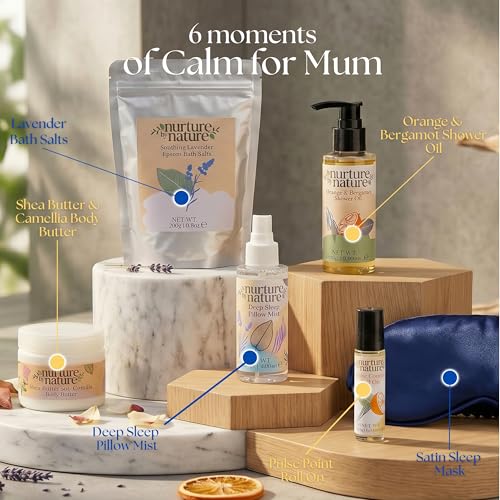

Nurture by Nature New Mom Gift Basket - 6 Piece Self Care Package
- THE ULTIMATE MOM SPA KIT - Give her a well deserved escape with this spa gift set. Featuring soothing scents…
- 6 FULL-SIZED PAMPERING ESSENTIALS - Treat her to a complete spa experience at home: lavender Epsom bath…
- PERFECT FOR EVERY OCCASION - Treat her to a spa gift basket, the ultimate gift for: birthdays, Christmas…
If your relationship feels stuck
If you have tried talking, planning and sharing the load and still feel distant, it may be time for outside help. A couples counselor is not a sign of failure. It is like taking your car to a mechanic before the engine seizes.
Remember that nearly one in five mothers in the Australian study showed clinical relationship distress at five years postpartum, so you are far from alone. Ask your doctor or health visitor for a referral, or look for a qualified couples therapist in your area.
Good reasons to seek help:
If your mood is low, flat or anxious
Sometimes the loss of romance is one piece of a bigger picture. In one study, mothers with postpartum depression had significantly lower stress coping scores, for themselves, their partner and as a couple, than mothers without it.
In everyday terms, mothers with postpartum depression scored lower on coping together as a couple, and that can make the relationship feel harder to manage. That is why I encourage moms to treat both together, not wait for one to fix the other.
Signs to speak to your doctor about:
For a fuller picture of recovery, read about healing through parenting and postpartum depression recovery. It is also worth knowing that depression is common, treatable and not your fault.
If you ever feel unsafe
Love should never involve fear. If you are afraid of your partner, if they control your money or your movements, or if they hurt or threaten you, please contact a local domestic abuse service or your doctor. You deserve safety first, and everything else comes second.
Mistakes to avoid at this stage
Which romance approach fits your season?
Here is a quick comparison of approaches. Ages are loose, because every family is different.
| Option | Best Age Range | Primary Benefits | Main Drawbacks | Recommended Product | Price Range |
|---|---|---|---|---|---|
| Daily five minute check in | From the newborn months onward | Free, easy, keeps you talking about more than logistics | Easy to skip when tired; needs phones put away | Hangerspace relaxing spa care package | $39.99 |
| Home date after bedtime | From about the toddler years | No sitter or travel needed; cozy and low cost | Tiredness can win; kids may wake | TsunNee spa self care gift set | $39.99 |
| Sitter date out | When you feel ready, any age | Novelty, time alone together, fresh scenery | Cost, finding a sitter, guilt | LOVERY Epsom bath salts gift set | $33.29 |
| Solo recharge hour | Any age | Helps you feel like yourself, lowers stress, lifts mood | Needs a partner or friend to cover childcare | Nurture by Nature spa gift basket | $34.99 |
| New mom pampering | Newborn to toddler years | Gentle self care when time is tight, easy to gift | A gift cannot replace sleep or a shared workload | Nurture by Nature new mom gift basket | $29.99 |
| Small gestures after a rough patch | Any age | Shows you see each other; opens the door to talking | A gesture alone will not repair a deeper problem | MAYICIVO self care care package | $39.99 |
Treat the products as optional extras. The real work is time, attention and shared load, none of which can be bought.
What do experts say about date nights?
Dr. Borland, quoted by Cleveland Clinic in its guidance on parent self care, makes a simple suggestion.
Notice the word "schedule". Planning is not the enemy of romance. For tired parents, it is what makes romance possible.
Key Takeaways
- Romance often dips after kids, and that is common, not a sign that your love is broken.
- Sleep loss, an unequal workload and feeling touched out can all play a part, and they are not personal flaws.
- Wanting romance is not selfish; a connected, rested mom is good for the whole family.
- Talk about it kindly: start with what you miss, make one clear request, and ask for your partner's view.
- Small, planned moments beat rare grand gestures, whether at home after bedtime or on a sitter night out.
- Match your expectations to your child's stage, from tiny gestures with a newborn to rebuilding your couple identity with teens.
- Ask for help if distress lasts, if mood is low, or if you ever feel unsafe; support is a strength.
You are more than the person who knows where the shoes are. You are a whole human being who deserves to be noticed, laughed with, and wanted. That does not take anything away from your children. It gives them a mother who is nourished, and a home where love is visible.
Start small and start kind. A text, a ten minute walk or a candle after bedtime counts more than you think. Moms are allowed to be loved loudly, not just needed quietly.
If this guide helped, save it for your next quiet evening and share it with a friend who needs the reminder.
Sources & References
- raisingchildren.net.au. "Healthy relationships: parents & partners."
- health.clevelandclinic.org. "10 Ways to Practice Self Care as a Parent."
- kidshealth.org. "Parenting Multiples."
- NIH (National Library of Medicine). "Trajectory and predictors of maternal relationship satisfaction from pregnancy to five years postpartum."
- NIH (National Library of Medicine). "Stability and change in maternal wellbeing and illbeing from pregnancy to three years postpartum."
- NIH (National Library of Medicine). "Predictors of change in relationship satisfaction among Black postpartum mothers."
- NIH (National Library of Medicine). "Quality of Life and Sexual Satisfaction in the Early Period of Motherhood: A Cross Sectional Preliminary Study."
- NIH (National Library of Medicine). "The relationship of postpartum depression with dyadic coping strategies and relationship satisfaction."
- NIH (National Library of Medicine). "Marital Status and Mothers' Time Use: Childcare, Housework, Leisure, and Sleep."
Frequently Asked Questions
Is it normal to lose interest in romance after having a baby?
How often should parents have date nights?
How do I feel desirable when I am touched out?
Is it selfish to pay for a babysitter so we can go out?
Can I date as a single mom without feeling guilty?
When should we see a couples counselor?
Was this helpful?
Thanks — your feedback helps us pick what to write next.