Fourth Trimester Care: A Family Medicine Practice Guide
Implementing structured fourth trimester care in a family medicine practice means extending postpartum support well beyond the traditional six week visit, addressing physical recovery, mental health, infant feeding, and family adjustment as a connected whole.

In this article
Why the Fourth Trimester Is the Most Overlooked Window in Primary Care
Here is a number that should stop every family medicine clinician in their tracks: according to the American College of Obstetricians and Gynecologists (ACOG), up to 40 percent of women in the United States do not attend their postpartum visit at all. Not because they are fine. Because they are exhausted, overwhelmed, struggling to get out of the door, and often unsure whether their symptoms are serious enough to mention. Meanwhile, maternal mortality data from the CDC shows that roughly half of all pregnancy related deaths occur in the first year after birth, with most clustering in those first twelve weeks.
The fourth trimester is the period from birth to around twelve weeks postpartum. It is the time when a birthing parent's body is working harder than almost any other point in adult life, when a newborn's nervous system is adjusting to the world outside the womb, and when the entire family unit is reorganising around a new person. It is also, historically, the period when formal medical contact drops off most sharply.
Family medicine is in a genuinely privileged position here. You are already the relationship. You know the parent before they were pregnant, you may deliver their baby or co-manage their obstetric care, and you will see them for decades afterwards. The question is not whether fourth trimester care belongs in your practice. It does. The question is how to structure it so it actually reaches the people who need it most.
In this guide you will find:
1. Why the Single Six Week Visit Is Not Enough
The standard six week postpartum check was never designed as a comprehensive care model. It emerged from obstetric tradition as a structural endpoint for wound healing assessment and contraception counselling. It was never meant to be the only touchpoint in twelve weeks of profound physiological, psychological, and relational upheaval.
ACOG updated its guidance in 2018 explicitly to address this. Committee Opinion 736 called for a full transition from a single postpartum visit to a postpartum care model that includes contact within the first three weeks, ongoing as needed support, and a comprehensive visit no later than twelve weeks after birth. The language is deliberate: "an ongoing process, rather than a single encounter."
Optimising postpartum care requires moving beyond the one-size-fits-all, single postpartum visit model to one that provides ongoing individualised care as needed.
— ACOG Committee Opinion 736 (2018)
What does this mean in practice for a family medicine clinic?
The first three weeks are the highest risk window
Uterine involution, perineal healing, blood pressure normalisation after hypertensive disorders of pregnancy, and the emergence of postpartum mood symptoms all peak in the first three weeks. A two to three week phone or telehealth check costs your practice roughly eight minutes and catches the vast majority of serious complications before they escalate.
What a three week contact should cover
The six week visit then becomes genuinely comprehensive rather than the only visit: contraception, thyroid function, anaemia recheck, pelvic floor assessment, and a deeper conversation about mood, relationship, and return to function.
2. Postpartum Physical Recovery: What to Actually Monitor
Physical recovery after birth is not a six week event. It is a twelve week minimum for most people, and considerably longer for some, particularly after operative delivery, significant perineal trauma, or complications like haemorrhage.
Here is what your fourth trimester care plan should be tracking.
Perineal and abdominal healing
Episiotomy and second degree lacerations typically heal in four to six weeks, but pain, dyspareunia, and scar sensitivity can persist well beyond that. Ask about this directly. Many patients assume ongoing discomfort is normal and do not volunteer it. Third and fourth degree tears warrant referral to a pelvic health physiotherapist regardless of subjective symptom level.
For patients managing early perineal recovery at home, proper hygiene is genuinely important. An upside down peri bottle with an angled nozzle makes cleansing far more comfortable than wiping, particularly in the first two weeks. The Frida Mom peri bottle is one of the most recommended by postpartum nurses for its ergonomic design, and it comes as part of a broader kit that addresses the practical realities of the first days at home.


Frida Mom 11pc Postpartum Essentials Kit Gift Set, Hospital Bag Must Haves for New Mom, Includes 4 Disposable Postpartum Underwear, 4 Ice Maxi Pads, Perineal Healing Foam & 24 Pad Liners & Peri Bottle
- COMPLETE POSTPARTUM RECOVERY KIT: Comprehensive postpartum essentials included are the Disposable Postpartum U
- POSTPARTUM PAIN RELIEF SYSTEM: Perineal care collection provides targeted relief for common birth injuries inc
- RECOVERY UNDERWEAR FOR POSTPARTUM BODIES: Features ultra-soft, latex-free microfiber boyshort underwear with g
Cardiovascular recovery
Cardiac output, blood volume, and vascular resistance all shift dramatically in the first twelve weeks postpartum. Patients with hypertensive disorders of pregnancy need blood pressure monitoring at one week and again at twelve weeks at minimum, with earlier review if symptomatic. Peripartum cardiomyopathy, though rare, presents in the fourth trimester and can be missed if clinicians are not actively looking.
Anaemia and fatigue
Postpartum anaemia is common and underdiagnosed. Blood loss at delivery, combined with the iron demands of breastfeeding, leaves many patients running on empty. Check a full blood count at the six week visit for any patient with significant blood loss. Untreated anaemia compounds fatigue, impairs mood, and reduces breastfeeding success.
Thyroid function
Postpartum thyroiditis affects roughly five to ten percent of postpartum people, according to the American Thyroid Association. It typically presents in two phases: hyperthyroid at one to four months, hypothyroid at four to eight months. Symptoms overlap heavily with normal postpartum experience and are routinely missed. Check TSH at six weeks in anyone with symptoms or a history of thyroid disease.
For patients recovering at home, comprehensive postpartum recovery kits can meaningfully support the physical recovery process. The Momcozy postpartum recovery kit combines disposable underwear, cold pads, nursing pads, and a peri bottle in one practical set, reducing the number of decisions an exhausted new parent has to make.


Momcozy Postpartum Recovery Essentials Kit, Labor Delivery Mom Care Kit, Self-Absorbent Disposable Underwear Nipple Nursing Pads Upside Down Peri Bottle Cold Pads Cooling Foam Canvas Bag Set
- 【Highly Cost-Effective Kit Compared to Hospital, Include Necessary Postpartum Recovery Essentials】One-step Mom
- 【No Leaking--New Style Maternity Disposable Underwear and Nipple Nursing Pads】6 PCS super soft and built-in pa
- 【Clean Thoroughly at One Time with 17oz Large Capacity Upside Down Peri Bottle】No need to bend down to spray t
3. Screening and Managing Perinatal Mood and Anxiety Disorders
Postpartum depression is the most common complication of childbirth. Full stop. The CDC estimates that approximately one in eight women experience symptoms of postpartum depression in the United States, and that figure rises considerably in populations facing poverty, social isolation, obstetric trauma, or a history of anxiety and depression.
More importantly: postpartum anxiety is at least as common as postpartum depression, often more disabling, and is still not systematically screened for in most primary care settings.
The Edinburgh Postnatal Depression Scale
The EPDS is a ten item self report questionnaire validated for use from pregnancy through twelve months postpartum. A score of ten or above warrants further assessment; a score of thirteen or above, or any positive response to question ten (thoughts of self harm), requires urgent clinical review. It takes three minutes to complete and can be administered by a medical assistant before the patient enters the room.
Screen at:
Beyond the EPDS: anxiety, OCD, and PTSD
The EPDS has a dedicated anxiety subscale (questions 3, 4, and 5). A score of six or above on those three items alone is a reliable indicator of significant postpartum anxiety even when overall depression scores are low. Postpartum OCD and postpartum PTSD (following traumatic birth) are also encountered regularly in primary care and require different management approaches from standard postpartum depression.
Postpartum mood disorders are a public health crisis hiding in plain sight — underscreened, undertreated, and still stigmatised enough that most patients wait months before saying anything to a clinician.
— Postpartum Support International (2023)
Understanding how children's mental health starts before they can speak is a powerful lens here too. Untreated perinatal mood disorders do not only affect the parent. They affect attunement, responsiveness, and the quality of the early relationship between parent and baby, which has measurable effects on infant development. That framing sometimes helps resistant patients accept support.
Treatment options in primary care
Mild to moderate postpartum depression and anxiety respond well to:
4. Supporting Infant Feeding in a Family Medicine Setting
Breastfeeding intention is high. Breastfeeding continuation rates fall off sharply in the first four weeks, and the gap between what parents want and what they achieve is almost entirely driven by inadequate support, not inadequate biology.
The WHO and UNICEF recommend exclusive breastfeeding for the first six months of life. The AAP updated its guidance in 2022 to recommend breastfeeding for at least two years, alongside complementary foods after six months. Yet in the United States, fewer than one in four infants are exclusively breastfed at six months, according to CDC breastfeeding data.
What family medicine clinicians can realistically do
You do not need an IBCLC certification to provide meaningful breastfeeding support, though having one on your team or a warm referral pathway to one is genuinely transformative.
What you can do in a standard visit:
Nipple and breast care in the fourth trimester
Nursing pads, nipple creams, and supportive bras are not luxuries. They are functional recovery tools. Patients who are managing nipple soreness or engorgement are more likely to continue feeding. Recommending a practical postpartum kit that includes nursing pads, like the HVLVOYG 16 piece postpartum care set, normalises the physical reality of early feeding and gives patients concrete tools to work with.
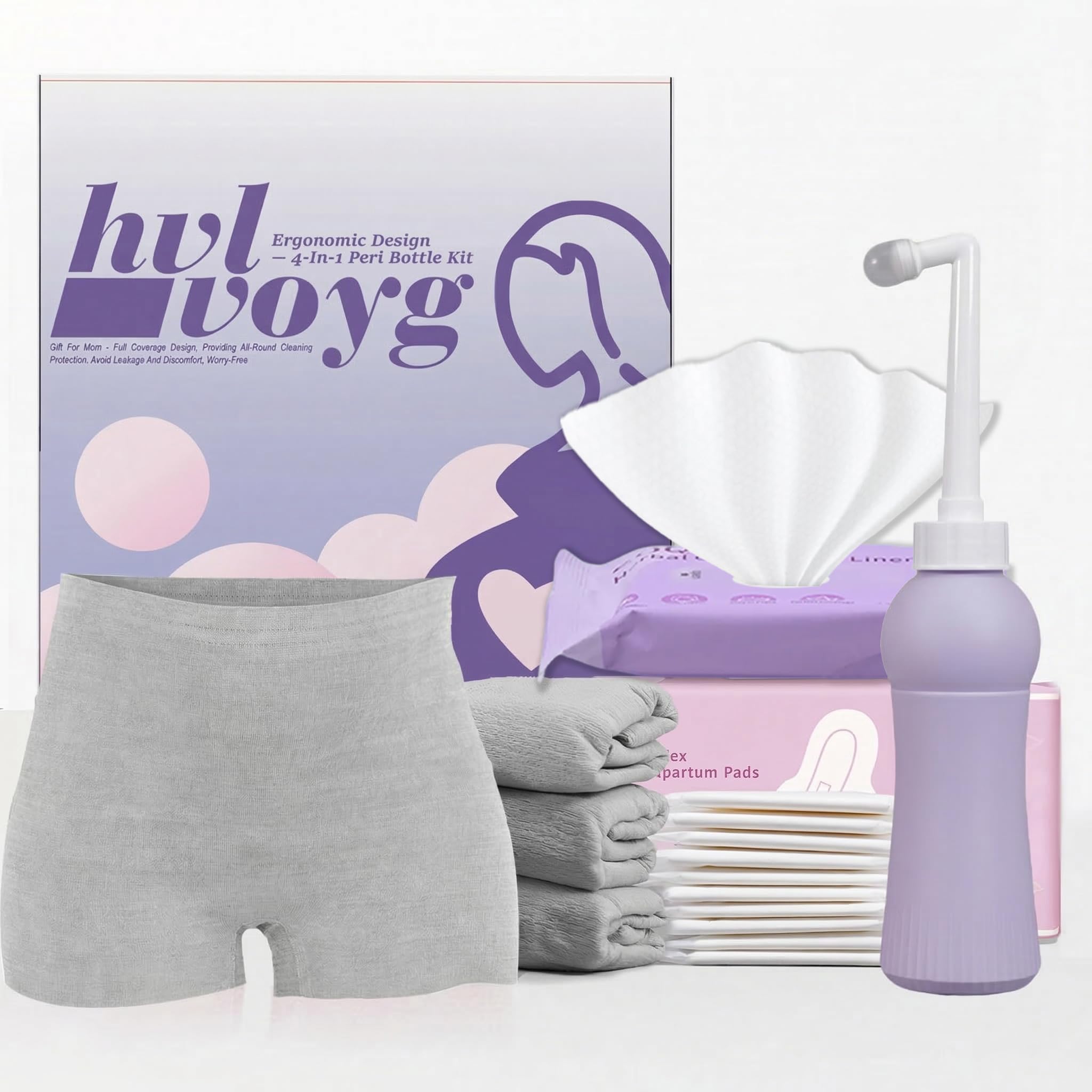
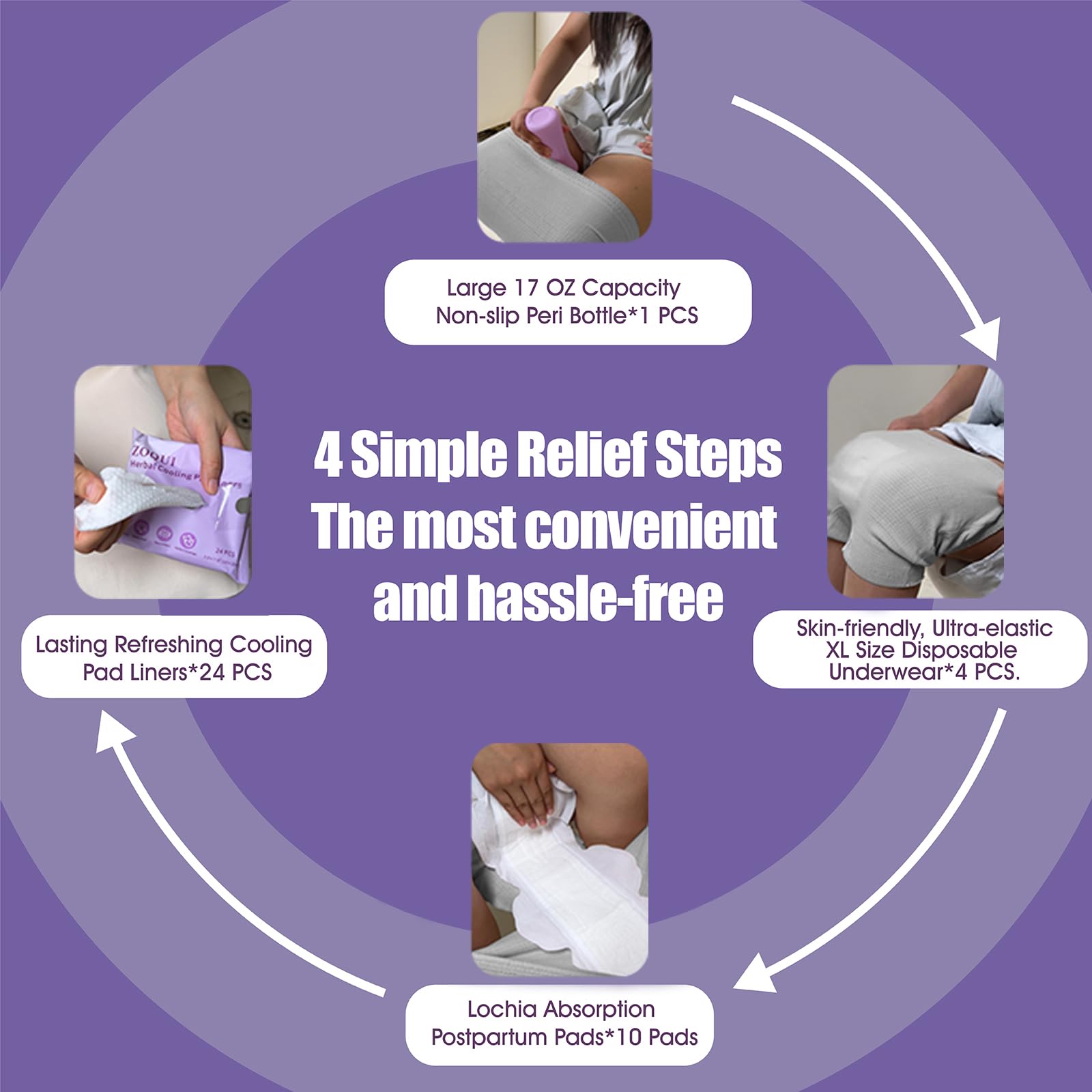
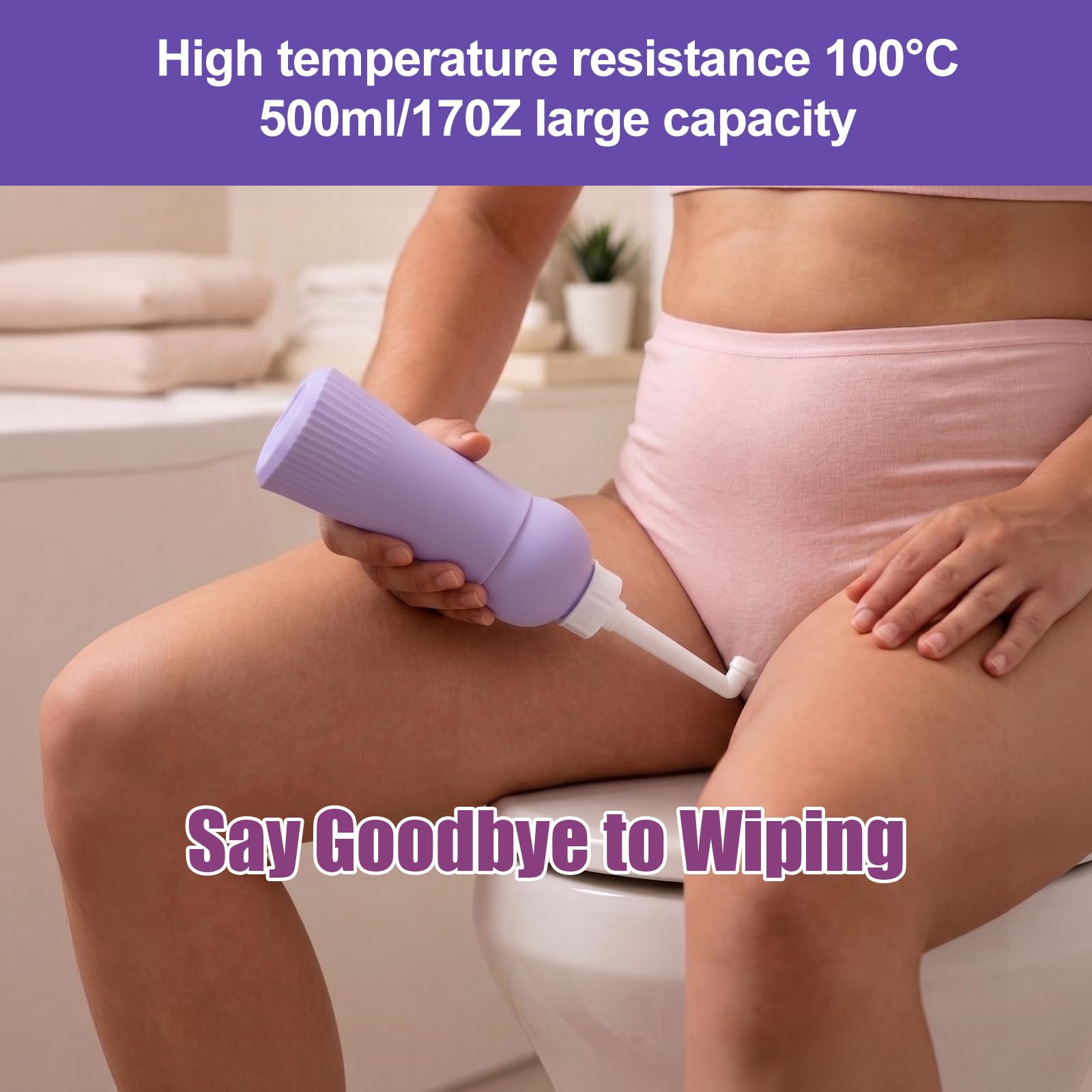
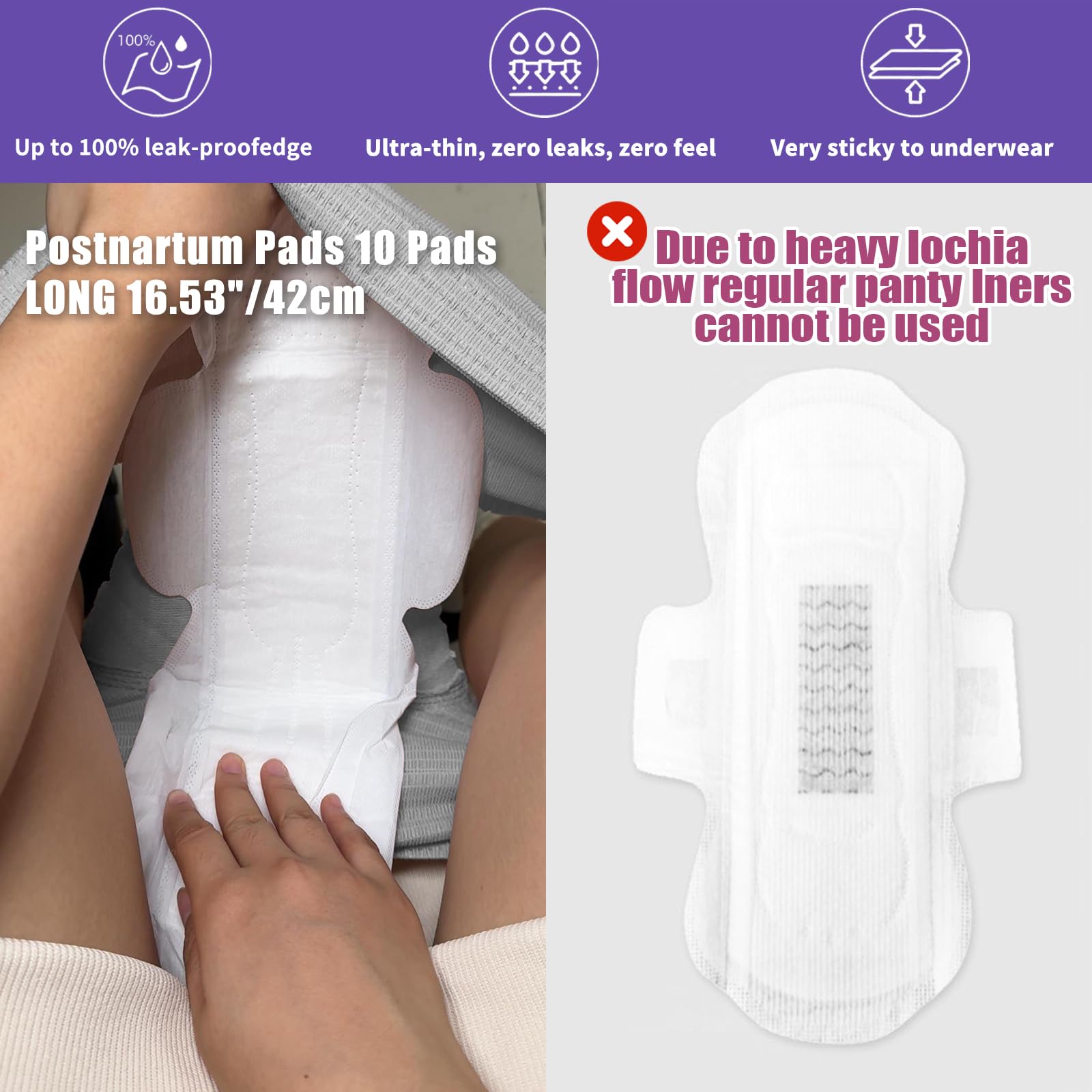
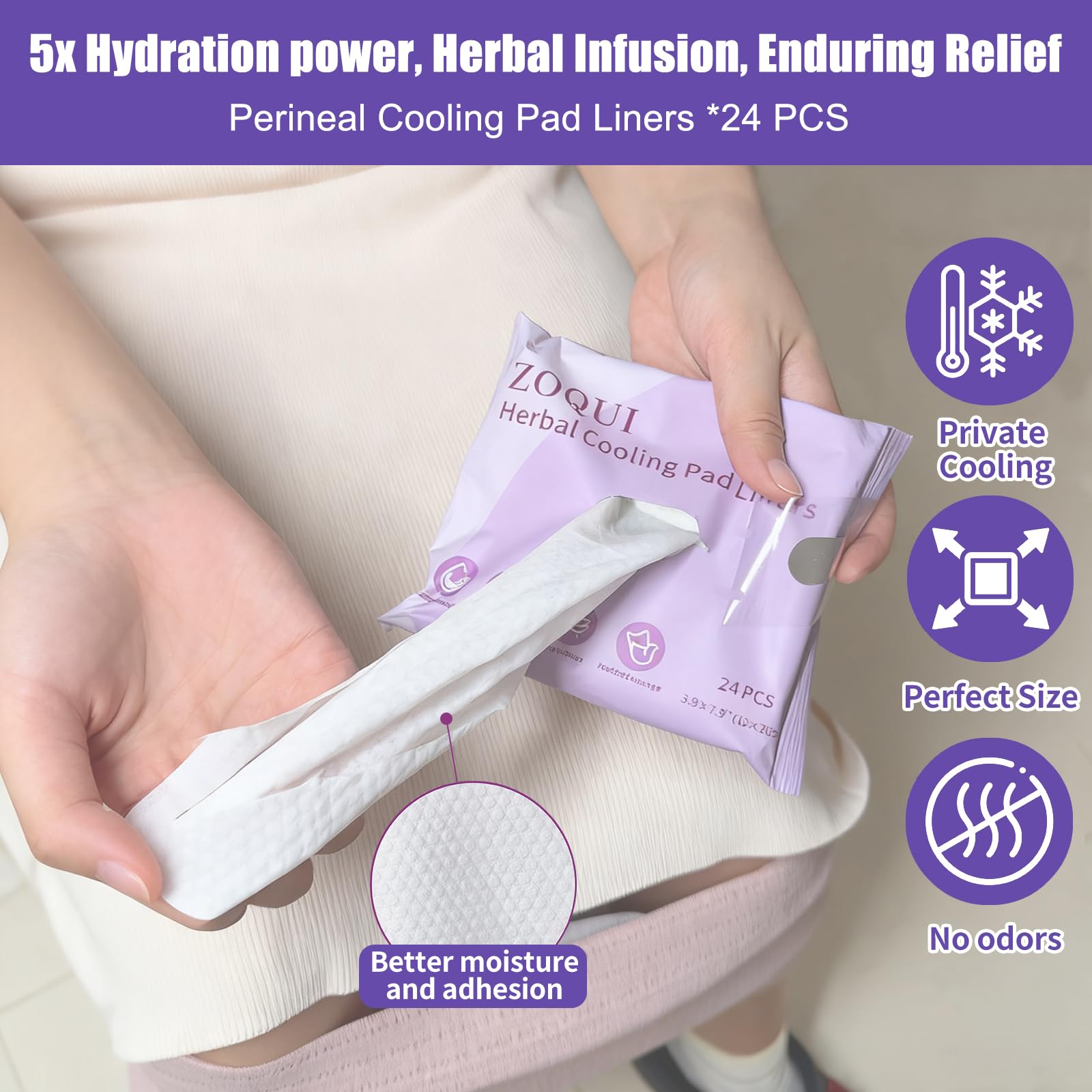
Postpartum Recovery Kit for New Moms, 16 Pcs Perineal Care Set with Peri Bottle, Disposable Underwear, Postpartum Pads & Cooling Pad Liners, Hospital Bag Essentials
- Complete 4-in-1 Postpartum Care Kit:All-in-one recovery set including 17oz/500ml upside-down peri bottle, 10 l
- Soothing Relief for Postpartum Recovery:Designed to help relieve common postpartum discomfort such as soreness
- Ergonomic Upside-Down Peri Bottle:Includes a 17oz peri bottle with a 75° angled spout for easy, targeted clean
5. Family Dynamics, Partner Health, and Relationship Strain
New parenthood does not happen to one person. It happens to a family. And yet postpartum care almost exclusively focuses on the birthing parent, leaving partners unscreened, siblings unsupported, and relationships unaddressed until they are in crisis.
Partner depression is real and underdiagnosed
Paternal postpartum depression affects approximately one in ten fathers, according to a 2010 meta-analysis published in JAMA. That rate rises significantly when the birthing parent is also experiencing depression. Partners experience the same sleep deprivation, identity shift, and loss of couple intimacy, without the social permission to express it.
Family medicine is the right setting to ask. A brief check in with the partner at a well baby visit costs ninety seconds and occasionally catches something serious.
Sibling adjustment
Older children in the family routinely show regression, sleep disruption, and behavioural changes when a new sibling arrives. This is developmentally normal and usually self limiting. But parents who are not expecting it can experience it as a crisis on top of a crisis. A short anticipatory guidance conversation at the prenatal or early postpartum visit makes a real difference. You can read more about supporting family wellbeing in the final trimester and first months for a detailed look at the relational dynamics at play across this whole period.
The couple relationship as a health variable
Relationship satisfaction drops sharply in the first year after birth for most couples, including those who very much wanted the baby. Sleep deprivation, asymmetric domestic labour, and shifts in sexual connection all contribute. This is not a therapy topic only. It is a health topic. As explored in depth elsewhere, a mother's need for connection is a genuine health variable, not a luxury concern, and clinicians who address it directly give patients permission to take it seriously.
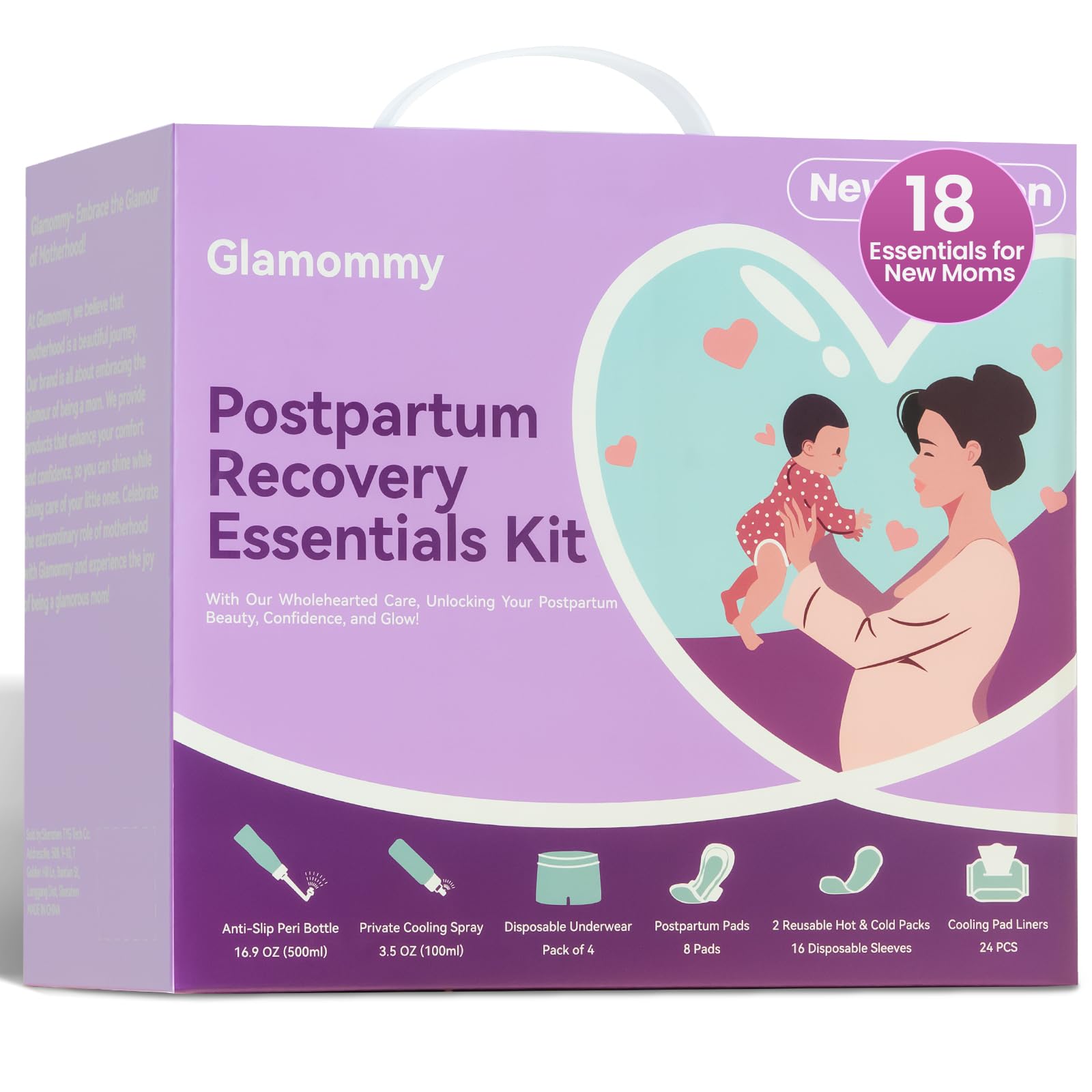


Glamommy Postpartum Recovery Essentials Kit for Women, Labor & Delivery Postpartum Care, Peri Bottle, Cooling Spray, Disposable Postpartum Underwears, Postpartum Pads, Hot&Cold Packs, Soothing Liners
- 𝗘𝘃𝗲𝗿𝘆𝘁𝗵𝗶𝗻𝗴 𝗬𝗼𝘂 𝗡𝗲𝗲𝗱 𝗶𝗻 𝗢𝗻𝗲 𝗞𝗶𝘁: Glamommy Postpartum Essentials Kit is your complete solution - it includes 𝟏𝟕𝐨
- 𝗦𝗮𝘆 𝗙𝗮𝗿𝗲𝘄𝗲𝗹𝗹 𝘁𝗼 𝗣𝗼𝘀𝘁𝗽𝗮𝗿𝘁𝘂𝗺 𝗗𝗶𝘀𝗰𝗼𝗺𝗳𝗼𝗿𝘁: The peri bottle thoroughly cleanses sensitive areas, while the cooling
- 𝗪𝗼𝗿𝗿𝘆-𝗙𝗿𝗲𝗲 𝗣𝗼𝘀𝘁𝗽𝗮𝗿𝘁𝘂𝗺 𝗖𝗼𝗺𝗳𝗼𝗿𝘁: Enjoy the softness of these skin-friendly disposable underwear, designed with a
Having practical physical recovery tools at home, like the Glamommy postpartum essentials kit with its full range of comfort and hygiene supplies, reduces the low level physical stress that compounds emotional strain in those first weeks.
6. Building Fourth Trimester Pathways Into Your Practice
Knowing the evidence is necessary but not sufficient. Changing practice requires systems, and systems require deliberate design.
The core components of a fourth trimester practice model
Telehealth is not a compromise
For fourth trimester care specifically, telehealth is often genuinely superior to in person visits for the two to three week contact. Getting a newborn and a recovering parent to a clinic by week three is logistically difficult. A fifteen minute video call at home allows you to observe the feeding environment, assess mood in a less performative setting, and build rapport in a way that a rushed clinic visit rarely achieves.
Social determinants are fourth trimester determinants
Food insecurity, housing instability, domestic violence, and social isolation all peak as risk factors in the postpartum period. Universal social screening at the prenatal visit and again at the postpartum visit, using a validated tool like the PRAPARE (Protocol for Responding to and Assessing Patients' Assets, Risks, and Experiences), connects your clinical care to community resources before a crisis arrives.
Educating patients before birth
The most effective postpartum care starts prenatally. A prenatal visit dedicated to fourth trimester expectations, including a frank conversation about what the first twelve weeks actually look like physically and emotionally, dramatically improves help seeking behaviour afterwards. Patients who know what to expect are far more likely to name a symptom as something worth calling about.
The postpartum period is a critical time for women's health that has historically received inadequate attention from the medical community.
— ACOG Committee Opinion 736 (2018)
For patients building their postpartum kit, the HVLVOYG 3 in 1 perineal care kit offers a lower cost entry point with the core essentials, and the ZOQUI 20 piece recovery kit adds hot and cold packs plus a soothing spray for more comprehensive comfort support.
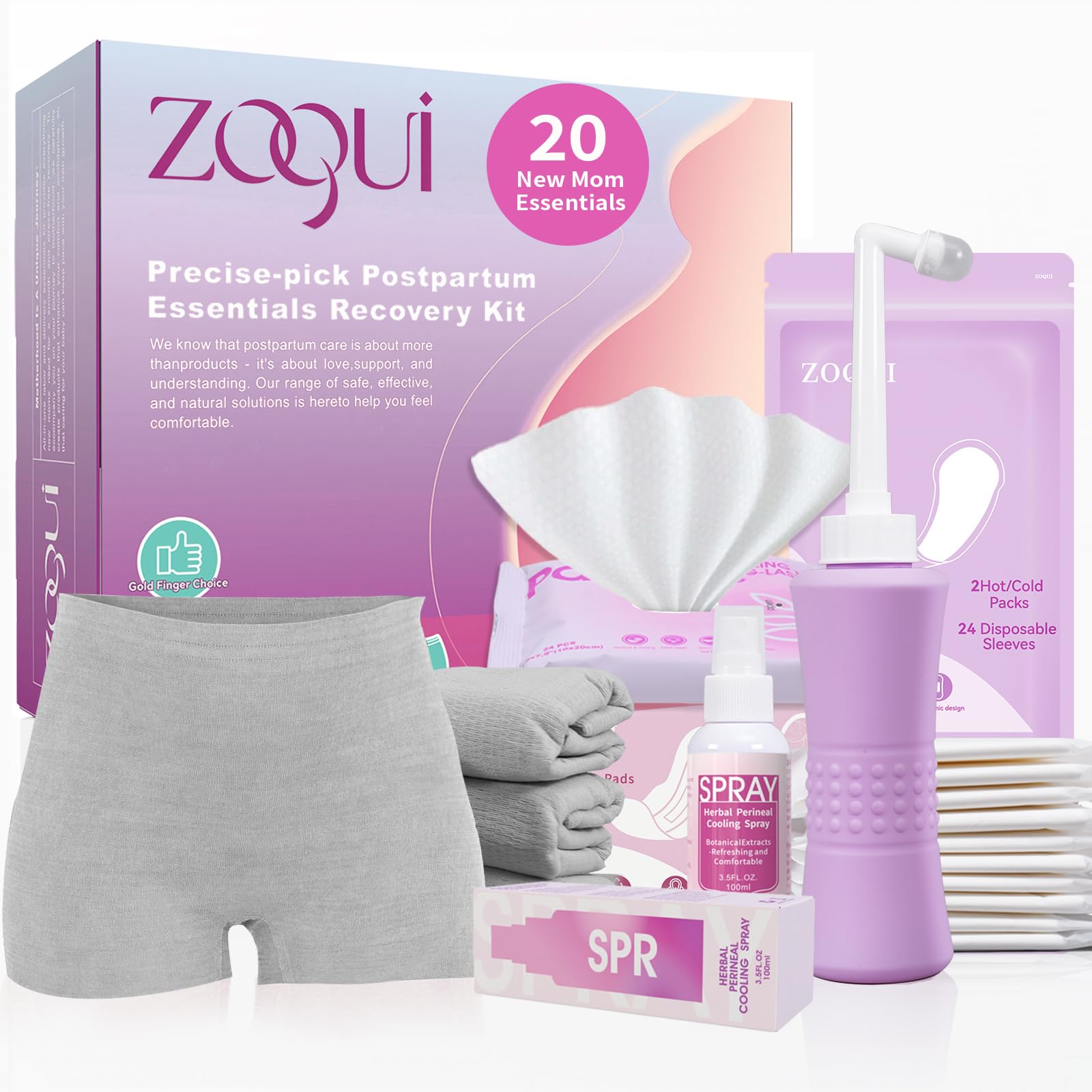
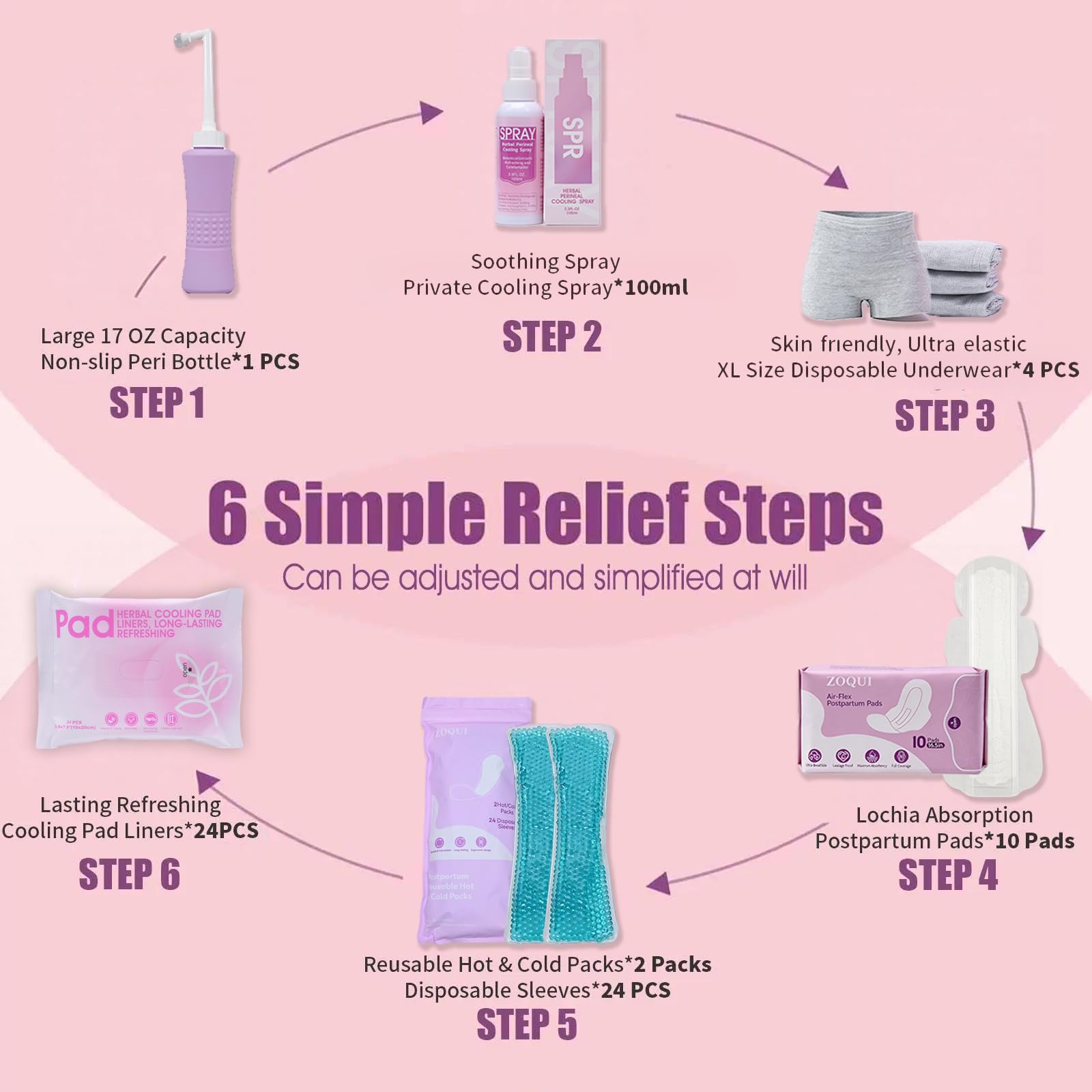
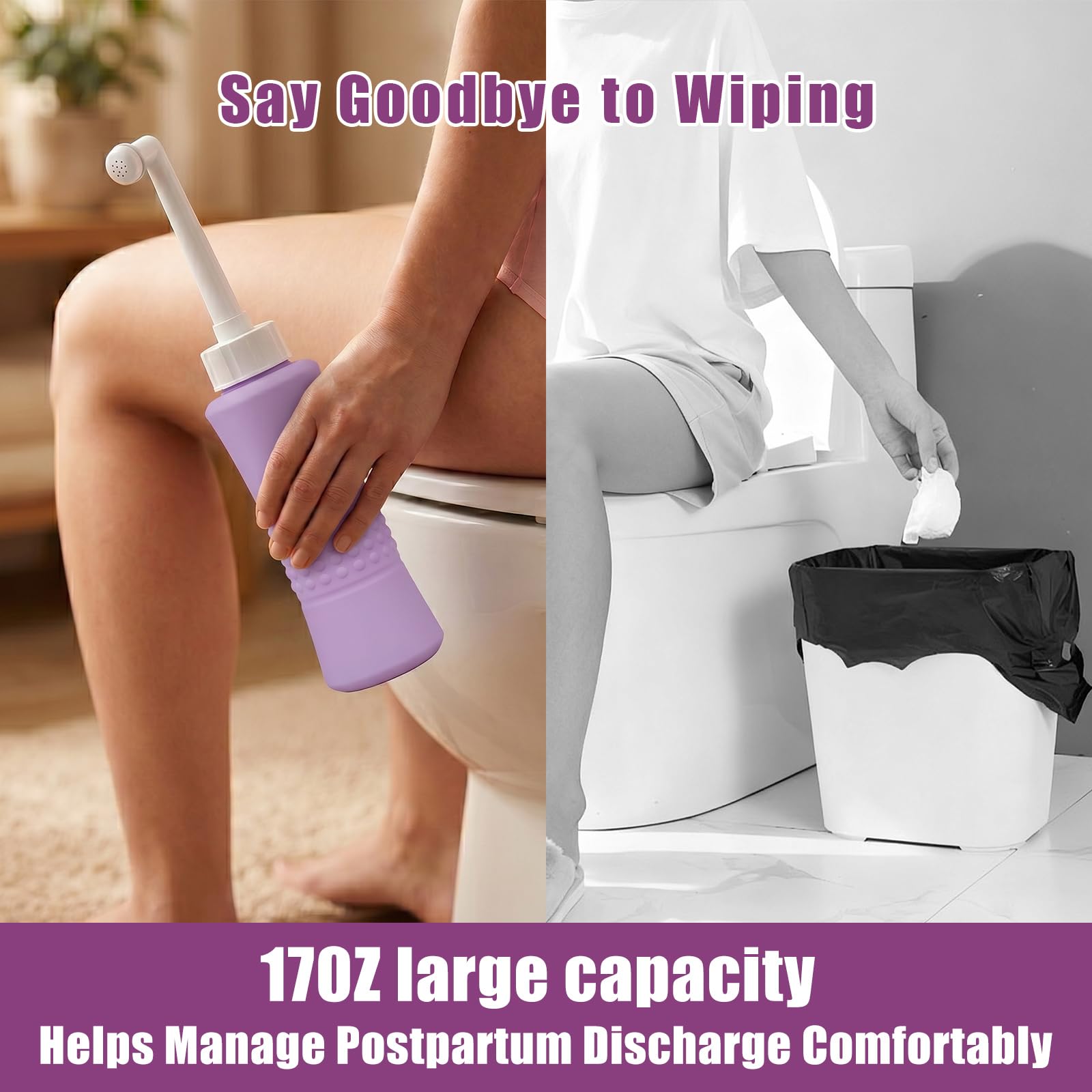
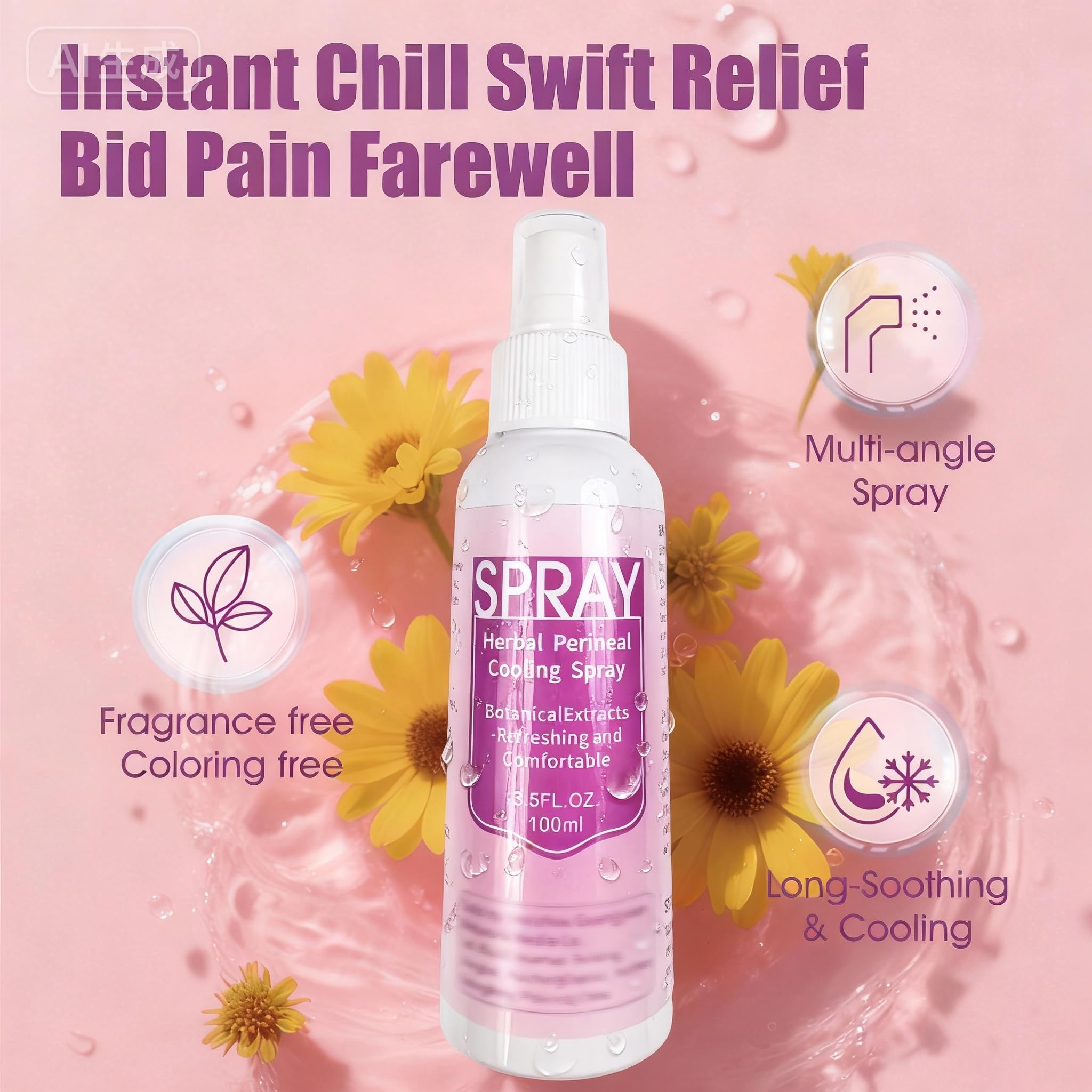
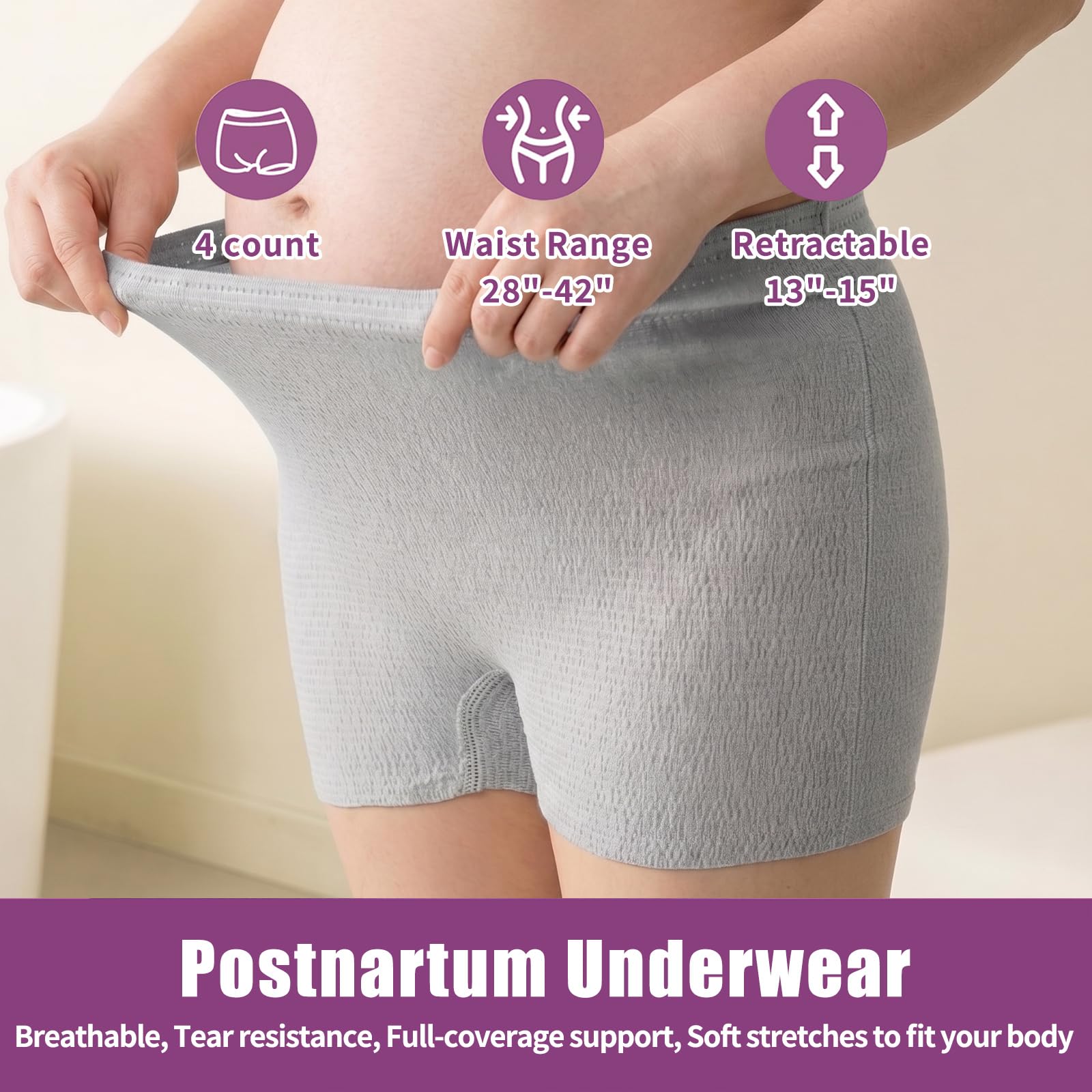
20 Pcs Mom Postpartum Essentials Recovery Kit, Hospital Bag Must Haves for New Mom, Postpartum Pads, Peri Bottle, Cooling Spray, Perineal Soothing Liners, Disposable Underwear, Hot&Cold Packs(Set)
- 【Postpartum Essentials】Complete new mom care package includes 17oz upside-down peri bottle, 10 leak-proof maxi
- 【 All-in-One Postpartum Recovery Kit】Perineal care collection provides targeted relief for common birth injuri
- 【Secure, Comfortable Protection】Hospital bag must haves, includes 24 disposable pad covers for hygiene. Soft,
| Postpartum Recovery Kit | Best For | Key Contents | Main Strengths | Main Drawbacks | Recommended Product | Price |
|---|---|---|---|---|---|---|
| Momcozy Complete Kit | First time parents wanting everything in one bag | Peri bottle, cold pads, nursing pads, disposable underwear, cooling foam | Extremely comprehensive; canvas bag for storage | Larger investment | Momcozy Recovery Kit | $44.99 |
| HVLVOYG 16 Piece Set | Parents prioritising hygiene and feeding comfort | Peri bottle, maxi pads, disposable underwear, cooling pad liners | High ratings, well balanced kit, very complete for the price | Smaller brand, fewer reviews | HVLVOYG 16 Piece Kit | $19.99 |
| HVLVOYG 3 in 1 Set | Budget conscious families, second time parents who need top ups | Maxi pads, disposable underwear, cooling pad liners | Most affordable, individually sealed packaging | No peri bottle included | HVLVOYG 3 in 1 Kit | $15.99 |
| Glamommy Kit | Parents recovering from difficult deliveries needing full comfort tools | Peri bottle, cooling spray, underwear, pads, hot and cold packs, wipes | Hot and cold packs are a standout addition for perineal and abdominal pain | Higher price point | Glamommy Postpartum Kit | $49.98 |
| Frida Mom Kit | Hospital bag preparation and early recovery | Peri bottle, ice maxi pads, perineal healing foam, pad liners, underwear, caddy | Medical grade foam; trusted brand with 2000+ reviews | No hot packs | Frida Mom Kit | $49.98 |
| ZOQUI 20 Piece Set | Parents wanting the most complete single purchase | Peri bottle, maxi pads, underwear, cooling spray, hot/cold packs, pad sleeves | Most items in one box; 6 step recovery logic built in | Mid tier brand recognition | ZOQUI Recovery Kit | $34.18 |
Expert Insights
The Bottom Line
The fourth trimester is not a soft, optional extension of obstetric care. It is the period when birth injuries heal or become chronic problems, when postpartum mood disorders either get caught or go underground for months, when feeding relationships succeed or fail, and when families either find their footing or quietly fall apart. Family medicine is the specialty best placed to hold all of that together because you hold the relationship.
The changes required are not dramatic. A phone call at three weeks. A standardised screening tool. A warm referral network. A five minute conversation about what the partner is experiencing. A practical postpartum kit recommended before birth instead of discovered by chance on Amazon at midnight. None of these are difficult. All of them matter enormously.
The fourth trimester deserves the same systematic clinical attention we give to the prenatal period. Your patients are already living it. They just need someone to meet them there.
If this guide has been useful, save it, share it with your team, and revisit it the next time you are reviewing your postpartum protocols. Small systems changes save lives here.
Sources & References
- American College of Obstetricians and Gynecologists. "ACOG Committee Opinion 736: Optimising Postpartum Care." 2018. https://www.acog.org/clinical/clinical-guidance/committee-opinion/articles/2018/05/optimizing-postpartum-care
- Centers for Disease Control and Prevention. "Maternal Mortality." 2023. https://www.cdc.gov/reproductivehealth/maternal-mortality/index.html
- Centers for Disease Control and Prevention. "Breastfeeding Report Card." 2022. https://www.cdc.gov/breastfeeding/data/reportcard.htm
- Centers for Disease Control and Prevention. "Depression Among Women." 2022. https://www.cdc.gov/reproductivehealth/depression/index.htm
- Paulson, J.F., and Bazemore, S.D. "Prenatal and Postpartum Depression in Fathers and Its Association with Maternal Depression." JAMA, 2010; 303(19): 1961-1969.
- American Thyroid Association. "Postpartum Thyroiditis." 2019. https://www.thyroid.org/postpartum-thyroiditis/
- World Health Organization and UNICEF. "Breastfeeding." 2023. https://www.who.int/health-topics/breastfeeding
- American Academy of Pediatrics. "New AAP Guidance Supports Breastfeeding for At Least 2 Years." 2022. https://www.aap.org/en/news-room/news-releases/aap/2022/the-american-academy-of-pediatrics-recommends-mothers-breastfeed-for-at-least-2-years/
- Postpartum Support International. "Postpartum Depression Facts." 2023. https://www.postpartum.net/learn-more/postpartum-depression-facts/
- Cox, J.L., Holden, J.M., and Sagovsky, R. "Detection of Postnatal Depression: Development of the 10-item Edinburgh Postnatal Depression Scale." British Journal of Psychiatry, 1987; 150: 782-786.
- PRAPARE (Protocol for Responding to and Assessing Patients' Assets, Risks, and Experiences). National Association of Community Health Centers. 2023. https://www.nachc.org/research-and-data/prapare/
Frequently Asked Questions
What is the fourth trimester and why does it matter clinically?
How often should a family medicine practice contact postpartum patients in the fourth trimester?
Is the Edinburgh Postnatal Depression Scale reliable enough to use in a busy family medicine practice?
Which SSRIs are safe for breastfeeding patients with postpartum depression?
What should a family medicine postpartum recovery kit recommendation include?
How do I screen for postpartum anxiety when the EPDS is primarily designed for depression?
What is the role of pelvic floor physiotherapy in fourth trimester care?
Was this helpful?
Thanks — your feedback helps us pick what to write next.