Preschool Sleep Guide: How Much Sleep Ages 3 to 5 Need
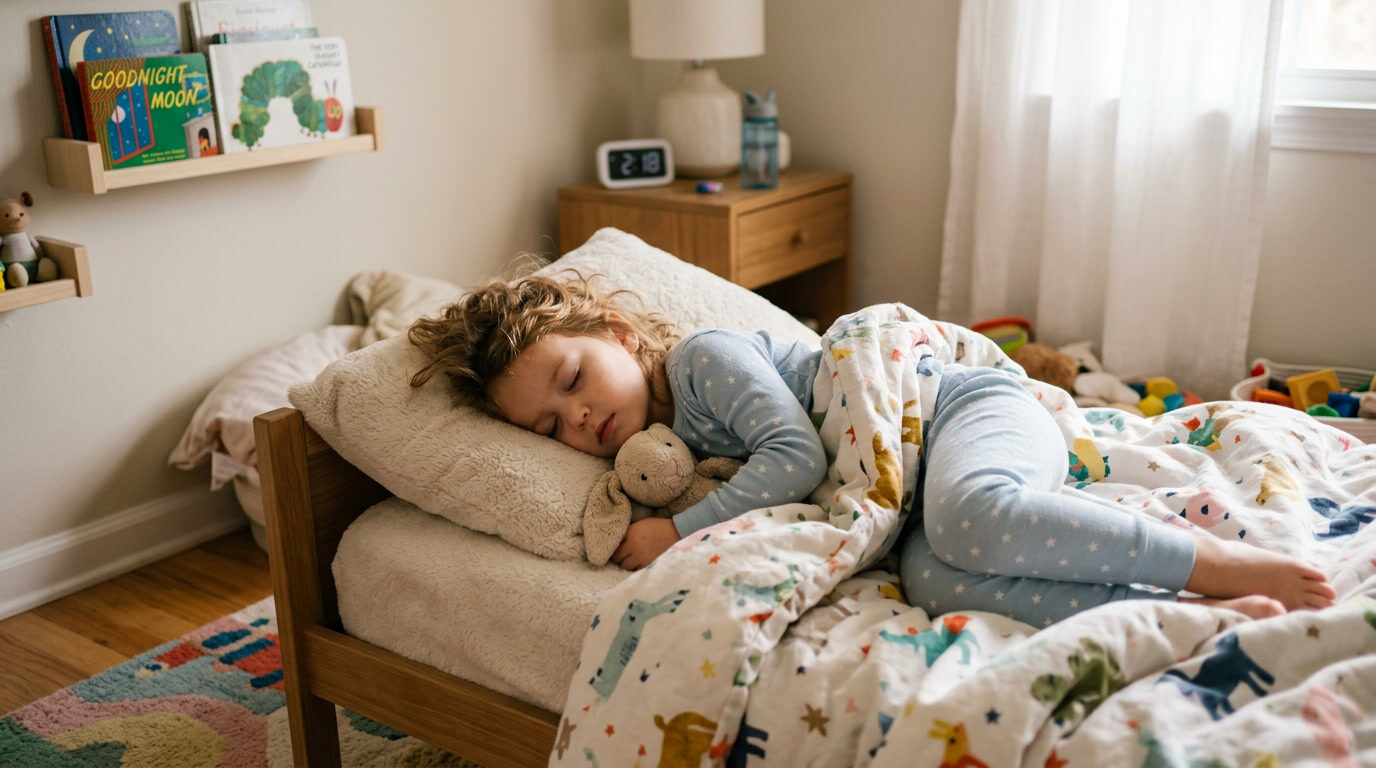
Most preschoolers ages 3 to 5 need 10 to 13 hours of sleep in every 24 hour period, including naps, and a consistent bedtime routine is the single most powerful tool parents have to make that happen.
In this article
Picture this: it's 8:45 pm. Your four year old has already asked for one more glass of water, told you her foot feels "weird," and suddenly remembered a very important story about something that happened at preschool. You are exhausted. She is exhausted. Nobody is sleeping.
If this sounds familiar, you're in good company. Research from the American Academy of Pediatrics (AAP) shows that up to 25 percent of young children experience some form of sleep problem at preschool age, making it one of the most common concerns parents bring to clinic visits.
The good news: most preschool sleep problems are completely solvable, and the science on what works is genuinely clear.
By the end of this guide, you'll understand:
1. How Much Sleep Does a Preschooler Actually Need?
The AAP and the American Academy of Sleep Medicine (AASM) both recommend 10 to 13 hours of total sleep per 24 hour period for children ages 3 to 5. That number includes any nap your child is still taking.
In practice, most preschoolers do best with: - A bedtime somewhere between 7:00 and 8:30 pm - A wake time between 6:30 and 7:30 am (giving 11 to 12 hours overnight) - A nap of 45 to 90 minutes if your child is still napping (more on that below)
Signs your preschooler is getting enough sleep
Signs your preschooler may be sleep deprived
2. The Great Nap Drop: When, Why, and How to Handle It
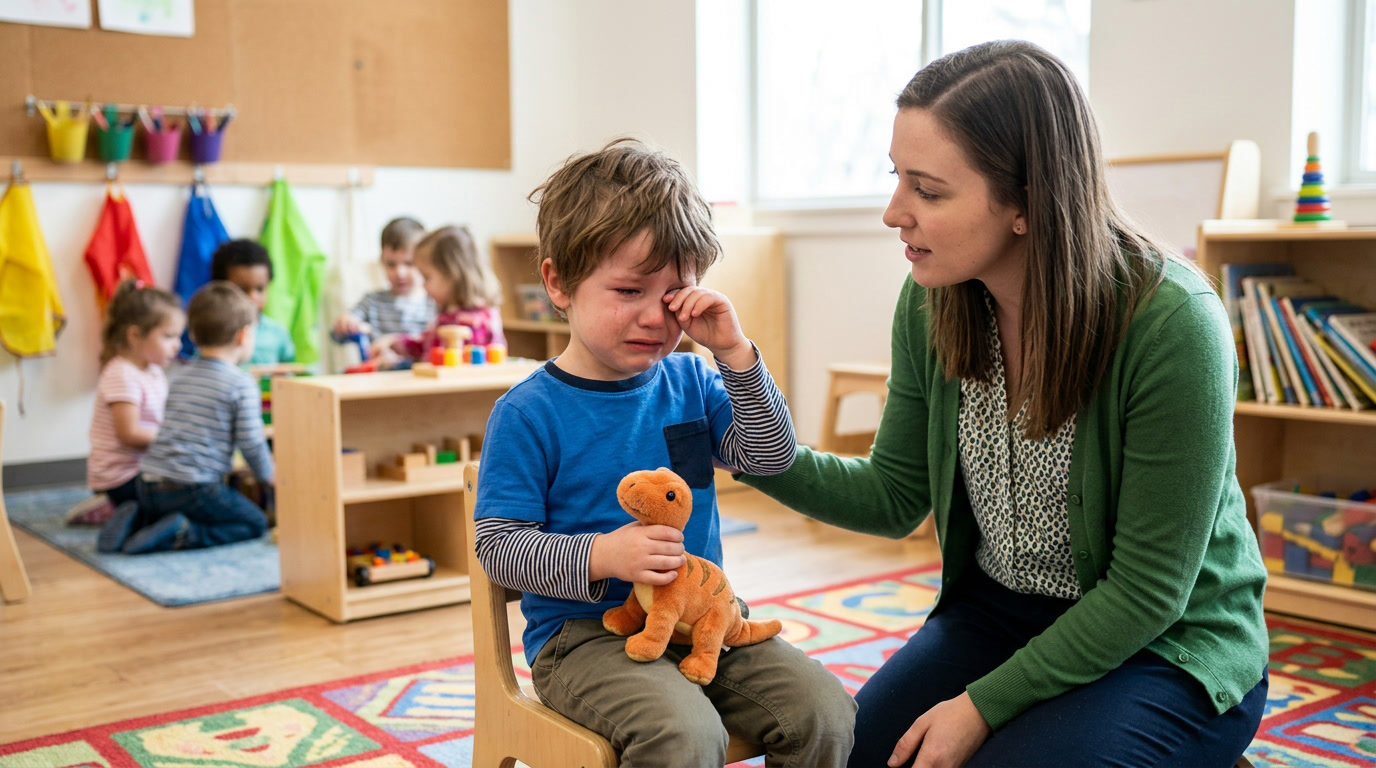
Most children drop their daytime nap somewhere between their third and fifth birthday, but there's a wide spread of normal here. Some children stop napping reliably at age 3; others hold onto a solid afternoon nap well past their fourth birthday.
Across the preschool years, you can expect a gradual shift in sleep patterns as your child's brain matures and the drive to consolidate sleep into one long overnight block increases.
How to tell if your child is ready to drop the nap
What to do instead of a formal nap
When children stop napping, replacing the nap slot with a "rest time" protects everyone's sanity. 30 to 45 minutes of quiet play in their room (books, puzzles, a calm audio story) gives their brain a recovery window even without actual sleep. On some days, particularly after illness or a high-stimulation morning, they may surprise you and actually fall asleep during this window.3. Building a Bedtime Routine That Actually Works
A consistent bedtime routine is the most evidence backed sleep intervention that exists for this age group. Full stop. Multiple large studies, including systematic reviews published in the journal Sleep Medicine Reviews, have found that children with a regular bedtime routine fall asleep faster, wake less during the night, and get more total sleep than children without one.
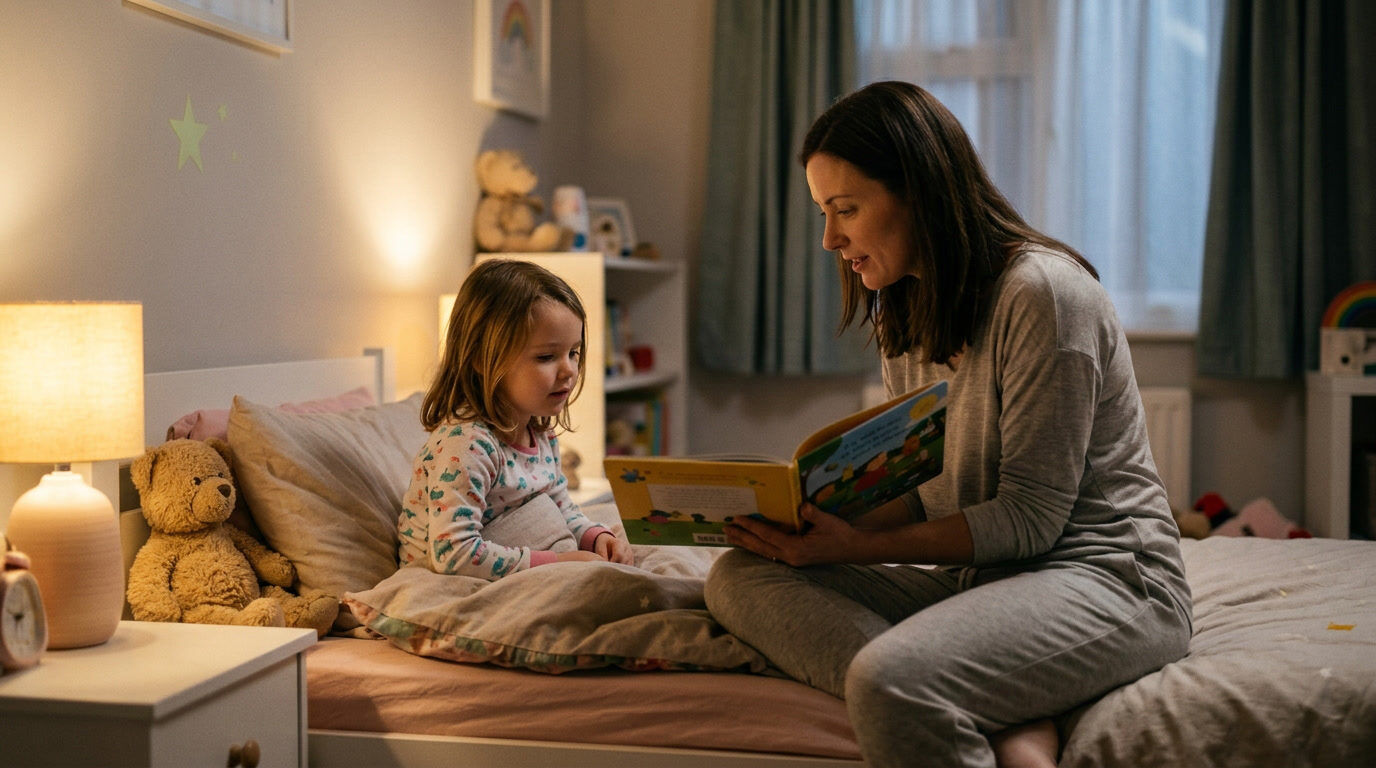
The routine doesn't need to be elaborate. What matters most is that it's: - The same order of steps every single night - The same length (20 to 30 minutes is ideal) - Calming in quality (bath, pyjamas, teeth, story, song, lights out) - Free from screens for at least 30 to 60 minutes before sleep
A simple, proven sequence
1. Warning: "Fifteen minutes to bath time" (preschoolers do better with a heads-up) 2. Bath or wash (warm water lowers core body temperature, which signals sleep) 3. Pyjamas and teeth brushing 4. One or two short books in a dimly lit room 5. A brief chat about something good from the day (this reduces anxious bedtime processing) 6. A consistent sign-off phrase and hug, then lights outA visual schedule on the wall of the bedroom or bathroom takes the routine from something parents enforce to something children can follow themselves. That shift, where the chart is in charge rather than you, reduces a huge amount of friction.


Melissa & Doug My Daily Routines Chart, Wooden Daytime and Nighttime Habit Tracker with Multi-Lingual Stickers, Hands-On, Screen-Free Preschool Toys for Girls & Boys Ages 3+ - FSC Certified
- Track Daily Wins: Kids flip a flap on one side to reveal a gold star, after finishing daily tasks like getting
- What’s Inside: Includes double-sided chart with a fold-out stand, 10 flip-able wooden tabs, 10 blank stickers
- Montessori-Inspired Learning Toys: This engaging habit tracker encourages responsibility, boosts self‑esteem,
4. Bedtime Battles and Stalling: What's Really Going On
Bedtime resistance in preschoolers is almost never pure defiance. It's usually one of three things: genuine anxiety about separation, an overtired nervous system that's wired to resist, or a mismatch between bedtime and your child's actual biological sleepiness window.
The most common causes of bedtime battles
Separation anxiety. Completely normal at ages 3 to 5. Your child's brain knows that sleep means losing contact with you. A "bedtime pass" (one physical card your child can redeem for one extra hug or drink of water per night, and that's it) has real research support for reducing this behaviour.
Bedtime is too late. An overtired child produces extra cortisol to stay upright, which then fights against the sleep drive. If bedtime battles are chronic, move the whole schedule 20 minutes earlier for two weeks.
Not enough wind-down time. If your child came off a screen or a vigorous game 10 minutes before lights-out, their brain is still in high-alert mode. Protect that 30 to 60 minute wind-down window.
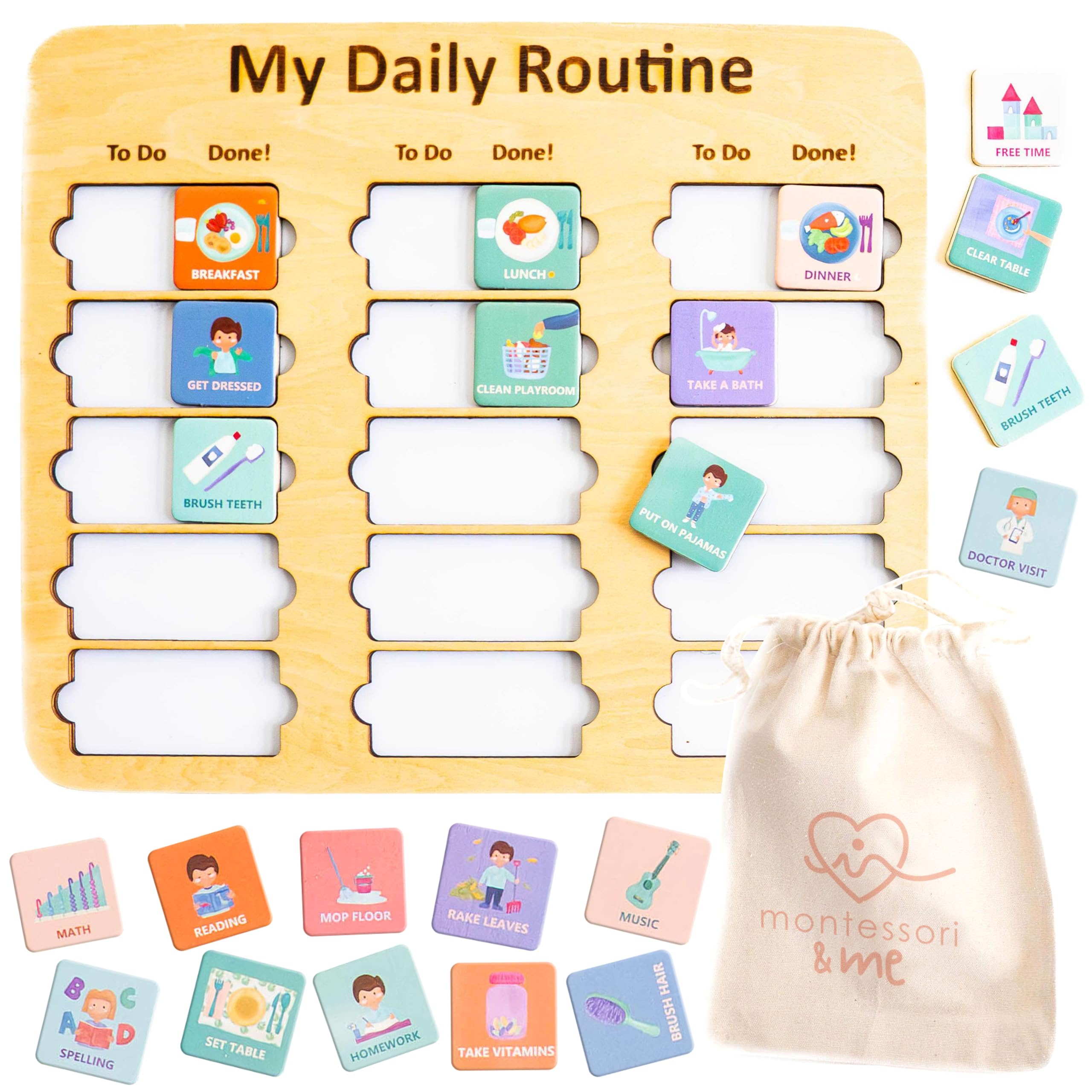
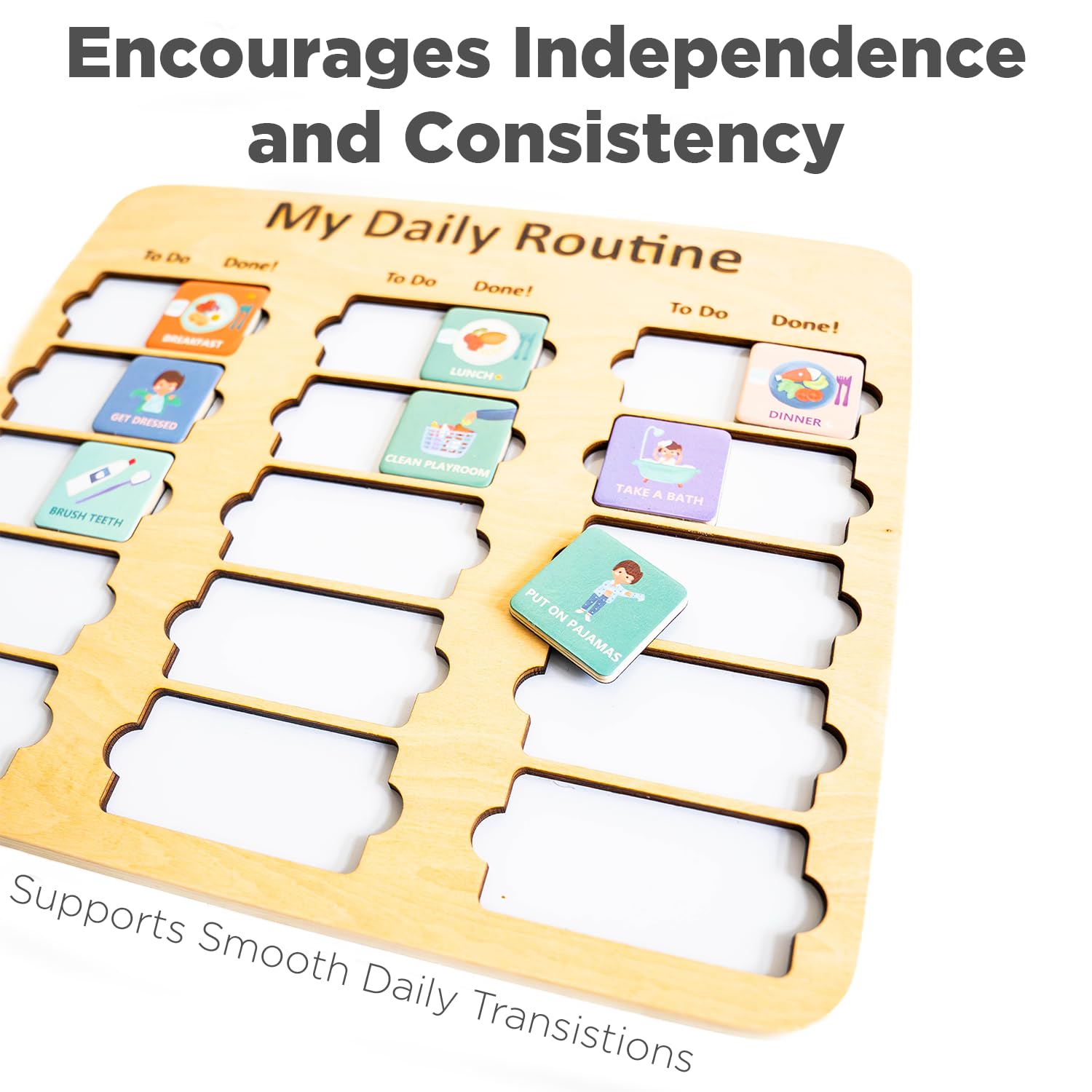
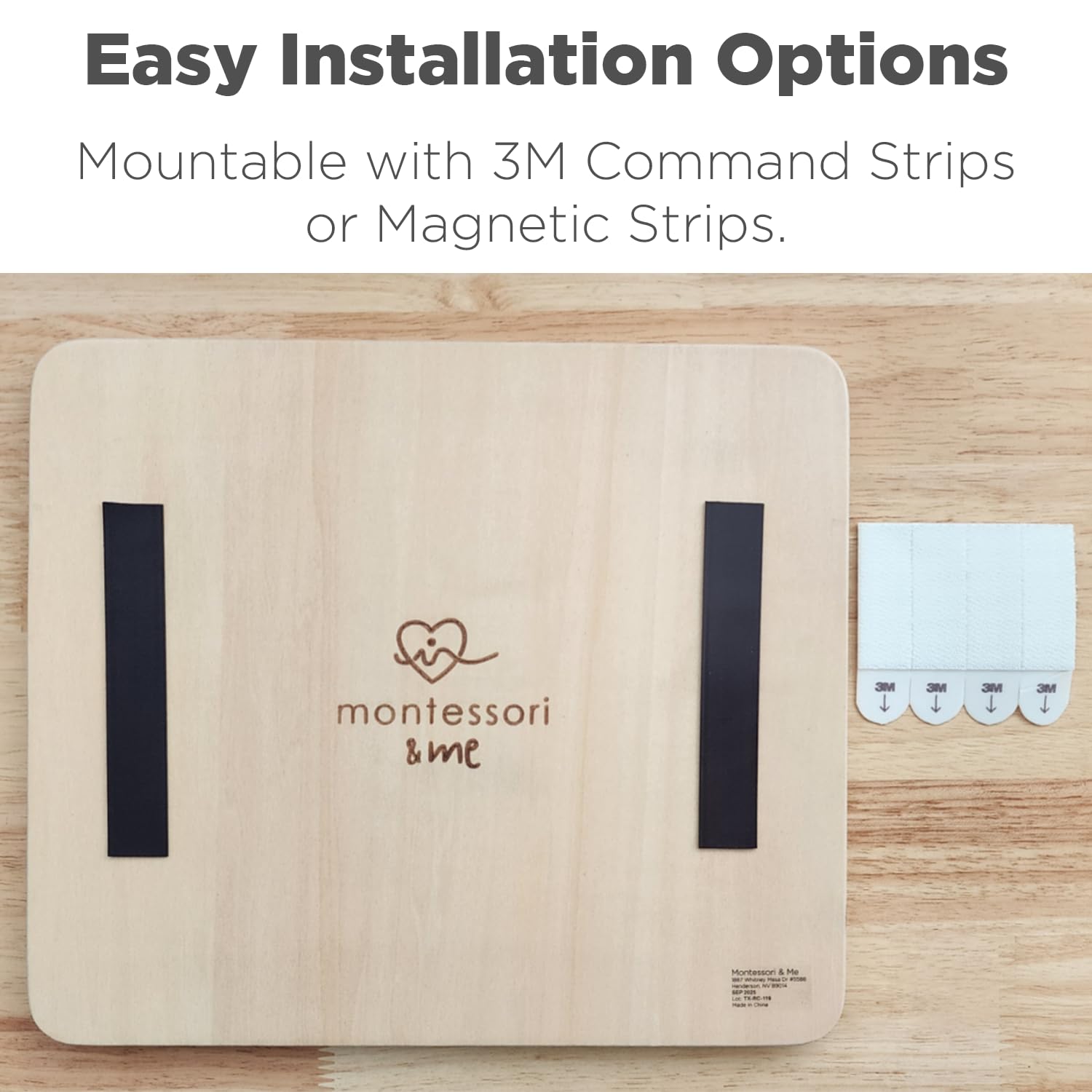
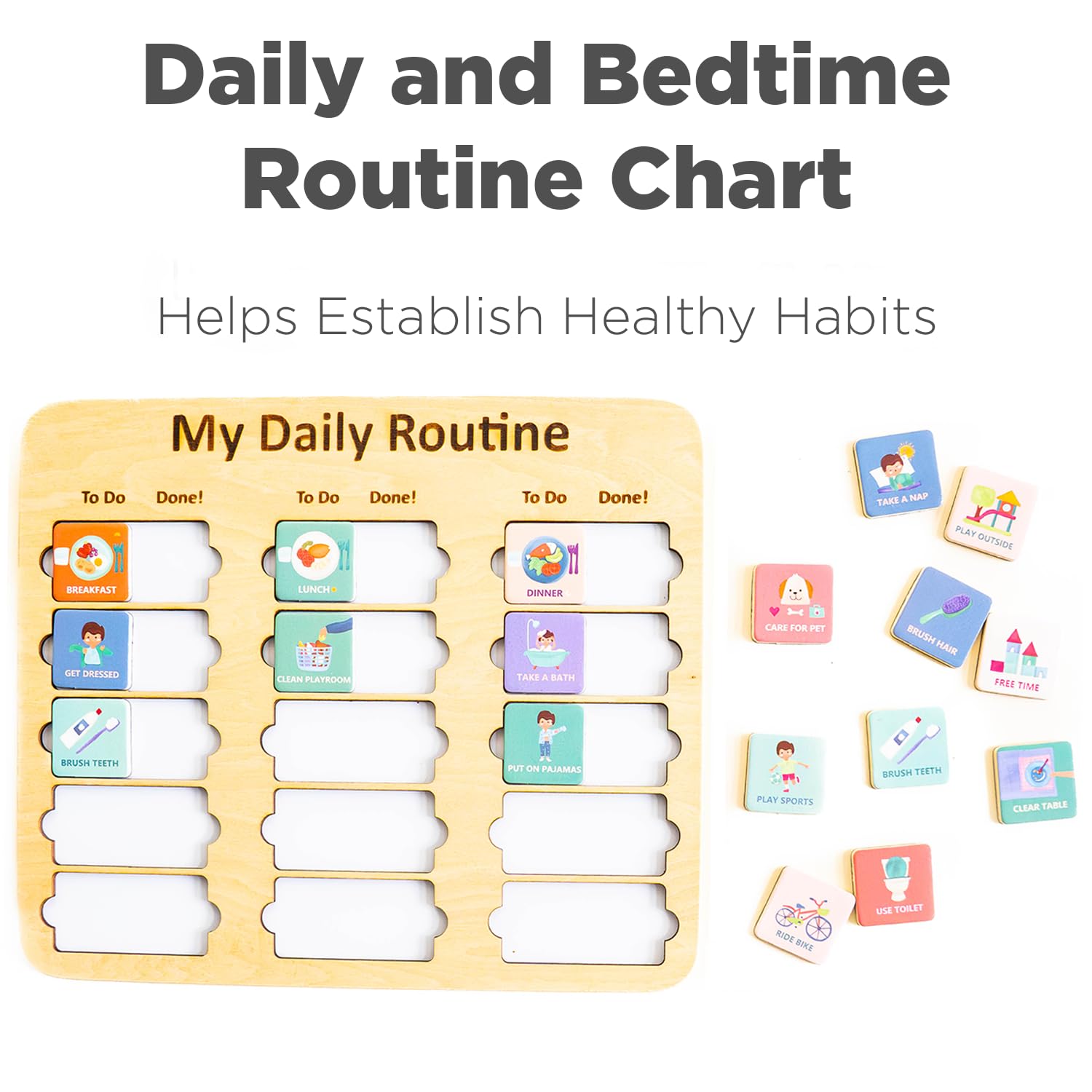

Wooden Toddler Routine Chart Ages 3-6 – Daily & Bedtime Routine Chart for Toddlers, Visual Schedule Board for Kids, Montessori-Inspired Visual Schedule for Kids Daily Routine
- PROMOTES INDEPENDENCE & DAILY STRUCTURE: Rooted in Montessori principles, this wooden daily routine chart help
- HANDS-ON, VISUAL LEARNING: Designed with tactile, easy-to-handle routine tiles, this chart supports visual lea
- QUALITY WOODEN CONSTRUCTION: Crafted from durable, smooth-finished natural wood, the routine board is built to
5. Nightmares, Night Terrors, and Middle-of-the-Night Wake-Ups
These three things feel similar to a bleary parent at 2 am, but they are genuinely different and need different responses.
Nightmares
Nightmares peak between ages 3 and 6. Your child wakes fully, is oriented, knows you, and can often tell you what scared them. They need comfort and reassurance, but keep it low key. Bright lights, long conversations, and bringing them into your bed all send a signal that nighttime is a big deal.Night terrors
Night terrors look terrifying but your child is not actually awake and will have no memory of the episode. They typically occur in the first third of the night, involve screaming, eyes open, complete unresponsiveness, and last anywhere from 2 to 20 minutes. The correct response is to stay calm, keep your child safe, and not attempt to wake them. Do not hold them down or try to console them mid-terror.Routine middle-of-the-night waking
If your child wakes and calls for you routinely between 1 and 4 am, the most common cause is a sleep association: they fell asleep with you present (nursing, lying beside them, patting) and now can't transition between sleep cycles without that same input. The fix is gentle but consistent: help them learn to fall asleep independently at the start of the night, and the middle-of-the-night wakings usually resolve within two weeks.6. Sleep Tools and Visual Schedules: What's Worth It
Visual routine charts sit right at the intersection of what preschool aged children need: predictability, autonomy, and something concrete they can hold or manipulate. The evidence on visual schedules in early childhood is solid, particularly for reducing transition-related anxiety.
Here's what to look for in a bedtime or daily routine chart:
| Chart Type | Best For | Key Features | Main Drawbacks | Recommended Product | Price |
|---|---|---|---|---|---|
| Wooden Montessori board | Long term durability, screen free families | Tactile tiles, durable, open-ended | Higher price point | Montessori & Me Routine Chart | $34.95 |
| Magnetic slider chart | Kids who love interactive tools | Sliders kids can move, includes morning and bedtime | Can lose small pieces | Astronaut Magnetic Routine Chart | $17.99 |
| Magnetic customisable chart | Families with evolving routines | Customisable stickers, 3 in 1 design | Lower overall rating | CustomMaster Chore Chart | $15.29 |
| Laminated dry erase chart | Simplicity, no loose parts | No magnets, wipes clean daily, large format | Less tactile engagement | Dry Erase Routine Chart Set | $13.99 |
| Reward sticker chart | Children motivated by stars and rewards | 225 star stickers included, twin pack | More basic design | Amonev Bedtime Reward Chart | $9.99 |
| Flip-flap wooden chart | Toddlers and younger preschoolers | Flip-able wooden tabs, multilingual stickers | Fewer total tasks | Melissa & Doug Routines Chart | $8.25 |
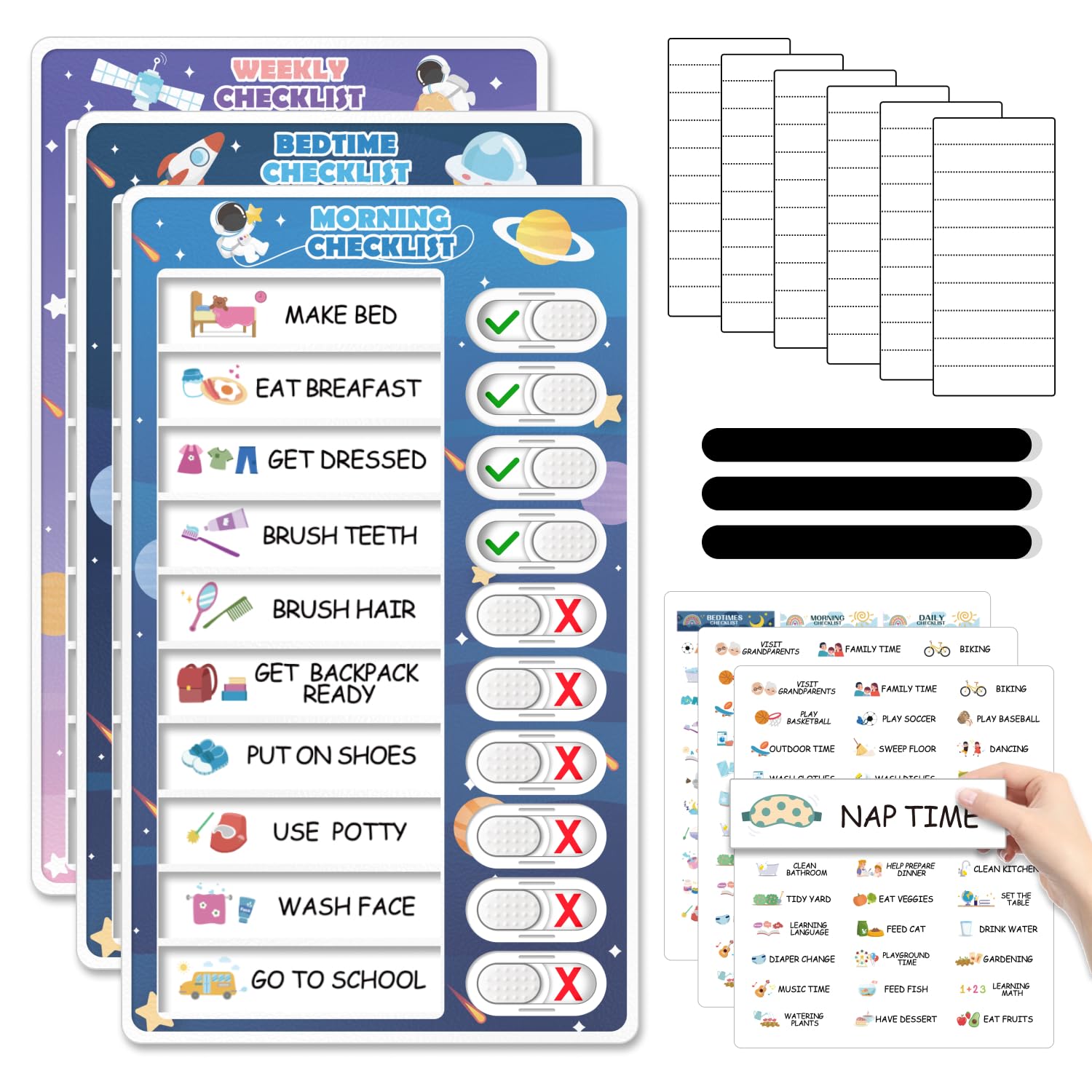
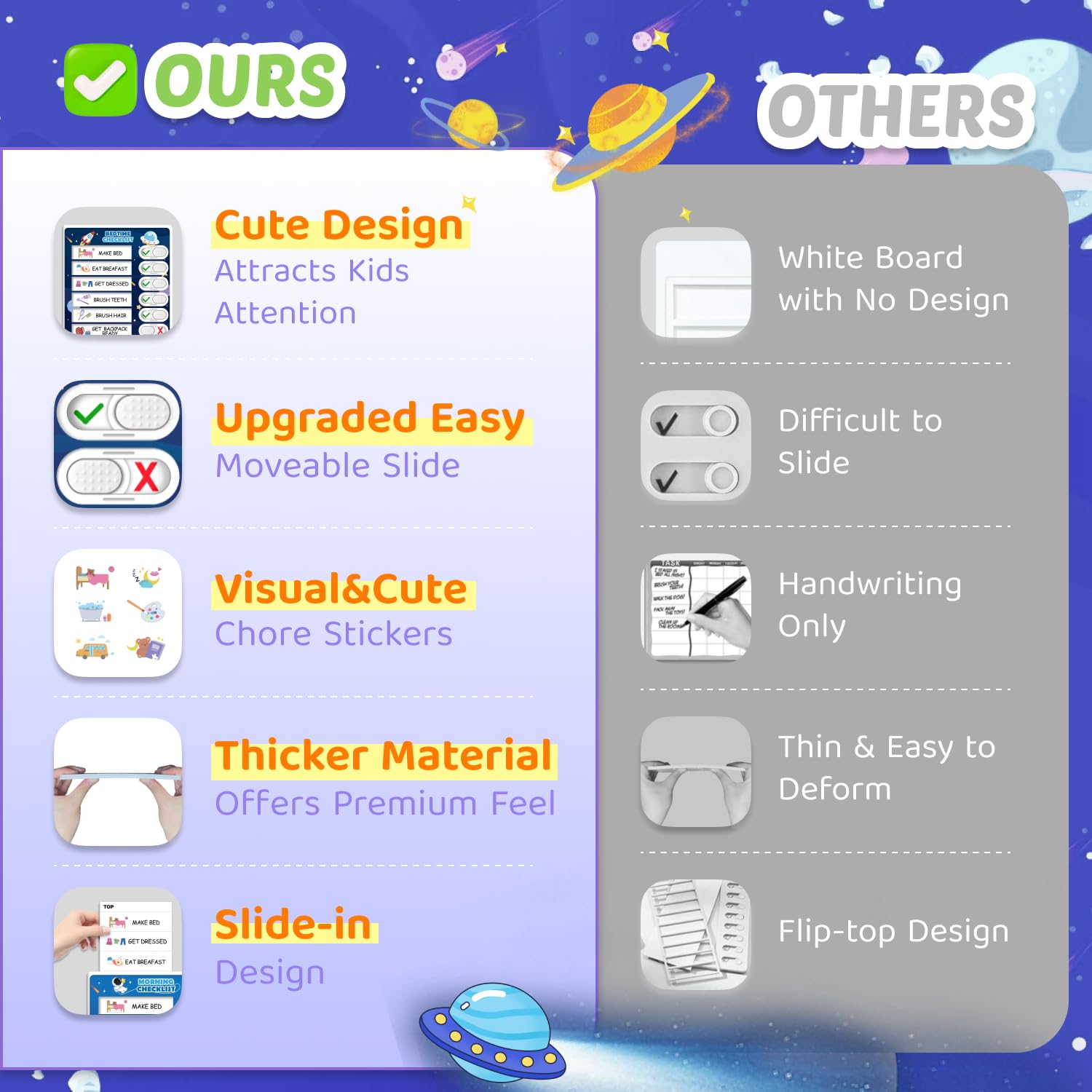
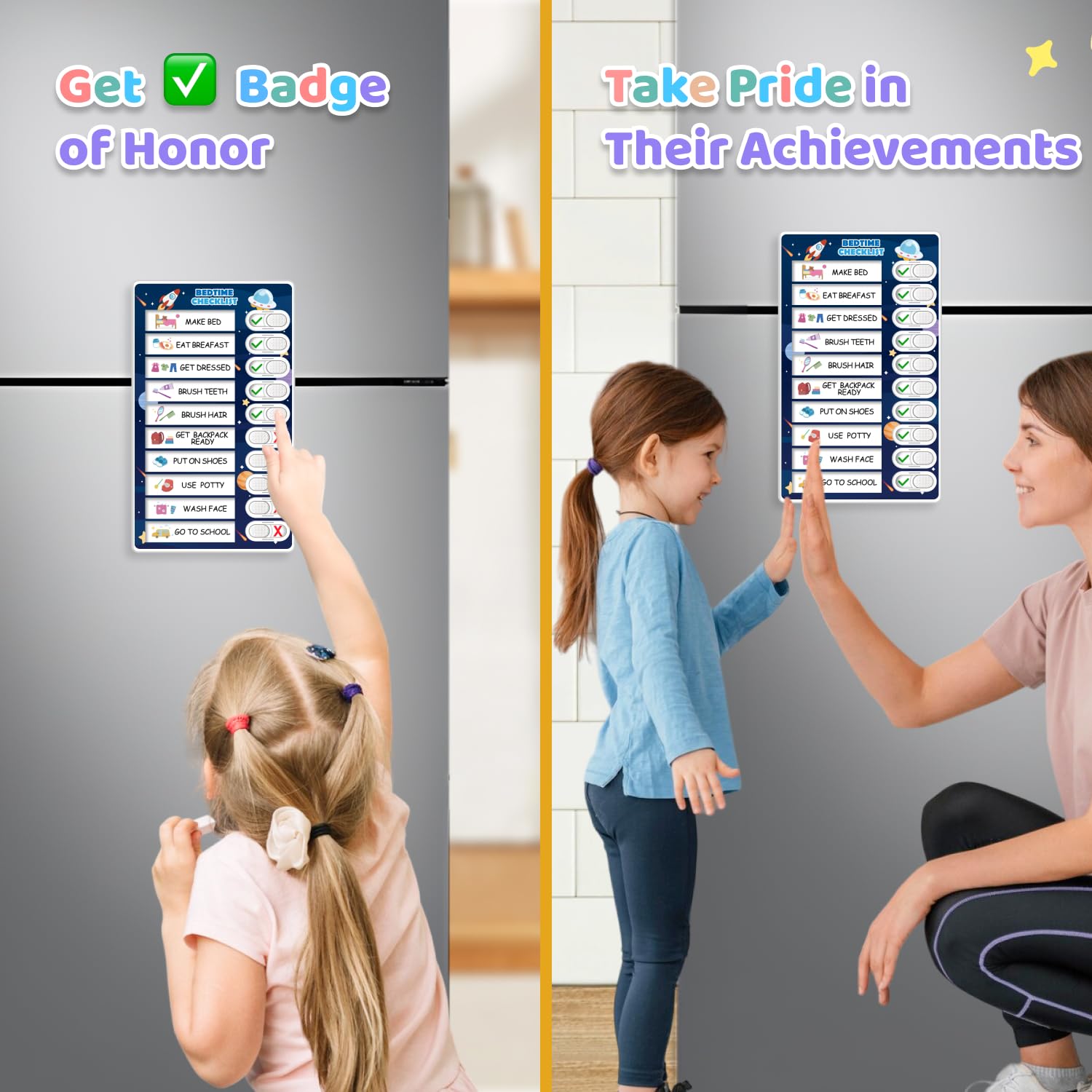

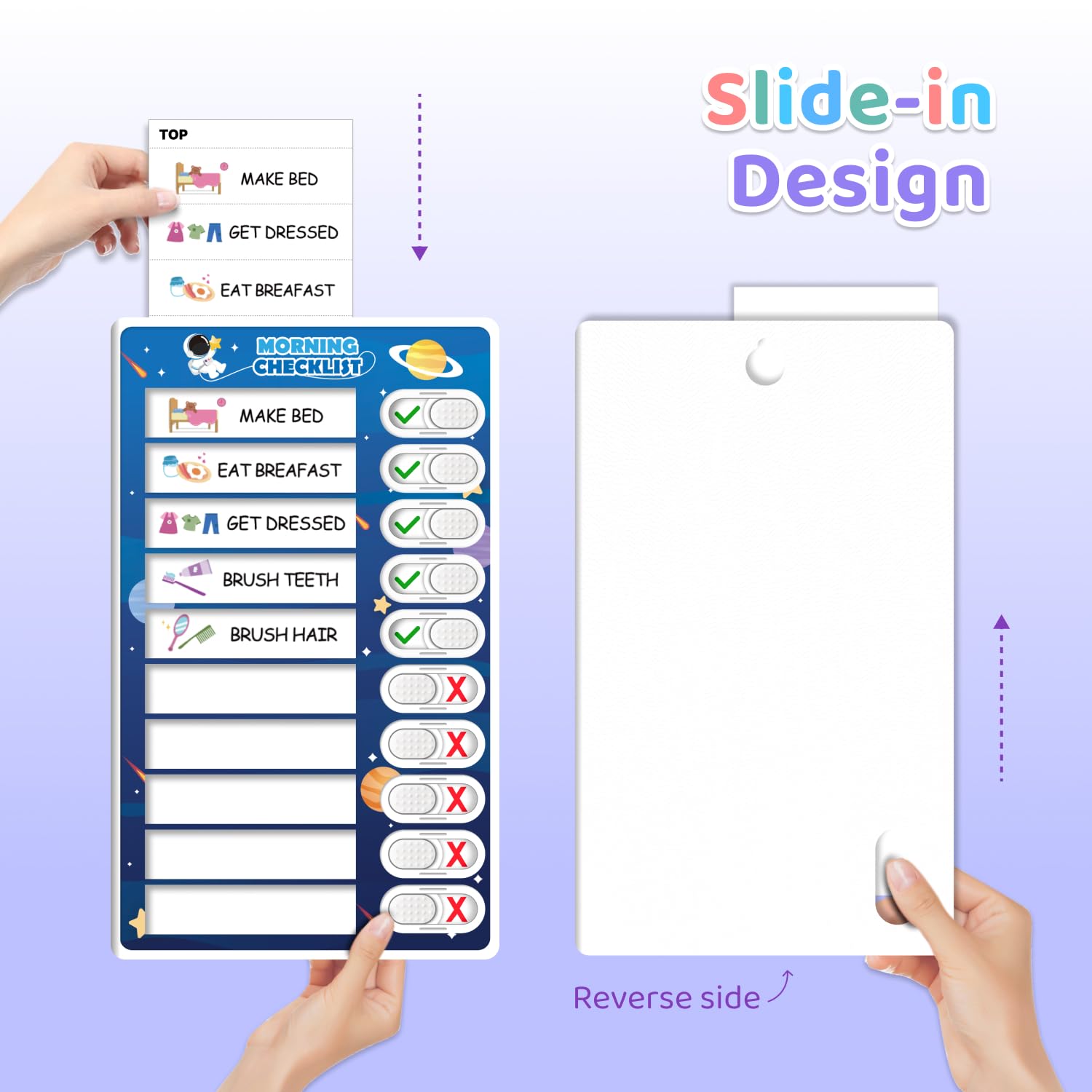
3 in 1 Bedtime/Morning/Weekly Astronaut Routine Chart for Kids, Magnetic Chore Chart for Toddlers, Visual Schedule for Kids Toddlers Schedule Board for Home
- 2024 ENHANCED DESIGN - Our upgraded 3-in-1 Routine Chart features smoother sliders and a sturdier feel for dai
- ADORABLE RAINBOW-THEMED 3-IN-1 FUNCTIONALITY - With three unique sections for Morning, Bedtime, and the newly
- INTERACTIVE CHORE STICKERS & DRY ERASE PEN - The chore chart set includes cute, visual chore stickers and a dr


Amonev Bedtime Routine Chart Reward Chart for Sleep Training Twin Pack Chart for Boys Girls Toddlers and Young Children with 225 Stars Stickers Included
- Office Products
- Office & School Supplies
- Education & Crafts
7. When to Talk to Your Doctor: Red Flags in Preschool Sleep
Most preschool sleep difficulties are normal developmental challenges. But some patterns deserve a conversation with your paediatrician.
Talk to your doctor if your child:
Habitual snoring in preschoolers is more common than most parents realise. The AAP estimates it affects roughly 10 percent of children, and in a meaningful proportion of those, there's underlying airway obstruction that fragments sleep quality and affects daytime learning and behaviour.
If you have a child who seems unusually sensitive to sleep disruption, it's worth reading about how sleep and sensory sensitivity overlap in early childhood, since the two often intersect in this age group.
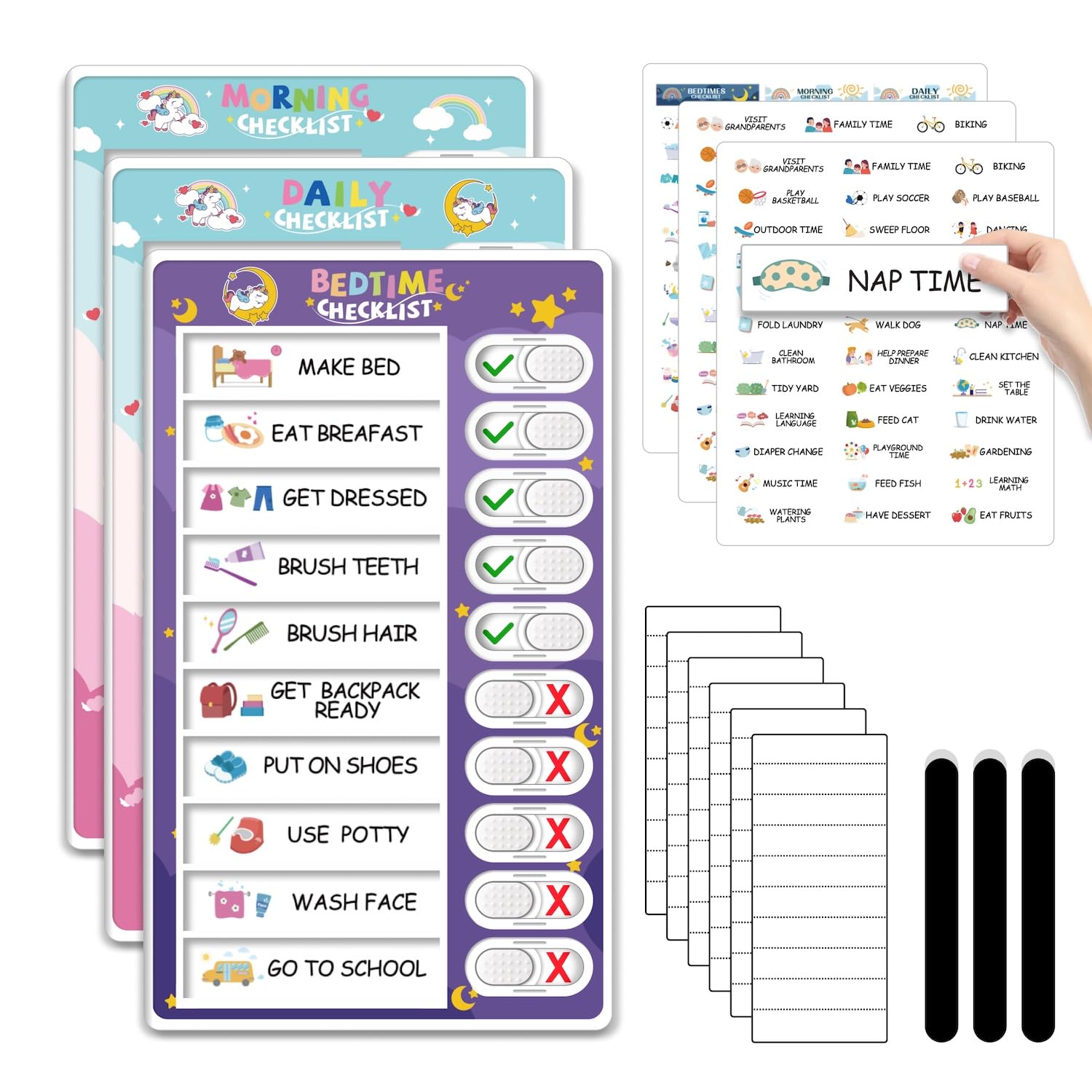
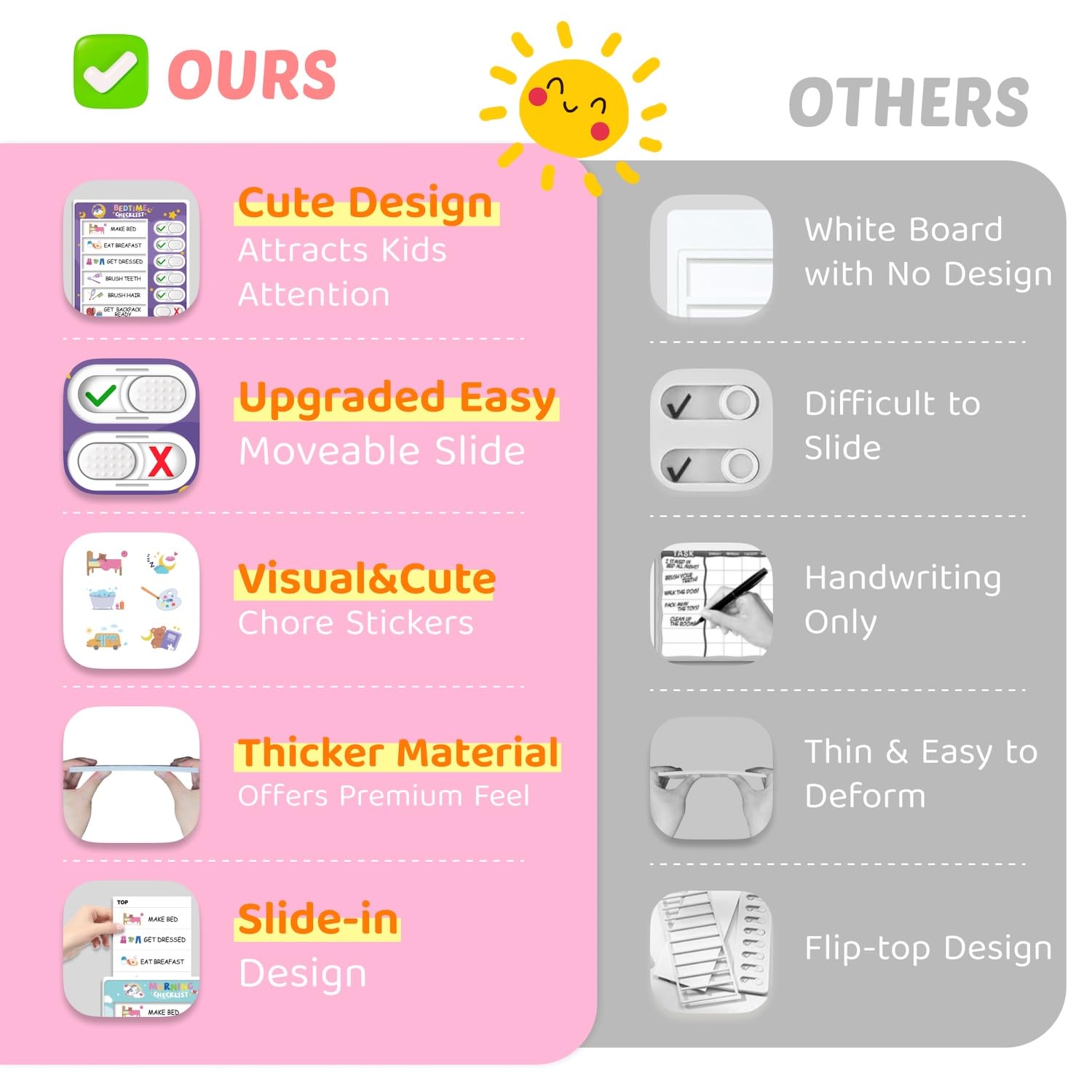
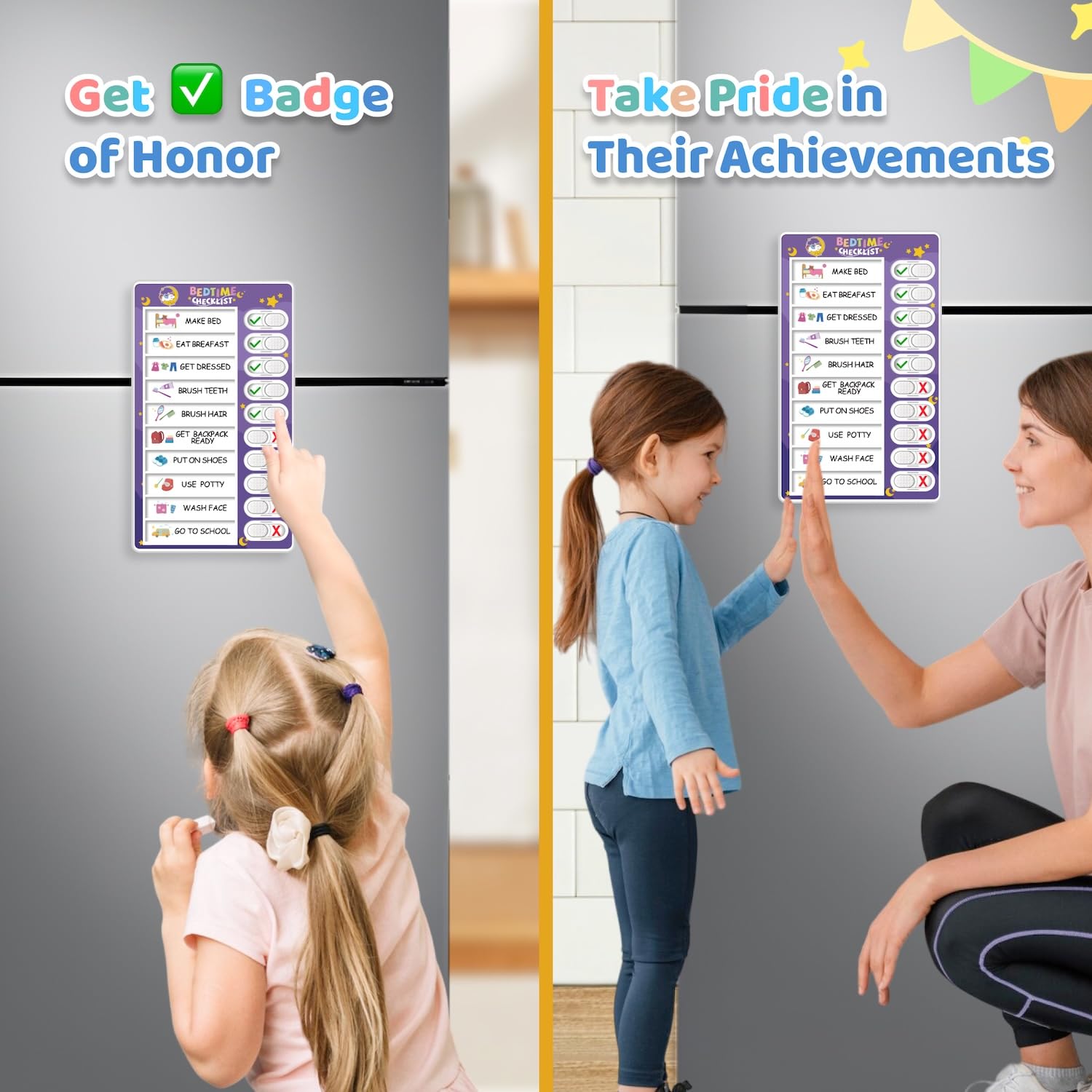

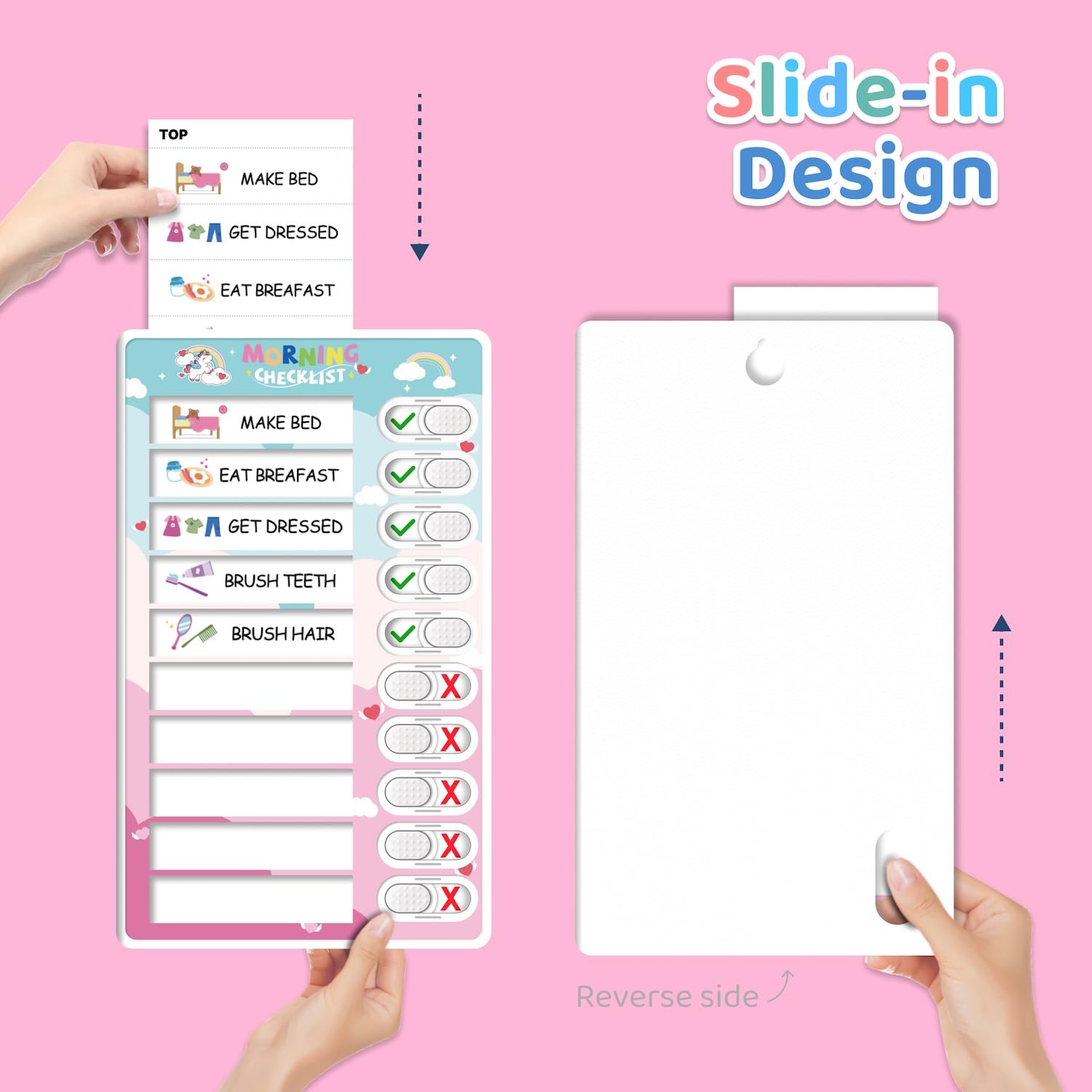
CustomMaster 3 in 1 Bedtime/Morning/Daily Routine Chart for Kids, Magnetic Chore Chart for Kid, Visual Schedule for Kid Toddlers
- MAKE ROUTINES FUN WITH THIS CHORE CHART! Kids will love updating their progress by moving the button for each
- DURABLE AND CUSTOMIZABLE: No more flimsy paper charts! This kids checklist is built to last, and the included
- DESIGNED FOR POSITIVE HABITS: Say goodbye to generic charts! This 3 in 1 routine chart is thoughtfully designe
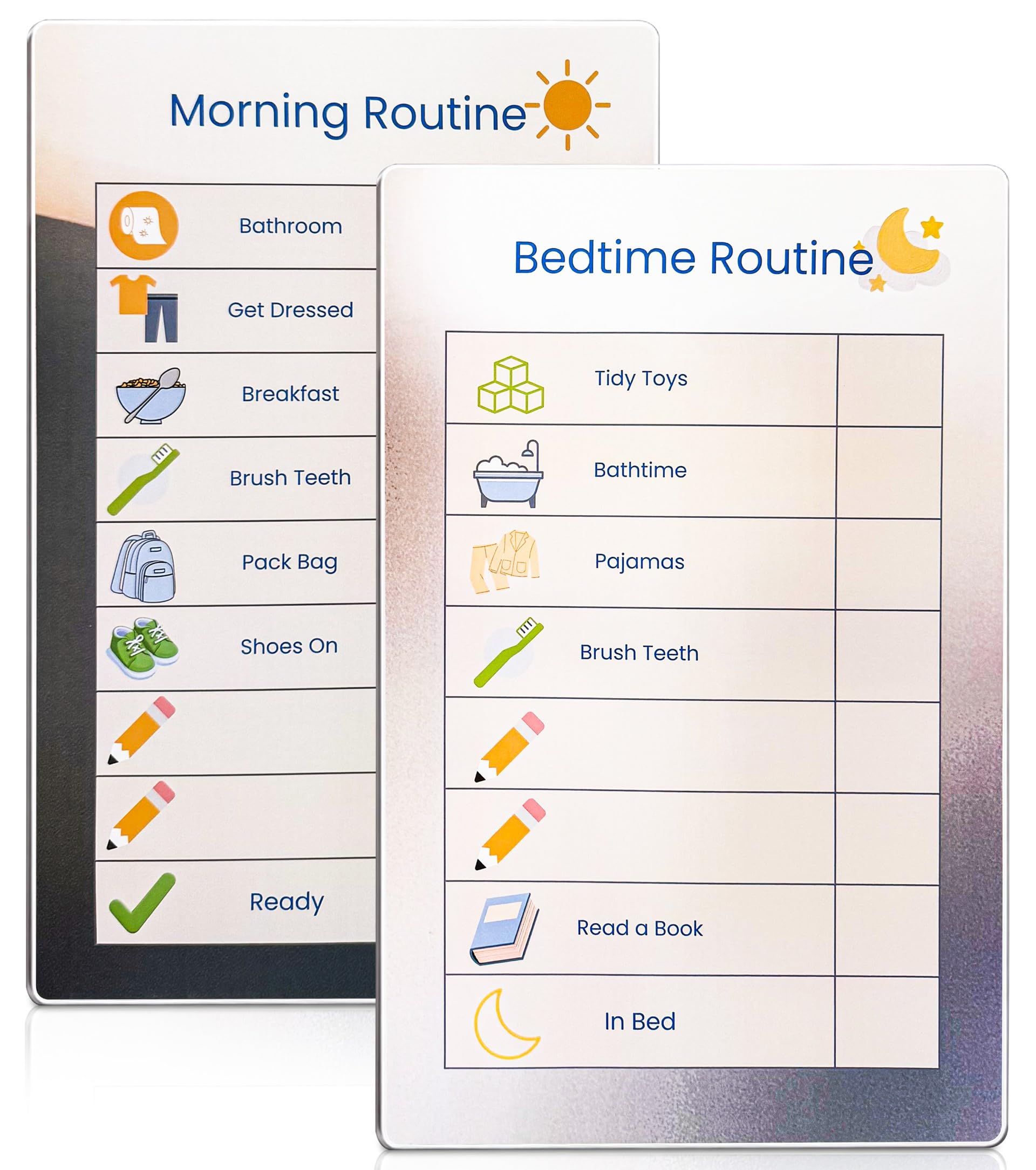
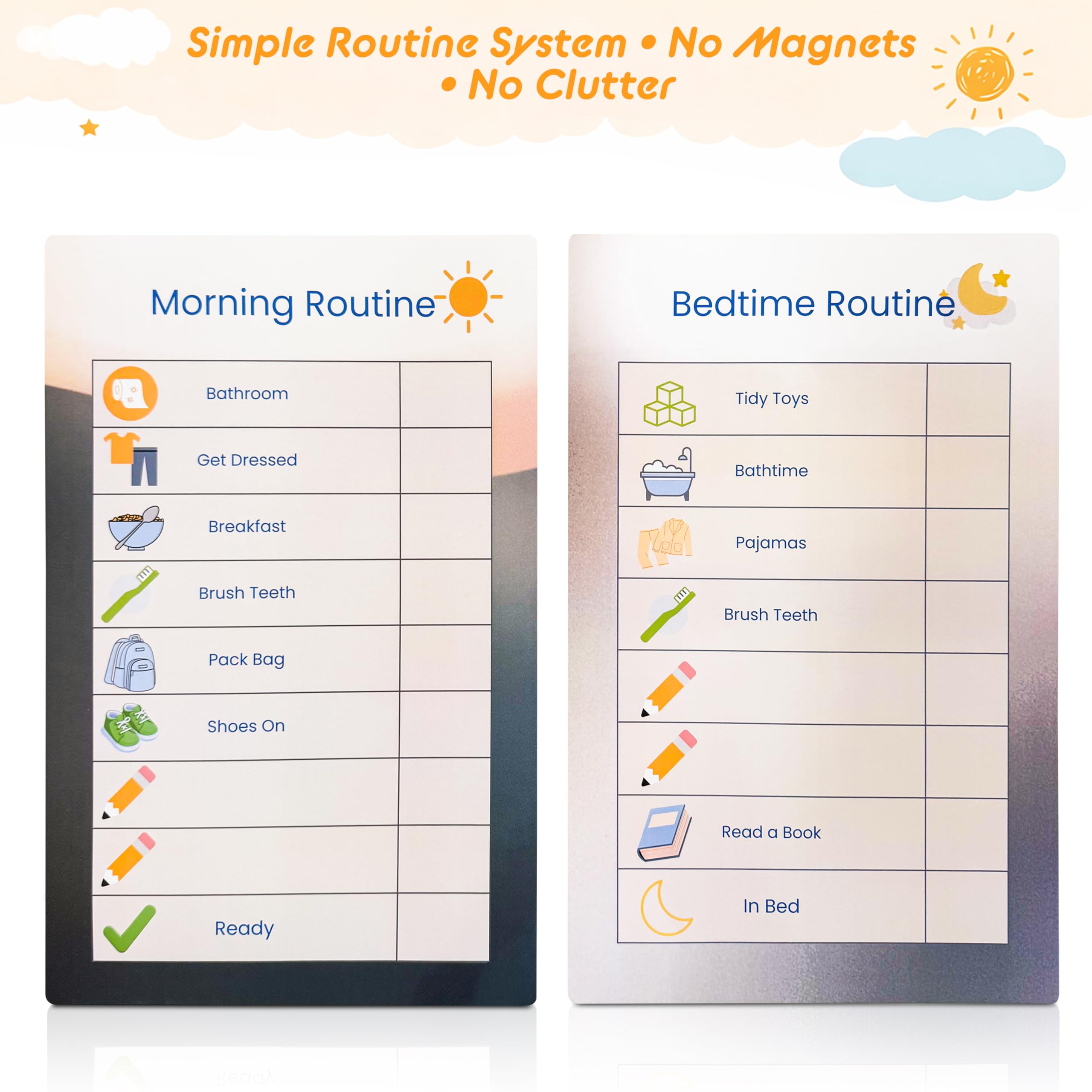
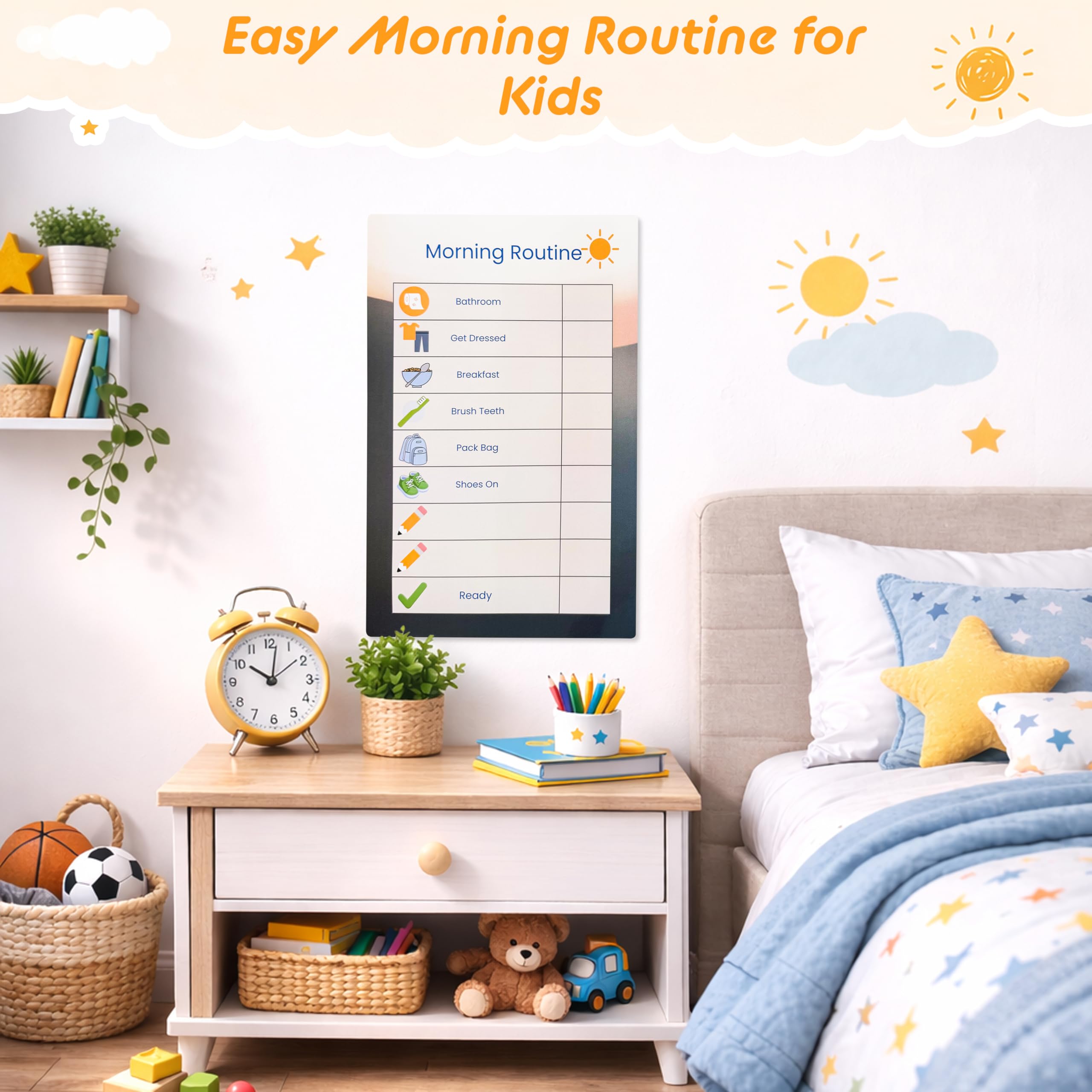
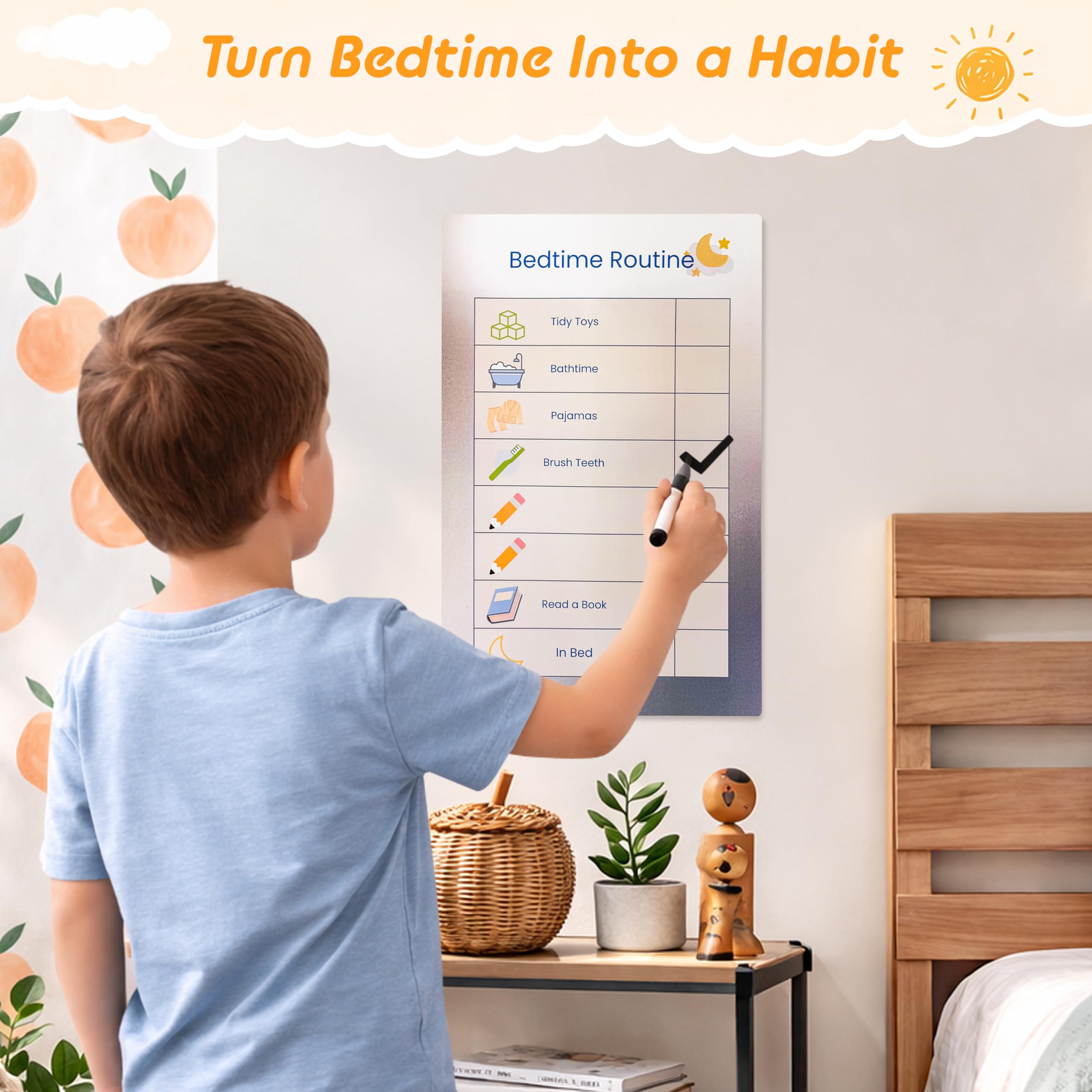
Dry Erase Morning & Bedtime Routine Chart for Kids – 2 Large 11x17in Laminated Chart Set - Simple Routine System, No Magnets or Pieces, Calm, Clutter-Free Daily Routine System
- SIMPLE ROUTINE SYSTEM — NO MAGNETS OR CLUTTER Unlike chore charts with pieces that get lost, this all-in-one v
- DESIGNED FOR CALMER, SMOOTHER DAYS Clean, uncluttered visuals reduce overwhelm and give kids clear expectation
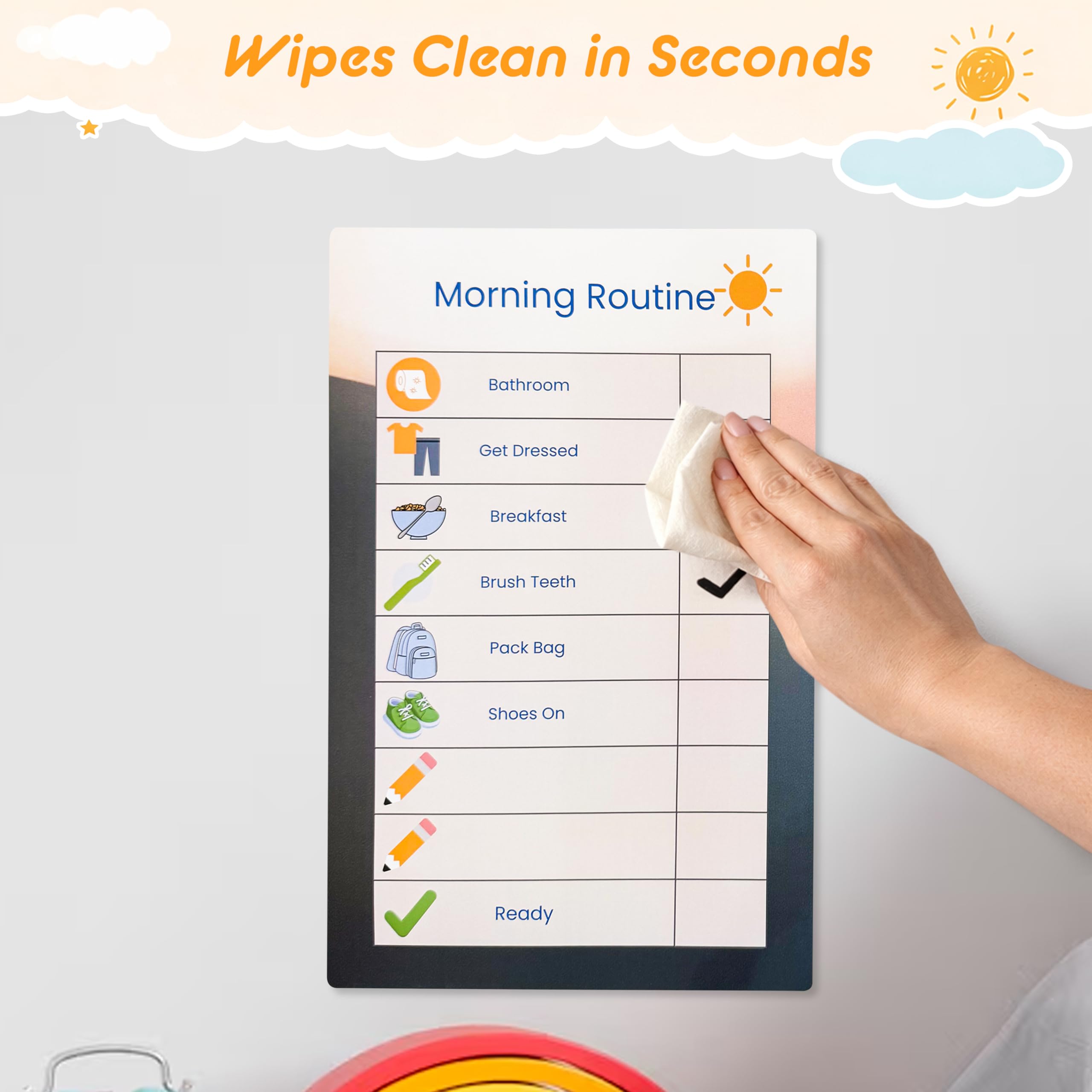
- REUSABLE DRY ERASE — MADE FOR DAILY USE Durable laminated charts wipe clean easily every day with any dry eras
Expert Insights
A Final Word
Sleep at preschool age is one of those things that feels impossibly tangled in the thick of it and genuinely straightforward in retrospect. The children who sleep well aren't especially lucky or especially compliant. They have parents who built a consistent, calm system and kept showing up for it even on the hard nights.
You don't need the perfect chart or the perfect routine. You need the same chart and the same routine, night after night. That repetition is the medicine.
If there's one thing to take from this guide, let it be this: your child's sleep problems are almost certainly fixable, and the solution is almost certainly less complicated than it feels at 9 pm.
Save this guide, share it with a co-parent or a grandparent, and start tonight with just one change. One earlier bedtime, one new sign-off phrase, one visual chart on the wall. Small and consistent beats perfect and occasional every single time.
Sources & References
- American Academy of Pediatrics. "AAP Endorses New Recommendations on Sleep Times." 2016. https://www.aap.org
- American Academy of Sleep Medicine. "Recommended Amount of Sleep for Pediatric Populations." Journal of Clinical Sleep Medicine, 2016.
- Mindell, J.A., et al. "A Nightly Bedtime Routine: Impact on Sleep in Young Children and Maternal Sleep and Mood." Sleep, 2009.
- Mindell, J.A., and Williamson, A.A. "Benefits of a Bedtime Routine in Young Children: Sleep, Development, and Beyond." Sleep Medicine Reviews, 2018.
- Moore, B.A., et al. "The Bedtime Pass: An Approach to Treat Resistant Bedtime Behavior." Journal of Pediatric Psychology, 2007.
- American Academy of Pediatrics. "Diagnosis and Management of Childhood Obstructive Sleep Apnea Syndrome." Pediatrics, 2012.
- Canapari, C. "It's Never Too Late to Sleep Train." Hachette Books, 2019.
Frequently Asked Questions
How do I stop my preschooler from getting out of bed ten times after lights-out?
My three year old still naps but won't sleep before 9 pm. What do I do?
Is it okay for my preschooler to sleep with a nightlight?
Should I use melatonin for my preschooler's sleep problems?
My child has nightmares almost every night. Is that normal?
What time should a four year old go to bed?
My child sleeps fine on weekends but is a nightmare on school mornings. Why?
Was this helpful?
Thanks — your feedback helps us pick what to write next.