How Much Sleep Does Your Preschooler Really Need?
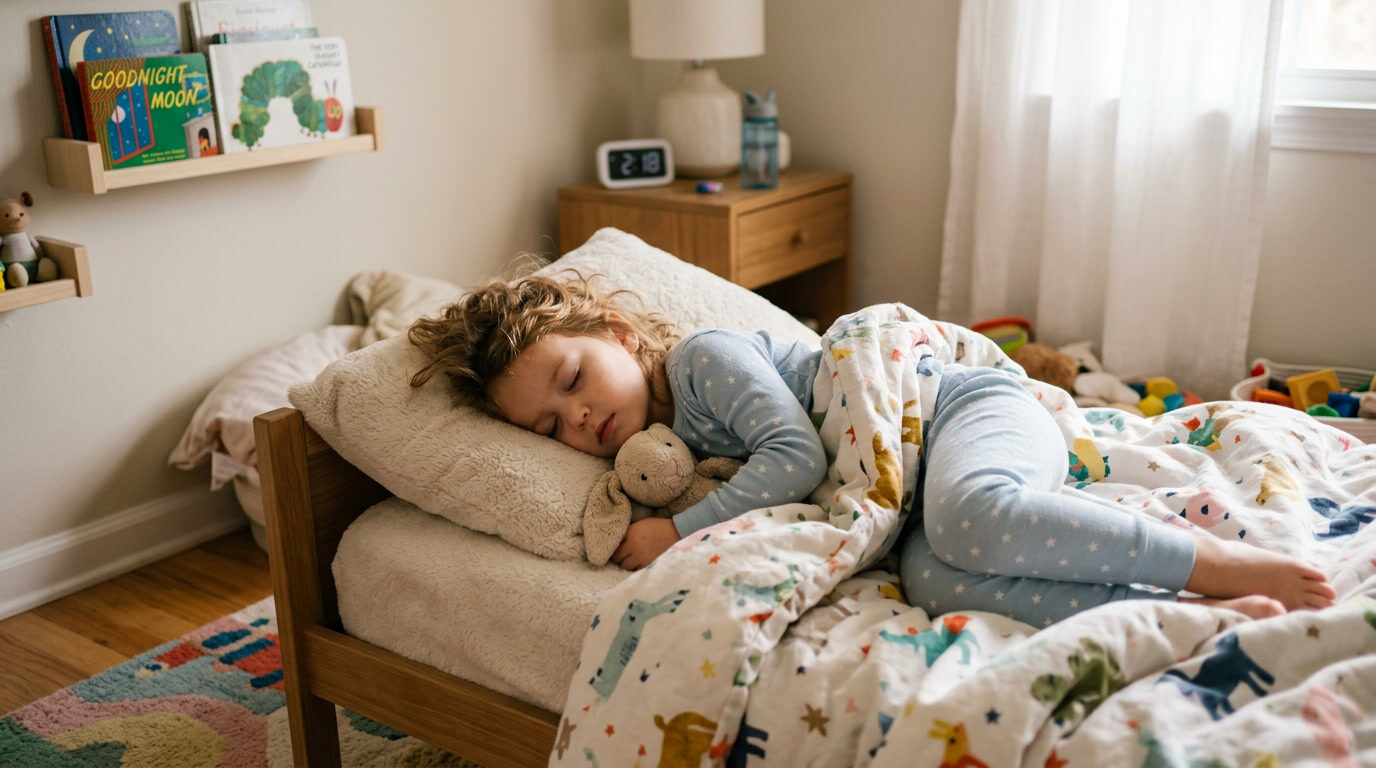
Most preschoolers ages 3 to 5 need 10 to 13 hours of sleep in every 24-hour period, including any naps, according to the American Academy of Pediatrics.
In this article
Here is something most parents find startling: according to the Centers for Disease Control and Prevention, more than a third of school age children in the United States are not getting enough sleep on a regular basis, and the pattern starts well before kindergarten. Sleep problems that begin in the preschool years have a way of sticking around.
If bedtime in your house feels like a negotiation with a tiny, unreasonable barrister, you are in good company. But understanding exactly how much sleep your preschooler needs, why they need it, and what happens when they don't get it can genuinely change how you approach the whole thing.
In this article you'll understand:
1. What the Guidelines Actually Say About Preschooler Sleep
The official recommendation is 10 to 13 hours of total sleep per 24 hours for children ages 3 to 5, and that includes naps. The American Academy of Pediatrics (AAP) published these guidelines in 2016 alongside the American Academy of Sleep Medicine, and the World Health Organization echoes the same range in its guidelines on physical activity, sedentary behaviour and sleep for children under 5.
Those numbers sound simple, but parents often get tripped up on two things: whether naps count toward the total, and what "total sleep" looks like in real life.
Naps count, always
If your four year old sleeps 9.5 hours overnight and takes a 45 minute nap, she is sitting right at the low end of the recommended range. That matters. A child who appears to be sleeping "enough" at night might actually be running a consistent sleep deficit if naps have stopped too early.
The range is a range for a reason
Some children genuinely thrive on 10 hours. Others are miserable without a full 13. You know your child. If she wakes up rested, manages her emotions reasonably well during the day, and falls asleep without a battle at bedtime, she is probably getting enough. Those three things together are your best real world guide, more useful than any clock.
2. Why the Preschool Years Are a Critical Window for Sleep
Sleep is not downtime. During the hours your preschooler is asleep, their brain is running a biological maintenance programme that cannot be replicated any other way.
The preschool years sit inside one of the most rapid periods of brain development in the entire human lifespan. From age 3 to 5, children's brains are pruning and strengthening neural connections at a rate that will not happen again. Sleep, especially slow wave deep sleep and REM sleep, is when that work happens.
Memory and learning
Research published by the journal PNAS found that preschool age children who napped showed significantly better memory retention for newly learned information than children who skipped naps. When children nap, they move new information into long term memory storage. When they don't, a meaningful proportion of that learning is lost before the next day.
Emotional regulation
This one surprises a lot of parents. Sleep is directly tied to the prefrontal cortex, the part of the brain responsible for impulse control and emotional regulation. That part of the brain is already immature in preschoolers, which is part of why understanding preschool emotional development helps so much. Take away adequate sleep and you are essentially removing what little scaffolding they had. A sleep deprived four year old is not being difficult on purpose. Their brain is genuinely less equipped to manage strong feelings.
Physical growth
Human growth hormone is released primarily during deep sleep. This is not a minor footnote. The phrase "growing in your sleep" is quite literally accurate.
Immune function
Cytokines, proteins that help fight infection and inflammation, are produced during sleep. Chronically sleep deprived preschoolers get sick more often. If your child seems to catch every bug going around their nursery, sleep quality and duration are worth examining before you assume the worst.


Precious Little Sleep: The Complete Baby Sleep Guide for Modern Parents
- Health, Fitness & Dieting
- Diseases & Physical Ailments
- Sleep Disorders
3. How to Tell If Your Preschooler Is Sleep Deprived
The most important thing to know is this: sleep deprived preschoolers rarely look tired the way adults do. They look wired, emotional, and difficult.
This catches parents out constantly. A child who is fighting sleep at every turn, ramping up in energy at bedtime, having meltdowns over tiny things, and struggling to focus during play is often a child who needs more sleep, not less. The clinical term is "overtired," and the biology behind it is real. When a child becomes overtired, their body releases cortisol and adrenaline as a compensatory mechanism. Those stress hormones make the child appear alert and energetic, but they also make it harder to fall asleep and stay asleep.
The behavioural signs (these look like discipline problems)
The physical signs (these look like health problems)
The cognitive signs (these look like developmental concerns)

Solve Your Child's Sleep Problems: New, Revised, and Expanded Edition
- Health, Fitness & Dieting
- Diseases & Physical Ailments
- Sleep Disorders
4. Naps: When to Keep Them, When to Drop Them
Most children transition out of napping somewhere between ages 3 and 5, but there is enormous individual variation, and the pressure to drop naps early (often driven by preschool schedules) can create real problems.
Here is the honest picture: by age 3, around 50% of children still nap regularly. By age 5, that number drops to about 25%. But "most children have stopped" does not mean "your child should stop."
Signs your preschooler still needs a nap
Signs your preschooler is genuinely ready to drop the nap
The "quiet time" compromise
When a child is transitioning out of napping, quiet time in their room for 30 to 45 minutes serves two purposes. It gives them downtime their developing nervous system still needs, and it gives you a break. On days when they are particularly worn out, they will often fall asleep during quiet time anyway. You have not lost anything.
Young children who are given the opportunity to nap show better emotional regulation, improved memory consolidation, and enhanced learning compared to those who do not nap, even when total 24-hour sleep time is similar.
— Rebecca Spencer, PhD, University of Massachusetts Amherst, Cognitive Neuroscience (2013)


The No-Cry Sleep Solution for Toddlers and Preschoolers: Gentle Ways to Stop Bedtime Battles and Improve Your Child's Sleep
- Business & Money
- Management & Leadership
- Image Unavailable Image not available forColor:
5. Building a Bedtime Routine That Actually Works
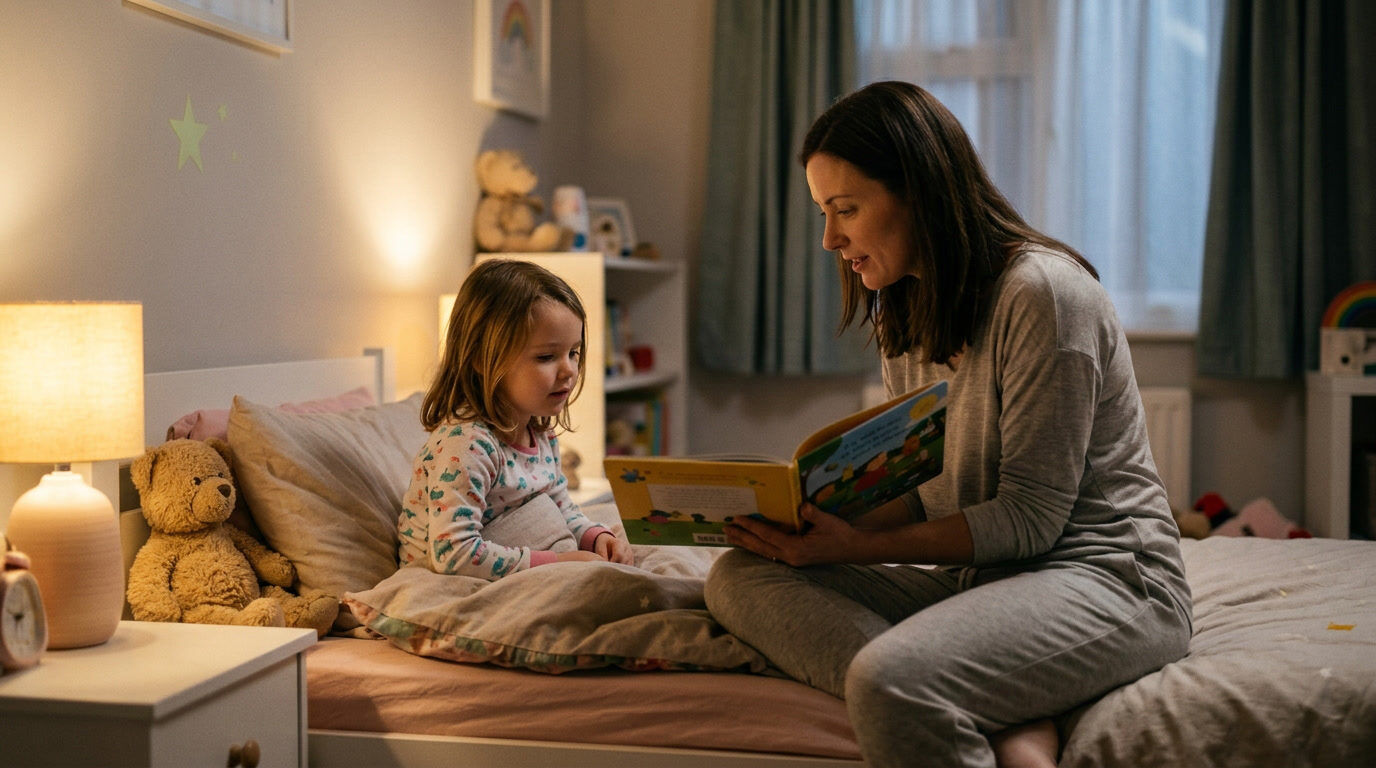
A consistent bedtime routine is not a parenting nicety. It is a neurological cue. When you do the same sequence of events in the same order every night, your child's brain learns to associate those steps with sleep onset, and starts winding down before they even get into bed.
The research on this is remarkably consistent. A 2009 study published in the journal Sleep found that children whose parents implemented a consistent bedtime routine fell asleep faster, woke less often overnight, and had better overall sleep quality than those without one.
What a good routine looks like
The routine does not need to be elaborate. In fact, shorter and simpler tends to be more sustainable. Aim for 20 to 30 minutes of predictable winding down. A typical sequence might look like:
1. Bath or wash up 2. Pyjamas and teeth 3. One or two books together (keep this to a predictable number, or negotiations will begin) 4. A brief, calm conversation about the day or what to look forward to tomorrow 5. Lights out with a consistent phrase or ritual (a song, a few deep breaths together)
What derails routines
The biggest enemy of a consistent bedtime routine is screens in the hour before bed. Blue light from tablets and phones suppresses melatonin production, the hormone that signals to the brain that it is time to sleep. The AAP recommends avoiding screens for at least one hour before bedtime for children of this age.
For parents who do allow some screen time earlier in the evening, choosing screen activities thoughtfully makes a real difference. Calm, non-stimulating content is not equivalent to action games or fast-paced videos.
Books, by contrast, are ideal. A book like I Sleep in My Big Bed is a lovely gentle cue that sleep is coming, and children often find comfort in stories that reflect their own experience of going to bed.
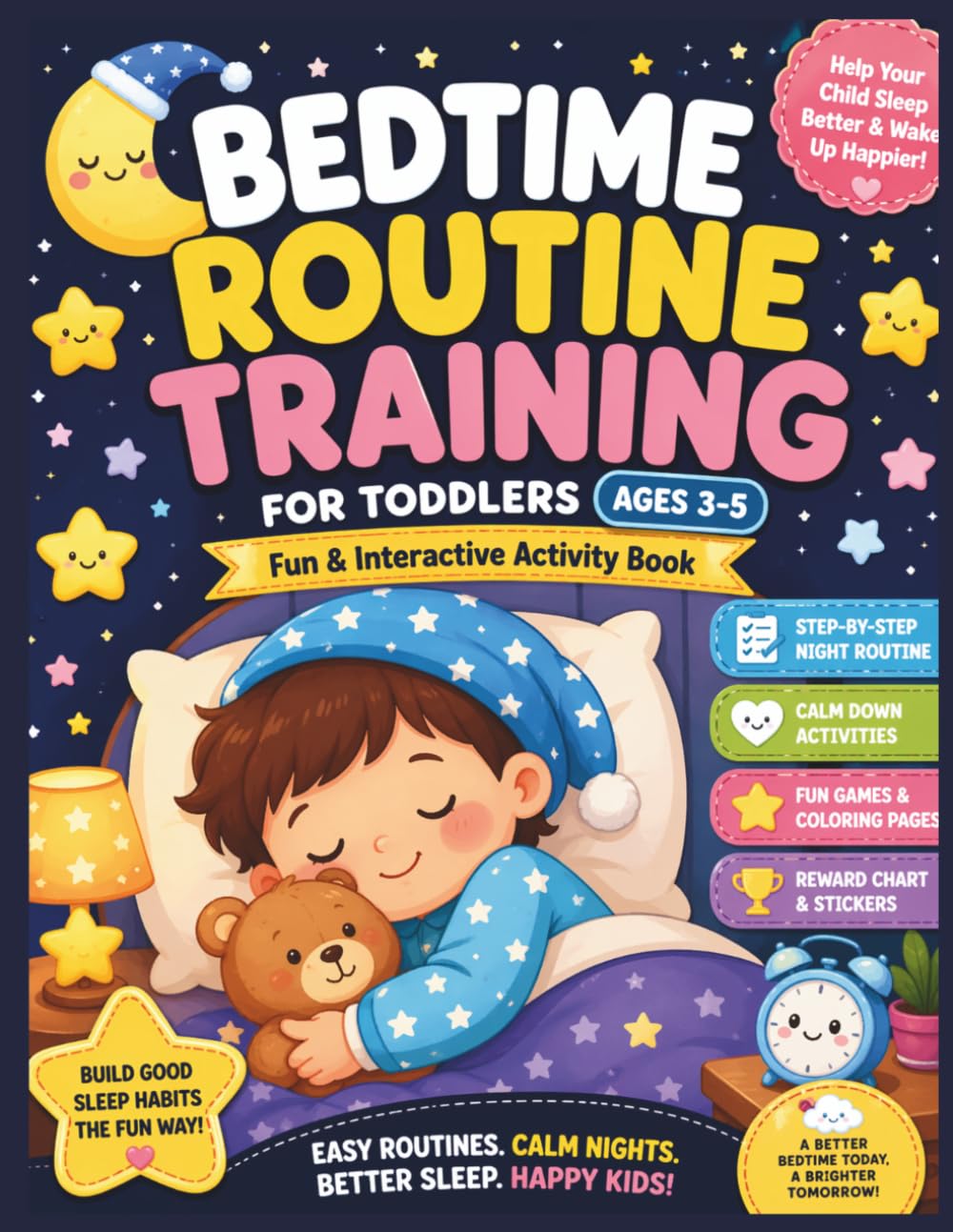
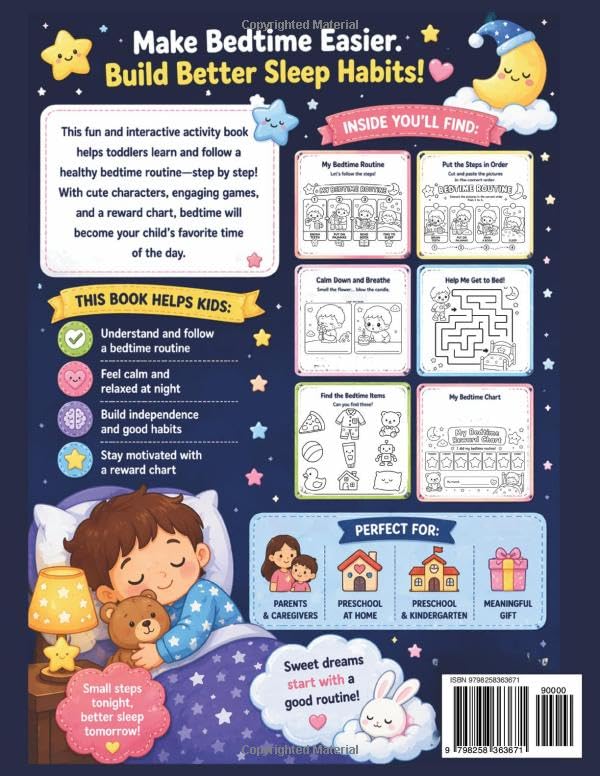
Bedtime Routine Training for Toddlers: Fun & Interactive Activity Book to Build Healthy Sleep Habits, Calm Night Routine, and Independence for Kids ... (Brave Little Steps – Core Activities Series)
- Children's Books
- Growing Up & Facts of Life
- Family Life
6. When Sleep Problems Need Medical Attention
Most preschooler sleep challenges are normal developmental variation, and the strategies above will resolve them over time. But some sleep problems warrant a conversation with your paediatrician, and it is worth knowing what those look like.
Sleep disordered breathing and snoring
Loud, frequent snoring in a preschooler is not normal and it is not cute. It can be a sign of obstructive sleep apnoea, a condition where the airway partially or fully closes during sleep, disrupting sleep quality even when the total hours look adequate on paper.
Signs of sleep disordered breathing include:
If you observe these, mention them at your next appointment. Enlarged tonsils and adenoids are the most common cause in this age group, and the condition is very treatable.
Night terrors versus nightmares
Night terrors happen in the first few hours of sleep, during the deep sleep stage. Your child may scream, sit up, appear terrified, and be completely inconsolable, but they are not awake and will not remember it in the morning. They are more distressing for the parent than the child.
Nightmares happen in REM sleep, usually in the second half of the night. The child wakes up, is frightened, and remembers what scared them.
Both are common and usually self-limiting. Night terrors that happen every night, are extremely prolonged, or involve the child getting out of bed and potentially hurting themselves should be discussed with a paediatrician.
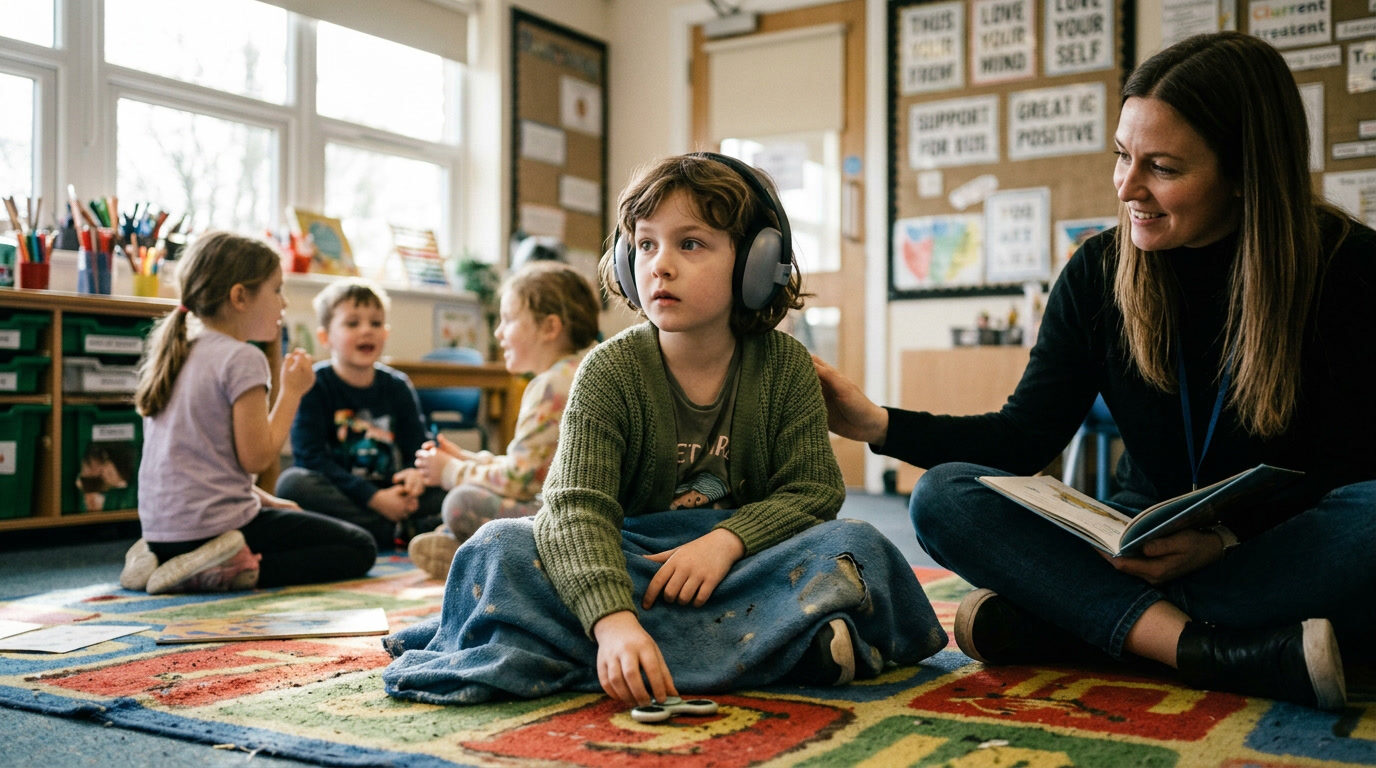
For children who may also show signs of sensory sensitivity or a more complex neurodevelopmental profile, sleep difficulties can be particularly pronounced. If you are finding that signs of neurodiversity overlap with the sleep challenges you are seeing, it is worth raising both with your paediatrician at the same time.


Sleep in Your Big Kid Bed (Toddler educational books)
- Children's Books
- Growing Up & Facts of Life
- Family Life
7. Sleep Strategies by Age: What to Expect Year by Year
Sleep needs and challenges shift meaningfully between ages 3 and 5. Here is what is developmentally typical at each stage.
Age 3
Three year olds are right in the thick of developmental change. Many are in the process of dropping naps, starting preschool, and navigating a new surge in imagination — which means this is also the year that bedtime fears often emerge. Monsters under the bed are very real to a three year old.
Total sleep needed: 11 to 13 hours is typical at this age. Nap status: Most three year olds still nap or benefit from quiet rest time. Common challenges: Bedtime resistance, fears, calling out after lights out.
What helps at this age: A predictable routine, a simple nightlight, and a comfort object. A book like I Sleep in My Big Bed specifically addresses the transition to independent sleeping, which is often an issue right around this age.
Age 4
Four year olds are pushing boundaries in every direction, and bedtime is no exception. This is the year when stalling becomes an art form. "One more drink of water" is practically a developmental milestone at four.
Total sleep needed: 10 to 12 hours is typical at this age. Nap status: About half of four year olds still benefit from napping. Common challenges: Bedtime stalling, separation anxiety, night wakings.
What helps at this age: Clear boundaries with consistent follow-through. The routine picture card mentioned earlier works especially well with four year olds, who are in a phase of needing to understand and negotiate rules. Bedtime Routine Training can be a helpful structured approach if you want something more formal.
Age 5
By five, most children are in full time school and naps have usually stopped. The challenge shifts toward getting enough hours in overnight given earlier school start times.
Total sleep needed: 10 to 11 hours is typical at this age. Nap status: Most five year olds no longer nap. Common challenges: Difficulty switching off from the day's events, school-related anxiety surfacing at bedtime.
What helps at this age: A consistent, calming pre-bed conversation about the day. Many five year olds process worries verbally before they can sleep. Building that into the routine rather than treating it as stalling can actually shorten the time it takes to settle.


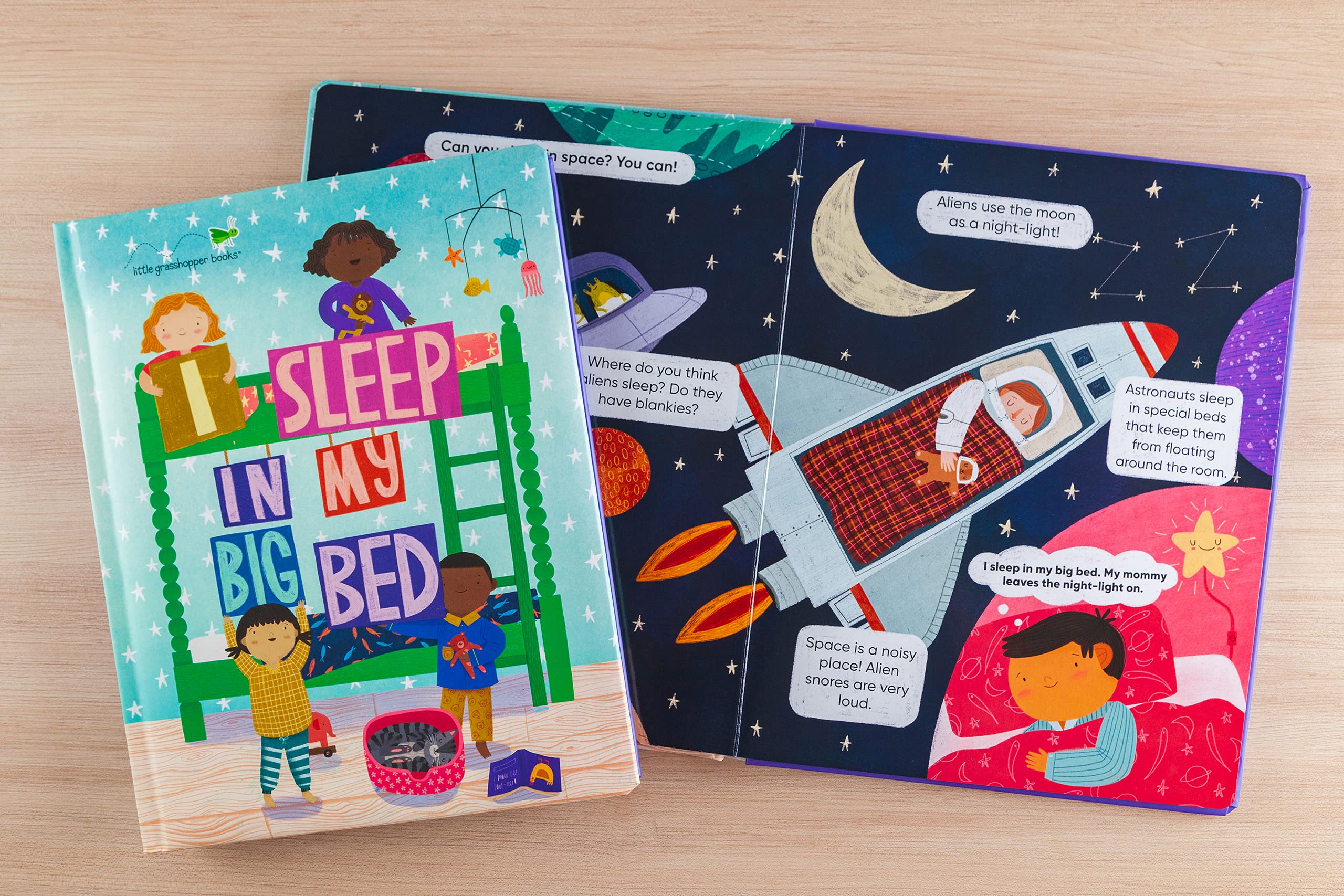
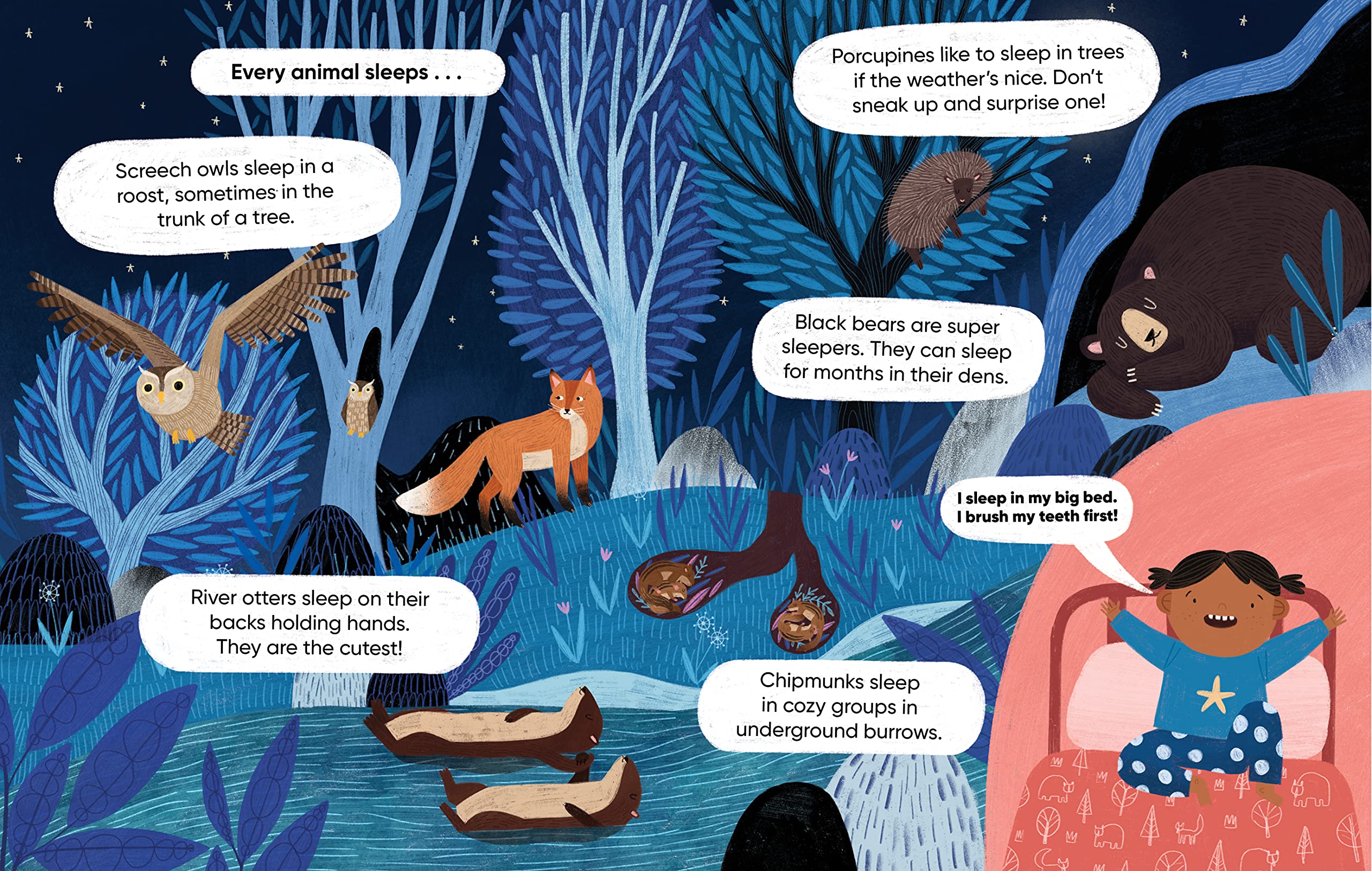
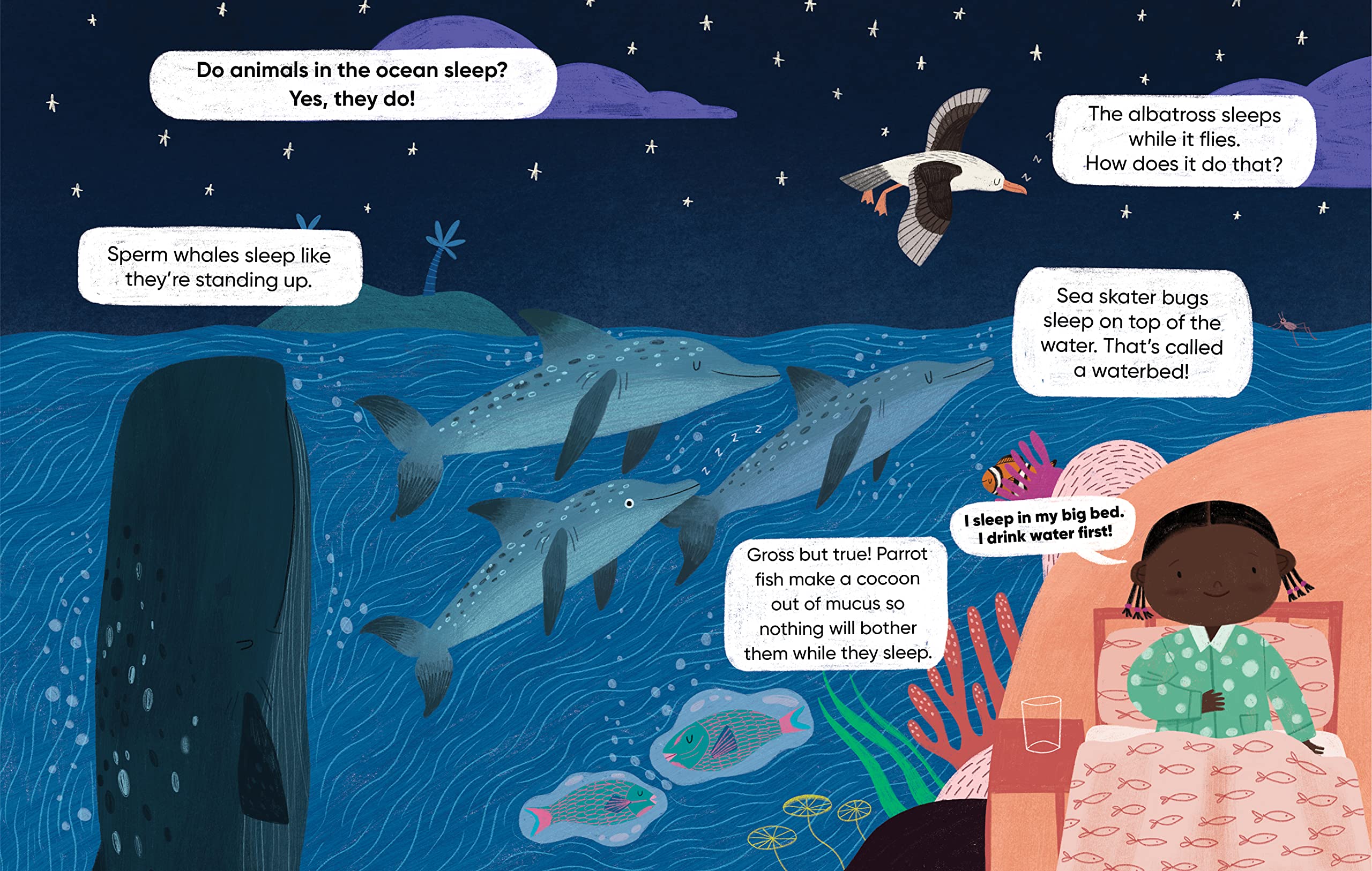
I Sleep in My Big Bed (Early Learning)
- Children's Books
- Growing Up & Facts of Life
- Family Life
| Sleep Strategy / Approach | Best For | Key Benefits | Main Challenges | Recommended Resource | Price |
|---|---|---|---|---|---|
| Consistent bedtime routine | All preschool ages (3–5) | Neurologically primes for sleep, reduces bedtime battles | Requires parental consistency every night | Bedtime Routine Training | Free–low cost |
| Gentle fading method | Children who need a parent present to fall asleep | Gradual, low distress for child and parent | Takes several weeks; requires patience | No-Cry Sleep Solution | ~$10 |
| Ferber/graduated check-in | Children 2.5+ who are physically and emotionally ready | Often effective within days | Not suitable for all temperaments; can feel hard for parents | Solve Your Child's Sleep Problems | ~$11 |
| Quiet time (nap transition) | 3–4 year olds dropping naps | Preserves rest without forcing sleep | Child may resist staying in room | Sleep in Your Big Kid Bed | ~$15 |
| Picture routine card | Ages 3–5, especially strong-willed children | Gives child ownership of routine, reduces power struggles | Needs initial setup and buy-in | Bedtime Routine Training | Low cost |
| Consistent wake time | Any child with irregular sleep patterns | Anchors the circadian rhythm for the whole family | Difficult on weekends; requires commitment | Precious Little Sleep | ~$13 |
Expert Insights on Preschooler Sleep
Conclusion
Sleep is not the background noise of your preschooler's development. It is the stage on which the whole performance happens. Every skill they are working on, every emotion they are learning to manage, every memory they are building from the day's adventures, all of it depends on those quiet hours in the dark.
The good news is that most of what shapes a preschooler's sleep is genuinely within your influence: the routine you build, the bedtime you choose, the environment you create, and the consistency you hold. None of it has to be perfect. Consistent is enough.
Here is the line worth keeping: your child does not need a perfect sleep environment. They need a predictable one.
If this article helped you, save it somewhere you will actually find it at 7:30pm when you need it most. And if you have a friend in the thick of bedtime battles, send it their way.
Sources & References
- American Academy of Pediatrics. "AAP Endorses New Recommendations on Sleep Times." 2016. https://www.aap.org/en/news-room/news-releases/aap/2016/aap-endorses-new-recommendations-on-sleep-times/
- American Academy of Sleep Medicine. "Recommended Amount of Sleep for Pediatric Populations." Journal of Clinical Sleep Medicine, 2016.
- World Health Organization. "Guidelines on Physical Activity, Sedentary Behaviour and Sleep for Children Under 5 Years of Age." 2019. https://www.who.int/publications/i/item/9789241550536
- Centers for Disease Control and Prevention. "Sleep in Middle and High School Students." Data and Statistics, 2020. https://www.cdc.gov/healthyschools/sleep.htm
- Spencer, R.M.C., et al. "Sleep-dependent memory consolidation in preschool-aged children." PNAS, 2010.
- Mindell, J.A., et al. "A nightly bedtime routine: impact on sleep in young children and maternal sleep and mood." Sleep, 2009.
- Owens, J.A. "Classification and Epidemiology of Childhood Sleep Disorders." Primary Care: Clinics in Office Practice, 2008.
- Canapari, C. "It's Never Too Late to Sleep Train." Rodale Books, 2019.
- Spencer, R.M.C. "Neurophysiological Basis of Sleep's Function on Memory and Cognition." ISRN Physiology, 2013.
- National Sleep Foundation. "Children and Sleep." sleepfoundation.org. https://www.sleepfoundation.org/children-and-sleep
Frequently Asked Questions
How much sleep does a 3 year old need?
My preschooler won't nap but gets very cranky in the afternoon. What should I do?
What time should a preschooler go to bed?
Is it normal for a 4 year old to wake up at night?
My child seems fine on less than 10 hours. Is that possible?
Should I wake my preschooler at the same time every day, even on weekends?
When should I talk to a doctor about my child's sleep?
Was this helpful?
Thanks — your feedback helps us pick what to write next.