Screening Tool Predicts Breastfeeding Problems Before Birth
A prenatal breastfeeding screening tool can identify mothers at high risk of breastfeeding difficulties before their baby even arrives, giving clinicians and families a real head start on support.

In this article
Around 80 percent of mothers in the United States start out planning to breastfeed, according to the Centers for Disease Control and Prevention. Yet within the first week, a huge proportion of them run into problems that feel sudden and overwhelming: low milk supply, painful latching, nipple trauma, or a baby who simply will not settle at the breast. Most of those mothers say later that they stopped breastfeeding earlier than they wanted to.
Here is the thing, though. For many of those families, the difficulty was not random. The risk was there before birth, written in medical history, anatomy, birth plan details, and mental health background. We just were not reading it carefully enough, or early enough.
That is starting to change. Researchers have been working on prenatal screening tools specifically designed to spot breastfeeding risk in the third trimester, giving healthcare teams the chance to intervene before the first feed ever happens. This article breaks down what those tools look at, what the evidence says, and what you can do with that information today.
In this article you will understand:
1. Why So Many Breastfeeding Problems Start Before the Baby Arrives
Breastfeeding difficulties are rarely as spontaneous as they feel in the delivery room. The underlying risk factors, whether anatomical, hormonal, or psychological, are almost always present during pregnancy, which means the window for prevention is actually months wide, not hours narrow.
The American Academy of Pediatrics (AAP) recommends exclusive breastfeeding for around six months, followed by continued breastfeeding alongside complementary foods for at least one year or as long as mutually desired. The World Health Organization goes further, recommending continuation for two years or beyond. Despite those clear targets, CDC data from 2022 shows that only about 26 percent of infants in the United States are exclusively breastfed at six months. The gap between intention and outcome is enormous, and it is not explained by a lack of motivation.
The timeline problem
Most lactation support is reactive. A mother gives birth, runs into trouble within 48 hours, and by the time a lactation consultant is available, she is exhausted, her baby has lost more than 10 percent of birth weight, and supplementation feels like the only safe option. At that point, the cascade toward early weaning can happen very quickly.
Prenatal screening flips that timeline. If we know before birth that a mother has a history of breast surgery, polycystic ovary syndrome, a flat or inverted nipple, significant prenatal anxiety, or a plan for a caesarean birth, we can bring in targeted support proactively. We can discuss what to expect, adjust hospital protocols, and have a lactation consultant ready in the room, not called in as an afterthought.

Breastfeeding Made Simple: Seven Natural Laws for Nursing Mothers
- Health, Fitness & Dieting
- Women's Health
- Pregnancy & Childbirth
2. What a Prenatal Breastfeeding Screening Tool Actually Measures
A prenatal breastfeeding screening tool is a structured clinical questionnaire administered in the third trimester, typically between 28 and 36 weeks, that assigns a risk score based on a set of known predictive factors. The goal is not to tell a mother she will fail but to identify where extra support will make the biggest difference.
One of the most studied tools in this space is the Breastfeeding Attrition Prediction Tool (BAPT), developed by researchers including Dr. Kathleen Wambach at the University of Kansas. It assesses attitudes toward breastfeeding, subjective norms around it, and perceived control, drawing on the theory of planned behaviour. High scores on the "breastfeeding attrition" scale predict early cessation with meaningful accuracy.
A separate but complementary approach comes from clinical risk inventories that focus on physical and obstetric factors rather than psychological ones. The Iowa Infant Feeding Attitude Scale (IIFAS) and similar instruments have been validated in multiple populations and correlate well with real world breastfeeding outcomes.
What the tools actually ask
Most validated prenatal screening tools cover some combination of the following domains:
The tools are not meant to be used alone. A high risk score should trigger a conversation and a referral, not a prediction delivered in isolation. The score is a clinical prompt, not a verdict.
3. The Medical and Anatomical Risk Factors That Matter Most
Some breastfeeding risk factors are physical and identifiable during a routine prenatal examination. Knowing which ones carry the most clinical weight helps you understand why a thorough breast assessment before birth matters just as much as counting kick movements.
Insufficient glandular tissue
Insufficient glandular tissue (IGT), sometimes called hypoplastic breast tissue, is one of the most underdiagnosed causes of primary low milk supply. The breasts do not develop enough milk producing lobules during puberty or pregnancy. Women with IGT often report that their breasts did not change much during pregnancy, did not feel full before delivery, and experienced little to no engorgement after birth.
IGT is associated with tubular breast shape, wide spacing between breasts, and asymmetry, features a clinician can note during a prenatal breast examination. Identification before birth cannot reverse the anatomy, but it allows the care team to set realistic expectations, plan for supplementation if needed, and reduce the guilt that often accompanies low supply when the cause has never been explained.
Nipple anatomy
Flat or inverted nipples are present in roughly 10 percent of women and can make it significantly harder for a newborn to latch. This is not a permanent barrier to breastfeeding, but it does require targeted techniques and often extra support in the early days. Identifying nipple anatomy prenatally means a mother can practise with a nipple shield, learn hand expression, and meet with a lactation consultant before she is sleep deprived and in pain.
Hormonal and endocrine conditions
Polycystic ovary syndrome affects roughly 6 to 12 percent of women of reproductive age, according to the CDC. It is associated with insulin resistance and androgen excess, both of which can interfere with the hormonal cascade that drives milk production. Research published in the Journal of Human Lactation has found that women with PCOS are more likely to experience delayed lactogenesis and lower milk output, even with excellent latch and frequent feeding.
Thyroid disorders, both hypothyroidism and hyperthyroidism, can similarly affect milk supply. A mother with a known thyroid condition should have her levels checked and optimised before birth, and this is the kind of detail a prenatal breastfeeding screen would flag.
Identifying risk factors prenatally, rather than waiting for problems to emerge postpartum, is the single most effective way to close the gap between breastfeeding intention and duration.
— Academy of Breastfeeding Medicine, Clinical Protocol #1 (2021)
If you are thinking about how what you eat in the third trimester connects to milk production and your baby's early nutrition, there is a detailed look at colostrum production and third trimester nutrition that fits directly alongside this topic.
The American Academy of Pediatrics New Mother's Guide to Breastfeeding (Revised Edition): Completely Revised and Updated Fourth Edition
- Parenting & Relationships
- Family Relationships
- Motherhood
4. Psychological and Social Factors: The Predictors We Often Underestimate
The physical predictors of breastfeeding difficulty get a lot of clinical attention. The psychological and social ones often get far less, even though the evidence for their predictive power is just as strong.
Prenatal anxiety and depression
A 2019 systematic review published in Maternal and Child Nutrition found that prenatal depression and anxiety are significantly associated with shorter breastfeeding duration. The mechanisms are both direct and indirect. Cortisol, released during chronic stress, can inhibit the oxytocin reflex that triggers milk letdown. Anxiety about milk supply can become a self fulfilling cycle: the mother doubts her supply, feeds less confidently, the baby becomes unsettled, and the doubt deepens.
Antenatal mental health screening, like the Edinburgh Postnatal Depression Scale (EPDS) used prenatally, is already part of routine care in many practices. What is not yet routine is connecting mental health scores explicitly to breastfeeding risk and ensuring that mothers with high scores get proactive lactation support, not just mental health referrals in isolation.
Self efficacy: arguably the biggest predictor of all
Breastfeeding self efficacy, a mother's confidence in her ability to breastfeed, is one of the strongest predictors of breastfeeding initiation and duration identified in the research literature. Dr. Cindy Lee Dennis at the University of Toronto developed the Breastfeeding Self-Efficacy Scale (BSES), which has been validated in dozens of countries and reliably predicts who will still be breastfeeding at one, two, and three months postpartum.
The good news is that self efficacy is modifiable. Education, positive breastfeeding narratives, peer support, and antenatal breastfeeding classes all raise self efficacy scores before birth. A prenatal screening tool that identifies low self efficacy early gives clinicians time to intervene with exactly those supports.
Social support and the partner effect
Research consistently shows that the support of a partner or co parent is one of the most protective factors for breastfeeding success. Partners who understand what to expect, who know how to help in the early days, and who have realistic expectations about cluster feeding and newborn sleep are a genuine clinical asset.
A prenatal screen that includes a social support domain can prompt the care team to involve partners in breastfeeding education, not as a courtesy, but as a clinical intervention.


Lactivate!: A Judgment-Free Guide to Breastfeeding
- Health, Fitness & Dieting
- Women's Health
- Pregnancy & Childbirth
5. What the Research Says About Early Intervention Outcomes
Screening is only worth doing if acting on the results changes the outcome. So what does the evidence actually say about whether prenatal identification of breastfeeding risk translates into longer, more successful breastfeeding?
The intervention evidence
A randomised controlled trial published in the journal Pediatrics followed mothers identified prenatally as high risk for breastfeeding difficulties. Those who received proactive, individualised lactation support starting in the third trimester were significantly more likely to be exclusively breastfeeding at one month and still breastfeeding at three months compared to mothers who received standard care.
A Cochrane review on antenatal breastfeeding education and support found that professional support, provided before birth, increased rates of exclusive breastfeeding and reduced early cessation. The review noted that the timing of support, offering it before problems develop rather than after, was a key factor in effectiveness.
What "early support" actually looks like
Early support triggered by a prenatal screen is not just an information leaflet or a one hour class. It looks like:
The difference between reactive and proactive care is not always massive in cost or resources. Often it is simply a matter of asking the right questions at 32 weeks instead of waiting until day three postpartum.
Research on how babies behave in the womb, including their early feeding related movements and responses, reinforces just how much learning happens before birth. Understanding your baby's third trimester behaviour can give you a richer picture of how prepared your baby already is for feeding.
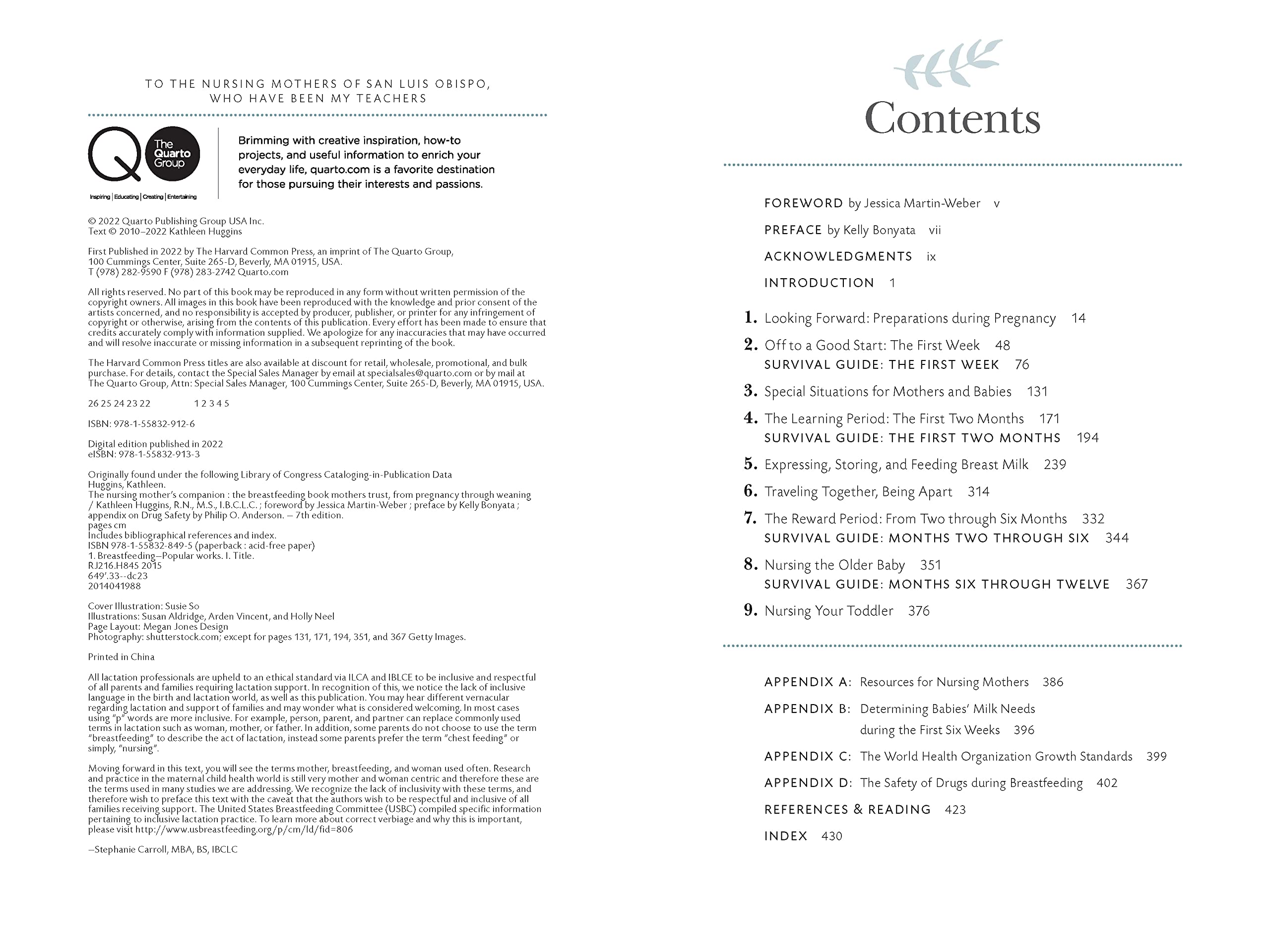
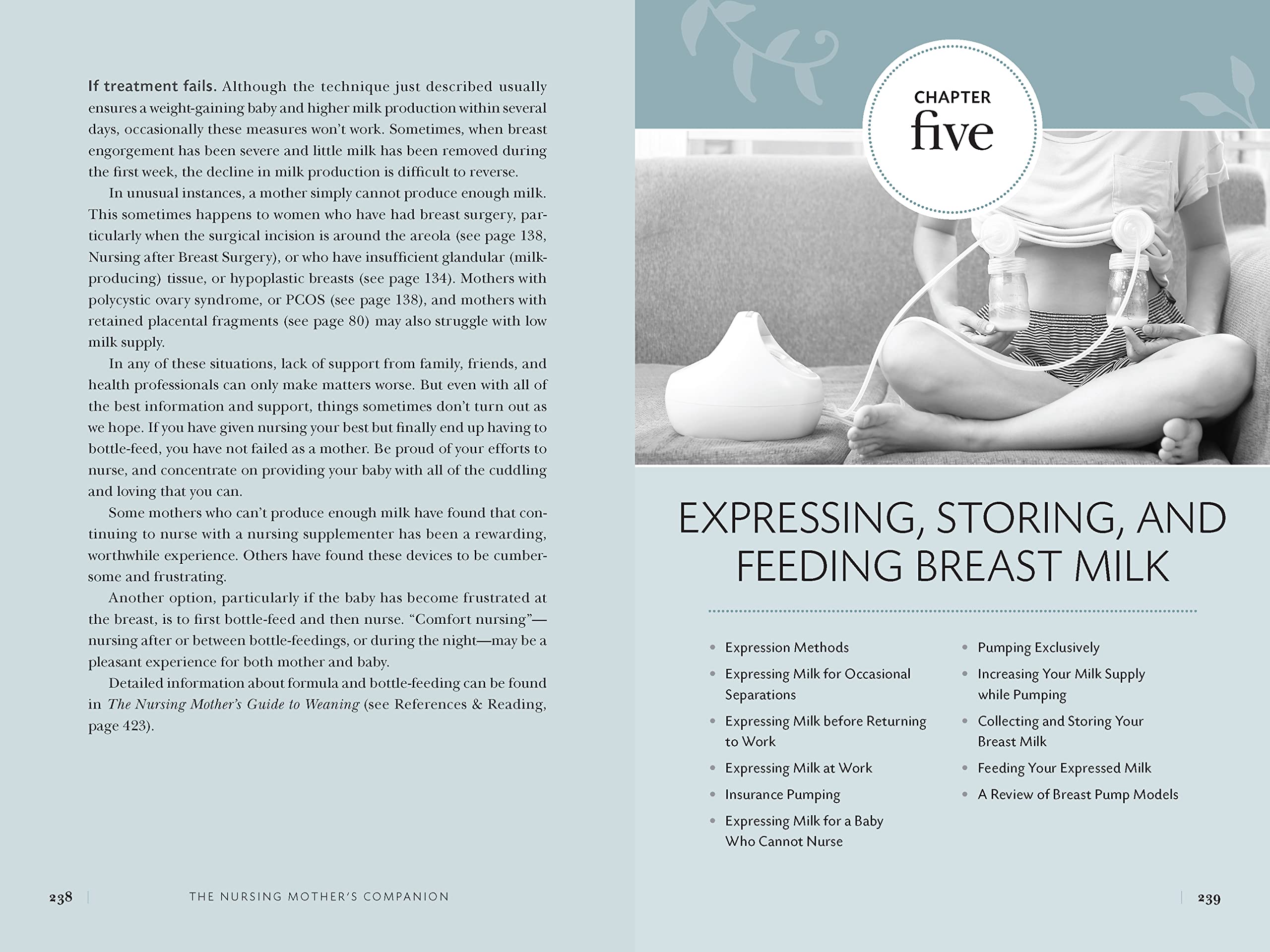
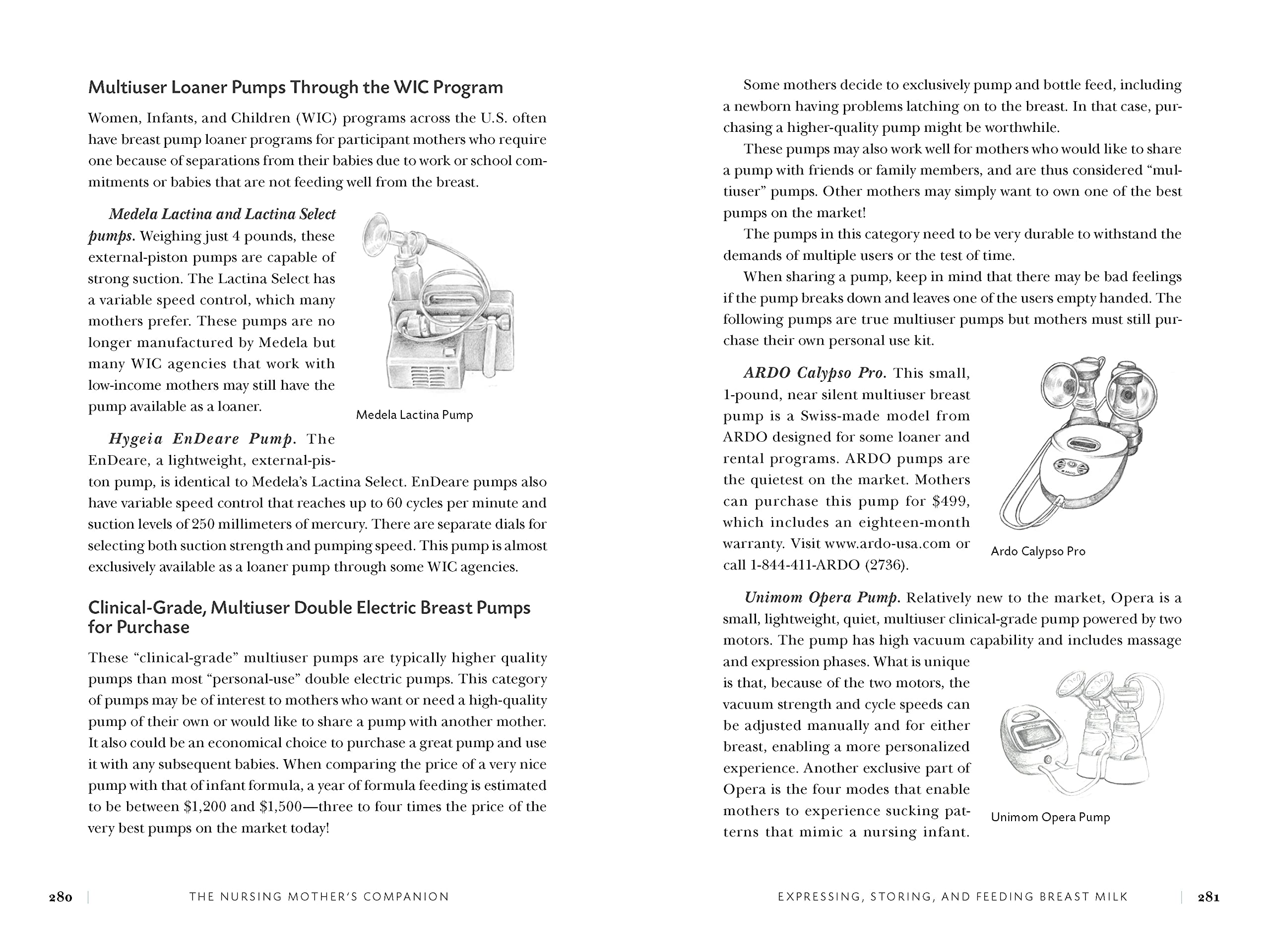
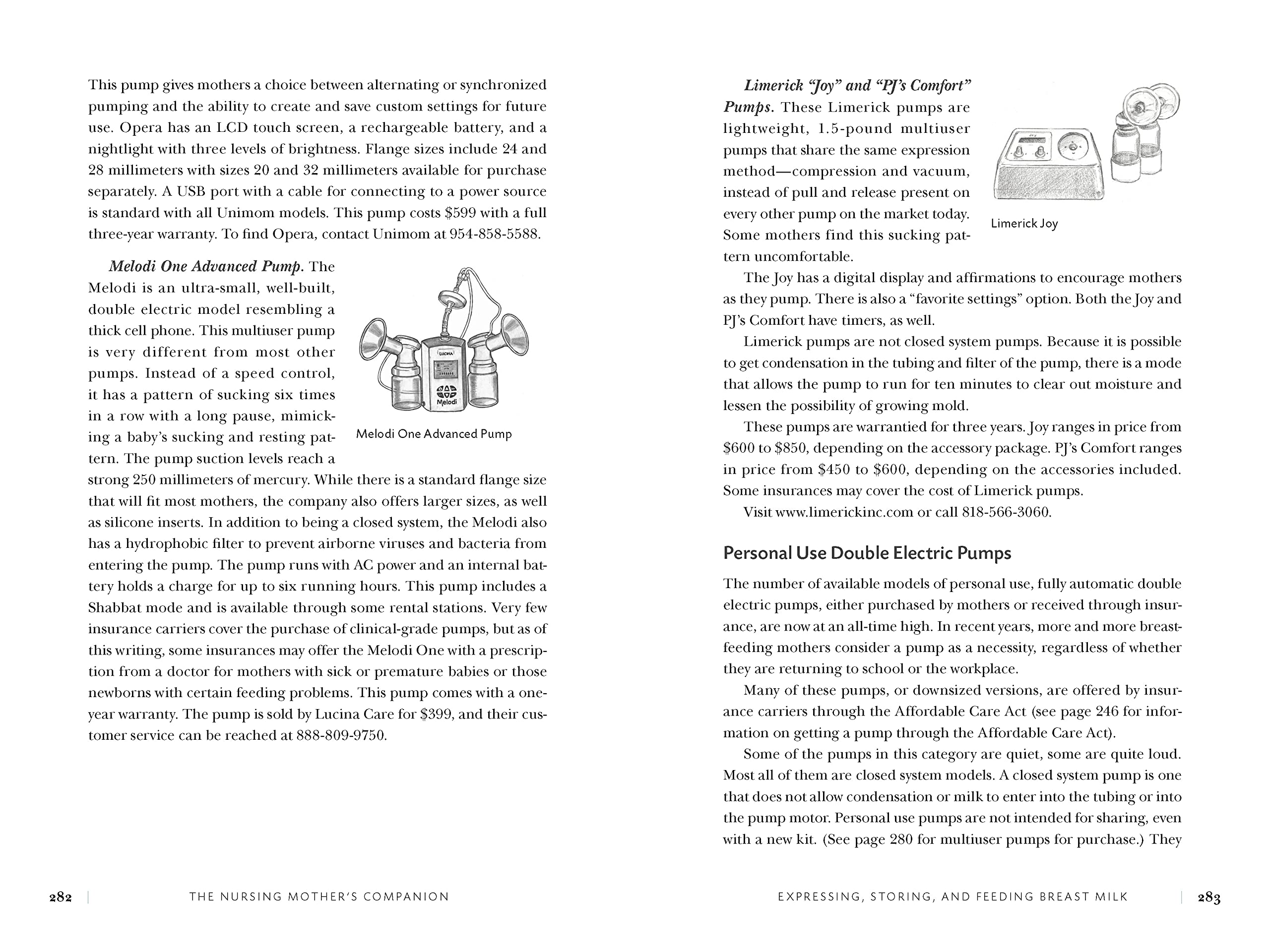
Nursing Mother's Companion 8th Edition: The Breastfeeding Book Mothers Trust, from Pregnancy Through Weaning
- Health, Fitness & Dieting
- Women's Health
- Image Unavailable Image not available forColor:
6. How to Use This Information Practically: A Prenatal Breastfeeding Action Plan
Knowing the risk factors and understanding the research is useful, but you need to know what to do with it. Here is a practical framework you can use in the weeks before your due date.
Step one: Do your own informal risk assessment
Go through the following list and note any that apply to you. You do not need a formal score to start a conversation with your care team.
If three or more of these apply to you, you are in a group that genuinely benefits from prenatal lactation support. That is not alarming. It is useful information.
Step two: Request a prenatal lactation consultation
Most hospital systems have IBCLCs on staff or available by referral. A prenatal consultation does not take long and it can cover your specific risk factors, what to expect in the first 48 hours, how to hand express colostrum, and what support is available after discharge.
Learning how to hand express colostrum before birth is increasingly recommended for low risk mothers and is particularly valuable for those with identified risk factors. There is solid evidence that antenatal expression from 36 weeks, in uncomplicated pregnancies, improves confidence and provides a small colostrum supply if needed.
Step three: Build your support network before birth
The single most actionable thing many mothers can do prenatally is identify who they will call in the first week if breastfeeding is hard. That means:
Step four: Read widely and critically
Reading about breastfeeding before birth significantly raises self efficacy, and as we discussed, self efficacy is one of the strongest predictors of success. The Nursing Mother's Companion is one of the most trusted resources for practical, honest guidance from pregnancy through weaning. Mother Food takes a complementary angle, focusing on diet, lactogenic herbs, and nutrition support for milk supply. For something lighter but still genuinely useful, Lactivate! offers a judgment free take that many mothers find less intimidating than clinical texts.


Mother Food: A Breastfeeding Diet Guide with Lactogenic Foods and Herbs - Build Milk Supply, Boost Immunity, Lift Depression, Detox, Lose Weight, Optimize a Baby's IQ, and Reduce Colic and Allergies
- Health, Fitness & Dieting
- Women's Health
- Pregnancy & Childbirth
7. The State of Prenatal Screening in Clinical Practice: Where Are We Now?
Despite the strength of the evidence, prenatal breastfeeding screening is not yet standard practice in most healthcare settings. Understanding why helps clarify what needs to change, and what you can advocate for in your own care.
Why uptake has been slow
Several factors have slowed the adoption of structured prenatal breastfeeding screening:
The Academy of Breastfeeding Medicine (ABM) has published clinical protocols that explicitly recommend identifying breastfeeding risk factors prenatally, including in Protocol 1 (Guidelines for Glucose Monitoring and Treatment of Hypoglycemia in Term and Late Preterm Neonates), which touches on maternal diabetes, and Protocol 10 (Breastfeeding the Late Preterm Infant). NICE guidelines in the United Kingdom similarly recommend that healthcare professionals assess breastfeeding risk factors during pregnancy, though implementation varies significantly.
Where change is happening
Some hospital systems and birth centres have begun integrating breastfeeding risk screening into routine third trimester care. A few specific examples from the published literature:
The picture is improving, but it remains patchy. For now, the most reliable way to access this kind of proactive care is to ask for it yourself.
Understanding how the third trimester shapes your body for feeding, from breast changes to colostrum production, fits naturally alongside thinking about breastfeeding risk. It is worth reading about how your body prepares for early feeding during these final weeks.
The Nursing Mother's Companion, 7th Edition: The Breastfeeding Book Mothers Trust, from Pregnancy through Weaning
- Parenting & Relationships
- Early Childhood
- Auto-renews at $8.99$8.99 /mo after 30 days. Cancel anytime.
| Breastfeeding Resource Type | Best Timing | Primary Benefit | Main Limitation | Recommended Product | Price Range |
|---|---|---|---|---|---|
| Clinical breastfeeding guide (AAP endorsed) | Pregnancy through year one | Authoritative, medically reviewed advice | Dense for sleep deprived parents | AAP New Mother's Guide to Breastfeeding | $12 |
| Comprehensive nursing companion | Pregnancy through weaning | Covers almost every scenario in plain language | Long; benefits from reading before birth | Nursing Mother's Companion 8th Edition | $19.53 |
| Judgment free beginner guide | Late pregnancy and first weeks | Accessible, humorous, low intimidation factor | Less clinical depth | Lactivate! Guide to Breastfeeding | $7.16 |
| Evidence informed how-to guide | Pregnancy through early months | Strong on the mechanics and natural feeding laws | Less focused on complications and special cases | Breastfeeding Made Simple | $18.74 |
| Diet and lactogenic food guide | Second trimester through weaning | Unique focus on nutrition and milk supply | Not a substitute for clinical lactation support | Mother Food Diet Guide | $15.01 |
| Free digital nursing companion | Pregnancy through weaning | Comprehensive and free with a 30 day trial | Subscription required after trial | Nursing Mother's Companion 7th Edition | $0 (then $8.99/mo) |
8. Expert Insights on Prenatal Breastfeeding Screening
Conclusion
If there is one thing I want you to take away from all of this, it is that breastfeeding difficulty is usually not something that happens to you out of nowhere. In most cases, the risk was there. It just was not seen or named early enough. Prenatal breastfeeding screening changes that. It turns a reactive system into a proactive one, and the evidence is clear that this shift saves breastfeeding journeys.
You deserve to go into those first days with your baby knowing what your personal risk factors are, with a team who knows them too, and with support already in place. Not scrambling to find a lactation consultant at midnight on day three.
The most important sentence I can leave you with: the best time to set up breastfeeding support is before you need it.
If this article helped you think about your own pregnancy or birth plan differently, save it, share it with your partner, or send it to your care provider. And if you are looking for more on how to prepare your body and mind in these final weeks, we have more here at tinymindsworld.com.
Sources & References
- Centers for Disease Control and Prevention. "Breastfeeding Report Card, United States, 2022." 2022. https://www.cdc.gov/breastfeeding/data/reportcard.htm
- American Academy of Pediatrics. "Policy Statement: Breastfeeding and the Use of Human Milk." Pediatrics. 2022. https://publications.aap.org/pediatrics/article/150/1/e2022057989/188347
- World Health Organization. "Breastfeeding." 2023. https://www.who.int/health-topics/breastfeeding
- Academy of Breastfeeding Medicine. "ABM Clinical Protocol #1: Approach to Breastfeeding in the Healthy Term Newborn." Breastfeeding Medicine. 2021.
- Dennis, Cindy Lee. "The Breastfeeding Self-Efficacy Scale: Psychometric Assessment of the Short Form." Journal of Obstetric, Gynecologic and Neonatal Nursing. 2003; 32(6):734-744.
- Bever Babendure, J., et al. "Reduced breastfeeding rates among obese mothers: a review of contributing factors, clinical considerations and future directions." International Breastfeeding Journal. 2015; 10:21.
- Stuebe, Alison M., and Scott Schwarz. "The risks and benefits of infant feeding practices for women and their children." Journal of Perinatology. 2010; 30(3):155-162.
- Forster, D., et al. "Priming for breastfeeding success: A randomised controlled trial." The CASTLE Study, BMC Pregnancy and Childbirth. 2019.
- Blyth, R., et al. "Effect of maternal confidence on breastfeeding duration: an application of breastfeeding self-efficacy theory." Birth. 2002; 29(4):278-284.
- Marasco, L., Marmet, C., Shell, E. "Polycystic ovary syndrome: a connection to insufficient milk supply?" Journal of Human Lactation. 2000; 16(2):143-148.
- Rollins, N.C., et al. "Why invest, and what it will take to improve breastfeeding practices?" The Lancet. 2016; 387(10017):491-504.
- NICE. "Postnatal care." National Institute for Health and Care Excellence. 2021. https://www.nice.org.uk/guidance/ng194
- Renfrew, M.J., et al. "Breastfeeding promotion for infants in neonatal units: a systematic review." Health Technology Assessment. 2009; 13(40).
- Wambach, K.A. "Breastfeeding intention and outcome: A test of the theory of planned behavior." Research in Nursing and Health. 1997; 20(1):51-59.
Frequently Asked Questions
What is a prenatal breastfeeding screening tool?
Which medical conditions most affect breastfeeding?
Can I do anything before birth to improve my chances of breastfeeding successfully?
Does a caesarean birth make breastfeeding harder?
What is breastfeeding self efficacy and why does it matter?
How do I find a lactation consultant before my baby is born?
What should I tell my hospital team about my breastfeeding risk factors?
Was this helpful?
Thanks — your feedback helps us pick what to write next.