
← Pregnancy & Newborn · Feeding & Nutrition
Pregnancy & Newborn · Feeding & Nutrition
Feeding & Nutrition for the Pregnancy & Newborn stage (last trimester – 3 mo).
9 guides in this cell
— Reading list
All Feeding & Nutrition guides for Pregnancy & Newborn
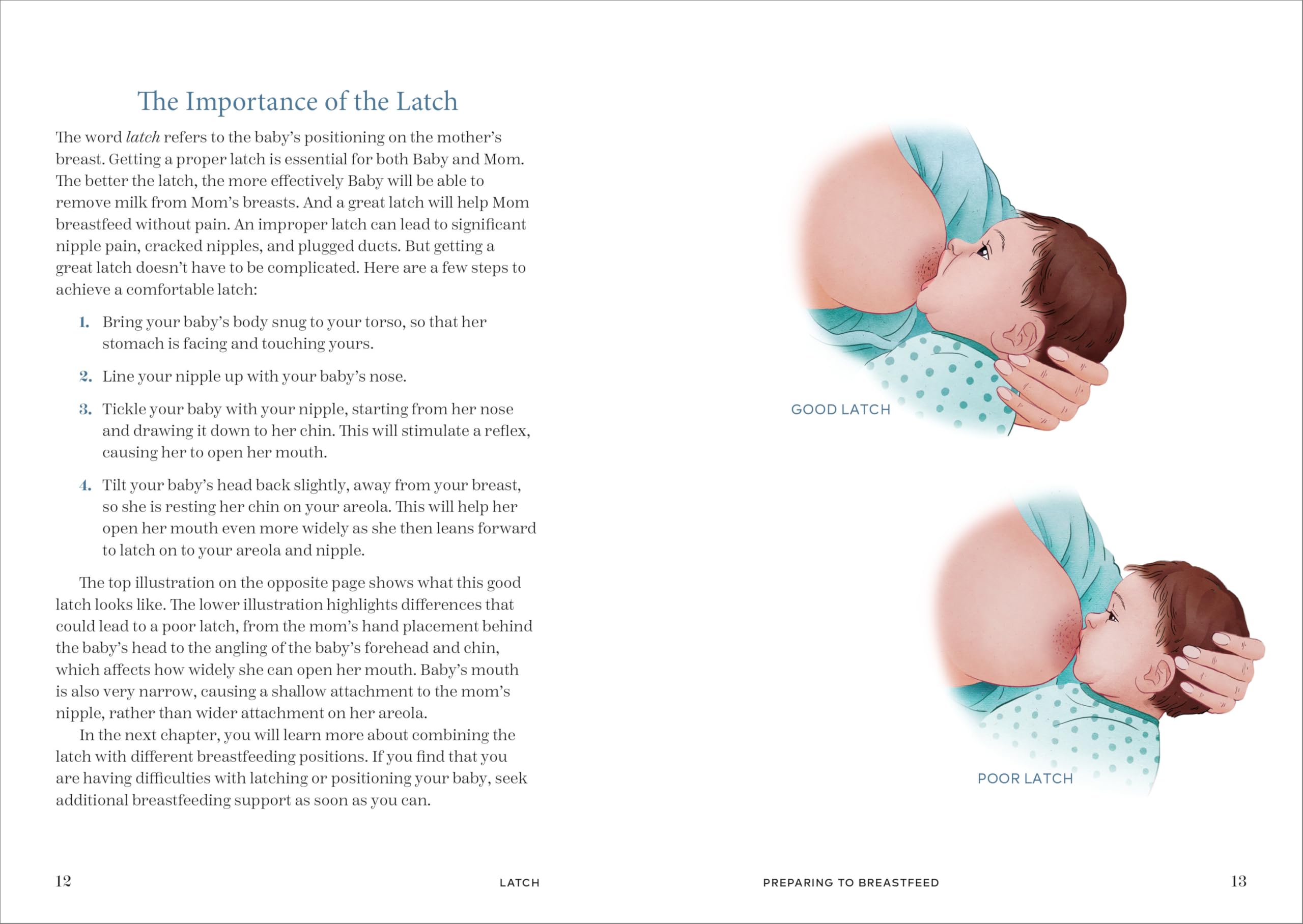
Breastfeeding Latch Problems: How to Spot, Fix and Get Help
A good latch means your baby's mouth is wide open and covers most of the bottom part of your areola. Pain beyond the first minute or so is a sign to b...

Newborn Feeding and Pregnancy Nutrition: What to Expect
TL;DR: Quick summaryIn late pregnancy, eat a varied diet and take only the supplements your provider recommends. After birth, feed your newborn whenev...
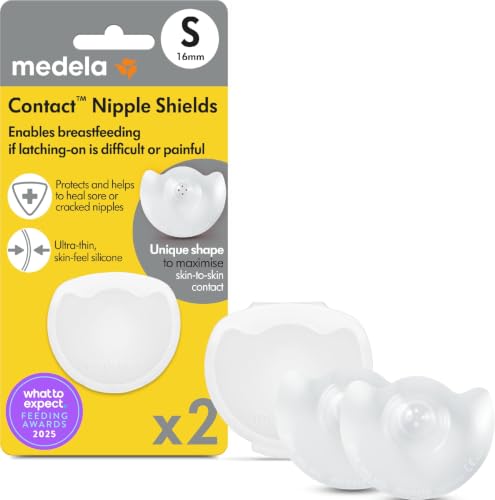
Breastfeeding Not Working? How to Fix a Painful or Shallow Latch
TL;DR: Quick summaryA good latch means your baby's mouth covers your nipple plus about 1 to 2 inches of areola, with more of the lower part inside. If...
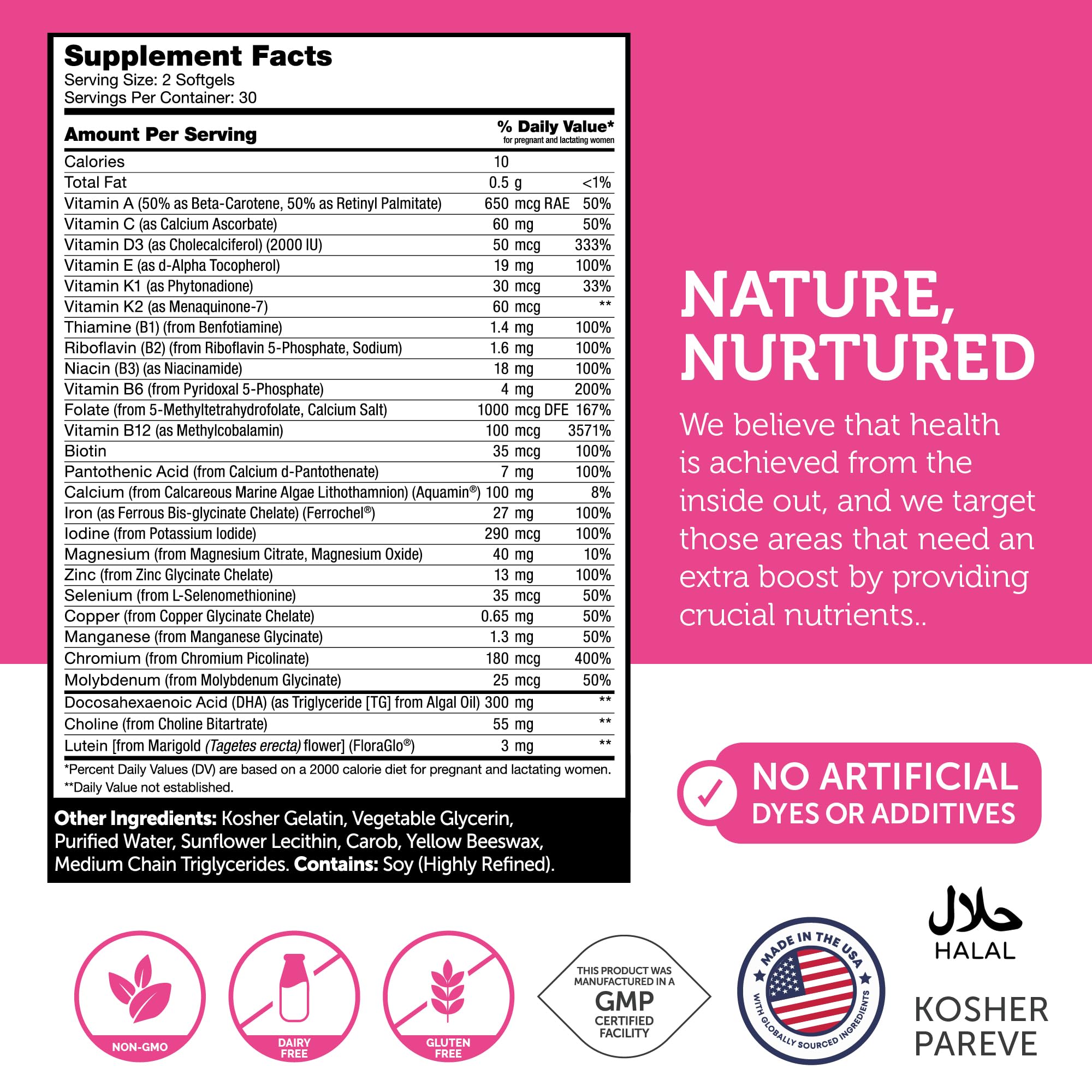
Prenatal Nutrition: How Food Shapes Your Baby's Health
What you eat during pregnancy directly shapes your baby's organ development, brain growth, and long term health outcomes, and new research is helping...

Breastfeeding screening tools: what they can and can't predict
TL;DR: Quick summaryYes, partly. A short four question screening tool called the breastfeeding score can flag mothers at risk of stopping exclusive br...
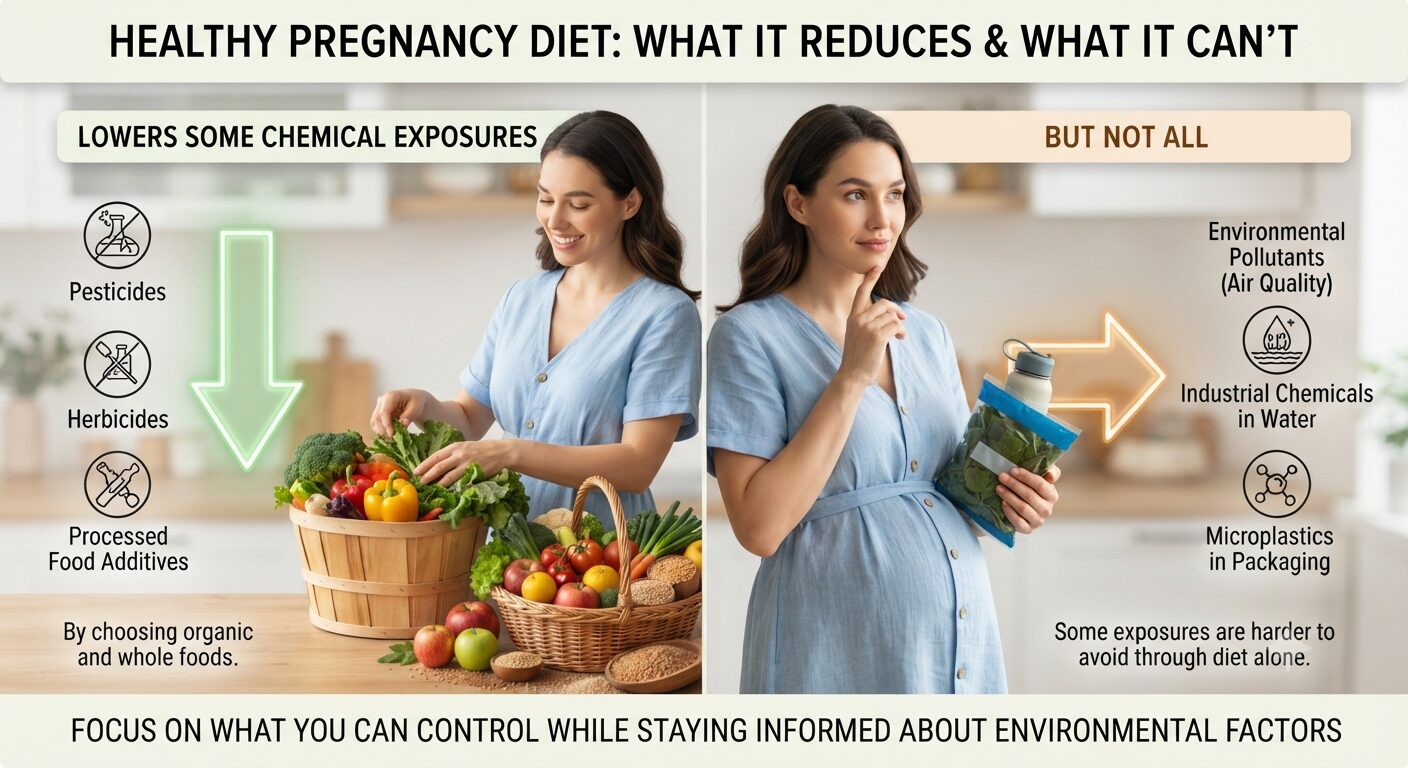
Healthy Pregnancy Diet Lowers Some Chemical Exposures, Not All
Eating a nutrient dense, whole food diet during pregnancy measurably reduces exposure to several harmful chemicals, but it cannot eliminate all enviro...

Pregnancy Diet and Chemical Exposure: What the Science Says
Eating a healthy diet during pregnancy can meaningfully lower your exposure to several harmful chemicals, but it does not eliminate all risks, and som...

Garden in a Box: Helping Pregnant Women Grow Nutritious Food
Garden in a Box initiatives give pregnant women hands-on access to fresh produce by supplying everything needed to grow vegetables at home, directly i...
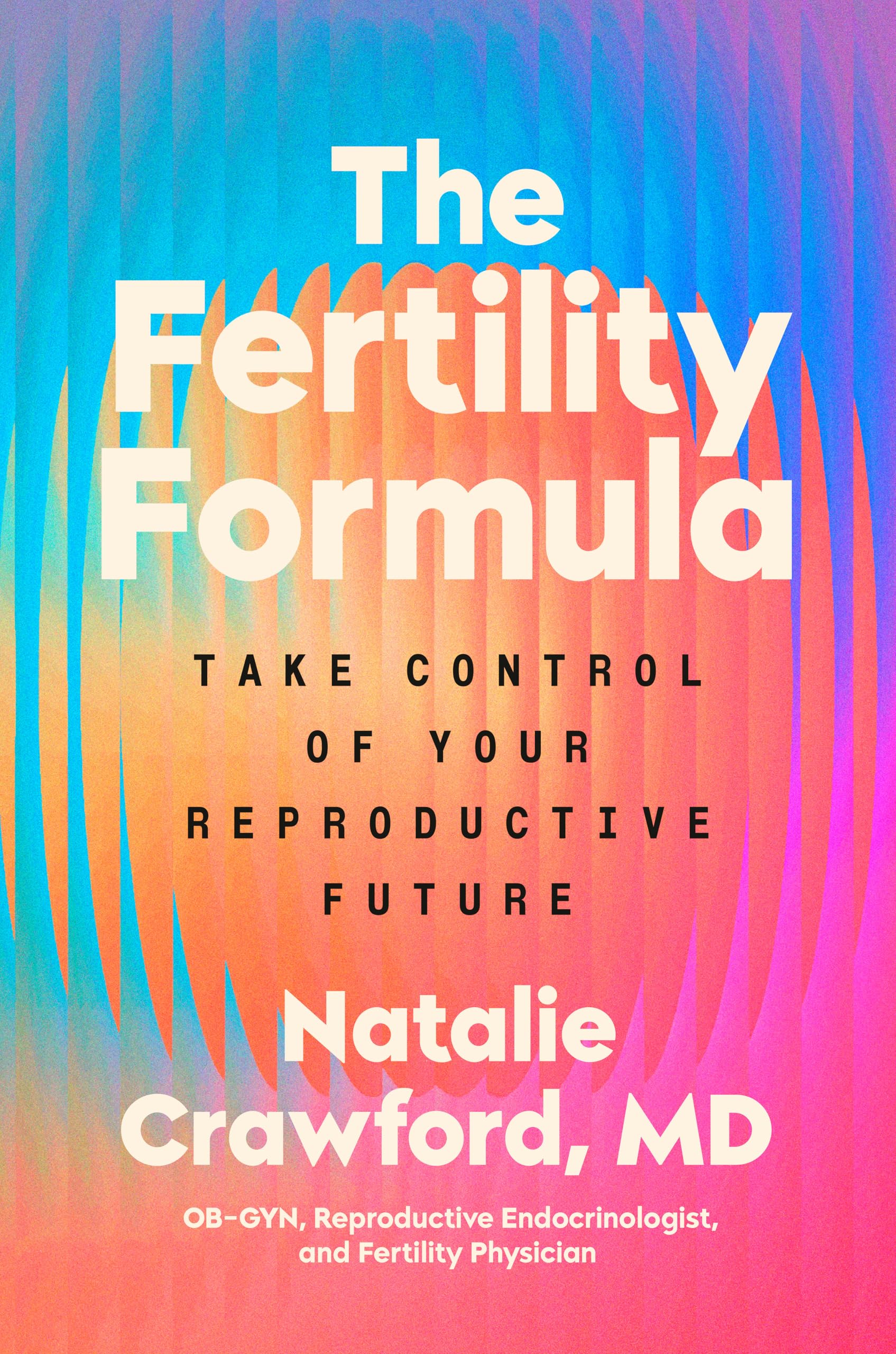
Fertility & Food: Nutrition Changes That May Help You Conceive
Research-backed dietary changes, including eating more whole foods, healthy fats, and plant-based proteins, can meaningfully improve fertility markers...