Teen Nutrition 13–17: What Your Teenager Actually Needs to Eat
Teenagers aged 13–17 are in one of the most nutritionally demanding periods of their entire lives, and most are not eating enough of the right foods to support it.
In this article
If you feel like your teenager is eating constantly and still complaining they are hungry, you are not imagining it. The American Academy of Pediatrics (AAP) notes that adolescence is second only to infancy as the fastest period of physical growth in human life. Between ages 13 and 17, your teen may gain up to 50 percent of their adult bone mass, grow several inches in a single year, and dramatically expand their muscle tissue — all of which demands serious nutritional fuel. Yet according to the CDC's National Health and Nutrition Examination Survey, fewer than 10 percent of adolescents meet recommended daily vegetable intake, and calcium deficiency is widespread across this age group.
This guide will help you understand:
1. Why Teen Nutrition Is Genuinely Different From Every Other Life Stage
Adolescent nutritional needs are categorically higher than those of younger children, and that gap is larger than most parents expect. Between 13 and 17, your teen's body is simultaneously building bone, synthesising hormones, expanding blood volume, and (often) supporting intense physical activity. The 2020–2025 Dietary Guidelines for Americans, published jointly by the USDA and the US Department of Health and Human Services, recommend that active teenage boys consume 2,600–3,200 calories per day, and active teenage girls consume 2,200–2,400 calories. Sedentary teens need somewhat less, but the floor is still meaningfully higher than a 10-year-old's requirements.
This is also the life stage when teens begin making more of their own food choices, which is developmentally appropriate but nutritionally risky without guidance.
Why they seem to eat "all the time"
Growth spurts are not continuous; they come in bursts. During a rapid growth phase, your teen's appetite will spike noticeably, then taper. This is normal. Restricting food during these windows can impair growth and bone mineralisation. The goal is food quality and pattern, not limiting quantity.
The school-day energy crash
Many teens arrive home depleted because lunch was rushed, skipped, or nutritionally thin. Building a refuelling snack into their after-school routine (think protein plus carbohydrate, such as Greek yoghurt and fruit, or peanut butter on whole-grain toast) smooths out energy and reduces the chaotic evening overeating that frustrates many families.
2. The Big Four: Micronutrients Teens Are Most Likely to Miss
Four nutrients consistently appear as deficient in population-level data on adolescents: calcium, vitamin D, iron, and zinc. Addressing these specifically does more for teen health than any supplement stack.
Calcium and vitamin D: the bone window
Approximately 90 percent of peak bone mass is established by age 18, according to the National Institutes of Health Office of Dietary Supplements. If teens do not consume enough calcium and vitamin D during this window, they cannot fully recover that bone density in adulthood. The AAP recommends 1,300 mg of calcium daily for ages 9–18. Dairy remains the most bioavailable source; fortified plant milks, edamame, and canned salmon with bones are solid alternatives for teens who avoid dairy.
Vitamin D deficiency is widespread globally. The AAP recommends 600 IU daily, but many paediatric endocrinologists suggest levels should be monitored individually, particularly in teens with darker skin tones or limited sun exposure.
Iron: especially critical for menstruating teens
Iron-deficiency anaemia is the most common nutritional deficiency in adolescent girls. The recommended daily intake jumps from 8 mg (ages 9–13) to 15 mg (ages 14–18) for girls, and to 11 mg for boys. Symptoms are subtle: fatigue, poor concentration, reduced athletic performance, and pallor. Red meat, legumes, fortified cereals, and dark leafy greens are the primary dietary sources. Pairing iron-rich foods with vitamin C (a glass of orange juice alongside lentil soup, for example) significantly improves absorption.
Zinc: the overlooked growth mineral
Zinc supports cell division, immune function, and sexual maturation. Boys need 11 mg daily and girls need 9 mg. Meat, shellfish, seeds, and legumes are the best sources. Vegetarian and vegan teens are at particular risk and may benefit from a review with a dietitian.
3. Protein, Carbohydrates, and Fats: Getting the Macros Right
Protein is the macronutrient parents most frequently worry about, but for most omnivorous teens, it is the easiest need to meet. The Dietary Reference Intake for protein is 0.85 g per kilogram of body weight per day for adolescents. For a 60 kg (132 lb) teen, that is roughly 51 g daily — achievable with two eggs at breakfast, a chicken breast at dinner, and a handful of nuts as a snack.
Teens who play competitive sports or lift weights may need 1.2–1.7 g per kg per day, closer to adult athlete recommendations.
Carbohydrates are not the enemy
Carbohydrates are the brain's primary fuel source, and the adolescent brain is particularly dependent on steady glucose delivery. The issue is not carbohydrates per se; it is ultra-processed sources (white bread, sugary drinks, packaged snacks) replacing whole-food sources (oats, sweet potato, fruit, legumes). Teens should aim for fibre-rich carbohydrates at each meal.
Just as the toddler gut microbiome is shaped by early dietary diversity, the adolescent gut is similarly responsive to fibre intake, and habits formed now tend to persist into adulthood.
Healthy fats and brain development
The adolescent brain continues active myelination (the laying down of fatty insulation on nerve fibres) through the mid-20s. Omega-3 fatty acids, particularly EPA and DHA found in oily fish, walnuts, and flaxseed, are directly incorporated into neural tissue. Aim for two servings of oily fish per week, or consider an algae-based omega-3 supplement for teens who do not eat fish.
4. Recognising and Gently Addressing Disordered Eating
Eating disorders most commonly emerge between ages 12 and 25, and subclinical disordered eating (patterns that do not meet diagnostic criteria but still impair health) is significantly more prevalent. The National Eating Disorders Association (NEDA) estimates that roughly 9 percent of the US population will have a clinically diagnosable eating disorder in their lifetime, with onset most often in adolescence.
Warning signs to watch for
How to open the conversation
Lead with observation, not accusation. "I've noticed you haven't been eating much at dinner — I just want to check in" lands very differently from "Are you not eating again?" If your teen dismisses your concern, raise it with their paediatrician at the next visit; clinicians are trained to screen in a neutral setting.
5. Practical Strategies for Feeding a Busy, Opinionated Teenager
Teens are not toddlers; you cannot simply offer a plate and expect compliance. They have opinions, social schedules, sports commitments, and strong preferences. The most effective feeding strategies meet them where they are.
Involve them in the process
Research published in the journal Appetite (2016) found that adolescents who participated in meal preparation consumed significantly more fruits and vegetables than those who did not. Give your teen genuine ownership: let them choose two dinners per week, take them grocery shopping, or teach them three or four meals they can cook independently.
Meal prepping as a shared activity on Sunday afternoons accomplishes two things: it fills the fridge with ready nutrition, and it creates low-stakes talking time.
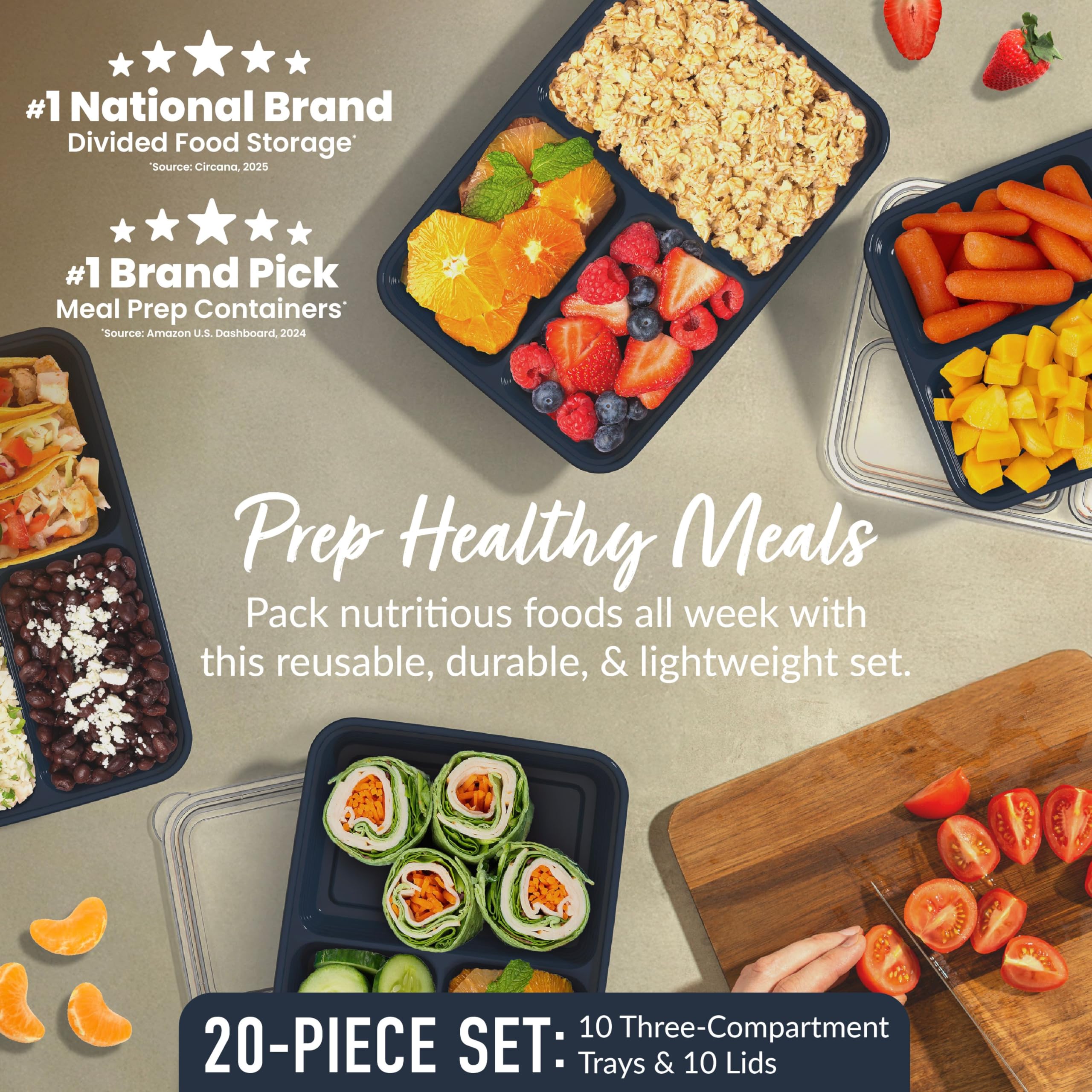

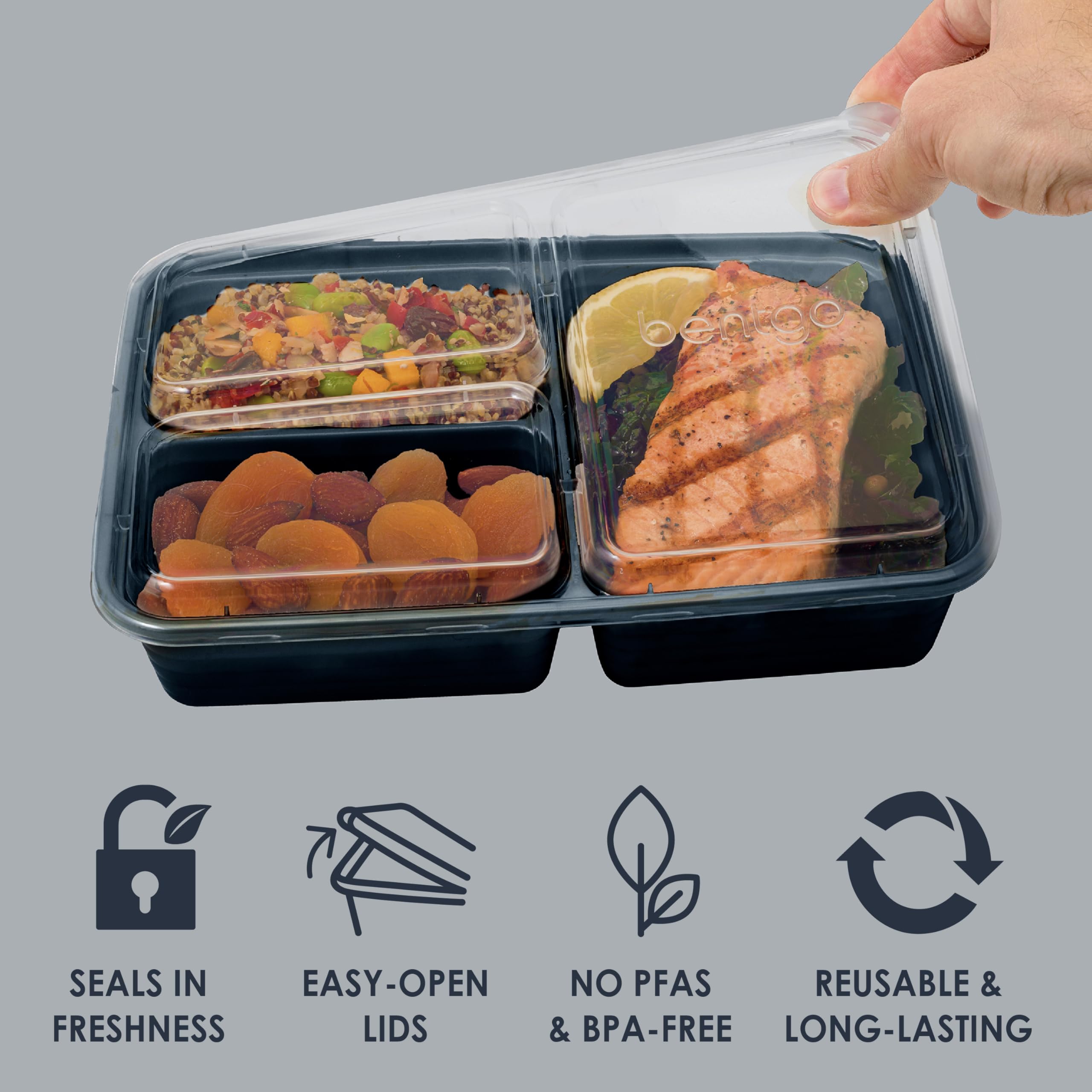
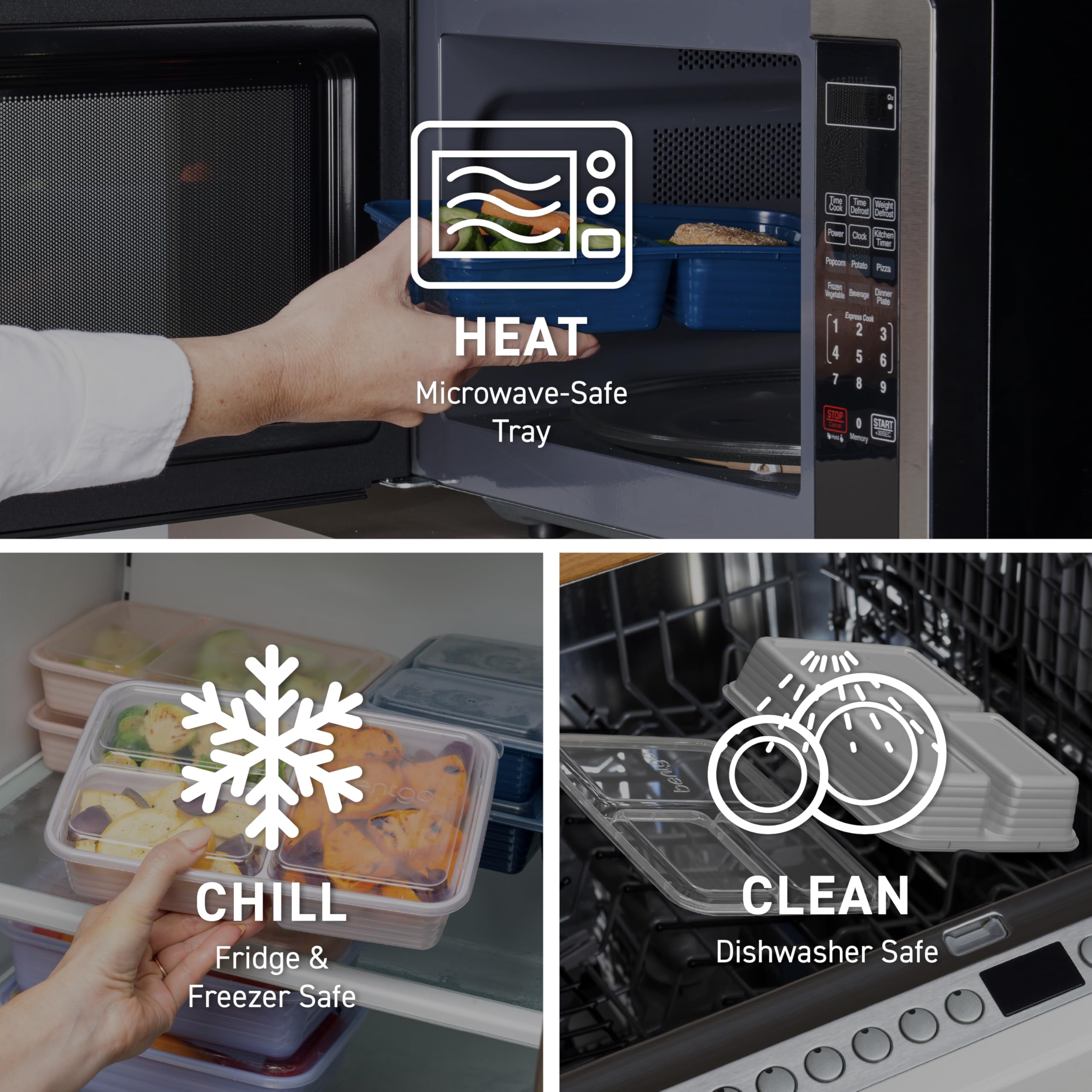
Bentgo Prep - 20-Piece 3-Compartment Reusable Meal Prep Containers with Lids, PFAS & BPA Free Materials, Durable, Microwave, Freezer, & Dishwasher Safe To Go Food Storage (Navy Blue)
- #1 Brand Pick for Meal Prep Containers: Bentgo is the top pick for meal prep containers!* This lightweight, po
- Perfect for Portion-Control: Each container’s 4-cup capacity and embossed measurements make portioning easy to
- Durable & Reusable: Made from tough, PFAS- and BPA-free materials, these meal prep containers are built to las
Build a stocked environment
The single greatest predictor of what teens eat is what is available in the house. If the easiest thing to grab is a piece of fruit and some hummus, that is what gets eaten at 10 p.m. If it is a bag of chips, that is what gets eaten. This is not about banning foods; it is about making the nutritious option the path of least resistance.
![Freshware Meal Prep Containers with Lids [15 Pack] 3 Compartment, Food Storage Containers, Bento Box, BPA Free, Stackable, Microwave/Dishwasher/Freezer Safe (32 oz)](https://m.media-amazon.com/images/I/81NIcFigK4L.jpg)
![Freshware Meal Prep Containers with Lids [15 Pack] 3 Compartment, Food Storage Containers, Bento Box, BPA Free, Stackable, Microwave/Dishwasher/Freezer Safe (32 oz)](https://m.media-amazon.com/images/I/81jGUbypmFL.jpg)
![Freshware Meal Prep Containers with Lids [15 Pack] 3 Compartment, Food Storage Containers, Bento Box, BPA Free, Stackable, Microwave/Dishwasher/Freezer Safe (32 oz)](https://m.media-amazon.com/images/I/812EJeQL9lL.jpg)
![Freshware Meal Prep Containers with Lids [15 Pack] 3 Compartment, Food Storage Containers, Bento Box, BPA Free, Stackable, Microwave/Dishwasher/Freezer Safe (32 oz)](https://m.media-amazon.com/images/I/71PU3h-SJ+L.jpg)
![Freshware Meal Prep Containers with Lids [15 Pack] 3 Compartment, Food Storage Containers, Bento Box, BPA Free, Stackable, Microwave/Dishwasher/Freezer Safe (32 oz)](https://m.media-amazon.com/images/I/71f-60V+6dL.jpg)
Freshware Meal Prep Containers with Lids [15 Pack] 3 Compartment, Food Storage Containers, Bento Box, BPA Free, Stackable, Microwave/Dishwasher/Freezer Safe (32 oz)
- Save Time & Money: 15-Pack of Bento Boxes features 3 compartments plastic containers. Each meal prep container
- Healthy Meal Everywhere: Featuring food storage containers will help keep your meal prep plan and lose weight.
- Premium Quality & Design: Most meal prep containers don’t last for a long time. They crack after a few uses or
6. Special Situations: Athletes, Vegetarians, and Teens Under Stress
Some subgroups of teenagers have elevated or specialised nutritional needs that deserve specific attention.
Teen athletes
Caloric needs for intensely training teens can reach 4,000+ calories per day for male athletes in sports like swimming, football, or long-distance running. Under-fuelling in athletes causes a condition called Relative Energy Deficiency in Sport (RED-S), formerly known as the "female athlete triad." RED-S impairs bone density, hormonal function, immune response, and mood; it occurs in both male and female athletes. Carbohydrate availability is particularly important around training sessions.
The broader landscape of tween and teen nutritional needs, including why adolescent nutritional demands shift so dramatically, provides helpful context for understanding how much changes at puberty onset.
Vegetarian and vegan teens
Plant-based teen diets can absolutely support healthy development, but they require more deliberate planning. Critical nutrients to monitor: vitamin B12 (only naturally present in animal products), iron, zinc, calcium, omega-3 DHA/EPA, and vitamin D. A registered dietitian review is genuinely worthwhile for vegan teens, not because veganism is inherently problematic but because the margin for error is narrower.
Teens under academic or emotional stress
Cortisol (the primary stress hormone) disrupts appetite signalling, sleep, and gut motility. Chronically stressed teens often oscillate between under-eating during the day and overeating at night. Stabilising meal timing (three meals plus one to two snacks at consistent times) provides a structural support that does not require willpower.


Efficient Nutrition Portion Control Containers DELUXE Kit (14-Piece) with COMPLETE GUIDE + 21 DAY PLANNER + RECIPE eBOOK BPA FREE Color Coded Meal Prep System for Diet and Weight Loss
- ✔️Downloadable resources!
- ✅PORTION CONTROL: This 14-piece system allows you to maintain better portion control for breakfast, lunch or d
- ✅PRE MEASURED CONTAINERS: Our Color Coded meal prep containers are BPA FREE, pre-measured based on the amount
7. Meal Prep Containers: Choosing What Works for Teen Life
Making nutrition convenient is non-negotiable for this age group. Here is a side-by-side look at the prep container options that fit a teenager's lifestyle.
| Container Option | Best Use | Compartments | Key Features | Recommended Product | Price Range |
|---|---|---|---|---|---|
| Bentgo 3-Comp (Navy) | Weekday lunches + snacks | 3 | PFAS/BPA free, microwave safe, stackable | Bentgo Navy 20-piece set | $14.99 |
| Bentgo 3-Comp (Rosette Glitter) | Teens who want personalised style | 3 | Glitter edition, same durability specs | Bentgo Glitter edition | $14.99 |
| Freshware 3-Comp (15 Pack) | Larger families or meal-prep batches | 3 | 32 oz capacity, budget-friendly 15-pack | Freshware 15-pack bento | $14.50 |
| Efficient Nutrition Color-Coded Kit | Teens learning portion awareness | Multiple | Colour-coded by food group, includes planner | Efficient Nutrition portion kit | $11.50 |
| Bentgo 60-Piece Mixed Kit | Whole-family prep, variety of meals | 1, 2, and 3 | Mix of compartment sizes, floral pastels | Bentgo 60-piece floral kit | $34.99 |
Expert Insights
Feeding a teenager can feel like an exercise in contradiction: they are simultaneously more independent and more vulnerable nutritionally than at any other point since infancy. The meals you help them access, the conversations you have (and don't have) around food, and the kitchen environment you create together right now are quietly shaping habits, bones, and brain architecture that will follow them for decades.
The most important thing you can do is stay engaged without being controlling. Keep the fridge stocked, keep the dinner table a pleasant place to be, and keep the focus on nourishment rather than numbers. One family meal per day, a little Sunday prep, and a paediatrician who checks the relevant bloods annually — those three things alone will put your teen ahead of the curve.
Save this guide, share it with a co-parent or school counsellor, and come back to it as your teen moves through different seasons of growth.
Sources & References
- US Department of Agriculture and US Department of Health and Human Services. "Dietary Guidelines for Americans 2020–2025." 2020. https://www.dietaryguidelines.gov
- American Academy of Pediatrics (AAP). "Nutritional Needs of Adolescents." HealthyChildren.org. https://www.healthychildren.org
- National Institutes of Health, Office of Dietary Supplements. "Calcium: Fact Sheet for Health Professionals." 2023. https://ods.od.nih.gov/factsheets/Calcium-HealthProfessional/
- National Institutes of Health, Office of Dietary Supplements. "Iron: Fact Sheet for Health Professionals." 2023. https://ods.od.nih.gov/factsheets/Iron-HealthProfessional/
- National Institutes of Health, Office of Dietary Supplements. "Vitamin D: Fact Sheet for Health Professionals." 2023. https://ods.od.nih.gov/factsheets/VitaminD-HealthProfessional/
- Centers for Disease Control and Prevention. "National Health and Nutrition Examination Survey (NHANES)." 2017–2020. https://www.cdc.gov/nchs/nhanes
- Neumark-Sztainer, D. "Preventing the Broad Spectrum of Weight-Related Problems: Working with Parents to Help Teens." Journal of Nutrition Education and Behavior, 2005.
- Larson, N., et al. "Food Preparation by Young Adults Is Associated with Better Diet Quality and Dietary Intake." Appetite, 2016.
- National Eating Disorders Association (NEDA). "Statistics and Research on Eating Disorders." 2022. https://www.nationaleatingdisorders.org
- Mountjoy, M., et al. "IOC Consensus Statement on Relative Energy Deficiency in Sport (RED-S)." British Journal of Sports Medicine, 2018.
- Satter, E. "Ellyn Satter's Division of Responsibility in Feeding." Ellyn Satter Institute. https://www.ellynsatterinstitute.org
- Greer, F.R., and Krebs, N.F. "Optimizing Bone Health and Calcium Intakes of Infants, Children, and Adolescents." Pediatrics (AAP), 2006.
Frequently Asked Questions
How many calories does a teenage boy need per day?
Is it normal for my teenager to be hungry all the time?
My teen wants to go vegetarian. Is that safe?
Should my teenager take a multivitamin?
How do I talk to my teenager about healthy eating without triggering food issues?
What should my teen eat before and after sport?
My teen skips breakfast every day. Should I be worried?
Was this helpful?
Thanks — your feedback helps us pick what to write next.