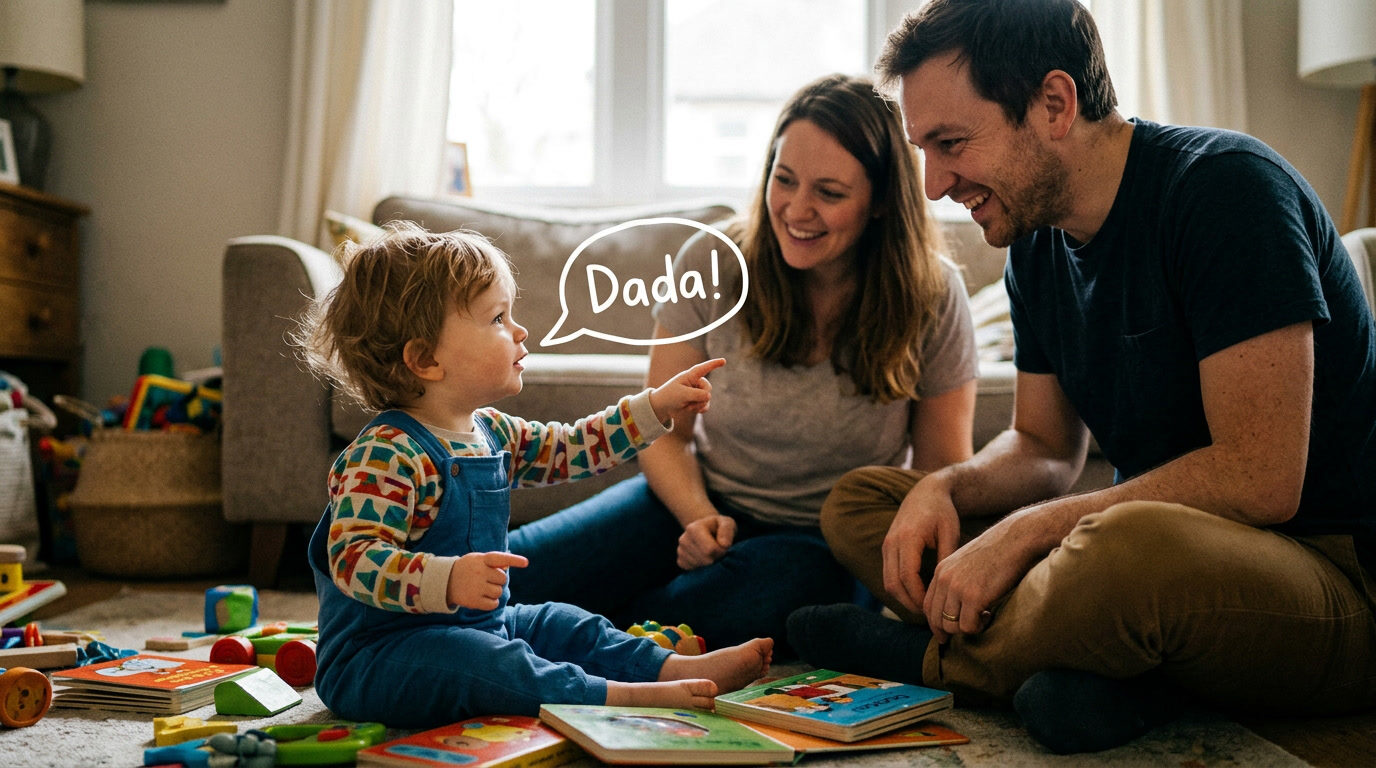
Toddler Family Life: Your Practical Guide to Ages 1–3
The toddler years (ages 1–3) are a landmark period for family life; predictable routines, warm boundaries, sibling preparation, and intentional connection rituals are the four levers that make daily life calmer and more joyful for everyone in the household.
In this article
The toddler years can feel like living with a tiny, passionate stranger who speaks three languages simultaneously and changes the rules every fifteen minutes. You are not imagining it. According to the American Academy of Pediatrics (AAP), the period between ages one and three represents the single fastest period of brain development across the entire human lifespan, with more than one million new neural connections forming every second in the early years. That biological fact explains nearly everything: the curiosity, the defiance, the clinginess, and the sheer exhausting brilliance of a two-year-old.
This guide will help you navigate:
1. Daily Routines: The Hidden Architecture of Toddler Wellbeing
Predictable routines are the single most effective tool for reducing toddler anxiety and behavioural outbursts. A 2018 study published in the journal Pediatrics (AAP) found that consistent bedtime routines were associated with earlier sleep onset, longer sleep duration, and fewer night wakings in children aged one to five. The same principle extends to morning and mealtime patterns: when your toddler knows what comes next, their nervous system down-regulates and cooperation goes up.
Why Routine Works at This Age
Toddlers lack the prefrontal cortex development needed to predict and regulate their own experience. External structure does that work for them. A visual routine chart translates abstract time (which toddlers cannot yet grasp) into concrete, sequential pictures they can understand and even control.
For families just starting out, the Melissa & Doug Daily Routines Chart is an affordable, tactile option with flip-able wooden tabs that toddler hands can manage independently. If you want something more flexible with dozens of card options, the Godery Visual Schedule Board includes 109 picture cards covering everything from breakfast to bath time.
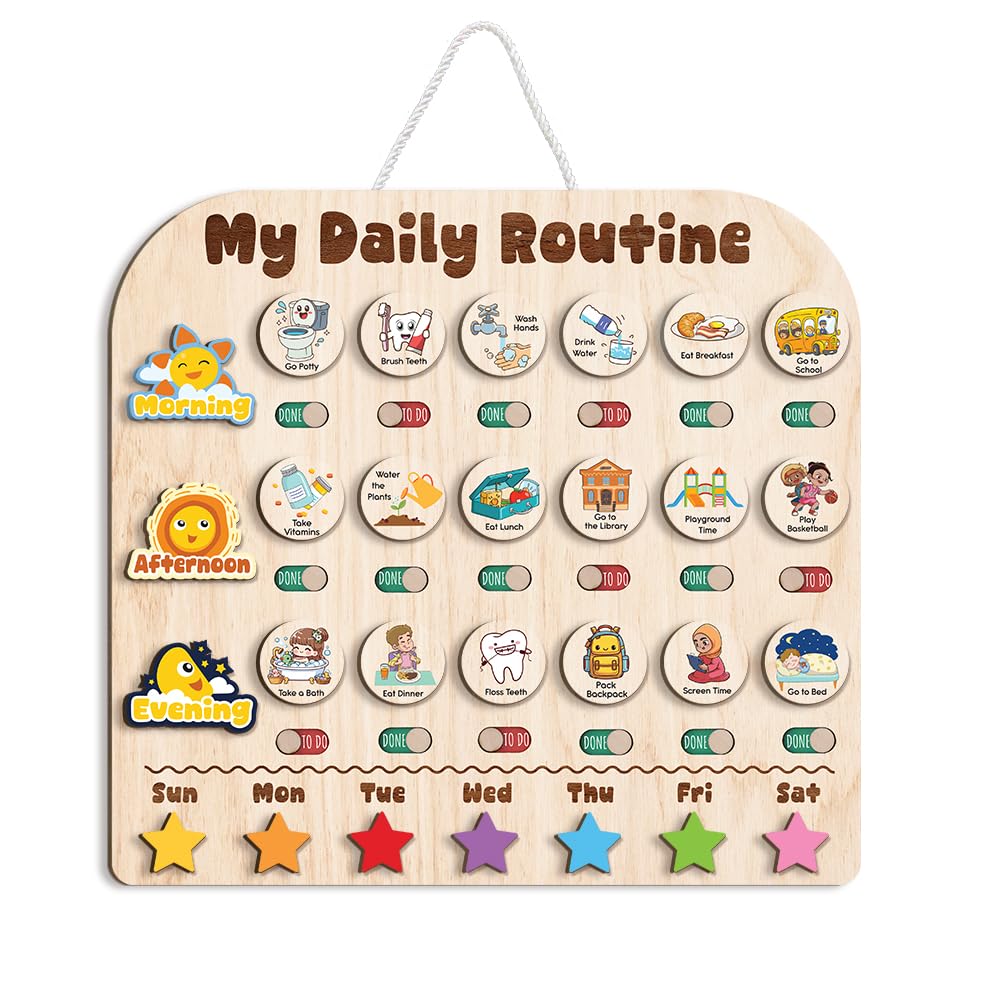
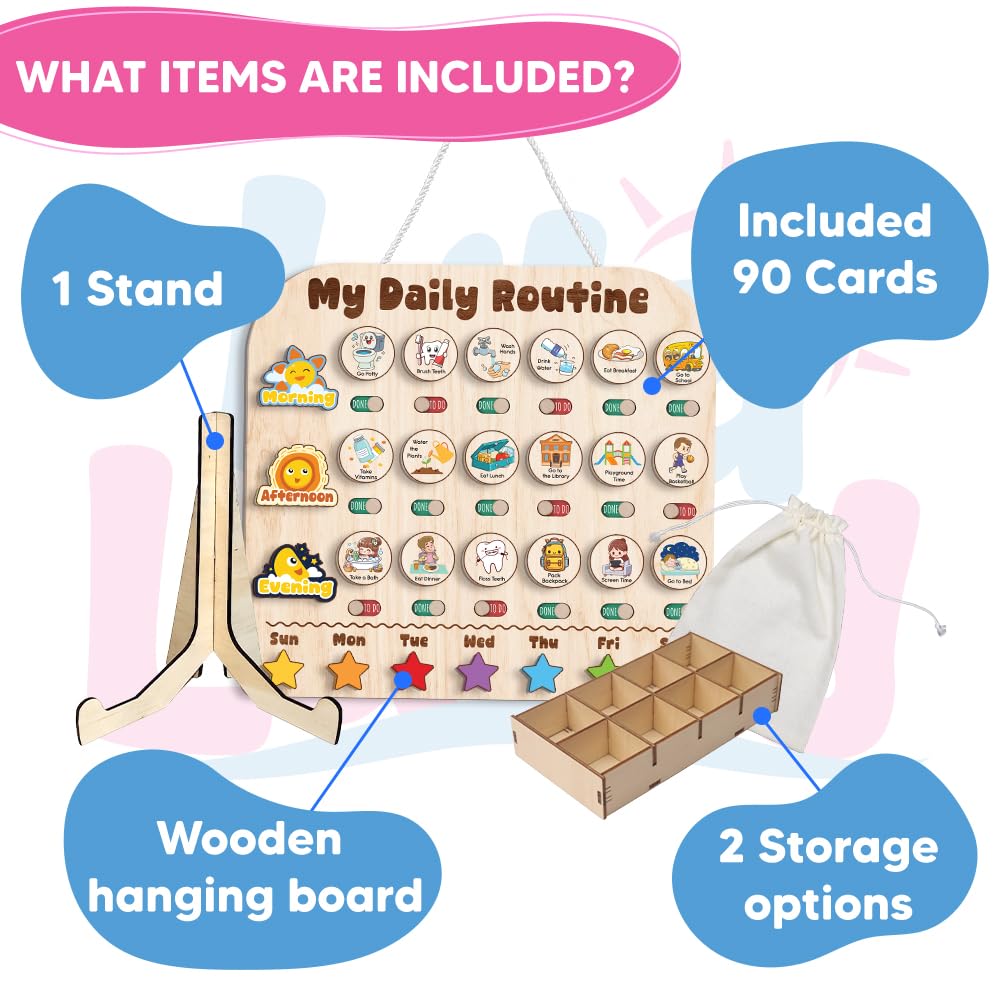
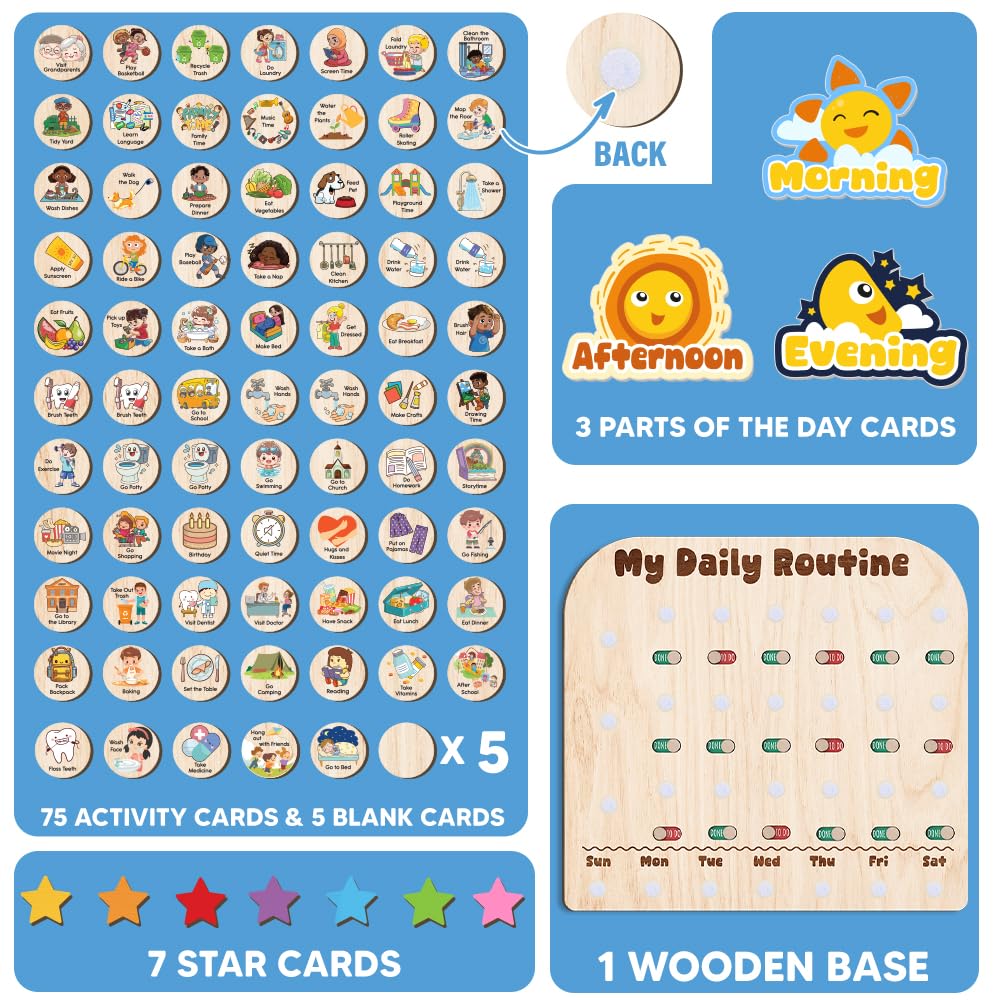
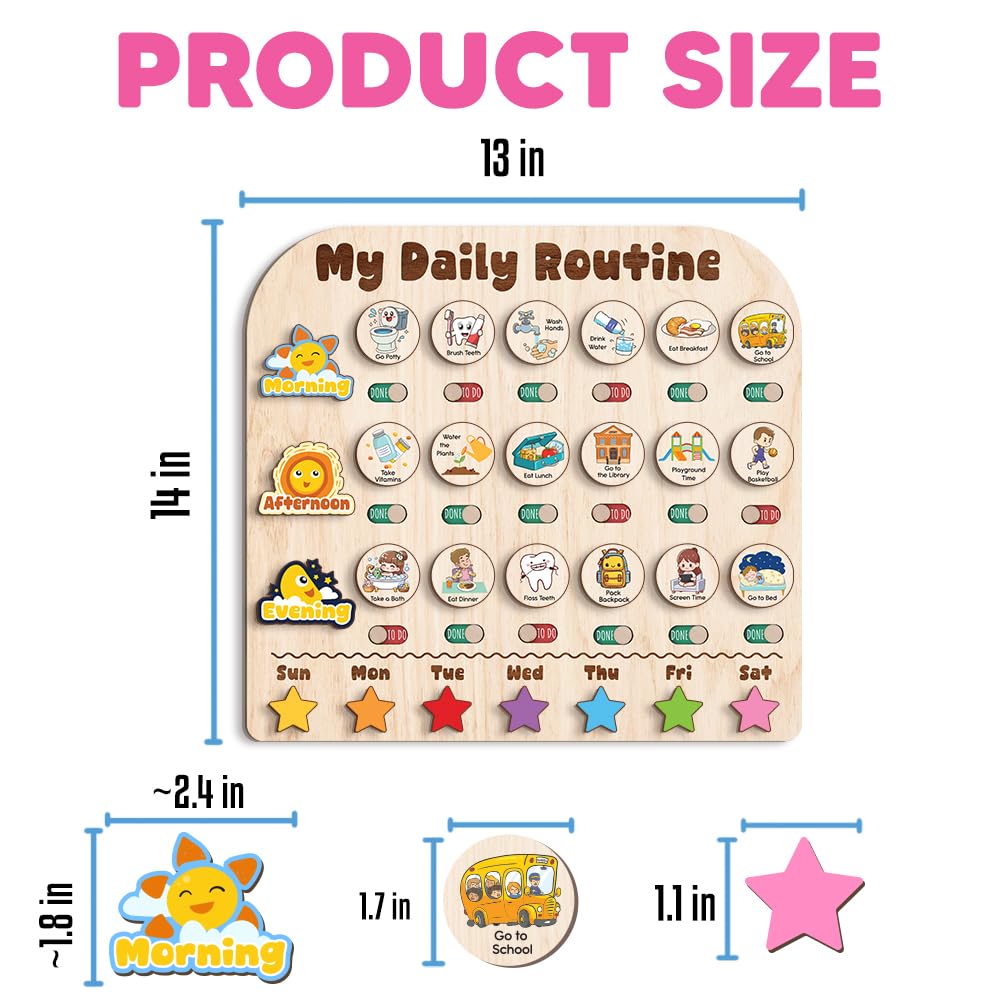
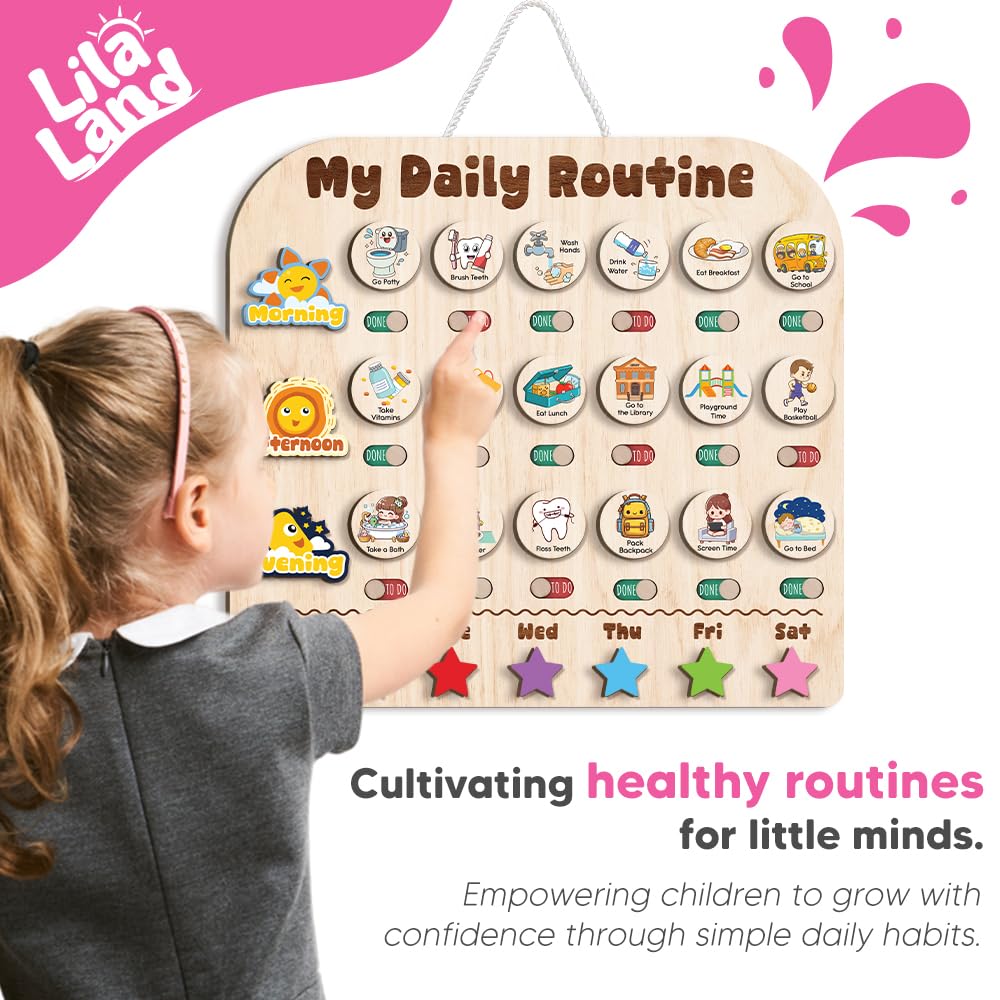
Wooden Daily Routine with Stars, Chore Chart for Kids, Visual Schedule for Kids, Morning Evening Routine Chart, Preschool Routine Chart, Routine Chart for Kids
- INTERACTIVE DAILY ROUTINE CHART FOR KIDS – This wooden chore chart makes organizing daily tasks fun and engagi
- 80 ACTIVITY CARDS FOR FLEXIBLE ROUTINES – Comes with 75 pre-printed routine cards covering essential daily tas
- EASY SLIDE TOGGLE FOR TASK TRACKING – Each task slot features a DONE/TO DO slider, allowing children to mark t
A solid morning routine typically covers: wake-up, toilet, wash hands, get dressed, eat breakfast, brush teeth, and one transition activity before the day begins. Keep the evening mirror image equally predictable: dinner, bath, pyjamas, teeth, story, sleep. The repetition is the point.
2. Gentle Boundaries: Discipline That Builds Rather Than Breaks
Effective toddler discipline is about teaching, not punishing. The word "discipline" comes from the Latin disciplina, meaning instruction. At ages one to three, your child is not being manipulative when they tip the dog's water bowl or hit their cousin; they are running experiments on cause and effect, which is exactly what their brain is built to do.
The "Yes Environment" Principle
Before reaching for correction, reduce the need for it. Reorganise your home so that the word "no" is reserved for genuine safety issues, not just inconvenience. Lock the under-sink cabinet, move the breakables, put a child gate on the stairs, and then let your toddler explore freely within that safer space.
What Actually Works
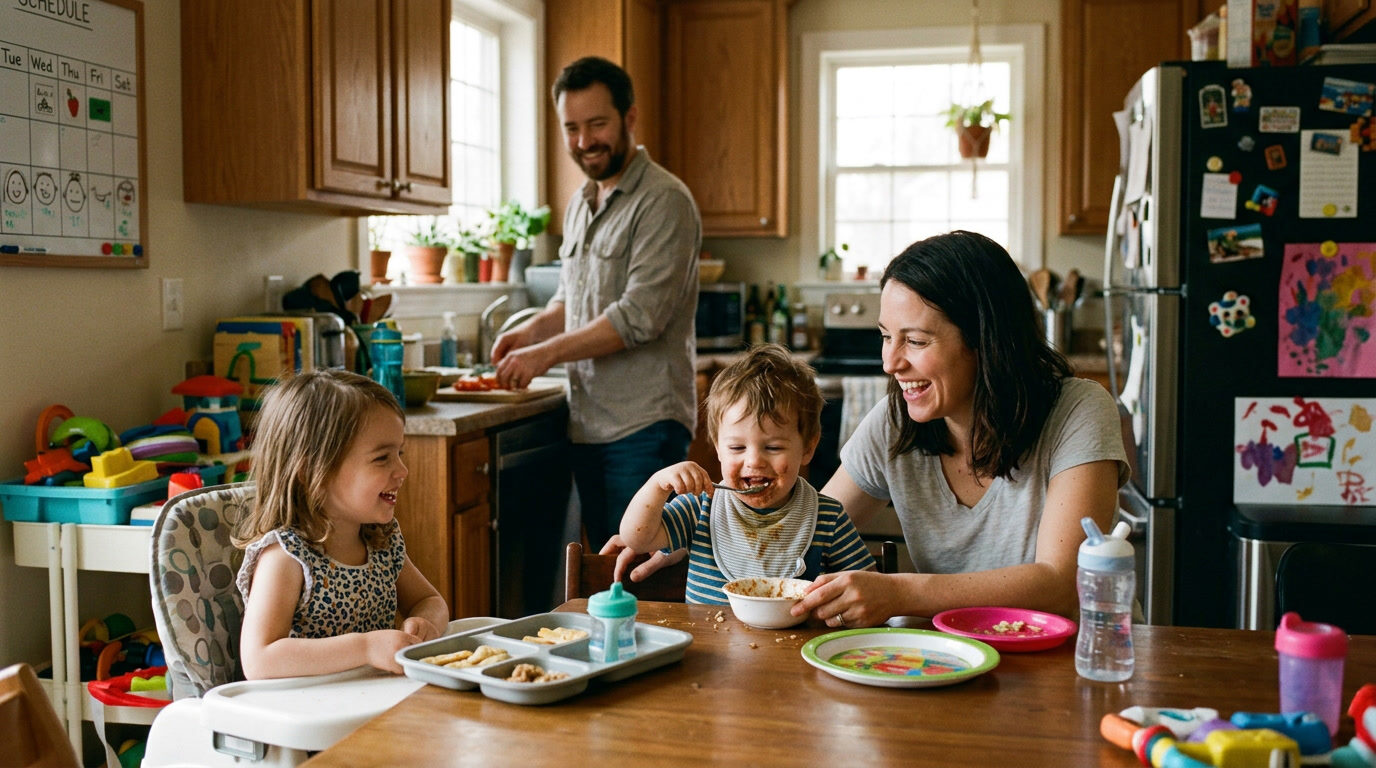
3. Mealtime as Family Time: Nutrition and Connection at the Same Table
Shared family meals are one of the most researched positive influences on child development, and the habits you build now persist for decades. A Harvard study cited by the AAP found that children who eat regular family meals together have higher self-esteem, better academic performance, and lower rates of disordered eating as they grow older.
For toddlers specifically, mealtime is also a sensory and motor classroom. They are learning to use utensils, tolerate new textures, and regulate their appetite cues, all at once. The pressure to eat more, finish the plate, or "just try it" consistently backfires by overriding interoceptive hunger signals.
Practical Mealtime Tips
4. Preparing Your Toddler for a New Sibling or Big Family Change
Major family transitions, including a new baby, moving house, parental separation, or a grandparent joining the household, register as significant stress events in a toddler's nervous system. Preparation, timing, and continued access to the primary caregiver are the three variables that make the biggest difference.
New Sibling Preparation: A Timeline
Start talking about the new baby around the third trimester, since that is as abstract as your toddler can meaningfully process. Use simple, honest language: "A baby is growing in Mama's tummy. The baby will live with us and cry a lot at first." Read books featuring baby siblings. Let your toddler touch the bump and hear the heartbeat at an appointment if possible.
After the birth, preserve at least one daily one-on-one ritual with your toddler, even if it is only ten minutes of floor play. Research from the journal Child Development shows that maintained attachment security with the primary caregiver is the strongest buffer against regression following a new sibling's arrival.
Understanding how family stories shape a child's sense of identity is also worth exploring here; narrating your family's story ("We're a family that takes care of each other") helps toddlers build a stable identity even as the household configuration changes.
5. Screen Time and Play: What Family Life Actually Looks Like on the Floor
The WHO and AAP both recommend no more than one hour per day of high-quality, co-viewed screen time for children aged two to three, and zero sedentary screen time for children under two (video calling family members is an exception). The evidence is not that screens are inherently toxic; it is that screens displace the embodied, relational play that builds the toddler brain.
The Play Hierarchy for Toddlers
Active physical play, pretend play, and caregiver-led play all generate richer cognitive and social benefits than screen-based entertainment. If you are curious about how creative play physically builds the toddler brain, the neuroscience is genuinely striking: imaginative play activates the same prefrontal regions involved in executive function and emotional regulation.
Practical play ideas that cost nothing:
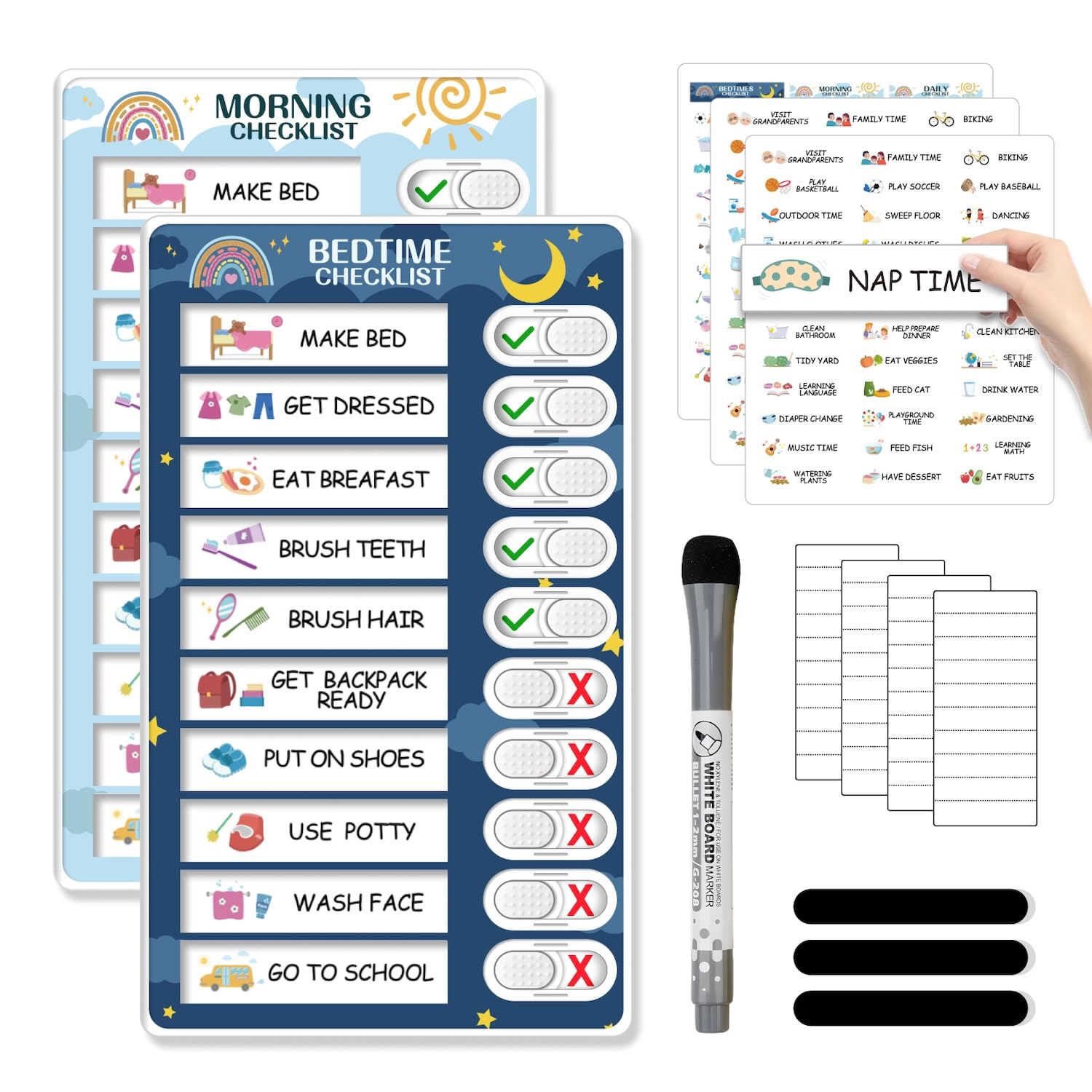
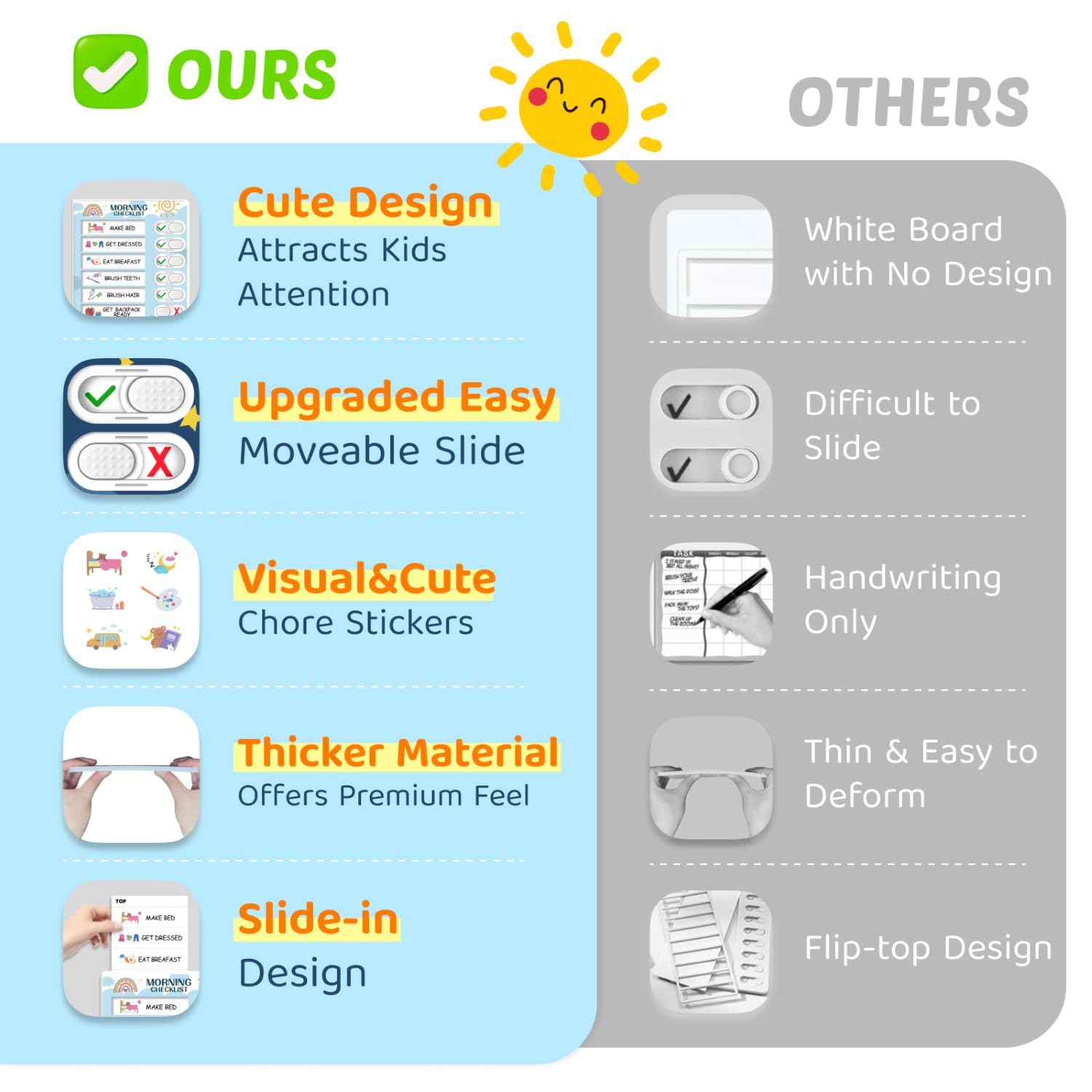

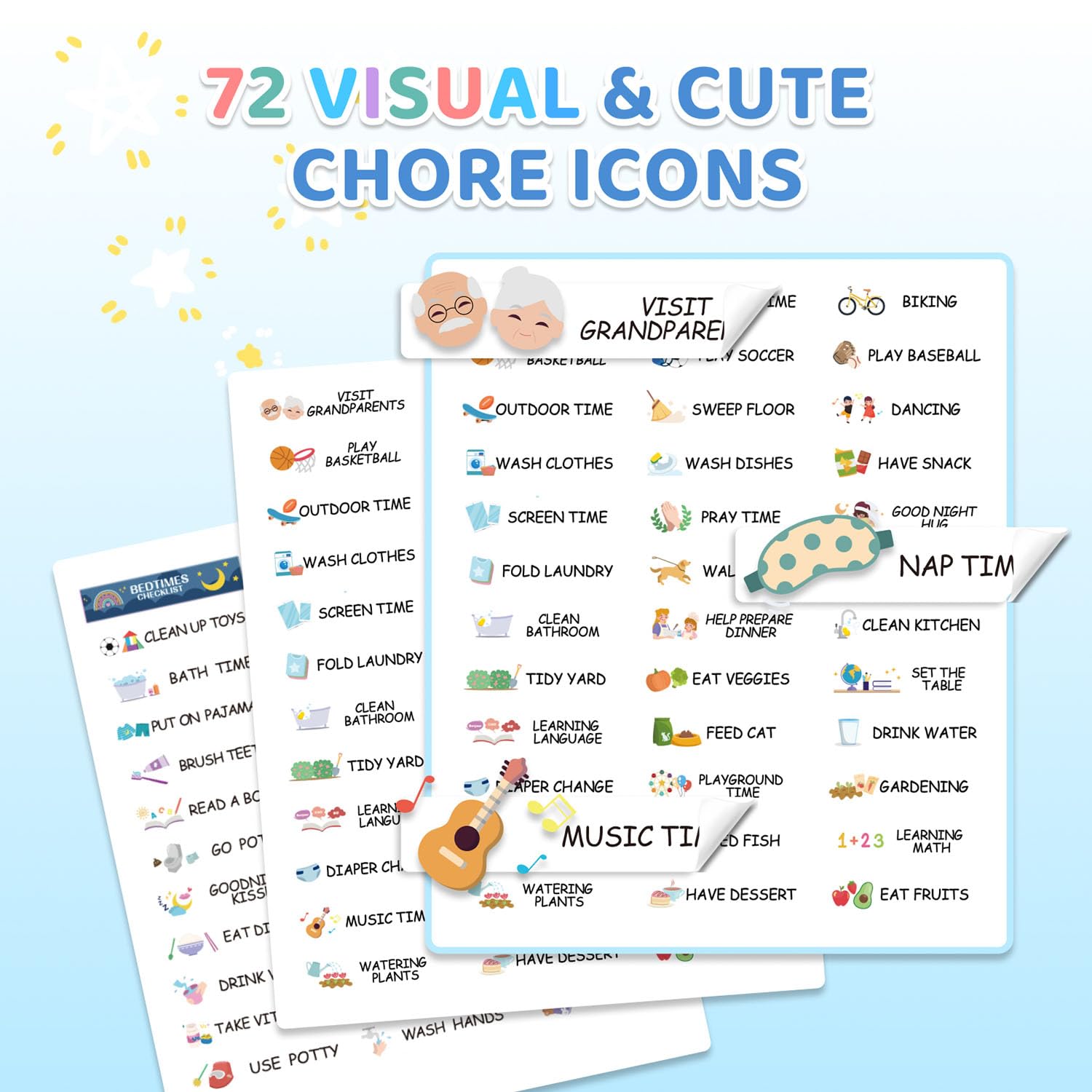

2 in 1 Bedtime/Morning Routine Chart for Kids Toddlers, Magnetic Chore Chart for Kids, Cute Visual Schedule for Kids Schedule Board for Home, Kids Checklist to Do List ADHD Tools for Kids
- 2024 UPGRADED 2-IN-1 MORNING/BEDTIME ROUTINE CHART FOR KIDS - The easy-to-slide sliders make it simple for lit
- THIS CHORE CHART FOR KIDS ISN’T YOUR AVERAGE PAPER CHECKLIST - Kids will love sliding the buttons to mark each
- STOP BATTLING WITH GENERIC CHORE CHARTS - This bedtime routine chart is designed to help your child build posi
For families who want screen time to include productive habits, a JJPRO Magnetic Routine Chart pairs well with a morning "screen after routine" rule, giving toddlers a visual pathway to earn their limited screen time.
6. Building Connection Rituals That Last a Lifetime
Connection rituals are small, repeated acts of togetherness that signal to your toddler: you are safe, you are seen, you belong here. They do not need to be elaborate. Research by psychologist John Gottman, Ph.D., and colleagues found that the ratio of positive to negative interactions in a family is a better predictor of child wellbeing than almost any other variable. Aim for a five-to-one ratio: five warm, connected moments for every corrective or negative interaction.
Simple Rituals Worth Building


Melissa & Doug My Daily Routines Chart, Wooden Daytime and Nighttime Habit Tracker with Multi-Lingual Stickers, Hands-On, Screen-Free Preschool Toys for Girls & Boys Ages 3+ - FSC Certified
- Track Daily Wins: Kids flip a flap on one side to reveal a gold star, after finishing daily tasks like getting
- What’s Inside: Includes double-sided chart with a fold-out stand, 10 flip-able wooden tabs, 10 blank stickers
- Montessori-Inspired Learning Toys: This engaging habit tracker encourages responsibility, boosts self‑esteem,
The ALSLEA Visual Schedule Board works particularly well for neurodiverse toddlers or those who benefit from extra predictability, providing a 27-inch board with 124 picture cards that covers the full daily arc from waking to sleep.
Explore how physical development shapes toddler exploration to understand why outdoor connection rituals, not just indoor ones, are especially valuable at this stage.
| Routine Chart Type | Best For | Key Features | Price Range | Recommended Product |
|---|---|---|---|---|
| Wooden toggle chart | Ages 2–5, tactile learners | Durable, screen-free, premium feel | $40–45 | LilaLand Wooden Routine Chart |
| Magnetic reward chart | Ages 2–4, motivation-driven | Reward tokens, reusable stickers, fun visuals | $14–16 | JJPRO Magnetic Routine Chart |
| Flannel visual board | Ages 2–6, autism/ADHD support | 124 cards, foldable, hangable, sensory-friendly material | $16–19 | ALSLEA Visual Schedule Board |
| Slide-toggle chart | Ages 2–5, budget families | Easy sliders for small hands, durable, customisable | $9–11 | CustomMaster 2-in-1 Chart |
| Double-sided felt board | Ages 2–6, homeschool/busy households | 109 cards, weekly planner, large format | $19–22 | Godery Visual Schedule Board |
| Wooden flip-tab chart | Ages 3+, Montessori-inspired | Gold star reveal, multilingual stickers, FSC certified | $8–10 | Melissa & Doug Routines Chart |
Expert Insights
The toddler years are simultaneously the most demanding and the most formative stretch of early family life. The routines you build, the limits you hold with warmth, the meals you share, and the small rituals you repeat will not feel significant in the moment. They will feel like Tuesday. But they are, quietly and powerfully, the foundation your child will stand on for decades. You do not need to be perfect; you need to be consistent, present, and willing to repair when things go sideways. That is genuinely enough. Save this guide, share it with your co-parent or caregiver, and come back to it whenever a new phase arrives.
Sources & References
- American Academy of Pediatrics. "Media and Young Minds." Pediatrics. 2016. https://publications.aap.org/pediatrics/article/138/5/e20162591/60321
- Mindell, J.A. et al. "Bedtime Routines for Young Children: A Dose-Dependent Association with Sleep Outcomes." Sleep. 2015. https://doi.org/10.5665/sleep.4662
- World Health Organization. "Guidelines on Physical Activity, Sedentary Behaviour and Sleep for Children Under 5 Years of Age." WHO. 2019. https://www.who.int/publications/i/item/9789241550536
- Satter, Ellyn. "Ellyn Satter's Division of Responsibility in Feeding." Ellyn Satter Institute. https://www.ellynsatterinstitute.org/how-to-feed/the-division-of-responsibility-in-feeding/
- Gottman, John M., and Joan DeClaire. "Raising an Emotionally Intelligent Child." Simon & Schuster. 1997.
- Zero to Three. "Discipline and Toddlers." https://www.zerotothree.org/resources/1268-toddlers-and-challenging-behavior-why-they-do-it-and-how-to-respond
- Harvard T.H. Chan School of Public Health. "The Family Dinner Project." https://thefamilydinnerproject.org/about-us/benefits-of-family-dinners/
- Nelson, C.A. "Neural Plasticity and Human Development." Current Directions in Psychological Science. 1999. https://doi.org/10.1111/1467-8721.00028
- American Academy of Pediatrics. "Temper Tantrums in Toddlers: How to Keep the Peace." HealthyChildren.org. https://www.healthychildren.org/English/ages-stages/toddler/Pages/Temper-Tantrums.aspx
Frequently Asked Questions
How many rules should I have for a toddler?
My toddler throws tantrums every day. Is that normal?
When should I start a chore chart with my toddler?
How do I manage screen time with a toddler when I'm exhausted?
My toddler has suddenly become clingy after we brought home a new baby. What should I do?
How do I handle a toddler who refuses the bedtime routine?
Is it okay to have different rules at different caregivers' homes?
Was this helpful?
Thanks — your feedback helps us pick what to write next.