Can AI Detect Speech Delays in Children? UAE Startup Says Yes
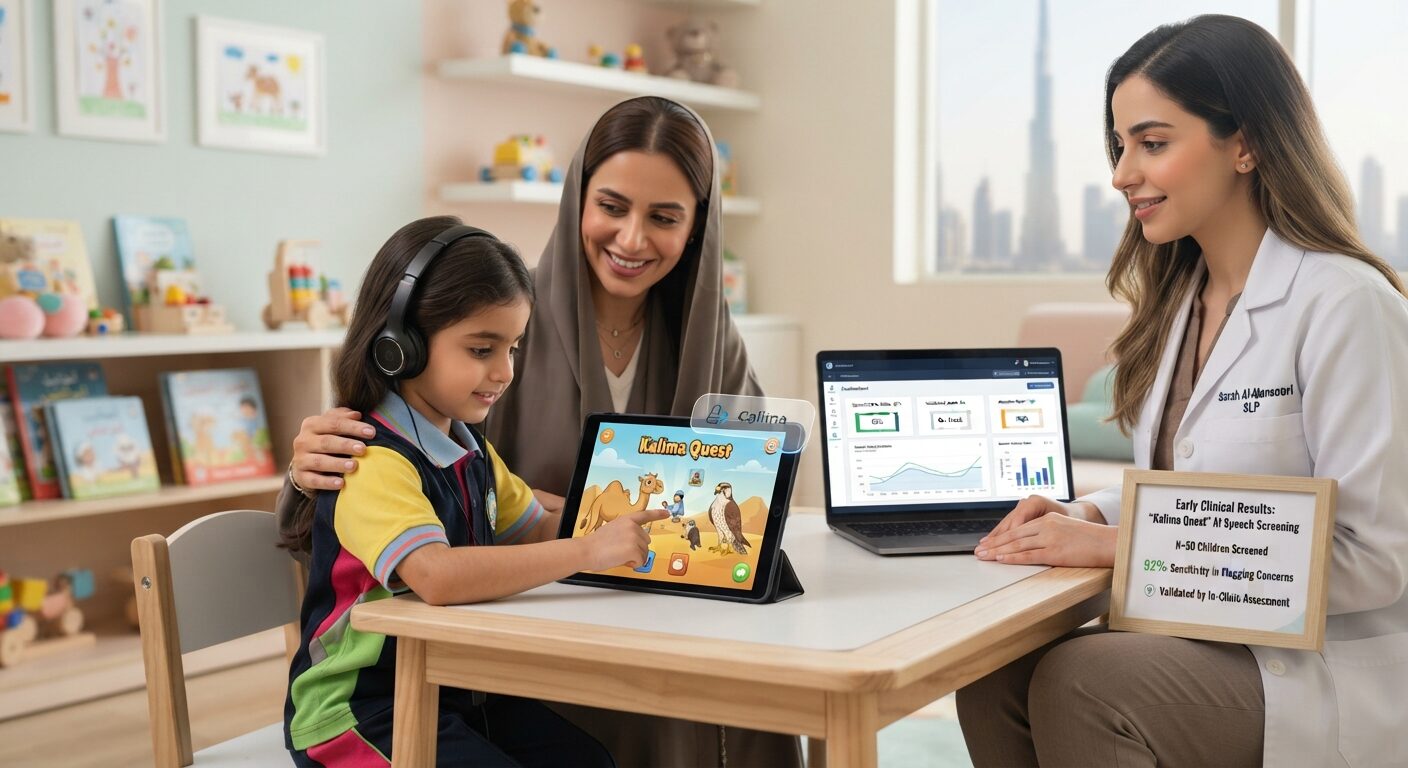
A UAE based startup has built a 15-minute game that uses AI to screen children for speech delays, and early clinical results suggest it can flag concerns with meaningful accuracy before a child ever sees a specialist.
In this article
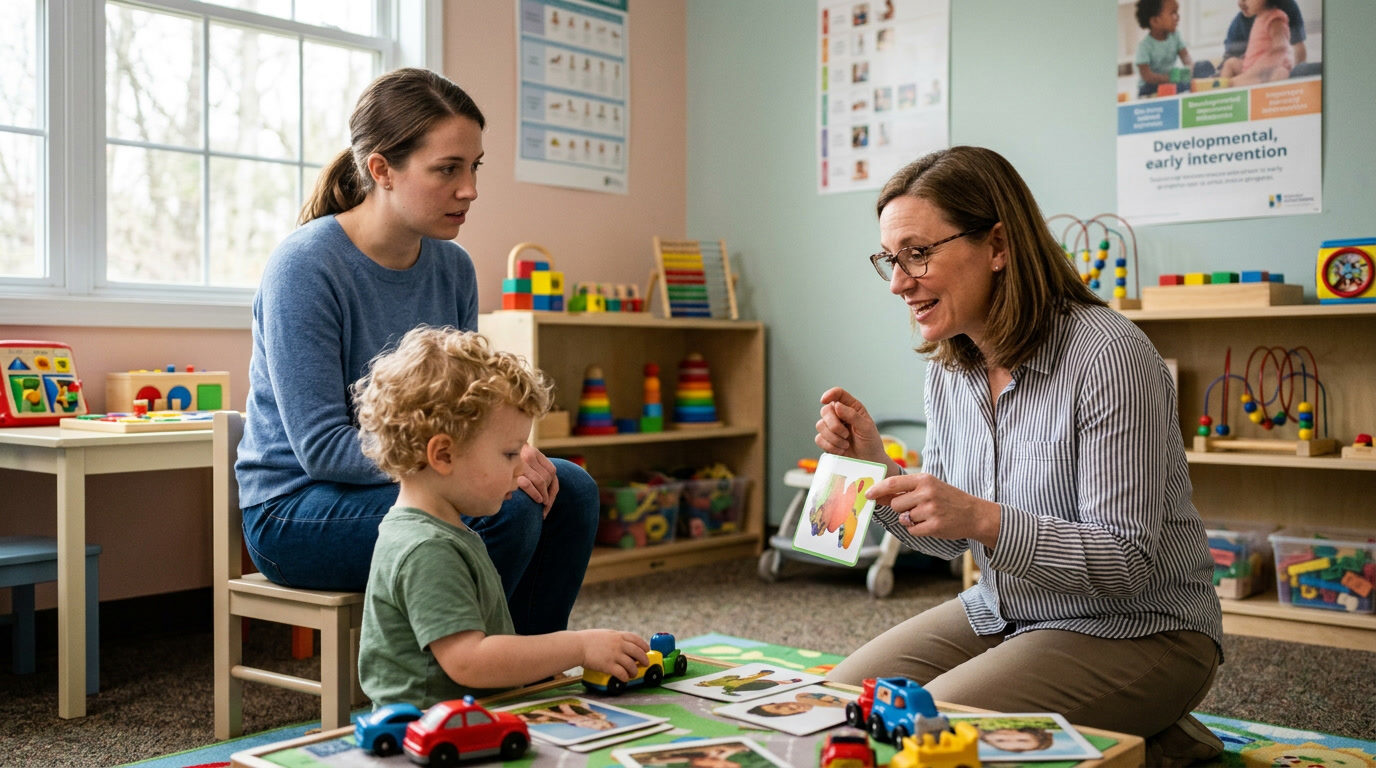
Somewhere between 15 and 20 percent of children under five show signs of a speech or language delay, according to the American Speech-Language-Hearing Association (ASHA). That is roughly one child in every five. Yet the average age at which a child in many countries finally receives a formal speech therapy assessment is closer to four or five years old, meaning the most developmentally plastic window of early language learning has already started to close. A new AI powered screening tool from a UAE based startup is trying to close that gap in just 15 minutes, using nothing more than a tablet, a gamified interaction, and a machine learning model trained on thousands of children's vocal responses.
In this article you'll understand:
1. The UAE Startup and the 15-Minute Game: What Is Actually Going On
The tool in question comes from Rology, a UAE based health technology company that has been building AI diagnostic applications for the Gulf Cooperation Council region and beyond. Their speech delay screening product presents children between the ages of 2 and 6 with an interactive, game-like experience on a tablet. Over roughly 15 minutes, the child responds to prompts, names objects, follows simple instructions, and produces short phrases. The AI model running in the background is not just listening for whether the child speaks. It is analyzing multiple layers of language simultaneously.
What the AI is actually measuring
The model looks at several distinct signals during the game session:
- Vocabulary breadth: Does the child name the objects and characters they're shown, or do they stay silent or approximate? - Mean length of utterance (MLU): How many words does the child string together in a typical response? A three year old producing mostly single words where two-to-three word combinations are expected is a meaningful signal. - Response latency: How long does the child take to respond? Consistently long pauses can indicate word retrieval difficulty. - Phonological accuracy: Are the sounds the child produces in the range expected for their age, or are there patterns of substitution or omission that fall outside typical development? - Prosody and fluency: Does the child's speech flow, or are there patterns consistent with early stuttering or dysfluency?
None of these signals alone is diagnostic. The AI combines them into a composite risk score that places the child into one of three bands: typical development, monitor closely, or refer now.
The startup reports that in internal validation studies, the tool demonstrated sensitivity above 80 percent for identifying children who were later confirmed by clinicians to have a clinically significant speech or language delay. Independent peer reviewed replication of these numbers is still limited, and that is worth noting clearly. But the directional finding, that a structured AI interaction can identify at-risk children faster and more consistently than a routine well-child visit, is supported by a growing body of research from institutions well beyond the UAE.
2. Why Early Detection Matters: The Science of the Critical Window
The stakes here are genuinely high, and the research is clear. Language development is not a linear skill that children acquire at their own pace without consequence. It is a time-sensitive biological process that depends on neural pathways being laid down during a relatively narrow developmental window.
The brain's capacity for language acquisition peaks in the first three years of life. By age five, children who have persistent language delays are significantly more likely to struggle with reading, writing, and academic performance throughout their school years. A landmark longitudinal study published in the journal Pediatrics followed children with early language delays and found that those who did not receive intervention before age three were considerably more likely to show deficits in literacy at age seven compared to children who received early support.
The single most important thing families can do is not wait and see. Early intervention in speech and language development produces outcomes that are substantially better than intervention started at school age.
— American Speech-Language-Hearing Association (2023)
The "wait and see" problem
In clinical practice, one of the most common (and most damaging) things parents hear is "he's a boy, boys talk later" or "she's shy, she'll find her voice." Some of these children do catch up. But a meaningful proportion do not, and the window for the most effective intervention shrinks every month that passes.
Research from the National Institutes of Health (NIH) in the United States has consistently shown that children who receive speech language intervention before age three show significantly better outcomes at ages five, seven, and ten than children who begin intervention at school entry. This is not a marginal difference. For some children, early intervention is the difference between mainstream schooling and significant academic support needs.
For parents who are already thinking about how early language skills connect to later academic success, kindergarten readiness research makes this link concrete: the vocabulary and communication skills children bring into kindergarten predict reading scores for years afterward.
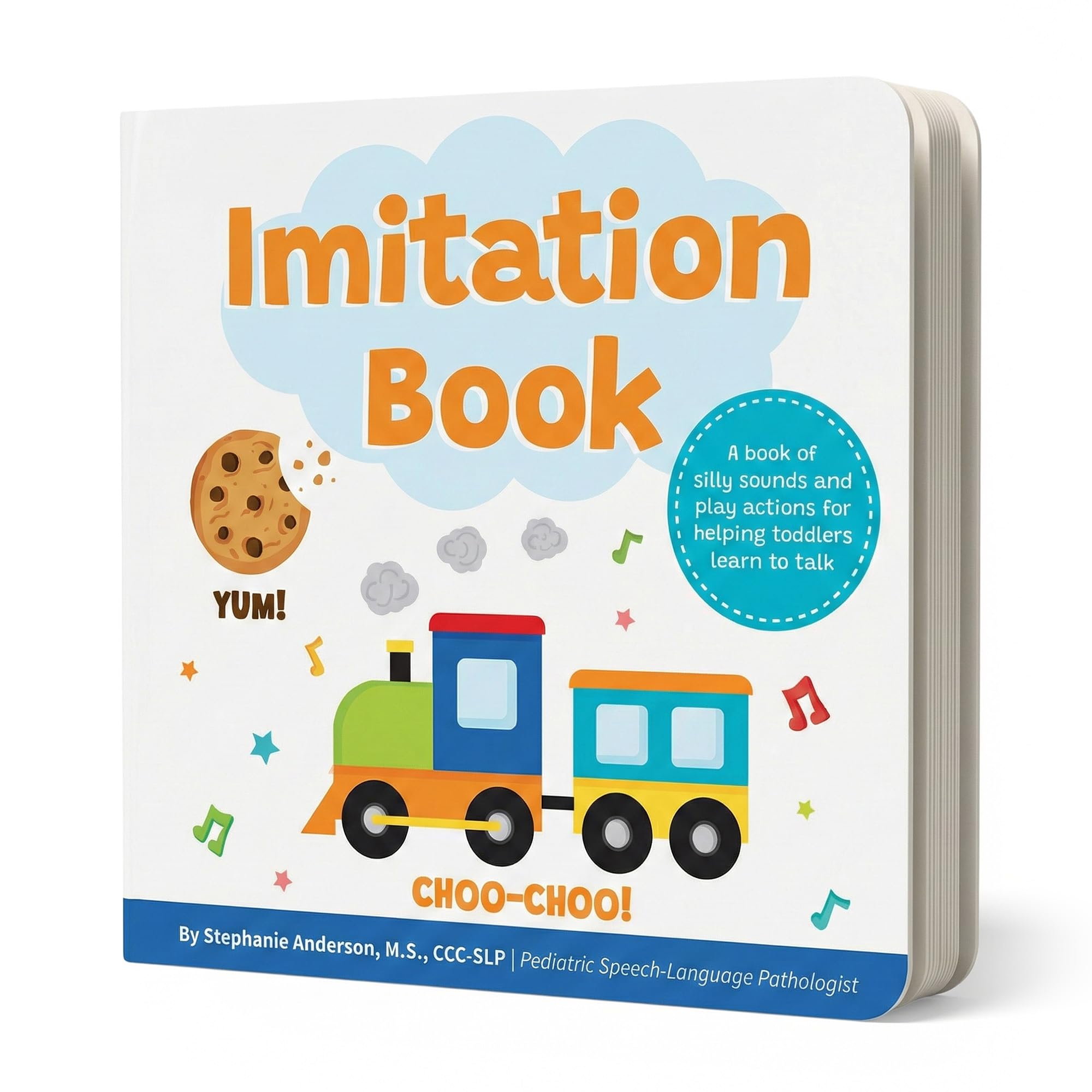
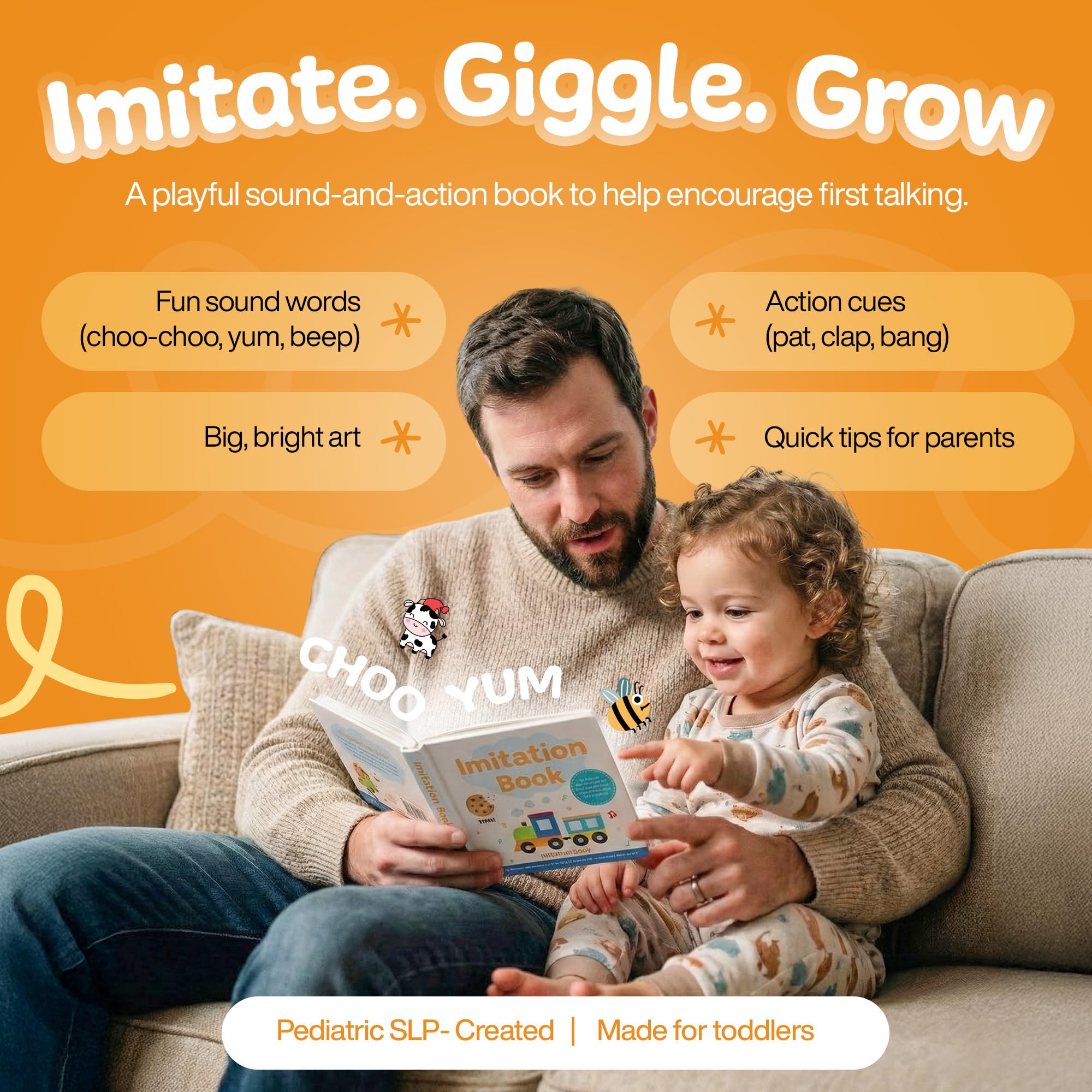
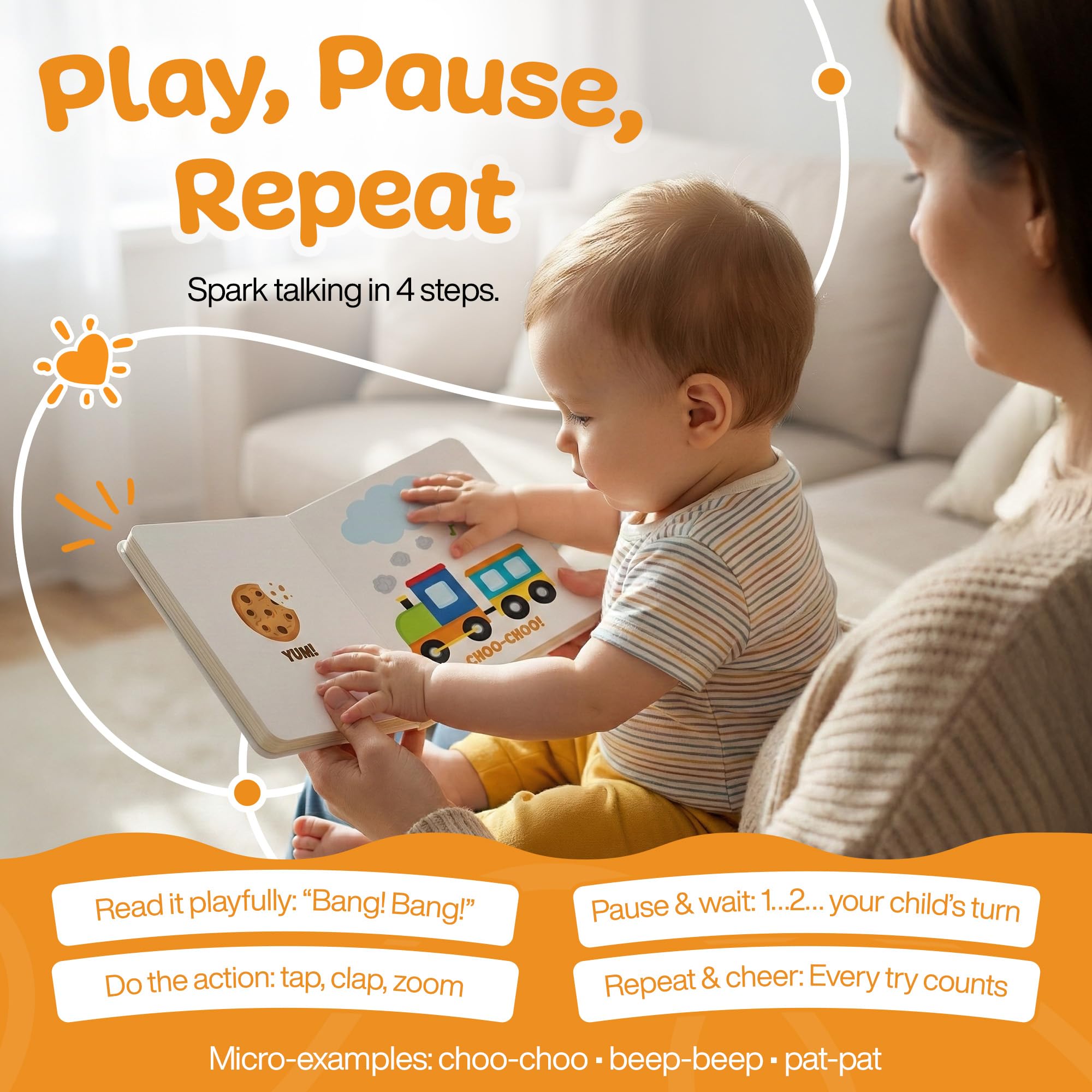
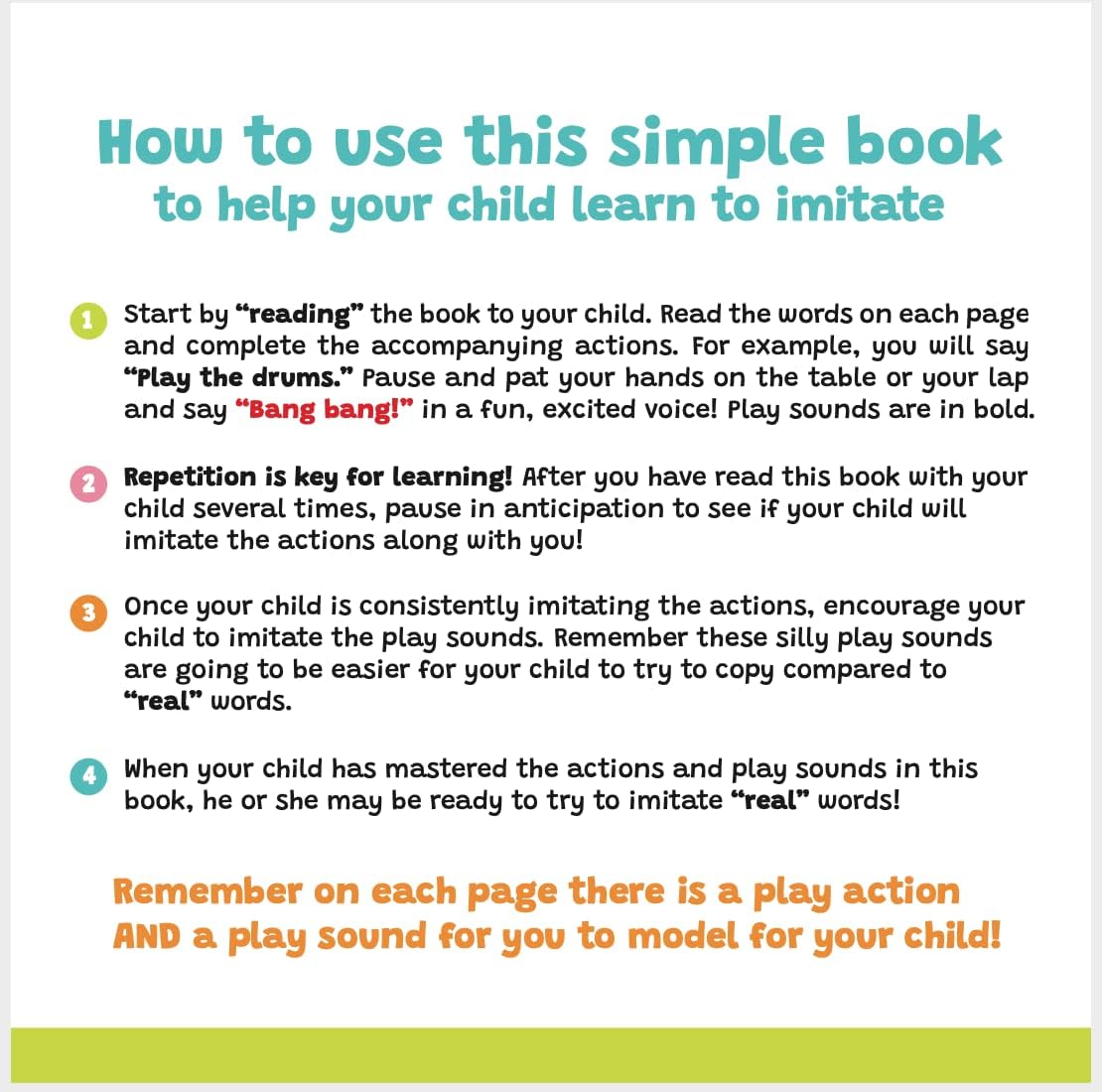
Imitation Book: Interactive & Fun Learn to Talk Board Book For Toddlers Ages 0-4, Written by a Speech Therapist
- Children's Books
- Early Learning
- Image Unavailable Image not available forColor:
3. How AI Speech Screening Compares to Traditional Clinical Assessment
Traditional speech language assessment is the gold standard, and nothing in this article is arguing otherwise. A qualified speech language pathologist brings clinical judgment, rapport, observation of non-verbal communication, family history, and years of professional training to a 45 to 90-minute structured assessment. No app replicates that.
What AI screening does is solve a completely different problem: access and timing.
The access gap is real
In many countries, including the UAE, the UK, Australia, and large parts of the United States, the waiting time between a parental concern being raised and a formal speech language assessment being completed can be six months to over a year. In rural or lower income areas, the gap is often longer. The ASHA estimated in 2022 that there is a significant shortage of speech language pathologists globally, with the problem particularly acute in lower-to-middle income countries.
AI screening tools do not require a specialist in the room. They can be administered at home, at a pediatrician's office, at a childcare center, or at a community health clinic. A parent in a remote area who cannot access a specialist for 12 months can use a screening tool today and have a risk score within 15 minutes. If the score is concerning, that finding can help them advocate more urgently for a faster referral.
| Screening/Assessment Method | Time Required | Requires Specialist | Best For | Accuracy | Recommended Product |
|---|---|---|---|---|---|
| AI game-based screening (e.g., Rology) | 15 minutes | No | Initial population-level triage | Promising; ~80%+ sensitivity in internal studies | Imitation Book by SLP |
| Parent-completed questionnaire (e.g., ASQ-3) | 10–15 minutes | No | Routine well-child checks | Moderate; misses subtle delays | My Words Book |
| GP or paediatrician review | 5–10 minutes | Yes (GP) | Flagging for onward referral | Variable; depends on GP training | Kuovei Talking Flash Cards |
| Certified SLP assessment | 45–90 minutes | Yes (SLP) | Formal diagnosis and treatment planning | High; gold standard | Airbition Flash Cards |
| Structured home-based language tools | Ongoing daily use | No | Supporting development between appointments | Supplementary, not diagnostic | Phoneme Phone by hand2mind |
| Teacher or childcare observation | Ongoing | No | Catching delays in social-language contexts | Moderate; inconsistent across settings | Alotwan Flash Cards |
4. The Legitimate Concerns: What AI Speech Tools Cannot Do
It would be irresponsible to write about AI screening for speech delays without being honest about the significant limitations and risks. There are real concerns, and parents deserve to hear them clearly.
False positives and false negatives
No screening tool is perfect. A false positive tells a family their child may have a delay when they do not. This causes unnecessary anxiety, potentially expensive onward referrals, and in some cases, parental hypervigilance that actually changes how they interact with their child. A false negative is in some ways worse: it reassures a family when their child genuinely needs support, potentially delaying intervention by months.
The Rology tool's reported 80 percent sensitivity means that roughly 1 in 5 children with a real delay might still be missed. In a public health context, that is actually a reasonably good screening sensitivity. In your kitchen, thinking about your own child, it is worth knowing.
Bias in training data
AI models are only as good as the data they are trained on. If the training dataset is dominated by children from a particular linguistic background, socioeconomic group, or region, the model may perform significantly worse for children from other groups. This is not a hypothetical concern. It has been documented repeatedly in AI medical tools across radiology, dermatology, and other fields.
The UAE context is interesting here because the population is extraordinarily linguistically diverse: Arabic, English, Hindi, Urdu, Tagalog, and dozens of other languages are spoken in homes across the country. A speech screening tool that was trained predominantly on English-speaking children from North America may systematically underperform for children growing up in multilingual households, which in the UAE is essentially most children.
Multilingual children often show different developmental trajectories than monolingual children, and screening tools must be calibrated accordingly. A child who speaks two languages may appear to have a smaller vocabulary in each language individually while having a perfectly healthy total conceptual vocabulary across both.
— American Speech-Language-Hearing Association, Clinical Topics in Multilingual/Multicultural Affairs (2022)
What AI cannot observe
A clinician watching a child also watches their face. They notice the child who has perfect single-word vocabulary but never makes eye contact. They notice the child who speaks fluently but does not respond to their name. These are red flags for autism spectrum disorder and other neurodevelopmental conditions that can co-occur with speech delays but require a completely different clinical lens. An AI listening to audio alone cannot see the child's face, cannot observe joint attention, cannot notice the way a child holds a toy or moves around the room.
5. Red Flags Parents Can Watch for Right Now at Home
You do not need an AI tool to start paying attention. Speech and language milestones are well established, and most parents can learn the key ones in a single sitting. The following are the red flags that should prompt you to act, not wait.
Milestones by age
The milestones below are drawn from guidance published by the Centers for Disease Control and Prevention (CDC) and ASHA:
By 12 months: - Does not babble with consonant sounds (ba, da, ma) - Does not gesture (wave, point, reach up to be held) - Does not respond to their own name - Says no recognizable words
By 18 months: - Fewer than 10 to 15 words - Does not point to show you things - Cannot follow a simple one-step instruction without a gesture
By 24 months: - Fewer than 50 words - Not combining two words spontaneously ("more juice," "daddy go") - Strangers cannot understand any of their speech
By 36 months: - Not using three word sentences - Speech is so unclear that even familiar adults struggle to understand them more than half the time - Has lost skills they previously had (this is always an urgent red flag)
If you are noticing some of these patterns and wondering whether anxiety at home could be playing a role in your child's communication comfort, it is worth reading about how early signs of anxiety show up in young children, because the two can sometimes overlap in ways that look like a speech delay but stem from a different root.


hand2mind Phoneme Phone, Speech Therapy Toys, Autism Learning Materials, Toddler Speech Development Toys, Dyslexia Tools for Kids, Phonemic Awareness, ESL Teaching Materials, Reading Phones
- ESL TEACHING MATERIALS: With our phoneme phone, discover a heightened listening experience that help learn eng
- BUILD PHONEMIC AWARENESS: Students speak softly into the "receiver" and hear their amplified voice directed in
- READING WHISPER PHONES: Using the phoneme phone results in an effective, multisensory learning experience that
6. What You Can Do at Home to Support Speech Development Today
Technology can screen. Clinicians can assess. But the place where language actually grows is in the daily, ordinary, repetitive interactions between a child and the people who love them. The research on this is unambiguous.
Talk more, but talk differently
A landmark study from the University of Kansas (Hart and Risley, 1995, subsequently replicated and refined many times) found that the sheer volume of words a child hears in their first three years of life is one of the strongest predictors of their vocabulary at age three and their reading ability at age nine. But subsequent research has added important nuance: it is not just about word count. The quality of interaction matters at least as much as quantity.
Specifically, the research supports:
- Serve and return interaction: Respond to your child's vocalizations as if they are meaningful, because developmentally, they are. When your baby babbles, babble back. When your toddler points at a dog, say "yes, a dog! A big fluffy dog. What does the dog say?" - Narrate your world: Running commentary on what you are doing ("I'm washing the apple, now I'm cutting it, now I'm putting it on your plate") builds vocabulary in a completely natural, low-pressure way. - Read aloud every single day: The evidence on shared book reading and language development is among the most robust in all of developmental psychology. Even 10 minutes a day makes a measurable difference. - Reduce screen time during language learning windows: The AAP recommends no solo screen time for children under 18 months and limited, high quality co-viewing for children ages 2 to 5. Passive screen exposure does not build conversational language the way human interaction does.
Books and tools that actually help
Speech language pathologists have long recommended structured vocabulary tools as a supplement to natural conversation, particularly for children who are late talkers or have limited exposure to a rich language environment at home.

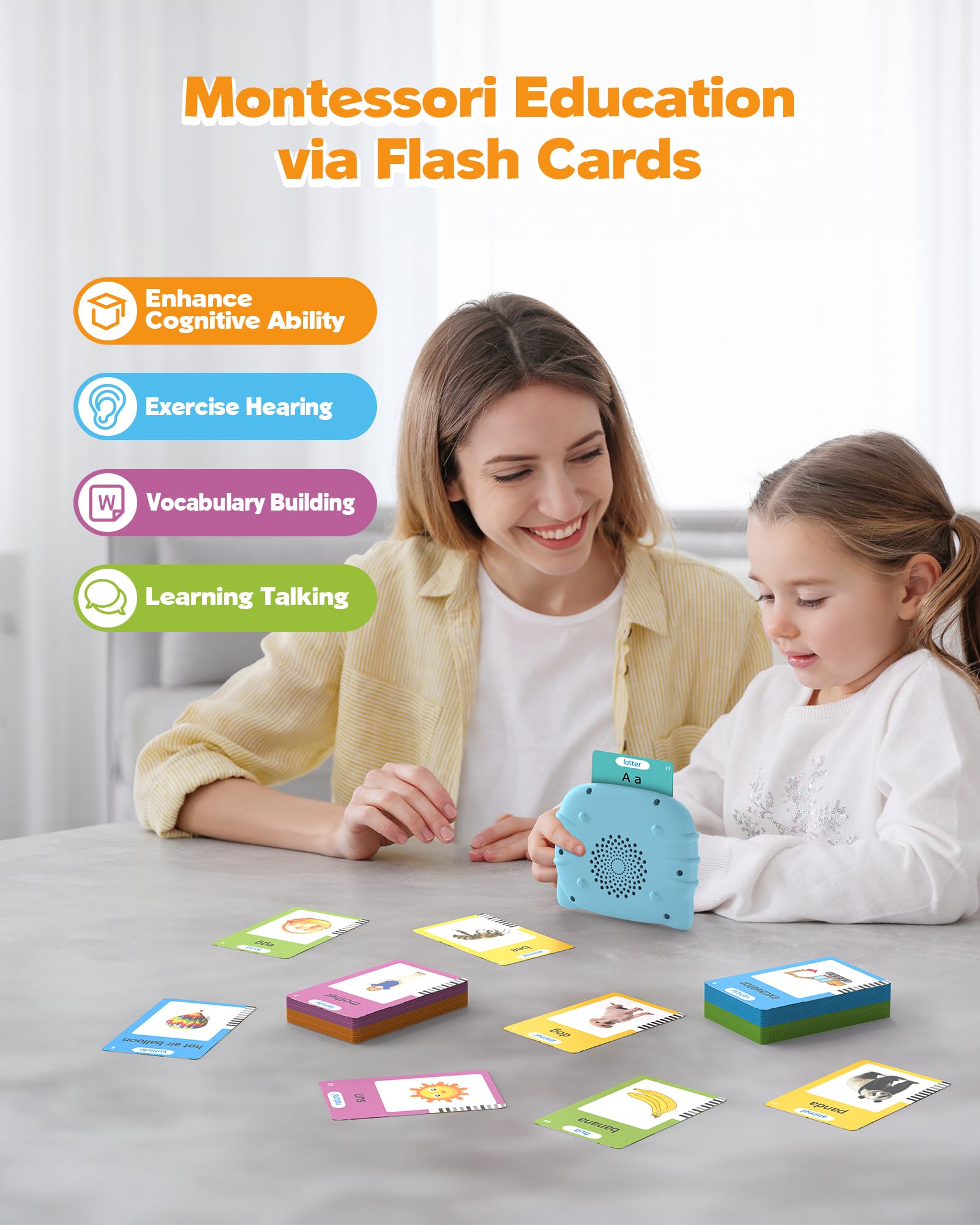


Airbition Talking Flash Cards for Toddlers Ages 1‑4, 510 Words English Blue | Montessori Language Learning Toys with 31 Themes, Children's Sensory Toys, Pocket Speech Therapy Device for Children
- 510 Words, 31 Themes: This learning toy for toddlers aged 1-3 years old adds to 31 topics, covering almost all
- Professional Clear Voice: This talking flash cards reader has a clear voice with a standard American accent
- Montessori Education: This Montessori material simply requires inserting cards, allowing toddlers to use it in
The Alotwan Talking Flash Cards cover 31 themes across 510 sight words and were developed with teacher input to ensure age appropriate vocabulary. For families supporting a child who is behind on vocabulary, running through a handful of themed cards together (not alone, together) can add meaningful word exposure to an ordinary afternoon.
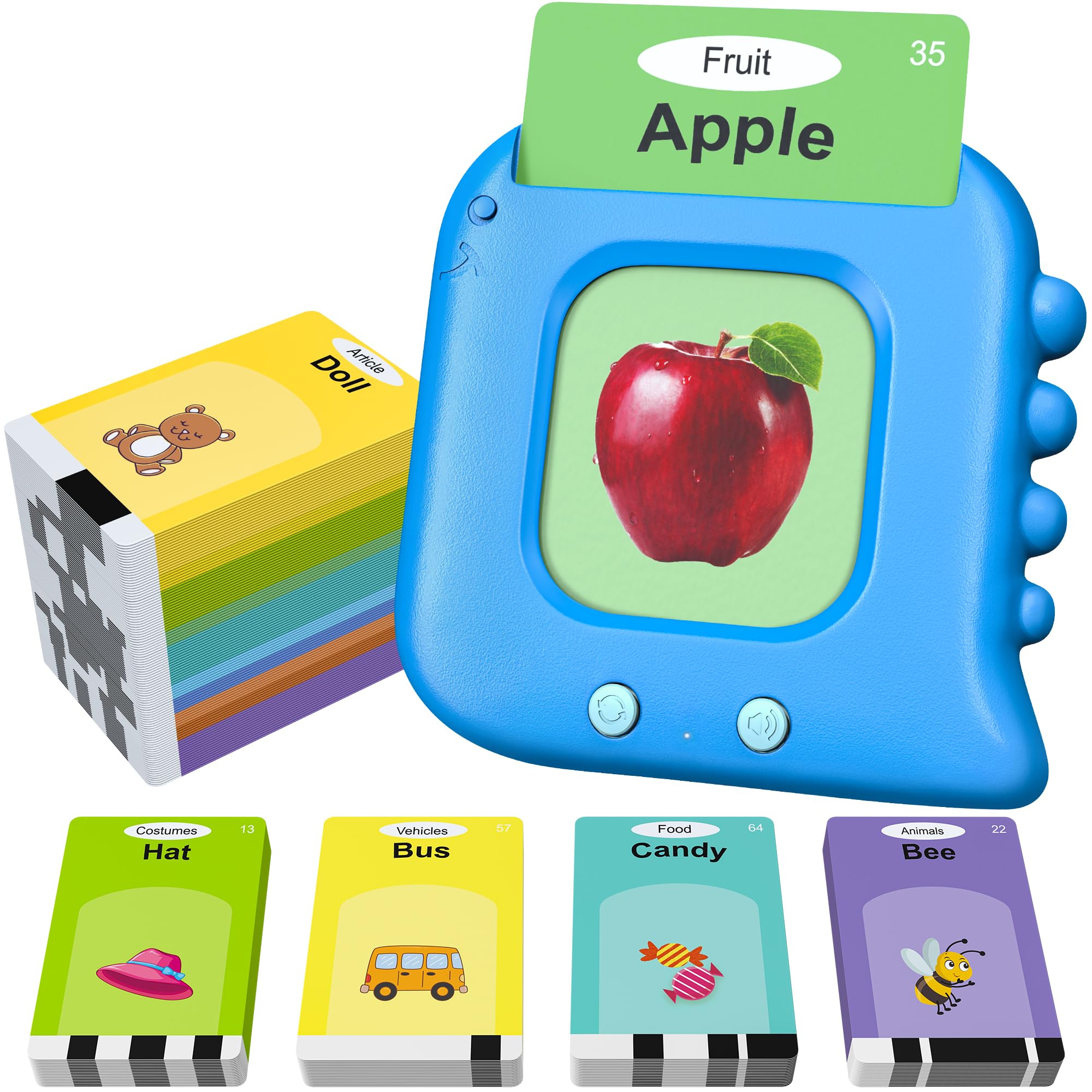
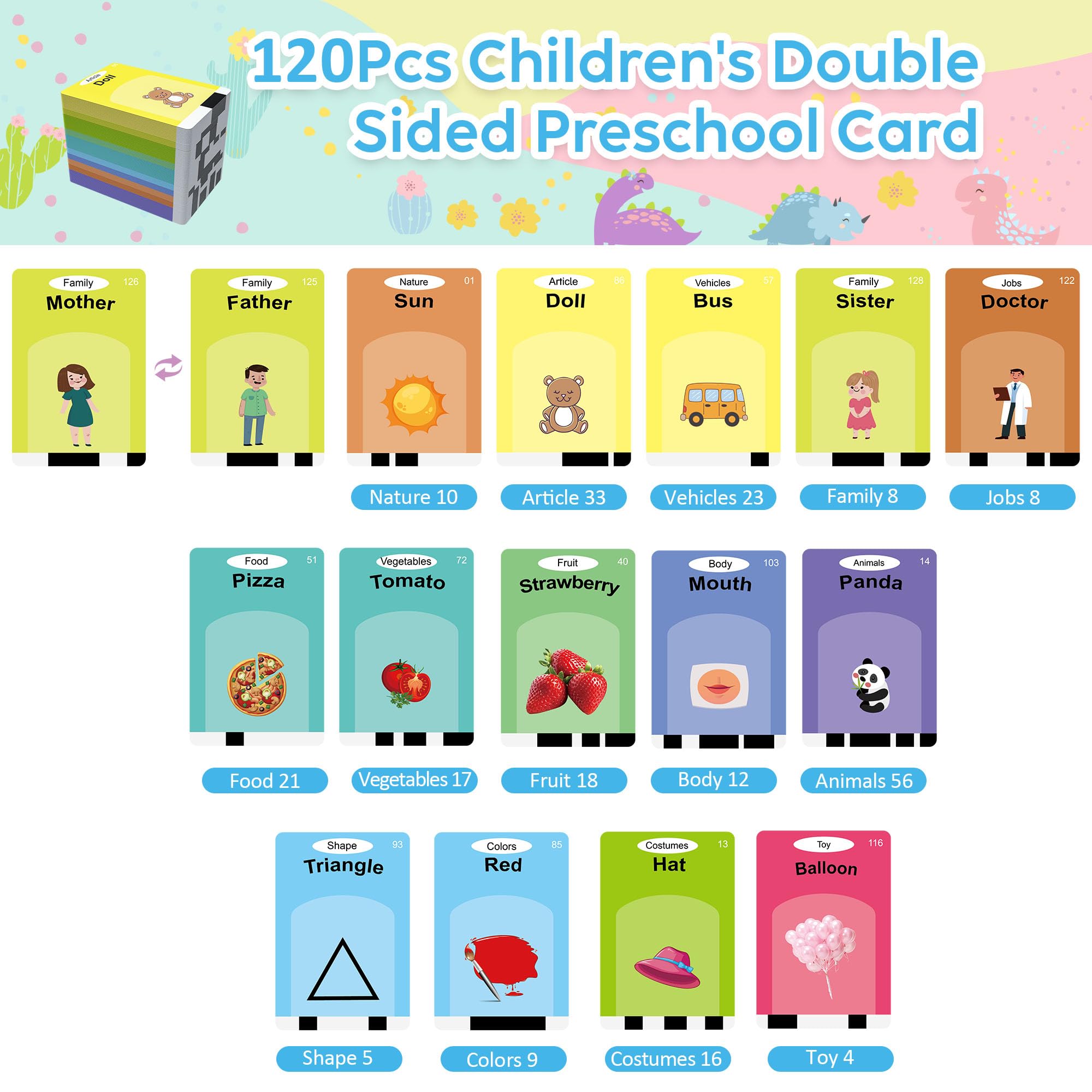


Talking Flash Cards,Kids Toddler Flash Cards with 240 Sight Words | Montessori Toys Autism Sensory Toys,Speech Therapy,Learning Educational Gifts for Age 4 5 6 Years Old Boys and Girls
- Fun Learning: The Kuovei talking flash card educational toy covers subjects like animals, transports, food, fr
- Easy to Use: For the Kuovei flash card set, simply turn on the switch, put the card into the card slot, and th
- Protect Eyesight: The Kuovei talking flash cards adopt a no - screen design, which reduces toddlers' screen ti
The Kuovei Talking Flash Cards take a similar approach with a no-screen design, which is a practical win if you are already trying to limit your child's total screen exposure. The child hears clear audio pronunciation while looking at a card, which is a much closer approximation of book reading than a video is.
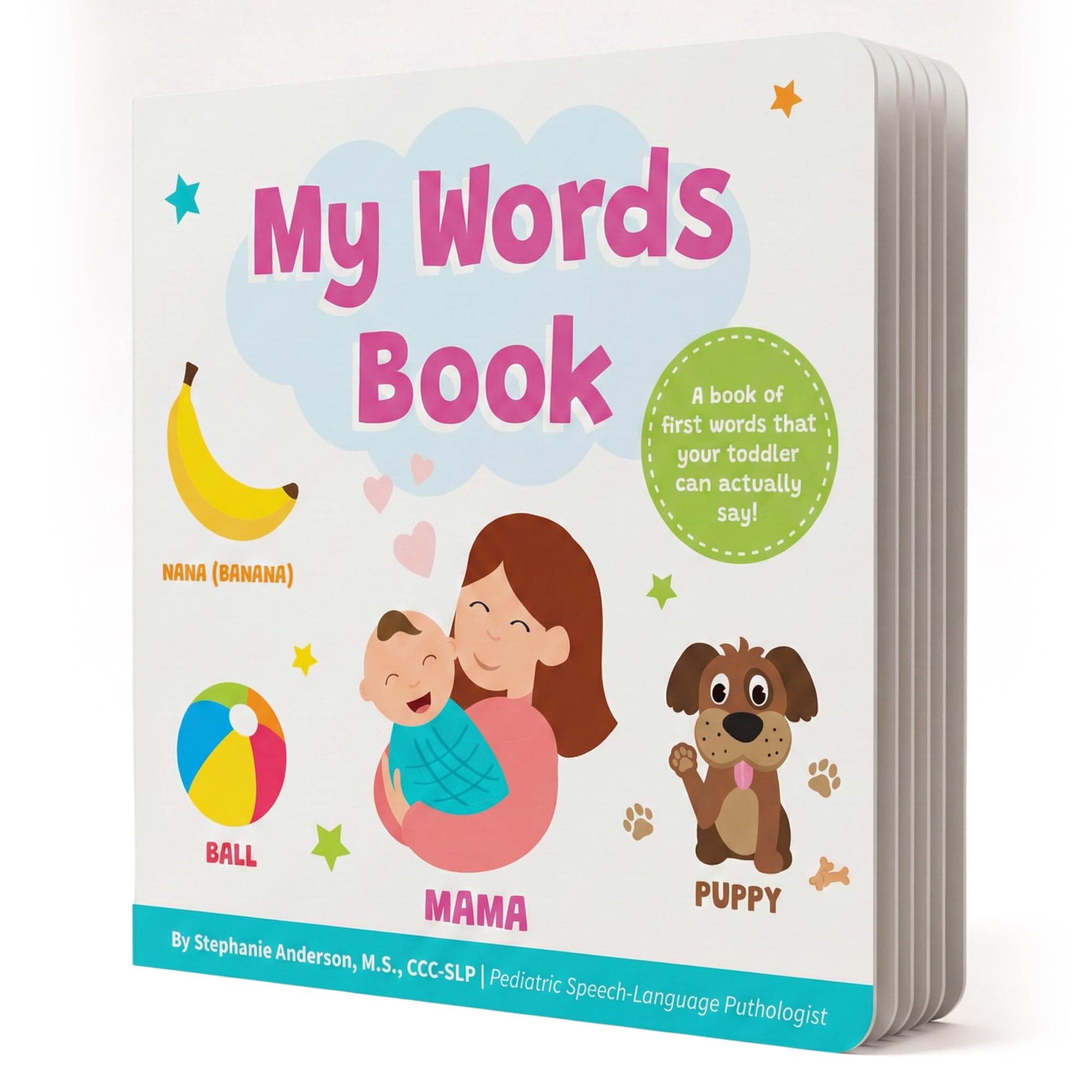

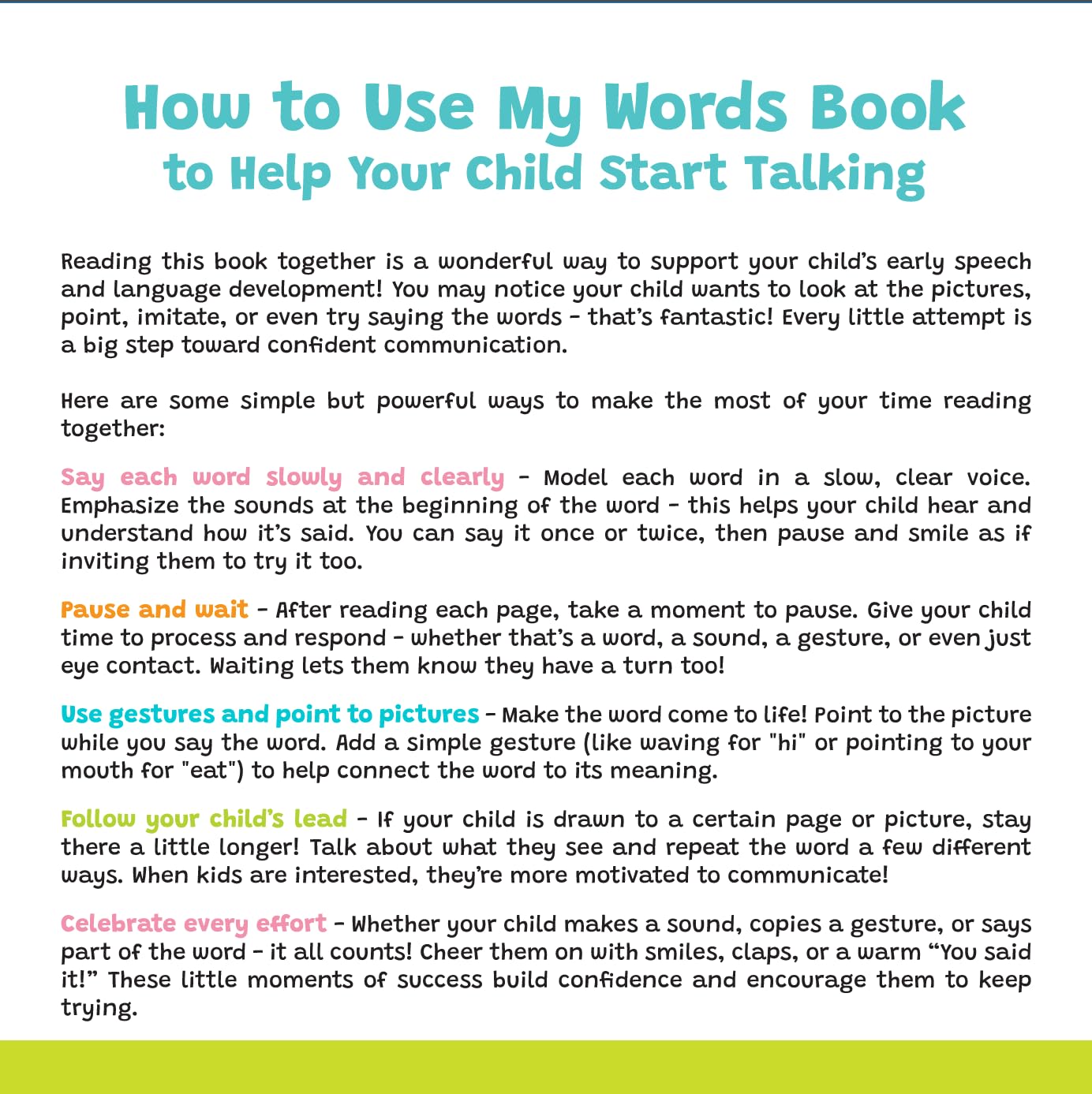
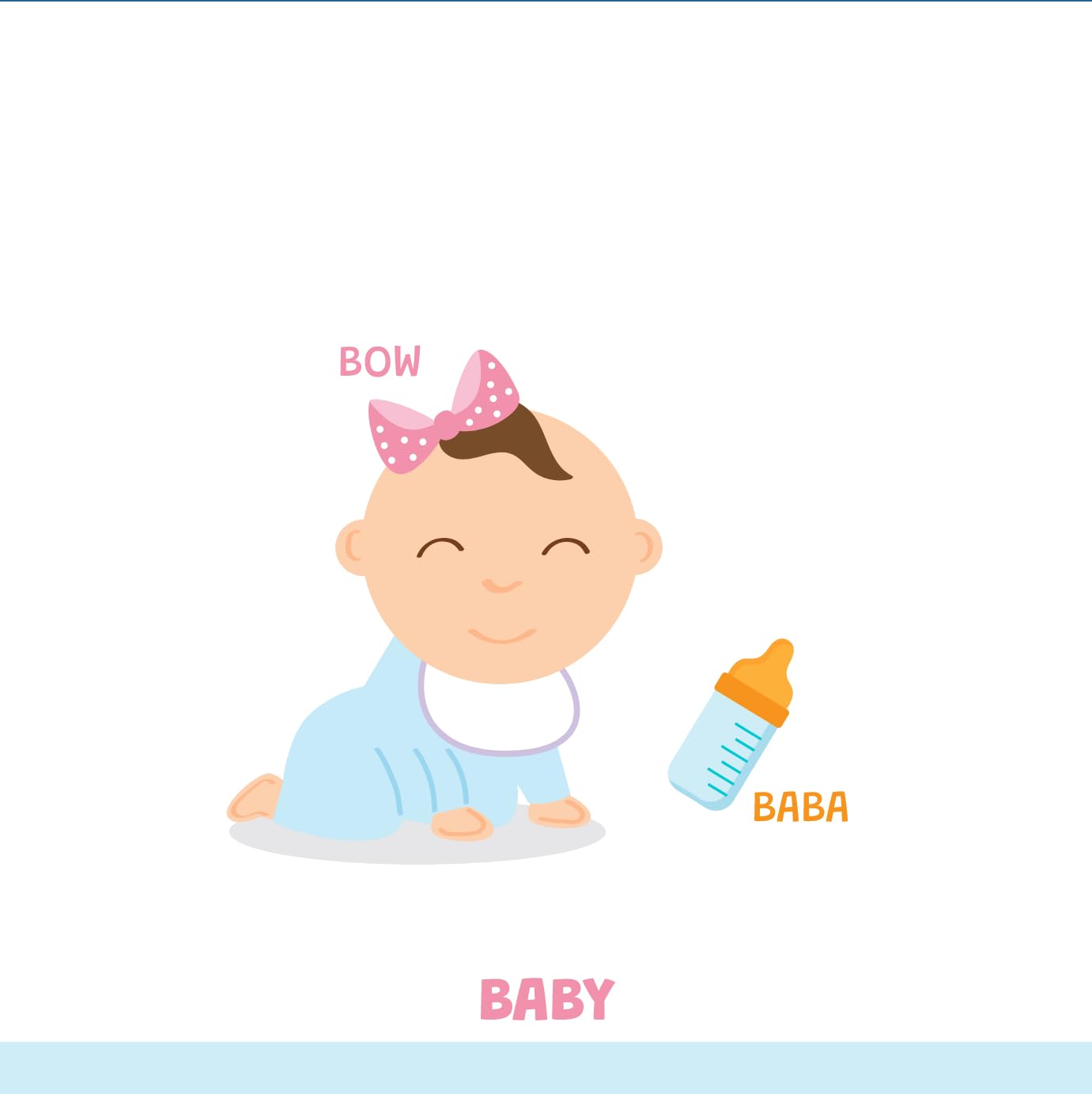
My Words Book: Easy First Words Toddlers Can Actually Say! Written by a Speech Therapist | Speech Development Board Book for Kids Ages 1-4.
- Children's Books
- Image Unavailable Image not available forColor:
- ASIN : B0FNYPN22W
For younger children, the My Words Book by a certified speech therapist is specifically designed around words that are easy for toddlers to actually produce, not just hear. This is a subtle but important distinction: a book that teaches words children can successfully say builds confidence alongside vocabulary, which matters enormously for children who are already self-conscious about speaking.
7. Expert Insights on AI, Speech, and the Future of Early Intervention
The conversation about AI and pediatric health is genuinely exciting, and researchers who study early childhood development are cautiously optimistic about what tools like the Rology screener represent, while remaining clear about their limitations.
This point is worth sitting with. An AI tool that correctly identifies a child with a speech delay is a meaningful advance. But if that family then faces a 12-month waitlist for an SLP assessment, or cannot afford the private assessment, or lives in a rural area with no local services, the screening result functions mainly as documented anxiety rather than a catalyst for change. The technology is ahead of the systems in many parts of the world.
The UAE context is genuinely interesting here because the country has invested heavily in health technology infrastructure and has a stated national goal around digital health innovation. If a well-validated AI speech screening tool can be integrated into the routine well-child schedule at government primary care centers across the Emirates, the potential public health impact is real. The limiting factor remains specialist capacity, not screening capacity.
8. Navigating the AI Health Tool Landscape as a Parent: A Practical Framework
Given that AI health tools for children are multiplying fast, it is worth giving you a practical framework for evaluating any tool you encounter, not just this one.
Questions to ask before trusting any AI health screening tool
1. Who validated it and how? Internal company validation is a starting point, not an endpoint. Look for independent peer reviewed studies, ideally in a population that includes children who look like yours linguistically, culturally, and demographically.
2. What does it do with your child's data? An AI speech screening tool necessarily captures audio recordings of your child's voice. Find out whether those recordings are stored, for how long, who can access them, and whether they are used to further train the model. Read the privacy policy even if it is tedious.
3. What happens after a flag? A good screening tool should come with a clear referral pathway. If the tool gives you a "refer now" result but provides no information about what to do next, that is a design failure. Ask the provider or look in the app for what action you are supposed to take.
4. Is it calibrated for multilingual children? If your child is growing up with two or more languages, this is not a peripheral concern. Ask specifically whether the tool was validated in multilingual populations.
5. Has it been endorsed by any independent clinical body? Look for endorsement or at minimum review by bodies like ASHA, the Royal College of Speech and Language Therapists, or equivalent national organisations. Absence of endorsement does not mean the tool is bad, but it does mean you should hold conclusions lightly.
For families navigating a highly sensitive child who communicates differently, understanding whether communication patterns are temperament-driven or delay-related is particularly nuanced. The overlap between sensory sensitivity and language development is an area where parental observation and clinical input both matter enormously.
Comparison of Language Support Tools for Children with Speech Concerns
| Tool Type | Best Age Range | Primary Benefit | Key Limitation | Recommended Product | Price Range |
|---|---|---|---|---|---|
| SLP-authored board books | Ages 0 to 4 | Targets words toddlers can actually produce | No audio; requires adult to read aloud | Imitation Book by SLP | Under $15 |
| Talking flash cards (510 words) | Ages 1 to 4 | Audio pronunciation, 31 themed topic areas | Screen-adjacent; best used with a caregiver | Airbition Talking Flash Cards | $13.99 |
| Phoneme phone | Ages 3 to 6 | Amplifies child's own voice; builds phonemic awareness | No vocabulary content; supports production only | Phoneme Phone by hand2mind | $7.99 |
| Dinosaur-themed talking cards | Ages 1 to 6 | Teacher-approved content; durable, dual-sensor | More expensive than basic options | Alotwan Talking Cards | $24.99 |
| Basic talking flash card reader | Ages 4 to 6 | Low cost; 240 sight words; no-screen design | Fewer themes than premium options | Kuovei Flash Cards | $9.99 |
| First words board book by SLP | Ages 1 to 4 | Words chosen for ease of production, not just hearing | No audio component | My Words Book | Under $15 |
Expert Insights
Conclusion
Language is how children connect, learn, and eventually tell you who they are. When that process stalls, the window for the most effective help is shorter than most parents realize. The AI screening tool coming out of the UAE is not a miracle. It is a practical, imperfect, genuinely useful step toward making sure more children land in a specialist's office before the easiest years for intervention have passed. Use it as one tool among many. Trust your gut. And if you are worried, say so loudly at your next pediatrician visit.
The most powerful thing any parent can do is this: put the phone down, get on the floor, and follow your child's eyes. Every conversation you have with them today is building the brain they will read and write and think with for the rest of their life. That is a remarkable thing to get to be part of.
If this article gave you something useful, share it with another parent who is in the wait-and-see zone. You might be the reason they make a call this week.
Sources & References
- American Speech-Language-Hearing Association (ASHA). "Spoken Language Disorders." 2023. https://www.asha.org/practice-portal/clinical-topics/spoken-language-disorders/
- American Speech-Language-Hearing Association (ASHA). "Clinical Topics in Multilingual/Multicultural Affairs." 2022. https://www.asha.org/practice-portal/professional-issues/multilingual-service-delivery/
- Centers for Disease Control and Prevention (CDC). "Learn the Signs. Act Early: Developmental Milestones." 2023. https://www.cdc.gov/ncbddd/actearly/milestones/index.html
- National Institutes of Health (NIH). "Early Intervention for Children with Speech and Language Delays." National Institute on Deafness and Other Communication Disorders. 2022. https://www.nidcd.nih.gov/health/speech-and-language
- Hart, B. and Risley, T.R. "Meaningful Differences in the Everyday Experience of Young American Children." Paul H. Brookes Publishing. 1995.
- Rescorla, L., Hadick-Wiley, M., and Escarce, E. "Epidemiology of expressive language delay at age 2." First Language. 1993.
- Law, J., Garrett, Z., and Nye, C. "Speech and language therapy interventions for children with primary speech and language delay or disorder." Cochrane Database of Systematic Reviews. 2003.
- Whitehouse, A.J.O. et al. "Autism and related conditions: diagnosis and intervention." Telethon Kids Institute. 2021. https://www.telethonkids.org.au
- Radesky, J. et al. "Patterns of Mobile Device Use by Caregivers and Children During Meals in Fast Food Restaurants." Pediatrics. 2014. American Academy of Pediatrics.
- American Academy of Pediatrics (AAP). "Media and Young Minds." Pediatrics. 2016. Vol. 138, No. 5.
- Justice, L.M. et al. "Early Language Intervention: Principles and Evidence." Crane Center for Early Childhood Research, Ohio State University. 2019.
- Goldstein, B.A. and Fabiano, L. "Assessment and Intervention for Bilingual Children with Phonological Disorders." The ASHA Leader. 2007.
Frequently Asked Questions
What exactly does the UAE startup's AI speech screening tool do?
At what age should I be worried if my child isn't talking much?
Can AI really detect speech delays, or is this just hype?
My child is bilingual. Will an AI speech screening tool still work for them?
What can I do at home while waiting for a speech assessment?
How long does a speech language assessment usually take, and do I need a referral?
Is the Rology AI speech tool available to parents outside the UAE?
Was this helpful?
Thanks — your feedback helps us pick what to write next.