Preschool Behavior Problems in Class: Causes and What Helps
Most preschool behavior problems in the classroom come from a mismatch between what the room asks of your child and the skills your child has right now, so the best fix is to find the cause, add predictable structure, and teach the missing skill, with a paediatric check if the be
In this article
A landmark study from the Yale Child Study Center (Gilliam, 2005) found that children in state funded preschool programs were expelled at more than three times the rate of children in kindergarten through twelfth grade. Let that sink in. We are talking about four year olds, who are still learning to wait their turn, being asked to leave school because of how they behave.
If you have had "the call" from a teacher, or if drop off has turned into a daily battle, you are not alone, and you are not failing. In my years in clinic, the parents who feel most ashamed about classroom behavior are usually the ones working hardest to fix it. The good news is that preschool behavior is very responsive to the right support, and the earlier you offer it, the better.
In this guide I want you to understand:
1. What Counts as Normal Preschool Behavior in a Classroom
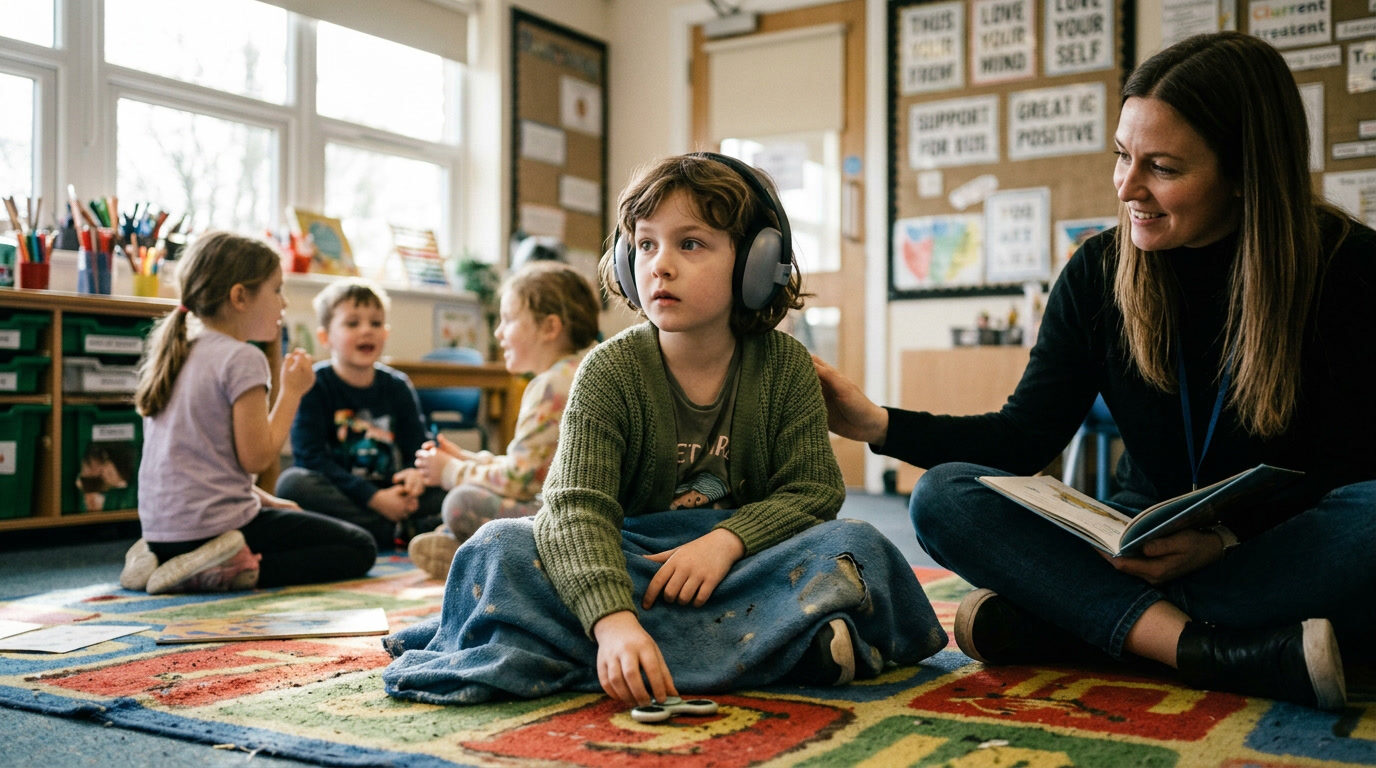
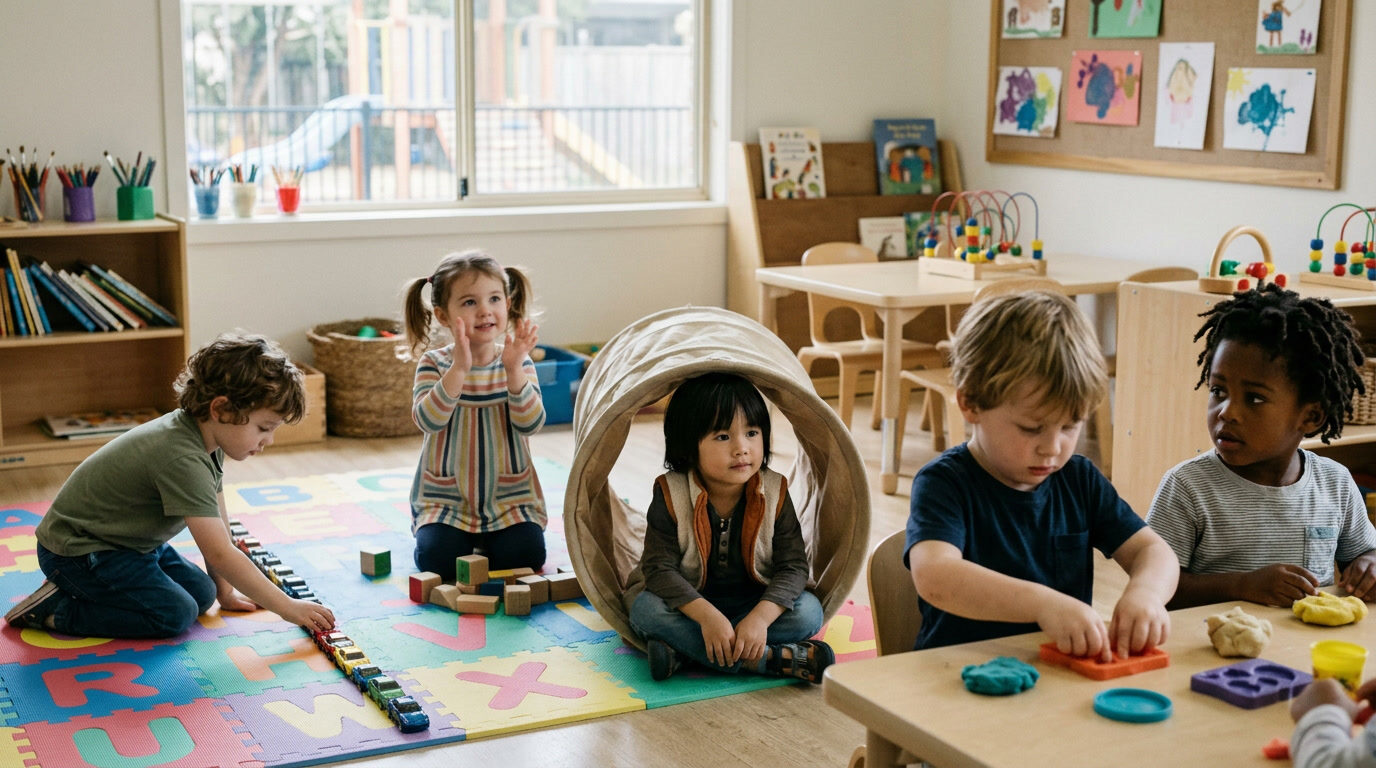
Most classroom struggles at ages 3 to 5, such as meltdowns, wandering off during circle time, grabbing toys and tearful goodbyes, are a normal part of development, because the brain systems that run self control are still under construction.
Think about what a preschool classroom actually asks of a small child. Sit in a group and listen to an adult. Wait for a turn. Share things you badly want. Stop something fun when a song plays. Tolerate noise from twenty other children. Say goodbye to the person you love most, and then get through hours without them. That is a lot of skills to demand from a brain that is still building the wiring for them. Researchers call the underlying skills self regulation and executive function: holding a rule in mind, stopping an impulse, and switching from one activity to another. These skills grow gradually through the preschool years and well beyond. They are not fully formed at age 4, and they were never meant to be.
Typical behavior at ages 3 to 5
Red flags worth taking seriously
Look at where and when it happens
This is the detail I ask about first in clinic. If the behavior happens mostly at one time of day, or in one part of the classroom, the environment is usually a big piece of the puzzle. If it happens everywhere, we look harder at things within the child, such as language, attention, sensory processing or anxiety. Either way, it helps to have information rather than a general sense that "things are bad".
2. Hidden Causes Behind Classroom Behavior Problems
Behavior is communication, and in preschoolers the message is often "something is off in my body or my world" rather than "I want to be naughty". According to the CDC, about 1 in 6 children aged 2 to 8 in the United States has a diagnosed mental, behavioral or developmental condition, which tells us how often there is more going on than simple defiance. Here are the causes I check before I ever talk about discipline.
Sleep and food
Sleep is the number one culprit. The American Academy of Sleep Medicine, in a consensus statement endorsed by the AAP, recommends 10 to 13 hours of sleep in every 24 hours for children ages 3 to 5, including naps. Tired preschoolers do not slow down; they speed up, becoming wired, impulsive and tearful. If your child is regularly short on sleep, or wakes many times each night, fix that before anything else. Loud nightly snoring with restless sleep is also worth raising with your paediatrician, because disrupted breathing at night can look like hyperactivity by day.
Hunger matters too. A child who has had a rushed breakfast and is now at hour three of a morning routine is a child running on fumes.
Language, hearing and vision
A child who cannot yet say "I was using that" will often push instead. Speech and language delays are strongly linked with frustration behavior, and they are easy to miss because a child may be great at gesturing and following routines by watching others. If your child struggles to follow multi step instructions, uses far fewer words than classmates, or is hard to understand, ask for a speech and language assessment.
Ask about hearing too. Fluid behind the eardrum ("glue ear") is common in young children and can make a child seem like they are ignoring instructions when they simply cannot hear them well. A quick hearing and vision check rules out two easily fixed problems.
Sensory overload
Some children find the classroom itself overwhelming: the echoing noise, bright lights, scratchy clothing tags, sticky paint, the crush of a busy carpet. These children can hold it together for a couple of hours and then fall apart. If your child covers their ears, avoids certain textures, or is worst after long, noisy days, tell the teacher, because simple changes (a quiet corner, a seat at the edge of the carpet) can make a big difference.
Anxiety, big changes and stress
New sibling, house move, separation, illness in the family, a change of caregiver: preschoolers rarely explain these things, but they show them through behavior. Some children are also naturally more anxious, and that can look like refusal, clinging, or bolting.
Attention and developmental differences
ADHD and autism can both show up as classroom behavior problems. It is important to be cautious here. The 2019 AAP clinical practice guideline on ADHD covers children from age 4, and for preschoolers it points first to parent training in behavior management and behavioral supports in the classroom, not medication. NICE guidance in the UK takes a similar approach, and does not recommend medication as a first step for preschool children. A diagnosis is not a label that closes a door; it is a way of opening the right support.
3. Reading the Behavior: What Is Your Child Trying to Say?
Nearly every classroom behavior serves one of four purposes: to escape something hard or unpleasant, to get attention, to get something they want, or to meet a sensory need. When you work out which one it is, you know what to teach instead.
Behavior specialists use a simple lens called ABC: the Antecedent (what happened before), the Behavior itself, and the Consequence (what happened after). The consequence is the part parents miss most. If your child throws the puzzle pieces and is then excused from the puzzle, the behavior "worked" as an escape, and it becomes more likely next time. That is not manipulation; it is learning.
Common classroom flashpoints, decoded
- Circle time meltdowns. Often about sitting too long, listening to language that is too complex, or sensory crowding. The behavior is usually escape or a sensory need. - Transitions (tidy up, line up, going outside). Preschoolers hate abrupt stops. The problem is usually a missing warning, not a missing manners lesson. - Table work and drawing. If fine motor skills are still developing, a writing or cutting task can feel like failure. The behavior is escape from feeling incompetent. - Free play conflicts. Grabbing and hitting here usually signal missing words or missing turn taking skills, not cruelty. - Calling out and disrupting. Often a need for attention, or excitement the child cannot contain.
Teach the skill, don't just punish the gap
Ross Greene, the clinical child psychologist who wrote The Explosive Child, built a whole approach on the idea that kids do well if they can. That phrase changed how I talk to parents. If a child could do better, they would. When they cannot, something is missing: a skill such as flexibility, frustration tolerance, or problem solving. Our job is to find the missing skill and teach it, in the same way we would teach a child to read.
In practice that looks like:
Predictability lowers the temperature
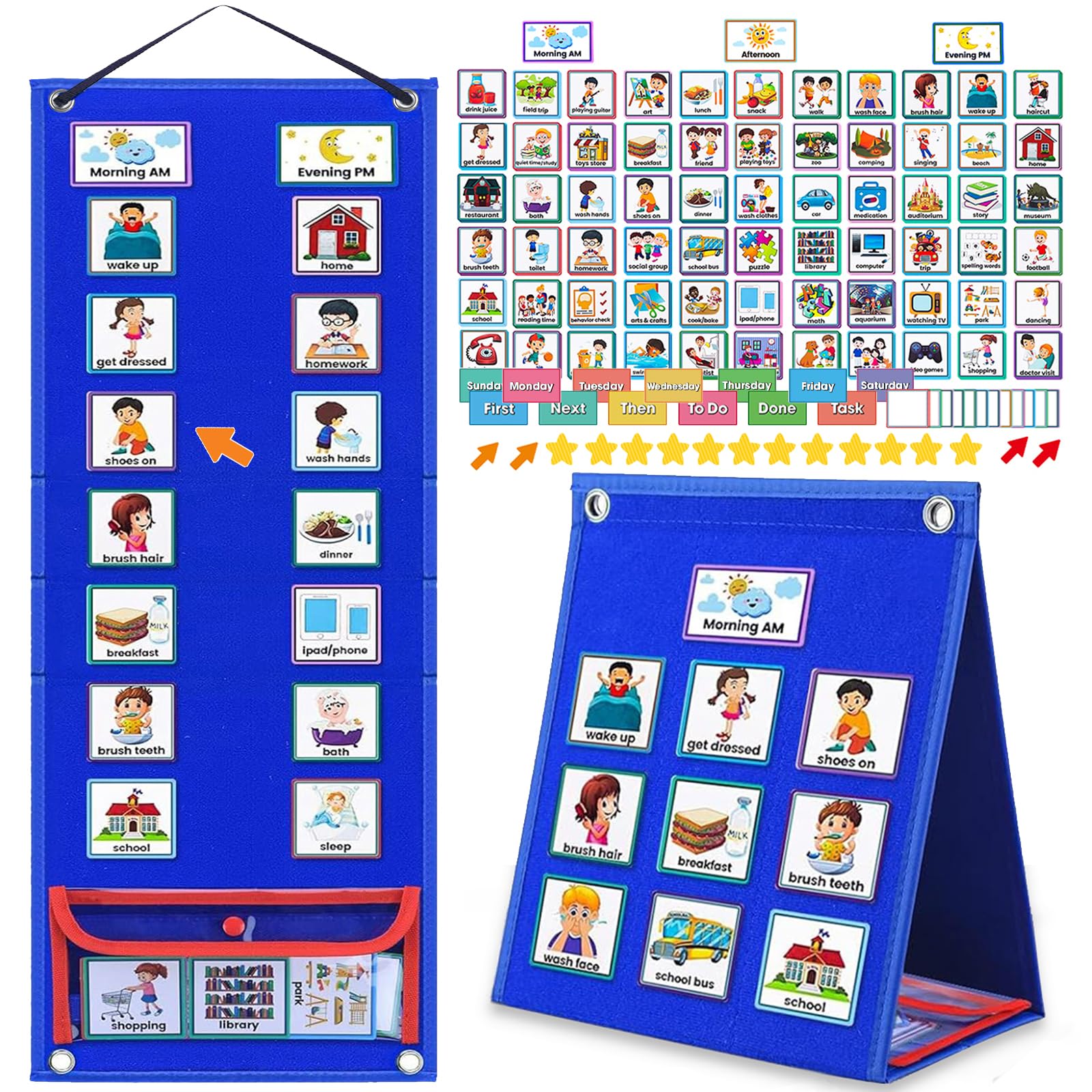
Uncertainty is a major trigger for preschoolers. When a child cannot predict what is coming, their body stays on high alert. A visual routine turns "what's happening?" into "I know what's next", and that alone can lower the number of blow ups in a day. A compact board such as the ALSLEA Visual Schedule board is a handy way to start at home, because it folds, hangs from a door, and can be used for the morning and evening routine that sets up your child's whole day.


ALSLEA Visual Schedule for Kids with Autism Chore Chart for Toddler Planning Board Daily Routine Chart Autism Learning Materials Classroom, Home Use with 124 Cards (Blue)
- 【Visual Schedule for Kids】ALSLEA's visual schedule board measures 27" L x 9.5“ W, which is made of delicate fl
- 【Autism Learning Material】 Visual schedule for kids with autism is an sensory communication board that is help
- 【Foldable & Hangable】Visual schedule board designed with 4 grommets, which can hang from a wall, door horizont
4. Routines and Visual Schedules That Actually Work
Visual schedules work because they turn a fleeting spoken instruction into something a child can see and check again, which lowers stress, cuts down on nagging, and helps children move from one activity to the next with less resistance.
The National Clearinghouse on Autism Evidence and Practice lists visual supports among the evidence based practices for autistic children. They are used far beyond autism, in preschools and homes everywhere, because most young children process pictures faster than language. That said, I want to be honest: a visual schedule is a support, not a cure. It works best alongside the other things in this article, such as good sleep, clear expectations and a calm adult.
Why they help
How to set one up, step by step
1. Start tiny. Begin with a "now and next" board that shows only two things. A child who has never used a schedule will not cope with twelve pictures on day one. 2. Use real pictures where you can. Photos of your child's own classroom, shoes and bed are clearer than abstract icons for many toddlers and preschoolers. 3. Teach the routine of the routine. Show your child how to move a card to the "finished" box or take it off the board. That physical action gives a sense of accomplishment. 4. Build up gradually. Add cards as your child succeeds, moving to a morning routine, then an after school routine, then the whole day. 5. Prepare for change. Keep a blank card or a "surprise" card for the days that do not go to plan, and show it in advance where possible. 6. Use it to help, never to threaten. A schedule should say "this is what is happening", not "you're in trouble".
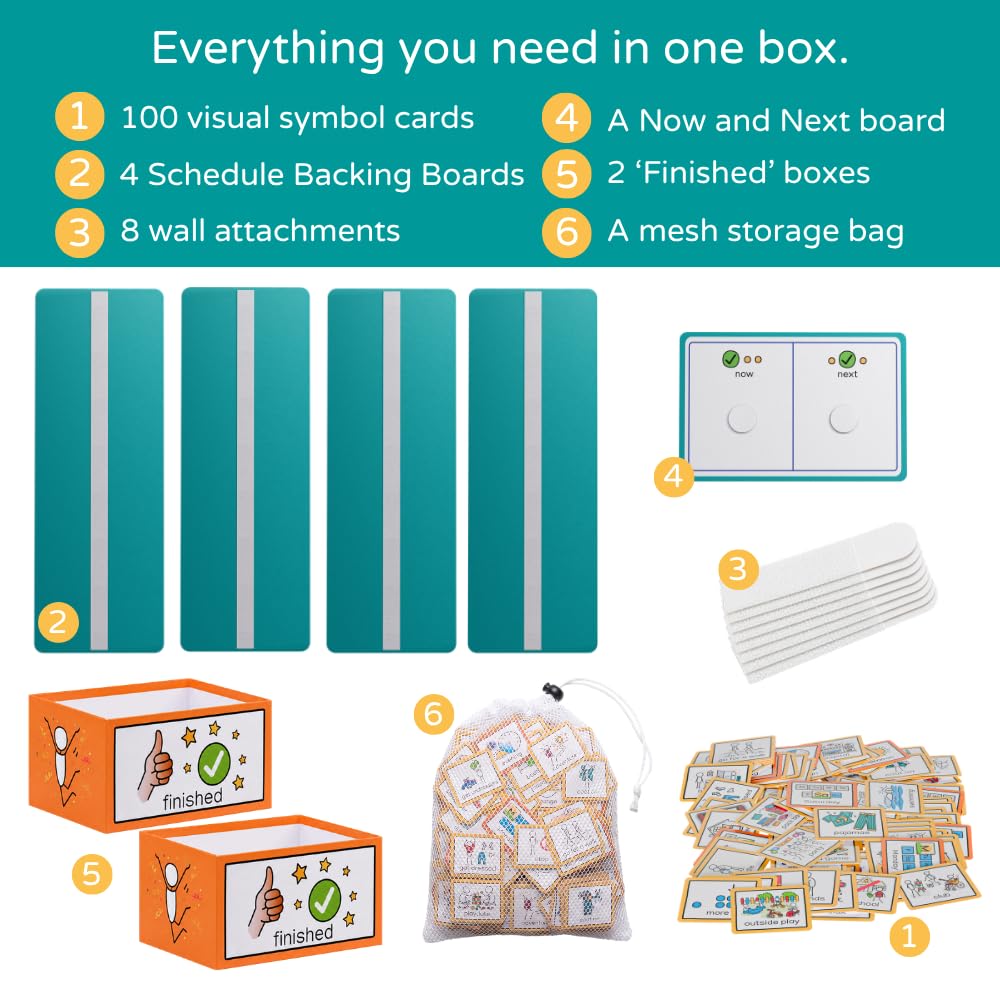
A full kit gives you plenty of room to grow into. The Create Visual Aids visual schedule set comes with 100 symbol cards, four daily routine boards, a now and next board, two finished boxes and wall attachments, all wipe clean and waterproof, which is handy for sticky preschool hands. It was designed with autistic children and ADHD in mind and is used by teachers and speech and language therapists, but it suits any child who does better when the day is visible.
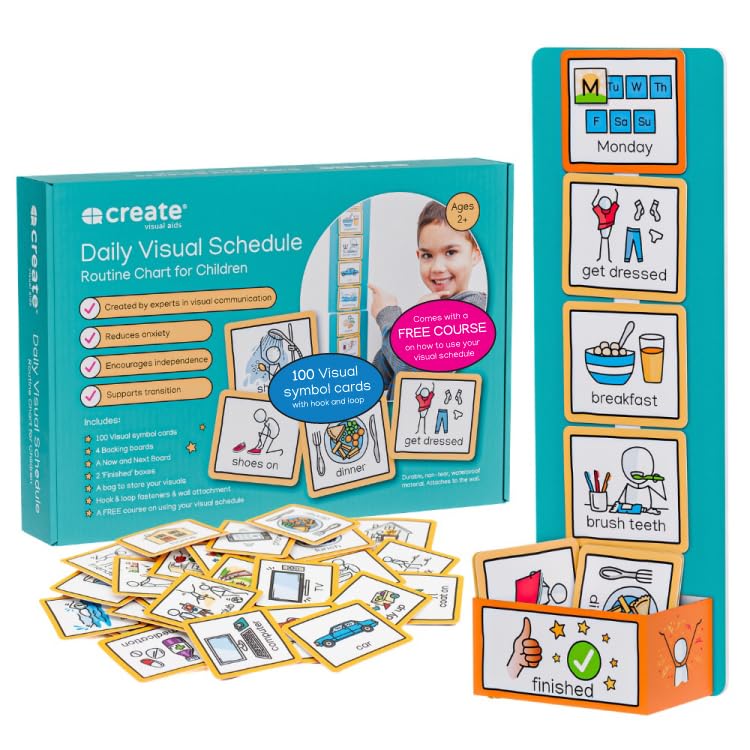
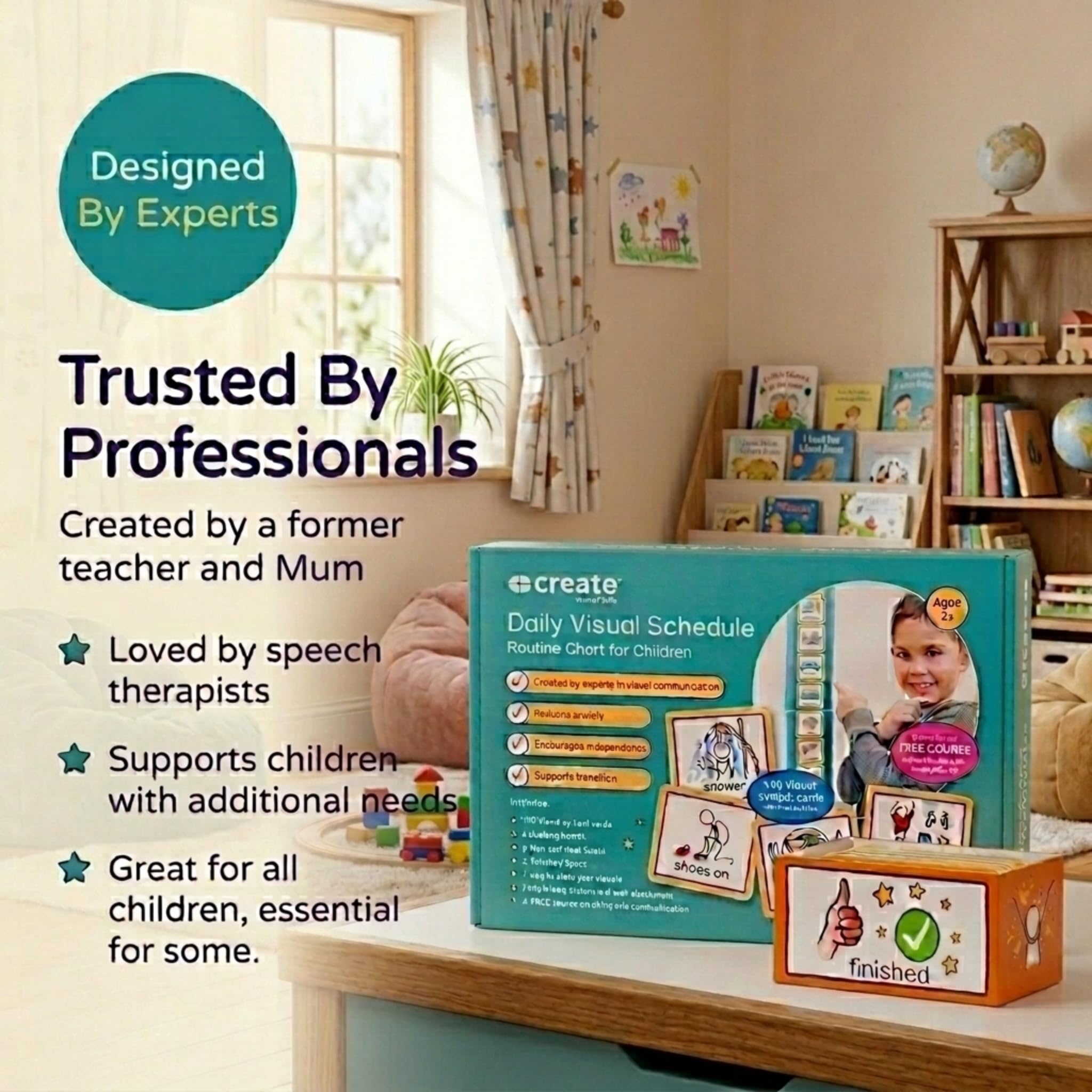
Visual Schedule Daily Routine Chart for Kids with Course - Autism ADHD
- COMPLETE VISUAL SCHEDULE SET – Everything you need to support your child using visual communication: 100 visua
- SUPER DURABLE, BUILT TO LAST – These communication cards and boards are fully waterproof, tear-proof and wipe
- GREAT FOR ALL CHILDREN, ESSENTIAL FOR SOME – Created specifically to support autistic children, young people a
If you want a bigger canvas for a whole day, the large ALSLEA visual schedule measures 27 by 14.5 inches and comes with 124 cards, including 70 activity cards, arrows, star cards and blanks you can customise for your own child's routine.
Mirror what the classroom does
Ask the teacher how the day is displayed at school, and echo the same pictures and words at home. A child who sees the same "circle time" picture on the fridge and in the classroom will feel that the two worlds are connected. That consistency is often what turns a schedule from a nice idea into a genuine calming tool.
5. Working With the Teacher (and What to Do If the School Is Struggling)
The best outcomes I see come when parents and teachers act like teammates, so start the conversation with curiosity, share what you see at home, and ask the school what supports they can put in place before behavior escalates.
Opening the conversation
Your first meeting sets the tone. Try something like: "I want to understand what you're seeing so we can help my child together. What do you think is hardest for them, and when?" Then listen. You might hear something you did not know, such as that the trouble is mostly at snack time or just before pick up.
Questions worth asking:
Then share your side: your log, your child's sleep, anything that changed at home, and strategies that work well for you.
What good preschool support looks like
Well run early years settings use approaches such as the Pyramid Model, which focuses first on warm relationships and a supportive classroom, then teaches emotional skills directly, and only then moves to individualised plans for the few children who need more. Ask whether the school uses a framework like this. Ask about clear routines, visual supports, quiet spaces and structured transitions. A classroom that relies on a visible daily rhythm, like a pocket chart at the front of the room, gives every child a clear view of what comes next. The Auchq daily schedule pocket chart is designed for exactly that setting, with 23 activity cards for things like circle time, snack and story time, plus four blank dry erase cards for whatever your class does that day. If your child's teacher is open to ideas, this is a low cost, low drama suggestion.

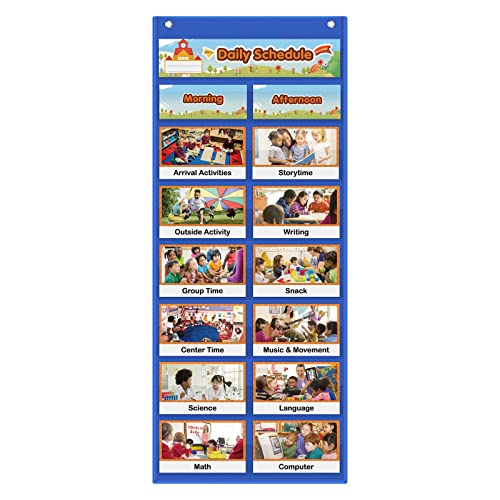

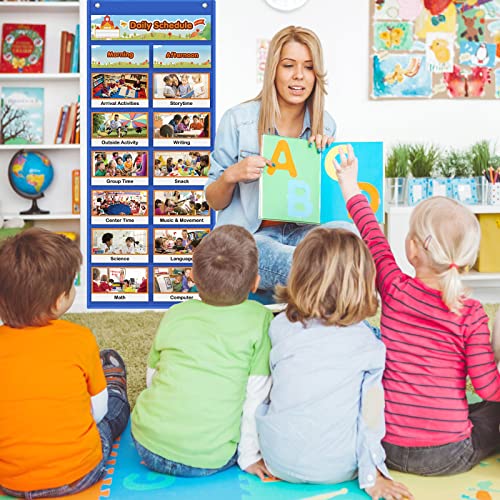

Auchq Daily Schedule Pocket Chart, Visual Schedule for Kids with 23 Activity Cards, 8+1 Pockets, 4 Blank Dry-Erase Cards Included, Great for Classroom Preschool-1 st Gr.(17’’ x 38.5’’ in)
- VISUAL SCHEDULE FOR KIDS: Our daily schedule pocket chart give children an at-a-glance view of the day’s event
- VARIOUS ACTIVITY CARDS: This classroom schedule pocket chart with all-in-one cards set. The card set includes
- EXTRA BLANK CARDS: You will love the pictures on the cards and this daily schedule for kids makes it easier fo
Some teachers and home educators prefer a teaching calendar with an editable card system. The teaching calendar pocket organizer offers pre printed options and arrows that suit a morning meeting routine, though it only has a handful of reviews so far, so treat it as a promising option rather than a proven favorite.
The uncomfortable part: exclusion and bias
The Yale study I mentioned found that having access to a mental health consultant was linked with lower expulsion rates, which tells us that support, not removal, is what helps. It is also worth knowing that data from the US Department of Education's 2013 to 2014 Civil Rights Data Collection showed that Black children made up about 19 percent of preschool enrollment but about 47 percent of preschool children receiving one or more out of school suspensions. A follow up Yale experiment (Gilliam, 2016) found that when early educators were asked to watch for challenging behavior, they looked longer at Black children, especially boys. Bias can shape which children are labelled "difficult", and it is fair for parents to ask questions about it.
If your child is being sent home often, or the school is hinting that your child "isn't a good fit", take these steps:
6. Calm Responses at Home and When to Ask for More Help
The most powerful thing you can do for classroom behavior happens at home: build a warm connection, teach feelings and skills when everyone is calm, keep routines steady, and get help early if things are not improving.
Ten minutes that change everything
Set aside 10 minutes a day for child led play, with no phone, no teaching and no correcting. Follow your child's lead and describe what they are doing: "You're building a tall tower." This kind of special time is the core of several parent training programs, and it fills your child's attention bucket, so they need to work less hard for it elsewhere. The AAP's clinical report on the power of play highlights how unstructured, parent involved play builds the very skills that classrooms depend on, such as flexibility, cooperation and stress management.
Teach feelings and calm bodies
Give instructions that a preschooler can follow
Protect the basics
Aim for the sleep range I mentioned earlier, give a real breakfast, and build in outdoor movement before school. Go easy on screens: the AAP recommends that children ages 2 to 5 have no more than about one hour a day of high quality programming, and it helps to keep screens away from the hour before bed.
Use charts to organise the day, not to bribe
A routine board at home helps rehearse the school day. The Godery large visual schedule is a double sided felt board with 109 cards, weekly cards, blank cards and a pointing arrow, and it works well when a family wants to plan a whole week. It is also useful for older siblings, with cards for chores and homework, so your preschooler is not the only one on a chart. Remember that the point is predictability and confidence, not a prize for perfect behavior.


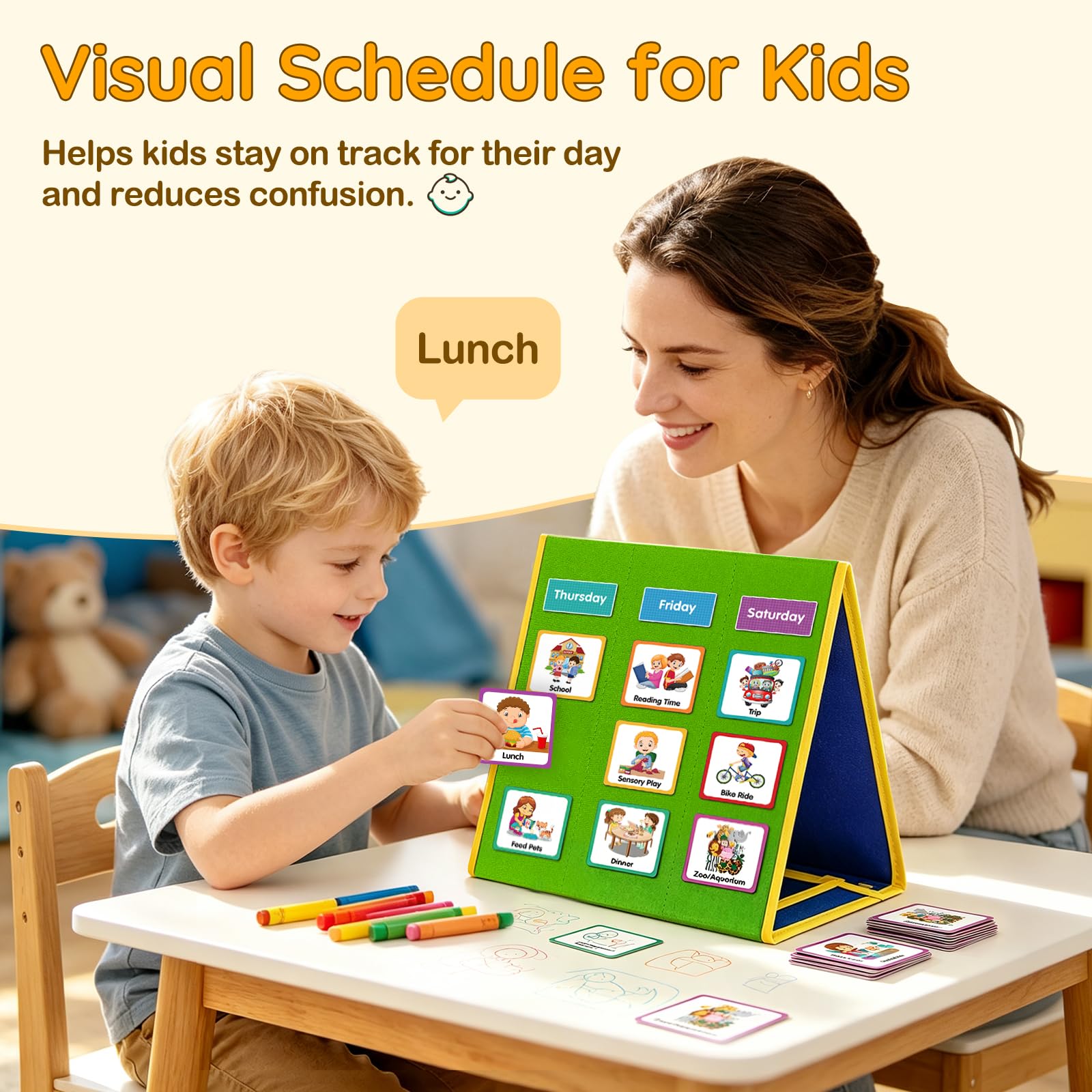

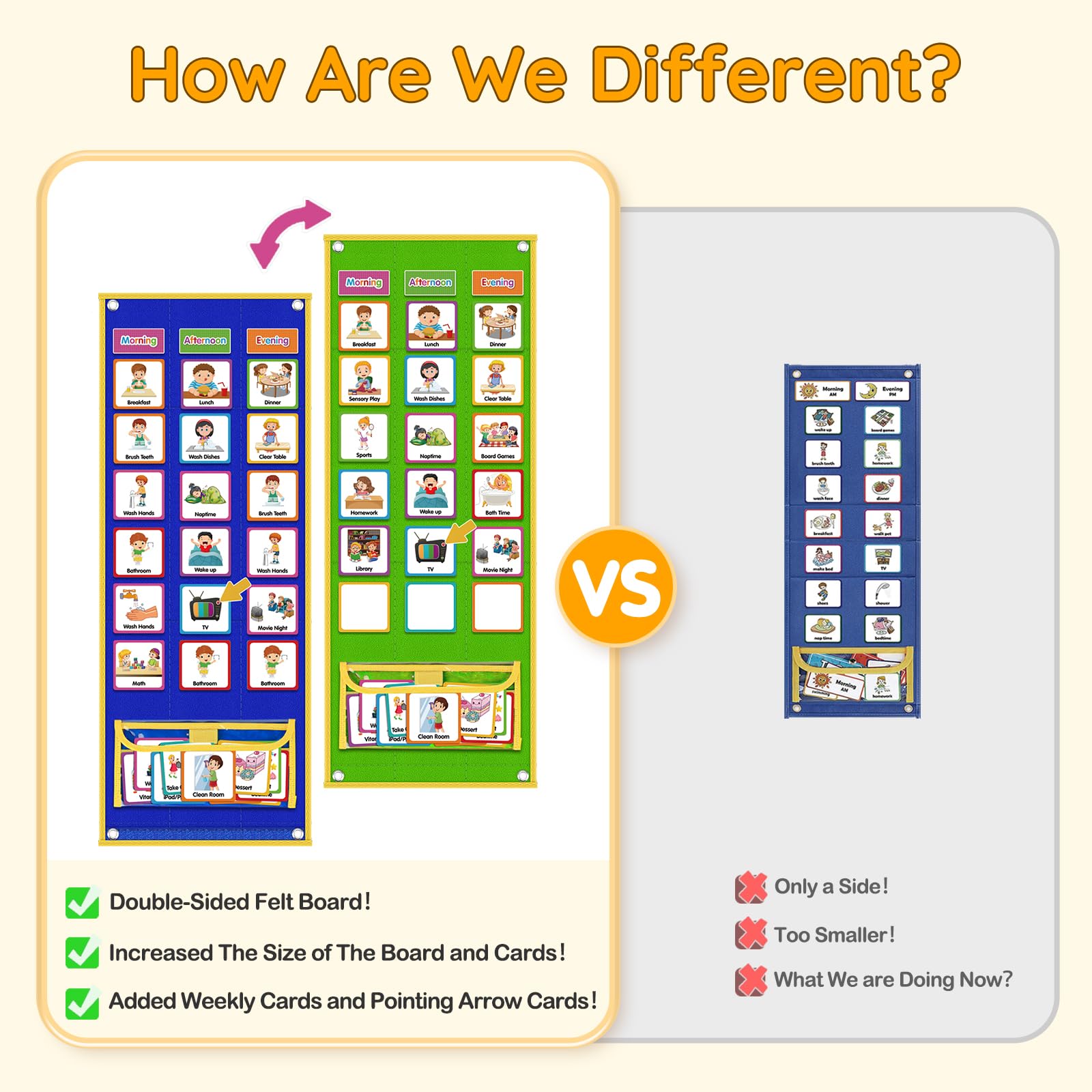
Large Visual Schedule for Kids Chore Reward Chart,Bedtime Routine Chart for Toddlers,Double Side Weekly Planner Board With 109 Cards for Home School Planner,Autism Learning Materials.
- How Are We Different - Our routine chores chart is designed with a double-sided felt board to provide more roo
- Easy To Use: Our handy chart makes it easy to manage daily activities for the entire day…and help kids transit
- Useful Daily Activity Cards: The 109 unique schedule cards have pictures or icons for each subject, along with
When to ask for professional help
Contact your paediatrician if:
Your paediatrician can check for physical causes, arrange hearing tests, speech assessments and developmental evaluations, and connect you to parent training. NICE recommends group parent training programs, such as the Incredible Years programme, for young children with behavior problems, and the AAP recommends parent training in behavior management as a first step for preschoolers with ADHD symptoms. These are not a criticism of your parenting. They are practical toolkits that families find genuinely useful.
Choosing a Visual Support: Comparison at a Glance
Not every child needs the same tool. Use this table to match the support to the setting and to your child's needs. Age ranges are my own rough guide and depend on your child's development.
| Option | Best For | Rough Age Range | Main Benefits | Main Drawbacks | Recommended Product | Price Range |
|---|---|---|---|---|---|---|
| Complete symbol kit with now and next board | Very visual learners, autistic children, ADHD | 2 to 8 years | 100 symbol cards, 4 routine boards, finished boxes, waterproof | Larger set takes time to organise | Create Visual Aids Visual Schedule Set | $21.95 |
| Double sided weekly felt board | Weekly planning, home routines, chores | 3 to 8 years | 109 cards, weekly cards, blank cards, pointing arrow | Needs wall or floor space | Godery Large Visual Schedule | $19.99 |
| Classroom pocket chart | Preschool and kindergarten classrooms | 3 to 6 years | 23 activity cards, dry erase blanks, easy to see from across the room | Built for school activities more than home chores | Auchq Daily Schedule Pocket Chart | $15.99 |
| Compact flannel board | Morning and evening routines in small spaces | 2 to 6 years | 124 cards, folds, hangs from a door | Smaller board holds fewer cards at once | ALSLEA Visual Schedule Board | $16.99 |
| Teaching calendar pocket organizer | Morning meeting, teachers, home learning | 4 to 8 years | Editable cards, arrows, large format | Only 4 reviews so far | Visual Schedule Teaching Calendar Organizer | $25.89 |
| Large flannel board | Families who want a full day on one board | 2 to 7 years | 27 by 14.5 inches, 124 cards including star cards | Takes up more room | ALSLEA Large Visual Schedule Board | $19.99 |
Expert Insights
A few voices I return to when parents ask me how to think about classroom behavior:
That one sentence shifts the question from "how do I punish this?" to "what skill is missing?", which is exactly the change I want every parent and teacher to make.
This is a reminder that self control is not something a child simply chooses to have; it is built, layer by layer, through relationships and experience.
If your child's school feels short on play, or your own evenings feel short on time for it, this is worth remembering. Play is where children practice waiting, sharing, and bouncing back.
1. Most preschool behavior problems reflect skills that are still developing, not bad character, so respond with teaching rather than shame. 2. Check the hidden causes first: sleep (10 to 13 hours for ages 3 to 5), hunger, language, hearing, vision, sensory overload and anxiety. 3. Work out what the behav
Frequently Asked Questions
Is it normal for my 3 year old to hit other children at preschool?
How do I know whether it is ADHD or just typical preschool behavior?
Can a preschool expel my child for behavior?
Why does my child behave well at home but not at school?
Do visual schedules really help with preschool behavior?
When should I ask for a developmental evaluation?
How should I talk to the teacher without getting defensive?
Was this helpful?
Thanks — your feedback helps us pick what to write next.