Anxious Kids: New Research Names the Real Culprit
A growing body of research suggests that parental anxiety and household stress, not screen time, are the primary drivers of childhood anxiety, meaning the most powerful thing you can do for an anxious child is address what is happening in the adult world around them.
In this article
If you have spent the last few years quietly panicking about your child's screen time, you are in very good company. Practically every headline, every school newsletter, and at least one well-meaning grandparent has told you that smartphones and tablets are making kids anxious. Pediatricians (myself included) have spent a lot of consultation time on that exact conversation.
But here is the thing: a wave of new research is telling a more complicated story, and some of it points the finger somewhere most of us were not expecting. Somewhere a lot closer to home.
According to the American Psychological Association, anxiety disorders now affect roughly one in three adolescents before the age of 18. That is a staggering number. And while screens are easy to blame, researchers studying the actual mechanisms of childhood anxiety are increasingly naming a different primary driver: the emotional environment children live inside, day after day.
In this article you will understand:
1. What the New Research Actually Says (and What It Does Not)
The short answer is this: screens are probably not innocent, but they are very likely not the main event.
For years, researchers pointed to correlational data linking more screen time with higher rates of anxiety and depression in children and teens. The logic felt airtight. Phones went up, mental health went down. What else could it be? But correlation, as every science class eventually teaches us, is not causation.
A 2023 preregistered study published in the journal Clinical Psychological Science by Candice Odgers and Michaeline Jensen reviewed data from over 40,000 children and adolescents and found that when researchers controlled properly for family environment, income, parental mental health, and pre-existing temperament, the association between screen time and poor mental health largely shrank or disappeared. Odgers, a professor at the University of California, Irvine, has been one of the most consistent voices calling for evidence that actually holds up under scrutiny.
At almost the same time, a separate line of research led by teams at Harvard Medical School and the Child Mind Institute was strengthening the case for a different culprit: the anxious parent.
Parental anxiety is one of the strongest, most consistent predictors of anxiety in children. It operates through genetics, through modelling, and through the way anxious parents respond to their children's distress.
— Child Mind Institute Clinical Report (2022)
That is not blame. That is biology, and it is important you understand the difference before you read any further.
So Why Did We Get Stuck on Screens?
Partly because screens are visible and measurable. You can count minutes. You cannot as easily count the number of times your child watched your face tighten at the news, or heard you catastrophise about a work deadline at the dinner table, or noticed that you rushed to solve every small problem they had before they could sit with the discomfort for ten seconds.
Parental behaviour is harder to study and far more uncomfortable to talk about. But the data is becoming too consistent to ignore.
2. The Biology of Borrowed Anxiety: How Your Nervous System Trains Theirs
Here is the most important thing I will say in this entire article: your child's brain is not just influenced by your emotional state. It is actively calibrated by it, from the very first months of life.
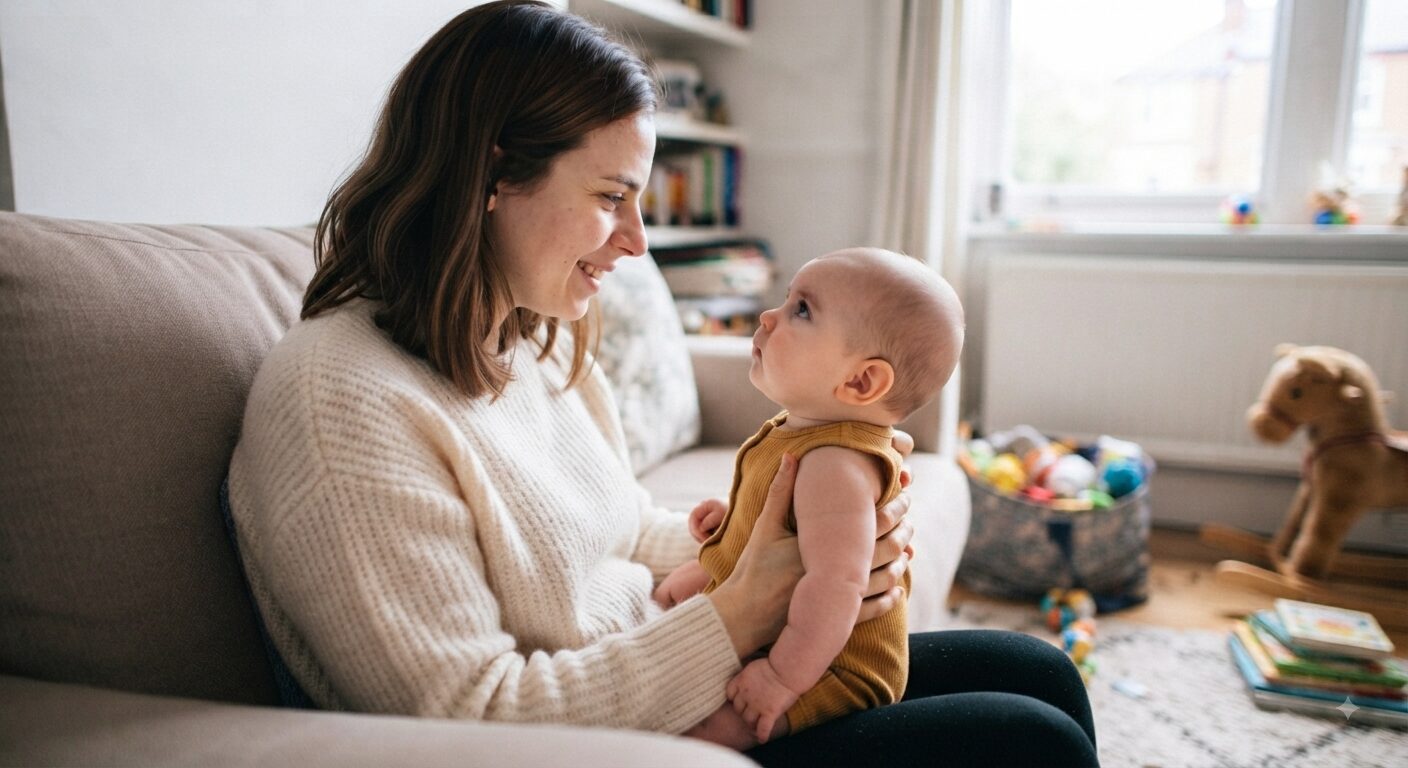
This process has a name. Researchers call it co-regulation, and it describes the way a caregiver's own nervous system essentially acts as an external regulator for a child who does not yet have the brain architecture to manage big feelings alone. When you are calm, your voice, face, touch, and breathing rate communicate safety to your child's developing nervous system. When you are chronically anxious or stressed, those same signals communicate danger, even when there is none.
The mechanism runs through a structure called the amygdala, sometimes called the brain's alarm system. In early childhood, the amygdala is highly responsive and relatively poorly braked, because the prefrontal cortex (the part that puts the brakes on panic) is not fully developed until the mid-twenties. Children are therefore operating with a hair-trigger alarm system and very little built-in off switch. They depend on us to be the off switch.
What "Stress Contagion" Looks Like at Home
You do not have to be visibly anxious for your child to pick this up. Research from UC San Francisco found that children as young as 18 months showed measurable rises in cortisol (the primary stress hormone) when their mothers were asked to manage a stressful task in a separate room, even when the child could not see or hear what was happening. The physiological connection is that tight.
Practical signs that your child may be absorbing your stress:
That last one is very common, and worth reading alongside our look at how sleep affects preschool age children, because anxiety and poor sleep are deeply entangled in young kids.

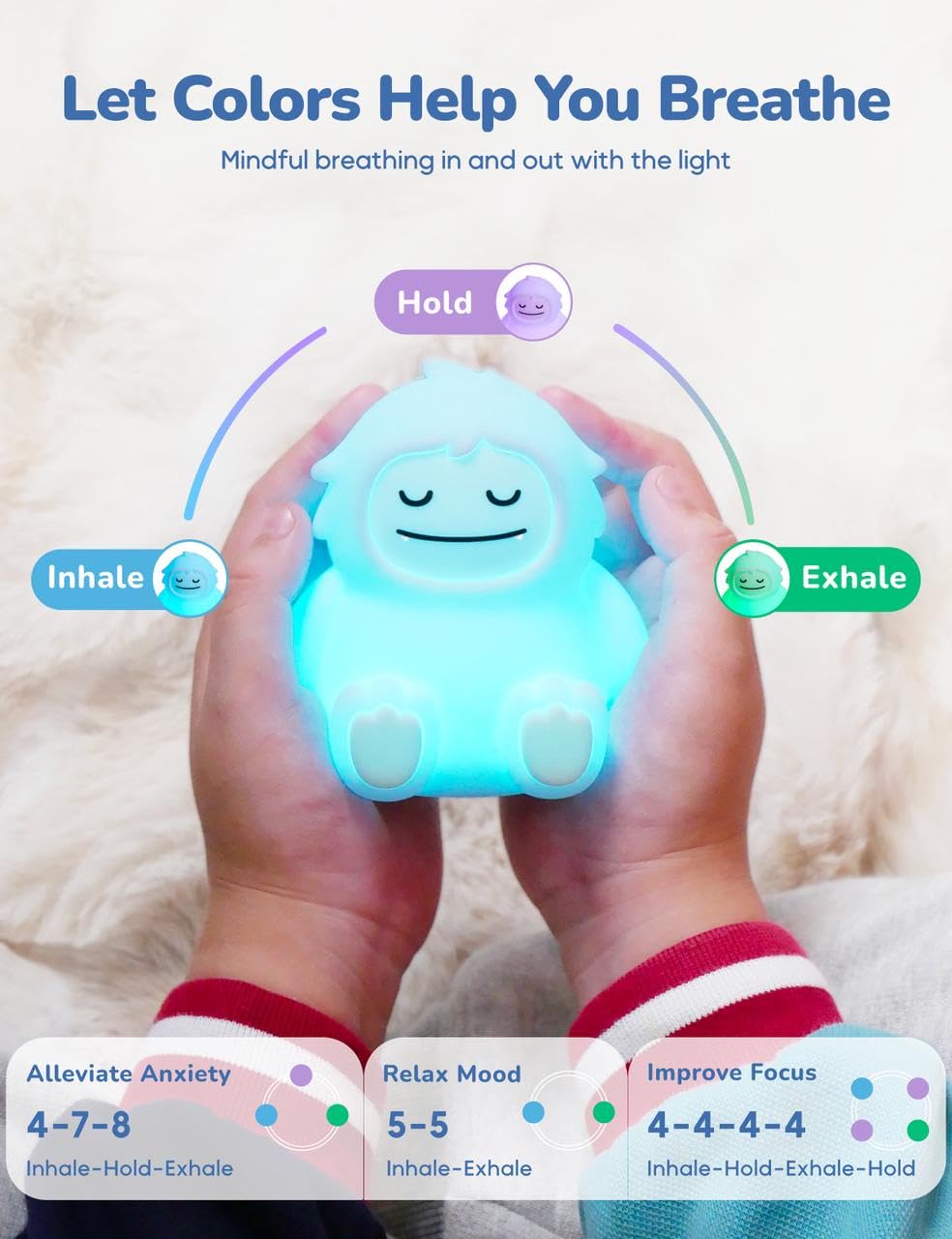
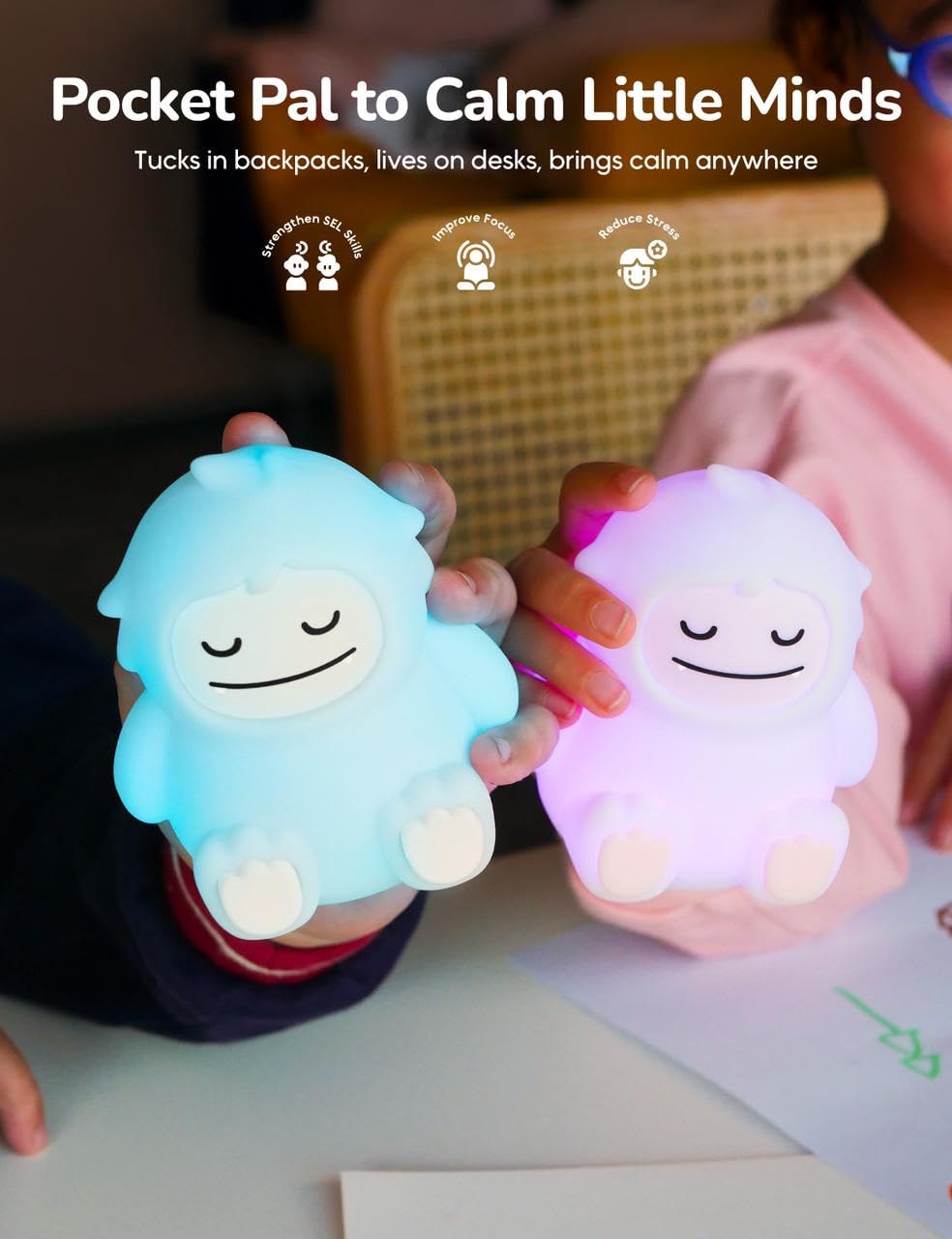
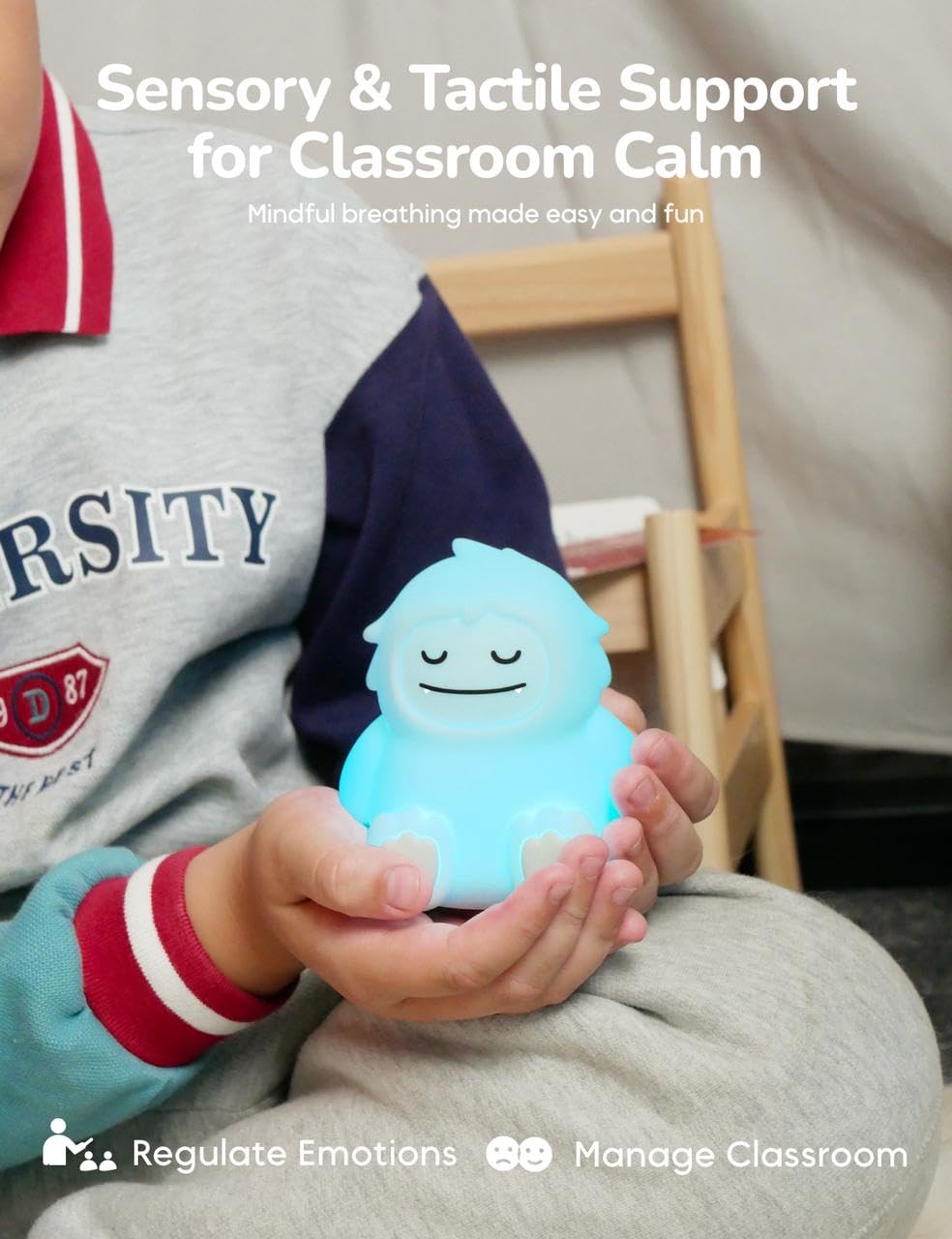
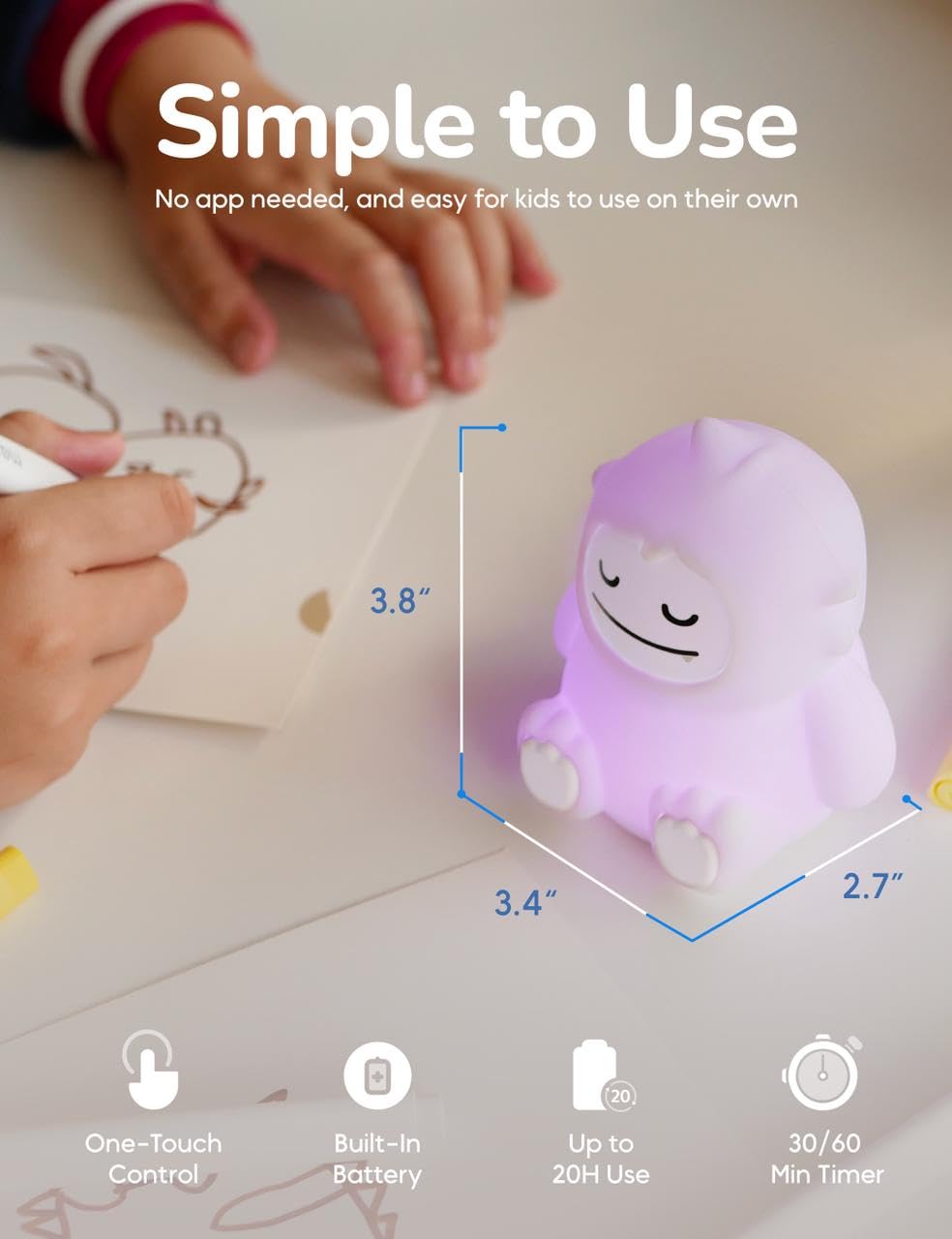
Breathing Pal Mini 'Yoyo' - Mindfulness Breathing Light, Guided Visual Meditation Breathing Light, Anxiety Relief Items for Calm Down Corner/Meditation/Sleep Aid for Adult/Kid
- 3 GUIDED BREATHING MODES WITH LIGHT CUES: Practice mindfulness with three effective techniques: 4-7-8 for anxi
- POCKET-SIZED & TRAVEL-FRIENDLY: Compact at just 3.3 inches tall, this mini Breathing Pal fits into backpacks a
- CLASSROOM & CALM CORNER SUPPORT: Designed for teachers and parents, this tactile breathing buddy helps manage
3. Parental Anxiety as a Transmission Belt: The Genetics and the Behaviour
Anxiety does run in families. That is real, and worth naming clearly so parents do not spin into guilt about something that is partly inherited. Studies consistently show that anxiety disorders have a heritability of around 30 to 40 percent, meaning genetics loads the gun. But family environment is a very large part of what pulls the trigger.
The behavioural transmission mechanisms are where things get really interesting, and honestly, really actionable.
Overprotection and the Anxiety Feedback Loop
One of the most replicated findings in child anxiety research is the link between parental overprotection (sometimes called "anxious parenting") and anxiety in children. When a parent consistently swoops in to remove sources of mild discomfort, solve problems before the child has had a chance to attempt them, or warn repeatedly about unlikely dangers, the child receives a clear message: the world is not safe, and you cannot cope with it.
This is not intentional. Every parent I have ever sat across from in clinic who does this loves their child fiercely and is trying to protect them. But the child's nervous system does not hear love. It hears danger.
A 2019 meta-analysis published in Clinical Psychology Review by Fisak and Grills-Taquechel examined 57 studies and confirmed that parental modelling of anxious behaviour and overprotective responses were among the strongest environmental predictors of childhood anxiety, across cultures and age groups.
When parents repeatedly protect children from manageable challenges, they inadvertently confirm the child's belief that the challenge was, in fact, dangerous.
— Fisak & Grills-Taquechel, Clinical Psychology Review (2019)
What This Does NOT Mean
It does not mean you caused your child's anxiety disorder. It does not mean you are a bad parent. It means that some very normal, very loving impulses need to be examined and gently redirected. The research is actually great news: because if behaviour is part of the mechanism, behaviour is also part of the solution.


CBT Workbook for Kids: 40+ Fun Exercises and Activities to Help Children Overcome Anxiety & Face Their Fears at Home, at School, and Out in the World (Health and Wellness Workbooks for Kids)
- Children's Books
- Growing Up & Facts of Life
- Friendship, Social Skills & School Life
4. The Role of Household Stress: Money, Conflict, and the Always-On Parent
Parental anxiety is not the only household variable driving child anxiety. Broader household stress matters enormously, and this is an important distinction because it moves the conversation away from individual blame and toward systems.
Children are exquisitely sensitive to marital conflict, financial stress communicated implicitly through overheard conversations and tight adult faces, and the exhaustion that comes from parents who are stretched beyond their capacity. A child does not need to understand the mortgage to feel that something in the house is wrong.
Research from the University of Rochester published in Child Development found that even low-level but chronic interparental conflict (not abuse, just repeated, unresolved tension) was associated with increased anxiety and emotional reactivity in children aged 3 to 9. The children were essentially on alert all the time, waiting for the next rupture.
The "Always On" Parent Problem
There is a specific modern variant worth discussing. Many parents today are not just stressed; they are always reachable, always monitoring, always available via the same devices they worry about their children using. The anxiety of modern adult life (the notifications, the news, the 11 pm work emails) bleeds into the home in ways that did not exist a generation ago.
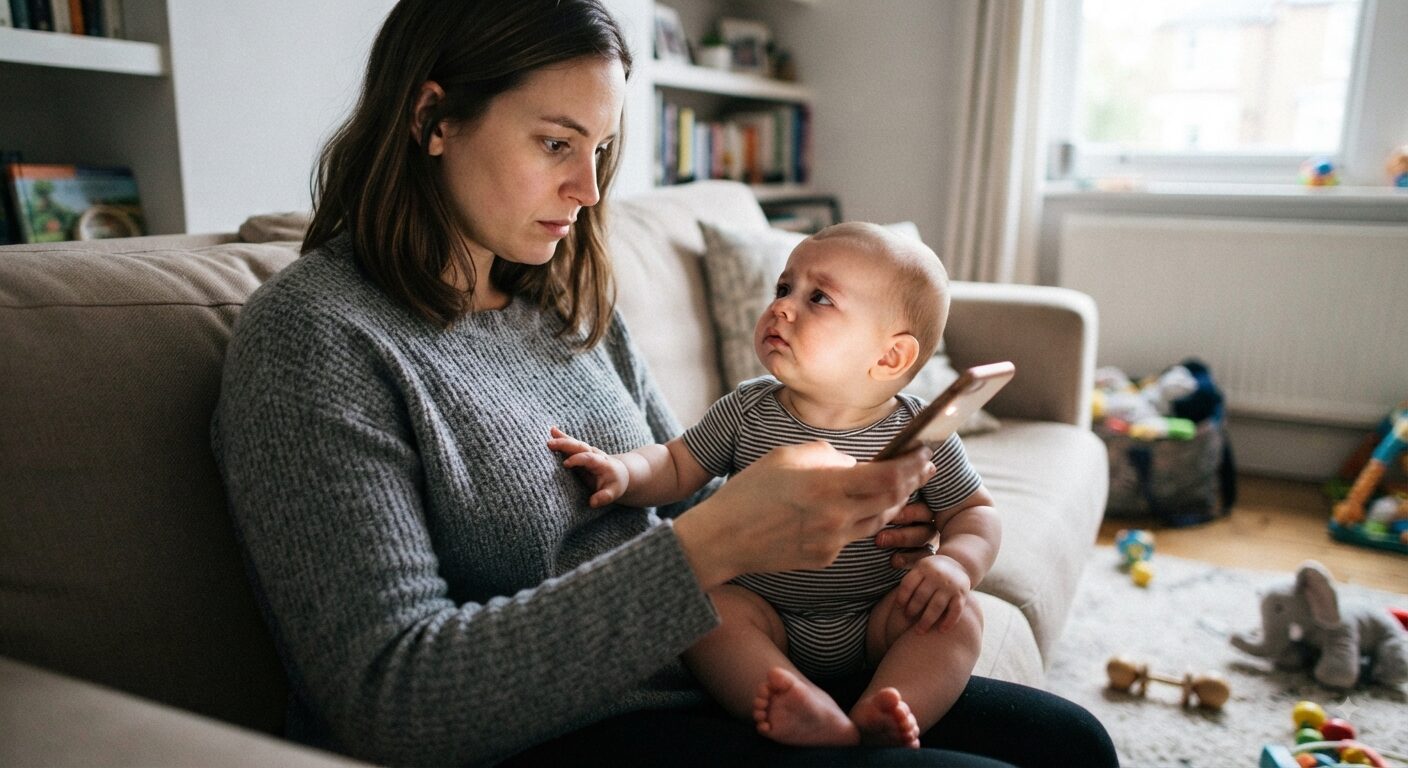
Your child sees you tense up when your phone buzzes. They see you pick it up reflexively during dinner. They watch your face go flat when you are scrolling. None of this makes you a bad parent. But it is worth knowing that children register this as emotional unavailability, which in young children triggers the same low-grade stress response as an actual threat.
This does not mean you need to throw away your phone. It means that protected, genuinely present time with your child has a neurological payoff that goes well beyond what it looks like from the outside.
For families navigating the balance between digital life and real connection, research shows the quality of family interaction matters far more than counting screen minutes. You can read more about this in our guide to how screen time fits into a child's broader world.

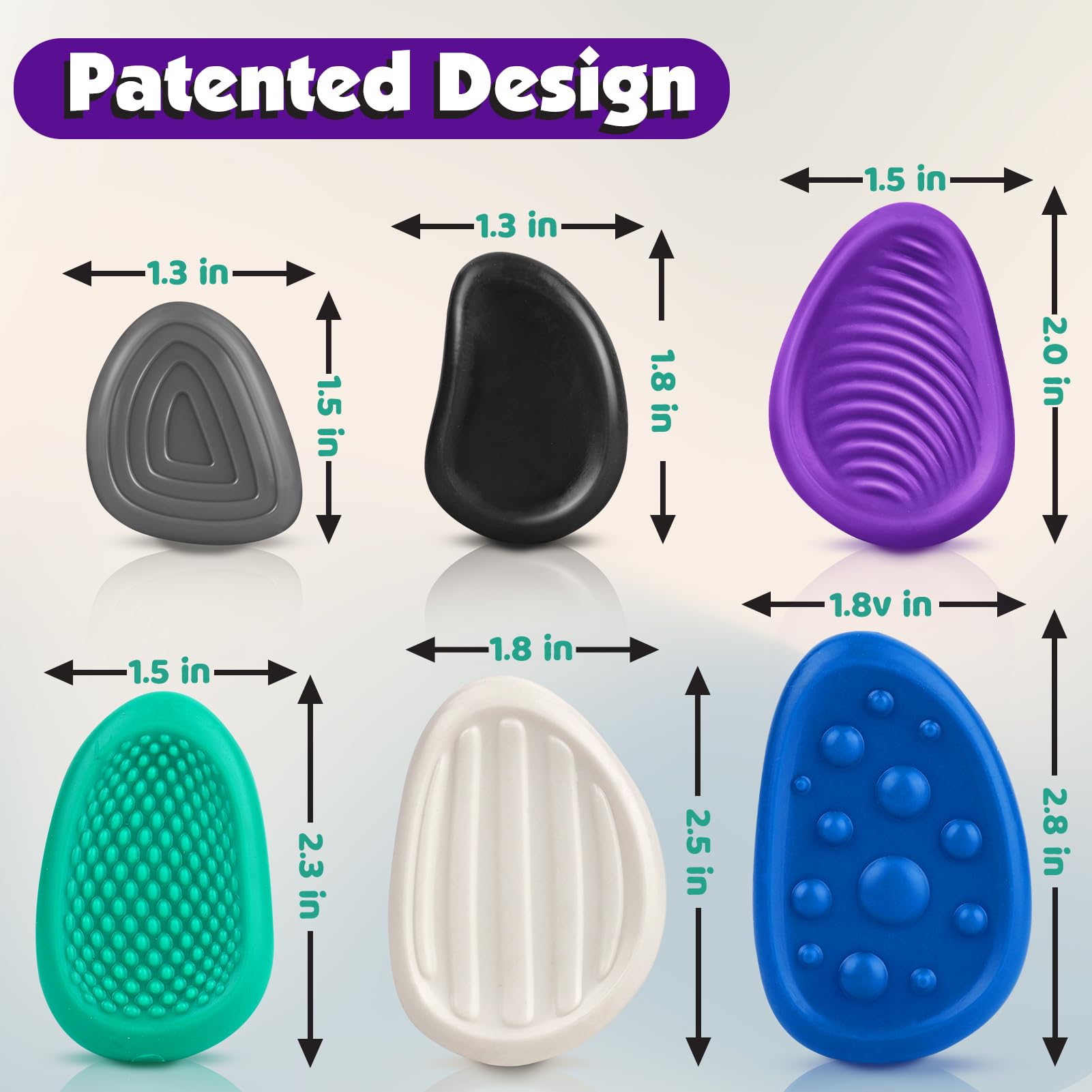
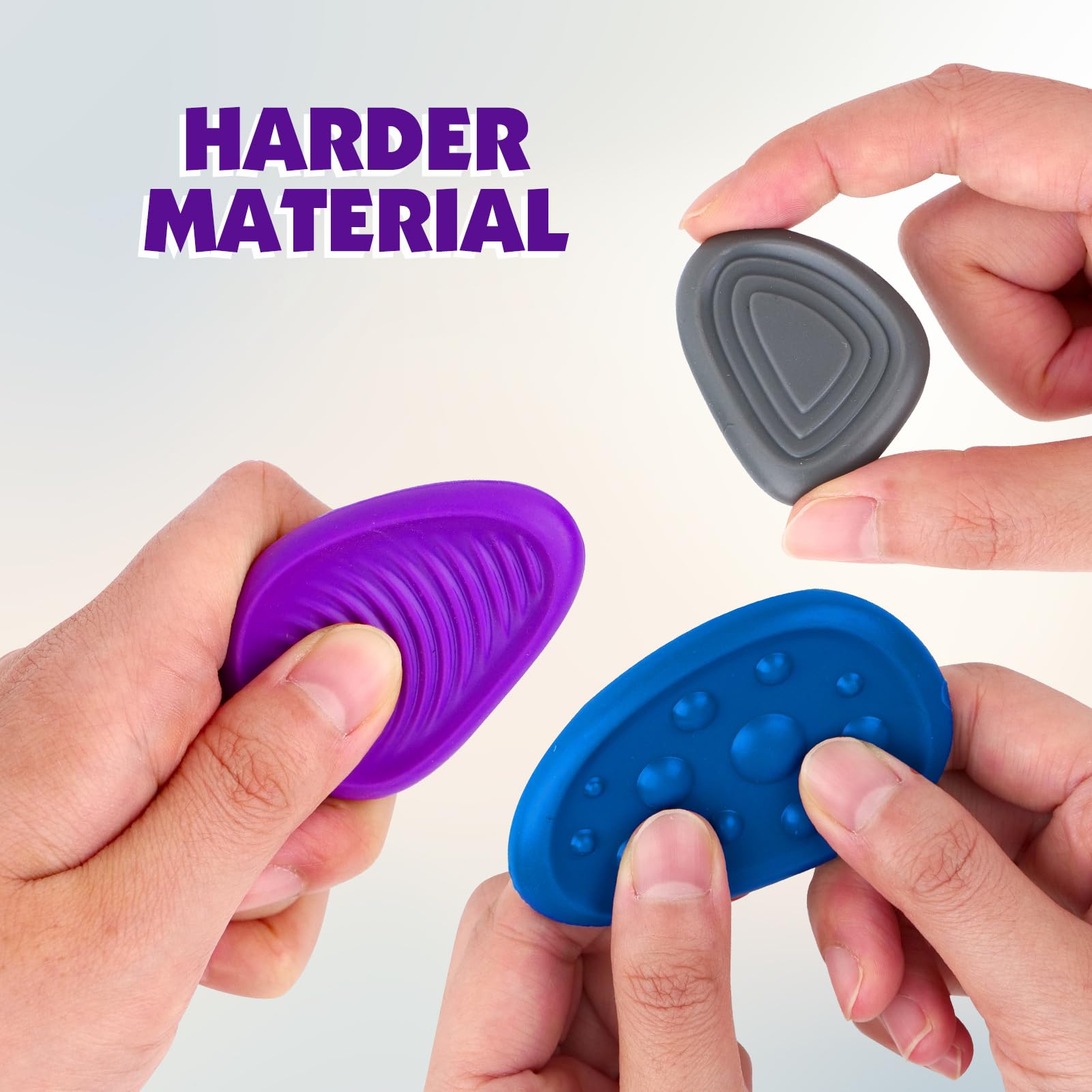
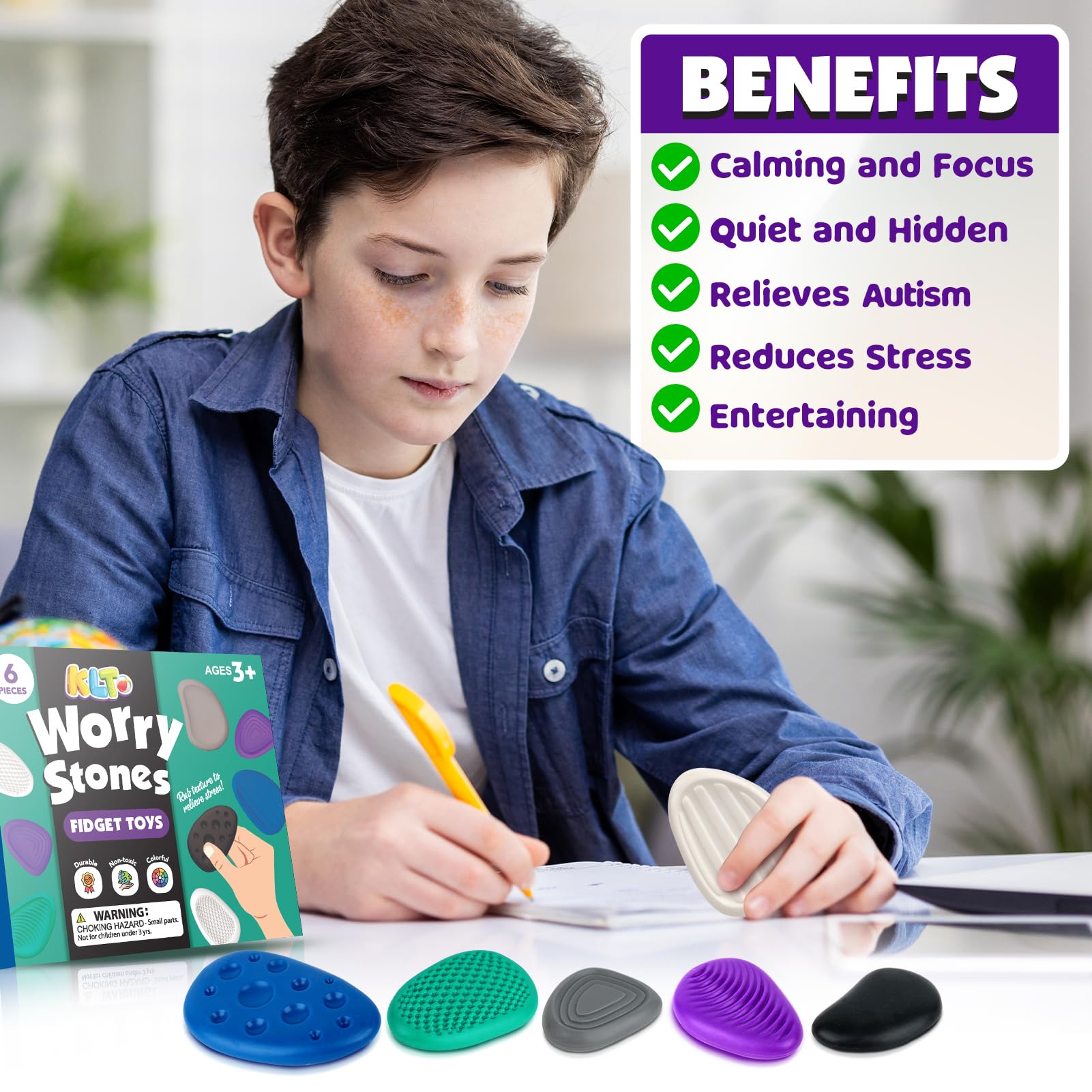
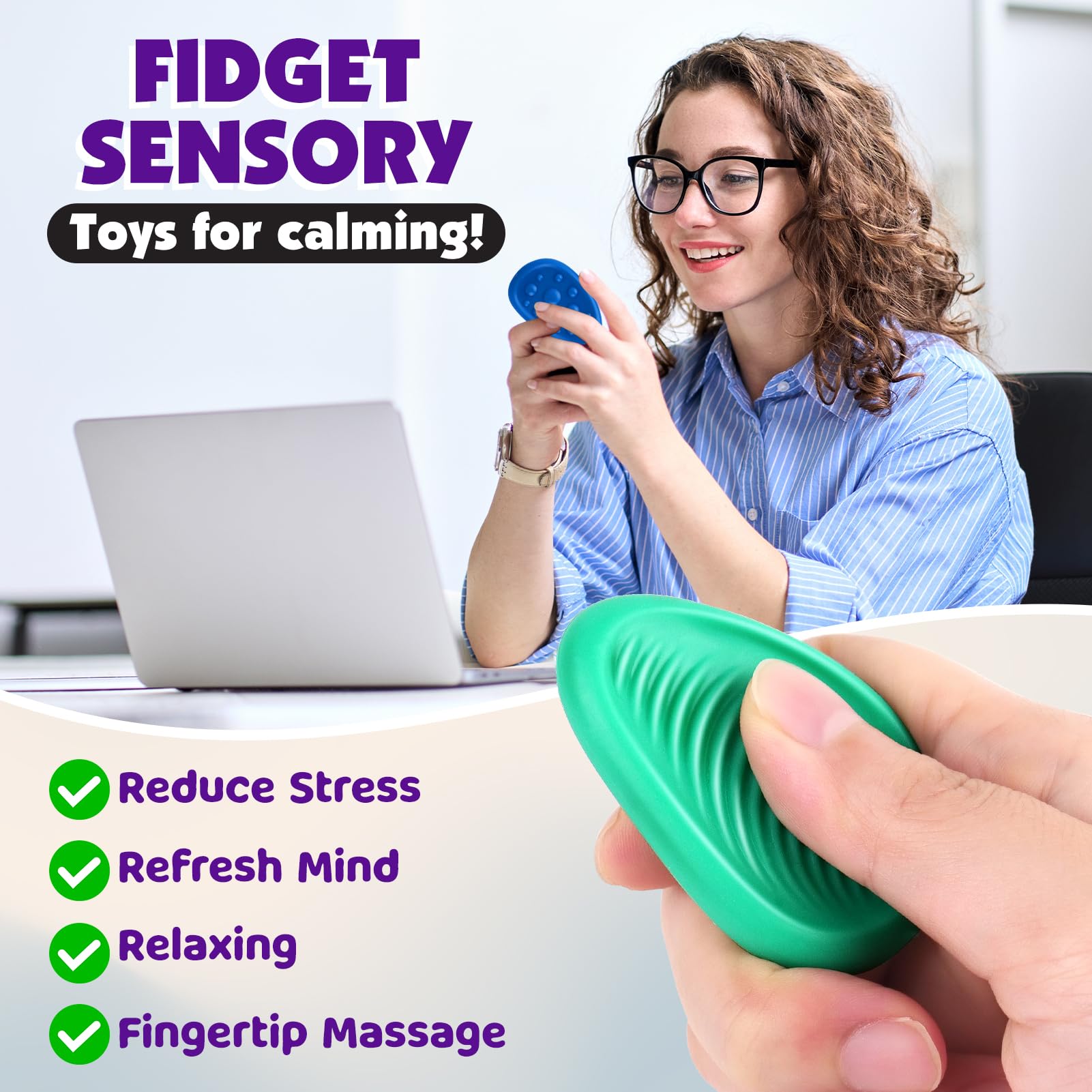
Fidget Toys Adults Sensory Stone: 6 Pack Textured Worry Stone for Autism Kids Calming Down - Fidget Stress Toys for Stress Relief - Small Students Prizes Fidget Toys
- Sensory Fidget Toys for Adults: Harder than our colorful kids fidget worry stone, this hard version is more su
- Worry Stone Calming Toys: Perfect fidget sensory set for students to avoid picking fingers, control most nervo
- Quiet Fidgets for Office and Classroom: it's small, non-noise and hidden, you can keep these mini sensory ston
5. What Anxiety Actually Looks Like in Children (It Is Not What You Think)
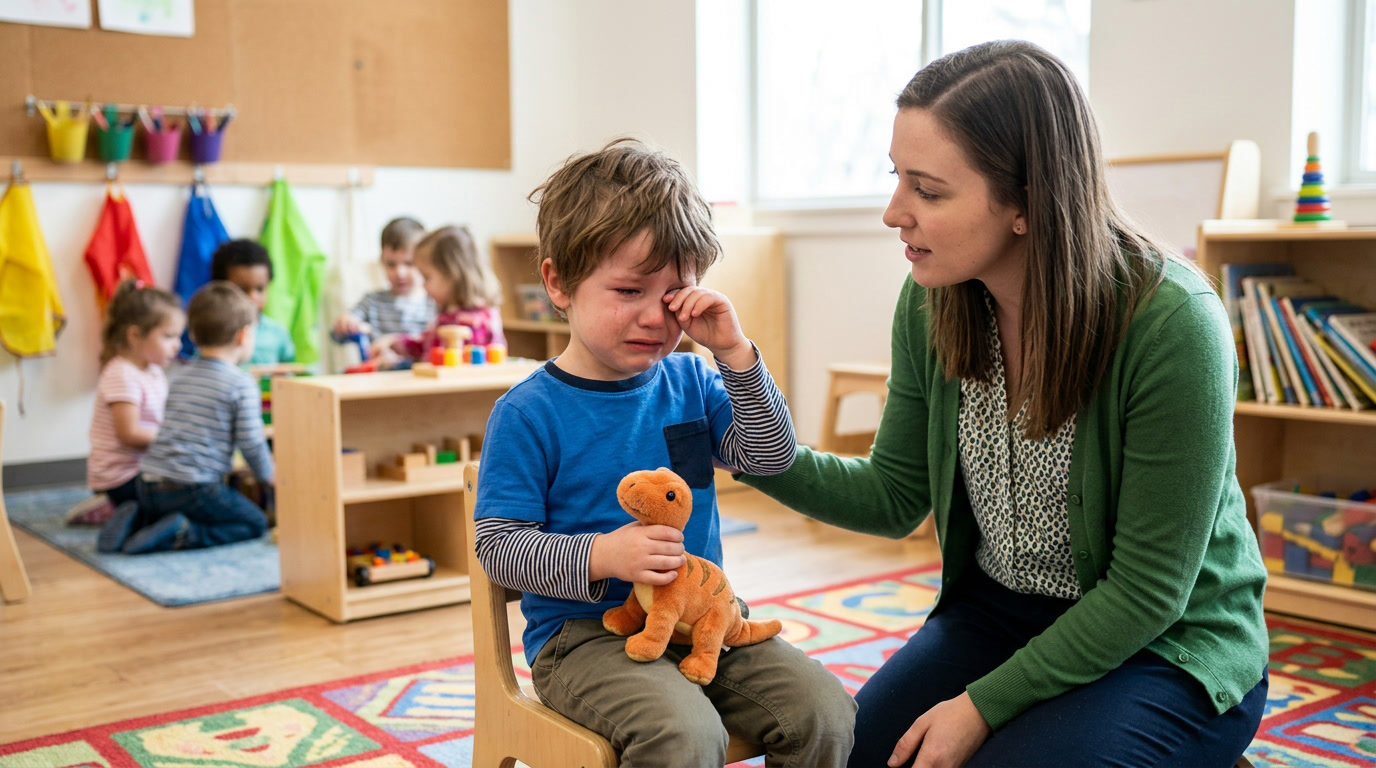
Here is a clinical reality that surprises a lot of parents: childhood anxiety very often does not look like a child wringing their hands and saying "I'm anxious." It looks like anger, avoidance, stomach aches, irritability, and school refusal.
That is important, because parents who are watching for trembling and tearfulness often miss the actual presentation sitting right in front of them.
Common Disguises Anxiety Wears
In toddlers and preschoolers (ages 2 to 5):
In school age children (ages 6 to 11):
In preteens (ages 10 to 12):
The Highly Sensitive Child
Some children are neurologically primed to feel more intensely, to notice more, and to be more affected by the emotional atmosphere around them. Understanding whether your child has a highly sensitive temperament changes how you interpret their behaviour and what supports actually help. If this sounds familiar, the work on recognising a highly sensitive child is worth your time.
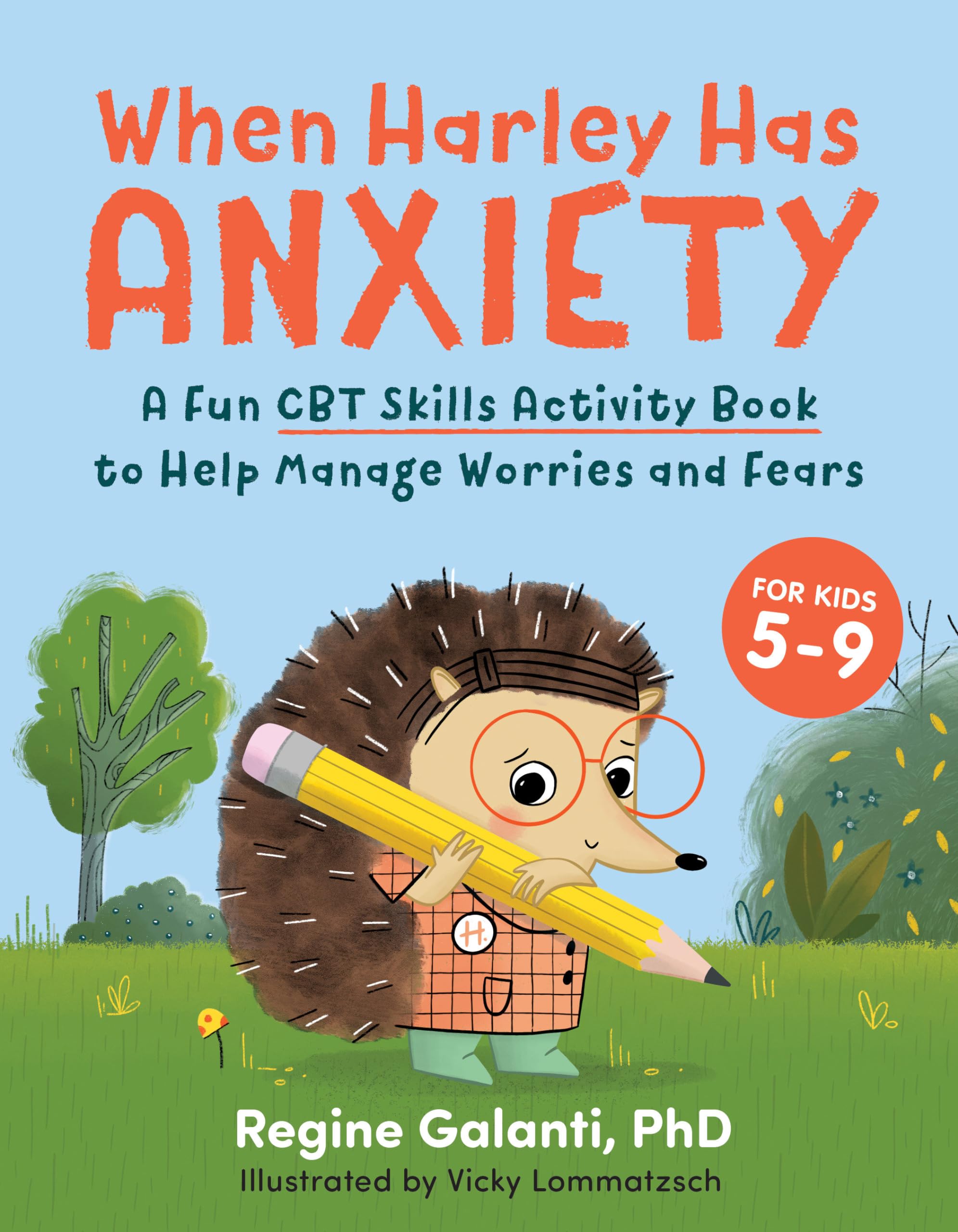
When Harley Has Anxiety: A Fun CBT Skills Activity Book to Help Manage Worries and Fears (For Kids 5-9)
- Medical Books
- Internal Medicine
- Psychiatry
6. What Actually Helps: Evidence-Based Strategies That Work at Home
The best news in this entire article is that childhood anxiety responds very well to treatment, and a lot of what helps is within your reach as a parent, starting today.
Cognitive behavioral therapy (CBT) is the most studied psychological treatment for childhood anxiety and it works, consistently, across cultures and age groups. A meta-analysis published in the Journal of Clinical Child and Adolescent Psychology found that CBT outperformed waitlist controls in 80 to 90 percent of trials. The core skills can be taught to children as young as 5, and many can be practiced at home between therapy sessions or instead of formal therapy for mild to moderate anxiety.
The Five Things That Move the Needle
1. Gradual exposure Anxiety thrives on avoidance. Every time a child avoids the feared thing, their brain registers: "Right, that was dangerous." The antidote is gentle, gradual, supported exposure to the feared situation. Start tiny. Celebrate tiny.
2. Breathing as a physical anchor Controlled breathing is not a gimmick. It directly activates the parasympathetic nervous system (the calm-down branch) and reduces cortisol. The 4-7-8 method (inhale for 4, hold for 7, exhale for 8) has solid research behind it. For children who find counting abstract, a visual tool can make a real difference.
A guided breathing lamp that pulses with the breath gives children something concrete to follow. Even for adults in the room, having a physical cue to pace breathing helps enormously.
The Breathing Pal Mini is specifically designed for children in this situation: compact, tactile, and usable in a school bag.
3. Labelling emotions without amplifying them Research from UCLA led by Matthew Lieberman found that naming an emotion ("I feel scared") reduces activity in the amygdala. You can teach this from a very young age. "You look really worried right now. Your tummy is tight and you don't want to go in. That feeling is anxiety, and it's not dangerous. It will pass."
4. Cognitive restructuring in plain language Help your child examine their worried thought. "What is the worst thing you think could happen? How likely is that, really? What would you tell a friend who was thinking this?" This is the core of CBT and it absolutely can happen at a kitchen table.
A CBT workbook for kids can give both of you a structure for these conversations, which makes them feel less like a lecture and more like a shared activity.
5. Treating your own anxiety I know this feels like a repeat, but it is the highest leverage thing on this list. There is a substantial body of research showing that treating parental anxiety improves child anxiety even when the child receives no direct treatment. If you are managing significant anxiety yourself, that is the single most powerful investment you can make in your child's mental health.

Sometimes I'm Anxious: A Child's Guide to Overcoming Anxiety (Child's Guide to Social and Emotional Le)
- Children's Books
- Growing Up & Facts of Life
- Friendship, Social Skills & School Life
7. When to Seek Professional Help (and What to Ask For)
Home strategies are powerful, but they have limits. Knowing when to escalate is one of the most important parenting decisions you can make, and the threshold is lower than many parents assume.
Seek a professional assessment if:
That last point is an immediate referral, not a wait-and-see.
What Good Treatment Looks Like
Ask specifically for CBT or a CBT-informed approach. For children under 8, look for "parent-child" or "family-based" CBT, where the parent is actively included in sessions. This is not because the parent is the problem. It is because parents are the primary change agents in a young child's environment, and treatment works better when you are in the room.
Questions to ask a potential therapist:
If your child is on a waitlist for therapy (which is the reality for many families), home-based CBT workbooks can serve as a bridge. The Harley Has Anxiety activity book is a genuinely good tool in this situation; it is CBT-based, aimed at ages 5 to 9, and designed for parent-child use together.
The relationship between anxiety, sleep quality, and a child's overall development is worth understanding in full. If your child's anxiety is hitting hardest at bedtime, our preschool sleep guide covers the developmental picture for ages 3 to 5 in detail.
Anxiety Management Tools at a Glance
| Tool Type | Best Age Range | Primary Benefit | Main Limitation | Recommended Product | Price Range |
|---|---|---|---|---|---|
| Guided breathing lamp | Ages 4 and up | Physical, visual anchor for breathing exercises; reduces cortisol fast | Child needs adult to introduce the routine first | YeeBeny Breathing Lamp | Under $10 |
| Pocket breathing light | Ages 5 and up | Portable, usable at school or on the go; 3 breathing modes | Small size means it can be misplaced | Breathing Pal Mini | Around $16 |
| CBT workbook | Ages 6 to 12 | Structured skill building in a format kids engage with | Requires parent involvement and consistency | CBT Workbook for Kids | Around $12 |
| Picture book with CBT themes | Ages 5 to 9 | Accessible, non-threatening entry point for younger children | Less structured than a full workbook | Sometimes I'm Anxious | Under $10 |
| Sensory fidget stone | Ages 6 and up | Quiet, portable grounding tool for school or public settings | Does not address underlying anxious thinking | KLT Worry Stones | Under $10 |
| CBT activity book | Ages 5 to 9 | Fun, character-led approach lowers resistance in anxious kids | Narrower age range than standalone workbook | When Harley Has Anxiety | Around $12 |
Expert Insights
We have spent years scanning our children's screen time logs while the more uncomfortable variable sat in the room with us all along. That is not a reason to feel guilty. It is a reason to feel genuinely hopeful, because unlike what app your child downloaded, your own nervous system is something you can work with.
The most useful sentence I have ever heard in a training on childhood anxiety is this: "Your child does not need you to be fearless. They need to see you be afraid and do it anyway."
If this article helped you see your child's anxiety differently, save it and share it with someone else who needed to hear that screens might not be the whole story. And if you are on a journey to help an anxious child, you are already doing the most important thing: paying attention.
Sources & References
- Odgers, C.L. & Jensen, M.R. "Annual Research Review: Adolescent mental health in the digital age." Journal of Child Psychology and Psychiatry. 2020. https://doi.org/10.1111/jcpp.13190
- Fisak, B. & Grills-Taquechel, A. "Parental modeling, reinforcement, and information transfer: Risk factors in the development of child anxiety." Clinical Child and Family Psychology Review. 2007. Cited in Clinical Psychology Review meta-analysis, 2019.
- Child Mind Institute. "Anxiety in Children: Clinical Report." 2022. https://childmind.org/topics/anxiety/
- American Psychological Association. "Anxiety Disorders in Children and Adolescents." 2023. https://www.apa.org/topics/anxiety
- Nelson, C.A. "Biological and experiential factors in early childhood brain development." Harvard Medical School Center on the Developing Child. Published research series 2015-2022.
- Gunnar, M.R. & Quevedo, K. "The Neurobiology of Stress and Development." Annual Review of Psychology. 2007. Vol 58, pp 145-173.
- Cummings, E.M. & Davies, P.T. "Effects of marital conflict on children." Child Development. University of Rochester. 1994. Cited in subsequent longitudinal replication studies.
- Lieberman, M.D. et al. "Putting feelings into words: Affect labeling disrupts amygdala activity in response to affective stimuli." Psychological Science. 2007. UCLA.
- Silverman, W.K. & Hinshaw, S.P. "The Second Special Issue on Evidence-Based Psychosocial Treatments for Children and Adolescents." Journal of Clinical Child and Adolescent Psychology. 2008.
- Lyons, L. & Lyons, R. "Anxious Kids, Anxious Parents." Health Communications Inc. 2013.
- Albano, A.M. Columbia University Medical Center. Research and clinical writing on developmental anxiety disorders. 2010-2023.
- UC San Francisco. Research on maternal stress transmission and infant cortisol. Various publications 2010-2020.
Frequently Asked Questions
Is screen time really not causing my child's anxiety?
My child has always been a worrier. Is this just their personality?
How do I talk to my child about anxiety without making it worse?
What age can children start CBT-based techniques?
Should I tell my child's school about their anxiety?
Can a child's anxiety improve without therapy?
My own anxiety is significant. Where do I start?
Was this helpful?
Thanks — your feedback helps us pick what to write next.