
← Early School-Age · Learning & Play
Early School-Age · Learning & Play
Learning & Play for the Early School-Age stage (5 – 8 yr).
8 guides in this cell
— Reading list
All Learning & Play guides for Early School-Age

Toy Story 5 and Low Screen Time: What Really Happens
Limiting screens and replacing them with physical, imaginative play gives children measurable benefits in language, attention, and emotional developme...
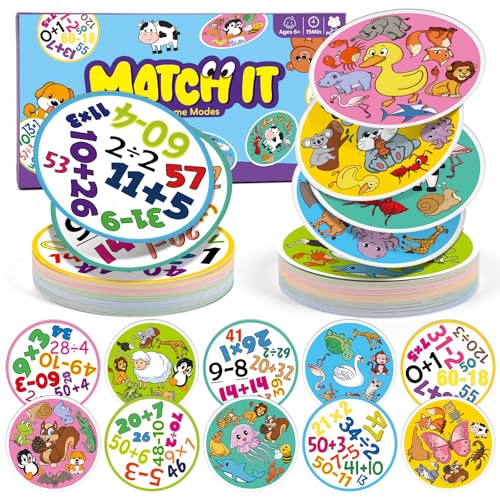
Math Skills in Ages 5–8: Working Memory and Reasoning Games That Actually Work
Children ages 5 to 8 build stronger math skills when you train the two underlying abilities that power arithmetic: working memory (holding numbers in...

STEAM 2.0: How AI Is Revolutionizing Creative Learning in 2025
AI powered tools are transforming STEAM education by making coding, robotics, and creative problem solving accessible to children as young as 8, turni...

What "Coding" Really Means for a Young Child's Brain
Coding is a foundational literacy skill for children that builds logical thinking, creativity, and resilience — and you can start nurturing it from as...

The Wooden Abacus: Your Child's First Maths Brain-Builder
The best educational toys aren't the most expensive — they're the ones that match your child's developmental stage, invite open-ended exploration, and...

Why Financial Learning Starts Earlier Than You Think
Teaching kids smart money habits from an early age—ideally before age 7—sets the neurological and behavioural foundation for lifelong financial wellbe...

What STEM Learning Really Means for Young Children (It's Not What You Think)
STEM learning — science, technology, engineering, and math — builds the thinking skills your child needs for life, and the best time to start is right...

What's Happening in the 5–8 Brain (And Why It Changes Everything)
Children aged 5–8 learn best through structured play, hands-on exploration, and social games — not passive screen time or rote drilling.