Toy Story 5 and Low Screen Time: What Really Happens
Limiting screens and replacing them with physical, imaginative play gives children measurable benefits in language, attention, and emotional development — and Toy Story 5 is a vivid reminder of exactly why toys that invite open ended play matter so much.

In this article
Introduction
Here is a number that still catches parents off guard: children in the United States between ages 8 and 12 now spend an average of nearly five hours per day on screens for entertainment alone, according to Common Sense Media's landmark 2021 census. That figure does not include schoolwork. It does not include video calls with grandparents. It is purely recreational.
So when a family chooses to keep screens rare and physical play central, they are genuinely swimming upstream. And when a cultural moment like Toy Story 5 arrives and your kids are buzzing with excitement, you feel the pull on both sides. You want them to enjoy it. You also don't want one movie to blow open a door you've worked hard to keep mostly closed.
This article will help you think through all of it. By the end, you'll understand:
1. What the Science Really Says About Screens and the Developing Brain
The research on screen time and children is more nuanced than the headlines suggest, but the core finding is consistent: early and heavy screen use is associated with measurable changes in how young brains develop attention, language, and self regulation.
A large scale study published in JAMA Pediatrics in 2019, following more than 2,400 children from infancy, found that more screen time at ages 2 and 3 was associated with poorer performance on measures of communication, problem solving, personal and social skills, and fine motor development by age 5. These were not trivial effects buried in footnotes. They were significant enough for the researchers to call for stronger public guidance.
Screen time displaces other activities that are important for healthy development — sleep, physical play, reading, and face to face interaction.
— American Academy of Pediatrics (2016)
The mechanism matters here. Screens are not inherently toxic; the issue is what they crowd out. A toddler watching a colourful cartoon is not building the back and forth conversational circuits that form during face to face play. A six year old on a tablet is not developing the frustration tolerance that comes from trying (and failing, and trying again) to build something with their hands.
What the brain actually needs in the first decade
The first ten years of life are a period of extraordinary neural plasticity. The prefrontal cortex, which governs planning, impulse control, and creative thinking, is actively being wired by experience. What wires it best is not passive input but active, effortful, social engagement: telling a story with toys, negotiating rules with a sibling, working out how a problem might be solved with the materials in front of you.
If you want to dig into the research on how screen access affects learning, there is a growing body of evidence worth reading, particularly around what happens when devices enter classrooms.
2. The Toy Story Effect: Why This Franchise Keeps Hitting Parents in the Chest
Toy Story is not just a film series. It is, at this point, a generational mirror. Parents who were children when the first film came out in 1995 are now raising children of their own, and the arrival of Toy Story 5 lands in a very specific cultural moment: one where physical toys are competing with apps, where attention spans are contested terrain, and where many parents are consciously trying to protect something they feel slipping away.
What makes Toy Story particularly interesting from a developmental standpoint is that its entire emotional architecture is built around the premise that toys have inner lives that are activated by imaginative play. Woody and Buzz are not interesting because of what they can do on their own. They are interesting because of the relationship between a child's imagination and a simple physical object.
That is not a throwaway film concept. It is a pretty precise description of how play actually works in child development.
Why toys matter as props for the imagination
The developmental psychologist Lev Vygotsky described how physical objects serve as pivots for a child's imagination — a stick becomes a horse not because of anything the stick does, but because the child's mind transforms it. The toy becomes a bridge between the concrete world and the world of ideas.
Modern toy figures, including the Toy Story characters that have been popular with children for thirty years, work in exactly this way. They are simple enough to invite projection, complex enough (in terms of character history and relationships) to sustain extended narrative play.
Play is the highest form of research.
— Attributed to Albert Einstein (though the precise source is disputed, the observation aligns with decades of developmental research on child directed play)
When your child picks up a Woody figure after watching Toy Story 5, something genuinely useful is happening in their brain. They are practising narrative construction, character perspective taking, emotional scenario building. None of that requires a screen. The screen may have sparked it, but the play itself is what does the developmental work.


Disney Store Official Sheriff Woody Talking Action Figure from Toy Story, Features Sounds and Phrases from The Movies, Interacts with Other Figures and Toys
- Interactive Talking Feature: The Woody toy story action figure comes with a pull string to hear phrases from t
- Interactive Phrase: This Woody Toy Story doll includes an interactive feature that can detects other Interacti
- Detachable Cowboy Hat: Complete Woody's look with his iconic detachable cowboy hat. Bringing his classic look
3. What Happens to Children Who Have Less Screen Time
If you are a parent who has made the deliberate choice to limit screens, you have probably had moments of wondering whether you are making the right call, especially when your child is the only one at a playdate who does not know a particular show or game.
The data, on the whole, should reassure you.
A major study published in PLOS ONE in 2019 analysed data from more than 2,000 children and found that those who met all three of the Canadian 24 Hour Movement Guidelines (physical activity, limited screen time, and adequate sleep) had significantly better cognitive development, including attention, language, and memory scores. Children who met only the screen time guideline still showed better outcomes than those who did not.
The skills that grow in the space screens used to fill
When children have time that is not pre-populated with content, they have to generate their own. This sounds simple, but it is cognitively demanding in ways that matter.
Parents sometimes worry that their low screen time approach will leave children out of the cultural conversation with peers. In practice, children catch up very quickly. A child who has spent three years building strong imaginative play skills tends to become a ringleader in group play, not a bystander, because they are practiced at generating the stories that everyone else follows.


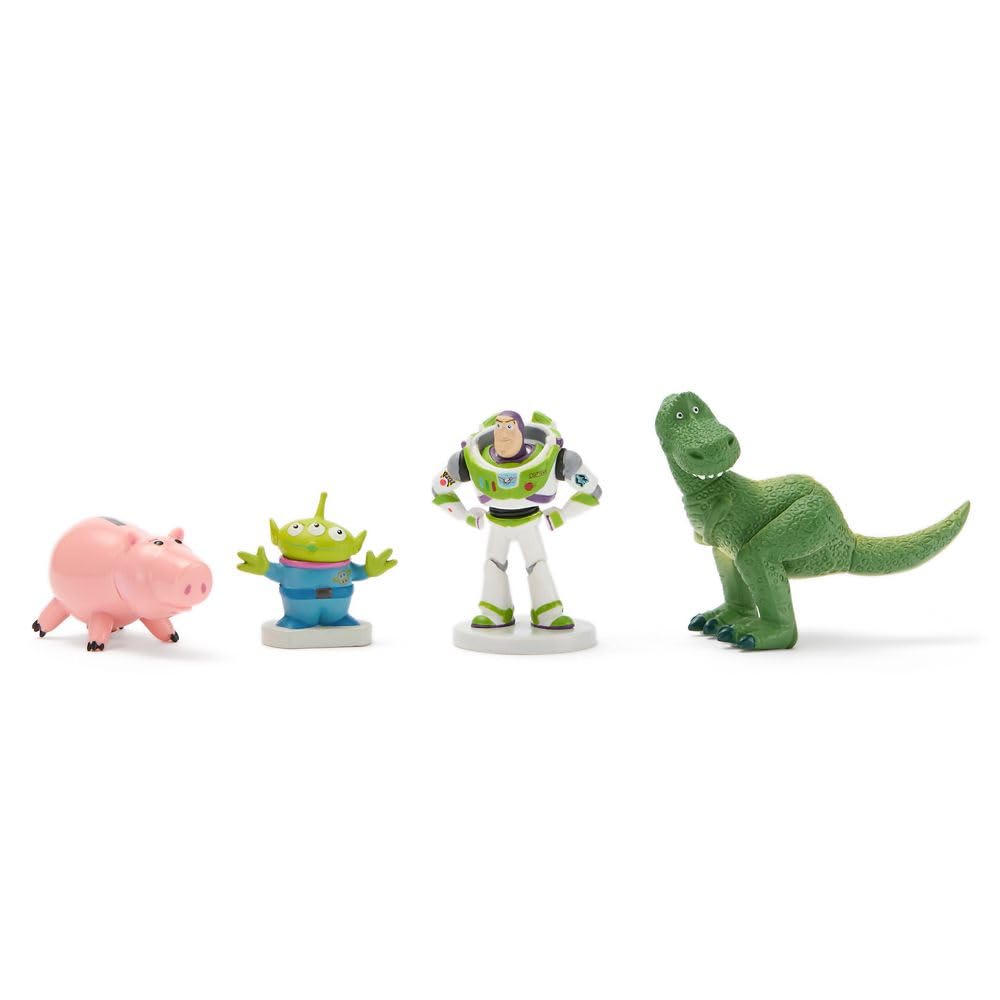
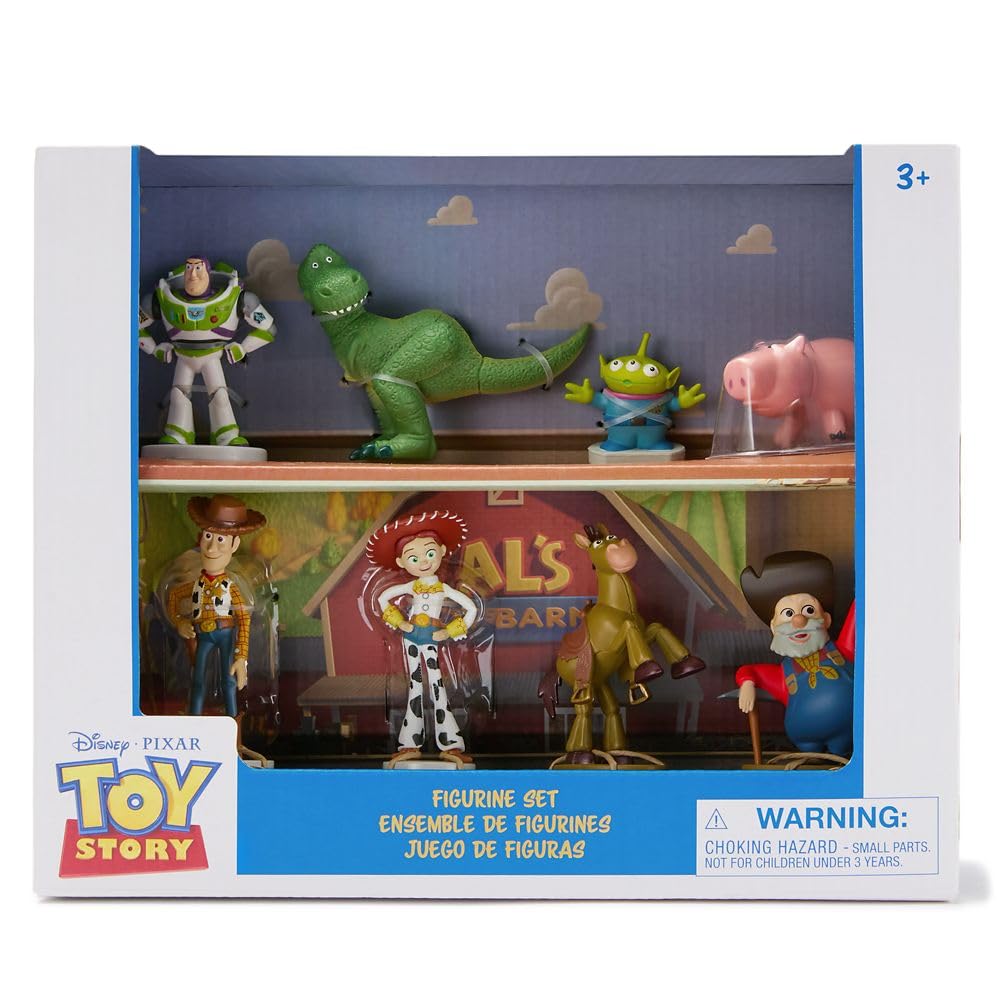
Disney Store Official Toy Story Figure Set - 8 Fully Sculpted Disney Figures Including Buzz Lightyear, Woody, Jessie & More in Double-Tiered Box with Scenic Backgrounds
- 8 Sculpted Figures: Bring the magic of Toy Story home with this set of eight Toy Story figures, including Sher
- Play & Display: Create your own fun adventures with these Toy Story figures set! Whether as Toy Story party de
- Versatile Mini Figures: Perfect for toy story party decorations or as a cake topper, these small figurines enh
The Disney Toy Story figure set gives children exactly this kind of open ended material: eight distinct characters with established relationships and a rich story world, but no batteries, no screen, no programmed responses. The play is entirely what the child makes it.
4. Using a Film Event Intentionally: The Toy Story 5 Approach
Here is the practical question most parents actually have: the film is out, my kids are desperate to see it, and I don't want to be the parent who says no to everything cultural. How do I handle this well?
The answer is that a single film is not the problem. The problem is the ecosystem that tends to grow around it: the YouTube reaction videos, the game apps, the streaming reruns. One intentional viewing of Toy Story 5 is a completely different thing from three weeks of Toy Story related screen content.
Think of the film as a match, not a campfire. It sparks something. What you do with that spark is the parenting decision.
The before strategy
Before the film, build anticipation through physical play. Pull out the Toy Story figures you have, or get some before the viewing. Read a Toy Story picture book together. Talk about the characters. Ask your child what they think might happen.
This primes the brain to engage with the film actively rather than passively, and it also means the film sits inside a richer context of physical interaction with the story world.
The after strategy
The forty eight hours after the film are when the real developmental opportunity lives. Children who have just experienced a narrative they care about are primed for elaborate dramatic play. They want to re-enact scenes, extend the story, put the characters in new situations.
This is where physical figures become genuinely valuable. The Woody, Buzz and Jessie figure pack gives children the core characters to work with, and because the figures are simple and open ended, the child's imagination does the rest.
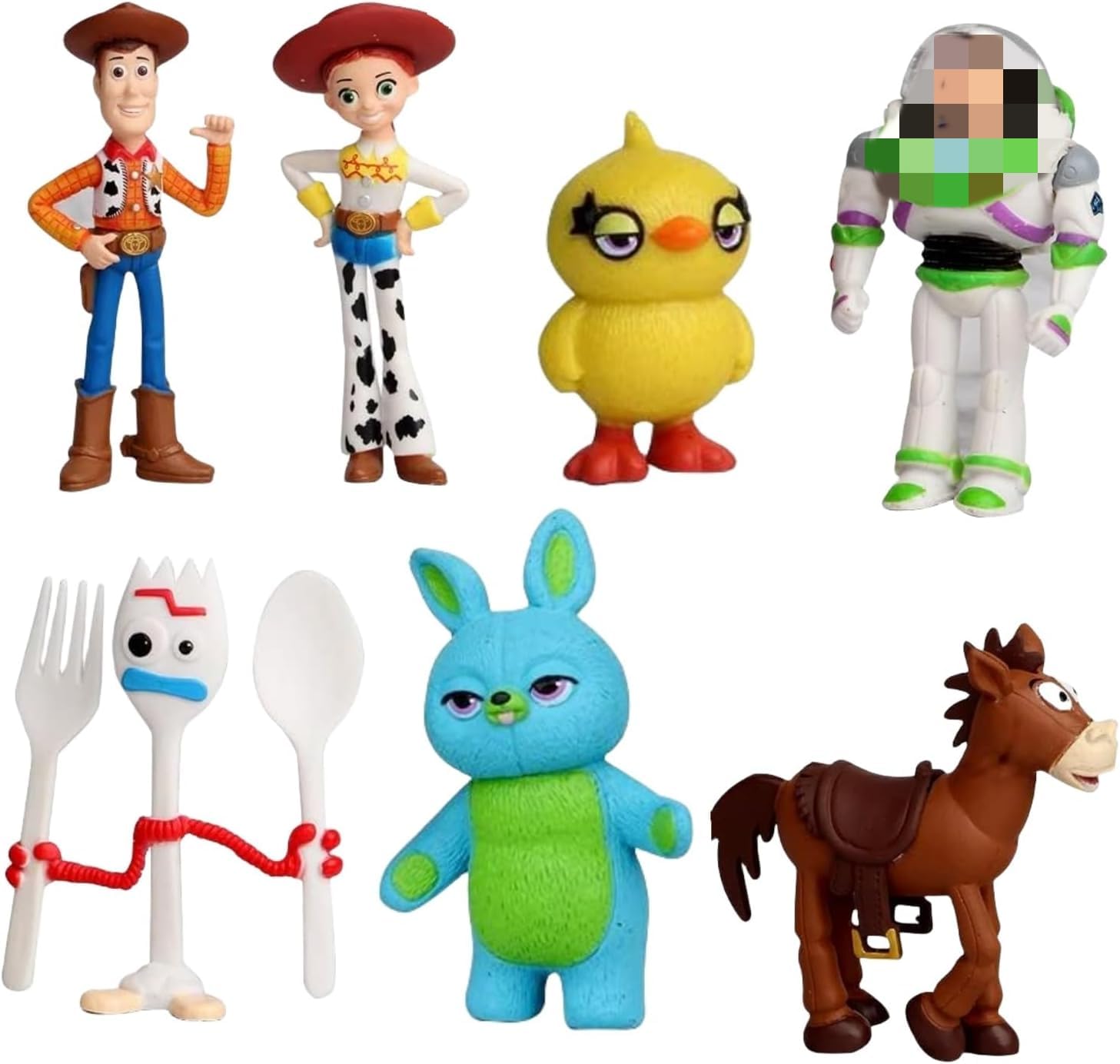
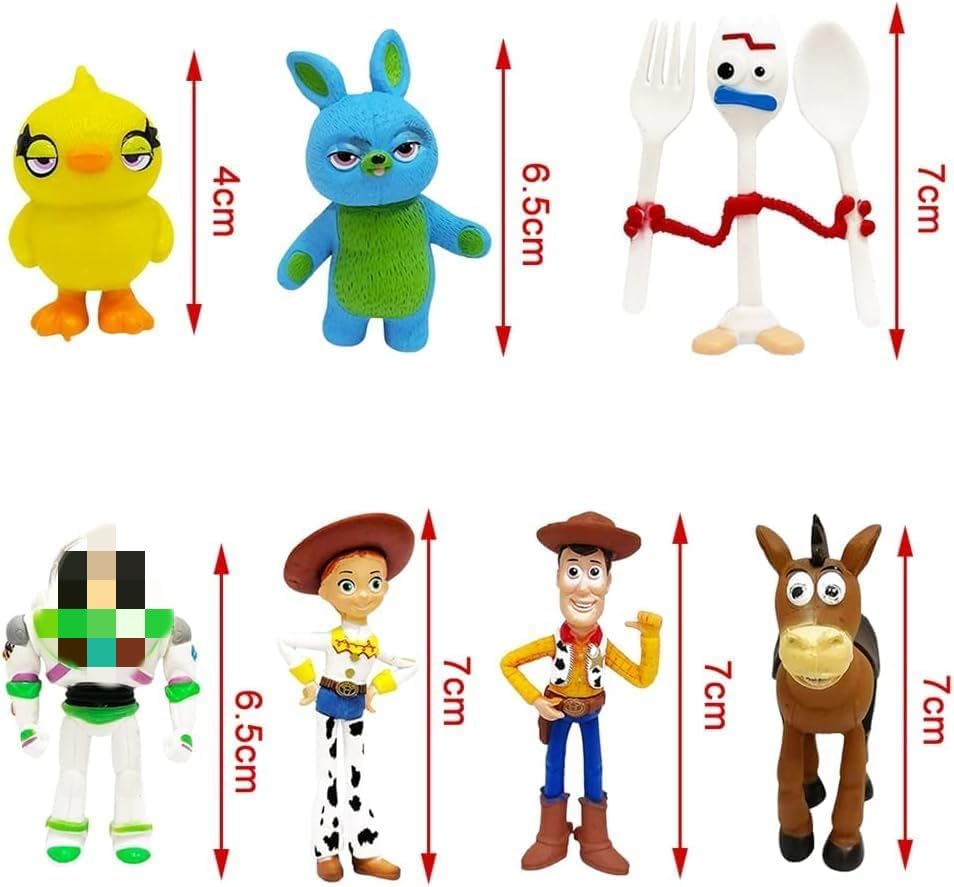
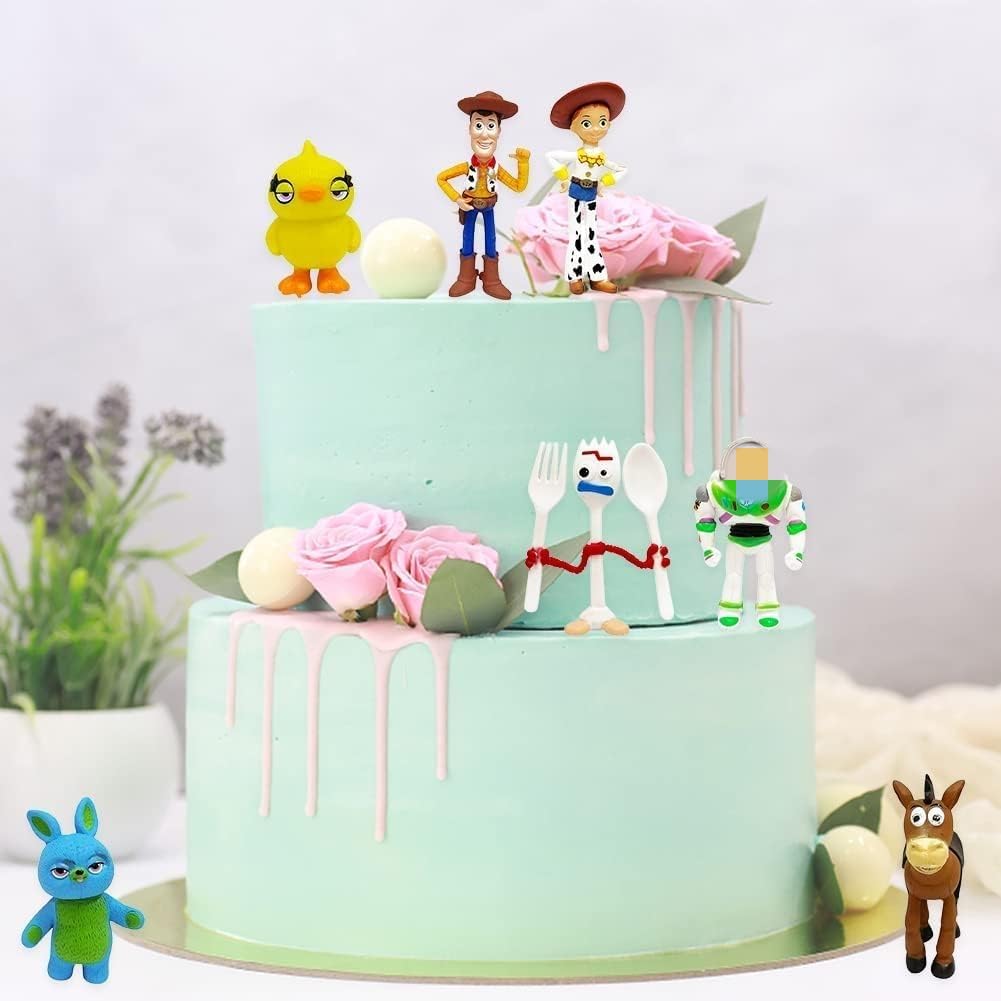
Action Figures Toys Set, 1.5-2.3 inches Tall Action Figures with Woody, Buzz and Jessie ,Toy Anime Figurines Characters (7 Pack)
- With this action figure set, Fans can engage in imaginative play, recreating the fun of their favorite scenes.
- Made of environmentally friendly non-toxic high-quality PVC, which provides strength and durability of the toy
- Recommended for toys Anime fans, perfect for cake decorating.
5. The Developmental Case for Toy Figures Specifically
Not all physical play is created equal, and it is worth being specific about why small character figures are particularly well suited to the kind of developmental work we have been discussing.
Research from the University of Dundee, published in Frontiers in Psychology in 2020, found that playing with small world figures (small figures in a scene or environment) produced the highest rates of elaborate narrative language in children ages 3 to 7, outperforming drawing, building blocks, and digital games. Children narrating play with figures used longer sentences, more complex grammar, more perspective taking language, and more emotional vocabulary than children engaged in any other play type studied.
Why small figures specifically
The quality of the figures matters in a different way than parents often assume. Highly detailed, realistic figures are not necessarily better for imaginative play. What matters is that the figures are recognisable enough to carry the child's emotional investment in the characters, but simple enough not to dictate the play. A figure that talks, moves, or lights up on its own can actually reduce the child's creative contribution.
The 36 pack mini figure set is an interesting option for this reason: the sheer number of figures encourages world building rather than just character re-enactment. Children start constructing towns, battles, journeys and their own entirely new stories rather than simply replaying the film.
For parents who want a mix of figurines at different price points, the Anilnel 17 piece cartoon figure set offers a broader character range that can populate an entire play world.
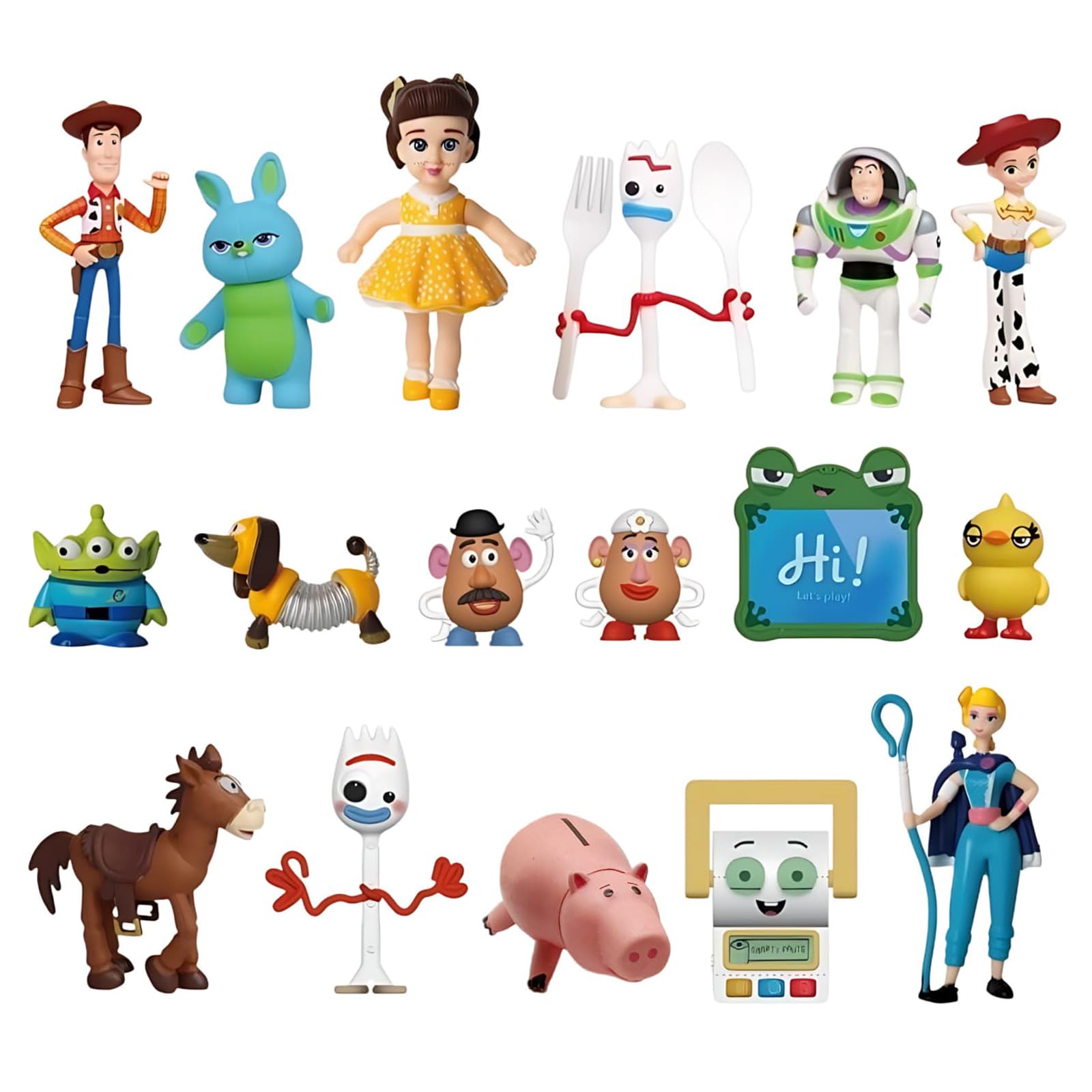
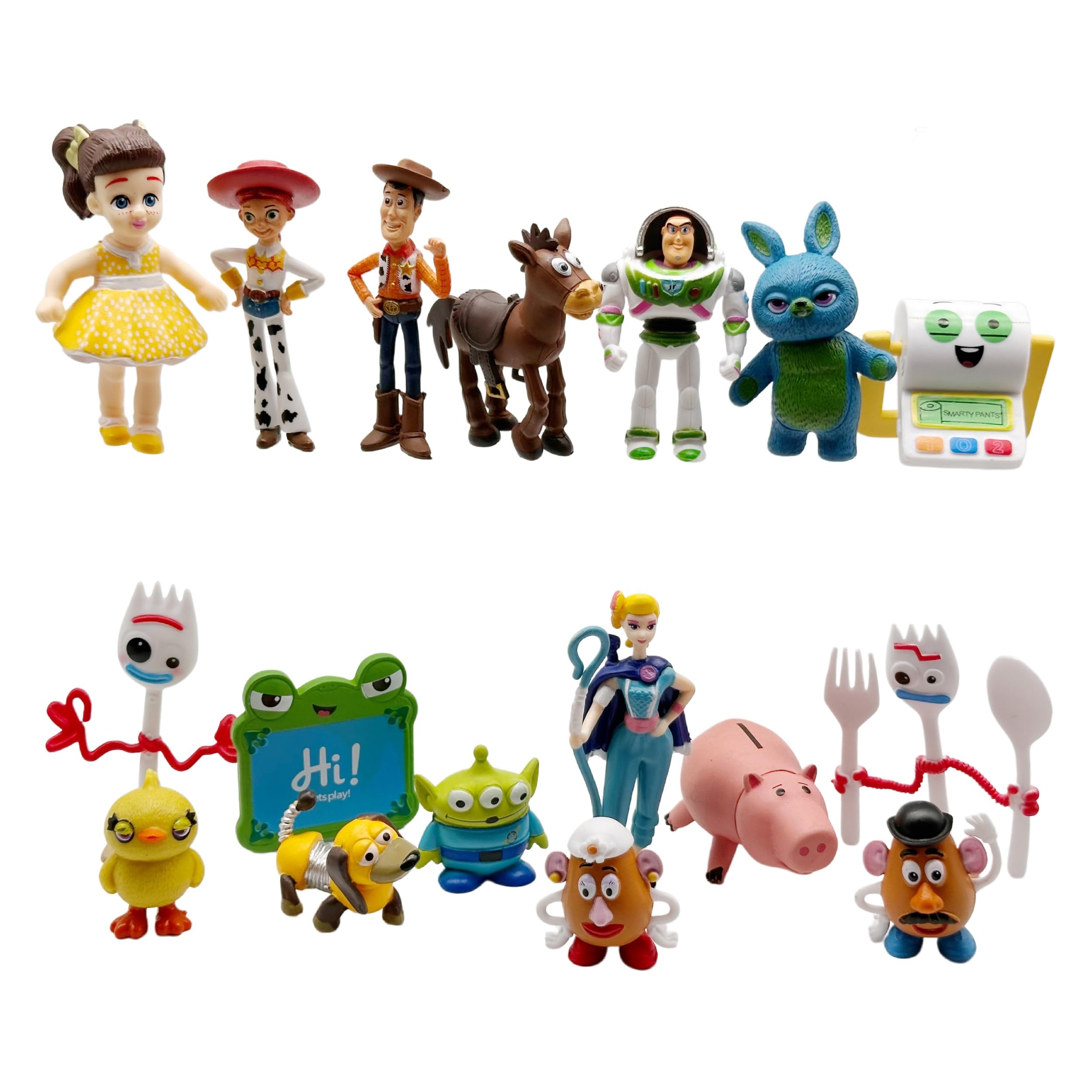
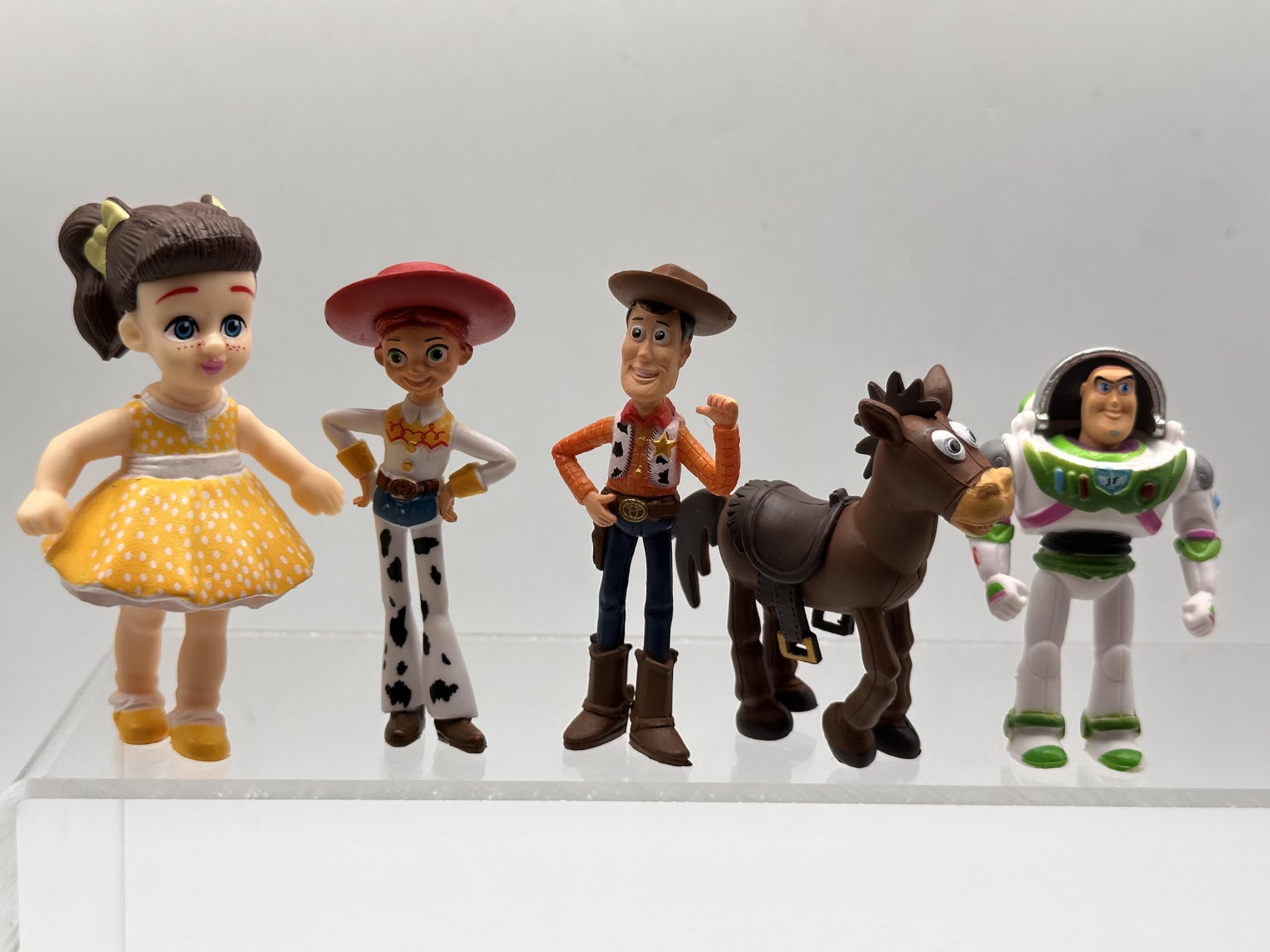
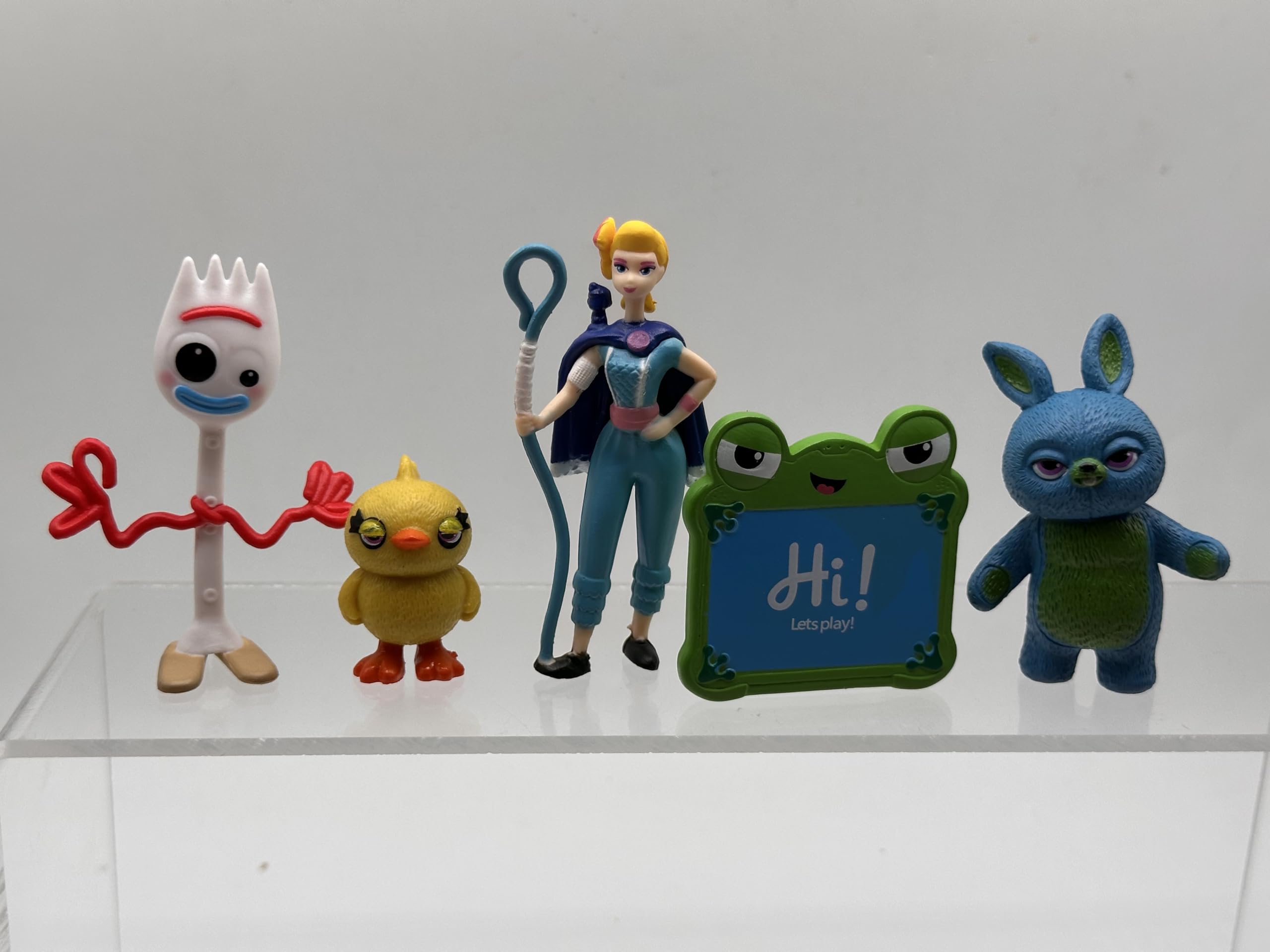
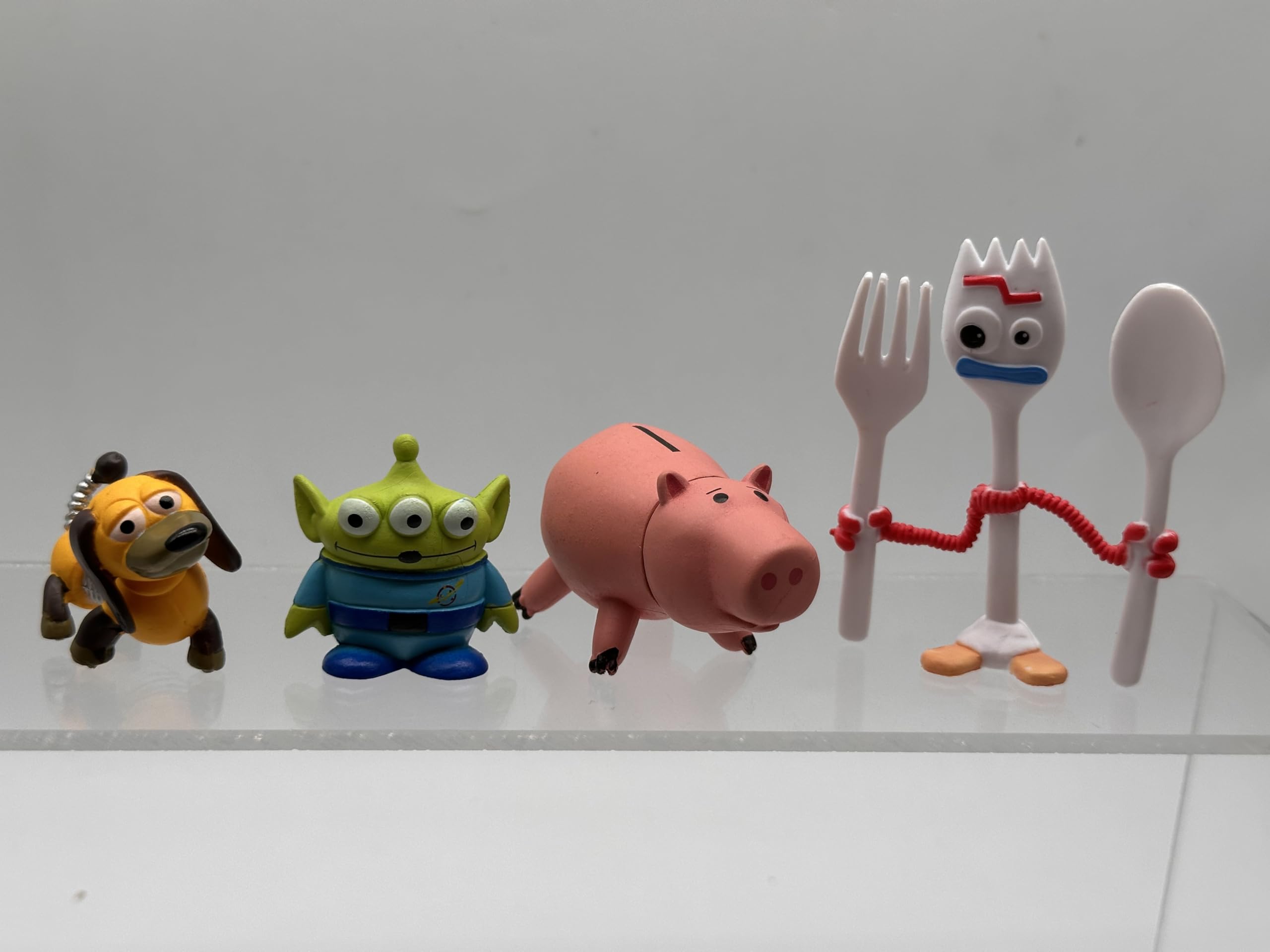
for Toy Theme Story 17Pcs Cartoon Figures Set, Cute Figurines Table Decorations Birthday Party Decorations Car Desktop Room Decor
- Premium Quality & Durability: Made of high-quality PVC plastic, these figures are sturdy, lightweight, and bui
- Versatile for Occasions: Perfect as for birthday parties, themed party favors, desk decor, or collectible disp
- Ideal Gift for Fans: This set makes a thoughtful birthday gift, holiday present
Understanding what coding and logical thinking mean for a young child's brain is useful context here: the same executive function skills that physical figure play develops (sequencing, cause and effect thinking, perspective taking) are the foundations of computational thinking. Play is never just play.
6. Keeping Your Low Screen Time Approach Sustainable as Kids Get Older
Here is the honest truth that most low screen time content glosses over: it gets harder as children get older, not easier. A toddler does not know what they are missing. A ten year old absolutely does, and they have friends, opinions, and a developing sense of social belonging to factor in.
Sustainability requires that your approach evolve with your child's developmental stage, rather than being a fixed rule that generates increasing conflict.
Ages 2 to 5: Set the foundation
This is the easiest phase for low screen time because children are naturally oriented toward physical play. The AAP recommends no screen time except video calls before age 18 months, and no more than one hour of high quality programming per day for ages 2 to 5.
The key word is programming. Not YouTube rabbit holes, not autoplay, not apps designed to maximise engagement time. Chosen, quality content watched together.
At this age, the Disney character mini figure set can anchor hours of daily play. The compact size means figures travel everywhere and become part of a child's ongoing imaginative world rather than a special occasion toy.
Ages 6 to 9: Negotiate, don't dictate
School age children are developing a strong sense of fairness and autonomy. A rigid no screen rule often backfires at this age, generating the forbidden fruit effect that makes screen content more desirable, not less.
A more sustainable approach is a clear, consistent structure: screens happen at specific times, in specific places, for specific durations. Outside those windows, the default is physical play, outdoor time, reading, or creative activity. This is not permissive; it is strategic.
Understanding what to expect at each developmental stage helps you calibrate your expectations realistically, because a seven year old and a five year old need different frameworks even within the same household.
Ages 10 to 12: Teach media literacy, not just limits
By age 10, most children are encountering content on devices at school, at friends' houses, and increasingly on their own devices. The conversation shifts from "how much screen time" to "what are you watching, why are you watching it, and how do you feel afterward?"
This is where you build the habits that will serve them through adolescence. Questions like "Did that make you feel good or bad about yourself?" and "What do you think that app was trying to get you to do?" are more useful than timer apps at this stage.
If you are looking for practical tools to support consistent limits during the school age years, screen time management tools that parents actually use can supplement the conversations you are having at home.
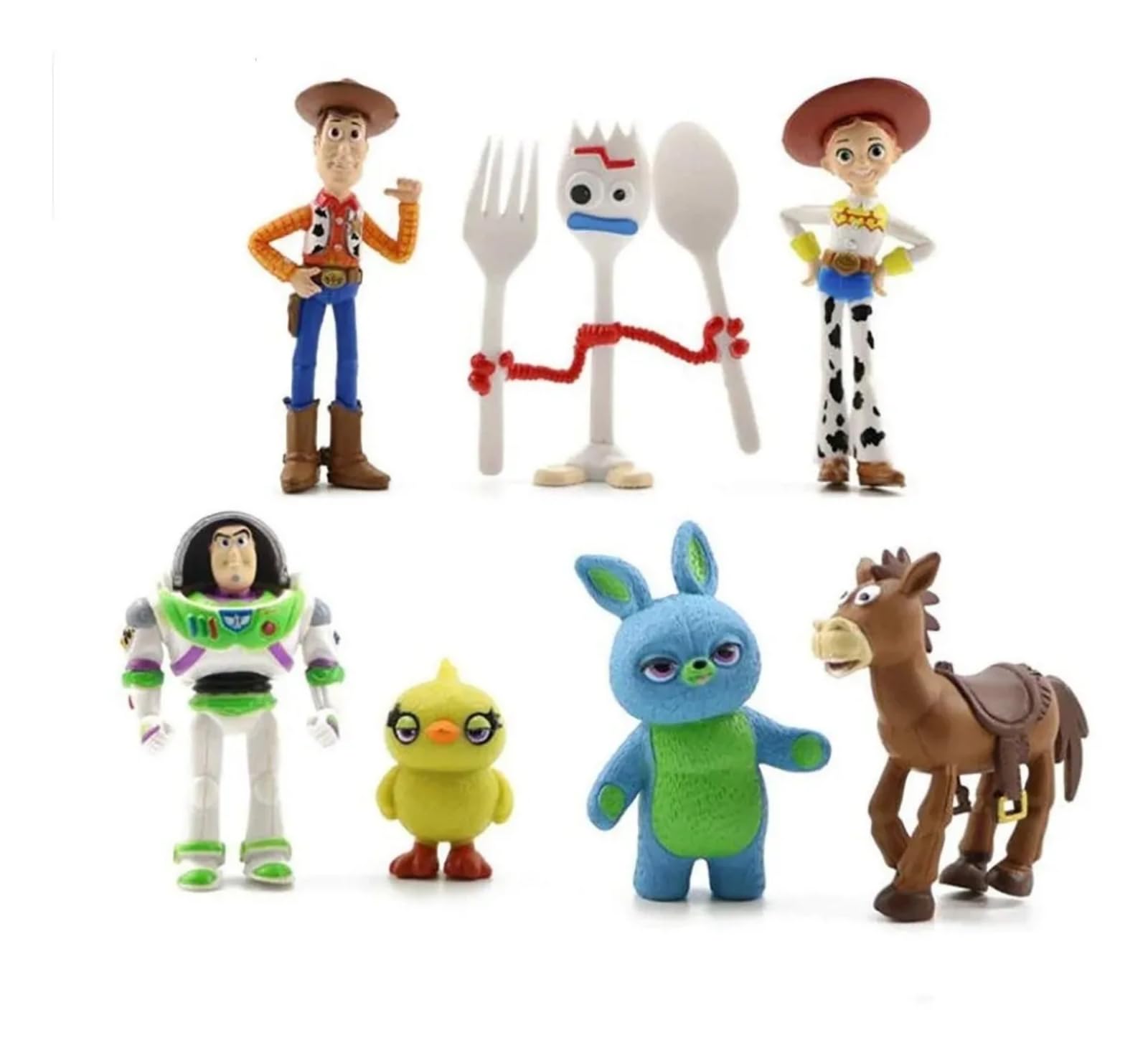
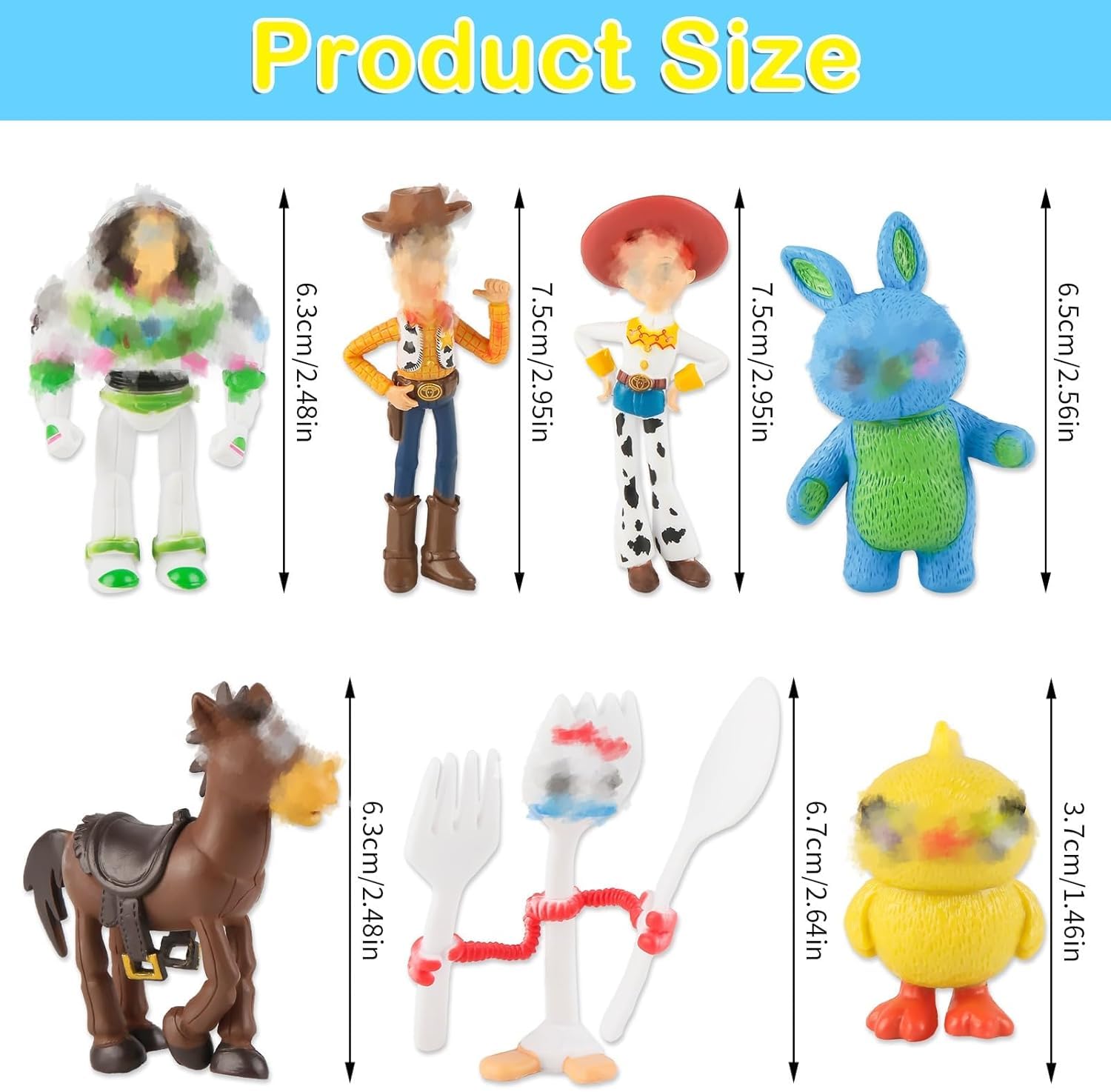
nine-tailed fox Animal Action Figurines,1.5-2.3 inches Mini Home Party Cake Desktop Decoration Toy Set (Pack of 7)
- COLLECTIBLE SET: Detailed mini action figures featuring beloved Disney characters, perfect for display and pla
- VERSATILE USE: Ideal for cake decorations, party favors, desktop displays, and collector showcases with their
- CHARACTER VARIETY: Set includes iconic figures from Toy Story and other Disney properties, each with unique po
| Play Type | Best Age Range | Developmental Benefits | Screen Involvement | Recommended Product | Price Range |
|---|---|---|---|---|---|
| Pull string talking figure | Ages 3 to 7 | Language, character attachment, verbal interaction | None | Disney Talking Woody Figure | Check retailer |
| Multi character figure set (8 pack) | Ages 3 to 8 | Narrative play, social dynamics, world building | None | Disney 8 Figure Set | $29.99 |
| Large figure set (17 piece) | Ages 4 to 9 | Extended world building, group play, creative elaboration | None | Anilnel 17 Piece Set | $39.99 |
| Small pack figures (7 piece) | Ages 3 to 8 | Portable play, focused narrative, imagination building | None | Hannahcos 7 Pack Figures | $16.99 |
| Bulk mini figures (36 pack) | Ages 5 to 10 | Scene construction, complex storytelling, group play | None | USHJNV 36 Pack Mini Set | Check retailer |
| Mixed Disney mini set (7 piece) | Ages 3 to 8 | Character variety, display and play, collectible engagement | None | Nine Tailed Fox Mini Set | $16.99 |
Expert Insights
Conclusion
Every parent who has watched their child lose themselves completely in play with a few simple figures knows something true that the research keeps confirming: the imagination, given space and materials, does extraordinary things. Toy Story 5 will arrive with all its cultural weight, and your children will love it. That is not a problem. It is an opportunity.
The parents who navigate this best are not the ones who say no to everything. They are the ones who say yes to the film, and then yes even harder to the play that follows it. They leave the figures out on the floor. They ask what Buzz is thinking. They sit down for ten minutes and then quietly get out of the way.
The screen sparked something. Now let the play do the work.
If this resonated, save it for the next time you second guess your approach, and share it with a parent who might need the reminder that swimming upstream is almost always worth it.
Sources & References
- Common Sense Media. "The Common Sense Census: Media Use by Tweens and Teens." 2021. commonsensemedia.org
- Madigan, S., Browne, D., Racine, N., Mori, C., & Tough, S. "Association Between Screen Time and Children's Performance on a Developmental Screening Test." JAMA Pediatrics, 173(3), 244–250. 2019.
- American Academy of Pediatrics. "Media and Children Communication Toolkit." 2016 (updated 2020). healthychildren.org
- Poitras, V.J., Gray, C.E., Borghese, M.M. et al. "Systematic review of the relationships between objectively measured physical activity and health indicators in school-aged children and youth." Applied Physiology, Nutrition, and Metabolism. 2016.
- Madigan, S. et al. "24-Hour Movement Guidelines and Cognitive Development in Preschool Age Children." PLOS ONE. 2019.
- National Institute on Drug Abuse / ABCD Study. Adolescent Brain Cognitive Development Study findings on screen time and cortical development. 2019. abcdstudy.org
- Fisher, E.P. "The Impact of Play on Development: A Meta-Analysis." Play and Culture. 2011.
- Marsh, J., Plowman, L., Yamada-Rice, D. et al. "Exploring Play and Creativity in Pre-Schoolers' Use of Apps." Technology, Pedagogy and Education. University of Dundee / University of Sheffield. 2015.
- Vygotsky, L.S. "Play and Its Role in the Mental Development of the Child." Soviet Psychology. 1967.
- Deci, E.L., & Ryan, R.M. "Self-Determination Theory." Handbook of Theories of Social Psychology. 2012.
- Brown, S. "Play: How It Shapes the Brain, Opens the Imagination, and Invigorates the Soul." Avery / National Institute for Play. 2009.
- Radesky, J., Schumacher, J., & Zuckerman, B. "Mobile and Interactive Media Use by Young Children: The Good, the Bad, and the Unknown." Pediatrics. 2015.
Frequently Asked Questions
How much screen time is actually okay for my child?
Is watching Toy Story 5 going to set my low screen time approach back?
My child seems addicted to screens. Is this a real thing?
What should I do when my child says they're bored without screens?
At what age should I introduce educational screen time?
How do I handle screen time when my child visits friends who have no limits?
Do Toy Story figures actually help with development or is that just parenting rationalisation?
Was this helpful?
Thanks — your feedback helps us pick what to write next.