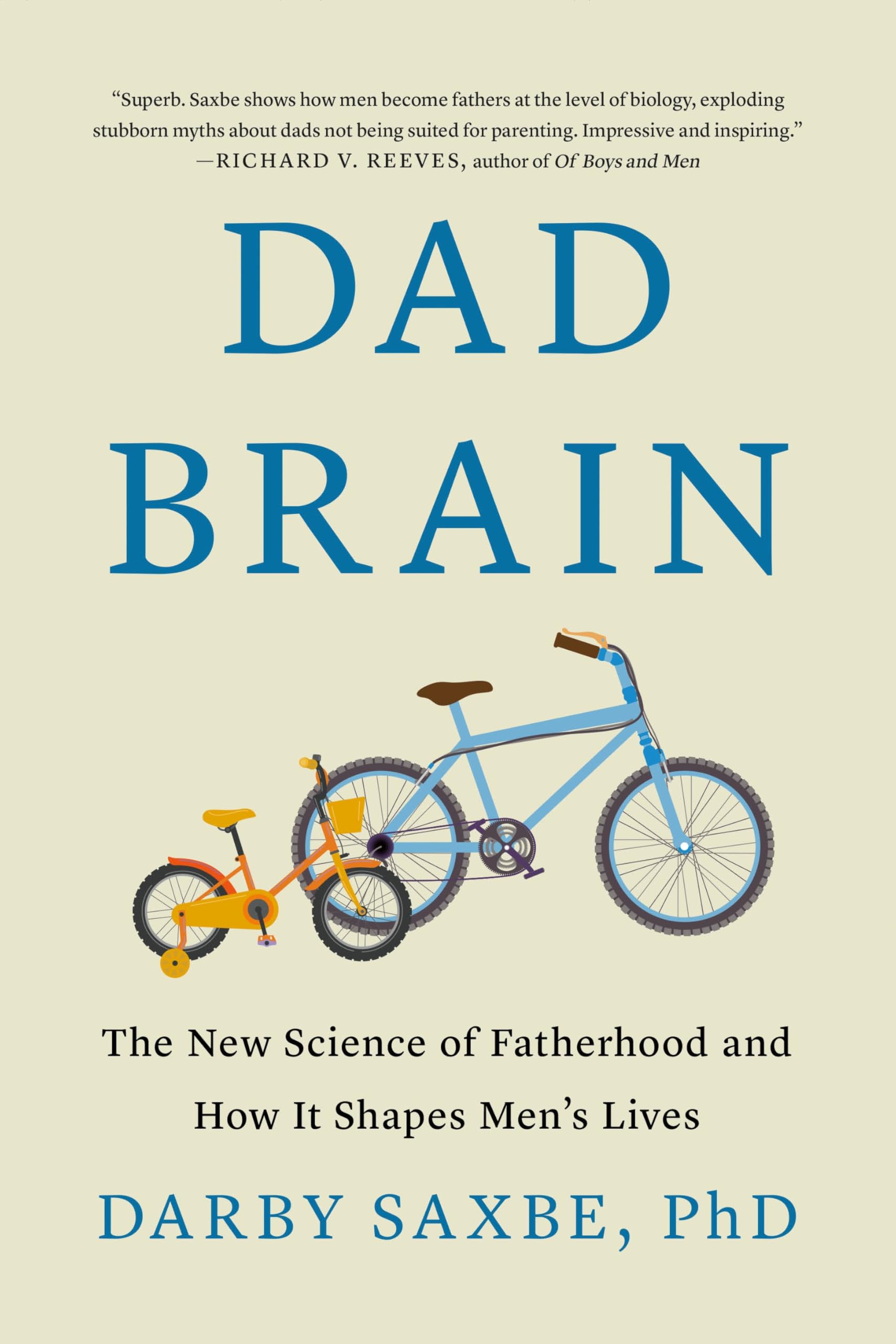
Dad Friends Matter: Why Fathers Need Parenting Friends Too
TL;DR: Quick summaryYes. Dads need parent friends too, and often have fewer of them than moms do. Research links a small social network and little support with more depressive symptoms in fathers, and fathers often feel less supported than mothers. A few regular, low pressure con
In this article
TL;DR: Quick summary
Yes. Dads need parent friends too, and often have fewer of them than moms do. Research links a small social network and little support with more depressive symptoms in fathers, and fathers often feel less supported than mothers. A few regular, low pressure connections with other dads can ease stress, share know how, and protect your mental health.
What you'll get
About 22 minutes to read. Short on time? Read the bold lines and the Key Takeaways near the end.
Picture a dad standing at the edge of a playground on a Saturday morning. He knows every mom by first name because his partner has introduced him. He has not had a real conversation with another father in months.
He is tired, he is doing his best, and he has a question about bedtime that he feels silly asking anyone. So he scrolls his phone, says nothing, and goes home.
If that sounds familiar, this guide is for you. It is written for fathers, but also for the partners, grandparents and friends who want to help a dad in their life find his people.
You will learn why fatherhood can feel so lonely, what the research says about support, and how to build friendships even when your calendar looks impossible. You will also get scripts you can use this week, plus a way to tell when you need more than a friend.
Do dads really need parent friends as much as moms?
Yes. Fathers carry the same sleep loss, worry and juggling as mothers, but they often have smaller, less supportive social networks. Research links limited support and a small network with more depressive symptoms in fathers. Support from friends is linked to fathers' mental health, not just a luxury.
What the research shows
A study of fathers' depressive symptoms and parenting stress called for social support from family, friends and partners to improve both. Another study of new and experienced fathers found that perceived social support was negatively related to depression symptoms. In plain terms, the more supported a dad feels, the lower his depression symptoms tend to be.
The numbers on how common this is can surprise people. Meta analyses (large reviews that pool many studies) estimate that around 5 to 10% of new fathers experience perinatal depression and 5 to 15% experience anxiety. Perinatal simply means the time around pregnancy and the baby's first year.
Dads are not immune to the hard parts of early parenthood. They may just have fewer people to talk to about them.
Why "perceived" support matters
Notice the word perceived. It means how supported you feel, not just how many people live nearby. A dad can be surrounded by family and still feel completely alone with his worries.
That is why a friend who is in the same stage of life can matter so much. You do not need a crowd. You need a few people who understand what a 3 a.m. feeding or a school drop off meltdown actually feels like.
Here is a simple example. Picture a first time dad whose partner is breastfeeding and who feels useless at night. He tells his old college friends, who are kind but childless, and gets "Wow, rough, good luck." A week later he tells another new dad at a baby class and hears "Same here. What helped me was taking over the burp and nappy shift so I felt part of it."
Same worry, very different effect.
Common mistakes
The research actually speaks directly to the first of these. One study supports fathers seeking social support proactively, not just when challenges become unbearable.
What do dad friends actually give you?
Dad friends give you three things: emotional relief from being understood, practical know how from someone a few steps ahead, and a model of healthy friendship for your kids. None of these needs deep, long conversations. Small, regular contact does most of the work.
Emotional relief
Fathers in a community program in Australia described meeting other fathers as a real advantage, and it helped them feel less lonely about their situation. In a study in Tanzania, fathers turned to friends for practical, emotional and even financial support.
Different countries, same pattern. A friend who "gets it" lowers the weight you carry.
Practical know how
Parenting does not come with an instruction manual. A friendly parent has often faced your problem before, whether it is getting a newborn to sleep, handling a toddler tantrum or dealing with a bully.
Dad friends can tell you which approach to bedtime worked, which school teacher is great with shy kids, or whether that tantrum is a phase. You still make your own decisions, but you stop starting from zero.
For daily encouragement between catch ups, some dads like a book they can dip into. The Daily Dad offers short daily reflections on parenting and love, which can give you something to chat about with a friend.


The Daily Dad: 366 Meditations on Parenting, Love, and Raising Great Kids
- Relationships
- Interpersonal Relations
- Image Unavailable Image not available forColor
Why fellow parents matter most
Fathers in one study said their friends and extended family helped, some practically and some emotionally, but they also described friends being unable to relate because of a lack of shared experience. This is the gap that parent friends fill.
Your single friends can still be wonderful. They just cannot tell you what it feels like to be handed a screaming baby at the end of a work day.
Modeling for your kids
Children learn by watching the adults around them. When your child sees you laugh with a friend, ask for help, or cancel plans because a friend needs you, they pick up that relationships are safe and worth the effort.
Boys in particular often hear that men should be stoic. Seeing a dad who is warm with other men quietly rewrites that message. You do not have to give a speech about it.
What good dad friendship sounds like
What it does not have to be
Why is it so hard for dads to make friends?
It is hard because men often have smaller networks, cultural messages tell them to be self reliant, and work and family leave little free time. Add awkwardness about who should make the first move, and many dads simply drift into isolation without ever deciding to.
The network gap
Compared to women, men often have smaller, less supportive social networks, and fathers may feel less social support and more isolation than mothers. That is not a flaw in men. It is a pattern shaped by habits and expectations.
Many mothers get built in meeting points: antenatal classes, baby groups, school gate chats, group messages. Fathers often hear about these second hand, if at all.
The stereotype trap
Old ideas still push men toward being stoic providers who handle things alone. That can stop a dad from asking for the very help that would make life easier.
Here is the good news. Men are more likely to adopt norms modelled by other men, so one dad who admits he is struggling can quietly give others permission to do the same.
Time and logistics
Be honest about the practical side too. Work hours, commutes, bedtime routines and weekend sport can swallow every spare hour. If you are a stay at home dad, you may have lots of daytime but few other dads around. The rise of stay at home dads means more fathers are in that spot, but the groups have not always caught up.
A sample scenario
Imagine a dad who works long days and thinks, "I'll make friends when things calm down." Things never calm down. Two years pass, and he realizes his only adult conversations are with his boss and his partner.
That is not a character flaw. It is what happens when friendship depends on spare time that does not exist.
Common thoughts that keep dads stuck
Better thoughts to try
If you want a light hearted read on the tired, chaotic side of fatherhood, Dad Is Tired (but he laughs anyway) is aimed at dads navigating exhaustion and everyday family life. Humor is often the first thing dads share with each other.
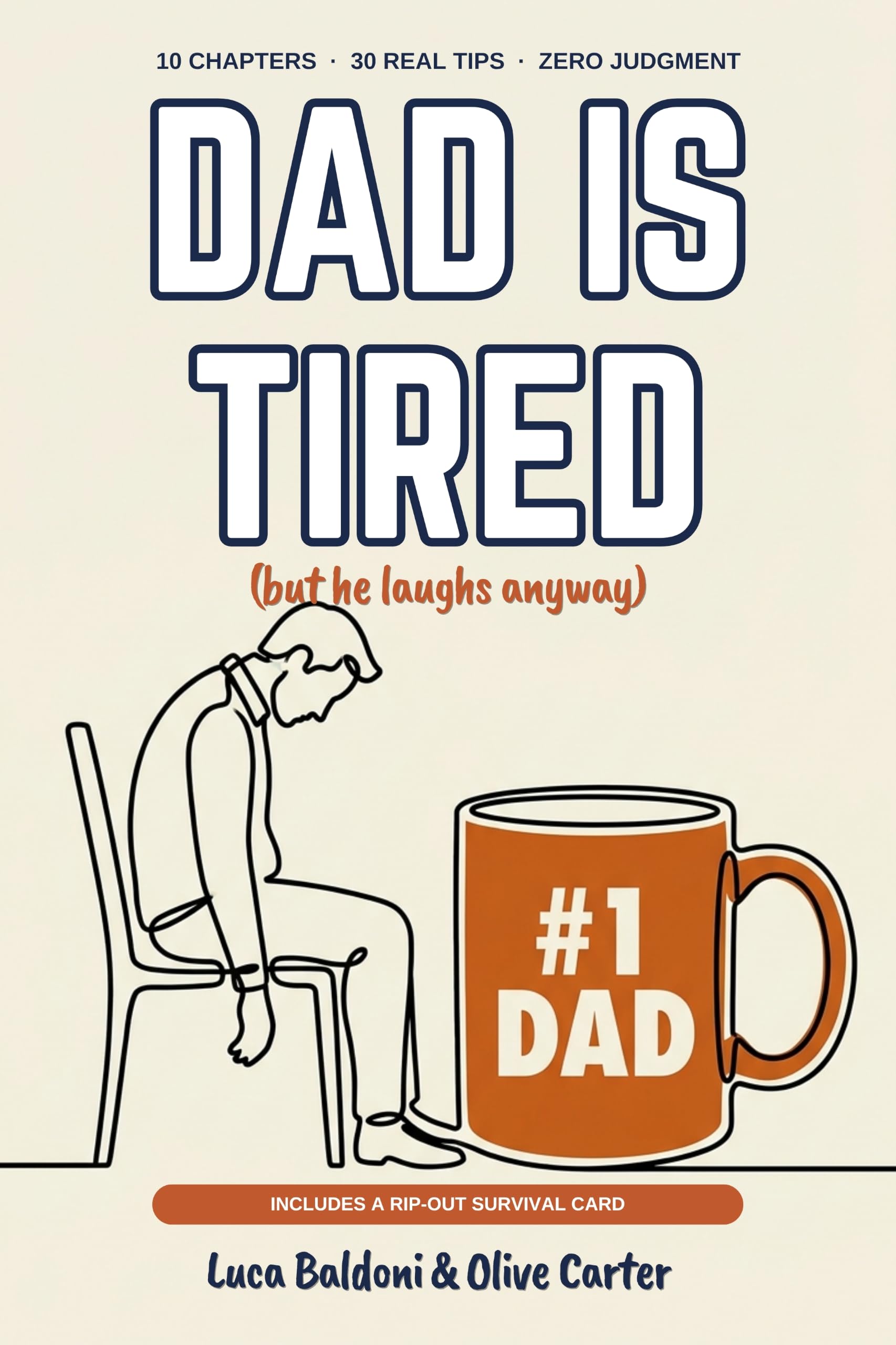
Dad Is Tired (but he laughs anyway): Real-Life Parenting Support for Dads Navigating Exhaustion, Chaos, and Everyday Family Life (Everyday Parenting)
- Kindle Store
- Kindle eBooks
- Humor & Entertainment
How do you build dad friendships step by step?
Start small and be consistent. Pick one setting where you already see other parents, say one friendly thing, then follow up with a low pressure invitation. Regular, short contact beats big plans that never happen. A few friendships that last are worth more than a wide network.
Step by step
- Pick your setting. Choose a place you already go: school pickup, a sports sideline, a baby class, a playground.
- Say something real. Skip small talk about the weather. Try "How are you getting any sleep with a newborn?" or "Is your kid also obsessed with dinosaurs?"
- Use the kids as a bridge. "Our kids seem to get along. Want to grab a coffee while they play on Saturday?"
- Follow up within a week. A quick text like "Good to meet you. Park again next weekend?" turns a nice chat into a connection.
- Make it repeat. Same place, same time, every week or two. Routine does what willpower cannot.
Where to look
Parenting groups are one of the easiest ways to meet other dads. Many communities have dad specific groups, playground meetups or organised outings, and local social media groups and community center boards list events. Your current circles also count: work, neighborhood and school friends may be hoping for the same thing.
For fathers in the early baby months, a recommendations paper for nurse practitioners on postpartum mental health advised creating opportunities for fathers to connect with fathers of older babies and toddlers, especially for those lacking male connections. If your local clinic or hospital runs a dads session, go. It is built for exactly this.
A project aimed at widening community support for new fathers found that fathers who were not white were more likely to turn to friends or family, but were interested in group support or mentoring more than instruction style resources. The lesson is that many dads prefer people over pamphlets. Look for a group or a mentor, not only a website.
Keeping it going on a busy week
Short contact counts. Guidance for dads from a county family service says that keeping in contact with short phone calls and text conversations will help you feel grounded in everyday life.
Here are some low effort ways to keep a friendship alive:
Scripts for awkward moments
Starting: "I'm trying to meet more parents in the area. Would you be up for a coffee?"
Going deeper: "Honestly, the last few weeks have been rough. How are you finding it?"
After a missed plan: "No worries at all, life with kids. Let's try next week."
Asking for help: "I'm stuck with bedtime battles. What worked for you?"
Common mistakes
If you are not sure where to begin with the parenting side of things, a practical read like Powerful Dads can give you something to discuss at your next coffee. Treat it as a conversation starter, not a rulebook.
Your partner is part of your support network too, and friendships work best when you both protect time for them. Our guide to relationship tips for married couples and parents shows how to make room for each other and for outside friends.
What does dad friendship look like at each age?
Your needs change as your child grows. Newborn dads need empathy and sleep survival tips, toddler dads need laughs and tantrum tactics, school age dads need community and logistics, and teen dads need steady, nonjudgmental peers. Here is a quick map so you can find your stage.
Newborn and baby stage
At this stage you are tired, possibly anxious, and unsure of your role. You may feel pushed aside by a bond that seems to center on your partner and the baby.
Look for other new dads, either from antenatal classes or a baby group, or ask about a dads session at your clinic. If you can find a father of an older baby or toddler, even better, as recommended for fathers lacking male connections.
What to talk about: sleep survival, sharing night shifts, feeling useful, and the fears nobody mentions. Say it plainly: "Does anyone else feel like they don't know what they're doing?"
Toddler and preschool years
This is the stage of tantrums, boundary testing and endless energy. Dad friends can swap stories, share what works, and remind each other that this stage passes.
Meeting at the playground or a messy play session is easy and low pressure. You do not have to schedule a talk. You just stand near each other and chat.
Early school years
School and activities give you a natural stream of other parents. Sideline conversations at soccer, swimming or music can grow into real friendships if you add one follow up.
At this age, friendships between dads often form around kids' friendships. Be thoughtful: if your children stop playing together, keep the dad friendship alive on its own. Fathers can also help each other with tantrums, sleep and bullying questions, because there is often a friendly parent who has already faced the issue.
If you are raising sons, many dads find it useful to read and talk about their approach to raising boys. The Intentional Father is a faith based guide on raising sons of courage and character, which some dads like to discuss in a small group.
Preteens and teens
Teens push back, keep secrets and test limits, and parents often feel unsure how much to step in. Dad friends become sounding boards: "Is this normal? What would you do?"
Parents of teens are often juggling work, aging parents and a changing marriage. A trusted friend who is a few years ahead can offer perspective that no article can.
When you need to have a tough conversation with an older child, you can find help in big conversations without meltdowns. Talking it through with another dad first can help you stay calm.
Quick age map
Mistakes at every age
When is a friend enough, and when do you need more help?
Friends are great for support, but they are not a treatment. If low mood, anger, anxiety or sleeplessness last more than a couple of weeks, speak to your doctor or health visitor. Friends make it easier to take that step, and good ones will push you to.
Signs worth taking seriously
The NHS notes that if feelings of being sad, moody, angry or unable to sleep or concentrate persist for more than a couple of weeks, it could be a sign of depression. In dads, low mood can show up as feeling moody, angry or unable to sleep or concentrate, which is why it can be missed.
If you ever have thoughts of harming yourself, treat it as an emergency. Contact your local emergency number or crisis line straight away, or tell someone near you right now.
What friends can do
A good friend can listen without fixing, check in regularly, and gently say, "I'm worried about you. Would you talk to your doctor?" The NHS encourages dads to reach out to people who can support them, like family and friends, and not to be afraid to ask for help.
Researchers encourage fathers to seek support from friends, family and partners, to benefit their mental health and the family unit.
This study supports the need for fathers to seek social support proactively, not just when challenges become unbearable.
NIH (National Library of Medicine)
Peer support is also being studied
A registered trial is looking at telephone peer support from an experienced father to a new father with depressive symptoms, compared with standard care. It shows that researchers are testing whether an experienced dad on the other end of the phone can help as part of care, not just as a nice extra.
How to tell a friend you are struggling
Many dads freeze here. Try one of these:
Gentle opener: "Can I tell you something? I haven't been feeling like myself lately."
Direct ask: "I think I need to talk to someone about how I'm feeling. Will you check in on me this week?"
For the helper: "You don't seem like yourself. I'm here, no judgment. Want help booking a doctor's visit?"
If you are the partner
If you are a mother, grandparent or friend reading this for a dad you love, watch for withdrawal, short temper or constant tiredness. Say what you see kindly and without blame: "You've been quiet for a while and I miss you."
Dads can also get postpartum depression, and support from family and friends can help them recover. Our postpartum depression recovery guide covers how to heal through parenting and where to find help.
If loss or grief is part of your story
Some dads need friends who can sit with hard things like the death of a loved one. A book such as Tuesday Mornings with the Dads, listed under death, grief and bereavement, may help you think about the role men's friendships play in hard seasons. It is not a substitute for professional care if grief feels overwhelming.
Mistakes to avoid
Which route to dad friends fits you best?
Different routes suit different dads. Use this table to match your situation to a starting point. The recommended reads are optional extras that can give you something to talk about, not replacements for real people.
| Option | Best Age Range | Primary Benefits | Main Drawbacks | Recommended Product | Price Range |
|---|---|---|---|---|---|
| Local dad group or playground meetup | From the newborn months onward | Meets other dads quickly and feels less lonely | Needs a group to exist near you | Dad to Dad: Parenting Like a Pro | $16.49 |
| Sideline and school parents | Toddler years to teens | Built in, regular contact with no extra planning | Friendships can fade if kids drift apart | Powerful Dads | Price not listed |
| Existing friends who are dads | Any age | Already trusted, quick to start | Few may be at your stage | The Daily Dad | $18.62 |
| Group chat or phone buddy | From the newborn months onward | Fits any schedule, fast tips | Can stay shallow if never in person | Dad Is Tired | Price not listed |
| Formal peer support or mentoring | Around birth and early years | Structure, trained facilitators, experienced fathers | May need a referral and has limited local availability | The Intentional Father | $11.21 |
| Small trusted circle for hard seasons | Any age | Deep support in loss or stress | Takes time to build trust | Tuesday Mornings with the Dads | $10.99 |
Fathers lacking male connections are a group that experts highlight for peer support, and some fathers, such as non-White fathers in one study, prefer groups or mentoring over instruction style resources.
Frequently asked questions
Key takeaways
Key Takeaways
- Dads benefit from parent friends too, because fathers often have smaller, less supportive networks than mothers, and limited support is linked with more depressive symptoms.
- Dad friends can offer emotional relief and practical know-how, since fathers often turn to friends for practical, emotional and even financial support.
- Fellow parents matter because friends without children often cannot relate to your day to day reality.
- Start small: one setting, one real question, one follow up text, then repeat. Short calls and texts count.
- Your needs change from newborn to teen, so look for friends one stage ahead of you as well as beside you.
- Reach out before things feel unbearable, and see a doctor if low mood or sleeplessness lasts more than a couple of weeks.
- Friends support you, but they do not replace professional care when you are struggling.
Conclusion
Fatherhood was never meant to be done alone. Behind every steady dad is usually a handful of people who listen, laugh with him and tell him he is doing fine.
You do not need a big circle. You need one or two dads who understand, and the courage to send the first message.
Strong dads are not the ones who need no one; they are the ones who know who to call.
If this helped, save it for the next tough week, share it with a dad you care about, and subscribe for more practical guides for the whole family. For a wider set of ideas, our parenting tips for happy, confident and grounded kids is a good next stop.
Sources & References
- NIH (National Library of Medicine). "The Impact of Social Support: Fathers' Depressive Symptoms and Parenting Stress."
- NIH (National Library of Medicine). "Fathers' mental health and coping strategies: a qualitative study in Mwanza, Tanzania."
- NIH (National Library of Medicine). "Antenatal Dads and First Year Families program: a qualitative study of fathers' and program facilitators' experiences of a community based program in Australia."
- NIH (National Library of Medicine). "Fathers' help seeking behavior and attitudes during their transition to parenthood."
- NIH (National Library of Medicine). "Promoting Postpartum Mental Health in Fathers: Recommendations for Nurse Practitioners."
- clinicaltrials.gov. "Telephone Peer Support to Prevent Depression Among Fathers."
- cdn.clinicaltrials.gov. "DadSpace: Increasing Community Support Resources for Perinatal Fathers."
- NHS. "Fatherhood :: Keeping Well."
- NIH (National Library of Medicine). "An exploration of masculinity, social support and depression in new and experienced fathers."
- Kent County Council. "Managing relationships as a dad."
- ZERO TO THREE. "Our Top Eight Tips for Dads."
Frequently Asked Questions
Do dads really need friends who are also parents?
Why do fathers often have fewer supportive friendships than mothers?
How can a busy dad make friends with so little free time?
Can dad friends help with postpartum depression or anxiety in fathers?
How long is too long to feel low as a new dad?
What if I am a stay at home dad and cannot find other dads nearby?
How do I help my partner or a dad I know who seems isolated?
Was this helpful?
Thanks — your feedback helps us pick what to write next.