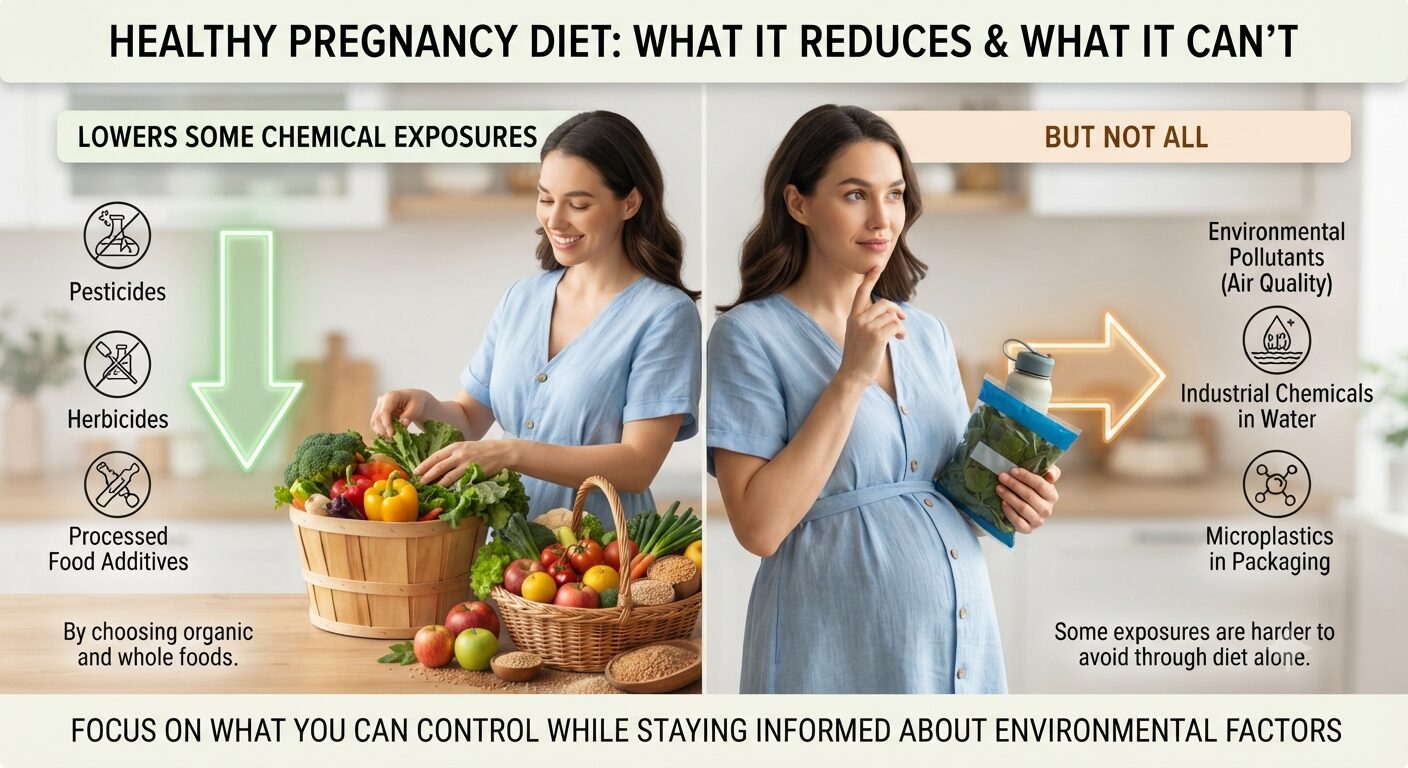
Healthy Pregnancy Diet Lowers Some Chemical Exposures, Not All
Eating a nutrient dense, whole food diet during pregnancy measurably reduces exposure to several harmful chemicals, but it cannot eliminate all environmental toxins and may actually increase exposure to others found naturally in healthy foods.
In this article
Every pregnant woman I have ever sat with in clinic has asked some version of the same question: "Am I eating the right things for my baby?" It is one of the most loaded questions in medicine, and the honest answer is more nuanced than most pregnancy apps will tell you. A 2022 analysis published in the journal Environmental Health Perspectives found that dietary choices during pregnancy account for a substantial portion of a woman's total daily chemical exposure, somewhere between 60 and 80 percent of pesticide intake alone. That number is both alarming and genuinely hopeful, because it means what you eat matters enormously.
But here is the part that rarely makes it into the headline: a healthy diet reduces exposure to some chemicals while simultaneously increasing exposure to others. Switching from processed snacks to a wholesome plate of salmon, brown rice, and spinach is genuinely good for your baby. It is also, potentially, a shift toward different chemical exposures you need to know about.
In this article you will understand:
1. The Chemicals a Healthy Diet Really Does Reduce
The clearest win for a healthy pregnancy diet is a steep drop in synthetic chemical load from processed and ultra processed foods. This is not a small effect.
When researchers at the University of California, Berkeley tracked urinary pesticide metabolites in pregnant women over time, they found that women eating diets high in conventionally grown produce but low in processed foods still came out ahead of women eating the standard Western diet heavy in packaged products. The reason: ultra processed foods carry a cocktail of additives, preservatives, artificial colours, plasticisers from packaging, and residual industrial contaminants that whole foods simply do not.
The shift away from ultra-processed foods during pregnancy is one of the most impactful dietary changes a woman can make to reduce her overall chemical burden.
— Environmental Working Group, 2021 Shopper's Guide to Pesticides in Produce
Synthetic pesticides
Conventionally grown produce does carry pesticide residues, but the total pesticide load in a diet built around whole, minimally processed foods is still dramatically lower than a diet built around packaged, manufactured products. Choosing organic versions of the most heavily sprayed items (the Environmental Working Group publishes an annual "Dirty Dozen" list each year) cuts synthetic pesticide exposure further.
Food packaging chemicals
Bisphenol A (BPA) and its replacements (BPS, BPF) leach from canned food linings and plastic packaging into food. Phthalates migrate from plastic wrap and processing equipment. A diet based on fresh, whole foods prepared at home in glass or stainless steel cookware cuts exposure to these plasticisers substantially. The CDC's National Biomonitoring Programme has confirmed that BPA and phthalate levels in the body drop measurably when people shift to fresh food preparation for even a few days.
Artificial additives and preservatives
Nitrite preservatives in processed meats, artificial dyes in packaged snacks, and emulsifiers in ultra processed foods are all reduced, often to near zero, when you cook from scratch. This matters because emerging research links some of these compounds to disrupted gut microbiome development in the fetus.


Real Food for Pregnancy: The Science and Wisdom of Optimal Prenatal Nutrition
- Health, Fitness & Dieting
- Women's Health
- Pregnancy & Childbirth
2. The Surprising Chemicals That Can Increase on a Healthy Diet
Here is where the conversation gets complicated, and where I think most pregnancy nutrition content lets parents down. Some of the foods most celebrated for their nutritional value carry their own chemical burdens. Eating more of them, as a healthy pregnancy diet encourages, can paradoxically raise exposure to specific contaminants.
This does not mean those foods are bad. It means you need the full picture.
Mercury in fish
Fish is one of the most nutritionally valuable foods you can eat during pregnancy. It delivers omega 3 fatty acids (especially DHA), high quality protein, iodine, and vitamin D. The FDA and EPA jointly recommend that pregnant women eat 8 to 12 ounces of lower mercury fish per week. But shift toward fish too enthusiastically, especially large predatory species, and mercury exposure climbs.
Mercury accumulates up the food chain through a process called biomagnification. Tilefish, shark, swordfish, king mackerel, and bigeye tuna carry the highest loads. A single serving of swordfish can push a pregnant woman above the weekly mercury reference dose established by the EPA.
Arsenic in rice and rice products
Brown rice, often recommended over white rice for its fibre and micronutrient content, contains measurably higher levels of inorganic arsenic than white rice. Arsenic concentrates in the bran layer that is milled away to make white rice. This is one of the clearest cases where a "healthier" choice carries a specific chemical trade off.
A 2019 study published in Science of the Total Environment found that pregnant women who consumed brown rice regularly had significantly higher urinary arsenic levels than those eating white rice or mixed grains. Rice cakes, rice crackers, and infant rice cereals share this issue.


The Whole 9 Months: A Week-By-Week Pregnancy Nutrition Guide with Recipes for a Healthy Start
- Health, Fitness & Dieting
- Women's Health
- Pregnancy & Childbirth
3. Leafy Greens, Nitrates, and the Nuance Nobody Talks About
Leafy greens are nutritional powerhouses. Folate in spinach and kale is arguably the single most important nutrient in early pregnancy for neural tube development. But dark leafy greens, beets, and celery are also naturally high in nitrates, and this is where the story gets interesting.
Dietary nitrates are not the same beast as the nitrites added to processed meats. That distinction matters enormously and is frequently lost in popular health content.
The difference between vegetable nitrates and processed meat nitrites
Nitrates in vegetables are converted in the body partly to nitric oxide, which supports healthy blood flow and has been shown to help maintain healthy blood pressure during pregnancy. The nitrites added to processed meats like bacon, hot dogs, and deli meat behave differently in the gut environment and have been associated with higher levels of potentially harmful compounds called nitrosamines.
Vegetable nitrates are accompanied by antioxidants (vitamin C, polyphenols) that inhibit nitrosamine formation. Processed meat nitrites are not — which is why the risk profiles are so different.
— World Health Organization, International Agency for Research on Cancer (2015)
The WHO classifies processed meats as a Group 1 carcinogen. Nitrate rich vegetables have no such classification and carry substantial evidence of cardiovascular benefit.
Pesticides on leafy greens
Spinach and kale consistently appear in the top three of the Dirty Dozen. This creates a genuine tension: these greens are nutritionally irreplaceable, yet they carry some of the highest pesticide residues of any vegetable. For leafy greens specifically, the organic versus conventional choice is worth prioritising.
You can find a much deeper look at how specific foods and environmental compounds interact during pregnancy in this article on pregnancy diet and chemical exposure, which covers the research behind individual contaminants in more detail.



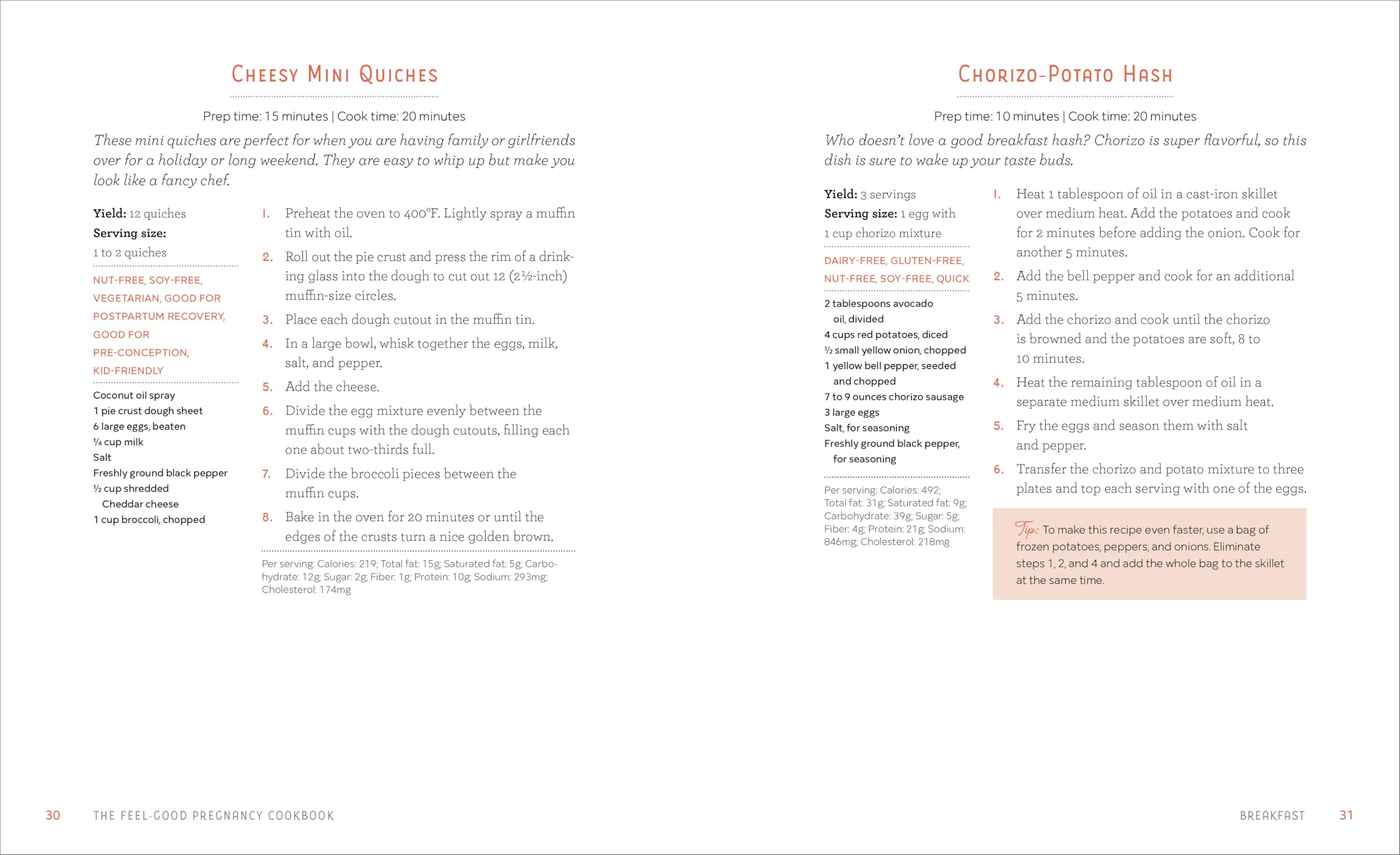
The Feel-Good Pregnancy Cookbook: 100 Nutritious and Delicious Recipes for a Healthy 9 Months and Beyond
- Health, Fitness & Dieting
- Women's Health
- Pregnancy & Childbirth
4. Organic Food: How Much Does It Actually Help?
Organic certification is not a guarantee of zero chemical exposure. It is a meaningful reduction in synthetic pesticide load, but not an elimination. Understanding what organic does and does not protect against helps you spend your money strategically.
What organic certification means
Certified organic farming prohibits the use of most synthetic pesticides and fertilisers. Some naturally derived pesticides (copper sulfate, rotenone, pyrethrin) are permitted in organic farming, and a handful of these have their own toxicity concerns at high doses. The key word is "most": organic produce typically has 80 percent lower synthetic pesticide residues than conventional, according to a large 2012 Stanford meta analysis published in the Annals of Internal Medicine.
Where organic makes the most difference
The biggest benefit is with thin skinned produce that you eat whole and cannot wash thoroughly: strawberries, grapes, spinach, kale, apples, cherries, and bell peppers. Thick skinned produce (avocados, pineapple, onions, mangoes) shows little difference between organic and conventional because the skin acts as a barrier.
The washing question
Washing produce removes surface residues but does not remove systemic pesticides that have been absorbed into the plant tissue. A cold water rinse for 30 to 60 seconds removes roughly 50 to 80 percent of surface residues. Produce washes marketed at premium prices perform similarly to plain cold water in independent testing. Save the money.

Eating for Pregnancy: Your Essential Month-by-Month Nutrition Guide and Cookbook
- Health, Fitness & Dieting
- Diets & Weight Loss
- Other Diets
5. Heavy Metals: The Contaminant Category That Cuts Across All Diet Types
Heavy metals are the one chemical category where a healthy diet provides inconsistent protection, and sometimes no protection at all. Lead, arsenic, cadmium, and mercury are present in soil, water, and the food chain in ways that do not respect whether your plate looks "clean."
This is not a reason for panic. It is a reason for targeted, specific knowledge.
Lead
Lead exposure during pregnancy comes mainly from three sources: water (particularly older plumbing), some traditional or imported spices and ceramics, and certain foods grown in contaminated soil. A diet shift alone does little to address water lead exposure, which is why the American Academy of Pediatrics and the CDC both recommend that pregnant women in older housing (built before 1986) have their tap water tested.
Some imported spices (certain turmeric, paprika, and chilli powder products) have been found to contain elevated lead from processing and packaging practices. The FDA has issued specific alerts about this. Choosing certified domestic or organic spice brands and buying whole spices you grind yourself reduces this risk.
There is no safe level of lead exposure for a developing fetus. Even low blood lead levels are associated with small but measurable effects on cognitive development.
— American Academy of Pediatrics, Policy Statement on Lead Exposure (2016)
Cadmium
Cadmium is present in soil and concentrates in certain foods including leafy greens, grains, and root vegetables, particularly if the soil is naturally high in cadmium or has been affected by industrial activity. Organic farming does not reduce cadmium because it is a naturally occurring soil metal. Variety in your diet, rather than heavy reliance on any single food, is the best protection.
The cumulative picture
What the research tells us is that no single dietary pattern eliminates all heavy metal exposure. The most protective approach is variety: rotating protein sources, rotating grains, rotating vegetables, and not relying heavily on any one food, however nutritious it appears.

The Big Book of Pregnancy Nutrition: Everything Expectant Moms Need to Know for a Happy, Healthy Nine Months and Beyond
- Health, Fitness & Dieting
- Women's Health
- Pregnancy & Childbirth
6. Practical Strategy: What to Actually Do Starting This Week
The science we have just covered can feel overwhelming, and I want to be honest: the cumulative research does not support an extreme elimination approach. Stress and food restriction during pregnancy carry their own risks. What the evidence does support is a set of targeted, practical habits that meaningfully reduce the highest risk exposures without turning every meal into an anxiety exercise.
The hierarchy of interventions
Think about your food environment in three tiers:
Tier 1 (highest impact, relatively easy):
Tier 2 (meaningful impact, requires some planning):
Tier 3 (worth doing, lower marginal impact):
What a practical week of eating looks like
A realistic week does not require exotic ingredients, dramatic restriction, or a significant budget increase. It looks roughly like: eggs, oats, or yoghurt at breakfast; leafy green salads with canned salmon or home cooked chicken for lunch; a rotating dinner of lean protein with varied whole grains and plenty of vegetables; fruit, nuts, and cheese for snacks. The Feel Good Pregnancy Cookbook referenced below gives exactly this kind of practical framework with trimester specific recipes.
You can find specific support for eating well through the final weeks and into the early postpartum period in this piece on family nutrition in the final trimester, which covers meal planning through one of the most exhausting stretches of new parenthood.

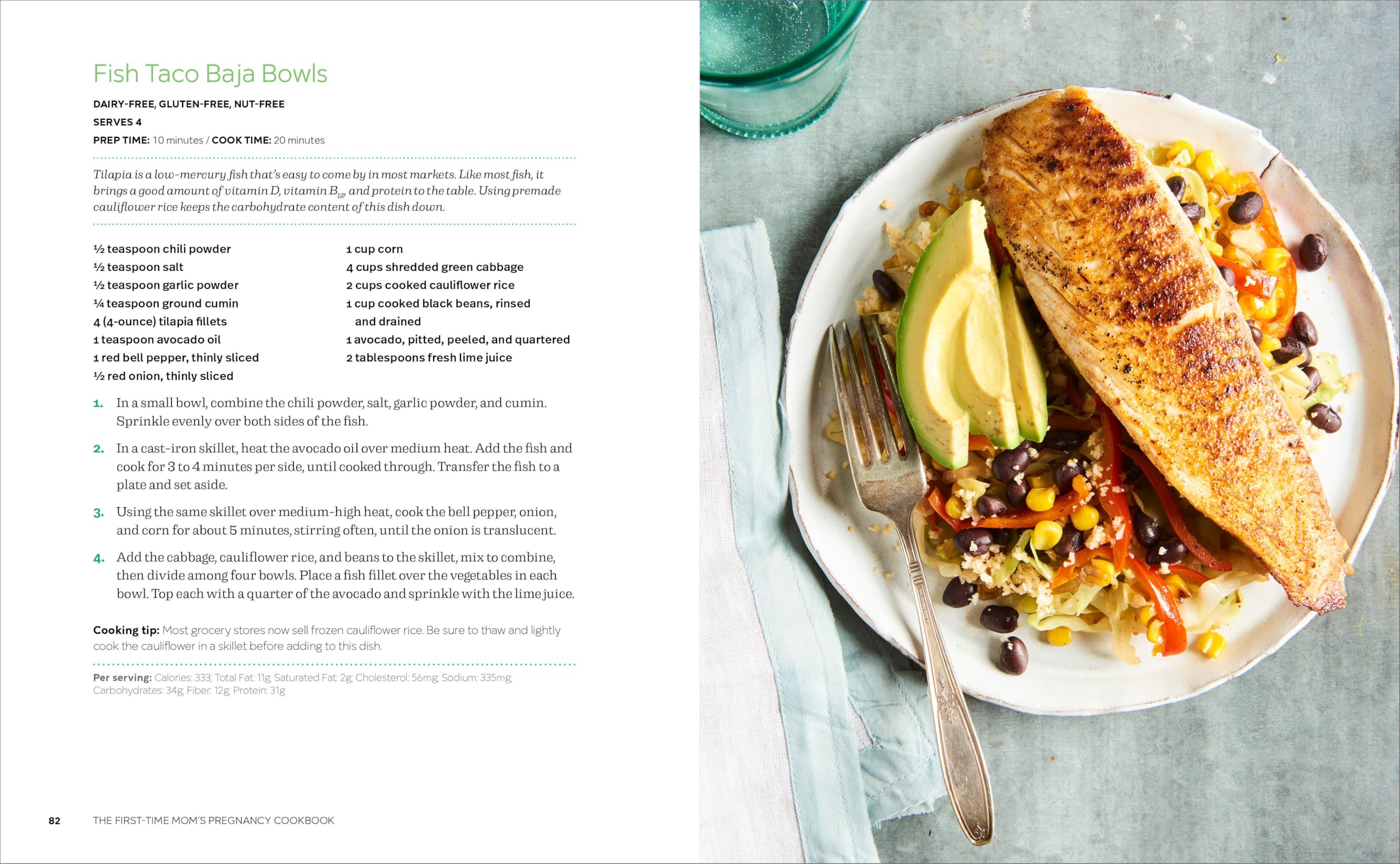
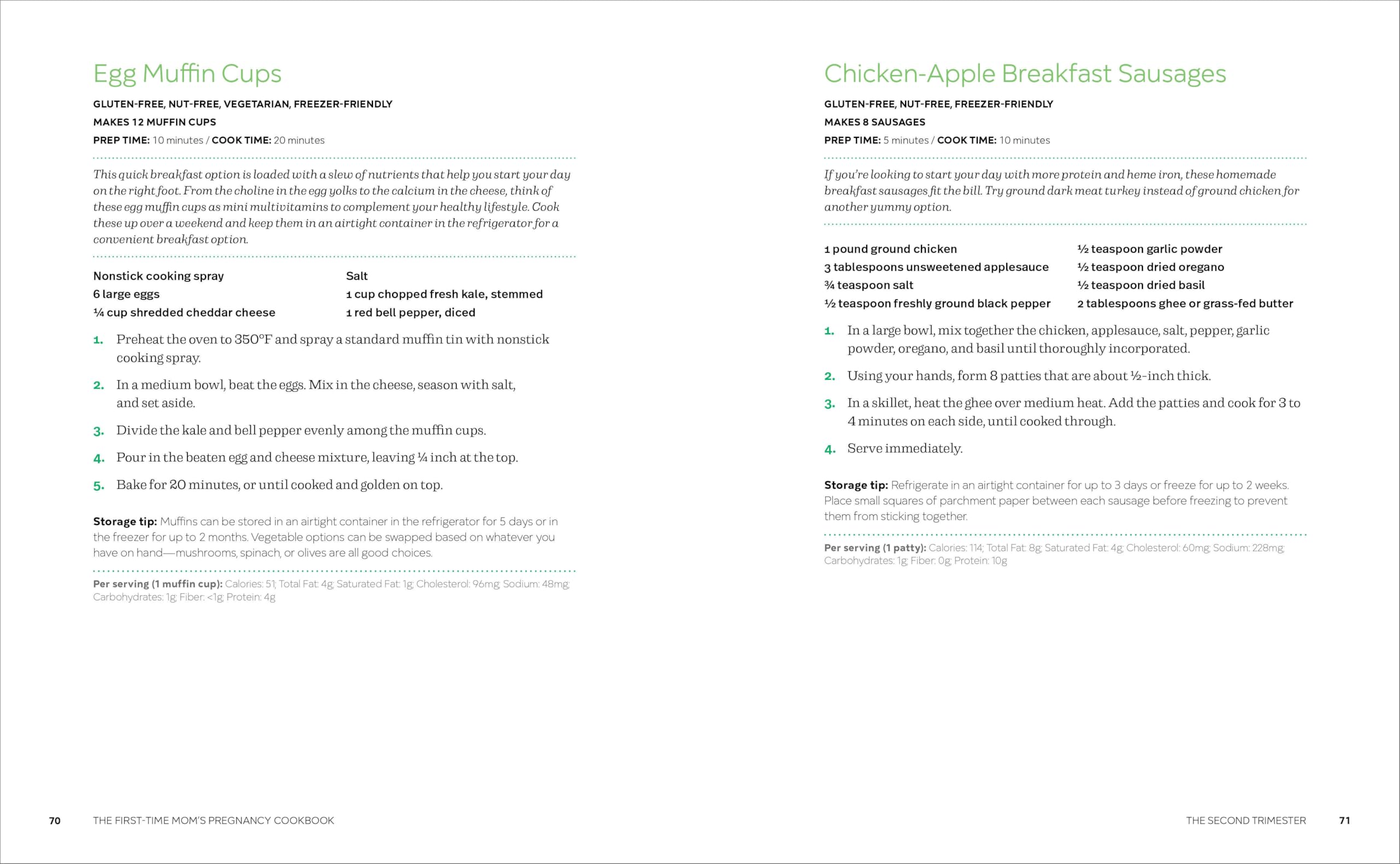
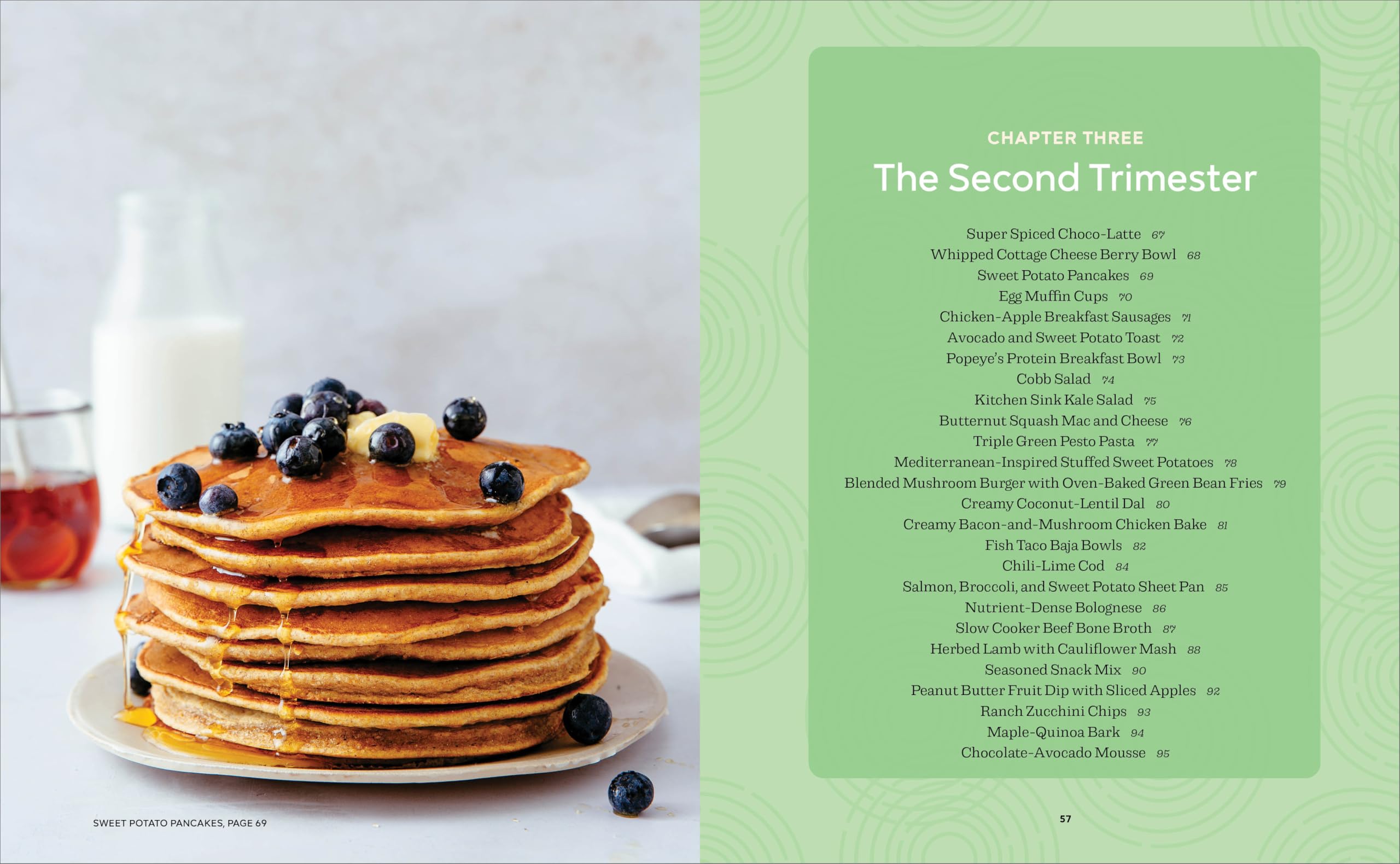
The First-Time Mom's Pregnancy Cookbook: A Nutrition Guide, Recipes, and Meal Plans for a Healthy Pregnancy
- Health, Fitness & Dieting
- Women's Health
- Pregnancy & Childbirth
Pregnancy Diet and Chemical Exposure: A Practical Comparison
| Dietary Approach | Chemical Load Reduced | Chemical Load That May Increase | Best For | Main Limitation | Recommended Resource |
|---|---|---|---|---|---|
| Whole food, low processed | Synthetic pesticides, BPA, phthalates, preservatives, artificial additives | Nitrates (vegetable), arsenic (rice), mercury (fish if increased) | Most pregnant women as a foundation | Does not address water lead or heavy metals in soil | Real Food for Pregnancy |
| Organic produce focus | Synthetic pesticide residues (up to 80% reduction on key items) | No new increases; cadmium and lead unchanged | Women most concerned about pesticide residues | Cost; does not protect against mercury or water contamination | The Whole 9 Months |
| Low mercury fish diet | Mercury; maintains high omega 3 and iodine intake | Minimal if fish variety is good | Women who eat fish regularly | Requires knowing which species to avoid | The Feel Good Pregnancy Cookbook |
| Varied grain approach (non-rice dominant) | Inorganic arsenic | Minimal | Women eating high rice diets | Requires intentional grain rotation | Eating for Pregnancy |
| Home cooked from scratch | BPA, phthalates, ultra processed additives | Nitrates from vegetables (not harmful in whole food context) | All pregnant women where feasible | Time and access; not always possible | The Big Book of Pregnancy Nutrition |
| Filter-based water strategy | Lead, chlorine byproducts | None | Women in older housing | Requires upfront filter cost and maintenance | First-Time Mom's Pregnancy Cookbook |
Expert Insights
A Final Word
If you have made it to this paragraph, you already care more than most parents will ever know about giving your baby the best possible start. And I want to leave you with this: the science does not support fear. It supports awareness and strategic, calm action.
The evidence we have is genuinely good news. The choices you make at the grocery store, in your kitchen, and at your tap have real and measurable effects on what reaches your baby through the placenta. You do not need a perfect diet. You need a thoughtful one.
Eat a wide variety of whole foods. Know which fish to choose and which to skip. Spend your organic budget on the produce that earns it. Filter your water. Cook at home when you can. And then, please, sit down and enjoy your meal.
Your baby is already learning from your body. Make the process as nourishing and as calm as possible, for both of you. Save this article, share it with a friend who is pregnant, and come back to it when the noise of the internet gets too loud.
Sources & References
- Bradman A, et al. "Effect of Organic Diet Intervention on Pesticide Exposures in Young Children Living in Low-Income Urban and Agricultural Communities." Environmental Health Perspectives. 2015. https://doi.org/10.1289/ehp.1408660
- Environmental Working Group. "Shopper's Guide to Pesticides in Produce." 2023. https://www.ewg.org/foodnews/
- U.S. Food and Drug Administration and U.S. Environmental Protection Agency. "Advice About Eating Fish: For Women Who Are or Might Become Pregnant, Breastfeeding Mothers, and Young Children." 2024. https://www.fda.gov/food/consumers/advice-about-eating-fish
- Nachman KE, et al. "Arsenic species in cooked rice: implications for dietary exposure." Environmental Health Perspectives. 2012. https://doi.org/10.1289/ehp.1104337
- Carey MA, et al. "Inorganic arsenic in rice-based products for infants and young children." Science of the Total Environment. 2019.
- Bradbury KE, et al. "Organic food consumption and the incidence of cancer in a large prospective study of women in the United Kingdom." British Journal of Cancer. 2014.
- Smith-Spangler C, et al. "Are Organic Foods Safer or Healthier Than Conventional Alternatives? A Systematic Review." Annals of Internal Medicine. 2012. https://doi.org/10.7326/0003-4819-157-5-201209040-00007
- World Health Organization / International Agency for Research on Cancer. "IARC Monographs on the Evaluation of Carcinogenic Risks to Humans: Red Meat and Processed Meat." Volume 114. 2015.
- American Academy of Pediatrics. "Lead Exposure in Children: Prevention, Detection, and Management." Pediatrics. 2016. https://doi.org/10.1542/peds.2016-1493
- Centers for Disease Control and Prevention. National Biomonitoring Programme. "Bisphenol A (BPA) Fact Sheet." 2020. https://www.cdc.gov/biomonitoring/BisphenolA_FactSheet.html
- Oken E, et al. "Associations of maternal fish intake during pregnancy and breastfeeding duration with attainment of developmental milestones in early childhood." JAMA. 2008. Project Viva cohort, Harvard Medical School.
- Karagas MR, et al. "Rice consumption and urinary arsenic concentrations in US children." Environmental Health Perspectives. 2016. https://doi.org/10.1289/ehp.1409618
- Woodruff TJ, et al. "Environmental chemicals in pregnant women in the United States: NHANES 2003–2004." Environmental Health Perspectives. 2011. https://doi.org/10.1289/ehp.1002727
- Nichols L. "Real Food for Pregnancy." Lily Nichols Nutrition. 2018.
Frequently Asked Questions
Is it safe to eat sushi during pregnancy?
Do I need to eat organic during pregnancy, or is it overkill?
I eat a lot of rice. How worried should I be about arsenic?
Is canned fish safe during pregnancy?
What about herbal teas during pregnancy? Are they chemical free?
Can I reduce my baby's chemical exposure just through diet, or do I need to think about other things too?
I am in my third trimester. Is it too late for dietary changes to make a difference?
Was this helpful?
Thanks — your feedback helps us pick what to write next.