How to Help Your Kid Make Friends at a New School: A Parent Guide
Kids make friends fastest at a new school when parents actively coach specific social skills, arrange low pressure playdates early, and stay patient through the normal six to eight week adjustment window.
In this article
Starting a new school ranks among the top five most stressful experiences for children, according to the American Academy of Pediatrics, right alongside a parents' divorce or the death of a family member. And yet most parents focus all their energy on academics: new backpack, new supplies, maybe a tour of the building. The social side, arguably the part that determines whether a child actually wants to go to school each morning, often gets a single pep talk on the first day and then silence.
Here's the thing. Friendship skills are learnable. They are not a fixed trait some kids have and others lack. A 2020 report from the CDC on child development found that children who receive explicit coaching in social skills form peer relationships faster and report higher classroom comfort within the first two months of a school transition, compared to children left to figure it out alone.
In this guide, you'll understand:
1. Why Starting a New School Is Genuinely Hard on Kids
Starting a new school is hard because it strips away every social anchor a child has built, all at once, forcing them to rebuild identity and belonging from scratch in front of an audience of strangers.
Think about what actually happens on day one. A child who was "the funny one" or "the fast runner" at their old school walks into a room where nobody knows that yet. They have no reputation, no established friend group, no shorthand jokes, no seat they automatically sit in at lunch. Adults underestimate how much cognitive and emotional labor goes into simply figuring out unspoken social rules: where do the fourth graders sit at recess, is it okay to sit with someone you don't know, what happens if you get the answer wrong in front of new classmates.
What the research says
Children who change schools, even under positive circumstances, experience a temporary but real dip in reported happiness and self esteem that typically resolves within two to three months with adequate support.
— American Academy of Pediatrics, Council on School Health (2016)
That "temporary but real dip" is important language. It means some sadness and withdrawal is expected and not a sign anything is wrong. It also means two to three months without support is the outer edge of normal, which gives you a rough timeline for when to worry (more on that later).
Common early reactions to watch for
2. Teach Specific Conversation Skills, Not Vague Advice
The fastest way to help your child make friends is to teach them exact words and actions to use, because vague encouragement like "just go make friends" gives an anxious or shy child nothing concrete to hold onto.
Kids, especially those under age 10, often don't lack the desire to connect. They lack the script. Adults forget how many small social moves are actually learned skills: how to join a group already playing, how to ask an open ended question, how to exit a conversation without it feeling like rejection.
Three scripts worth practicing at home
1. Joining a group activity: "Can I play too?" works better than hovering nearby and hoping to get noticed. Practice saying it out loud until it feels natural, not scripted. 2. Starting a conversation: Teach one reliable opener, such as asking about something the other child is doing or wearing ("I like your backpack, where did you get it?"). Specific compliments followed by a question keep conversation going far better than generic ones. 3. Recovering from rejection: If a child says no, coach your kid to simply try someone else rather than assuming the whole class doesn't like them. One "no" is data, not a verdict.
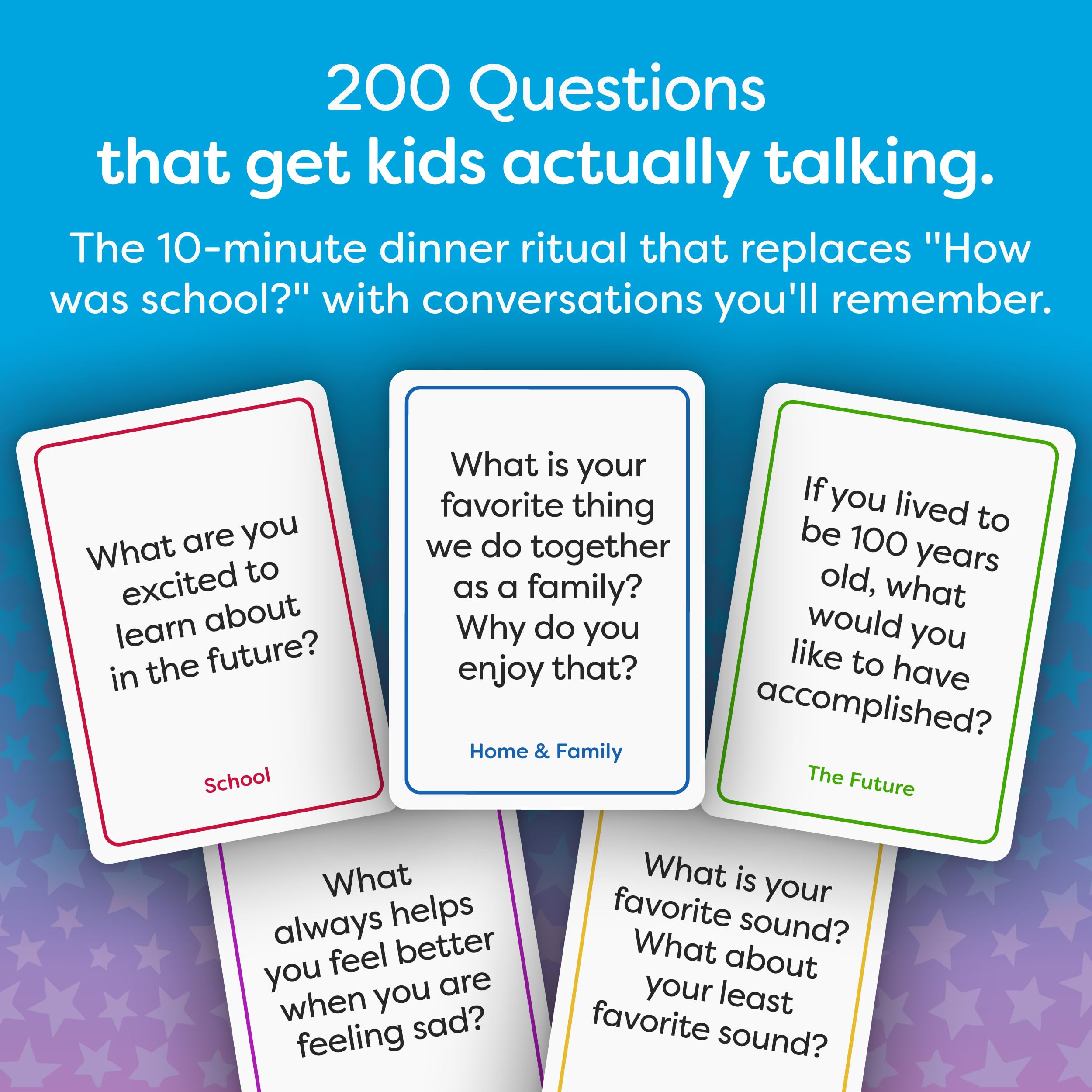
Practicing these scripts through low stakes play at home makes a real difference. Conversation card games are a genuinely useful tool here because they give kids repeated, casual practice asking and answering questions without the pressure of a real social situation. The 200 Kids Conversation Cards from Talking Point Cards were developed with speech language pathologists specifically because structured prompts help quiet or anxious kids open up more than open ended "how was your day" questions.


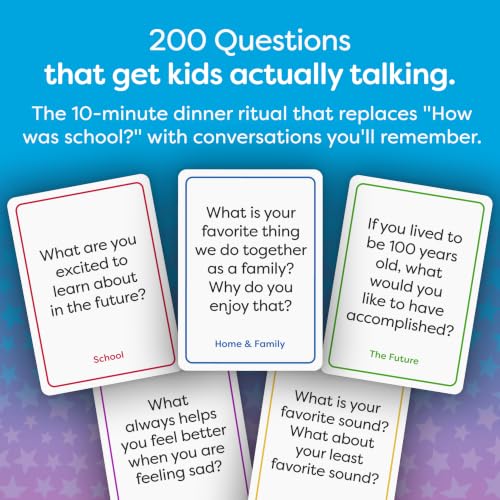

200 Kids Conversation Cards for Age 5-13; Fun Question Card Game for Family
- 200 QUESTIONS THAT GET KIDS ACTUALLY TALKING - Getting a child to open up takes the right question at the righ
- TAILORED FOR KIDS AGES 5 TO 12 - 5 great categories: 'School', 'Home & Family', 'Personal Well-Being', 'Future
- USED BY SPEECH THERAPISTS, SCHOOL COUNSELORS & EDUCATORS - A structured conversation tool trusted in speech th
3. Set Up Small, Low Pressure Social Opportunities
The single most effective thing a parent can do is arrange one on one or small group playdates early, because large group settings like recess or the cafeteria are actually the hardest environment for a new child to break into.
Big groups already have established dynamics. A new child dropped into a 25 person classroom at recess is competing against years of existing friendships and inside jokes. A one on one playdate, by contrast, resets the playing field completely. It's just two kids, and connection happens far more naturally.
How to set this up in the real world
- Ask the teacher within the first two weeks which classmate seems kind, calm, or similarly interested in your child's hobbies - Invite one child over for a short, low pressure hangout (an hour, not an all day event) rather than a big party - Choose an activity with a built in structure, like a board game, so kids have something to do together besides forced conversation - Keep snacks simple and let the kids lead; over structuring the visit can backfire
Structured games work especially well for this first playdate because they remove the burden of generating conversation from scratch. The Wooden Face Changing Magic Cube Game is a nice pick for a first hangout because two kids who've never met can figure out the rules together in minutes, which builds a shared little moment of accomplishment fast.
If your child is younger and still building basic social routines, it also helps to understand what's developmentally typical at their stage. Reviewing what to expect at this age can help you calibrate whether your child's shyness is age typical or something worth extra support.
4. Loop in the Teacher and School Counselor Early
Teachers and school counselors are one of the most underused resources for helping a new child make friends, because they see classroom dynamics all day that parents never witness.
Many parents wait to reach out until a problem develops, but proactive contact in the first week or two is far more useful. Teachers can strategically seat your child near a kind classmate, pair them for group projects, or simply keep an eye on recess dynamics you'd never otherwise know about.
What to actually say to the teacher
A short email works well: "My daughter just started in your class and is a little nervous about making friends. Is there a student you'd recommend she sit near, or any small group activity where she could get some early wins?" Most teachers appreciate this and will happily make quiet adjustments.
Teachers who know a new student's social goals within the first two weeks can make a measurable difference in that child's peer integration by the end of the first month.
— National Association of School Psychologists, Best Practices Guide (2019)
Red flags that warrant a follow up conversation
5. Build Empathy and Kindness Skills That Attract Friends
Kids who practice small acts of kindness and empathy actually become more attractive playmates to their peers, because generosity and warmth are consistently rated by children themselves as the top qualities they look for in a friend.
This might sound obvious, but it's frequently skipped in favor of pure confidence coaching. Confidence gets a kid through the door. Kindness is what makes classmates want to keep them around. Teaching a child to notice when someone else looks left out, or to share supplies without being asked, builds a reputation among classmates far faster than any script for starting conversation.
Simple habits that build a kind reputation fast
- Complimenting a classmate's work or drawing, specifically and genuinely - Sharing extra supplies (a spare pencil, an extra snack) without waiting to be asked - Including a lonely looking classmate at lunch, even just once a week - Saying "good job" after someone else succeeds, not just after winning yourself
Games built around kindness missions give kids a fun, low pressure way to practice this daily rather than treating it as a lecture. The Open The Joy Kindness Mission Cards work well here because the "missions" format turns empathy into a game rather than a moral obligation, which lands much better with kids ages 5 and up.
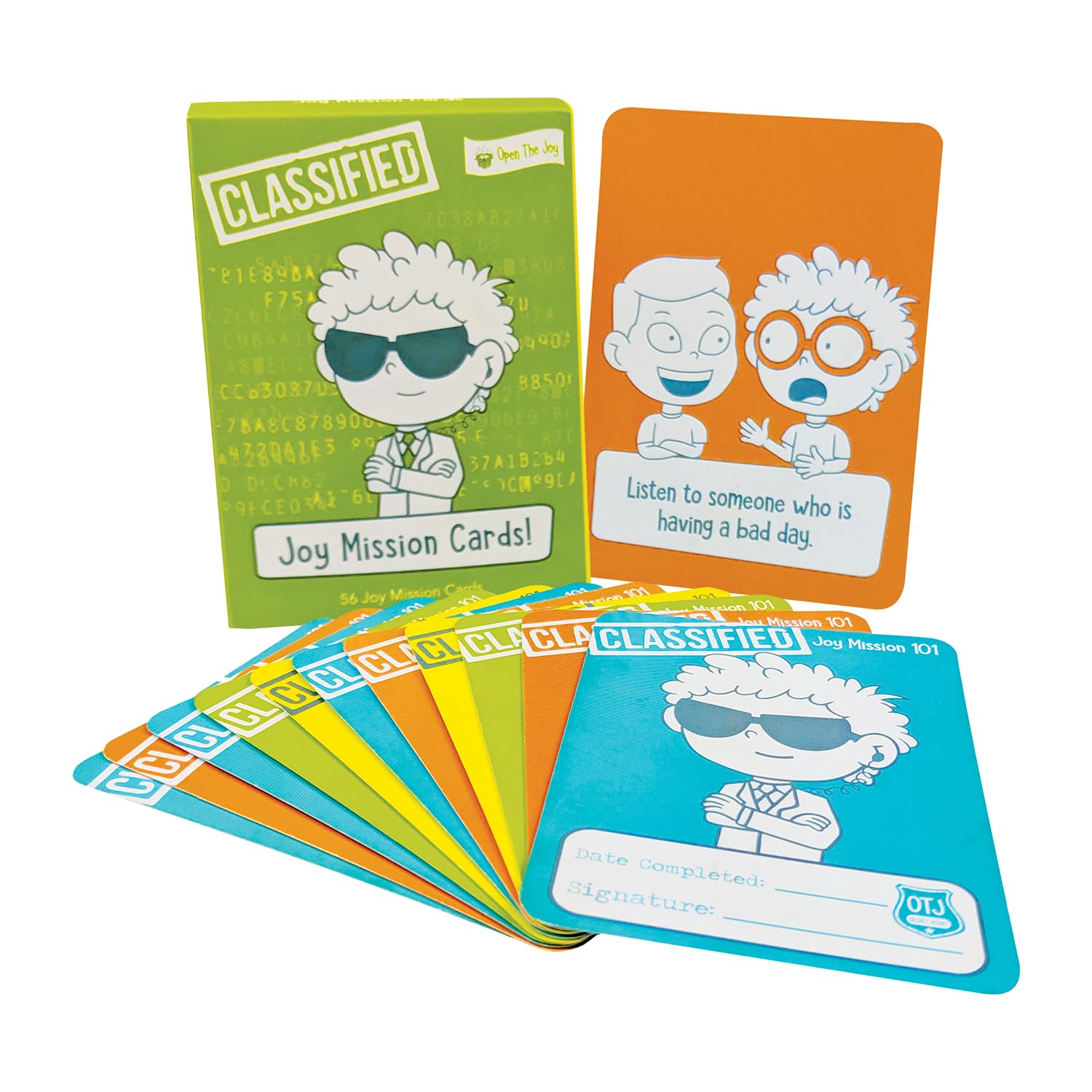
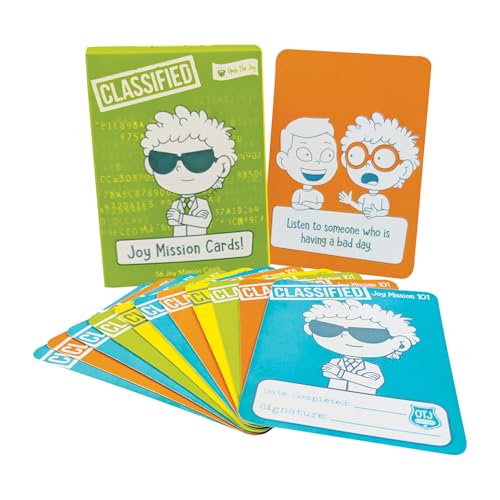
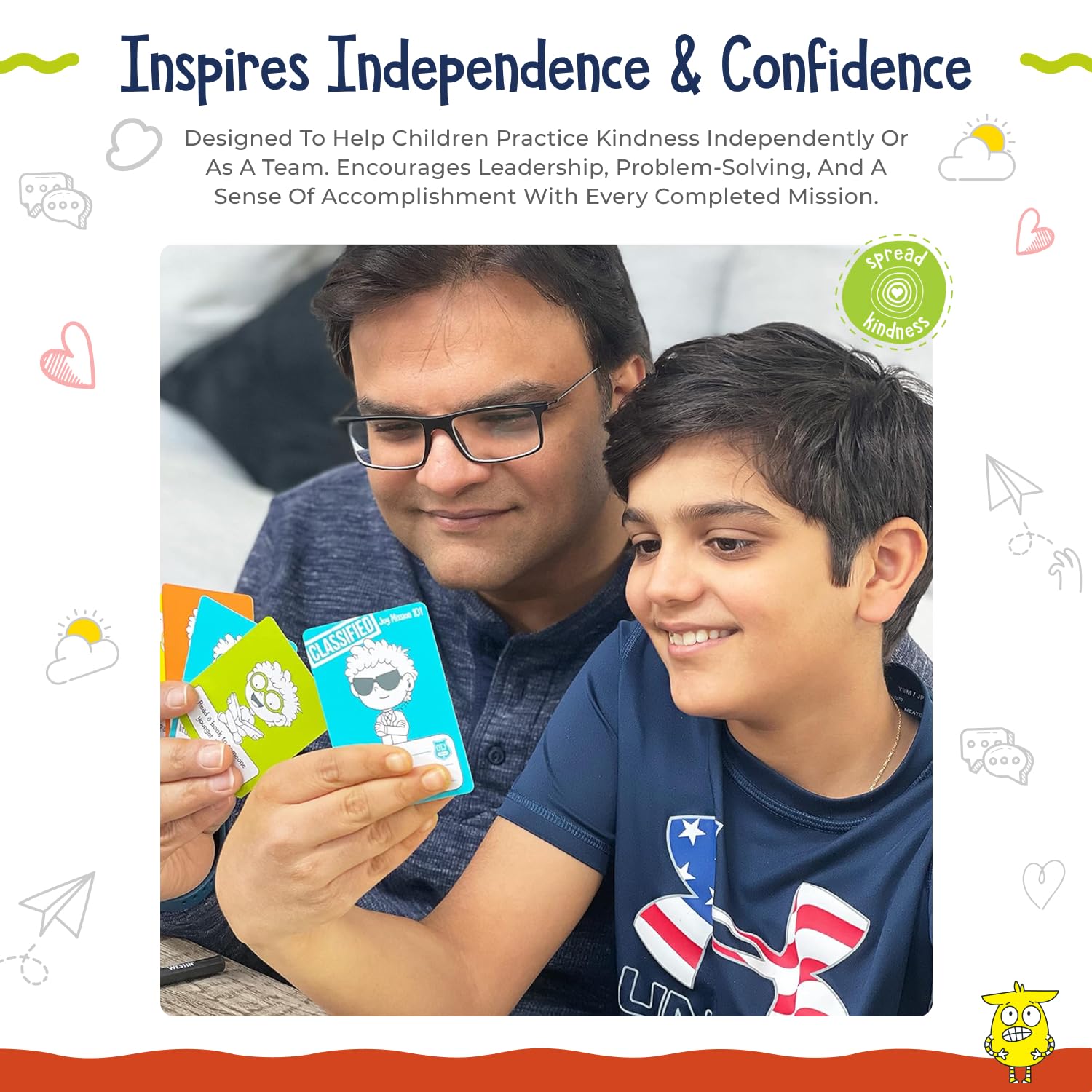
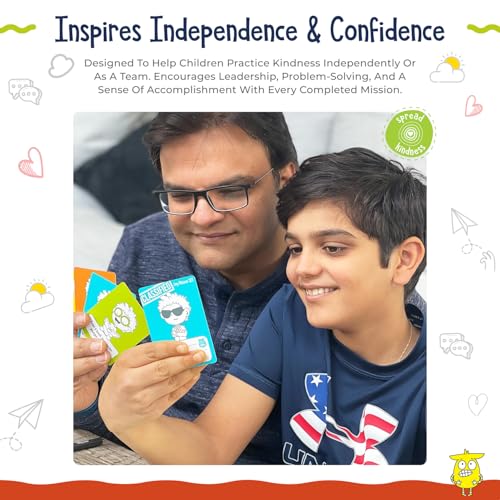
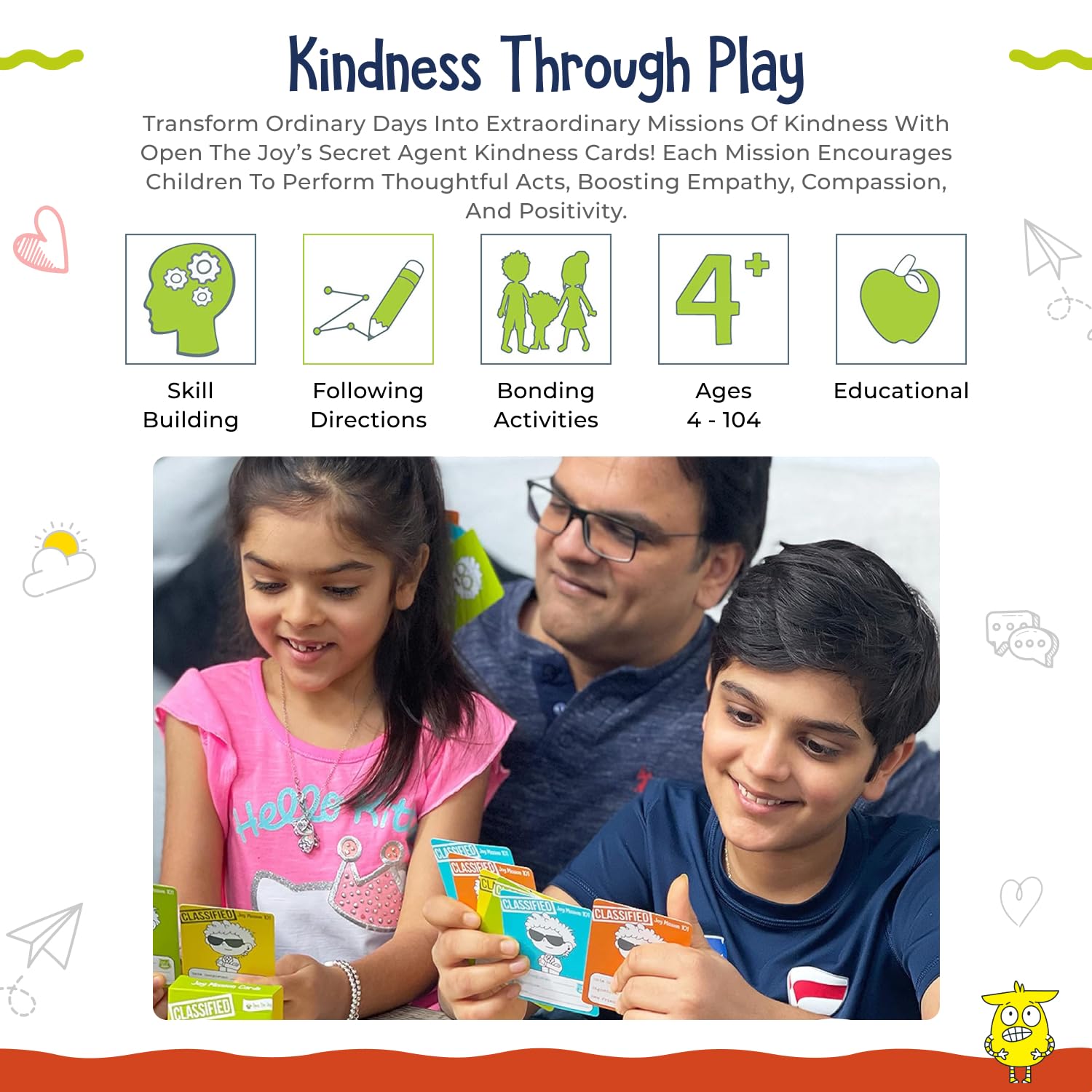
Open The Joy Kindness Mission Cards for Kids | 56 Secret Missions to Build Empathy, Compassion & Social Skills | Fun Screen-Free Activity Game for Families & Classrooms | Ages 4+ | SEL Learning Cards
- SPREAD KINDNESS THROUGH PLAY: Transform ordinary days into extraordinary missions of kindness with Open The Jo
- FUN & REWARDING MISSIONS FOR KIDS: Includes 56 unique “Secret Missions” that teach the power of giving — from
- INSPIRES INDEPENDENCE & CONFIDENCE: Designed to help children practice kindness independently or as a team. En
If your family is already thinking about building good habits more broadly, the same underlying principles apply. Small, repeated daily actions compound over time, a pattern explained well in the science behind how habits form in children.
6. Manage Screens and Digital Life During the Transition
Limiting screen time during the first months at a new school actually supports friendship building, because excessive solo screen use during this window can quietly replace the in person social practice a child desperately needs right now.
It's tempting to let an anxious, homesick kid retreat into a tablet after a hard day. A little decompression time is fine and even healthy. But when screens become the default evening and weekend activity, kids lose the very practice reps (playdates, family board games, neighborhood play) that would otherwise be building their new social confidence.
A balanced approach that still respects real feelings
- Allow some solo screen time for decompression right after school, but cap it (30 to 45 minutes is reasonable for most elementary aged kids) - Replace some evening screen time with a family game or conversation ritual instead - Avoid using screens as the default response to loneliness; it treats the symptom, not the cause - Watch for screen use becoming a full substitute for wanting to see new classmates outside school
Swapping even two nights a week of solo screen time for a shared family activity like conversation cards or a quick board game builds the same connection muscles your child needs at school. For families wanting a structured plan, these screen time tools that actually work offer practical, tested approaches rather than vague willpower based rules.
The 400 Conversation Cards for Kids from Discussables work well as an evening replacement ritual, giving families an easy, low effort way to talk and laugh together instead of defaulting to separate screens after a long day.
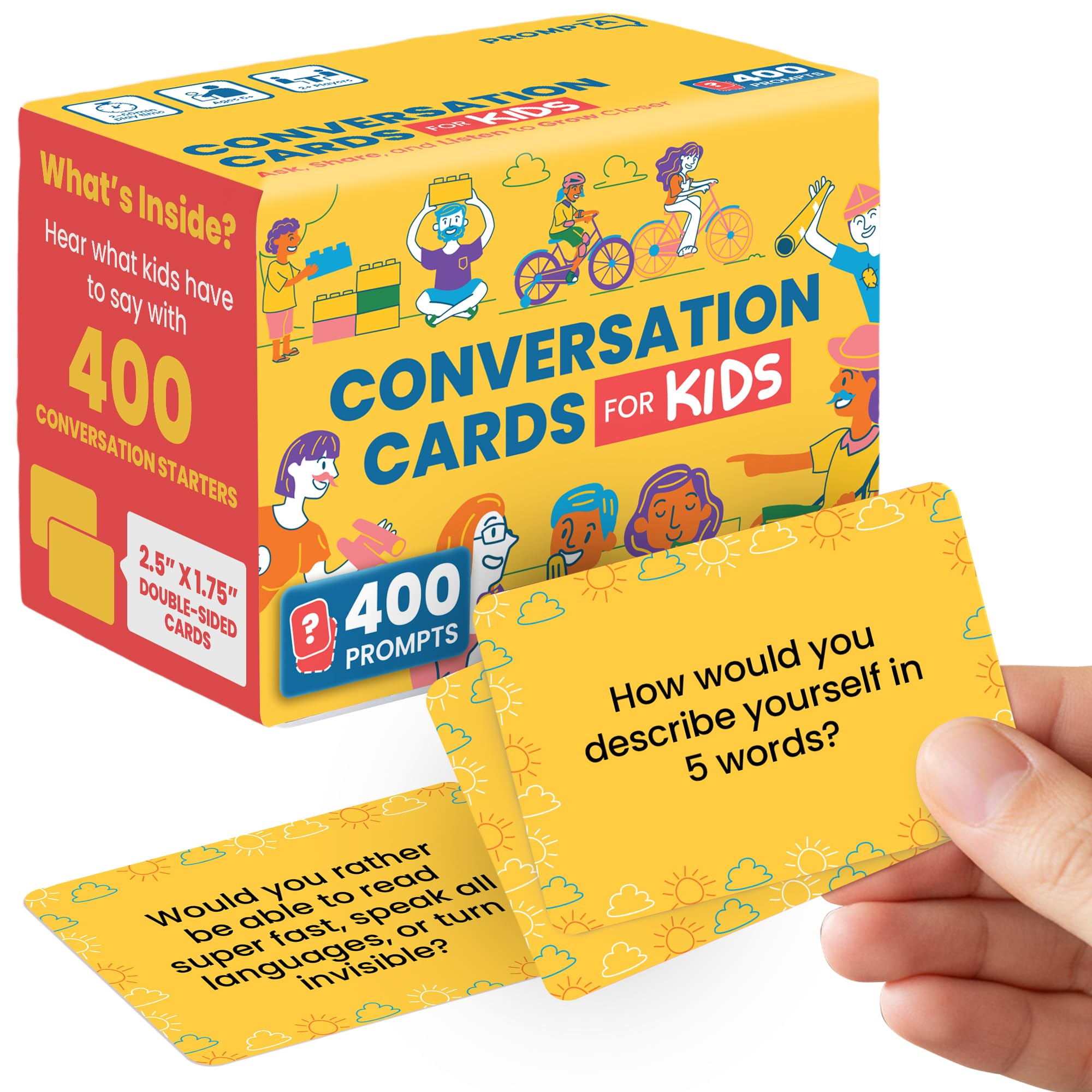




400 Conversation Cards for Kids – Engage Kids, Laugh, and Grow Closer During Family Dinner, Game Night, and Road Trips – Have Fun Building Social-Emotional Skills - Super Portable 2.5" x 1.75" Cards
- [400 Question Cards & Conversation Starters]: Make family game night, road trips, and dinner table talks bette
- [Build Social-Emotional Skills]: Grow your child's emotional intelligence through storytelling, active listeni
- [Never Runs Out of Fresh Questions]: Always have something new to ask. 400 non-repeating questions cover perso
| Approach | Best For | Primary Benefit | Main Drawback | Recommended Product | Price Range |
|---|---|---|---|---|---|
| One on one playdates | Shy or anxious kids, ages 5 to 12 | Resets social dynamic, low pressure | Requires parent coordination | Wooden Face Changing Magic Cube Game | $15 to $17 |
| Conversation practice at home | Kids who freeze up socially | Builds specific scripts and confidence | Needs consistent practice, not one time | 200 Kids Conversation Cards | $28 to $31 |
| Kindness challenges | Building a warm classroom reputation | Attracts peers naturally over weeks | Slower, less immediate results | Open The Joy Kindness Mission Cards | $9 to $11 |
| Family conversation rituals | Replacing solo screen time | Strengthens home bond, indirect social boost | Doesn't directly address school peers | 400 Conversation Cards for Kids | $23 to $26 |
| Storytelling and imaginative play | Younger kids, emotional expression | Builds empathy and perspective taking | Less structured, needs adult guidance | Open The Joy Creative Storytelling Cards | $16 to $18 |
| Teen focused conversation | Middle school and older transitions | Addresses relationships and identity directly | Less effective for younger kids | 200 Teens Conversation Cards | $28 to $31 |
Expert Insights
Frequently Asked Questions
Watching your child struggle to find their footing at a new school is genuinely hard, maybe harder on you than on them some days. But the vast majority of kids do find their way, especially when a parent stays calm, coaches specific skills, and keeps the door open for small conversations along the way. As one pediatrician put it, friendship at a new school isn't about being liked by everyone, it's about finding just one person who makes the hallway feel a little less big. Save this guide, share it with another parent navigating the same transition, and revisit it as your child settles in over the coming weeks.
Sources & References
- American Academy of Pediatrics, Council on School Health. "Supporting Children Through School Transitions." 2016.
- Centers for Disease Control and Prevention. "Child Development Report: Social Skills Coaching Outcomes." 2020.
- National Association of School Psychologists. "Best Practices Guide for New Student Integration." 2019.
- Markham, Laura. Peaceful Parent, Happy Kids. Perigee Books, 2012.
- Borba, Michele. UnSelfie: Why Empathetic Kids Succeed in Our All About Me World. Touchstone, 2016.
- Ginsburg, Kenneth. Building Resilience in Children and Teens. American Academy of Pediatrics, 2020.
- Damour, Lisa. Untangled: Guiding Teenage Girls Through the Seven Transitions Into Adulthood. Ballantine Books, 2016.
Frequently Asked Questions
How long does it typically take for a child to make a friend at a new school?
Should I contact the teacher right away or wait to see how things go?
My child says nobody likes them after just one week, should I worry?
Are group activities like sports teams a good way to build friendships?
What if my child is naturally introverted and doesn't want lots of friends?
How much should I intervene versus let my child figure it out on their own?
Is it normal for my child to want to talk about their old school constantly?
Was this helpful?
Thanks — your feedback helps us pick what to write next.