Infant Family Life (3–12 Months): Your Practical Guide
The 3–12 month window reshapes every corner of family life, from sleep schedules and sibling dynamics to your own identity as a parent; understanding what is developmentally normal lets you make calmer, more confident decisions.

In this article
The first year after birth is one of the most studied transitions in developmental psychology, yet most parents still feel blindsided by it. According to the American Academy of Pediatrics (AAP), roughly 20 percent of new mothers and 10 percent of new fathers experience clinically significant postpartum mood disturbances in the first year. That statistic alone tells you something important: the stress you feel is not a personal failing. It is a documented, predictable part of bringing a new person into a family.
This guide covers what you can genuinely expect between 3 and 12 months in terms of family life: the rhythms, the friction points, and the small daily habits that research shows actually help. By the end, you will understand:
1. Building a Family Sleep Rhythm That Actually Sticks
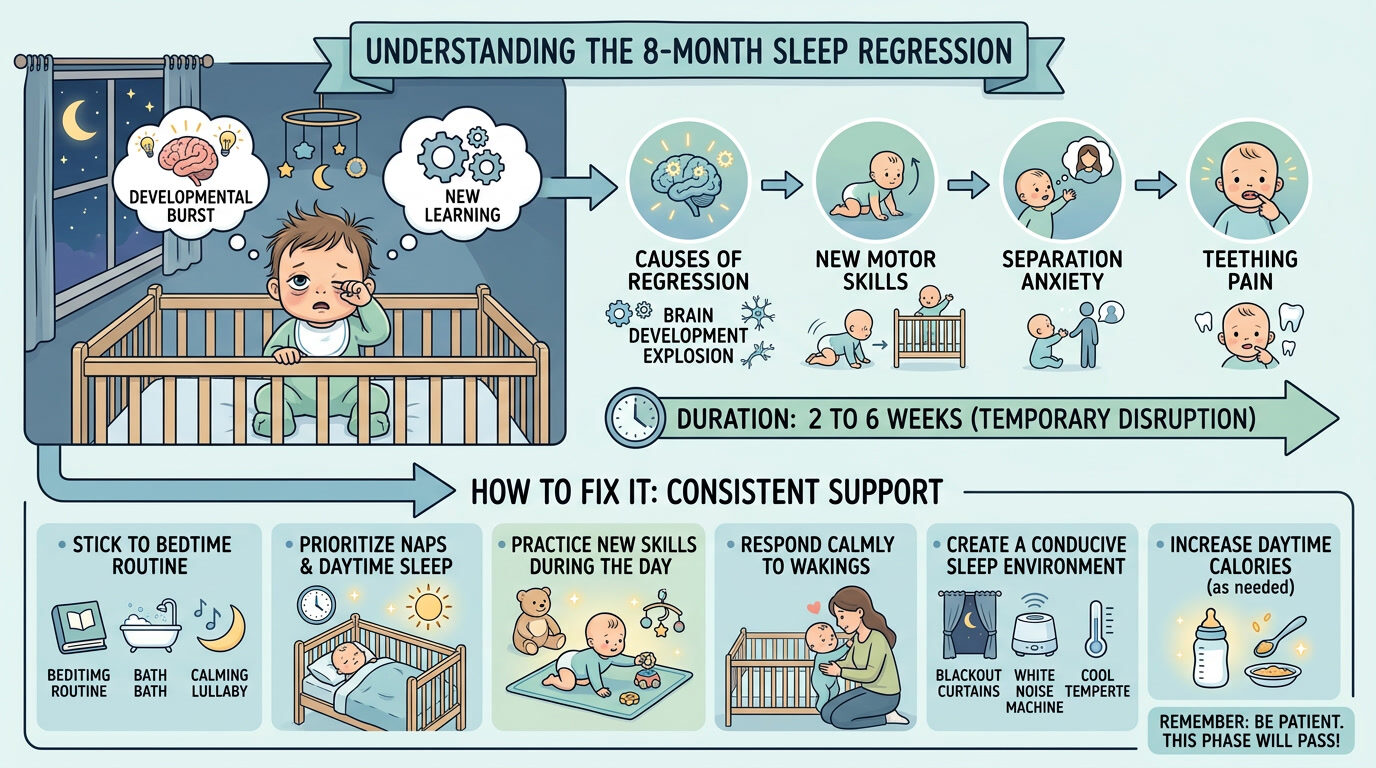
The single most disruptive issue in infant family life is sleep, and the good news is that 3 months is when biological sleep consolidation genuinely begins. Before that, your baby's circadian rhythm barely exists. By 3 months, melatonin production ramps up and longer nighttime stretches become biologically possible for most infants.
What the evidence says about bedtime routines
A landmark study published in the journal Sleep (Mindell et al., 2009, involving 405 mother-infant pairs) found that infants who had a consistent three-step bedtime routine fell asleep faster, woke less at night, and had mothers who reported significantly lower mood disturbance. The routine itself mattered less than its consistency.
A bedtime routine is one of the most evidence-based, low-cost interventions available to families with infants.
— American Academy of Sleep Medicine, Clinical Practice Guideline (2017)
Safe sleep basics to keep front of mind
The AAP's safe sleep guidelines remain the gold standard through 12 months:
- Always place your baby on their back on a firm, flat surface. - No loose bedding, pillows, bumpers, or soft toys in the sleep space. - Room-sharing (without bed-sharing) is recommended for at least the first 6 months. - Offer a pacifier at nap and bedtime once breastfeeding is established.
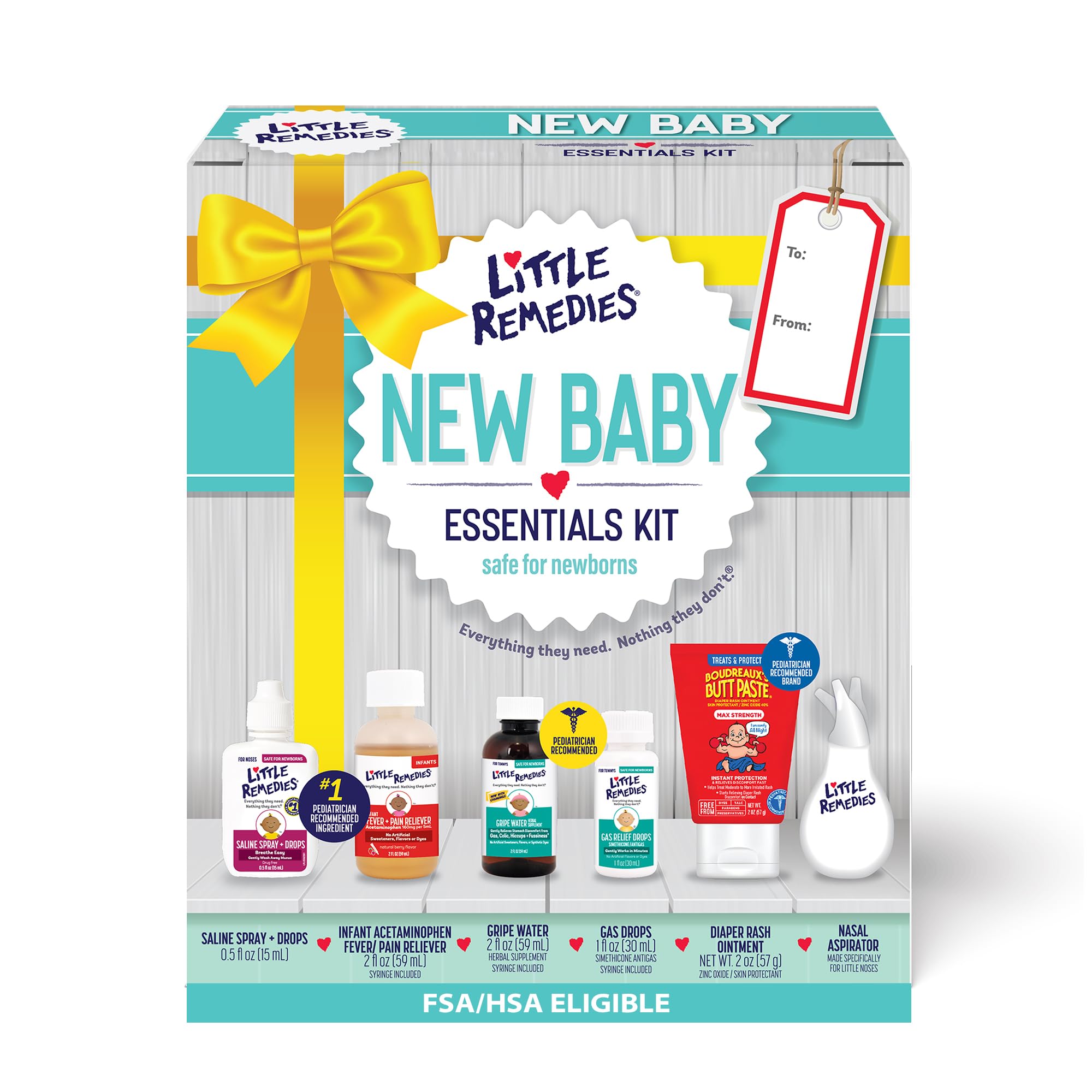


Little Remedies New Baby Essentials Kit with Saline Nasal Spray, Diaper Rash Cream, Gas Relief Drops, Gripe Water & More, Safe for Newborns
- Little Remedies New Baby Essentials Kit contains the essentials a new parent needs to safely and effectively t
- This kit of newborn essentials must-haves makes a perfect baby shower gift for new parents and has everything
- This newborn essentials kit can help your little one feel better from their first diaper rash to stuffy nose,
2. Returning to Work and Choosing Childcare
For millions of families, returning to work happens somewhere between 6 weeks and 6 months, but the emotional weight of that transition often peaks in the 3–6 month window when your baby has just become socially engaging and you feel most connected. That timing is hard, and it is worth naming it directly.
Research from the National Institute of Child Health and Human Development (NICHD) Study of Early Child Care, which followed over 1,000 families across a decade, found that quality of care matters far more than the type of care setting. A warm, responsive childcare provider, whether a relative, nanny, family day care, or centre, produces comparable developmental outcomes.
What to look for in a caregiver or setting
Understanding your baby's emotional development month by month helps you read their settling-in cues accurately and avoid over- or under-interpreting distress at drop-off.
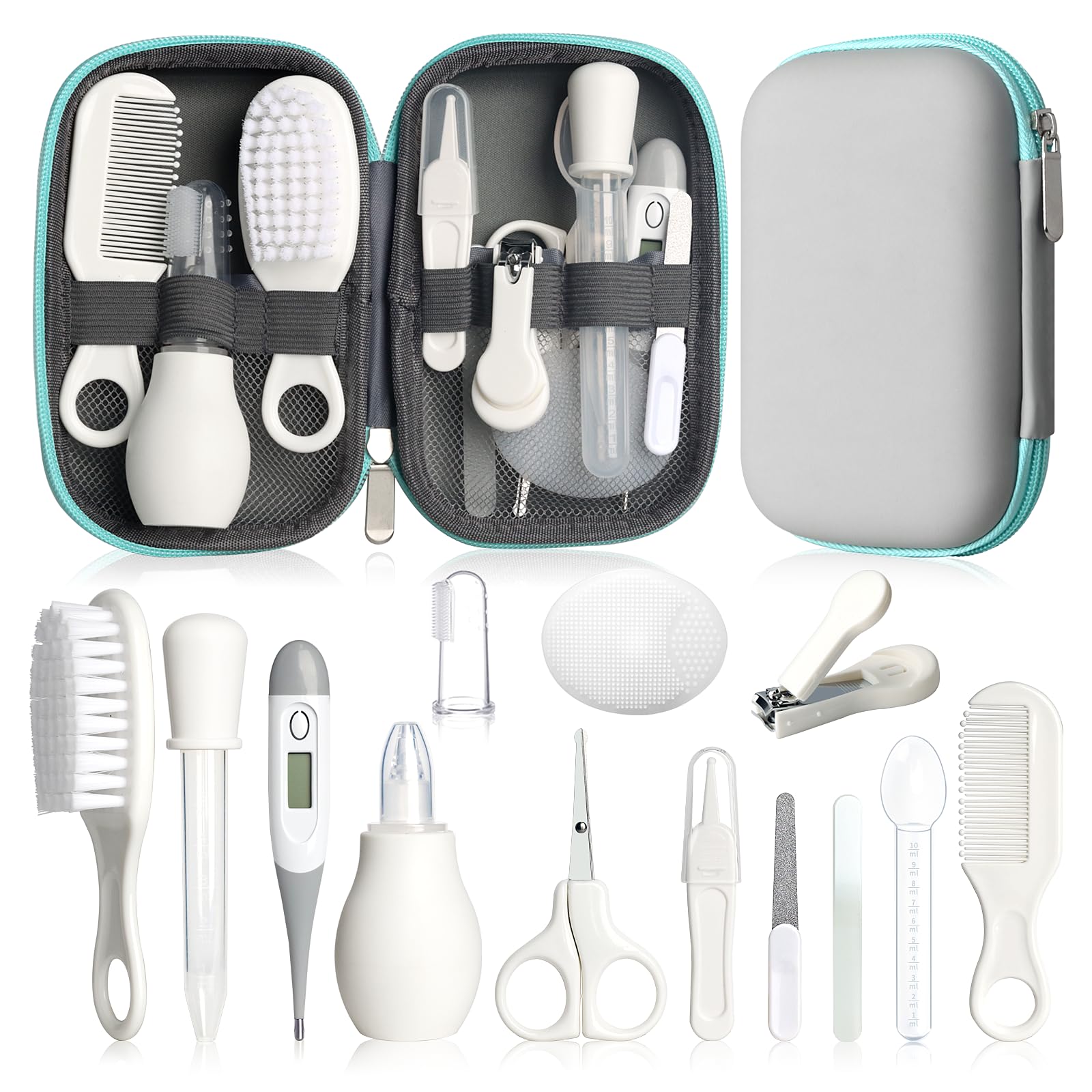
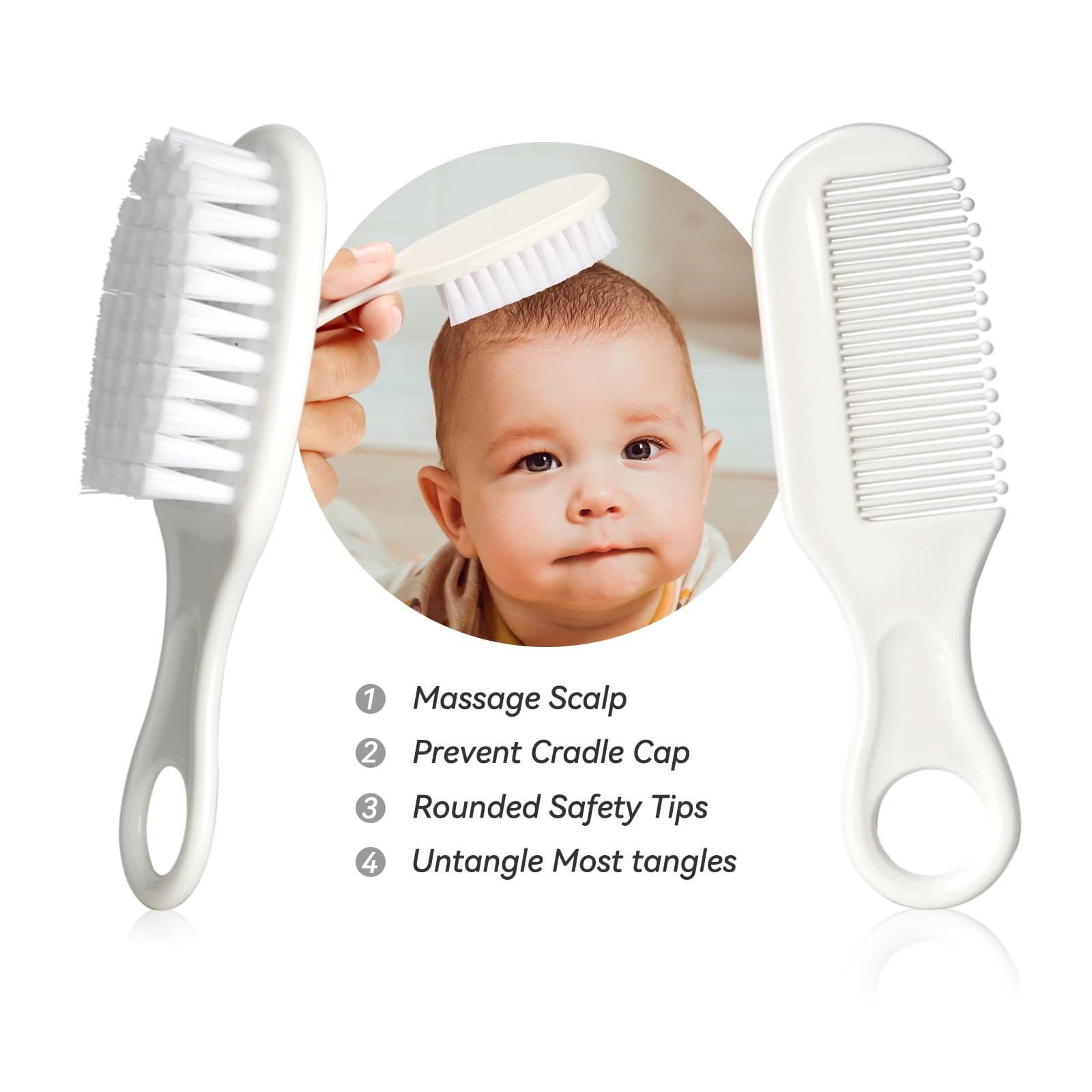
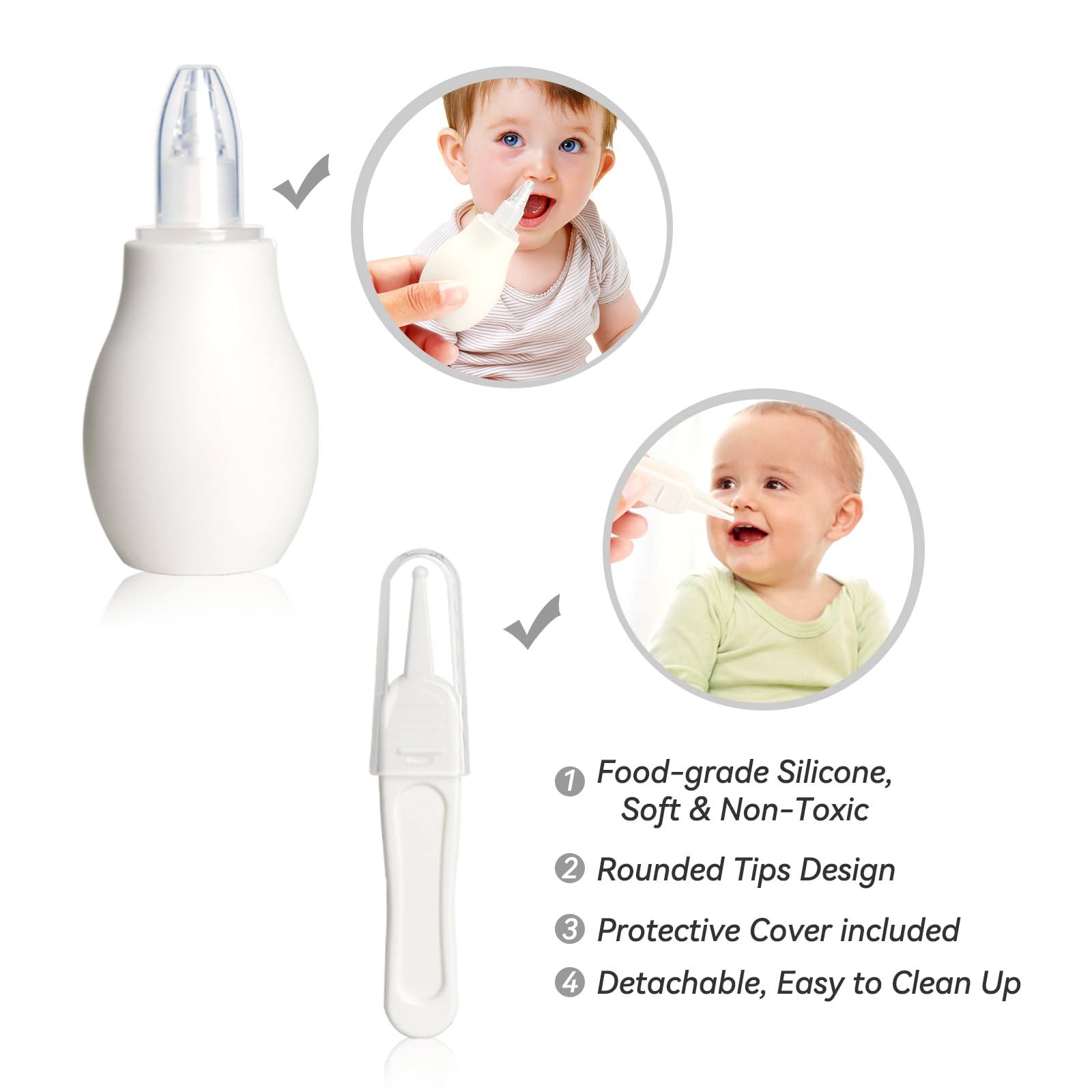
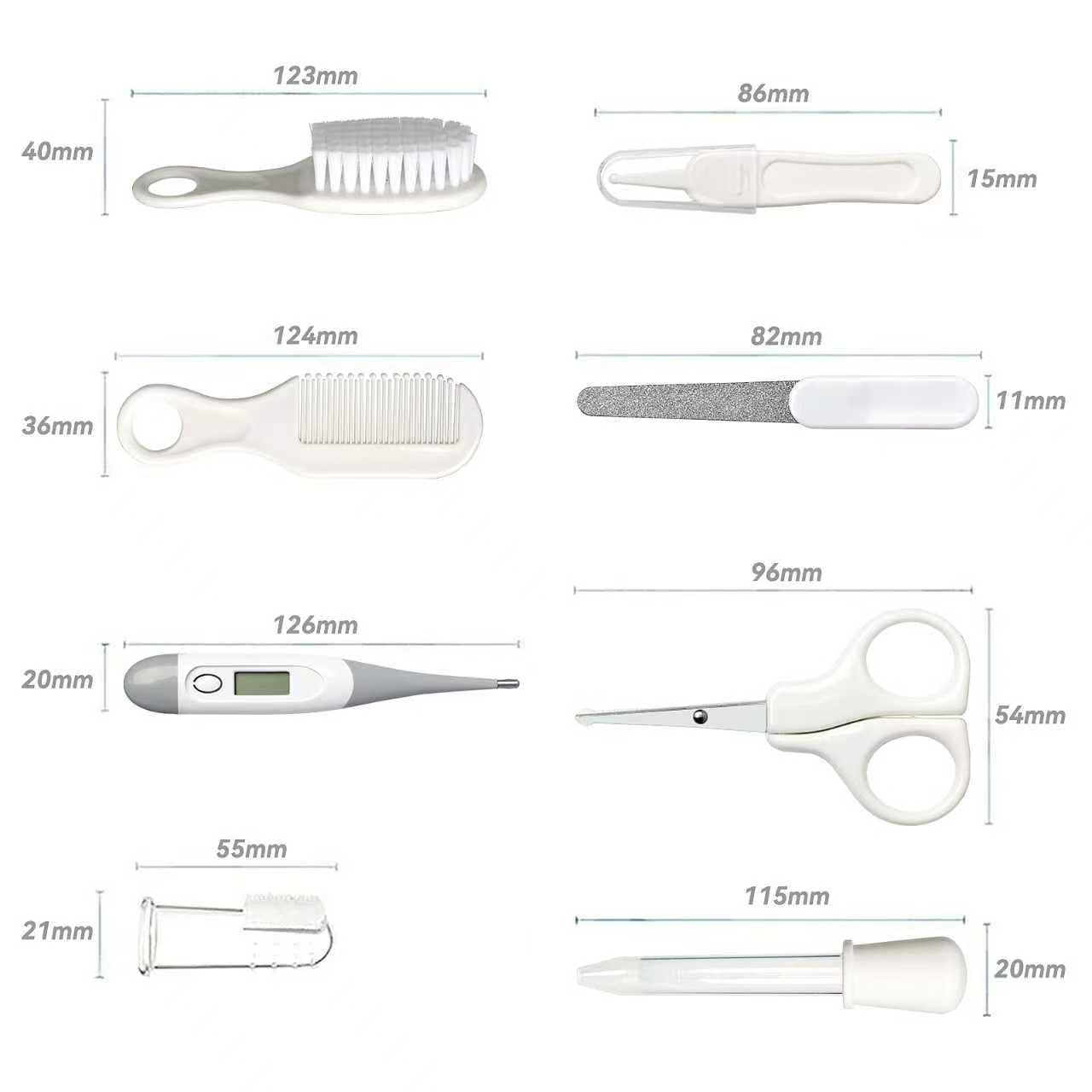
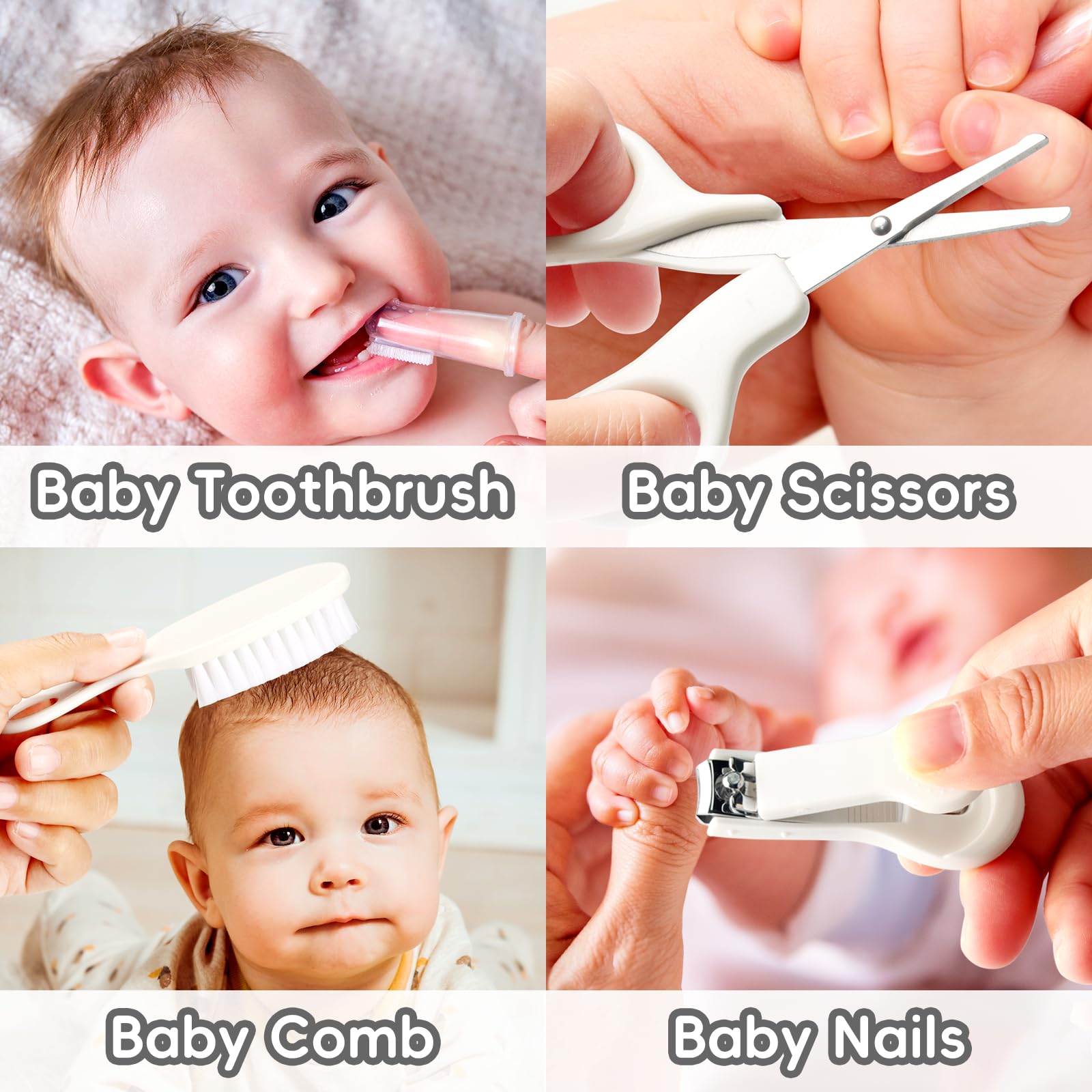
Baby Grooming Kit, Infant Safety Care Set with Hair Brush Comb Nail Clipper Nasal Aspirator,Baby Essentials Kit for Newborn Girls Boys (Grey White)
- 14 in 1 Baby Grooming Kit: The package comes with the baby grooming kit, including baby nail file, Newborn hai
- Baby Hair Brush And Hair Comb : You can softly brush your baby’s hair and massage his scalp both for grooming
- Safe Baby Grooming Kit: In order to make every baby always get good grooming and health, we designed this groo
3. Siblings, Grandparents, and the Extended Family Ecosystem
Your infant is not just joining a nuclear family; they are joining a system. Older siblings between roughly 2 and 5 years have the hardest adjustment because they are cognitively aware enough to notice the change but not yet able to regulate the feelings that come with it. Regression in toilet training, clinginess, and sleep disruption in your older child are all normal responses to a new sibling, not signs of a problem.
Grandparents and well-meaning visitors
Grandparents can be a vital resource during this period, particularly for practical support like cooking or holding the baby while you sleep. The friction usually arises around three themes:
- Feeding advice (often outdated, especially around solids and sleep position) - Holding and "spoiling" (you cannot spoil an infant; responsive caregiving builds secure attachment) - Unsolicited opinions on your choices
A simple, low-conflict approach: thank them for their input, name one thing you agree on, and then describe your chosen approach as what "the paediatrician recommended." That framing tends to close debates without escalation.
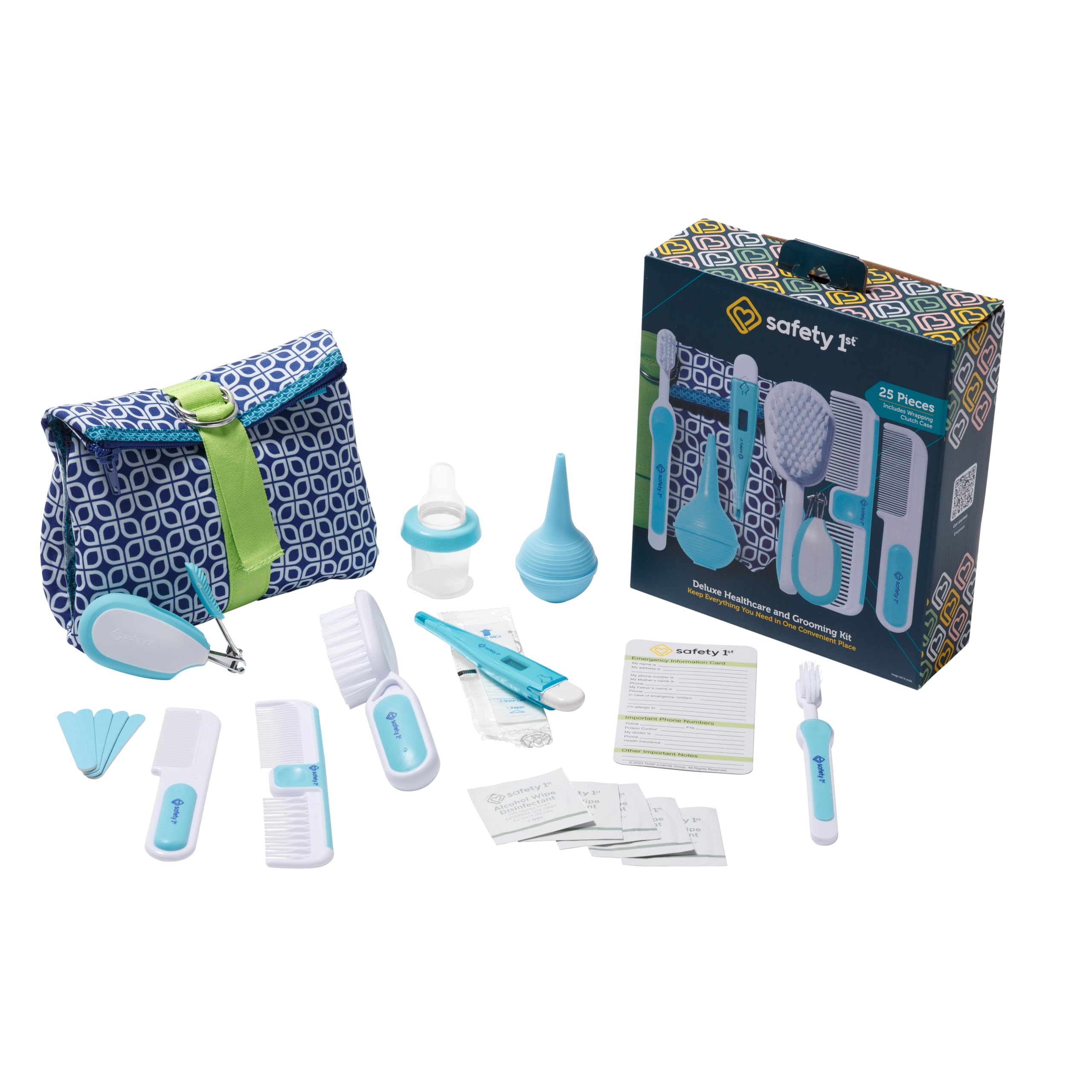
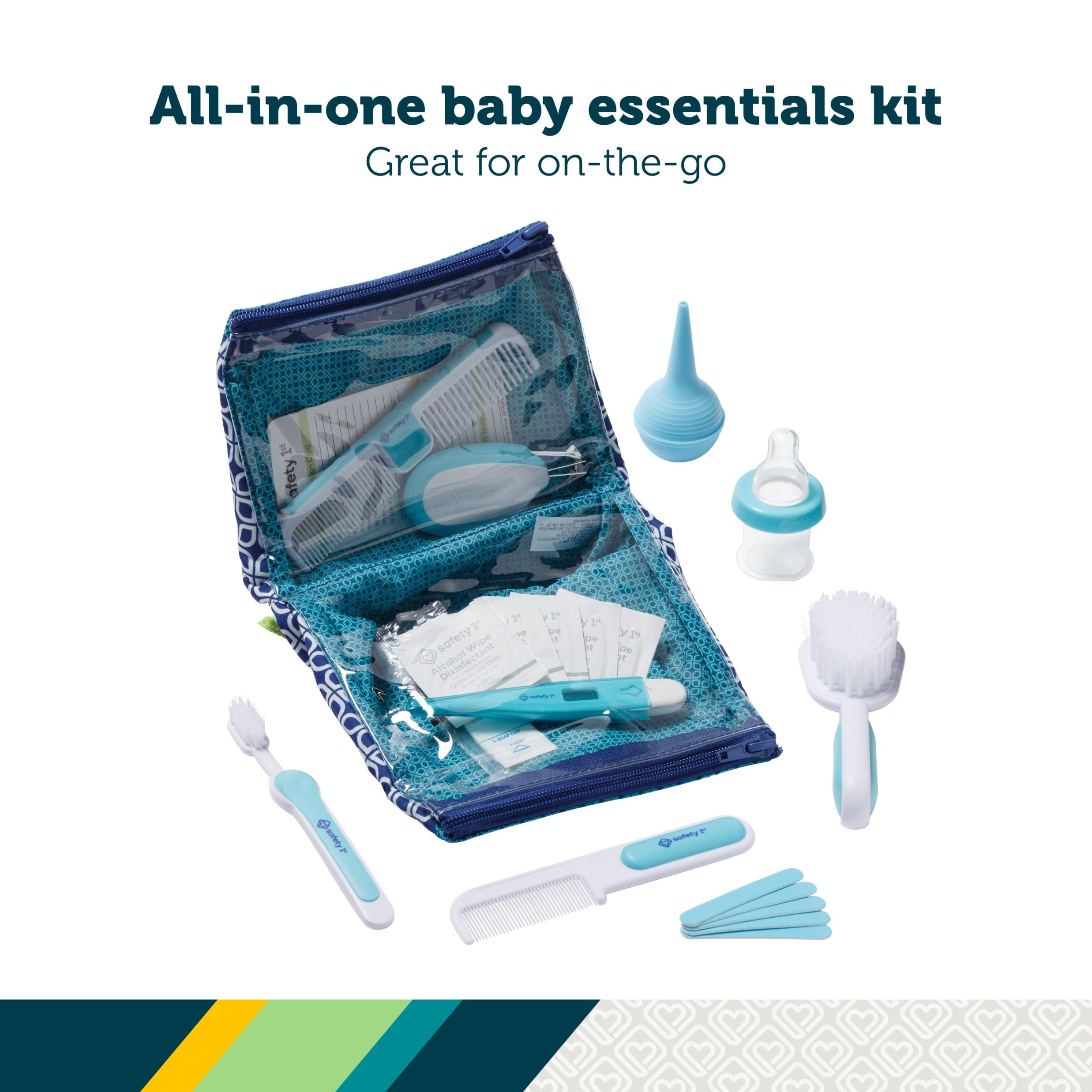
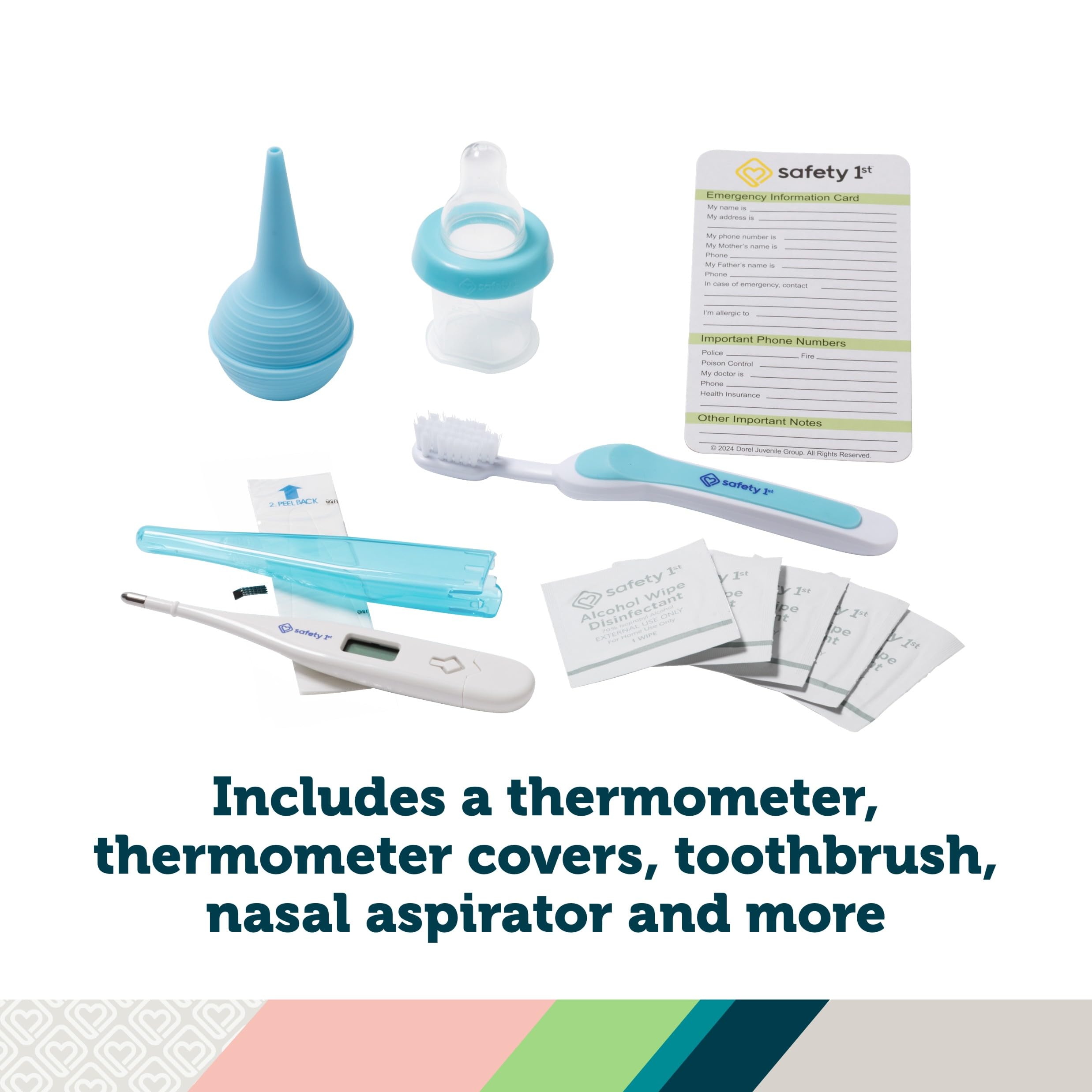


Safety 1st Deluxe Baby Healthcare and Grooming Kit, Arctic Blue, Newborn Baby Essentials, One Size, 25 Pieces
- BABY GROOMING KIT: This baby care kit provides essential grooming tools for newborns and infants, including a
- EASY ORGANIZATION WITH SAFETY 1ST: This deluxe baby grooming kit comes in a wrapping clutch case with two easy
- BABY ESSENTIALS: Our baby grooming kit newborn features an easy-grip brush will softly remove tangles, and the
4. Your Relationship Under Pressure
Research from the Gottman Institute consistently shows that 67 percent of couples report a significant drop in relationship satisfaction in the first three years after having a baby. That is not a prediction of divorce; it is a call to be intentional. The couples who fare best are not the ones with the easiest babies. They are the ones who maintain low-level daily connection even when they are exhausted.
The antidote to relationship deterioration after a baby is not grand romantic gestures. It is small, frequent bids for connection that are consistently acknowledged.
— Drs. John and Julie Gottman, "And Baby Makes Three," (2007)
Practical strategies that require almost no energy
The division of household labour is one of the most reliable predictors of maternal postpartum depression. A 2019 study in the Journal of Family Psychology found that perceived unfairness in domestic workload was a stronger predictor of maternal distress than actual hours of work. This matters: it is the fairness that your brain registers, not just the volume.




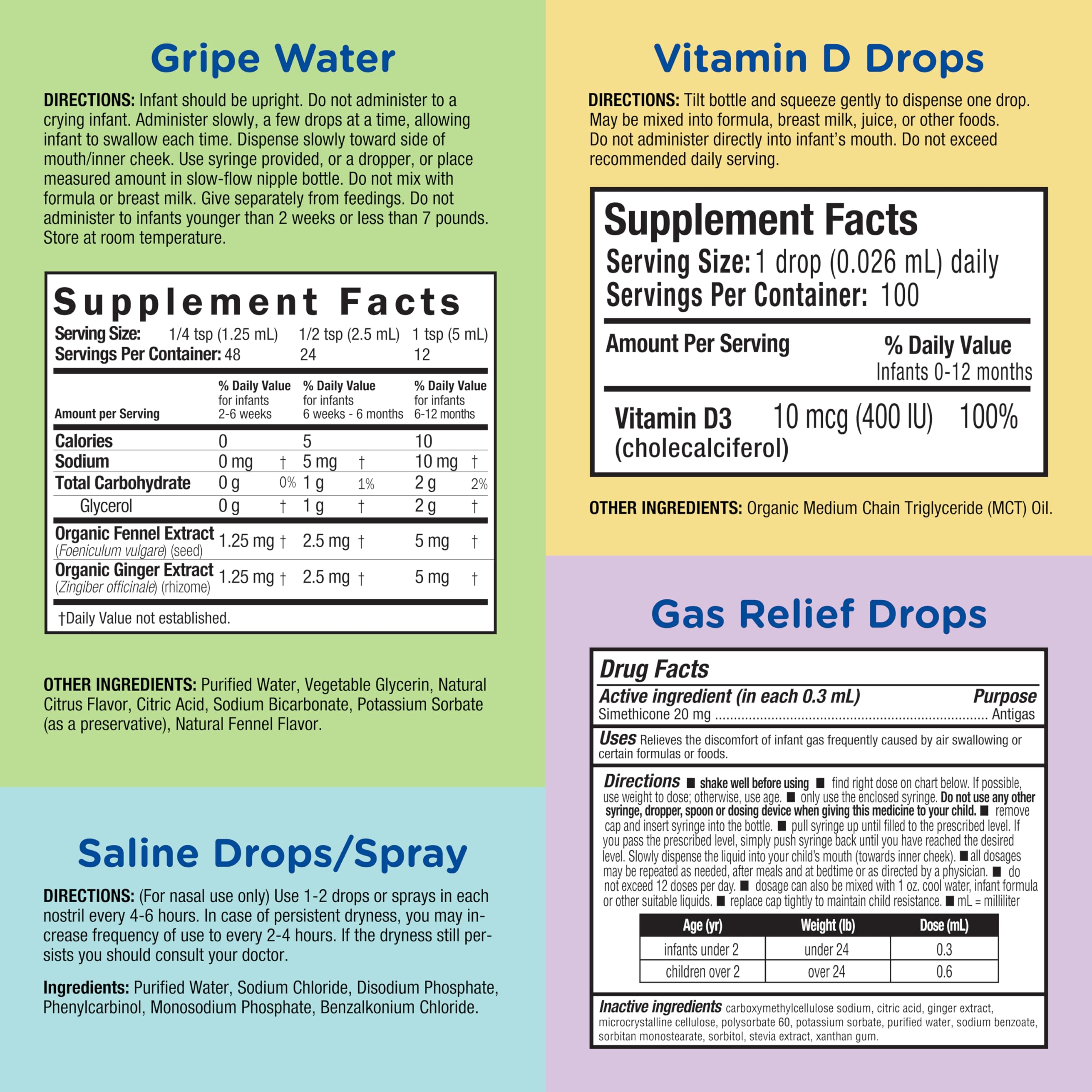
Mommy's Bliss 4-Piece Newborn and Baby Essentials Kit - With Gripe Water, Gas Relief Drops, Vitamin D 400IU, and Saline Drops/Spray - The Perfect Baby Gift.
- Newborn Essentials Gift Set for Baby's Wellness
- Made in the USA
- Mommy's Bliss Baby Newborn Essentials Gift Set, Includes Gripe Water, Baby Vitamin D Drops, Baby Gas Relief Dr
5. Your Baby's Role in the Family: Play, Stimulation, and Everyday Connection
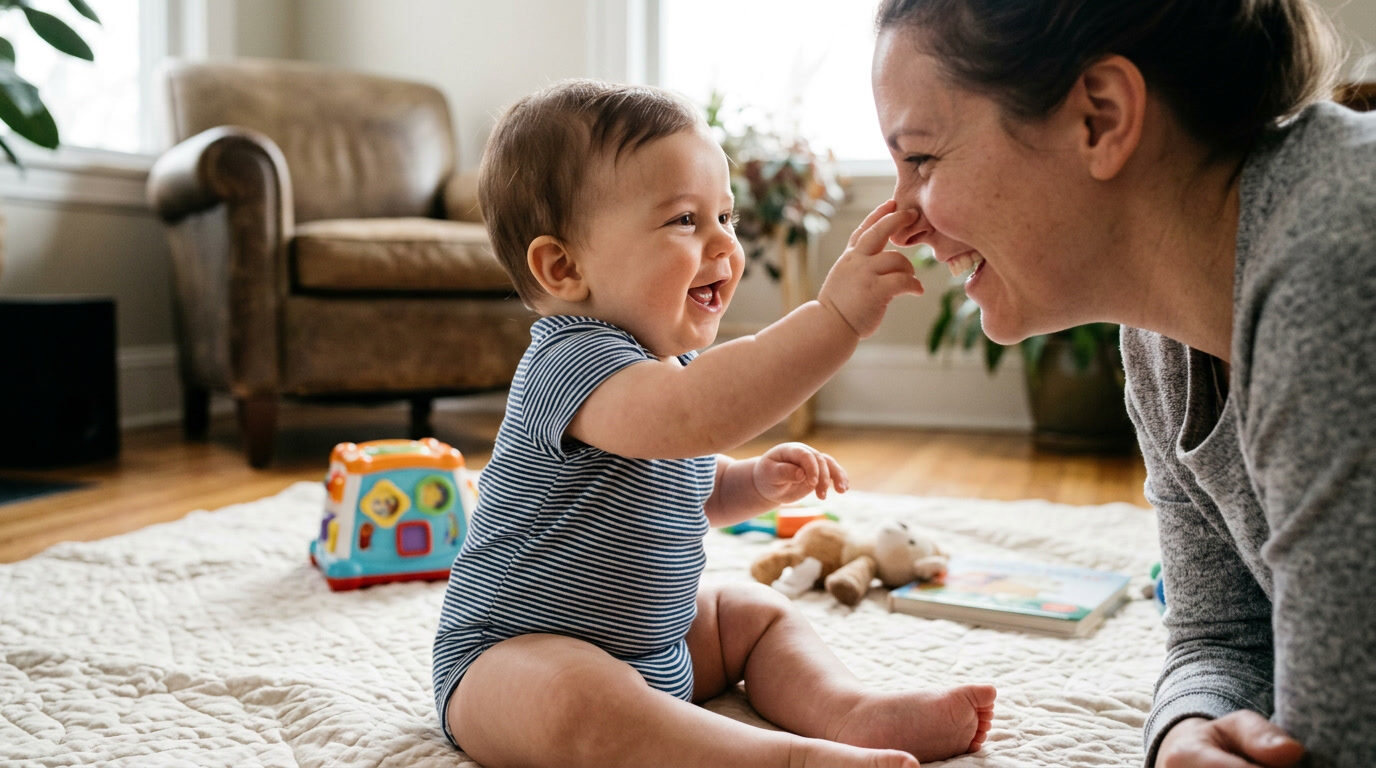
Between 3 and 12 months, your baby develops object permanence, stranger anxiety, proto-language (babbling with intent), and the first clear social preferences. None of this requires flashcards or specialised toys. It requires you, or another consistent, warm caregiver, responding to their signals.
The science of early cognitive development confirms that the "serve-and-return" interaction, where you respond contingently to your baby's vocalisations, gestures, and gaze, is the single most powerful stimulator of brain connectivity in this period. Harvard's Center on the Developing Child has described it as the foundational building block of all later learning.
What "stimulation" actually looks like at this age
- 3–5 months: Mirror play, narrating your own actions ("I'm putting on your sock, one foot, two feet"), high-contrast face time - 5–8 months: Peek-a-boo (literally teaches object permanence), rolling a ball, naming objects repeatedly - 8–12 months: Cause-and-effect toys, simple picture books, copying your facial expressions and gestures, early music-making (banging pots)
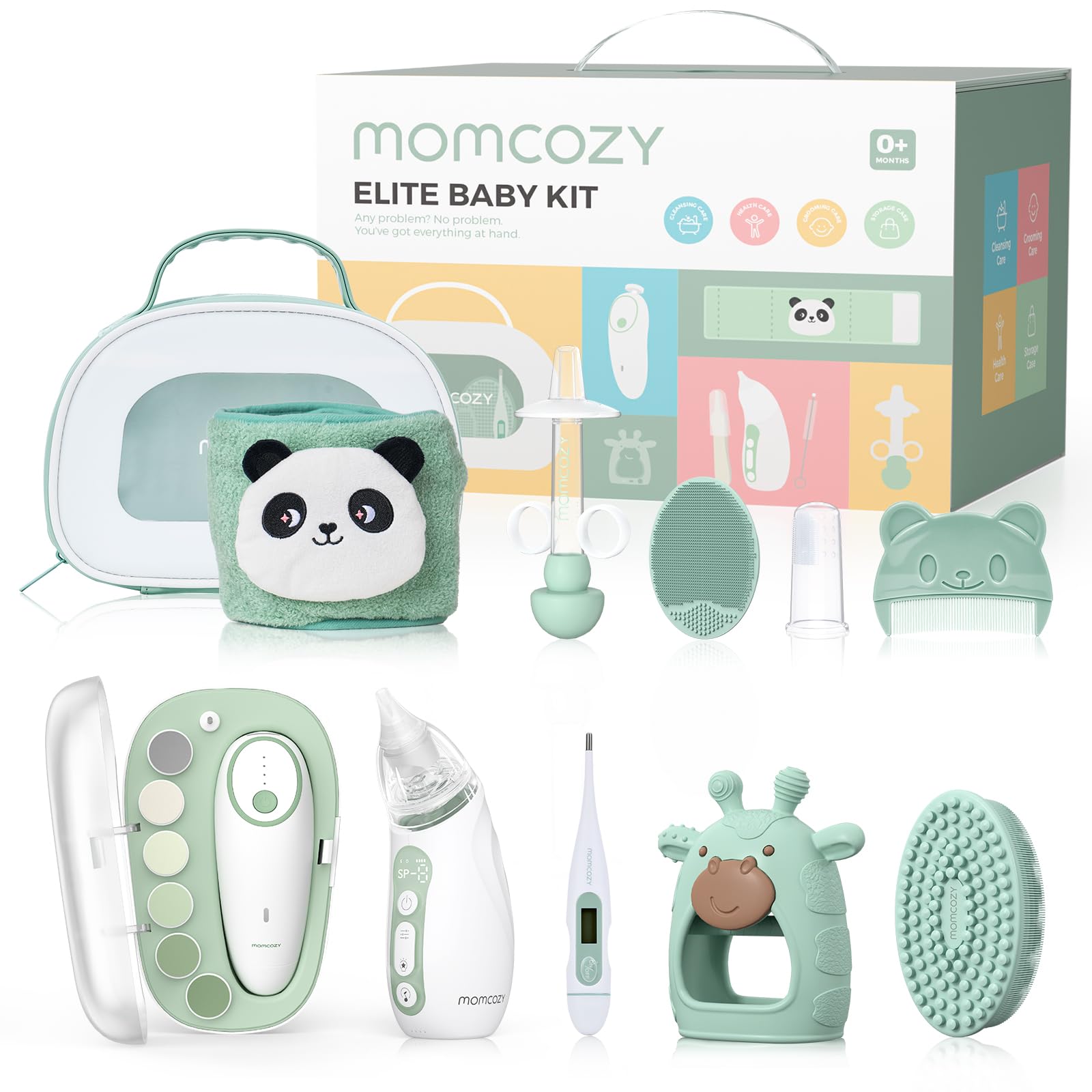

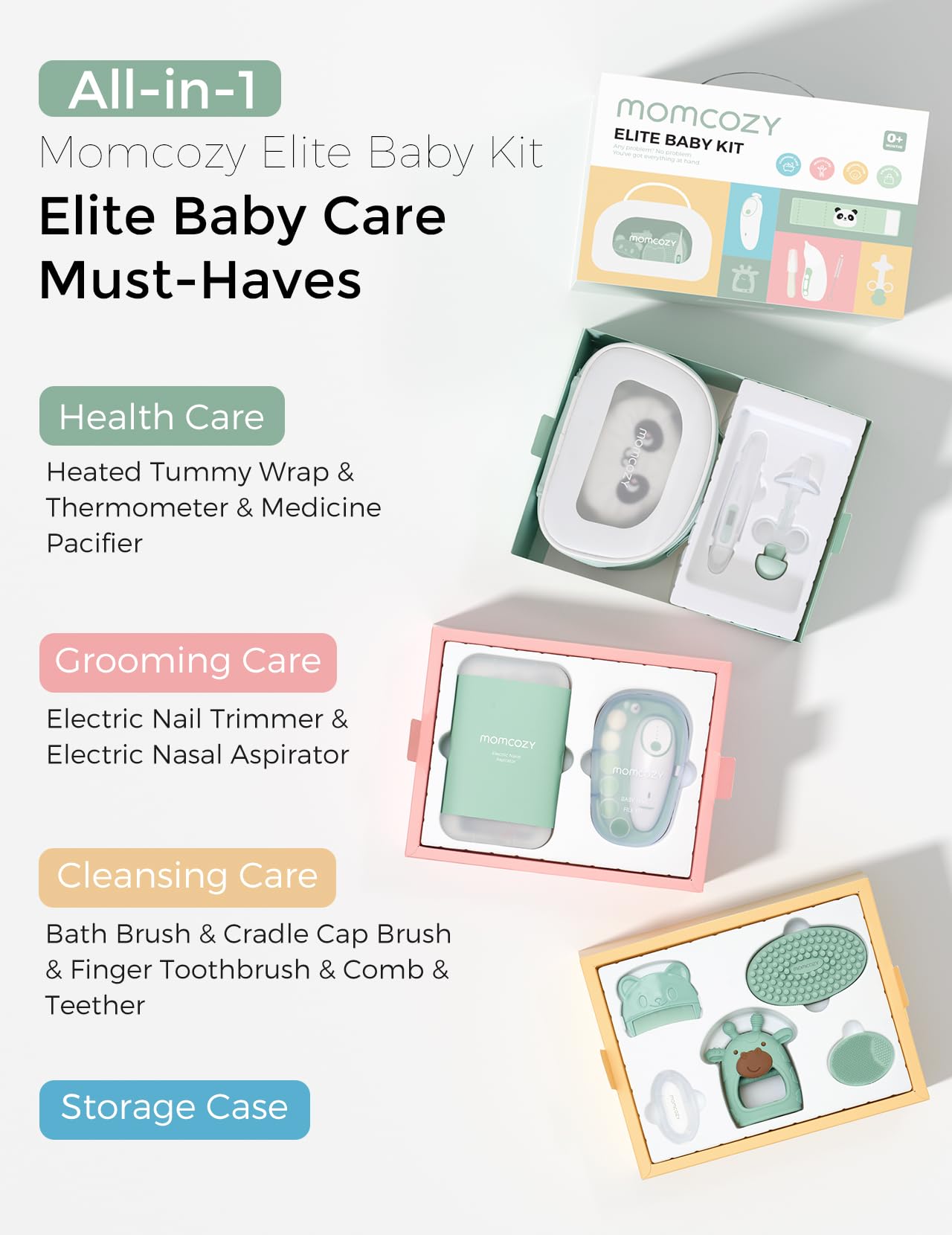
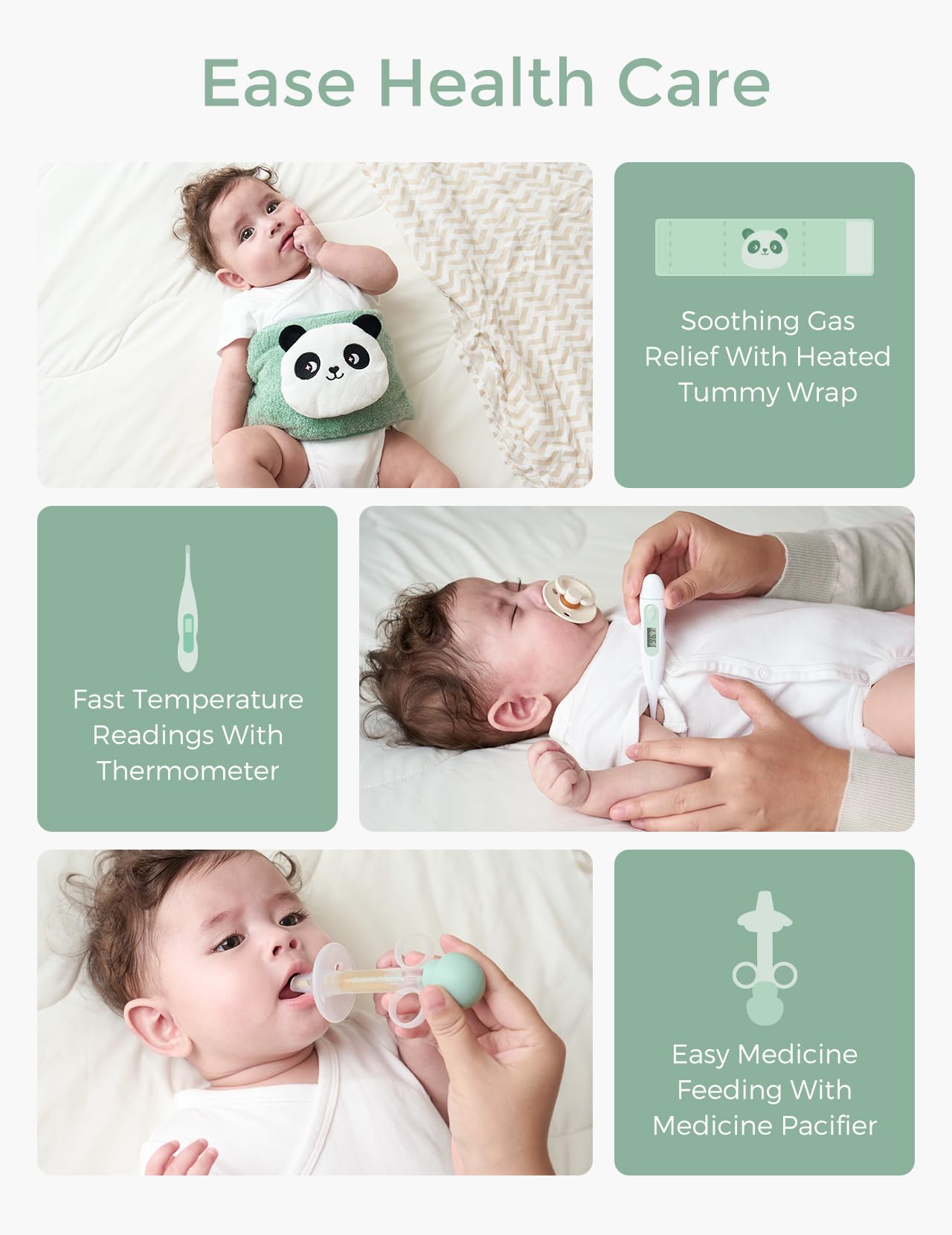
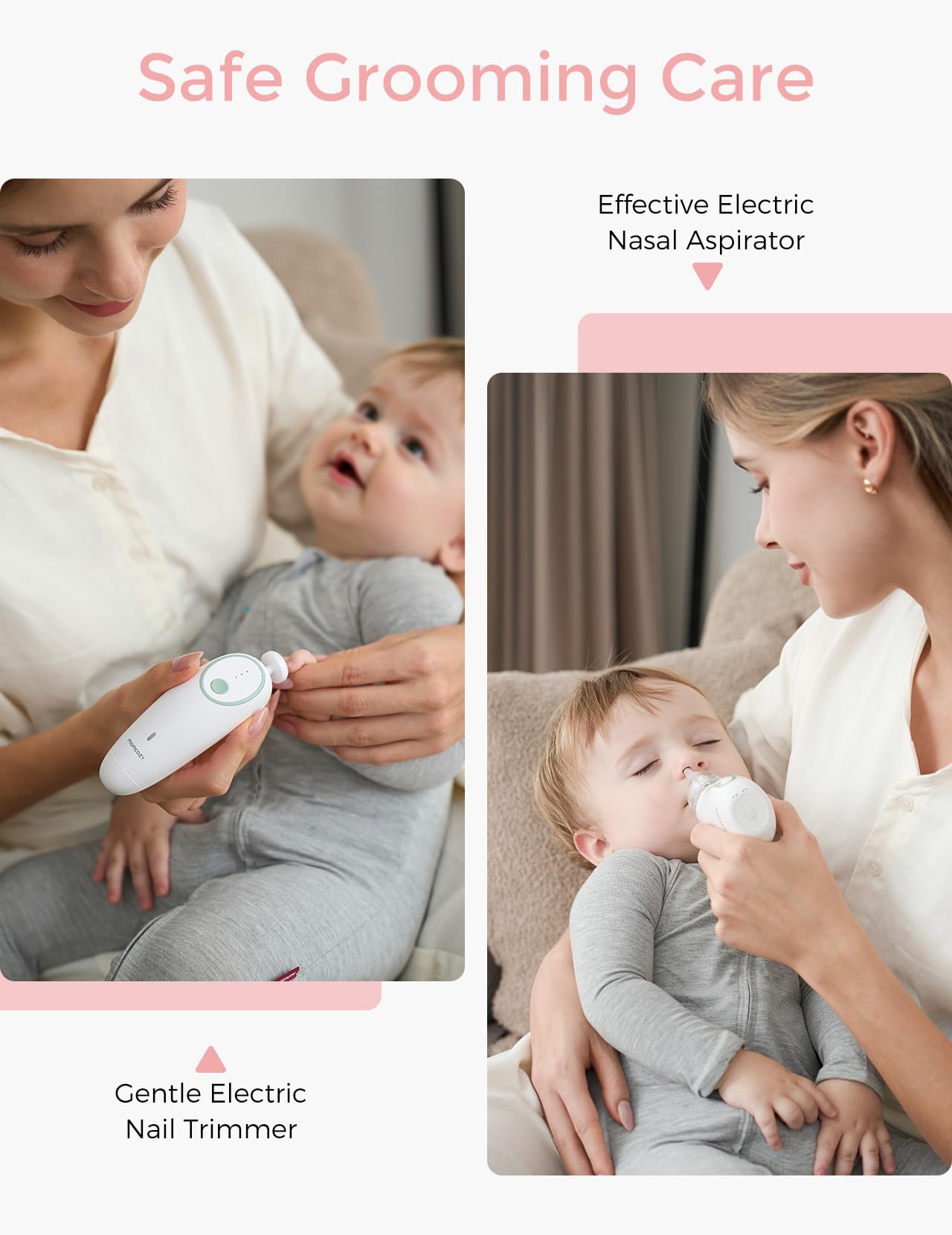
Momcozy Elite Baby Kit, Superior Baby Shower & Registry Essential Kit for Grooming & Health & Cleansing Care, Electric Nail File & Nasal Aspirator,Tummy Wrap,Thermometer,Bath Brush,Teether,Storage Bag
- The All-in-1 Momcozy Baby Elite Kit - Superior Baby Shower & Registry Gift. The Elite Baby Kit covers 3 main b
- Gentle Electric Nail Trimmer - Momcozy Elite Baby Kit comes with an electric nail trimmer, features a gentle 3
- Efficient Baby Nasal Aspirator- Made of BPA-free soft material, the nasal aspirator has 3 levels of suction po
6. Everyday Care Routines: What to Prioritise and What to Let Go
Between feeding, nappy changes, bathing, grooming, and medical appointments, the logistical load of caring for an infant can feel overwhelming. Having the right tools organised and ready significantly reduces the daily friction. The AAP estimates that new parents make an average of 12–15 caregiving decisions per hour in the first months; reducing the cognitive load of those decisions matters.
The core daily care tasks worth systematising


Johnson's Baby Care Essentials Gift Set, Body Lotion, & Zinc Oxide Diaper Rash Paste for Baby's Delicate Skin, Value Pack, Travel-Size, Bath Essentials Must Haves, Baby Gifts, 3 Items
- Gentle Baby Cleansers: Includes 3 travel-sized baby cleansing and skincare products formulated for baby's deli
- Body Wash & Shampoo: 3.4-fluid ounce bottle of Johnson's Head-to-Toe 2-in-1 Baby Body Wash & Shampoo cleanses
- Nourishing Baby Lotion: 3.4-fluid ounce bottle of Johnson's Baby Lotion enriched with coconut oil nourishes ba
7. Protecting Your Own Wellbeing: The Non-Negotiable Foundation
You cannot pour from an empty container. That phrase is repeated so often it has lost its edge, but the underlying physiology is real. Chronic sleep deprivation impairs the prefrontal cortex's regulatory functions within 72 hours, making you less emotionally patient, less able to read your baby's cues accurately, and more likely to catastrophise normal infant behaviour.
The minimum effective dose of self-care
This is not about spa days. It is about biological minimums:
- Sleep: Any stretch of four-plus consecutive hours, taken at any time of day, is restorative. Shift overnight duty specifically to protect one person's longer sleep block on alternating nights. - Movement: Even 20 minutes of walking at low intensity three times a week significantly reduces postpartum depressive symptoms, per a 2014 meta-analysis in the British Journal of General Practice. - Social connection: One conversation with a friend or peer parent per week, in person or by phone, is independently associated with lower parental isolation scores. - Screening: The Edinburgh Postnatal Depression Scale (EPDS) is a validated, free 10-question tool. Most paediatric well-child visits include it, but you can self-screen at any point and share results with your doctor.
Tracking your baby's physical milestones alongside your own wellbeing gives you a shared roadmap for the whole family, not just the infant.
Baby Care Essentials: Comparison at a Glance
| Kit Type | Best For | Key Contents | Main Advantage | Recommended Product | Price Range |
|---|---|---|---|---|---|
| Symptom-relief bundle | Common infant illnesses | Saline spray, gas drops, gripe water, diaper rash cream | Covers the most frequent new-parent emergencies in one box | Little Remedies Essentials Kit | ~$25 |
| Compact grooming kit | On-the-go families | Nail file, comb, brush, nasal aspirator, scissors, dropper | Lightweight; fits in a nappy bag | WXA 14-in-1 Grooming Kit | ~$10 |
| Deluxe 25-piece kit | First-time parents wanting everything | Toothbrush, aspirator, brush, comb, bottle dispenser, clutch case | Organised case; large item count for full-care coverage | Safety 1st Deluxe Kit | ~$16 |
| Wellness supplement bundle | Breastfed or formula-fed infants | Vitamin D, gas drops, gripe water, saline | Addresses nutritional and digestive gaps common in early infancy | Mommy's Bliss 4-Piece Kit | ~$23 |
| All-in-one electric care kit | Tech-forward caregivers | Electric nail trimmer, electric aspirator, tummy wrap, thermometer, teether | Reduces manual handling; multiple automation features | Momcozy Elite Baby Kit | ~$90 |
| Travel skincare set | Families frequently away from home | Body wash, lotion, diaper rash paste (travel size) | Compact; covers cleansing and skin protection | Johnson's Baby Care Gift Set | ~$9 |
Expert Insights
The 3–12 month window is genuinely demanding, and no guide will make that untrue. What research gives you, though, is the reassurance that the stakes are much lower than social media suggests and the levers are much simpler. Your baby does not need a perfect environment; they need a predictably warm one. Your relationship does not need grand renewal; it needs a few minutes of daily attention. And you do not need to be endlessly patient; you need enough sleep and support to be good enough, most of the time.
The most quotable truth in developmental paediatrics may still be Donald Winnicott's: "The good-enough mother is not perfect. She is a mother who makes mistakes, who is sometimes absent, and who repairs the relationship." That applies to every parent in this guide. Save it, share it with your co-parent, and come back to it on the hard nights.
Sources & References
- American Academy of Pediatrics. "Safe Sleep Recommendations." HealthyChildren.org. Updated 2022. https://www.healthychildren.org/English/ages-stages/baby/sleep/Pages/A-Parents-Guide-to-Safe-Sleep.aspx
- Mindell JA, et al. "A Nightly Bedtime Routine: Impact on Sleep in Young Children and Maternal Sleep and Mood." Sleep. 2009;32(5):599–606.
- American Academy of Sleep Medicine. "Behavioral Sleep Interventions for Young Children." AASM Clinical Practice Guideline, 2017.
- NICHD Early Child Care Research Network. "Child-Care and Family Predictors of Preschool Attachment and Stability from Infancy." Developmental Psychology. 2001;37(6):847–862.
- Gottman JM, Gottman JS. And Baby Makes Three. Crown Publishers, 2007.
- Doss BD, et al. "The Effect of the Transition to Parenthood on Relationship Quality." Journal of Personality and Social Psychology. 2009;96(3):601–619.
- Kuhl PK. "Early Language Acquisition: Cracking the Speech Code." Nature Reviews Neuroscience. 2004;5:831–843.
- McCurdy K, et al. "Postnatal Exercise and Depressive Symptoms: A Meta-Analysis." British Journal of General Practice. 2014.
- Harvard Center on the Developing Child. "Serve and Return." 2018. https://developingchild.harvard.edu/science/key-concepts/serve-and-return/
- Cox JL, Holden JM, Sagovsky R. "Detection of Postnatal Depression: Development of the 10-Item Edinburgh Postnatal Depression Scale." British Journal of Psychiatry. 1987;150:782–786.
- American Academy of Pediatrics Council on Communications and Media. "Media and Young Minds." Pediatrics. 2016;138(5):e20162591.
Frequently Asked Questions
When should I start a bedtime routine with my infant?
How do I handle relatives who disagree with our parenting choices?
Is it normal for my older child to regress after the baby arrives?
My partner and I are fighting more since the baby arrived. Is that normal?
How much screen time is okay for infants under 12 months?
When should I worry about my own mental health after having a baby?
How do I choose between a nanny, family day care, and a childcare centre?
Was this helpful?
Thanks — your feedback helps us pick what to write next.