Magna-Tiles for Toddlers: Why They Spark Real Learning
Magna-Tiles are among the most developmentally rich toys you can give a toddler aged 1 to 3, because they build fine motor skills, spatial reasoning, and early STEM thinking through open ended, sensory driven play.

In this article
Your toddler has been awake for forty minutes and you've already heard "again!" seventeen times. Sound familiar? There's a reason certain toys hold attention at this age while others collect dust by Tuesday. According to the American Academy of Pediatrics, play is so central to toddler development that it's described as the primary vehicle through which children ages 1 to 3 build cognitive, physical, and social foundations. Not a vehicle. The primary one.
Magnetic building tiles sit right at that intersection of irresistible and genuinely useful. The satisfying snap when two tiles connect, the way a flat pile of shapes suddenly becomes a tower, and the freedom to knock it all down and start again? That's not just entertainment. That's a toddler's brain doing serious work.
Here's what you'll understand after reading this guide:
1. What Toddler Brains Actually Get From Building Play
Spatial reasoning is the skill most directly sharpened by magnetic tile play, and it matters more than most parents realise. Research published in the journal Psychological Science found that children who engage in more spatial play in early childhood show stronger math performance years later. We're not talking marginal differences. The relationship between hands on building experience and numerical reasoning is one of the most consistent findings in developmental psychology.
For toddlers specifically, ages 1 to 3, the relevant gains show up in a few areas.
Fine motor control
Picking up a small tile, aligning its edge with another, and pressing until the magnets grab requires the kind of precise finger movement that primes children for writing, self care tasks, and tool use. The Magna-Tiles Classic 32-Piece Set is particularly good here because the tiles are large enough for small hands to manage but small enough to require intentional grip.
Cause and effect thinking
Every time a toddler holds two same-pole edges together and feels them push apart, they're noticing that their actions have predictable consequences. That's a fundamental cognitive step that researchers at MIT's Early Childhood Cognition Lab have identified as one of the building blocks of logical reasoning.
Early geometry
Toddlers can't name a triangle, but they learn through repeated handling that triangles fit on top of squares in ways that squares don't fit on squares. That embodied geometric knowledge is exactly what later formal maths instruction builds on.
Learning more about how creative play builds the toddler brain can help you see why unstructured tile time is doing more heavy lifting than it looks like.


MAGNA-TILES Classic 32-Piece Magnetic Construction Set, The ORIGINAL Magnetic Building Brand
- What’s Included: 32 translucent geometric shapes in 6 different colors. This set includes Squares (2 Large, 14
- What Makes It Unique: You’re looking at the original and most celebrated set in magnetic construction! Feature
- Developmental: Certified STEAM toy, per Dr. Gummer’s Good Play Guide, in partnership with The Toy Association,
2. The Heart-Themed Sets: More Than a Pretty Colour
Themed sets are sometimes dismissed as marketing. In this case, the theme actually adds a real developmental layer.
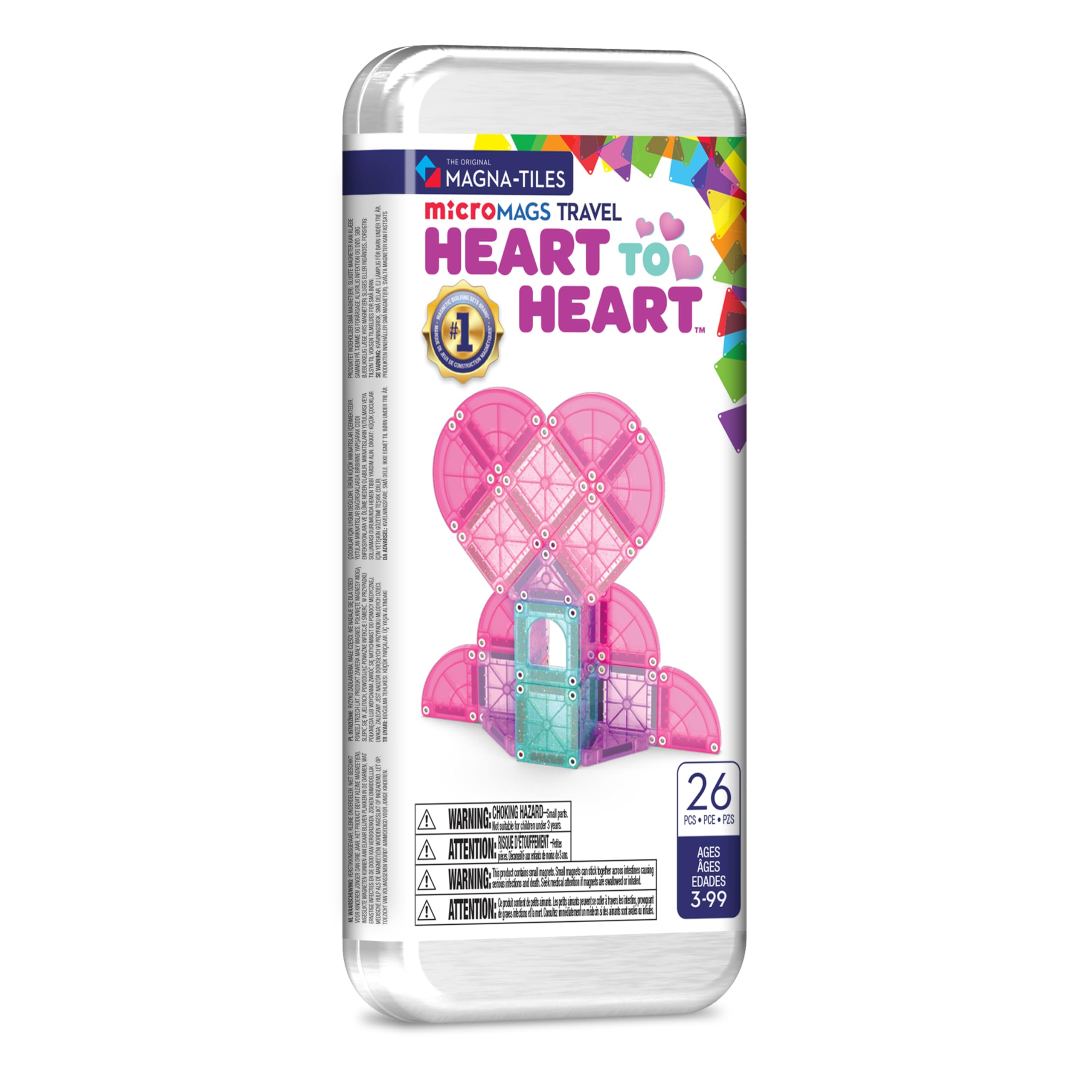
The Magna-Tiles microMAGS Heart to Heart Travel Set is smaller in size than standard tiles, which makes it a travel and on-the-go option. But the more interesting thing is what the decorative elements do for play. Arch windows, quarter circles, and glittering tiles introduce shapes that don't appear in classic rectangular sets. Novel shapes extend problem solving: if all you have are squares and equilateral triangles, you find two or three reliable structures and cycle through them. Add a quarter circle and you start asking different questions about what fits where.
For toddlers, novelty is neurologically significant. New stimuli activate the dopamine system in a way that encourages exploration and persistence, according to research from the University College London's developmental neuroscience group. In plain language: unfamiliar shapes keep kids playing longer and trying harder.
Why themed play matters at this age
Storytelling begins as soon as toddlers have a mental script to work with. Hearts, sparkles, and arches give a child a visual prompt ("this is a house for someone special") that launches narrative play even before language is fluent. You'll hear toddlers narrating to themselves in a way they simply don't with plain geometric shapes.
3. How to Set Up the Play Space for a Toddler (Not a School Lesson)
The best play space for magnetic tiles is as simple as possible. Here's what actually works for toddlers.
A hard, flat surface is non-negotiable. Carpet causes the tiles to wobble and collapse, which frustrates younger toddlers who haven't yet built resilience around failure. A kitchen table, a hardwood floor, or an activity tray all work well.
Less is more at the start
Tip every piece from a 100-piece set onto the floor and a one year old will be overwhelmed and will start mouthing tiles rather than building. Start with six to eight pieces. Expand as the child moves into the 2 to 3 year range and starts planning their builds rather than reacting to whatever their hands encounter.
A practical starting progression:
1. Ages 12 to 18 months: six to eight pieces, parent models simple flat shapes, child explores freely 2. Ages 18 to 24 months: twelve to sixteen pieces, introduce the idea of "tall" versus "flat" builds 3. Ages 2 to 3 years: full small set (25 to 32 pieces), allow completely independent play, ask questions rather than demonstrating


MAGNA-TILES Safari Animals 25-Piece Magnetic Construction Set, The ORIGINAL Magnetic Building Brand
- What’s Included: 4 Safari Figurines (Giraffe, Monkey, Lion and Elephant), 9 Small Squares, 10 Triangles (2 Rig
- What Makes It Unique: Includes four safari animal friends (Giraffe, Monkey, Lion and Elephant) to encourage im
- Developmental: Certified STEAM toy, per Dr. Gummer’s Good Play Guide, in partnership with The Toy Association,
4. Building Together: The Social and Language Dimension
Parallel play gives way to collaborative play somewhere around age two and a half, and magnetic tiles are one of the cleanest toys for bridging that transition.
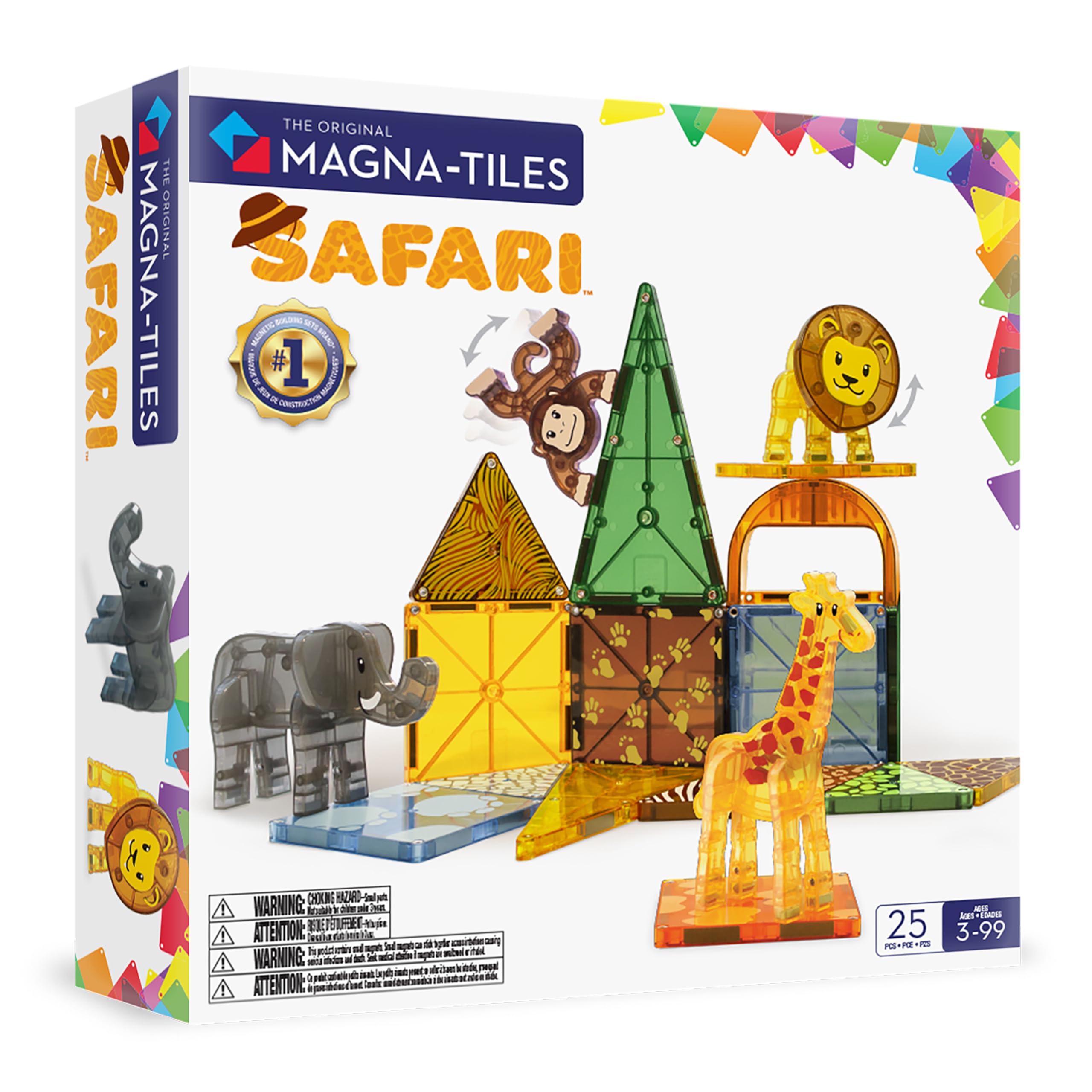
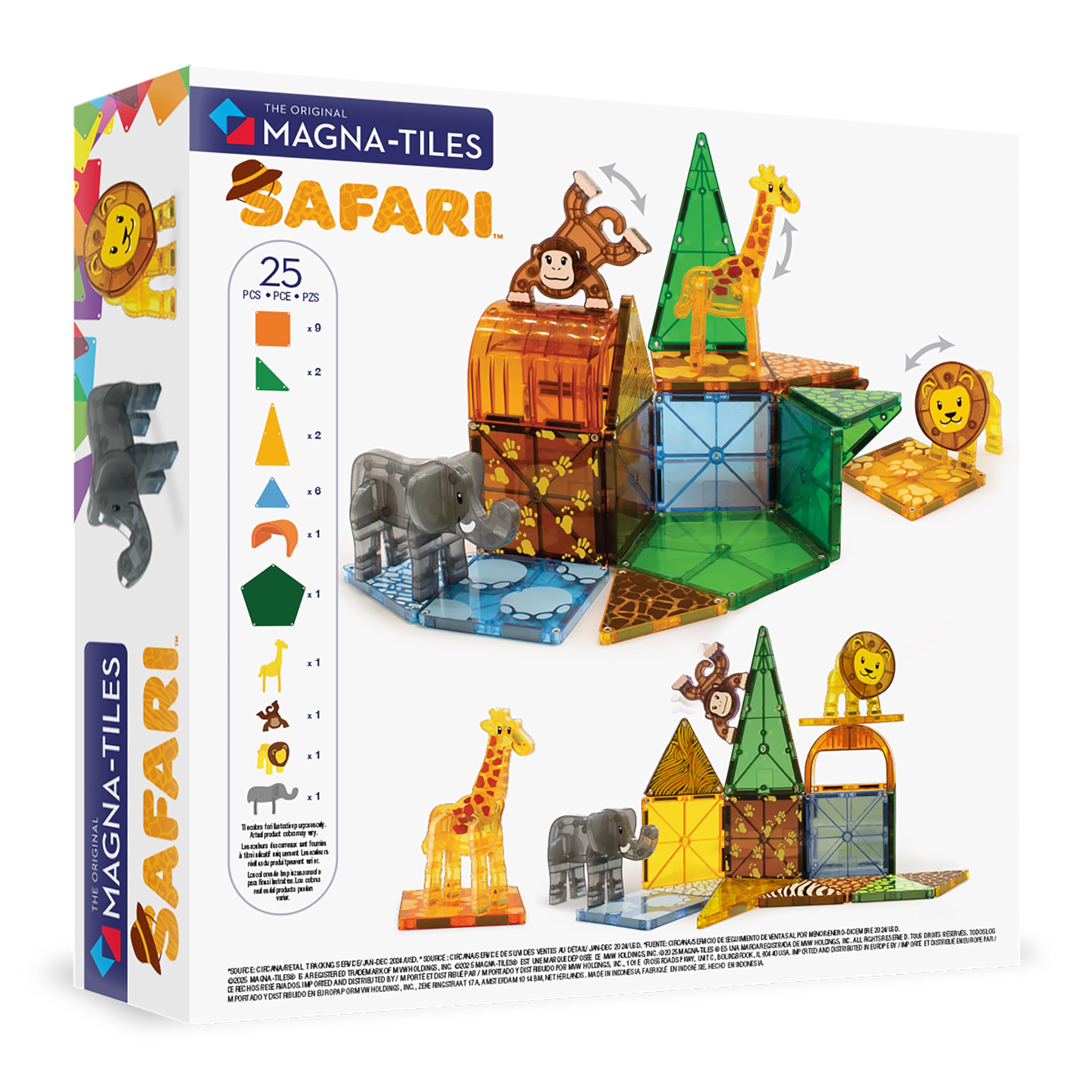
When two toddlers build together with a set like the Magna-Tiles Safari Animals Set, they negotiate ("I want the lion"), take turns ("your turn, then mine"), and share physical space in a way that genuinely rehearses the social skills preschool teachers spend most of their time building. The safari figurines add a layer because they give children a shared narrative focus. The animals become characters; the tiles become habitat. That kind of shared imaginative space is where language explodes.
What parents can do
You don't need to be the activity director. What works is staying physically present, mirroring your child's excitement, and asking open questions:
- "What do you think would happen if we put that on top?" - "Where should the elephant live?" - "How can we make the door tall enough for the giraffe?"
These aren't trick questions designed to test your child. They're genuine invitations to think out loud, which is one of the single most effective things you can do to grow early reasoning skills.
If you're interested in the broader picture of how toddlers develop these coordination and communication skills through movement and exploration, physical development from first steps to full sprints gives a thorough walkthrough of what's happening in the body and brain in parallel.


MAGNA-TILES Castle 25-Piece Magnetic Construction Set, The Original Magnetic Building Brand
- What’s Included: 25 magnetic pieces, including 1 Drawbridge, 1 Dragon Figure, 1 Royalty Figure, 1 Spiral Stair
- Developmental: Encourages children to learn through play, exploring cause and effect and other logic principle
- More to Explore: Check out MAGNA-TILES Castle DLX for the royal treatment in medieval magnetic fun Always Comp
5. Magna-Tiles vs. Compatible Brands: An Honest Comparison
Magna-Tiles invented the category and the quality is real, but the price is also real. Compatible brands like PicassoTiles offer significantly more pieces per dollar and hold up better than their reputation might suggest. Here's how the main options compare for a toddler household.
| Set | Best Age in Toddler Range | Key Strength | Main Limitation | Recommended Product | Price |
|---|---|---|---|---|---|
| Magna-Tiles Classic 32-Piece | 18 months to 3 years | Premium magnet strength, STEAM certified | Fewer pieces for the price | Magna-Tiles Classic 32-Piece | $49.99 |
| Magna-Tiles microMAGS Heart Travel Set | 2 to 3 years (travel) | Unique shapes, portable, great gift | Smaller pieces need supervision | microMAGS Heart to Heart Set | $19.99 |
| Magna-Tiles Castle 25-Piece | 2.5 to 3 years | Storytelling figures, working drawbridge | Thematic, less open ended | Magna-Tiles Castle Set | $39.99 |
| Magna-Tiles Safari Animals 25-Piece | 2 to 3 years | Animal figures extend narrative play | Smaller piece count | Safari Animals Set | $39.99 |
| PicassoTiles 60-Piece Set | 18 months to 3 years | High piece count, budget friendly | Magnet slightly weaker than Magna-Tiles | PicassoTiles 60-Piece Set | $22.99 |
| PicassoTiles 100-Piece Set | 2 to 3 years | Maximum building potential, scales up | Overwhelming for younger toddlers at first | PicassoTiles 100-Piece Set | $31.47 |
6. Gifting Magnetic Tiles: What to Buy at Each Stage
If you're buying for someone else's toddler, the choice gets easier once you know the child's age and what the family already has.
For a first set (ages 1 to 2 years)
Start with the Magna-Tiles Classic 32-Piece or the PicassoTiles 60-Piece Set. You want pieces big enough to handle safely (all of these pass standard ASTM safety requirements for ages 3 and up, so supervise closely under age 3), simple shapes, and enough pieces that one lost tile doesn't derail the whole set.
For a toddler who already has a classic set
A themed add-on set is the right move. The microMAGS Heart to Heart Travel Set works as a standalone travel set and as an expansion. The Magna-Tiles Castle Set adds narrative depth that older toddlers are ready for.
For a gift with a smaller budget
The PicassoTiles 60-Piece Set at under $25 gives you more pieces than most premium sets twice the price. It rates at 4.8 stars across nearly 36,000 reviews. That's not luck; that's a consistently good product.

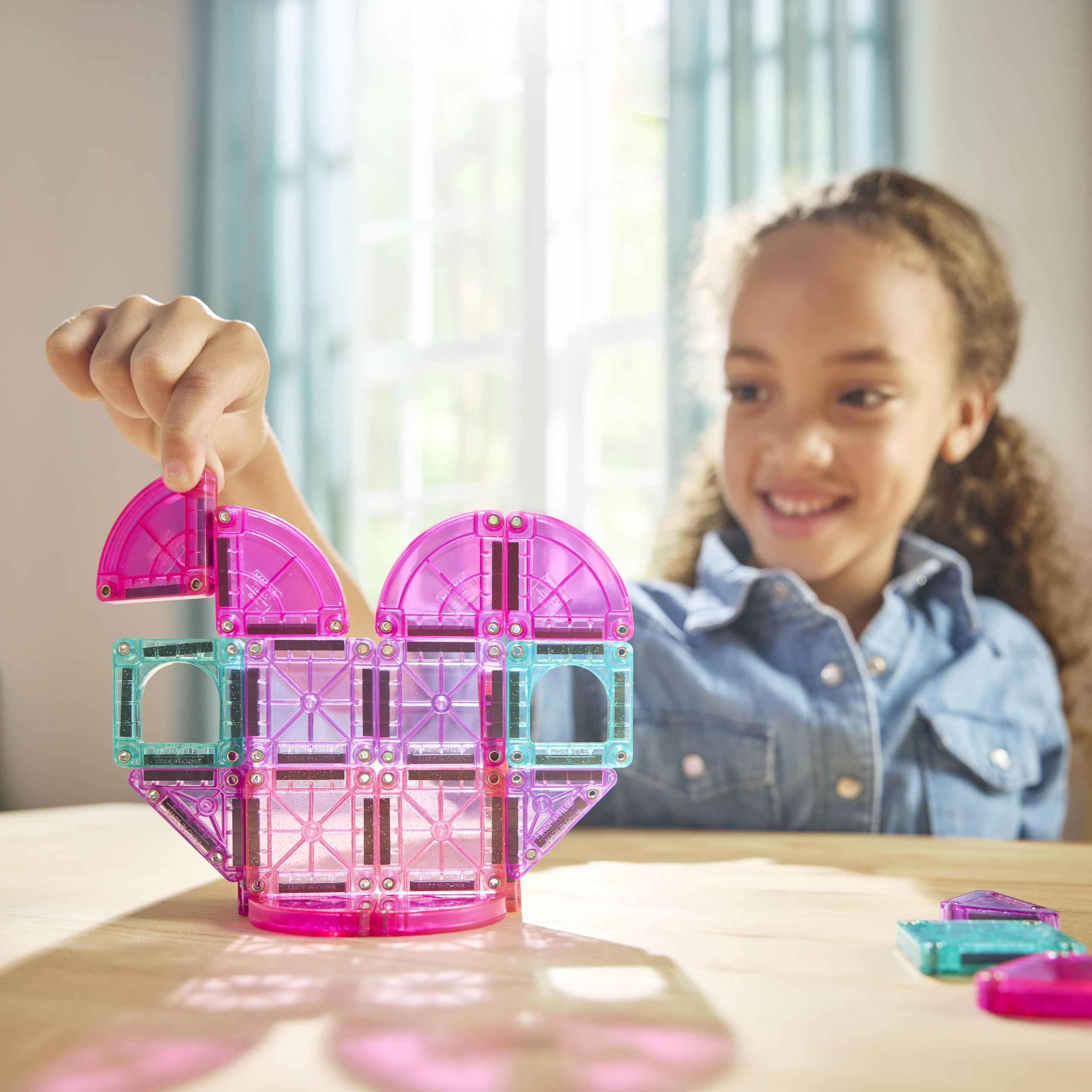
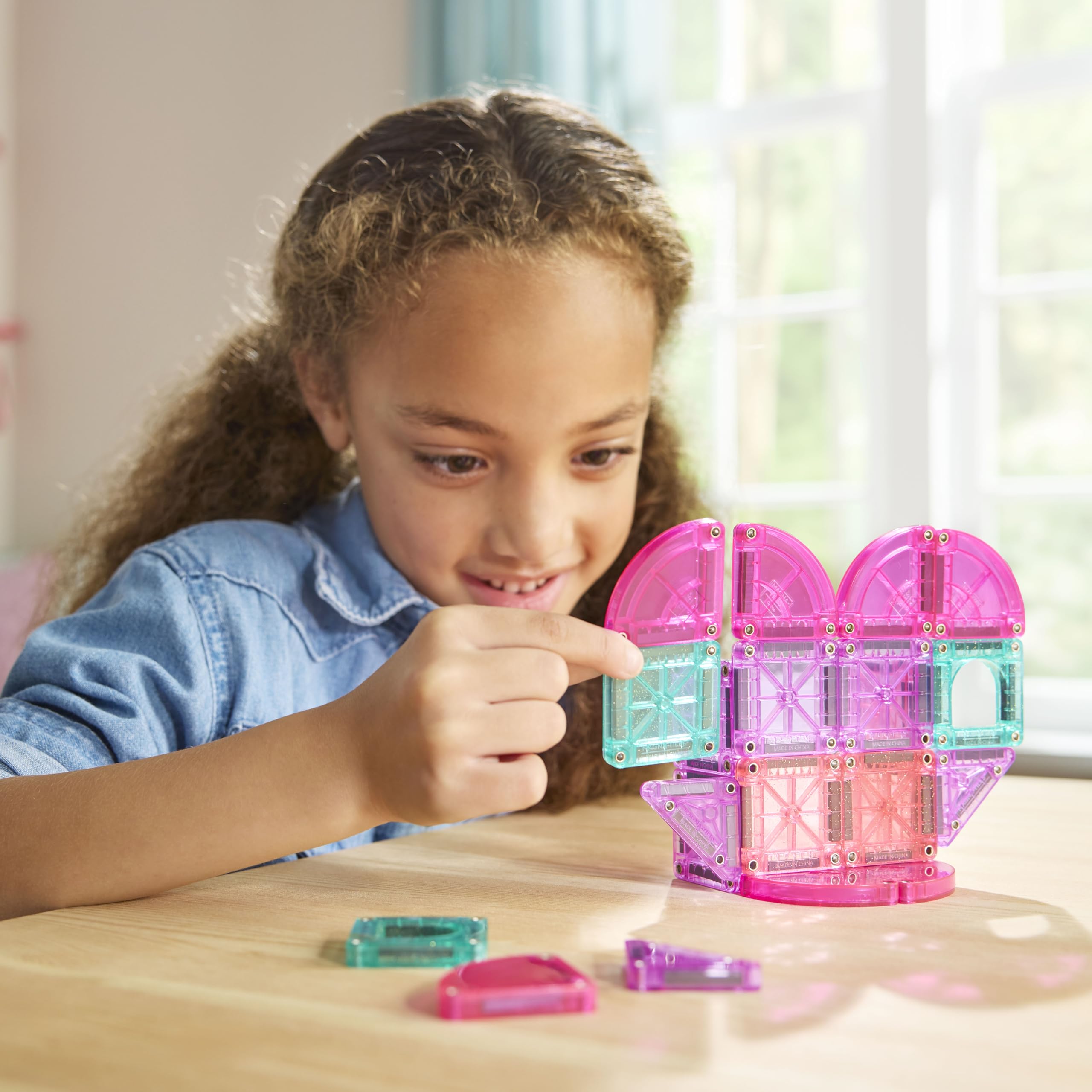

MAGNA-TILES microMAGS 26-Piece Heart to Heart Travel Set, The Original Magnetic Building Brand
- What Makes It Unique: Packed with glittering tiles, decorative arch windows, and vibrant quarter circles, this
- Developmental: Encourages creative storytelling while building fine motor skills, hand-eye coordination, and e
- Great for Gifting: Perfect for Valentine’s Day, birthdays, or any occasion celebrating love and creativity for
Expert Insights
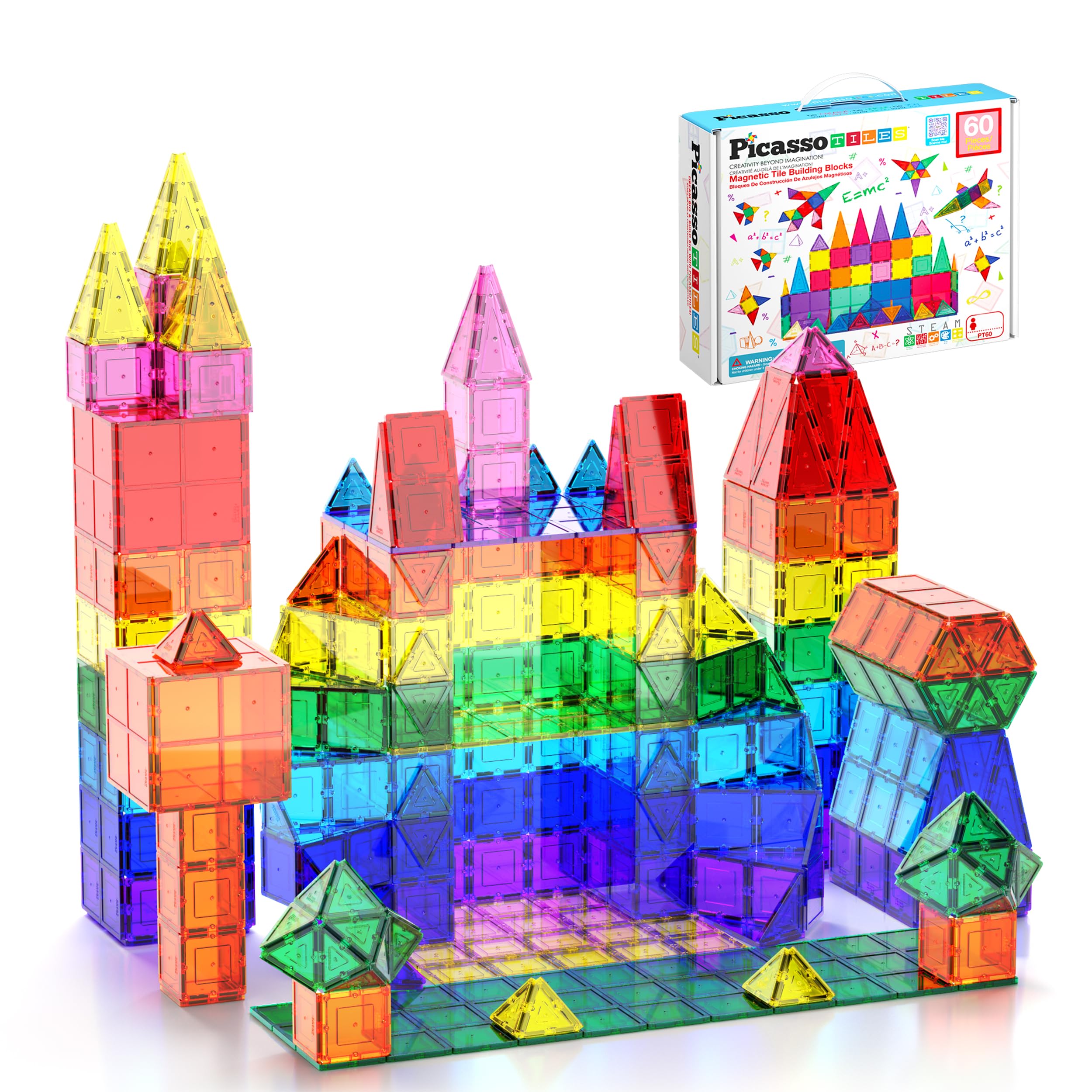


PicassoTiles 60 Piece Set 60pcs Magnet Building Tiles Clear Magnetic 3D Blocks Construction Playboards - Creativity Beyond Imagination, Inspirational, Recreational, Educational, Conventional
- Magnetic Tiles Educational Toys: Ideal set toy from PicassoTiles to encourage toddlers creativity and STEM lea
- Early Childhood Development Toys: PicassoTiles Magnetic Tiles are made for toddlers & kids ages 3+. Sensory &
- Compatible with other Magnetic Tiles: Our magnet tiles the right size for small hands to easily grasp, lift, a
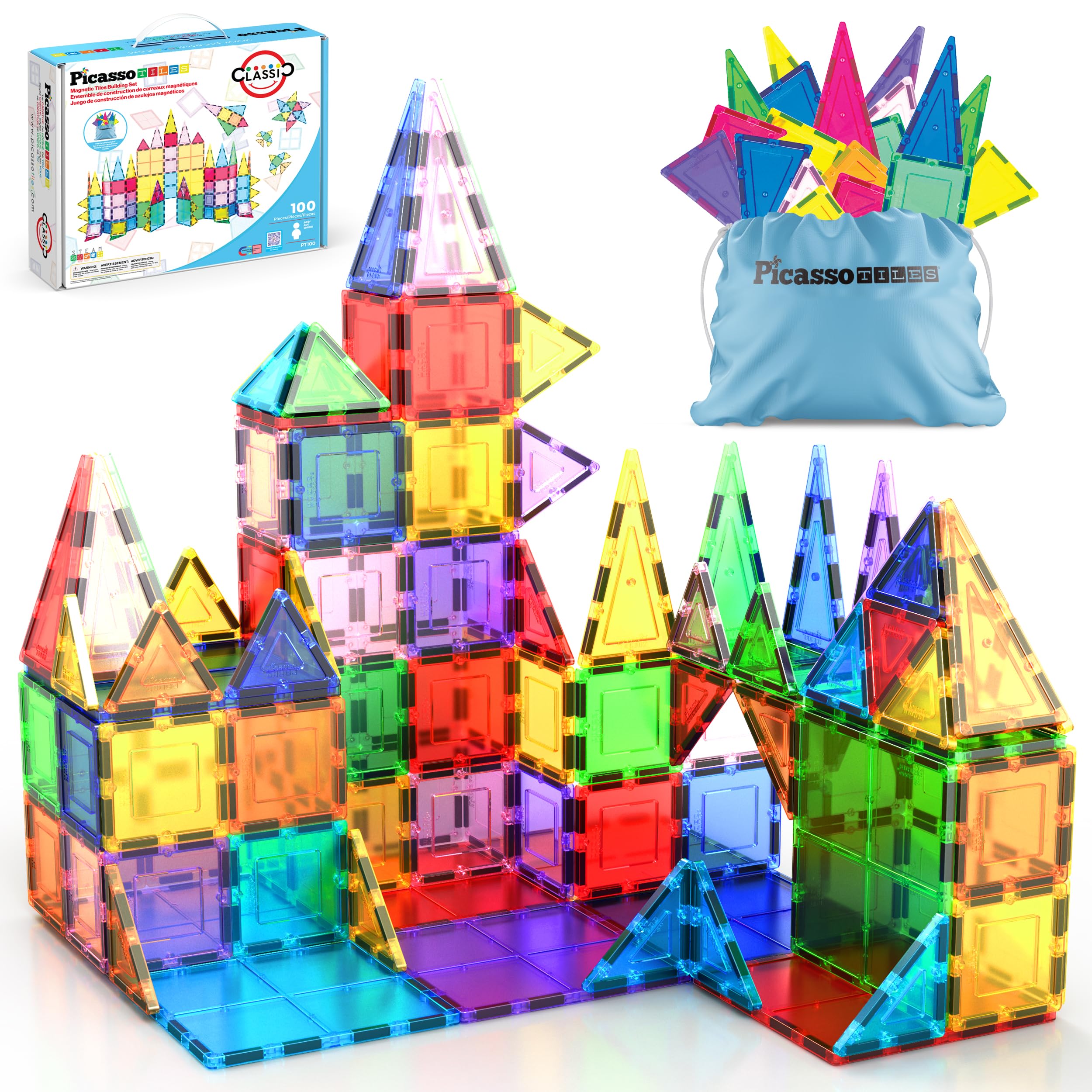
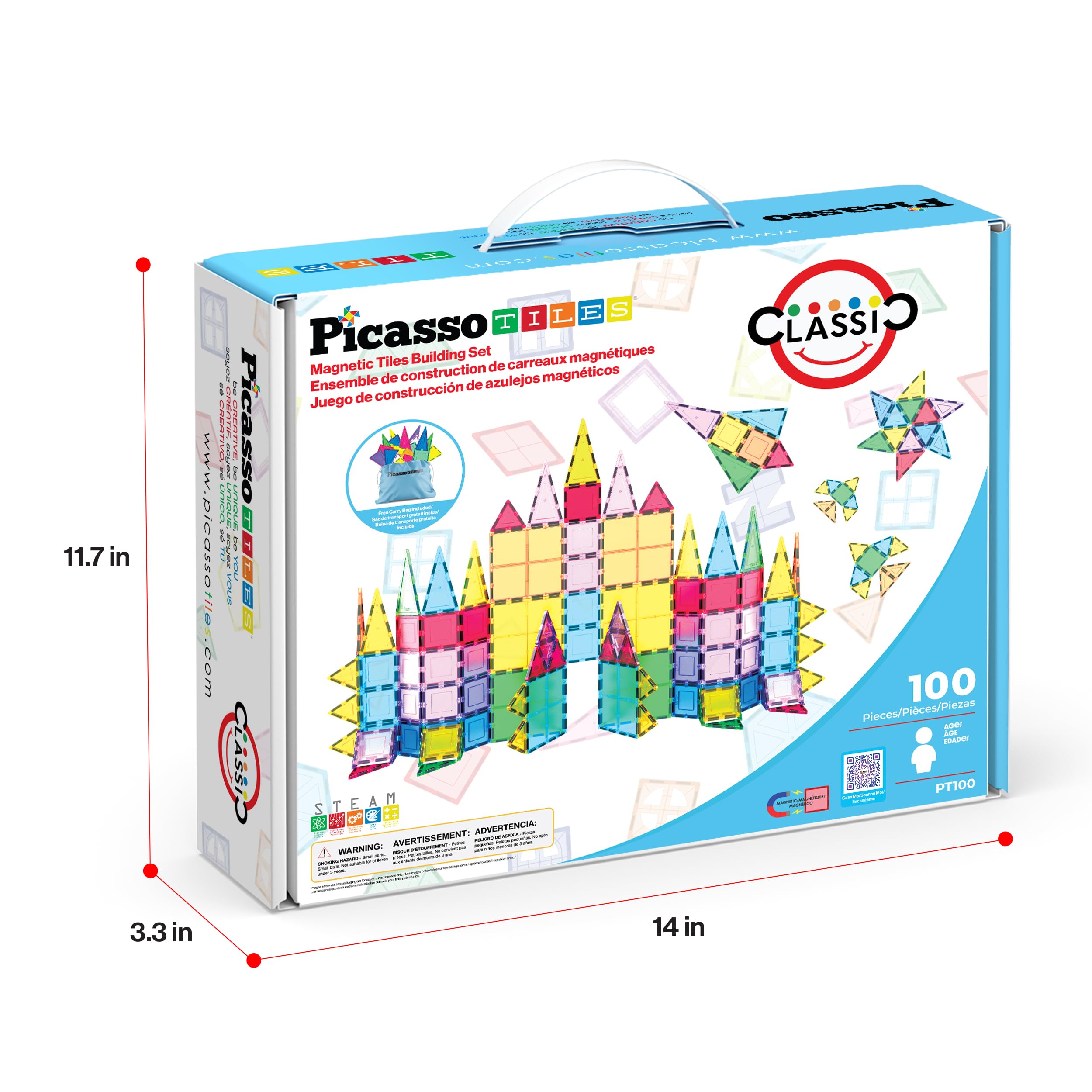
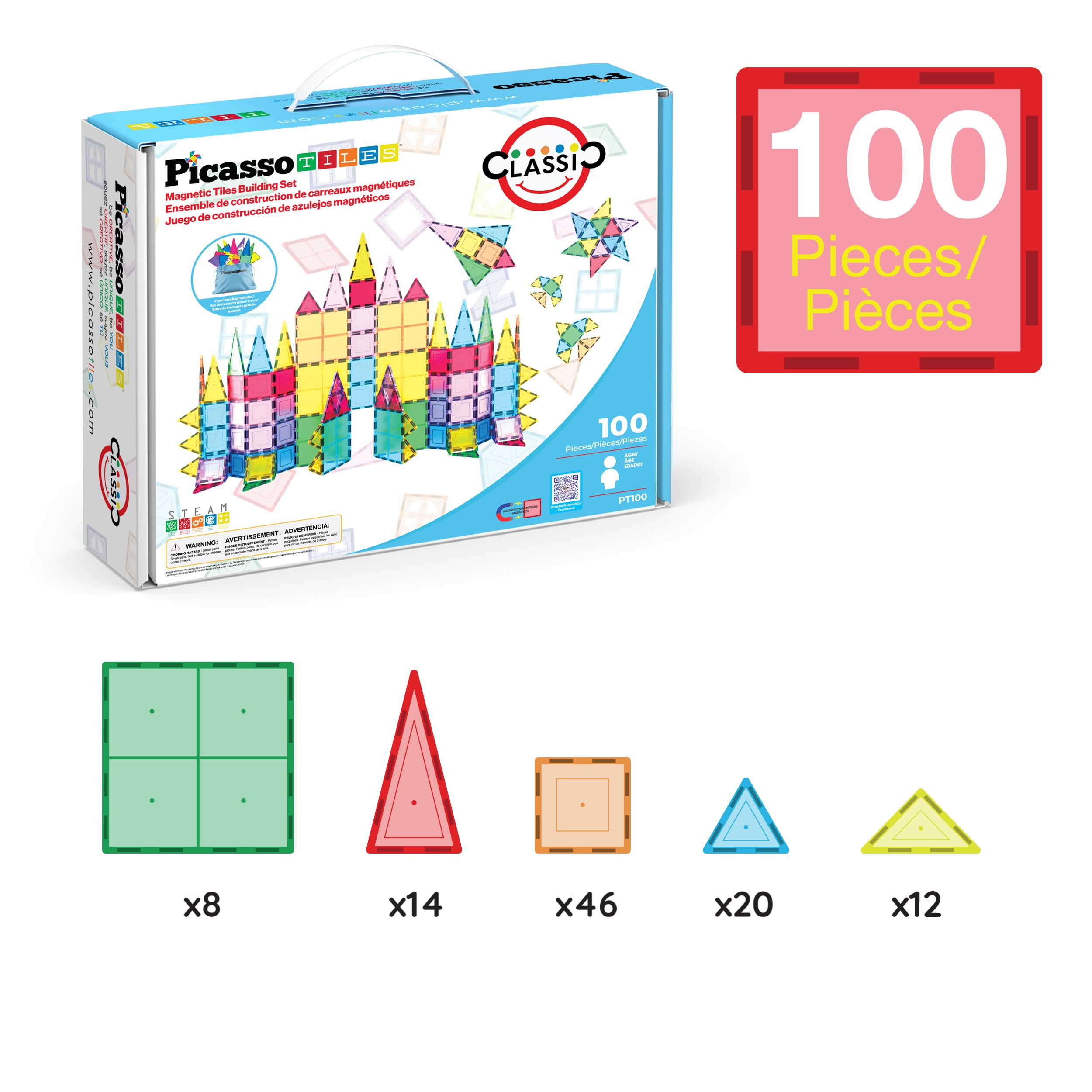

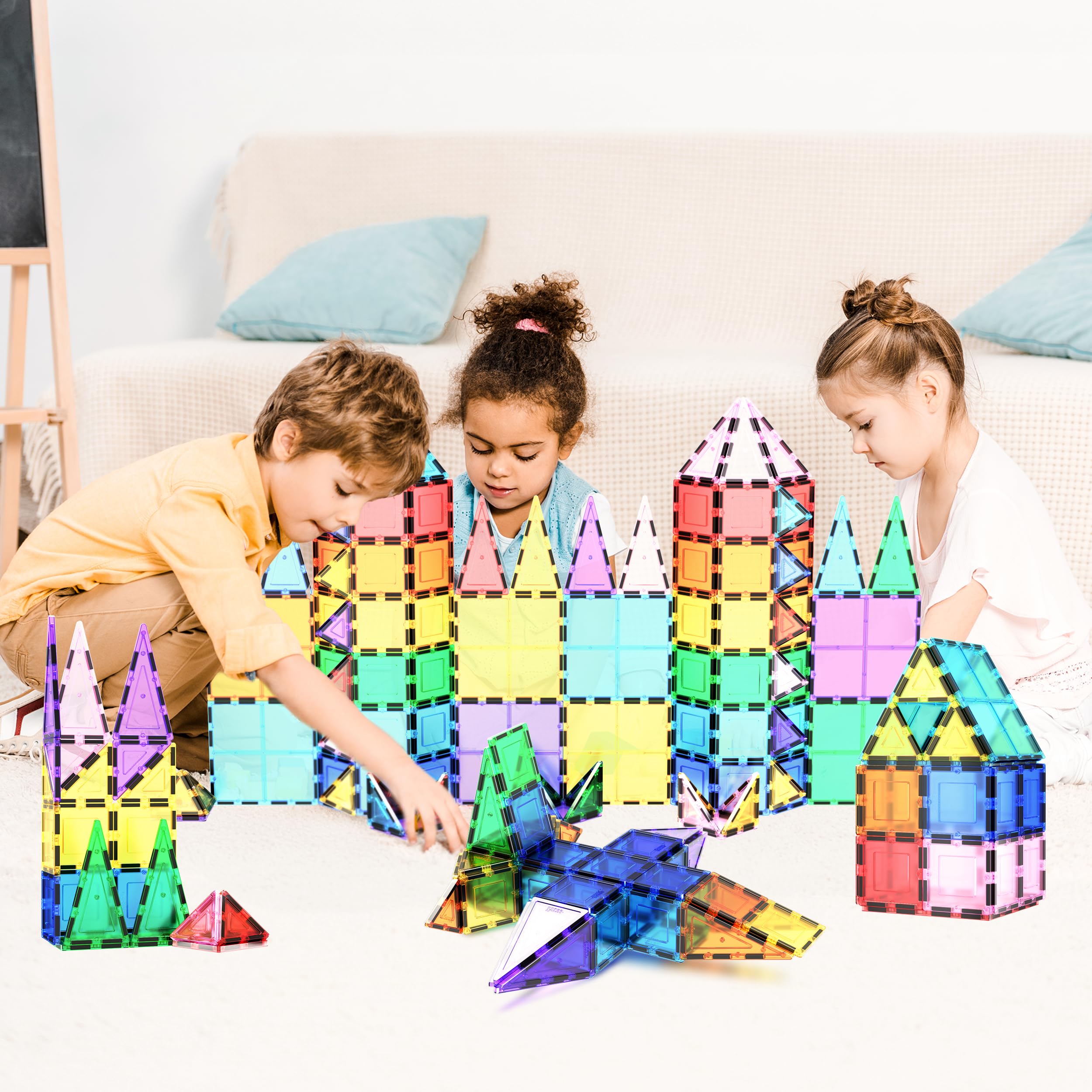
PicassoTiles 100 Piece Set 100pcs Magnet Building Tiles Clear Magnetic 3D Blocks Construction Playboards, Creativity Beyond Imagination, Inspirational, Recreational, Educational Conventional
- DREAM BIG & BUILD BIG - No limitations, scalable to build as big as desired by adding more pieces to create th
- LEARNING BY PLAYING - Never too early to start developing kids creativity. Children can acquire strong sense o
- BONDING BY PLAYING - Entertaining for single or multiple parties and feel the sense of achievement together. S
There's a moment that almost every parent of a toddler has experienced: you've bought something thoughtful, expensive even, and your child plays with the box. Magnetic tiles are the rare exception. They hold attention at 14 months. They hold it at 3 years. And somewhere in between, your toddler stops knocking towers down just to watch them fall and starts building something with a plan in mind. That shift, from reactor to architect, is one of the quietest and most significant cognitive leaps of early childhood.
The tiles don't make it happen. Your child does. But a good set, and a parent who knows to step back and let the play unfold, gives that leap the best possible runway.
Save this guide to come back to as your toddler grows, and share it with anyone who's about to buy a gift for a little builder in their life.
Sources & References
- American Academy of Pediatrics. "The Importance of Play in Promoting Healthy Child Development and Maintaining Strong Parent-Child Bonds." Pediatrics, 2018. https://publications.aap.org/pediatrics/article/142/3/e20182058/38649
- Verdine, B.N., Golinkoff, R.M., Hirsh-Pasek, K., Newcombe, N.S., Filipowicz, A.T., and Chang, A. "Deconstructing Building Blocks: Preschoolers' Spatial Assembly Performance Relates to Early Mathematical Skills." Child Development, 2014.
- Newcombe, N.S. "Picture This: Increasing Math and Science Learning by Improving Spatial Thinking." Current Directions in Psychological Science, 2010.
- Dr. Gummer's Good Play Guide, in partnership with The Toy Association. STEAM Toy Certification criteria. https://www.thetoyassociation.org
- MIT Early Childhood Cognition Lab. Research on causal reasoning in infants and toddlers. https://eccl.mit.edu
- Hirsh-Pasek, K., and Golinkoff, R.M. "Einstein Never Used Flash Cards: How Our Children Really Learn." Rodale Books, 2003.
Frequently Asked Questions
Are Magna-Tiles safe for toddlers under 3?
How many pieces does a toddler actually need to start?
Are budget brands like PicassoTiles as good as Magna-Tiles?
Can magnetic tiles help with language development?
What age do toddlers start building recognisable structures with magnetic tiles?
My toddler just knocks the tiles down. Is that normal?
Do magnetic tiles have educational credentials?
Was this helpful?
Thanks — your feedback helps us pick what to write next.