Modern Parenting in the Digital Age: 5 Challenges Solved
Raising kids in the digital age means managing screen time, staying emotionally connected, supporting learning, and protecting online safety — and you can do all of it without burning out.

In this article
Nearly half of children under the age of two now use a touchscreen daily, according to research published in JAMA Pediatrics. Let that land for a moment. The parenting questions your own parents faced — too much TV, stranger danger, peer pressure — are still real, but they now arrive wrapped in Wi-Fi, algorithms, and a social media landscape that changes faster than any parenting book can keep pace with.
This guide is for every parent trying to hold it all together: the mum with a toddler who knows how to unlock an iPad but can't yet tie her shoes; the dad whose ten year old has a group chat; the caregiver watching a teenager disappear behind a bedroom door and a screen. Here is what you will understand by the end:
1. Screen Time: Setting Limits That Work at Every Age
Screen time management is not about eliminating devices. It is about making intentional choices about when, how, and with whom your child uses them.
The American Academy of Pediatrics (AAP) is clear: no screen time (other than video calls) for children under 18 months, no more than one hour per day for ages 2 to 5, and consistent, parent-set limits for ages 6 and up with a focus on what children are watching as much as how long. The "what" matters enormously. Passive scrolling through YouTube is not the same as a parent and child watching a nature documentary together and talking about it.
Age by age, what actually works
For toddlers and preschoolers (ages 1 to 5), co-viewing is your most powerful tool. Sit with them. Ask questions. Connect the screen to real life ("that frog is like the one we saw at the park!"). This transforms a passive experience into an active one.
For primary school children (ages 6 to 11), the conversation shifts to balance. Are they sleeping enough? Are they playing outside? Are they finishing homework before screens come out? If yes to all three, a couple of hours of recreational screen time per day is not going to harm them.
For tweens and teens (ages 11 and up), outright bans mostly backfire. What works far better is building a family media agreement together, something the AAP has a free template for at healthychildren.org.
For a deeper look at specific tools that parents are actually using, the practical screen time management tools we've reviewed are worth bookmarking alongside this article.
2. Learning in the Digital Age: Supporting Your Child Without Taking Over
Children today learn differently from how you did, and that is mostly a good thing, with a few important caveats.
Post-pandemic, remote and hybrid learning exposed something many of us suspected: kids do better when they have a calm, predictable space to learn, an involved adult nearby, and technology that serves the lesson rather than distracting from it. The challenge is that tech in schools moves faster than most parents can track.
Building a home environment that supports learning
For younger children, the line between learning and play is delightfully blurry. You can read about what actually builds baby's brain in the early months, well before screens are even a consideration.
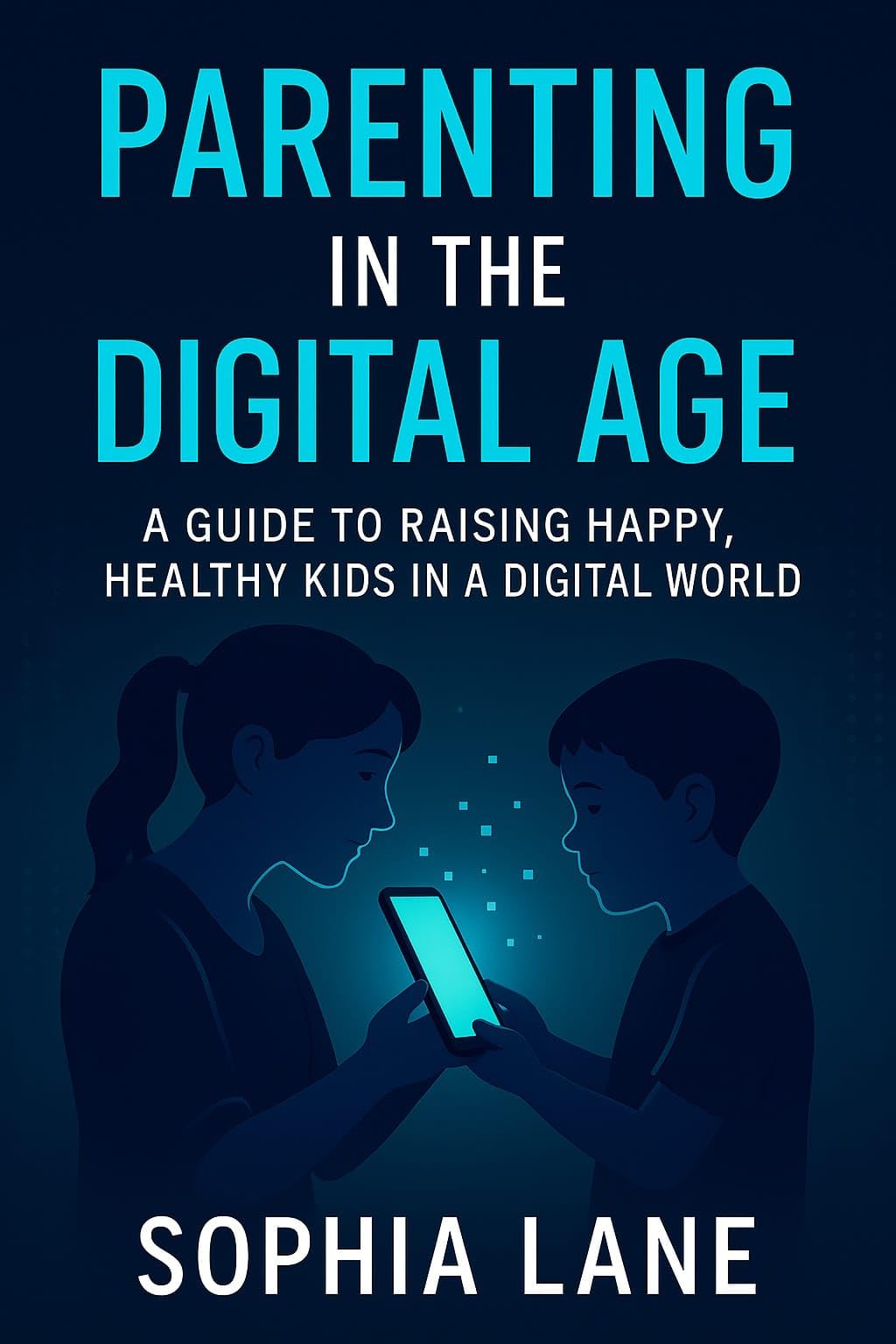
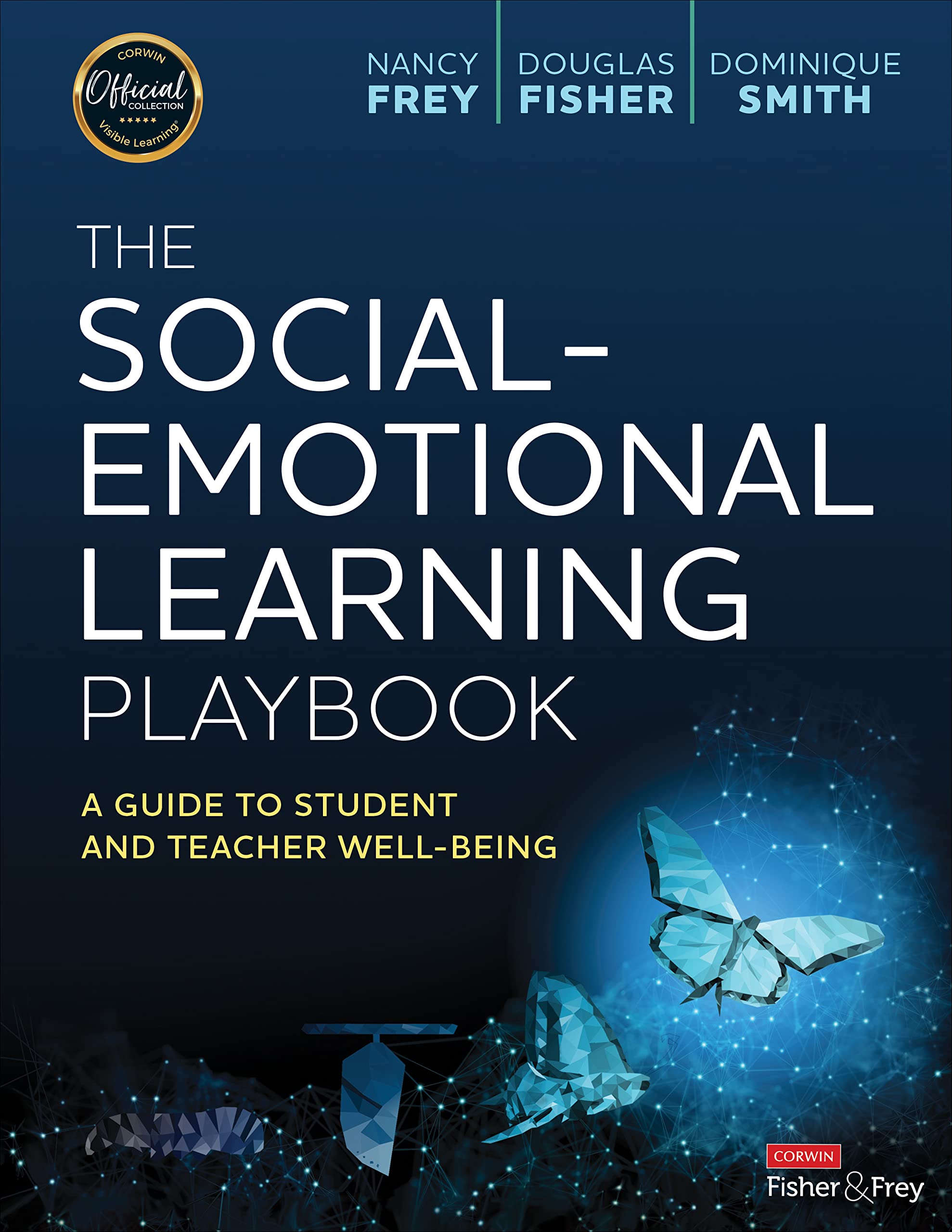
PARENTING IN THE DIGITAL AGE : A GUIDE TO RAISING HAPPY, HEALTHY KIDS IN A DIGITAL WORLD
- Kindle Store
- Kindle eBooks
- Parenting & Relationships
3. Online Safety: Talking to Kids Without Scaring Them
Online safety is not a single conversation. It is a running dialogue that evolves as your child grows and as the internet itself changes.
The biggest mistake parents make is treating online safety as a one-time "stranger danger" talk for the digital world. That approach made sense in 1995. It does not work when your child has a device in their pocket that connects them to the entire planet, including people who mean them harm.
By age, here is how the conversation changes
Ages 4 to 7: Keep it simple and concrete. "If you see something that makes you feel funny in your tummy, come and tell me and I won't be angry." Focus on building the habit of telling a trusted adult, full stop.
Ages 8 to 11: Introduce the concept of personal information. What is okay to share? What is private? Talk about the difference between online friends and real world friends. This is also the age to introduce basic password hygiene.
Ages 12 and up: Now you can have more nuanced conversations about manipulation, digital footprints, and the reality that things posted online can be permanent. Teens who feel they can talk to their parents without being punished for honesty are far more likely to report problems early.
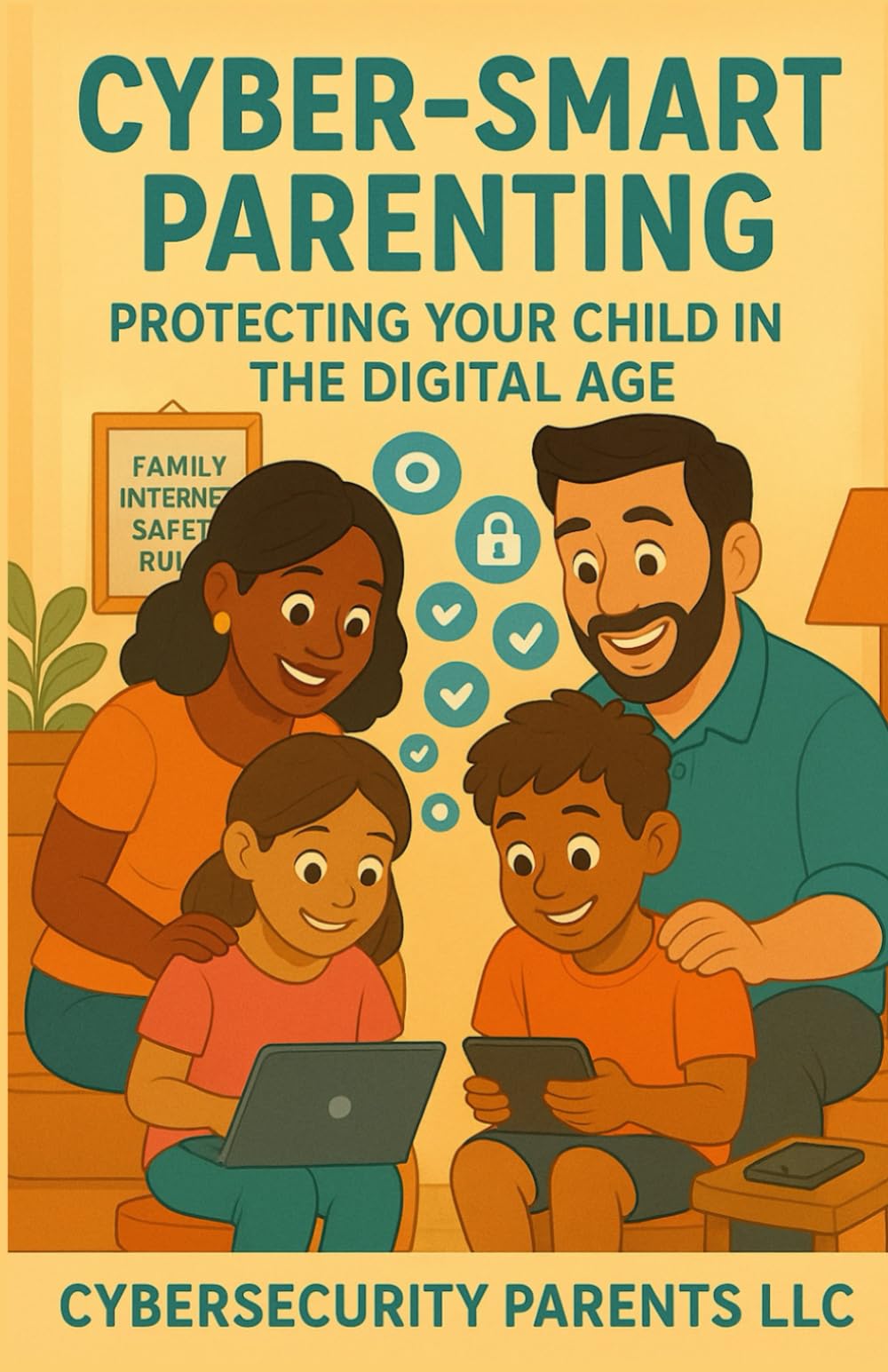

Cyber-Smart Parenting: Protecting Your Child in the Digital Age
- Computers & Technology
- Networking & Cloud Computing
- Internet, Groupware, & Telecommunications
4. Emotional Connection: Staying Close in a Distracted World
The most protective thing you can give your child is not a parental control app or an Ivy League education. It is a secure, warm relationship with you.
Research from the CDC confirms that children who feel connected to at least one stable, caring adult have significantly better mental health outcomes, better academic performance, and lower rates of risk taking behaviour in adolescence. That adult can be you. It can also be a grandparent, teacher, or other caregiver. But for most children, most of the time, it is their parent.
What secure connection looks like in practice
For babies and toddlers, it is responsiveness. Picking up a crying baby does not spoil them. It teaches their nervous system that the world is safe and predictable.
For school age children, it is about being present and genuinely listening to your child. Not just waiting for them to finish speaking so you can advise or correct, actually hearing what they say. Active listening is a skill, and it is one you can practise.
For teenagers, it is about staying curious and non-reactive. Teens pull away. That is developmentally normal. Your job is to leave the door open, literally and figuratively, so they know they can come back.

Growing Up in Public: Coming of Age in a Digital World
- Computers & Technology
- Internet & Social Media
- Social Media
5. Co-Parenting and Partnership: Protecting the Relationship Behind the Parenting
The data is not ambiguous: children do better when the adults raising them are functioning well together, whether in a shared household or across two separate homes.
A 2019 study published in the Journal of Family Psychology found that parental conflict, not family structure, is the primary driver of negative child outcomes. Children can thrive with two parents, one parent, or a blended family. What they struggle with is being caught in the middle of adult conflict.
For couples parenting together
For separated or divorced parents
If you are navigating a two-household family, the principles of platonic co parenting done well are far more achievable than most parents expect, even when the relationship ended badly. The goal is always the child's wellbeing, and that goal is shared, even when almost everything else is not.

A Practical Guide to Parenting in the Digital Age: How to Nurture Safe, Balanced, and Connected Children and Teens
- Parenting & Relationships
- Image Unavailable Image not available forColor:
- Publisher : CreateSpace Independent Publishing Platform
6. The Long View: Raising Children Who Can Handle What Is Coming
No parent can predict the world their child will grow up in. But we know what helps children cope with uncertainty, and it is not bubble-wrapping them from difficulty.
Research from the American Psychological Association on resilience consistently identifies a few core protective factors: strong relationships with adults, a sense of competence and mastery, the ability to regulate emotions, and a belief that their actions matter. You build all of these through the everyday texture of family life, not through any specific programme or product.
What this looks like at different ages
Babies and toddlers (0 to 3): Responsiveness builds the brain architecture that supports all future emotional regulation. This is the most high leverage period of your life as a parent.
Preschool (3 to 5): Play is the curriculum. Unstructured, imaginative, occasionally boring play builds problem solving, creativity, and emotional literacy more effectively than any structured activity.
Primary school (6 to 11): This is when competence matters most. Children this age need to do things that are genuinely challenging, experience real failure, and recover from it with your support.
Tweens and teens (11 to 17): Your job shifts from manager to consultant. You are still essential, but your role is to advise when asked, hold boundaries with warmth, and trust the foundations you have already built.
What the Research and Experts Say
Parenting Approaches Compared: What Works at Each Stage
| Stage | Core Challenge | Key Parenting Move | What to Watch For | Recommended Resource |
|---|---|---|---|---|
| Newborn to 12 months | Building security and trust | Responsive, consistent caregiving | Signs of postpartum depression in either parent | Parenting in the Digital Age |
| Toddler (1 to 3) | Managing big emotions, screen exposure begins | Co-viewing, consistent routines | Tantrums lasting over 30 minutes or breath-holding | A Practical Guide to Parenting |
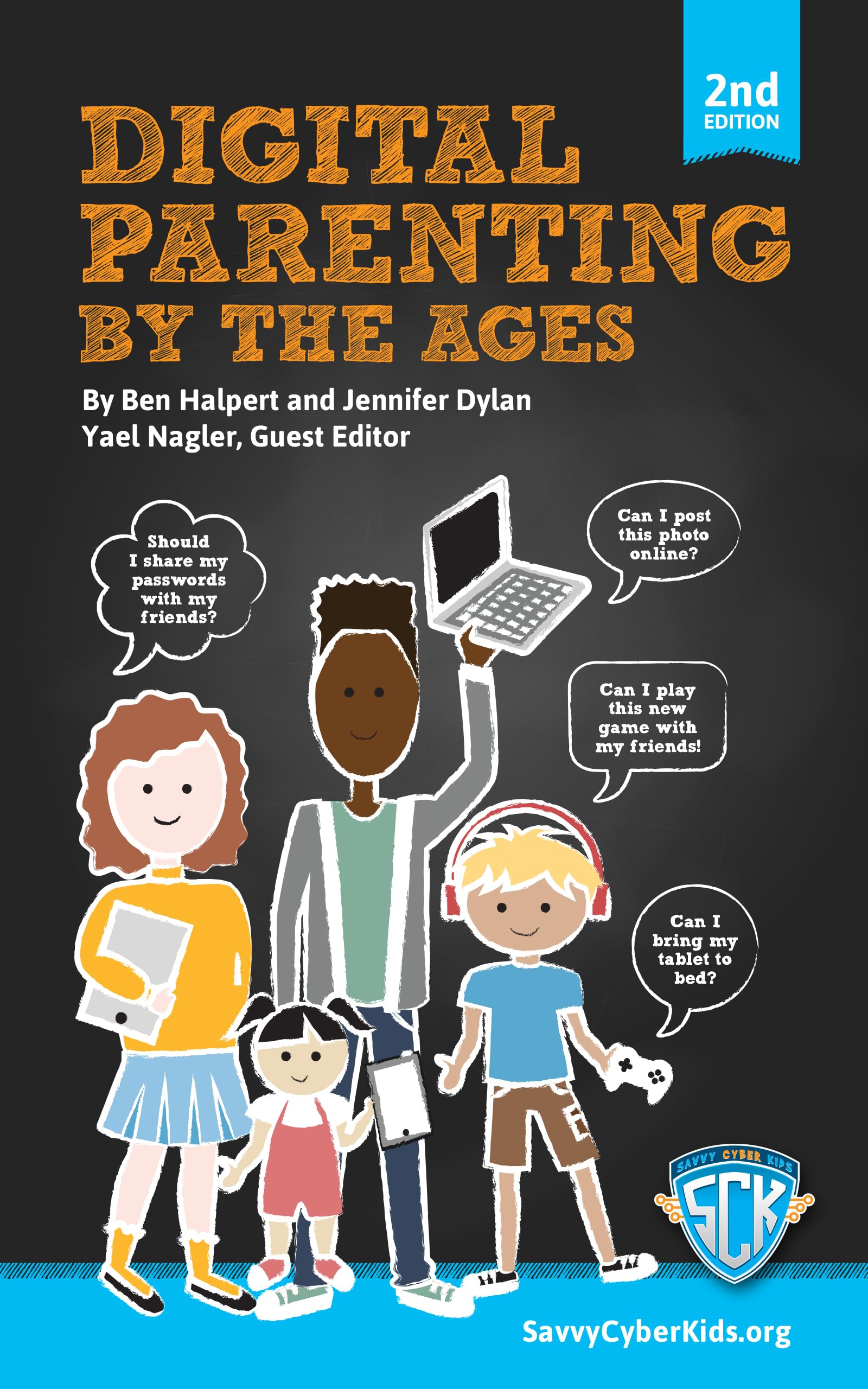
| Preschool (3 to 5) | Screen limits, social learning through play | Play based activities, 1 hour screen limit | Difficulty separating from parent, excessive fear | Digital Parenting by the Ages |
| Primary school (6 to 11) | Homework, online safety, peer pressure begins | Family media agreement, open conversations | Withdrawal from friends, drop in school performance | Cyber-Smart Parenting |
| Tween (11 to 13) | Social media starts, identity formation | Stay curious, avoid surveillance-style monitoring | Secretive device use, sudden mood changes | Growing Up in Public |
| Teen (14 to 17) | Privacy, risk taking, digital footprint | Shift to consultant role, negotiate not dictate | Signs of anxiety, depression, or online exploitation | Navigating the Digital Age for Teens |
The Bottom Line
Parenting has always required navigating the world as it actually is, not the world as it was when we grew up. Today's version of that world includes devices, algorithms, and an internet that never sleeps. But the fundamentals have not changed: your children need you to be warm, consistent, present, and honest. They need to know they can come to you when something goes wrong, online or off. They need to see you and your co-parent working as a team, even on hard days.
You do not need to be a tech expert to raise a child who uses technology well. You just need to stay curious, stay connected, and remember that no app, guide, or parental control system is a substitute for the relationship you are building right now, one ordinary day at a time.
If this guide was useful, save it and share it with another parent who needs it.
Sources & References
- American Academy of Pediatrics. "Media and Young Minds." Pediatrics. 2016. https://publications.aap.org/pediatrics/article/138/5/e20162591/60321
- American Academy of Pediatrics. "Family Media Plan." HealthyChildren.org. 2023. https://www.healthychildren.org/English/media/Pages/default.aspx
- Centers for Disease Control and Prevention. "Essentials for Childhood: Creating Safe, Stable, Nurturing Relationships and Environments." CDC. 2023. https://www.cdc.gov/violenceprevention/childabuseandneglect/essentials.html
- Center on the Developing Child, Harvard University. "Resilience." 2015. https://developingchild.harvard.edu/science/key-concepts/resilience/
- Radesky JS, Schumacher J, Zuckerman B. "Mobile and Interactive Media Use by Young Children: The Good, the Bad, and the Unknown." Pediatrics. 2015. JAMA Pediatrics.
- Cummings EM, Davies PT. "Effects of Marital Conflict on Children." Journal of Family Psychology. 2019.
- American Psychological Association. "What Makes a Good Parent?" APA Help Center. https://www.apa.org/topics/parenting
- Heitner, Devorah. "Screenwise: Helping Kids Thrive (and Survive) in Their Digital World." Bibliomotion. 2016.
Frequently Asked Questions
How much screen time is really okay for a 7 year old?
My toddler has a complete meltdown when I turn off the iPad. What do I do?
At what age should my child get their first smartphone?
My teenager refuses to talk to me about what they do online. What can I do?
Is it okay if my child uses educational apps for several hours a day?
How do I protect my young child's privacy online without scaring them?
My partner and I disagree about how strict to be with screens. How do we find a middle ground?
Was this helpful?
Thanks — your feedback helps us pick what to write next.