Phone-Free Family Challenge: A 30-Day Plan That Works
A structured 30-day phone-free family challenge, built on weekly goals and simple environmental tools, measurably improves connection, child behaviour, and parental wellbeing.
In this article
Introduction
Here is a number that tends to stop parents mid-scroll: according to data from research firm eMarketer (2024), American adults spend an average of 4 hours and 37 minutes per day on their smartphones. If your child is awake for 12 hours, and your phone is in your hand for nearly half your waking life, the overlap is hard to ignore.
This is not a guilt trip. It is an invitation.
A 30-day phone-free family challenge does not mean throwing your device in a drawer forever. It means building intentional, protected pockets of time where your family gets your full, undivided presence, and then gradually expanding those pockets until they feel normal.
By the end of this article, you will understand:
1. Why Willpower Alone Almost Never Works
The single most important thing to understand before you start this challenge is that your phone is engineered to defeat your intentions. Platforms like Instagram, TikTok, and even email use variable-reward loops, the same mechanism that drives slot-machine behaviour, and no amount of good parenting intentions reliably overrides that circuitry.
This is why most "I'll just use my phone less" resolutions fail within days. The solution is environmental design: change your surroundings so the desired behaviour requires the least resistance.
The Physics of Phone Habit
Research published in the Journal of Experimental Psychology (2017, Ward et al., University of Texas at Austin) found that the mere presence of a smartphone on a desk, even face down and silent, measurably reduced available cognitive capacity. Out of sight genuinely means out of mind.
That insight is the engineering principle behind timed lock boxes, which will be a central tool throughout this challenge.



Mindsight Timed Lock Box | Unplug from Phones, Video Games, Social Media, Snacks & Cravings | 3 Modes based on Willpower | Easy to Use | Out of Sight ~ Out of Mind | Boost Your Mental Wellness
- 🔒 WHAT ITS FOR – Building better habits in today’s busy world. The Mindsight Timed Lockbox helps you disconnec
- 🔒 HOW TO USE IT – Out of Sight ~ Out of Mind. Set countdown timer and select Commitment Level. 3 unique modes
- 🔒 WHO ITS FOR – Those who spend too much time on their phones, screens, social media & other unhealthy habits
2. Week One: Audit and Anchor (Days 1–7)
The first week is about honest data, not dramatic change. You cannot fix what you have not measured, and most parents dramatically underestimate their daily phone use by 40–50% (RescueTime, 2023 annual report).
Step 1: Run a Screen-Time Audit
Both iOS (Screen Time) and Android (Digital Wellbeing) show you exactly how many hours per day you spend in each app. Check the past 7-day average before you change anything. Write it down. Share it with your partner if you have one.
Step 2: Identify Your Three Anchor Windows
Anchor windows are the family moments that will be unconditionally phone-free for the entire 30 days:
1. Morning routine (from wake-up until school drop-off or the first hour of the day) 2. Shared mealtimes (breakfast, lunch, or dinner, whichever the family eats together most consistently) 3. The 30 minutes before children's bedtime
These three windows are non-negotiable for the rest of the challenge. Everything else in Week 1 stays the same.
Understanding what mindful parenting really means goes hand-in-hand with this step: presence is a practice, not a personality trait.
3. Week Two: Expand and Engage (Days 8–14)
By Day 8, your three anchor windows should feel manageable. Now you expand. The goal of Week 2 is to double your daily phone-free time by adding two new strategies: replacement activities and a family agreement.
Create a Family Screen Agreement
Sit down as a family (children aged 4 and up can participate meaningfully) and co-create a one-page agreement. It should cover:
- Which rooms are always phone-free (most families choose the dining room and children's bedrooms) - What happens when someone breaks the agreement (a gentle, non-punitive consequence, like adding 5 minutes to the next lock-box timer) - What the family will do together during phone-free time
Involving children in writing the rules dramatically increases compliance, according to guidance from the American Academy of Pediatrics (AAP) on family media plans.
For families with young children, the most important step is creating a family media plan that designates media-free times together, such as during dinner or driving.
— American Academy of Pediatrics (2016)
Replace, Don't Just Remove
The brain abhors a vacuum. If you take away the scroll habit without replacing it, boredom will drive you back to the phone within days. Pre-plan at least three activities for your anchor windows:
For families where multiple members need to surrender their devices simultaneously, the Gemaxvoled phone jail holds up to six phones in a lockable cage, which makes it a fun visual prop for kids who enjoy the ritual of "locking up" devices together.
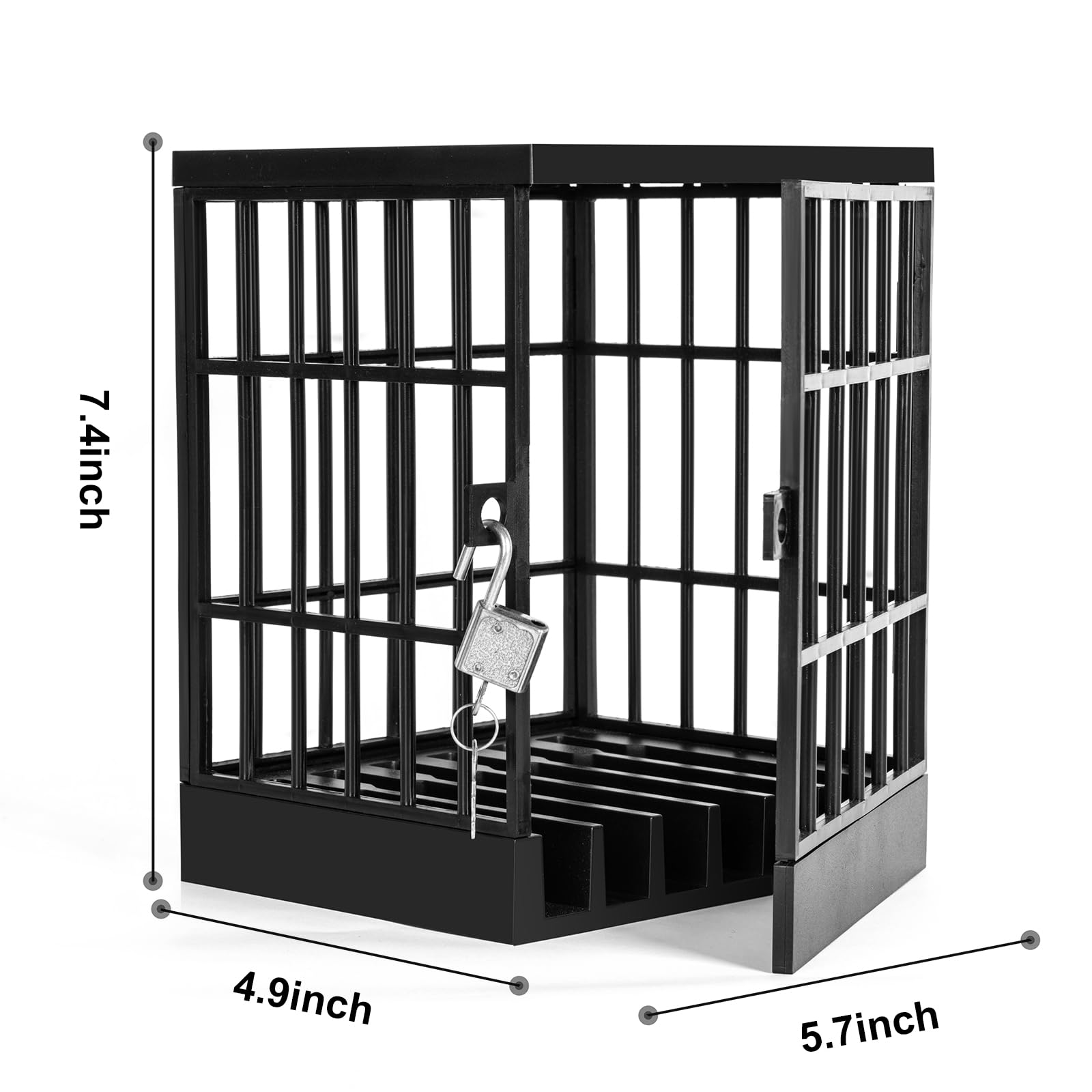
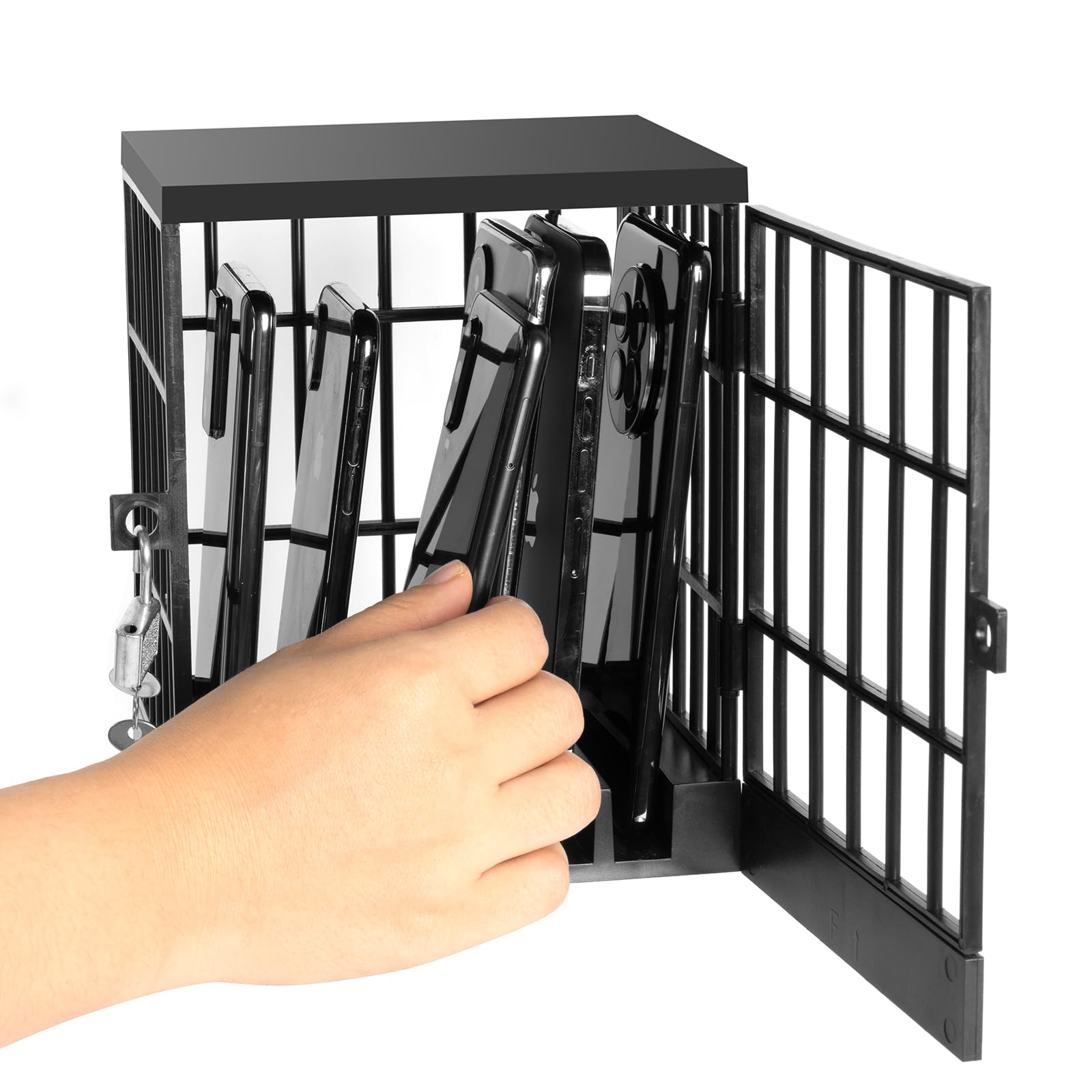
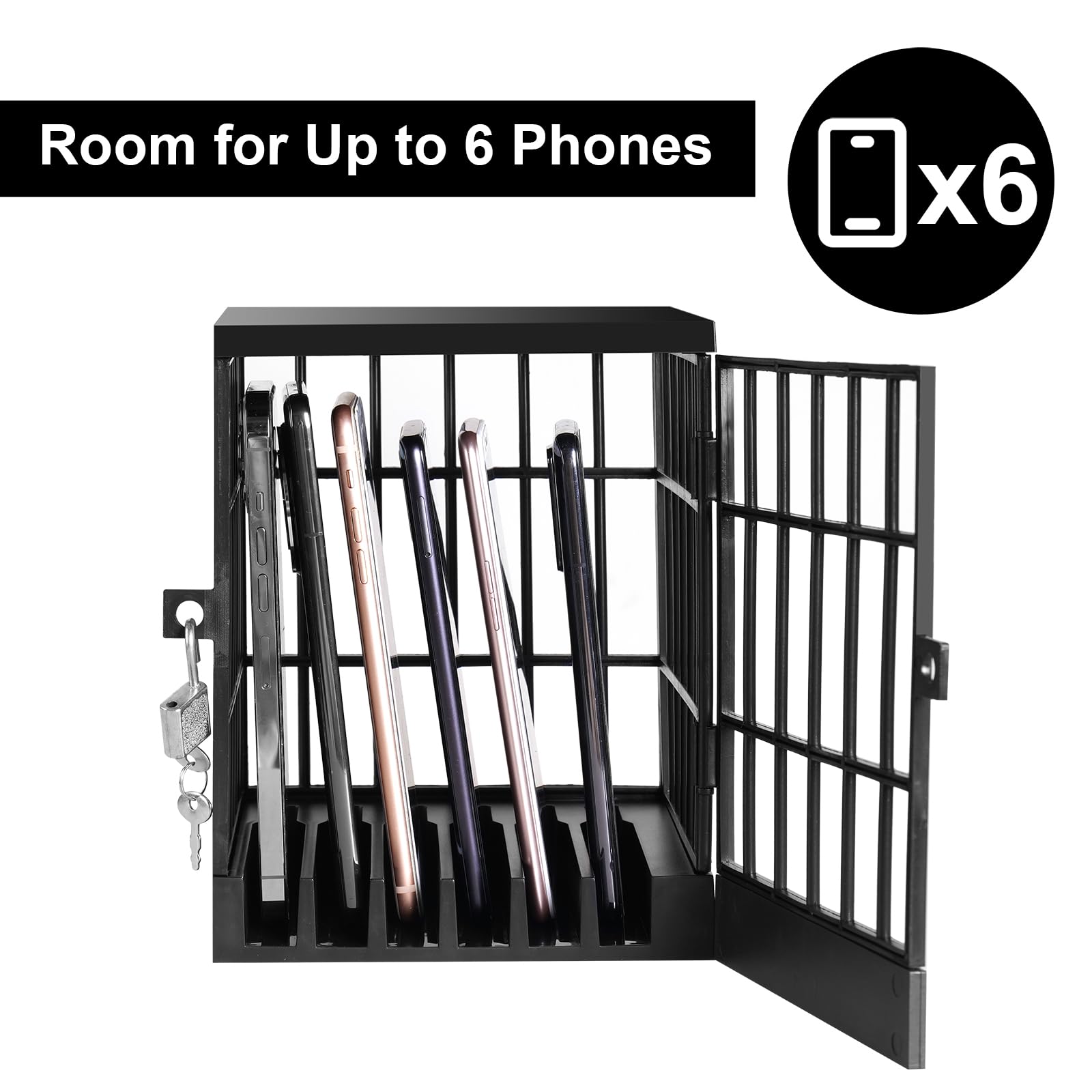
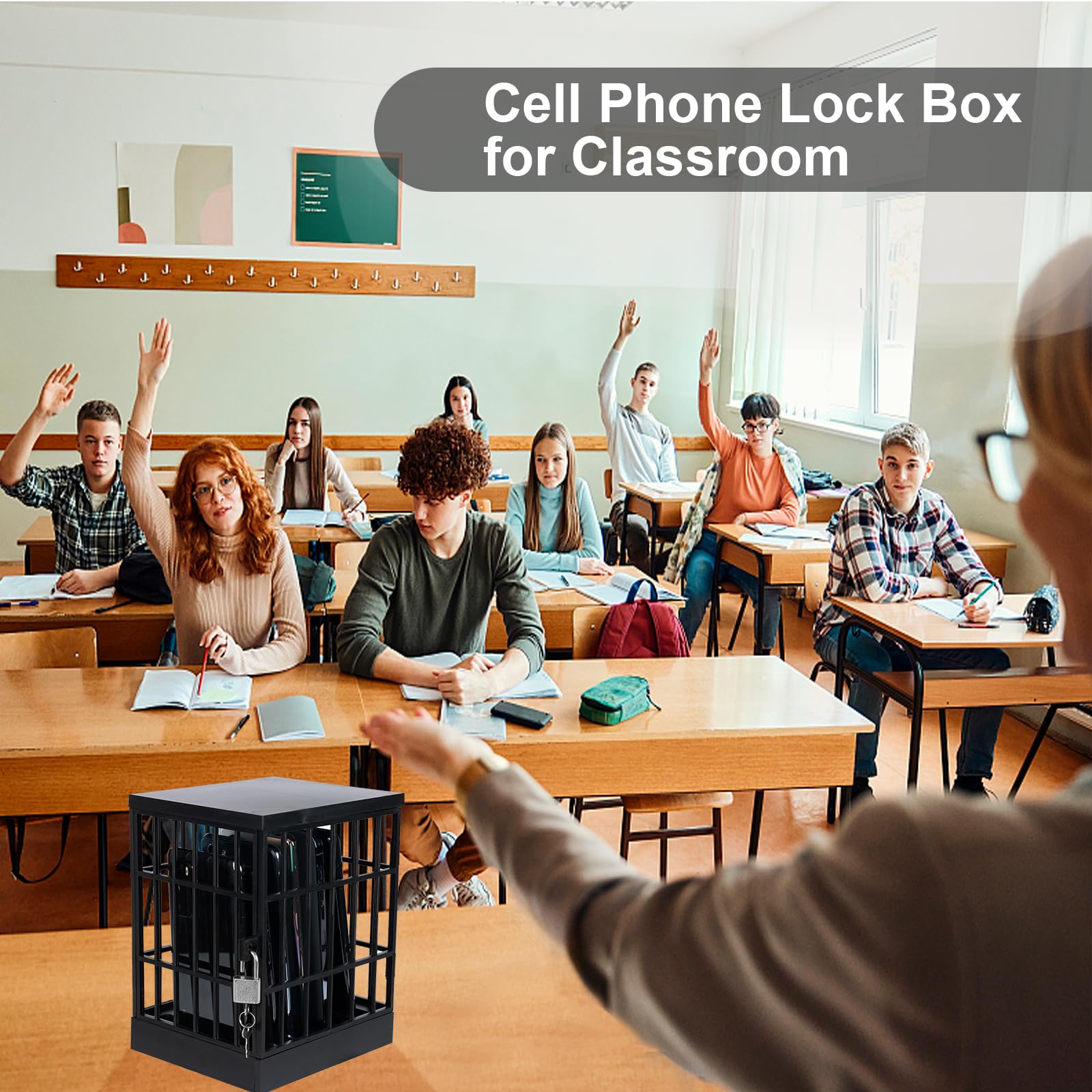
Gemaxvoled Cell Phone Jail Lock Box, Mobile Phones Prison Lockable Cage for Classroom Family Time Party
- Enjoy Your Face to Face Time-If you want to replace screen tapping with talking during family time, your home
- Don’t Let Phone Addict in Your Life - Use this Cell Phone Jail when someone needs to pull their nose out of th
- Big Size- 5.9*5.12*7.48inches.Standing 7.48inch tall, this fun grey and black plastic jail comes in six easy t
4. Week Three: Deepen Connection (Days 15–21)
The research on what actually happens when parents put phones down is striking. A 2014 study published in Child Development (Radesky et al.) observed caregiver-child interactions at fast-food restaurants and found that caregivers absorbed in their phones were significantly less responsive to their children's bids for attention, and children escalated their bids (louder, more disruptive behaviour) in response. When the phone disappeared, both caregiver tone and child behaviour shifted within minutes.
Week 3 is where you leverage that shift intentionally.
Introduce Conversation Rituals
Two conversation rituals that developmental psychologists frequently recommend:
Rose, Bud, Thorn: At dinner, each person shares one good thing (rose), one thing they are looking forward to (bud), and one hard thing (thorn). It takes 8–10 minutes and replaces the silence that otherwise invites phone-checking.
The Story Round: One person starts an improvised story with a single sentence; each family member adds the next sentence. Children aged 3 and up are riveted. The deeper magic here is that shared family stories build narrative identity and emotional resilience in children, not just fill time.
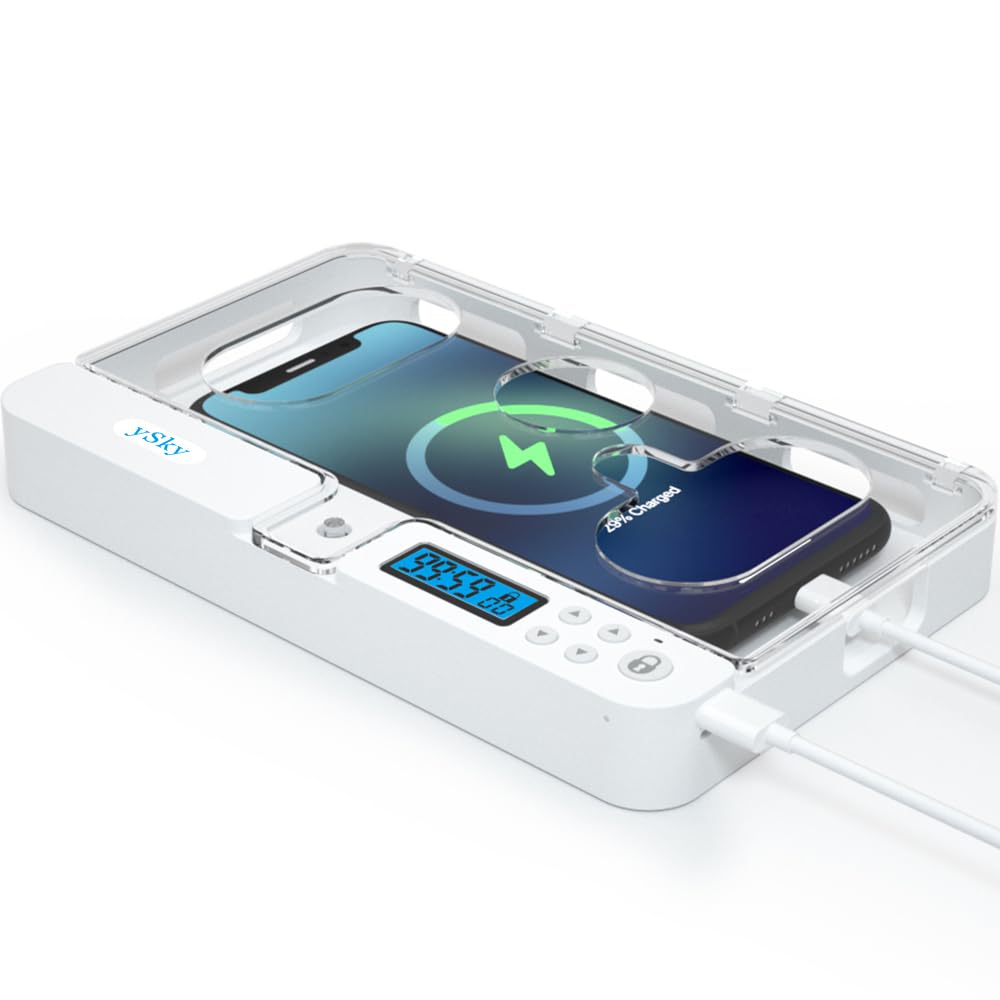
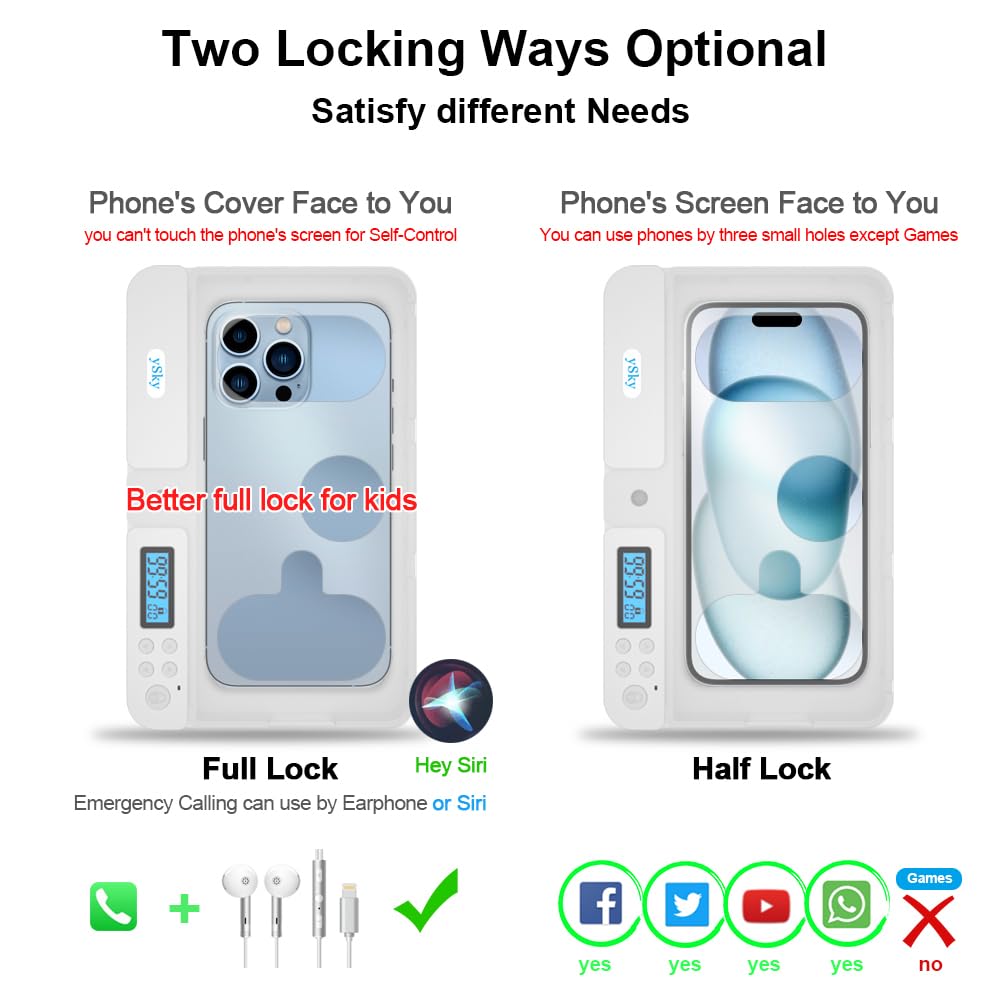
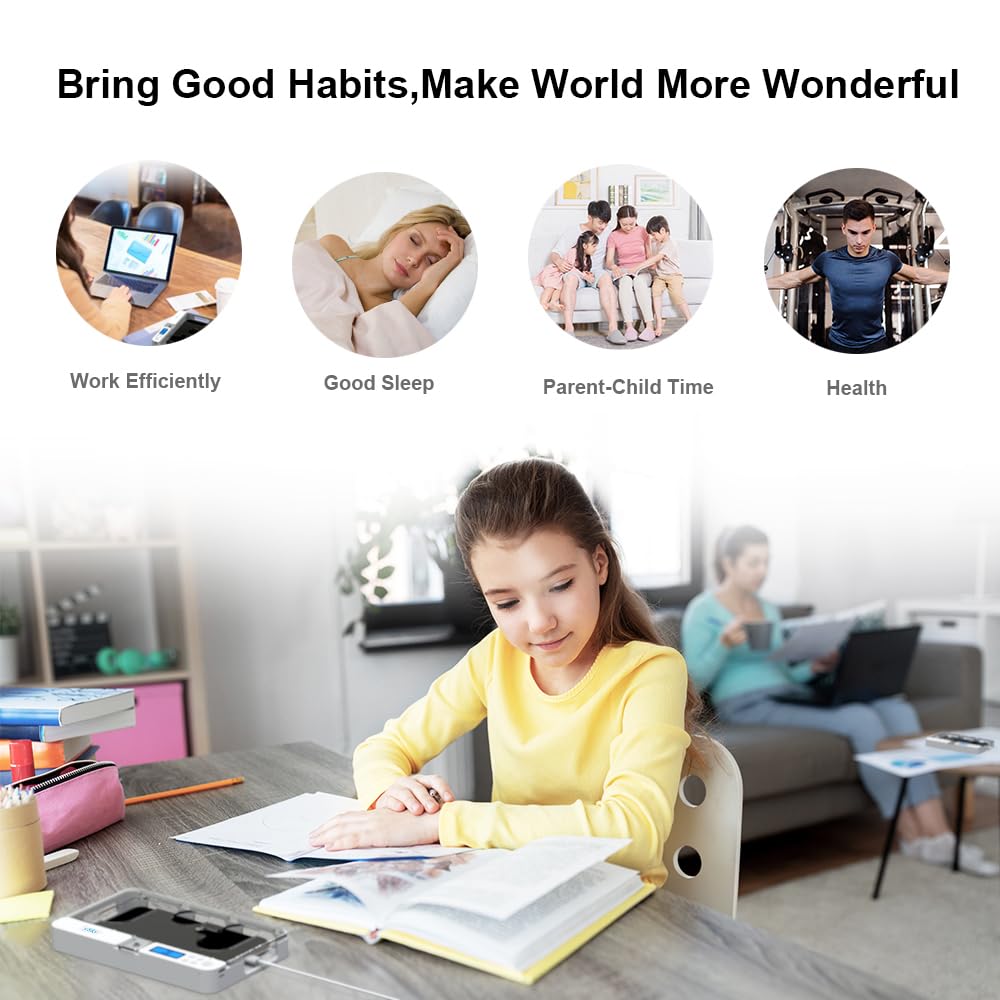
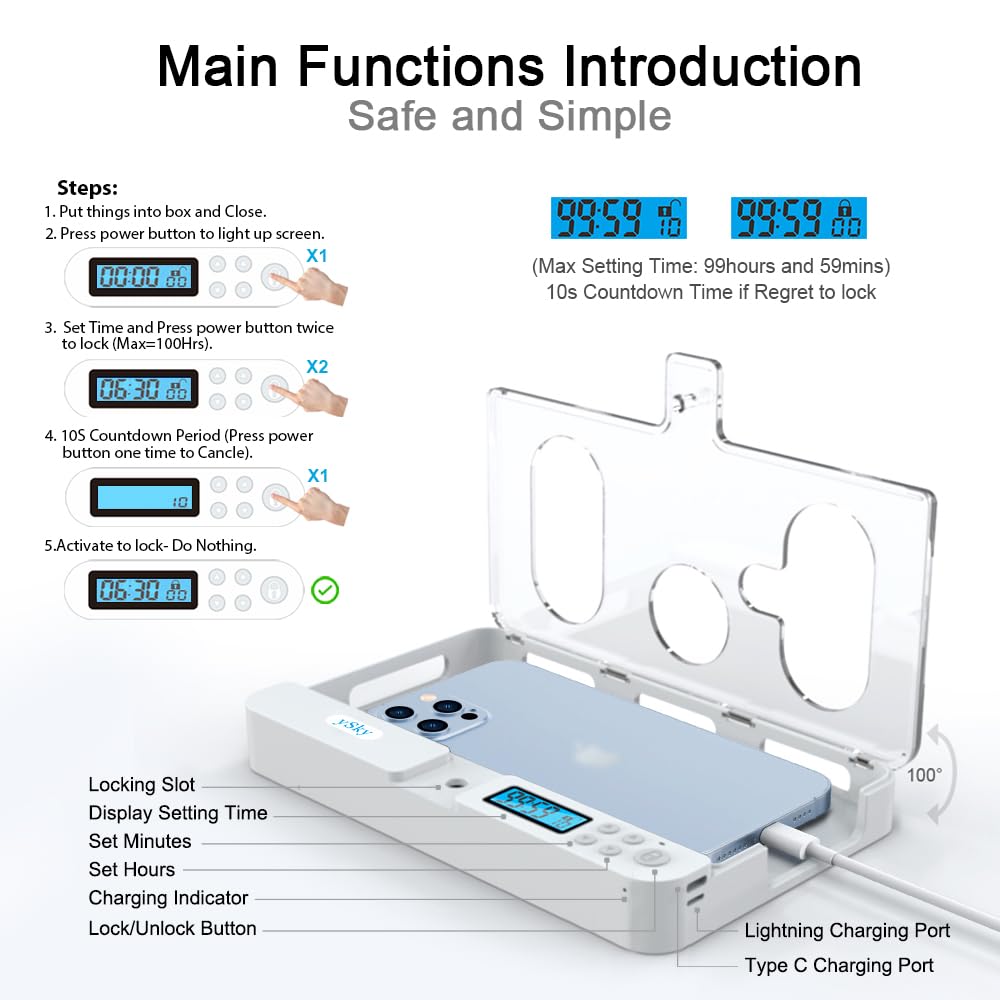

ySky Phone Lock Box with Timer,Phone Access Blocker Device for Cell Phones, Limits Smartphone Access, Reduces Screen Time & Improves Focus,Timed Jail Locker to Help Kids,Students, Adults Focus Back
- 【Fit for Most Phones with Cased】:The internal size of phone lock box is about 18.3 * 8.7 * 1.5cm (7.2 * 3.4 *
- 【Two Locking Ways Optional 】: 1.Phone's Screen Face to You when locked,You can Use Phones except Games by the
- 【TAKE CONTROL OF SCREEN TIME & BUILD BETTER HABITS】:ySky Phone Access Blocker Device for Cell Phones Easy-Carr
5. Week Four: Solidify the New Normal (Days 22–30)
By Week 4, you have three anchored windows, a family agreement, replacement activities, and shared rituals. The job now is to review, celebrate, and design a maintenance plan you will actually keep after Day 30.
Run a Second Screen-Time Audit
Pull up Screen Time or Digital Wellbeing again. Compare your Week 4 daily average with your Week 1 baseline. Most families doing this challenge report a reduction of 60–90 minutes per day, which, over a year, equals roughly 15–22 days of reclaimed time.
Design Your Post-Challenge Maintenance Plan
The biggest risk at Day 31 is reversion. Plan for it now:
For adults who find the temptation still strong at Day 30, the Mindsight Personal Timed Lock Box at $29.95 is compact enough to use at a desk or in a bag, extending phone-free discipline into the work week.
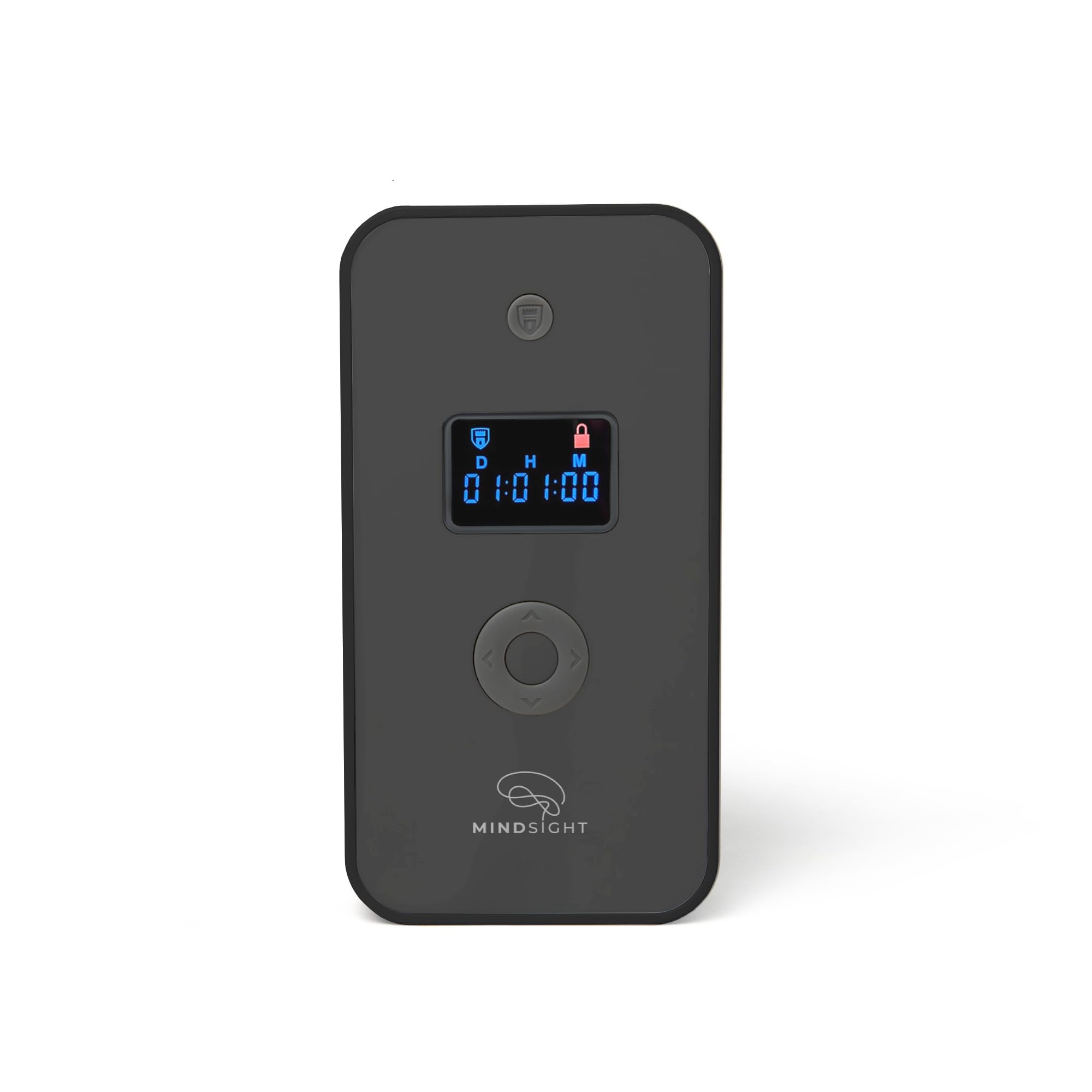
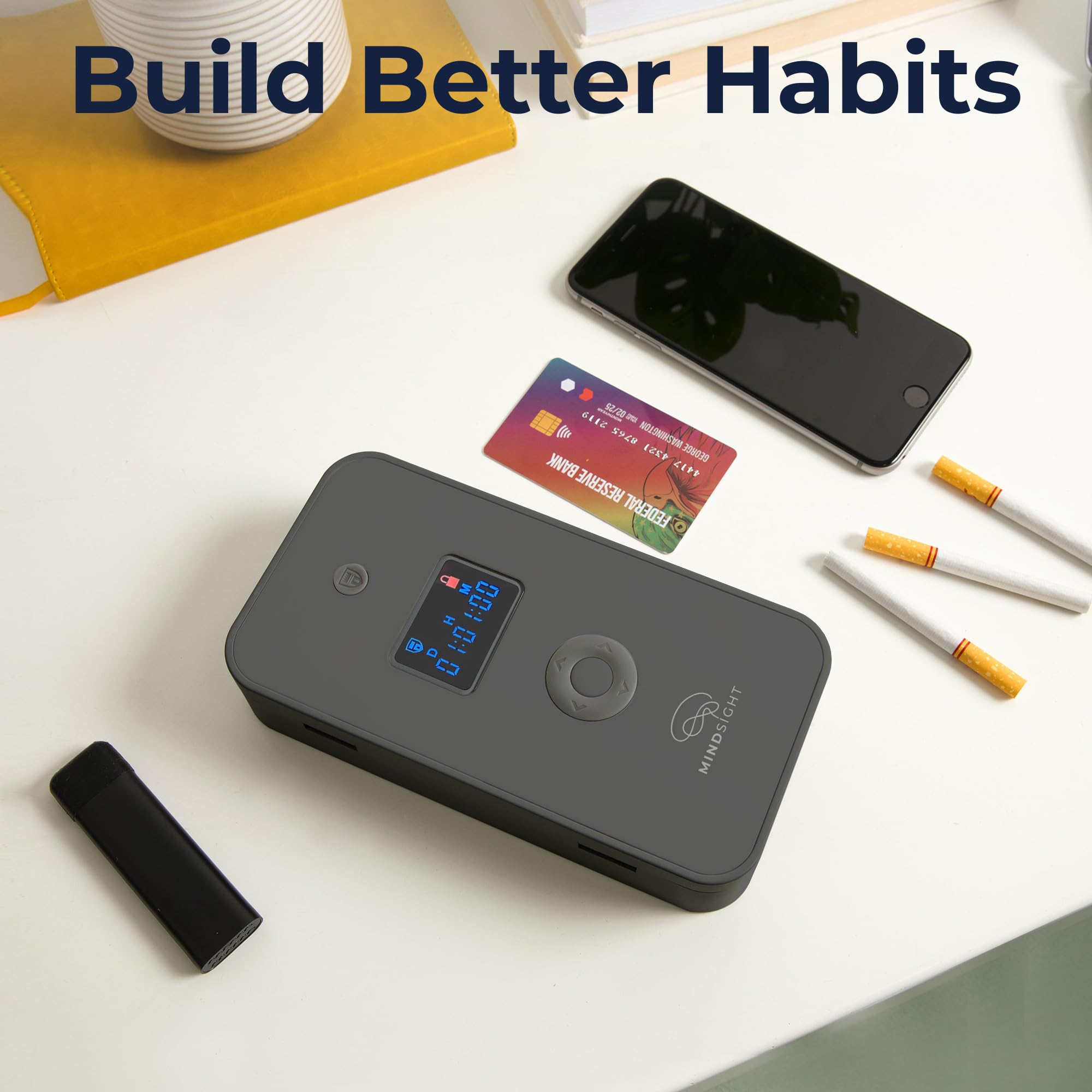
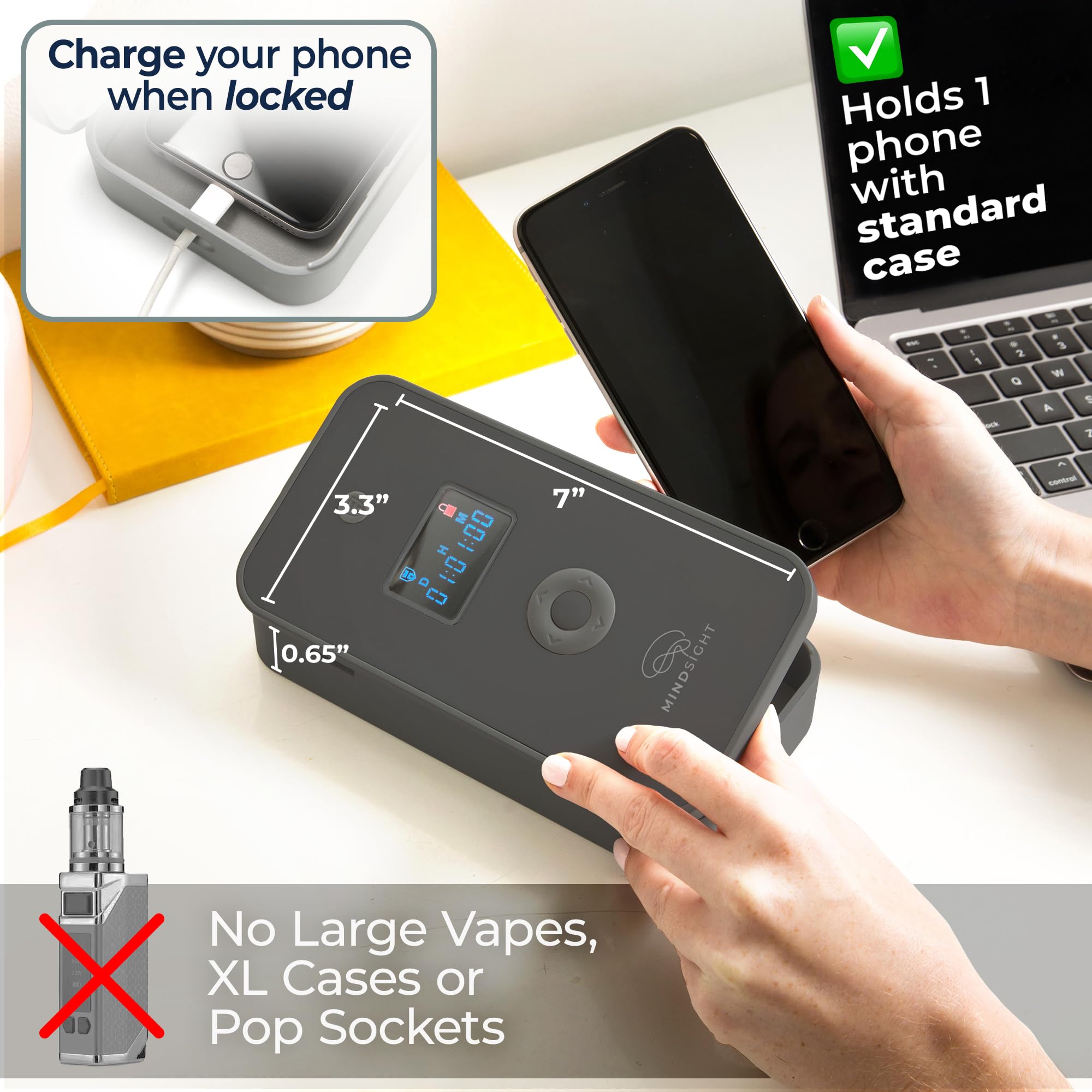
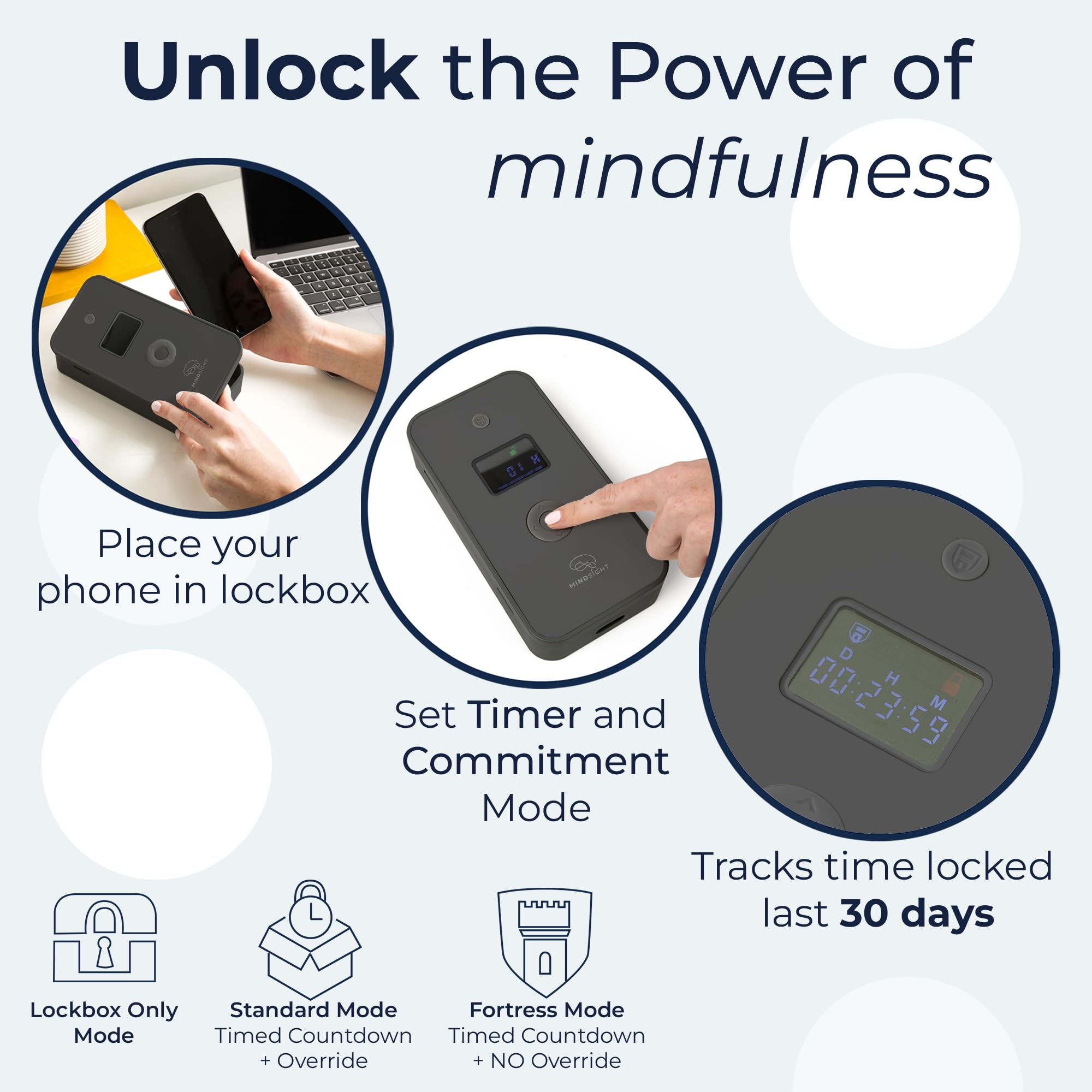
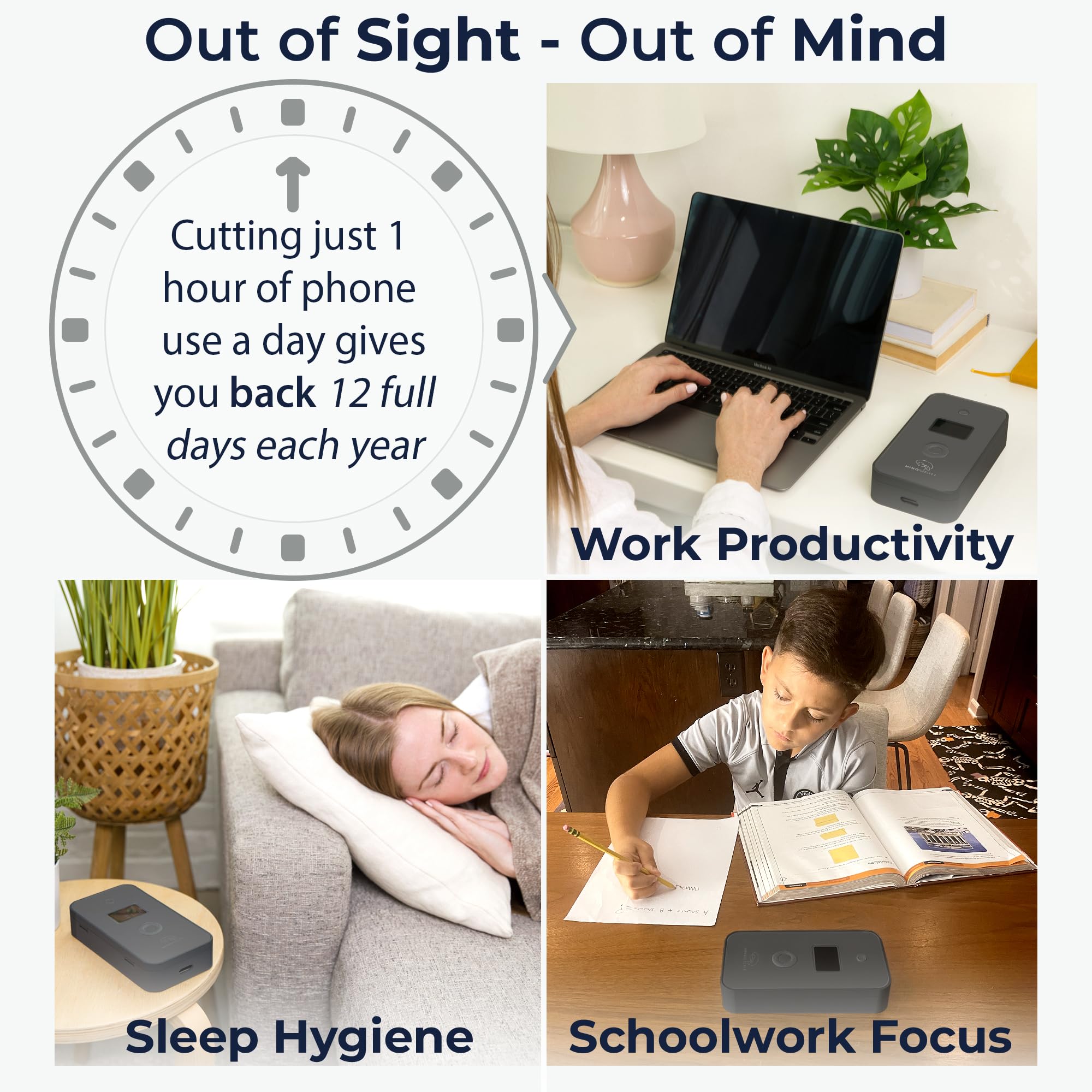
Mindsight Personal Timed Lock Box | Unplug from Phones and Other Small Distractions | 3 Modes based on Willpower | Easy to Use | Out of Sight ~ Out of Mind | Boost Your Mental Wellness
- 📵 TAKE CONTROL OF SCREEN TIME & BUILD BETTER HABITS: Lock your phone away to reduce distractions, improve focu
- 📵 EASY TO USE - OUT OF SIGHT, OUT OF MIND: Set a countdown timer and choose your "Commitment Level" with 3 uni
- 📵 STORE MORE THAN JUST YOUR PHONE: Designed to hold small items like vapes, cigarettes, cash, and credit cards
6. What the Research Says About Screen Reduction and Children
The evidence for reducing parental phone use is building fast, and it converges on a consistent finding: when caregivers are more present, children's emotional regulation, language development, and behaviour all improve.
Language Development
A study published in JAMA Pediatrics (2020, Hinkley et al.) found that toddlers whose parents used phones more during shared activities showed slower vocabulary growth at follow-up assessments. The mechanism is straightforward: language grows through serve-and-return interaction, and you cannot serve and return while scrolling.
Emotional Regulation and Behaviour
Parental smartphone use is associated with reduced parent-child interaction and may contribute to child emotional and behavioral difficulties.
— Researchers, JAMA Pediatrics (2019)
The AAP's guidance on screen time by age focuses heavily on children's consumption, but paediatricians increasingly emphasise that parental habits matter as much as, or more than, children's direct screen use in the early years.
Parental Wellbeing
Reducing phone use is not only good for your children. A 2022 randomised controlled trial published in PLOS ONE (Vanman et al.) found that participants who deactivated Facebook for just one week reported significant improvements in life satisfaction and reduced cortisol levels. Similar outcomes appear in studies on general smartphone reduction. You will feel better too.
If you want to understand the real weight of maternal stress more fully, that context makes the case for this challenge even more compelling.


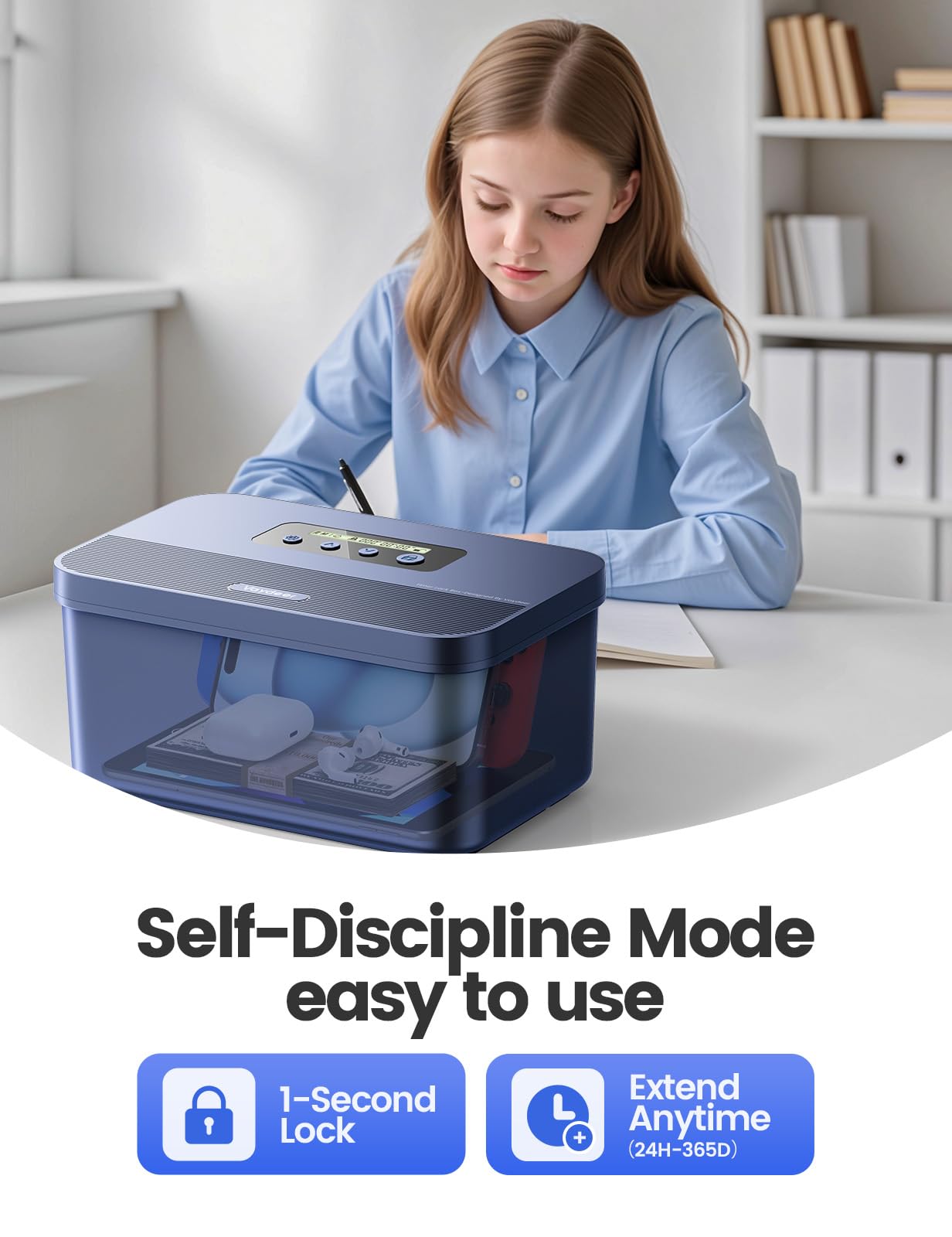
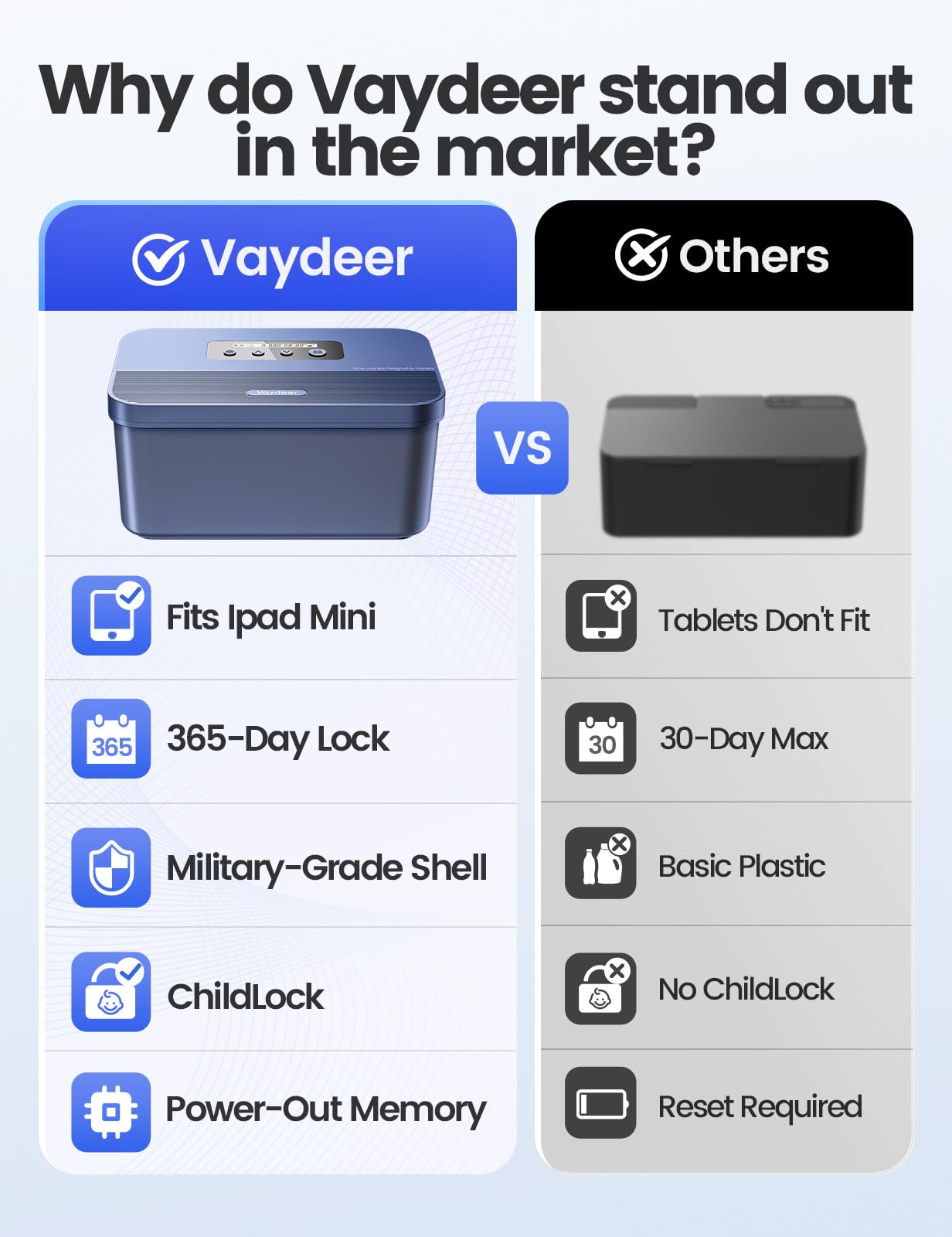

Vaydeer Safe Timed Lock Box, Phone Lock Box with Timer Unplug from Phones, Video Games, Social Media, Snacks & Cravings, Self-Control Lockable Storage Box for Focus & Self-Control(Dark Blue)
- BUILD BETTER HABITS: The phone lock box with timer disconnects you from phones, video games, social media, sna
- FEATURES & SIZE: Size 9.7 x 6.2 x 4.7 in |Holds 7-9 phones (depending on thickness |3-4 pcs up to 8.5 in Table
- 365-Day Secure Locking: Compared to other products that can only be locked for up to 30 days, our timer lock b
Comparison Table: Phone Lock Box Options for the 30-Day Challenge
| Product | Best For | Key Feature | Capacity | Recommended Product | Price |
|---|---|---|---|---|---|
| Mindsight Timed Lock Box (large) | Whole family, shared evening ritual | Fortress Mode (no unlock code) | Multiple phones + snacks | Mindsight Timed Lock Box | $39.95 |
| Mindsight Personal Lock Box | Individual adult, desk/work habit | Compact, 3 commitment levels | 1 phone | Mindsight Personal Lock Box | $29.95 |
| Vaydeer Timed Lock Box | Families with tablets + multiple devices | Charges phone while locked; up to 365 days | 7–9 phones or 3–4 tablets | Vaydeer Lock Box | $19.99 |
| ySky Phone Access Blocker | Kids/students needing focused study time | Two locking modes; allows emergency calls | 1 phone | ySky Phone Blocker | $34.99 |
| Gemaxvoled Phone Jail | Family game nights, dinner parties | Fun cage design; holds 6 phones; kid-friendly ritual | 6 phones | Gemaxvoled Phone Jail | $12.98 |
| Habit Control Timed Lock Box | Budget-conscious individual users | Two modes: call reception or full lock | 1 phone | Habit Control Lock Box | $22.99 |
Expert Insights
Conclusion
Thirty days is not very long. But it is long enough to discover that the moments you were filling with scrolling were never empty at all. They were waiting for a knock-knock joke, a question about dinosaurs, or a child who just wanted to show you something small and important.
The one sentence worth printing out and sticking on your lock box: your presence is the gift your children will remember long after they have forgotten every toy you ever bought them.
If this challenge resonates, save this article, share it with the caregiver in your life who needs it most, and subscribe to tinymindsworld.com for the next step in building a more intentional family life.
Sources & References
- eMarketer. "US Adults Time Spent with Mobile 2024." 2024.
- Ward, A.F., Duke, K., Gneezy, A., & Bos, M.W. "Brain Drain: The Mere Presence of One's Own Smartphone Reduces Available Cognitive Capacity." Journal of the Association for Consumer Research, University of Texas at Austin. 2017.
- RescueTime. "Screen Time Annual Report." 2023. rescuetime.com
- American Academy of Pediatrics. "Media and Young Minds." Pediatrics, Vol. 138, No. 5. 2016. aap.org
- Radesky, J.S., Kistin, C.J., Zuckerman, B., et al. "Patterns of Mobile Device Use by Caregivers and Children During Meals in Fast Food Restaurants." Pediatrics. 2014.
- Hinkley, T., Timperio, A., Watson, A., et al. "Point-of-Sale Screen Time and Toddler Language." JAMA Pediatrics. 2020.
- JAMA Pediatrics. "Parental Smartphone Use and Reduced Parent–Child Interaction." 2019.
- Vanman, E.J., Baker, R., & Tobin, S.J. "The burden of online friends: The effects of giving up Facebook on stress and well-being." PLOS ONE. 2018. (Updated in replication, 2022.)
- Lembke, A. "Dopamine Nation: Finding Balance in the Age of Indulgence." Dutton. 2021.
- Lally, P., van Jaarsveld, C.H.M., Potts, H.W.W., & Wardle, J. "How are habits formed: Modelling habit formation in the real world." European Journal of Social Psychology. University College London. 2010.
- Shonkoff, J.P. "Serve and Return Interaction Shapes Brain Circuitry." Center on the Developing Child, Harvard University. developingchild.harvard.edu
- Shanker, S. "Self-Reg: How to Help Your Child (and You) Break the Stress Cycle and Successfully Engage with Life." Penguin Press. 2016.
Frequently Asked Questions
Do I have to give up my phone completely for 30 days?
My partner won't participate. Should I do the challenge anyway?
What do I do when I genuinely need to check my phone during an anchor window?
My child is also addicted to screens. Is this challenge for them too?
What if I use my phone for work and genuinely can't put it away?
How do I handle the anxiety of not having my phone nearby?
Will 30 days actually be enough to form a lasting habit?
Was this helpful?
Thanks — your feedback helps us pick what to write next.