
Postnatal Depression: A Mom's Real Journey and How to Heal
Postnatal depression is a clinically treatable mood disorder affecting roughly 1 in 7 mothers; recognising the signs early and combining professional care with practical daily support significantly improves outcomes for both mother and child.
In this article
Roughly 1 in 7 mothers will experience postnatal depression (PND) in the first year after birth, according to the American Psychological Association. Yet surveys consistently show that fewer than half of those mothers ever receive a formal diagnosis or treatment. The gap between how common PND is and how rarely it gets the attention it deserves is the reason this article exists.
What you'll understand by the end:
This is not a crisis resource (if you are in immediate danger, call or text 988 in the US). It is a thorough, honest guide written for every parent who has ever wondered, "Is what I'm feeling normal?"
1. What Postnatal Depression Actually Is (and Isn't)
Postnatal depression is a diagnosable mood disorder, not a character flaw or a sign that you love your baby less. The distinction between PND and the "baby blues" matters enormously in clinical practice. Baby blues affect up to 80 percent of new mothers within the first two weeks, are driven by the dramatic post-delivery drop in oestrogen and progesterone, and resolve on their own. PND is different: it is more intense, lasts longer than two weeks, and interferes with daily functioning.
The DSM-5 classifies PND under "major depressive disorder with peripartum onset," meaning it can begin during pregnancy or within four weeks of delivery — though many clinicians and bodies including the Royal College of Psychiatrists recognise presentations that emerge up to a year postpartum.
The Full Symptom Picture
Many parents expect PND to look like weeping in the nursery. It often does, but it can also look like:
- Persistent anxiety or panic attacks (sometimes more prominent than sadness) - Rage or irritability that feels disproportionate - Emotional numbness or feeling detached from the baby - Intrusive thoughts about harm coming to the baby (these are ego-dystonic — they horrify the mother who has them) - Physical symptoms: headaches, chest tightness, appetite changes - Difficulty concentrating, making decisions, or remembering things
2. Risk Factors: Who Is Most Vulnerable
PND does not discriminate by income, education, or how planned the pregnancy was. Still, certain factors raise risk meaningfully and knowing them helps clinicians and families act earlier.
Biological factors: - Personal or family history of depression or anxiety - Thyroid dysfunction postpartum (up to 10 percent of women develop postpartum thyroiditis, per the American Thyroid Association) - Traumatic or complicated birth experience
Psychosocial factors: - Limited or absent partner support - Financial stress or housing insecurity - A history of childhood adversity or trauma - Previous pregnancy loss
Situational factors: - Infant with colic, health complications, or NICU admission - Sudden loss of occupational identity or isolation at home - Sleep debt exceeding several months (nearly universal in new parenthood)
Understanding the reasons behind maternal stress is also important context here. Reading about the real weight of modern maternal stress can help you see how societal pressures compound biological vulnerability, and why self-blame is never the right framework.
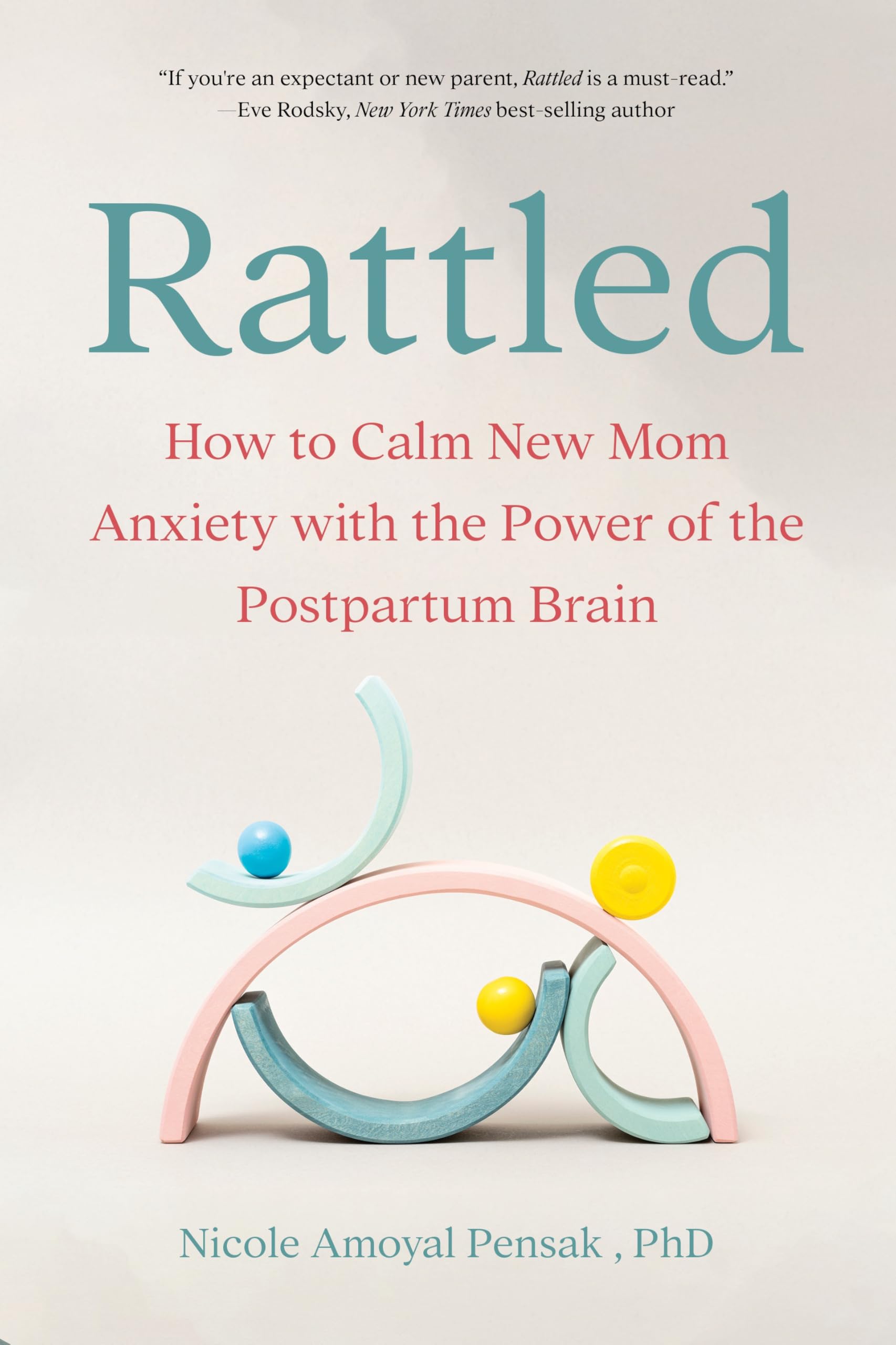
Rattled: How to Calm New Mom Anxiety with the Power of the Postpartum Brain
- Health, Fitness & Dieting
- Mental Health
- Image Unavailable Image not available forColor:
3. How PND Affects Children at Every Age Stage
PND is not only a maternal health issue; it is a family health issue. A parent's mood state is one of the most consistent predictors of child developmental outcomes in the research literature.
Newborns and Infants (0–12 Months)
Infants calibrate their nervous systems against their primary caregiver's face and voice. Mothers experiencing PND often show "flat affect" — reduced facial expression and monotone speech — which can disrupt the contingent, serve-and-return interactions that wire infant brains for social and emotional development. Studies cited by the National Institute of Child Health and Human Development associate untreated maternal PND with insecure infant attachment and elevated infant cortisol levels.
Toddlers and Preschoolers (1–5 Years)
Children at this stage are exquisitely sensitive to parental mood. A depressed parent may respond less consistently to toddler bids for attention, which can manifest as increased tantrums, sleep problems, and developmental delays in language. This is not about blame — it is about understanding how intertwined your wellbeing and theirs genuinely are. It also means that treating your PND is, directly, an investment in your child's mental health. There is strong evidence, summarised by the Centers for Disease Control and Prevention (CDC), that children's mental health starts before they can speak — which is why early intervention for a parent matters as much as early intervention for the child.
School-Age Children (6–12 Years)
Older children notice and internalise parental distress even when parents believe they are hiding it. Children in this age group may show increased anxiety, school avoidance, or take on a caregiving role that reverses appropriate family dynamics. Open, age-appropriate conversations ("Mum has been feeling poorly, like a cold in her feelings, and she is getting help") protect children far better than silence.
Teenagers (13–17 Years)
Teenagers whose parent experienced untreated depression report higher rates of depressive symptoms themselves, as shown in longitudinal data from the Avon Longitudinal Study of Parents and Children (ALSPAC). Teens also carry enormous unspoken guilt if they suspect their needs have contributed to parental exhaustion.
4. Evidence-Based Treatments That Work
The most important fact about PND treatment is also the simplest: it works. The National Institute for Health and Care Excellence (NICE) recommends a stepped-care model, beginning with the least intensive intervention appropriate for symptom severity and stepping up as needed.
Psychological Therapies
- Cognitive Behavioural Therapy (CBT): The most robustly evidenced first-line psychological treatment for PND. Usually 8–16 sessions. - Interpersonal Therapy (IPT): Focuses on role transitions (becoming a parent is one of the largest role transitions in adult life) and relationship conflicts; particularly effective for PND. - Mother-Infant Therapy: Addresses the relationship directly when bonding difficulties are prominent.
Medication
Antidepressants — particularly SSRIs such as sertraline and paroxetine — are safe to use while breastfeeding according to both NICE and the Academy of Breastfeeding Medicine. They are not a last resort. They are a valid, evidence-based first-line option, particularly for moderate to severe PND.
Social and Peer Support
A Cochrane systematic review found that professionally provided social support interventions significantly reduced the risk of PND and aided recovery. Structured peer support (mother-to-mother groups, both in-person and online) showed meaningful benefit in multiple trials.
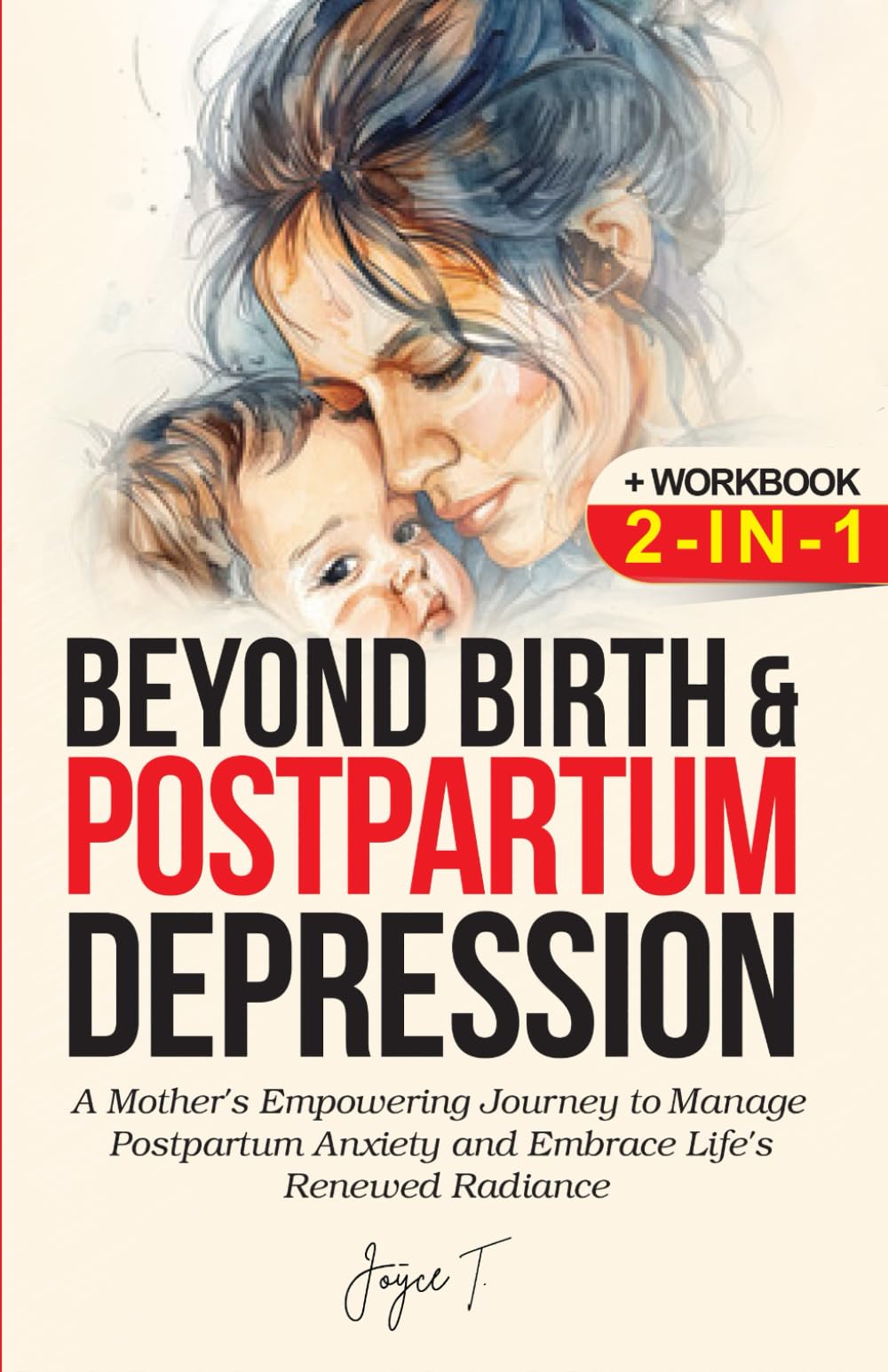
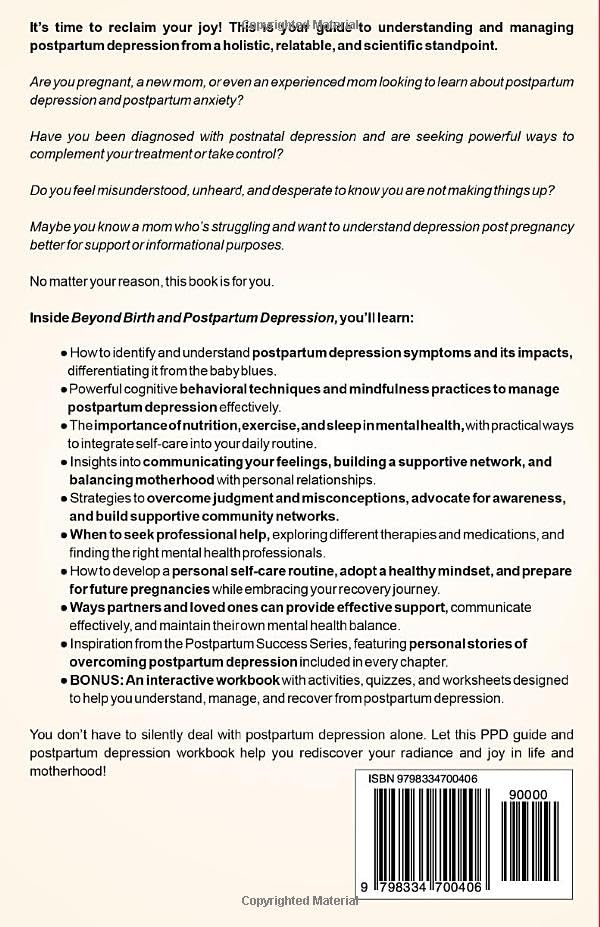
Beyond Birth and Postpartum Depression + Workbook 2-IN-1: A Mother's Empowering Journey to manage Postpartum Anxiety and Embrace Life's Renewed Radiance
- Health, Fitness & Dieting
- Mental Health
- Depression
5. Building Your Recovery: Daily Practices That Actually Help
Professional treatment is the foundation; daily habits are the architecture built on top of it. These strategies do not replace clinical care, but they meaningfully accelerate recovery.
Sleep
Sleep deprivation amplifies every symptom of depression. The biology is straightforward: insufficient sleep elevates cortisol, suppresses serotonin synthesis, and impairs the prefrontal regulation of emotion. "Sleep when the baby sleeps" is the right instinct even if it is hard to execute. Coordinating with a partner, family member, or postpartum doula to guarantee at least one four-hour unbroken sleep block is worth prioritising above almost anything else on the to-do list.
Movement
Exercise produces measurable antidepressant effects. A meta-analysis published in the British Journal of General Practice found that aerobic exercise significantly reduced PND symptoms. "Movement" at this stage can be a 20-minute pram walk. It counts.
Nutrition
The gut-brain axis is a real and clinically relevant pathway. Postpartum depletion of iron, vitamin D, omega-3 fatty acids, and B12 is common and can independently worsen mood. A blood panel through your GP is worth requesting.
Connection
Isolation is fuel for depression. Even a single weekly contact with another adult who is not a partner makes a statistical difference. This is where the fourth-trimester care framework is relevant: structured check-ins, not just a single six-week review, are what new mothers actually need.

The Fourth Trimester: A Postpartum Guide to Healing Your Body, Balancing Your Emotions, and Restoring Your Vitality
- Health, Fitness & Dieting
- Alternative Medicine
- Image Unavailable Image not available forColor:
6. Supporting a Partner or Loved One With PND
If you are reading this for someone you love, you are already doing something important. Partners and family members are often the first to notice symptoms the mother herself is minimising.
What Actually Helps
What Does Not Help
✗ "You have so much to be grateful for" ✗ "Every new mum feels like this; it'll pass" ✗ Minimising intrusive thoughts as "crazy" ✗ Taking over so completely that she loses all agency and confidence
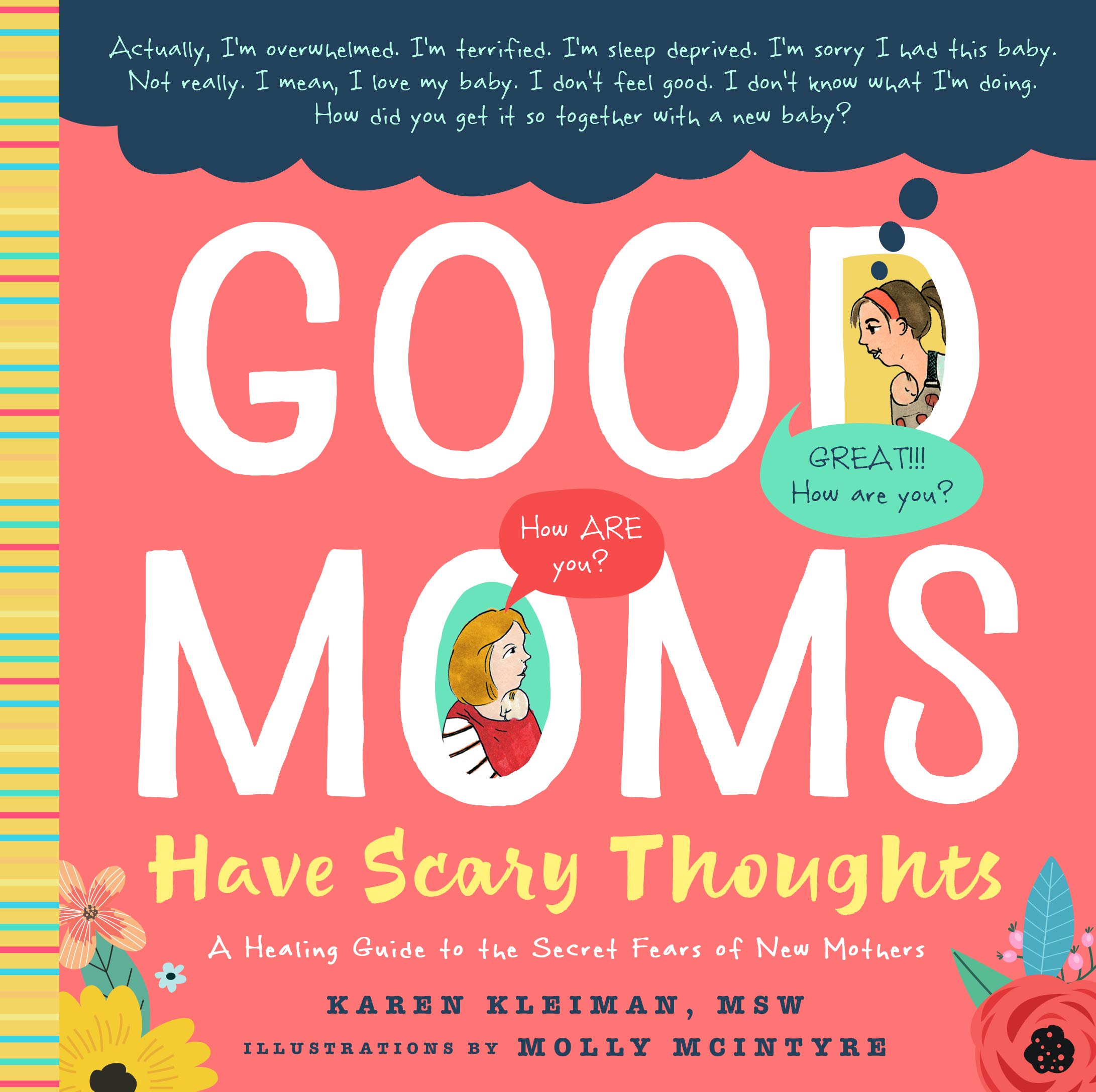
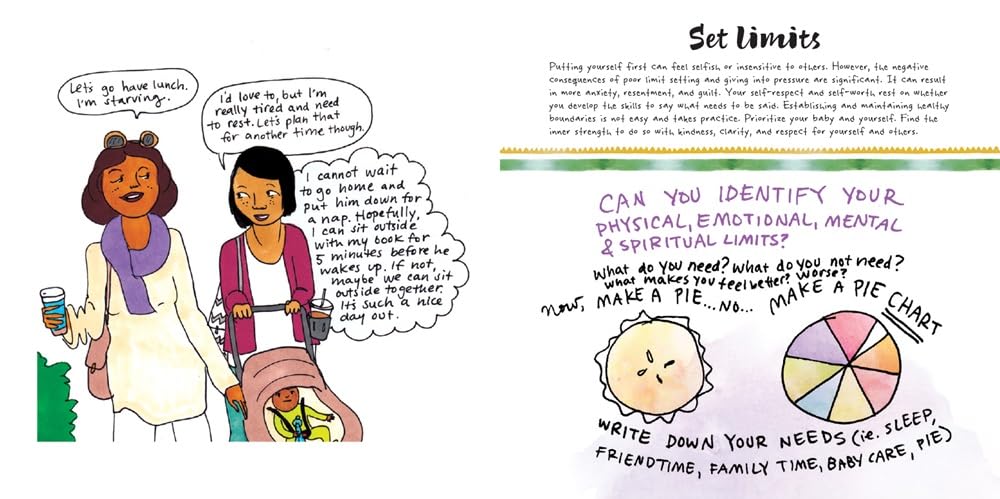
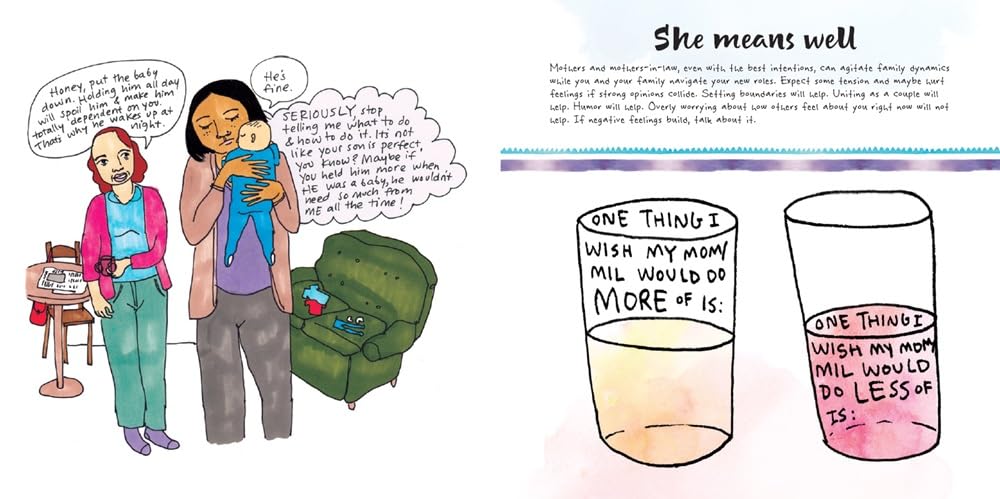

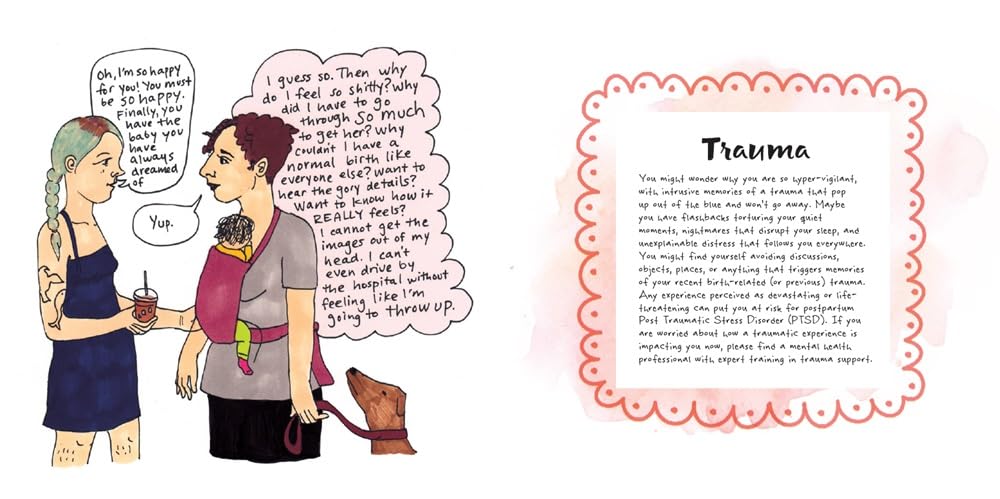
Good Moms Have Scary Thoughts: A Healing Guide to the Secret Fears of New Mothers
- Health, Fitness & Dieting
- Mental Health
- Image Unavailable Image not available forColor:
Comparing Self-Help Resources for Postnatal Depression
| Resource Type | Best For | Primary Benefit | Limitation | Recommended Product | Price Range |
|---|---|---|---|---|---|
| Structured workbook | Mild–moderate PND, CBT learners | Active skill-building, self-paced | Needs motivation to complete | Beyond Birth PND Workbook | varies |
| Moms over 35 guide | Older mothers with hormonal focus | Addresses hormone, diet, sleep together | Less general applicability | Postpartum Care Over 35 | $14.99 |
| Intrusive-thoughts guide | Mothers scared by dark thoughts | Normalises and defuses scary thoughts | Narrow focus on one symptom cluster | Good Moms Have Scary Thoughts | $15.37 |
| General self-help guide | Anyone newly diagnosed | Broad foundation, accessible language | Less clinically deep | Postpartum Depression Self-Help Guide | $14.24 |
| Anxiety-focused guide | Mothers whose PND shows as anxiety | Brain-science framing, practical tools | Not a depression-first approach | Rattled: Calm New Mom Anxiety | varies |
| Fourth-trimester guide | Whole-body postpartum recovery | Integrates physical and emotional healing | Less depression-specific | The Fourth Trimester Guide | $12.33 |
Expert Insights
What do I say to my GP to get help quickly?|Be direct: "I think I have postnatal depression. I have been experiencing [list two or three specific symptoms] for [number of weeks]. I would like to discuss treatment options including therapy and medication." Naming the condition and requesting options moves the appointment forward faster.
Recovery from postnatal depression is not a straight line, and it is rarely fast. But it is real. Thousands of mothers who once sat in a darkened room feeling utterly cut off from themselves and their babies now live full, connected lives. The gap between where you are now and where you want to be is bridgeable — and the first step is simply letting one trusted person know you are struggling.
If this article helped you make sense of what you or someone you love is experiencing, share it with one person who might need it. You may never know whose life you change by forwarding a link.
Sources & References
- American Psychological Association. "Postpartum Depression." 2023. https://www.apa.org/pi/women/resources/reports/postpartum-depression
- National Institute for Health and Care Excellence (NICE). "Antenatal and Postnatal Mental Health: Clinical Management and Service Guidance." Clinical Guideline CG192. 2020. https://www.nice.org.uk/guidance/cg192
- American Thyroid Association. "Postpartum Thyroiditis." 2023. https://www.thyroid.org/postpartum-thyroiditis/
- Centers for Disease Control and Prevention (CDC). "Depression Among Women." 2023. https://www.cdc.gov/reproductivehealth/depression/index.htm
- Academy of Breastfeeding Medicine. "ABM Clinical Protocol #18: Use of Antidepressants in Breastfeeding Mothers." 2015 (reviewed 2022). https://www.bfmed.org
- Dennis, C.L. et al. "Psychosocial and Psychological Interventions for Preventing Postpartum Depression." Cochrane Database of Systematic Reviews. 2013.
- Paulson, J.F. & Bazemore, S.D. "Prenatal and Postpartum Depression in Fathers." JAMA. 2010; 303(19):1961–1969.
- Golding, J. et al. "The Avon Longitudinal Study of Parents and Children (ALSPAC)." Paediatric and Perinatal Epidemiology. 2001.
- Royal College of Psychiatrists. "Postnatal Depression." 2023. https://www.rcpsych.ac.uk/mental-health/mental-illnesses-and-mental-health-problems/post-natal-depression
- Milgrom, J. et al. "Postnatal Depression and Infant Development." British Journal of Psychiatry. 1999;175:254–258.
Frequently Asked Questions
Is postnatal depression the same as baby blues?
Can PND start months after birth, not immediately?
Is it safe to take antidepressants while breastfeeding?
Can PND affect my child's development long-term?
What if my partner does not believe PND is real?
How long does treatment take before I feel better?
Was this helpful?
Thanks — your feedback helps us pick what to write next.