Teen Mental Health Crisis: Can AI Actually Help Save Lives?
AI tools show genuine promise as a first layer of support for teens in mental health crisis, but they work best as a bridge to human care, not a replacement for it.
In this article
Something shifted around 2012. Rates of teen depression, anxiety, and self harm began climbing in nearly every high income country, and they have not come back down. The U.S. Surgeon General declared adolescent mental health a national crisis in 2021. The World Health Organization estimates that half of all lifetime mental health conditions begin before age 14. In the United States alone, the American Academy of Pediatrics reports that emergency department visits for teen self harm increased by more than 188 percent between 2006 and 2017, a trend that has continued upward since.
Meanwhile, the system built to catch these young people is buckling. Wait times for a first appointment with a child and adolescent psychiatrist can stretch six to twelve months. School counsellors carry caseloads that would exhaust anyone. And most teens, when they are struggling, don't reach out to a professional at all.
That gap is where artificial intelligence has quietly started showing up. By the end of this article, you will understand:
1. How Bad Is the Teen Mental Health Crisis, Really?
The short answer is: worse than most parents realise, and worse than the headline numbers alone suggest.
In 2023, the CDC's Youth Risk Behavior Survey found that more than 40 percent of U.S. high school students reported persistent feelings of sadness or hopelessness. Nearly 20 percent had seriously considered suicide, and around 9 percent had attempted it. These are not marginal statistics. They describe the lived experience of roughly one in five kids sitting in a classroom right now.
The numbers look similarly alarming in the UK. NHS Digital data from 2022 showed that one in six children aged 7 to 16 had a probable mental health disorder, up from one in nine in 2017. In Australia, the 2023 Mission Australia Youth Survey found that 26 percent of young people aged 15 to 19 met criteria for psychological distress.
What changed after 2012?
Researchers have debated this energetically. Jean Twenge, a psychology professor at San Diego State University, has pointed to the mass adoption of smartphones and social media as a major driver, citing the correlation between rising social media use and rising rates of loneliness and depression among teen girls in particular. Jonathan Haidt has made similar arguments in "The Anxious Generation."
Other researchers, including Andrew Przybylski at the Oxford Internet Institute, argue the relationship between screens and mental health is more complicated, and that social determinants such as economic insecurity, academic pressure, and the lingering effects of the COVID pandemic also play a substantial role.
The ripple effects for parents are real. Many families describe waiting months for a diagnosis, being turned away from hospital wards that are full, or watching their child fall apart while a referral sits in a queue. Understanding the scale of this problem matters because it explains exactly why AI tools have entered the conversation at all. When the system cannot keep up, technology starts to fill the gaps, for better and for worse.
If you want to understand the neurological reasons teens are especially vulnerable during this period, our article on why adolescence is a neurological pressure cooker explains the brain science in plain language.

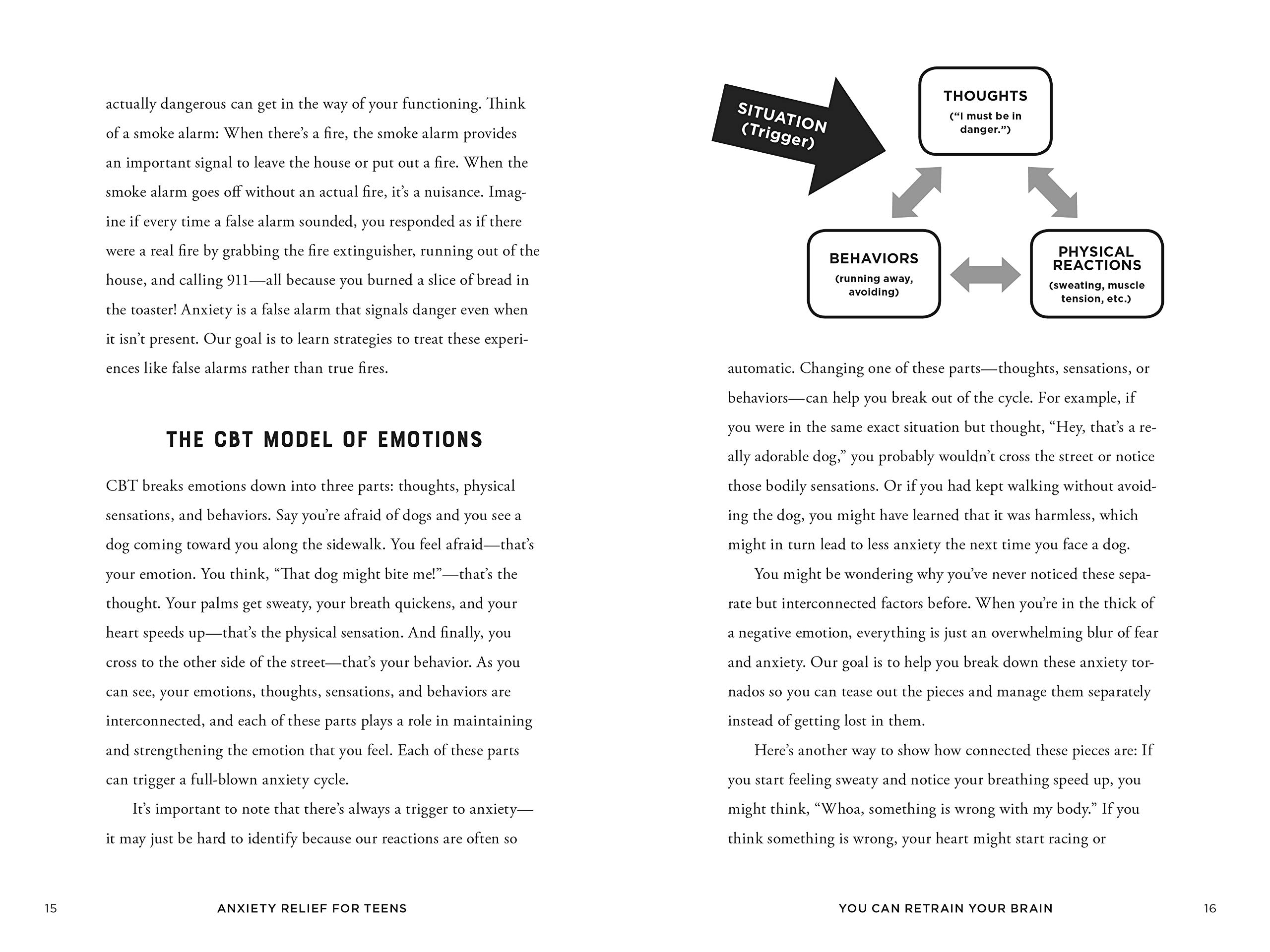
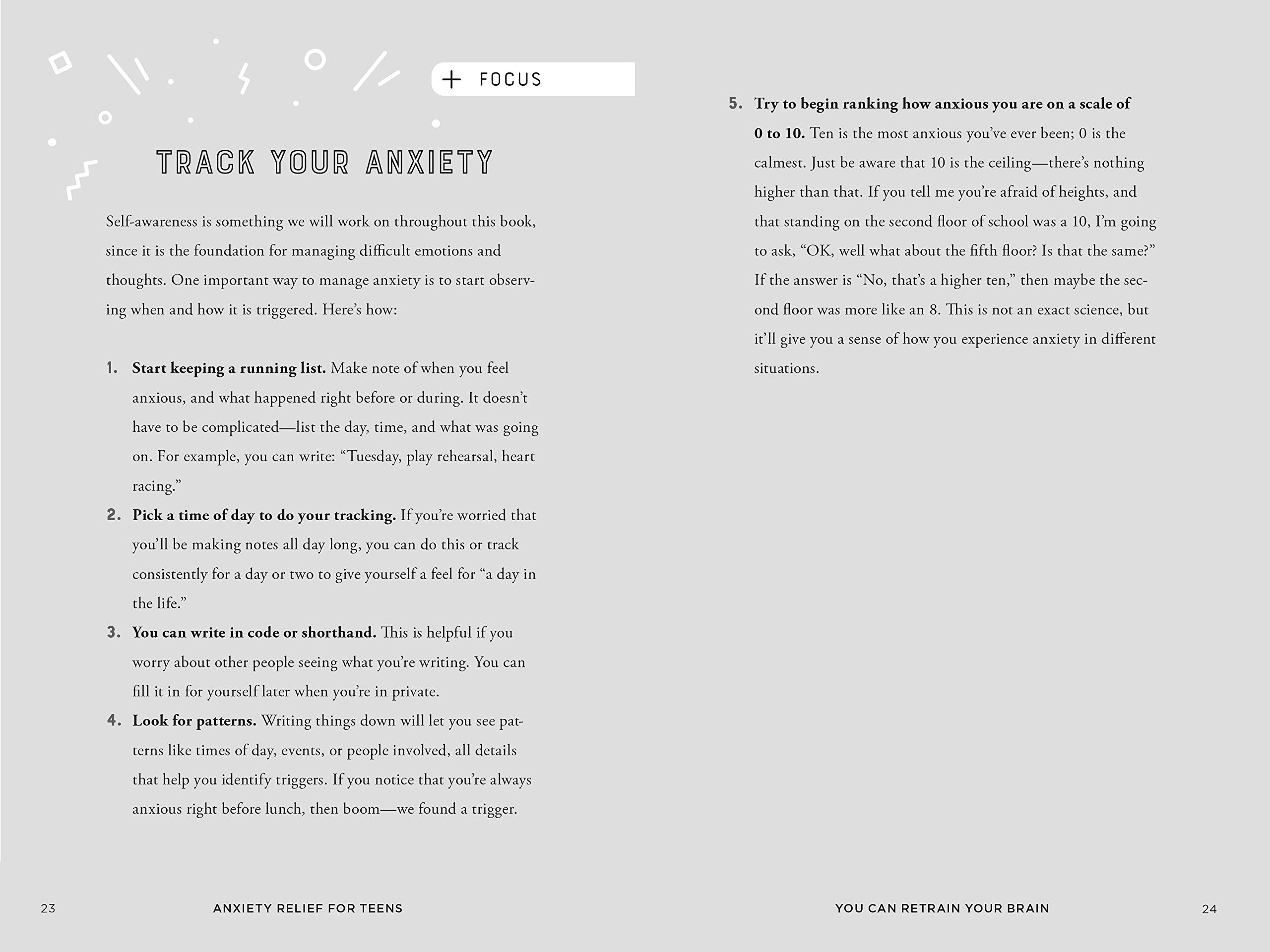

Anxiety Relief for Teens: Essential CBT Skills and Mindfulness Practices to Overcome Anxiety and Stress
- Teen & Young Adult
- Personal Health
- Depression & Mental Health
2. What AI Mental Health Tools Actually Are (And What They Are Not)
AI in teen mental health is not one thing. It is a broad category that includes several distinct types of tools, and understanding the difference matters enormously for parents.
Conversational chatbots
These are the tools that get the most press. Apps like Woebot, Wysa, and Replika use natural language processing to have text conversations with users, often drawing on scripts grounded in cognitive behavioural therapy or dialectical behaviour therapy. The teen says how they are feeling; the app responds with reflective questions, coping strategies, or psychoeducation.
These are not therapists. They cannot diagnose. They cannot call emergency services. What they can do is be available at 11pm on a Tuesday when your teen is spiralling and every adult in their life is asleep.
Digital screening and risk assessment tools
Several healthcare systems now use AI to analyse written language, voice patterns, or responses to questionnaires to flag whether a young person may be at elevated risk of depression, anxiety, or suicidal ideation. In clinical settings, these tools are designed to support a clinician's judgement, not replace it.
Teletherapy support and session augmentation
Some platforms use AI to help therapists between sessions, for example, by sending a teen a brief mood check in the morning, or offering a coping activity if the system detects rising distress scores. Here the AI acts as a scaffold around genuine human therapy.
Social media monitoring tools
A small number of schools and healthcare providers are piloting AI tools that scan students' social media activity for warning signs of crisis. These raise significant ethical questions we will come back to.
The reason these tools have proliferated so quickly is simple: teens will use them. A 2022 study published in JMIR Mental Health found that young people were significantly more willing to disclose suicidal thoughts to a chatbot than to a human, because they felt less fear of judgement or consequence. That finding is uncomfortable and important in equal measure.
3. What the Research Actually Says About AI and Teen Mental Health
The evidence base is genuinely promising in places, genuinely thin in others, and it is worth being honest about both.
Where the evidence is strongest
Woebot is probably the most studied AI mental health tool in existence. A randomised controlled trial published in JMIR Mental Health in 2017 (Fitzpatrick, Darcy, and Vierhile) found that college students using Woebot over two weeks showed significantly greater reductions in depression and anxiety compared to a control group. The effect sizes were modest but real.
A 2021 review in the Journal of Medical Internet Research analysed 16 studies of AI chatbots in mental health contexts and found consistent evidence of short term reductions in symptoms of depression and anxiety, with no studies reporting harm from the tools themselves. The reviewers were careful to note that most studies were short, had small samples, and were conducted in adult populations.
Conversational agents hold real promise for extending the reach of mental health care, particularly to populations that are underserved or reluctant to engage with traditional services.
— Journal of Medical Internet Research (2021)
The specific teen data
Here the picture is less complete. Most clinical trials have been run with adults or college students aged 18 and above. Studies specifically focusing on adolescents aged 13 to 17 remain limited in number and scale. A 2023 review in the Lancet Digital Health called for urgent investment in trials specifically designed for younger populations, noting that adolescent brains, developmental needs, and risk profiles are meaningfully different from adults.
Wysa, which markets specifically to young people and has partnerships with several NHS trusts in the UK, has published data suggesting that teens who completed 30 or more interactions with the app showed clinically meaningful improvements in anxiety scores. Critics note that completion rates are low and that teens who engage most with the app may already be more motivated to address their mental health, creating a selection bias.
The big honest caveat
No AI tool has been shown to prevent suicide in a controlled study. This is not a criticism specific to AI; preventing suicide is extraordinarily difficult to measure and study. But it means that the most dramatic claims sometimes made about these tools ("AI saves lives") are, at this point, more aspiration than proven fact. The more defensible position is that these tools can support wellbeing, reduce mild to moderate symptoms, and make it easier for some young people to take a first step toward help.
The Complete Teen Mental Health Workbook: ACT, CBT & DBT Skills To Reduce Anxiety and Depression, Manage Stress, and Build Emotional Resilience (Teen Life)
- Teen & Young Adult
- Personal Health
- Depression & Mental Health
4. The Real Risks Parents Need to Understand
Being enthusiastic about AI mental health tools and being clear eyed about their risks are not contradictory positions. Here are the risks that deserve your attention.
Risk 1: Substitution rather than stepping stone
The greatest practical risk is that a teen uses a chatbot instead of getting professional care, not as a bridge to it. If your child has significant depression, active suicidal ideation, an eating disorder, or a psychotic illness, an app is not sufficient. Apps can give a young person the feeling of doing something about their mental health without accessing the level of support they actually need. Parents and young people need to know these tools have a ceiling.
Risk 2: Inadequate crisis response
Most chatbots have a standard response to disclosures of suicidal ideation: provide a crisis line number. That response is better than nothing, but it is not nothing. A young person in acute distress who is met with a generic "here is the crisis line" response may feel dismissed rather than helped. Several consumer safety organisations have raised concerns that the crisis protocols built into commercial apps are not consistently tested or audited.
Risk 3: Data privacy
Mental health data is among the most sensitive personal information that exists. Many consumer mental health apps collect and store detailed information about a user's emotional state, disclosed experiences, and behavioural patterns. In the United States, most of these apps are not covered by HIPAA because they are not medical providers. A 2019 study in the BMJ found that 29 of 36 mental health apps shared user data with third parties including Facebook and Google. Parents should read privacy policies before allowing a teen to use any mental health app.
Risk 4: Algorithmic bias
AI systems trained predominantly on data from white, English speaking, adult populations may perform less well for adolescents from different racial, cultural, or linguistic backgrounds. A tool that was validated on university students in California may not respond appropriately to the language, cultural expressions of distress, or risk factors of a Black teen in Birmingham or a Latina teenager in Texas.
Risk 5: False reassurance
An AI tool that misses a warning sign can give a young person, and their parent, false confidence that things are fine. This is particularly concerning for tools designed to assess suicide risk, where the consequences of a false negative are severe.


The DBT Skills Workbook for Teens: A Fun Guide to Manage Anxiety and Stress, Understand Your Emotions and Learn Effective Communication Skills (Therapy and Mental Health Books For Teens)
- Teen & Young Adult
- Personal Health
- Depression & Mental Health
5. How to Talk to Your Teen About AI Mental Health Tools
Your teen is almost certainly already using some form of digital mental health support, whether you know about it or not. The 2022 Common Sense Media survey found that 42 percent of teens aged 13 to 17 had used an app or online resource for mental health in the past year, while fewer than a third had spoken to a professional.
This is not cause for panic. It is cause for an honest conversation.
Starting the conversation without triggering shutdown
Teens are exquisitely sensitive to feeling surveilled or judged. If your opening line is "I heard these chatbot things are dangerous," you will get a door closed in your face, literally or figuratively. A better approach:
Start with genuine curiosity. "I've been reading about these mental health apps that a lot of young people are using. Do you know anything about them? Have any of your friends tried them?" This positions you as someone trying to understand their world, not police it.
If your teen has mentioned struggling, you might say: "I know it can feel easier to write things down or talk to something that isn't going to react. I totally get that. I just want to make sure whatever you're using is actually helpful, not just available."
What to actually tell them
Be honest that these tools have real limits. Tell them that no chatbot can call 999 or 911 if they are in danger. Make sure they know the crisis line for your country (in the U.S., that is 988; in the UK, Samaritans is 116 123) and that calling a real human when things feel unbearable is always the right move.
Tell them you are not asking them to choose between the app and talking to you. Both can coexist. The goal is for them to have as many sources of support as possible, not just one.
The digital tool as conversation opener
Several parents and clinicians I have spoken with describe the AI tool as a useful warm up. A teen who has been using Wysa or Woebot for a few weeks sometimes comes to a parent or therapist with much greater clarity about what they are feeling, because they have had space to articulate it without fear. That is a genuine benefit worth holding onto.
Understanding how the parent teen relationship shapes outcomes is as important as any technology. Your connection with your teen remains the most powerful protective factor we know of.
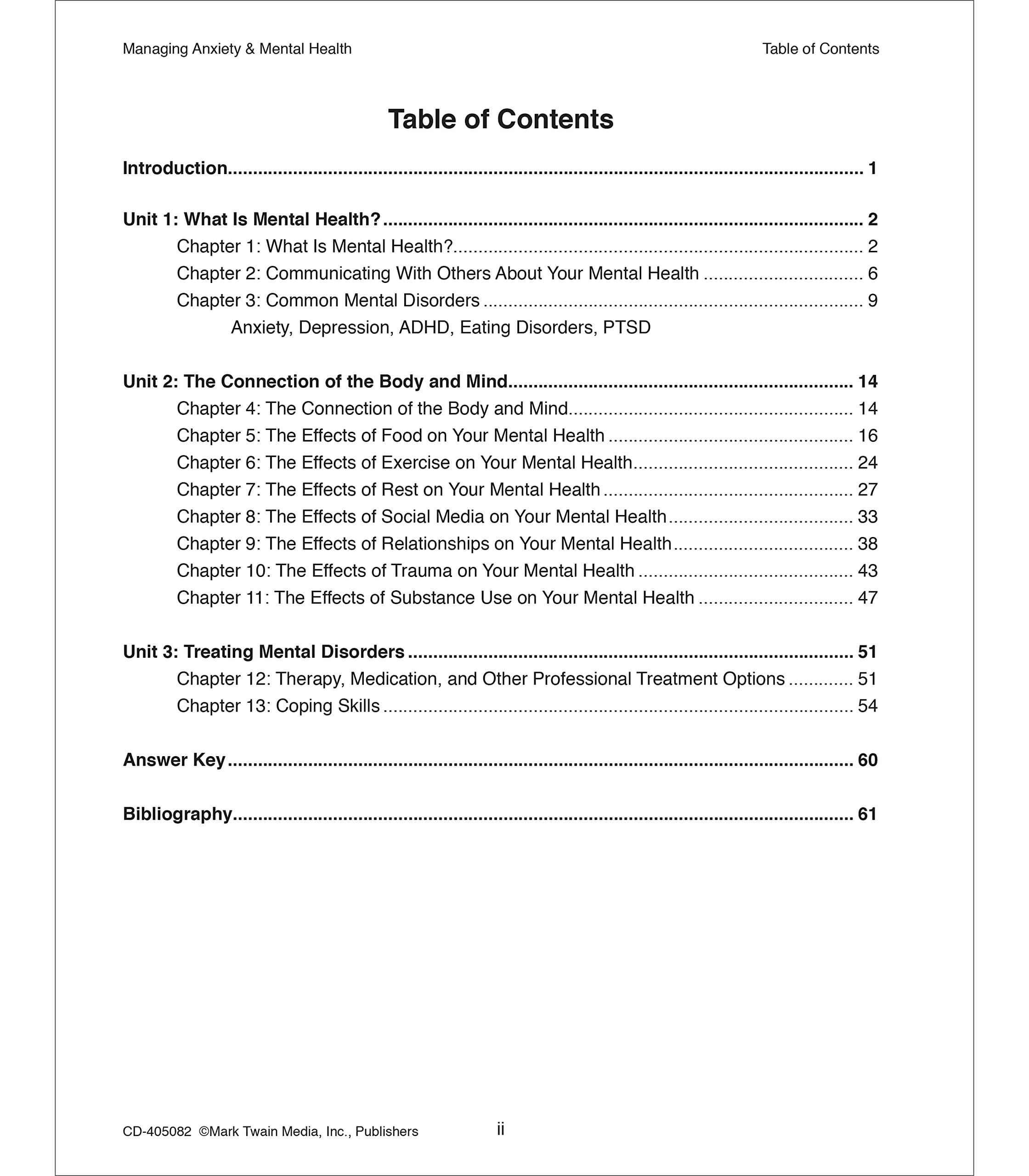
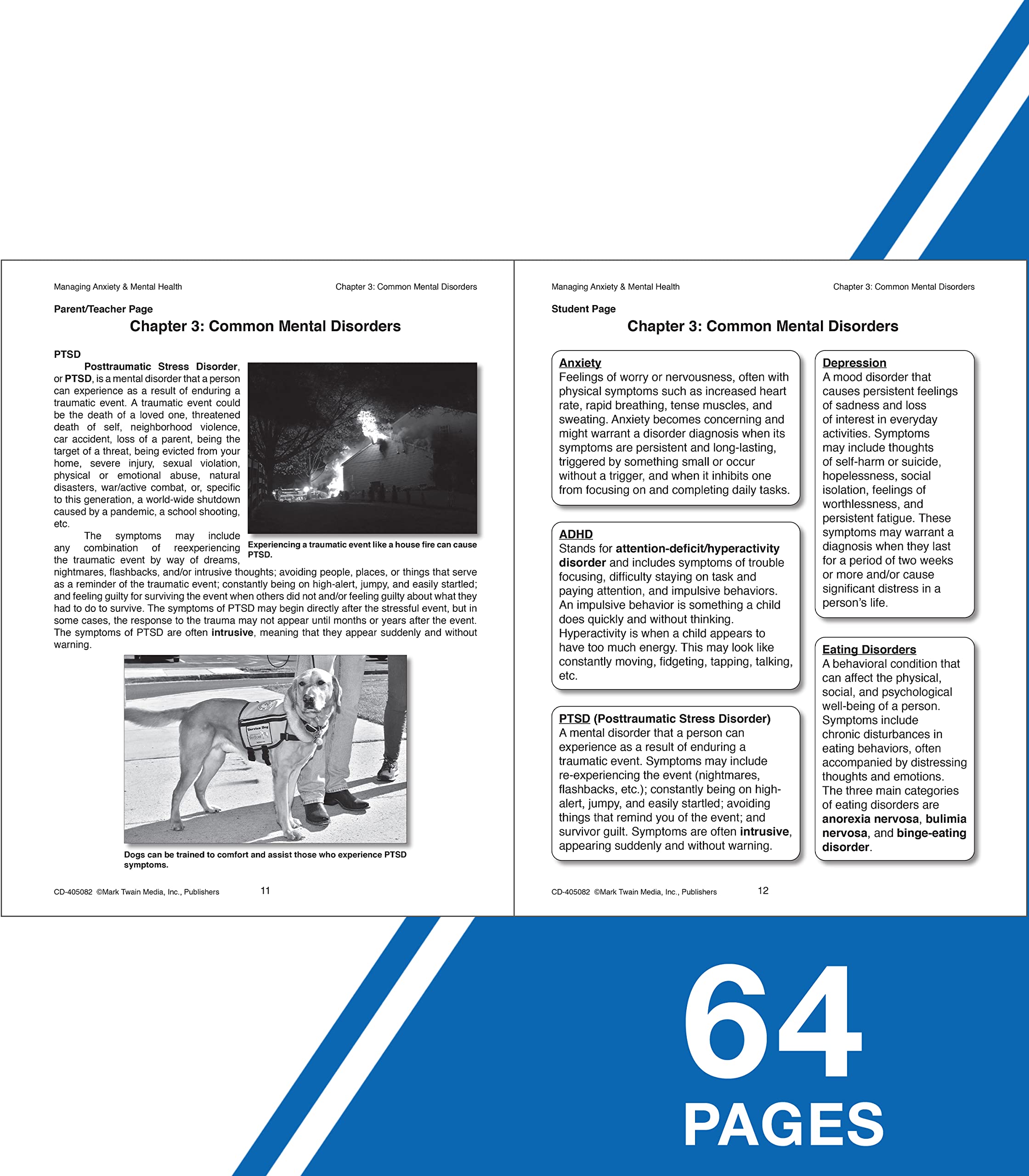

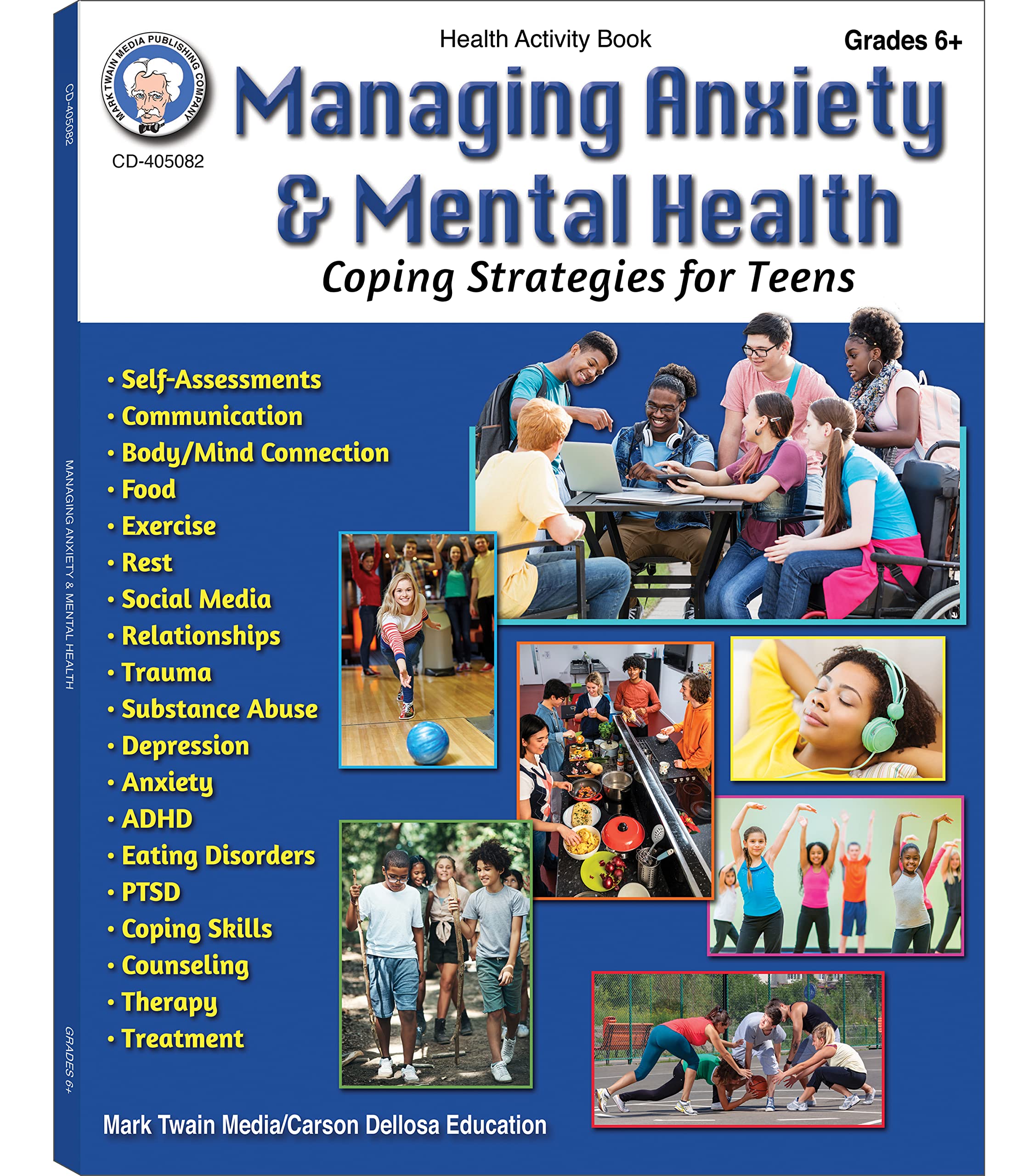
Mark Twain Managing Anxiety and Mental Health Workbook for Teens, Anxiety, Depression, Social Emotional Learning, and Mindfulness for Kids, ADHD Books With Guided Journal
- Children's Books
- Growing Up & Facts of Life
- Image Unavailable Image not available forColor:
6. What Responsible AI in Teen Mental Health Should Look Like
Not all AI mental health tools are equal. Some are built responsibly, with clinical input, transparent data practices, and clear human override protocols. Others are built to grow fast, generate engagement, and collect data, with mental health as a marketing angle rather than a genuine mission.
The markers of a responsible tool
A responsible AI mental health tool for young people should meet several criteria:
What the regulatory landscape looks like
The regulatory picture is patchy at best. In the United States, most mental health apps sit in a grey zone. The FDA regulates "software as a medical device" but has historically exercised enforcement discretion around wellness apps. That is beginning to change. The FDA's Digital Health Center of Excellence has been developing clearer frameworks, but progress is slow relative to how quickly these tools are spreading.
The UK has been somewhat more proactive. NHS England has a Digital Technology Assessment Criteria (DTAC) process for evaluating health apps, and the NICE Evidence Standards Framework for digital health technologies provides a pathway for evaluation. However, teens can download apps outside these frameworks in seconds.
The EU's AI Act, which came into force in 2024, classifies AI systems used in mental health contexts as high risk, requiring greater transparency, testing, and human oversight. This is likely to raise the floor for tools sold in European markets.
What parents can advocate for
Parents are not passive bystanders here. Schools that are adopting mental health tech platforms benefit from parent engagement and scrutiny. Questions worth asking your school's leadership:
- What AI or digital mental health tools are being used or recommended to students? - Who reviewed them clinically before adoption? - What happens to the data students generate? - Is there a human professional who reviews any outputs from these tools? - What training have staff received in integrating digital tools with traditional pastoral care?
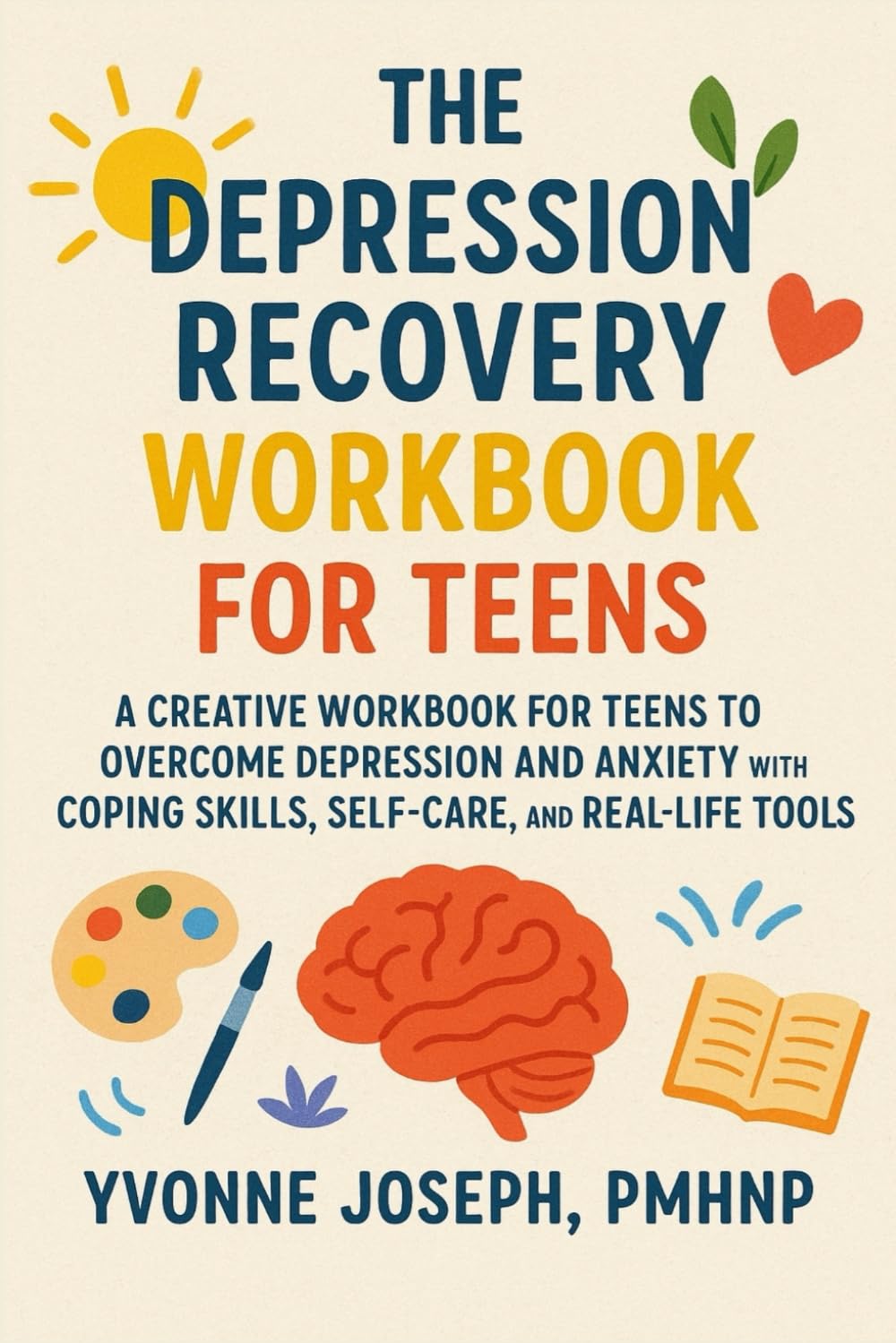
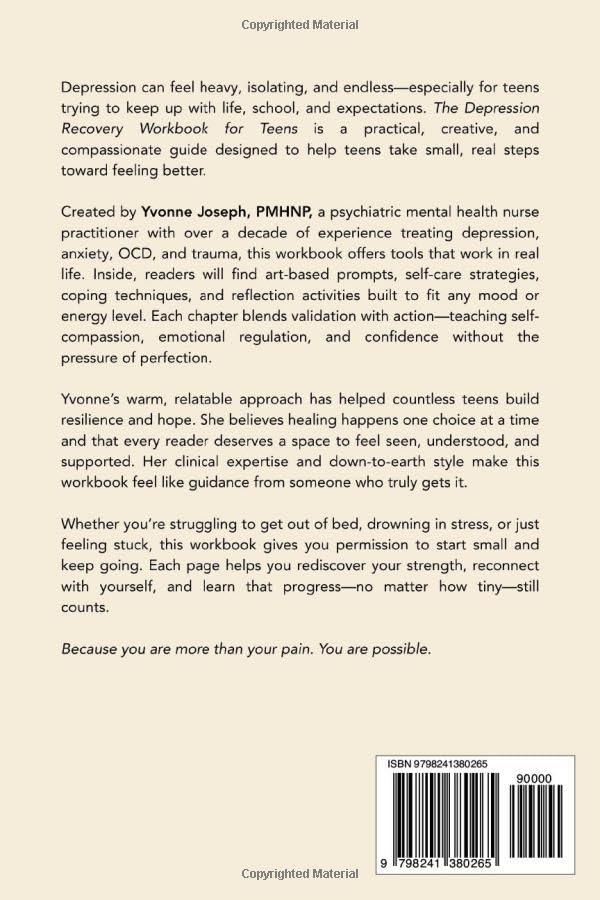
THE DEPRESSION RECOVERY WORKBOOK FOR TEENS: A CREATIVE WORKBOOK FOR TEENS TO OVERCOME DEPRESSION AND ANXIETY WITH COPING SKILLS, SELF-CARE, AND REAL-LIFE TOOLS
- Teen & Young Adult
- Personal Health
- Depression & Mental Health
| AI / Digital Tool Type | Best Suited For | Key Benefits | Main Limitations | Recommended Product | Price Range |
|---|---|---|---|---|---|
| CBT-based chatbot (e.g. Woebot) | Mild to moderate anxiety, low mood | Available 24/7, reduces stigma barrier, structured skills delivery | Not clinically validated for under-18s at scale, crisis response is generic | Anxiety Relief for Teens | Free app / $10–11 book |
| DBT skills app | Teens with emotional dysregulation, impulsivity | Evidence base in adults, teaches concrete emotional skills | Requires sustained engagement, not a substitute for full DBT programme | DBT Skills Workbook for Teens | $24 |
| Digital mood tracker | Self-awareness building, therapy adjunct | Low commitment, helps teens identify patterns | No therapeutic content, no crisis pathway | Anxiety and Depression Workbook | $21 |
| AI-assisted teletherapy platform | Teens already in therapy who need between-session support | Keeps therapy momentum, personalised | Requires existing therapist relationship, cost | Complete Teen Mental Health Workbook | Varies by platform |
| School-based digital screening | Early identification of at-risk students | Population level reach, low cost | Privacy concerns, risk of stigma, variable clinical follow-through | Managing Anxiety and Mental Health Workbook | Low cost |
| Creative/journalling workbooks (print) | Teens reluctant to engage digitally | No data privacy risk, tactile, parent-visible | Requires motivation, no crisis pathway | Depression Recovery Workbook for Teens | $15–25 |
Expert Insights on AI and Teen Mental Health
Conclusion
We are living through a genuine paradox. The same technology that many researchers believe has contributed to the teen mental health crisis is now being deployed to try to solve it. That tension is real and worth sitting with rather than resolving too quickly.
What I find myself telling parents is this: the question is not whether to embrace AI mental health tools or reject them. The question is whether you are informed enough to help your teenager use them wisely, and whether the human connections in your teen's life remain strong enough that technology stays in its proper place, as a supplement, a bridge, a first step.
The most important thing any AI can do for a struggling teenager is make it slightly easier for them to eventually say, out loud, to another human: I am not okay. Everything from that moment forward depends on us.
If this article was helpful, save it, share it with another parent who might need it, or subscribe to tinymindsworld.com for more clinically grounded guidance on raising young people through complex times.
Sources & References
- U.S. Surgeon General. "Protecting Youth Mental Health: The U.S. Surgeon General's Advisory." 2021. https://www.hhs.gov/sites/default/files/surgeon-general-youth-mental-health-advisory.pdf
- CDC. "Youth Risk Behavior Survey Data Summary and Trends Report, 2023." Centers for Disease Control and Prevention. https://www.cdc.gov/healthyyouth/data/yrbs/index.htm
- World Health Organization. "Adolescent Mental Health." 2021. https://www.who.int/news-room/fact-sheets/detail/adolescent-mental-health
- NHS Digital. "Mental Health of Children and Young People in England, 2022." https://digital.nhs.uk/data-and-information/publications/statistical/mental-health-of-children-and-young-people-in-england/2022-follow-up-to-the-2017-survey
- Mission Australia. "Youth Survey 2023." https://www.missionaustralia.com.au/youth-survey
- Fitzpatrick K.K., Darcy A., Vierhile M. "Delivering Cognitive Behavior Therapy to Young Adults With Symptoms of Depression and Anxiety Using a Fully Automated Conversational Agent (Woebot): A Randomized Controlled Trial." JMIR Mental Health. 2017. https://mental.jmir.org/2017/2/e19
- Vaidyam A.N., Wisniewski H., Halamka J.D., et al. "Chatbots and Conversational Agents in Mental Health: A Review of the Psychiatric Landscape." Canadian Journal of Psychiatry. 2019. https://doi.org/10.1177/0706743719828977
- Abd-Alrazaq A. et al. "Perceptions and Opinions of Patients About Mental Health Chatbots." Journal of Medical Internet Research. 2021. https://www.jmir.org/2021/1/e17828
- Lancet Digital Health. "Artificial Intelligence for Mental Health in Young People." 2023. https://www.thelancet.com/journals/landig/home
- Grundy Q. et al. "Data Sharing Practices of Medicines Related Apps and the Mobile Ecosystem." BMJ. 2019. https://doi.org/10.1136/bmj.l1395
- American Academy of Pediatrics. "Emergency Department Visits for Self-Harm Among Youth." 2019. https://www.aap.org
- Twenge J.M. "iGen: Why Today's Super-Connected Kids Are Growing Up Less Rebellious, More Tolerant, Less Happy — and Completely Unprepared for Adulthood." Atria Books. 2017.
- Haidt J. "The Anxious Generation: How the Great Rewiring of Childhood Is Causing an Epidemic of Mental Illness." Penguin Press. 2024.
- NICE. "Evidence Standards Framework for Digital Health Technologies." 2019. https://www.nice.org.uk/about/what-we-do/our-programmes/evidence-standards-framework-for-digital-health-technologies
- European Parliament. "EU Artificial Intelligence Act." 2024. https://www.europarl.europa.eu/topics/en/article/20230601STO93804/eu-ai-act-first-regulation-on-artificial-intelligence
Frequently Asked Questions
Is it safe for my teen to use a mental health chatbot?
Can AI replace a therapist for my teenager?
What should I do if I find my teen is using a mental health app secretly?
How do I know if my teen needs professional help rather than an app?
Are there mental health apps specifically designed and tested for teenagers?
What role can schools play in AI mental health support?
My teen refuses to talk to anyone about their feelings. Could an AI tool be a useful starting point?
Was this helpful?
Thanks — your feedback helps us pick what to write next.