The 'Homework First' Rule Is Backfiring for ADHD Kids
The traditional "homework first, then fun" rule often fails children with ADHD because it demands the most from a brain that is already depleted after a full school day. Flipping the routine, allowing movement, play, and a genuine mental break first, produces better focus, less c

In this article
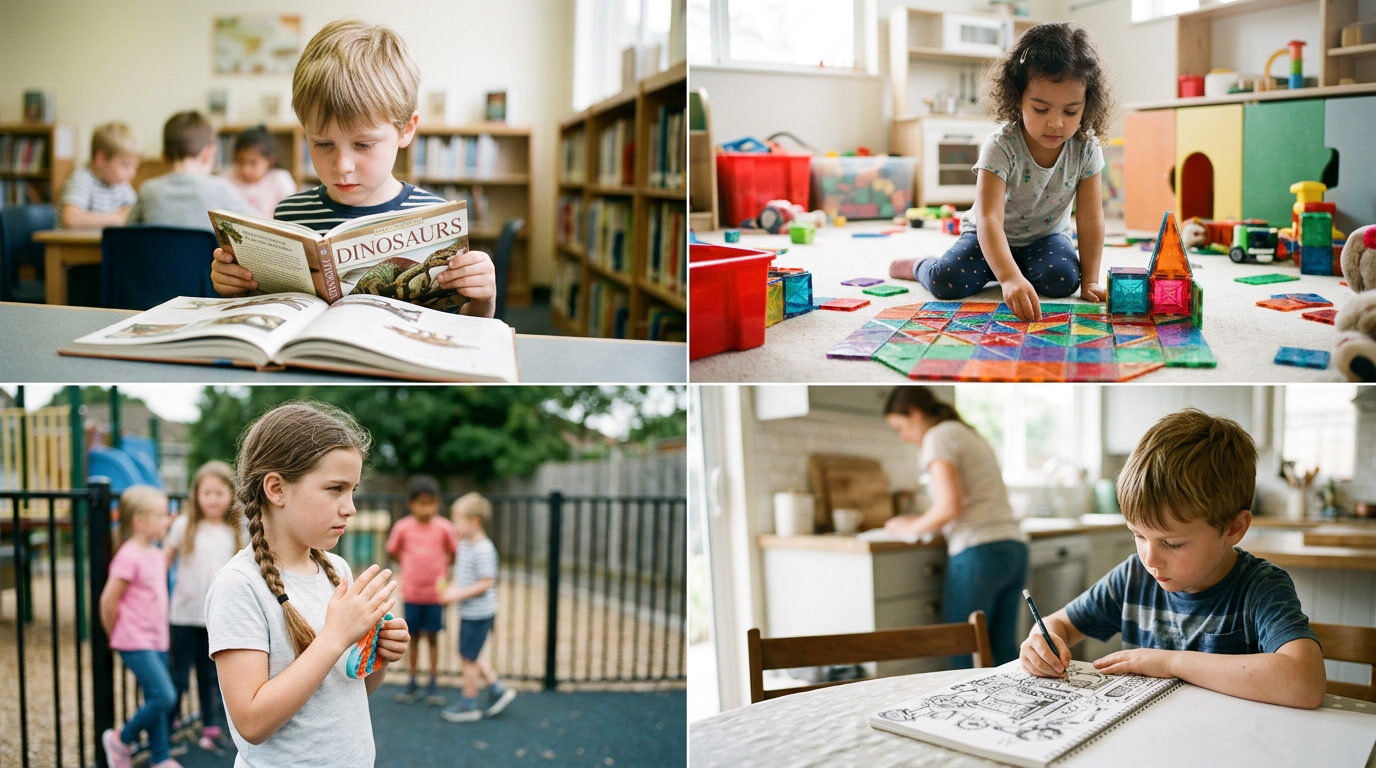
It is 3:45 on a Tuesday afternoon. Your child just got off the school bus, dropped their backpack somewhere between the front door and the kitchen, and is already face-down on the sofa. You say the words you say every single day: "Homework first." What follows probably does not need describing.
According to the CDC, roughly 1 in 9 children in the United States between the ages of 3 and 17 has been diagnosed with ADHD, making it one of the most common neurodevelopmental conditions in childhood. And yet the standard after-school homework routine, something every generation of parents has inherited without much questioning, was never designed with those children's brains in mind.
More and more paediatric specialists and ADHD researchers are pushing back on the "homework first" model. Not because homework itself is the enemy, but because the timing, the setup, and the expectations attached to it can turn an already hard afternoon into a daily crisis.
By the end of this article, you will understand:
1. Why the ADHD Brain Hits a Wall After School
The ADHD brain is genuinely exhausted by school dismissal time, and that is not a character flaw or laziness. It is biology.
Children with ADHD rely much more heavily on conscious effort to do things that other children do automatically. Sitting still, filtering out noise, switching between tasks, waiting their turn, keeping track of instructions: every one of those things costs extra cognitive fuel. A child without ADHD might coast through the school day using something like 60 percent of their executive function reserves. A child with ADHD may have burned through 90 to 100 percent of theirs before lunch.
Dr. Russell Barkley, one of the world's leading ADHD researchers and clinical professor of psychiatry at Virginia Commonwealth University Medical Center, has described ADHD fundamentally as a disorder of self regulation, not attention per se. The child is not choosing to be difficult. Their ability to regulate impulses, manage time, and sustain effort is biologically compromised, and that compromise gets dramatically worse as the day wears on.
The role of dopamine
ADHD is closely tied to how the brain manages dopamine, the neurotransmitter most associated with motivation, reward, and sustained effort. Dopamine levels in ADHD brains tend to be lower at baseline, and the pathways that regulate it work differently. This is part of why children with ADHD can focus intensely on something they find genuinely engaging (a video game, a LEGO set, a favourite book) but seem completely unable to do the same for homework.
After six or seven hours of school, a child with ADHD is not just tired. Their dopamine reserves are genuinely low. Asking them to sit down and do more effortful cognitive work at that exact moment is, neurologically speaking, asking them to run a marathon on an already empty tank.
2. What the Research Actually Says About Timing and Focus
Flipping the routine, movement and play before homework, is supported by a growing body of research in paediatric neuroscience, exercise science, and ADHD-specific clinical studies.
A 2012 study published in the Journal of Attention Disorders found that a single 20-minute session of moderate aerobic exercise significantly improved inhibitory control and attention in children with ADHD. The effect was comparable, in some participants, to the impact of a low dose of stimulant medication. That finding has been replicated multiple times since.
The American Academy of Pediatrics (AAP) recommends that children ages 6 to 17 get at least 60 minutes of moderate to vigorous physical activity every day. For children with ADHD, this is not just a general health recommendation: it is directly relevant to their ability to learn and regulate behaviour. The after-school window is the natural place for that activity to happen, which means that window was never really meant for sitting at a desk.
Physical activity appears to benefit children with ADHD by increasing neurotransmitter levels, especially dopamine and norepinephrine, which are the same targets as stimulant medications.
— American Academy of Pediatrics (2016)
The recharge window: what it looks like in practice
Most ADHD specialists who work with families recommend what some call a "recharge window" of somewhere between 30 and 90 minutes after school before any homework begins. What fills that window matters.
The most effective recharge activities for ADHD brains share a few qualities: they involve physical movement, they are intrinsically motivating (meaning the child actually wants to do them), and they are relatively low demand in terms of executive function. Good examples include:
What does not work as a recharge, even though it feels restful, is passive screen time. Research from the University of Washington and others has found that fast-paced digital media can actually increase symptoms of hyperactivity and inattention in children with ADHD rather than restoring focus. The brain is still being stimulated, just not in a way that builds toward productive work. If you are thinking about how digital habits fit into your family's wider routine, the guidance on screen time solutions that actually work is worth a read alongside this one.
3. How to Build a Homework Routine That Actually Works for ADHD
Structure is the friend of the ADHD brain, but it has to be the right kind of structure: predictable, visual, and not punishing.
The single most common mistake parents make when setting up a homework routine is designing it around compliance ("you will sit here until it is done") rather than around the brain's actual needs. Compliance-based routines tend to produce more conflict, more avoidance, and less actual work completed. Routine-based approaches, where the child knows exactly what is coming and can see their own progress, tend to produce the opposite.
The three-part structure that works
Research and clinical experience both point to the same basic framework:
Part 1: The transition ritual (5 to 10 minutes) When your child walks in the door, they need a consistent, low-demand landing sequence. Same every day. Bag on the hook, shoes off, snack on the table. This is not wasted time. It is the transition signal that helps the ADHD brain shift out of school mode.
Part 2: The recharge window (30 to 90 minutes) As discussed above, this is movement, free play, or something your child genuinely enjoys. Keep screens out of this window if you can. The goal is genuine neurological restoration, not entertainment.
Part 3: The homework block (timed and bounded) Here is the part most parents are afraid to hear: for many children with ADHD, shorter, timed homework blocks produce more output than open-ended "sit there until you're done" sessions. The Pomodoro technique (25 minutes of work, 5 minutes of break) was designed for adults but maps beautifully onto ADHD children's attentional capacity.
Using a planner designed specifically for ADHD students can make a significant difference during Part 3. The act of writing down what needs to be done, in a structured, visual format, provides the external memory and organisation support that the ADHD brain genuinely struggles to generate internally.
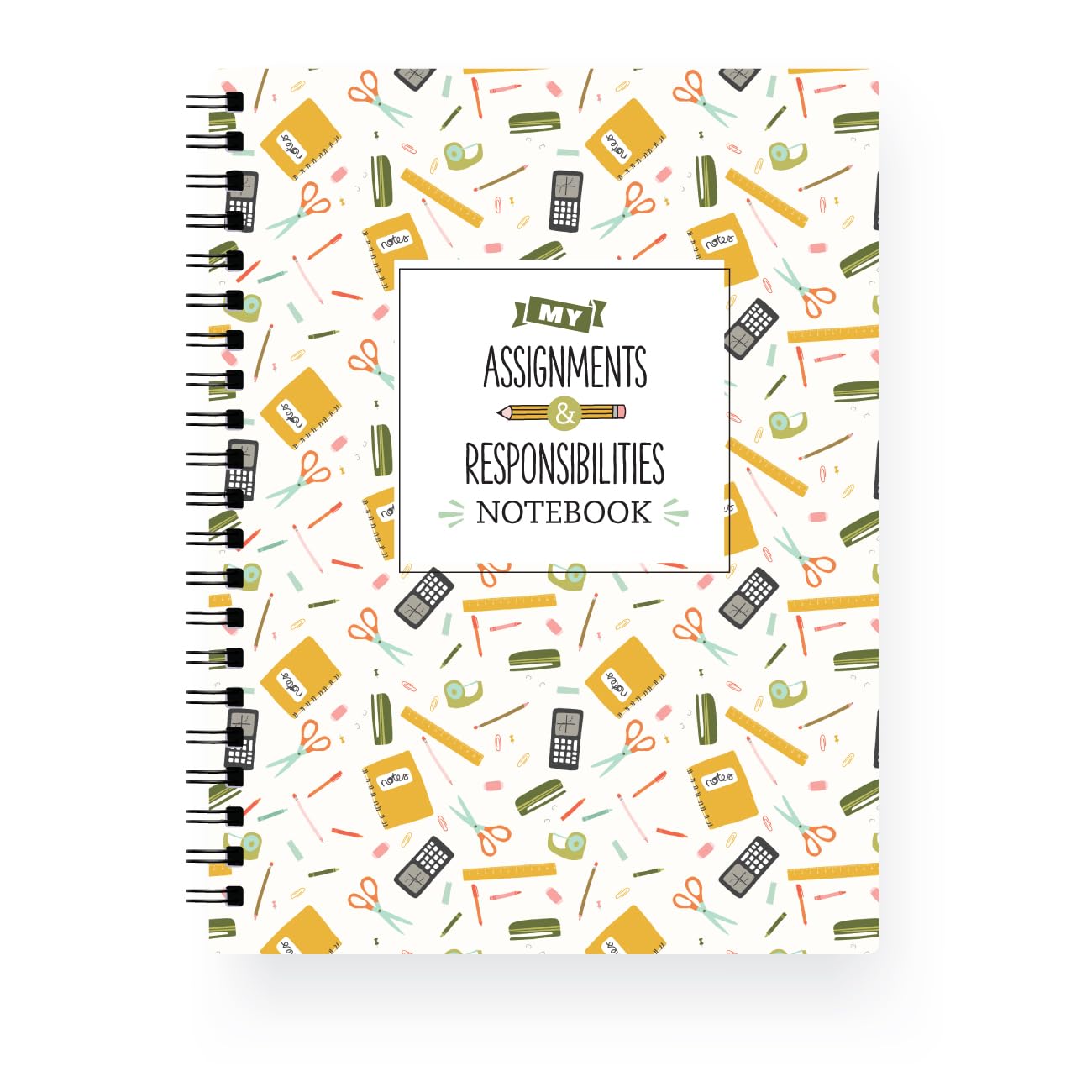

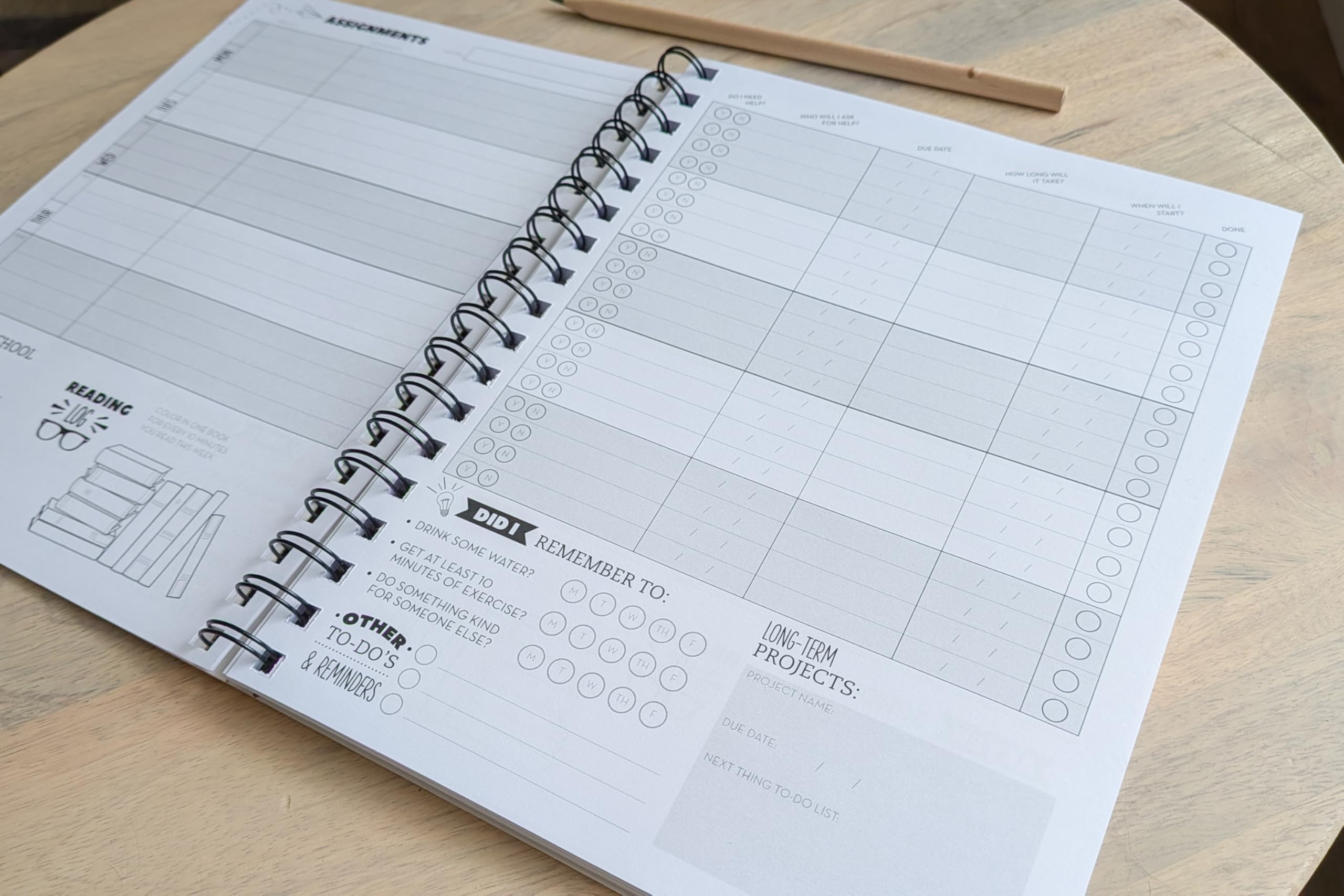

Nuts & Bolts Paper Co Homework Planner for Kids in Elementary, Middle School and High School - Undated Weekly and Daily Pages, Waterproof Cover ADHD Kids Planner Notebook 7" x 9" (Multicolor Large)
- Size: 7" x 9" Larger than our original design!
- 40 weeks of planning pages for the school year + 10 dotted "notes" pages for notes
- Waterproof/wipe-clean soft front cover with plastic overlay to keep the planner safe from spills and dirt.
4. The Tools That Make the Biggest Practical Difference
The right physical tools are not luxuries for ADHD kids. They are functional support for a brain that struggles to hold plans, sequences, and deadlines in working memory without external help.
Think of it this way: if your child had trouble walking, you would not debate whether to give them crutches. A homework planner for a child with ADHD is the same category of tool. It is not a reward, and it is not a crutch in the pejorative sense. It is scaffolding.
What to look for in an ADHD-friendly planner
The planner qualities that consistently help children with ADHD are:
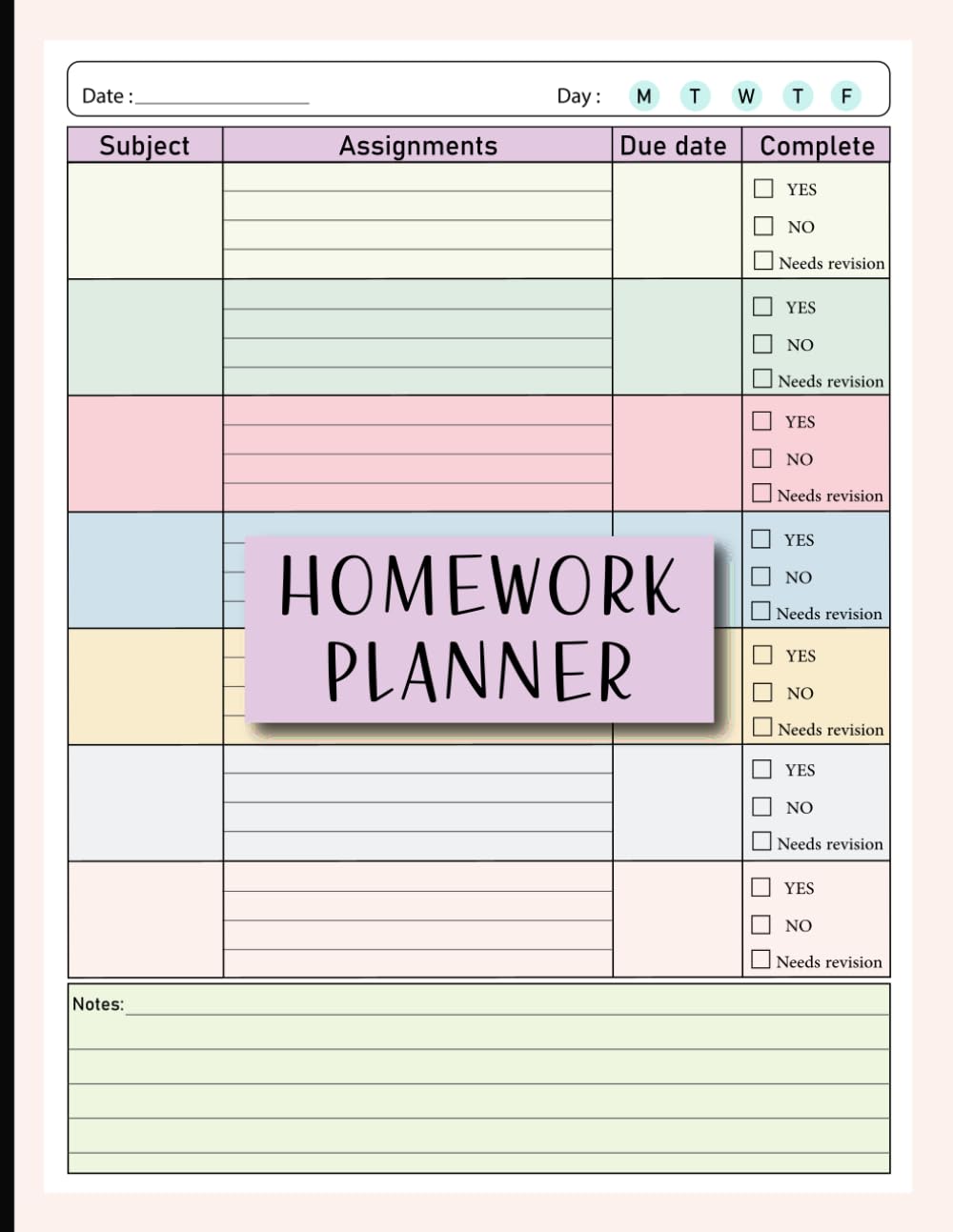
Colorful Homework Planner for ADHD Students: Undated Assignment Journal Notebook for middle, high school and College
- Education & Teaching
- Schools & Teaching
- Parent Participation
For younger children who are just learning to track assignments, a simpler planner with more visual cues and less text can work better than a comprehensive one.
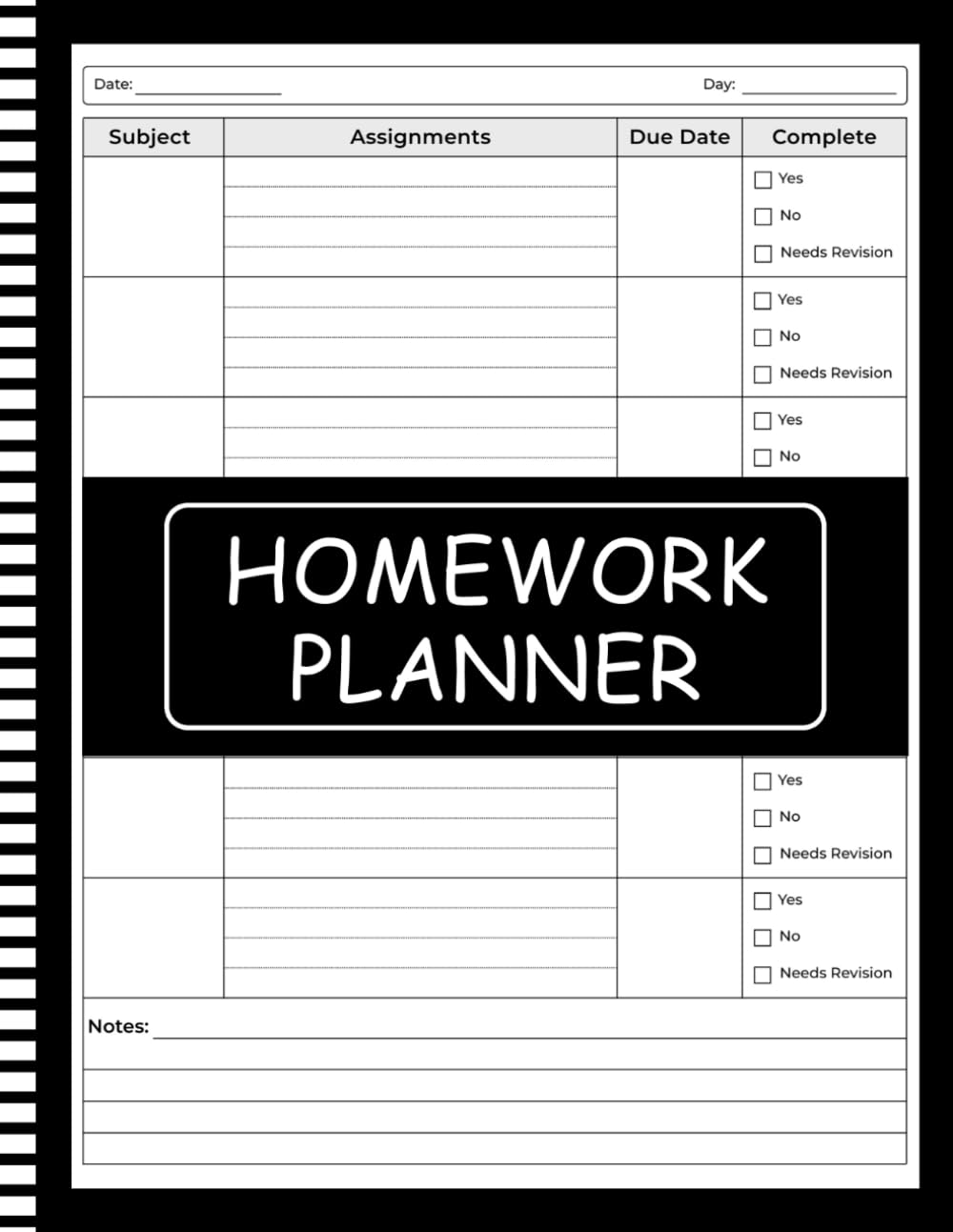
Homework Planner for ADHD Students: Undated Assignment Tracker Notebook for Elementary, Middle & High School Boys and Girls
- Education & Teaching
- Schools & Teaching
- Parent Participation
Building the planning habit
The planner only works if it becomes a habit, and habits for ADHD kids need to be taught and practised, not assumed. The first two weeks, sit with your child during the planning step. Do it together at the same point in the routine every day. After two to four weeks for most children, you can start stepping back and prompting rather than participating.
Some older children and teenagers with ADHD do well with a habit tracker built into their planner, because seeing the visual chain of consecutive completed days creates its own motivational pull.
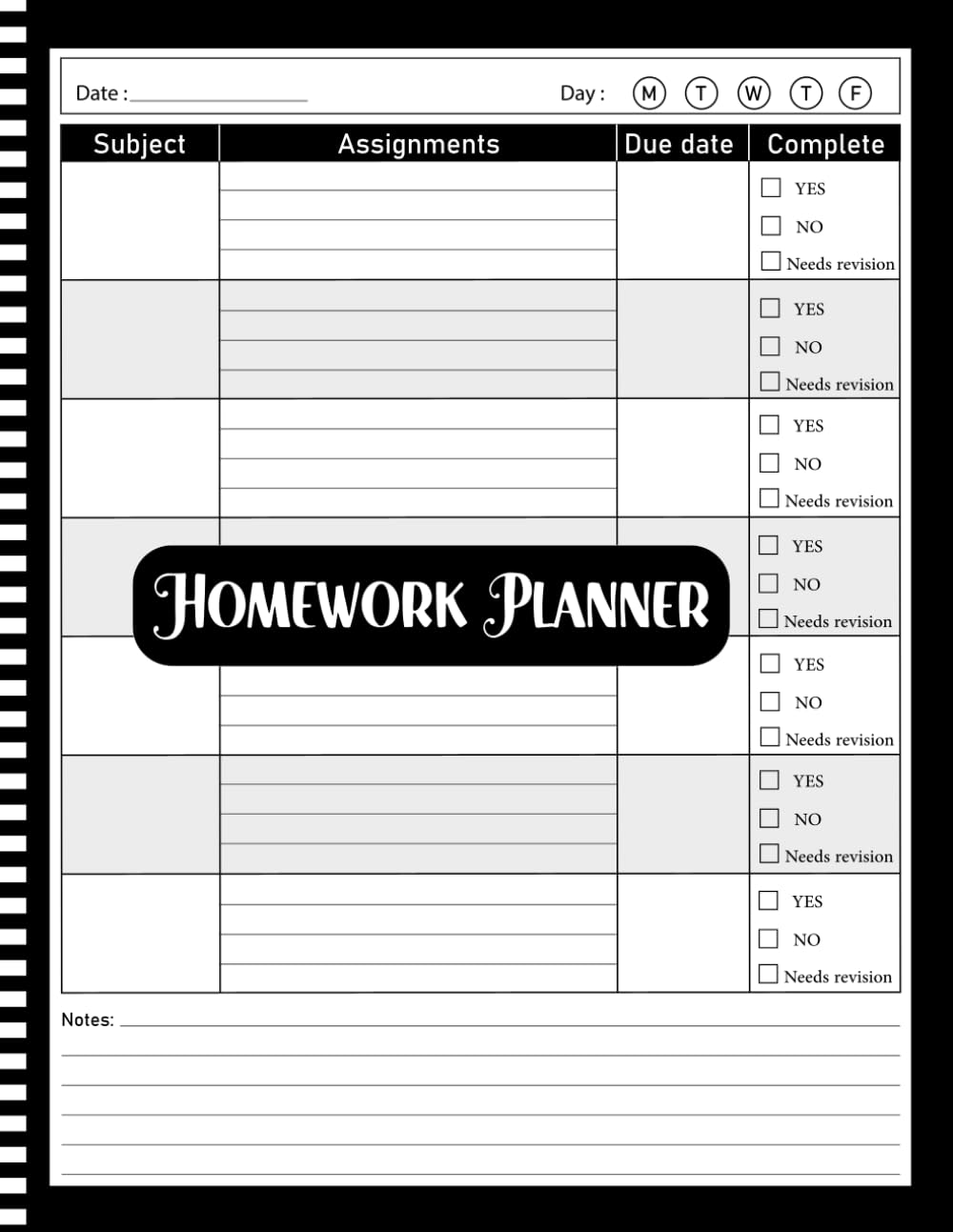
Homework Planner for ADHD Students: Undated Assignment Journal Notebook
- Education & Teaching
- Schools & Teaching
- Parent Participation
For teens transitioning to more independent organisation, a planner that incorporates weekly goal setting alongside daily tasks can bridge the gap between needing full parental support and managing independently.
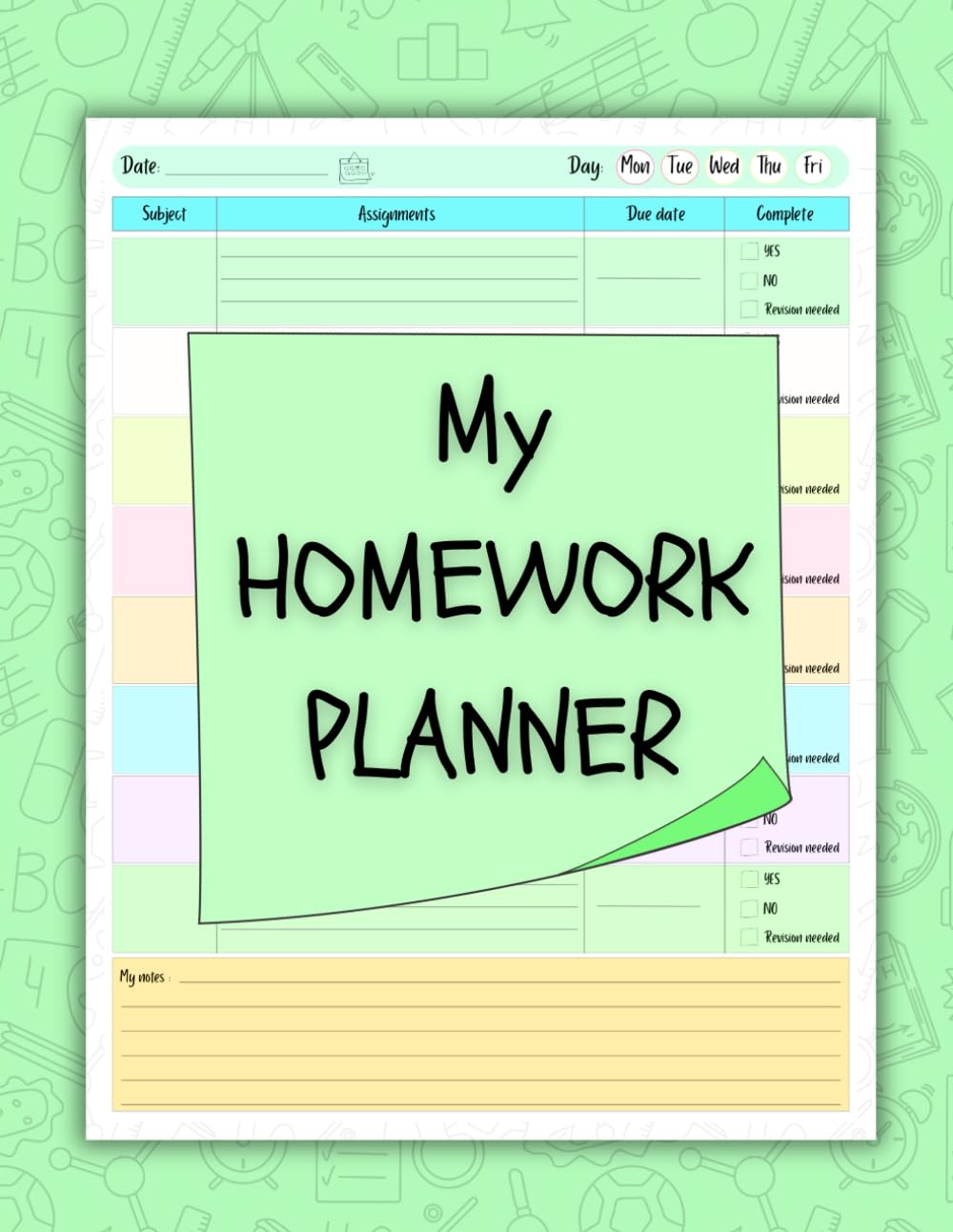
Colorful ADHD-Friendly Homework Planner: Daily Assignment Tracker for Middle, High School & College Students
- Education & Teaching
- Schools & Teaching
- Parent Participation
5. Talking to Teachers and Schools About Flipping the Routine
Many parents feel nervous about telling a teacher that their child will not be starting homework the moment they get home. They should not be.
Most teachers, especially those who have taught children with ADHD, understand that the standard homework routine does not work for every child. What teachers need from you is not permission-seeking but communication: what you are doing, why you are doing it, and what results you are seeing.
What to actually say
A short, direct email or note to the teacher works better than a long face-to-face conversation for most parents. The key elements are:
Most teachers appreciate this approach enormously. It tells them you are engaged, informed, and consistent. It also opens the door to support the teacher may already be able to offer (modified homework loads, alternative formats, more time).
When the school pushes back
If a school insists on the traditional homework first model in a way that conflicts with your child's needs, it is worth knowing that children with ADHD who have a documented diagnosis may be eligible for a 504 plan or an IEP (Individualized Education Program) in the United States, or equivalent support plans in the UK, Canada, and Australia. These plans can formally document accommodations including modified homework expectations.
Understanding how to support your child's emotional and social experience at school, alongside the academic side, is equally important. The work on raising empathetic, resilient kids through social and emotional learning frameworks connects directly to the confidence and self advocacy children with ADHD need to develop.
6. The Emotional Side: What the Homework Battle Does to Kids (and Parents)
The daily homework meltdown is not just exhausting. Over time, it does real damage to the relationship between parent and child, and to the child's own belief in their ability to learn.
Children with ADHD receive, on average, significantly more corrective and negative feedback than their peers, according to research published in the Journal of Abnormal Psychology. By the time they reach middle school, many have constructed a story about themselves as the child who cannot do school things right. The nightly homework battle reinforces that story every single day.
This is not a small problem. Self esteem in children with ADHD is closely linked to their experience of success and failure at tasks that matter to adults around them. Homework, sitting at the top of the after-school hierarchy, becomes one of the loudest daily messages about whether they are capable or not.
Children with ADHD are more likely to experience negative self-perceptions related to academic performance, and those perceptions persist even when objective performance improves.
— Journal of Abnormal Psychology (2002)
What parents feel, too
Let us be honest about the parent side of this. The nightly homework battle is one of the most demoralising experiences in parenting a child with ADHD. You know your child is smart. You can see it. And yet every evening ends with tears (sometimes yours, sometimes theirs, sometimes both), and nothing seems to work.
The "homework first" rule often survives not because it works but because abandoning it feels like giving up. It does not. Changing a routine that is demonstrably not working is not surrender. It is good parenting.
For parents thinking about their overall approach to discipline and daily routines with a child who has ADHD, the broader framework of positive parenting and gentle discipline offers a grounding perspective that aligns well with everything described in this article.
For older children in the 9 to 12 range who are taking on more responsibility for their own organisation, pairing the homework routine with a weekly planner that also tracks habits and goals can build real independence over time.

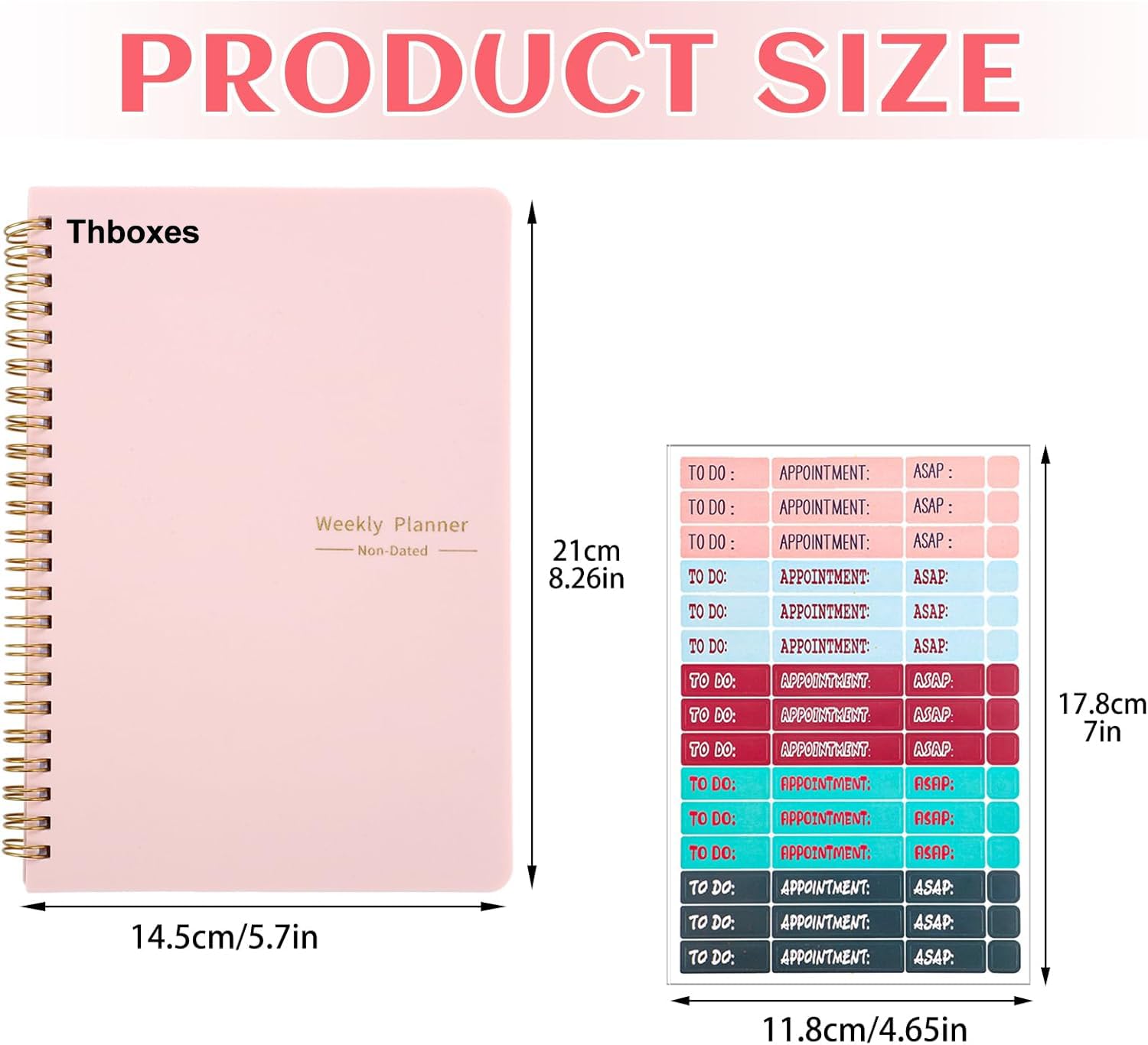


Undated Weekly Planner with Habit Tracker, 52 Weeks To Do List Notebook A5 Weekly Goal Planner with Spiral Binding & Stickers Home Work School Supplies for Women Girls 8.2" x 5.7" - Pink
- 【Undated Weekly Planner with Habit Tracker】The to do planner is undated, 52 weekly planner can help you plan 5
- 【Spiral Binder Planner Notebook】The weekly planner for women is bound in spirals, convenient for turning pages
- 【100GSM Paper】The simple planner notebook's inner page is made of smooth white paper, easy to write on, the wo
Homework Planner Comparison: Finding the Right Fit for Your Child
| Planner Style | Best For | Key Strengths | Main Limitations | Recommended Product | Price Range |
|---|---|---|---|---|---|
| Colourful daily assignment journal | Middle school and above | Bright visual layout, daily and weekly views, no expired dates | Less visual scaffolding for younger kids | Colorful Homework Planner for ADHD | ~$12.95 |
| Simple undated assignment tracker | Elementary through high school | Clean layout, low overwhelm, works across age groups | Limited habit tracking | Undated Assignment Tracker Notebook | Not listed |
| Waterproof durable planner | All ages, especially younger kids | Wipe-clean cover, 40 weeks of pages, large format | Larger size may be heavy for small bags | Nuts & Bolts Paper Co Planner | $16.99 |
| Compact undated journal | Upper primary and middle school | Portable, focused layout, highly rated | Fewer visual features than colour-coded options | Undated Assignment Journal Notebook | Not listed |
| Colourful daily tracker for older students | High school and college | 5-star rating, strong colour coding, detailed tracking | Fewer reviews; newer product | ADHD-Friendly Daily Tracker | ~$12.90 |
| Weekly planner with habit tracker | Tweens and teens building independence | 52-week habit tracker, spiral binding, sticker pack | Less ADHD-specific design | Weekly Planner with Habit Tracker | $6.99 |
Expert Insights on Rethinking the Homework Routine
Frequently Asked Questions
Putting It All Together
Here is the part nobody tells you when you are standing in the kitchen at 4pm, losing your mind over a maths worksheet: you are not doing it wrong by wanting a different way. You are doing it right by looking for one.
The "homework first" rule was not designed for your child. It was not designed with any particular brain in mind. It was inherited, passed along, and repeated because that is what routines do. But routines can be changed, and when they are changed based on evidence and built around your specific child's specific nervous system, the results can be genuinely transformative.
Not overnight. Not without some trial and error. But the family that used to spend every evening in tears over a spelling list often becomes, within a few weeks of a genuine routine shift, the family that gets homework done before dinner with energy to spare for connection.
The most powerful thing you can do for an ADHD child is believe that the system, not the child, is the thing that needs changing. That belief, held consistently and acted on practically, is what changes everything.
Save this article, share it with your child's teacher, or send it to another parent you know who is drowning in the same 4pm battle. You are not alone in this, and neither is your child.
Sources & References
- Centers for Disease Control and Prevention. "Data and Statistics About ADHD." 2023. https://www.cdc.gov/ncbddd/adhd/data.html
- Barkley, Russell A. "ADHD and the Nature of Self-Control." Guilford Press, 1997.
- Pontifex, Matthew B., et al. "Exercise Improves Behavioral, Neurocognitive, and Scholastic Performance in Children with Attention-Deficit/Hyperactivity Disorder." Journal of Pediatrics, 2013.
- Piepmeier, Aaron T., and Jennifer L. Etnier. "Brain-derived neurotrophic factor (BDNF) as a potential mechanism of the effects of acute exercise on cognitive performance." Journal of Sport and Health Science, 2015.
- American Academy of Pediatrics. "Physical Activity Guidelines for Children and Adolescents." 2016. https://www.aap.org
- Loe, Irene M., and Heidi M. Feldman. "Academic and Educational Outcomes of Children with ADHD." Journal of Pediatric Psychology, 2007.
- Mikami, Amori Yee, et al. "Self-perceptions of competence and academic achievement in children with ADHD." Journal of Abnormal Psychology, 2002.
- Ratey, John J. "Spark: The Revolutionary New Science of Exercise and the Brain." Little, Brown and Company, 2008.
- Hallowell, Edward M., and John J. Ratey. "Driven to Distraction: Recognizing and Coping with Attention Deficit Disorder." Pantheon Books, 1994.
- National Education Association. "Research Spotlight on Homework." Accessed 2024. https://www.nea.org
- Rief, Sandra F. "How to Reach and Teach Children with ADD/ADHD." Jossey-Bass, 2005.
- Tuckman, Ari. "More Attention, Less Deficit: Success Strategies for Adults with ADHD." Specialty Press, 2009.
Frequently Asked Questions
How long should the recharge window be before homework for a child with ADHD?
What if my child's school has a strict homework policy or sends a lot of work home?
Does the homework flip routine work if my child is not medicated?
My child refuses to do homework no matter what routine we try. What do we do?
Are homework planners actually useful for children with ADHD, or do they just lose them?
At what age can I expect my child to manage their homework routine independently?
Can too much homework actually make ADHD symptoms worse?
Was this helpful?
Thanks — your feedback helps us pick what to write next.