15 Parenting Trends Parents Say Need to End Right Now
Parents across social media are pushing back on 15 specific parenting trends, from gentle parenting taken to extremes to constant narration of a child's every move, saying these habits create more anxiety and dependence than confidence.
In this article
A recent Pew Research Center survey found that 66 percent of parents say parenting is harder today than it was twenty years ago, and a huge chunk of that stress comes down to information overload. Every scroll brings a new method, a new label, a new thing you're supposedly doing wrong. So it's no surprise that parenting forums and TikTok comment sections have turned into venting spaces where exhausted moms and dads are naming the trends they wish would just quietly disappear.
This isn't a takedown of any one parenting style. It's a look at what real parents, in real comment threads, are saying is not working for their families anymore. In this piece, you'll understand:
1. Gentle Parenting Without Any Boundaries
The number one complaint parents raise is not gentle parenting itself, it's gentle parenting practiced as an excuse to never say no. Plenty of parents report feeling like they've traded discipline for endless negotiation, and their kids are more anxious, not less, because nothing ever feels firm.
Gentle parenting, done properly, still includes clear limits. The confusion happens when "respecting big feelings" gets stretched into "letting the behavior slide because I don't want to upset them." Dr. Becky Kennedy, a clinical psychologist known for her work on emotionally attuned parenting, has repeatedly clarified that validating a feeling and permitting a behavior are two separate jobs.
Kids need us to hold the boundary and the empathy at the same time. One without the other isn't gentle parenting, it's just permissiveness with a nicer name.
— Dr. Becky Kennedy, Good Inside (2022)
What Overcorrected Gentle Parenting Looks Like
If you want a fuller framework for this balance, positive parenting and gentle discipline done right actually leans heavily on structure, not just softness. The book 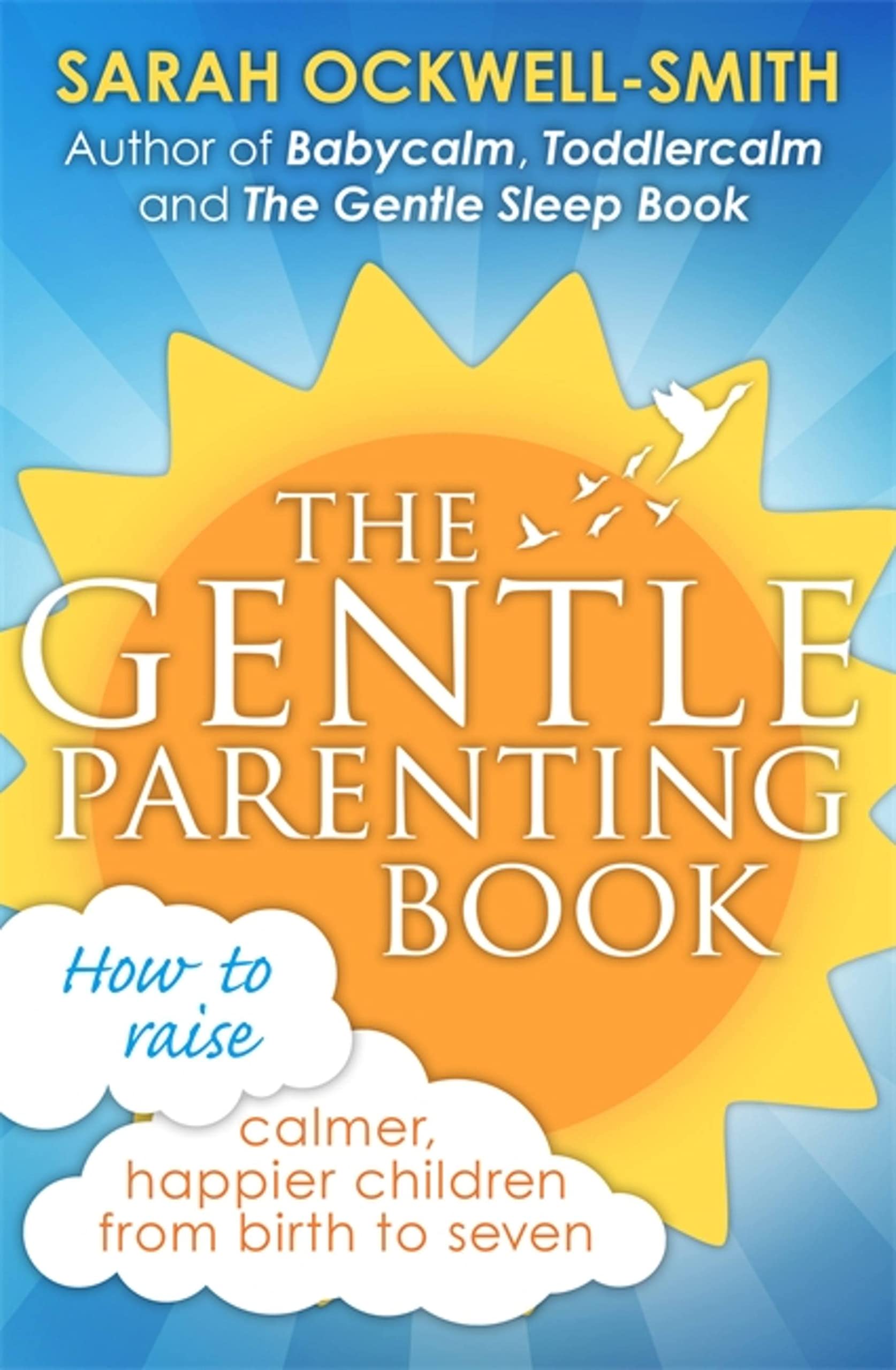
The Gentle Parenting Book: How to raise calmer, happier children from birth to seven
2. Sharenting Every Milestone and Meltdown Online
Parents are increasingly saying that documenting a child's entire life online, including their tantrums, potty training, and embarrassing moments, needs to stop. A 2023 survey by the cybersecurity firm Barclays estimated that by 2030, sharenting could account for two thirds of identity fraud cases affecting young people, since so much personal data is posted before kids can consent to it.
Beyond the privacy risk, there's a growing awareness that kids don't love finding their most vulnerable moments turned into content. Several now teenage kids of early "mommy bloggers" have spoken publicly about feeling exposed by content they never agreed to be part of.
Questions to Ask Before Posting
3. Constant Narration and Over Praising Every Move
Parents are burning out on the pressure to narrate every single action their child takes, "You put the blue block on top of the red block!", and to praise every tiny effort as if it were a major achievement. Research from Stanford psychologist Carol Dweck actually supports a more targeted approach to praise, one that focuses on effort and strategy rather than constant generic affirmation.
Constant narration can also backfire because it removes the quiet, unstructured moments kids need for independent thought and imaginative play. Some child development specialists note that kids narrated at nonstop often check in for verbal approval before they even try something new, rather than exploring on their own first.
Signs Narration Has Gone Too Far
For a deeper look at building genuine confidence rather than praise dependence, teaching kids to manage their own emotions is a more sustainable long term goal than constant verbal reinforcement.
4. Outsourcing Discipline to Timers, Apps, and Reward Charts
A growing number of parents admit they've leaned so heavily on sticker charts, reward apps, and timer based transitions that their kids have stopped responding to anything without a gadget attached. It's a trend that started with good intentions (visual timers genuinely help kids with transitions) but has tipped into full dependence for some families.
The American Academy of Pediatrics has noted that external reward systems can be useful short term tools, but they work best paired with verbal coaching, not as a replacement for it.
Extrinsic rewards can jump start a new behavior, but the goal should always be shifting toward the child's own sense of accomplishment. If the chart disappears and the behavior does too, the system didn't teach anything lasting.
— American Academy of Pediatrics, HealthyChildren.org (2021)
Where Reward Systems Tend to Break Down
The 1-2-3 Magic method is one parents keep coming back to because it relies on simple counting and consequence, not external rewards, to build lasting compliance.
5. Letting Screens Fill Every Gap in the Day
Parents openly admit this is the trend they feel guiltiest about, and also the one they're most desperate to change: using screens to fill every waiting room visit, car ride, and quiet moment. The WHO recommends no screen time at all for children under two, and no more than one hour a day for children ages two to four, yet surveys consistently show actual use running two to three times higher than that.
Common Screen Time Traps Parents Report
If this is the trend hitting closest to home, practical screen time solutions that actually work walks through realistic swaps rather than an all or nothing screen ban, which rarely sticks for busy families.
6. Comparing Kids Constantly on Social Media Milestone Charts
The last trend parents are begging to end is the habit of comparing their child's every milestone, first words, potty training age, reading level, against strangers online. Pediatric milestone ranges are intentionally wide for a reason: normal development varies enormously from child to child, and the CDC's own developmental milestone checklists list ranges spanning several months, not fixed dates.
Milestones are guideposts, not a race. A child who walks at 10 months and one who walks at 16 months can both be completely typical.
— Centers for Disease Control and Prevention, "Learn the Signs. Act Early," (2022)
Parents say the comparison culture on social media has turned ordinary developmental variation into a source of constant anxiety, with some admitting they've sought unnecessary evaluations or felt shame over normal, healthy differences.
Healthier Ways to Track Development
The book 

The Whole-Brain Child: 12 Revolutionary Strategies to Nurture Your Child's Developing Mind
For families noticing a genuine pattern of struggle rather than typical variation, especially around attention and homework battles, structuring homework time around a child's actual energy levels can matter more than hitting an arbitrary milestone age.
| Trend | What Parents Are Rejecting | What Actually Helps | Best For | Recommended Product |
|---|---|---|---|---|
| Gentle parenting overcorrection | Endless negotiation, no follow through | Empathy plus a firm, calm boundary | Ages 2 to 10 | The Gentle Parenting Book |
| Sharenting everything | Posting every meltdown and milestone publicly | Private albums, asking older kids for consent | All ages | Raising Good Humans |
| Constant narration and praise | Nonstop commentary and generic praise | Effort based praise, quiet observation time | Ages 1 to 6 | The Whole-Brain Child |
| Reward chart dependence | Discipline that only works with a gadget | Time limited charts phased into verbal coaching | Ages 3 to 8 | 1-2-3 Magic |
| Screens filling every gap | Automatic screen handoff at first fuss | Boredom kits, screen free waiting routines | Ages 0 to 8 | Tiny Humans, Big Emotions |
| Milestone comparison culture | Ranking kids against social media posts | Official pediatric checklists, individual pacing | All ages | Talk, Don't Yell |
Expert Insights on Why These Trends Took Hold
Many of these overcorrections trace back to parents trying so hard to avoid the mistakes of their own upbringing that they swing to the opposite extreme. It's worth reading through the wider list of parenting habits other parents want retired to see just how common this pendulum swing really is, and how many families are quietly recalibrating toward the middle ground.
What Ties All 15 Complaints Together
If you look past the specific trend, whether it's gentle parenting extremes, sharenting, or reward chart burnout, the common thread is exhaustion from trying to follow a perfect system instead of trusting your own read on your kid. Parents aren't rejecting respectful, warm parenting. They're rejecting the idea that warmth requires giving up structure entirely.
A Simple Filter for Any New Parenting Trend
This same filtering approach is useful beyond discipline trends too, especially when it comes to screen free family activities that don't feel like a punishment, which tend to work better as gradual habit shifts rather than dramatic overnight bans.
Small, honest recalibrations tend to work better than dramatic overhauls. If reward charts have taken over discipline in your house, try 1-2-3 Magic's simple counting method for two weeks and see if verbal coaching alone starts to carry more weight. If screens have become the default for every quiet moment, start with just the car ride and expand from there.
Parenting has never come with one right answer, and the loud, honest pushback against these 15 trends is actually a hopeful sign. It means parents are trusting their own instincts again instead of chasing whatever method is trending this month. If there's one sentence worth remembering from all of this, it's that consistency, not perfection, is what your kid will actually remember. Save this list, share it with a fellow parent who needs the permission slip to drop what isn't working, and keep the parts that genuinely fit your family.
Sources & References
- Pew Research Center. "Parenting in America Today." 2023. pewresearch.org
- Barclays. "Sharenting and the Future of Identity Fraud." 2023.
- Kennedy, Dr. Becky. "Good Inside: A Guide to Becoming the Parent You Want to Be." Harper Wave, 2022.
- Dweck, Dr. Carol. "Mindset: The New Psychology of Success." Random House, 2006.
- American Academy of Pediatrics. "Rewards and Consequences." HealthyChildren.org, 2021.
- World Health Organization. "Guidelines on Physical Activity, Sedentary Behaviour and Sleep for Children Under 5 Years of Age." 2019.
- Radesky, Dr. Jenny. University of Michigan C.S. Mott Children's Hospital, research on child media use.
- Centers for Disease Control and Prevention. "Learn the Signs. Act Early." 2022. cdc.gov
- Siegel, Dr. Dan, and Bryson, Dr. Tina Payne. "The Whole-Brain Child." Bantam, 2011.
- Markham, Dr. Laura. Aha! Parenting, clinical psychology research and practice.
Frequently Asked Questions
Is gentle parenting actually to blame for kids not listening?
How much sharenting is actually risky?
Should I stop using reward charts completely?
What's a reasonable amount of screen time for a preschooler?
How do I know if my child is behind, or just on a different timeline?
Why do so many parenting trends end up overcorrected?
What should I do instead of following every new parenting trend?
Was this helpful?
Thanks — your feedback helps us pick what to write next.