14 Life-Changing Tips for First-Time Moms and Dads
New parenthood is overwhelming, but a handful of practical, research backed strategies can make the first weeks and months feel far more manageable for both you and your baby.

In this article
Introduction
Here's a number that tends to stop new parents mid-scroll: according to the American Academy of Pediatrics (AAP), approximately 3.6 million babies are born in the United States every year, yet fewer than half of new mothers report feeling adequately prepared for the reality of caring for a newborn. That gap between expectation and experience is exactly why this article exists.
Nobody hands you a manual in the delivery room. You get a tiny human, a discharge sheet, and a car seat check from a nurse who has done it a thousand times. What you actually need is the honest, practical stuff: what to worry about, what to let go, and what makes a genuine difference in those first weeks and beyond.
By the time you finish reading, you'll understand:
Let's count them down, starting from foundational basics and working up to the life-changing perspective shifts that experienced parents wish they'd had from day one.
Tip 14: Master the Safe Sleep Setup Before Baby Comes Home
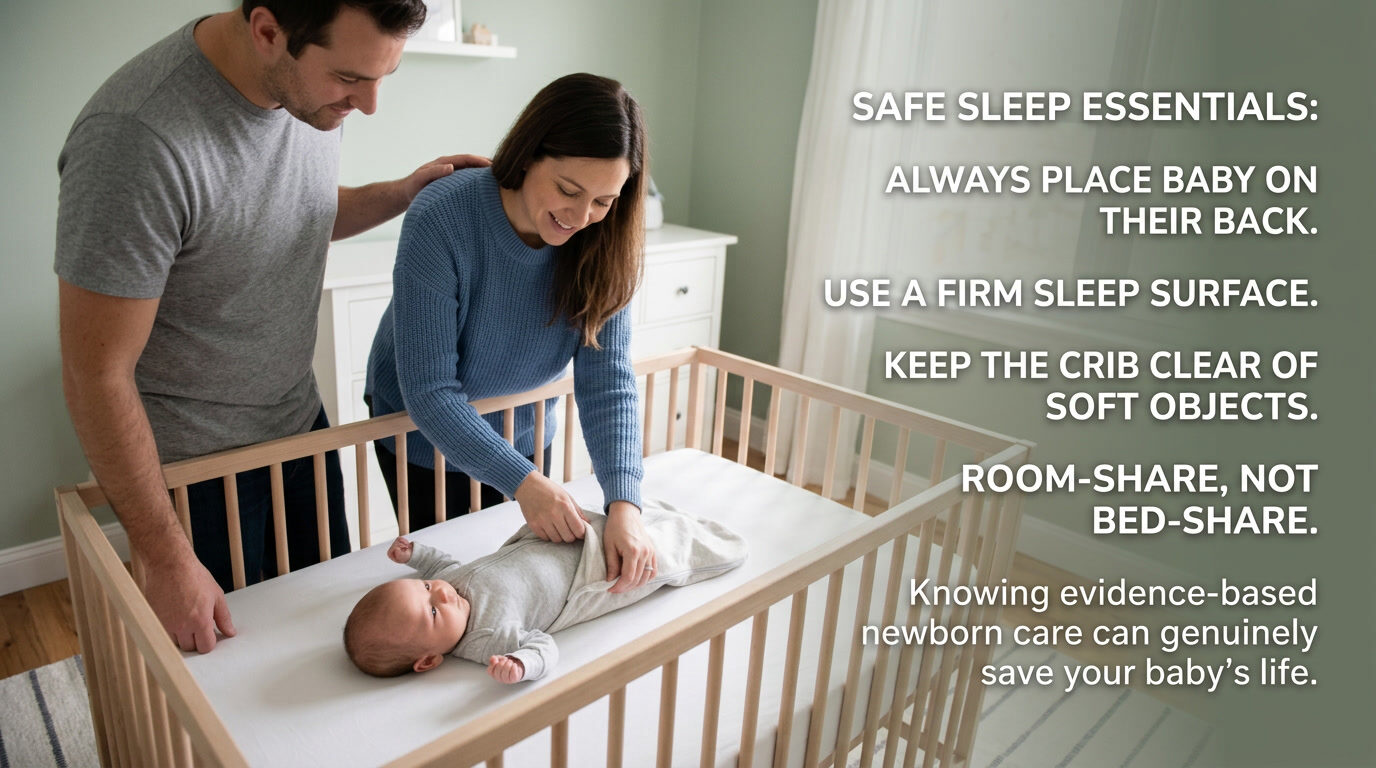
Getting your baby's sleep environment right is non-negotiable, and the good news is it costs nothing extra if you know the rules upfront. The AAP's safe sleep guidelines are clear: babies should sleep on their back, on a firm, flat surface, in a crib or bassinet that meets current safety standards, with no loose bedding, pillows, bumpers, or soft toys in the sleep space. Every single time. For every sleep.
Babies who sleep on their backs are much less likely to die of SIDS than babies who sleep on their stomachs or sides.
— American Academy of Pediatrics, Safe Sleep Guidelines (2022)
The numbers behind this are sobering. SIDS (sudden infant death syndrome) and sleep-related infant deaths account for roughly 3,400 deaths in the US each year, according to the CDC. Back sleeping alone reduces that risk by up to 50 percent.
What Your Sleep Space Actually Needs
The checklist is short:
Room sharing without bed sharing gives you the best of both worlds: the AAP reports it can reduce SIDS risk by as much as 50 percent on its own.
White noise is a genuinely useful tool here. The womb is loud (about 85 decibels, roughly the volume of a vacuum cleaner), so a quiet bedroom can actually feel disorienting to a newborn. A portable sound machine set at a safe distance and low volume can help settle babies faster and keep them settled longer.
![Portable Baby Sound Machine & Essentials for Babies & Kids-Putty | White Noise Machine[Timer Function][20 Soothing Sounds][15 Hours Battery Life]Travel,Registry,Gifts,Clips on Baby Stroller](https://m.media-amazon.com/images/I/61HE37pcnmL.jpg)
![Portable Baby Sound Machine & Essentials for Babies & Kids-Putty | White Noise Machine[Timer Function][20 Soothing Sounds][15 Hours Battery Life]Travel,Registry,Gifts,Clips on Baby Stroller](https://m.media-amazon.com/images/I/71U1S6BFSJL.jpg)
![Portable Baby Sound Machine & Essentials for Babies & Kids-Putty | White Noise Machine[Timer Function][20 Soothing Sounds][15 Hours Battery Life]Travel,Registry,Gifts,Clips on Baby Stroller](https://m.media-amazon.com/images/I/61yxFBhYrVL.jpg)
![Portable Baby Sound Machine & Essentials for Babies & Kids-Putty | White Noise Machine[Timer Function][20 Soothing Sounds][15 Hours Battery Life]Travel,Registry,Gifts,Clips on Baby Stroller](https://m.media-amazon.com/images/I/71Wq50I2SZL.jpg)
![Portable Baby Sound Machine & Essentials for Babies & Kids-Putty | White Noise Machine[Timer Function][20 Soothing Sounds][15 Hours Battery Life]Travel,Registry,Gifts,Clips on Baby Stroller](https://m.media-amazon.com/images/I/71OVv7HQNxL.jpg)
Portable Baby Sound Machine & Essentials for Babies & Kids-Putty | White Noise Machine[Timer Function][20 Soothing Sounds][15 Hours Battery Life]Travel,Registry,Gifts,Clips on Baby Stroller
- White noise on the go: Portable sound machine with 20 kinds of the most soothing white noise can carry everywh
- USB charging port for worry-free charging anytime: With a minimum 15-hour ultra-long battery life, it ensures
- Timer function: Start the timer function according to the manual, and it can be automatically turned off after
Tip 13: Feed Responsively, Not on a Rigid Schedule
The old advice to feed babies every four hours on the clock is largely outdated. Modern paediatric guidance from both the AAP and the World Health Organization (WHO) supports responsive feeding: watching your baby's hunger cues and feeding when they signal hunger, rather than watching the clock.
For breastfed newborns, that typically means 8 to 12 feeds in 24 hours. For formula-fed babies, it's usually slightly less often because formula digests more slowly. Neither number is a rule; it's a range. Your baby hasn't read the chart.
Reading the Hunger Cues
Before a baby cries, they give you a whole conversation worth of signals:
Crying is a late hunger cue. By the time a baby is crying, they're already frustrated, which makes latching harder. Catching those early cues makes every feed calmer for both of you.
Breastfeeding, Formula, or Both
There is no universal right answer here. The WHO recommends exclusive breastfeeding for the first six months where possible, and the AAP extended their recommendation to two years or beyond in 2022. But breastfeeding is not always possible, not always straightforward, and not the only way to raise a thriving child. Formula is safe, well regulated, and nutritionally complete. A fed baby is the priority. A mother who is not in pain, not depleted, and not consumed by guilt is the second priority.
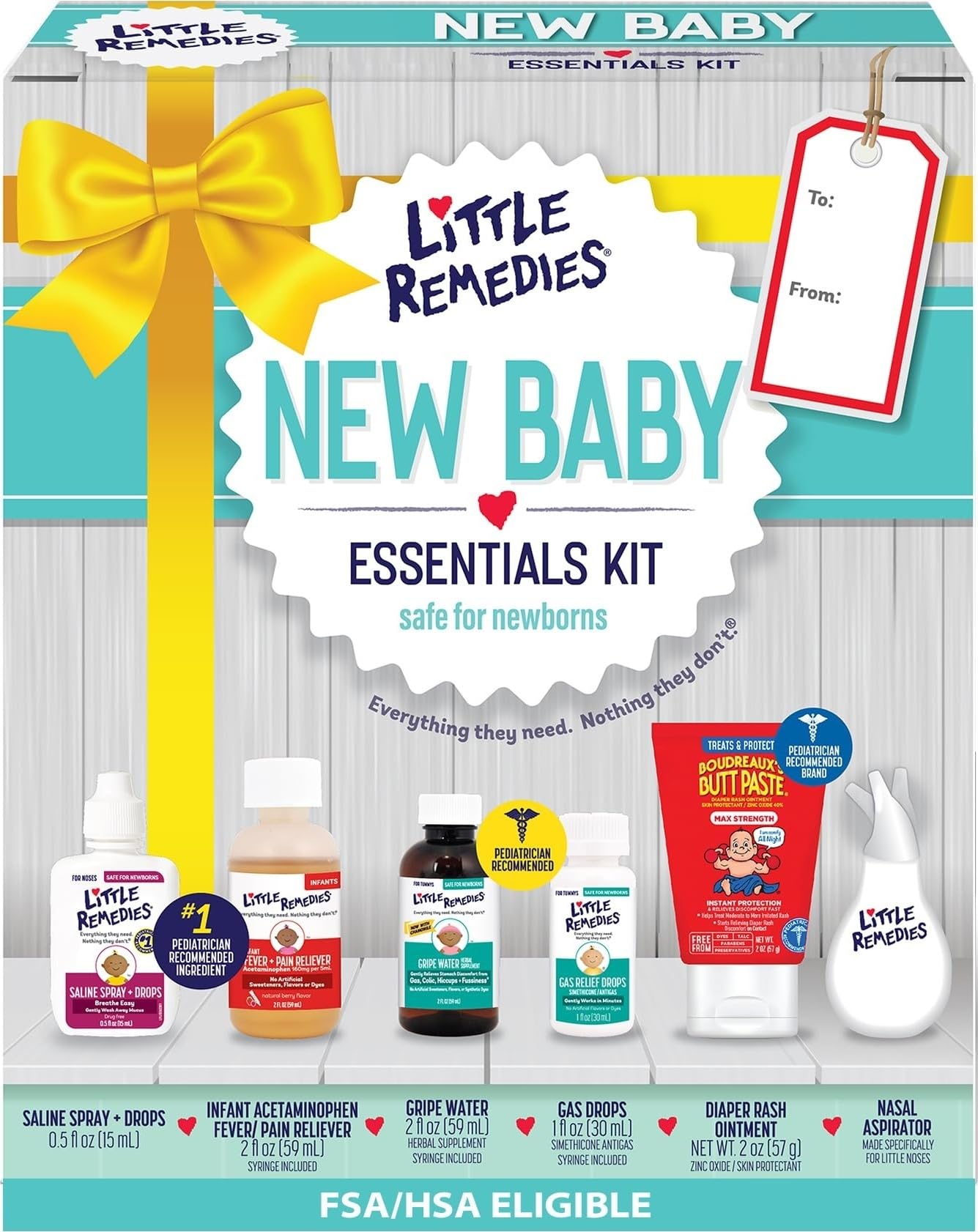
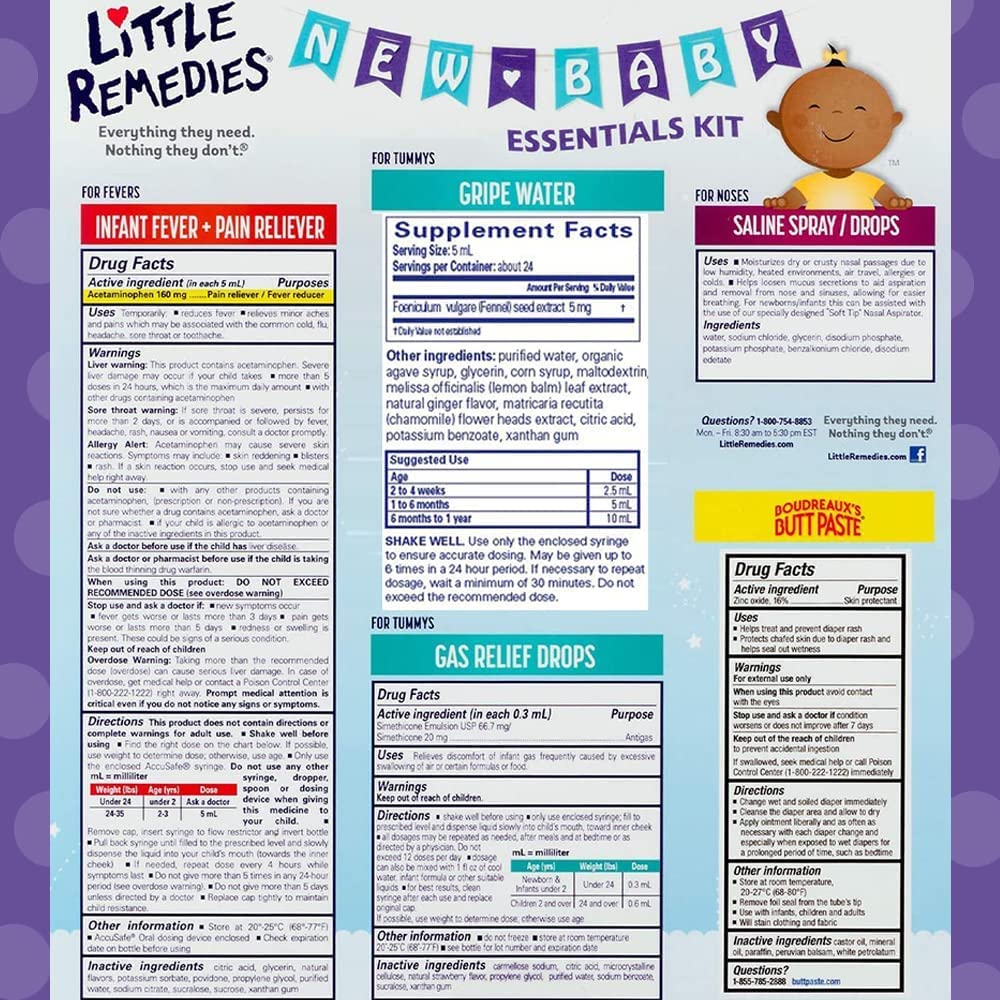
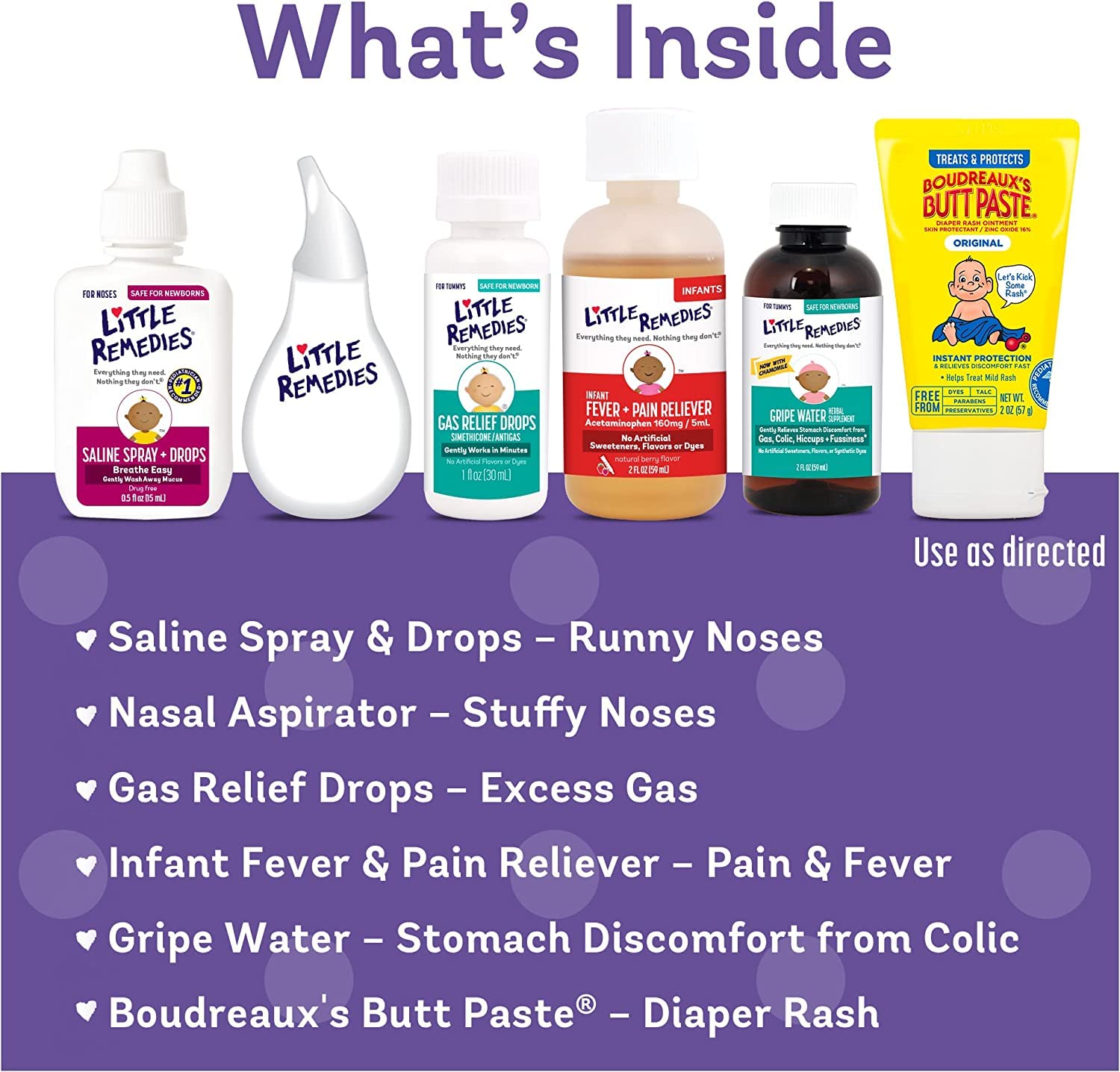
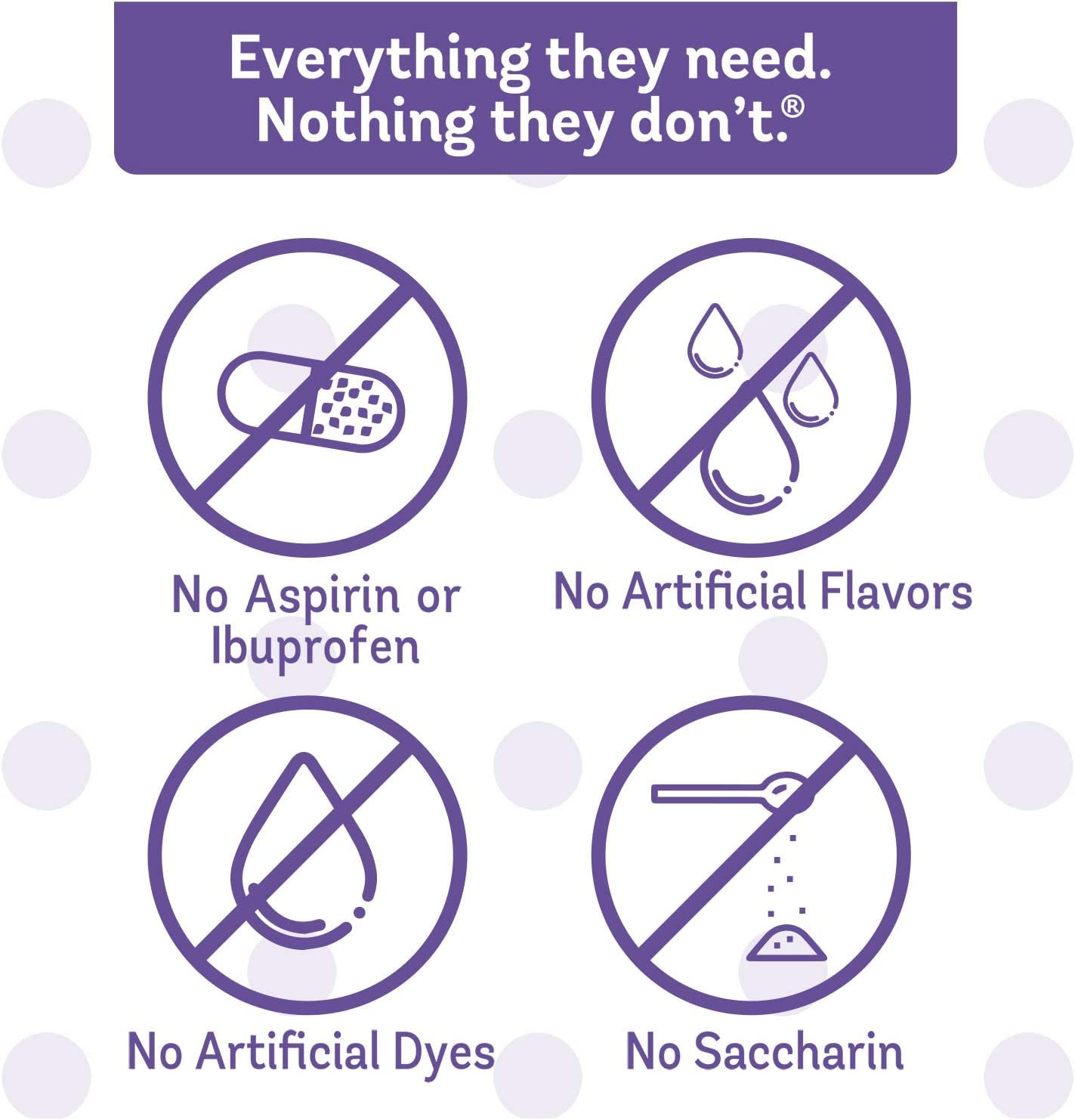
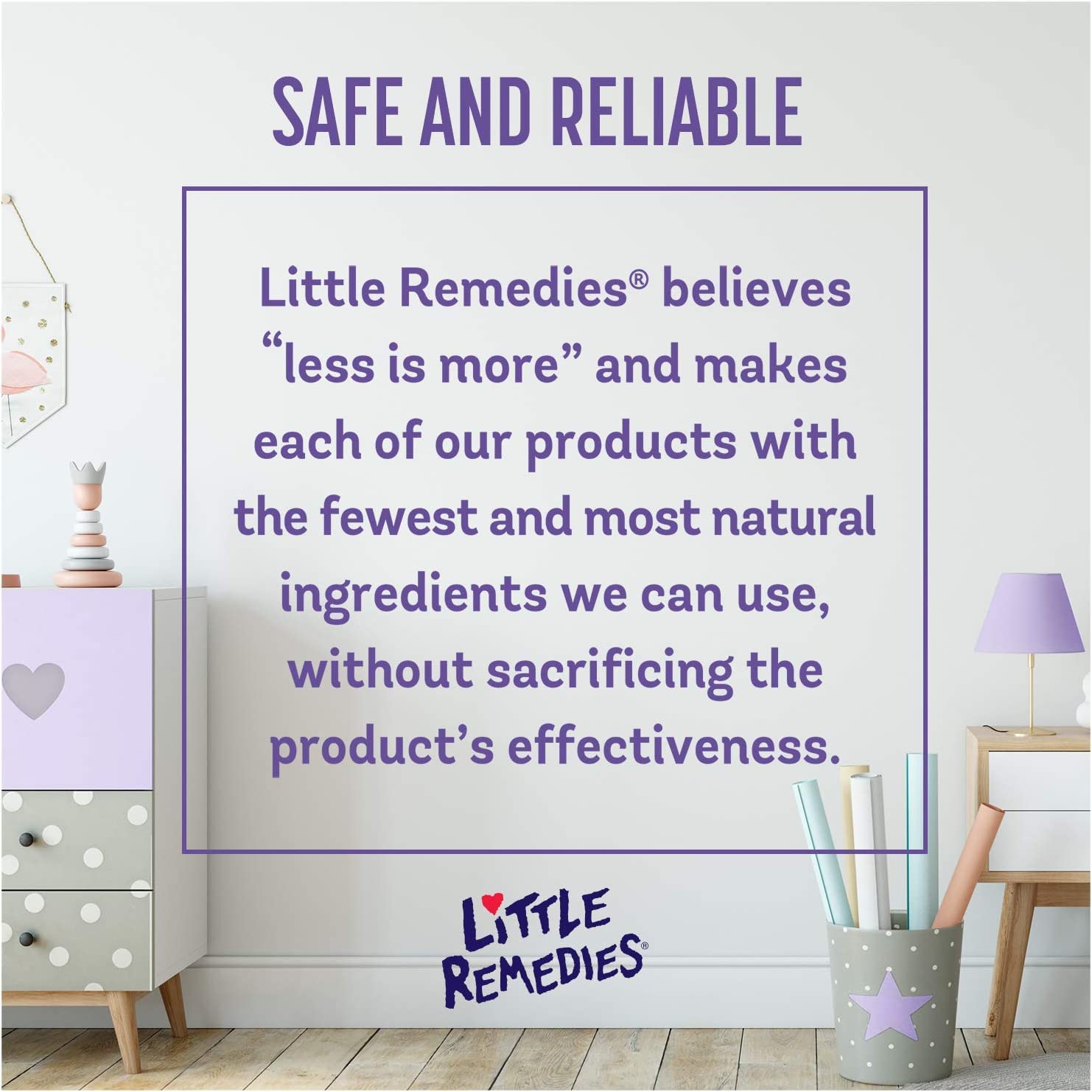
Little Remedies New Baby Essentials Kit with Saline Nasal Spray, Diaper Rash Cream, Gas Relief Drops, Gripe Water, 5 Products Included, White | Baby Care Set, Newborn Essentials, Saline Nasal Spray, Diaper Rash Cream, Gas Relief Drops, Gripe Water, Baby Pain Reliever
- Little Remedies New Baby Essentials Kit contains the essentials a new parent needs to safely and effectively t
- This kit of newborn essentials must-haves makes a perfect baby shower gift for new parents and has everything
- This newborn essentials kit can help your little one feel better from their first diaper rash to stuffy nose,
Tip 12: Skin-to-Skin Contact Is Medicine, Not Just a Nice Moment
Kangaroo care (holding your baby chest to chest, skin on skin) was originally developed for premature babies in resource-limited settings as an alternative to incubators. Decades of research since then have shown it benefits all newborns, not just preterm ones.
A 2023 review published in The Lancet confirmed that immediate and prolonged skin-to-skin contact after birth was associated with higher rates of breastfeeding initiation and duration, lower rates of newborn hypothermia, and reduced neonatal mortality in low-income settings. In healthy full-term babies, the benefits include better temperature regulation, lower cortisol (stress hormone) levels, more stable heart rate and breathing, and significantly improved bonding.
Who Can Do Skin-to-Skin?
Both parents. This is not just a mother's tool. Research from the Journal of Neonatal Nursing has shown that paternal skin-to-skin contact produces similar physiological stabilising effects in newborns. Dads, partners, and other primary caregivers: this is your invitation.
Tip 11: Build Your Baby Care Toolkit Thoughtfully
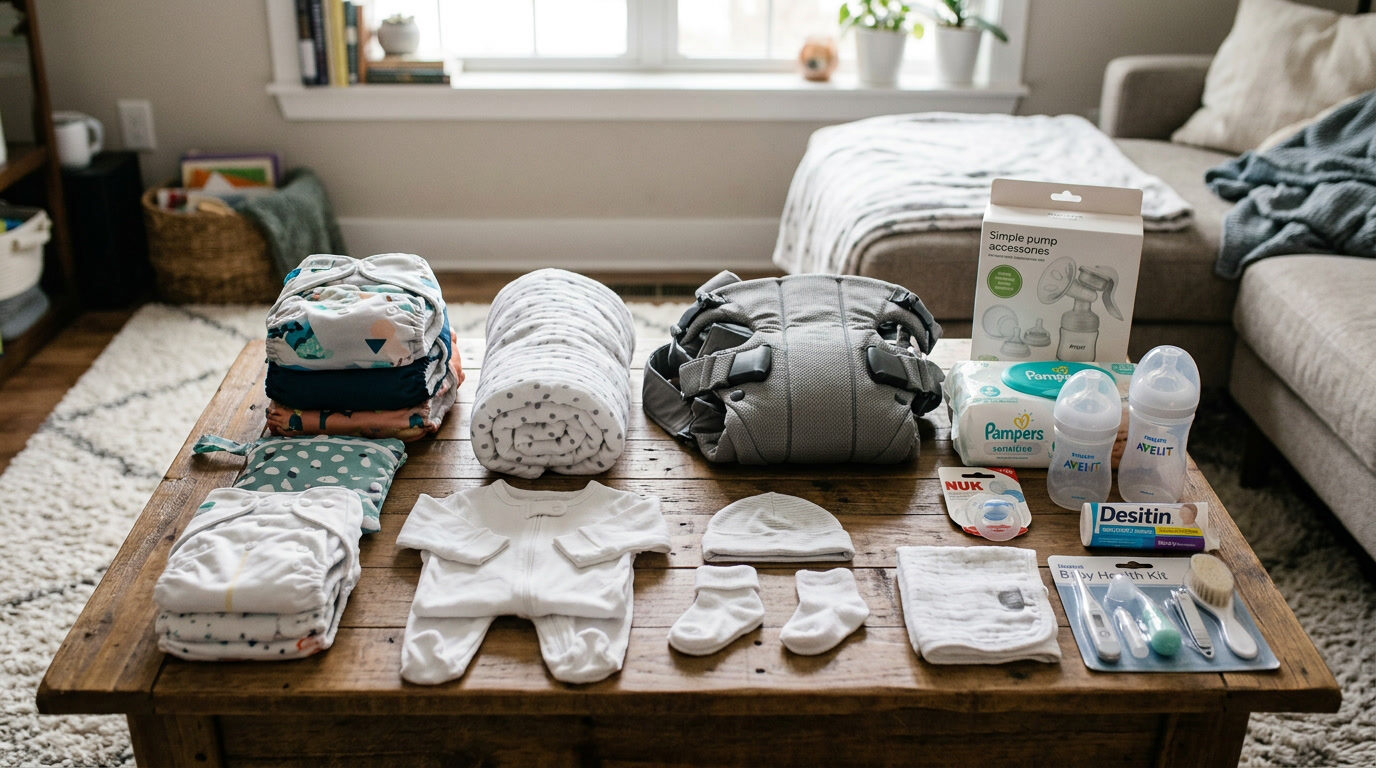
Walk into any baby store and you'll be convinced you need four hundred products. You don't. The items that earn their space are the ones you reach for multiple times a day, every single day, during the first few weeks.
In my clinical experience, the things that cause the most unnecessary distress in new parents are: not being prepared for minor newborn illnesses (a blocked nose in a baby who can only breathe through their nose is genuinely alarming if you've never dealt with it), and not having the right grooming tools to feel confident doing basic care.
The Essentials That Actually Matter
Nasal care: Newborns are obligate nose breathers, which means a stuffed-up nose is a feeding and sleeping emergency from their perspective. Saline drops and a nasal aspirator are not optional extras; they are daily tools for many families in the first three months.
Nail care: A newborn's nails grow fast and are sharp enough to scratch their own face. Most parents are terrified to cut them at first, and for good reason: those fingers are tiny. An electric nail file takes the anxiety out of it entirely.
Skin care: Newborn skin is sensitive and loses moisture quickly. A gentle, fragrance-free wash and lotion routine helps, and oat-based formulas have the best evidence for maintaining the skin barrier in babies prone to dryness or eczema.
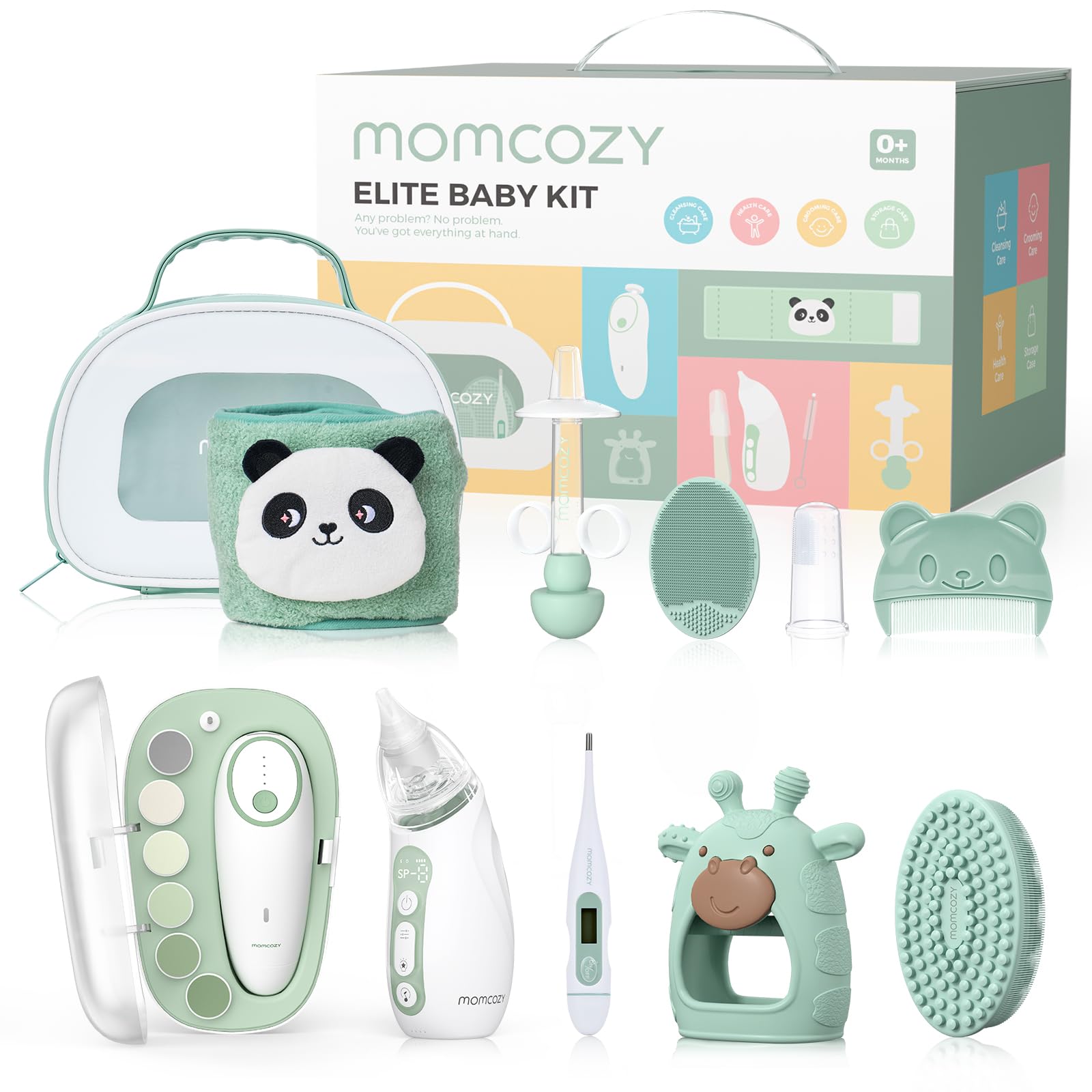

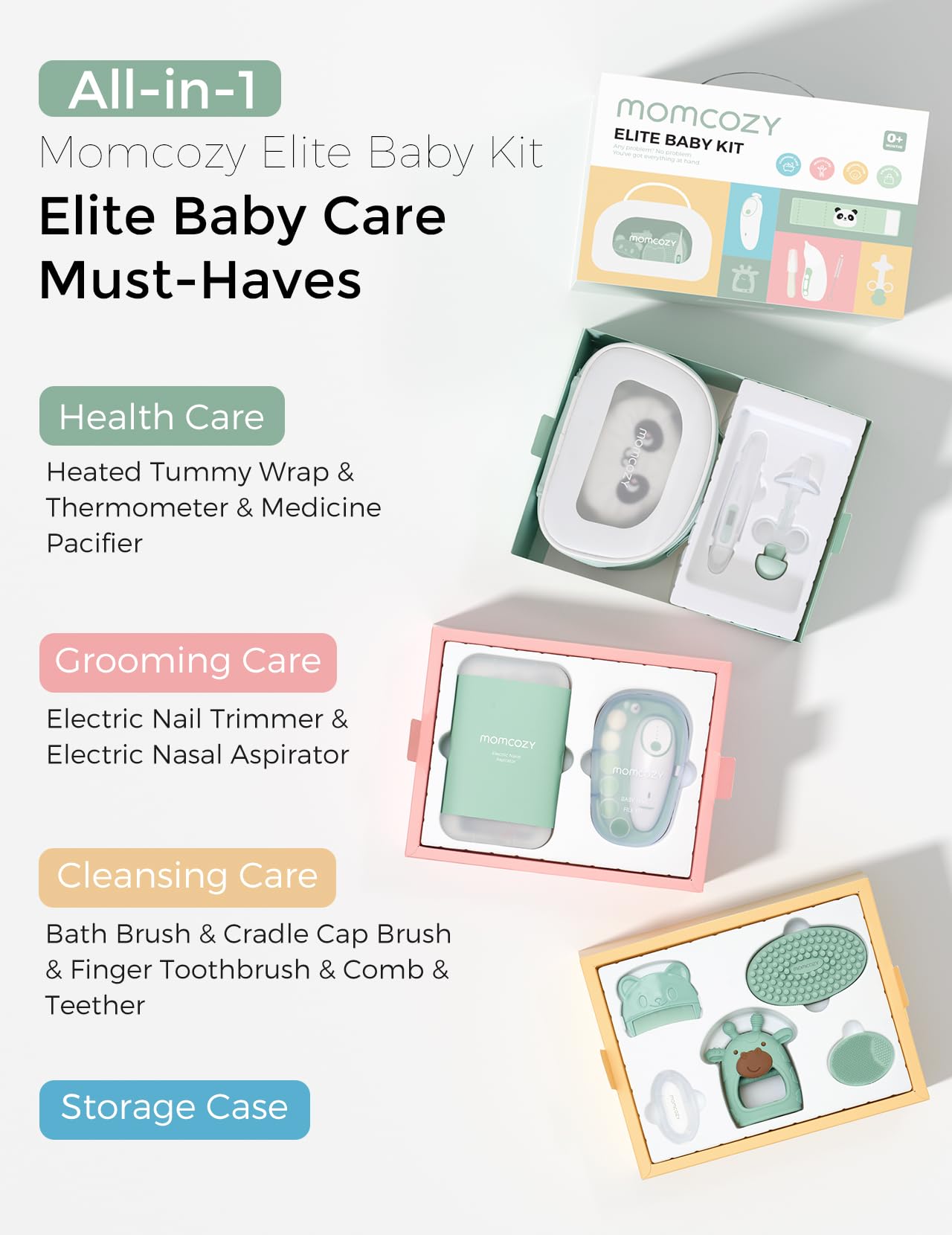
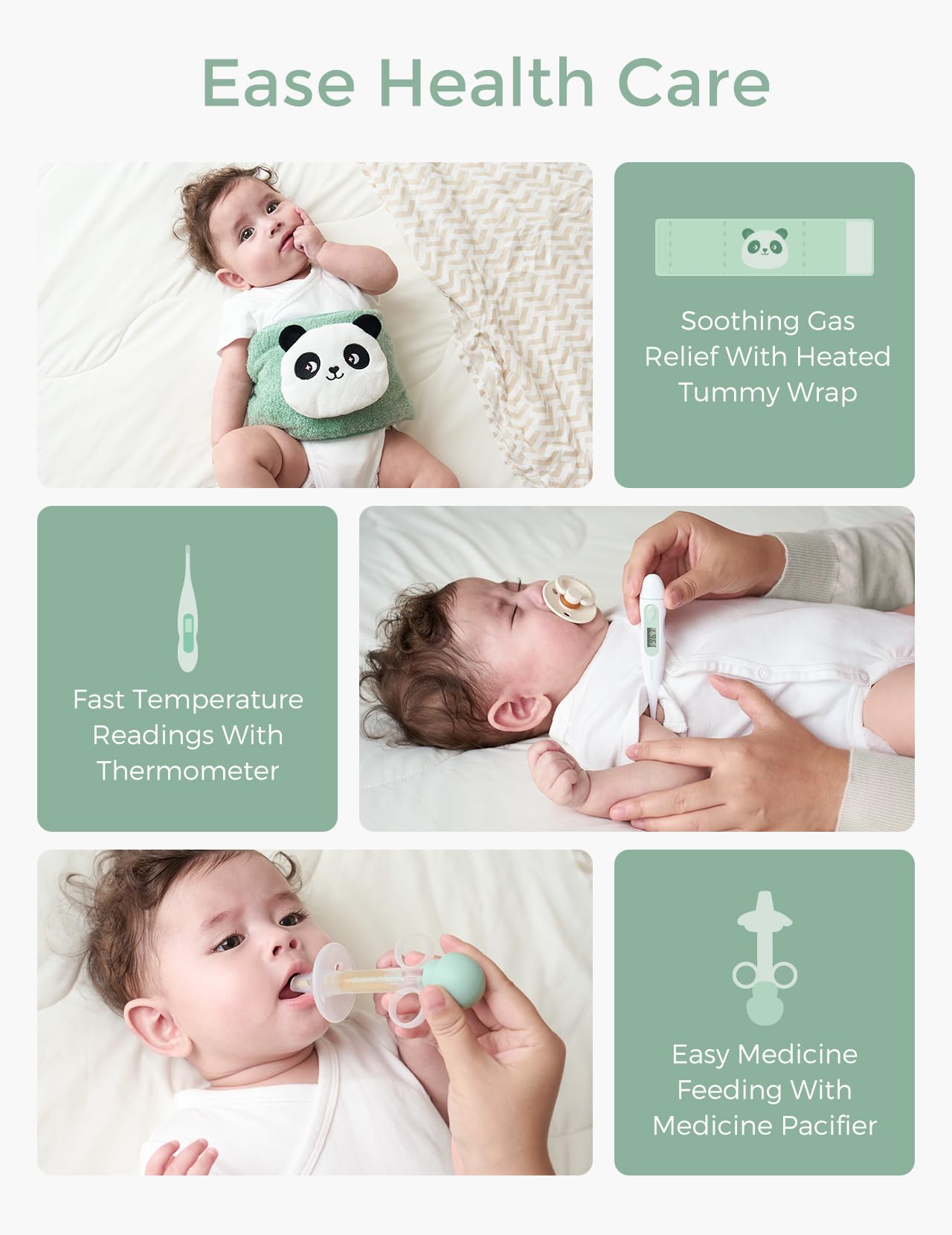
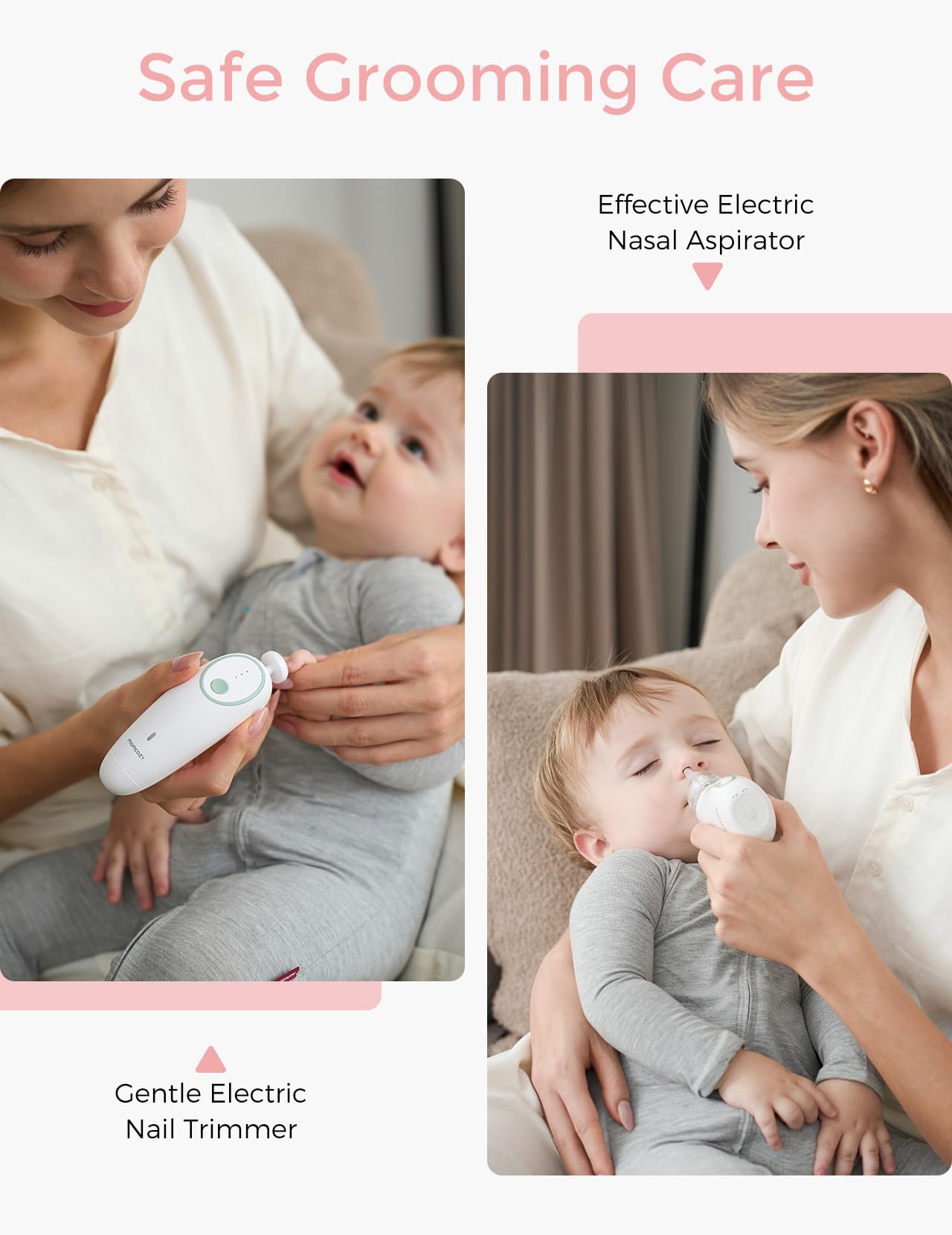
Momcozy Elite Baby Kit, Superior Baby Shower Gift & Registry Essential Kit | Grooming&Health&Cleansing Care Set,Electric Nail File & Nasal Aspirator,Tummy Wrap,Thermometer,Bath Brush,Teether,Storage Bag
- The All-in-1 Momcozy Baby Elite Kit - Superior Baby Shower & Registry Gift. The Elite Baby Kit covers 3 main b
- Gentle Electric Nail Trimmer - Momcozy Elite Baby Kit comes with an electric nail trimmer, features a gentle 3
- Efficient Baby Nasal Aspirator- Made of BPA-free soft material, the nasal aspirator has 3 levels of suction po


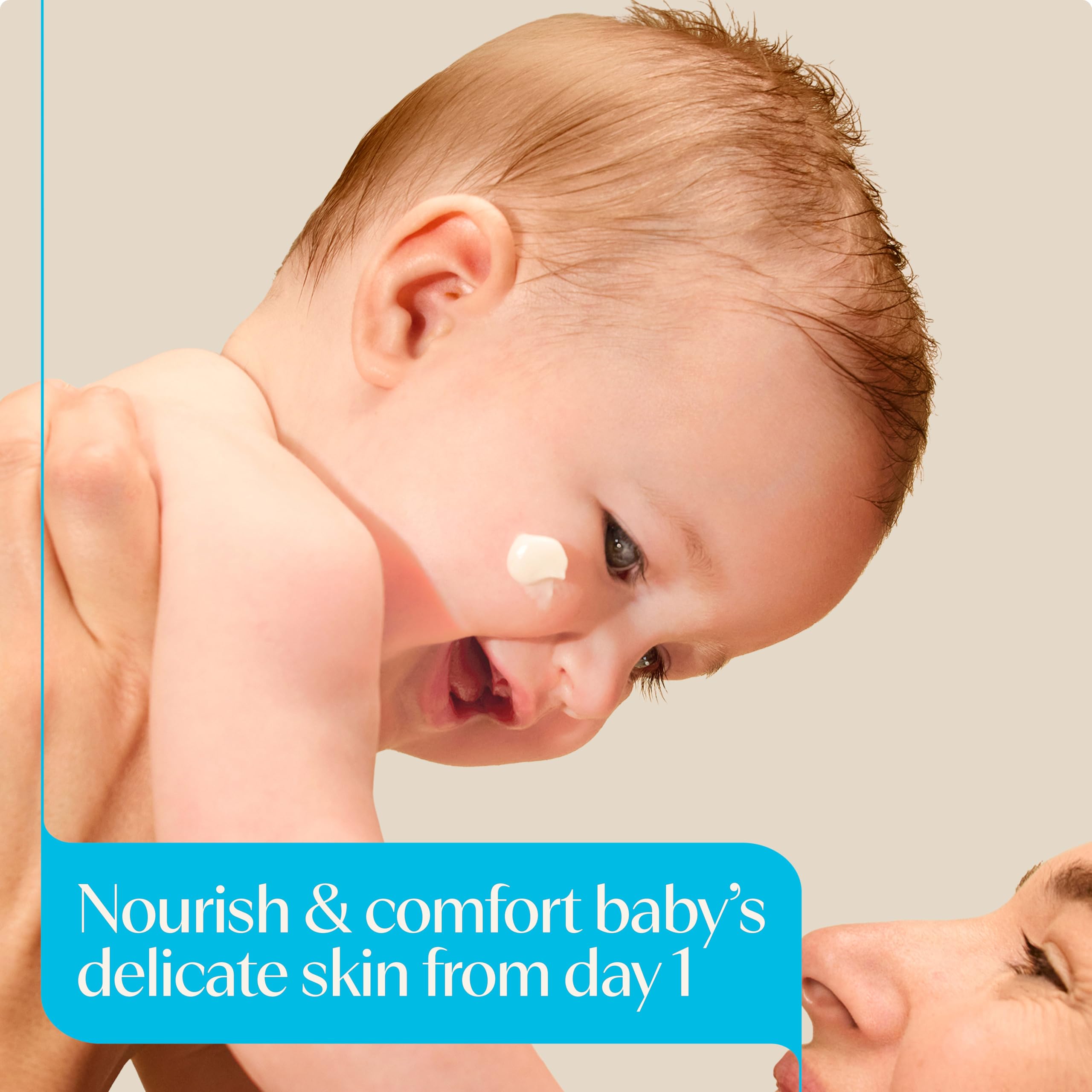
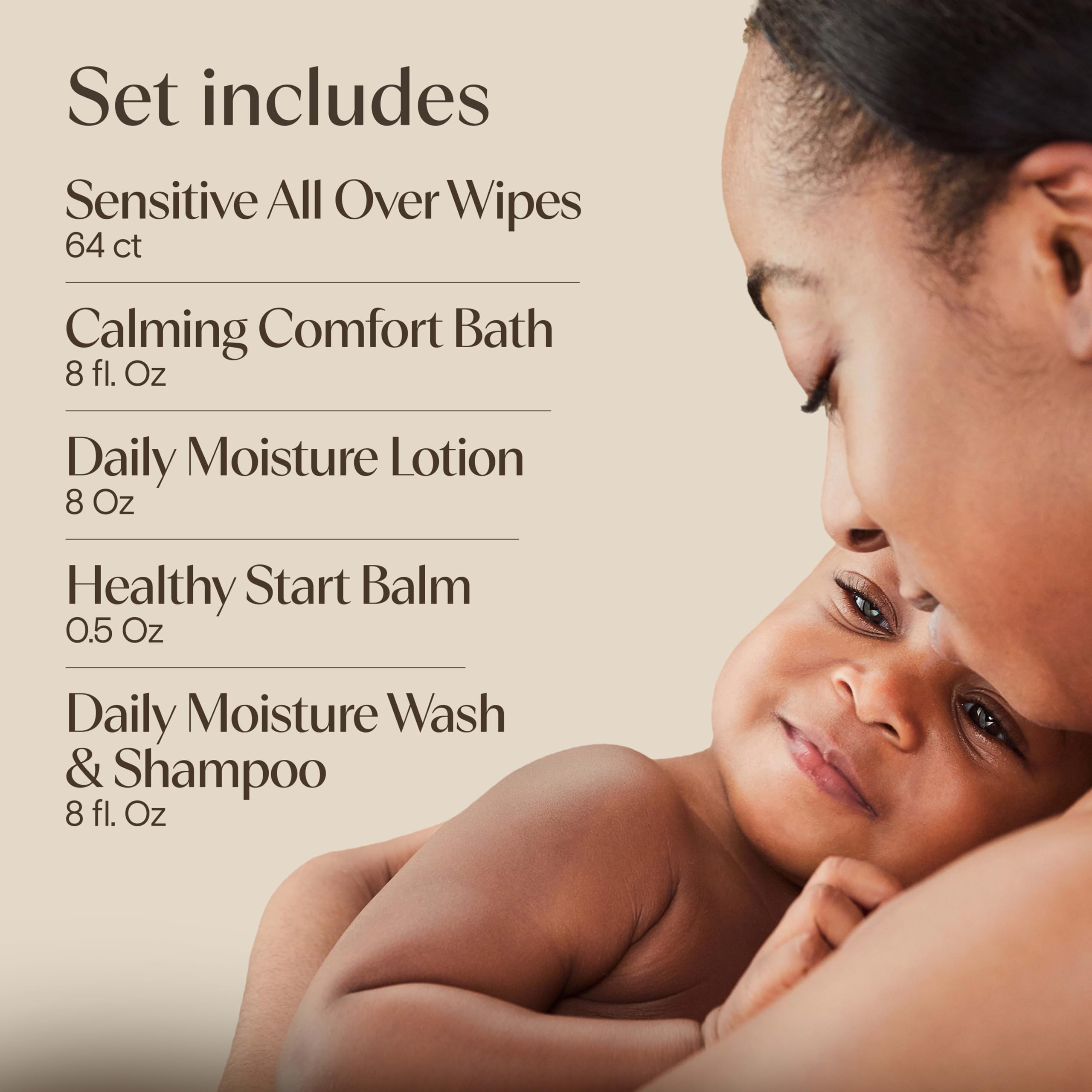
Aveeno Baby Welcome Little One Gift Set, Baby Essentials Set, 5 Items | Daily Moisture Baby Body Wash and Shampoo, Calming Comfort Bath, Sensitive All Over Wipes, Moisturizing Lotion, Baby Balm
- Aveeno Baby Welcome Little One Gift Set: Aveeno Baby bath essentials includes baby lotion and baby wash set, p
- Daily Moisture Body Wash & Shampoo + Body Lotion: Formulated with nourishing oat to gently cleanse and moistur
- Calming Comfort Bath & Body Wash: Soothing lavender scent helps calm & relax little one; gentle formula cleans
Having the right tools within arm's reach also matters more than having perfect tools across the house. A diaper caddy on every floor means you never have to leave a baby unattended on a changing surface while you run to get supplies.
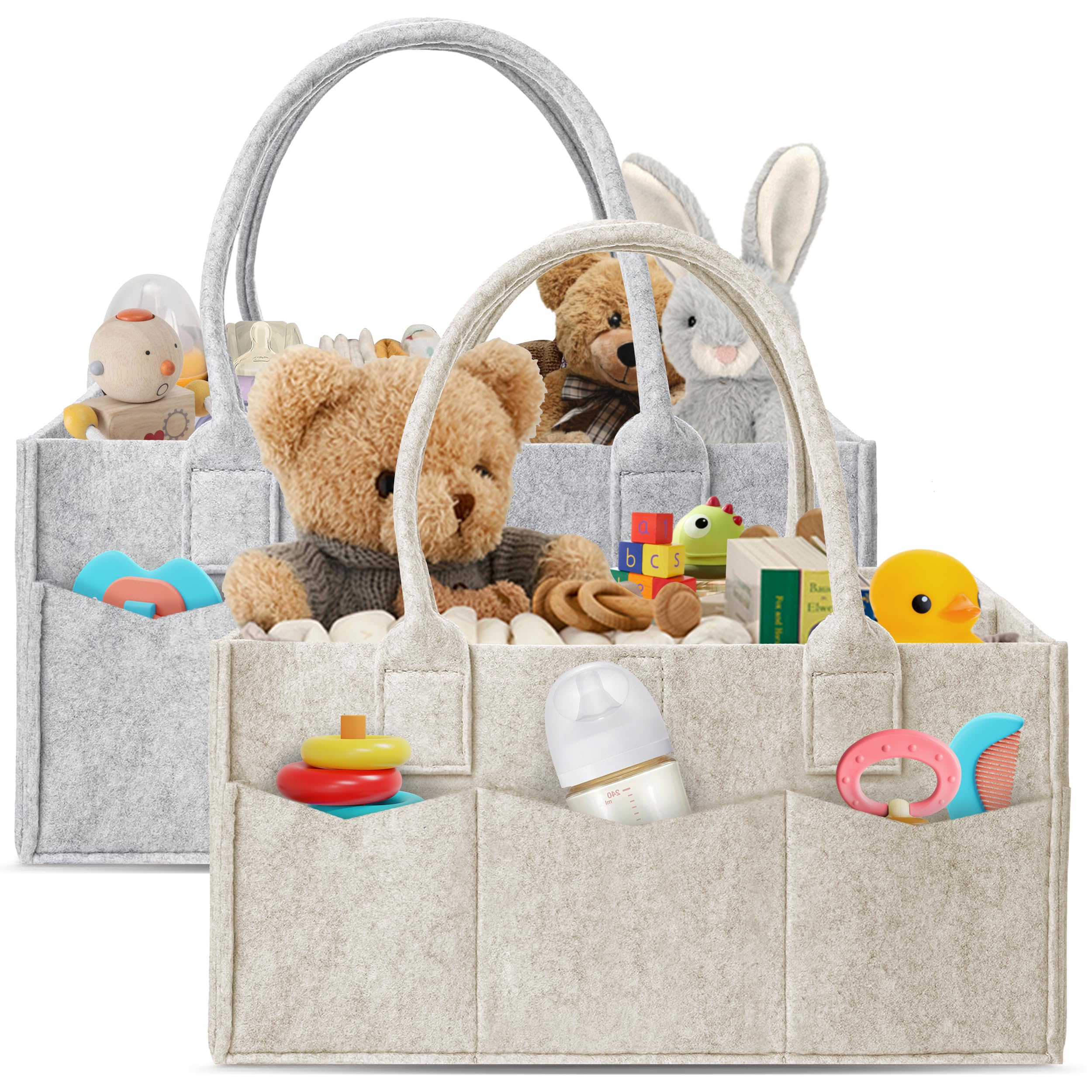
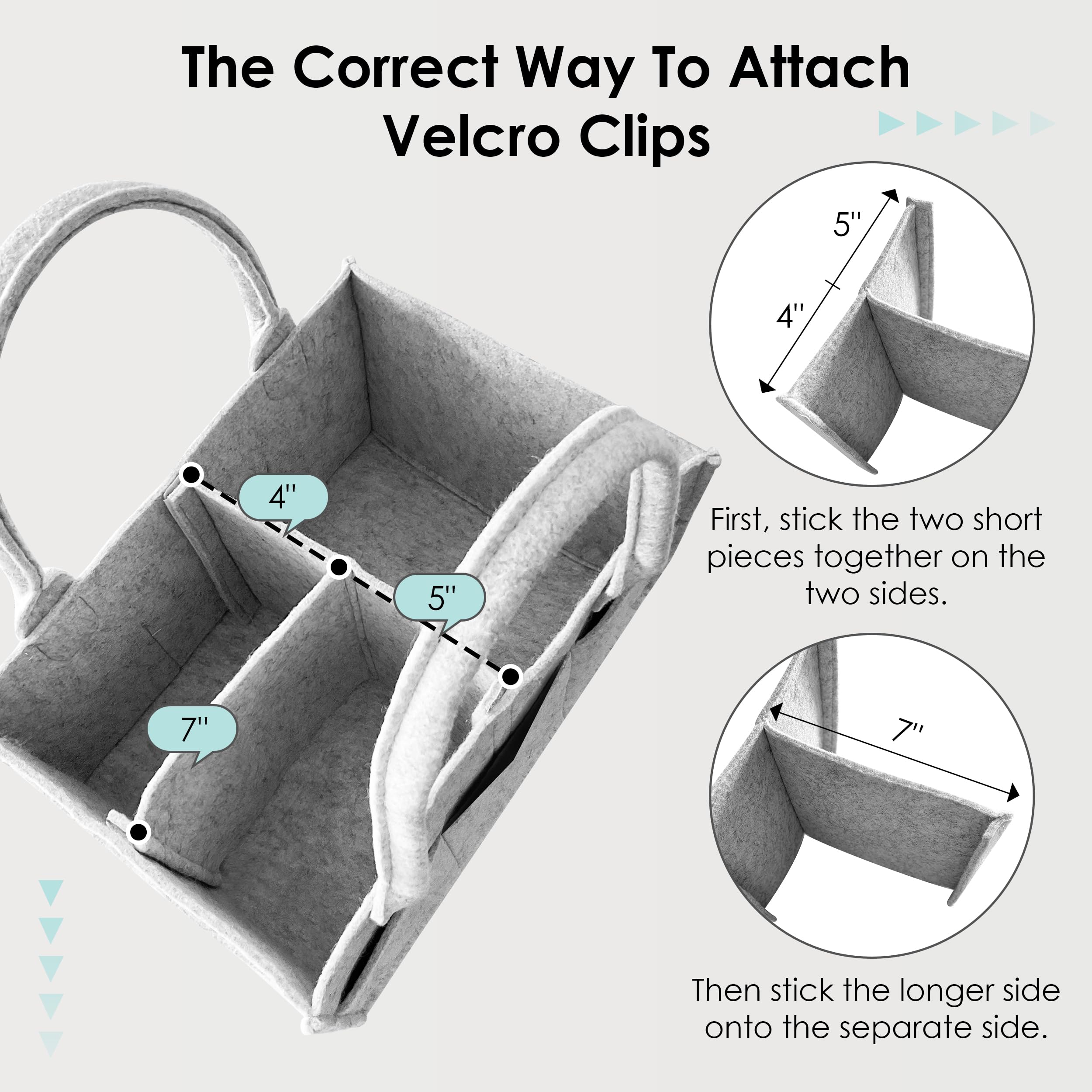
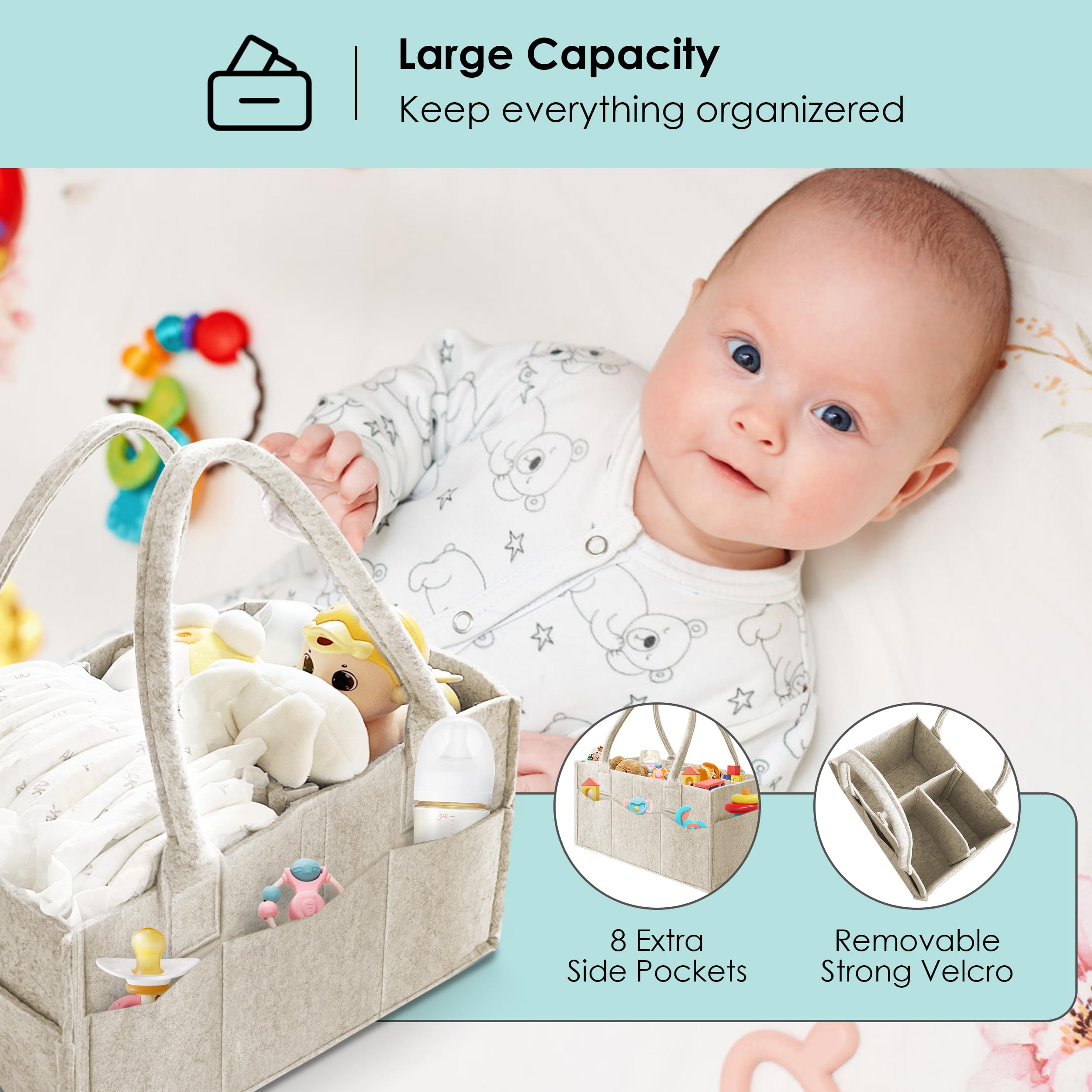
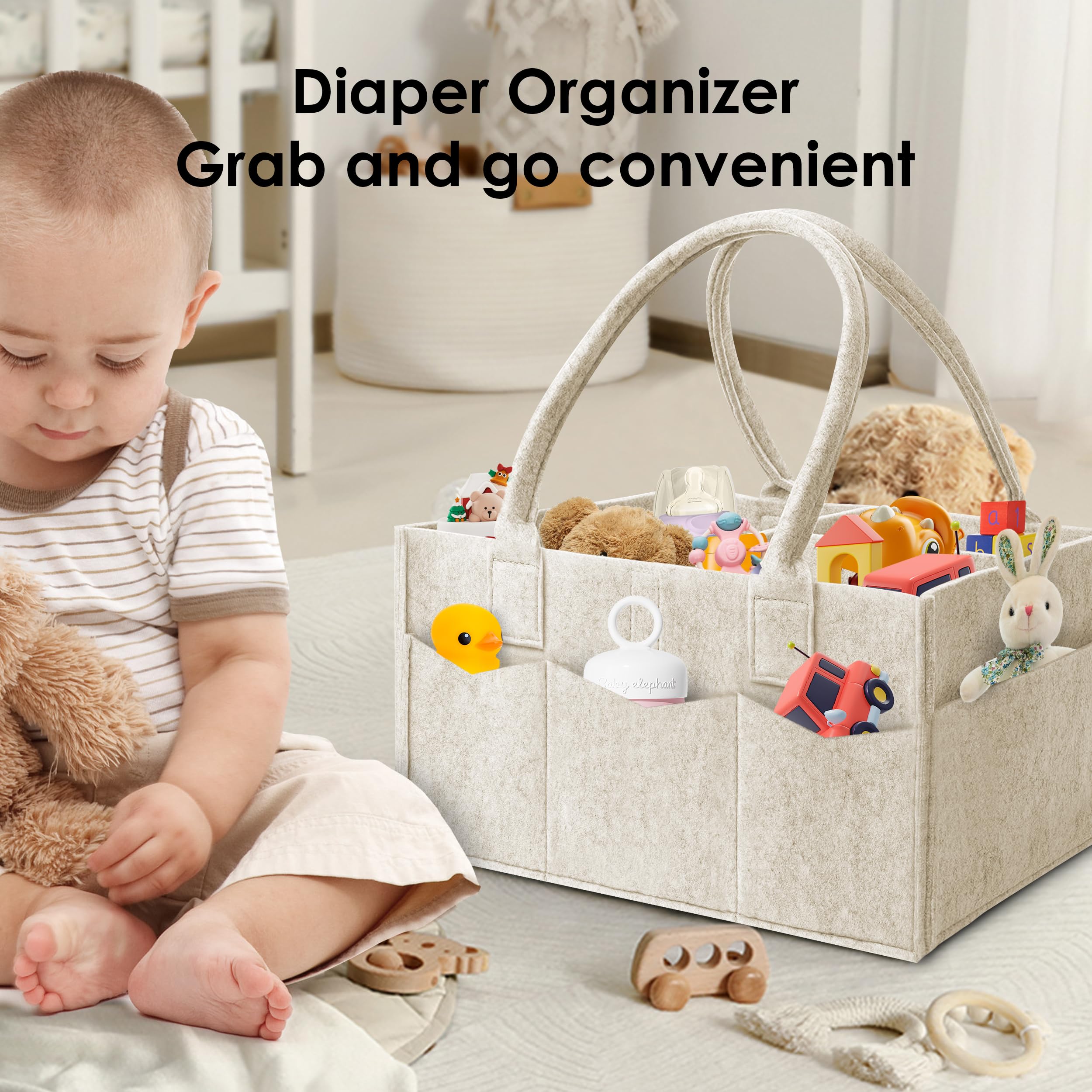
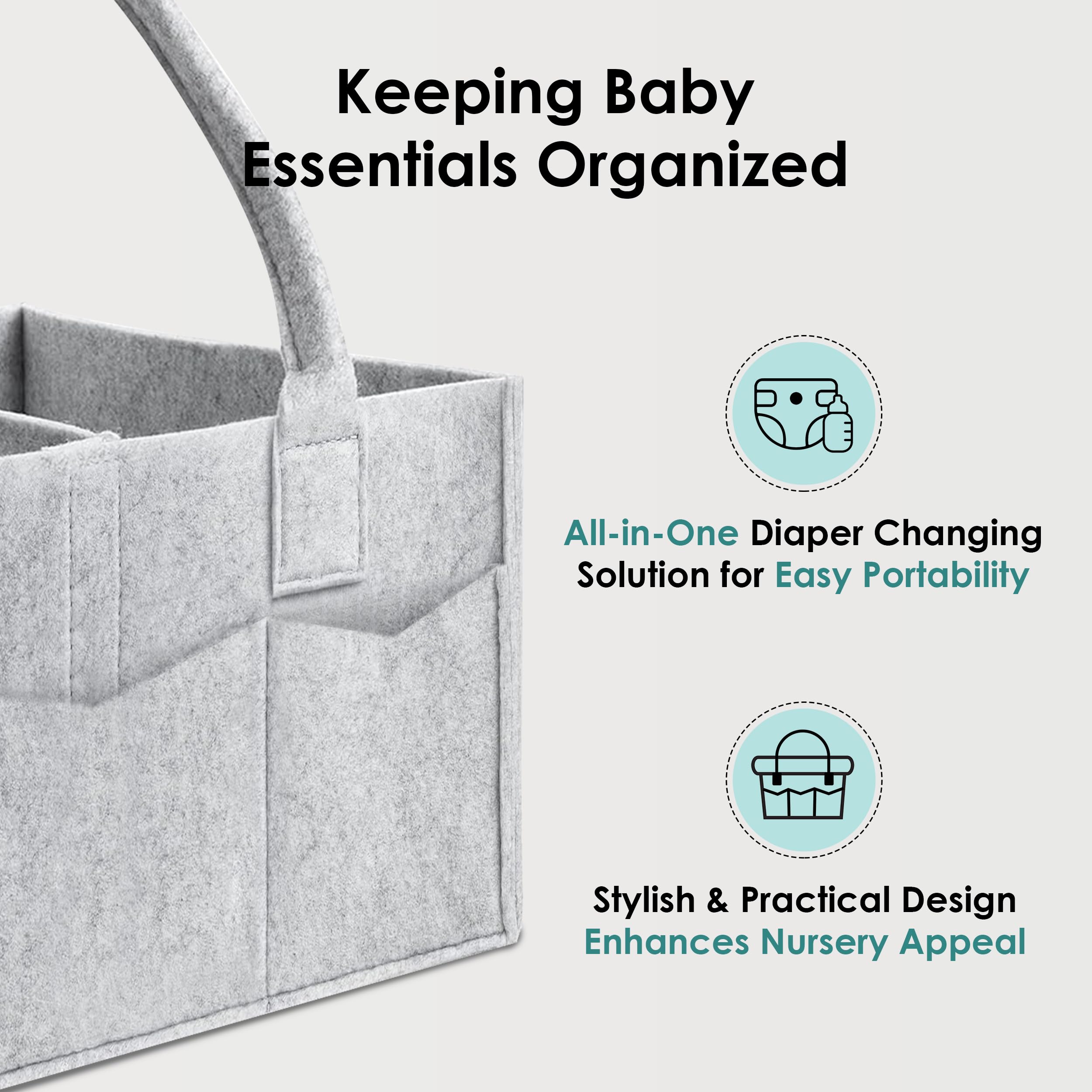
HIPHOP PANDA 2-Pack Diaper Caddy Organizer - Newborn Essentials Baby Registry Must Haves - Sturdy Nursery Storage Bin & Portable Car Caddy for Diapers & Wipes - Grey/Oatmeal Gift Set
- STOP THE STAIR-CLIMBING WORKOUT - 2-PACK MULTI-STATION SOLUTION: Tired of running upstairs for a diaper change
- SEAMLESS HOME-TO-CAR TRANSITION - THE ULTIMATE TRAVEL DUO: Forget repacking a single bag every time you leave
- HEAVY-DUTY CRAFTSMANSHIP - NO MORE COLLAPSING BINS: We heard your complaints about flimsy organizers. We use p
Tip 10: Your Mental Health Is Your Baby's Health
This is the one I want every new parent to read twice. Postpartum depression affects approximately 1 in 5 mothers and up to 1 in 10 fathers, according to the CDC. Postpartum anxiety is even more common, yet frequently goes unrecognised because anxious parents can look highly functional from the outside.
The research on this is unambiguous: untreated parental mental health problems affect infant brain development, feeding, sleep, and the quality of early bonding. Your wellbeing is not separate from your baby's development; it is woven into it.
Signs You Should Talk to Someone Now
If any of those resonate, please tell your doctor or midwife at your next appointment. Don't minimise it. Don't file it under "normal new parent stuff" and keep going. Postpartum mental health conditions are treatable, and treatment works.
Learning strategies that build your emotional reserves is just as important as any baby care skill. If you're looking for a framework that supports both your wellbeing and your child's, reading up on social and emotional learning for families can give you language and tools that apply from babyhood onward.
Tip 9: Set Up Two-Station Organisation Before Chaos Hits
Organisation sounds like a minor lifestyle tip until you're standing in the hallway at midnight, holding a screaming baby, dripping breast milk, realising the nappies are upstairs and you are not. Then it feels like everything.
The principle here is simple: wherever your baby spends time, the supplies need to be there too. Most families naturally end up with a nursery changing station and then improvise everywhere else. The more effective approach is to set up two dedicated supply stations before the baby comes home.
The Two-Station System
Station one (nursery or bedroom): Your full setup. Nappies, wipes, barrier cream, clean sleepsuits, nappy bags, nasal bulb, saline drops. Everything you need for a complete night feed and change without leaving the room.
Station two (main living area): A portable caddy with a lighter version of the same. Enough for daytime changes and quick grab-and-go supplies when you head out.
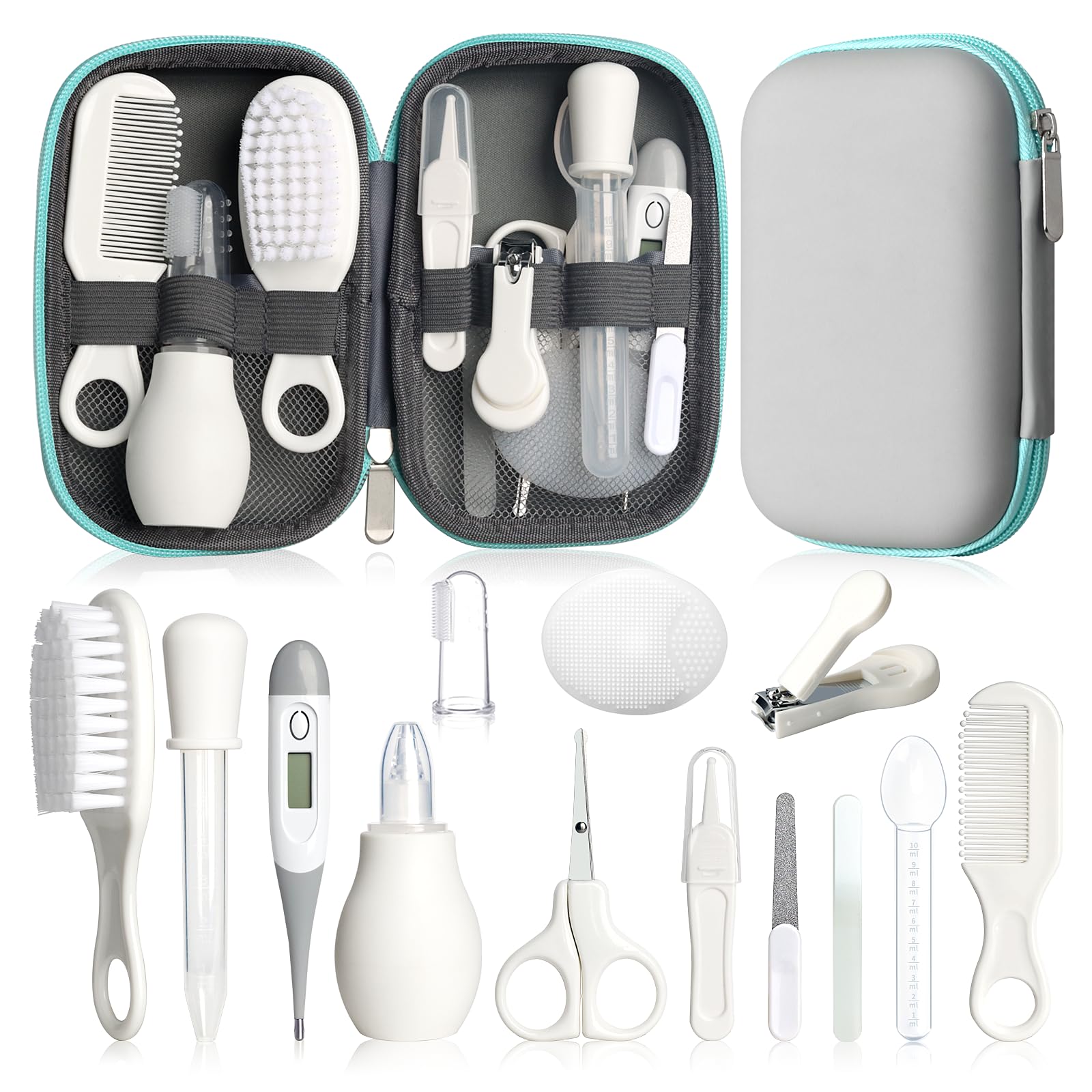
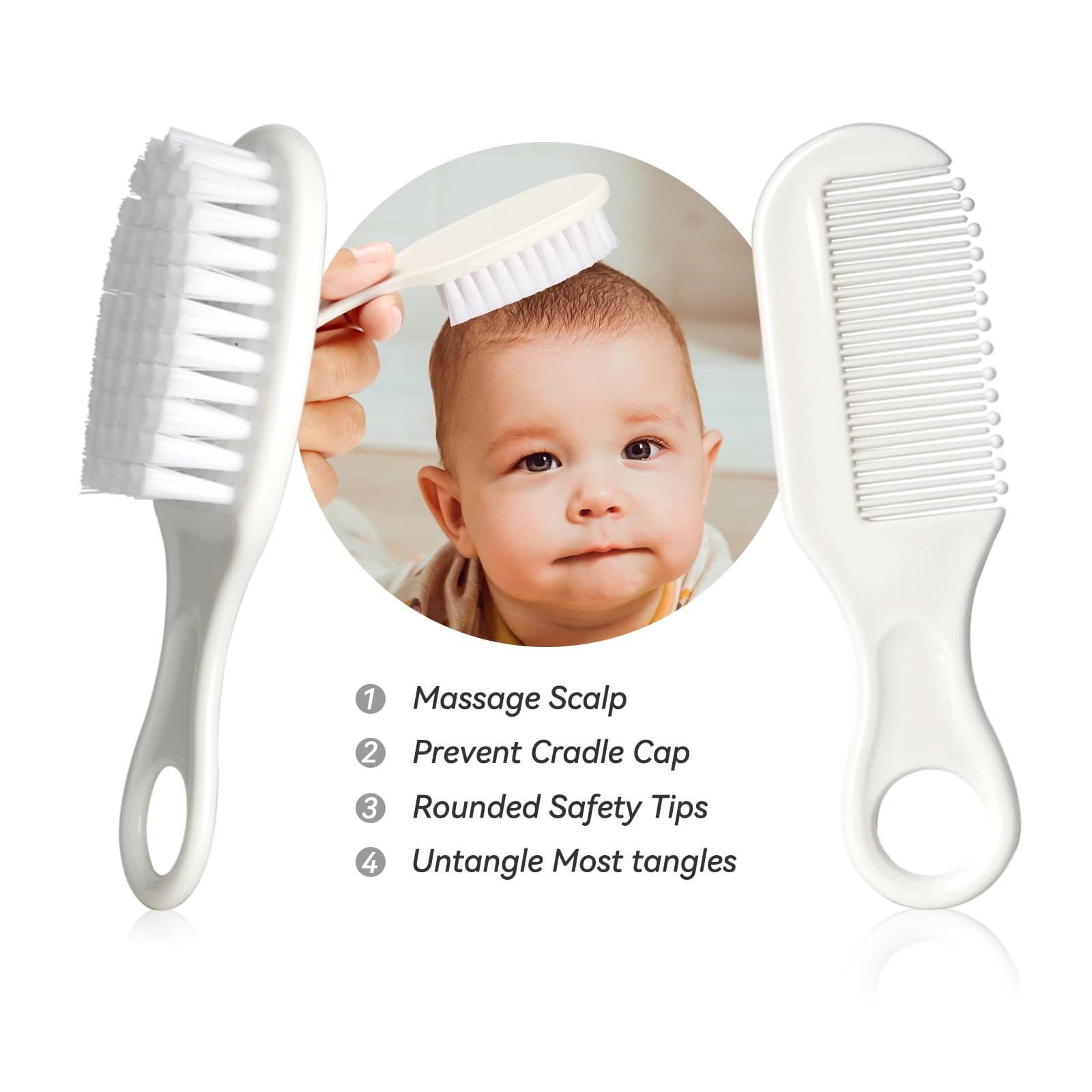
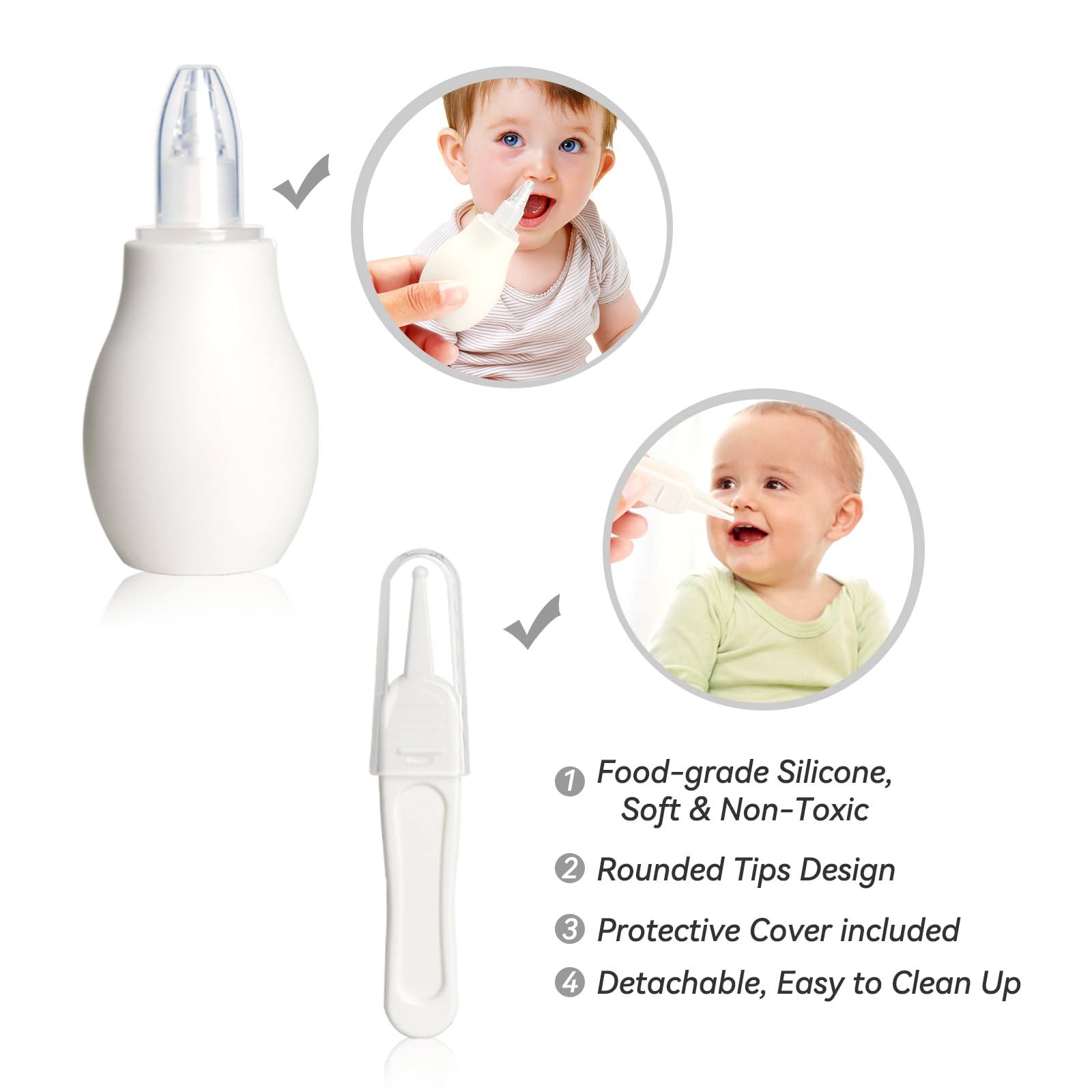
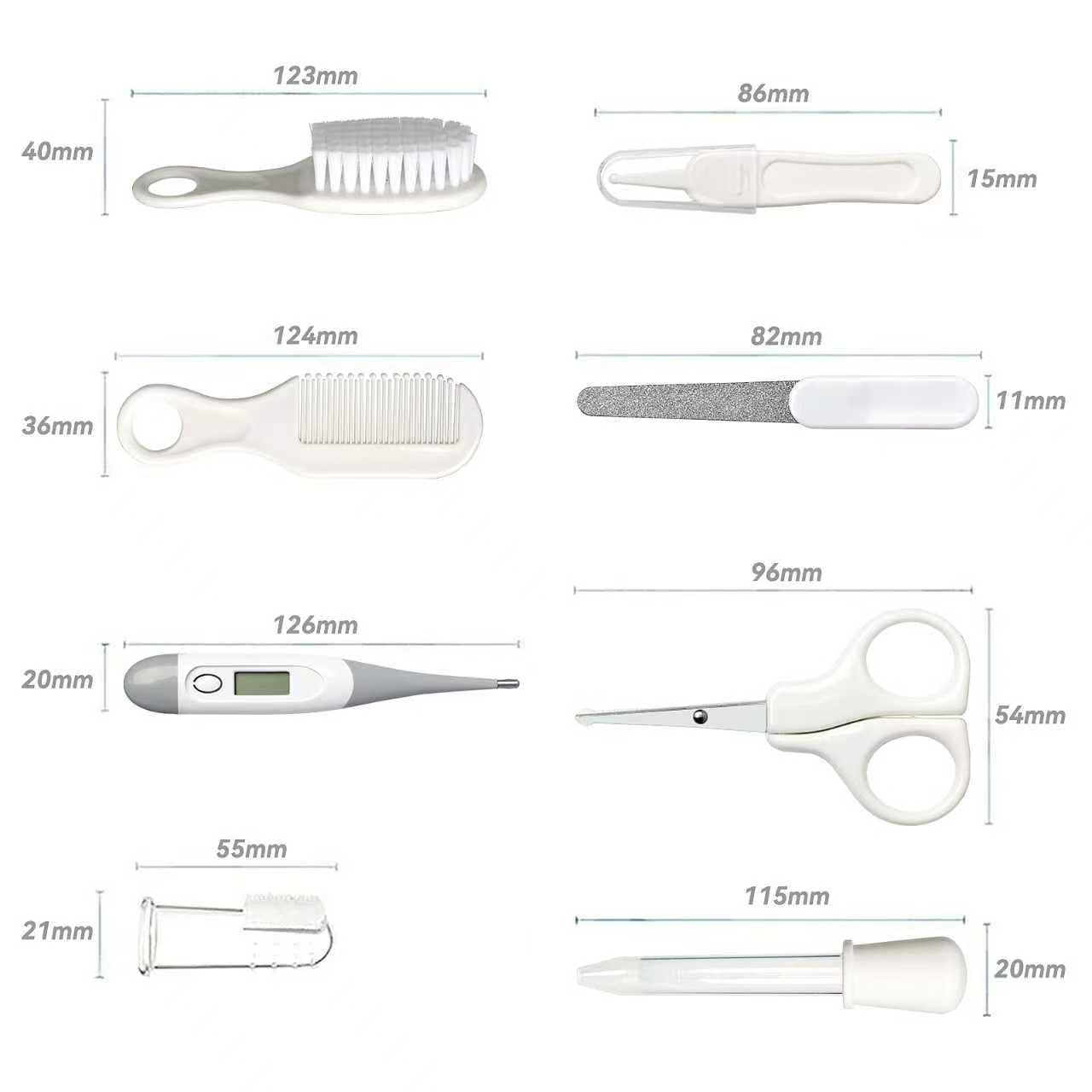
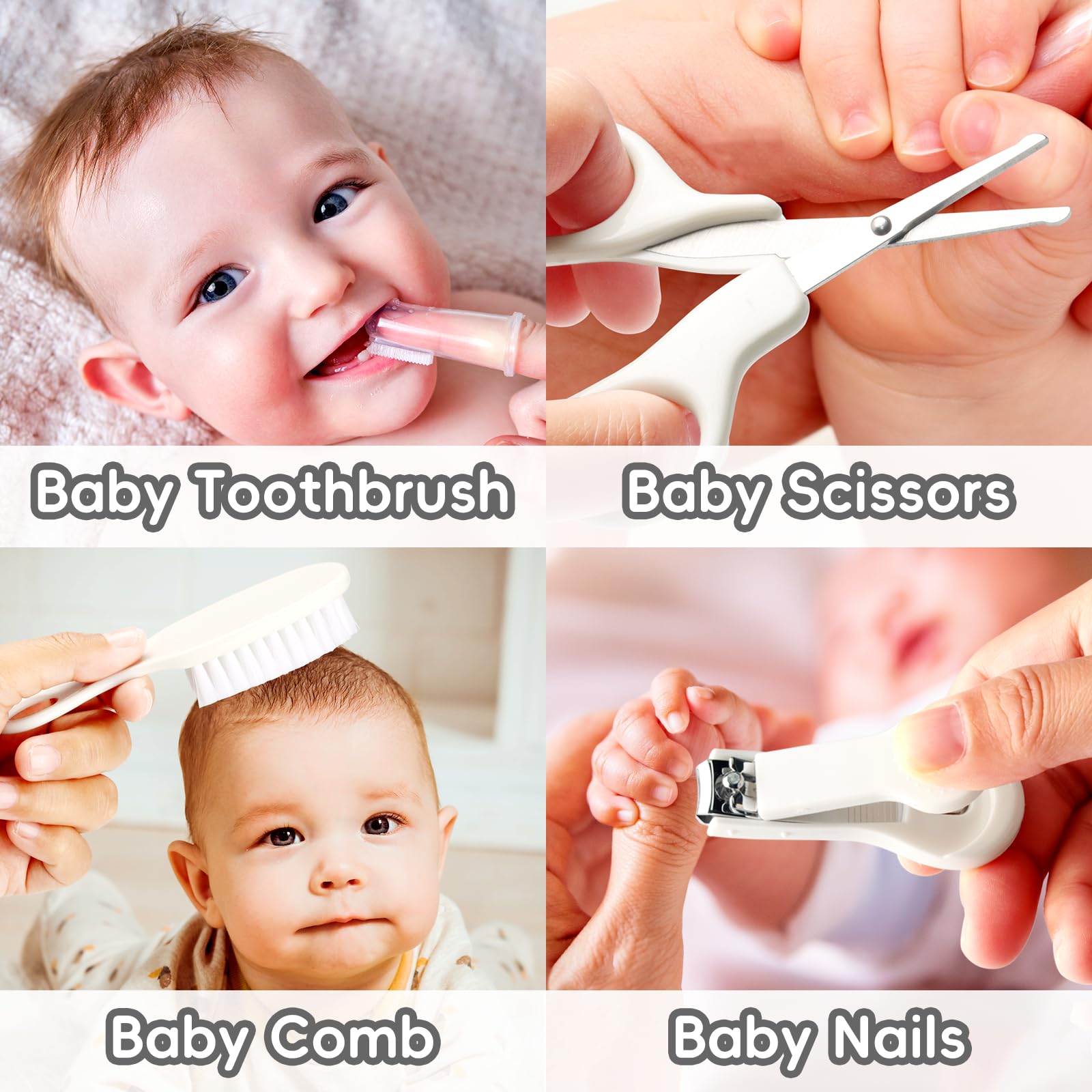
Baby Grooming Kit, Infant Safety Care Set with Hair Brush Comb Nail Clipper Nasal Aspirator,Baby Essentials Kit for Newborn Girls Boys (Grey White)
- 14 in 1 Baby Grooming Kit: The package comes with the baby grooming kit, including baby nail file, Newborn hai
- Baby Hair Brush And Hair Comb : You can softly brush your baby’s hair and massage his scalp both for grooming
- Safe Baby Grooming Kit: In order to make every baby always get good grooming and health, we designed this groo
This is especially important in multi-story homes, where running upstairs while a baby rolls (and they will roll, faster than you expect) is not safe. Two stations means two safe zones.
Tip 8: Understand Normal Newborn Behaviour So You Stop Panicking
In my fifteen years in paediatrics, the number one reason for after-hours calls in the first two weeks is a parent who is frightened by something completely normal. That's not a criticism; it's a design flaw in how we discharge new parents from hospital without a proper user guide for newborn behaviour.
Here's the cheat sheet:
Things That Are Normal (and Often Alarming)
Grunting and straining during sleep: Newborns haven't yet coordinated their abdominal muscles with their pelvic floor. The grunting you hear is them learning to pass gas and stools. It sounds like effort because it is effort.
Irregular breathing: Newborns breathe in an irregular pattern, including short pauses of up to 10 seconds. This is called periodic breathing and is normal. If pauses are longer than 20 seconds, or accompanied by colour change, call for help immediately.
Sneezing: Newborns sneeze constantly to clear their nasal passages. It is not a cold. It is not an allergy. It's housekeeping.
Hiccups: Diaphragm spasms are extremely common after feeds. They are not uncomfortable for the baby and they resolve on their own.
Sticky eyes: A blocked tear duct is present in roughly 6 percent of newborns, according to the Royal College of Ophthalmology. Clean with cooled boiled water on a cotton pad, wiping from the inner corner outward. It almost always resolves by 12 months without treatment.
Jaundice: Yellowing of the skin and whites of the eyes in the first week is extremely common (affects up to 60 percent of full-term newborns, says the AAP) and usually resolves without treatment. However, jaundice appearing in the first 24 hours, or that is severe or prolonged, needs medical assessment.
Tip 7: Learn One Reliable Soothing Technique (Then Adapt)
There is no single soothing technique that works for every baby, but there are evidence backed principles that work for most. The research of Dr. Harvey Karp, a paediatrician and author of "The Happiest Baby on the Block," popularised the concept of the "5 S's," a framework grounded in the idea that newborns are soothed by conditions that replicate the womb environment.
The 5 S's Framework
1. Swaddle: A snug (but not tight) wrap that prevents the startle reflex from waking a sleeping baby. Stop swaddling when baby starts showing signs of rolling, usually around 8 to 10 weeks. 2. Side or stomach position (when held): Held on their side, many babies settle faster. This is for comfort holding only; always place baby on their back to sleep. 3. Shush: Loud, sustained "shhh" sounds close to the baby's ear, roughly as loud as their cry. White noise works here too. 4. Swing: Rhythmic motion, jiggling, or swaying at a speed that matches the baby's level of agitation. 5. Suck: A clean finger, a dummy (pacifier), or a breast. Non-nutritive sucking activates the calming reflex powerfully.
These are tools, not a recipe. Some babies respond better to motion. Some to sound. Some only to skin-to-skin contact. The point is to start with one that makes physiological sense, see what your baby responds to, and build from there.
Tip 6: Accept Help Before You Need It Desperately
"We'll be fine" is something nearly every new parent says in the days after coming home. It is sometimes true for the first four days. Then the sleep deprivation compounds, the milk comes in, the hormones drop, and the isolation sets in. By then, the people who offered help have stopped offering because they assumed you meant it when you said you were fine.
The research on new parent social support is remarkably consistent. A 2022 systematic review in the journal Midwifery found that perceived social support was one of the strongest protective factors against postpartum depression and parenting stress across different cultures and family structures.
Practical Ways to Accept Help
If you don't have family nearby or a strong social network, this is worth planning before birth. Many hospitals offer new parents groups, lactation support groups, and community health visitor programs that connect you with other families in the same situation.
Tip 5: Follow Responsive Parenting, Not the Fear of Spoiling
The idea that you can spoil a newborn by responding to their cries is not only wrong, it's been formally rejected by developmental psychology for decades. John Bowlby's attachment theory, refined through decades of subsequent research, is clear: consistently responsive caregiving in infancy builds the secure attachment that forms the foundation of your child's emotional and social development.
When you respond to a baby's cry, you are not rewarding them for crying. You are teaching them that the world is safe, that their signals are heard, and that a trusted adult will meet their needs. That lesson, learned thousands of times in the first year, becomes the bedrock of their ability to self regulate, form relationships, and handle stress later in life.
Consistent, warm, responsive caregiving in the first year of life is one of the most powerful predictors of secure attachment and healthy child development.
— National Scientific Council on the Developing Child, Harvard University (2004)
What Responsive Parenting Looks Like in Practice
This approach pairs naturally with the kind of gentle parenting discipline framework that continues to pay dividends as your child gets older. The foundation you're building now matters all the way through childhood.
Tip 4: Know the Difference Between Baby Blues and Something More
Up to 80 percent of new mothers experience the "baby blues" in the first two weeks after birth, according to the Royal College of Psychiatrists. Tearfulness, mood swings, feeling overwhelmed: these are caused by the dramatic hormonal shift after delivery and typically resolve on their own by around day ten.
What doesn't resolve on its own, and what is frequently mistaken for an extended case of baby blues, is postpartum depression or anxiety. The distinguishing features are persistence (lasting beyond two weeks), severity (interfering with daily function or care of the baby), and distress (the feeling that something is genuinely wrong, not just temporarily hard).
The Checklist Parents Often Ignore
Signs that this is beyond baby blues and needs clinical attention:
The Edinburgh Postnatal Depression Scale (EPDS) is a ten-question validated screening tool that your midwife or health visitor will likely use. If they haven't offered it, ask for it. It takes three minutes and can open a conversation that changes the trajectory of your early parenthood.
Tip 3: Document Milestones Without Losing the Moment
Developmental milestones are useful clinical markers, not a competition. The AAP's developmental milestone checklist (updated in 2022 to reflect more current research) gives paediatricians a standardised way to check that key skills are emerging on track. They're not a strict deadline system, and they're not a ranking.
What they are is an early warning system. When milestones are significantly delayed or absent, it can be the first sign of a condition that benefits from early intervention, whether that's a hearing issue, a vision problem, a developmental delay, or something else entirely. Early identification genuinely changes outcomes.
The First-Year Milestones Worth Knowing
By 2 months:
By 4 months:
By 6 months:
By 9 months:
By 12 months:
If you have concerns about your baby's development between regular checks, raise them at your next appointment rather than waiting. The rule in paediatrics is: parental concern is a clinical finding. Your gut matters.
Tip 2: Take Care of the Relationship That Created Your Family
Bringing a baby home is one of the most profound shared experiences two people can have together, and research consistently shows it is also one of the most stressful periods for a romantic relationship. A landmark Gottman Institute study found that approximately 67 percent of couples reported a significant decline in relationship satisfaction in the year following the birth of their first child.
That doesn't mean the decline is inevitable. It means it's predictable, and predictable things can be prepared for.
Protecting Your Relationship in the First Year
The couples who maintain the strongest connection through the newborn period tend to have one shared quality: they keep talking. About the hard parts, the funny parts, the moments of awe, and the moments of sheer exhaustion. They don't wait until they're doing well to reconnect.
Tip 1: Trust Yourself More Than You Think You Should
This is the tip that rounds the countdown because it's the one that underpins everything else. Parenting generates an extraordinary amount of noise: advice from relatives, conflicting articles, social media highlights, unsolicited opinions in the supermarket. Most of it is not relevant to your baby, your family, or your situation.
What you have, and what no expert (including me) has, is continuous, real time access to your specific child. You know their cries, their rhythms, their expressions, their baseline. That knowledge is clinically valid. It's the reason paediatricians ask parents what they think is wrong before they examine the child.
Building Confidence as a New Parent
Parents who feel confident in their own parenting ability are more sensitive, consistent, and responsive in their interactions with their babies.
— National Institute of Child Health and Human Development, NICHD Study of Early Child Care (2006)
Modern parenting comes with a particularly heavy layer of digital comparison that previous generations simply didn't face. If you find that social media is making you feel inadequate or anxious about your choices, exploring the practical strategies for digital age parenting that fit real family life can genuinely help you set healthier boundaries around that noise.
Baby Essential Kits at a Glance
| Kit Type | Best For | Key Contents | Main Strength | Recommended Product | Price |
|---|---|---|---|---|---|
| Medical essentials kit | Newborn illness prep | Saline spray, gripe water, gas drops, rash cream, pain reliever | Covers the five most common newborn complaints in one purchase | Little Remedies Baby Kit | $20.17 |
| Grooming starter kit | Budget-conscious families | Nail file, comb, brush, aspirator, scissors, medicine dropper | 14 tools at a low price point; good for gifting | WXA Baby Grooming Kit | $9.99 |
| Premium all-in-one kit | Parents who want everything in one | Electric nail trimmer, electric aspirator, thermometer, tummy wrap, teether, bath brush | Covers grooming, health, and cleansing in a single kit | Momcozy Elite Baby Kit | $99.99 |
| Sound machine | Sleep support | 20 soothing sounds, timer, 15-hour battery, clip-on design | Portable and clip-on so it works in crib, stroller, or car | Jaroco White Noise Machine | $15.99 |
| Diaper caddy set | Home organisation | Two caddies, removable dividers, carry handles | Multi-station solution prevents leaving baby unattended | HIPHOP PANDA Caddy Set | $9.99 |
| Skincare gift set | Sensitive or dry skin | Body wash, shampoo, calming bath, lotion, wipes, balm | Oat-based, dermatologist recommended for sensitive newborn skin | Aveeno Baby Gift Set | $19.97 |
Expert Insights on New Parenting
Conclusion
The first weeks of parenthood are unlike anything else. They are exhausting and luminous in equal measure. You will doubt yourself daily and still, somehow, keep getting it right more often than you realise.
What the research keeps coming back to, across different cultures, family structures, and socioeconomic contexts, is this: babies need to be fed, kept safe, and responded to by a caregiver who is physically and emotionally present. You don't need to do it perfectly. You need to do it consistently.
The most important thing you can give your baby this year is not the right sound machine or the best grooming kit (though those things help). It's you: awake enough, supported enough, and confident enough to show up for them.
Save this article. Share it with your co-parent. Come back to it at three in the morning when you've forgotten everything. And know that the fact that you're reading this at all already says something good about the parent you're becoming.
Sources & References
- American Academy of Pediatrics. "Safe Sleep Recommendations." 2022. https://www.aap.org/en/patient-care/safe-sleep/
- Centers for Disease Control and Prevention. "Sudden Unexpected Infant Death and Sudden Infant Death Syndrome." 2023. https://www.cdc.gov/sids/
- World Health Organization. "Breastfeeding." 2023. https://www.who.int/health-topics/breastfeeding
- American Academy of Pediatrics. "Breastfeeding and the Use of Human Milk." Pediatrics, 2022. https://publications.aap.org/pediatrics/article/150/1/e2022057988/188347
- Lawn JE, et al. "Kangaroo mother care: a multi-country analysis of health system bottlenecks and potential solutions." The Lancet, 2023.
- National Scientific Council on the Developing Child, Harvard University. "Young Children Develop in an Environment of Relationships." 2004. https://developingchild.harvard.edu
- Gottman, John M. and Silver, Nan. "Bringing Baby Home." The Gottman Institute Research. https://www.gottman.com/parents/
- Centers for Disease Control and Prevention. "Depression Among Women." 2023. https://www.cdc.gov/reproductivehealth/depression/
- Royal College of Psychiatrists. "Postnatal Depression." 2023. https://www.rcpsych.ac.uk/mental-health/mental-illnesses-and-mental-health-problems/postnatal-depression
- National Institute of Child Health and Human Development. "The NICHD Study of Early Child Care and Youth Development." 2006. https://www.nichd.nih.gov/research/supported/seccyd
- Karp, Harvey. "The Happiest Baby on the Block." Bantam Books, 2002.
- American Academy of Pediatrics. "2022 Milestone Checklist." https://www.aap.org/en/patient-care/developmental-surveillance-and-screening/
- Walker, Matthew. "Why We Sleep." Scribner, 2017.
- Perry, Bruce D. and Szalavitz, Maria. "The Boy Who Was Raised as a Dog." Basic Books, 2006.
- Gopnik, Alison. "The Gardener and the Carpenter." Farrar, Straus and Giroux, 2016.
Frequently Asked Questions
How often should a newborn feed in the first week?
When should I be worried about my baby's cry?
Is it safe to use a white noise machine for a newborn?
What's the best way to survive the first two weeks at home?
How do I know if my baby has colic?
When do I introduce solid foods?
How do I get my partner involved in baby care from the start?
Was this helpful?
Thanks — your feedback helps us pick what to write next.