
Toddler Picky Eating: 5 Ways to End the Food Battles
Picky eating in toddlers is developmentally normal, and the most effective ways through it combine structured meal divisions, repeated low pressure exposure, and keeping mealtimes calm and predictable.
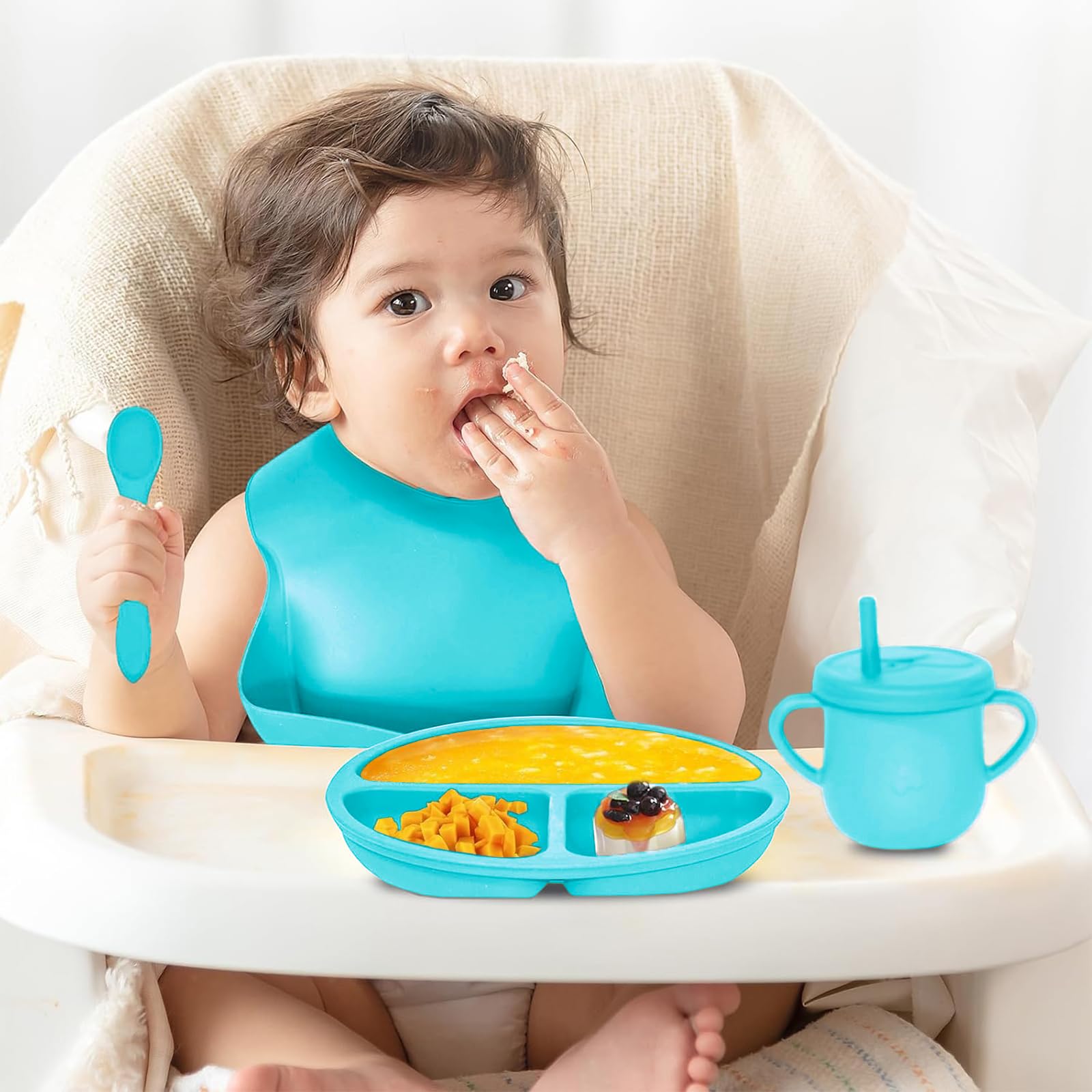
In this article
Picture this: you spent 40 minutes making a meal your toddler ate happily last Tuesday. You set it down in front of them. They look at it, look at you, and say "yuck." Not because anything changed. Not because they're trying to ruin your evening. Just because they're two.
If this sounds familiar, you are genuinely not alone. According to research compiled by the American Academy of Pediatrics, somewhere between 25 and 50 percent of parents of young children describe their child as a picky eater at some point during the toddler and preschool years. It's one of the most common concerns I hear in clinic, usually delivered with a mixture of exhaustion and guilt.
The good news is that for the vast majority of children, picky eating is a phase, not a permanent personality trait. The strategies that work aren't about tricks or clever disguises. They're about understanding what's happening developmentally and then shifting what you do at the table.
In this article you'll learn:
1. Understand Why Toddlers Become Picky Eaters
Picky eating in toddlers isn't defiance or bad behaviour. It's a predictable, biological response to a stage of development where new things feel genuinely threatening.
Around age 1 to 3, something fascinating happens in a child's brain. Growth slows dramatically compared to infancy, appetite drops, and at the same time, toddlers are becoming mobile and increasingly independent. Evolutionarily, this is exactly when a young human would have been starting to explore the world on their own two feet, which also means potentially putting dangerous things in their mouth. The brain responds with "neophobia," a fear of new foods, as a protective mechanism. What looks like stubbornness from your side of the table is actually a survival instinct that's a few thousand years out of date.
What's really going on developmentally
Between 12 and 36 months, most toddlers will dramatically narrow the range of foods they accept. This is so common that paediatric dietitians often reassure families that "food jags" (eating only three or four foods for weeks at a time) are within the range of typical behaviour. The texture sensitivity you're seeing, the refusal of anything green, the sudden rejection of a food they loved last month: all of it fits the pattern.
There's also the matter of autonomy. Toddlers are in the middle of figuring out where they end and you begin. Food is one of the very few things they can genuinely control. When you push, they push back. Not because they're manipulative, exactly, but because "no" is one of the most powerful words they've recently discovered.
When does it become more than a phase?
Most picky eating resolves by school age. The red flags that suggest something more than typical pickiness include:
If any of those apply, a conversation with your paediatrician and possibly a referral to a paediatric feeding therapist or dietitian is the right next step. For everyone else, the strategies below are where to start.
2. Use the Division of Responsibility at Every Meal
The single most practical framework for picky eating comes from dietitian Ellyn Satter, whose "division of responsibility in feeding" gives you and your toddler clearly defined roles so that power struggles become structurally impossible.
The framework is simple. You are responsible for what food is offered, when it's served, and where your child eats. Your toddler is responsible for whether they eat and how much. Full stop. The moment you cross into their territory (pressuring, begging, negotiating, bribing) the dynamic shifts, anxiety rises, and eating almost always gets worse, not better.
This might feel counterintuitive when you're watching your child subsist on toast and cheese for the third day running. But the research behind it is substantial. Satter's model has been validated in multiple studies and is endorsed by organisations including the American Academy of Pediatrics and the Academy of Nutrition and Dietetics.
Feeding is a relationship, and like any relationship it has to be built on trust.
— Ellyn Satter, MS, RDN (2008)
What this looks like in practice
The hardest part of this approach for most parents is staying neutral when their child refuses. No praise when they eat, no visible disappointment when they don't. Easier said than done at 6pm when you're exhausted, but the neutrality is what makes the environment feel safe enough for your toddler to eventually take risks with food.
Setting up the physical environment
The table matters. Toddlers eat better when they're seated securely, with feet supported, at a height where the plate is easy to reach. A good set of tools that make the meal feel manageable and engaging for small hands goes a long way too.
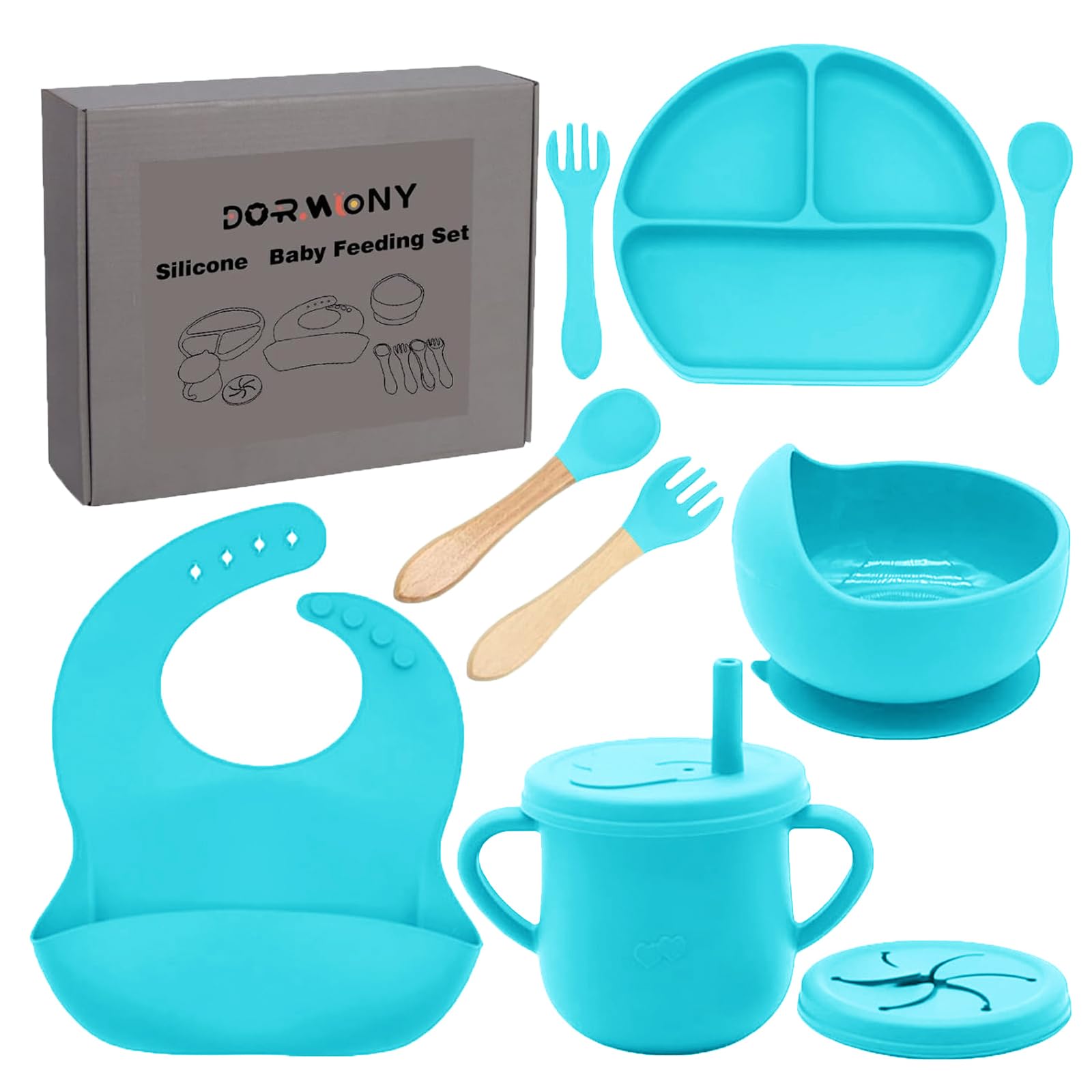
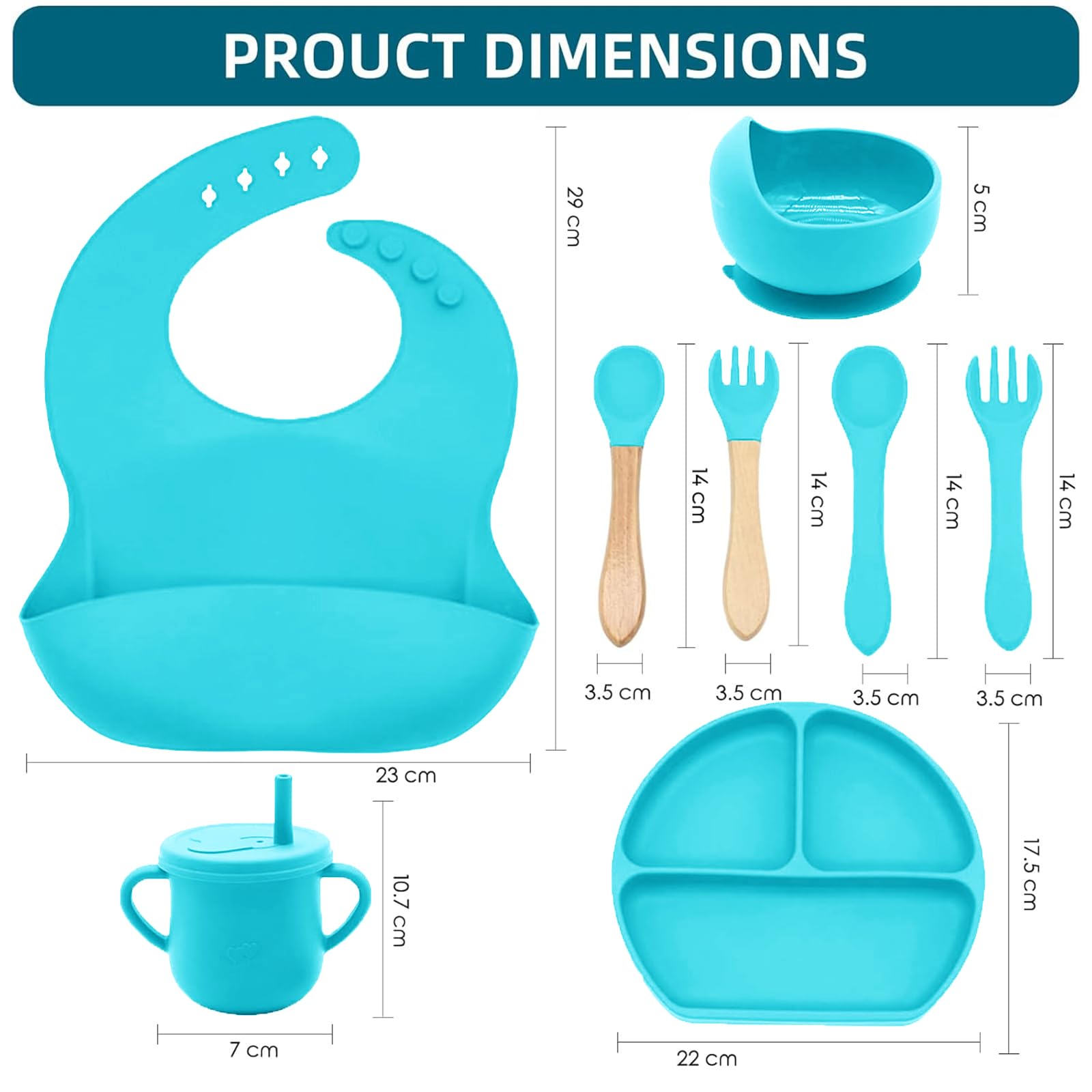
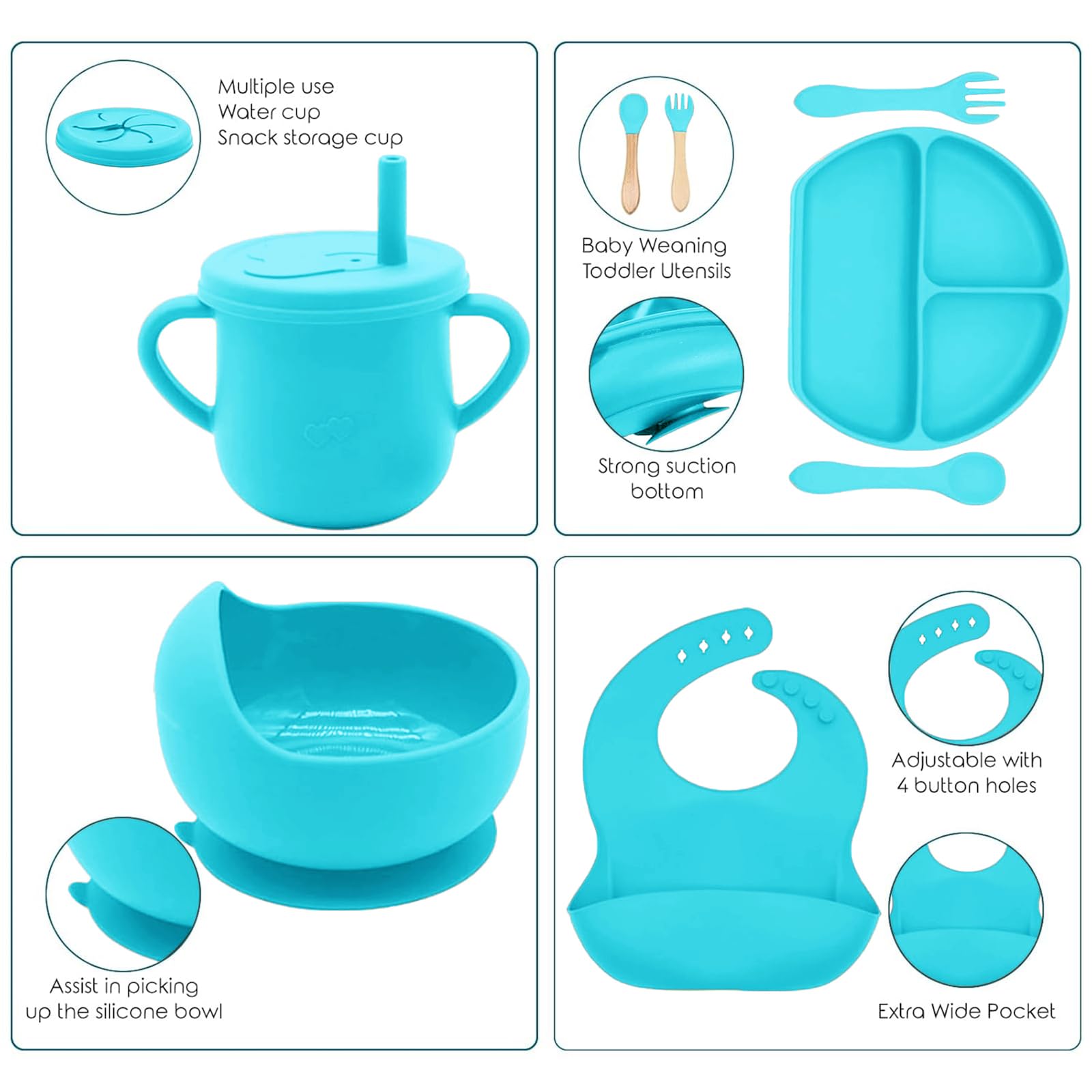
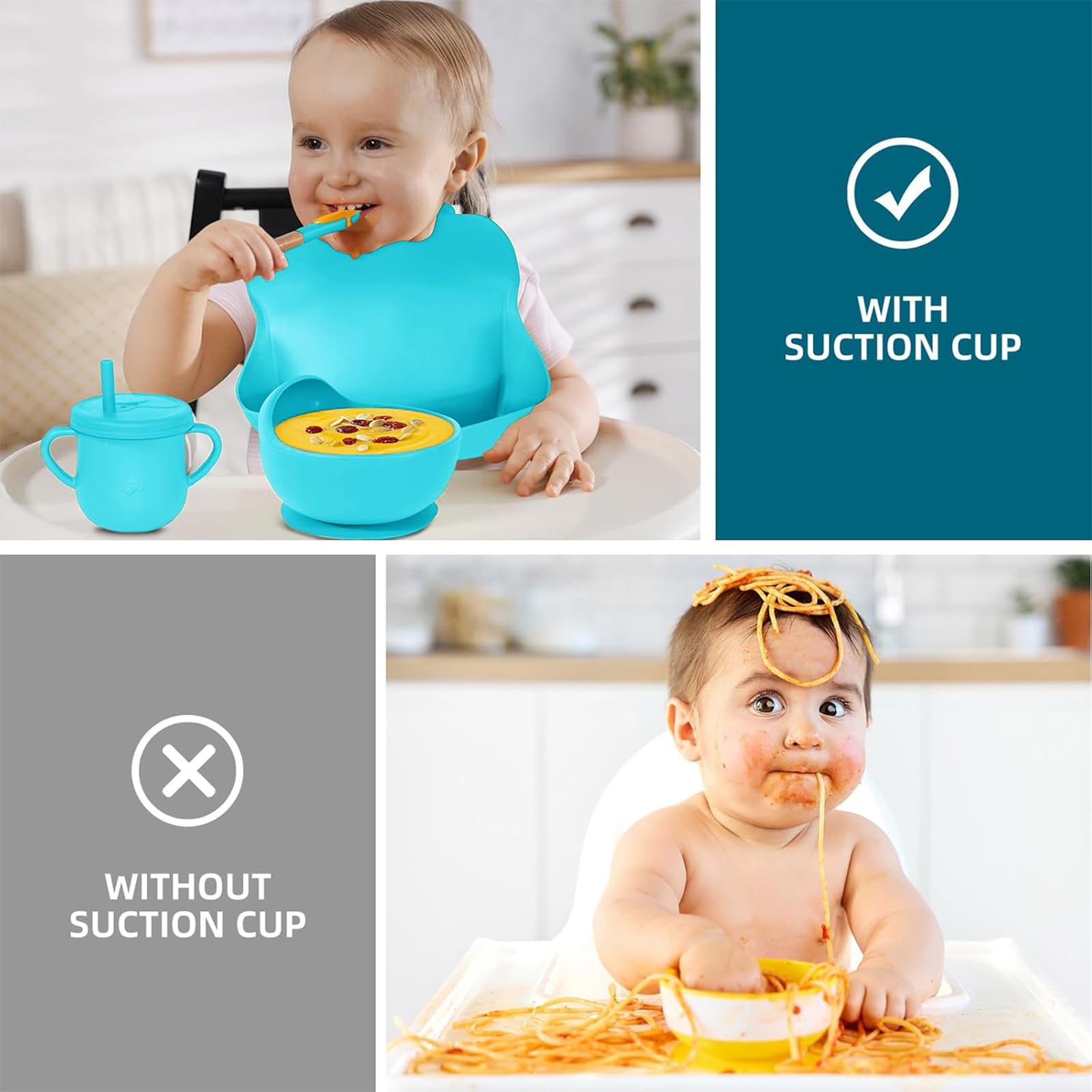
100% Silicone baby feeding set,BPA free Baby dishes set with Suction Bowl Divided Plate,Toddler Self Feeding Dish Set with Spoons Forks Sippy Cup And Bib, Baby Eating Utensils (Cyan Blue)
- 9 pcs Silicone Baby Feeding Set :our silicone baby feeding set includes 1 adjustable bib with a food catcher,
- 100% Food-Grade Silicone:These baby dishes are made from food-grade silicone, which is completely free of BPA,
- Strong 4-Point Suction:Our baby plates are specifically designed to be slip-resistant, thanks to the 4 powerfu
For families just starting to introduce this approach, a set like the Dormlony silicone feeding set works well because the divided plate means you can offer multiple foods without them touching each other (a surprisingly important detail for texture sensitive toddlers), and the strong suction base means the plate stays put even when your toddler is mid-protest.
3. Use Repeated Exposure Without Any Pressure
Research consistently shows that children need to encounter a new food somewhere between 10 and 15 times before they accept it, and pressure during those exposures actively delays that acceptance.
This is probably the most liberating piece of information I can give picky eating parents, because it reframes the whole goal. You don't need your toddler to eat a new food this week. You just need them to be near it. See it. Tolerate its presence on the plate. That counts as an exposure, and every one moves the needle slightly forward.
The technical term researchers use is "repeated exposure without pressure," and it is one of the best supported strategies in paediatric nutrition literature. A 2018 review published in Nutrients found that repeated taste exposure remains one of the most effective strategies for increasing vegetable acceptance in children across the toddler and preschool years.
The exposure ladder
Think of acceptance as a ladder, not a light switch. The rungs look roughly like this:
1. The food is in the room (they notice but don't react) 2. The food is on the table near them 3. The food is on their plate without pressure to eat it 4. They touch it or pick it up and put it down 5. They smell it or kiss it (yes, this is a legitimate step) 6. They lick it 7. They take a tiny bite and spit it out 8. They chew and swallow
Every one of those steps is progress. If you're celebrating step 3 as loudly as step 8, you're doing it right.
Why the pressure backfires
When you push a toddler to eat something, the emotional memory attached to that food becomes negative. They associate it with conflict, with your anxiety, with feeling out of control. The next time it appears on the plate, all of that comes back before they've taken a single bite. The food literally becomes harder to accept because of the history around it.
This is also why the classic "you can't leave the table until you eat three bites" approach tends to create kids who are more rigid around food, not less.
Understanding how imaginative play builds flexible thinking can actually help here too. When you bring a playful, low stakes attitude to food exploration, the same neural pathways that open up during creative play are engaged at the table, and that makes trying new things feel safer.
4. Make Family Meals a Daily Anchor (Structure Is Your Friend)
Children who eat together with family consistently show greater food variety and less anxiety around eating than those who eat separately, and the research on this has been remarkably consistent for over two decades.
Eating together does several things at once. It normalises the foods adults eat by letting toddlers observe without being the focus. It reduces the performative pressure of being watched and coaxed. And it provides the predictable rhythm that toddlers genuinely need. When your child knows that dinner happens at the table, with the family, at roughly the same time each evening, food becomes part of the safe structure of their day rather than a unpredictable battleground.
The American Academy of Pediatrics has consistently emphasised family meals as a protective factor, not just for nutrition but for emotional health and language development in young children.
How to make family meals work when you're exhausted
Not every family can do a sit down dinner seven nights a week, and that's fine. The goal is frequency, not perfection. Even three or four structured family meals a week makes a measurable difference. Some practical ways to make it happen:
The right gear for family style eating
When you're serving family food at a toddler's place setting, having plates that are divided and stay put makes it easier to introduce a bit of everything without the anxiety of foods touching or plates flying across the room.


Eascrozn Baby Feeding Set, 2 Pack Silicone Divided Suction Plates for Baby, 2 Pack Spoons and Forks Set, BPA Free, Baby Led Weaning Supplies for Toddler Utensils
- Toddler Cutlery Set: Each set of toddler utensils includes 2 baby plates and 2 forks and 2 spoons, designed fo
- Divided Suction Plates for Baby: Our toddler plates feature divided compartments in different sizes, perfect f
- Independent Eating: Rounded toddler spoons and forks have no sharp edges, protective barriers are designed bet
The Eascrozn silicone suction set is particularly good value for families who want to try the family meal approach across both a toddler and an older sibling, since you get two complete plate and utensil sets in one pack at under $10. The divided compartments let you mirror the family meal with the same components in toddler appropriate portions.
5. Stop Hiding Vegetables (and What to Do Instead)
Hiding vegetables in sauces, smoothies, and baked goods feels clever, but it doesn't teach children anything about the foods they're avoiding, and it can actually set back acceptance when they eventually find out.
I want to be measured here, because hiding vegetables isn't harmful in itself. If your child genuinely cannot get enough vegetables any other way, blending spinach into a smoothie isn't going to cause lasting damage. But if your goal is to raise a child who actually accepts and eventually enjoys a wide variety of real foods, the "sneaking" approach doesn't build that capacity. It's a workaround, not a solution.
What does work alongside the repeated exposure approach above is modifying the presentation of real, visible food in ways that reduce the barriers to trying it.
Practical presentation strategies that actually work
Texture first. Many toddlers who refuse cooked carrots will accept raw carrot sticks, or vice versa. The vegetable isn't the problem; the texture is. Experiment with roasting, steaming, and serving raw to find where the texture is most acceptable.
Temperature matters more than you think. Some children who refuse warm food will accept the same food cold. A cold piece of roasted sweet potato is still a roasted sweet potato nutritionally.
Dips are legitimate tools. If hummus, yoghurt, or tomato sauce gets a broccoli floret into your toddler's mouth, that is a genuine win. The dip doesn't cancel out the vegetable. Over time, the association between the vegetable and the pleasurable dip can help build acceptance of the vegetable on its own.
Small portions reduce the threat. A single green bean is far less threatening than five. Serving tiny amounts of new or refused foods (sometimes called "no thank you" portions) keeps the food present without overwhelming the child.
Familiarity through shape and colour. Toddlers eat with their eyes. Foods cut into interesting shapes, or served in a way that looks visually simple and non-threatening, get further consideration than a mixed-up pile of unfamiliar colours on a plate.
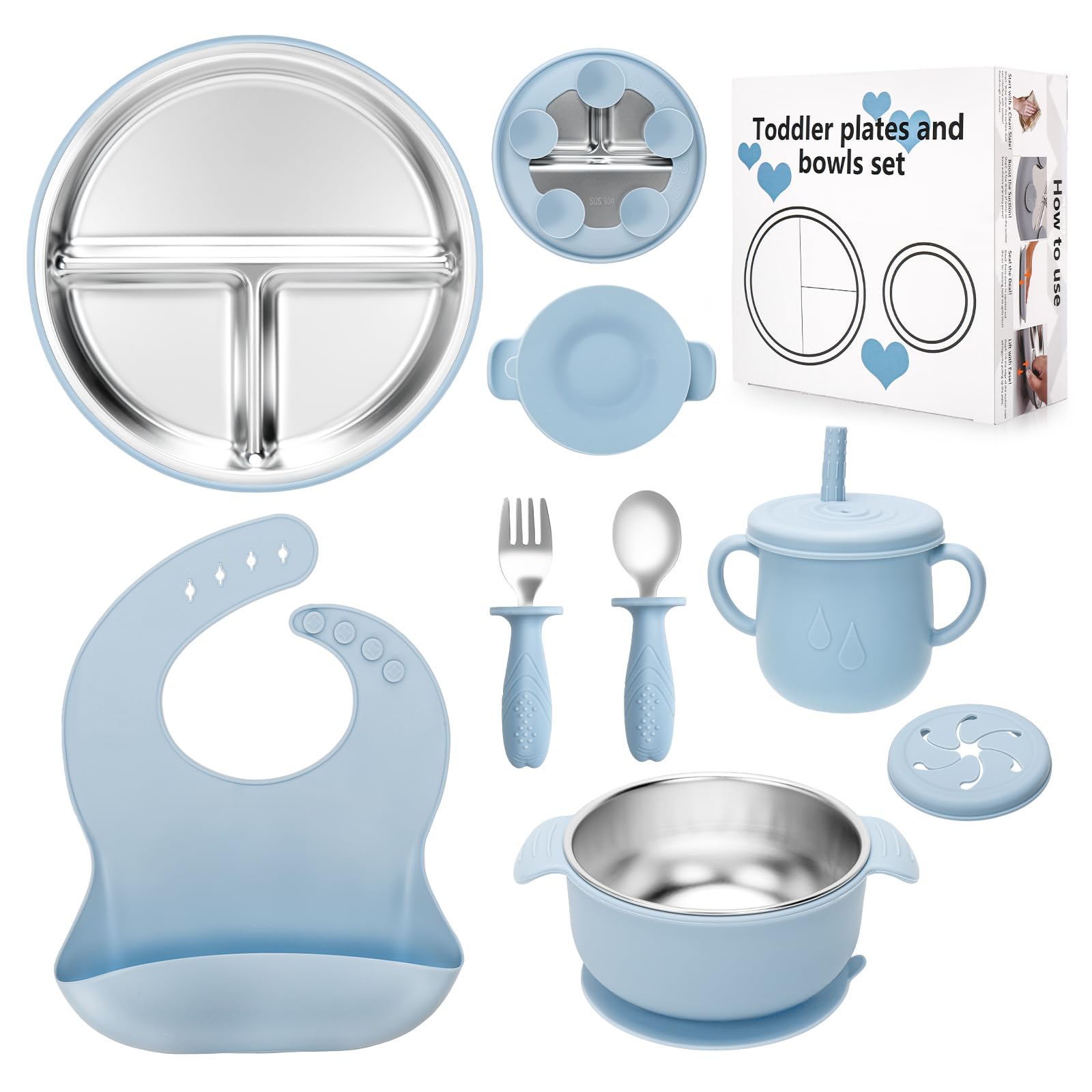
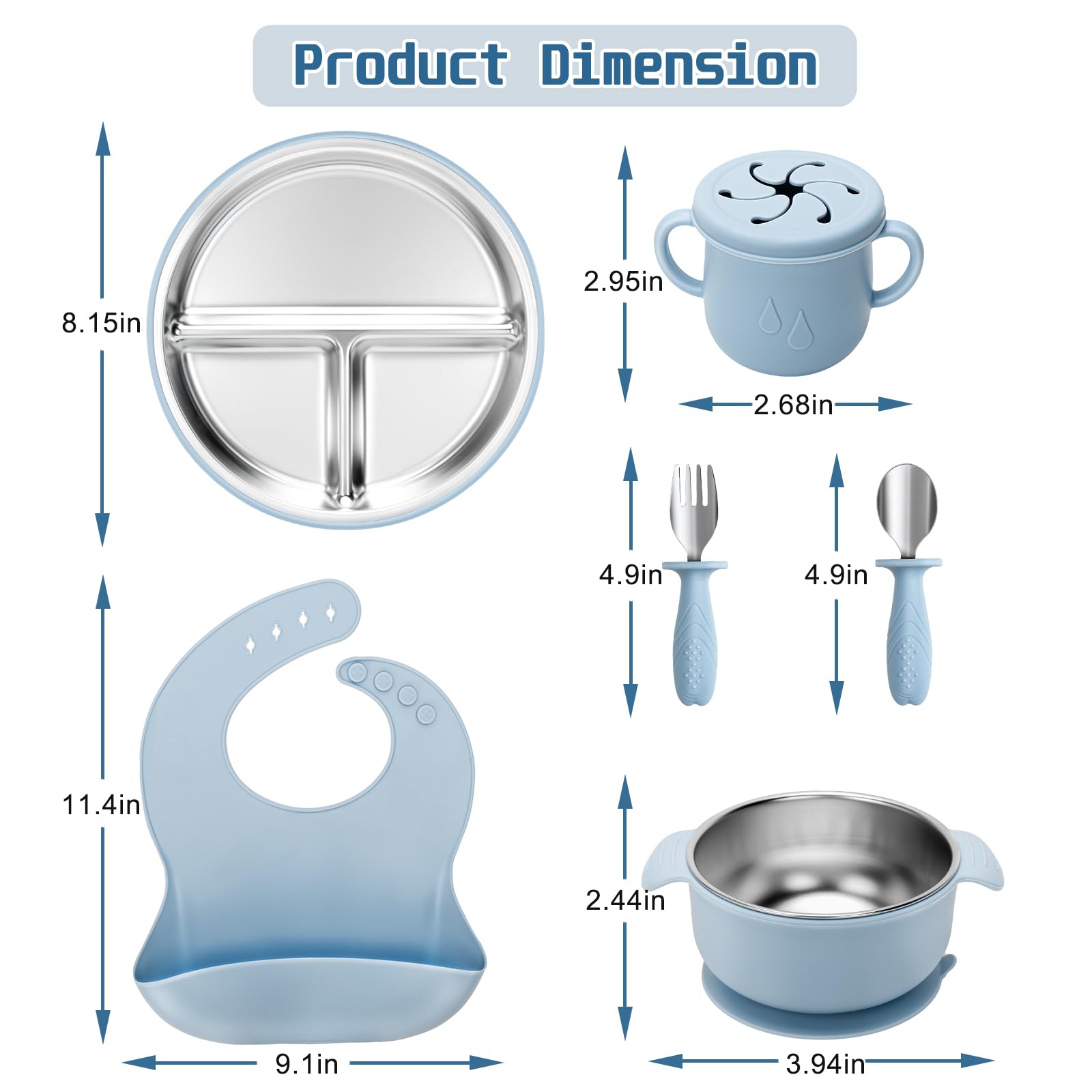
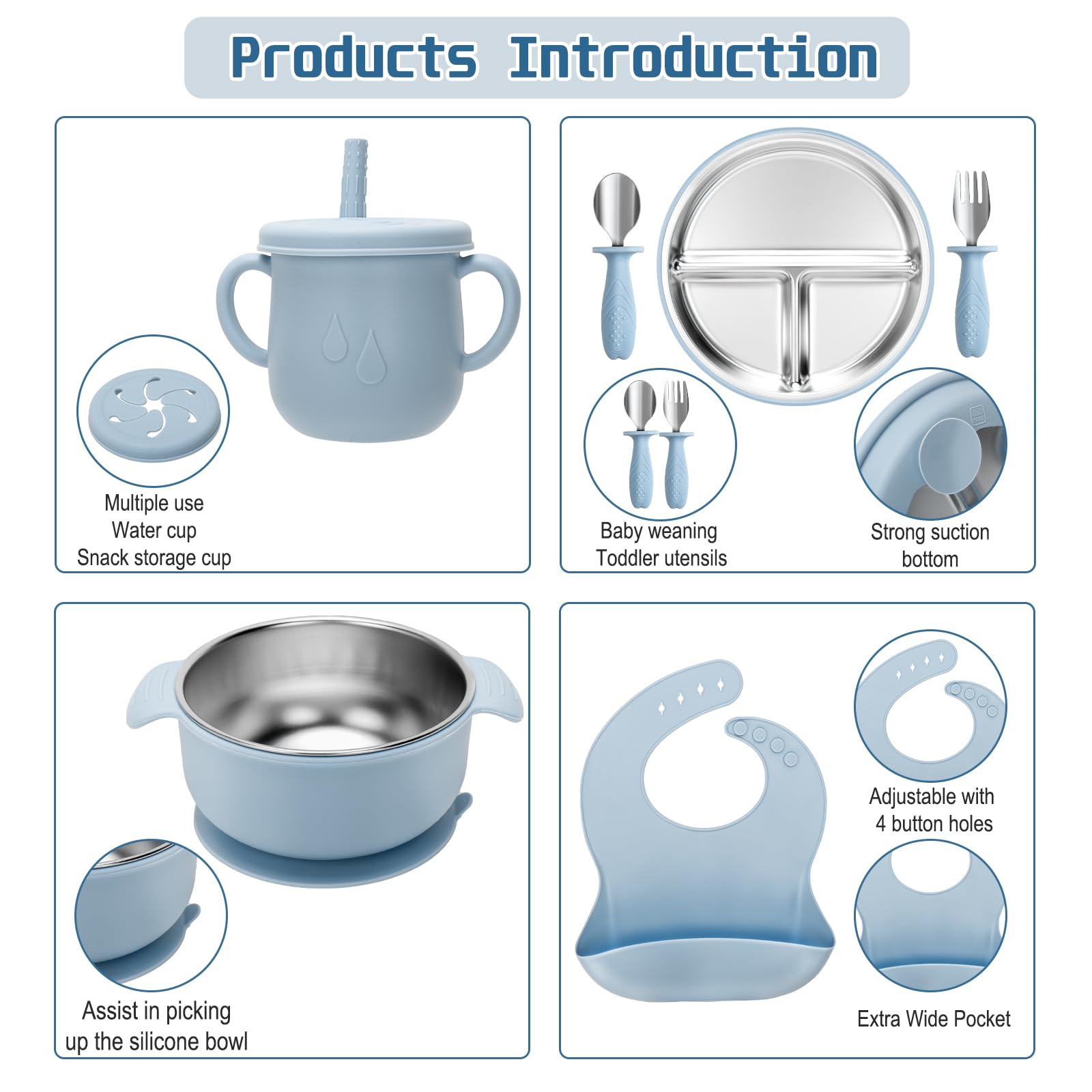
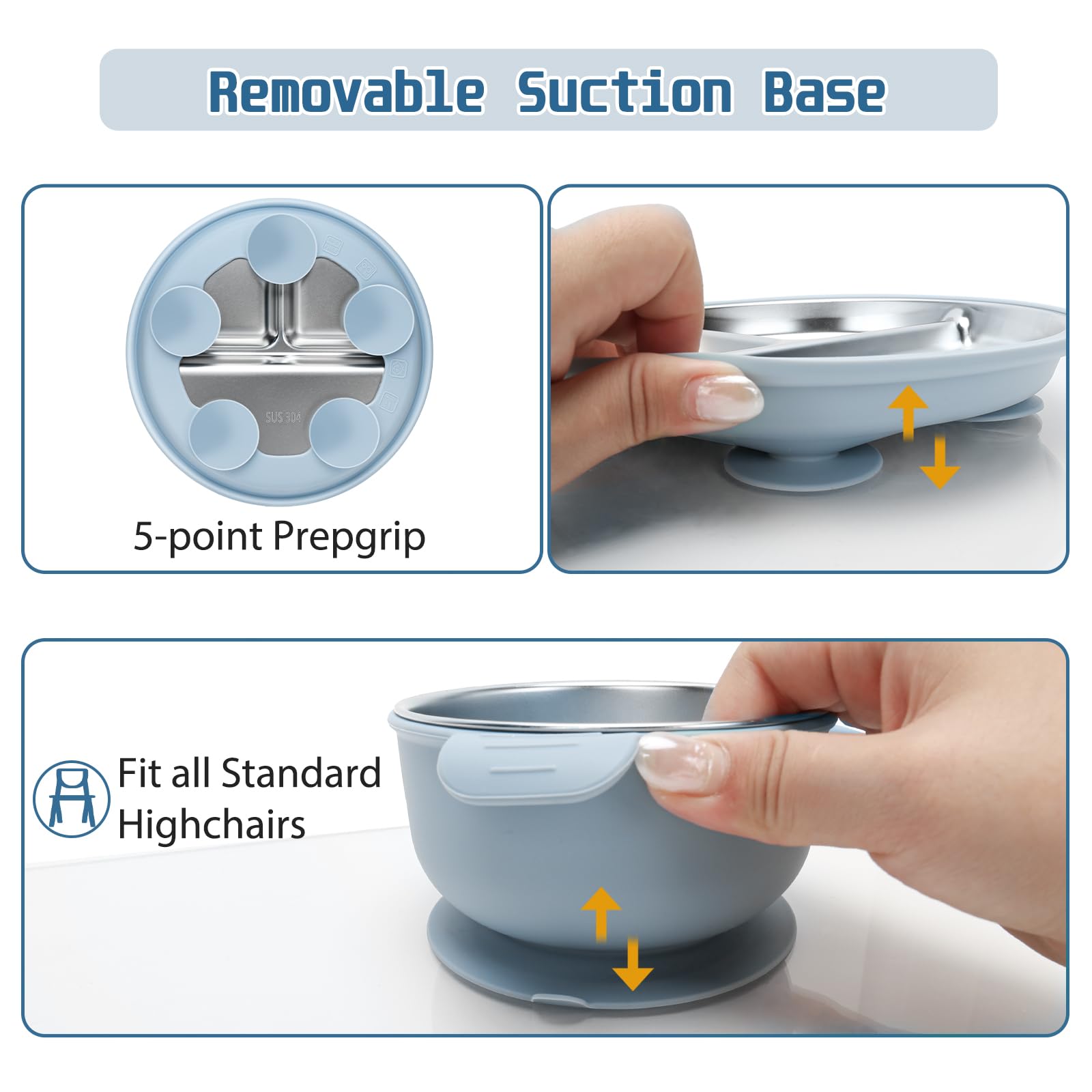
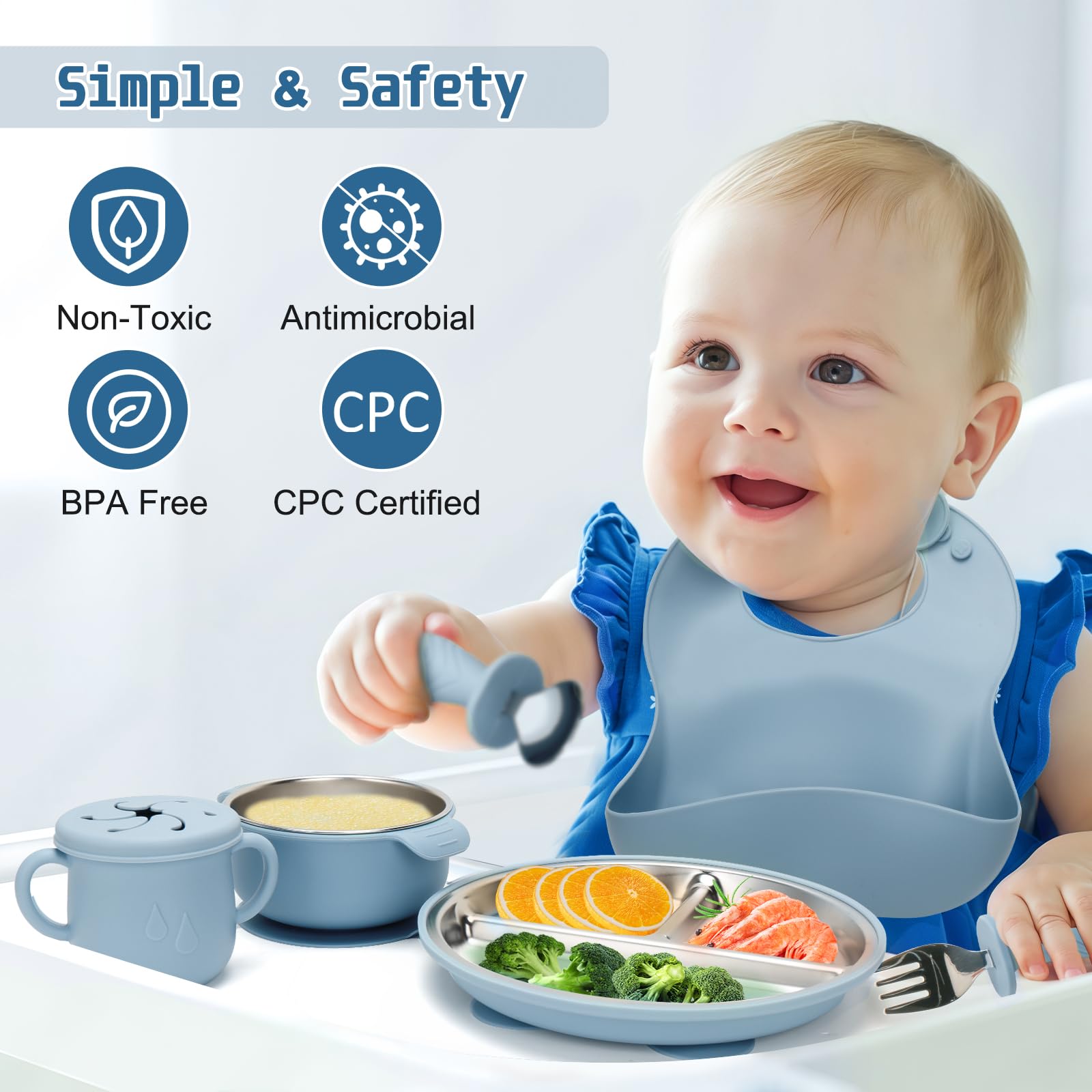
MISSLILI Stainless Steel Kids Plates and Bowls Set with Suction, Divided Baby Plate and Toddler Bowl with Removable Silicone Suction,Stainless Steel Weaning Bundle, Silicone Baby Feeding Set (Blue)
- Baby cutlery set: This set of cutlery includes 1 stainless steel plate, 1 stainless steel bowl, 1 set of baby
- Material Safety: All products are made of food grade materials, with silicone material meeting relevant food s
- Innovative design: This baby suction cup combines durable 304 stainless steel with a detachable silicone sucti
The MISSLILI stainless steel set is worth considering for families who are working on presentation because the separate compartments in both plate and bowl keep foods clearly distinct, and the 304 stainless steel surface means you can safely serve warm foods straight from the pan without worrying about anything leaching into the food. The detachable silicone suction base keeps everything anchored even through a protest.
6. Build a Mealtime Environment That Works With Your Toddler's Nervous System
The emotional atmosphere at the table is as important as anything on the plate. Toddlers who eat in high anxiety, high pressure environments become more rigid around food over time, not more flexible.
This is the section parents sometimes find hardest to hear, because it shifts some of the focus from what your child does to how you respond. But it's also, in my experience, the most transformative change families make.
A toddler's nervous system is extremely sensitive to adult stress. When you are visibly anxious about whether they're eating, when every mealtime carries a feeling of high stakes, your toddler picks that up and their body responds accordingly. Appetite suppression under stress is a real physiological phenomenon, not an excuse.
What a calm mealtime actually looks like
It doesn't mean you have to feel calm. It means you practice neutral responses until they become habit:
Some families find it helpful to have a few standard phrases ready so they're not improvising when a meal goes sideways. Think of it as a script that keeps you on the rails.
Tools that reduce friction at the table
Part of reducing mealtime tension is practical. When the equipment works, there's one less thing to manage. Plates that stick to the tray mean you're not chasing food across the room. Utensils that fit small hands mean your toddler can attempt independence without getting frustrated. A bib that catches the inevitable overflow means you're not calculating laundry mid-meal.
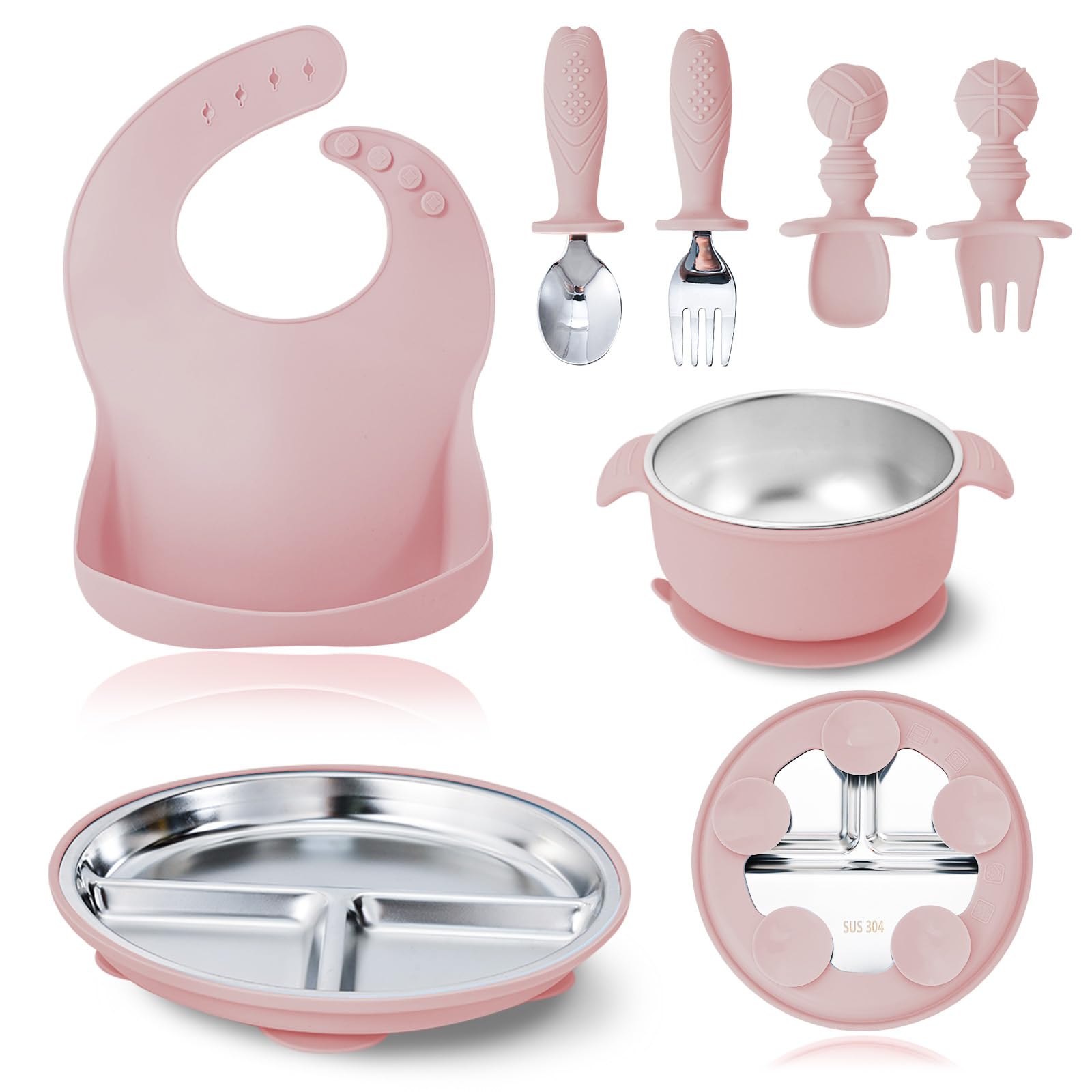
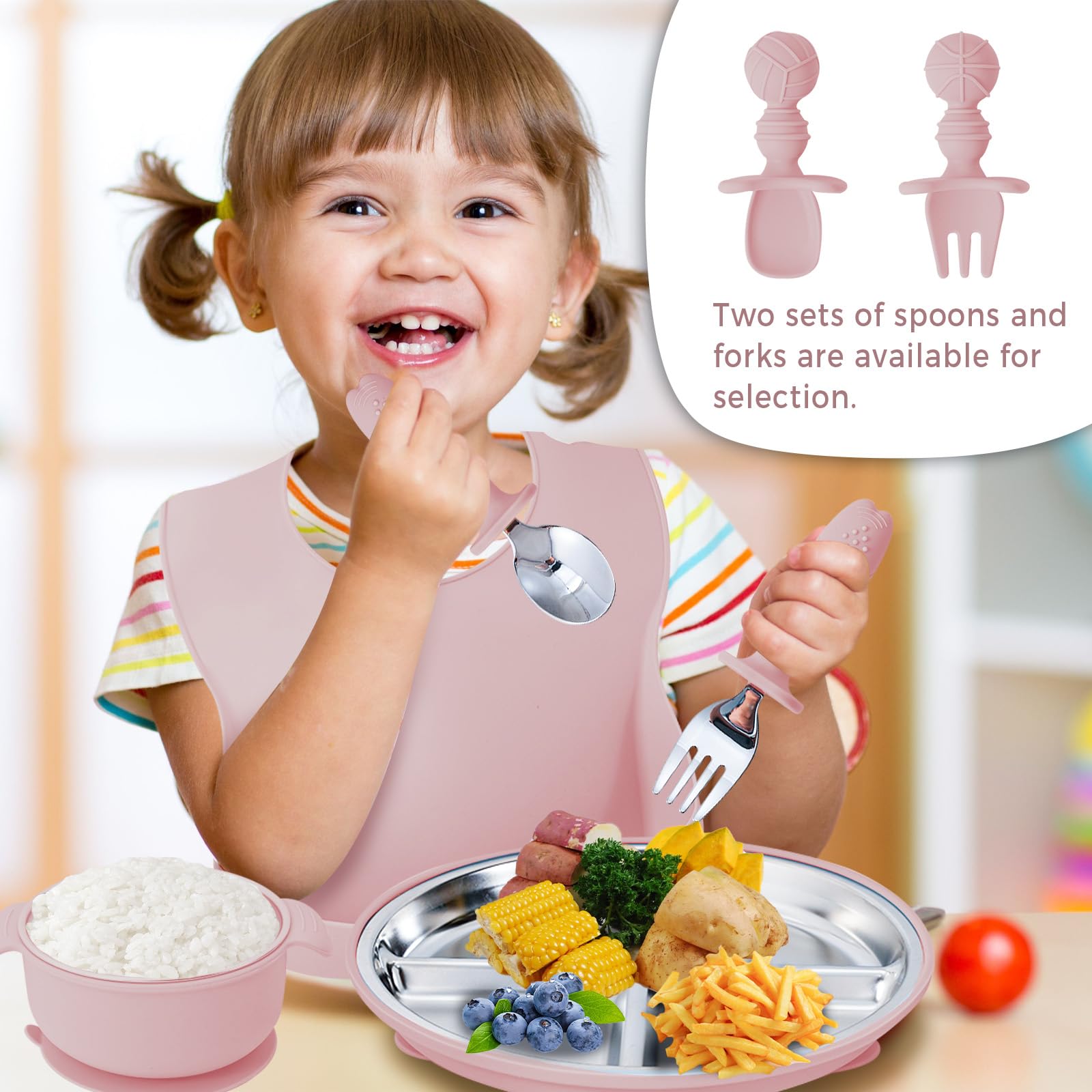
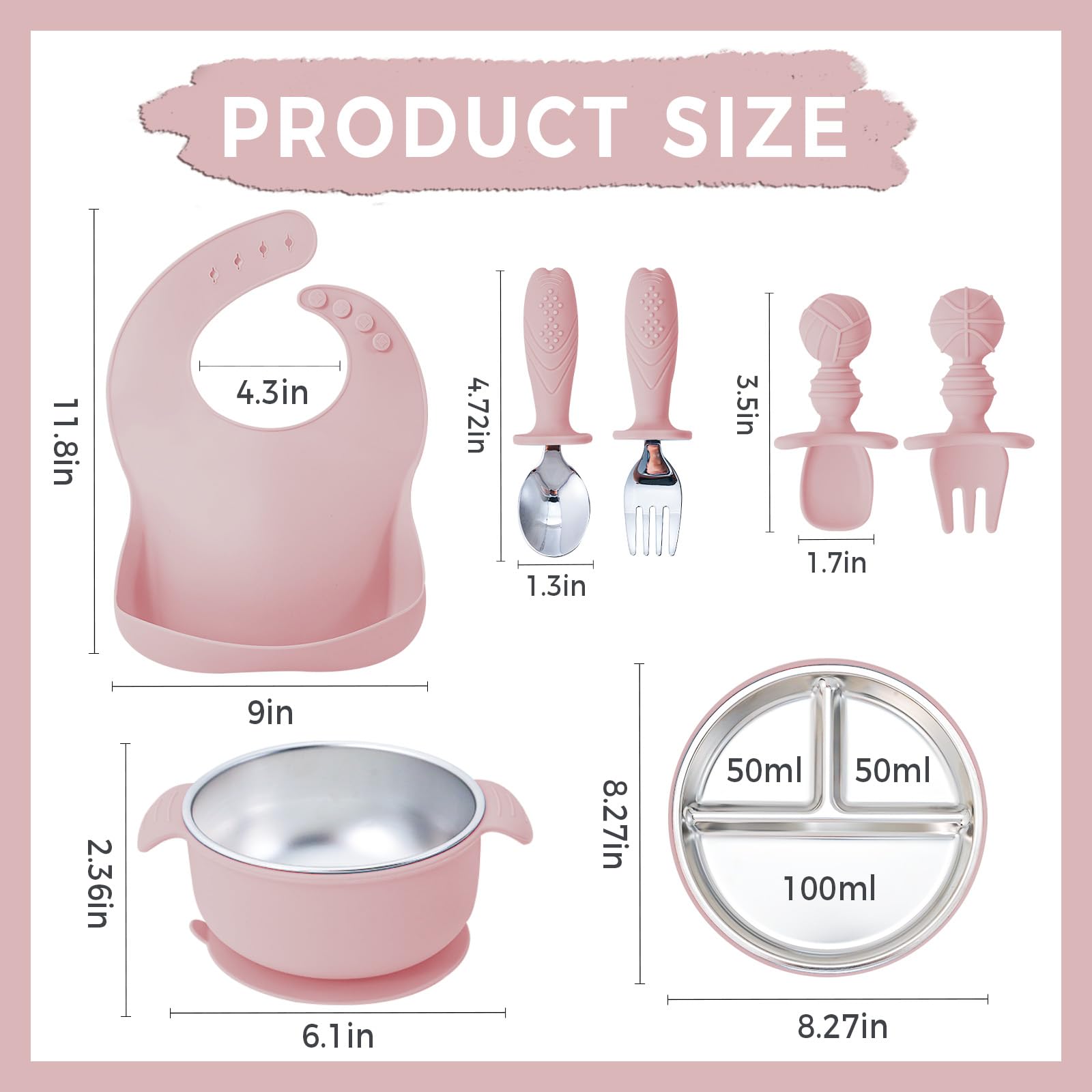
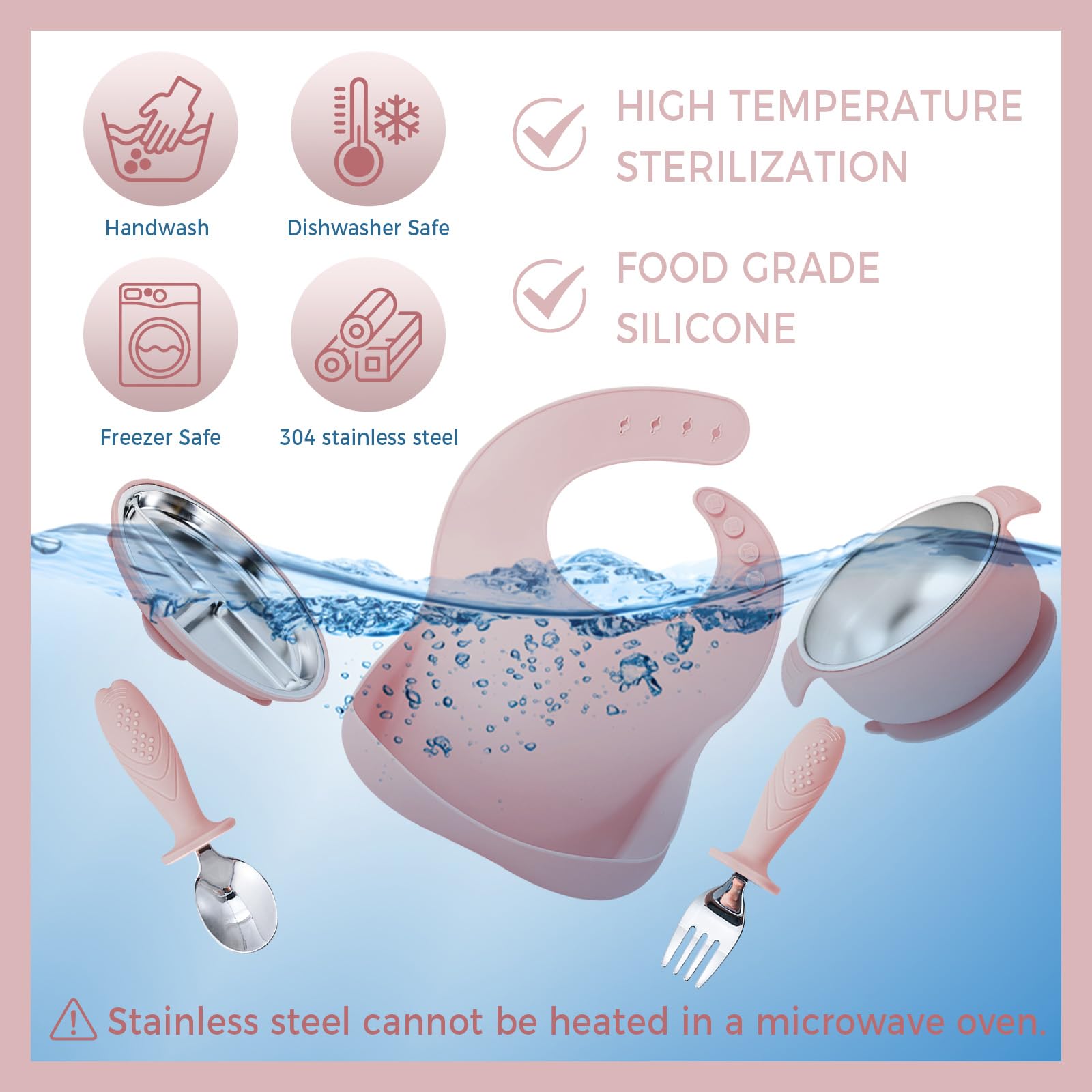
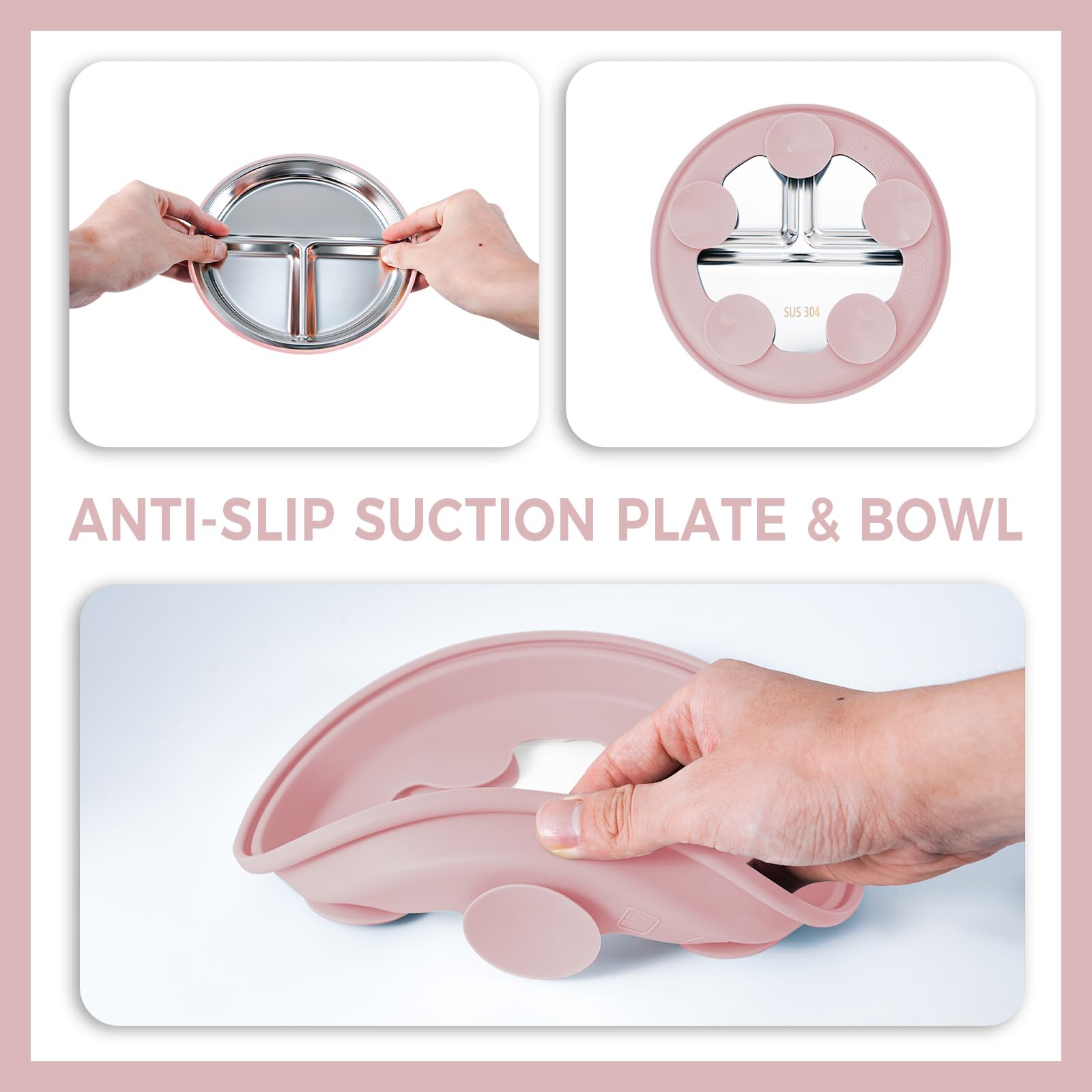
7 Pieces 304 Stainless Steel Baby & Toddler Feeding Set - Suction Divided Plates, Bowls, Silicone & Stainless Spoon Fork,Pocket Bib Unbreakable, Dishwasher Safe Kids Dinnerware Essentials (Pink)
- Baby's Self-Feeding Essentials: The Complete Set Includes A stainless steel dinner plate, bowl, spoon ,fork, a
- Safety and Convenience Baby Dining Set:The Stainless bowl, plate with detachable silicone sleeves that adapt t
- Dishwasher-Safe Convenience: Busy parents, rejoice! This stainless steel kids’ cutlery set is crafted for effo
The HORNORM stainless steel 7 piece set earns its slightly higher star rating because the combination of stainless steel with removable silicone sleeves means your toddler gets the grip security of silicone without the food touching plastic surfaces. The silicone sleeves also absorb the sound of metal on a tray, which is a small but real reduction in table noise, and therefore table tension. It's dishwasher safe, which matters enormously when you've just navigated a difficult meal.

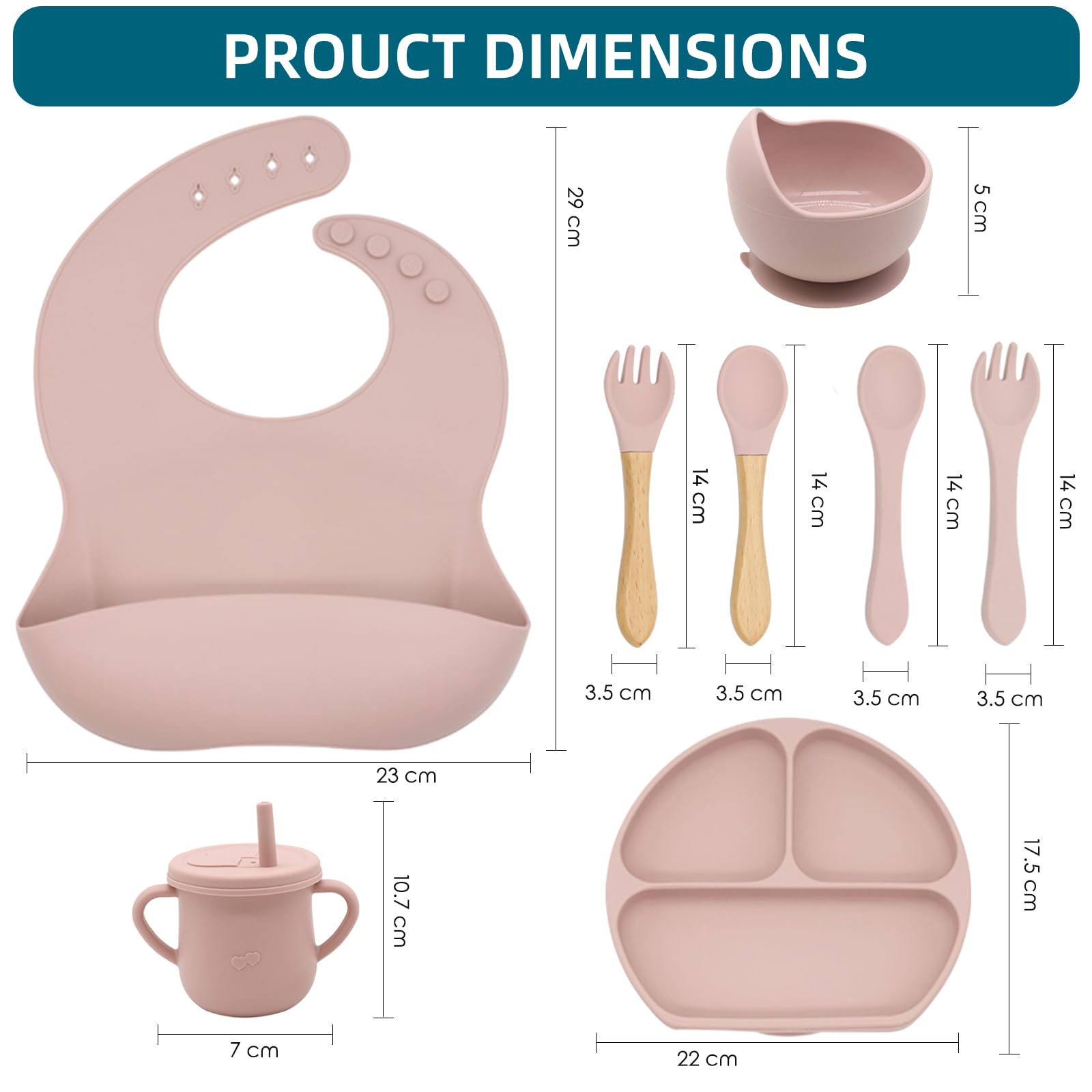
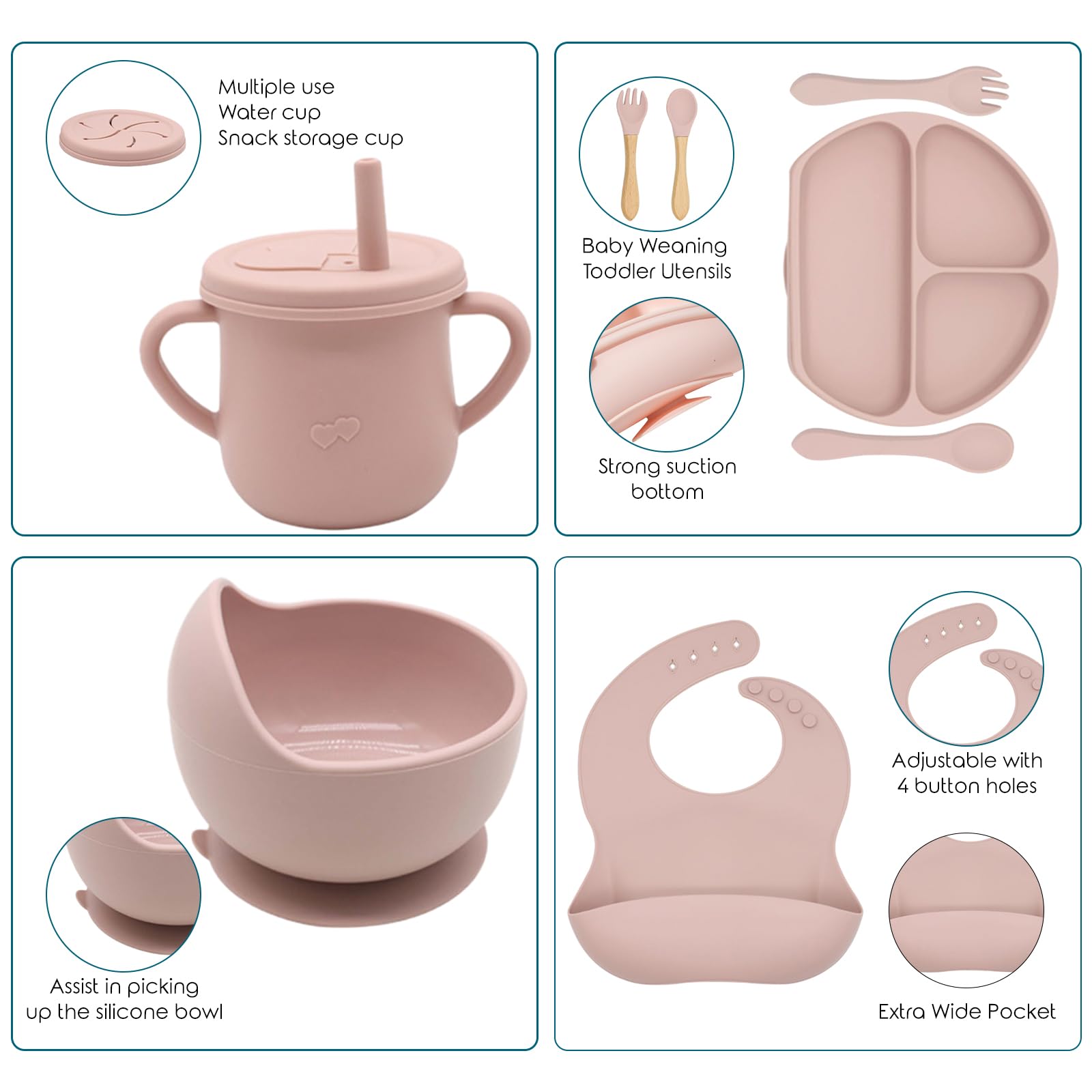
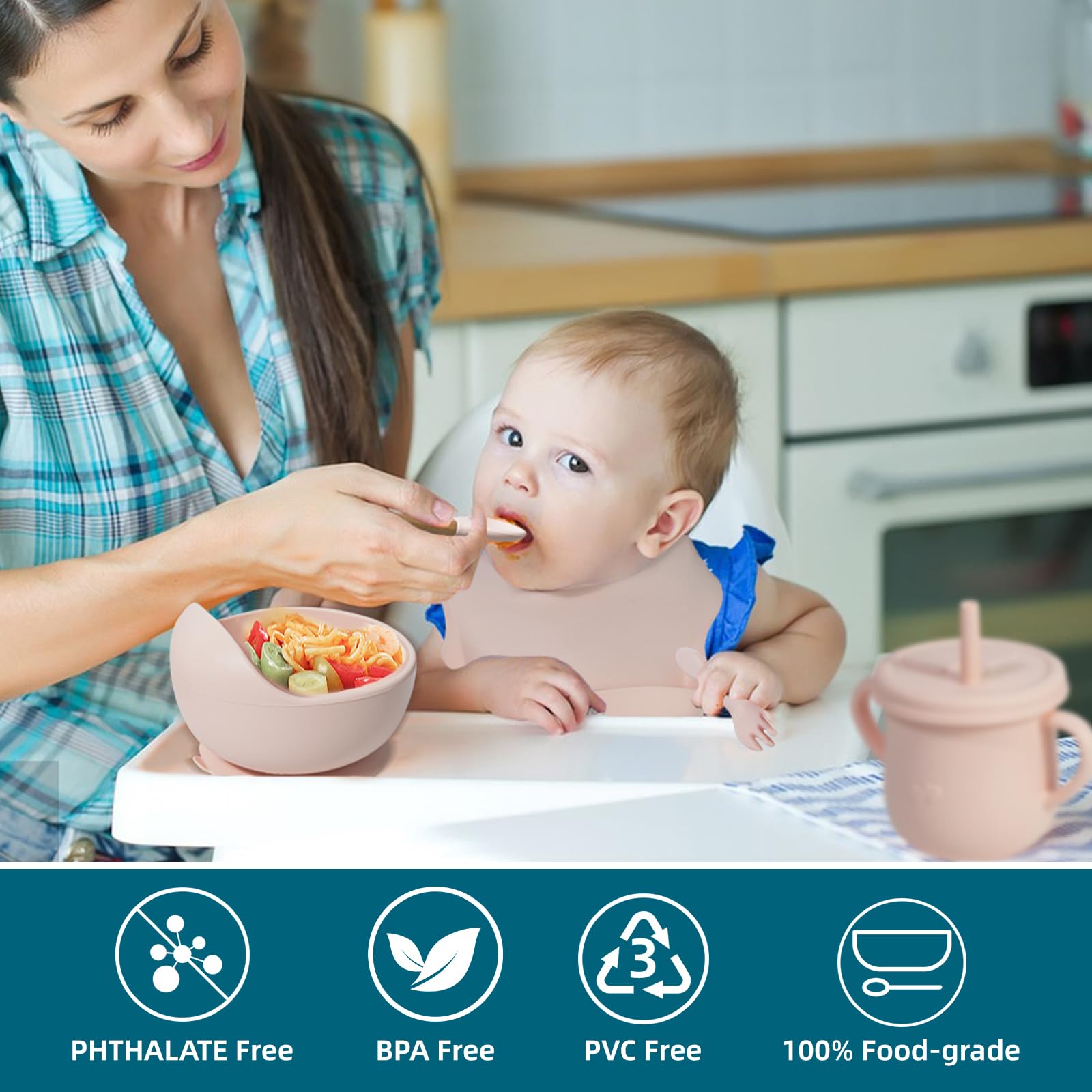
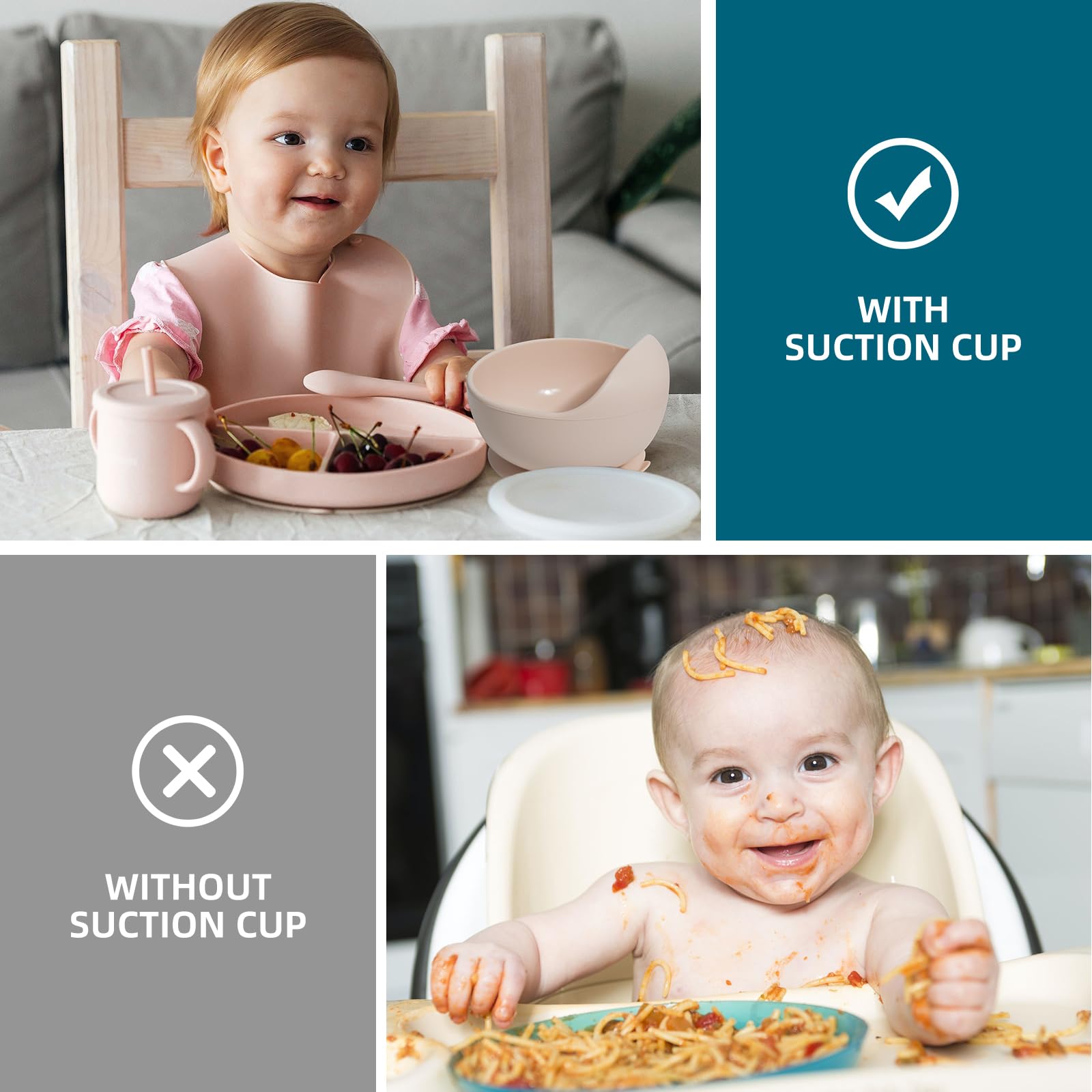
100% Silicone Baby Feeding Set,BPA Free Baby Dishes Set with Suction Bowl Divided Plate,Toddler Self Feeding Dish Set with Spoons Forks Sippy Cup and Bib, Baby Eating Utensils (Pink)
- 9 pcs Silicone Baby Feeding Set :our silicone baby feeding set includes 1 adjustable bib with a food catcher,
- 100% Food-Grade Silicone:These baby dishes are made from food-grade silicone, which is completely free of BPA,
- Strong 4-Point Suction:Our baby plates are specifically designed to be slip-resistant, thanks to the 4 powerfu
For a simpler entry point, the Dormlony pink silicone set covers all the basics at the same $20.99 price point. The adjustable bib with a food catcher is genuinely useful when your toddler is learning to feed themselves and most of the meal ends up in the pocket rather than on the floor.


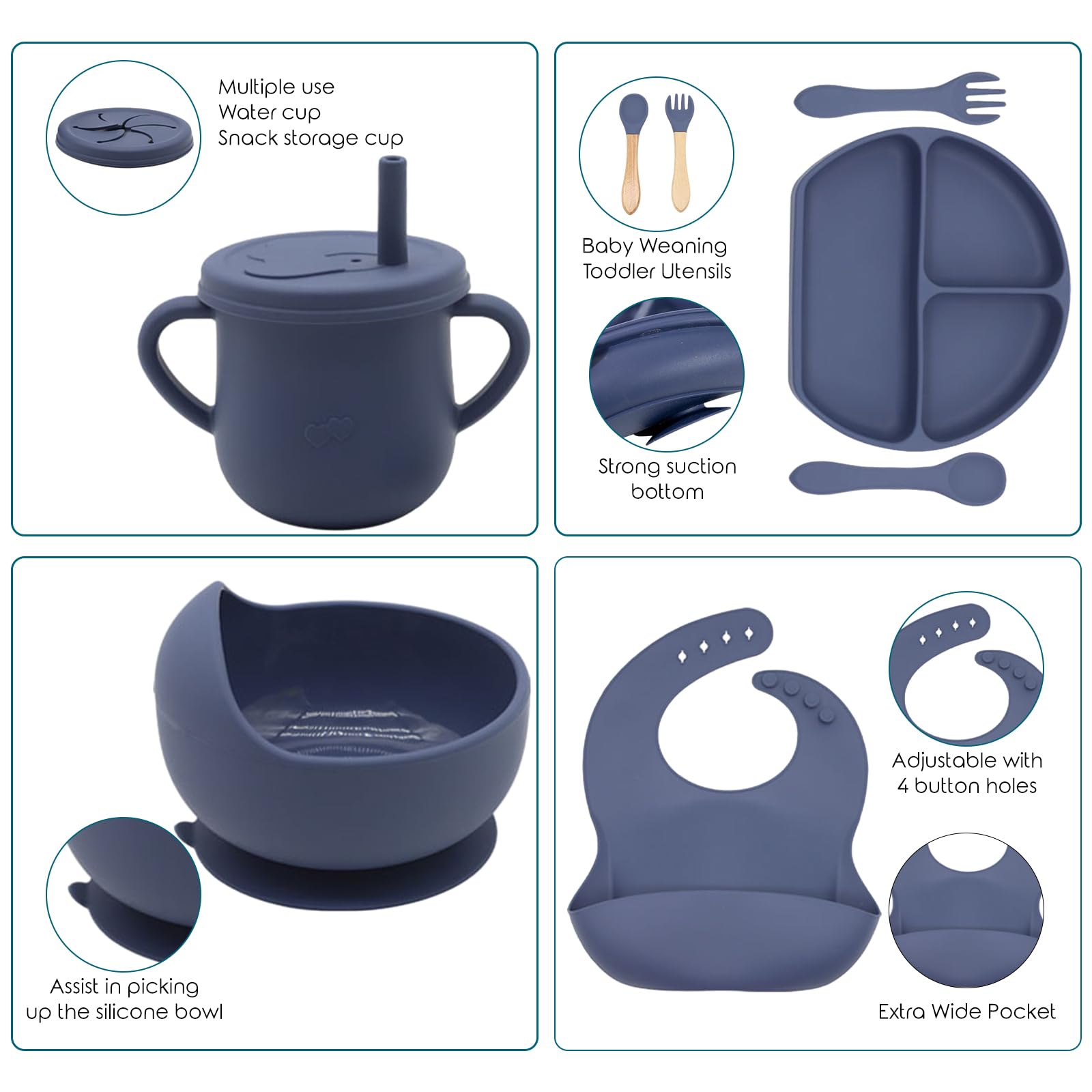

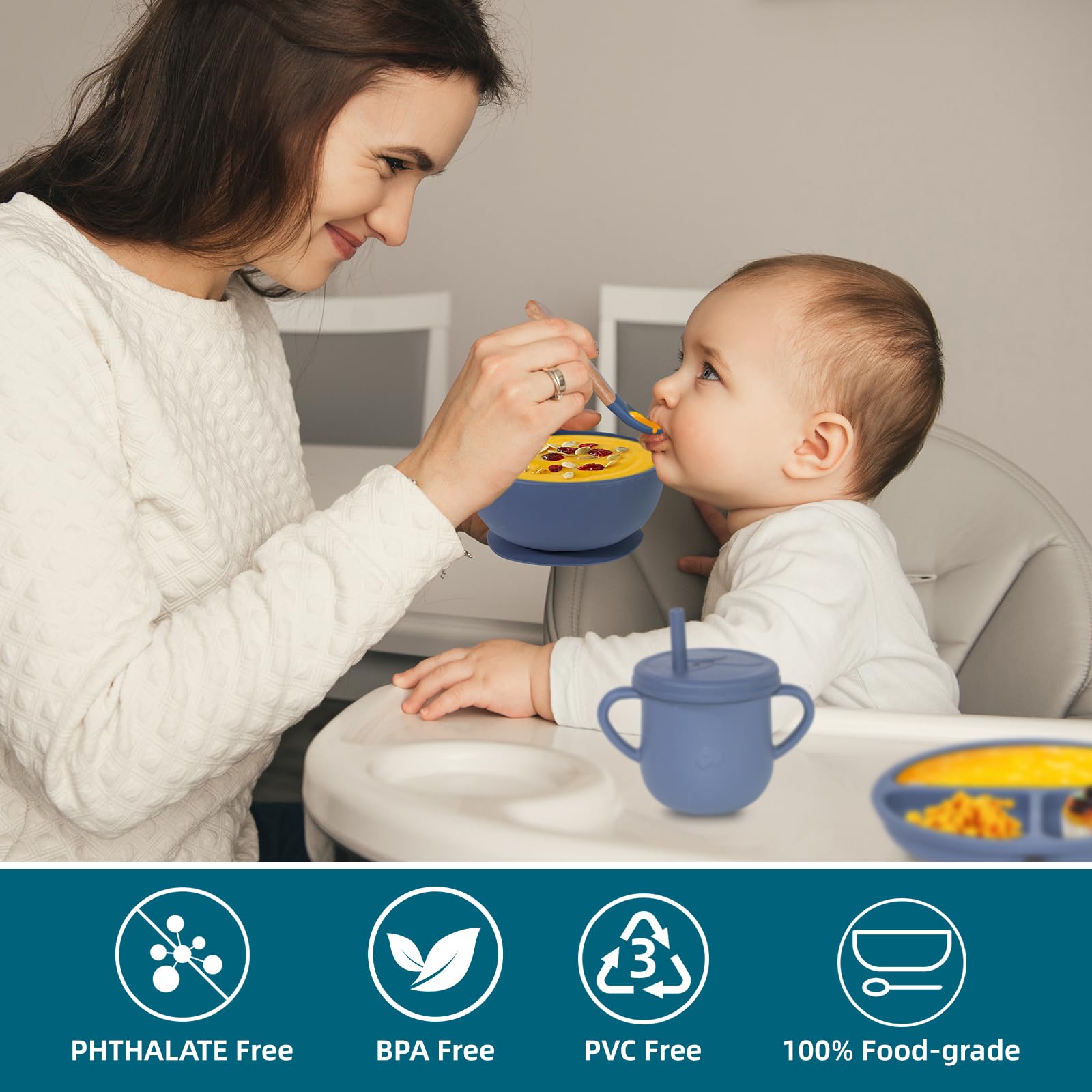
100% Silicone Baby Feeding Set, BPA Free Baby Dishes with Suction Bowl, Divided Plate, Toddler Self Feeding Dish Set with Spoons, Forks, Sippy Cup and Bib, Baby Eating Utensils (Navy Blue)
- 9 pcs Silicone Baby Feeding Set :our silicone baby feeding set includes 1 adjustable bib with a food catcher,
- 100% Food-Grade Silicone:These baby dishes are made from food-grade silicone, which is completely free of BPA,
- Strong 4-Point Suction:Our baby plates are specifically designed to be slip-resistant, thanks to the 4 powerfu
If you're a family that runs the dishwasher daily, the navy Dormlony version performs identically and holds up well to repeated machine washing at high temperatures. The silicone stays flexible and the suction strength doesn't degrade noticeably after months of use.
Feeding Set Comparison: Which Setup Works Best for Picky Eating Phases
| Feeding Set Style | Best Age Range | Picky Eating Benefit | Main Drawback | Recommended Product | Price Range |
|---|---|---|---|---|---|
| Full silicone 9-piece with suction | 6 months to 3 years | Divided plate separates foods; suction prevents protest-flipping | Silicone can stain with strong colours | Dormlony Cyan Blue Set | ~$21 |
| Full silicone 9-piece (pink) | 6 months to 3 years | Identical function; colour choice can engage toddler interest | Same staining caveat as above | Dormlony Pink Set | ~$21 |
| Full silicone 9-piece (navy) | 6 months to 3 years | Darker colour hides staining; dishwasher safe | No meaningful difference from siblings | Dormlony Navy Set | ~$21 |
| Budget 2-pack silicone divided set | 6 months to 4 years | Two complete sets at low cost; great for sibling households | No bib or sippy cup included | Eascrozn 2-Pack Set | ~$10 |
| Stainless steel with silicone suction | 9 months to 5 years | Food-safe at all temperatures; no plastic contact with food | Heavier; higher cost | MISSLILI Stainless Set | ~$25 |
| Stainless steel 7-piece with silicone sleeves | 9 months to 5 years | Noise reduction; grows with child; top-rated for durability | Not microwave safe | HORNORM 7-Piece Set | ~$20 |
Expert Insights on Picky Eating
It's also worth flagging that picky eating doesn't happen in isolation. Sleep, routine, and overall emotional regulation all affect how a toddler shows up at the table. If your child is in the middle of a difficult sleep phase, they may be more rigid and reactive about food than usual. Learning what's behind toddler sleep regressions can help you connect the dots between a bad week of sleep and a sudden uptick in mealtime battles.
Conclusion
Picky eating is one of those parenting challenges that feels enormous in the thick of it and, for most families, remarkably ordinary in hindsight. The toddler who currently eats only beige food is not doomed to a lifetime of plain pasta. They are just developmentally right on schedule, doing exactly what their brains are wired to do.
The strategies in this article aren't quick fixes. They're shifts in approach that require consistency and, honestly, a fair bit of patience. But they work, not because they force change but because they create the conditions in which change happens naturally.
The simplest thing I can tell you: your job is to provide; their job is to decide. Hold that line calmly, keep offering, and trust the process.
If this helped, save it for the next time someone at your table declares dinner "disgusting." You'll want the reminder.
Sources & References
- American Academy of Pediatrics. "Picky Eaters." HealthyChildren.org. 2023. https://www.healthychildren.org/English/ages-stages/toddler/nutrition/Pages/Picky-Eaters.aspx
- Satter, Ellyn. "Ellyn Satter's Division of Responsibility in Feeding." Ellyn Satter Institute. 2008. https://www.ellynsatterinstitute.org/how-to-feed/the-division-of-responsibility-in-feeding/
- Dovey, T.M., et al. "Food Neophobia and 'Picky/Fussy' Eating in Children: A Review." Appetite. 2008;50(2-3):181-193.
- Birch, L.L. "Development of Food Acceptance Patterns in the First Years of Life." Proceedings of the Nutrition Society. 1998;57(4):617-624.
- Nekitsing, C., et al. "Developing Healthy Food Preferences in Preschool Children Through Taste Exposure, Sensory Learning, and Nutrition Education: A Systematic Review." Current Obesity Reports. 2018;7(1):60-67.
- Taylor, C.M., Emmett, P.M. "Picky Eating in Children: Causes and Consequences." Proceedings of the Nutrition Society. 2019;78(2):161-169.
- Fildes, A., et al. "Nature and Nurture in Children's Food Preferences." American Journal of Clinical Nutrition. 2014;99(4):911-917.
- Academy of Nutrition and Dietetics. "Feeding Your Toddler." EatRight.org. 2022. https://www.eatright.org/food/nutrition/dietary-guidelines-and-myplate/feeding-your-toddler
Frequently Asked Questions
Why did my toddler suddenly stop eating foods they used to love?
Should I give my picky eater a multivitamin?
Is it okay to serve the same safe food at every meal?
My toddler will only eat if they're watching a screen. Should I allow this?
When should I see a doctor about picky eating?
How do I handle grandparents or carers who pressure my toddler to eat?
Do picky eaters grow out of it?
Was this helpful?
Thanks — your feedback helps us pick what to write next.