When Do Babies Walk? Milestones, Signs & What's Normal
Most babies take their first independent steps somewhere between 9 and 12 months and are walking confidently by 14 to 15 months, but the full normal range stretches to 18 months and beyond.
In this article
The first time your baby lets go of the coffee table and wobbles across the room is one of those moments you will remember for the rest of your life. But before that happens, you will probably spend a few weeks (or months) watching other babies on Instagram and quietly wondering: is mine behind?
Here is the reassuring truth. According to the World Health Organization's Multicentre Growth Reference Study, which followed children from six countries across four continents, the normal range for independent walking spans from 8.2 months all the way to 17.6 months. That is a nine month window of completely typical development. The average sits around 12 months, but averages are not destinies.
In this article you will understand:
Let's start at the beginning.
1. The Road to Walking: What Happens Before Those First Steps
Walking does not arrive out of nowhere. It is the final stop on a long developmental journey that starts the moment your newborn begins building head control. Understanding the sequence helps you see exactly where your baby is on the map and what comes next.
The physical foundations
Your baby's nervous system, muscles, and skeleton are all maturing in parallel. The process broadly moves from the head downward: neck and trunk control comes first, then hip stability, then leg strength, and finally the fine balance adjustments needed to walk upright. This is called cephalocaudal development, and it is one of the most reliable patterns in all of infant growth.
By around 4 to 6 months, most babies can hold their heads steady and are beginning to bear weight on their legs when you hold them upright. They are not ready to stand, but those leg muscles are already getting a workout.
The typical pre-walking sequence
Most babies move through these stages in roughly this order, though some skip steps (a small number of babies never crawl at all and walk perfectly well):
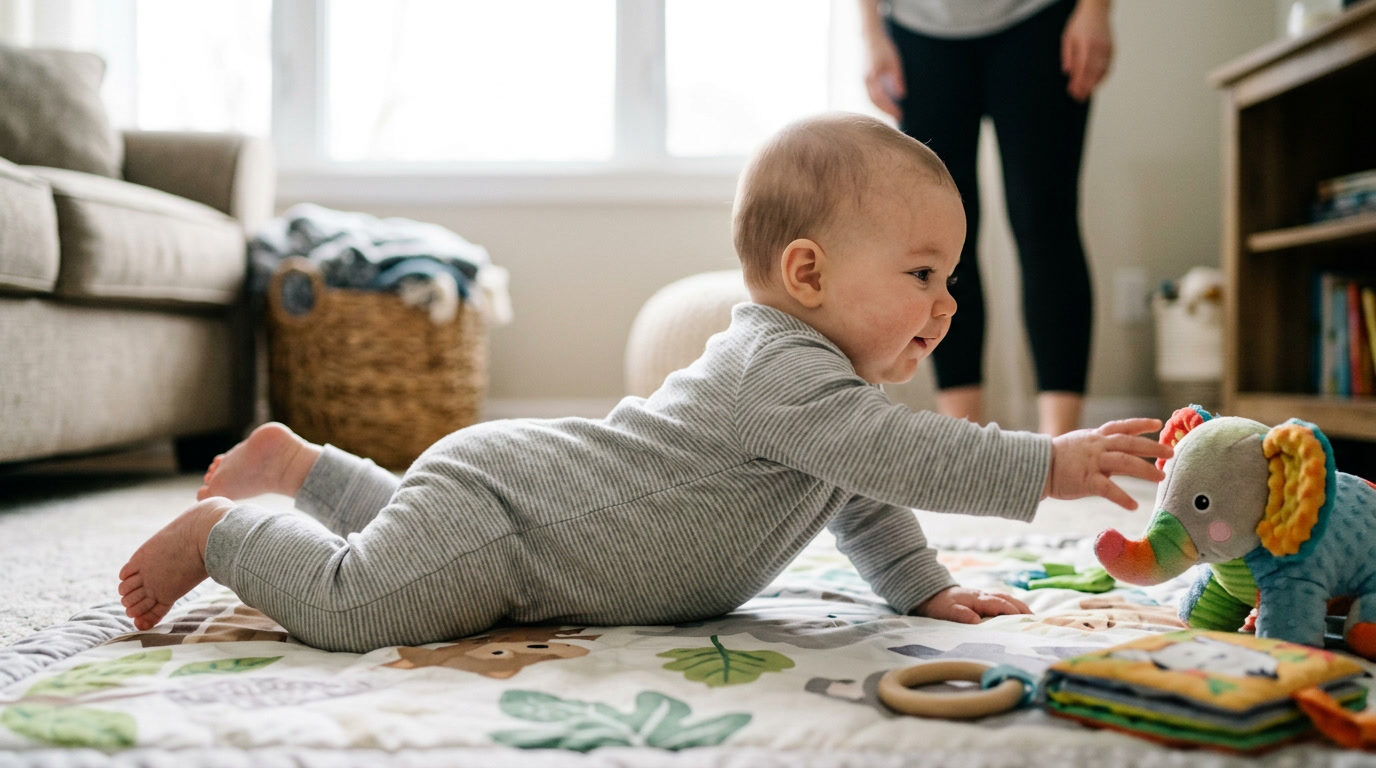
1. Rolling (3 to 6 months): Your baby discovers she can move her body through space. Core muscles start waking up. 2. Sitting independently (6 to 9 months): Once she can sit without support, her trunk is strong enough to start the next phase. Learning how to help your baby sit up properly sets the stage for everything that follows. 3. Pulling to stand (8 to 10 months): Your baby grabs onto furniture, a person, or anything nearby and hauls herself upright. This is often the first time parents start thinking "walking is coming." 4. Cruising (9 to 12 months): She moves sideways along furniture, shifting her weight from foot to foot. This is genuinely learning to walk, just with a safety rail. 5. Standing alone (10 to 12 months): Brief moments of standing without holding on. She may not even notice she is doing it at first. 6. First independent steps (9 to 18 months): Anywhere in this window is normal. The first steps are usually only two or three before she sits down. 7. Walking confidently (12 to 18 months): More steady, longer distances, starting to carry things while walking.
2. The Walking Timeline: What to Expect Month by Month
Most parents want a clear timeline, and I get it. Here is a practical breakdown of what is happening across the key months, with the understanding that your baby may be ahead of or behind any given point and still be completely fine.
6 to 8 months
Your baby is probably sitting or learning to sit. She loves bouncing on your lap and will bear weight on her legs if you support her. No walking skills yet, but the groundwork is being laid. Tummy time is still one of your most valuable tools here; it builds the back and shoulder strength that eventually feeds into upright movement.
8 to 10 months
This is often when pulling to stand begins. It can seem sudden. One week she is crawling; the next she is yanking herself up on the sofa and beaming at you. Falls are frequent during this phase because she has not yet worked out how to sit back down safely. Teach her to bend her knees and lower herself rather than toppling backward.
Babies who are great crawlers sometimes take a little longer to walk because crawling is so efficient for them. There is nothing wrong with this.
10 to 12 months
Cruising is often in full swing. Many babies are also trying to stand without holding on, even if only for a second or two. Some babies take their first steps right around the 12 month mark, which is why most people think of 12 months as "the" walking milestone. It is an average, not a deadline.
12 to 15 months
The majority of babies (roughly 75 percent, per the WHO growth study) are walking independently by 13 to 14 months. If your baby is walking by 15 months, she is well within the normal range. The gait at this stage is wonderfully chaotic: wide stance, arms out, lots of belly-first lurching. That is exactly right.
15 to 18 months
A smaller but completely normal group of children are still finding their walking feet up until 18 months. This is particularly common in babies who were later to crawl, babies with a bigger build, and in families where late walking runs in the genes.
3. How to Encourage Walking Without Overdoing It
You cannot make your baby walk before she is physically ready, but you absolutely can create an environment that makes it easier and more inviting for her to practice.
Floor time is everything
Babies who spend most of their day in bouncers, car seats, high chairs, or baby carriers have less opportunity to develop the muscle patterns and balance responses that walking requires. I am not saying those things are bad; they are practical necessities. But if you can build in two or three stretches of free floor time every day, you are giving your baby the raw material she needs.
Aim for a safe, uncluttered floor space where she can pull up, cruise, and fall without hitting sharp edges. Carpet gives her grip but also more resistance; hard floors (safe ones) are actually good for teaching balance because there is less friction and she has to work harder to control her movements.
Go barefoot whenever it is safe
I say this in clinic constantly: barefoot is best for new walkers. Your baby's feet have proprioceptors (sensory nerve endings) that send balance information to her brain every time she feels the texture of a surface. Shoes, especially thick-soled ones, mute that signal significantly.
Indoors, barefoot or in thin grip socks is ideal. Once your baby is walking outside on uneven surfaces, you will want a first walker shoe, but more on that in a moment.
What about walkers and push toys?
Baby walkers (the seated, wheeled kind) are actively discouraged by the American Academy of Pediatrics and have been banned in Canada since 2004. They delay walking, increase injury risk, and can cause accidents near stairs. Skip them entirely.
Push along toys are different and genuinely useful. A push walker that your baby stands behind and propels gives her real walking practice with a little stability backup. The key is that it moves at her speed, not faster.
Motivation matters
Babies walk toward things they want. A favourite toy placed just out of reach, a sibling on the other side of the room, or you crouching down and opening your arms all create the motivation to try. Walking is effortful and slightly scary at first. Your baby needs a reason to bother.
4. First Walker Shoes: What Your Baby Actually Needs
Once your baby is consistently walking outside, shoes become necessary, but this does not mean any shoe will do. Infant foot development is genuinely influenced by the footwear you choose, and the research here is pretty clear.
What paediatricians actually recommend
The American Academy of Pediatrics advises that first shoes should be flexible (you should be able to bend them easily), lightweight, and have a non-slip sole. A wide toe box matters enormously because babies' toes need room to splay and grip. Ankle support sounds logical but is not actually needed for typical walkers; the ankle gains stability through muscle development, not bracing.
What you are looking for:
What to avoid:
Getting the fit right
Measure both feet; one is often slightly larger. You want about a thumb's width between the longest toe and the end of the shoe. Check the fit every 6 to 8 weeks because baby feet grow faster than you expect.
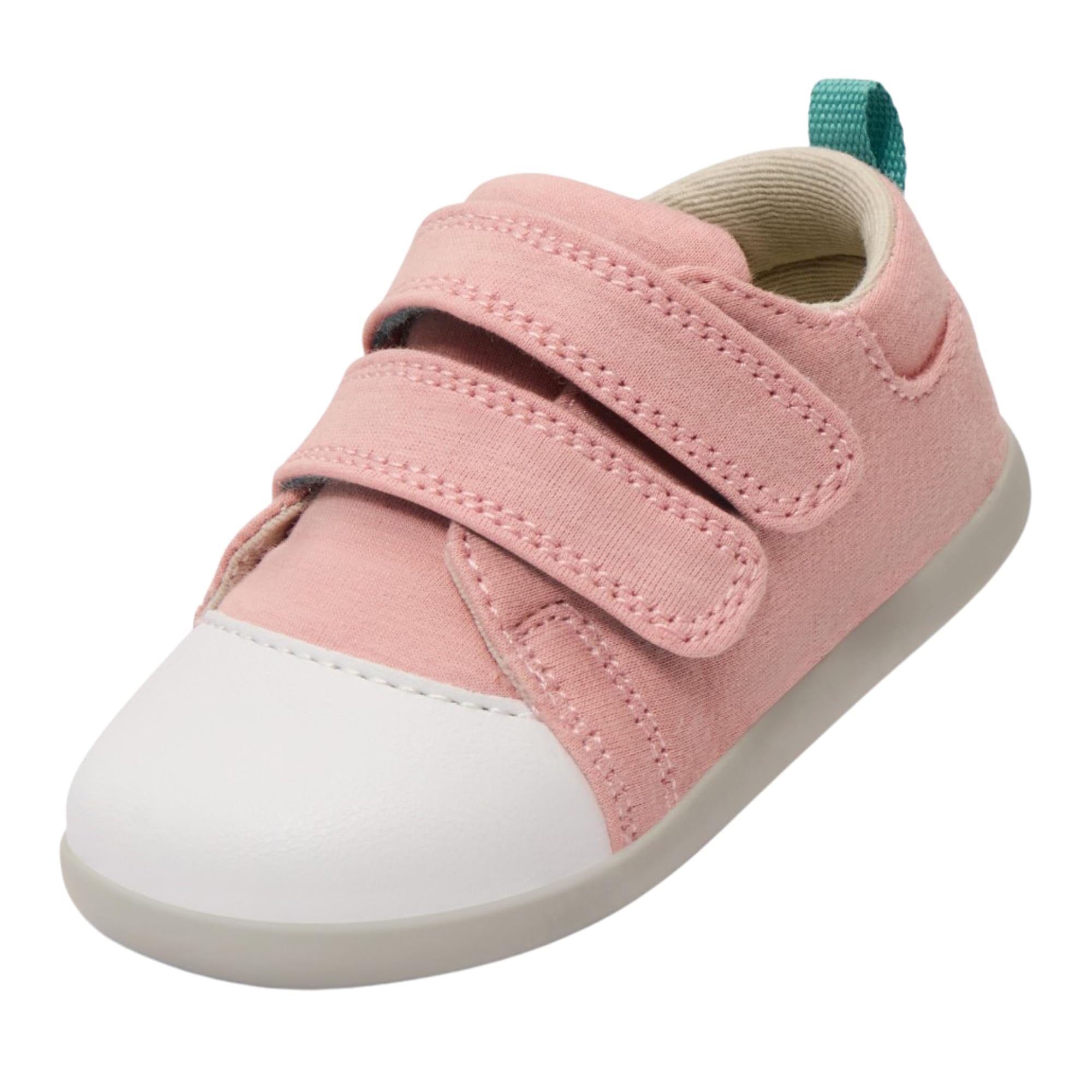
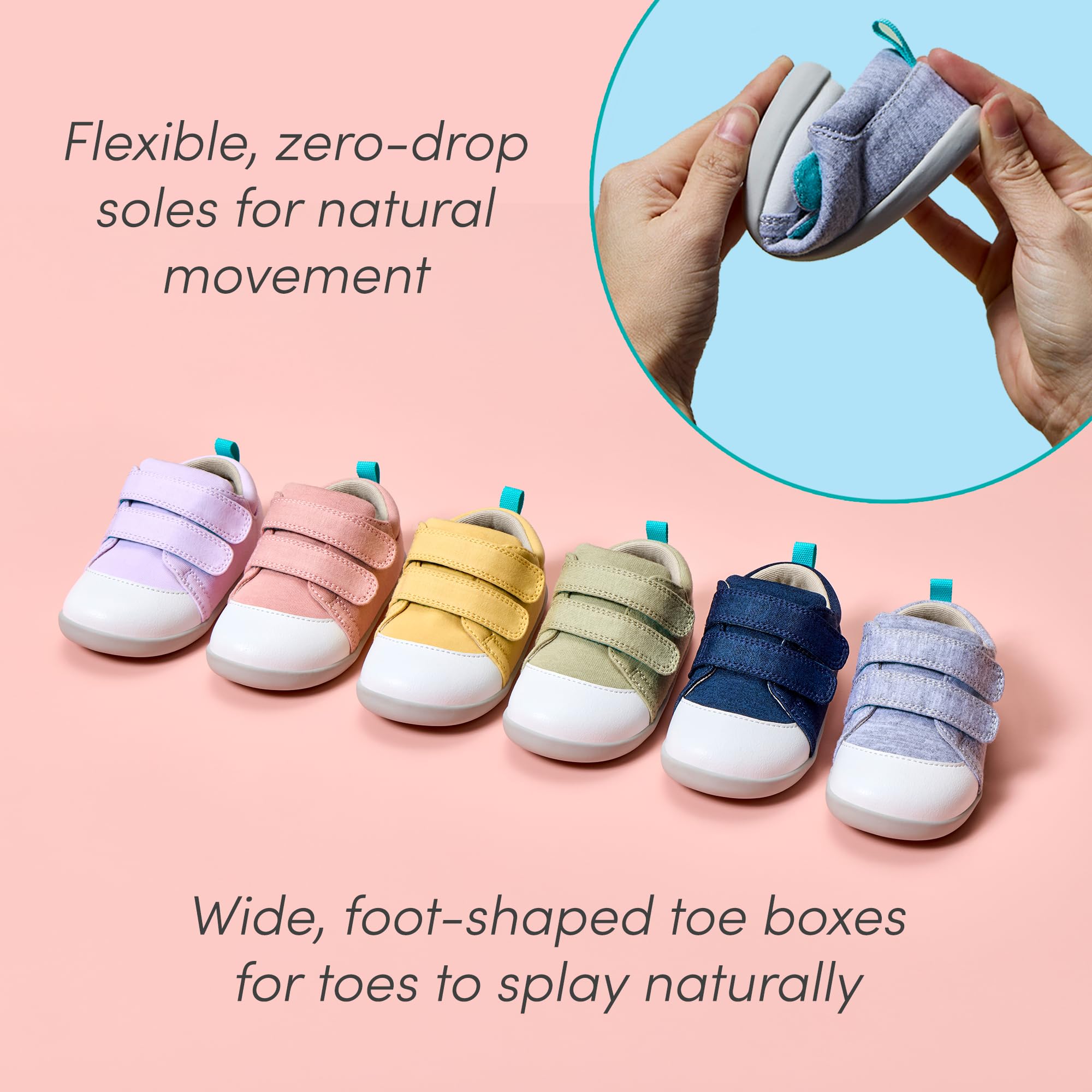

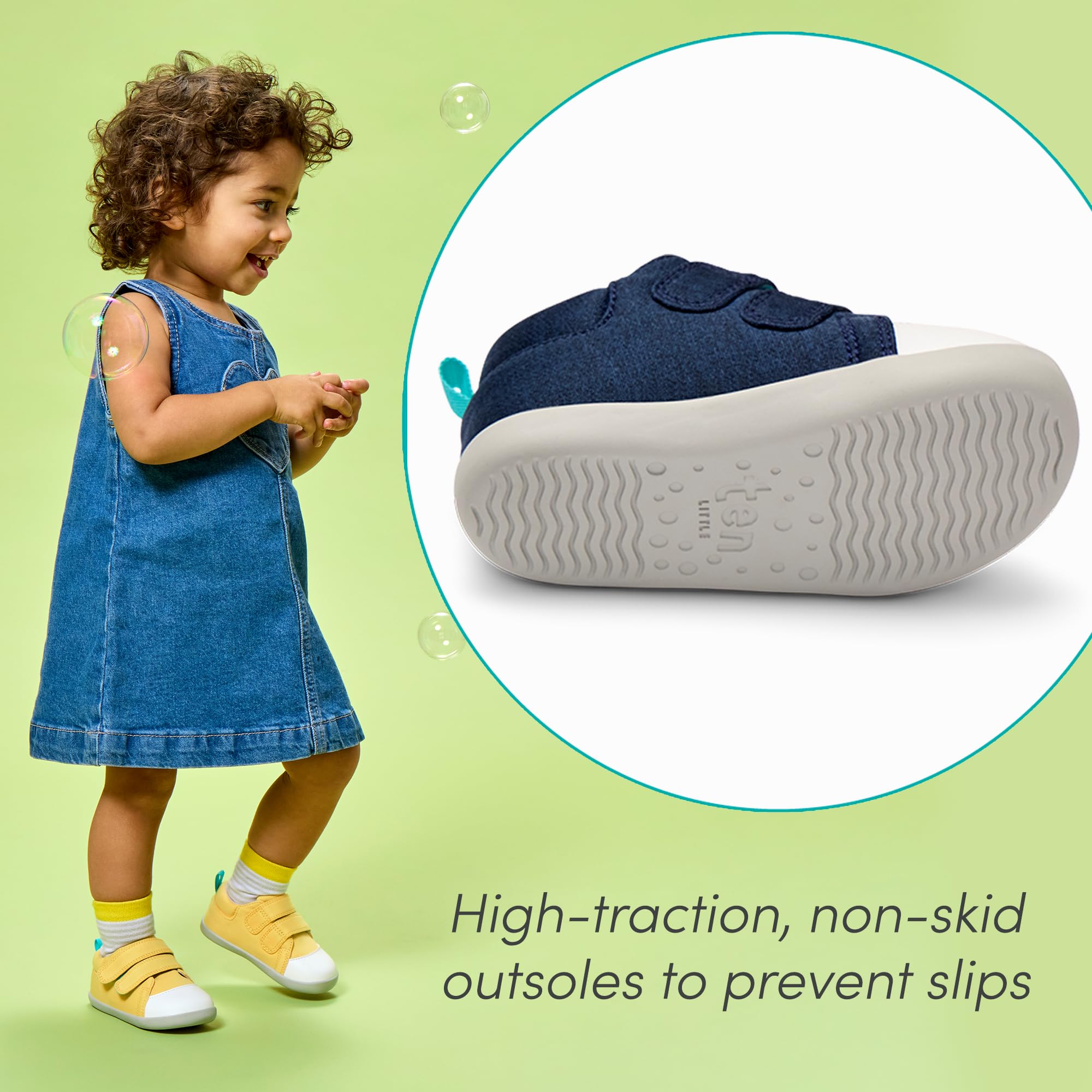
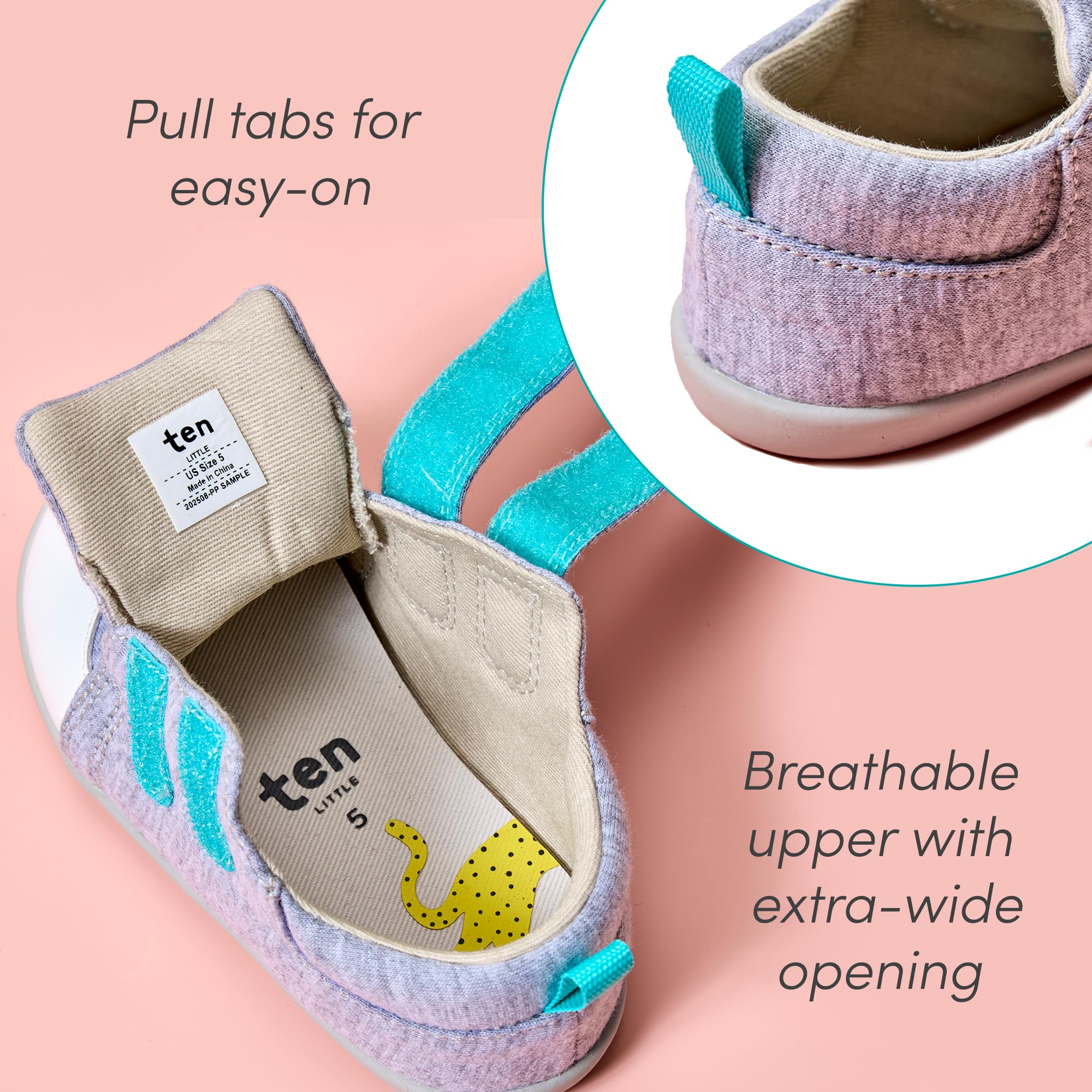
Ten Little First Walker Baby Shoes & Toddler Shoes for Boys & Girls - Lightweight, Breathable Cotton Baby Walking Shoes - Non-Slip, Wide-Feet Walking Shoes for Babies
- Clothing, Shoes & Jewelry
- Image Unavailable Image not available forColor:
- Ten Little First Walker Toddler Shoes Extra Wide OpeningTen Little
The Ten Little First Walker is one of the best options I have come across for babies at the very start of walking. The extra wide opening makes it possible to get the shoe on a squirming baby (no small thing), and the wide toe box gives toes real room to splay. At 4.9 stars from verified buyers, parents consistently report that their babies seem comfortable in them from day one, which is the best endorsement a first shoe can get.
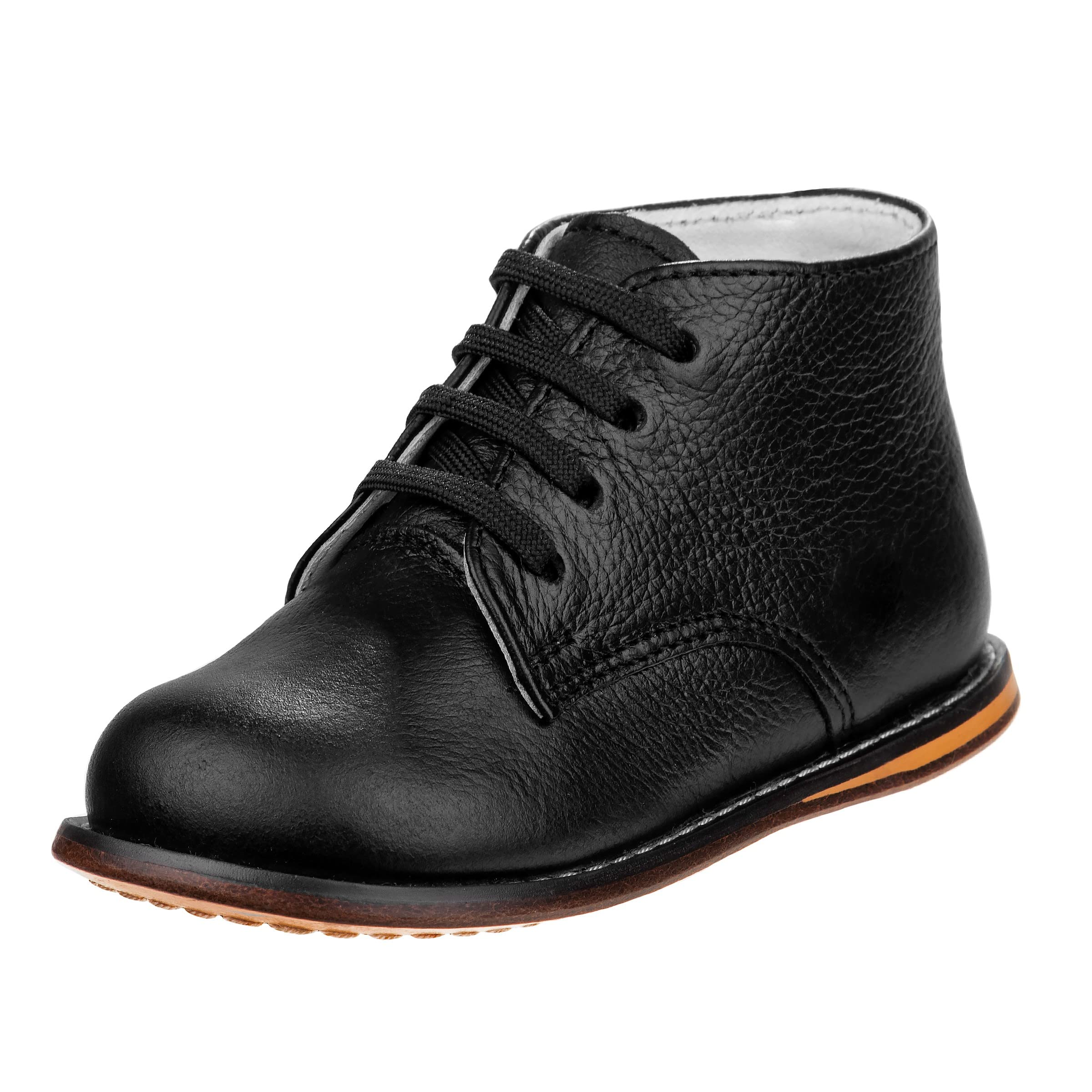
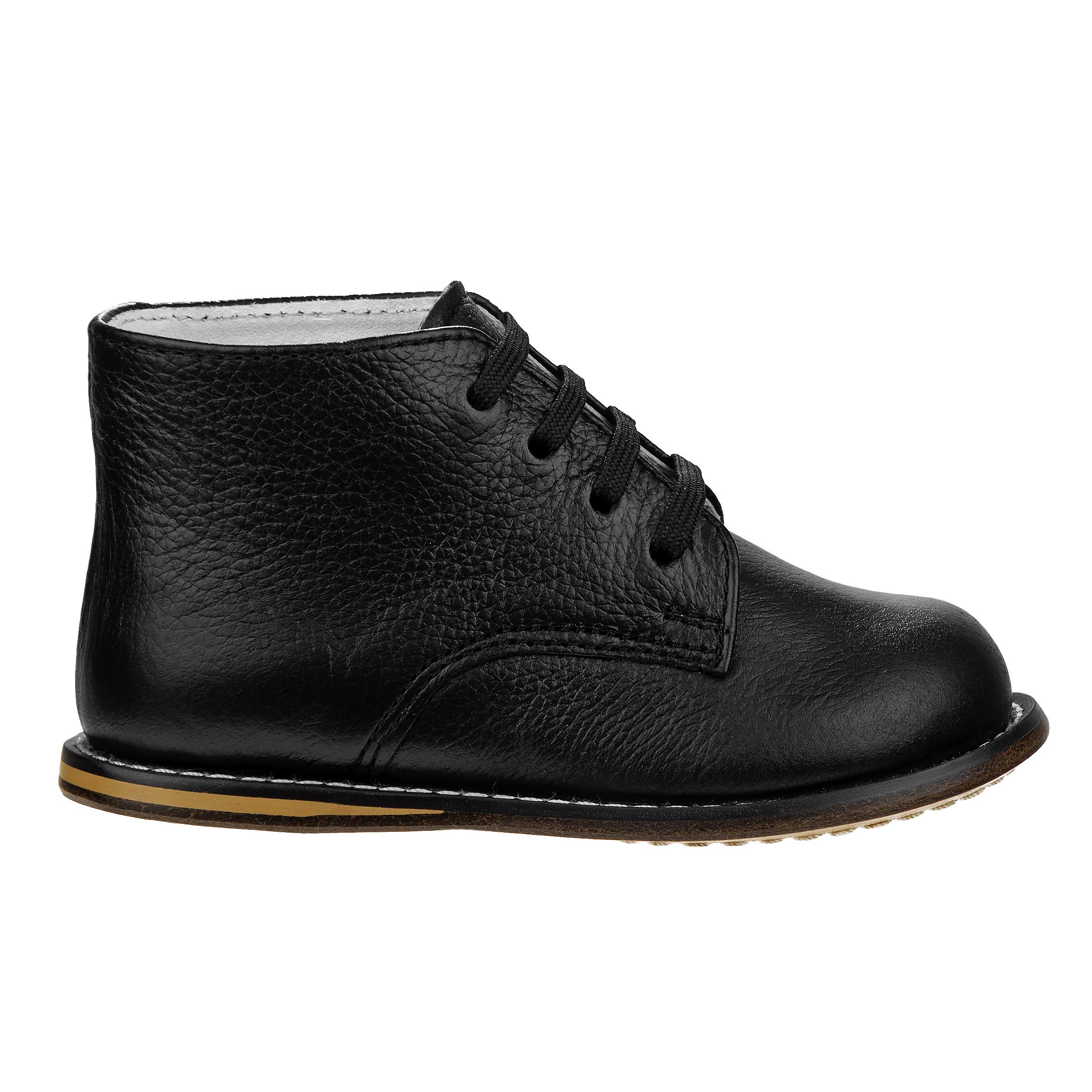
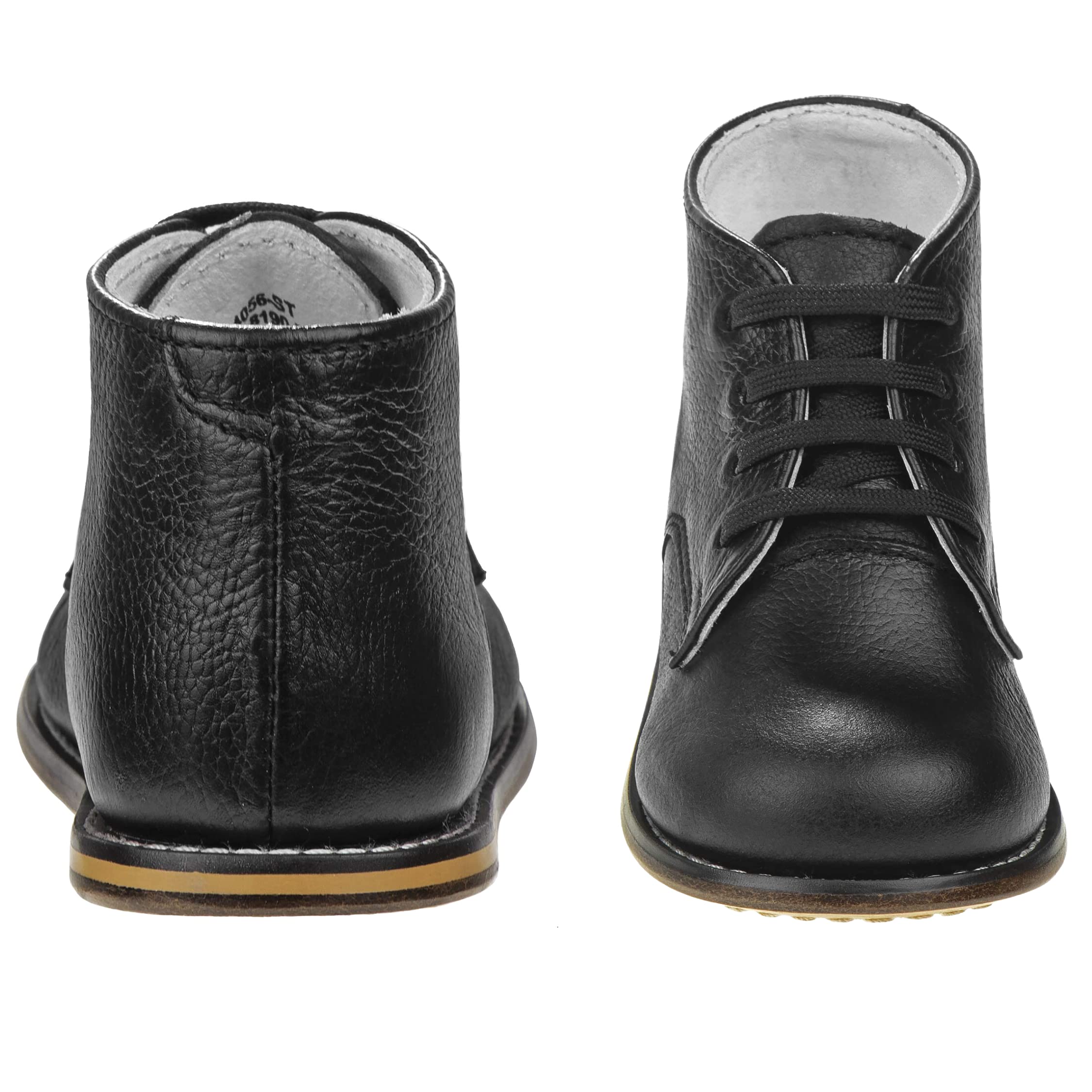
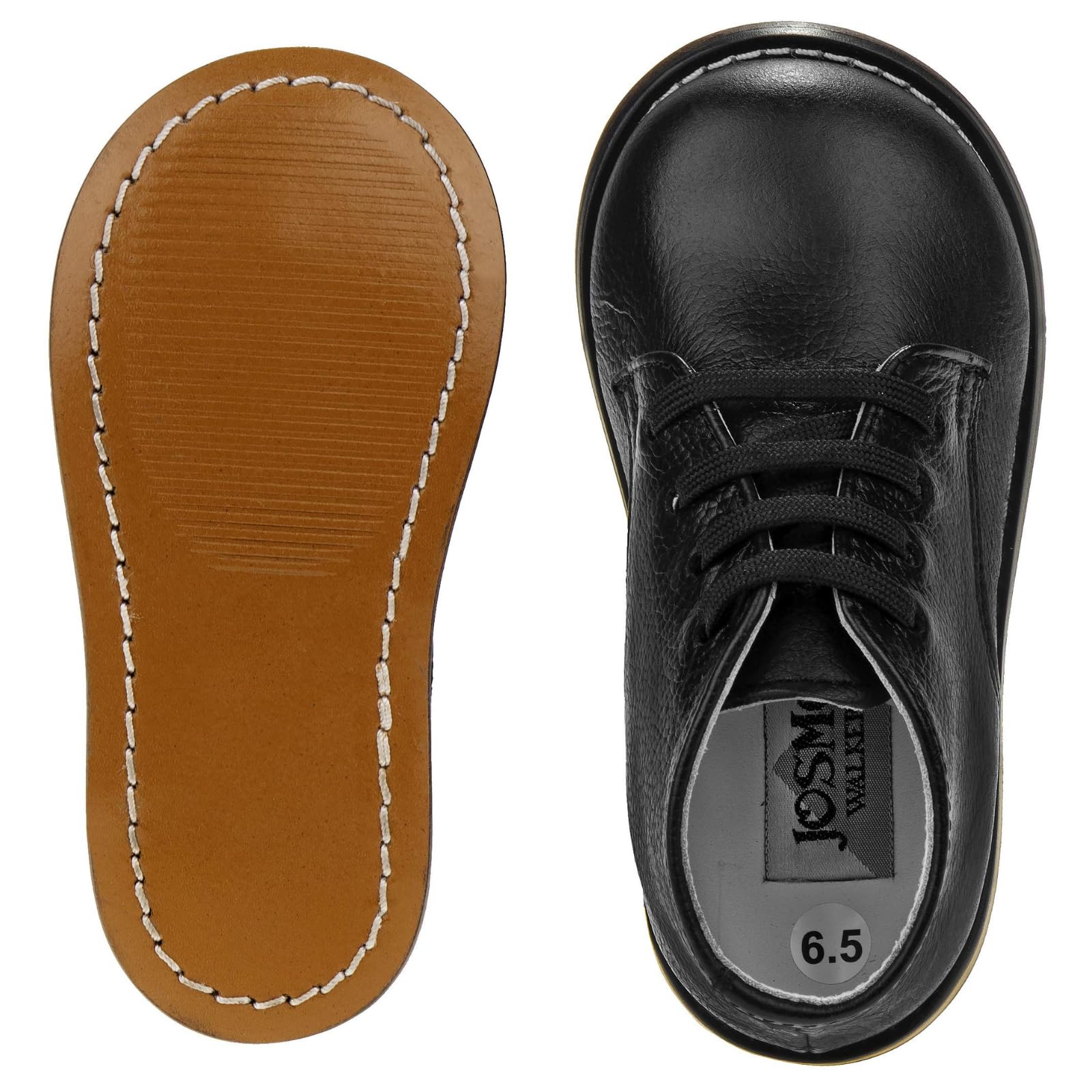
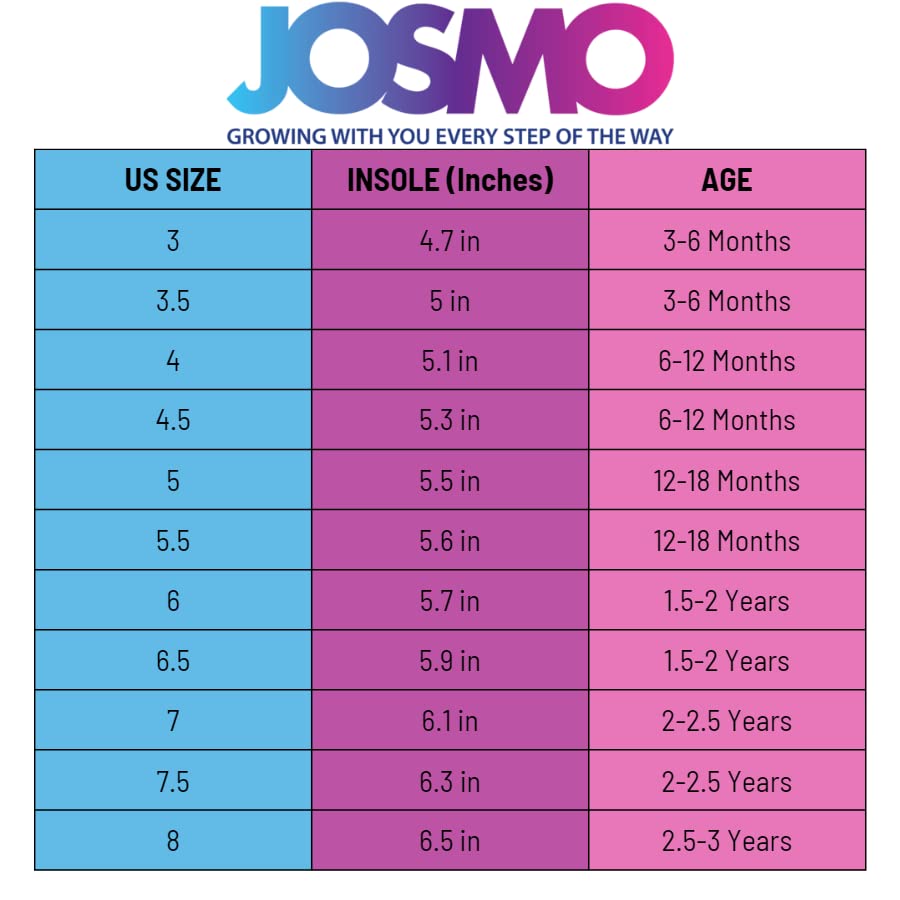
Josmo Baby Unisex Walking Shoes First Walker, Baby First Walk Training Shoes
- Clothing, Shoes & Jewelry
- Baby Girls
- Image Unavailable Image not available forColor:
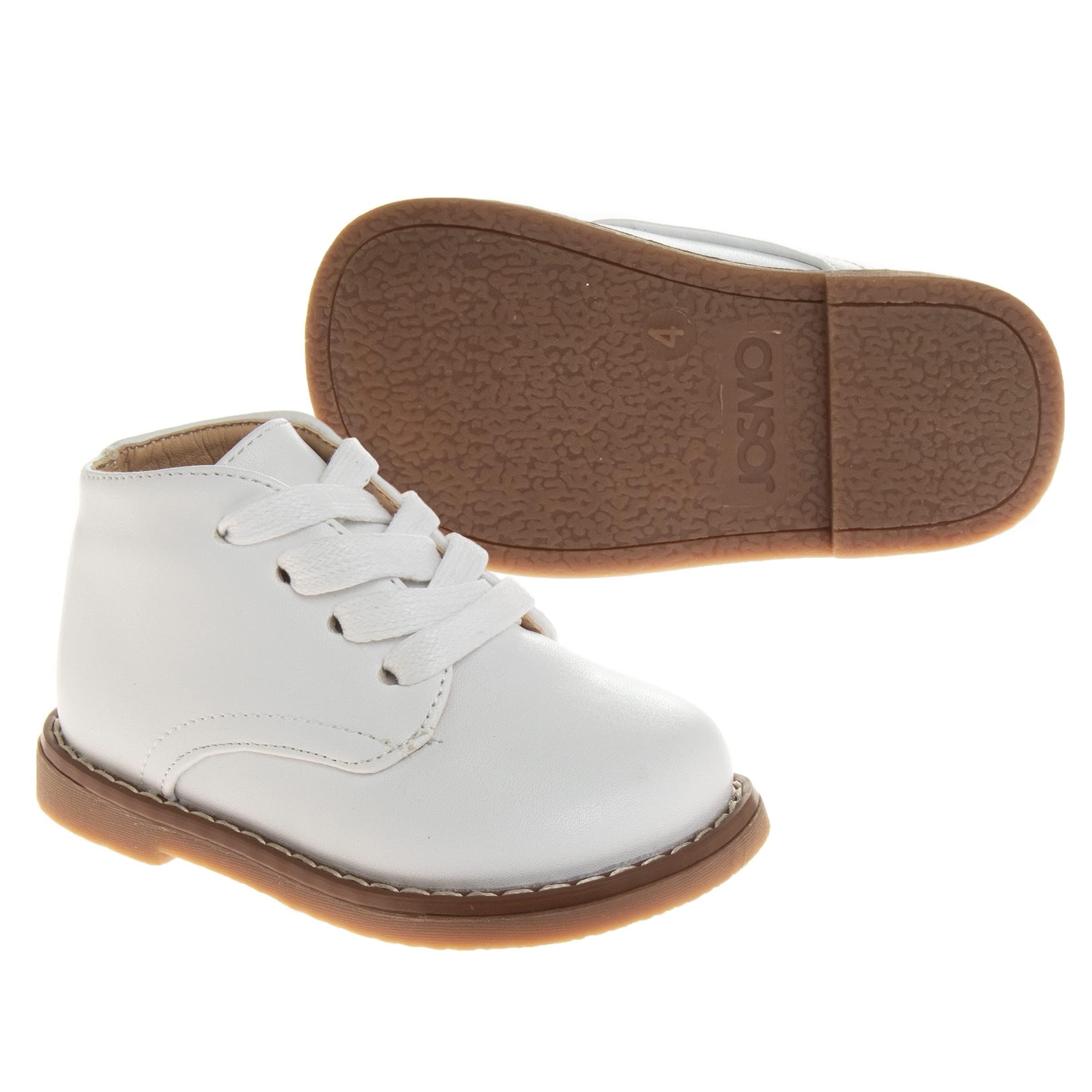
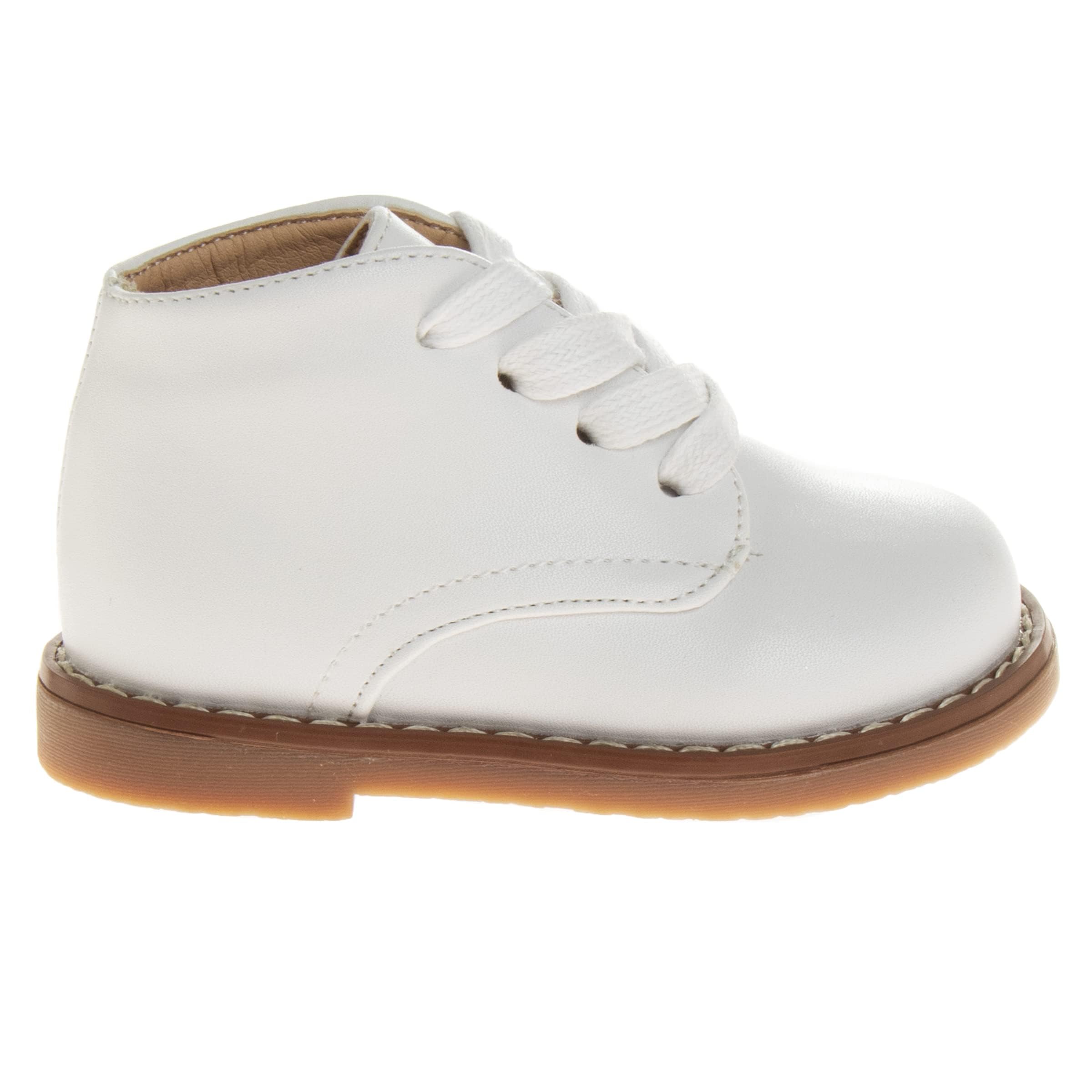
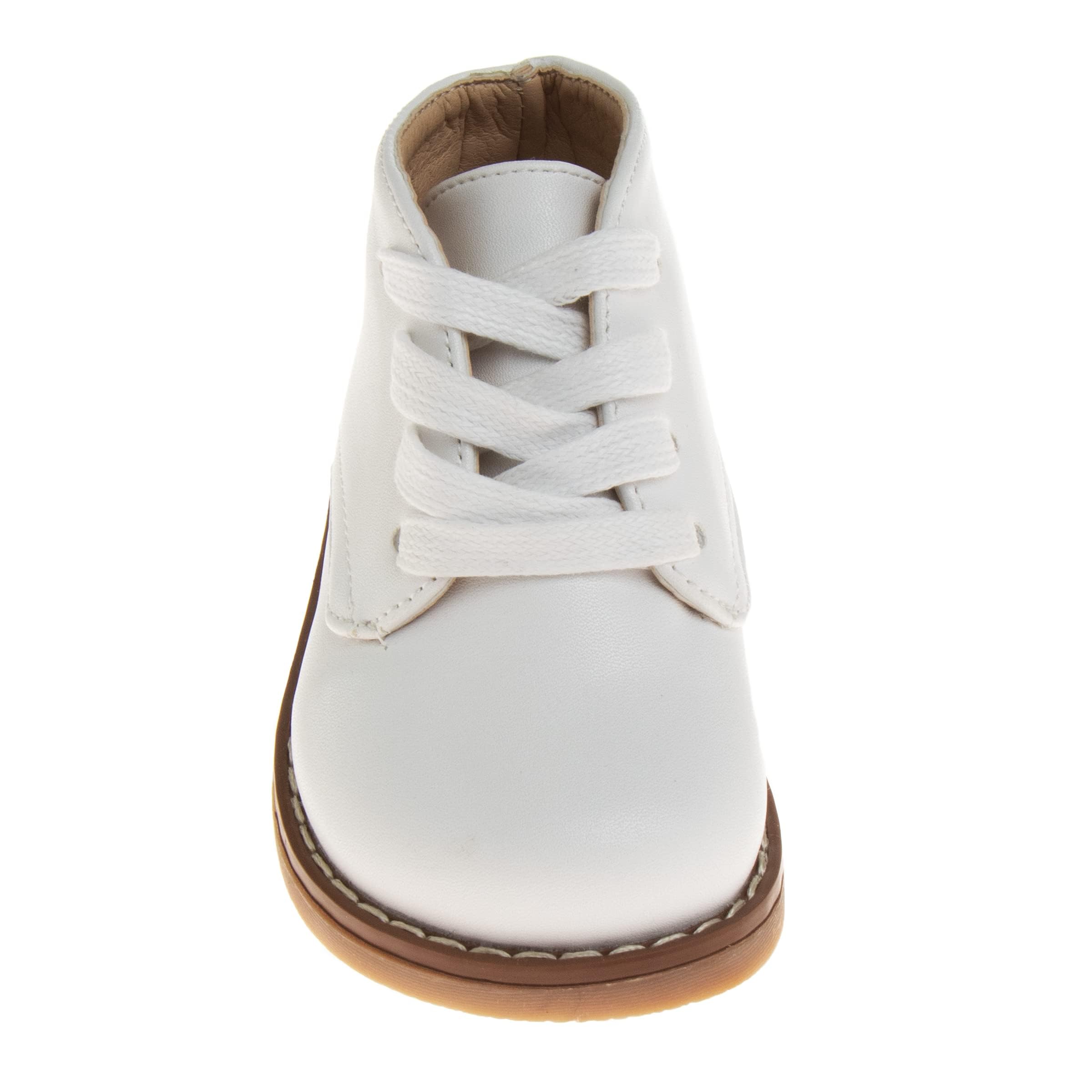
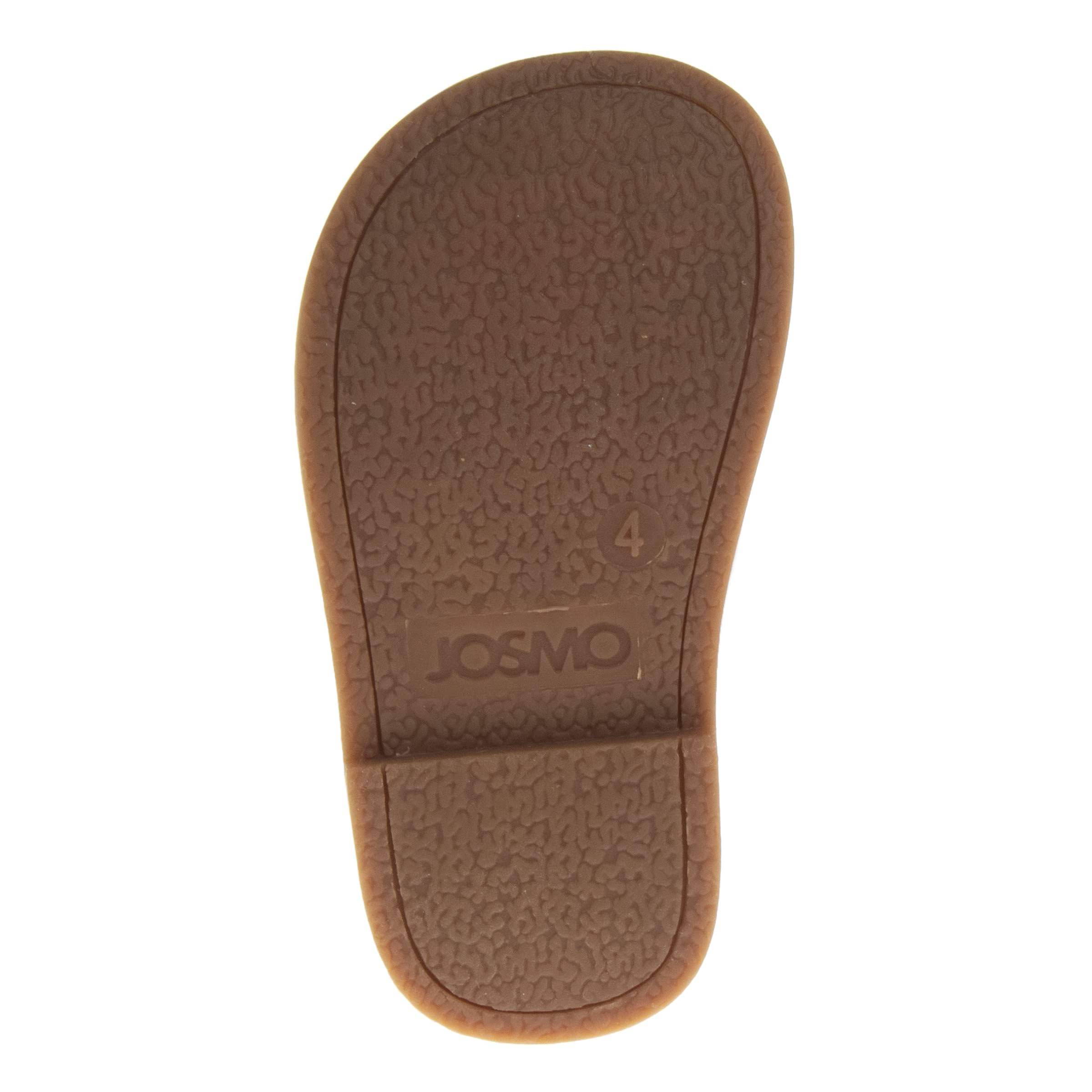
For parents who want a well-known brand with a strong track record, the Josmo Baby First Walker offers good flexibility and a classic fit at a mid-range price. The non-slip sole works well on both indoor and outdoor surfaces.

JOSMO Baby Boys Girls Unisex Walking Shoes First Step Walker Lightweight Synthetic Non-Slip High top (Infant-Toddler)
- Clothing, Shoes & Jewelry
- Image Unavailable Image not available forColor:
- See available options
If your baby has a narrower foot or you want a high top option for a bit more ankle coverage (useful in colder months when they are walking in layers), the Josmo High Top First Walker is worth a look. It is lightweight for a high top, which is the main concern with that style.
5. Budget-Friendly First Walkers: Good Shoes Do Not Have to Cost a Fortune
Baby shoes wear out, grow out of, or get lost with impressive speed. Spending a lot on each pair is genuinely not necessary, and there are solid options at every price point.
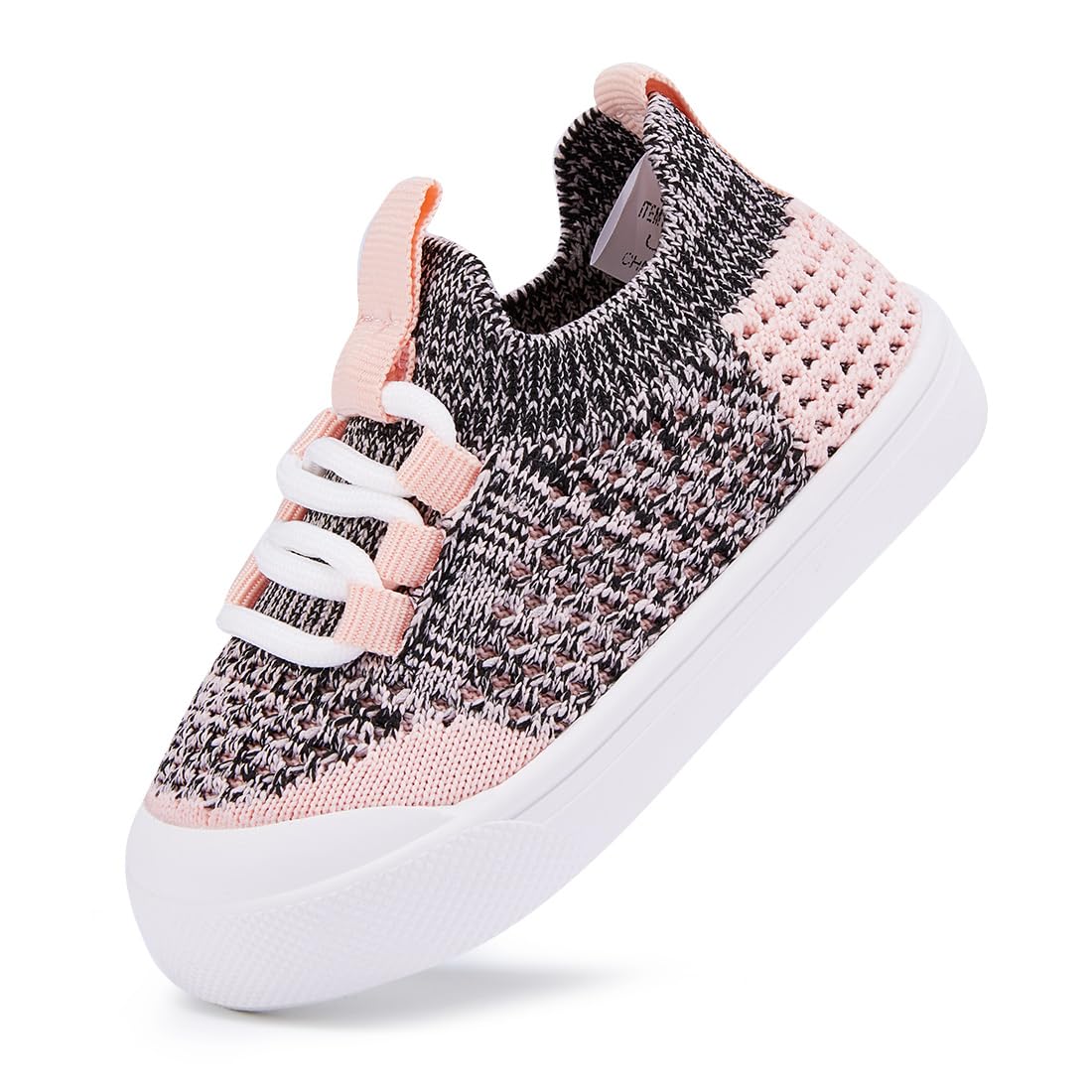
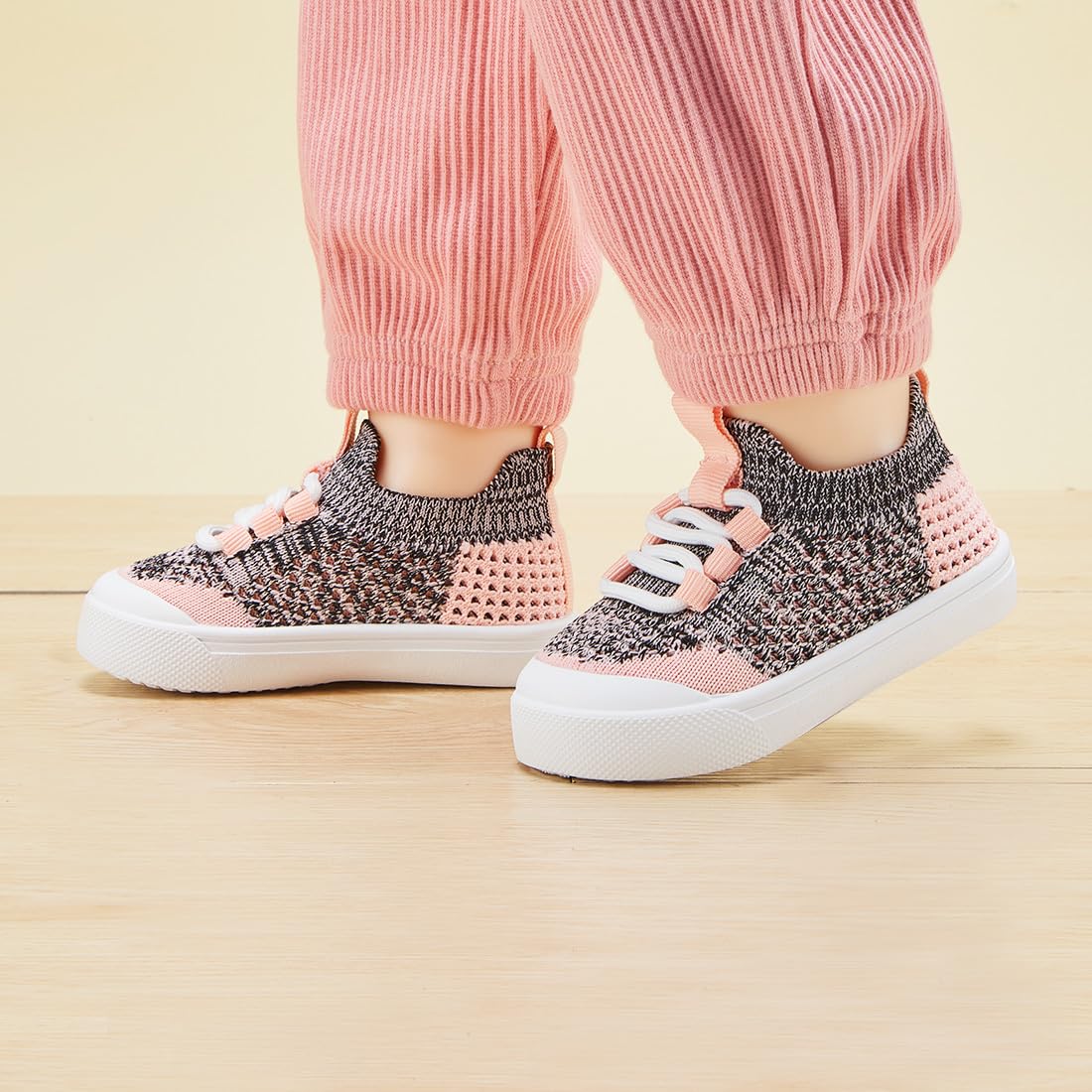
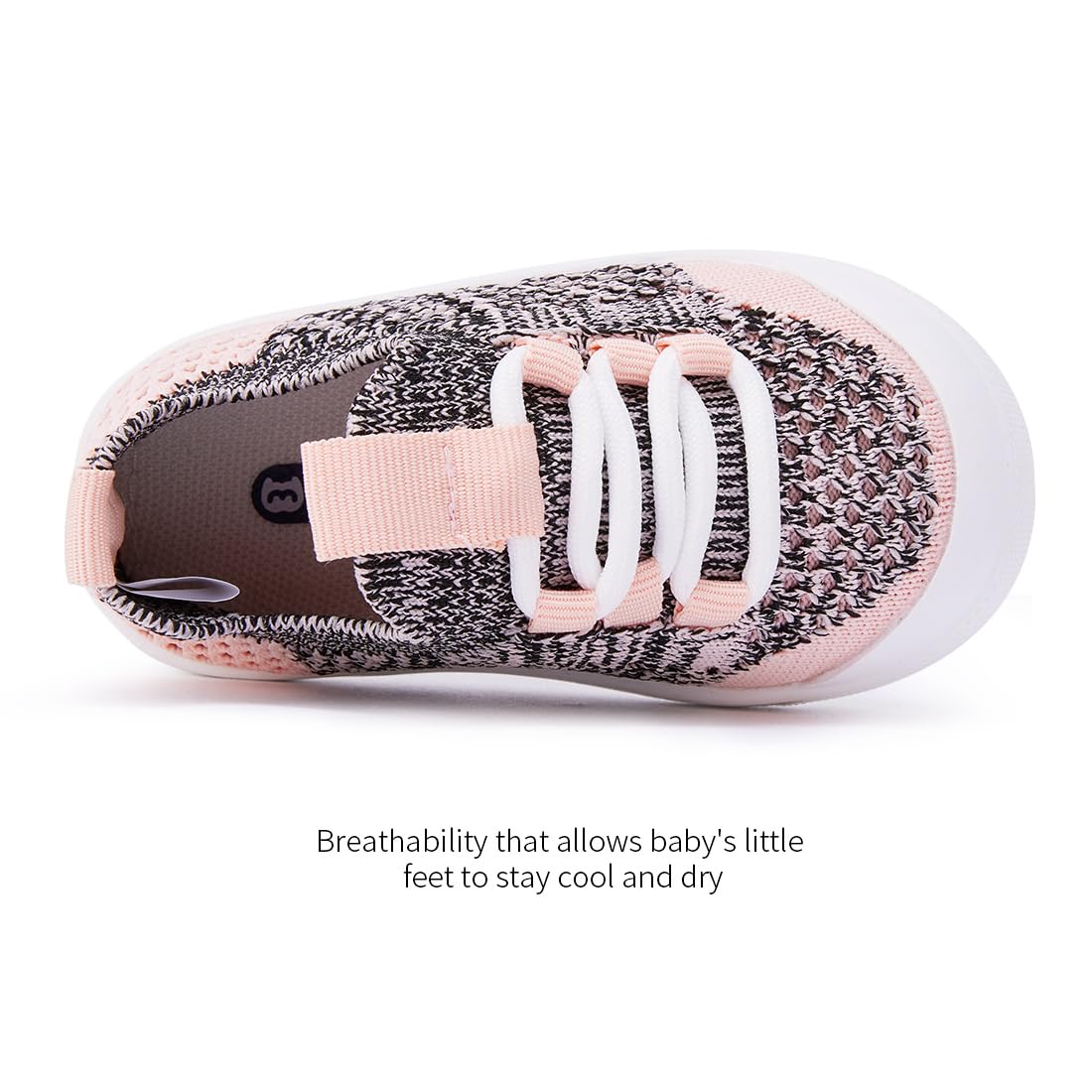
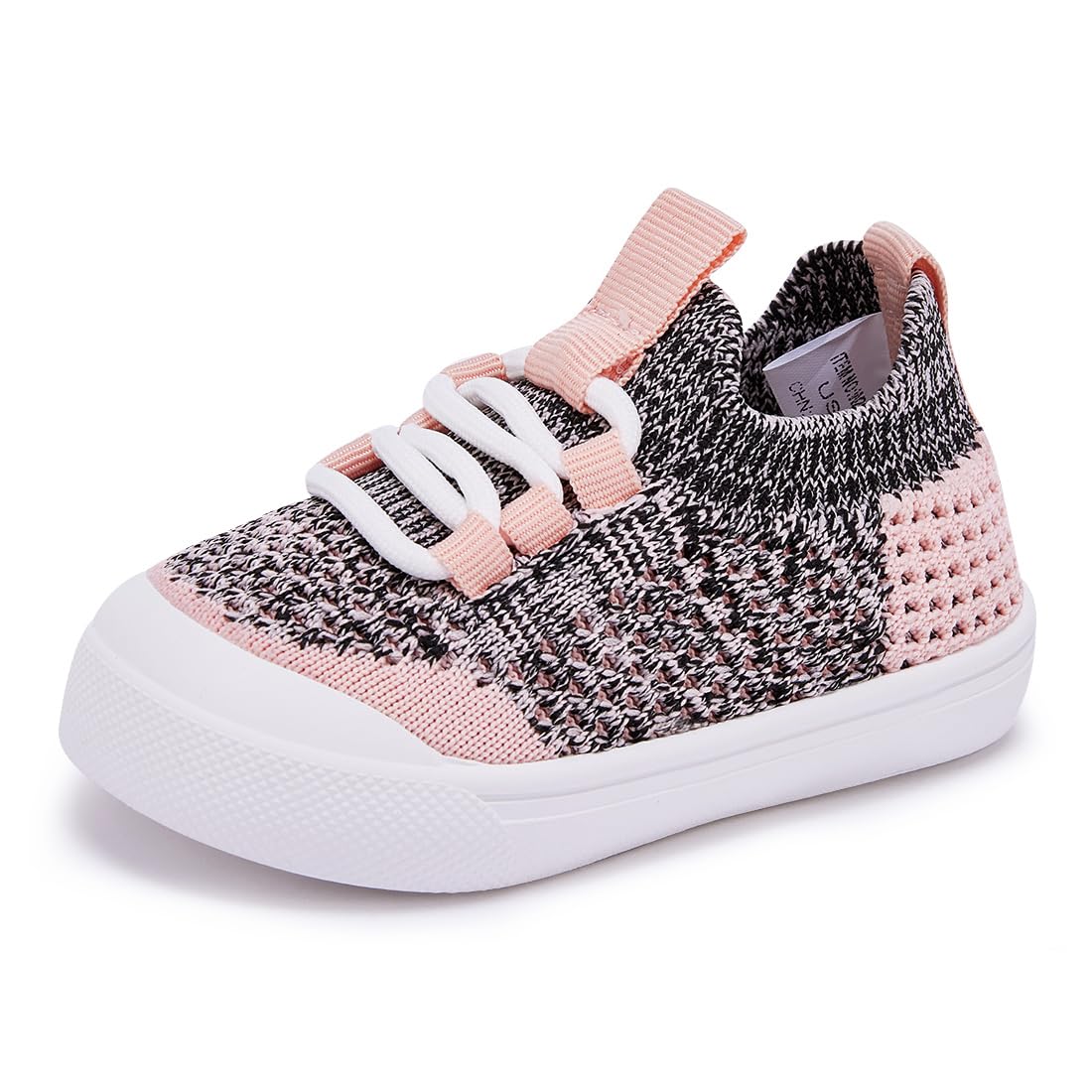

BMCiTYBM Baby Shoes Boy Girl Infant Sneakers Non-Slip First Walkers 6 9 12 18 24 Months
- Clothing, Shoes & Jewelry
- Baby Girls
- Image Unavailable Image not available forColor:
The BMCiTYBM infant sneakers are one of the highest-rated budget options available, with over 8,900 reviews and a 4.5 star average. They come in sizes from 6 to 24 months, have a non-slip sole, and are light enough that you can barely feel them in your hand. For the price, they are excellent.
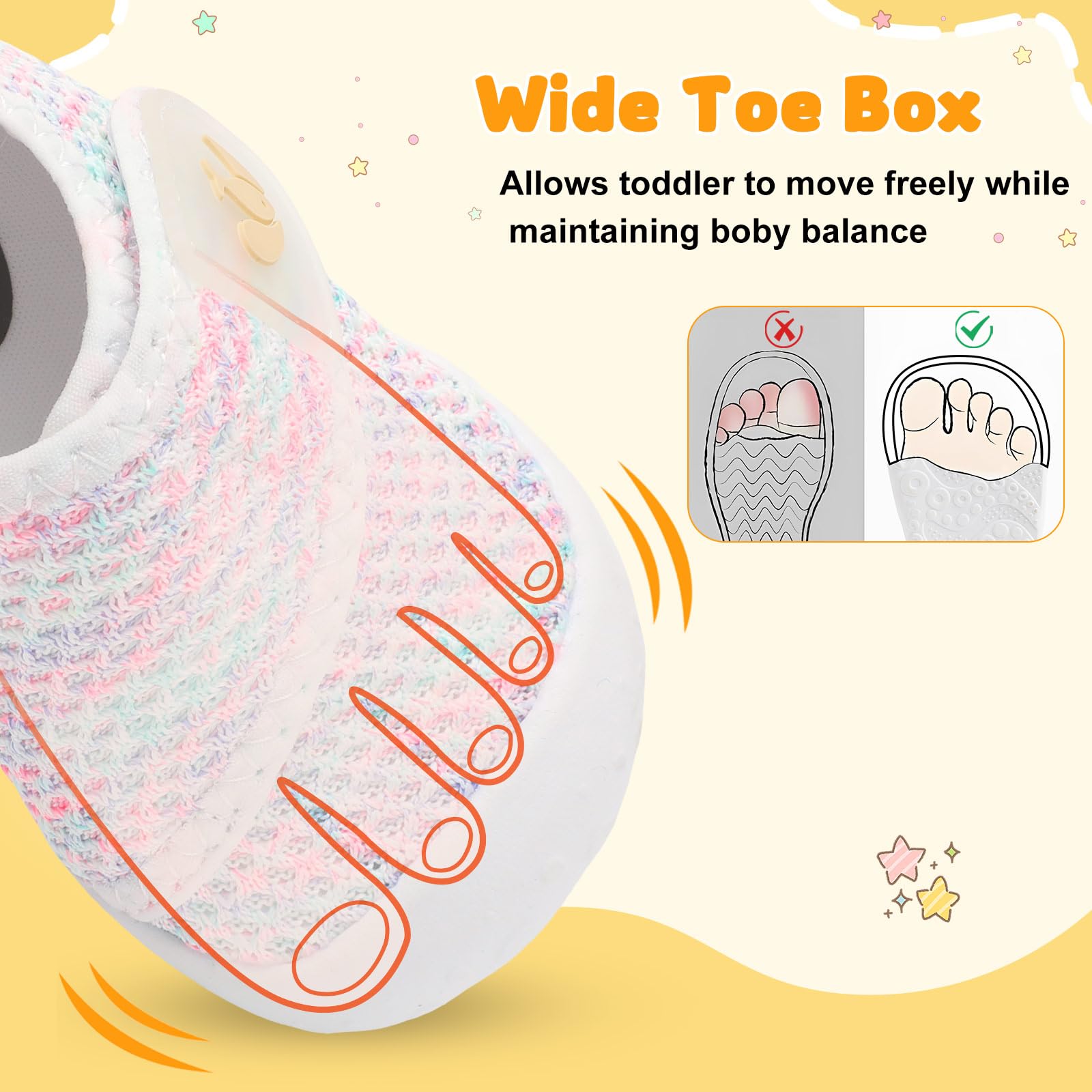
FEETCITY Baby First Walking Shoes Wide Baby Shoes Infant Sneakers Newborn Crib Shoe Barefoot Lightweight Slip On Shoe
- Clothing, Shoes & Jewelry
- Image Unavailable Image not available forColor:
- Wide Baby Walking ShoesFEETCITY
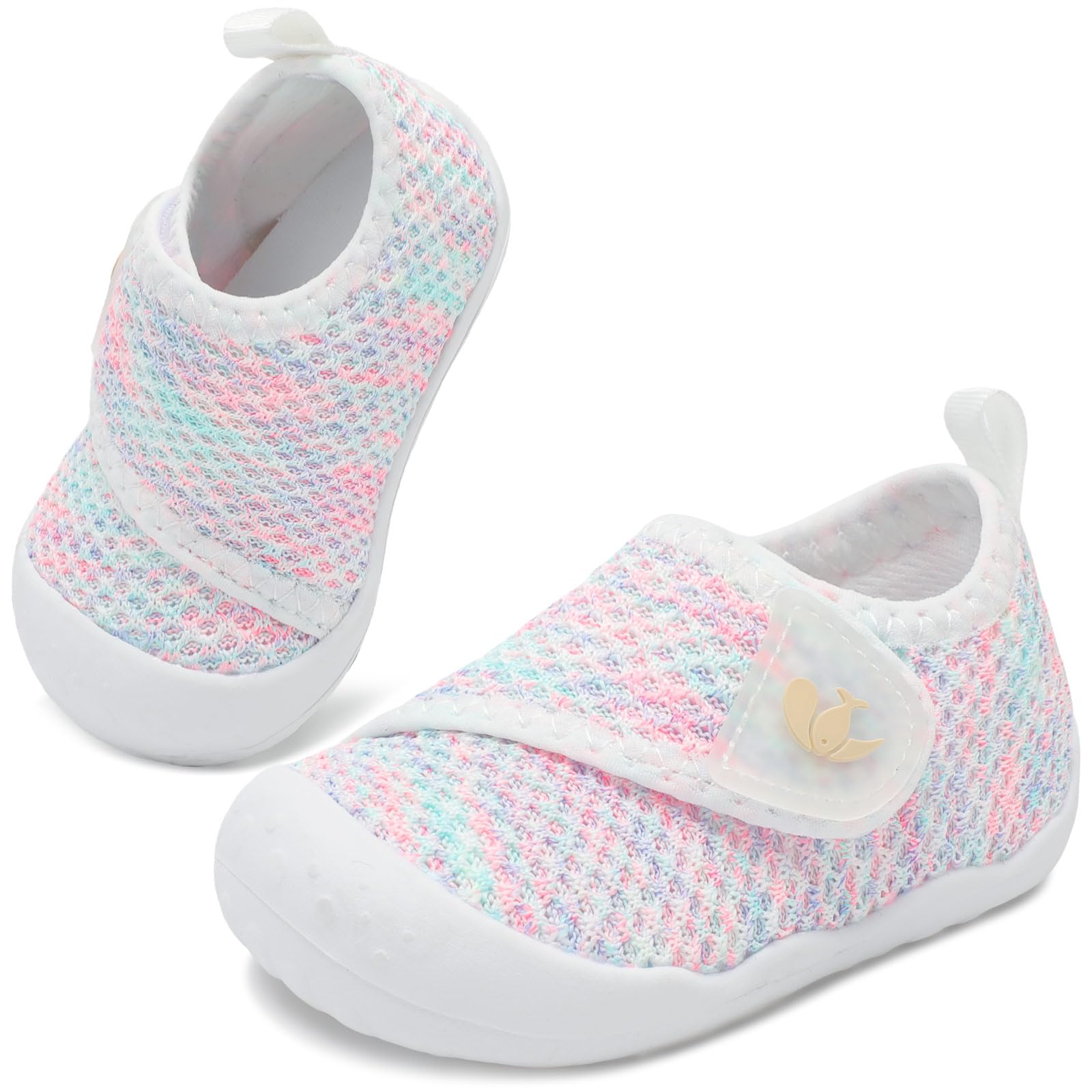
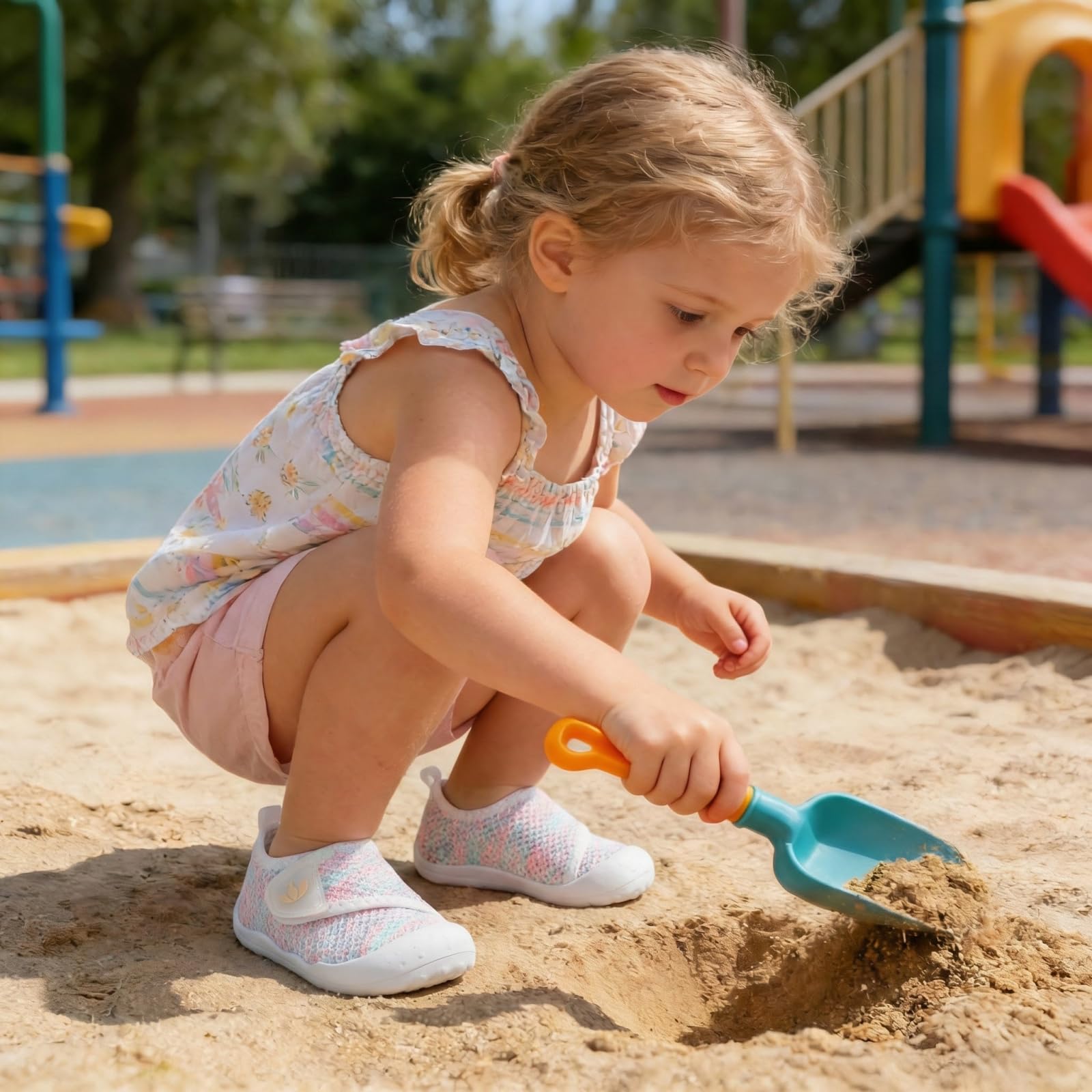
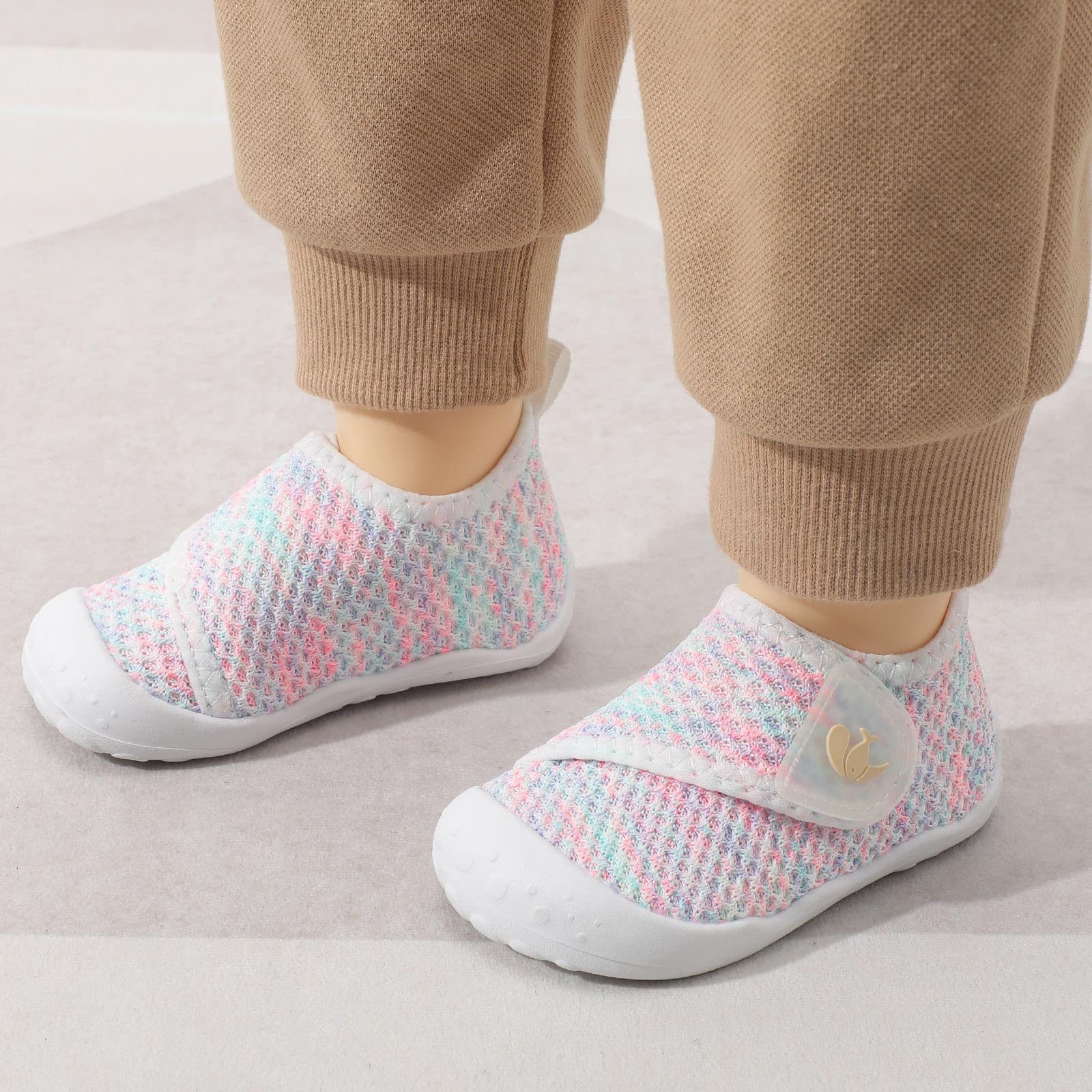
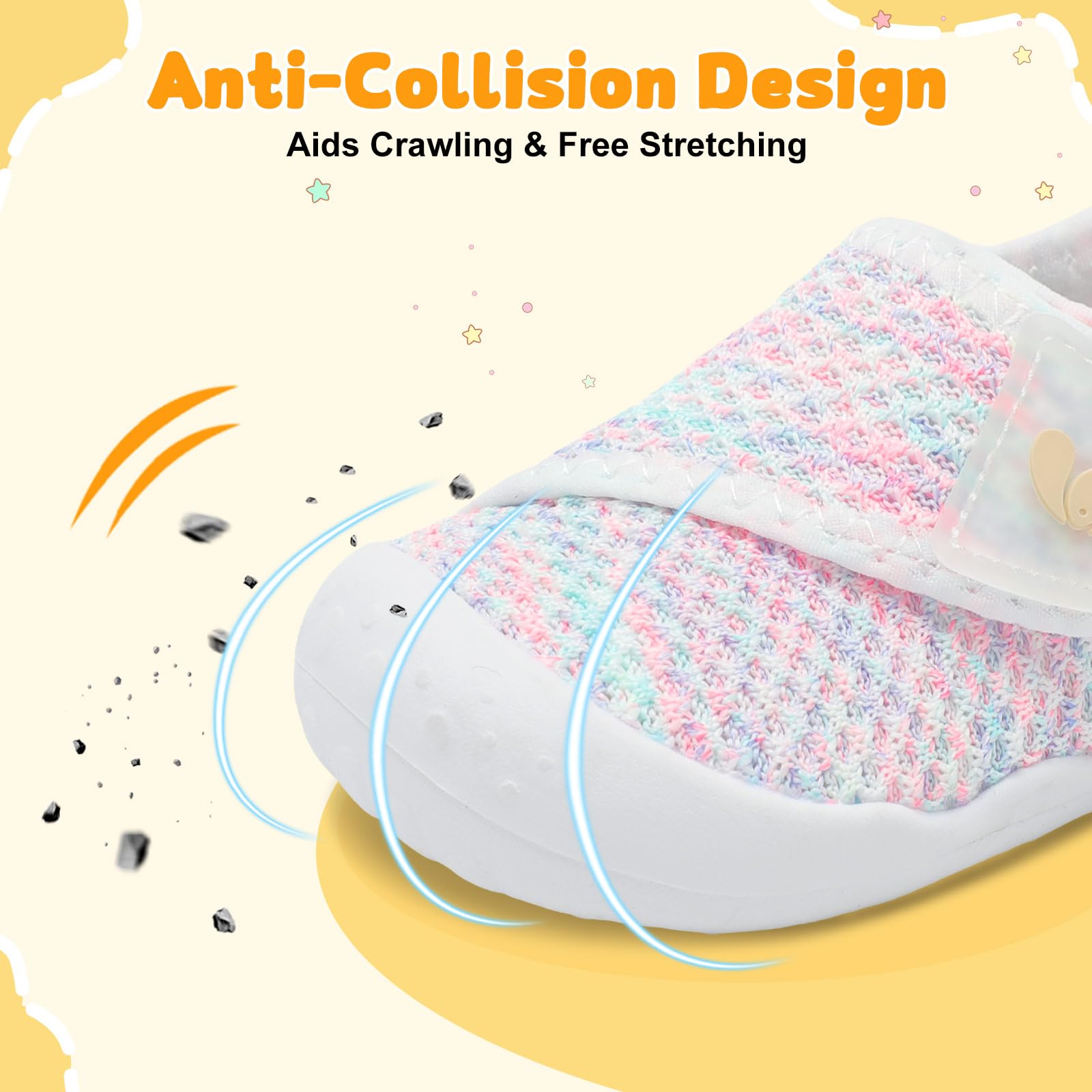
The FEETCITY Baby Walking Shoes take the barefoot philosophy seriously: they are genuinely lightweight and wide, which makes them one of the better "close to barefoot" options at a very accessible price. Parents of babies with wider feet report a particularly good fit.
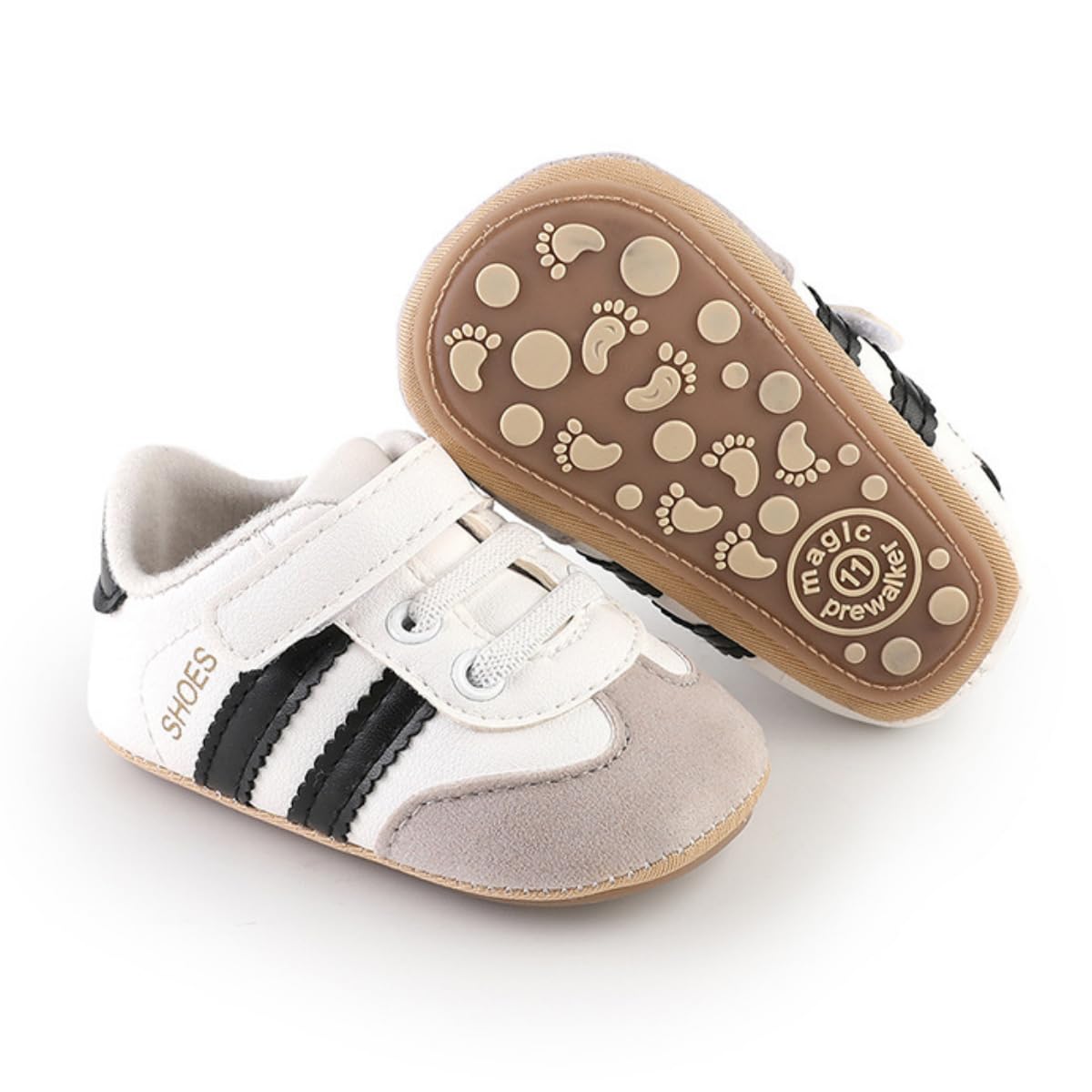
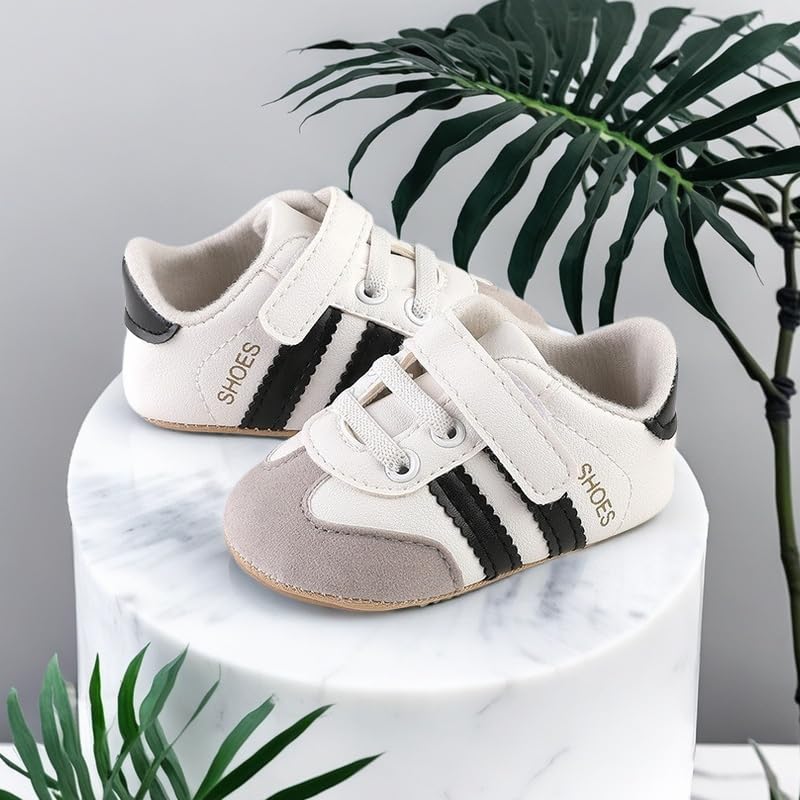
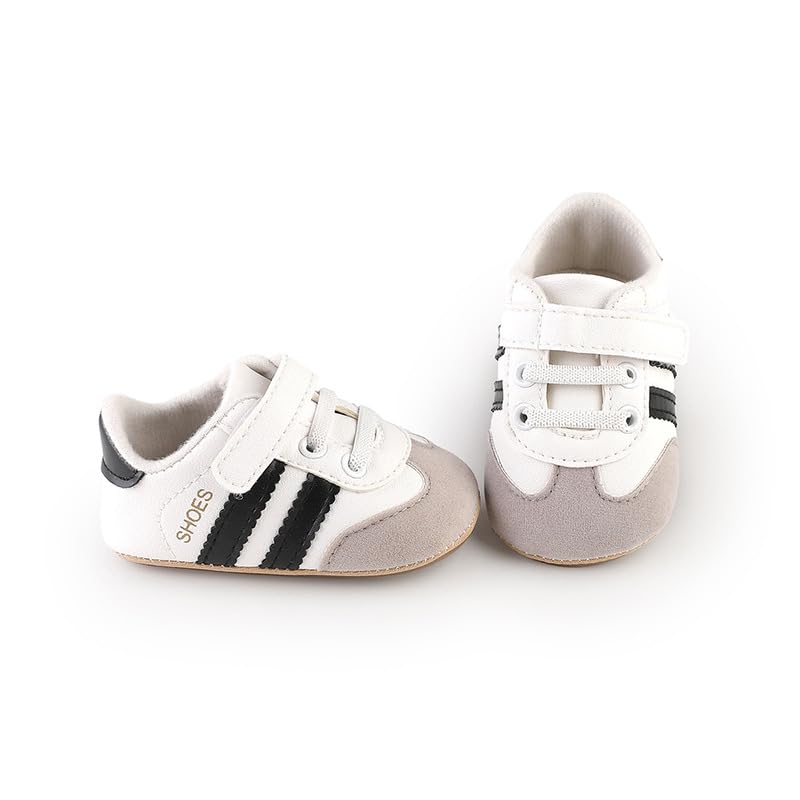
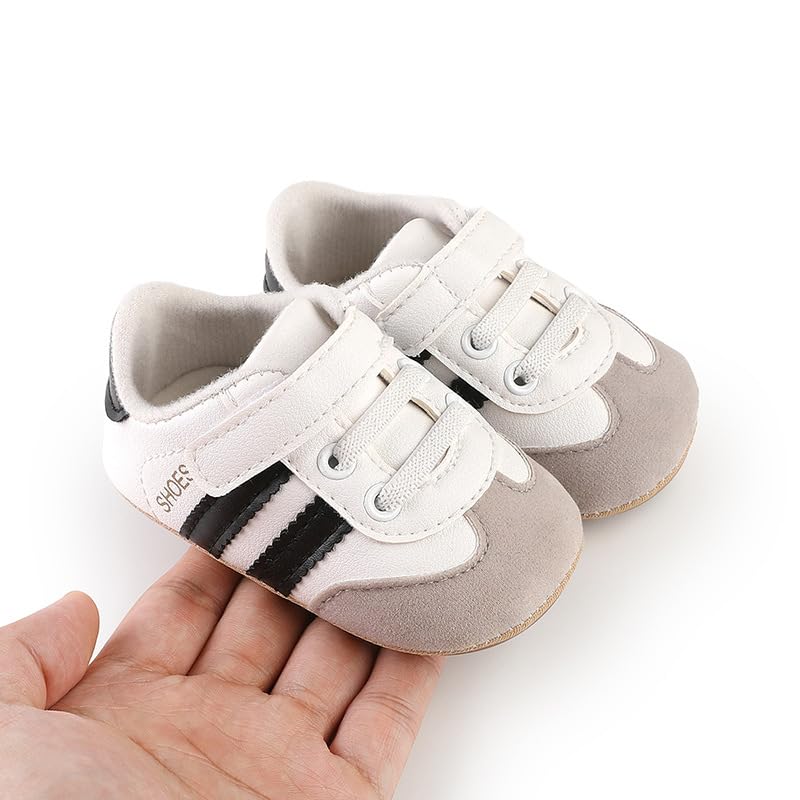
Newbron Baby Boys Girls Retro Sneakers Pu Leather Rubber Sole Walking Shoes Toddler Non-Slip First Walkers Infant Slippers Crib Shoes
- Clothing, Shoes & Jewelry
- Image Unavailable Image not available forColor:
- See available options
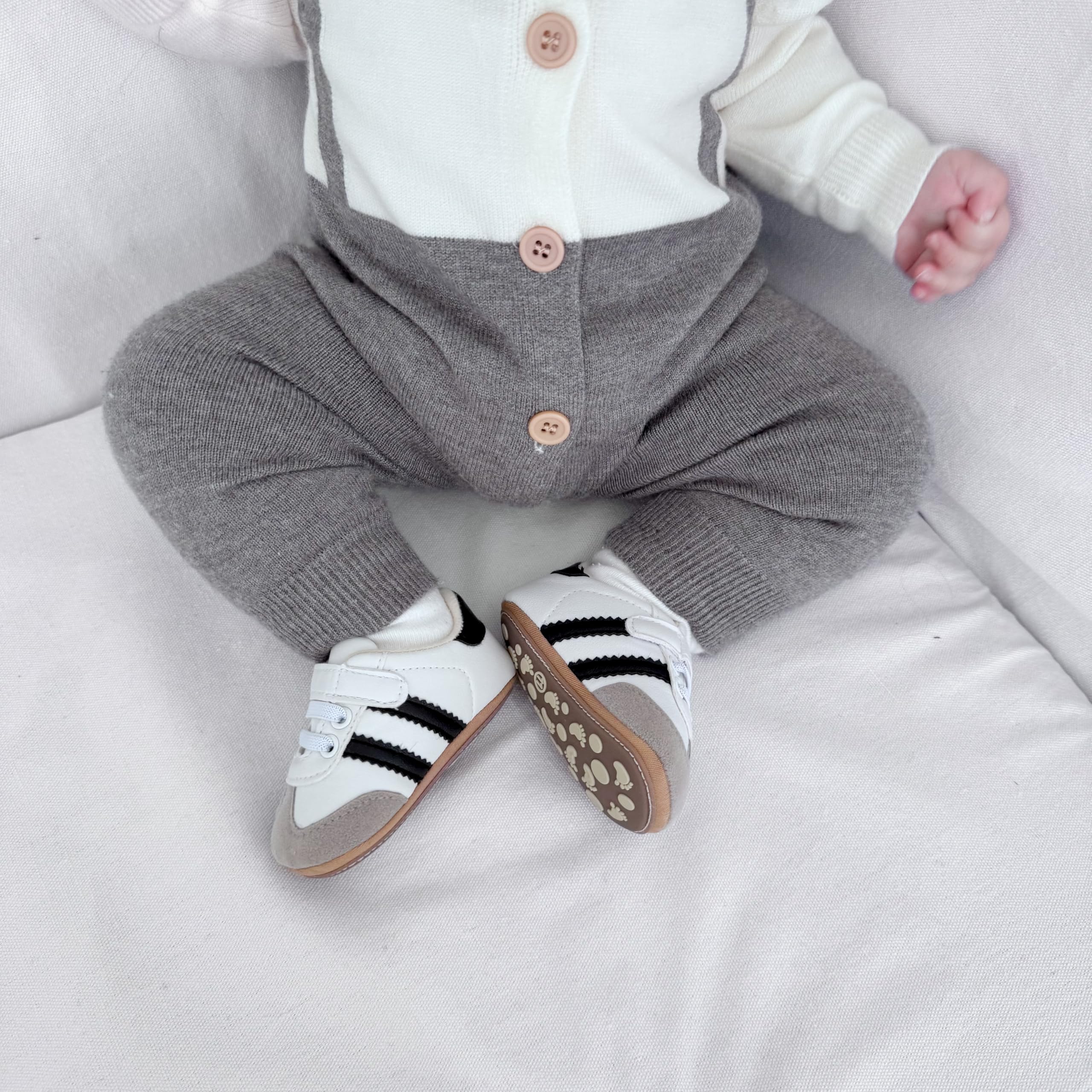
For a classic, slightly retro look at under $10, the Newbron Baby Retro Sneakers are a surprisingly solid buy. The rubber sole provides good grip, and the soft PU leather upper is flexible and easy to clean.
The reality is that your baby does not know whether her shoes cost $10 or $40. What matters is fit, flexibility, and non-slip grip. Any of the shoes above tick those boxes.
6. Red Flags and When to Call Your Paediatrician
Most late walkers are simply at the far end of the normal curve, not children with a problem. But there are genuine red flags that warrant professional assessment, and every parent deserves to know what they are.
The 18 month threshold
This is the line where I shift from "completely normal, no action needed" to "let's take a look." If your baby has not taken any independent steps by 18 months, that is a reason to speak to your paediatrician. Not to panic, but to investigate. In many cases, the answer is simply that the child is a late walker with no underlying cause. In some cases, it prompts useful early intervention.
Signs to flag before 18 months
Even within the normal window, some things are worth mentioning at your next visit:
What a paediatrician will look at
When you bring walking concerns to the clinic, we are looking at several things: muscle tone (too floppy or too stiff), reflexes, whether the hips are developing normally, leg length symmetry, and your baby's overall developmental picture. Walking milestones are never assessed in isolation.
A note on toe walking
Toe walking is extremely common in new walkers and almost always resolves on its own. Most children who toe walk at 12 to 14 months are walking flat-footed by 2 years. Persistent toe walking on both feet beyond 2 years, especially if it is rigid (you cannot passively flex the ankle to flat), is worth an assessment for conditions like idiopathic toe walking or, rarely, neuromuscular issues.
If walking delays are accompanied by delays in other areas like language, social engagement, or fine motor skills, a full developmental assessment is the right next step. Early intervention, when needed, makes a real difference.
Some parents ask about sleep during this period, because walking practice and new physical skills often disrupt naps and night sleep. If that sounds familiar, soothing strategies during developmental leaps can help you manage both the new skill excitement and the sleep disruption at the same time.
7. Walking Milestones in Context: How Walking Connects to Other Development
Walking is not just a physical achievement. It reshapes your baby's entire world and triggers a cascade of developmental changes across social, cognitive, and language domains.
What changes when babies start walking
The moment a child goes upright, her perspective on the world literally shifts. She can see over surfaces she previously looked up at. She can carry objects to new places. She can initiate social interactions by walking toward people rather than waiting for them to come to her.
Research from the University of Massachusetts Amherst, led by developmental psychologist Karen Adolph, has shown that walking babies take in significantly more social information per hour than pre-walking babies because they can follow adults around and stay in the conversation. Walking creates social opportunity, and social opportunity drives language development.
Walking and vocabulary
There is good evidence that the onset of walking is linked to a jump in vocabulary acquisition. One study published in Developmental Psychology found that new walkers showed faster vocabulary growth in the months immediately following their first steps. The theory is that walking allows the child to bring objects to caregivers and point to things they want named, which is exactly how vocabulary builds.
Walking and emotional development
Walking also triggers a new wave of independence striving and, often, a corresponding spike in separation anxiety and frustration. Your baby can now move away from you, which is exciting but also frightening for her. She may want to explore and come back repeatedly, or she may cling more than she did before learning to walk. Both responses are normal.
The connection to other milestones
Walking tends to temporarily slow progress in other areas while the brain prioritises this new skill. Babies who are just learning to walk often seem to plateau briefly in language or fine motor skills, then catch up once walking is automatic. This is well documented and is not a cause for concern.
| Walking Stage | Typical Age Range | What Baby Can Do | Key Support Strategy | Recommended Product | Price Range |
|---|---|---|---|---|---|
| Pre-walking (pulling up, cruising) | 8 to 11 months | Stands with support; moves along furniture | Free floor time; push toys; barefoot grip socks | Newbron Baby Crib Shoes | Under $10 |
| First independent steps | 9 to 14 months | Takes 2 to 5 steps before sitting; wide stance | Motivation targets; low furniture to cruise to | FEETCITY Baby Walking Shoes | $12 to $14 |
| Early walking (unsteady) | 12 to 15 months | Walks longer distances; frequent falls; arms out | Safe outdoor surfaces; flexible first walker shoes | BMCiTYBM Infant Sneakers | $26 to $27 |
| Developing walker | 14 to 18 months | More coordinated; starting to carry objects while walking | Varied terrain; stairs with supervision | Josmo Baby First Walker | $39 to $40 |
| Confident walker | 15 to 18+ months | Running attempts; squatting; climbing | Outdoor exploration; obstacle-free play space | Josmo High Top First Walker | $34 to $35 |
8. What Influences When Your Baby Walks: Nature, Nurture, and Everything In Between
Parents often ask whether they could have done something differently if their baby is walking late, or what they did right if their baby walked early. The honest answer is that the timing of first steps is shaped by a mix of factors, most of which are outside your control.
Genetics
Family history is one of the strongest predictors of walking timing. If you or your partner walked late (ask your parents), your baby is more likely to as well. This is not a red flag; it is just biology. A baby with two parents who both walked at 16 months who is walking at 17 months is almost certainly a genetic late walker, not a child with a problem.
Birth history and prematurity
Premature babies are assessed using their corrected age, not their birth age. A baby born 8 weeks early who is 12 months old is developmentally more like a 10 month old, and should be expected to walk on that adjusted timeline. Most premature babies catch up fully by age 2 to 3.
Body composition
Babies with a larger, heavier build take more muscle strength to get upright and often walk a little later. This is simply physics and is not a concern.
Temperament
Cautious, observational babies often wait longer before attempting to walk because they are the kind of children who only try things when they are fairly confident they will succeed. Impulsive, bold babies may attempt walking earlier and fall more. Neither style is better; both produce perfectly normal walkers.
Opportunity and environment
Babies who spend a lot of time on safe, varied floor surfaces generally walk earlier than those who are confined to cribs and carriers for most of the day. This is the one factor parents can genuinely influence. You cannot push your baby's nervous system to mature faster, but you can give her the time and space she needs to practice once she is ready.
Expert Insights
Every Wobble Is Progress
Watching your baby take those first shaky steps is one of the great privileges of early parenthood. The wide-legged stance, the arms flung out for balance, the look of absolute concentration followed by sheer delight when she makes it to you, it is one of the experiences parents describe to me decades later.
The key thing to hold onto is this: your baby is not in competition with anyone, not with the milestone chart, not with the baby down the road who walked at 10 months. She is following her own developmental timetable, shaped by her genes, her temperament, and the opportunities you give her to practice and explore.
Give her floor time, go barefoot when you can, get a good pair of flexible shoes when she is ready for them, and trust the process. Keep the 18 month mark in the back of your mind as your "talk to the doctor" checkpoint, and between now and then, enjoy every wobble.
If this article helped you make sense of the walking journey, save it and share it with someone who is watching their baby cruise the furniture right now.
Sources & References
- World Health Organization. "WHO Motor Development Study: Windows of achievement for six gross motor development milestones." Acta Paediatrica, 2006. https://www.who.int/publications/i/item/924156056X
- American Academy of Pediatrics. "Movement: 8 to 12 Months." HealthyChildren.org, 2023. https://www.healthychildren.org
- American Academy of Pediatrics. "Baby Walkers: A Dangerous Choice." HealthyChildren.org, 2022. https://www.healthychildren.org/English/safety-prevention/at-home/Pages/Baby-Walkers-A-Dangerous-Choice.aspx
- Adolph KE, Hoch JE. "Motor Development: Embodied, Embedded, Enculturated, and Enabling." Annual Review of Psychology, 2019. Vol. 70: 141-164.
- Walle EA, Campos JJ. "Infant language development is related to the acquisition of walking." Developmental Psychology, 2014. 50(2): 336-348.
- Health Canada. "Baby walkers: The ban in Canada." Government of Canada, 2004. https://www.canada.ca/en/health-canada
- Adolph KE, Cole WG, Komati M, et al. "How do you learn to walk? Thousands of steps and dozens of falls per day." Psychological Science, 2012. 23(11): 1387-1394.
- Siekerman K, Kun Zhang, Dossou-Yovo P, Stout JF. "Shoe characteristics and their effects on gait in toddlers." Gait and Posture, 2012.
- NHS. "Your baby's developmental milestones." NHS.uk, 2023. https://www.nhs.uk/conditions/baby/babys-development/
- Centers for Disease Control and Prevention. "Developmental Milestones: 12 months." CDC.gov, 2023. https://www.cdc.gov/ncbddd/actearly/milestones/milestones-12mo.html
Frequently Asked Questions
What is the average age for babies to start walking?
Should I be worried if my baby is not walking at 12 months?
Does crawling before walking matter?
When do babies actually need shoes?
My baby took a few steps and then stopped trying for two weeks. Is that normal?
What is toe walking and should I be worried?
Can baby walkers help my baby learn to walk faster?
Was this helpful?
Thanks — your feedback helps us pick what to write next.