
Why Ignoring a Toddler Tantrum Actually Works, Per Experts
Strategically ignoring a toddler tantrum, a technique psychologists call planned ignoring or extinction, works because it removes the attention that unintentionally rewards and reinforces the meltdown behavior.

In this article
It's 11 a.m. in the cereal aisle and your two year old is on the floor, flat on their back, screaming because you put the wrong color cup in the trolley. Every head turns. Your face goes hot. And every instinct you have says: do something. Fix it. Explain it. Pick them up. Give them the cup.
According to the American Academy of Pediatrics, tantrums are nearly universal in children ages 1 to 3, with most toddlers having at least one a day. You are not failing. You are not raising a difficult child. You are raising a toddler whose prefrontal cortex, the part of the brain that handles emotional regulation, won't be fully online for another two decades.
The uncomfortable truth? A lot of what parents instinctively do during a meltdown, including pleading, explaining, and sometimes giving in, makes tantrums more frequent and more intense over time. Here's what you'll understand after reading this:
1. The Brain Science Behind Tantrums (It's Not What You Think)
Tantrums are not a sign of bad parenting, and they are not your child trying to manipulate you. They are a neurological event, and understanding that changes everything about how you respond.
When a toddler hits an emotional wall, whether it's hunger, overstimulation, or a perceived injustice like the wrong color cup, the amygdala (the brain's alarm system) fires intensely. At the same time, the prefrontal cortex, which handles reasoning, language and impulse control, is essentially offline. Researchers at the University of Washington have described this state as "emotional flooding," where the rational brain is temporarily hijacked by raw emotion.
This is also why saying "Use your words" to a child mid-tantrum tends to go nowhere. The words literally aren't accessible in that moment. Language lives in the prefrontal cortex, and the prefrontal cortex has left the building.
What triggers the flood?
Why your response shapes the next tantrum
Here's the part parents often miss. Once the tantrum starts, your toddler's brain begins to build an association. If the meltdown consistently produces something rewarding, like getting the toy, getting picked up, getting extra attention or even getting a lengthy negotiation, the amygdala files that away. Next time the same frustration arises, the tantrum pathway fires faster and stronger.
2. What "Planned Ignoring" Actually Means (And What It Doesn't)
Planned ignoring is a clinical term from behavioral psychology, and it sounds colder than it is. In practice, it simply means withdrawing your reactive attention from the tantrum behavior while keeping your child physically safe. It is sometimes called extinction in the research literature, not because you're extinguishing your child's feelings, but because you're removing the reinforcement that sustains the behavior.
When parents give attention to tantrum behavior, even negative attention like scolding, they may inadvertently reinforce it. Planned ignoring removes that reinforcement in a calm, consistent way.
— American Academy of Pediatrics, Caring for Your Baby and Young Child, 7th Edition
This is not leaving the room. This is not withdrawing love or comfort. This is staying nearby, keeping your face and body language neutral, and not engaging with the behavior itself until it subsides.
What planned ignoring looks like in practice
What planned ignoring is NOT
This matters enormously, because misapplying this strategy can genuinely harm a child's sense of security.

Little Monkey Calms Down (Hello Genius)
- Children's Books
- Growing Up & Facts of Life
- Daily Activities
3. The Behavioral Psychology: Why It Works When Done Consistently
The science here is about as solid as it gets in child psychology. Planned ignoring works because of a principle called operant conditioning, specifically the removal of positive reinforcement for an unwanted behavior.
Here is the crucial part that trips most parents up: when you first start ignoring tantrums, they get worse before they get better. Psychologists call this an "extinction burst." Your child, in essence, is thinking: this used to work, I just need to try harder. So the tantrum escalates. The screaming gets louder. The duration stretches. This is completely normal and it is a sign the strategy is working.
The intermittent reinforcement problem
This is where behavioral psychology gets really interesting. Research consistently shows that intermittent reinforcement, where a behavior is rewarded only sometimes, actually makes that behavior more persistent than if it were rewarded every time. Think of a slot machine: people keep pulling because sometimes it pays out.
When parents give in to tantrums occasionally, they are not providing a relief valve. They are supercharging the behavior. Your toddler learns that if they persist long enough, the reward eventually comes. That is a lesson that sticks.
What the research timelines look like
Most behavioral intervention studies in toddlers, including those examining planned ignoring as a core strategy, show meaningful reductions in tantrum frequency within two to four weeks of consistent implementation. The key word is consistent. One capitulation resets the counter.


Calm-Down Time (Toddler Tools® Board Books)
- Office Products
- Office & School Supplies
- Education & Crafts
4. What You Should NEVER Ignore (The Critical Distinctions)
Planned ignoring has a scope, and that scope does not extend to every difficult toddler behavior. Getting this distinction right is non-negotiable, both for your child's safety and for their emotional development.
The simplest rule: ignore the behavior, never the child's safety or genuine distress.
Always respond to these immediately
The gray zone: sensory overwhelm
Some children, particularly those with sensory processing differences or neurodevelopmental profiles including autism, experience meltdowns differently from neurotypical toddler tantrums. A meltdown driven by sensory overload is not operantly reinforced behavior. It is a nervous system collapse, and it requires co-regulation and sensory support rather than planned ignoring. If you suspect sensory differences are at play, a referral to a pediatric occupational therapist is the right next step.


Learning Resources Cool Down Cubes Sensory Fidget Toys - Quiet Fidgets for Kids, Toddlers, and Adults - Calming Corner Items for Classroom or Home, Small Tactile Tools for Play, Focus, and Travel
- TACTILE FIDGET FUN: Kids explore textured cubes that offer quiet, hands-on fidget play; a fun option for small
- ENGAGING SENSORY PLAY: Each cube features a unique feel, movement, or action, giving children simple, screen-f
- BUILT FOR LITTLE HANDS: Easy-grip cubes sized for toddlers and kids encourage natural fine-motor exploration a
For children who need something tangible to help ground their nervous system as they come down, sensory tools like squishy fidget toys can be a genuinely useful part of the cool-down toolkit. They give little hands something to do while the emotional storm passes.
5. How to Actually Stay Calm Enough to Follow Through
This is the section no parenting article talks about enough, because it's where the whole strategy falls apart in real life. Planned ignoring sounds manageable when you're reading it on a Tuesday morning with a coffee. It feels completely different at 6 p.m. when dinner is burning and a 30-pound human is screaming on the kitchen floor.
Your own stress response is the biggest variable in this equation. When your toddler escalates, your amygdala fires too. You're not immune to emotional flooding, you're just bigger. The strategies that help you stay regulated are not optional extras; they are the foundation of the whole approach.
What regulated looks like in your body
The script for mid-tantrum
What you say matters less than how you say it. If you must speak, keep it to one sentence, spoken quietly and without frustration in your voice. Something like: "I can see you're really upset. I'm right here when you're ready." Then go quiet. That's it. No elaboration. No follow-up questions. No negotiating.
Managing the public tantrum
The supermarket floor scenario is particularly brutal because you have an audience. A few things that help:
If you need support thinking through the bigger picture of your toddler's emotional world, understanding daily life with a toddler can help you see tantrums in the context of normal development rather than as a crisis to solve.
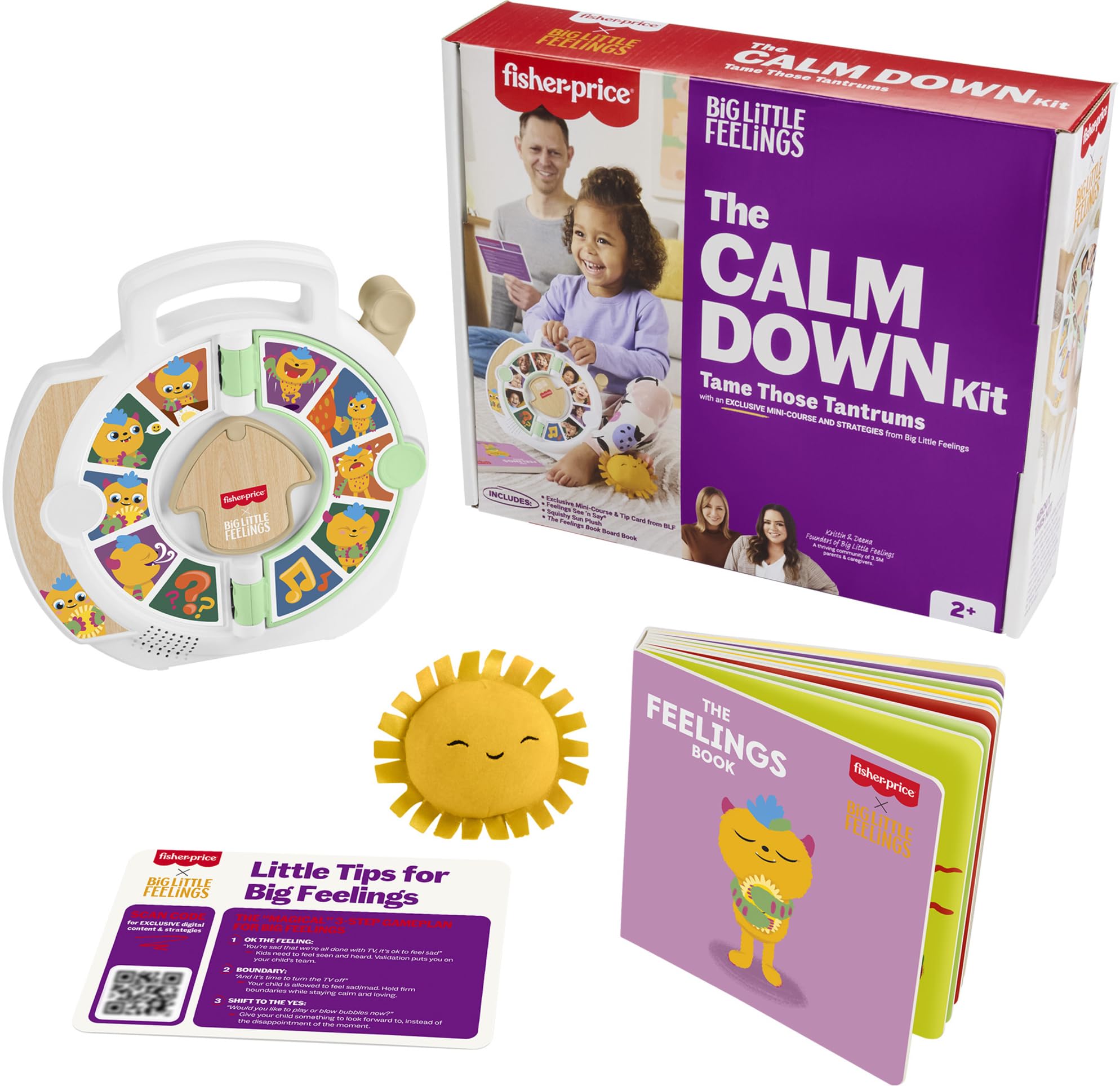

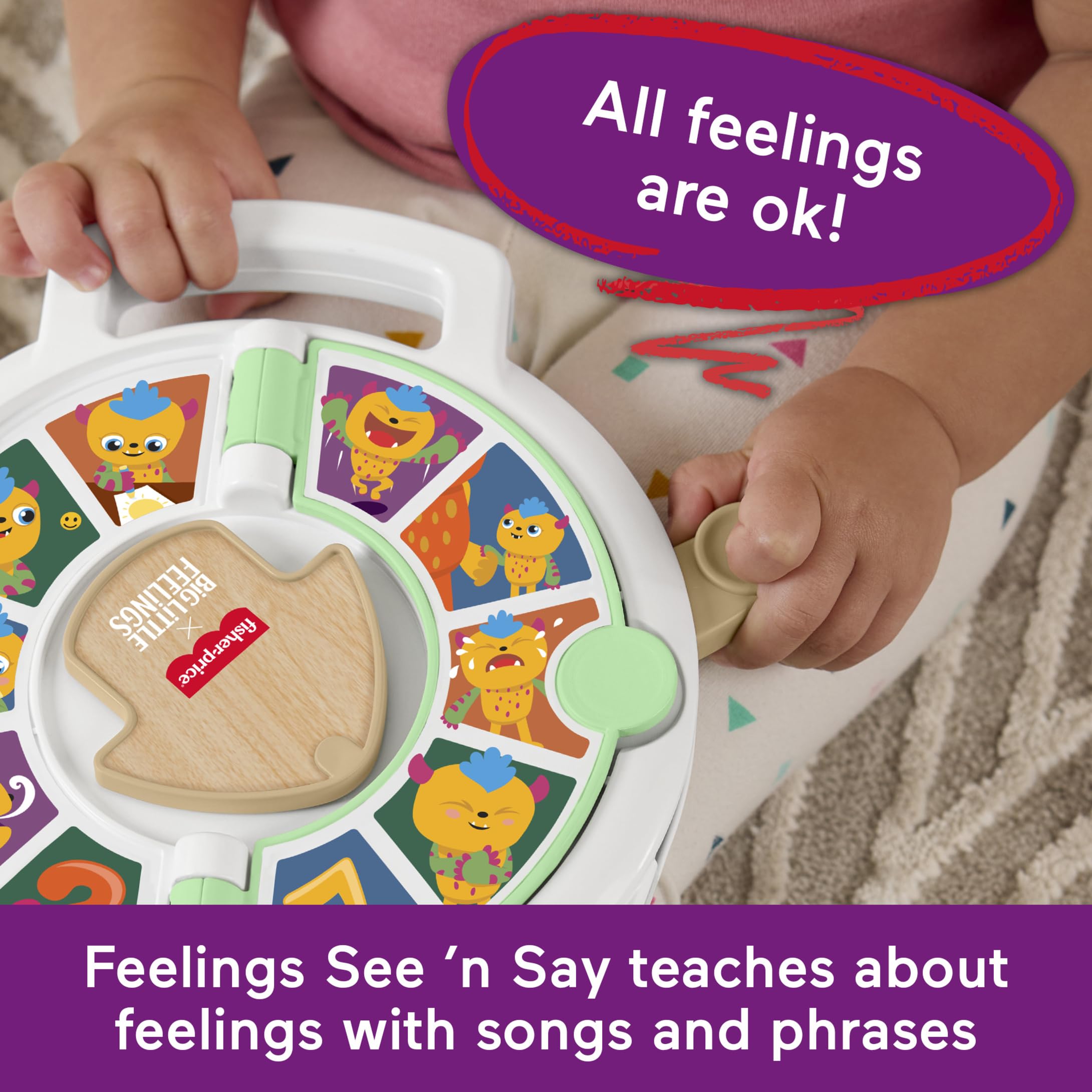
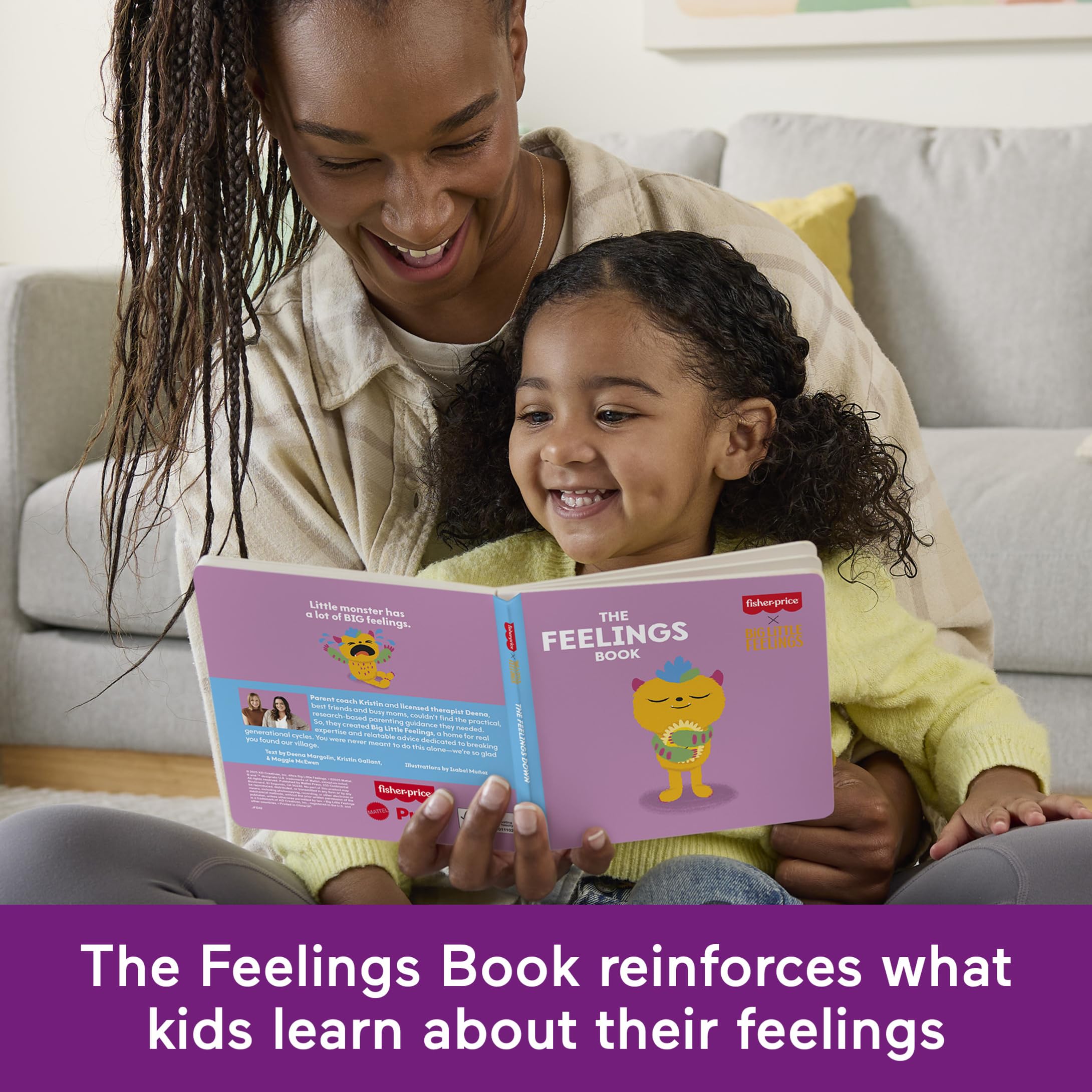
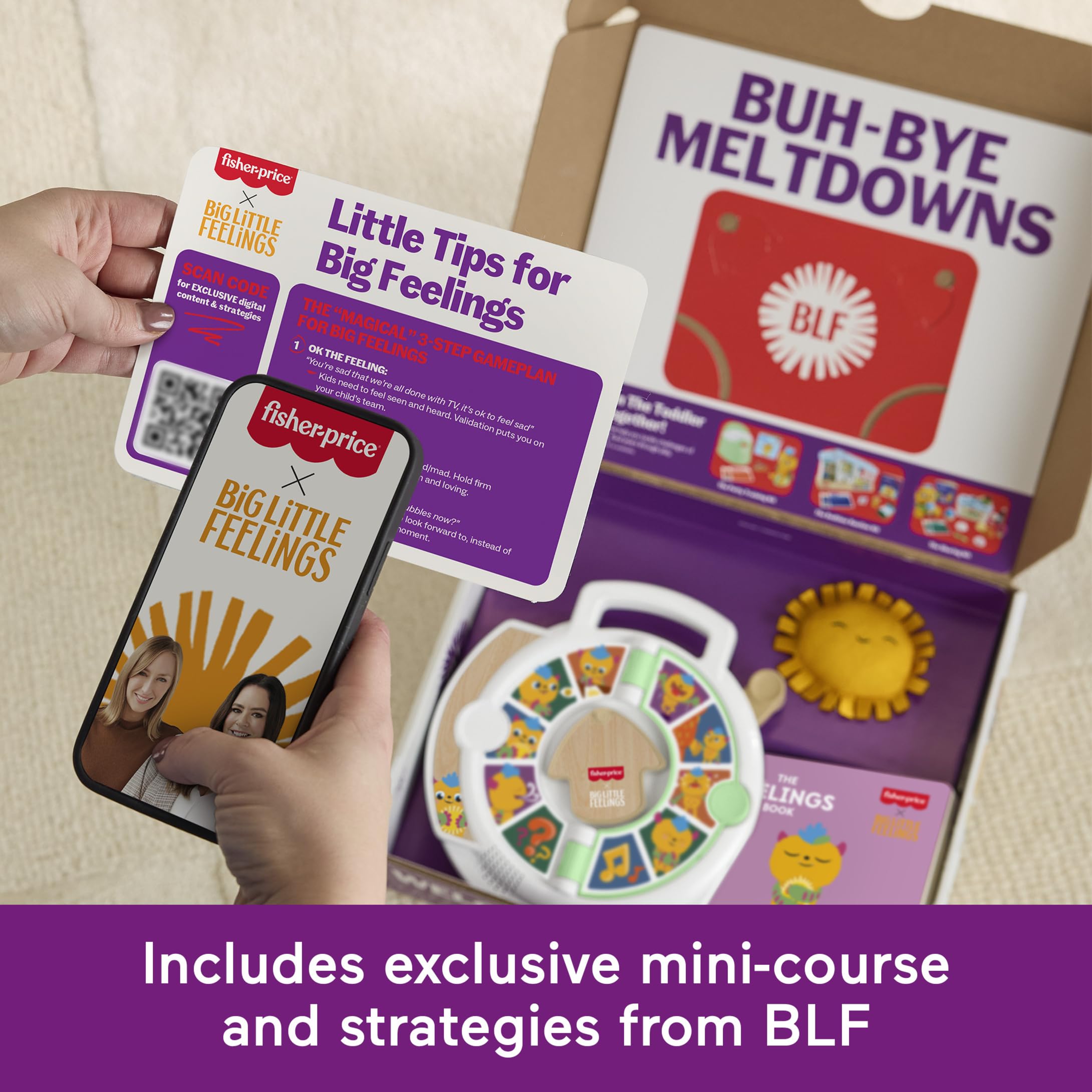
Fisher-Price Toddler Toys Big Little Feelings Calm Down Kit, 4-Piece Set of Activities & Parenting Tips for Social Emotional Development Kids Ages 2+ Years
- Fisher-Price has teamed up with Big Little Feelings to create this specially designed playkit to help parents
- Exclusive parenting tips & tricks! Set includes access to custom BLF digital content about taming tantrums
- Includes Feelings See ‘n Say activity toy, “The Feelings Book” board book, and plush sun “stress ball” toy
6. After the Storm: Connection, Coaching and Building Lasting Skills
What you do in the 10 minutes after a tantrum ends matters enormously, and it's the piece most parents skip because they're exhausted and just want to move on. This window is actually one of your biggest opportunities to build the emotional skills that will make the next tantrum shorter.
Once your child is calm, their prefrontal cortex is back online. Now they can process, connect, and start to learn.
Step 1: Reconnect before you do anything else
Hug them if they'll accept it. Get down to their level. Your first message is: I love you, we're good, the storm is over. This is not rewarding the tantrum. The tantrum is over. You are simply rebuilding the connection. Research in attachment theory, including work from the Circle of Security project, consistently shows that the repair after a rupture is as important as the rupture itself for building secure attachment.
Step 2: Brief, simple emotion coaching
Keep this to two or three sentences. "You were really angry when I said no to the biscuit. That's okay. Next time, you can tell me you're disappointed." You are naming the feeling, validating it as acceptable, and offering a more effective behavior for next time.
This kind of coaching, done consistently over months, is genuinely how toddlers build emotional vocabulary and self regulation skills. It is a long game, not an overnight fix.
Emotion coaching, consistently applied after emotional episodes, has been shown to improve children's emotional regulation, academic performance, and peer relationships over time.
— Dr. John Gottman, "Raising an Emotionally Intelligent Child," (1997)
Step 3: Books as a teaching tool between meltdowns
Reading books about feelings when everyone is calm is one of the most underused strategies in toddler emotional coaching. Your child sees a character navigate a feeling, you talk about it naturally, and the vocabulary and concepts sink in without any emotional charge. The My Calm Down Book walks children through sensory-based strategies in a format toddlers genuinely engage with, making it ideal for the post-tantrum quiet period or bedtime reading.


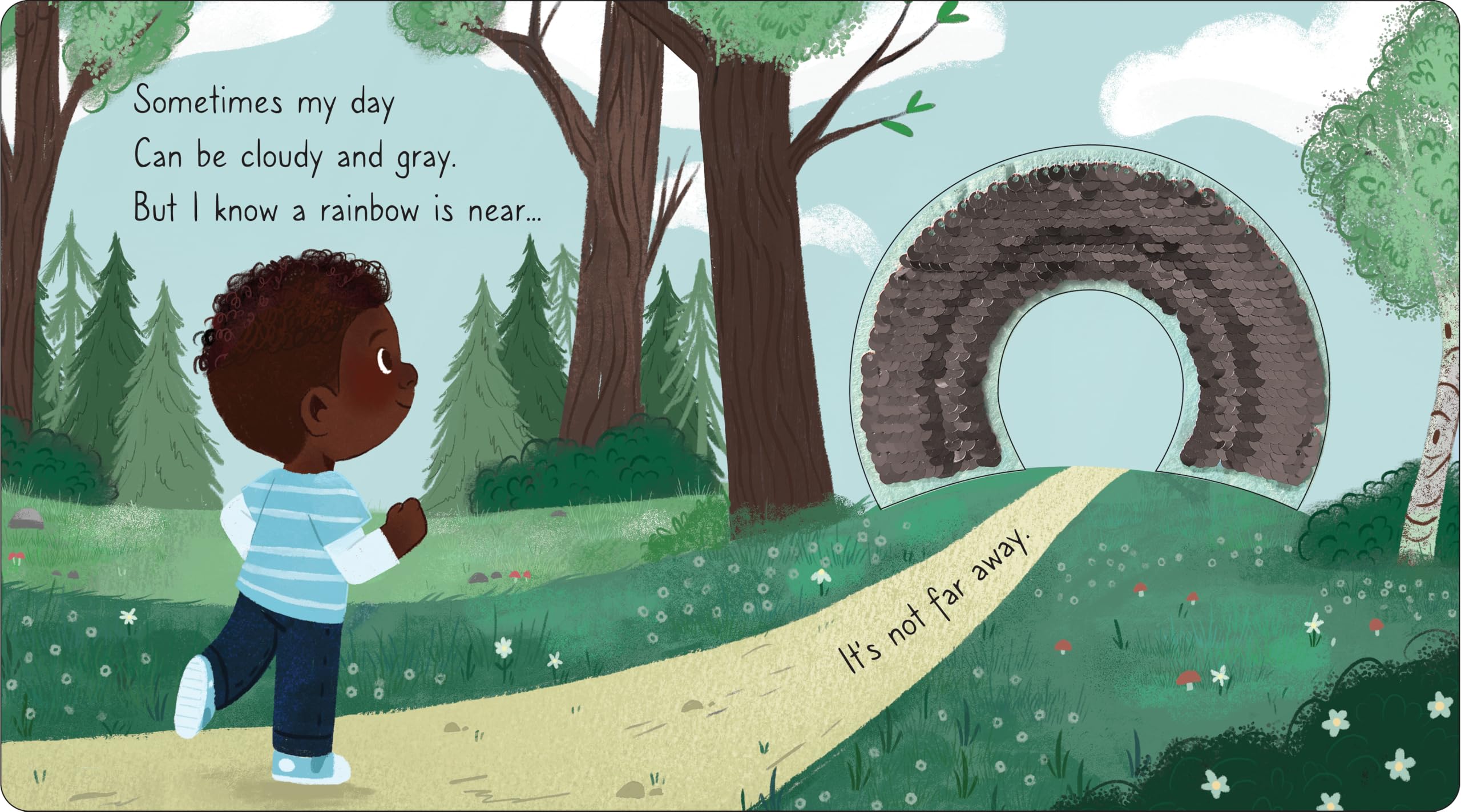
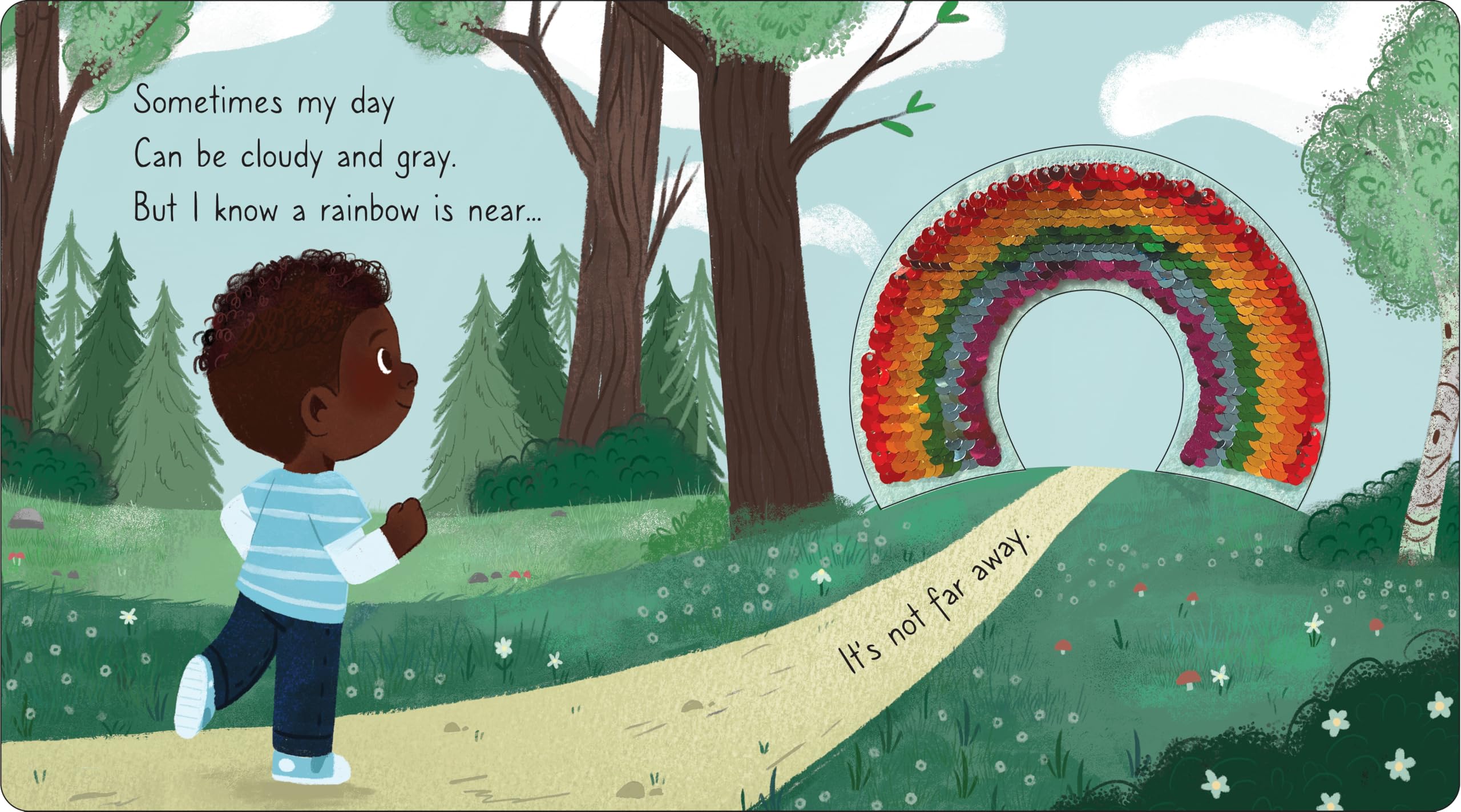
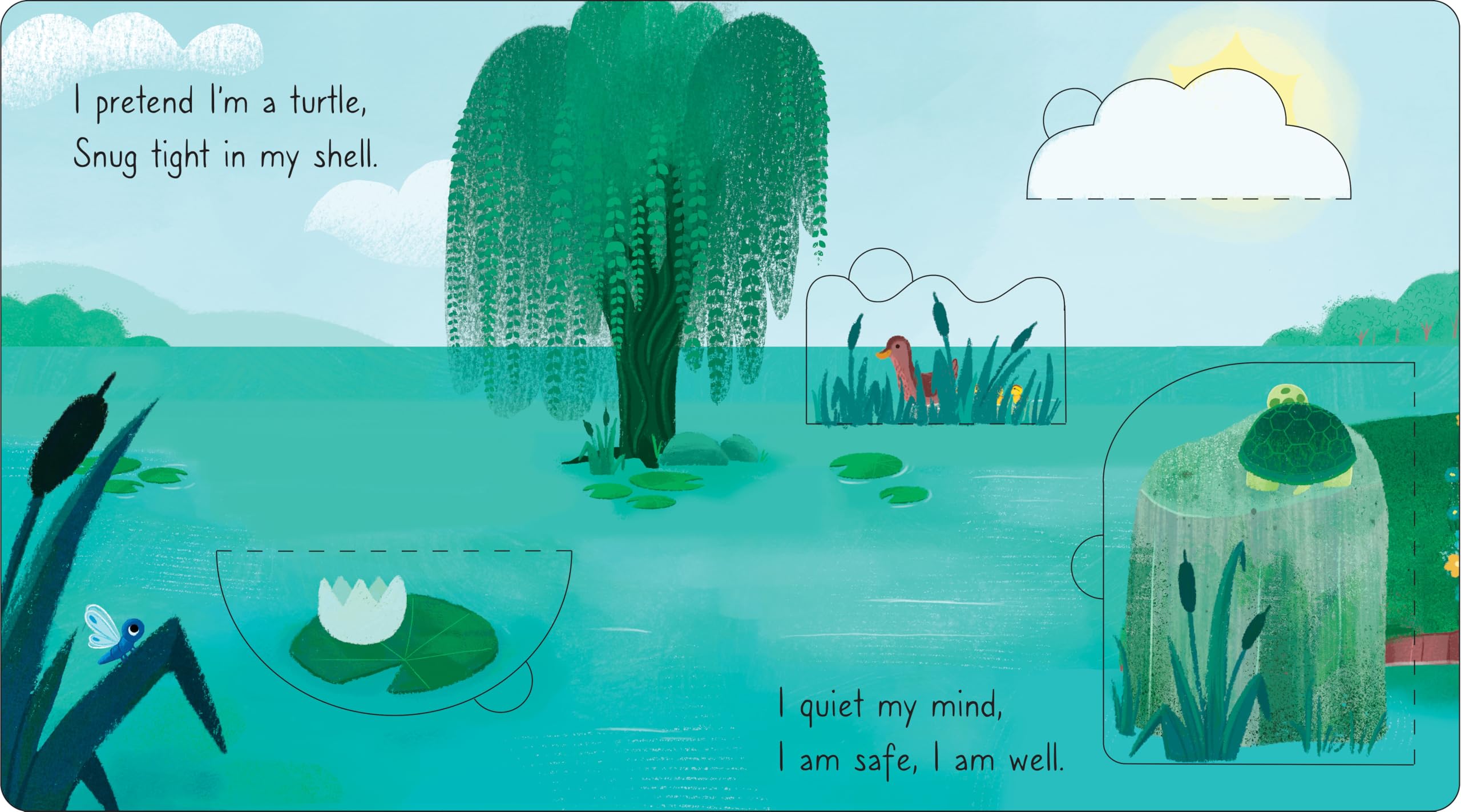
My Calm Down Book: A Sensory Book to Help Kids Calm Their Bodies
- Children's Books
- Growing Up & Facts of Life
- Friendship, Social Skills & School Life
Step 4: Building problem solving skills through play
The best time to practice emotional regulation is not during a meltdown. It's during play, when everything is safe and fun. Role play scenarios, talk about characters' feelings in books and TV shows, and celebrate moments when your child handles frustration well. This kind of incidental learning, embedded in ordinary imaginative play and problem solving, builds the neural pathways that eventually allow your child to regulate more smoothly in real situations.
7. Comparing Tantrum Response Approaches: What Works for Which Child
| Approach | Best For | How It Works | Main Drawback | Recommended Tool | Approx. Cost |
|---|---|---|---|---|---|
| Planned ignoring | Neurotypical tantrum driven by attention or denied request | Removes reinforcement; tantrum fades over days to weeks | Extinction burst first; needs consistency from all caregivers | Calm-Down Board Book | $8.92 |
| Calm-down corner | Children who respond well to physical redirection | Gives body and brain a sensory reset space | Requires setup and child buy-in; not always possible in public | Cool Down Sensory Cubes | $9.45 |
| Emotion coaching only | Strong communicators ages 2 to 4 | Builds vocabulary and recognition between episodes | Slower to reduce frequency; not effective mid-meltdown | My Calm Down Book | $16.51 |
| Sensory regulation tools | Children with sensory sensitivities or early neurodevelopmental profiles | Hands-on grounding reduces overwhelm intensity | Tools need to be introduced before meltdowns, not during | Squishy Fidget Sensory Toys | $9.99 |
| Structured parent-led kit | Parents new to emotional coaching or working with a partner | Combines tools, tips and structured activities in one package | Younger toddlers may not engage with all components | Big Little Feelings Calm Down Kit | $12.00 |
| Post-tantrum story time | All toddlers ages 18 months and up | Normalises big feelings through character-led narrative | Effects are cumulative; requires regular use over weeks | Little Monkey Calms Down | not listed |
8. Expert Insights on Ignoring Tantrums
Conclusion
Parenting a toddler through tantrums is genuinely hard work, and the strategy of doing less in the moment runs completely against your instincts. But here's the honest truth: ignoring a tantrum, done correctly and consistently, is one of the most loving things you can do. You are teaching your child, over time, that calm communication gets results and that emotional storms pass without catastrophe. That is a life skill.
The quotable version: responding to a tantrum with stillness is not indifference, it is the most strategic act of parenting you'll do all day.
Save this article, share it with whoever else is doing the daily care, and come back to it on the days it feels impossible. You are doing better than you think.
Sources & References
- American Academy of Pediatrics. "Temper Tantrums: A Normal Part of Development." HealthyChildren.org. 2022. https://www.healthychildren.org/English/ages-stages/toddler/Pages/Temper-Tantrums.aspx
- Gottman, John. "Raising an Emotionally Intelligent Child." Simon & Schuster. 1997.
- Kazdin, Alan E. "The Kazdin Method for Parenting the Defiant Child." Mariner Books. 2009.
- Siegel, Daniel J. and Bryson, Tina Payne. "The Whole-Brain Child." Delacorte Press. 2011.
- Kennedy, Becky. "Good Inside: A Guide to Becoming the Parent You Want to Be." Harper Wave. 2022.
- Karp, Harvey. "The Happiest Toddler on the Block." Bantam Books. 2008.
- Greene, Ross W. "The Explosive Child." HarperCollins. 2014.
- Potegal, M. and Davidson, R.J. "Temper tantrums in young children: 1. Behavioral composition." Developmental and Behavioral Pediatrics. 24(3):140-147. 2003.
- Circle of Security International. "Circle of Security Parenting Program." circleofsecurity.net. Accessed 2024.
- University of Washington Parenting Lab. "Emotion Coaching: The Heart of Parenting." Gottman Institute. Updated 2023. https://www.gottman.com/parents/
Frequently Asked Questions
Is ignoring a toddler tantrum the same as emotional neglect?
How long until planned ignoring starts working?
What if my toddler hurts themselves during a tantrum?
Should I explain to my toddler why I'm not reacting?
My toddler is almost 4 and still having daily tantrums. Is that normal?
Does this strategy work for breath-holding spells during tantrums?
What if my toddler's tantrum lasts a really long time?
Was this helpful?
Thanks — your feedback helps us pick what to write next.