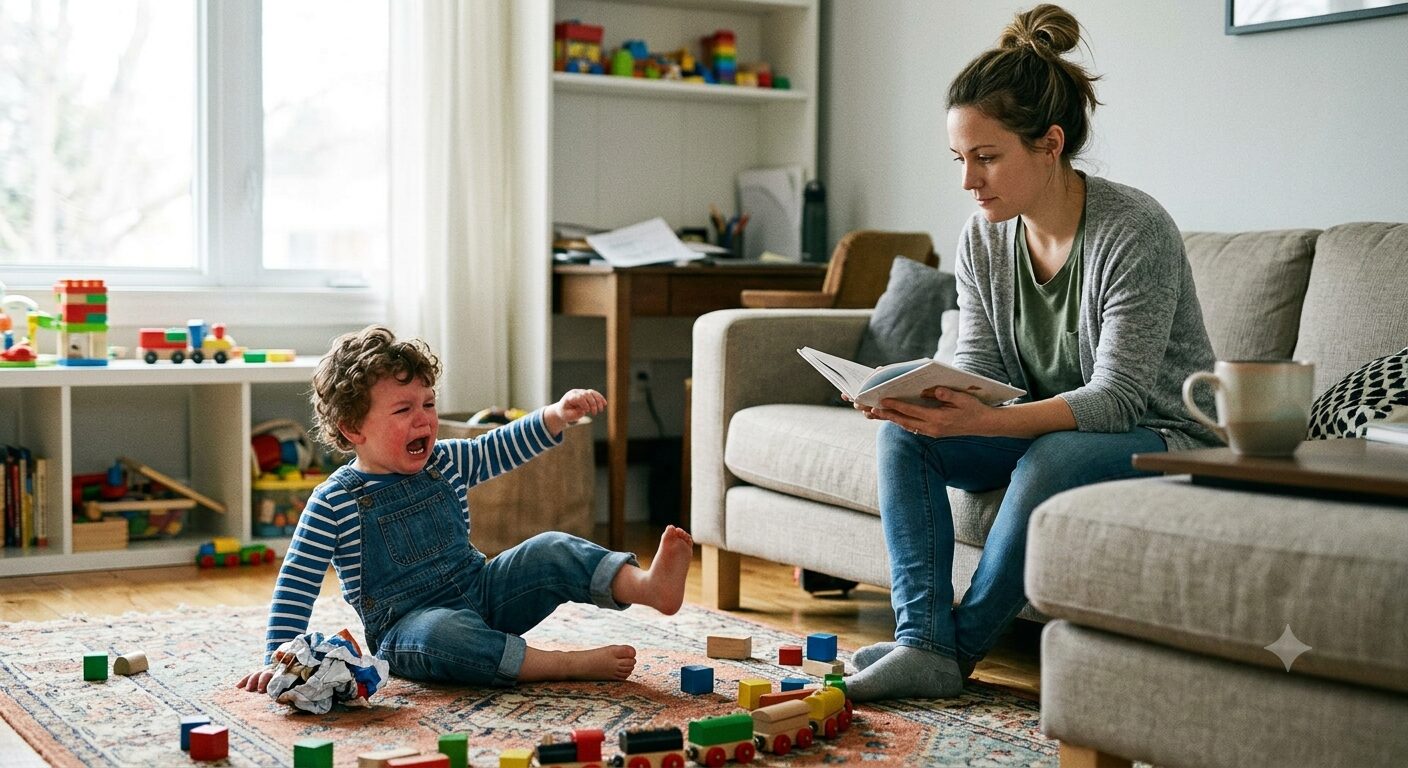
Toddler Hitting: How to Respond Calmly Without Yelling
When your toddler hits, the most effective response is a calm, immediate, brief boundary ("We don't hit. Hitting hurts.") followed by a redirect, not a lecture or a raised voice — because yelling escalates the behaviour rather than ending it.

In this article
Why Your Toddler Hits (And Why It Is Not Your Fault)
Picture this: your 22 month old is playing happily, your older child reaches for the same toy, and before you can blink there is a flat palm across someone's cheek. You are mortified. You wonder if you are somehow raising a tiny bully. You are not. According to the American Academy of Pediatrics (AAP), aggressive behaviour including hitting, biting, and throwing is extremely common in children between 18 months and 3 years, and in most cases it is a normal feature of early childhood development, not a character flaw or a parenting failure.
Here is what you will understand by the end of this article:
The good news is that calm, consistent responses actually work. The not-so-good news is that "calm" is the hardest part when you are already exhausted and someone just hit the baby. Let us get into it.
1. The Brain Science: Why Toddlers Cannot Just "Stop It"
The core reason toddlers hit is not that they are bad kids or that you have been too permissive. Their prefrontal cortex — the part of the brain responsible for impulse control, emotional regulation, and thinking before acting — is genuinely, structurally immature. This is not a metaphor. It is biology.
Neuroscientists widely recognise that the prefrontal cortex does not reach anything close to full development until the mid-twenties. In a two year old, that region is so underdeveloped that asking them to "use their words instead" in the heat of a big feeling is a bit like asking someone to solve algebra in the middle of a panic attack. The capacity simply is not reliably there yet.
What is developed at this age is the amygdala — the brain's alarm system. When a toddler feels frustrated, threatened, overstimulated, or hungry, the amygdala fires fast and hard. The signal goes out: do something, right now. That something is often physical, because physical action (hitting, throwing, biting) is more immediate than language.
What This Means for How You Respond
Understanding the brain science changes your framing entirely. You stop asking "why won't they listen?" and start asking "what does my child need right now that they cannot put into words?" That shift alone takes a significant amount of heat out of the moment.
It also explains why yelling escalates hitting rather than stopping it. A raised parental voice reads to the toddler amygdala as another threat in the environment. More threat means more alarm, which means more reactive, physical behaviour. You end up in a spiral rather than a resolution.

The Whole-Brain Child: 12 Revolutionary Strategies to Nurture Your Child's Developing Mind
- Health, Fitness & Dieting
- Psychology & Counseling
- Child Psychology
2. Know Your Triggers: The Five Situations That Lead to Hitting
Your toddler is not randomly violent. Once you track a few weeks of hitting incidents, you will almost always find a pattern. The hit is rarely the starting point. It is the endpoint of a chain of events that you can learn to interrupt earlier.
The Five Most Common Hitting Triggers
1. Frustration with a task or a person This is the classic toy-grabbing scenario. Your toddler wants something, cannot have it or cannot do it, and the feeling overtakes them. Frustration is probably the single most common hitting trigger in this age group.
2. Overstimulation or sensory overload A long supermarket trip, a noisy birthday party, a busy playgroup — environments with too much input can push a toddler past their window of tolerance. Hitting in these situations is often a sign the child needs to leave, not a bid for your attention.
3. Hunger or tiredness (what clinicians sometimes call "the witching hour") The combination of low blood sugar and fatigue shuts down whatever tiny bit of impulse control was available. If your child reliably hits in the late afternoon before dinner, this is almost certainly a factor.
4. Seeking connection or attention Here is the one that surprises parents. Sometimes a toddler hits because hitting always, reliably, gets your full and immediate attention. Not because they are calculated little manipulators, but because their nervous system has learned: this works. Consistent, calm responses matter here because they change what "works" means.
5. Transitions and disrupted routines Moving from play to bath, leaving the park, switching activities — transitions require a toddler to stop one thing and start another, which demands exactly the kind of flexible thinking their prefrontal cortex is not ready for. Hitting during transitions is extremely common.
Understanding that hitting follows predictable patterns in toddler family life means you can start to build in preventative strategies: an earlier snack, a five-minute warning before transitions, leaving the party 20 minutes before it tips into overstimulation territory.
3. What to Do in the Exact Moment: The Calm Response Framework
In the moment your child hits, you have about three to five seconds before the teachable window closes. What you do in those seconds matters enormously. Here is a framework that works, backed by both developmental psychology and practical clinical experience.
Step 1: Regulate Yourself First (This Takes Two Seconds)
Before you say anything, take one breath. Not a big theatrical sigh — just one slow inhale through your nose. This is not about performance. It is about your own nervous system. When you are regulated, your voice stays steady, your face stays neutral, and your body language does not accidentally signal more threat.
If you skip this step, everything else you say lands with extra cortisol attached. The toddler brain reads the tone before it processes the words.
Step 2: Move Close, Get Low, Use a Calm Voice
Crouch to your child's eye level. Do not shout across the room. The physical closeness matters. It signals safety while also ensuring you have their attention. Your voice should be firm and clear, not loud.
Keep your sentence very short: "Hitting hurts. We do not hit." That is genuinely enough. A full explanation of why hitting is wrong will go straight over a two year old's head mid-arousal. Short and clear beats long and thorough every time at this age.
Step 3: Attend to the Person Who Was Hit
Visibly, briefly, and warmly check on the child or adult who was hit. This does two things simultaneously: it models empathy in a way your toddler can actually see, and it removes the reinforcing attention from the hitter for a brief moment. Do not make this a prolonged drama. A quick "Are you okay? That hurt" is enough before you return your attention to your toddler.
Step 4: Name the Feeling and Offer the Alternative
Once the immediate moment is contained, come back to your toddler and name what you think was happening: "You were really frustrated that Maya took the truck." Then — and this is the part most parents skip — offer the replacement behaviour: "Next time you feel like that, you can say 'mine!' really loud, or come and get me."
Step 5: Redirect to an Activity
Bring your toddler back into play or connection, do not leave them marinating in shame. Shame does not reduce behaviour. What reduces behaviour is connection plus clear expectation.


What to Do When You Feel Like Hitting: A No Hitting Book for Toddlers (Big Feelings Books for Toddlers)
- Children's Books
- Growing Up & Facts of Life
- Friendship, Social Skills & School Life
4. Building the Skills That Actually Reduce Hitting Over Time
In the moment responses stop the hit today. What reduces hitting next week, next month, and by the time your child starts school is consistent skill building done in calm moments, not in the thick of a meltdown.
Teach Replacement Behaviours Proactively
The phrase "use your words" is not actually that useful if your child does not yet have the words. Be specific. During bath time or a quiet play session, practise what to say: "If someone takes your toy, you can say 'Stop! That's mine!' or 'I don't like that!'" Practise it playfully. Role play it. Make it almost silly — toddlers learn best when it feels like a game.
Physical replacements matter too, especially for children with very strong physical impulses. Some children genuinely need an outlet. Teaching them to stomp their feet hard, squeeze a stress ball, or hit a pillow when they feel big feelings gives their body something to do that is not hitting a person.
Read About It Together
Books are extraordinarily powerful with toddlers because they create emotional distance. Reading about a character who hits feels safe and interesting; being lectured about their own hitting feels threatening. The No Hitting book for toddlers is particularly effective for this age group because it uses simple language and relatable scenarios that kids can actually see themselves in. You do not even have to make it a lesson — just read it, let them process it.
For parents who want a deeper understanding of the neuroscience and emotion coaching strategies behind all of this, The Whole Brain Child by Dan Siegel and Tina Payne Bryson is one of the most well grounded parenting books available. It translates complex brain science into practical scripts you can actually use at 6pm when everyone is hungry.
Emotion Coaching in Calm Moments
Emotion coaching is simply the practice of noticing and naming emotions throughout the day, not just during meltdowns. "You look frustrated with that puzzle. That's a hard one." "You seem really excited about going to the park." Over time, this builds an emotional vocabulary that the toddler can eventually reach for instead of their fists.
Research from the Gottman Institute shows that children whose parents regularly engage in emotion coaching show higher levels of social competence and lower rates of physical aggression compared to peers whose parents dismiss or minimise their emotions.
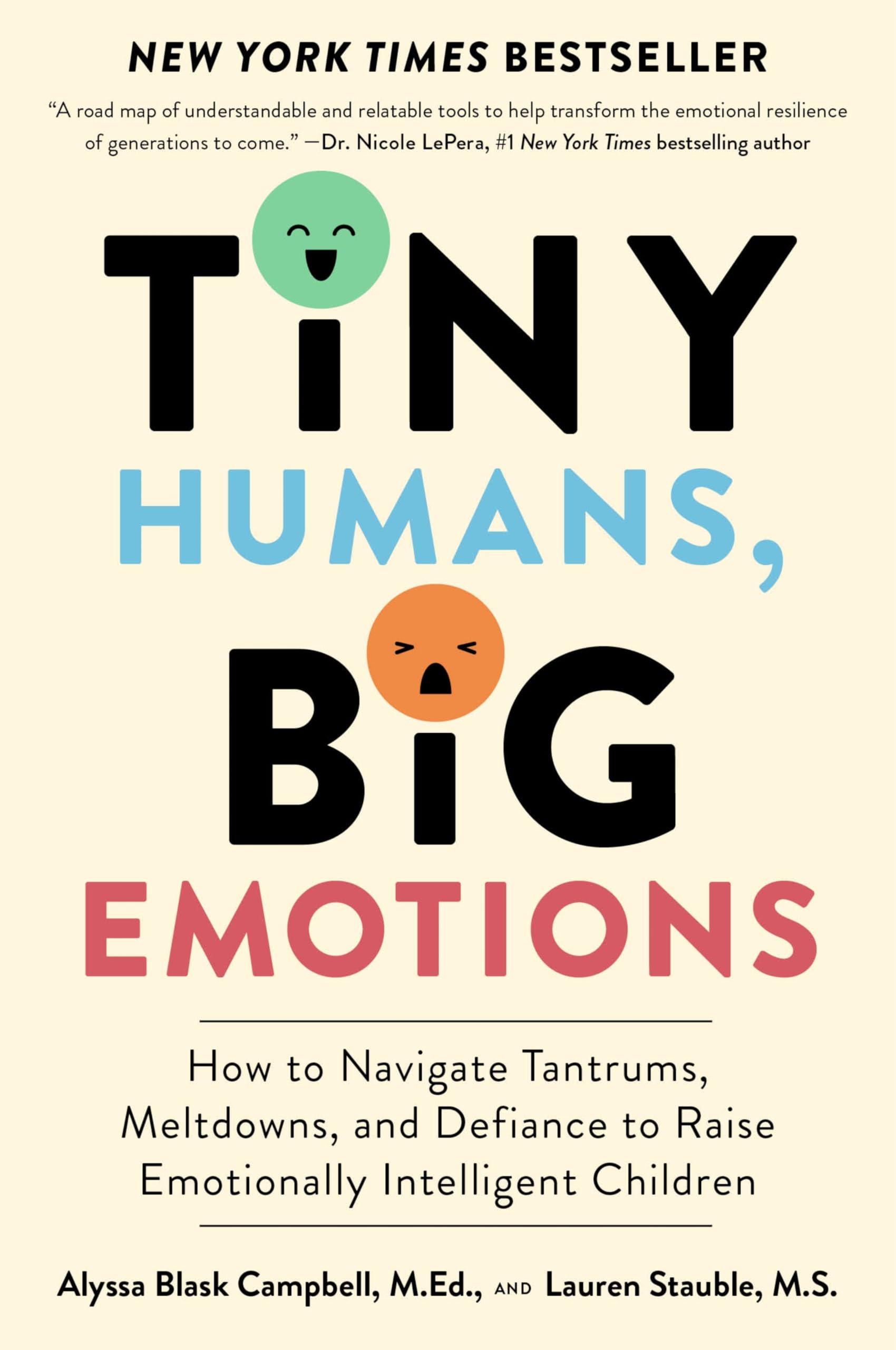
Tiny Humans, Big Emotions: How to Navigate Tantrums, Meltdowns, and Defiance to Raise Emotionally Intelligent Children―An Essential Guide for Caregivers of Children from Infancy to Age Eight
- Medical Books
- Psychology
- Social Psychology & Interactions
Imaginative Play as a Practice Ground
Play is not a distraction from learning. It is the primary vehicle for it at this age. Imaginative play builds problem solving skills in ways that direct instruction simply cannot replicate — children practise negotiation, turn taking, and emotional regulation every time they engage in pretend scenarios. Building blocks like Magna-Tiles, small world play, or even basic doll play all create natural opportunities to practise the social skills that reduce hitting in real interactions.
5. The Consistency Factor: Why Every Caregiver Has to Be on the Same Page
One of the most common reasons a hitting phase drags on much longer than it needs to is inconsistency across caregivers. If you respond with a calm, brief correction and your partner responds with a sharp "No! Stop it!", and Grandma says "Oh, he's just being a boy," your toddler is receiving three completely different pieces of information about whether hitting is acceptable and what happens when it occurs.
Toddlers are not confused about inconsistency — they are actually quite efficient learners. What they learn is: "Some people let me hit. The rule is not universal. I will keep testing." This is not stubbornness. This is rational behaviour from a data collecting little brain.
Getting All Adults on the Same Page
This does not require a long family meeting or a formal policy document. It requires a brief conversation with every consistent caregiver: here is what we do when hitting happens, here is what we say, here is what we don't do (no laughing it off, no long lectures, no physical retaliation). That five minute conversation is worth weeks of consistency.
If your child is in a daycare or nursery setting, ask the key worker what their approach is. Most early years settings use similar de-escalation frameworks — knowing their language means you can mirror it at home, which is powerful.
What About When You Get It Wrong?
You will yell sometimes. You will lose your patience, your voice will go sharp, and you will immediately feel terrible about it. This is part of being a human parent, not a sign of failure. What matters is what you do next. Repairing the moment ("I'm sorry I raised my voice. I was feeling frustrated and I didn't handle it well") is itself one of the most powerful things you can model for your child. It shows them exactly what you want them to do: notice a feeling, name it, and repair.
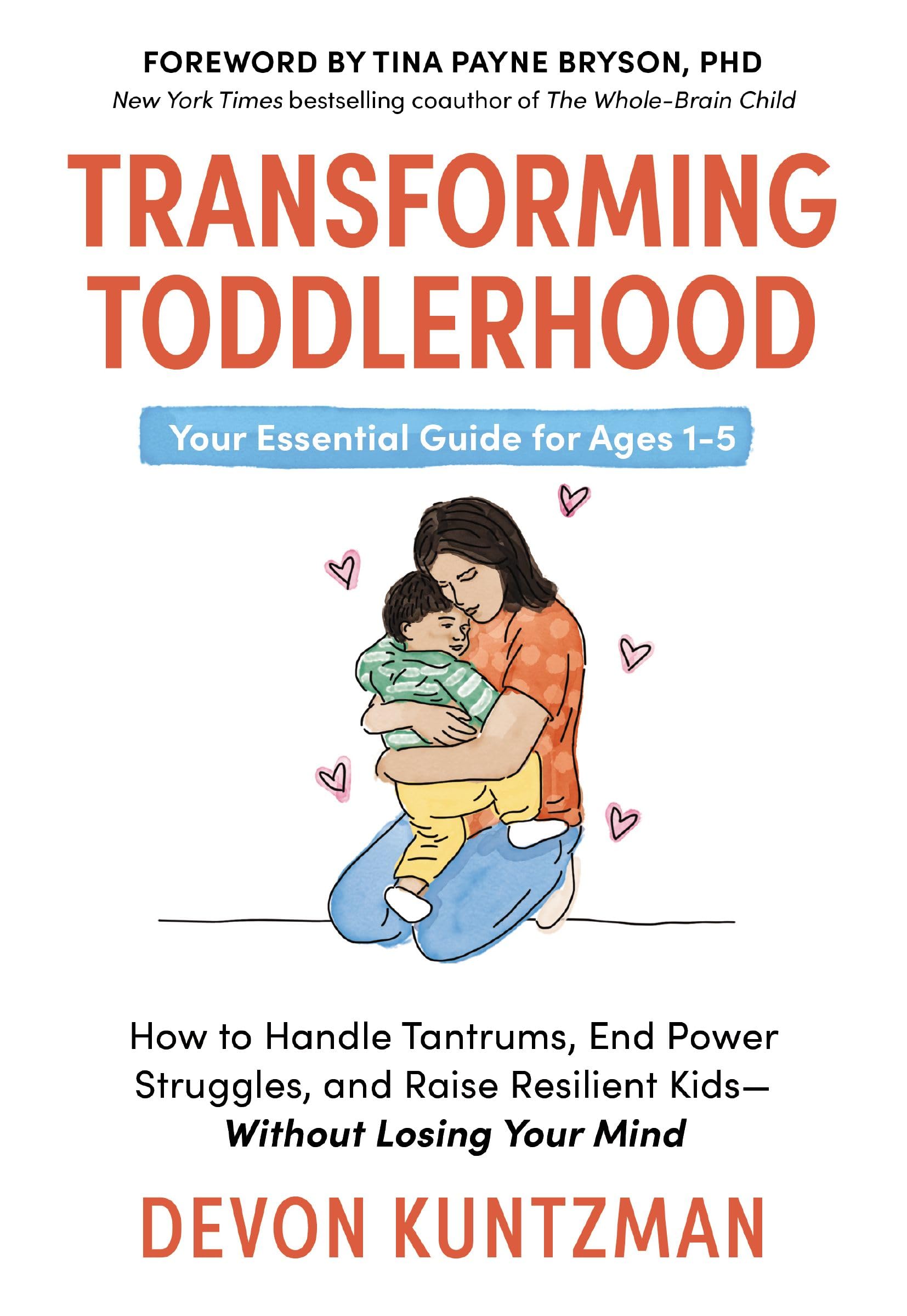
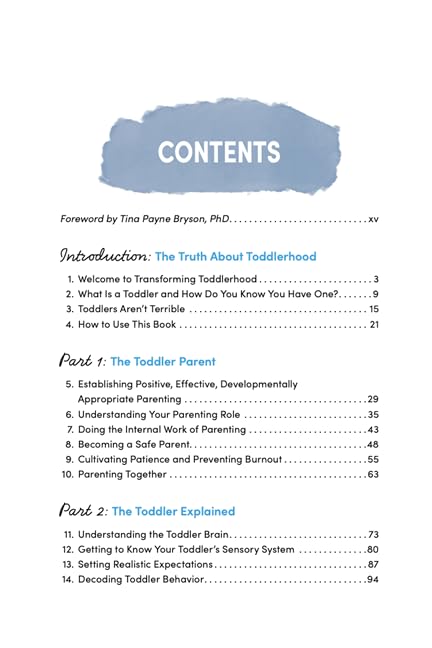
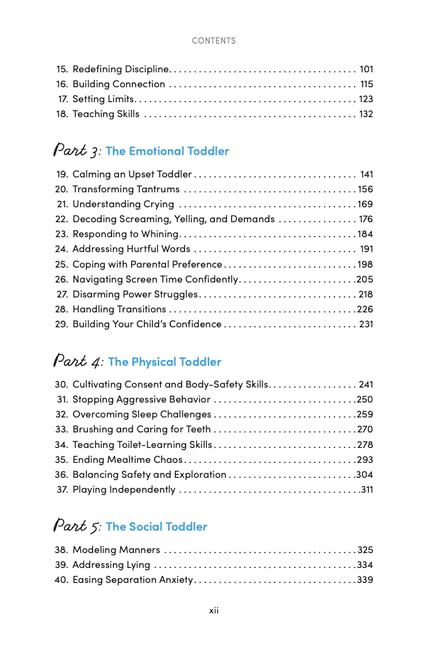
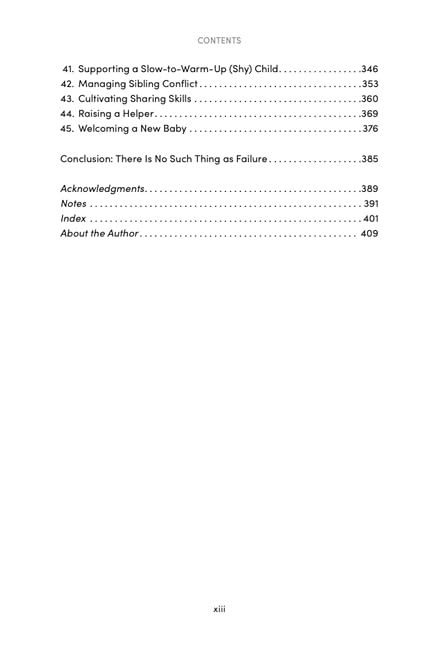
Transforming Toddlerhood: How to Handle Tantrums, End Power Struggles, and Raise Resilient Kids---Without Losing Your Mind
- Relationships
- Conflict Management
- Image Unavailable Image not available forColor:
6. When to Be Concerned: Red Flags That Warrant Professional Support
Most toddler hitting is developmental and resolves with consistent, patient responses. But there is a subset of children where hitting is more frequent, more intense, or accompanied by other behaviours that warrant a closer look. Knowing the difference helps you get the right support early, which makes a real difference.
Typical Developmental Hitting
Hitting That Warrants a Conversation with Your Paediatrician
The following patterns are worth raising at your next well visit, or sooner:
If you are noticing speech delay alongside the hitting, those two things are almost certainly connected. Building communication skills is one of the most direct routes to reducing physical aggression in toddlers.
The Role of Sensory Processing
Some children hit because they are genuinely seeking sensory input, not because they are emotionally dysregulated in the traditional sense. If your child hits in a way that seems almost experimental or seeking rather than explosive and reactive, and particularly if they show other sensory seeking behaviours (crashing into things, chewing non-food objects, seeking very tight hugs), mention this to your paediatrician. An occupational therapist with sensory experience can be enormously helpful.


1-2-3 Magic: Gentle 3-Step Child & Toddler Discipline for Calm, Effective, and Happy Parenting (Positive Parenting Guide for Raising Happy Kids)
- Parenting & Relationships
- Family Relationships
- Dysfunctional Families
Sleep also plays a bigger role than most parents realise. A chronically overtired toddler has dramatically reduced impulse control. If hitting is a persistent issue, it is worth reading about why toddler sleep regressions happen and whether disrupted sleep could be contributing to the pattern you are seeing.
| Response Approach | Best Used When | What It Teaches | Main Drawback | Recommended Resource | Approx. Cost |
|---|---|---|---|---|---|
| Calm verbal limit ("Hitting hurts. We don't hit.") | Every hitting incident, ages 12 months+ | Clear boundaries without shame or fear | Requires remarkable consistency from all adults | Transforming Toddlerhood | $0 (technique) |
| Emotion labelling + redirect | After the immediate moment is contained | Emotional vocabulary, self awareness | Slow burn — results over weeks, not days | Tiny Humans, Big Emotions | $7.55 |
| Bibliotherapy (reading books about hitting) | Calm moments, before bed, during the day | Empathy, perspective taking, seeing alternatives | Child must be in a receptive, calm state | No Hitting book for toddlers | $6.00 |
| Teaching physical replacement behaviours | Proactive sessions in calm moments | Body awareness, channelling big feelings safely | Needs regular practice to stick | The Whole Brain Child | $10.39 |
| Structured counting/warning system | Ages 2.5+, when child can process a verbal sequence | Clear consequences, predictability | Too abstract for children under 2.5 | 1-2-3 Magic | $9.35 |
| Paediatric or behavioural referral | Hitting escalating, self harm present, language delay | Targeted support, sensory or developmental assessment | Access and wait times vary | Consult your paediatrician | Varies |
Expert Insights on Toddler Aggression and Calm Parenting
You Are Not Raising a Bully. You Are Raising a Toddler.
Hitting feels personal. It is hard not to take it that way when you have been up since 5am, you skipped breakfast, and your child just smacked you in the face while you were trying to put their shoes on. But here is the truth a paediatrician will tell you at every well visit if you give them the chance: this is one of the most universal parenting experiences there is. You are not uniquely struggling. You are doing the hard, invisible, daily work of teaching a very small person how to be a person.
The phases that feel endless are, almost always, not endless. With consistent, calm, warm responses — and the realistic expectation that it will take weeks, not days — most toddlers work through the hitting phase and come out the other side with a bigger emotional vocabulary and a stronger sense of what the rules are.
If there is one thing to carry from this article: your calm is not passive. It is active. It is the most powerful teaching tool you have right now. And every time you choose it, even imperfectly, you are wiring your child's brain toward regulation.
Save this, share it with whoever else is in the parenting trenches with you, and come back to it on the hard days.
Sources & References
- American Academy of Pediatrics. "Aggressive Behavior in Toddlers." HealthyChildren.org. 2022. https://www.healthychildren.org
- Siegel, Daniel J. and Bryson, Tina Payne. "The Whole-Brain Child: 12 Revolutionary Strategies to Nurture Your Child's Developing Mind." Delacorte Press. 2011.
- Gottman, John and DeClaire, Joan. "Raising an Emotionally Intelligent Child." Simon & Schuster. 1997.
- Shanker, Stuart. "Self-Reg: How to Help Your Child (and You) Break the Stress Cycle and Successfully Engage with Life." Penguin Press. 2016.
- Greene, Ross W. "The Explosive Child." HarperCollins. 2014.
- Lansbury, Janet. "No Bad Kids: Toddler Discipline Without Shame." JLML Press. 2014.
- Karp, Harvey. "The Happiest Toddler on the Block." Bantam Books. 2008.
- Zero to Three. "Aggressive Behavior: Helping Young Children Manage Impulses." ZeroToThree.org. 2023. https://www.zerotothree.org
- Centers for Disease Control and Prevention. "Child Development: Toddlers (1-2 years)." CDC.gov. 2023. https://www.cdc.gov/ncbddd/childdevelopment
- Gottman Institute. "Emotion Coaching: The Heart of Parenting." Gottman.com. 2021. https://www.gottman.com
Frequently Asked Questions
Why does my toddler hit me but not other people?
Should I use time-out when my toddler hits?
My toddler hits when excited, not when angry. Is that different?
How long does the hitting phase last?
Is it okay to say "If you hit me again, I will put you down" and then follow through?
My 18 month old hits and laughs. Are they being manipulative?
Can hitting at this age predict aggressive behaviour later in childhood?
Was this helpful?
Thanks — your feedback helps us pick what to write next.