Why School Devices May Be Hurting Learning (And What Works)
A growing body of research shows that classroom technology, when used without clear limits, tends to reduce learning outcomes compared to handwriting, reading print, and structured analogue practice.
In this article
Introduction
Here is a number that should stop you mid-scroll: a 2023 UNESCO report analysed data from 200 countries and concluded that there is no clear evidence that adding more technology to classrooms improves learning outcomes. In some studies, it made things actively worse. Yet at roughly the same moment that report landed, schools around the world were handing out Chromebooks, iPads, and laptops to children as young as five, treating devices as the single most transformative tool in education since the printing press.
Something does not add up.
In this article you will understand:
1. What the Research Actually Shows About Tech and Learning
The short answer is this: for most children, most of the time, more screen time in class is associated with worse academic outcomes, not better ones.
The most cited piece of evidence comes from a 2014 study by Pam Mueller and Daniel Oppenheimer, published in the journal Psychological Science. They ran a series of experiments in which university students either typed or handwrote notes during a lecture, then were tested on the material. The handwriters consistently scored higher on conceptual questions, the kind that require actual understanding rather than rote recall. The reason, Mueller and Oppenheimer argued, is that typing is fast enough to allow near-verbatim transcription, which means the brain barely processes what it is hearing. When you write by hand, the bottleneck of the pen forces you to rephrase and summarise in real time. That effort is the learning.
Laptop note-takers' tendency to transcribe lectures verbatim rather than processing information and reframing it in their own words is detrimental to learning.
— Mueller and Oppenheimer, Psychological Science (2014)
That finding has been replicated and extended to younger age groups. A 2021 study from the University of Tokyo found that writing on paper produced stronger memory encoding and faster recall compared with digital note-taking, and brain imaging showed greater activity in the hippocampus, the region most associated with memory formation, during paper-based tasks.
The "brain drain" effect of a smartphone on a nearby desk
It gets more striking. A 2017 study from the University of Texas at Austin, led by researcher Adrian Ward, found that the mere presence of a smartphone on a student's desk reduced working memory capacity and fluid intelligence, even when the phone was face-down and silent. The brain, it turns out, uses mental energy to actively resist looking at the device. That is cognitive load spent on nothing useful at all.

Handwriting Practice Paper: 120 Pages, Blank Dotted lined Paper For Students Learning to Write Letters
- Children's Books
- Education & Reference
- Reading & Writing
2. Why Schools Keep Buying Devices Anyway
If the evidence is this consistent, why does every new school year bring another device rollout? The answer involves money, politics, good intentions, and a media narrative about the future of work that is genuinely hard to argue against in a school board meeting.
The funding cycle problem
Technology companies have spent decades cultivating relationships with schools, local authorities, and education ministries. In the United States, programmes like E-Rate subsidise broadband and devices for schools. In the UK, the government distributed hundreds of thousands of laptops during the COVID-19 pandemic. Once infrastructure is in place, it has to be justified. Administrators who accepted the devices, the training budgets, the platform licences, are not well placed to then argue that none of it worked.
A 2015 OECD report, Students, Computers and Learning, put it bluntly: countries that had invested the most heavily in classroom technology showed no improvement in PISA reading or mathematics scores. Some showed decline. The report's lead author, Andreas Schleicher, noted at the time that technology can amplify great teaching but it cannot substitute for it.
The equity argument is real, but limited
One of the strongest arguments for device programmes is equity. A child without a laptop at home is genuinely disadvantaged when homework requires one. That is a legitimate concern, and it would be wrong to dismiss it. But the equity argument for devices at home is very different from the argument for devices replacing pencils and paper in year one classrooms. These two things get conflated constantly, and the conflation serves device manufacturers more than it serves children.
The "future skills" narrative
Every parent has heard some version of this: kids need to learn to use technology because that is the world they are growing up into. It sounds sensible. But five and six year olds do not need to learn to use tablets. They will figure that out the way every generation before them figured out the technology of their time, through immersion and natural curiosity. What they do need, and what takes deliberate instruction, is reading, writing, numeracy, sustained attention, and the ability to sit with a hard task until it resolves.
3. How Screens Affect the Developing Brain
The brain of a child between ages five and twelve is not a smaller version of an adult brain doing the same things more slowly. It is a brain in a specific, time-sensitive period of wiring, and the inputs it receives during that window shape its architecture in ways that persist.
The prefrontal cortex, the part responsible for sustained attention, impulse control, and decision making, is not fully developed until the mid-twenties. In the primary school years it is particularly sensitive to the kind of input it receives. Fast-moving, reward-rich digital environments train it toward rapid switching and novelty-seeking. Slow, sustained reading or handwriting practice trains it toward focus and persistence. These are not equivalent.
Reading on screen versus reading on paper
A 2018 meta-analysis by Pablo Delgado and colleagues, published in Educational Research Review, analysed 54 studies comparing screen reading to print reading. The result was clear: reading comprehension is significantly worse on screen, particularly for informational texts (as opposed to narrative fiction), and particularly when readers are under time pressure, which describes most classroom conditions.
Why? Several factors converge. Scrolling disrupts the spatial memory we build when reading a physical text (your brain remembers roughly where on a page and in a physical book you encountered a piece of information). Screen reading also tends to encourage skimming, because the format implicitly signals that information is abundant and disposable. Print reading encourages more linear, careful processing.
Screen inferiority in reading comprehension is robust and consistent across a variety of texts, ages, and screen types.
— Delgado et al., Educational Research Review (2018)
What this means for the early reader
For children who are just learning to read, between roughly ages five and eight, the stakes are particularly high. The reading circuitry being laid down during this period is the foundation for everything: comprehension, vocabulary, writing, even mathematical reasoning. Anything that interferes with the quality of that early reading experience has a knock-on effect.
If you want to understand more about what the research says about early school age milestones, the window between five and eight is genuinely one of the most consequential in a child's intellectual development.
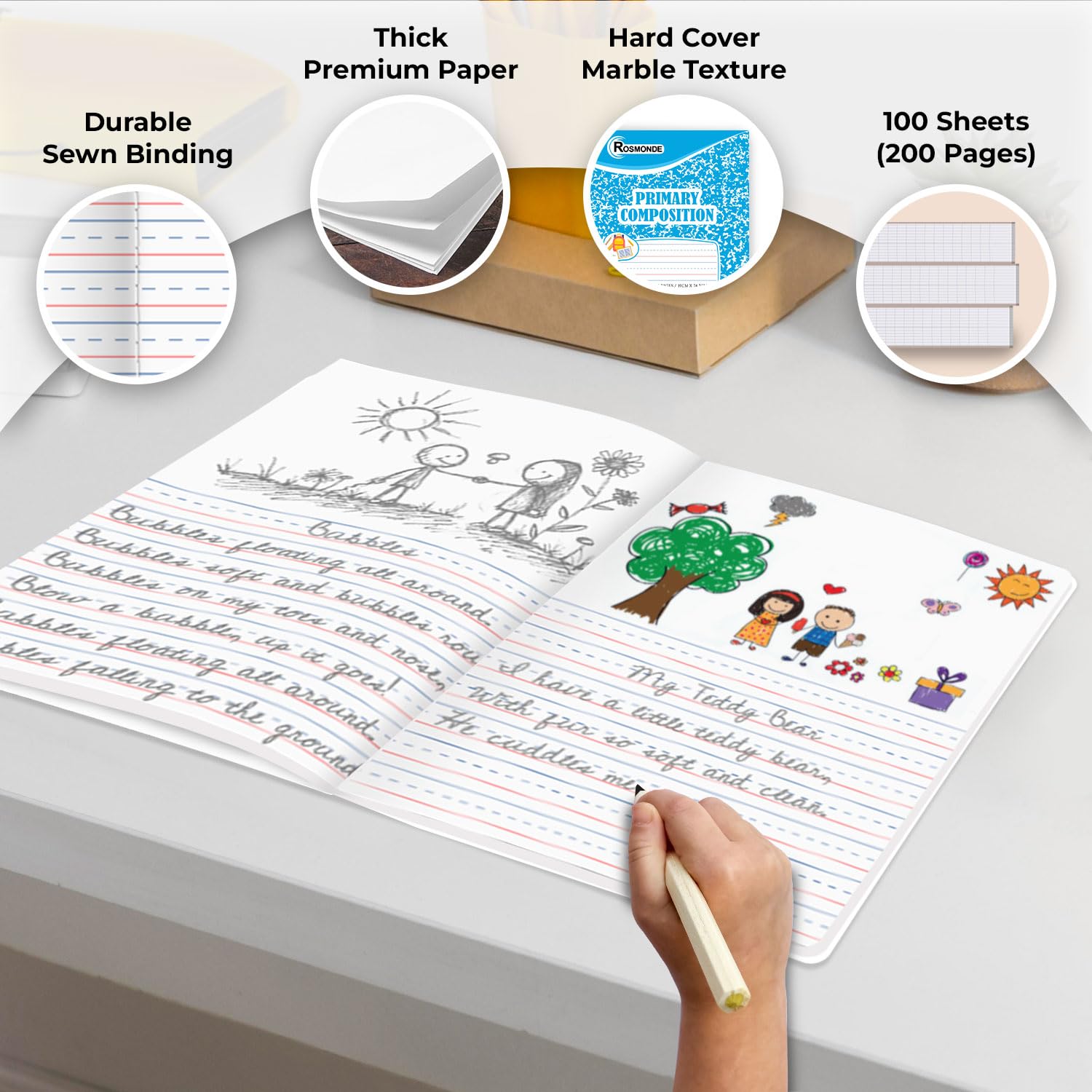
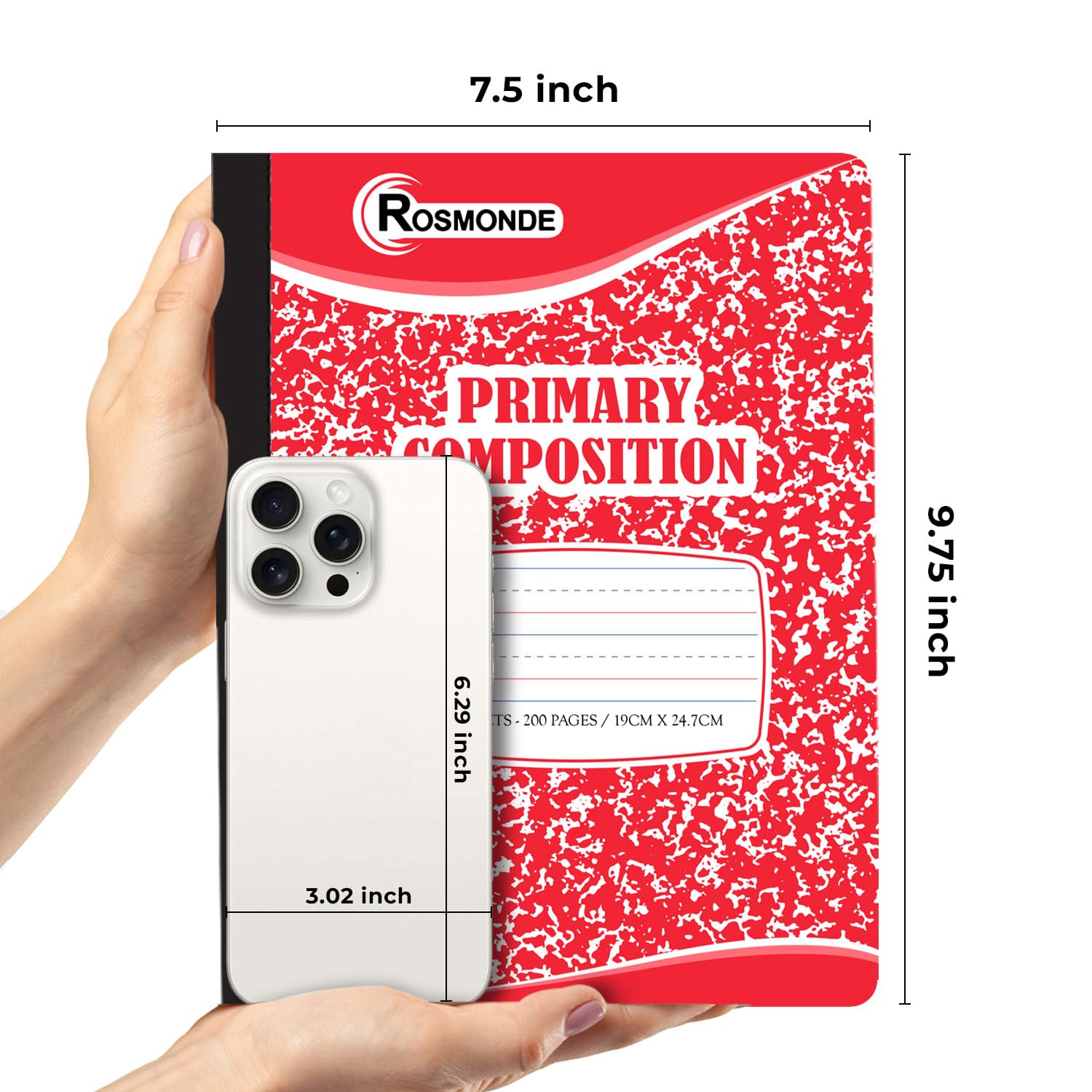
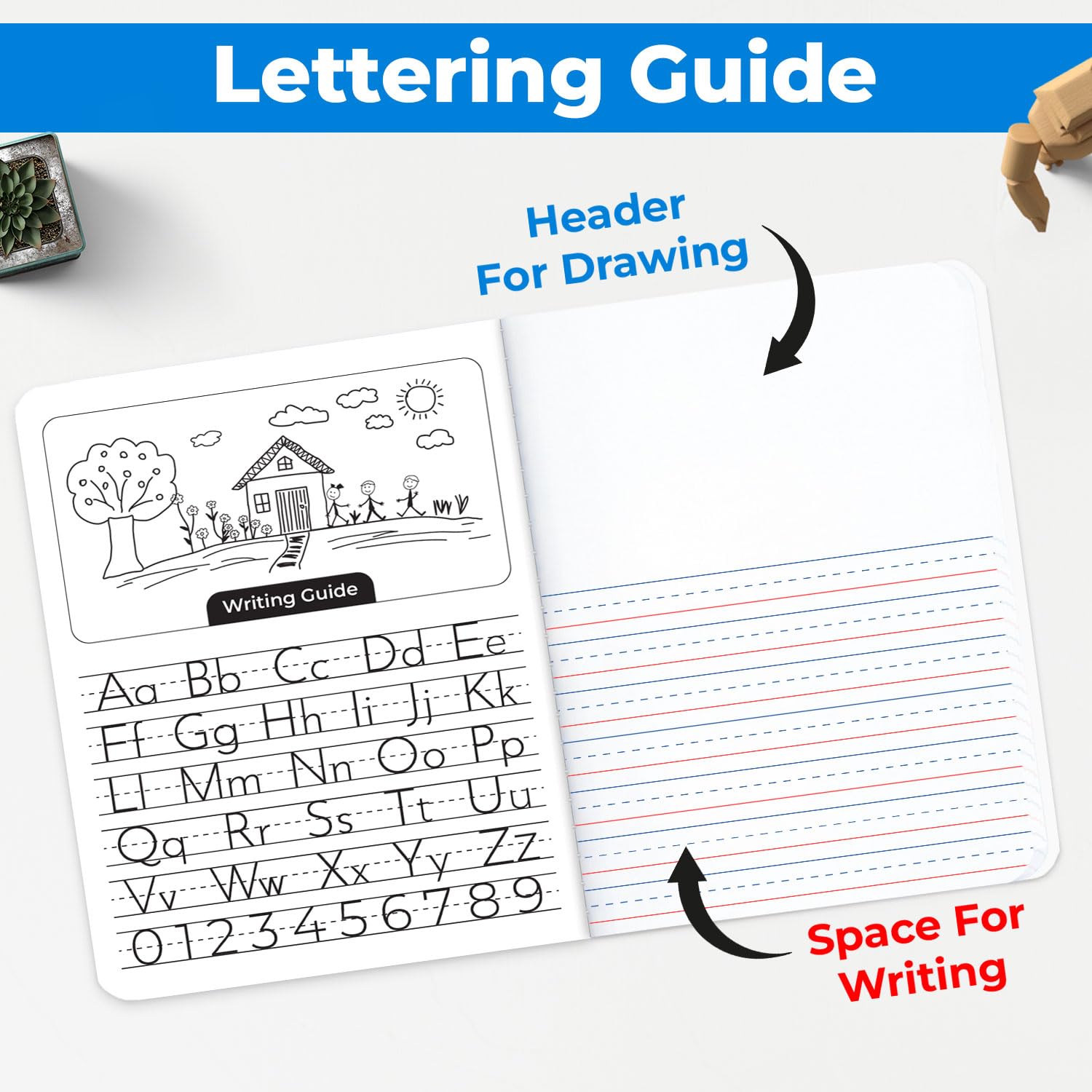

Rosmonde 5 Pack Primary Composition Notebook, 200 Pages (100 Sheets), Drawing Story Journal Writing Notebook, 9-3/4 x 7-1/2, Primary Composition Notebooks, Grades K-2, With Header For Drawing
- PRIMARY COMPOSITION: Our 5 Pack primary composition notebooks come with 100 sheets (200 pages) of paper with s
- DUAL-PURPOSE PAGES FOR WRITING AND DRAWING: Each page features a top section for drawing and a bottom half wit
- COMPACT AND VERSATILE CREATIVITY JOURNAL: Measuring 9.75 x 7.5 inches, each Draw and Write Journal in this boo
4. The Handwriting Advantage Nobody Is Talking About Enough
Handwriting is not just a legacy skill waiting to be replaced by voice-to-text software. It is a cognitively demanding, neurologically rich activity that produces effects on learning that typing demonstrably does not.
What happens in the brain when a child writes by hand
When a child forms a letter by hand, several things happen simultaneously. The hand must execute a precise motor sequence. The eye tracks the result. The brain compares the output to a stored template of what the letter should look like. And all of this happens while the child is also thinking about the word or sentence they are producing. That multi-channel engagement is, neurologically speaking, exactly the kind of effortful practice that deepens learning.
Virginia Berninger, a professor of educational psychology at the University of Washington, spent decades studying the relationship between handwriting and literacy. Her research showed that in young children, handwriting activates reading circuitry in the brain more effectively than typing does, and that children who write by hand produce more words, more ideas, and more complex sentences than those who type the same assignments.
The pencil grip as a learning tool
For children in the early primary years (roughly kindergarten through grade two), the physical act of forming letters is inseparable from learning what those letters mean and how language works. This is why structured handwriting practice, with good quality lined paper that gives clear spatial cues, is still one of the most research-supported tools in early education.
For older primary children, the benefit shifts slightly. The motor fluency they have built through handwriting frees cognitive resources for the content of their writing. Children who write fluently by hand compose better because they are not spending working memory on the mechanical problem of letter formation. Their mental energy goes to ideas.


Mead Primary Composition Book, Primary Ruled Journal, Grades K-2, 7-1/2" x 9-3/4", 100 Sheets, Blue Marble (09902)
- Composition Book is appropriate for grades K-2
- Contains 100 double-sided, primary ruled sheets that measure 7-1/2" x 9-3/4"
- Primary ruling is printed with solid and dotted lines
5. What Parents Can Do at Home (Without Becoming Anti-Technology)
Let me be clear about something: this article is not making the case that technology has no place in a child's education. It clearly does. The question is proportion, timing, and purpose. A child who learns to code at age nine is building genuine problem solving skills. A child who watches a documentary about the deep ocean on a tablet is accessing something extraordinary. These are not the activities that the research identifies as harmful.
What the research flags is passive consumption, device substitution for handwriting and print reading in the early years, and the constant background presence of screens during tasks that require sustained focus.
Here is what you can actually do about it.
At home: build an analogue anchor
The single most effective thing you can do is ensure that some learning time at home is firmly and consistently screen-free. This is not about punishment or restriction. It is about giving your child's brain regular practice in the kind of sustained, effortful, distraction-free thinking that classrooms are now inadvertently training out.
For children ages five to eight, this might look like:
- Thirty minutes of independent reading from a physical book before any screen time - A daily journaling or drawing practice using a proper notebook - Handwriting practice with purpose (copying a favourite poem, writing a letter to a grandparent) - Board games or card games that require memory and strategy
The research on screen time limits that actually work is consistent: structure matters more than total minutes. Children who know when screens start and stop, and who have clear analogue alternatives, show better self regulation and less conflict around devices.
For older primary children (ages 8 to 12)
At this age, device use at school is often unavoidable. The goal shifts from elimination to intentional balance.
- Encourage your child to take notes by hand during any learning that is not purely mechanical (typing a finished essay is fine; processing a new concept in typed notes is not ideal) - Read together from physical texts whenever possible - Talk about what they learned, in their own words, without a screen in sight
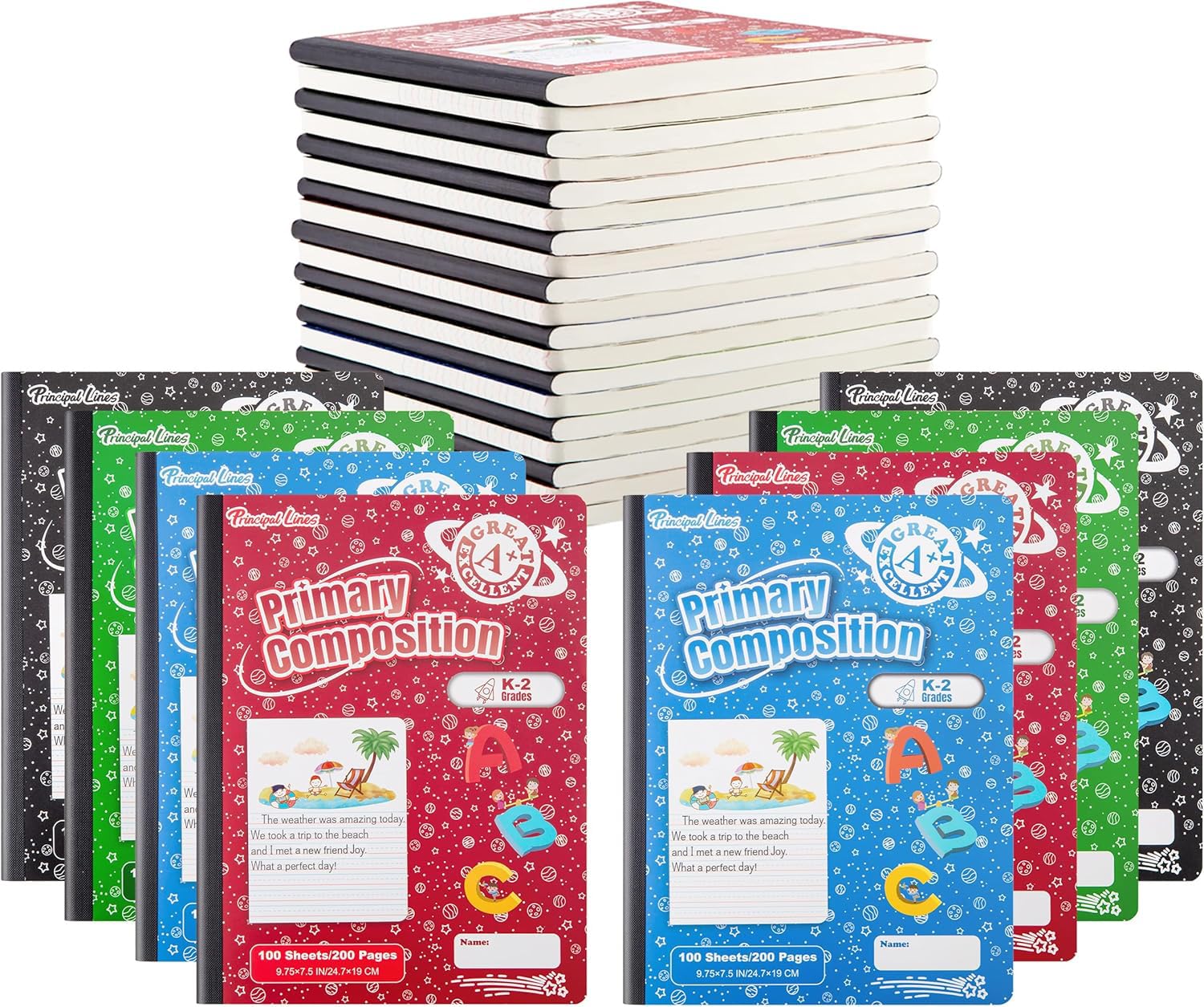

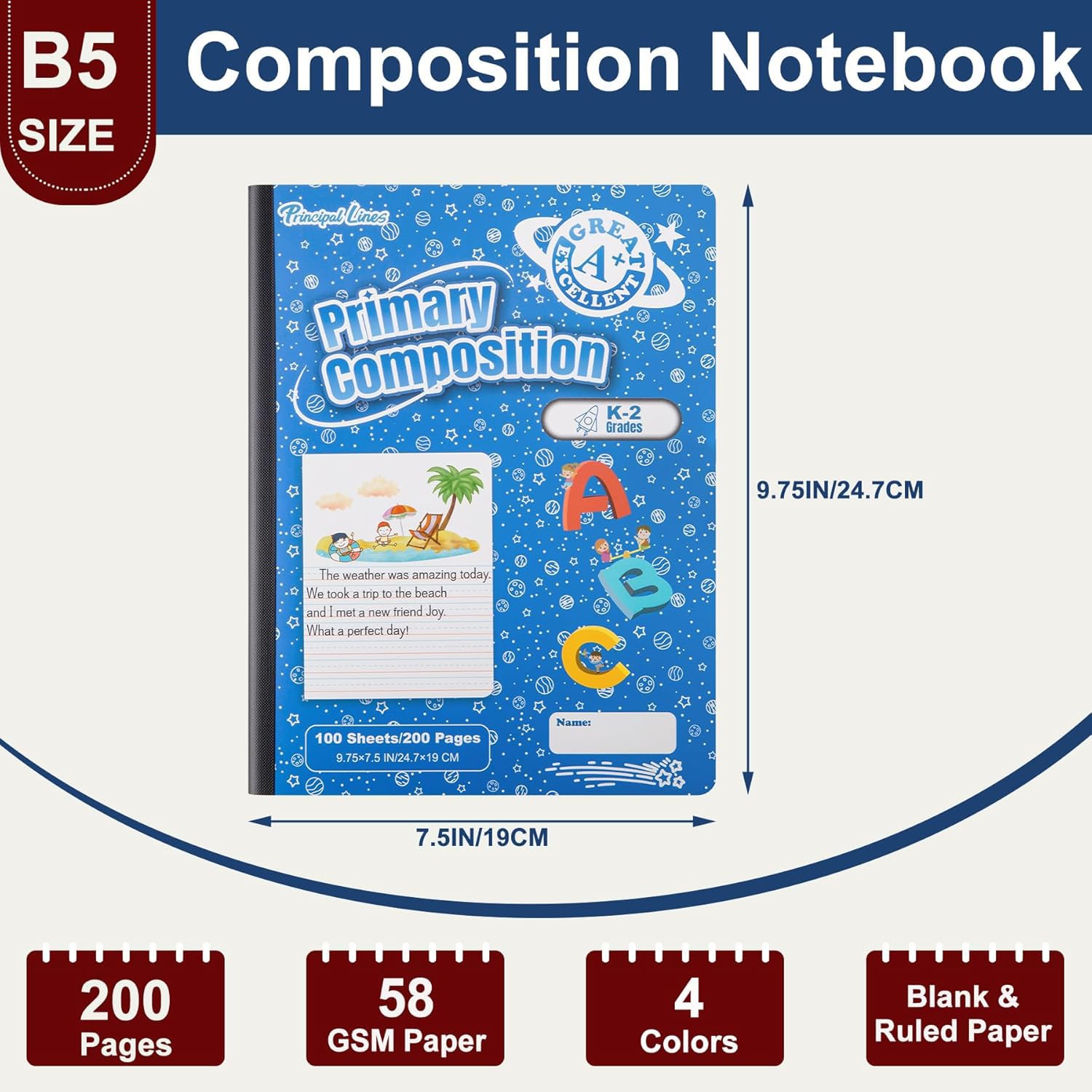

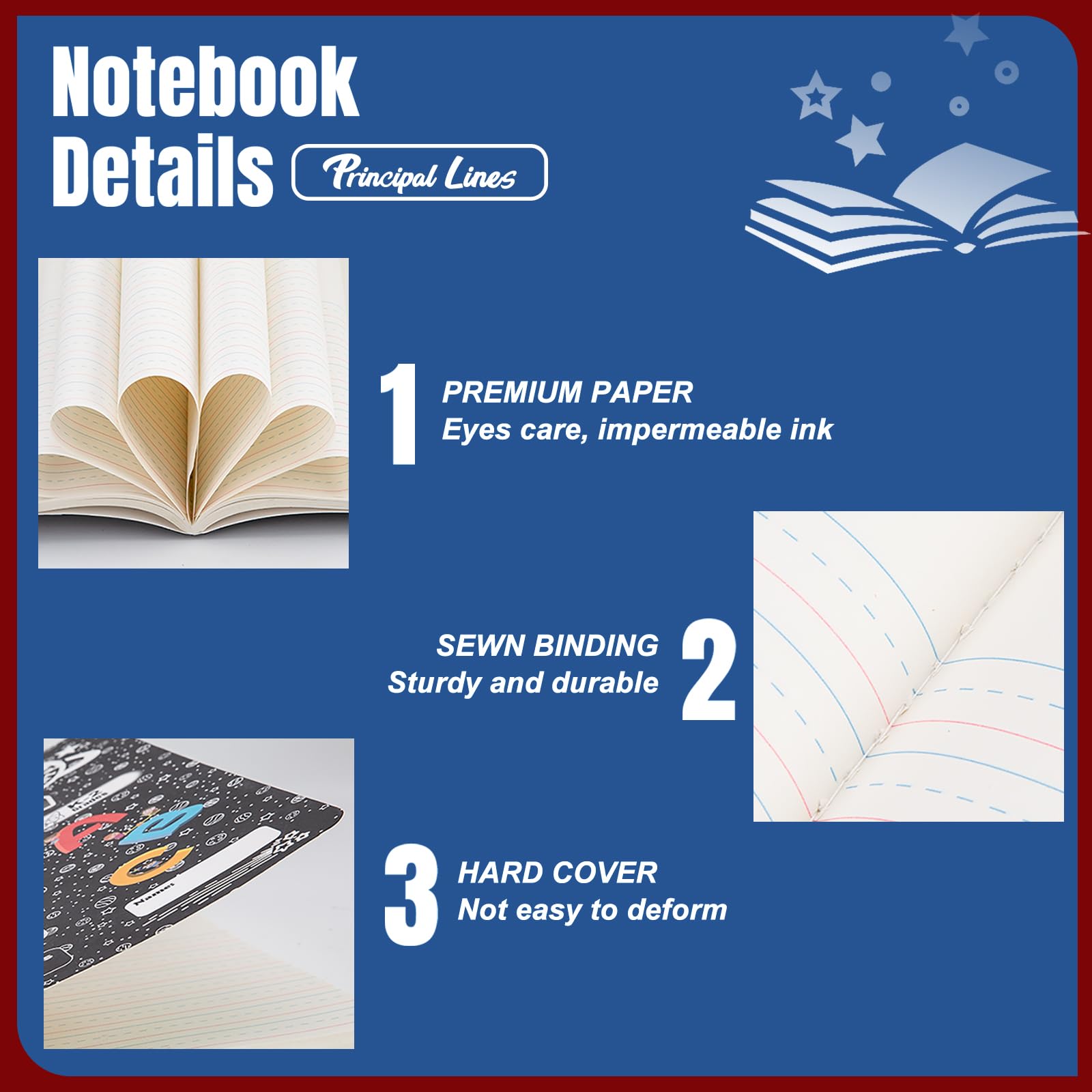
24 Pack Primary Composition Notebook K-2, Primary Ruled Journal, Draw and Write Journal for Kids, Notebook School Supplies for Students, Hard Cover, 200 Pages(100 Sheets)
- 【Primary Composition Book】This composition notebook is appropriate for grades K-2, there are 24 packs, each wi
- 【Primary Journal Half Page Ruled】The top half of each page of this primary writing journal is divided into bla
- 【Standard Letters and Numbers】 The inside cover of the journaling notebooks is not only printed with standard
6. Having the Conversation With Your Child's School
This is the section most parenting articles skip, because it feels confrontational. But schools are genuinely responsive to informed, constructive parental input, and you do not have to frame this as a complaint.
What the evidence says you can reasonably ask for
You are not asking the school to throw out all its devices. You are asking for clarity on how and why they are used, which is a completely reasonable parental request. Specifically, you can ask:
Frame it as a learning conversation
Most teachers and many school leaders are already uncomfortable with the pace of device rollout. A parent who comes in with a copy of the UNESCO 2023 report or the OECD 2015 findings, and who asks curious rather than accusatory questions, is more likely to be heard than one who leads with a complaint.
What to do when the school policy is not changing
Sometimes the answer is that the school has a policy, a platform contract, or a mandate from above, and individual teachers cannot deviate. In that case, your job is to double down at home. The analogue anchor I described above is even more important when school time is heavily screened.
There is also a positive framing here. The skills that screen-heavy classrooms underinvest in, sustained reading, handwriting fluency, memory practice, mathematical reasoning with paper and pencil, are exactly the skills that will differentiate your child academically as the curriculum gets harder. Understanding working memory and reasoning development in the primary years gives you a clear target to work toward at home, regardless of what is happening at school.
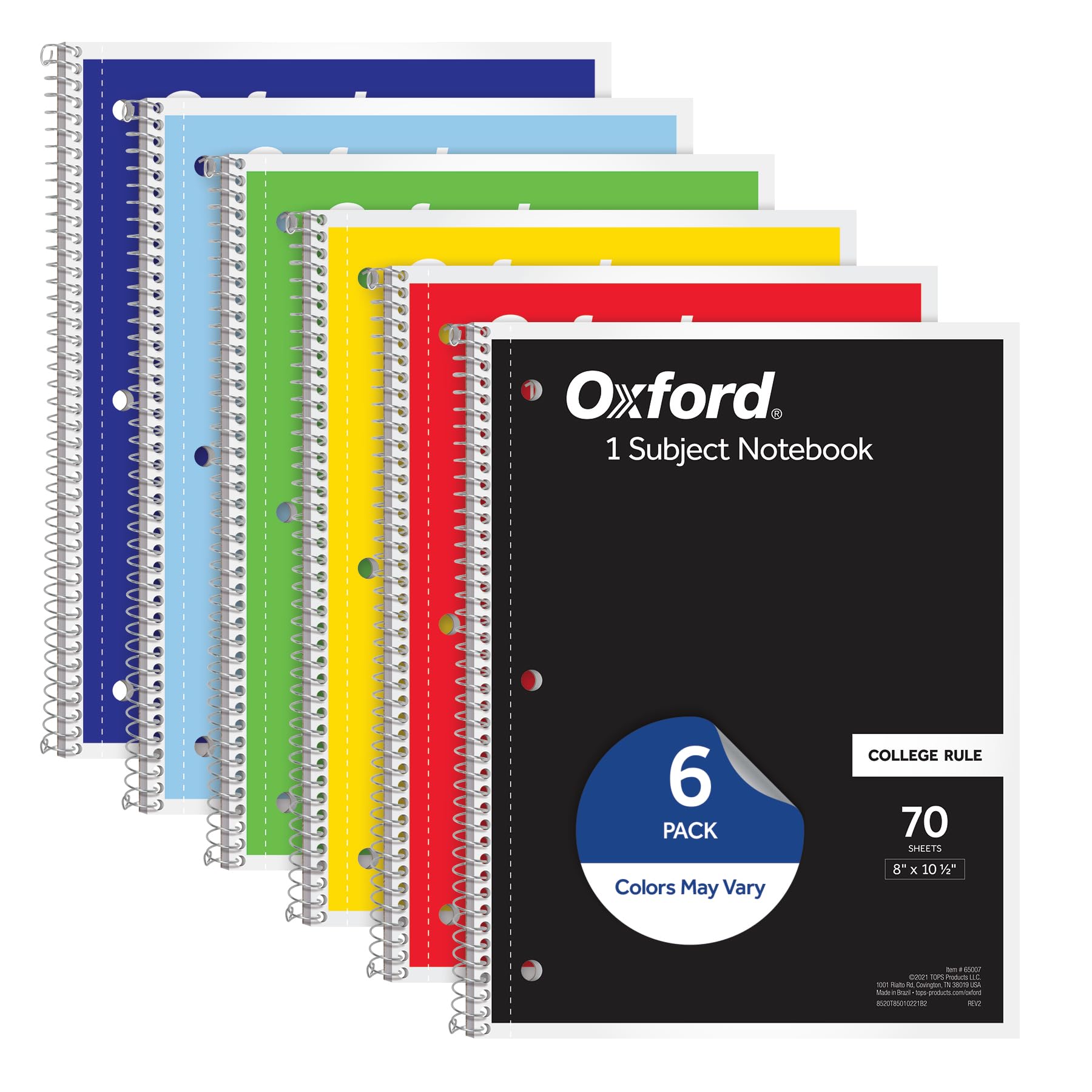
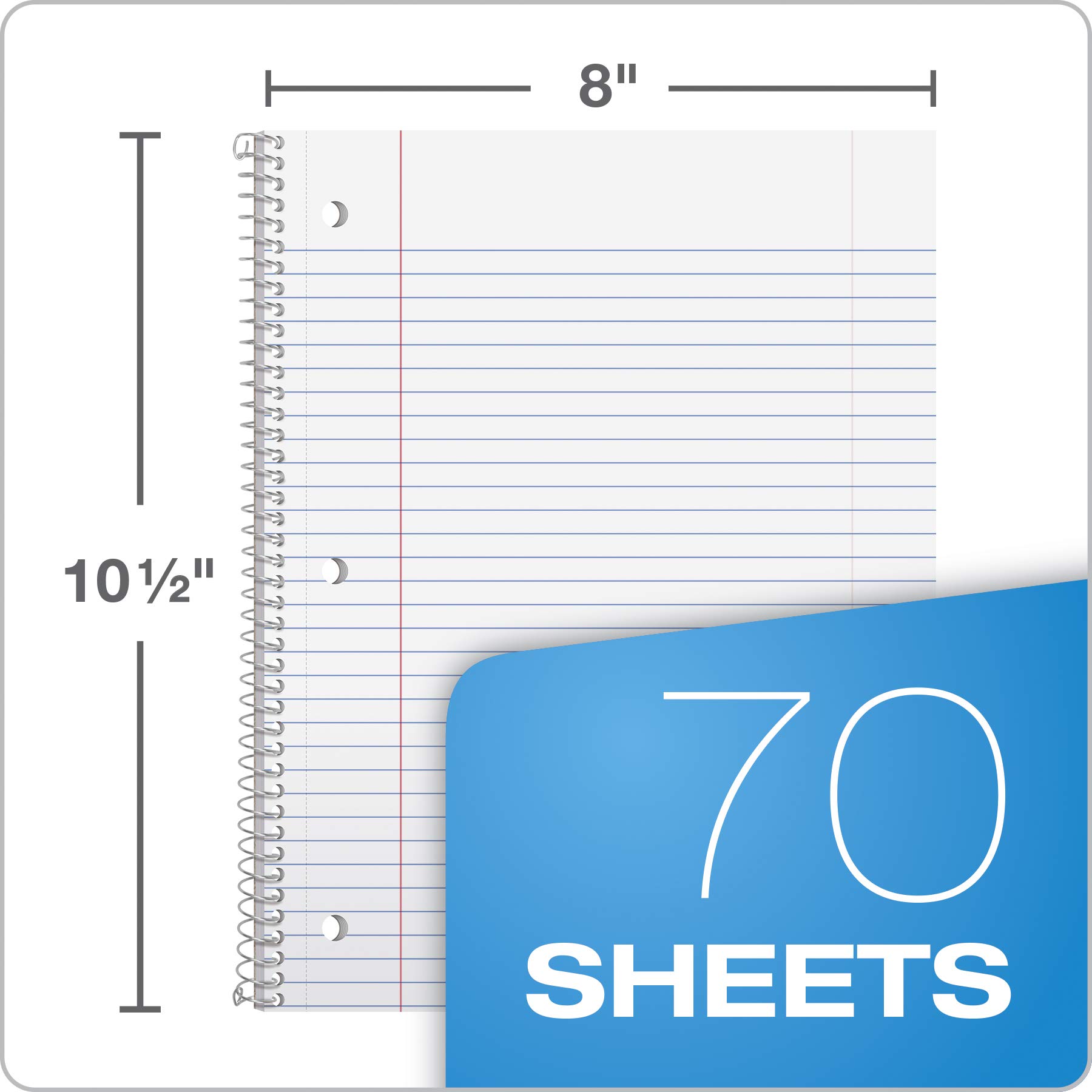
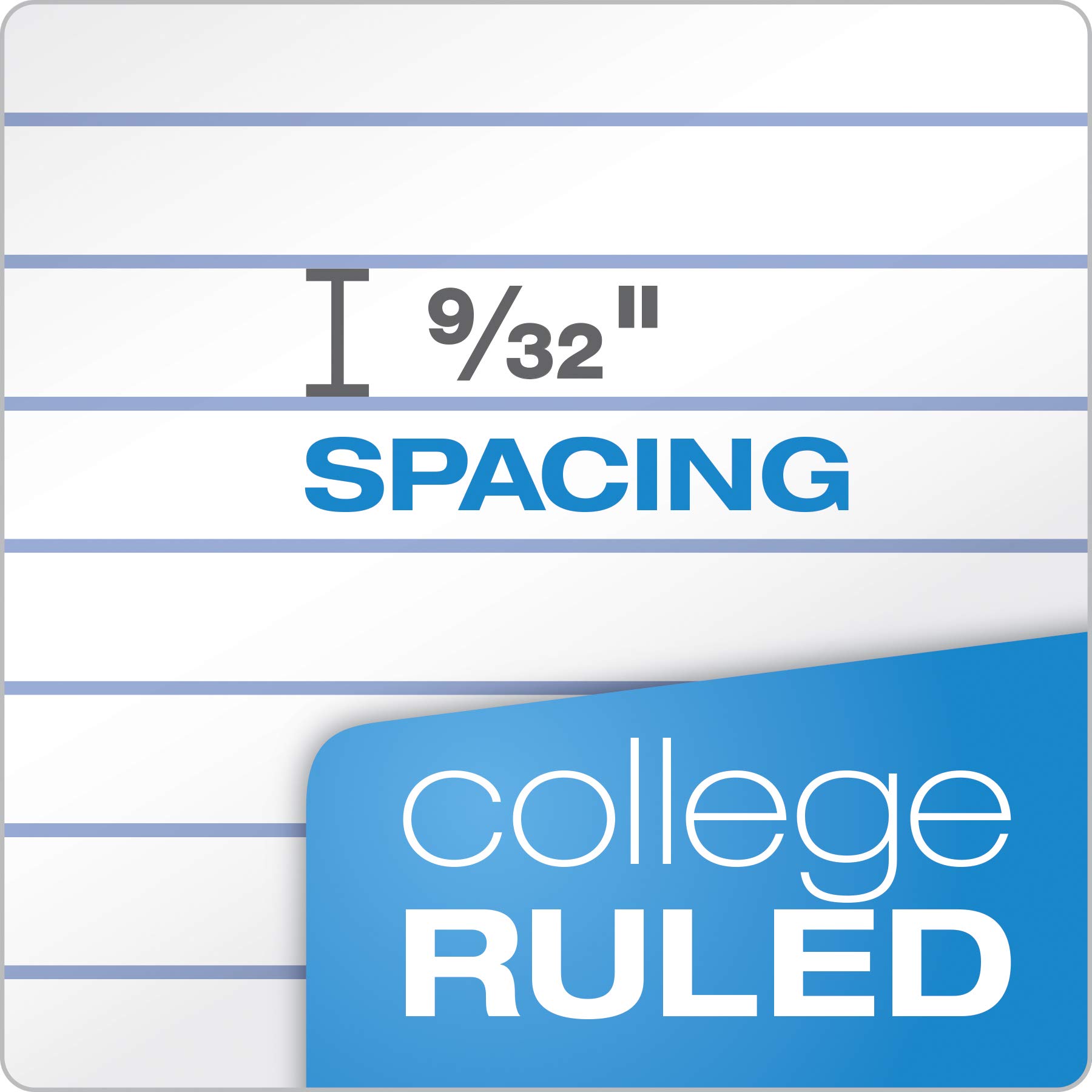

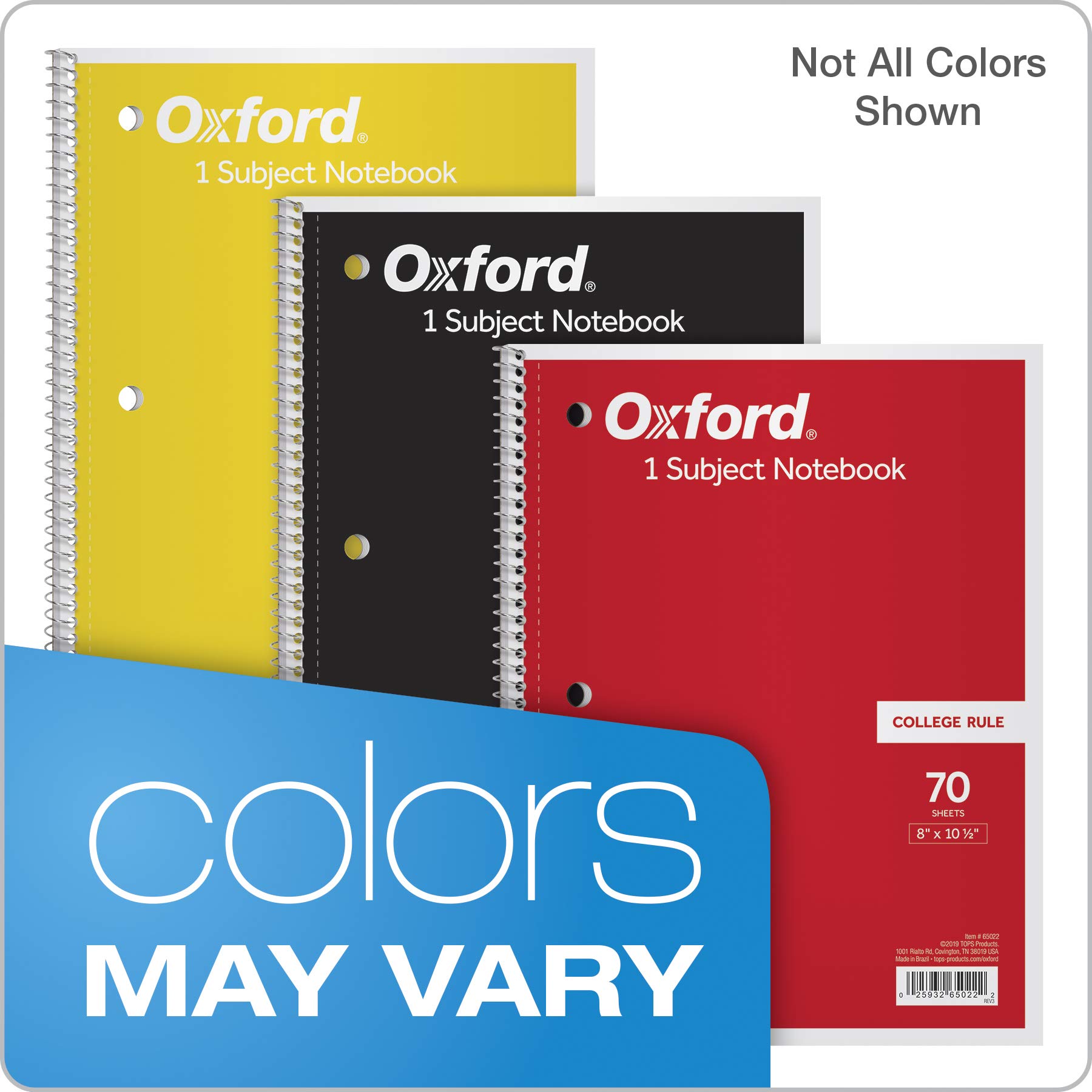
Oxford Spiral Notebook 6 Pack, 1 Subject, College Ruled Paper, 8 x 10⁻¹/2 Inch, Color Assortment Design May Vary (65007)
- Office Products
- Office & School Supplies
- Notebooks & Writing Pads
Comparison Table: Learning Approaches by Format and Age
| Learning Format | Best Age Range | Core Benefit | Main Limitation | Recommended Product | Price Range |
|---|---|---|---|---|---|
| Handwriting on lined paper | Ages 5 to 8 | Activates reading circuitry, builds letter-sound connections | Slower than typing; needs good paper with clear ruling | Handwriting Practice Paper | $6–10 |
| Draw-and-write notebook (primary ruled) | Ages 5 to 7 | Combines storytelling, drawing, and early writing in one session | Younger children need adult support to start | Rosmonde Primary Composition Notebook | $14.99 |
| Hard-cover composition book (classroom pack) | Grades K to 2 | Durable for daily classroom use; teaches standard letter formation via inside cover | Bulk packs reduce per-child ownership and care | Principal Lines 24 Pack Notebook | $59.95 |
| Single composition notebook (everyday use) | Grades K to 2 | Affordable, widely available, familiar format for young writers | No drawing section; purely writing-focused | Mead Primary Composition Book | $3.88 |
| Spiral notebook (older primary) | Ages 8 to 12 | College ruling suits older learners; multi-subject flexibility | Not appropriate for early writers still learning letter sizing | Oxford Spiral Notebook 6 Pack | $12–16 |
Expert Insights
FAQ
Conclusion
None of this means your child's school is failing them, or that every device in every classroom is doing harm. It means that the promise of educational technology has consistently outrun the evidence, and that the children most affected are the youngest ones, those in the years when handwriting, print reading, and sustained attention are being laid down as lifelong cognitive foundations.
The good news is that the counter to this is not expensive, complicated, or time-consuming. A notebook, a pencil, a physical book, and thirty minutes of your company are still among the most powerful educational tools ever devised. The research keeps confirming what grandparents have always suspected.
Share this with a parent who has questions at the next school gate. Save it for the next parent-teacher meeting. And tonight, hand your child a pencil.
Sources & References
- UNESCO. "Technology in Education: A Tool on Whose Terms?" 2023. https://www.unesco.org/en/articles/technology-education-tool-whose-terms
- Mueller, P. A., and Oppenheimer, D. M. "The Pen Is Mightier Than the Keyboard: Advantages of Longhand Over Laptop Note Taking." Psychological Science, 2014. https://doi.org/10.1177/0956797614524581
- OECD. "Students, Computers and Learning: Making the Connection." 2015. https://www.oecd.org/education/students-computers-and-learning-9789264239555-en.htm
- Ward, A. F., et al. "Brain Drain: The Mere Presence of One's Own Smartphone Reduces Available Cognitive Capacity." Journal of the Association for Consumer Research, 2017. https://doi.org/10.1086/691462
- Delgado, P., et al. "Don't Throw Away Your Printed Books: A Meta-Analysis on the Effects of Reading Media on Reading Comprehension." Educational Research Review, 2018. https://doi.org/10.1016/j.edurev.2018.09.003
- Nakagawa, Y., et al. "Paper Notebooks vs. Mobile Devices: Brain Activation Differences During Memory Retrieval." Frontiers in Behavioral Neuroscience, 2021. https://doi.org/10.3389/fnbeh.2021.634158
- Berninger, V., and Wolf, B. "Teaching Students with Dyslexia and Dysgraphia: Lessons from Teaching and Science." Paul H. Brookes Publishing, 2009.
- James, K. H., and Engelhardt, L. "The Effects of Handwriting Experience on Functional Brain Development in Pre-Literate Children." Trends in Neuroscience and Education, 2012. https://doi.org/10.1016/j.tine.2012.08.001
- Wolf, M. "Reader, Come Home: The Reading Brain in a Digital World." Harper, 2018.
- Baron, N. S. "Words Onscreen: The Fate of Reading in a Digital World." Oxford University Press, 2015.
Frequently Asked Questions
At what age should children start using devices for schoolwork?
My child's school says they need a tablet for homework. What should I do?
Does handwriting still matter if children will mostly type as adults?
Is reading on a Kindle or e-reader as bad as reading on a tablet or phone?
How much of this is about social media and not devices in general?
What if my child genuinely learns better with technology? Some kids do seem to thrive with it.
What can I do at home tonight to start counteracting too much screen time at school?
Was this helpful?
Thanks — your feedback helps us pick what to write next.