11 Products to Help You Survive the 4 Month Sleep Regression
The right sleep sack, white noise setup, and a realistic understanding of what is happening in your baby's brain are the most useful tools to get your family through the 4 month sleep regression.

In this article
Around 4 months old, roughly 60 to 70 percent of previously decent sleeping babies suddenly start waking every hour or two, fighting naps, and generally acting like sleep is a personal insult, according to sleep researchers cited by the American Academy of Pediatrics in parent guidance on infant sleep. If you're currently googling this at 2am with a baby on your chest, you are not doing anything wrong. This is one of the most predictable, well documented shifts in infant development, and it trips up almost every family at least a little.
The good news is that while you can't skip the regression, you can make it a lot more survivable with the right setup: safe sleepwear that fits your baby's new mobility, a soothing sleep environment, and realistic expectations about what "help" actually looks like at this age.
What you'll understand after reading this:
1. Understanding Why the 4 Month Sleep Regression Happens
The 4 month sleep regression happens because your baby's brain is maturing from newborn sleep cycles into adult like sleep cycles, and that transition is genuinely disruptive before it gets better. Newborns spend a lot of time in deep, hard to wake "quiet sleep." Around 3 to 4 months, babies start cycling through lighter and deeper sleep stages the way adults do, which means they surface more often between cycles, and each surfacing is a chance to fully wake up if they don't yet know how to settle themselves back down.
This is why pediatric sleep specialists increasingly avoid the word "regression" altogether and call it a progression instead. Nothing is going backward. Your baby's sleep is becoming more sophisticated, and the bumpy part is the adjustment period.
Why It Doesn't Just "Pass"
Unlike a growth spurt or a teething flare that resolves on its own in a week or two, the 4 month shift in sleep architecture is permanent. What changes is not the sleep cycles themselves but whether your baby can link one sleep cycle to the next without your help. That's a learned skill, and it's why some babies come out the other side within a couple of weeks while others need more deliberate practice with settling.
If your baby was swaddled up until now, this is also the exact window where the swaddle needs to go, because rolling can start any time after 3 months, and a swaddled baby who rolls onto their stomach is at real risk of suffocation. That single safety fact drives most of the product decisions in this article.
2. Retiring the Swaddle Safely: Sleep Sacks for the Regression Stage
The safest and most practical way to transition out of a swaddle during the 4 month regression is a wearable sleep sack that leaves the arms free once your baby shows any sign of rolling. The AAP is explicit on this point: once an infant can roll from back to front and back again, they should no longer be swaddled with arms restricted, because a swaddled baby who rolls face down cannot free their arms to reposition themselves.
Once an infant demonstrates significant movement, one may consider the infant too big for swaddling, as the loose blanket could then become a hazard.
— American Academy of Pediatrics, Safe Sleep guidance (2022)
This is exactly the age where a lot of parents panic, because the swaddle was often the thing that got their newborn to sleep in the first place. Losing it right as the regression hits feels like terrible timing. It's actually the opposite problem: the swaddle removal and the regression are colliding because they're both driven by the same developmental leap, increased motor control and lighter sleep.
Choosing a Transition Sleep Sack
The Yoofoss Baby Sleep Sack style products (arms free, TOG rated, two way zipper) are designed for exactly this handoff. Look for:


Yoofoss Baby Sleep Sack 0-6 Months 0.5 TOG Wearable Blanket 100% Cotton
- 100% Cotton
- 100% Organic Cotton: Soft, breathable, and gentle on sensitive skin, our sleep sack is made from high-quality
- Smooth 2-Way Zipper: Our sleep sack double zipper makes midnight diaper change easily. The interior zipper gua
The Yoofoss sack is a solid starter option because the 0.5 TOG cotton construction suits most nurseries kept between 68 and 72 degrees Fahrenheit, and the interior zipper guard means fewer scratched chins during those groggy midnight diaper changes.
For families who liked the snugness of swaddling and want a gentler in between step, the SwaddleDesigns Transitional Swaddle Sack with half length arms up sleeves offers a middle ground before going fully arms free.
SwaddleDesigns Transitional Swaddle Sack
3. Building a Sleep Environment That Supports the New Sleep Pattern
The single most effective environmental change during this regression is consistent, moderately loud white noise combined with a fully dark room, because both reduce the chance that your baby's normal light sleep surfacing turns into a full wake up. Newborns and infants are startled easily by ordinary household sounds, a creaking floorboard, a sibling's cough, a car door outside, and during the lighter sleep stages of the 4 month regression, those small sounds are far more likely to fully rouse your baby.
Continuous white noise at a safe volume can help mask household and environmental sounds that would otherwise wake an infant during lighter sleep stages.
— National Sleep Foundation, Infant Sleep Environment guidance (2021)
Practical Environment Checklist
If your baby's naps have gone from a predictable hour down to unpredictable 25 minute catnaps, this is one of the more frustrating regression symptoms, and it's covered in more detail in our piece on the 8 month sleep regression, since many of the same soothing principles apply across regressions at different ages.
Sleep sacks with breathable, temperature regulating fabric matter here too, because an overheated baby wakes more, not less. The BubblePanda Bamboo Sleep Sack is worth considering for babies who run warm or live in a climate where the nursery temperature is hard to control precisely.


BubblePanda Rayon Made from Bamboo Sleep Sack 0-6 Months 1.0 Tog Newborn
- 97% Rayon made from bamboo, 3% Spandex
- IDEAL SLEEP SACK - BubblePanda baby sleep sack is made from luxurious rayon made from bamboo, known for its bu
- SUPER SOFT FABRIC - We've carefully blended 97% rayon made from bamboo with 3% spandex to create an exceptiona
4. Feeding Adjustments During the Regression
Increased night waking during the 4 month regression is often mistaken for hunger, so the first thing to check is whether your baby's daytime feeding has actually dropped, not whether they need more calories overnight. Many babies this age start "reverse cycling," where they get distracted during daytime feeds because their vision and attention span are developing rapidly, then try to make up the calories overnight.
Signs It's Reverse Cycling, Not a Sleep Issue
If you suspect reverse cycling, try feeding in a low stimulation room during the day for a few days before assuming it's purely a sleep training issue. This one adjustment resolves a surprising number of "regression" complaints that are really daytime feeding problems in disguise.
Solid, breathable sleepwear supports better overnight feeds too, since a baby who is too warm or tangled in loose fabric wakes fussier and feeds less efficiently. The Wrrernsin 3 Pack Cotton Sleep Sack set is a practical, budget friendly option for families doing frequent night feeds and changes, since having three on hand means never scrambling to do laundry at midnight.
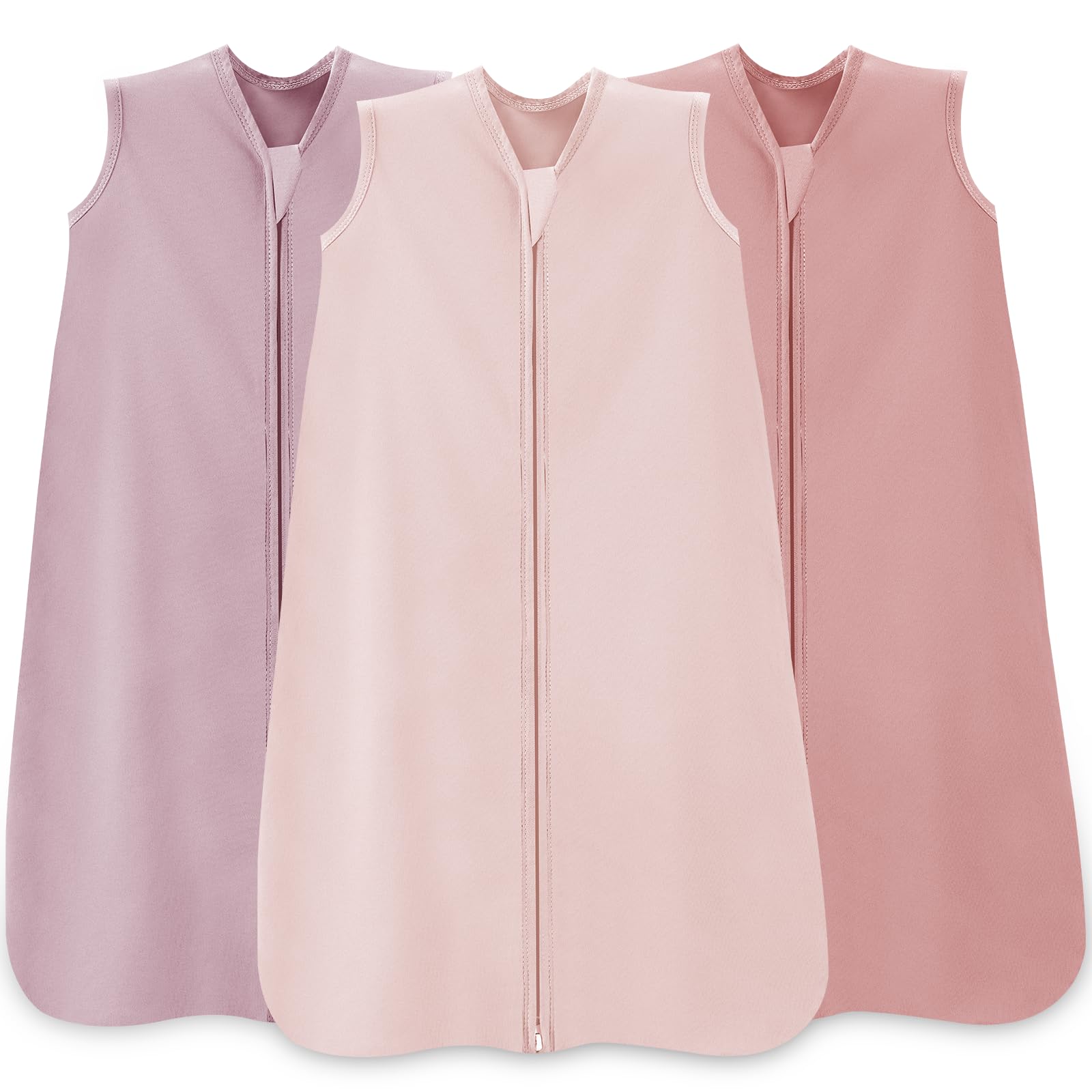
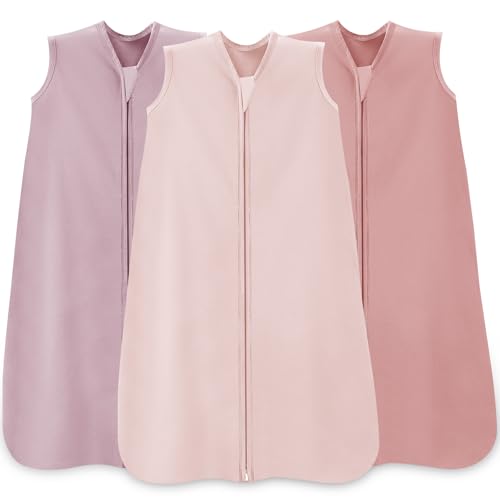
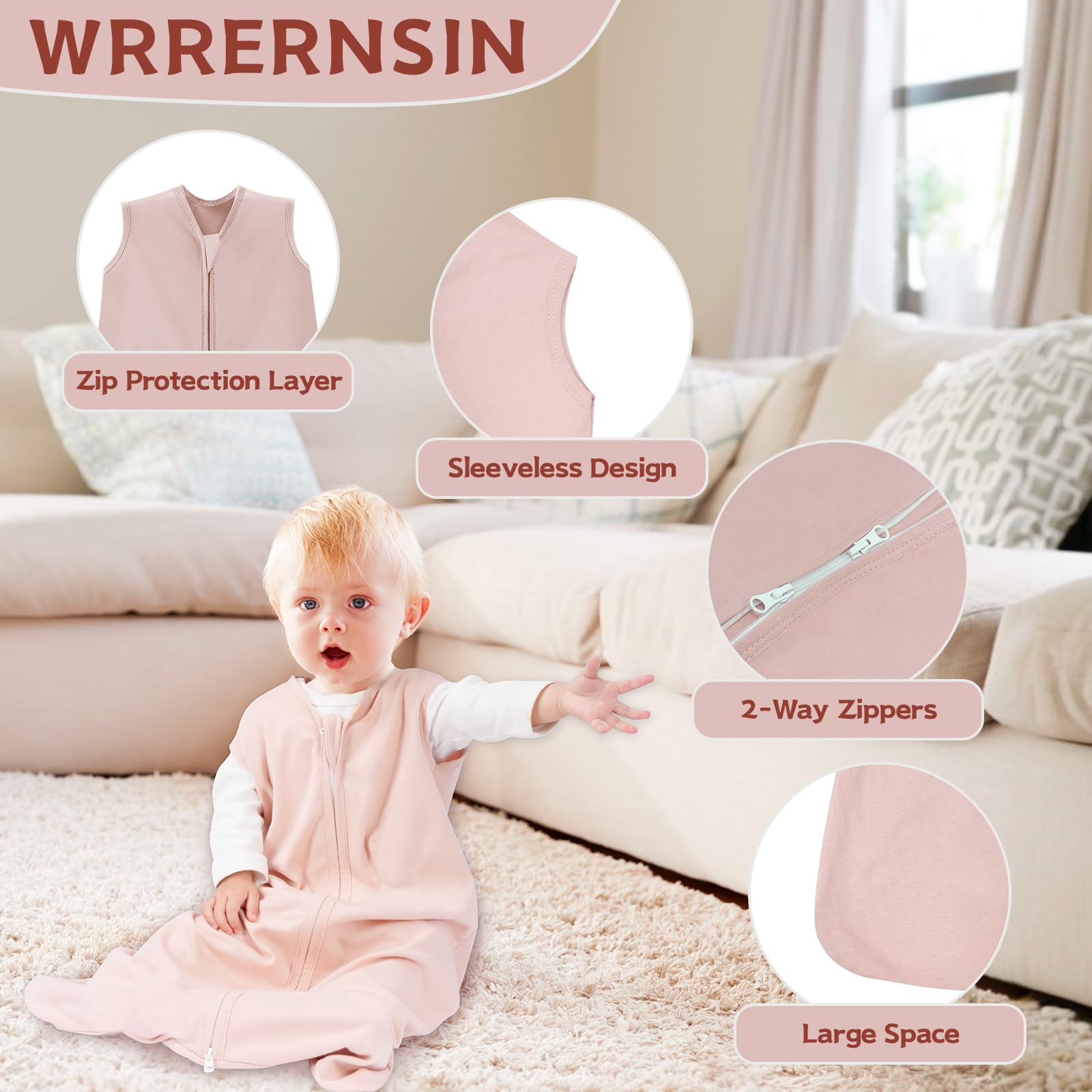
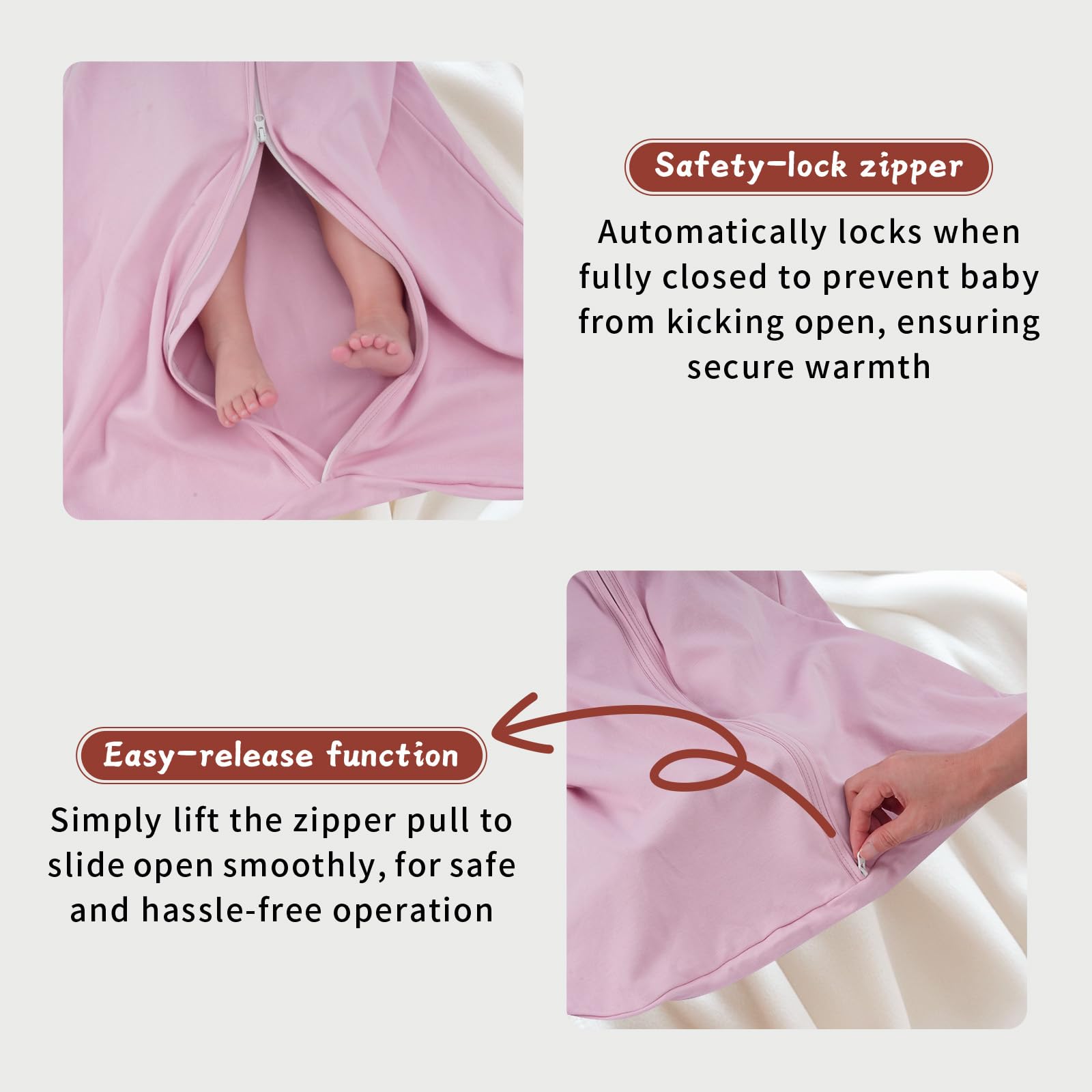
Baby Sleep Sack 0-6 Months, 100% Cotton Wearable Blanket, 0.5 Tog, 3 Pack
- 100% Cotton
- Gentle and Comfy:Wrrernsin sleeping sack is crafted from 100% pure cotton fabric, soft and skin-friendly, with
- Scientific Design:The two-way zipper allows quick diaper changes without removing the sleep sack, minimizing s
5. Establishing (or Re establishing) a Wind Down Routine
A short, boring, consistent wind down routine is one of the most reliably effective tools for helping a 4 month old link sleep cycles independently. "Boring" is doing a lot of work in that sentence: the routine should be calm and predictable, not stimulating or novel, because the goal is to cue your baby's brain that sleep is coming, not to entertain them into drowsiness.
A consistent, predictable bedtime routine is one of the most effective tools parents have for helping infants settle to sleep, and its benefits are supported across multiple studies on infant sleep behavior.
— National Institutes of Health, Sleep Research review (2020)
A Simple 15 to 20 Minute Routine
1. Dim the lights and lower household noise 2. Bath or a wipe down (not needed nightly, but useful as a cue a few times a week) 3. Change into pajamas and the sleep sack 4. A short feed, ideally finishing before your baby is fully asleep 5. A book, quiet song, or a few minutes of rocking, then into the crib drowsy but awake
Doing the same steps in the same order, at roughly the same time, teaches your baby's brain to anticipate sleep before you even put them down. This matters more during the regression, not less, because a baby whose sleep cycles are shifting benefits enormously from external predictability while their internal systems catch up.
For a broader menu of settling techniques beyond the routine itself, our guide on baby sleep solutions walks through eight different soothing approaches worth trying if your current routine has stopped working.
6. Choosing the Right Sleep Sack Fabric and Fit for Your Baby's Stage
The right sleep sack fabric depends primarily on your baby's temperature sensitivity and your nursery's actual temperature, not on marketing claims about "the best" fabric universally. Cotton is breathable and easy to wash repeatedly, which matters given how often babies at this age spit up, sweat, or leak through diapers overnight. Bamboo derived rayon fabrics run slightly warmer feeling but are exceptionally soft and drape well, which some parents find soothes sensitive skinned babies.
Matching TOG Rating to Room Temperature
| Room Temperature | Recommended TOG | Best For | Fit Notes | Recommended Product | Price Range |
|---|---|---|---|---|---|
| 75°F and above | 0.5 TOG | Warmer nurseries, summer months | Sleeveless, lightweight cotton | Yoofoss 0.5 TOG Cotton Sleep Sack | $24 to $30 |
| 69 to 74°F | 0.5 to 1.0 TOG | Most standard climate controlled nurseries | Short sleeve or sleeveless, medium weight | Wrrernsin 3 Pack Cotton Sleep Sack | $18 to $22 |
| 65 to 68°F | 1.0 TOG | Cooler bedrooms, older homes | Long sleeve, thicker cotton blend | BSTOPPT 3 Way Adjustable Sleep Sack | $19 to $24 |
| Variable/unpredictable | 1.0 TOG bamboo | Babies who run warm or have sensitive skin | Soft drape, breathable, temperature regulating | BubblePanda Bamboo Sleep Sack | $28 to $32 |
| Transitioning from swaddle | 0.5 TOG | Rolling babies needing arms free movement | Wide hip room, two way zipper | SwaddleDesigns Transitional Swaddle Sack | $20 to $24 |
| Budget, everyday use | 0.5 TOG | Families needing multiple sacks for laundry rotation | Long sleeve, unisex sizing | Hudson Baby Wearable Sleeping Bag | $14 to $18 |
If your baby's arms tend to escape traditional swaddles anyway, the BSTOPPT 3 Way Adjustable Sleep Sack offers wings that can be worn closed for slightly more containment or opened flat once your baby is fully rolling, which makes it a genuinely useful bridge product rather than a one and done purchase.


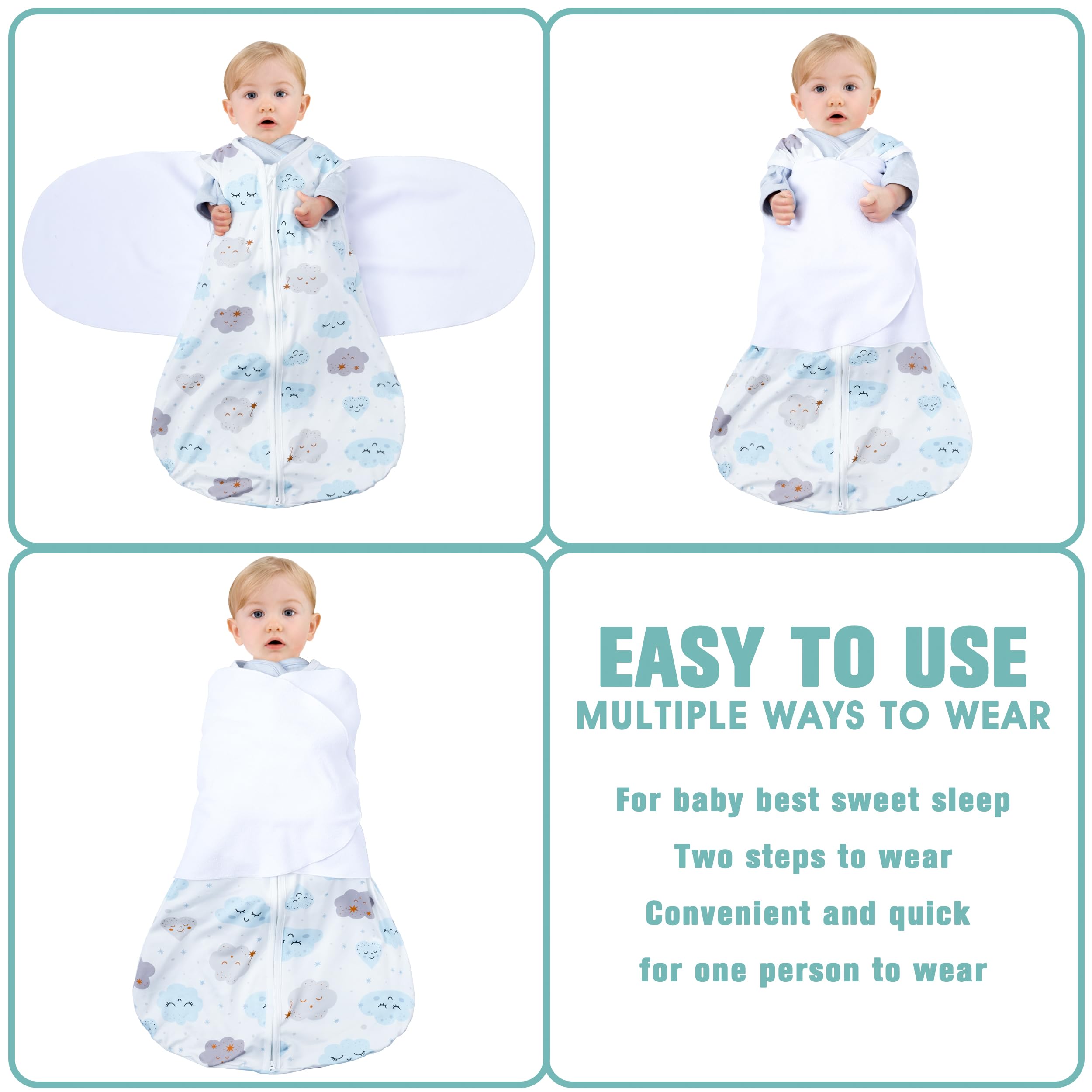
BSTOPPT Newborn Sleep Sack Baby Swaddle,3-6 Months,3-Way Adjustable Wearable Blanket,100% Rayon Cotton Swaddling sleeping bag,TOG 0.5(Clouds&Starry Sky)
- 100% Rayon Cotton
- New type wearable blanket replaces loose blankets in the crib for a safer environment,3 directions of swaddlin
- Our swaddle wings are made of soft linkable new cotton fabric instead of the sharp velcro design of other prod
For families who prefer a long sleeve option year round, the Hudson Baby Cotton Wearable Sleeping Bag is a simple, no frills choice that covers arms fully, useful in homes where the nursery runs cooler overnight even with the heating on.
Expert Insights on Surviving the 4 Month Regression
Frequently Asked Questions
The 4 month sleep regression is genuinely one of the hardest stretches of the first year, not because you're doing anything wrong, but because your baby's brain is doing something remarkable and slightly inconvenient at the same time. It won't last forever, and the right sleep sack, a bit of white noise, and a boring, predictable bedtime routine will get you through it more than any single gadget will. If you take one thing from this: your exhausted 3am self is not failing your baby, you're both learning a new skill together.
If this helped, save it for the next rough patch, because there will be more regressions ahead, and you'll want this playbook again.
Sources & References
- American Academy of Pediatrics. "Safe Sleep for Babies: What Parents Need to Know." 2022. healthychildren.org
- National Sleep Foundation. "Creating a Healthy Sleep Environment for Infants." 2021. thensf.org
- National Institutes of Health. "Bedtime Routines and Infant Sleep Behavior: A Review." 2020. ncbi.nlm.nih.gov
- Dr. Amna Husain, Insight Pediatrics. Pediatrician Reveals Tips to Overcome 4 Month Sleep Regression, video interview, 2023.
- Dr. Whitney Casares. "Modern Mommy Doc" clinical commentary on infant safe sleep practices, 2022.
Frequently Asked Questions
How long does the 4 month sleep regression usually last?
Is it safe to stop swaddling right when the regression starts?
Should I start sleep training during the 4 month regression?
Why has my baby's daytime nap length dropped so drastically?
What TOG rating sleep sack should I use during the 4 month regression?
Could teething be causing my baby's night waking instead of the regression?
When should I call my pediatrician about sleep changes at 4 months?
Was this helpful?
Thanks — your feedback helps us pick what to write next.