Rocking Your Baby to Sleep: When It Makes Nights Harder
TL;DR: Quick summaryRocking your baby to sleep is not harmful in itself. It makes nights harder when your baby needs the exact same help at every waking. Many babies are ready to start learning to fall asleep with less help from about 4 to 6 months, and gentle approaches have not

In this article
TL;DR: Quick summary
Rocking your baby to sleep is not harmful in itself. It makes nights harder when your baby needs the exact same help at every waking. Many babies are ready to start learning to fall asleep with less help from about 4 to 6 months, and gentle approaches have not been linked to long term harm.
What you'll get
About 26 minutes to read. Short on time? Read the bold lines and the Key Takeaways near the end.
It is 2am. You have rocked, shushed and swayed until your baby's arms go floppy. You lower them into the crib very slowly, hold your breath, and then those eyes pop open.
Lots of parents are now being told that the method they rely on, rocking or feeding a baby all the way to sleep, is the reason nights are so hard. Others hear the opposite: that the usual fix, letting a baby cry, is harmful. Both messages can leave you feeling you are getting it wrong.
This article is for parents and caregivers of babies, mostly from the early months to around the first birthday. I will tell you what the research I can point to actually says, what is worth worrying about and what is not, and how to change the routine gently if you decide you want to. I will also cover how to keep sleep safe while you do it.
You are not failing. You are a tired person working with a tiny person who has not learned this skill yet.
Is rocking my baby to sleep really making sleep worse?
The research I have does not show that rocking harms babies, and you do not need to feel guilty about it. It only becomes a problem when your baby cannot fall asleep, or fall back asleep, without it, and you are doing it many times a night. The fix is gradual, not dramatic.
Which popular method are we talking about?
Two methods get blamed in headlines. The first is rocking, feeding or holding your baby until they are fully asleep, then lowering them into the crib. The second is the opposite approach, where a baby is left to cry for a while to learn to settle alone.
I want to be straight with you. The research notes I have for this article do not show that rocking harms a baby or damages their sleep for good. What they do show, which we will go through, is that sleep training has not been linked to negative long term effects.
So the honest answer is nuanced. The "worse" in the headline is about your nights, not about your baby's health or your bond.
What actually goes wrong at night
Picture a 7 month old who is rocked until fully asleep and gently lowered into the crib at bedtime. A while later, as all of us do, they stir between sleep cycles. They open their eyes and find they are no longer in warm arms moving gently. Everything is different from when they dozed off.
To a baby that feels like a problem, so they call for you. You rock again. They sleep. Then it happens again, and again.
That pattern is what parents mean when they say rocking "makes it worse". Your baby has not been spoiled. They have simply learned one way of falling asleep, and it needs you.
Why this is fixable
Falling asleep independently is a skill, and skills can be taught slowly. You can keep the cuddles, the songs and the closeness at bedtime. What changes is the final step: the moment of actually dropping off.
Many families keep rocking for the first part of the routine and stop short of full sleep. Others change nothing and are perfectly happy. If you are coping well and your baby is thriving, there is nothing here you have to fix.
Common mistakes in the first week of worrying
When to get help
If your baby seems unwell, is feeding poorly, or something about their sleep worries you beyond habit, do not wait for a sleep plan. Ask your doctor or health visitor to check them first. We cover the specific signs in the last section.
Why does my baby wake so often at night?
Babies sleep in short cycles and surface between them. Newborns also need night feeds, so frequent waking is normal biology rather than bad parenting. When a baby surfaces and finds things changed from how they dozed off, they often call out for the same help again.
Sleep cycles in plain words
A sleep cycle is one round of lighter and deeper sleep. Adults do this too, but our cycles are longer and we link them together without noticing. Babies have shorter cycles and are still learning to link them.
Newborns are the clearest case. As the Cleveland Clinic puts it:
They have short sleep cycles and can’t yet make it through the night without eating.
Cleveland Clinic
So if your very young baby wakes a lot, that is not a sign that something is wrong with your routine. It is how newborns are built.
How falling asleep links to waking up
Here is an adult example. Imagine you drift off with your pillow under your head. You surface at 3am and the pillow is on the floor. You would feel a bit stuck and search for it before you could settle again.
For many babies, the "pillow" is the rocking, the feeding or the arms. If that is how they fell asleep, that is what they look for when they stir. A baby who falls asleep in the crib, in the same conditions they wake up in, has less to fix.
This is general knowledge about how babies learn, not a precise rule. Some babies who are rocked to sleep link their cycles fine. Others need us every time.
Other reasons for night waking
Before you blame rocking, think about everything else that can wake a baby:
If your baby has suddenly started waking after sleeping better, you may be in a regression. Sleep regression stages tend to follow a pattern by age, and the 8 month sleep regression is one parents often meet. These phases pass, and they are a bad time to start a big change.
Noise as a night waker
Many babies are woken by small household sounds. A steady background sound can help cover them. If you want to try it, a simple machine such as the Yogasleep Hushh is one option, though you do not need one to sleep well. Our article on why white noise works explains the idea in more detail.


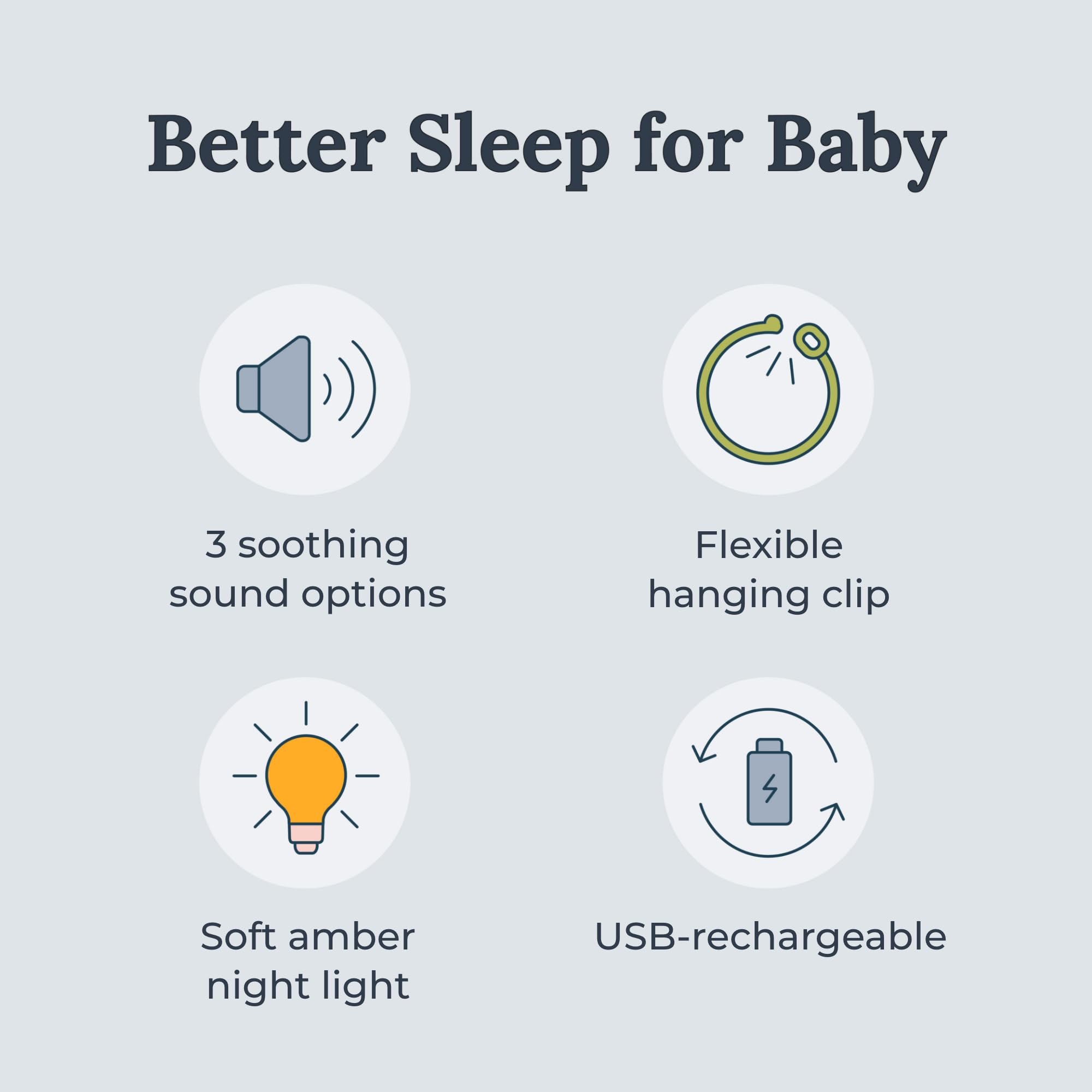

Yogasleep Hushh Portable White Noise Sound Machine for Baby, 3 Soothing Natural Sounds with Volume Control, Compact Size, Noise Canceling for Sleep Aid, Office Privacy, & Meditation, Registry Gift
- EFFECTIVELY MASKS NOISE: Beloved by generations since 1962, Yogasleep is the trusted leader in white noise…
- 3 SOOTHING SOUNDS: Take control of your sound environment and choose from three calming sounds: bright white…
- NIGHT LIGHT: The Hushh's gentle amber LED night light emits just enough of a glow to comfort and guide you in…
Ask your doctor or health visitor what volume and distance from the crib are safe for your baby's ears. I will not give you a number here, because I do not have a note I can source it from.
Common mistakes
When to get help
If your baby is very hard to wake, is feeding poorly, has a fever, or just seems "not right", get medical advice the same day. Ask your doctor or health visitor what signs they want you to call about, because I will not guess at thresholds.
Is sleep training safe for my baby?
For healthy babies who are old enough, the research I can point to says yes. A review reports no evidence of negative long term effects. A six year Harvard reported study found children turned out the same either way. It can still be hard emotionally for you.
What the studies found
The Harvard Health blog describes researchers who compared families who did sleep training with families who did not, following them for six years. Their headline finding was simple:
Whether parents let babies cry or got up all night to hold them, the kids turned out the same.
Harvard Health
An article in Canadian Family Physician on infant sleep training also reports that no adverse effects were reported after 5 years. The Cleveland Clinic states that the cry it out method has not been found to be harmful to babies. The Sleep Foundation says there is no evidence of negative long term effects.
The debate is real, though
I would not be doing my job if I told you everyone agrees. The Child Mind Institute notes that opponents of cry it out cite studies they say show long term damage, and that supporters answer with other studies and personal stories.
My reading, as a paediatrician, is that the worry is understandable but the evidence in the notes I have does not back it. Still, the reasoning behind a method matters less than whether it works for your family and you feel you can do it calmly.
The part nobody should skip: it is hard on parents
Safe does not mean easy. The Sleep Foundation says:
Some methods, especially those involving periods of crying, can be emotionally difficult for both parents and babies.
Sleep Foundation
If listening to crying makes you feel sick, that is a very normal parental response, not a sign you should not try. It is a sign you may prefer a gentler, slower method that has more of your presence in it.
What to say, and to whom
At bedtime, say the same few calm words every night. For example: "It's sleepy time, my love. I love you. I'll see you in the morning." The words matter less than the sameness.
If a partner or grandparent disagrees, try this instead of arguing about studies: "Let's agree on one plan for one week and then check how it's going." A shared, time limited trial is easier to accept than a permanent rule.
Common mistakes
When to get help
Sleep training is not for every baby, and medical issues can look like "bad sleep". If you have any concern about your baby's feeding, breathing or growth, speak to your doctor before starting anything.
What age is right to start changing my baby's sleep habits?
Most guidance points to about 4 to 6 months. ZERO TO THREE recommends waiting until at least 4 months, and the Sleep Foundation says 6 months is a good time, though you can begin as early as 4 months or as late as nine months.
Why not a newborn?
Newborns are not ready, physically or developmentally. As we saw, they have short sleep cycles and cannot yet go through the night without eating. They are also still learning how to settle at all.
ZERO TO THREE is direct about this:
This is why we recommend that you wait until your baby is at least 4 months old before you begin sleep training of any kind.
ZERO TO THREE
If your baby is under 4 months, please do not feel pressure to change anything. Comfort them, feed them and enjoy the snuggles.
The window of 4 to 6 months
Cleveland Clinic's Dr. Schwartz says babies are often ready at about 4 months old, and that some babies do better a little later, around 6 months. The Sleep Foundation also says 6 months is generally agreed to be a good time, with a range from 4 months up to nine months.
Notice that this is a window, not a deadline. Starting at 7 or 8 months is not "too late", and starting at 4 months is not "too early" if your baby and doctor agree.
How to tell whether your baby is ready
There is no test. Think of it as a checklist you go through with your doctor or health visitor:
Ask your doctor or health visitor whether your baby still needs night feeds. I would never want you to remove feeds a baby needs because of a blog post.
A younger baby: gentle habits that are not sleep training
If your baby is under 4 months, you can still lay good foundations without any training:
- Keep a calm, short routine at bedtime, such as a feed, a song, a cuddle.
- Put your baby down when they are drowsy sometimes, not every time.
- Keep days bright and busy, and nights dim and quiet.
- Use a steady sound or light cue if you like. A small, portable option such as the Hushing mini white noise machine is easy to move between rooms.
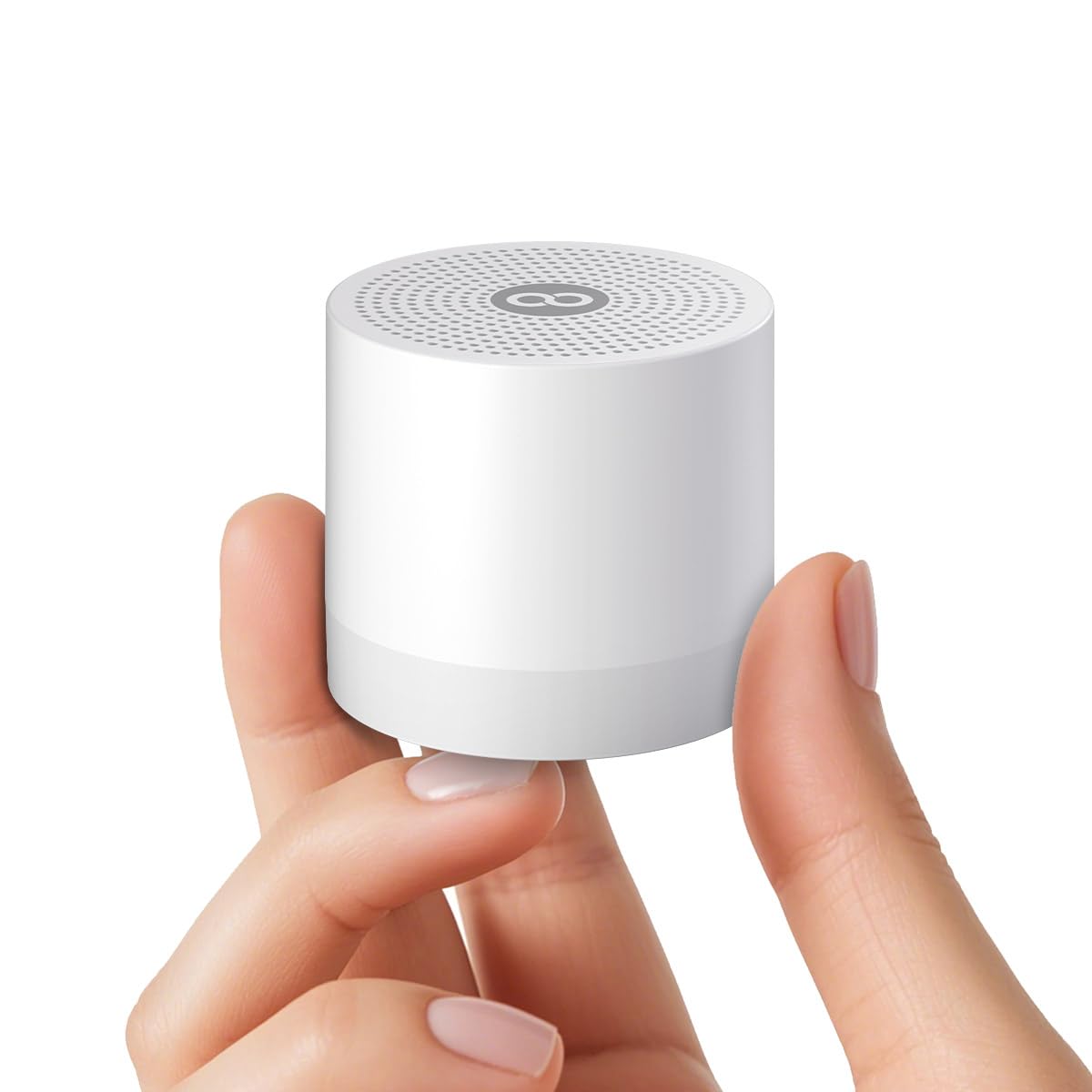
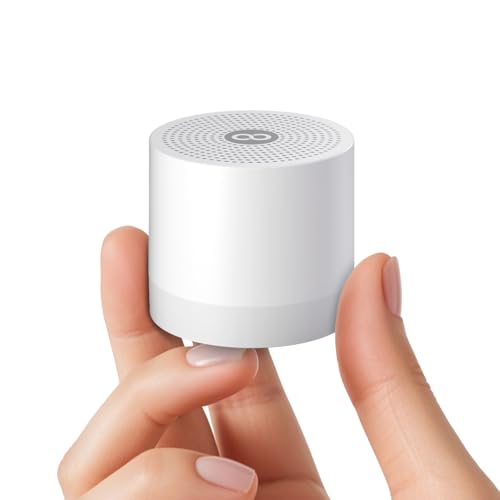


Sound Machine Mini White Noise Machine with 30 Soothing Sounds 4 Timers Memory Function for Newborn Baby Kids Adults Portable Rechargeable Sleep Brown Noise Machine for Travel Camping Home Office
- This mini white noise machine dimension: 1.87 x 1.87 x 1.71 inches, weight: 0.25 lbs.
- Mini Size & Super Loudspeaker: The portable baby sound machine has the highest volume on the market for a…
- 32 Hours Long-lasting & 30 Non-looping Soothing Sounds: It lasts up to 32 hours on a single charge, ensuring…
Common mistakes
When to get help
If your baby still wakes many times a night as they grow older, or you feel unable to cope, tell your doctor or health visitor. They can check for medical causes and help you plan.
How can I move away from rocking without a lot of tears?
Change one thing at a time and shrink your help in small steps. Keep a calm routine, put your baby down a little more awake each night, and use the same cue each time. If there is crying, brief check ins can help.
Fade the rocking in steps
Here is a gentle plan that works for many families. You can slow it down or repeat a step as long as you need.
- Set a short, calm routine. Bath or wash, feed, pyjamas, a book or song, then bed. Do it in the same order every night.
- Rock until drowsy, not asleep. Stop when your baby is relaxed but still aware, with heavy eyes.
- Lower them into the crib and stay close. Rest a hand on their chest or tummy and say your phrase: "It's sleepy time. I'm right here."
- Reduce your help over several nights. First a hand, then a gentle pat, then your voice only, then just sitting nearby.
- Move further away. When that goes well, sit across the room, then at the door.
- Leave the room awake. Say your goodnight and give your baby the chance to finish falling asleep.
Expect some protest. It is not a sign you are doing it wrong. It is your baby saying, "This is not how we do it." A calm voice and the same words each time are your best tools.
Use a steady cue
A steady cue tells your baby it is sleep time. It can be a song, a dim light or a steady sound, but keep soft toys and other soft items out of the crib, as the AAP advises.
For sound, a portable machine such as the Jaroco portable sound machine or the Dreamegg portable noise machine can travel with you, so the cue stays the same at grandma's house. Check the settings yourself and ask your doctor or health visitor what volume and distance are safe.
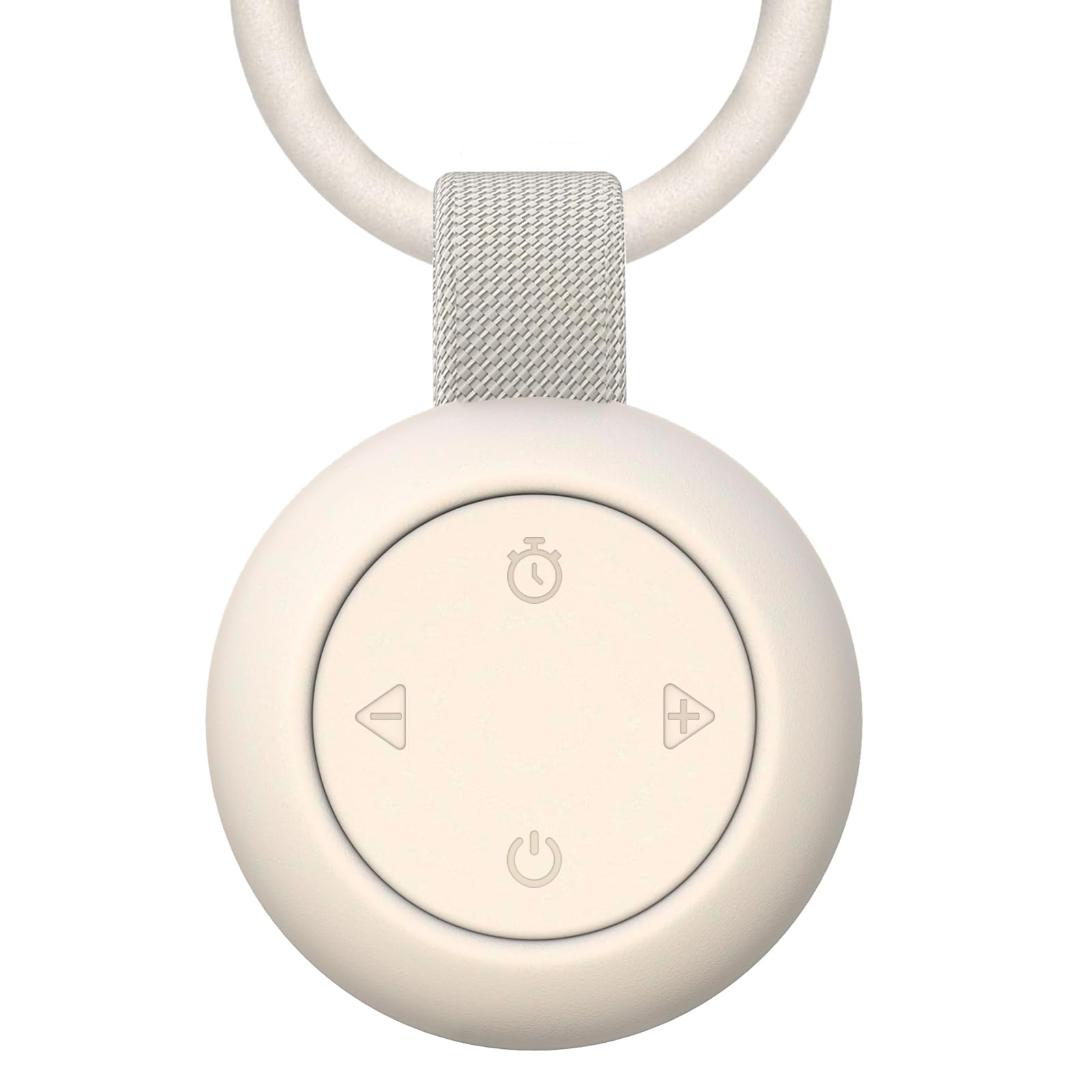


Portable Baby Sound Machine & Essentials for Babies & Kids-Putty
- White noise on the go: Portable sound machine with 20 kinds of the most soothing white noise can carry…
- USB charging port for worry-free charging anytime: With a minimum 15-hour ultra-long battery life, it ensures…
- Timer function: Start the timer function according to the manual, and it can be automatically turned off…
The check in method (Ferber)
If gentle fading is not working and you are ready for something more structured, the Ferber method is one option. The Sleep Foundation describes it as gradually increasing the time between brief check ins to reassure a crying child.
Keep each check in short, under one to two minutes. Your job in a check in is to reassure, not to restart the whole bedtime.
Here are exact words you can use at the door:
"It's okay. I'm here. It's sleepy time. I love you." Then leave.
Do not pick your baby up in a check in, and do not rock or feed. The point is that they hear your voice and know you are near, then work out the last step themselves. The gaps get a little longer each time. I am not giving you exact numbers of minutes here because the research notes I have do not supply them. Your doctor or health visitor can help you choose.
What if it feels like too much?
It is fine to slow down. A gentle approach over a few weeks can suit many parents, and some find it easier to stick with than a quick one. A video monitor can help you watch without going in too soon, and our guide to the best video baby monitors covers options.
Common mistakes
When to get help
If you are not seeing any improvement after a week of consistent effort, see the last section. If you feel exhausted, tearful or overwhelmed, talk to your doctor or health visitor too. Your wellbeing counts as much as your baby's.
Is it safe for my baby to fall asleep on me or in a swing?
Hold and rock your baby as much as you like while they are awake or drowsy. Once they are asleep, move them to their own flat, firm sleep space, on their back, with no other people in it.
What safe sleep means
The American Academy of Pediatrics says to place infants on their backs for sleep in their own sleep space with no other people. Use a crib, bassinet or portable play yard with a firm, flat mattress and a fitted sheet.
The AAP also advises keeping loose blankets, pillows, stuffed toys, bumpers and other soft items out of the sleep space. That is why I suggest holding off on the soft toy as a cue until your baby is older. For the right time, ask your doctor or health visitor.
Swings, rockers and inclined surfaces
The AAP advises avoiding sleep on a couch, armchair or other seating. Some hold your baby at an incline, and inclines of more than 10 degrees are unsafe for infant sleep. The AAP states that sleep surfaces with inclines of more than 10 degrees are unsafe for infant sleep.
Sleep surfaces with inclines of more than 10 degrees are unsafe for infant sleep.
American Academy of Pediatrics
What does that mean for tonight? If your baby falls asleep in a seat or swing, move them to a flat sleep space. If you are unsure about a particular product, ask your doctor or health visitor.
What about falling asleep on you?
It is very normal for a baby to drift off on a parent's chest while you are both awake and alert. It is also very normal for the parent to start dozing. The AAP guidance is that sleeping babies should be in their own sleep space with no other people.
So here is a practical plan. When you feel your baby drop off, move them. If you feel yourself getting drowsy, move them before you doze, or ask someone else to take over. Do not plan to sleep with your baby on you on a sofa or chair. For anything else, ask your doctor or health visitor what suits your situation.
How to move a sleeping baby without waking them
- Wait until your baby is fully asleep before you move them, not at the very first drowsy stage.
- Bring the crib mattress close to your body to reduce the distance.
- Lower them feet first, then bottom, then shoulders and head, keeping your arms under them.
- Keep one hand on their chest for a few seconds, and say your phrase quietly.
- Slide your arms out slowly.
It will not always work. That is okay. Try again with the same steps.
Where sound machines and monitors fit
Keep anything extra, including a sound machine, out of the sleep space itself. Place it on a shelf or table, with the cord out of reach of your baby. A plug in model with a night light such as the BrownNoise sound machine needs a socket, so check the placement. Ask your doctor or health visitor what volume and distance suit your room.
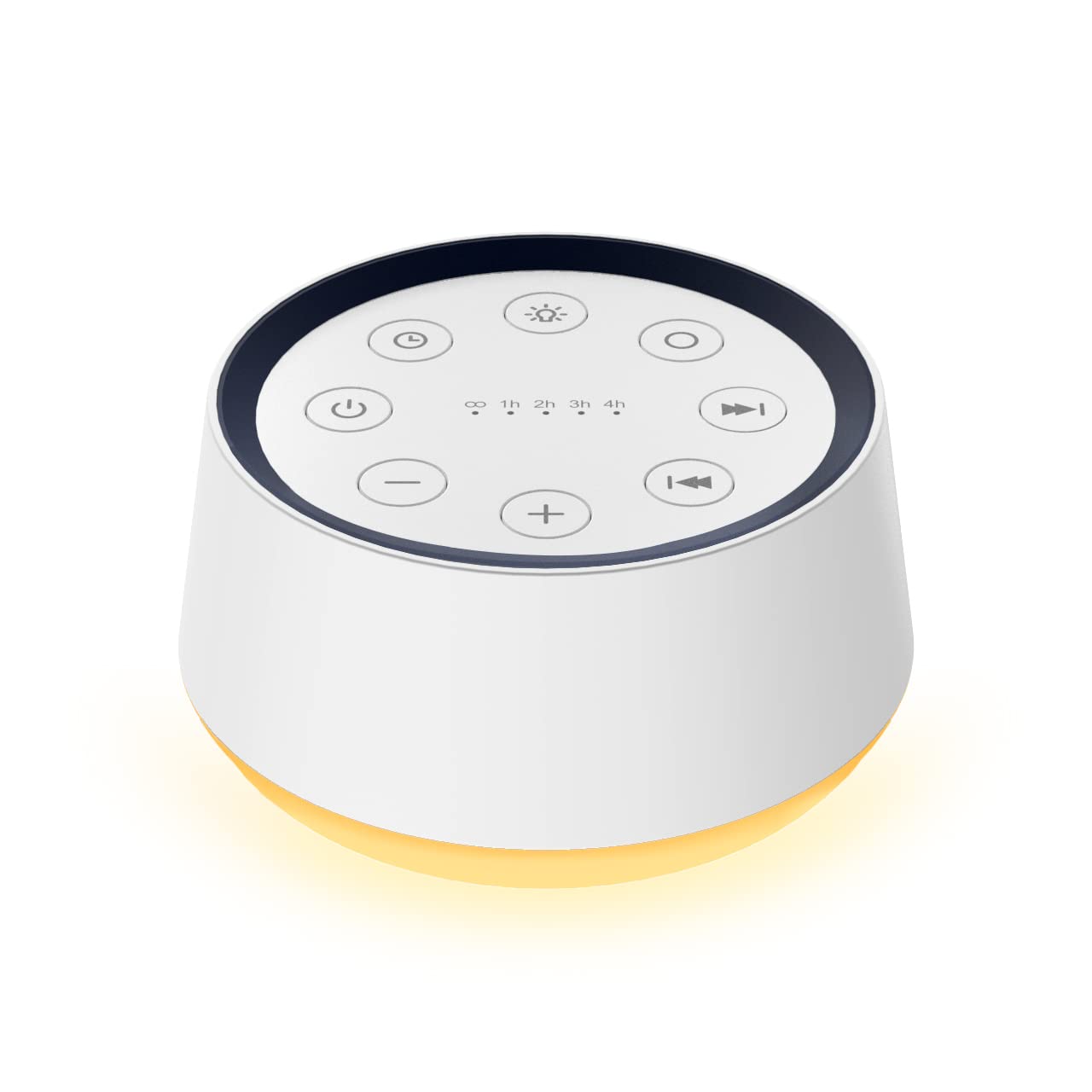


Brown Noise Sound Machine with 30 Soothing Sounds 12 Colors Night Light White Noise Machine for Adults Baby Kids Sleep Machines Memory Function 36 Volume Levels 5 Timers for Home Office Travel
- Plug In White Noise Machine: This sound machine needs to be plugged in for use.
- 30 Natural and Soothing Sounds: Our white noise machine provides 30 soothing sounds, including 3 Brown noise…
- 12 Night Light Colors: Sound machine with 12 kinds of light color, to suit your personal preferences at any…
Common mistakes
When to get help
If you struggle to stay awake during night feeds, or you are so tired that you worry about falling asleep with your baby, tell your doctor or health visitor and ask for practical support. Do not wait for it to get worse.
When is it more than a habit, and when should I get help?
If a steady plan has not helped after about a week, stop and rethink. Sleep problems caused by a medical condition, developmental difference, mental health challenge or an unstable home may need more than a method. Loud, frequent snoring should also be checked.
The seven day rule
The Sleep Foundation reports that the Ferber guidance advises that if children show no signs of improvement after seven days, caregivers should stop and reevaluate their approach.
That is a helpful rule for any method. Give it a fair, consistent week. If nothing has shifted, do not just push harder. Step back, change what is not working, and talk with your doctor.
When behaviour methods are not enough
The Sleep Foundation says the Ferber method may not be effective for children whose sleep problems are caused by medical conditions, developmental disorders, mental health challenges or an unstable home environment. That is not a failure on your part; it may mean the cause is something else.
It also says behavioural methods are not enough for children with excessive snoring, which may indicate a breathing disorder such as obstructive sleep apnea.
Red flags that deserve a conversation with your doctor:
Ask your doctor or health visitor which of these to call about the same day. I will not set a threshold I cannot source.
Troubleshooting checklist before you change method
What about older babies and toddlers?
Many of the same ideas apply as babies grow, but the reasons for waking shift. A toddler might test limits, fear the dark or have a new bedtime battle. If your older child's sleep has fallen apart, our guide on toddler sleep regression is a good next read.
Looking after you
A baby's sleep problems are also a parent's sleep problem. If you are the person doing most of the nights, ask for a break. Trade shifts with a partner, ask a relative to take one early morning or sleep in another room for one night.
If you are persistently low, anxious or feel like you cannot cope, speak to your doctor or health visitor. Needing support is not weakness.
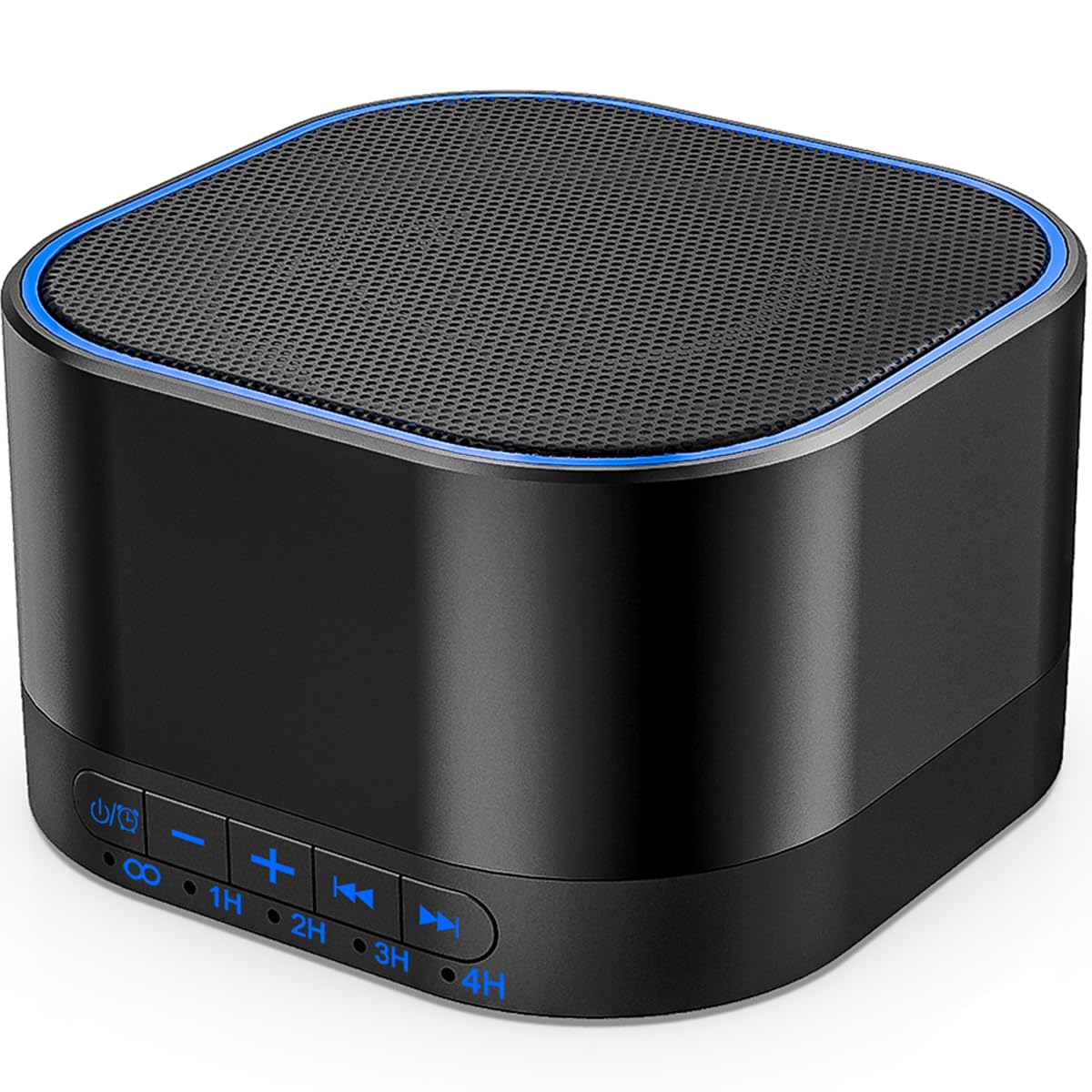
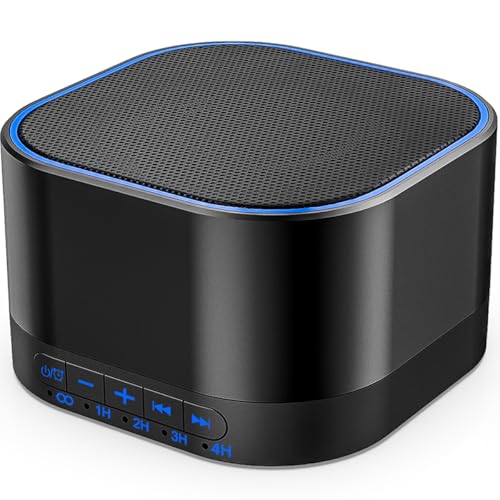


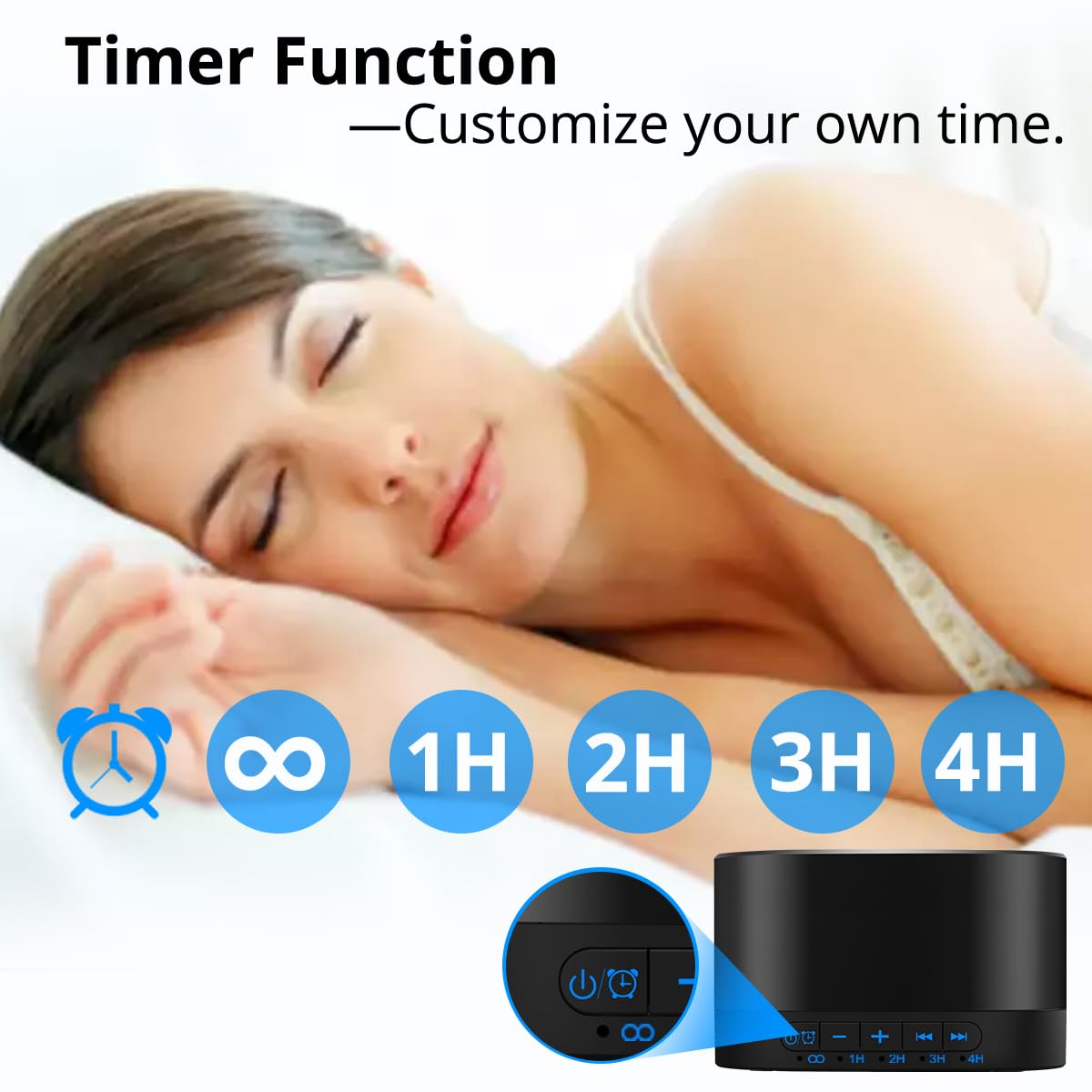
Magicteam Sound White Noise Machine with 20 Non Looping Natural Soothing Sounds and Memory Function 32 Levels of Volume Powered by AC or USB and Sleep Sound Timer Therapy for Baby Kids Adults
- Notice: This sound machine needs to be plugged in for use.
- 20 Non-Looping Sleep Sounds: White noise ,Brown noise, pink noise, blue noise, fan,brook, rain, ocean,bird…
- Precise Volume & Timer Settings:With 32 Levels of Volume ,it is perfect for baby sleeping .And you can set 1…
If you are looking for a steady, plug in sound cue to support whatever plan you choose, the Magicteam white noise machine is one option to consider. It is a convenience, not a cure, and the plan matters more.
Common mistakes
Which approach suits my family? A quick comparison
Use this table as a starting point. The ages are loose, and your doctor can help you adjust them.
| Option | Best Age Range | Primary Benefits | Main Drawbacks | Recommended Product | Price Range |
|---|---|---|---|---|---|
| Rocking or feeding to sleep | Any age, with safe sleep rules | Close, calming and quick | Baby may need it again at every waking | Yogasleep Hushh | $23.99 |
| Drowsy but awake | From the early months, gently | Gives baby practice at the last step | Can mean protest while baby learns | Hushing mini white noise machine | $15.99 |
| Slow fade of your help | From about 4 to 6 months | Gentle, lots of parent presence | Takes longer, needs patience | Jaroco portable sound machine | $14.39 |
| Check in method (Ferber) | From about 4 to 6 months | Structured, brief reassurance | Crying can be hard to hear | Dreamegg portable noise machine | $20.99 |
| Cry it out | From about 6 months | Can be fast for some families | Emotionally hard for many parents | Magicteam white noise machine | $20.99 |
| Routine with a soft light and sound | Any age, alongside any method | Steady cue; helps travel and naps | Not a method on its own | BrownNoise sound machine | $19.99 |
Sleep training is generally considered from about 4 to 6 months, with 6 months seen as a good time.
Frequently asked questions
Key Takeaways
- Rocking is not harmful. It only becomes a problem when your baby needs it at every waking and you are exhausted.
- Night waking is normal biology, especially in early months, because babies have short sleep cycles.
- Research I can point to found no evidence of negative long term effects from sleep training.
- Wait until your baby is at least 4 months old before any sleep training; some babies do better starting around the 6-month mark.
- Change one thing at a time, keep a calm routine, and use the same words and cues each night.
- Safe sleep comes first: back to sleep, own flat firm sleep space, nothing soft inside, no inclines over 10 degrees.
- If a plan fails after about a week, or you see loud snoring, get medical advice.
One last thing before you go to bed
Parents carry a lot of guilt about sleep, and most of it is undeserved. Every parent who rocks a baby at 2am is doing something loving. If that routine is working for you, keep it. If it has stopped working, you can change it kindly, slowly and safely.
A baby who needs your arms to sleep is not a baby you have spoiled; it is a baby who has not learned the last step yet.
If this helped, save it for the next hard night and share it with the person who does nights with you. You are doing better than you think.
Sources & References
- ZERO TO THREE. "Help Babies Learn to Fall Asleep On Their Own: What Research Says."
- health.clevelandclinic.org. "Sleep Training Your Baby: When and How."
- sleepfoundation.org. "Sleep Training: What It Is, When to Start, and How to Do It."
- health.clevelandclinic.org. "What Is the Cry-It-Out Method of Sleep Training?"
- Harvard. "New study says that it’s okay to let babies cry at night - Harvard Health."
- NIH (National Library of Medicine). "Infant sleep training: rest easy? - PMC."
- childmind.org. "Choosing a Sleep Training Method That Works for Your Family - Child Mind Institute."
- sleepfoundation.org. "The Ferber Method for Sleep Training."
- American Academy of Pediatrics. "Safe Sleep."
- American Academy of Pediatrics. "Sleep-Related Infant Deaths: Updated 2022 Recommendations for Reducing Infant Deaths in the Sleep Environment."
Frequently Asked Questions
Does rocking my baby to sleep create a bad habit?
Is the cry it out method harmful?
Can I sleep train a newborn?
How long should I try a method before changing it?
Is it safe to let my baby sleep in a swing or on my chest?
What if my baby snores loudly?
Do I have to choose between rocking and sleep training?
Was this helpful?
Thanks — your feedback helps us pick what to write next.