Dangerous Baby Sleep Advice: What Secret Filming Revealed
Undercover investigations and covert filming have exposed self-described baby sleep "experts" routinely giving advice that directly contradicts safe sleep guidelines, putting infants at serious risk of suffocation and sudden infant death syndrome.
In this article
Why This Story Should Stop Every Parent in Their Tracks
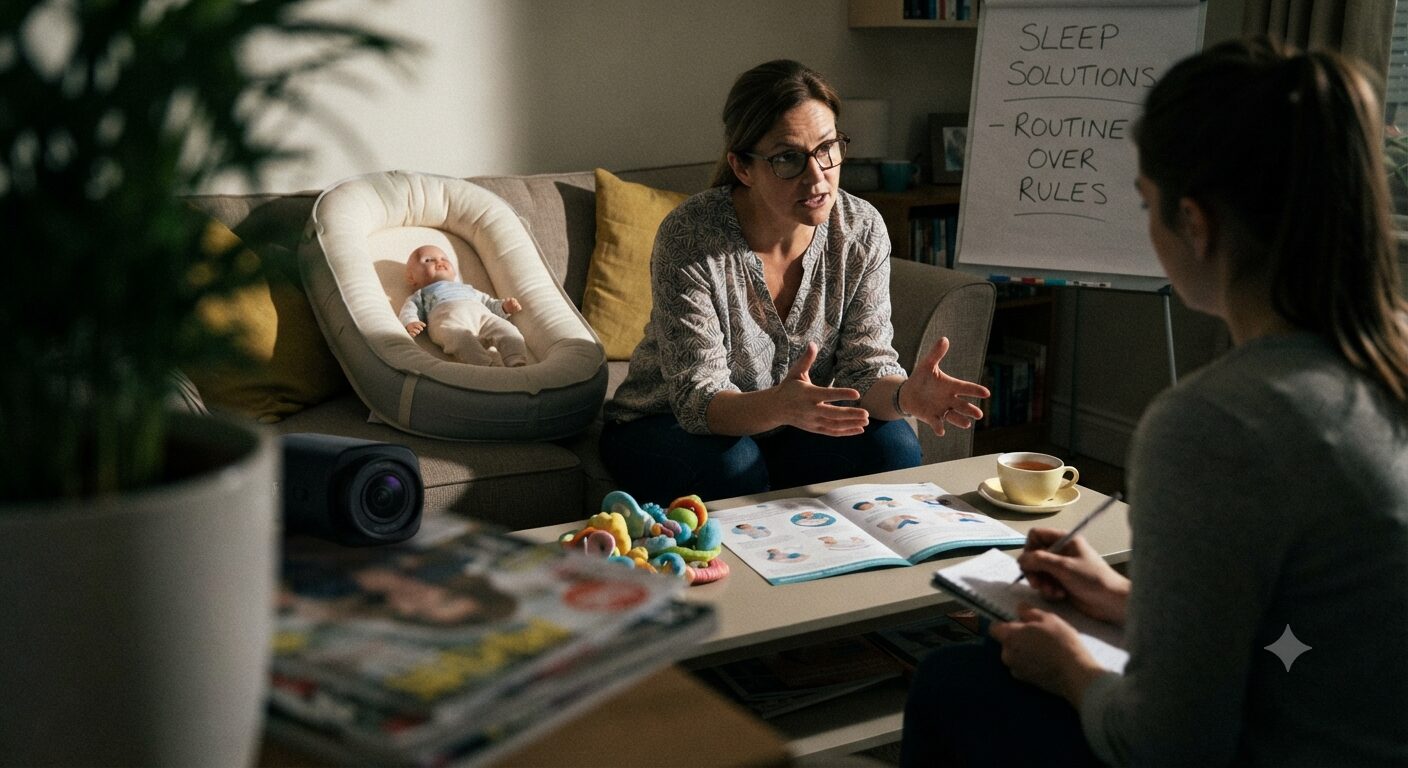
Somewhere between exhaustion and desperation, most new parents have googled "baby sleep expert" at 2am. The results look reassuring: polished websites, glowing testimonials, Instagram grids full of peacefully sleeping babies. What you almost certainly did not see was what happened when journalists and child safety advocates started filming those consultations in secret.
According to the Centers for Disease Control and Prevention (CDC), about 3,500 babies in the United States die each year from sleep related causes, including sudden infant death syndrome (SIDS), accidental suffocation, and entrapment. Many of those deaths are preventable. And yet, undercover investigations conducted in the UK and the US have repeatedly caught paid baby sleep consultants giving advice that dramatically increases that risk: placing babies on soft surfaces, encouraging swaddled infants to sleep face down, recommending loose bedding in the cot, and suggesting bed sharing without any safety discussion at all.
This article will help you understand:
1. What the Cameras Actually Caught: The Advice That Should Never Be Given
The most alarming findings from undercover investigations were not fringe suggestions from obvious cranks. They came from confident, professional sounding consultants charging premium fees, sometimes hundreds of pounds or dollars per session.
In 2023, the UK charity The Lullaby Trust worked with journalists to document consultations with private baby sleep advisors. Investigators posing as exhausted new parents described their situations and asked for help. What followed was deeply troubling.
The most commonly captured dangerous recommendations
Across multiple investigations, a clear pattern emerged. The dangerous advice clustered into a handful of categories:
Prone (tummy) sleeping for young infants. Consultants told parents that placing babies on their fronts would help them sleep longer. This is true in one narrow sense: prone positioning does suppress arousal responses in young infants. The problem is that the same suppression of arousal is a core mechanism in SIDS. The American Academy of Pediatrics (AAP) has recommended back sleeping for all infants under 12 months since 1992, and the US "Back to Sleep" campaign subsequently halved the SIDS rate.
Soft bedding, pillows and positioners. Several filmed consultants suggested that a small pillow, rolled blanket, or commercial "sleep positioner" would help babies feel more secure. The AAP is explicit: the sleep surface should be firm and flat, with nothing else in the cot or bassinet. Soft objects cause a significant proportion of sleep related infant deaths each year.
Unsupervised bed sharing without any safety framework. Investigators were advised simply to bring the baby into the adult bed, without any mention of the substantial evidence linking unplanned bed sharing with significantly increased risk, particularly when a parent has consumed alcohol, is a smoker, or is taking sedating medication.
Ignoring established guidelines as "old fashioned." Perhaps the most dangerous pattern of all was the consistent dismissal of AAP and NHS guidance as overly cautious or out of date. This rhetorical move is particularly effective on exhausted parents who desperately want permission to try something different.
2. Why Anyone Can Call Themselves a Baby Sleep Expert
The core problem driving this crisis is a regulatory vacuum that most parents do not know exists. In the United States, the United Kingdom, Australia, and most of the developed world, there is no licensing body, no minimum qualification, and no legal standard for the title "baby sleep consultant" or "infant sleep expert."
Think about that for a moment. Your child's hairdresser is more regulated than the person charging you $400 to advise on your newborn's overnight safety.
What "certification" usually means in this industry
Several organisations offer private, paid certification courses for aspiring sleep consultants. These vary enormously in quality. Some include a meaningful curriculum grounded in infant physiology and current safe sleep guidelines. Many do not. A weekend online course followed by a certificate can be just as legally valid, from a regulatory standpoint, as a year long program taught by paediatric sleep researchers.
When investigators examined the credentials of consultants caught giving dangerous advice, they consistently found:
What a genuinely qualified professional looks like
If you feel you need professional support for your baby's sleep, the people best placed to help are those whose credentials are regulated by law: paediatric sleep physicians, board certified paediatricians, registered nurses with specialist training, or clinical psychologists with expertise in behavioural infant sleep. These professionals have something a certificate mill cannot provide: accountability.
3. The Science of Safe Infant Sleep, Explained Plainly
Safe sleep science is not complicated, and it is not contested among serious researchers. What follows is the current guidance from the American Academy of Pediatrics, updated in 2022, translated into plain language.
The AAP published its most comprehensive safe sleep guidelines update in 2022, covering not just sleep position but room sharing duration, swaddling, pacifier use, breastfeeding, and the use of commercial devices marketed for infant sleep.
Approximately 3,500 infants die annually in the United States from sleep related infant deaths, including sudden infant death syndrome (SIDS), ill-defined deaths, and accidental suffocation and strangulation in bed.
— American Academy of Pediatrics, Pediatrics (2022)
The firm rules (these are not suggestions)
Back to sleep, every time. Until a baby can roll independently from back to front and front to back, they should always be placed on their back to sleep. Once they can roll both ways, you do not need to reposition them in the night, but always start them on their back.
A firm, flat surface. The AAP specifies a firm, flat (not inclined) sleep surface covered by a fitted sheet. This means no inclined sleepers, no positioners, no wedges, and no bouncers or car seats used as a regular sleep space.
A clear sleep space. Nothing else in the cot. No pillows, no loose blankets, no bumper pads, no soft toys. A fitted sheet. That is it. A wearable blanket (sleep sack) is a safe alternative to loose blankets if you are worried about your baby being cold.
Room sharing for at least 6 months. The AAP recommends that babies sleep in the parents' room, but on their own separate sleep surface, for at least the first 6 months and ideally up to 12 months. This is associated with a 50% reduction in SIDS risk compared to solo room sleeping.
No bed sharing as a planned practice. The AAP acknowledges that many families bed share, and provides detailed guidance on the safest possible conditions if families choose to do so, but it does not recommend bed sharing and is clear about the risks, which increase substantially if either parent smokes, has consumed alcohol, is extremely fatigued, or takes sedating medication.
Understanding your baby's sleep patterns and emotional signals during the first year can help you respond to night waking in ways that don't compromise safety.
4. The Role of Baby Monitors in Safer Overnight Care
A baby monitor will not prevent SIDS. It is important to say that clearly, because some marketing language oversteps what the evidence supports. But a good monitor does serve a real function: it lets you room share with greater convenience, lets you respond quickly when your baby wakes, and in the case of movement or oxygen monitoring devices, can alert you to changes in your baby's status that warrant attention.
The AAP recommendation to room share is partly grounded in the evidence that parental proximity and responsiveness are protective. A monitor helps you maintain that responsiveness even when life requires you to be in a different part of your home for a few minutes.
What to look for in a baby monitor for a safe sleep setup
Not all monitors are created equal, and the features that matter most depend on your situation. Here are the key categories:
Video and night vision. Being able to see your baby clearly without entering the room and disrupting their sleep is genuinely useful. Infrared night vision that activates automatically is the standard to look for.
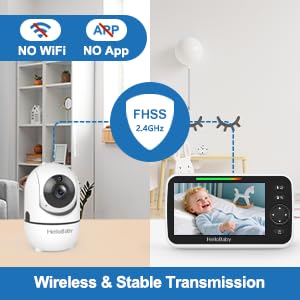
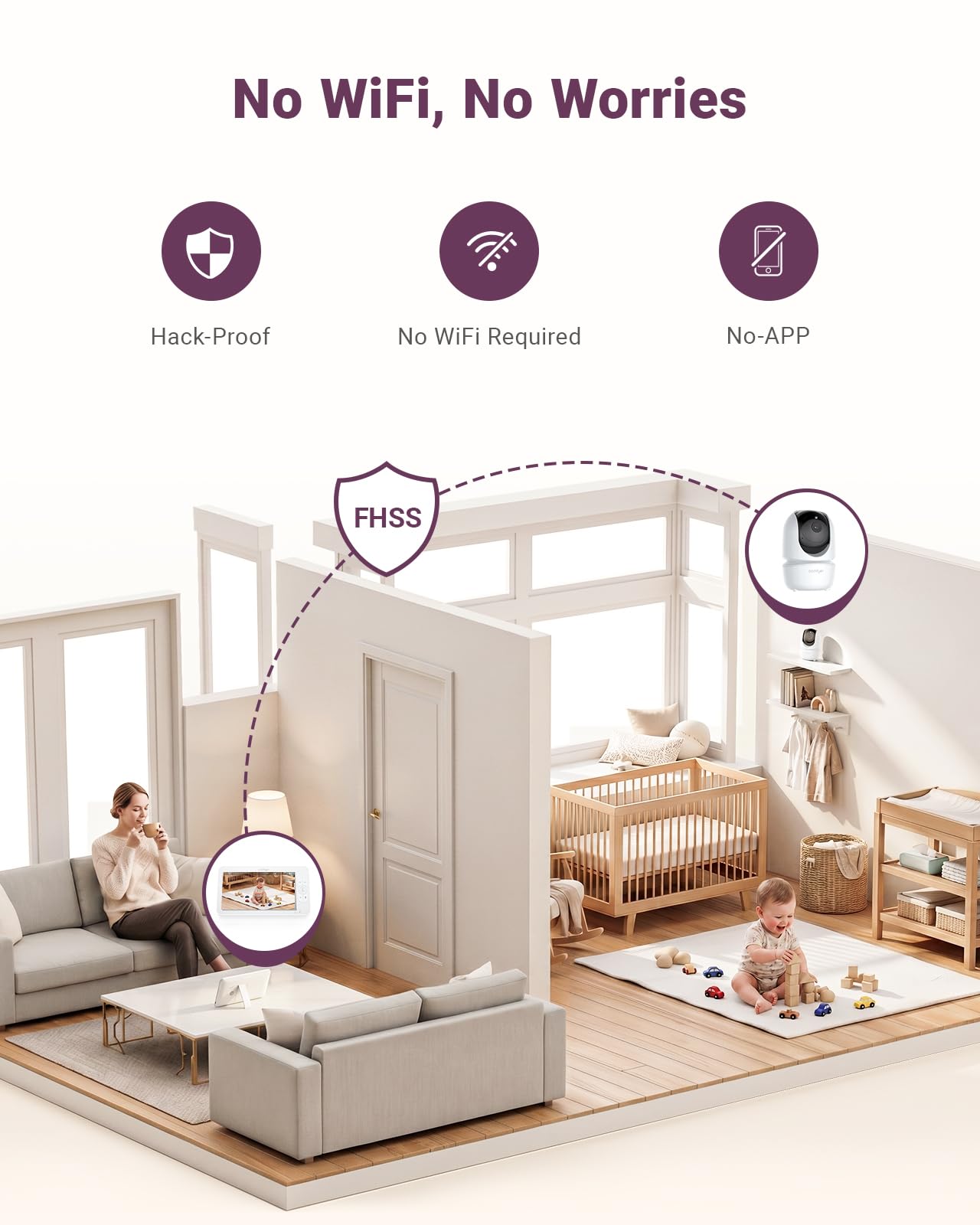
No WiFi, no cloud. Many parents are understandably uncomfortable with internet connected cameras in their baby's room. A monitor that uses encrypted 2.4GHz FHSS technology and transmits only between the camera and your dedicated parent unit is more secure and does not require an internet connection.
Oxygen and heart rate monitoring. Some premium devices go beyond video and track physiological markers. These appeal to parents with particular anxiety about SIDS, but it is important to understand that these devices are not FDA approved as medical devices that detect or prevent SIDS; they are consumer products. The Owlet Dream Sock, incorporated into the Owlet Dream Duo, is an exception: the Dream Sock is FDA cleared (as of 2023) to track pulse rate and oxygen levels in healthy infants as a general health monitoring tool. That is a meaningful distinction.
Battery life. Running out of battery at 3am is more than an inconvenience. Look for monitors with at least 12 to 16 hours of continuous battery life, or ones with a VOX mode that extends battery considerably.
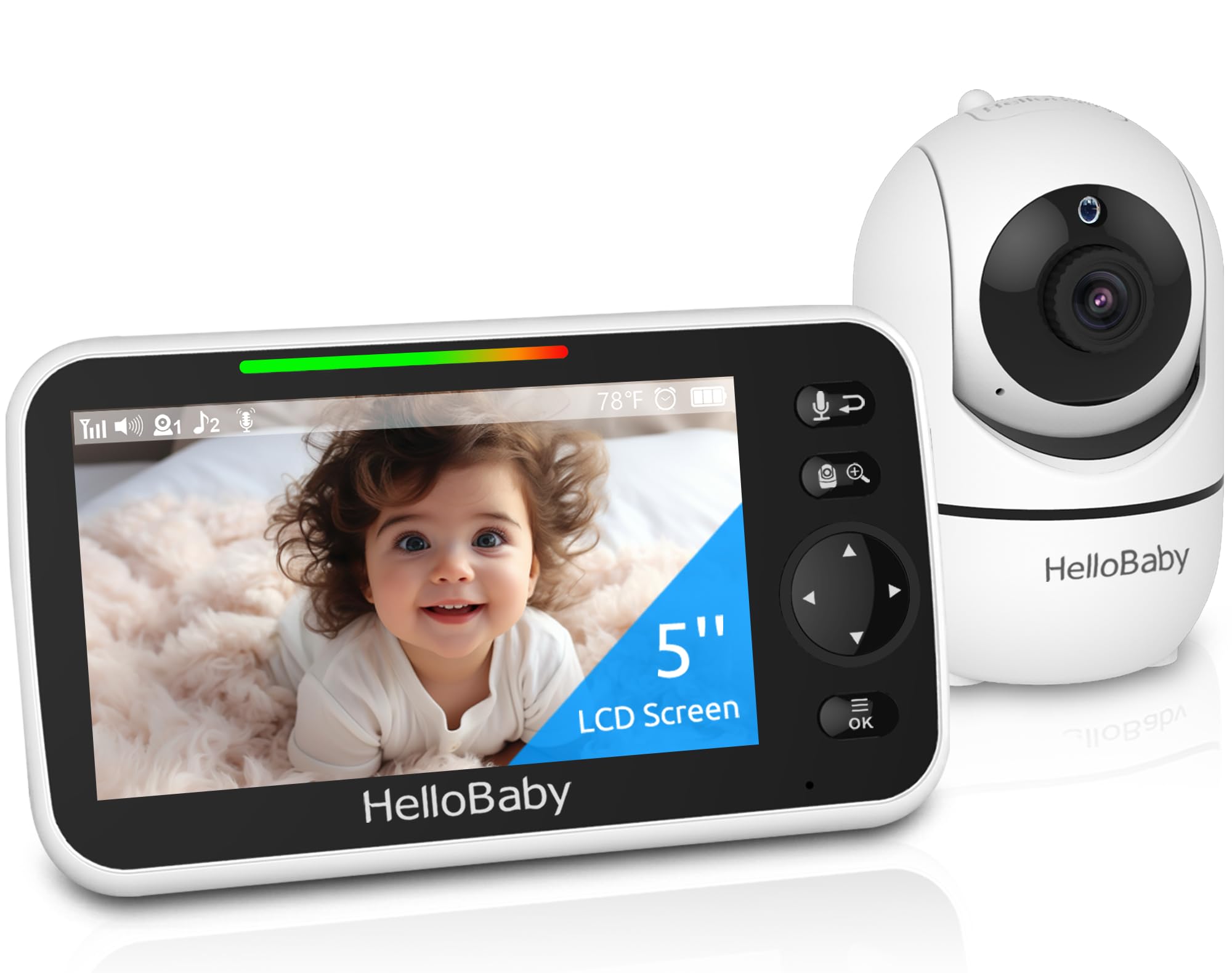
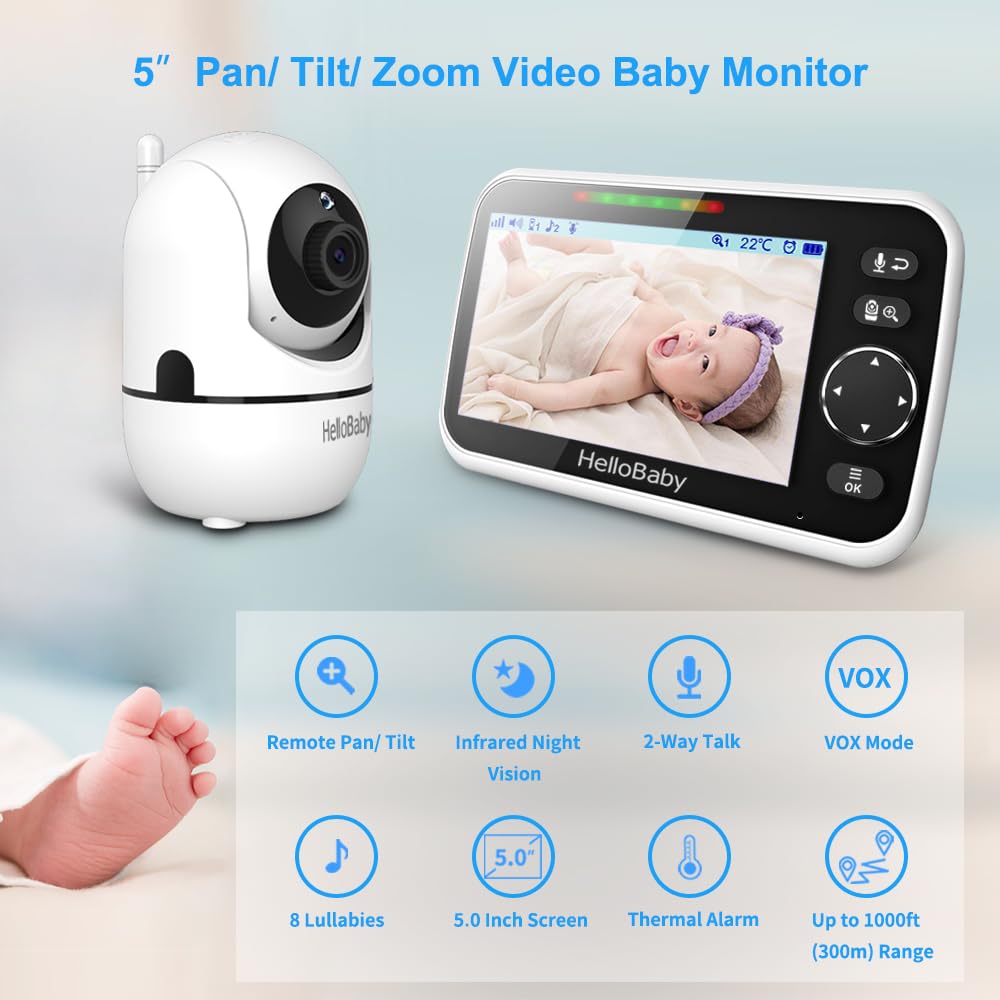


HelloBaby No WiFi Baby Monitor 5" Screen 30-Hour Battery Pan-Tilt-Zoom Video Upgrade with Camera and Audio, Night Vision, VOX, 2-Way Talk, 8 Lullabies and 1000ft Range, HB6550
- Remote 355° Pan and Tilt Baby Monitor & 5" Color Display: Enjoy a 5" Big Screen on this baby camera monitor. R
- Infrared Night Vision & 2-Way Audio Video Baby Monitoring: Crisp night vision gives you a clear view of your l
- Easy Set up & Safe Travel Baby Monitor No WiFi Needed: This is a non-wifi video baby monitor. Adopted advanced
The HelloBaby HB6550 is one of the most popular no WiFi monitors on the market, with good reason. The 5" screen, 355° remote pan and tilt, invisible infrared LED, and 30 hour battery cover the practical needs of most families at a price that does not require a second mortgage. For parents who want a larger screen with IPS technology that reduces eye fatigue during those 3am checks, the HelloBaby HB6560 steps up to a 6" display.
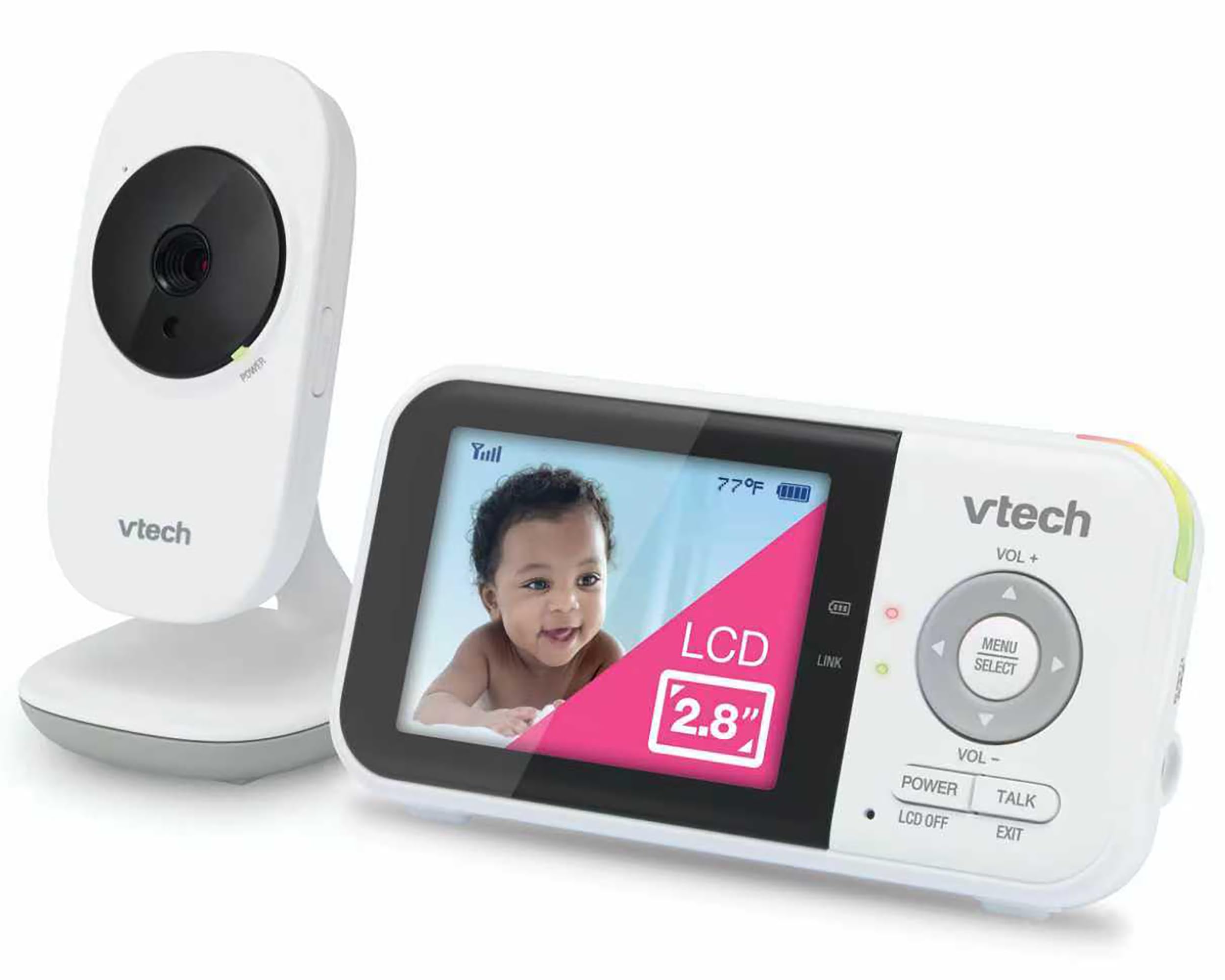


VTech Baby Monitor No WiFi – 19Hr Video Battery, 1000ft Range, Night Vision, Two-Way Talk, Temperature Sensor, Sound-Activated Screen, Lullabies | VM819
- YOUR BABY'S NURSERY STAYS COMPLETELY PRIVATE: The VM819 never connects to WiFi, the internet, or any cloud - i
- SEE EVERY DETAIL, DAY AND NIGHT, WITHOUT ENTERING THE ROOM: The 2.8-inch LCD delivers a real-time view with no
- WAKE UP ONLY WHEN YOUR BABY NEEDS YOU: Sound-Activated Screen Mode keeps the parent unit dark and quiet when t
If your priority is simplicity and budget, the VTech VM819 does the core job reliably. It is no WiFi, encrypted, and has a sound activated screen that stays dark and quiet until your baby actually stirs. At around $45, it is a genuinely good entry level option.
5. How Sleep Deprivation Makes Parents Vulnerable to Bad Advice
This section is not a criticism of any parent. It is an explanation of something that happens at a neurological and psychological level, and understanding it is the first step to protecting yourself from it.
Sleep deprivation this profound, the kind that comes with a newborn who wakes every 90 minutes, does measurable things to the human brain. Research published in the journal Sleep found that after 17 to 19 hours without sleep, cognitive performance declines to a level equivalent to a blood alcohol concentration of 0.05%. Decision making, risk assessment, and critical evaluation of information all degrade substantially.
This is the cognitive state in which most new parents encounter baby sleep advice online.
The anatomy of a persuasive but dangerous pitch
The consultants caught on camera were not sloppy or obviously extreme. They were skilled communicators who understood exactly which emotional buttons to press. Investigators noted several recurring techniques:
Validation of parental exhaustion. "You've been through so much. You deserve sleep. Your baby deserves sleep." This is true, and kind, and it primes parents to trust what comes next.
Dismissal of official guidance as paternalistic. "The guidelines are very conservative. In practice, most families do this and nothing bad happens." This frames safety guidance as overcaution rather than evidence, making non compliance feel reasonable.
Social proof. "I've worked with hundreds of families and everyone loves the results." No outcome data, no verification, just a number large enough to feel authoritative.
Urgency and scarcity. "My slots fill up fast, and the earlier you start the easier it is." This is a classic pressure sales technique that discourages careful evaluation.
The promise of a solution to a real crisis. Sleep deprivation is a genuine crisis. When someone offers a clear, confident solution to a real crisis, our exhausted brains are primed to accept it without the scrutiny we might otherwise apply.
If you are struggling with a baby who will not settle, there are safer, evidence based approaches to explore. Understanding what is actually happening during periods of disrupted infant sleep, including what the 8 month developmental period does to sleep patterns, is genuinely useful context. If your baby's sleep has changed dramatically, the 8 month sleep regression guide walks through what is normal, what is driving it, and what you can do without compromising safety.
6. Practical Steps to Take Right Now to Protect Your Baby
Knowing the problem is one thing. Knowing what to do about it is another. Here are concrete, clinically grounded steps you can take today.
Step 1: Audit your baby's sleep space tonight
Get in the habit of checking the sleep space every time before you put your baby down. The checklist is short:
If you can tick all five boxes, you are following the core safe sleep guidance. That is the foundation everything else builds on.
Step 2: Know where your information is coming from
The AAP (aap.org), the CDC (cdc.gov), the NHS (nhs.uk), and UNICEF Baby Friendly all publish free, detailed, current safe sleep guidance. These sources are updated when new evidence emerges and are written by people whose professional reputations depend on accuracy.
Social media, parenting forums, and paid consultants are not subject to the same accountability. That does not mean they are always wrong, but it does mean you should cross reference anything you hear there against the official sources.
Step 3: Set up overnight monitoring you can actually rely on
If your baby is sleeping in a separate room for any period, or if you are a deep sleeper, or if you simply want the reassurance of being able to check without walking in, a monitor genuinely earns its place.
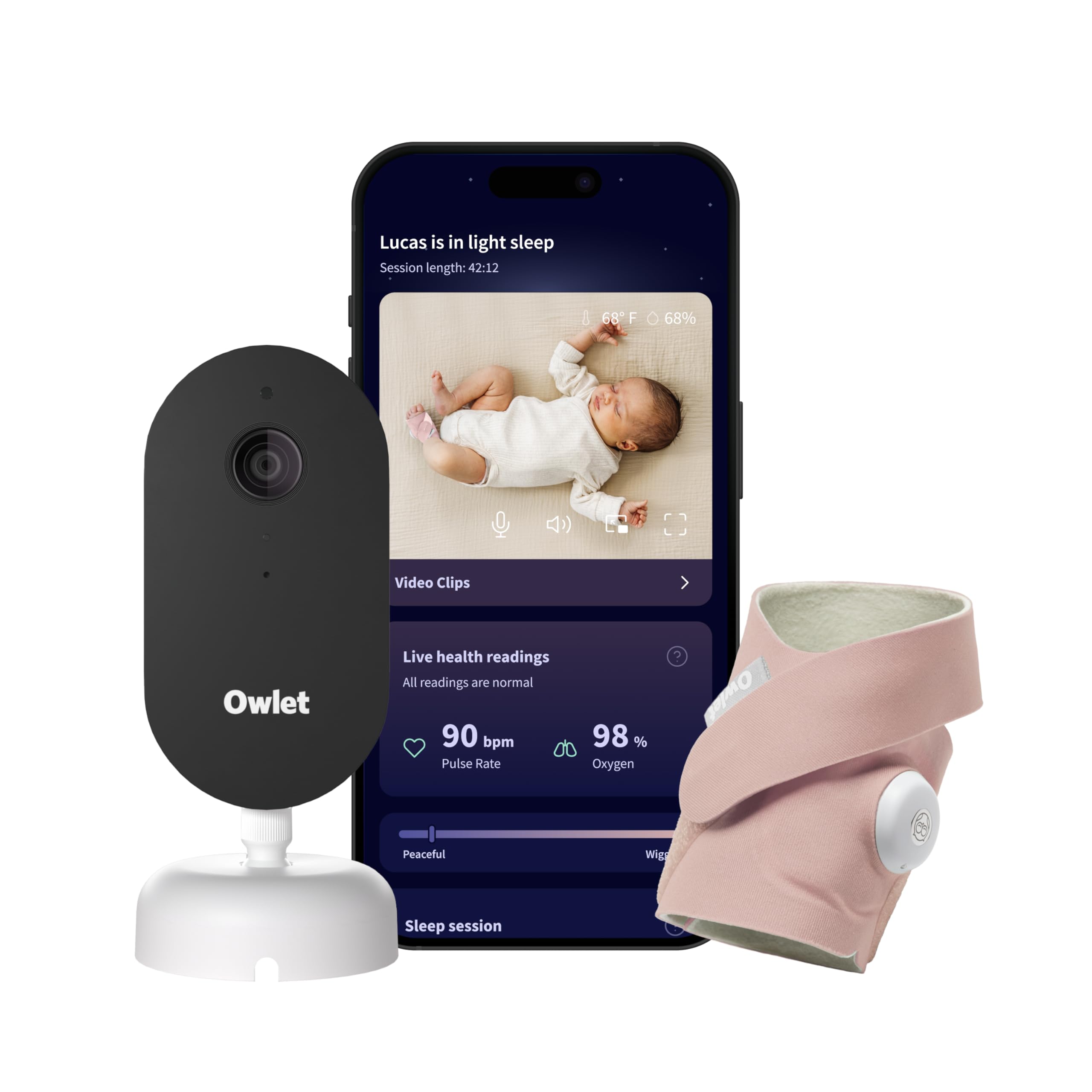
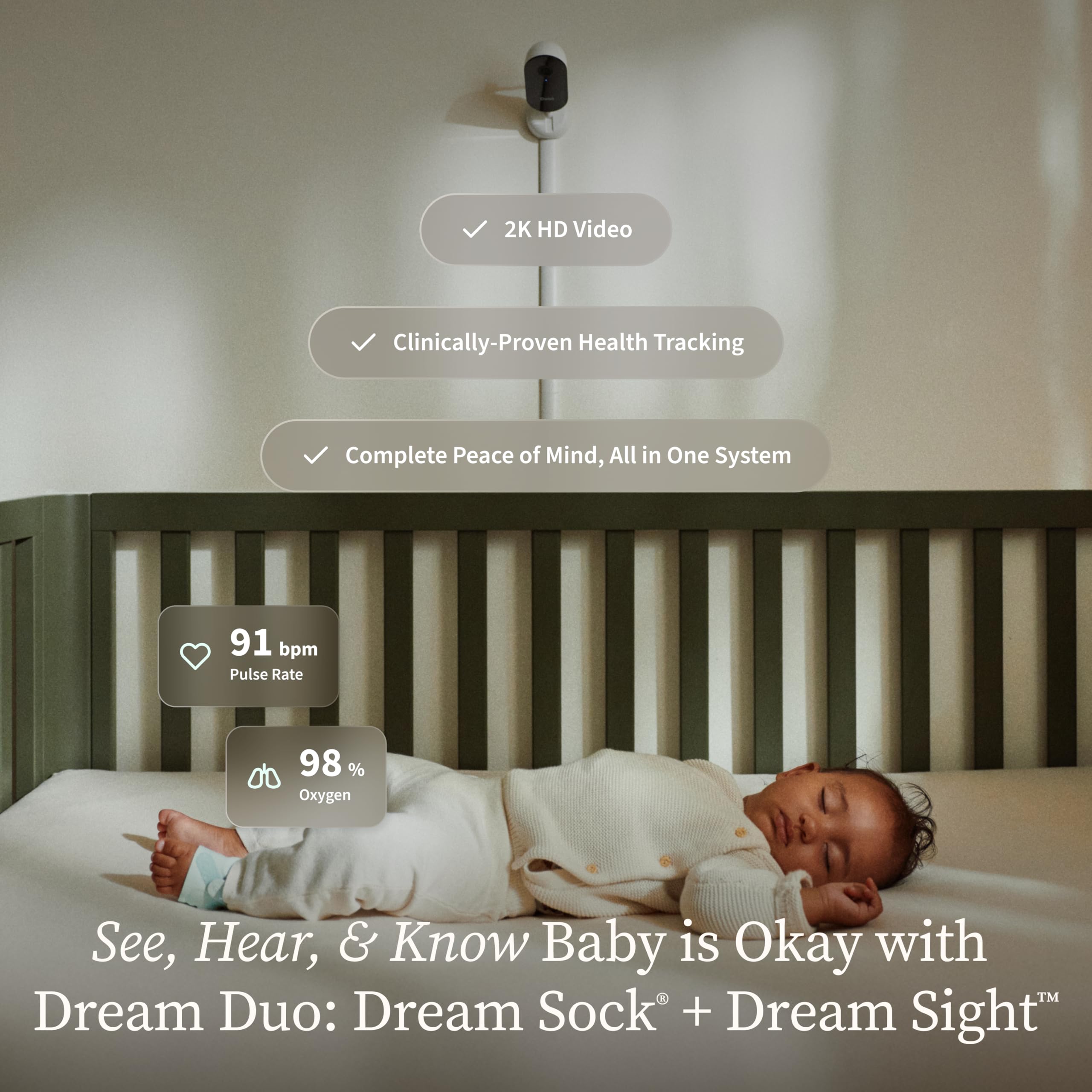
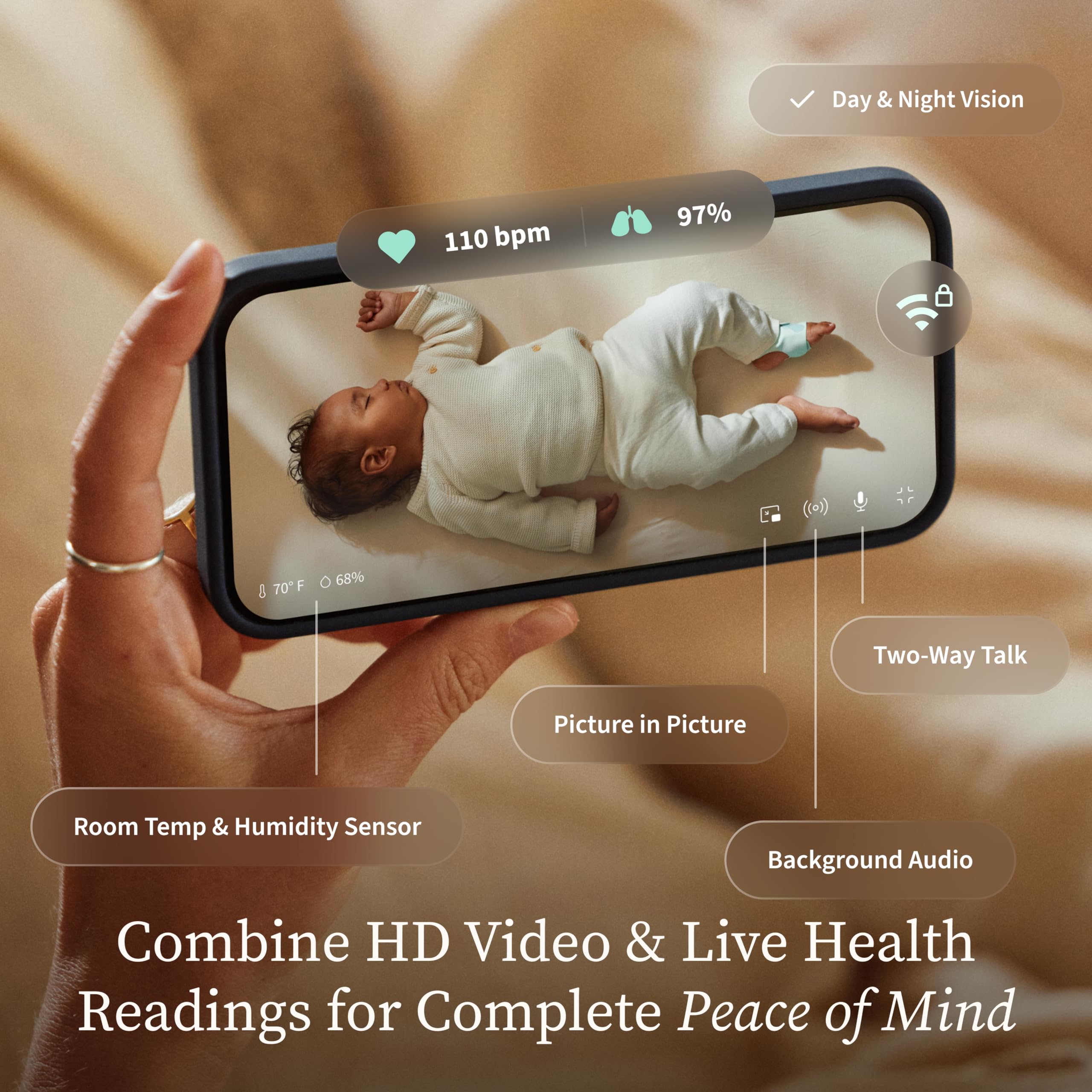
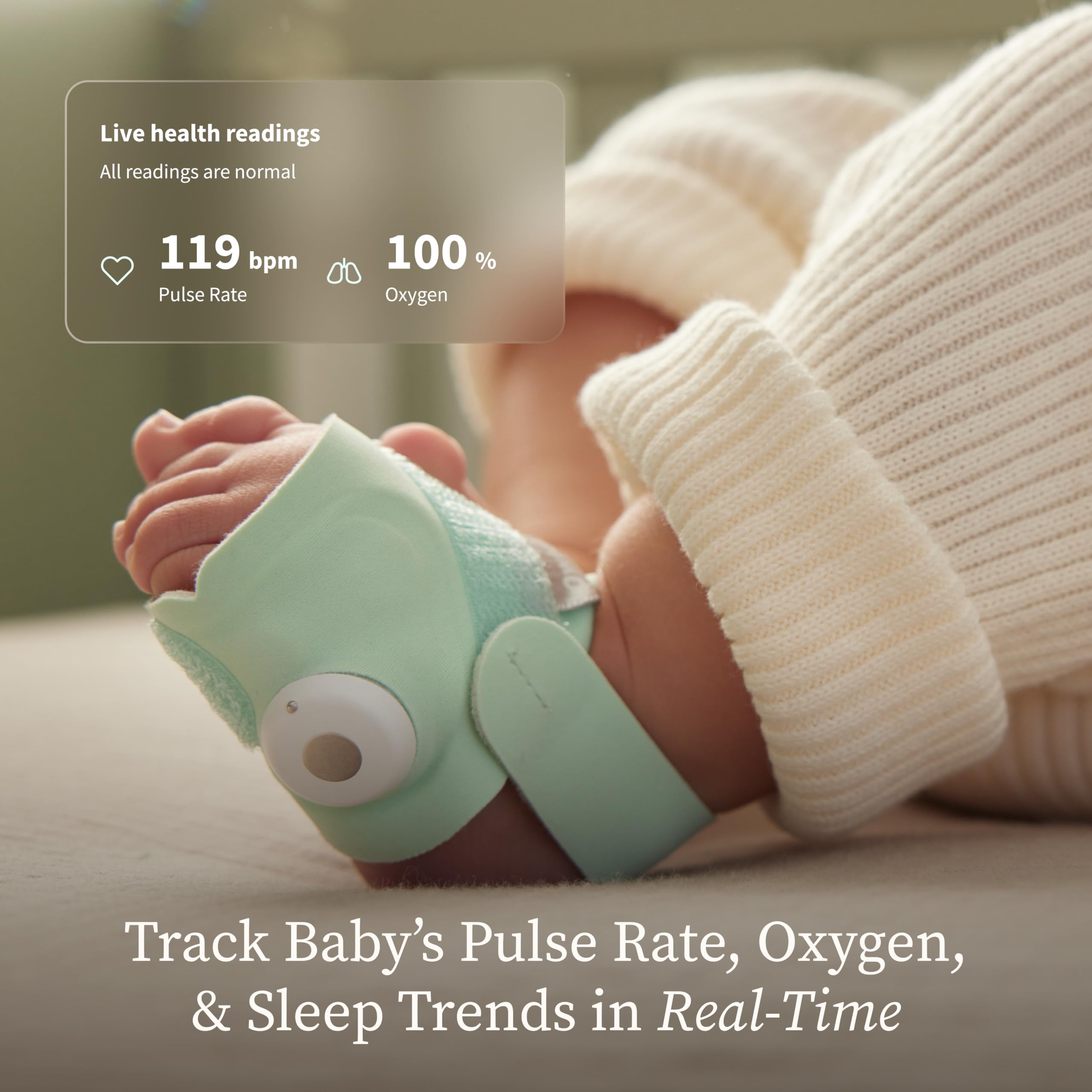
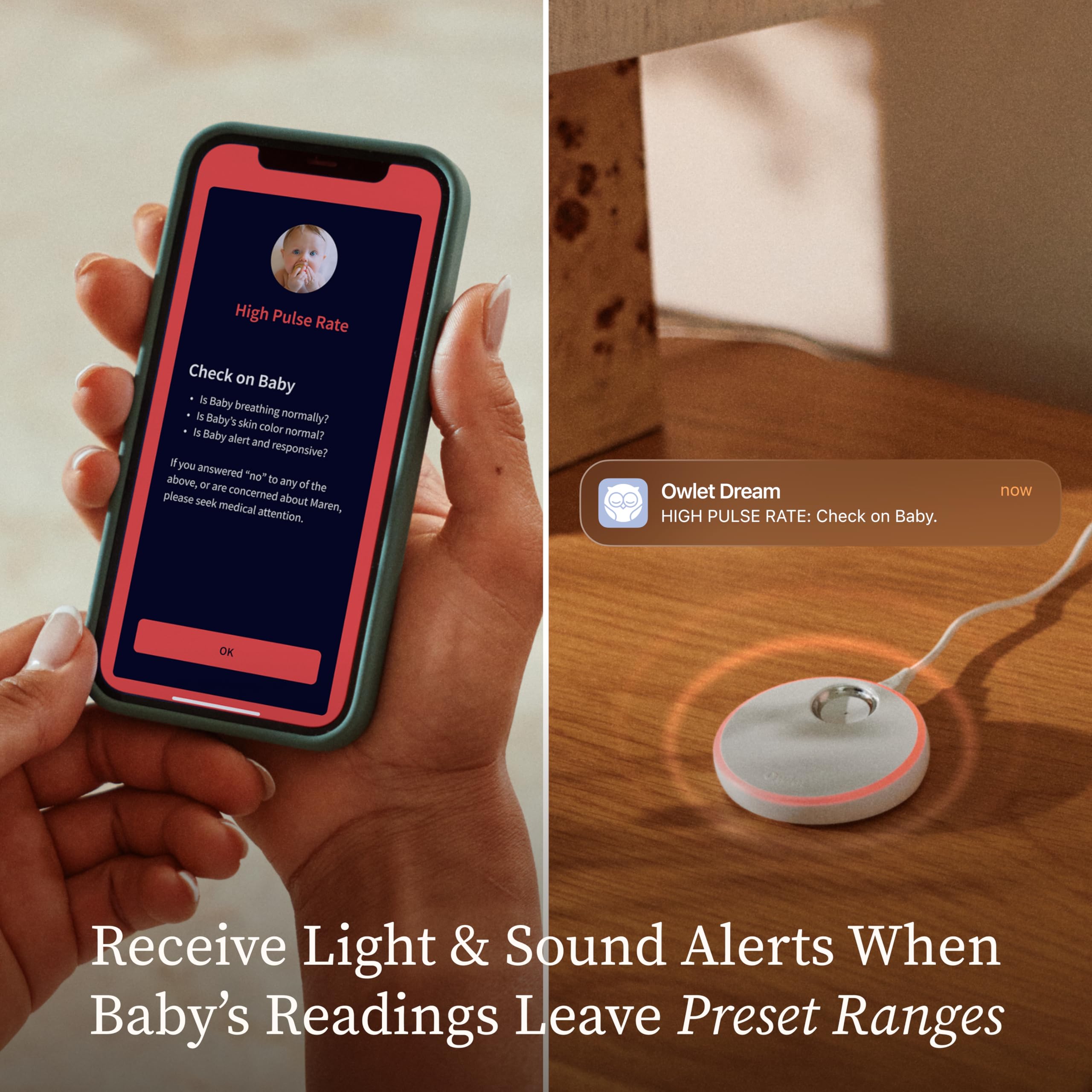
Owlet Dream Duo (Gen 3) Smart Baby Monitor All-in-One Bundle - 2K HD Video Baby Monitor with Alerts & Owlet Dream Sock Tracks Baby’s Oxygen, Heart Rate & Sleep | Health Insights via App
- What is the Owlet Dream Duo? Dream Duo is Owlet's most advanced monitoring system, combining the FDA-cleared D
- How does the system track my baby’s well-being? Dream Sock uses medical-grade pulse oximetry to track your bab
- What is the video quality of the included camera? See your baby clearly day or night with crystal-clear 2K HD
For families who want the most comprehensive monitoring available, the Owlet Dream Duo combines FDA cleared pulse oximetry via the Dream Sock with 2K HD video from the Dream Sight camera. The real time alerts for oxygen and heart rate departures from preset zones give a layer of reassurance that a video only monitor cannot. It is a premium product at a premium price, but for parents who are managing significant anxiety around overnight safety, it may be worth the investment.
For families with twins or multiple babies in different rooms, the Comfyer BM01 offers split screen monitoring from two cameras on a single 7" screen. You can watch both babies simultaneously, which is genuinely difficult to do any other way.
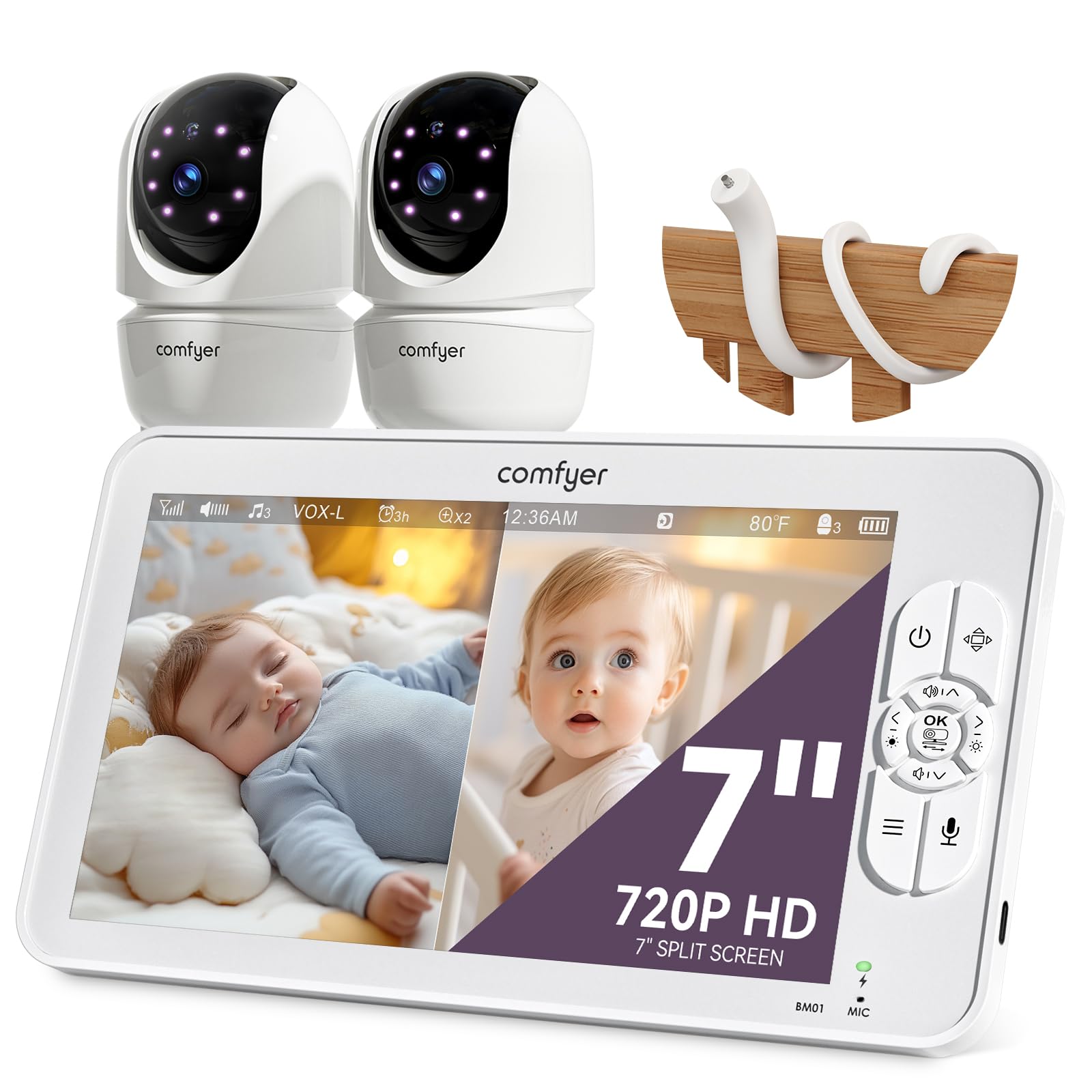
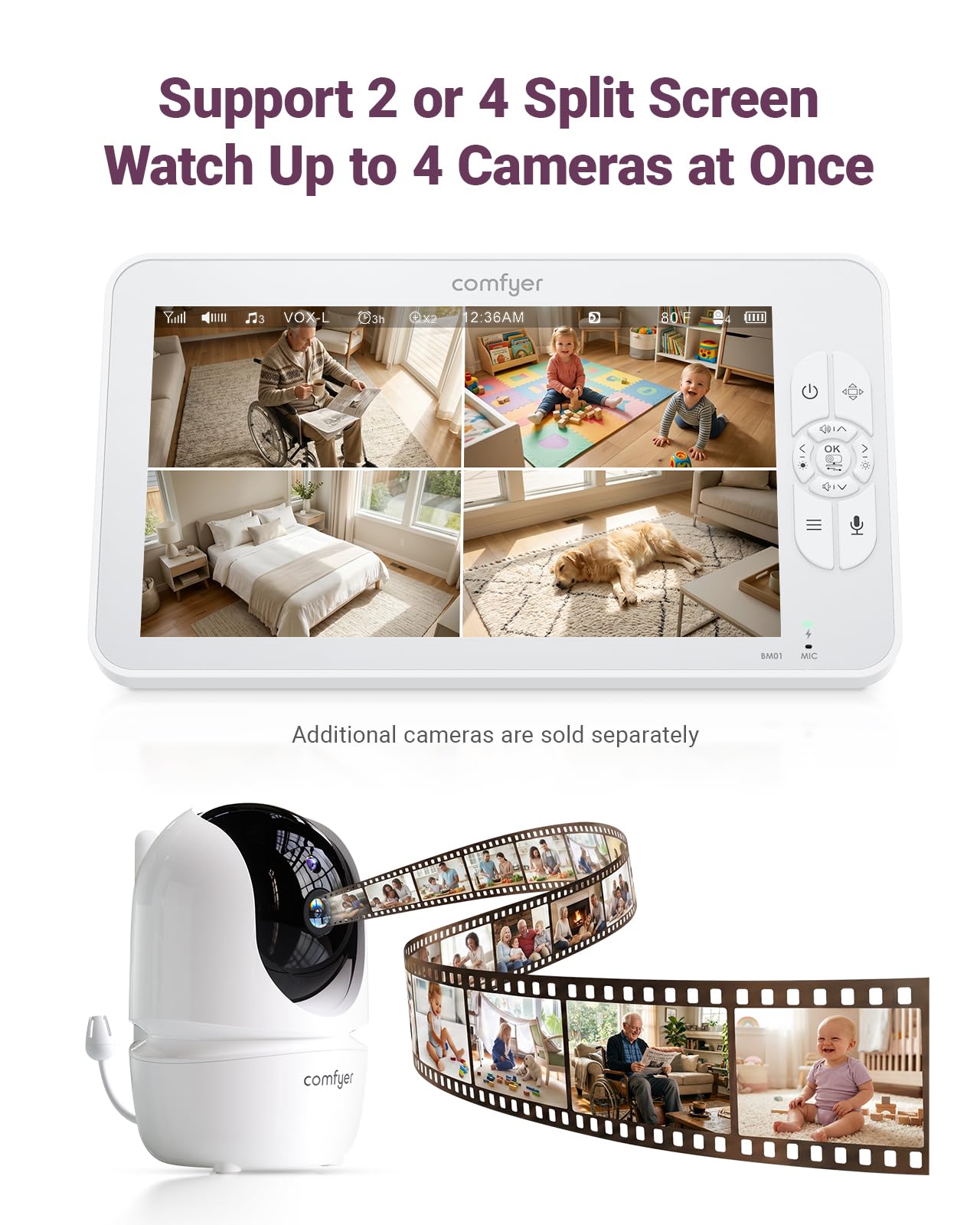
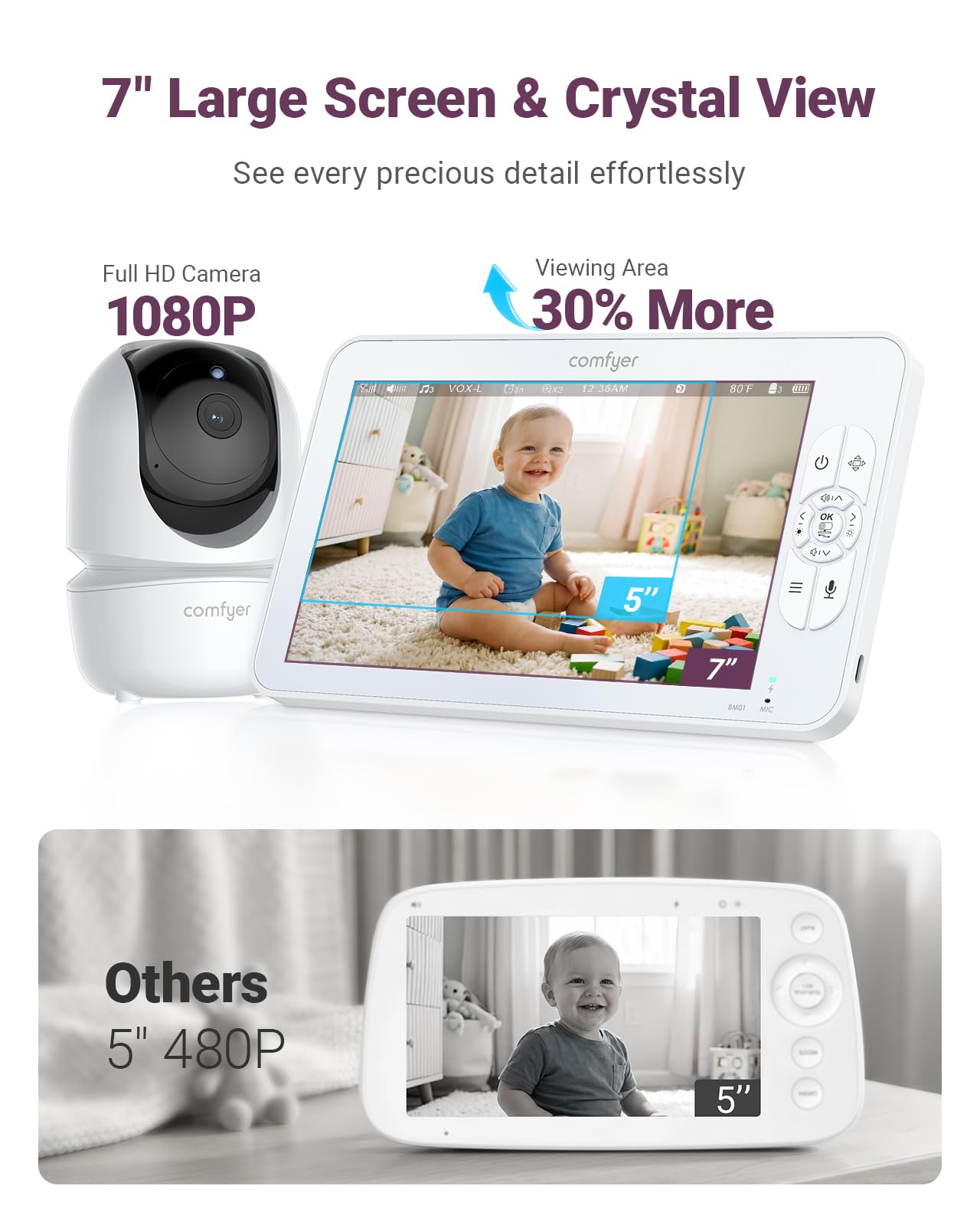
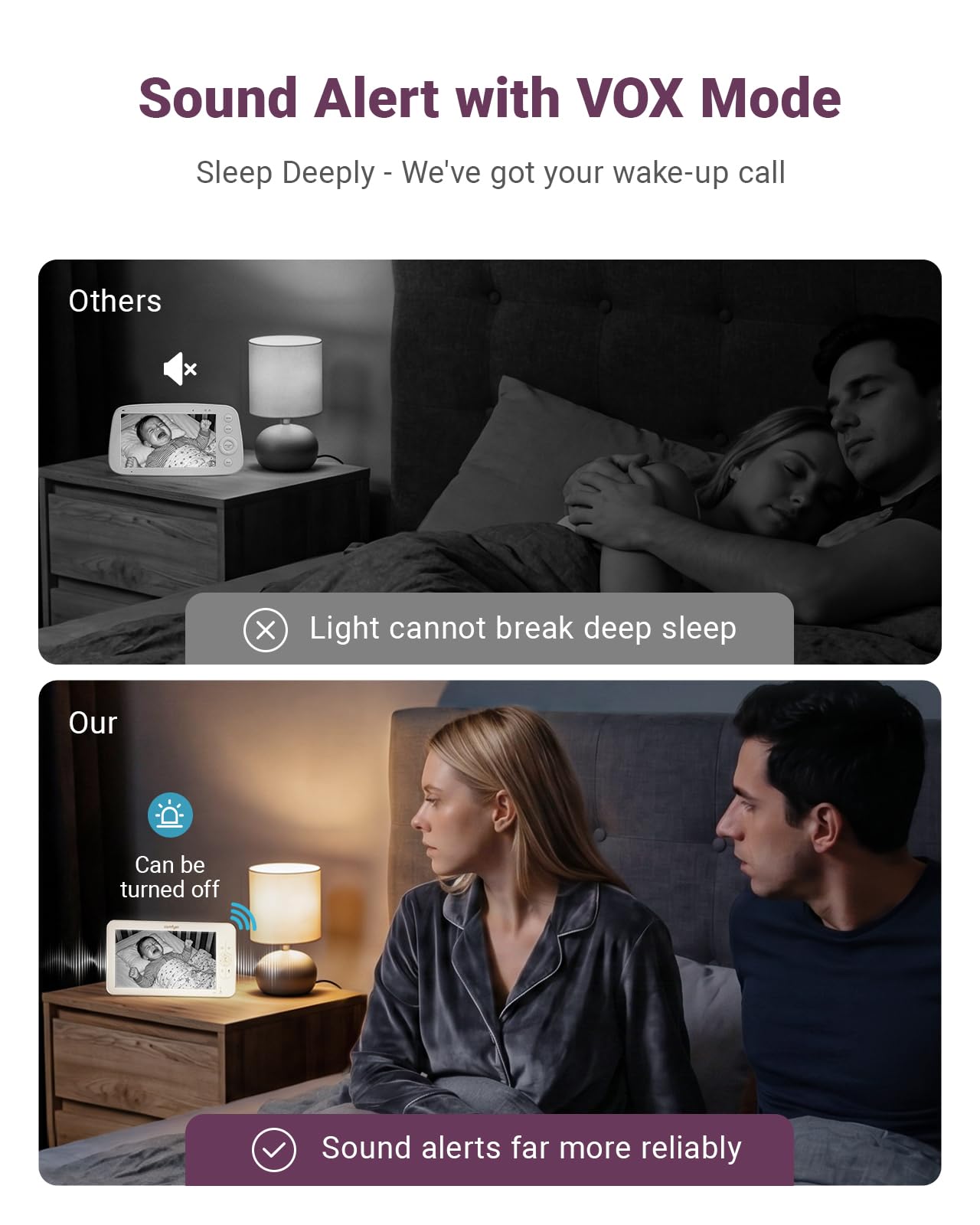
Comfyer BM01 7" HD Split-Screen Baby Monitor, Video Baby Monitor with 2 Cameras and Audio, No WiFi Monitor with a Flexible Bracket, Up to 2 Days in VOX Mode with Sound Alert, 4X Zoom, Night Vision
- 【Split-Screen Monitoring for Twins】Equipped with two 1080P cameras, this Comfyer dual baby monitor enables 2/4
- 【Easy Setup & No WiFi Needed】This is a no wifi baby monitor using advanced 2.4GHz FHSS and digital encryption
- 【13H Video or 2 Days Audio】 Built with a large 6000mAh rechargeable battery, this two camera baby monitor deli
Step 4: Build your support network around qualified people
Your paediatrician is your first port of call for sleep concerns. Beyond that:
Comparing Baby Monitor Options for Safe Sleep Setups
Choosing the right monitor depends on your baby's age, your home layout, and how much reassurance you need overnight.
| Monitor Type | Best For | Key Benefit | Main Limitation | Recommended Product | Price Range |
|---|---|---|---|---|---|
| Compact no-WiFi video monitor | Most families, first time parents | Private, secure, no hacking risk, simple setup | No physiological tracking | VTech VM819 | $40–50 |
| Large screen no-WiFi monitor (5") | Parents who check frequently overnight | Big clear display, 30hr battery, pan and tilt | No app or remote access | HelloBaby HB6550 | $60–70 |
| Large screen no-WiFi monitor (6" IPS) | Parents with eye fatigue or visual impairment | World's first 6" IPS screen, wide angle, reduced eye strain | No app or remote access | HelloBaby HB6560 | $55–65 |
| Health tracking monitor with video | Anxious parents, NICU graduates, preterm babies | FDA-cleared O2 and heart rate alerts alongside HD video | Expensive, app dependent | Owlet Dream Duo | $340–360 |
| Dual camera split screen monitor | Twins or babies in separate rooms | Watch two rooms at once on one screen | Higher cost, larger unit | Comfyer BM01 | $125–135 |
Expert Insights
The Bottom Line: Your Baby's Safety Is Not a Niche Market
Parenthood is hard. The sleep deprivation of the early months is a genuine physiological challenge, and the desire to find someone who will make it better is completely understandable. The people selling solutions know that. They have refined their pitch specifically for the moment when you are least able to evaluate it critically.
The good news is that what keeps babies safest is simple, free, and backed by decades of research. You do not need to pay for it. You do not need a consultant to explain it. You need a back sleeping, clear cot, in your room — and the confidence to hold that line even when someone very persuasive is telling you it is too cautious.
Safe sleep is not about perfect parenting. It is about a few non-negotiable habits, applied consistently, until your baby is 12 months old. Share this article with someone who is about to have a baby. It might be the most useful thing you do for them.
Sources & References
- American Academy of Pediatrics. "Sleep-Related Infant Deaths: Updated 2022 Recommendations for Reducing Infant Deaths in the Sleep Environment." Pediatrics, 2022. https://publications.aap.org/pediatrics/article/150/1/e2022057990/188304
- Centers for Disease Control and Prevention. "Sudden Unexpected Infant Death and Sudden Infant Death Syndrome." CDC.gov, 2023. https://www.cdc.gov/sids/index.htm
- The Lullaby Trust. "Safe Sleep Guidelines." Lullabytrust.org.uk, 2023. https://www.lullabytrust.org.uk/safer-sleep-advice/
- Moon, R.Y., Carlin, R.F., Hand, I., et al. "Evidence Base for 2022 Updated Recommendations for a Safe Infant Sleeping Environment to Reduce the Risk of Sleep-Related Infant Deaths." Pediatrics, Vol. 150, No. 1, 2022.
- Harrison, Y. "The relationship between daytime exposure to light and night-time sleep in 6–12-week-old infants." Journal of Sleep Research, 2004.
- Williamson, A.M. and Feyer, A.M. "Moderate sleep deprivation produces impairments in cognitive and motor performance equivalent to legally prescribed levels of alcohol intoxication." Occupational and Environmental Medicine, 2000. Vol 57, pp. 649–655.
- NHS. "Reduce the risk of sudden infant death syndrome (SIDS)." NHS.uk, 2023. https://www.nhs.uk/conditions/baby/caring-for-a-newborn/reduce-the-risk-of-sudden-infant-death-syndrome/
- UNICEF UK Baby Friendly Initiative. "Caring for your baby at night: a guide for parents." UNICEF UK, 2023. https://www.unicef.org.uk/babyfriendly/baby-friendly-resources/sleep-and-night-time-resources/
- US Consumer Product Safety Commission. "Safe Sleep for Babies." CPSC.gov, 2023. https://www.cpsc.gov/SafeSleep
- McKenna, J.J. and Gettler, L.T. "There is no such thing as infant sleep, there is no such thing as breastfeeding, there is only breastfeeding and infant sleep." Acta Paediatrica, 2016. Vol 105, pp. 17–21.
Frequently Asked Questions
Is it ever safe for a baby to sleep on their tummy?
How do I know if a baby sleep consultant is safe to use?
Do baby monitors actually prevent SIDS?
What should a safe baby sleep space actually look like?
My baby only settles when rocking. Is that dangerous?
At what age can I stop worrying so much about safe sleep rules?
Is bed sharing ever acceptable?
Was this helpful?
Thanks — your feedback helps us pick what to write next.