Phone Over Your Kid? They Notice, and It Affects Your Bond
When parents consistently choose their smartphones over present, engaged interaction, children as young as six months register the emotional withdrawal, and research links habitual parental phone distraction to weaker attachment, higher child anxiety, and more frequent behaviour
In this article
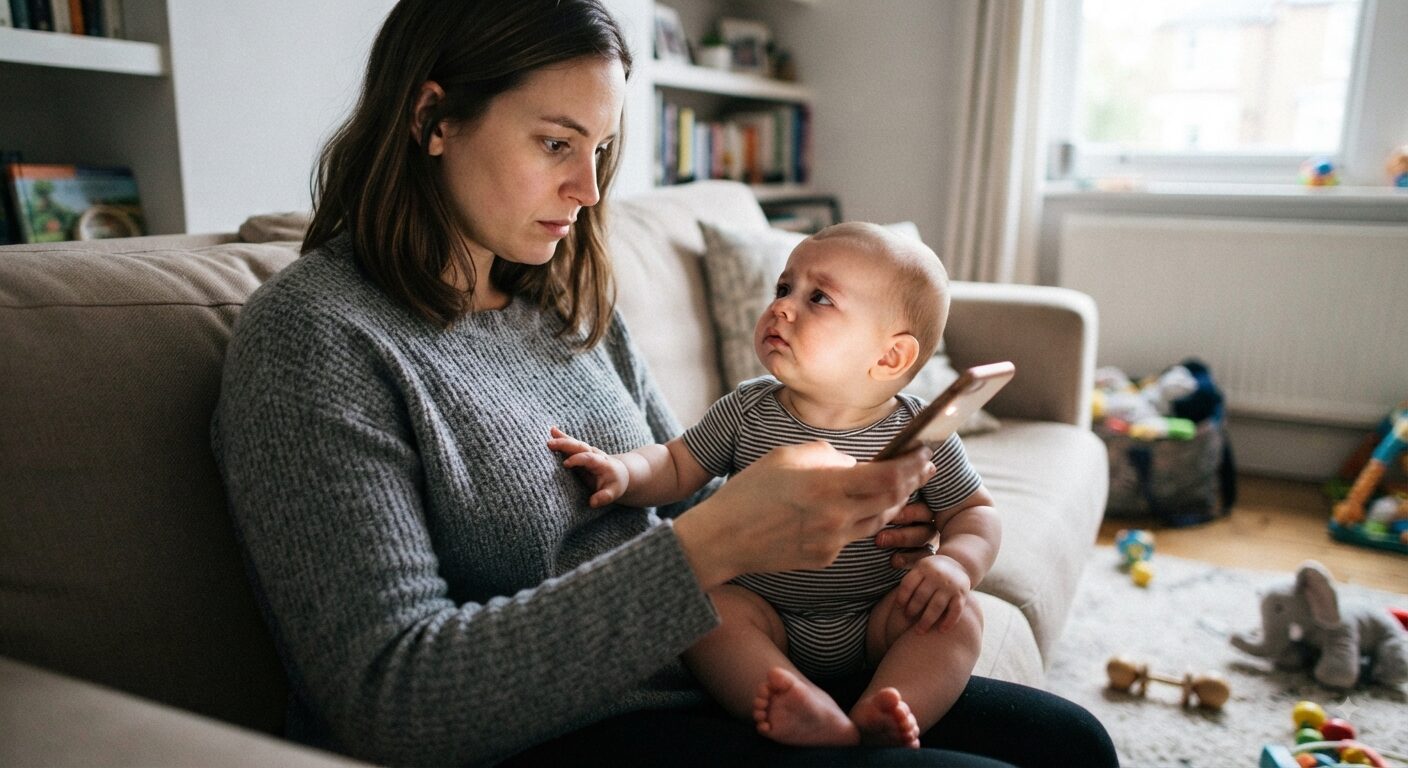
Picture this: your four year old runs across the backyard and lands the first ever cartwheel. She pops up, beaming, searching for your face. Your face is angled six inches down, lit blue-white by a screen. The moment passes. She doesn't say anything. Neither do you.
That gap, a few seconds wide, might seem trivial. But researchers who study parent-child interaction say those moments stack up into something children feel in their bodies before they have words for it. According to a 2023 survey by Common Sense Media, American adults spend an average of five hours and 30 minutes a day on their mobile phones, and the majority of parents in the survey acknowledged checking their phones at meals, bedtime routines, and while playing with their kids.
This article will help you understand:
1. The Science of "Still Face": Why Your Blank Phone Stare Reads as Rejection
Children are hardwired to read faces, and they notice when yours disappears.
The foundation for understanding this comes from Dr. Edward Tronick's Still Face Experiment, developed at Harvard in the 1970s and replicated dozens of times since. When a caregiver's face goes expressionless and unresponsive, even for two minutes, infants as young as two months increase social bids (pointing, reaching, vocalising), then protest, and finally withdraw into a kind of quiet distress. Heart rate rises. Cortisol, the body's primary stress hormone, climbs. When the caregiver re-engages, it takes time for the infant to recover, and in repeated exposures, the recovery gets slower.
Researchers at the University of Michigan's Center for Human Growth and Development have described the smartphone-distracted parent as producing a "functional still face." The parent is physically present, but the relational channel is closed.
Why Intermittent Is Actually Worse Than Consistent
Here's something that surprises most parents: predictably absent caregiving produces less anxiety in children than unpredictably distracted caregiving. When a parent is consistently warm and then consistently on a call, a child learns the pattern. But a phone-scrolling parent who looks up, looks down, laughs at something on screen, looks up again, and then suddenly snaps because the toddler pulled their sleeve is unpredictable. Unpredictability is stressful in a very specific neurological way; it keeps a child's threat-detection system on high alert.
What Babies Under Twelve Months Are Actually Experiencing
Infants don't have object permanence for emotions. When your face disappears into a screen, the warmth doesn't "wait" for them. It's just gone. They respond with escalating signals: fussing, reaching, crying. If those signals repeatedly fail to pull you back, some infants learn, very early, that their signals don't work. This is the beginning of what developmental psychologists call learned helplessness in the attachment context, and it's genuinely different from typical independence.
2. Attachment Security and the Gradual Erosion Nobody Notices
Secure attachment doesn't disappear overnight. It erodes in tiny, invisible increments.
Attachment theory, developed by John Bowlby and expanded by Mary Ainsworth, describes four broad attachment styles: secure, anxious-ambivalent, avoidant, and disorganised. About 60 to 65 percent of children in Western countries develop secure attachment, according to data pooled by the American Psychological Association. But "secure" is not a status you earn once and keep. It is maintained or eroded by the daily texture of interaction.
A 2014 observational study published in the journal Child Development, led by researchers at Boston Medical Center, watched 55 caregivers with children at fast food restaurants. Caregivers who were highly absorbed in their devices were significantly more likely to respond harshly when children escalated bids for attention, and the children in those groups showed more negative, attention-seeking behaviour over the observation period.
The Repair Mechanism: Why "Sorry, I Was on My Phone" Matters
Good news here: the research on attachment repair is robust and genuinely reassuring. Tronick's own work shows that children can tolerate a surprisingly high rate of misattunement (he estimates normal parent-infant interaction contains misattunement up to 70 percent of the time) as long as repair happens. Repair means you notice, you name it, and you reconnect. "Sorry, I was looking at my phone. I missed that. Tell me again?" is not a magic sentence, but it is a repair, and repeated repairs build something children can hold onto.
What erodes attachment is not distraction. It is distraction with no acknowledgment, no rupture-repair cycle, no signal to the child that they were worth coming back to.
If you're also thinking about how your child's overall development and school readiness fits into this, the way you show up in daily interactions matters more than any single enrichment activity. Kindergarten readiness research consistently points to the quality of early relational experiences as a stronger predictor than flashcards or apps.
3. Language, Play, and Cognitive Development: The Hidden Cost
Every minute you are scrolling during playtime is a minute of language input your child doesn't get.
This is not guilt-tripping. It's arithmetic backed by decades of research. Dr. Betty Hart and Dr. Todd Risley's landmark 1995 study on language development found that the sheer volume and richness of language a child hears in the first three years predicts vocabulary size, reading ability, and academic outcomes years later. More recent work from researchers at MIT and Harvard has refined this to focus not just on quantity but on conversational "turns," back-and-forth exchanges between parent and child.
A 2018 neuroimaging study published in the Journal of Neuroscience (Gilkerson et al., LENA Research Foundation) found that children in homes with more adult-child conversational turns had measurably greater development in Broca's area, the part of the brain that underpins language production and comprehension. Scrolling parents have fewer turns. It is that simple.
What Gets Interrupted During Phone-Distracted Play
When you are half-present during play, a specific set of interactions drops away:
The connection between play quality and brain development is also why researchers who study child-led play based learning consistently find that parent engagement during play matters as much as the toys themselves.
4. The Older Child's Experience: Tweens Know Exactly What Is Happening
For children under five, phone distraction reads as withdrawal. For children over eight, it reads as a message.
Older children are interpreting. They have enough cognitive development to form a narrative around your phone use, and research suggests the narrative they form is rarely flattering. A 2015 survey by the family technology research organisation AVG Technologies found that 54 percent of children between the ages of 8 and 13 said their parents checked their phones too often. The same survey found that 32 percent of children felt "unimportant" when their parent was distracted by a device during conversation.
That word, "unimportant," is worth sitting with. Children are not saying "my parent uses their phone too much." They are saying "I am not important enough." That is an identity-level conclusion drawn from a behavioural pattern.
The Dinner Table Data Point
A 2022 study published in the Journal of Developmental and Behavioral Pediatrics followed 170 families over 18 months and found that parental phone use during family meals was associated with lower child ratings of family connection and higher rates of adolescent depressive symptoms, independent of overall screen time. The meal table is not just where food happens. It is one of the primary sites where a child receives the daily signal that the family unit is real and they belong to it.
For parents navigating the unique sensitivities of a highly tuned-in child, the way phone distraction lands can be even more intense. Understanding your child's temperament, especially if they are particularly perceptive or emotionally sensitive, changes how you calibrate your presence.
5. Why Willpower Alone Fails: The Neuroscience of Notification Pulls
You already know you should put the phone down. The problem is the phone is designed to make that very hard.
This is not a moral failing. It is basic neuroscience. Every notification, every social media update, every unread badge on an app is engineered using the same variable-reward mechanisms that make slot machines compelling. Dopamine is released not on the reward itself but on the anticipation of a possible reward. When you don't know if the next notification will be exciting or dull, your brain is in exactly the state that makes checking irresistible.
Dr. Anna Lembke, Professor of Psychiatry at Stanford University and author of "Dopamine Nation," has written extensively about how smartphones exploit the dopamine system. The key insight relevant to parents is this: the more you check, the lower your baseline dopamine, and the less satisfying ordinary life, including the ordinary life of playing with your child, feels. Your child's cartwheel competes, neurologically, with the entire internet. That is not a fair fight for your attention.
Why Environmental Design Beats Willpower
The most effective behaviour change research (from BJ Fogg's Behavior Design Lab at Stanford and from James Clear's "Atomic Habits") consistently shows that reducing friction for good behaviour and increasing friction for problematic behaviour works better than relying on motivation. For phone use around children, this means:
This is where physical phone lock boxes become genuinely useful, not as punishment tools, but as environmental design. A timed lock box removes the friction-free access that makes checking automatic.
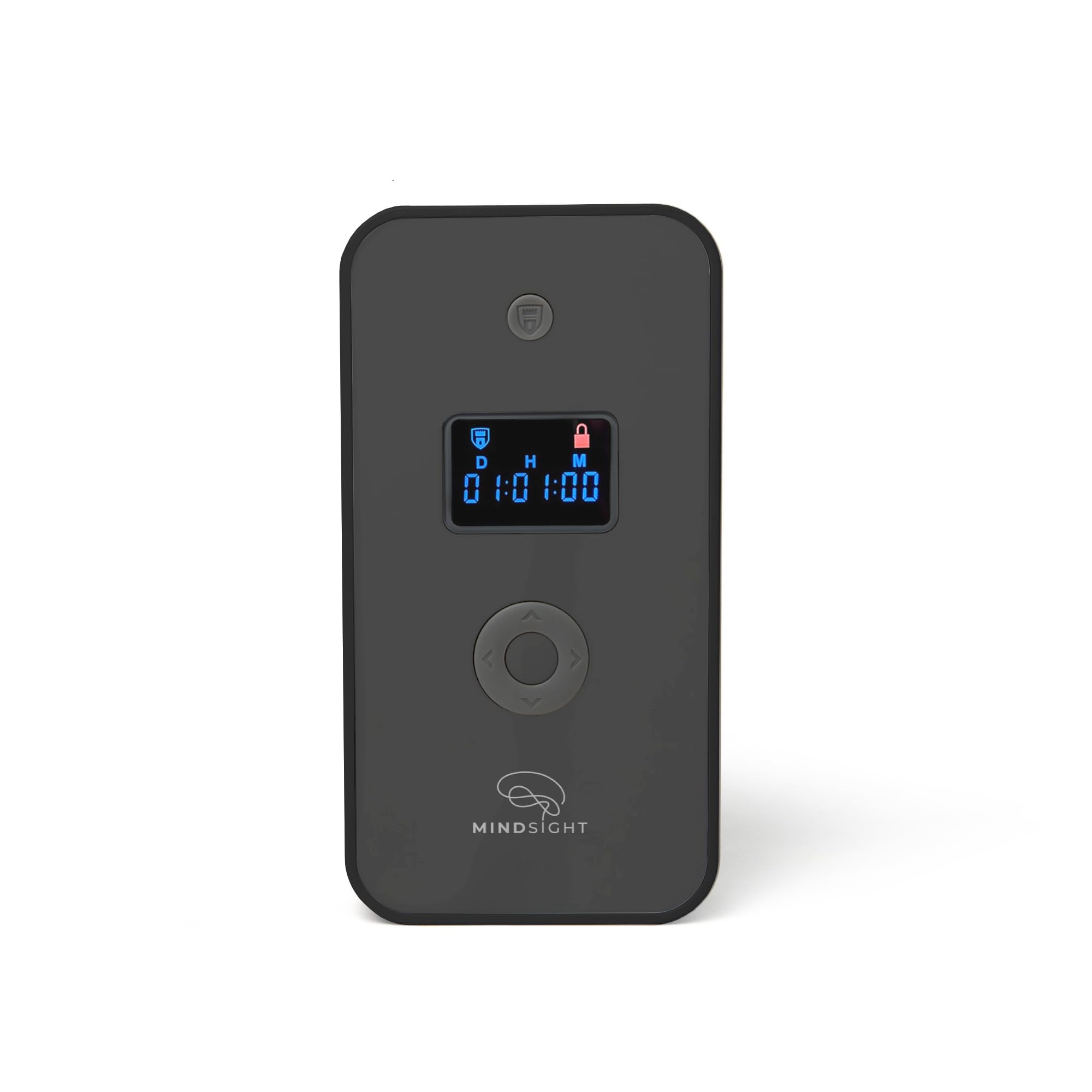
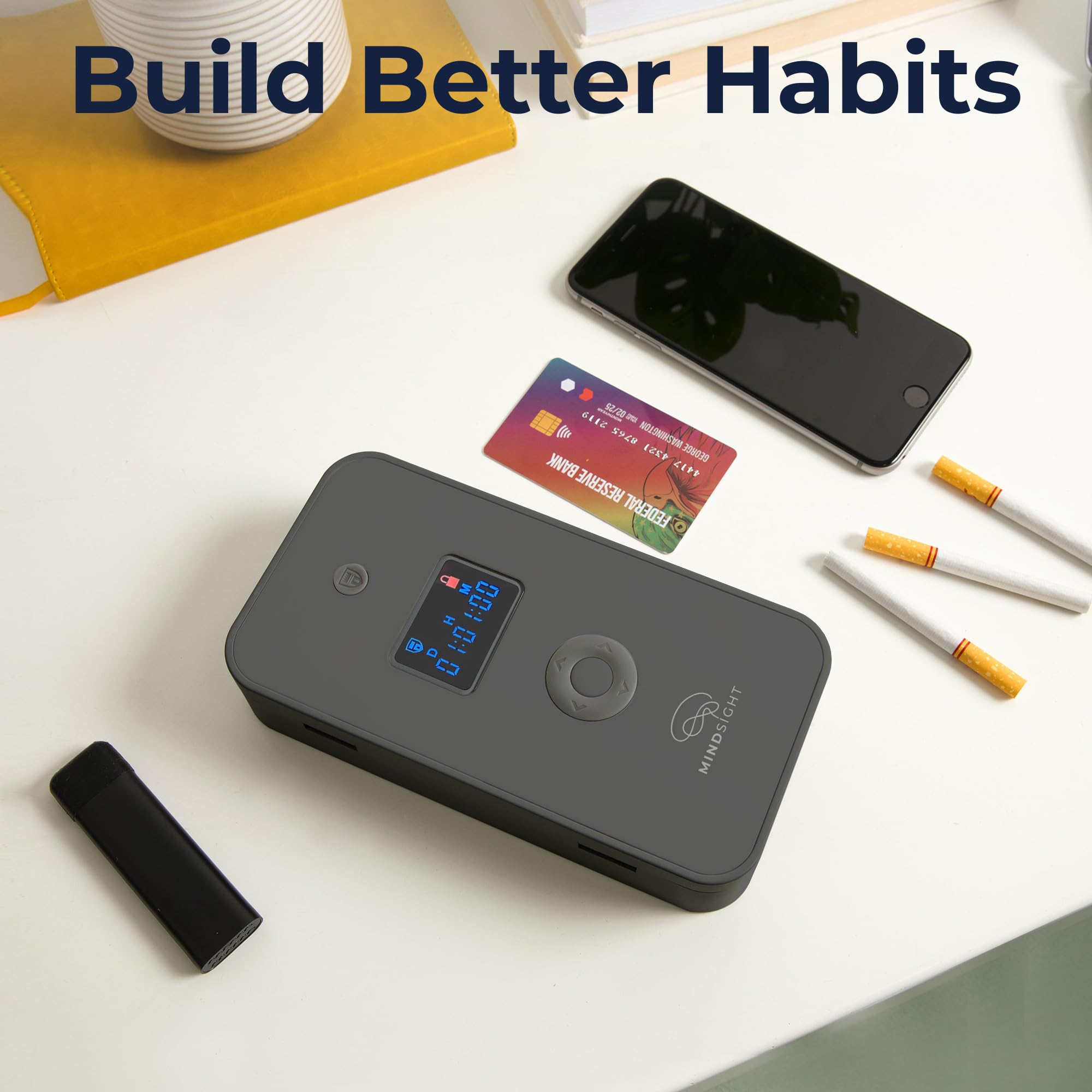
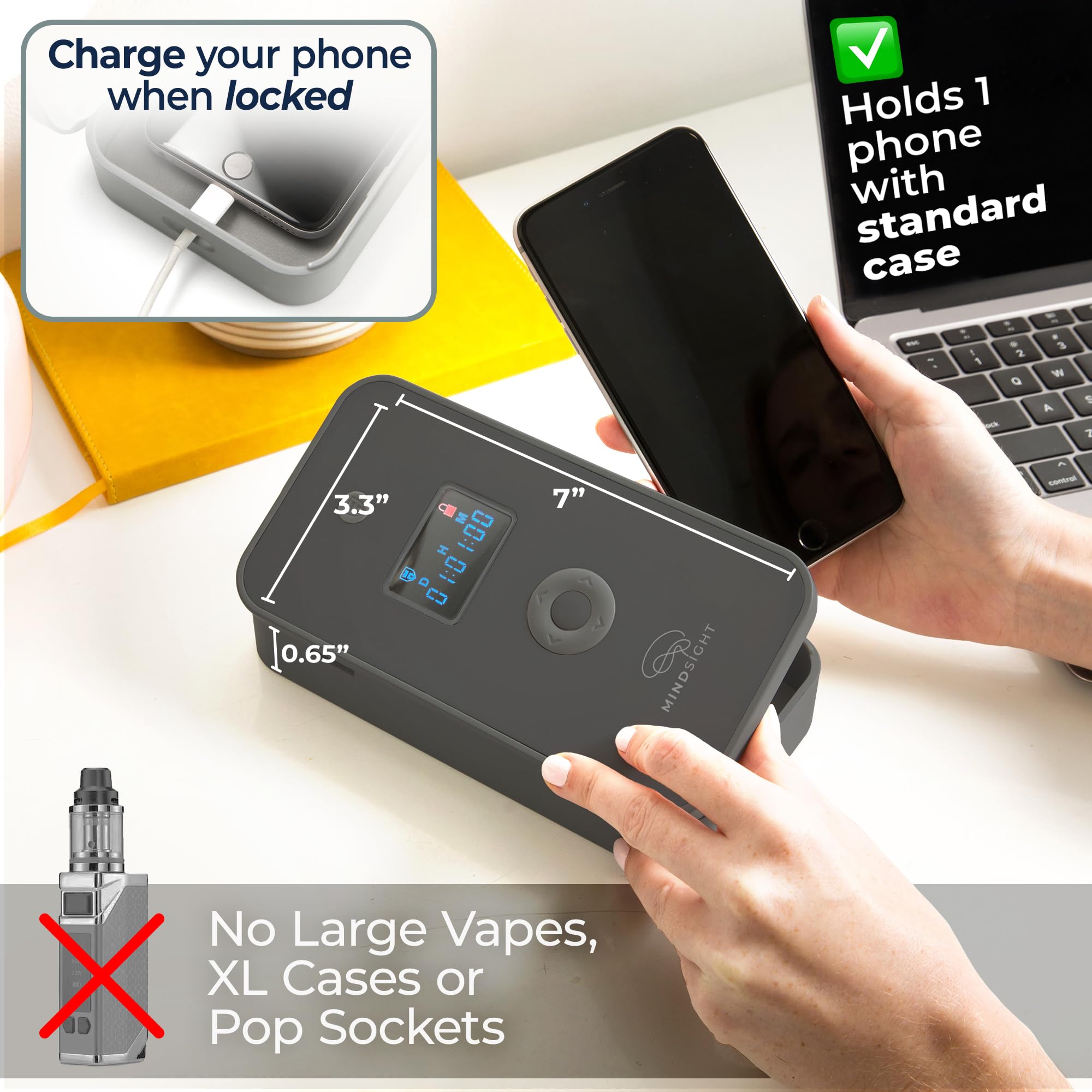
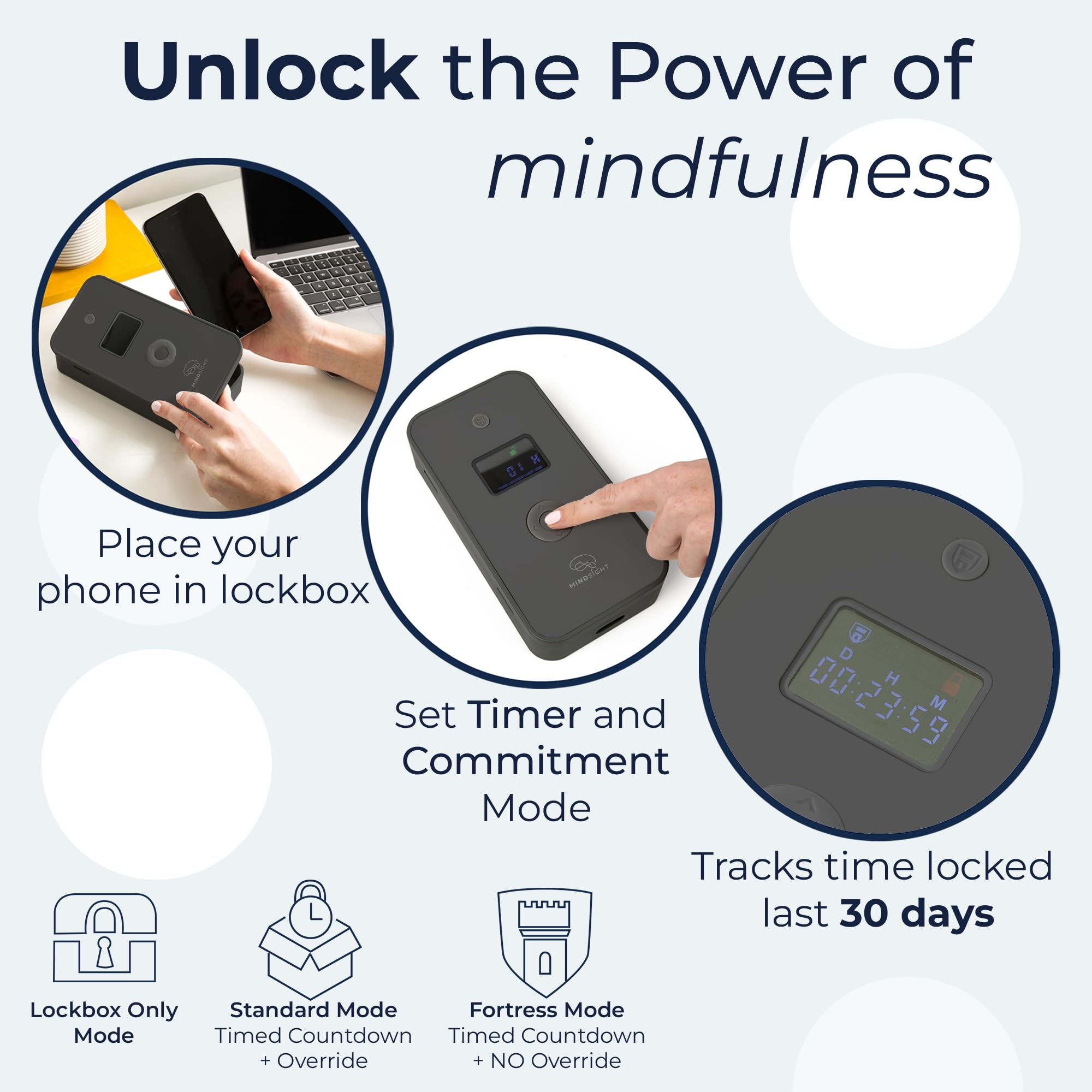
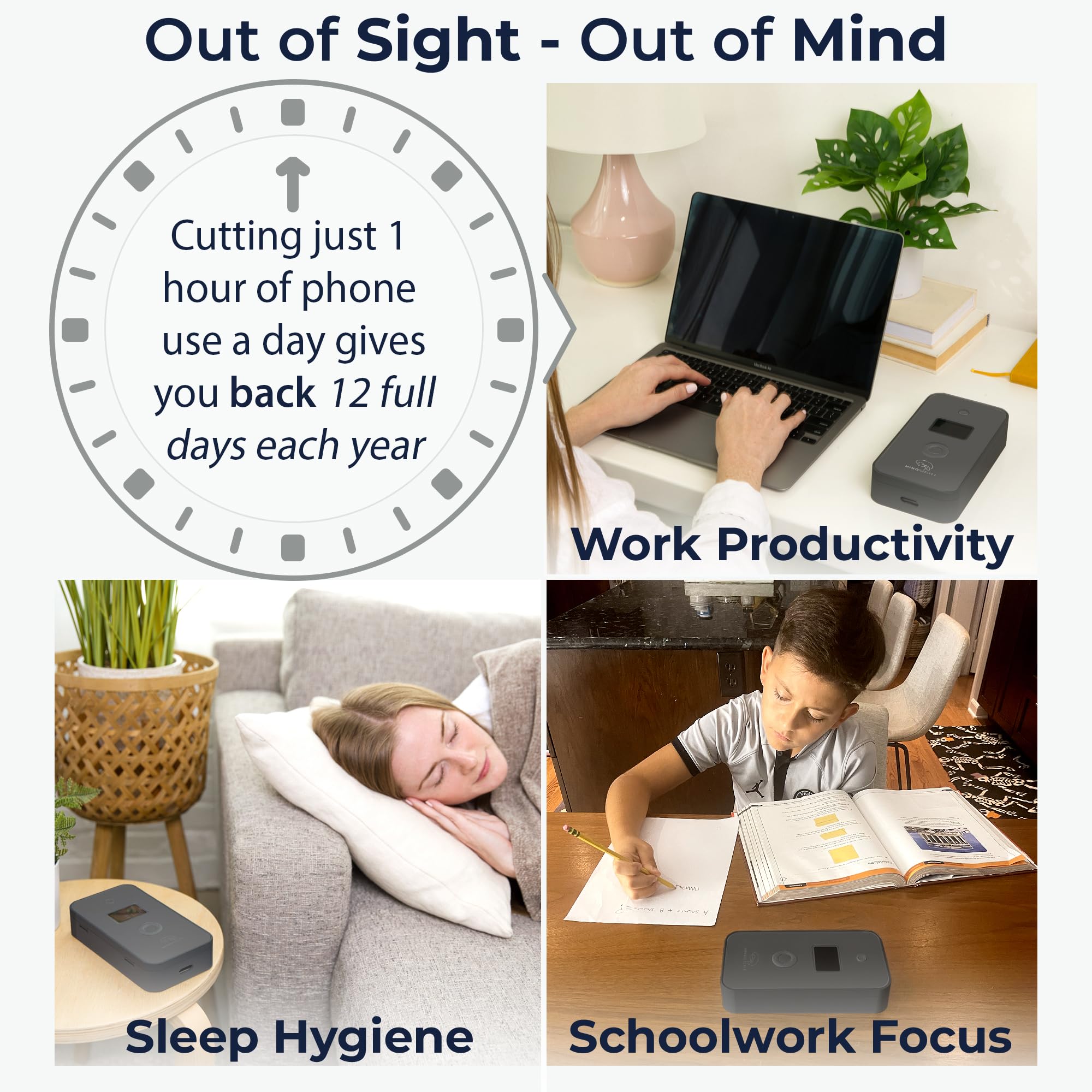
Mindsight Personal Timed Lock Box | Beat Everyday Temptations & Screen Time | 3 Commitment Modes | Fits 1 Phone with Standard Case | Charges While Locked | Out of Sight, Out of Mind
- 📵 TAKE CONTROL OF SCREEN TIME & BUILD BETTER HABITS: Lock your phone away to reduce distractions, improve focu
- 📵 EASY TO USE - OUT OF SIGHT, OUT OF MIND: Set a countdown timer and choose your "Commitment Level" with 3 uni
- 📵 STORE MORE THAN JUST YOUR PHONE: Designed to hold small items like vapes, cigarettes, cash, and credit cards
The Mindsight Personal Timed Lock Box is one of the best reviewed options for exactly this use case. You set a countdown, choose your commitment level (from simple lockbox mode all the way to Fortress Mode where the box genuinely won't open until the timer runs down), and the phone charges inside while you're present with your kids. It fits one phone with a case, which makes it the right size for the dinner-table-to-bedtime window.
6. Creating Phone-Free Rituals That Actually Stick
Sustainable change comes from building rituals, not rules.
Rules are things you break. Rituals are things that feel wrong to skip. The difference is in how they're encoded. A rule ("I won't use my phone at dinner") is a restriction. A ritual ("At dinner, all phones live in the kitchen drawer") is a practice with identity built in. Research on habit formation (Clear, 2018; Wood, Quinn, and Kashy, 2002, Journal of Personality and Social Psychology) consistently finds that location-linked habits, where a specific cue triggers the behaviour automatically, are the most durable.
The Three Windows That Matter Most
You do not need to be phone-free all day. You need to protect three specific windows:
Reunion time (first 20 minutes after separation). When your child comes home from school, or you come home from work, the first 20 minutes sets the relational tone for the rest of the evening. A 2008 study in the Journal of Child and Family Studies found that parental warmth and availability during reunion was the single strongest predictor of child cooperation and mood regulation that evening. Put the phone in a drawer before you open the door.
Meals. As discussed above, the dinner table is a site of identity formation and belonging signalling. Phone-free meals don't have to be elaborate or long. Twenty minutes counts.
Bedtime routine. The 30 to 45 minutes before a child sleeps is when they are most emotionally open and most likely to share worries, questions, and the parts of their day they couldn't say earlier. A scrolling parent during bath time or stories is not just missing content; they are missing the window. Good preschool bedtime routines are also more effective when a parent is genuinely present, since the cues of parental calm help regulate the child's own nervous system toward sleep.



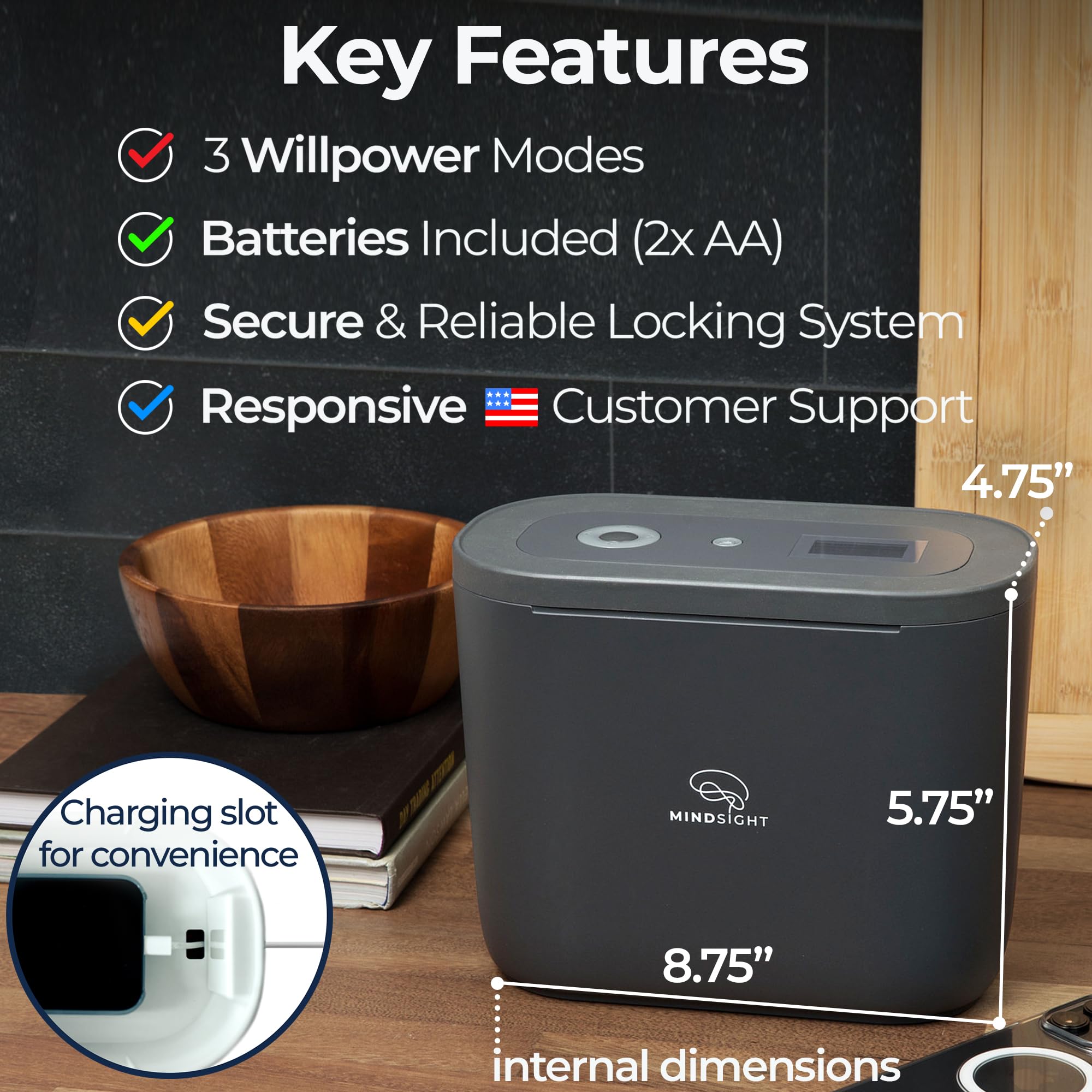
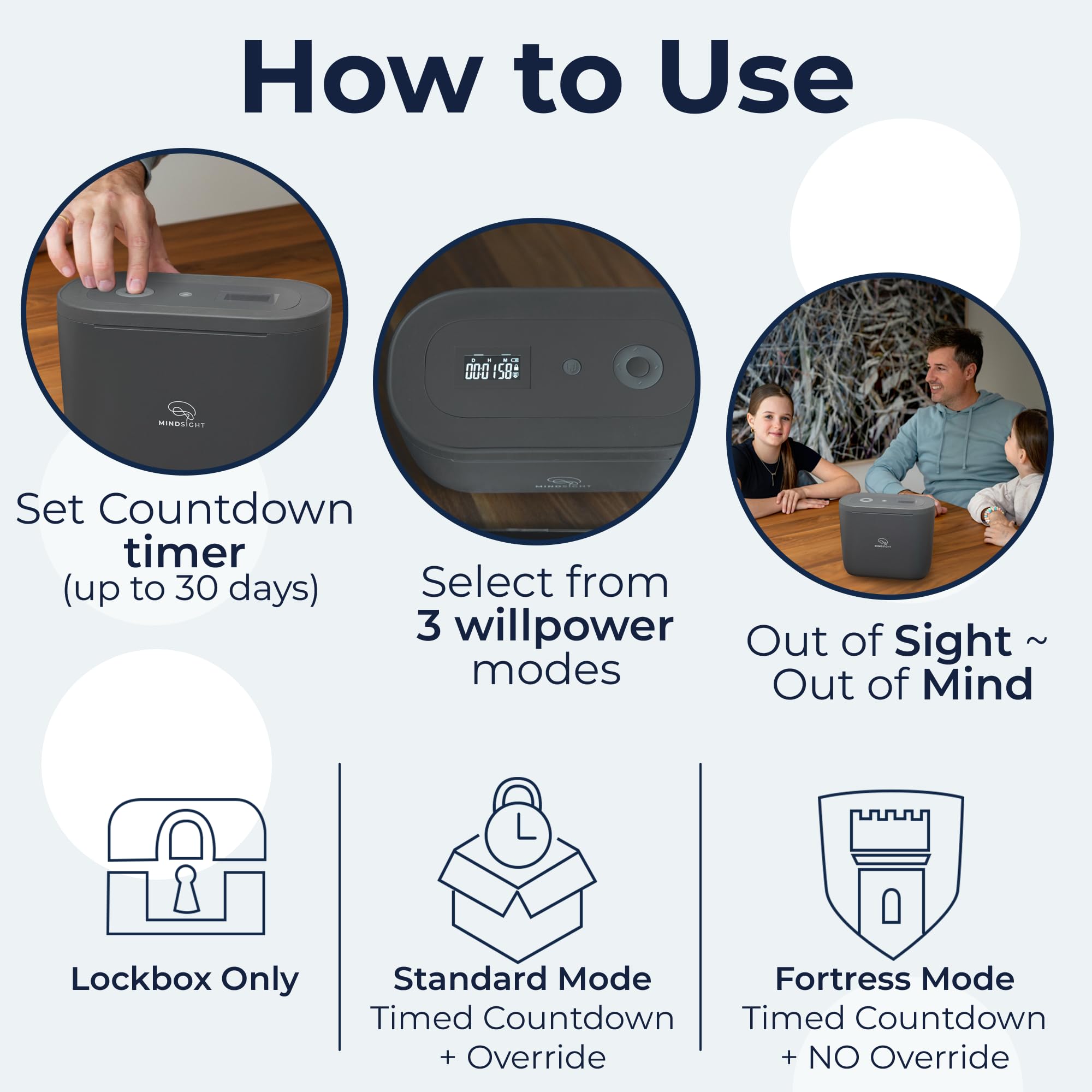
Mindsight Timed Lock Box Plus | Fits Small Tablets (iPad Mini), Phones (10+) & More | Great for Schools & Families | Helps Reduce Screen Time & Build Better Habits | Out of Sight ~ Out of Mind
- 🔒 WHAT ITS FOR – Building better habits in today’s busy world. The Mindsight Timed Lockbox helps you disconnec
- 🔒 HOW TO USE IT – Out of Sight ~ Out of Mind. Set countdown timer and select Commitment Level. 3 unique modes
- 🔒 WHO ITS FOR – Those who spend too much time on their phones, screens, social media & other unhealthy habits
For families who want to make phone-free meals and evenings a household norm rather than an individual effort, the Mindsight Timed Lock Box Plus is a good option because it fits multiple devices including an iPad Mini, making it practical for households where both parents and older children are putting devices away together. The physical act of everyone locking their device in the same box is a ritual in itself.
Making It a Family Project, Not a Punishment
The framing matters, especially for children over six. When a lock box or phone-free hour is presented as "your dad and I are doing this because phones are too distracting and we want to be here with you," children hear something valuable: you are worth the effort. You are worth my distraction-proofing my environment.
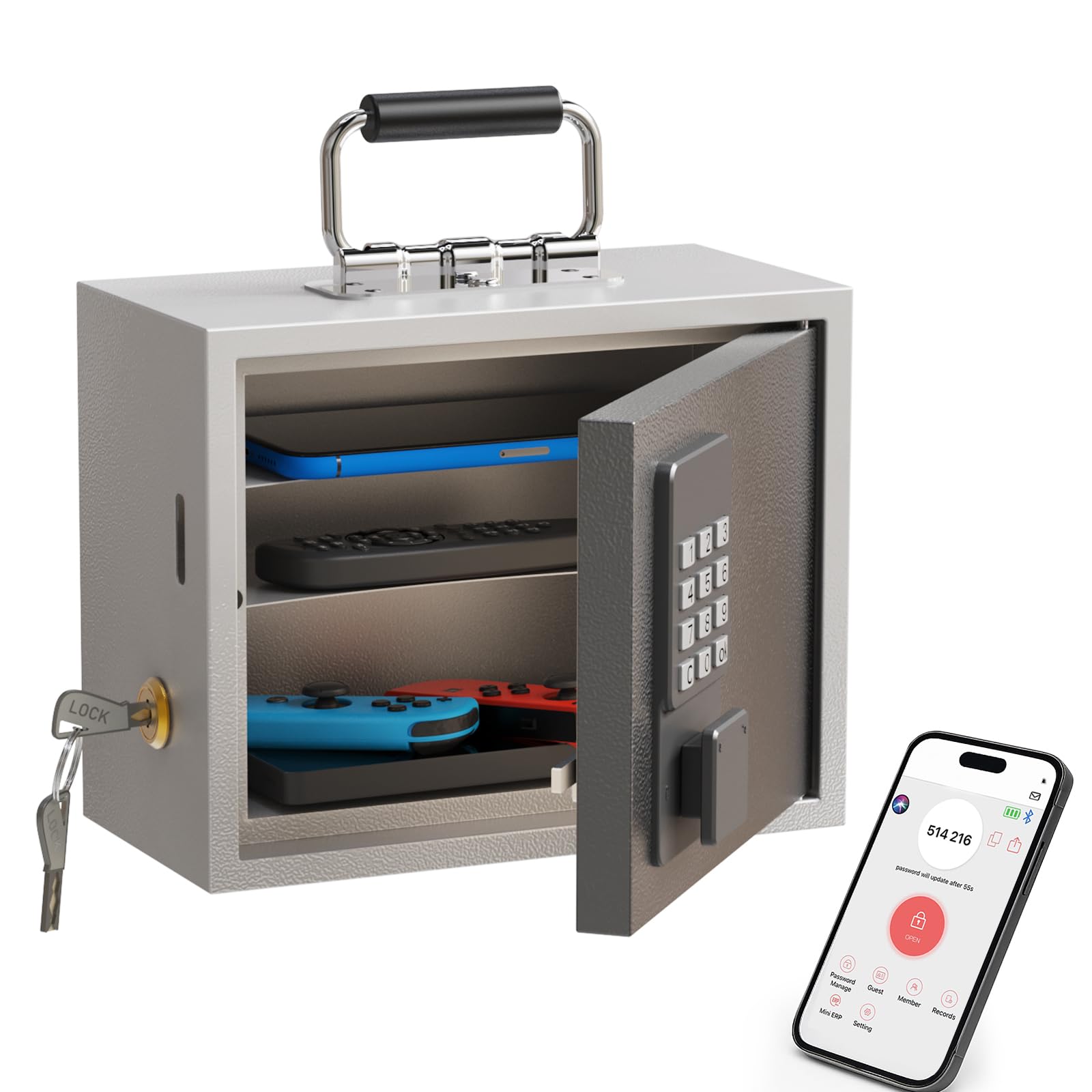
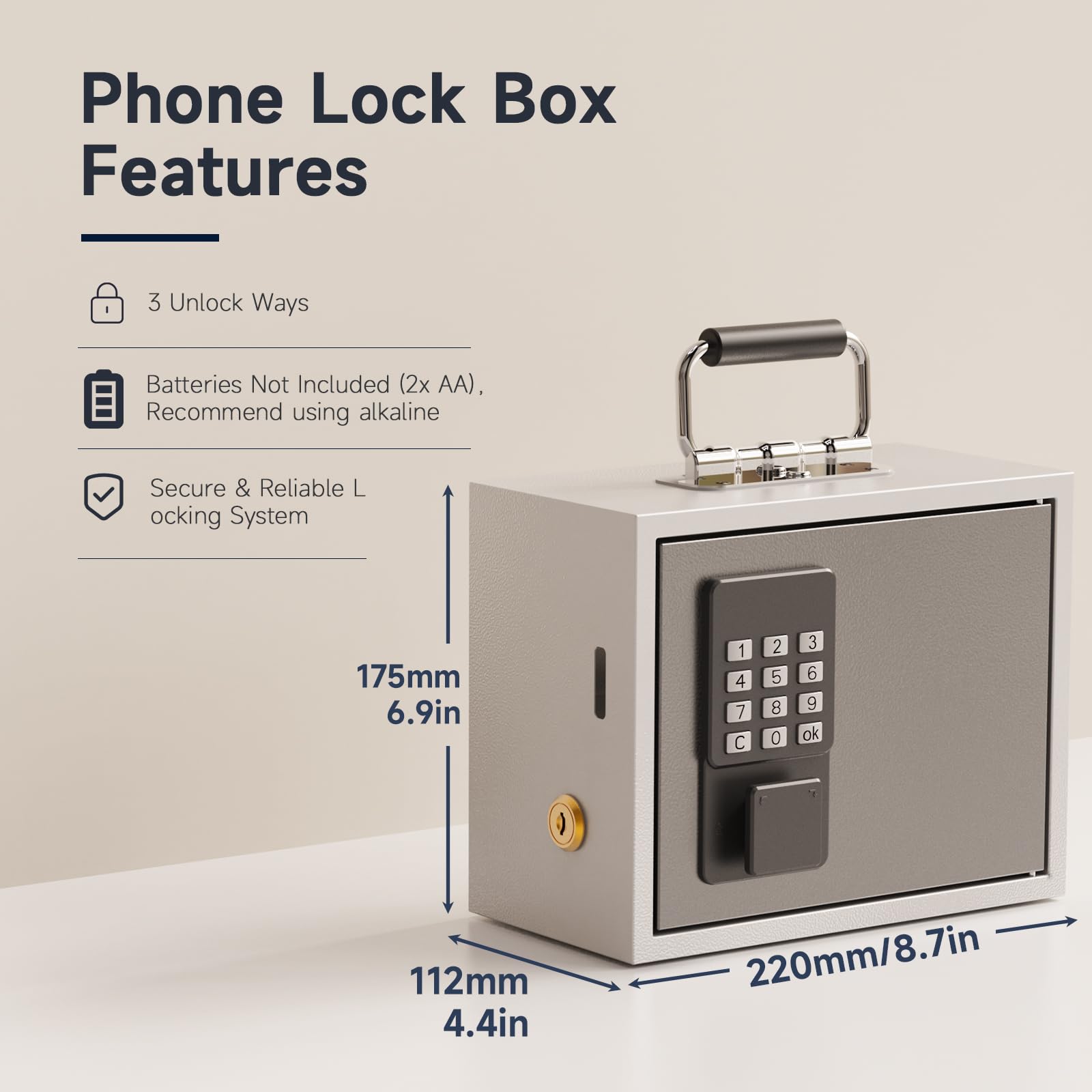
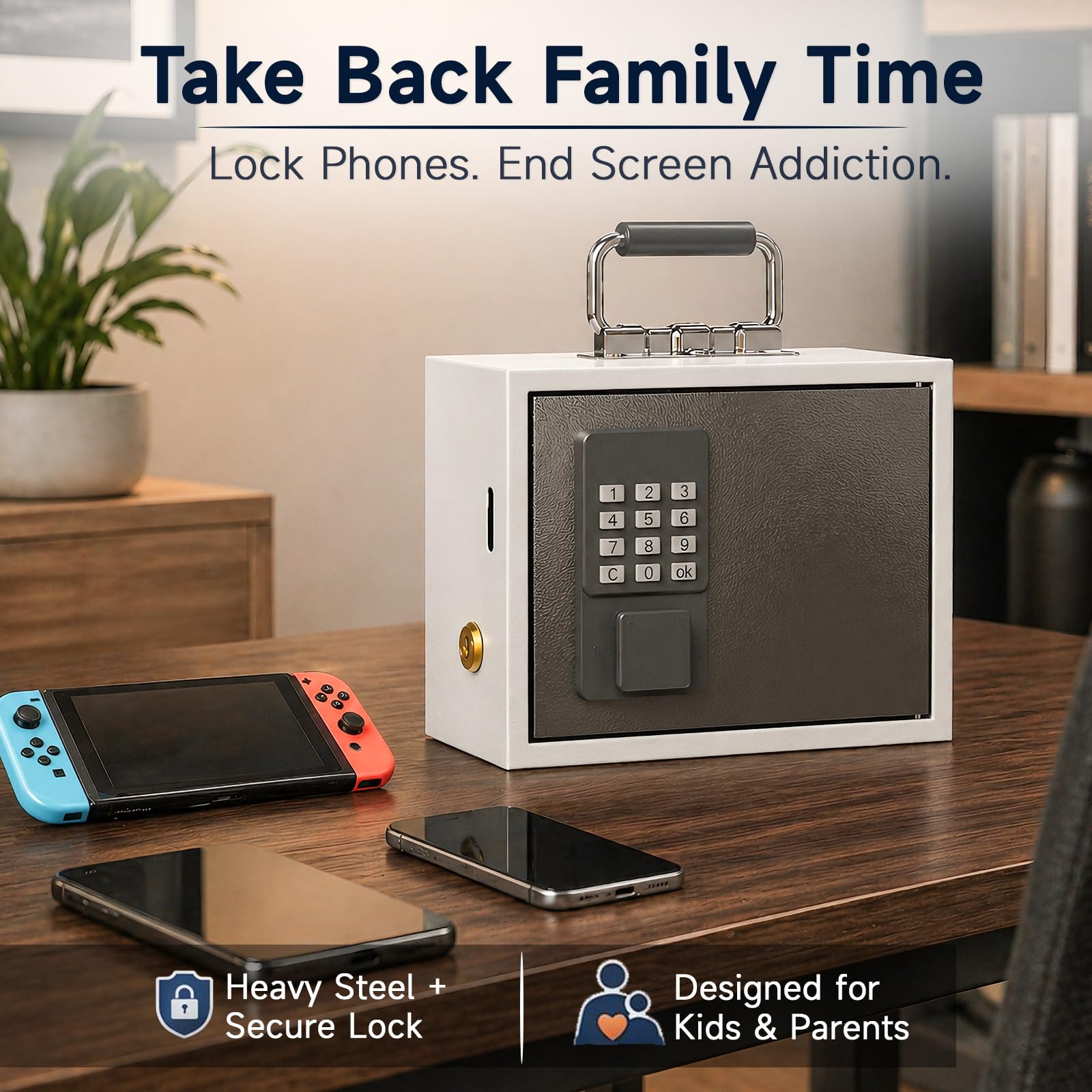
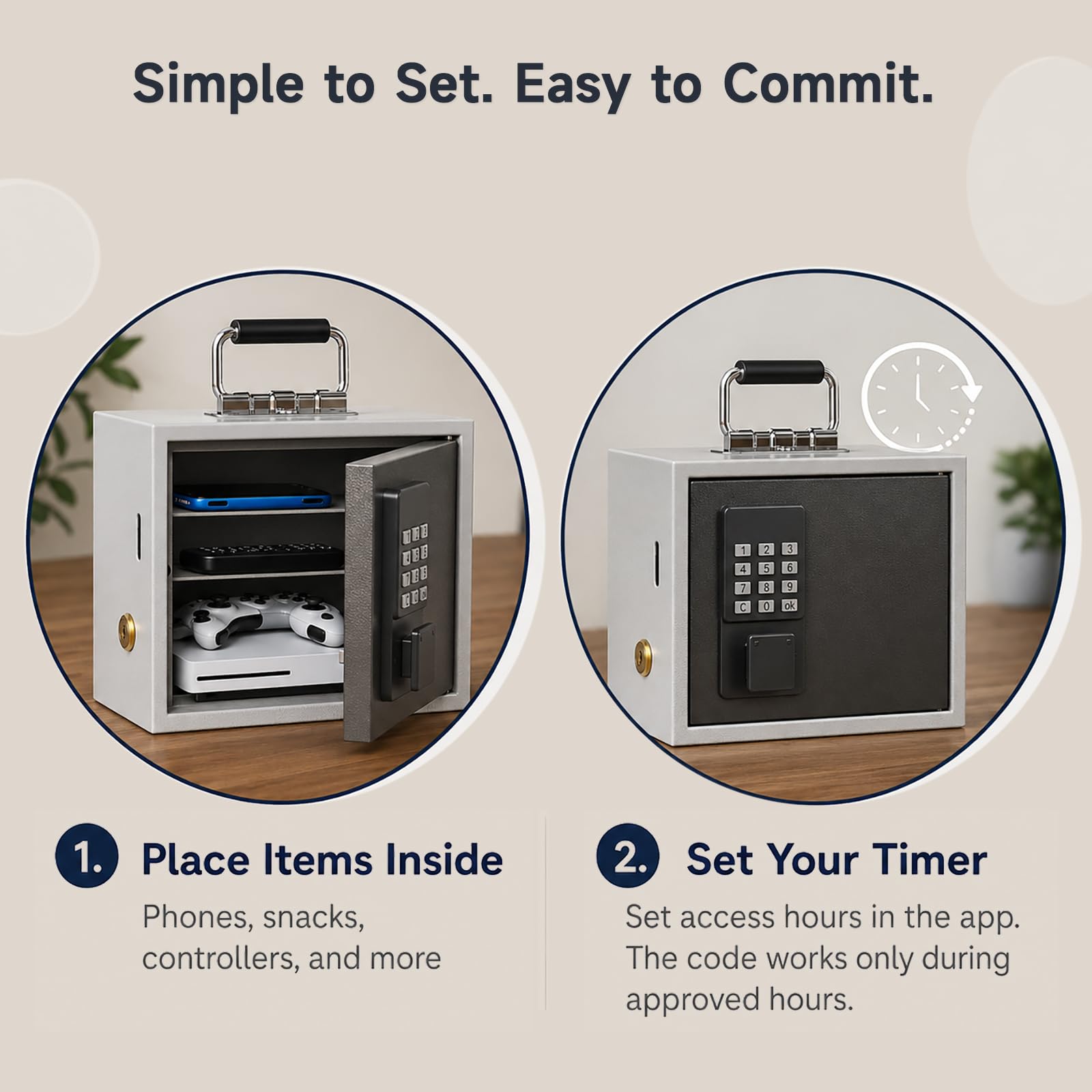
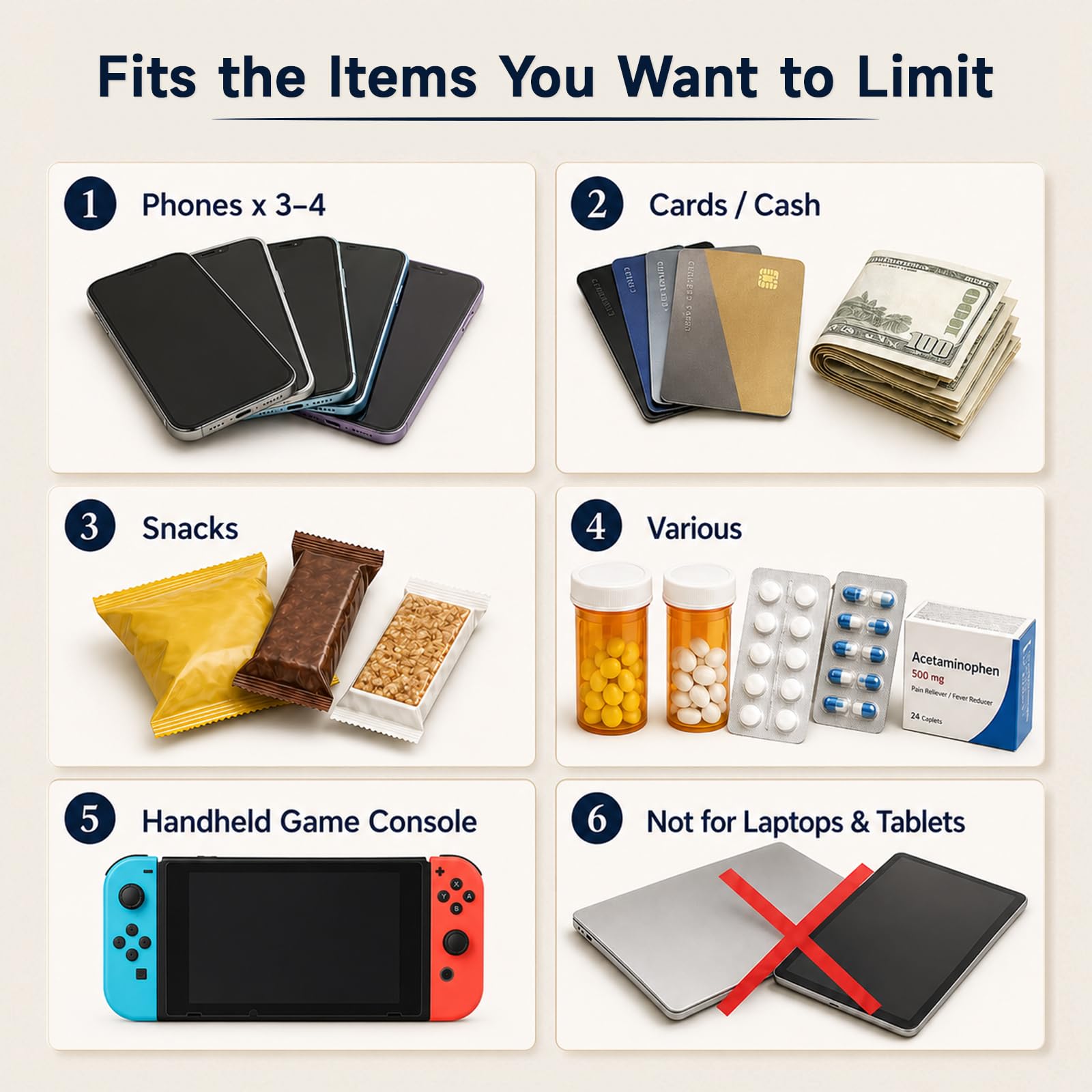
WeHere Phone Lock Box, Reduce Screen Time & Cravings, Time Lock Box with Time Period Password & App, 3 Unlock Modes, Phone Jail for Kids & Adults Focus Back
- Phone Lock Box for Screen Time Control – Lock phones away to reduce screen addiction and help kids and teens s
- App-Based Time Scheduling- Set access windows directly in the app. The password will only unlock the box durin
- Passcode Lock + Backup Key Access – Secure keypad entry plus a physical key override for reliable access when
For larger households or families who want a more robust solution with both app-based scheduling and a physical key backup, the WeHere Phone Lock Box at $79.99 offers passcode entry plus a physical key override, which is useful when you want firm control during homework time and bedtime but need genuine emergency access. The app-based scheduling means you can set approved windows once and not have to think about it daily.
| Approach | Best For | How It Reduces Phone Pull | Main Drawback | Recommended Product | Price Range |
|---|---|---|---|---|---|
| Timed personal lock box (single phone) | Individual parent who wants self-accountability | Physical removal of phone; countdown timer removes anticipatory checking | Only fits one device | Mindsight Personal Lock Box | $29.95 |
| Timed lock box (multi-device, larger) | Families locking phones and tablets together | Fits iPad Mini; three commitment modes including no-unlock Fortress Mode | Pricier; overkill for single phone use | Mindsight Timed Lock Box Plus | $49.95 |
| App-scheduled steel lock box (basic) | Parents who want app-based time windows | App sets approved access periods; box won't open outside them | Fewer reviews; newer product | WeHere Lock Box $59.99 | $59.99 |
| App-scheduled steel lock box (with key backup) | Families wanting firm control plus emergency access | App scheduling plus passcode plus physical key override | Higher price point | WeHere Lock Box $79.99 | $79.99 |
| Multi-phone classroom-style jail | Households with teens or multiple adults | Holds up to six phones; low-tech padlock; visual signal to everyone | Low-tech; no timer function; lower star rating | Gemaxvoled Phone Jail | $12.33 |
| Basic group phone cage | Parties, family gatherings, classrooms | Portable, high capacity; makes phone-free time a shared norm | No image available; uncertain quality data | 6-Device Family Lock Box | Not listed |
Expert Insights
One Last Thing
You picked up this article because something in you already knew. You felt the pull of the screen and wondered what it was costing. That instinct is good parenting information. The science is not trying to make you feel guilty; it is trying to make you feel empowered, because the things that protect your child are available to you right now.
You do not need a perfect record. You need the habit of coming back.
Put the phone in a drawer for the next 45 minutes. Not forever. Just now. Your child's brain is doing something remarkable in real time, and the most advanced technology in your house is not the one in your pocket.
If this resonated, share it with a parent who might need it. The best thing we can do for each other is honest conversation about the hard parts of raising kids in this particular moment.
Sources & References
- Common Sense Media. "The Common Sense Census: Media Use by Tweens and Teens." 2023. commonsensemedia.org
- Tronick, E.Z., Als, H., Adamson, L., Wise, S., and Brazelton, T.B. "The Infant's Response to Entrapment between Contradictory Messages in Face-to-Face Interaction." Journal of the American Academy of Child Psychiatry, 1978. Vol. 17(1), pp. 1–13.
- Radesky, J.S., Kistin, C.J., Zuckerman, B., et al. "Patterns of Mobile Device Use by Caregivers and Children During Meals in Fast Food Restaurants." Pediatrics, 2014. Vol. 133(4).
- Hart, B. and Risley, T.R. "Meaningful Differences in the Everyday Experience of Young American Children." Paul H. Brookes Publishing, 1995.
- Gilkerson, J., Richards, J.A., Warren, S.F., et al. "Language Experience in the Second Year of Life and Language Outcomes in Late Childhood." Pediatrics, 2018. LENA Research Foundation.
- Tronick, E. and Weinberg, M.K. "Depressed Mothers and Their Infants: Failure to Form Dyadic States of Consciousness." In L. Murray and P.J. Cooper (Eds.), Postpartum Depression and Child Development. Guilford Press, 1997.
- AVG Technologies. "Digital Diaries: The Digital Lives of Children." Survey, 2015.
- McDaniel, B.T. and Radesky, J.S. "Technoference: Parent Distraction with Technology and Associations with Child Behavior Problems." Child Development, 2018. Vol. 89(1), pp. 100–109.
- Twenge, J.M. "iGen: Why Today's Super-Connected Kids Are Growing Up Less Rebellious, More Tolerant, Less Happy." Atria Books, 2017.
- Lembke, A. "Dopamine Nation: Finding Balance in the Age of Indulgence." Dutton, 2021.
- Siegel, D.J. and Bryson, T.P. "The Whole-Brain Child." Delacorte Press, 2011.
- Clear, J. "Atomic Habits: An Easy and Proven Way to Build Good Habits and Break Bad Ones." Avery, 2018.
- Wood, W., Quinn, J.M., and Kashy, D.A. "Habits in Everyday Life: Thought, Emotion, and Action." Journal of Personality and Social Psychology, 2002. Vol. 83(6), pp. 1281–1297.
- Harvard Center on the Developing Child. "Serve and Return Interaction Shapes Brain Circuitry." 2018. developingchild.harvard.edu
- American Psychological Association. "Attachment Theory Across Cultures." Reference to pooled attachment security data. apa.org
Frequently Asked Questions
How much phone use is "too much" when you're with your kids?
My baby is only four months old. Does my phone use really affect them this early?
What do I say to my partner who dismisses this as overblown?
I work from home and genuinely need my phone for work. How do I manage this?
My eight year old is now copying me and always on their tablet. What do I do?
Is there any research showing positive effects of occasional phone use in front of children?
Will one bad week of phone overuse damage my child's attachment permanently?
Was this helpful?
Thanks — your feedback helps us pick what to write next.