Baby Sleep Regression Stages: A Month by Month Guide That Actually Helps
Baby sleep regressions happen at predictable developmental windows (around 4, 8 to 10, 12, 18, and 24 months) and each one is tied to a brain or motor leap, not something you did wrong.
In this article
If you're reading this at 2am with a baby who was sleeping through the night last week and is suddenly waking every hour, you are not imagining things and you are not doing anything wrong. According to the National Sleep Foundation, more than 90 percent of parents report at least one period of sudden, unexplained sleep disruption in their baby's first two years, and pediatric sleep researchers now link most of these episodes to specific, well documented developmental leaps. This is not random bad luck. It's biology.
In this guide, you'll understand:
1. What Is a Sleep Regression and Why Does It Happen
A sleep regression is a temporary but real disruption in a baby's previously established sleep pattern, caused by a burst in brain development, a new physical skill, or a shift in sleep cycle structure. It is not a punishment, a habit gone wrong, or proof that your baby "forgot how to sleep." Pediatric sleep specialists describe regressions as the visible, exhausting evidence that something good is happening inside your baby's developing brain.
Here's what's actually going on. Babies are born with fairly simple sleep cycles that are mostly made up of active (light) sleep. Around 3 to 4 months, the brain matures into an adult like sleep architecture with distinct light and deep stages, plus a full arousal between cycles. That transition is the single biggest regression most families face, and it is permanent rather than temporary. Later regressions, tied to walking, talking, and separation anxiety, are shorter bursts layered on top of that mature sleep structure.
How to Tell It's a Regression and Not Something Else
2. The 4 Month Sleep Regression: The Big One
The 4 month regression is the most disruptive because it marks a permanent change in how your baby's brain organizes sleep, not a passing phase that simply resolves on its own. Before 4 months, babies spend roughly half their sleep time in active, light sleep and can transition between states without fully waking. Around 3 to 5 months, the brain restructures into cycles of light and deep sleep with brief arousals in between, the same basic architecture adults use for life.
The catch: your baby now has to learn to fall back asleep independently at each of those arousals, something they didn't need to do before. If they were used to falling asleep while nursing, rocking, or being held, they'll often fully wake and cry when they surface between cycles and that support isn't there anymore.
The 4 month sleep regression isn't really a regression at all. It's a progression to more mature, adult like sleep cycles, and it's permanent.
— Dr. Craig Canapari, Yale Pediatric Sleep Center (2023)
Signs You're in the 4 Month Window
A consistent, calm sleep environment matters more here than at any other stage, because your baby is learning to self soothe through natural wake ups. A steady white noise source, like the Dreamegg Portable Noise Machine, can mask household sounds that would otherwise trigger a full wake up during a light sleep phase. Many parents also find that establishing a short, repeatable wind down routine (dim lights, same three steps every night) gives the brain a reliable cue that sleep is coming, which matters even more once the easy "sleepy dust" newborn phase ends. If you're managing this alongside big emotional moments during the day, how one mom regulates herself during toddler tantrums offers a useful model for staying calm when your own patience is running thin from broken sleep.
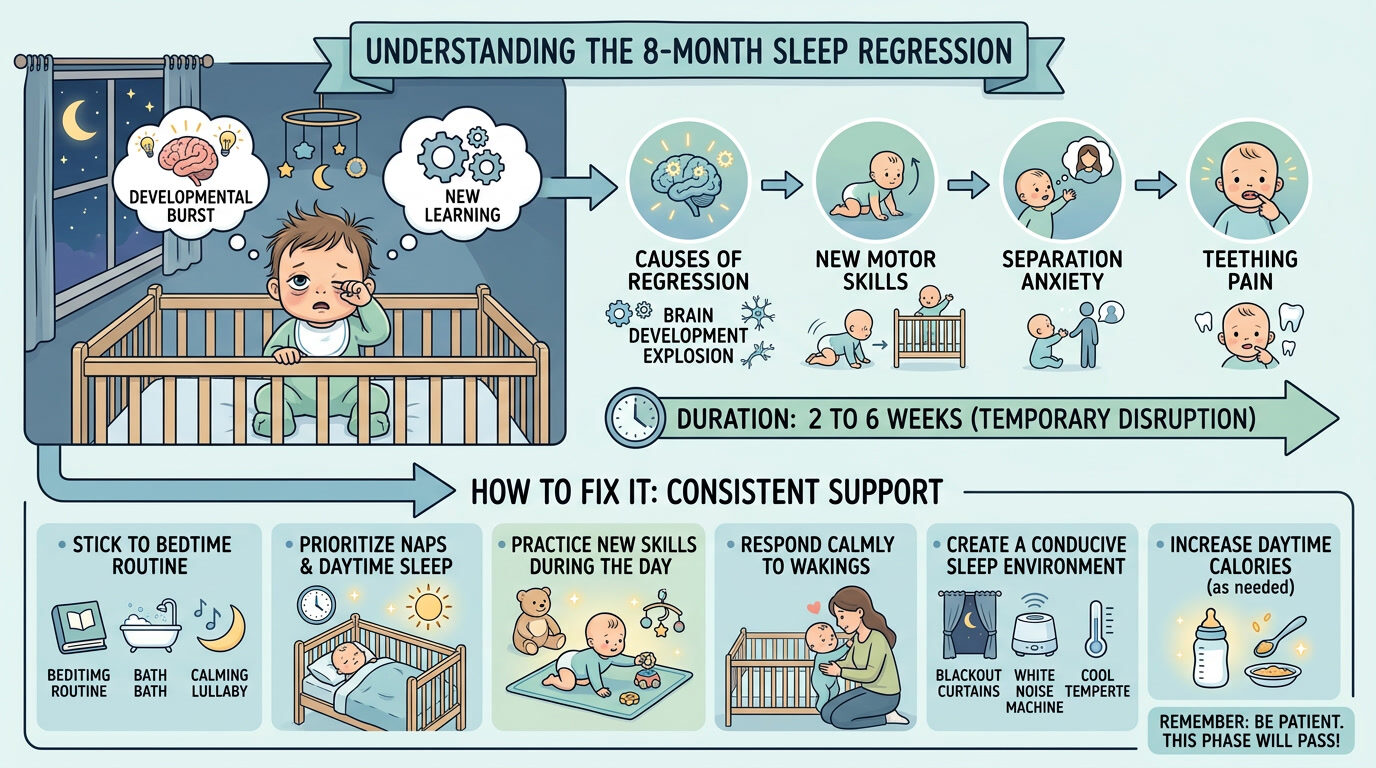
3. The 8 to 10 Month Regression: Mobility Meets Separation Anxiety
The 8 to 10 month regression happens because two major developments collide at once: your baby is likely learning to crawl or pull to stand, and separation anxiety typically peaks in this window. Object permanence, understanding that you still exist even when you leave the room, develops around this time, and it means your baby now genuinely misses you when you're gone. That's a cognitive win, but at 2am it feels like a step backward.
What Drives This Regression
Giving your baby unstructured floor time and outdoor play during the day burns off the physical drive to practice new skills at night. Why outside is the best place for kids to grow up covers how daily outdoor time supports both motor development and better sleep pressure. A consistent night light and sound combination, such as the Hatch Baby Sound Machine, can also help because babies this age start to associate specific light and sound cues with the start and end of sleep, which builds predictability into an otherwise unpredictable stage.
4. The 12 Month Regression: Walking, Language, and One Nap Transitions
The 12 month regression is most often tied to the shift from two naps to one and the explosion of new words and walking that happens around this birthday. This is genuinely one of the trickier stages to diagnose because three things are happening simultaneously: a nap transition, a language burst, and often the first real steps. Any one of these could explain rough nights on its own.
Common Triggers Around 12 Months
Nap transitions are one of the most underrated causes of sleep disruption in the second year of life. Parents often blame teething or regression when the real issue is simply that the nap schedule no longer matches the baby's sleep needs.
— American Academy of Pediatrics, Healthychildren.org (2022)
Naming feelings during the day, even simple ones like "you're tired" or "you're frustrated," helps toddlers build the vocabulary to settle themselves at night too. This is also the age where daytime behavior spills into nighttime resistance, so if bedtime battles are compounded by hitting or big emotional outbursts, toddler hitting: how to respond calmly without yelling has practical scripts that carry over well into bedtime standoffs.
5. The 18 Month Regression: Independence and Testing Limits
The 18 month regression shows up as bedtime battles and stalling more than actual night waking, and it's driven by a toddler's growing sense of independence colliding with your bedtime rules. Around 18 months, toddlers understand cause and effect well enough to realize that crying, calling out, or asking for "one more" book actually works to delay bedtime and bring you back into the room. This isn't manipulation in the adult sense; it's a genuinely new cognitive skill being tested in the one place with the most leverage: the crib.
Signs of the 18 Month Stage
Keeping the bedtime routine identical every single night, same order, same number of books, same phrases, gives your toddler a script they can predict, and predictability is what actually calms an 18 month old, not extra reassurance in the moment. If ignoring low level protest crying feels wrong or confusing, why ignoring a toddler tantrum actually works, per experts explains the research behind why calm, consistent non response often resolves these episodes faster than engaging every time.
6. The 2 Year Regression: Nightmares, Nap Refusal, and Big Feelings
The 2 year regression is usually driven by a combination of nap refusal, a vivid imagination that produces real nightmares, and the last big cognitive leap before preschool age thinking kicks in. Around 2 years old, many toddlers develop the imagination to conjure scary scenarios (monsters, being alone, the dark) that simply weren't possible for their brain to construct before. At the same time, some toddlers are ready to drop the nap entirely, while others still desperately need it, and getting that balance wrong causes its own overtiredness related waking.
What's Different About This Stage
Imaginative play during the day is one of the best tools here because it gives toddlers a safe outlet to process the same fears that show up in nightmares at night. How imaginative play builds problem solvers walks through age appropriate play that helps toddlers work through big feelings before bed rather than at 2am. A dim, warm night light paired with gentle sound, like the Momcozy Smart Baby Sound Machine, can also make the room feel less frightening without being so bright it delays melatonin release.
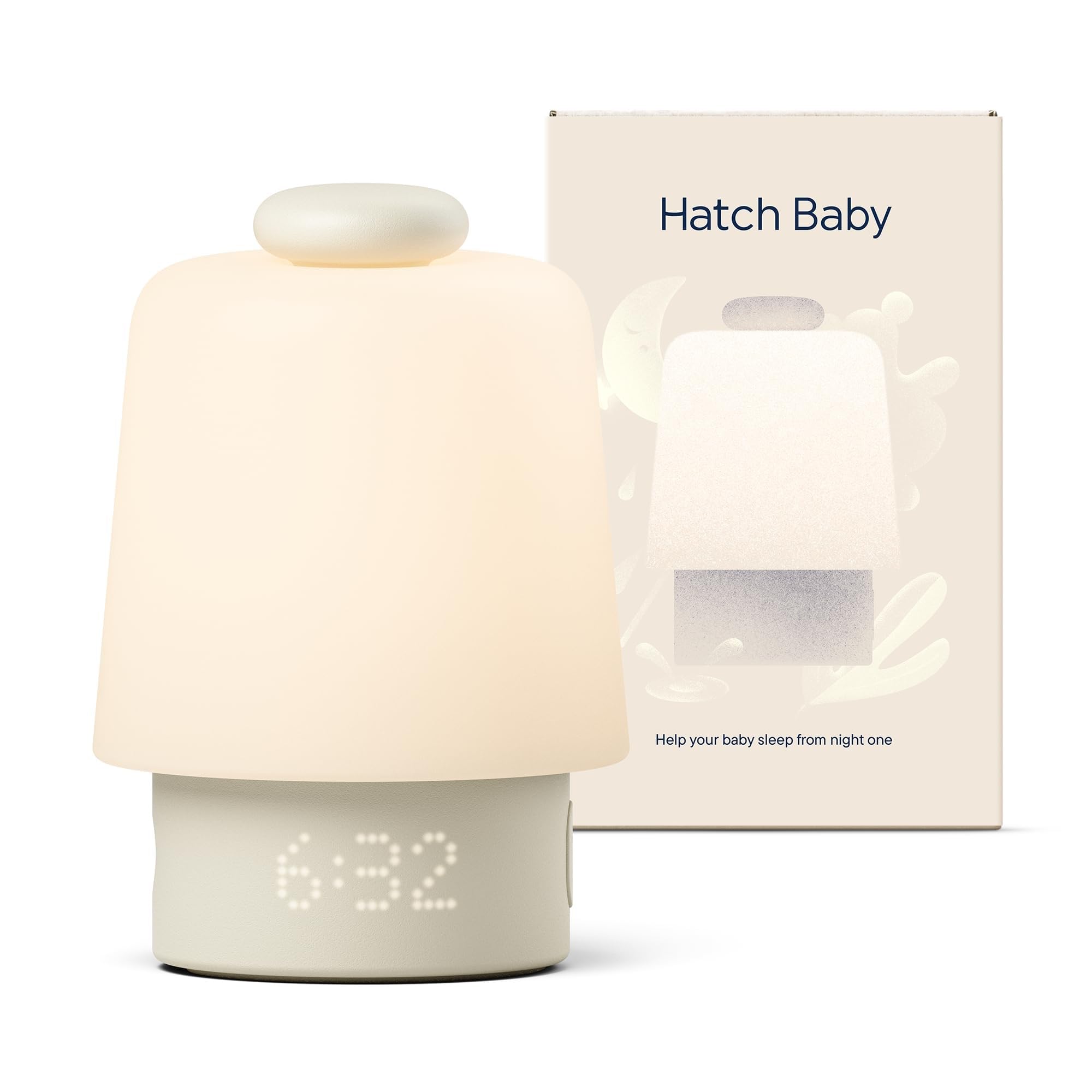
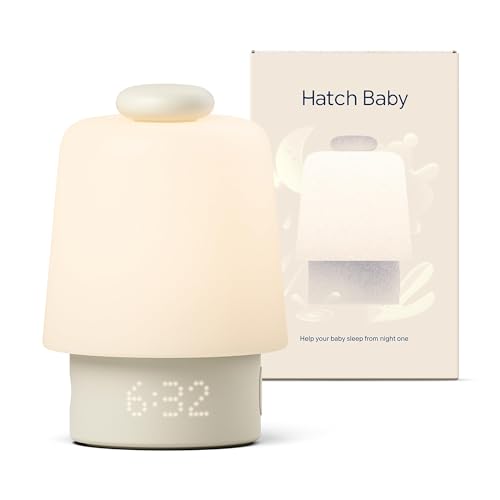
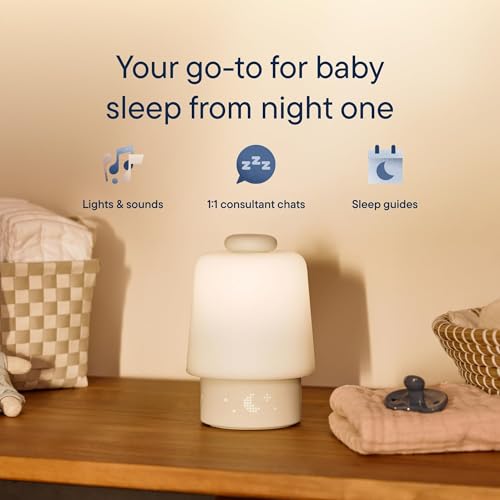

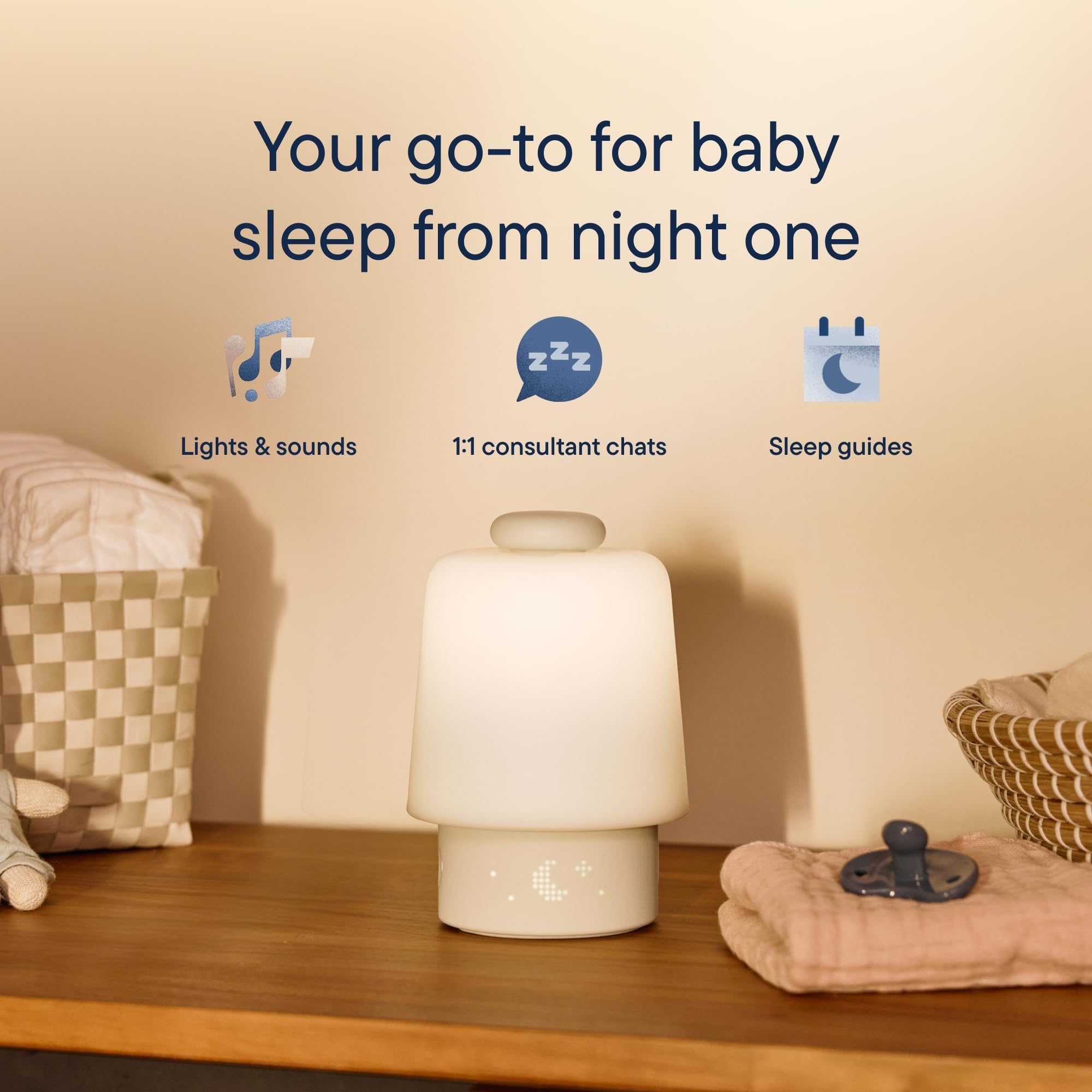
Hatch Baby Sound Machine & Night Light Routine Builder (Putty)
- 𝗬𝗼𝘂𝗿 𝗴𝗼-𝘁𝗼 𝗳𝗼𝗿 𝗯𝗮𝗯𝘆 𝘀𝗹𝗲𝗲𝗽 𝘀𝘂𝗽𝗽𝗼𝗿𝘁 𝗳𝗿𝗼𝗺 𝗻𝗶𝗴𝗵𝘁 𝗼𝗻𝗲: 𝖶𝗂𝗍𝗁 𝗋𝖾𝖺𝗅-𝗍𝗂𝗆𝖾 𝗌𝗅𝖾𝖾𝗉 𝖼𝗈𝗇𝗌𝗎𝗅𝗍𝖺𝗇𝗍 𝖼𝗁𝖺𝗍, 𝗌𝗅𝖾𝖾𝗉 𝗀𝗎𝗂𝖽𝖾𝗌 𝖿𝗈𝗋 𝖻𝖺𝖻𝗒
- 𝗘𝘀𝘁𝗮𝗯𝗹𝗶𝘀𝗵 𝗵𝗲𝗮𝗹𝘁𝗵𝘆 𝘀𝗹𝗲𝗲𝗽 𝗵𝗮𝗯𝗶𝘁𝘀 & 𝗿𝗼𝘂𝘁𝗶𝗻𝗲𝘀: 𝖢𝗋𝖾𝖺𝗍𝖾 𝗁𝖾𝖺𝗅𝗍𝗁𝗒 𝗌𝗅𝖾𝖾𝗉 𝗋𝗈𝗎𝗍𝗂𝗇𝖾𝗌 𝖿𝗈𝗋 𝗂𝗇𝖿𝖺𝗇𝗍𝗌, 𝖻𝖺𝖻𝗂𝖾𝗌 𝖺𝗇? 𝗍𝗈𝖽𝖽𝗅𝖾𝗋𝗌. 𝖢𝗎𝗌
- 𝗔𝗰𝗰𝗲𝘀𝘀 𝗿𝗲𝗮𝗹-𝘁𝗶𝗺𝗲 𝘀𝗹𝗲𝗲𝗽 𝘀𝘂𝗽𝗽𝗼𝗿𝘁 𝗶𝗻 𝗮𝗽𝗽: 𝖢𝗁𝖺𝗍 𝗐𝗂𝗍𝗁 𝖧𝖺𝗍𝖼𝗁 𝖲𝗅𝖾𝖾𝗉 𝖢𝗈𝗇𝗌𝗎𝗅𝗍𝖺𝗇𝗍𝗌 𝟣:𝟣 𝗂𝗇 𝗍𝗁𝖾 𝖼𝗈𝗆𝗉𝖺𝗇𝗂𝗈𝗇 𝖺𝗉𝗉. 𝖡𝗋𝗈𝗐𝗌𝖾 𝗈𝗋 𝗅
Comparing the Regression Stages at a Glance
| Stage | Typical Age | Main Trigger | Average Duration | Recommended Product | Price Range |
|---|---|---|---|---|---|
| Newborn to 4 month shift | 3 to 5 months | Mature sleep cycle development | Ongoing adjustment, 2 to 6 weeks of disruption | Dreamegg Portable Noise Machine | $18 to $22 |
| Mobility and separation | 8 to 10 months | Crawling, standing, object permanence | 2 to 4 weeks | Jaroco Portable Baby Sound Machine | $14 to $18 |
| Walking and nap transition | 12 to 13 months | One nap shift, language burst, walking | 3 to 6 weeks | Hatch Baby Sound Machine | $75 to $85 |
| Independence testing | 17 to 19 months | Bedtime boundary testing | 2 to 3 weeks | Brown Noise Sound Machine | $18 to $22 |
| Big feelings and nightmares | 22 to 26 months | Imagination, nap refusal | 3 to 5 weeks | Momcozy Smart Baby Sound Machine | $35 to $42 |
| General fussy nights (no clear trigger) | Any age | Illness, teething, environment | Under 1 week typically | Momcozy Sound Machine with Touch Warm Light | $18 to $22 |
Expert Insights
Frequently Asked Questions
Sleep regressions feel endless in the moment, especially at 3am with a baby who was sleeping fine last week. But every single stage on this list is proof that your baby's brain and body are doing exactly what they're supposed to do. The nights are hard; the growth behind them is real. If there's one thing worth remembering on the worst nights, it's this: a regression is not a setback, it's your baby's brain moving forward faster than their sleep skills can keep up, and both will catch up to each other soon. Save this guide for the next stage, and share it with another exhausted parent who needs to hear that this part is temporary.
Sources & References
- National Sleep Foundation. "Infant Sleep Patterns and Development." 2023. sleepfoundation.org
- American Academy of Pediatrics. "Naps: What You Need to Know." Healthychildren.org, 2022.
- Yale Medicine. "Understanding Sleep Regressions in Infants." Dr. Craig Canapari, Yale Pediatric Sleep Center, 2023.
- Children's Hospital of Philadelphia. "Separation Anxiety and Infant Development." Dr. Jamie Kondis, 2022.
- Stanford Children's Health. "Toddler Sleep and Behavioral Development." Dr. Rachel Yun Kim, Developmental Pediatrics, 2023.
- Karp, Harvey. "The Happiest Baby on the Block." Bantam Books, revised edition, 2015.
Frequently Asked Questions
How long does a sleep regression usually last?
Is it normal for my baby to have several regressions before age 2?
Do I need to sleep train again after every regression?
How can I tell a sleep regression from teething or illness?
Should I use screens or white noise to help during a regression?
Can picky eating around 12 to 18 months make sleep regressions worse?
Will a white noise machine actually help during a regression?
Was this helpful?
Thanks — your feedback helps us pick what to write next.