How to Know If Breastfeeding Isn't Working: Signs and Fixes
Breastfeeding is not working when your baby is not gaining weight or making enough wet and dirty nappies, or when feeding is causing you ongoing pain, distress or exhaustion; the good news is that most of these problems can be fixed once someone finds the cause.

In this article
More than 8 in 10 babies born in the United States start out breastfed, according to the CDC's Breastfeeding Report Card. Yet only about 1 in 4 is still exclusively breastfed at six months. Somewhere between those two numbers, a lot of parents are sitting on a sofa at 3 a.m. with a hungry baby, sore nipples, and a quiet worry that they are doing it wrong.
If that is you, I want to say something I say in clinic almost every week: wondering whether breastfeeding is working is a sign that you are paying attention, not a sign that you are failing. Feeding is a skill that two people learn together, and sometimes the wheels need a little help.
In this guide I will walk you through how to tell the difference between normal newborn feeding chaos and a real problem, what the warning signs look like in your baby and in you, what usually causes trouble, and what to do next.
What you'll understand by the end:
1. What "Breastfeeding Isn't Working" Actually Means
Breastfeeding is not working when either your baby's growth and hydration are falling behind, or the cost to your own health and wellbeing has become too high, and usually the two overlap. That definition matters, because most parents I meet judge success by the wrong things. They count minutes on the breast, feel for fullness, or compare themselves with a friend who fed easily.
None of those are reliable. A baby can feed for 40 minutes and get little, or feed for 10 minutes and get plenty. Breasts soften within the first weeks and stop feeling full, which is normal and does not mean your milk has gone.
What normal newborn feeding looks like
Before we talk about problems, it helps to know the baseline. In the early weeks, healthy breastfed babies typically:
Two different kinds of "not working"
I find it useful to separate these, because the solutions differ.
Baby side problems are about intake: poor weight gain, dehydration, jaundice that is not clearing, a baby who is too sleepy to feed or too frantic to latch.
Parent side problems are about the experience: ongoing nipple damage, recurrent mastitis, a sense of dread before every feed, exhaustion, anxiety, or low mood that is tangled up with feeding.
Sometimes only one is present. Your baby can be gaining beautifully while you are in real pain, and that still counts. Sometimes the reverse is true: you feel fine, but the weight is not moving. Both deserve attention.
Why it feels so hard to judge
Breastfeeding hides its numbers. With a bottle you see the ounces. With the breast you have to read the signs. That uncertainty is exactly why "perceived low milk supply" is one of the most common reasons parents give for stopping. In many cases the supply is actually fine and the baby is behaving like a normal baby, but in a smaller number of cases the worry is real and the baby needs more. The rest of this article helps you tell which is which.
2. Signs Your Baby Is Not Getting Enough Milk
The most reliable signs of low intake are too few wet and dirty nappies, poor weight gain, and a baby who seems unusually sleepy, weak or dehydrated. Fussiness on its own is not on that list, because fussy babies are everywhere and most of them are well fed.
Check the nappies first
Nappies are the closest thing you have to a measuring jug. As a general guide from the AAP and NHS materials:
Concern grows if by day 5 stools are still dark or green, if urine is dark yellow or orange, or if you see orange or pink crystals (often called brick dust urates) in the nappy after the first few days. Any of these means you should speak to your midwife, health visitor or paediatrician that day, not next week.
Weight is the gold standard
Weight gain tells you more than any other single measure. After the early loss, breastfed babies gain on average roughly 150 to 240 grams a week (about 5 to 8 ounces) in the first three months, though it varies. Clinicians plot babies on WHO growth charts, which are built from breastfed infants and are the right ones to use.
Red flags include:
Behaviour that should make you pick up the phone
Some behaviours suggest your baby is running low on fuel or fluid:
If you see any of these, do not wait for a scheduled visit. Call your doctor, your local urgent line, or go to the emergency department.
Signs that are less reliable than they seem
These often get blamed on low milk, but on their own they are not proof:
Tracking trends at home
Between clinic checks, some parents like to keep an eye on weight trends at home. A digital baby scale can help, provided you treat it as a rough guide and not a diagnostic tool. Consumer scales vary, and a clinic scale is still the reference point for decisions.
The Beurer BY80 is a popular choice with a backlit display, a hold function that captures a steady reading even when your baby wriggles, and units in pounds, ounces or kilograms.
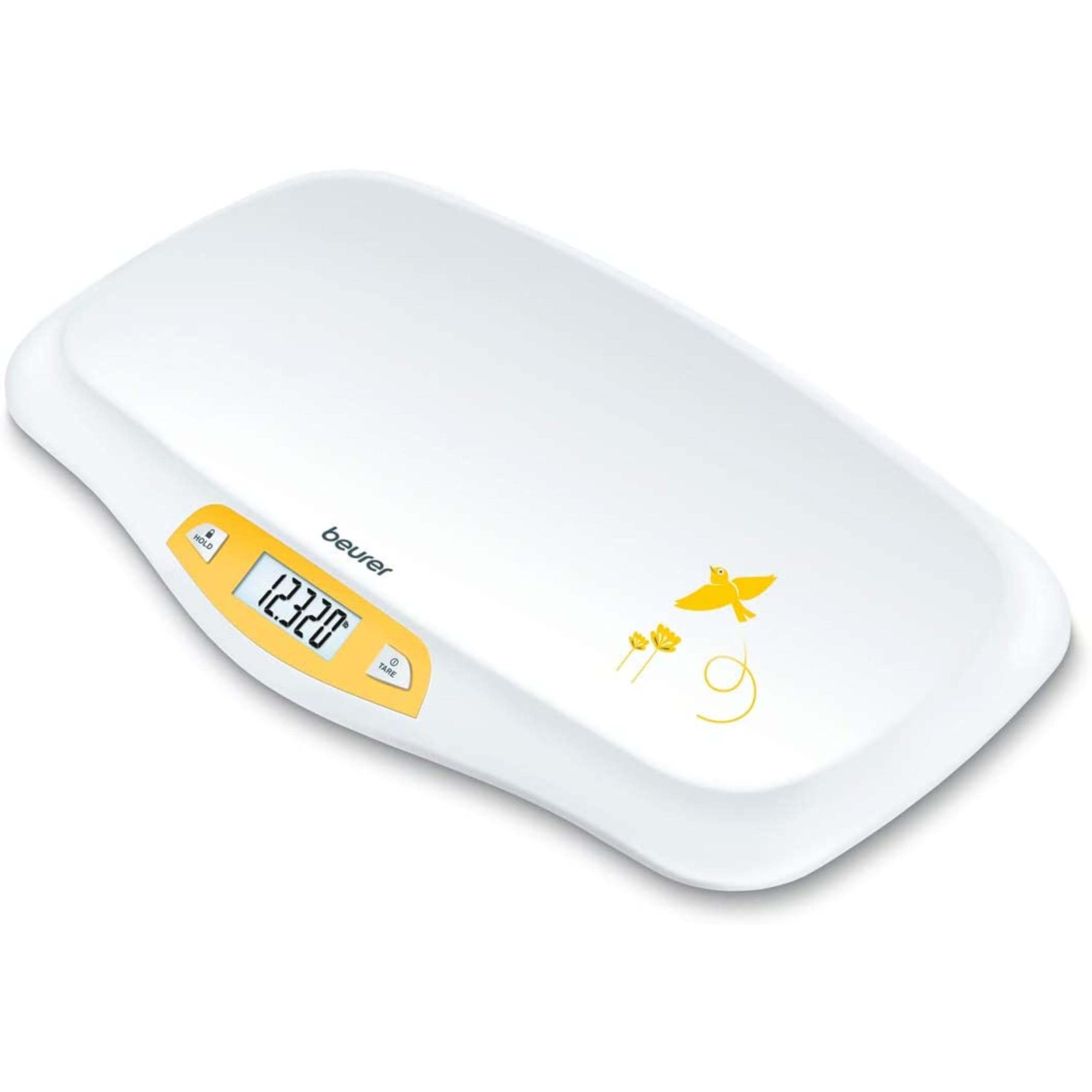


Beurer BY80 Digital Baby Scale, Infant Scale for Weighing in Pounds, Ounces, or Kilograms up to 44 lbs with Hold Function, Pet Scale for Cats and Dogs Analysis
- HIGH ACCURACY MEASUREMENT: Accurately weigh up to 44 lbs in pounds, kilograms, or ounces, this scale features
- MULTI-FUNCTIONAL: Versatile functionality ideal for weighing babies, puppies, kittens, and small animals, it a
- HOLD FUNCTION: The automatic and manual hold records stable weight measurements, while the auto-lock feature e
3. Signs Breastfeeding Isn't Working for You
If feeding is causing persistent pain, injury, dread or exhaustion, it is not working for you, even if your baby is gaining weight. Your health matters in this equation, and I do not consider a fed baby with a depleted, hurting parent to be a success story.
Nipple pain that does not settle
Some tenderness in the first few days is common, especially in the first 30 seconds of a feed. Pain is not expected to last. Worry signs include:
Most nipple pain comes from how the baby is latched or positioned, and it can often be improved quickly with hands on help from an International Board Certified Lactation Consultant (IBCLC), a trained midwife or a breastfeeding counsellor. I would rather see you at day four with a small problem than at week four with a big one.
Breast problems
Signs of a low supply from your side
Your body can give clues too. Real difficulty producing milk may be suggested by:
Feeling soft is not a clue, and neither is leaking or not leaking. A small proportion of parents have a true physiological limit on supply, for instance because of previous breast surgery, insufficient glandular tissue, or hormonal conditions. If that is you, it is not your fault, and it is not about effort.
Your mental health counts
About 1 in 8 women who have recently given birth report symptoms of postpartum depression, according to the CDC. Feeding difficulties and low mood can feed each other: struggle makes you feel like a failure, and low mood makes struggle harder to cope with.
Please talk to someone if you notice:
In the US, the National Maternal Mental Health Hotline (1 833 852 6262) is free and available round the clock. In the UK, your GP or health visitor can help. If you ever have thoughts of harming yourself or your baby, seek emergency help immediately.
The sleep factor
Sleep deprivation magnifies every feeding problem. If you are running on empty, everything feels more catastrophic, from a poor latch to a fussy evening. When you can, hand over one night feed to a partner (with pumped milk or formula, if that fits your plan), or arrange for someone to take the baby for a couple of hours so you can sleep. It is not indulgence; it is maintenance.
4. Why Breastfeeding Runs into Trouble (and What Is Actually Normal)
Most breastfeeding difficulties come from latch and transfer problems, not from a lack of milk, and many so called problems turn out to be normal baby behaviour. Sorting out which is which changes everything about what you do next.
Common causes on the baby side
Common causes on the parent side
Lookalikes that are usually normal
Here is where I can save you a lot of worry. These behaviours often masquerade as breastfeeding failure:
Emotions and behaviour
Fussing, arching, crying at the breast and clinginess can also be part of your baby's emotional development. Our overview of infant behaviour and emotions explains what babies feel as they grow, and why not every cry is about milk.
5. How to Check Intake at Home Without Spiralling
The most useful home checks are a simple feed and nappy log, a look at your baby's behaviour, and, if your clinician suggests it, careful weighing. These give you facts to bring to an appointment, and facts are calming.
Step 1: Keep a simple log for three days
You do not need an app, though apps can help. On paper or your phone, note:
Three days is enough to spot patterns. If you find fewer than 8 feeds a day, long gaps at night, or nappies below the numbers earlier in this article, you have a concrete thing to act on.
Step 2: Watch a whole feed
Sit down and observe. Look for:
If it hurts or something looks off, it is worth having someone experienced watch you rather than trying to fix it alone.
Step 3: Consider weighing, carefully
Weight checks with your health visitor or paediatrician are the core of monitoring. Home scales can add to that, with caveats:
Scales with a hold function are handy for wriggly babies. The [MomMed digital baby scale](PRODUCT_LINK_PLACEHOLDER) is not needed here; instead, if you want to track both weight and length, the MomMed baby scale has a built in height measure and a hold function that keeps the reading on screen when your baby moves.
Weighted feeds: what they are and when to use them
Weighted feeds (also called test weighing) mean weighing your baby before and after a feed, in the same clothing, and using the difference as an estimate of what was transferred. One gram of weight roughly equals one millilitre of milk.
They can be genuinely helpful in specific situations, such as when a lactation consultant is working out whether a baby is transferring milk well. They also have limits:
If your clinician does suggest weighted feeds, a scale designed for it makes life easier. The Momcozy baby scale includes a weighted feeds function, a tare feature so you can zero out a blanket, a removable tray, and a stated graduation of 5 grams for small weights.
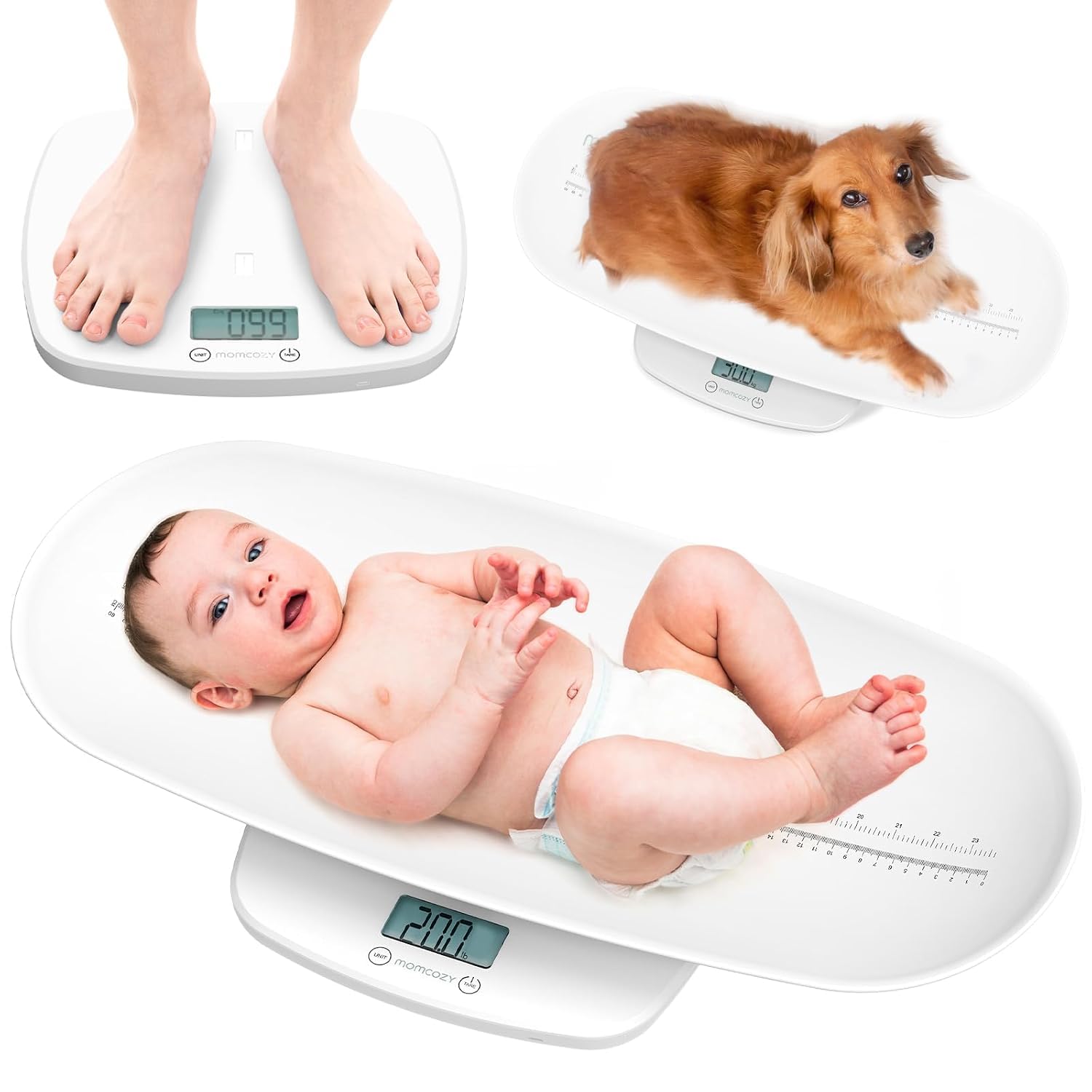
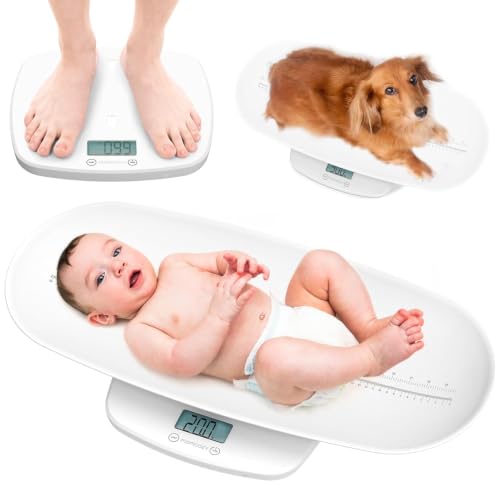


Momcozy Baby Scale, Weight, Height and Weighted Feeds, Removable Tray,
- 𝐋𝐀𝐑𝐆𝐄 𝐂𝐀𝐏𝐀𝐂𝐈𝐓𝐘 & 𝐌𝐔𝐋𝐓𝐈𝐅𝐔𝐍𝐂𝐓𝐈𝐎𝐍𝐀𝐋 𝐒𝐂𝐀𝐋𝐄: This digital scale provides reliable weight measurements with a wide r
- 𝟐-𝐈𝐍-𝟏 𝐒𝐂𝐀𝐋𝐄 & 𝐀𝐂𝐂𝐔𝐑𝐀𝐓𝐄 𝐌𝐄𝐀𝐒𝐔𝐑𝐄: The height measure (60cm/23.6 inches) on the tray surface is convenient for r
- 𝐍𝐎𝐍-𝐒𝐋𝐈𝐏 𝐃𝐄𝐒𝐈𝐆𝐍 & 𝐌𝐎𝐑𝐄 𝐒𝐀𝐅𝐄𝐑: The Momcozy baby scale is designed to give you peace of mind. Adopts the curved
If you prefer a scale with automatic hold and tare, the RAOYAN baby scale settles on a stable reading once your baby stays still for a moment, and has a built in tape for length. Families who want a simple, well reviewed option often look at the GROWNSY baby scale in white or the GROWNSY scale in gray, which show five display units and include a height measuring platform.
Step 4: Reading your own body
Your breasts can also give useful information, but read the signs carefully:
6. What to Do Next: A Practical Ladder of Help
Start with the least dramatic step that fits your situation: get your latch checked, feed more often, and involve a lactation professional early; add supplements or formula if your baby needs more than you can currently provide. You do not need to jump straight to stopping, and you do not need to grit your teeth for weeks either.
Rung 1: Get skilled help early
In many countries, you can access this support free through public health services. In others, insurance may cover lactation visits. It is worth asking.
Rung 2: Improve the basics
Rung 3: Protect and boost supply
Milk supply responds to removal. If your baby cannot remove milk well, you can help by:
The Academy of Breastfeeding Medicine notes that evidence for herbal supplements is limited, so do not rely on teas or cookies to solve a transfer problem.
Rung 4: Supplement when your baby needs it
This step scares many parents, but it is often the most important one. If your baby is losing too much weight, dehydrated, jaundiced or not growing, they need more milk now. The ABM's Protocol #3 on supplementary feeding lists medical reasons for supplementing, and the preferred order is generally:
1. Your own expressed milk 2. Donated human milk, where available 3. Infant formula
Supplements can be given by cup, syringe, spoon, paced bottle or a supplemental nursing system at the breast. Your clinician or lactation consultant will help you choose a method and a volume. Two safety rules from clinic: never dilute formula beyond the instructions, and do not give plain water to a young baby.
Supplementing does not mean the end of breastfeeding. Many parents supplement temporarily while they fix latch or build supply, then reduce top ups as things improve. A scale can help you see whether the plan is working. For instance, the Beurer BY80 and the Momcozy scale are both options for tracking weight between clinic visits, if your care team agrees.


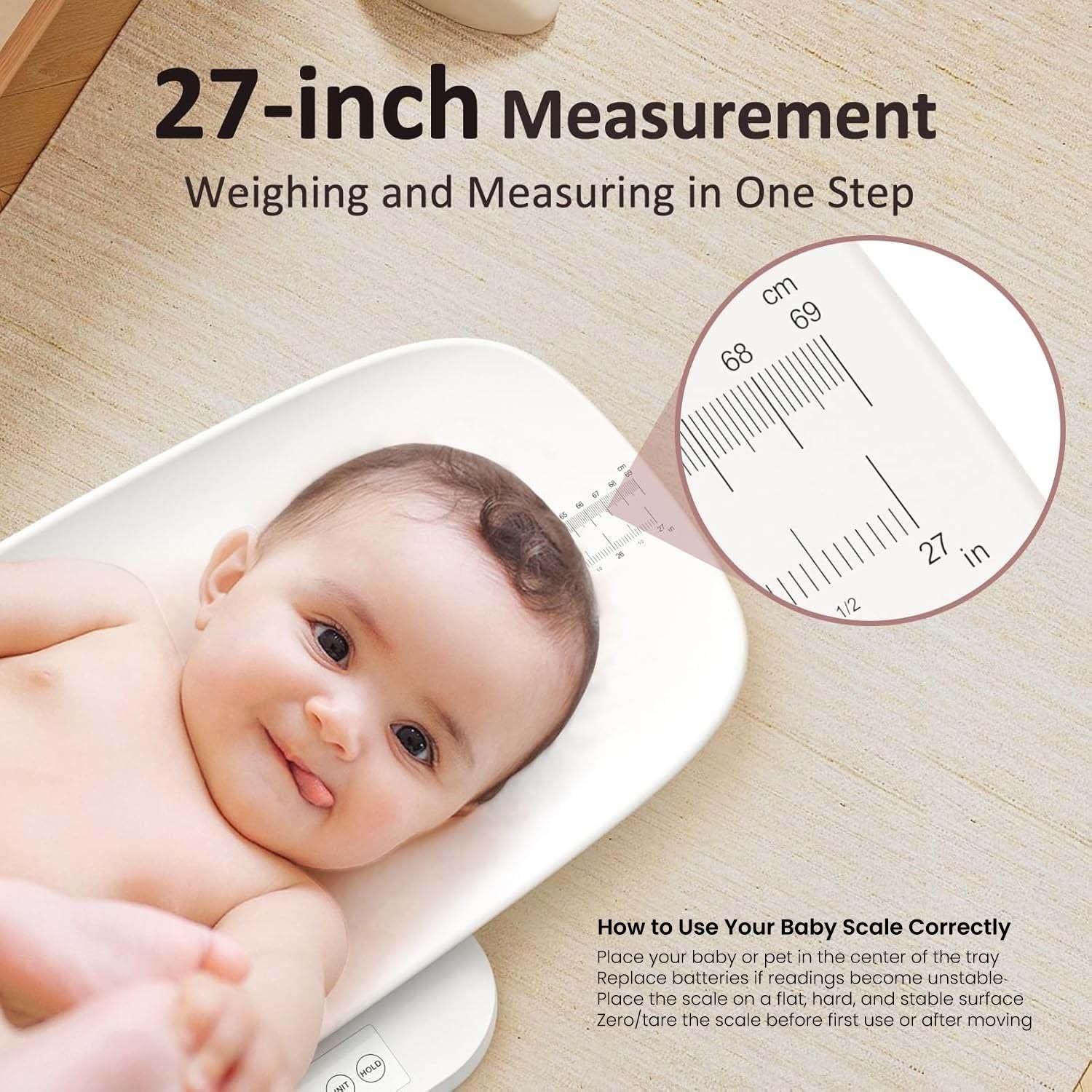
GROWNSY Digital Baby Scale & Pet Scale Up to 330 lbs, White
- 𝐀𝐜𝐜𝐮𝐫𝐚𝐭𝐞 𝐚𝐧𝐝 𝐏𝐫𝐞𝐜𝐢𝐬𝐞 𝐌𝐞𝐚𝐬𝐮𝐫𝐞𝐦𝐞𝐧𝐭: The built-in high-precision sensor and smart chip of this infant scale make
- 𝐋𝐚𝐫𝐠𝐞 𝐂𝐚𝐩𝐚𝐜𝐢𝐭𝐲 𝐔𝐩 𝐭𝐨 𝟑𝟑𝟎 𝐥𝐛𝐬: This smart weighing scale made of ABS material, which is not just for weighing b
- 𝐒𝐚𝐟𝐞𝐭𝐲 𝐚𝐧𝐝 𝐂𝐨𝐦𝐟𝐨𝐫𝐭𝐚𝐛𝐥𝐞 𝐇𝐞𝐢𝐠𝐡𝐭 𝐌𝐞𝐚𝐬𝐮𝐫𝐞𝐦𝐞𝐧𝐭: The baby weight scale adopts patented design, with non-slip, hard-w
Rung 5: Choose the feeding plan that works for your family
There is no single right answer. Common paths include:
Each of these is a valid way to raise a healthy baby. The WHO and AAP recommend breastfeeding as the ideal, and they also recognise that families need support whatever they decide. If you are stopping earlier than you hoped, give yourself a chance to grieve that, and then be proud of what you gave.
When to stop and ask for urgent help
Go to the emergency department or call emergency services if your baby:
Comparing Home Baby Scales for Feeding Checks
Not every family needs a scale, and it should never replace your clinician's advice. If you and your care team decide that tracking weight at home would help, here is how six common options compare.
| Option | Best For | Key Feature | Main Drawback | Recommended Product | Price Range |
|---|---|---|---|---|---|
| Weighted feed scale | Clinician guided test weighing | Tare function and 5 gram graduation | Single feed numbers can mislead | Momcozy Baby Scale | About $42 |
| Weekly trend checks | Simple weight tracking with a wriggly baby | Automatic and manual hold, backlit display | No built in height measure | Beurer BY80 Digital Baby Scale | About $40 |
| Weight and length together | Tracking growth in one place | Height measure in the tray plus hold function | Home length readings are rough | MomMed Baby Scale | About $35 |
| Active or restless babies | Getting a reading quickly | Auto hold and tare, built in tape | Fewer reviews than older models | RAOYAN Baby Scale | About $40 |
| Everyday growth tracking | Families wanting a simple, popular option | Five display units and height platform | Large capacity adds bulk you may not need | GROWNSY Baby Scale in White | About $40 |
| Higher rated everyday option | Same features, gray finish | Five display units and non slip feet | Slightly higher price | GROWNSY Baby Scale in Gray | About $43 |
What the Major Guidelines Say
I do not want to hand you invented soundbites, so here is a plain summary of what the main professional bodies agree on. You can read the full documents in the sources at the end.
The American Academy of Pediatrics supports exclusive breastfeeding for about the first six months, followed by continued breastfeeding alongside solid foods, for as long as mother and baby wish. Its policy also stresses early follow up after discharge, close monitoring of weight and feeding, and prompt support when problems appear. It does not describe supplementing as a failure, and its clinical guidance recognises times when babies need extra milk.
The Academy of Breastfeeding Medicine publishes clinical protocols that many hospitals follow. Its supplementation protocol lists medical reasons that justify giving extra milk to a breastfed baby, and it prefers a baby's own mother's milk first, with donor milk or formula as alternatives. Its mastitis protocol emphasises that the condition sits on a spectrum, and that early, gentle management and medical review matter more than aggressive massage.
NICE and UNICEF UK's Baby Friendly Initiative in the UK set out how postnatal care should include feeding assessment, observing a full feed, and tracking weight. They support families whatever feeding method they choose. NICE guidance also outlines when jaundice or poor feeding should trigger a medical review.
The World Health Organization promotes breastfeeding as best for infant health and calls on health systems to provide skilled support. Its growth standards are based on breastfed babies, which is why clinicians use them to judge whether your baby is growing well.
The common thread is that the guidelines are on your side. They call for early, skilled help, honest monitoring, and practical solutions. They do not call for suffering in silence.
A Final Word Before You Go
I have sat with hundreds of parents who thought they were failing, and almost none of them were. They were tired, under informed and under supported, and they loved their babies fiercely. If breastfeeding is not working the way you hoped, you have not let anyone down. You have noticed a problem, and that is the first step to solving it.
Whatever the outcome, remember this: a fed baby and a supported parent is a success, however the milk gets there.
If this helped, save it for the 3 a.m. feed, share it with a friend who is struggling, and subscribe for more clinic style advice from Tiny Minds World.
Sources & References
- Centers for Disease Control and Prevention. "Breastfeeding Report Card." Updated annually. https://www.cdc.gov/breastfeeding-data/report-card/index.html
- Meek JY, Noble L; American Academy of Pediatrics Section on Breastfeeding. "Policy Statement: Breastfeeding and the Use of Human Milk." Pediatrics. 2022;150(1):e2022057988.
- Academy of Breastfeeding Medicine. "ABM Clinical Protocol #3: Hospital Guidelines for the Use of Supplementary Feedings in the Healthy Term Breastfed Neonate, Revised 2017." Breastfeeding Medicine. 2017;12(3).
- Academy of Breastfeeding Medicine. "ABM Clinical Protocol #36: The Mastitis Spectrum, Revised 2022." Breastfeeding Medicine. 2022;17(5).
- National Institute for Health and Care Excellence. "Postnatal care (NG194)." 2021. https://www.nice.org.uk/guidance/ng194
- National Institute for Health and Care Excellence. "Jaundice in newborn babies under 28 days (CG98)." https://www.nice.org.uk/guidance/cg98
- World Health Organization. "Infant and young child feeding: fact sheet." https://www.who.int/news-room/fact-sheets/detail/infant-and-young-child-feeding
- World Health Organization. "WHO Child Growth Standards." https://www.who.int/tools/child-growth-standards
- UNICEF UK Baby Friendly Initiative. "Support for breastfeeding and infant feeding." https://www.unicef.org.uk/babyfriendly/
- American Academy of Pediatrics. HealthyChildren.org, "Breastfeeding" resources for parents. https://www.healthychildren.org
- Centers for Disease Control and Prevention. "Depression Among Women: Postpartum Depression." https://www.cdc.gov/reproductive-health/depression/index.html
Frequently Asked Questions
How long should I give breastfeeding before deciding it is not working?
How can I tell if my baby is getting enough milk at 2 weeks?
Is it normal for my baby to feed all the time?
Does low milk supply mean I did something wrong?
Can I combine breastfeeding and formula?
When should I worry about jaundice in a breastfed baby?
Are home baby scales accurate enough to use?
Was this helpful?
Thanks — your feedback helps us pick what to write next.