Newborn Sleep Guide: What's Normal, What's Safe, What Helps
Newborns sleep about 14 to 17 hours a day in short, unpredictable stretches, and the safest way to handle it is to put your baby on their back, alone, on a firm flat surface in your room, while you lower your expectations for a "schedule" until around 3 months.
In this article
It's 3am, you've just settled your baby for the third time, and you are googling whether a newborn is supposed to sleep this little. Most of the parents I see in clinic have had some version of that night. The reassuring part is that your baby is very likely doing exactly what a newborn is meant to do.
The less comfortable part is that sleep is also where the biggest safety risks sit. The CDC reports that around 3,400 babies in the United States died suddenly and unexpectedly in 2021, and many of those deaths are linked to the sleep environment. That is why this guide puts safety first, then moves on to what normal sleep looks like and what actually helps you get through the early weeks.
What you'll understand by the end of this guide:
1. How Much Do Newborns Sleep, and Why Is It So Broken Up?
Most newborns sleep between 14 and 17 hours in every 24, according to the National Sleep Foundation, but they do it in stretches of roughly 2 to 4 hours, around the clock. Some healthy babies sleep a little less or a little more than that range, and both can be completely normal.
What normal looks like in the first weeks
In the first month you can expect:
That last point worries a lot of new parents. Newborns spend about half their sleep in "active" sleep, a lighter stage where breathing is uneven, eyes flicker under the lids, and limbs jerk. Their sleep cycles are also short, roughly 50 minutes, so they surface often. A noisy, wriggly baby who is still asleep is usually fine. A baby who is limp, blue around the lips, or struggling to breathe is not, and that is an emergency.
Why newborn sleep is so fragmented
There are three main reasons, and none of them is about parenting.
Tiny stomachs. A newborn's stomach is small, and breast milk and formula are digested quickly. Hunger wakes them, which is a feature, not a flaw. Frequent feeding supports milk supply, growth and blood sugar in the early weeks.
An immature body clock. Babies are born without a settled day and night rhythm. The hormone melatonin and the circadian rhythm that it drives develop gradually over the first few months. Many babies begin to consolidate a longer night stretch somewhere around 2 to 4 months, but there is a huge normal range.
Their brains are doing a lot. Sleep is when newborns process everything they've taken in. Short, light cycles are part of that development, and they also make it easier for a baby to rouse if something is wrong.
If you'd like a day by day look at those early days at home, our first week of newborn sleep tips walks through what the first seven days typically feel like.
What about waking a sleeping baby?
In the early days, your baby may need waking for feeds, especially if they were born small, are jaundiced, or have not yet regained their birth weight. Your midwife or paediatrician will tell you what is right for your baby. Once a healthy baby is back to birth weight and feeding well, many doctors are happy for you to let them sleep longer between feeds, but check with your own team first. Don't make that call based on a forum post.
Try this today: Write down roughly when your baby sleeps and feeds for one 24 hour period. Don't look for patterns yet. This is just so that if you speak to a nurse or doctor, you have real numbers rather than a blur of exhausted memories.
2. Safe Sleep: The Non Negotiables for Every Nap and Every Night
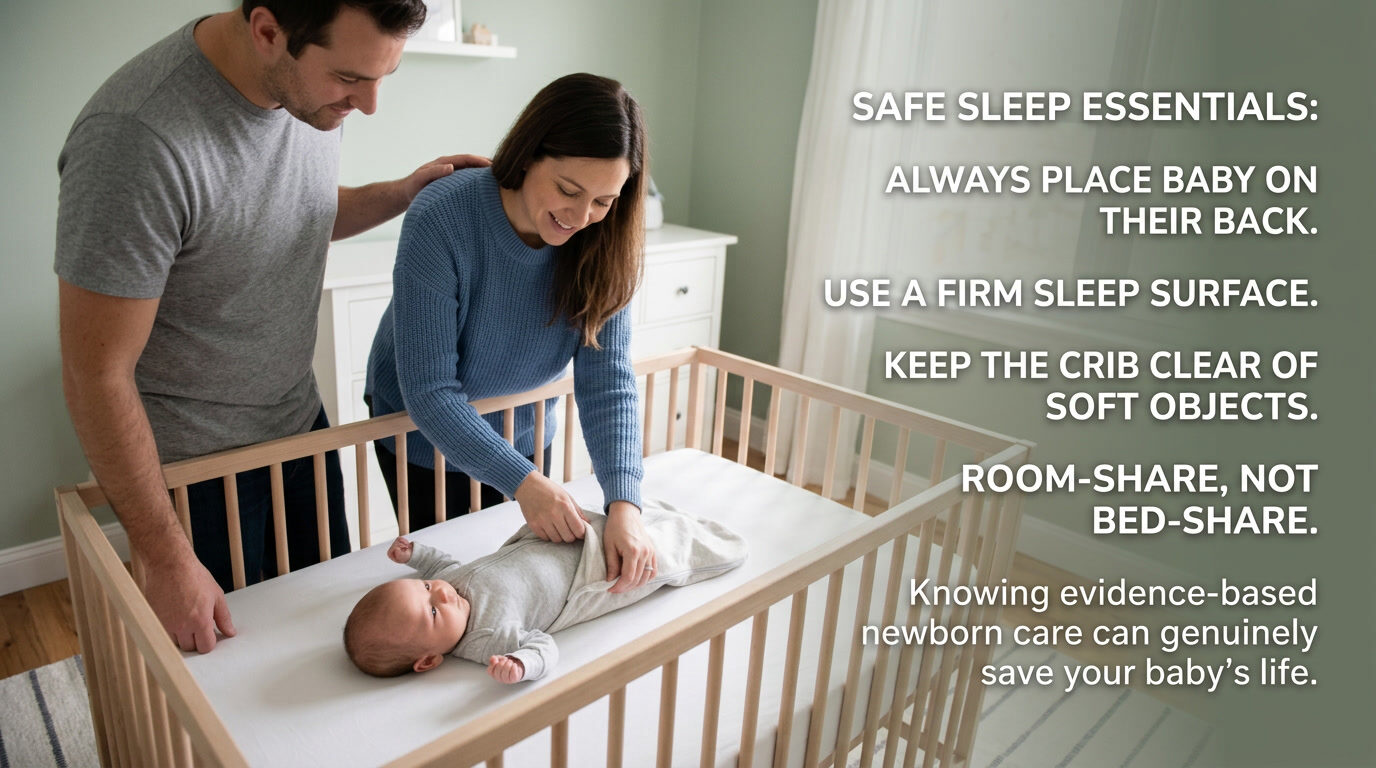
The safest sleep setup for a newborn is on their back, alone, on a firm flat surface designed for infants, in the same room as a caregiver. This applies to every sleep, including daytime naps and the 20 minute "just for now" ones.
These recommendations come from the American Academy of Pediatrics 2022 policy statement on reducing sleep related infant deaths, and they line up closely with advice from the Lullaby Trust in the UK and NICE guidance.
The core rules
The safest place for a baby to sleep is in the parents' room, close to the parents' bed, but on a separate surface designed for infants, ideally for the baby's first year of life, but at least for the first 6 months.
— American Academy of Pediatrics (2022)
Overheating is a quiet risk
Babies can't regulate their temperature as well as adults. The Lullaby Trust suggests keeping the room between 16 and 20°C (about 61 to 68°F). A simple rule from the AAP is to dress your baby in no more than one extra layer than you would be comfortable in. Feel the back of their neck or their chest. If it's sweaty or hot, remove a layer. Cold hands and feet are normal and not a reliable sign.
Never cover your baby's head indoors, and never use hats once you're inside.
What about monitors and "SIDS prevention" gadgets?
This is where I see a lot of anxious parents spend money. The AAP does not recommend home cardiorespiratory monitors, such as wearable socks or sensors, as a way to reduce SIDS, because there is no good evidence that they work. They can also give false alarms and false reassurance.
A video baby monitor can be genuinely useful for seeing whether your baby is stirring or just snuffling, and for letting you rest a bit more calmly. Just treat it as a convenience, not a safety device. It does not replace the safe sleep rules above.
The sofa and armchair problem
If you're so tired you might fall asleep while feeding, plan for that rather than hoping it won't happen. Feeding in an adult bed, with pillows and blankets cleared away, is safer than a sofa or armchair, which carry a much higher risk if you drift off. If you do fall asleep, move your baby back to their own sleep surface as soon as you wake.
3. Swaddling Newborns Safely: Benefits, Risks and When to Stop
Swaddling can help some newborns settle and sleep a little longer, but it is only safe when your baby is on their back, the swaddle is snug at the chest and loose at the hips, and you stop as soon as your baby shows signs of rolling.
Why swaddling helps
Newborns have a strong startle reflex, called the Moro reflex, that makes their arms fling outward and often wakes them. A snug wrap limits that movement, and many babies find the containment calming. The AAP recognises that swaddling can be a useful soothing tool when done properly, though it also stresses that it is not necessary for safe sleep. If your baby hates being swaddled, that's fine.
The risks you need to know about
A 2016 meta analysis in the journal Pediatrics, led by Anna Pease, found that swaddling was associated with an increased risk of SIDS when babies were placed on their side or tummy, and that the risk rose with age. In other words, swaddling is not dangerous on its own, but a swaddled baby who ends up face down, or who is still swaddled when they can roll, is in a much riskier position.
Other risks to keep in mind:
How to swaddle safely
1. Put your baby on their back on the swaddle, with their shoulders below the top edge. 2. Wrap snugly around the chest and arms, but check you can slide a couple of fingers between the swaddle and their chest. 3. Leave plenty of room for the hips and legs to bend and move. 4. Check the neckline sits below the chin. 5. Put your baby down on their back, every time, and check on them regularly.
Stop swaddling when your baby starts to roll
The AAP advises stopping swaddling as soon as your baby shows signs of trying to roll, which can be as early as 2 months. Every baby is different, so watch for rocking, shifting onto their side, or pushing up. At that point, move to a wearable blanket or sleep sack with the arms free.
Choosing a swaddle that makes it easier
If you've tried the classic "burrito" wrap at 3am, you'll know it's harder than the videos make it look. Many parents prefer a ready made swaddle with hook and loop tabs, which are quicker, quieter and less likely to unravel. This is one of the few newborn essentials that I think is genuinely worth buying, and it doesn't need to be expensive.
Look for:
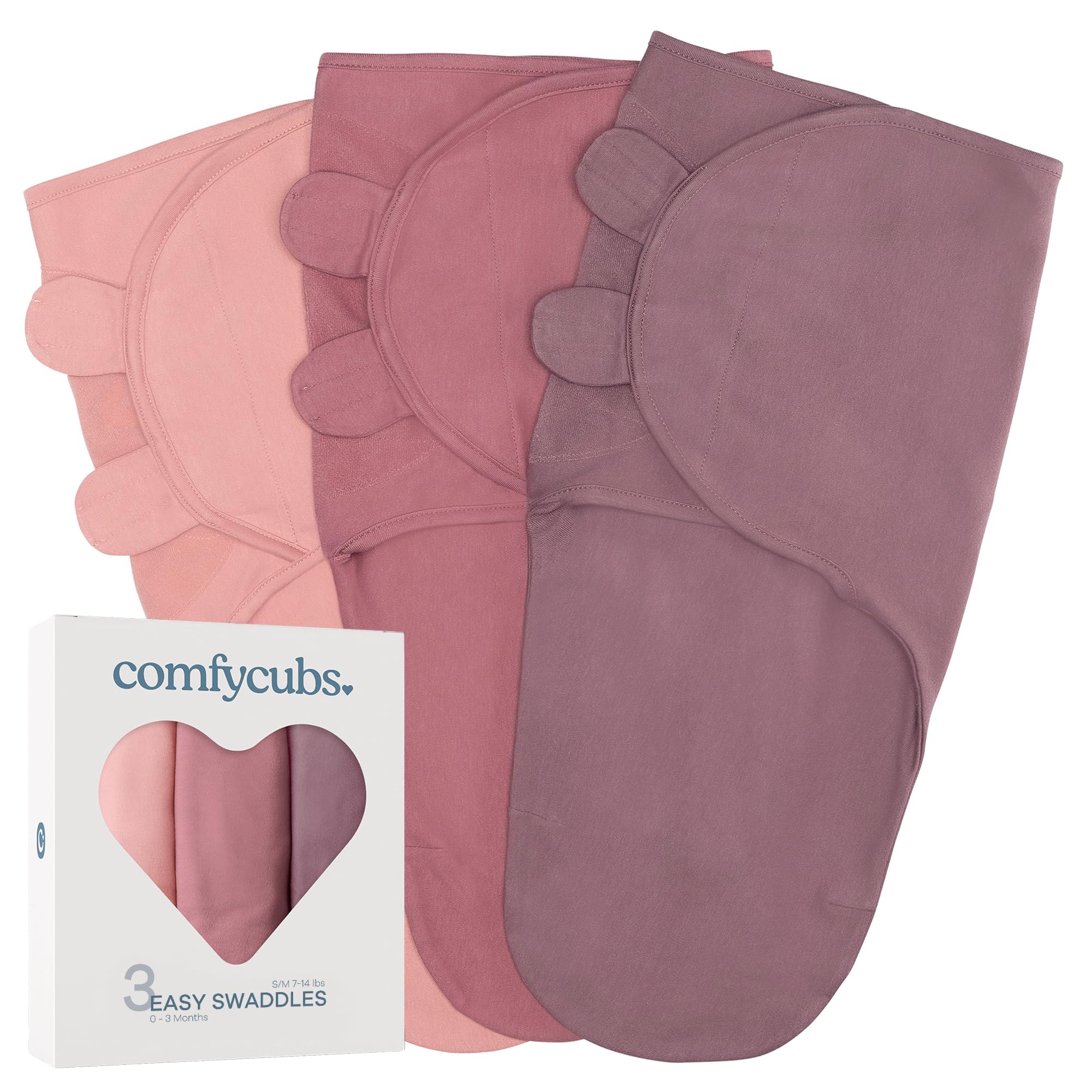
The [Comfy Cubs Easy Swaddle Blanket](PRODUCT_LINK_PLACEHOLDER) is a popular option with adjustable tabs and a three pack, which helps because newborns can go through several swaddles a day.
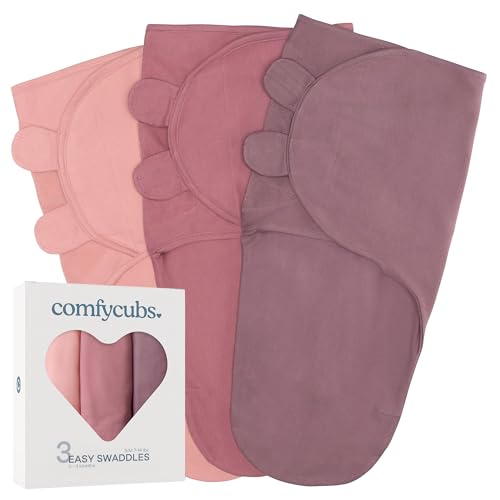
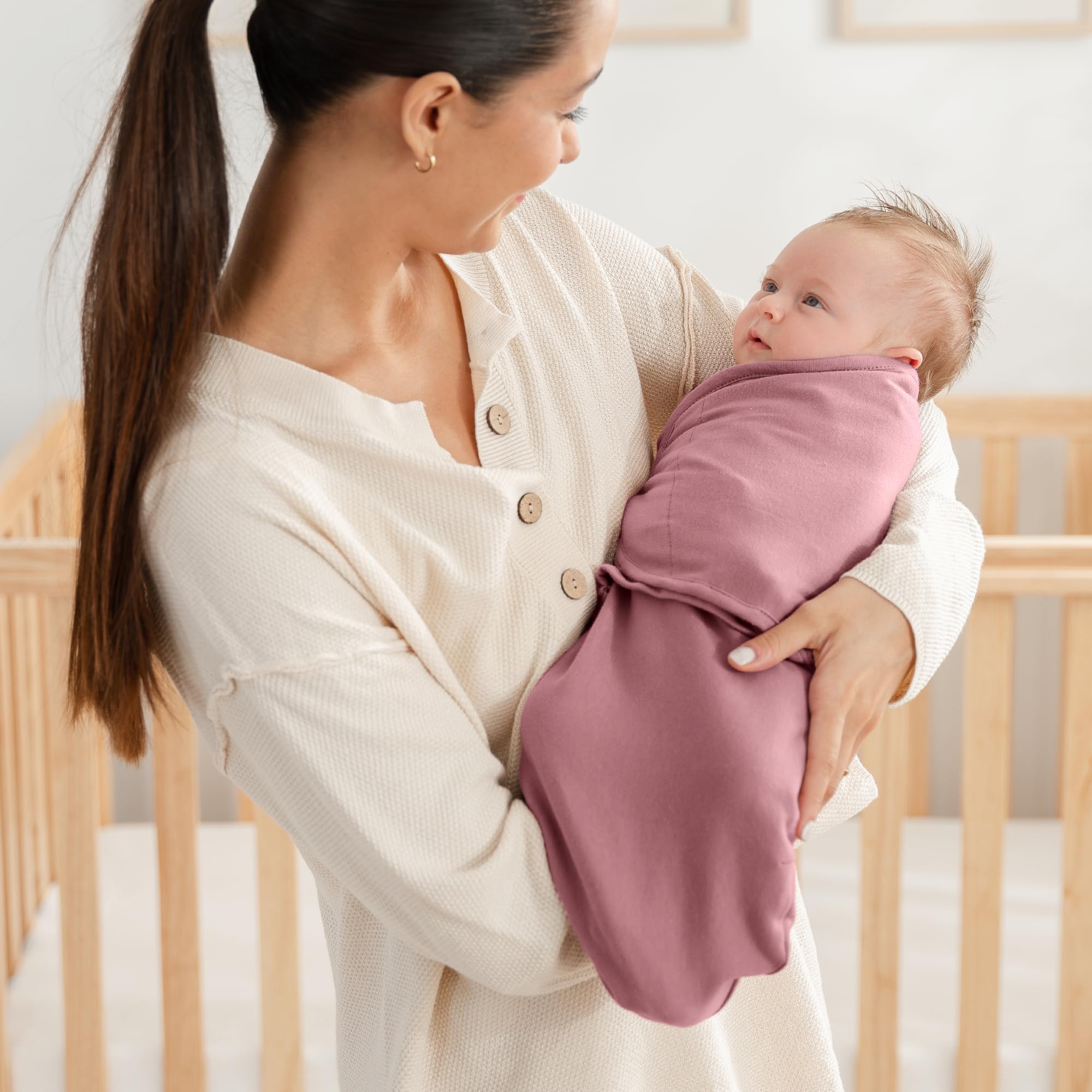
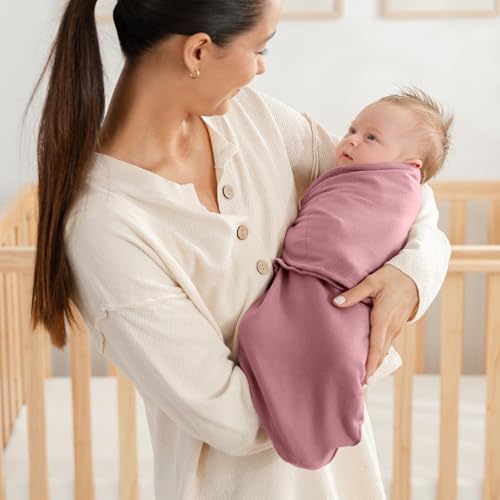

Comfy Cubs Easy Swaddle Blanket, 3 Pk Small - Blush Mauve Mulberry
- Recreate the Womb for Newborn Comfort: Mimic the snug, secure feeling of a mother's womb with Comfy Cubs swadd
- Breathable and Temperature-Regulating Baby Swaddle Blankets: Made with 100% breathable cotton, these newborn s
- Secure Fit with Adjustable Swaddle Tabs: Sturdy hook-and-loop closures keep the swaddle blankets for newborns
If hip health is high on your list, the [KeaBabies organic swaddle](PRODUCT_LINK_PLACEHOLDER) is listed as certified by the International Hip Dysplasia Institute. The [MOON PARK three pack](PRODUCT_LINK_PLACEHOLDER) uses rounded, soft edged tabs, which some parents find less likely to scratch or wake a baby.
4. Wake Windows and Sleep Cues: Reading Your Baby's Rhythm
For most newborns, a wake window (the time they're awake between sleeps) is about 45 to 60 minutes, including the time spent feeding. Many are comfortable with less, especially in the first couple of weeks.
What a wake window really is
Parents are often told to follow wake windows like a timetable. In reality, they're a rough guide. They are widely used by paediatric sleep consultants and nurses, but they haven't been tested in large clinical trials, and babies vary a lot. Think of them as a starting point, not a rule.
In the first weeks, a typical awake period might look like:
That might take 45 minutes, and that's enough stimulation for a newborn.
Sleep cues come before crying
Crying is a late sign of tiredness. Watch for earlier cues like:
If you catch these, settle your baby soon. If you miss them and your baby is overtired, they often become harder to settle, not easier. That's the point where many parents think "my baby hates sleep", when really the window was just missed.
Using awake time well
Your baby doesn't need an activity programme. Face to face talking, gentle singing, a few minutes of supervised tummy time, and looking at a high contrast card are plenty. If you want ideas that fit into short awake windows, our newborn play and learning activities for the first three months are designed to be simple and short.
Don't confuse "not a schedule" with "no structure"
Newborns aren't ready for a strict schedule, but a rough rhythm helps everyone: 1. Feed when your baby shows hunger cues. 2. Allow a short period of calm awake time. 3. Watch for sleep cues. 4. Settle your baby in a calm, dim place.
Over a few weeks, that loose pattern ("eat, play a little, sleep") tends to build predictability without any pressure.
The [CIVARUA KIDS cotton swaddle](PRODUCT_LINK_PLACEHOLDER) is one budget friendly option if you want a few spares for these short, frequent sleep cycles.


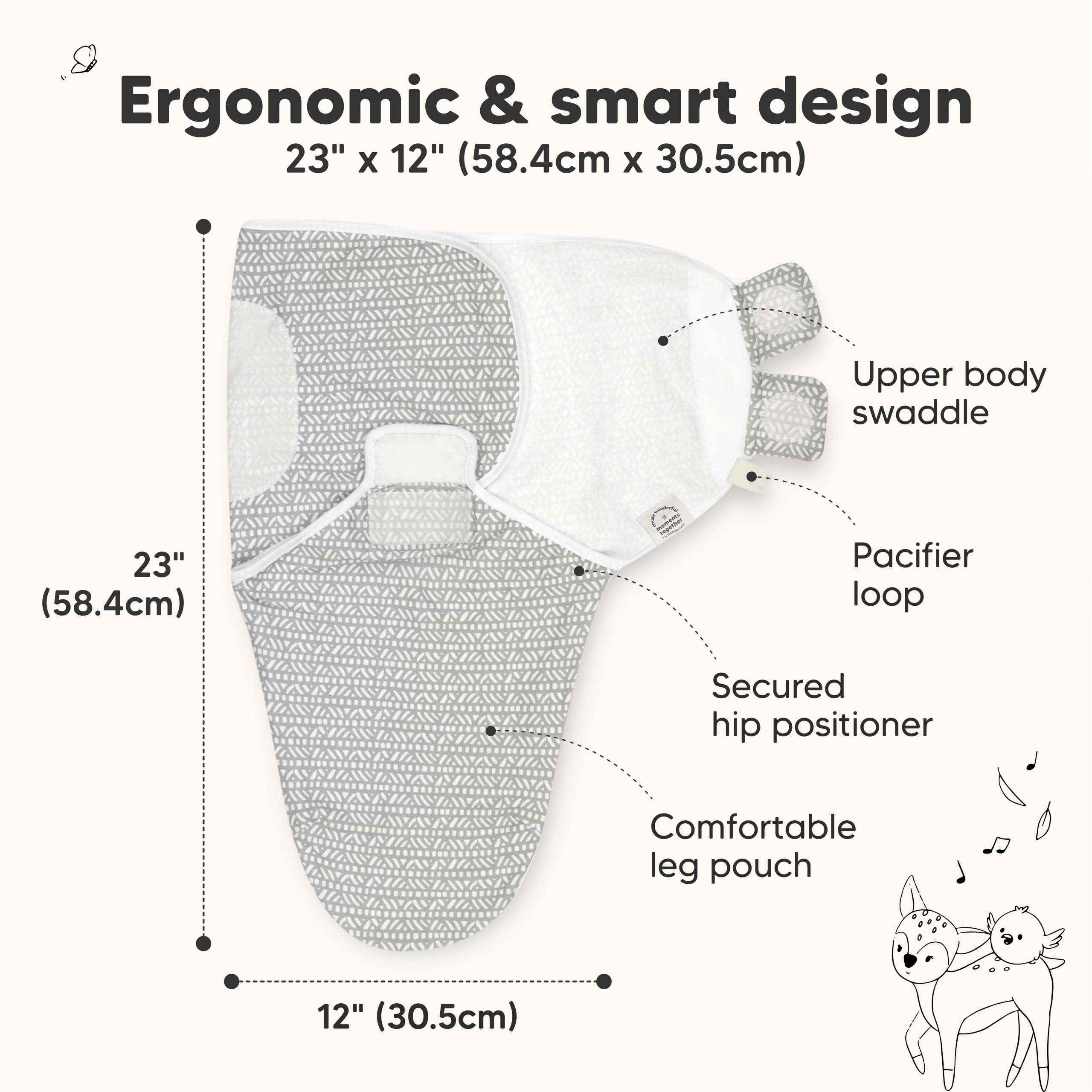
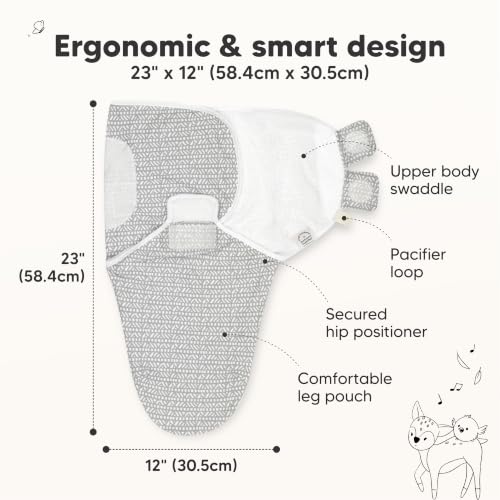
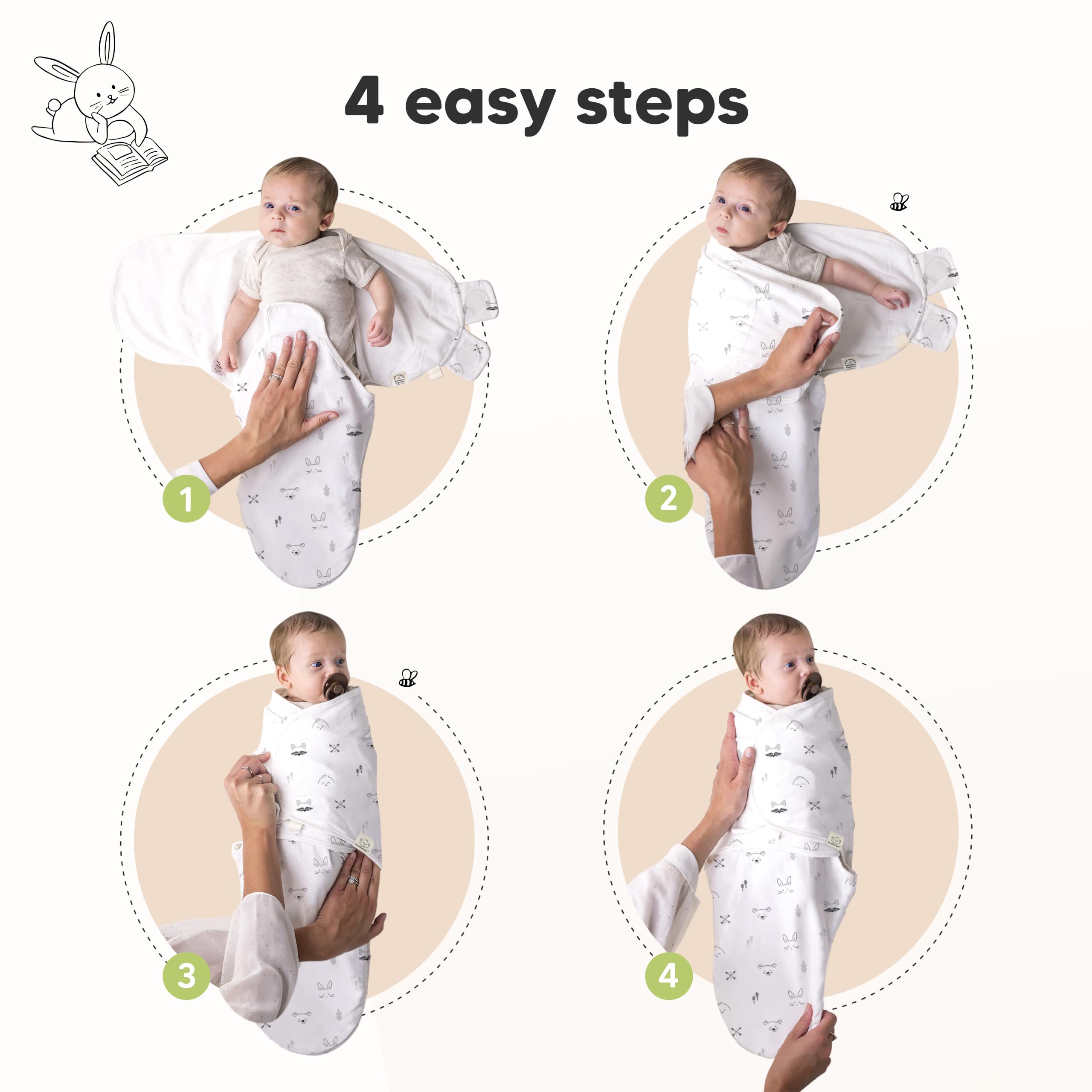
KeaBabies 3pk Organic Baby Swaddles for Newborns, 0.5 TOG Nordic, 0-3M
- Ergonomic for Newborn Growth - Certified as a hip-healthy product by the International Hip Dysplasia Institute
- Breathable & Temperature-regulating - Our Soothe Swaddle for newborns is made with ultra-soft organic cotton,
- Soft & Gentle - Use our newborn swaddle as a baby swaddle blanket. We use soft and durable hook-and-loops, whi
5. Day Night Confusion, Feeding and Settling Techniques That Work
You can't force a newborn onto a day and night rhythm, but you can nudge it along by making days bright and sociable and nights dark, quiet and boring.
Teaching the difference between day and night
Newborns often mix up day and night because they had no light or dark in the womb. These small habits help:
Don't expect results in days. For most babies, it's a gradual shift over several weeks.
Feeding and sleep are linked
Your baby's sleep depends heavily on how well they feed. A baby who isn't getting enough milk because of a shallow or painful latch may feed constantly, sleep poorly, and be unsettled between feeds. If feeding hurts, or your baby seems to feed for ages and still seems hungry, get help early. Our guide on how to troubleshoot a painful latch is a good starting point, and a lactation consultant or health visitor can look at positioning in person.
For breastfed newborns, the AAP says to expect about 8 to 12 feeds in 24 hours. Formula fed babies often feed a little less often, but your doctor can guide you on amounts.
Settling techniques that actually work
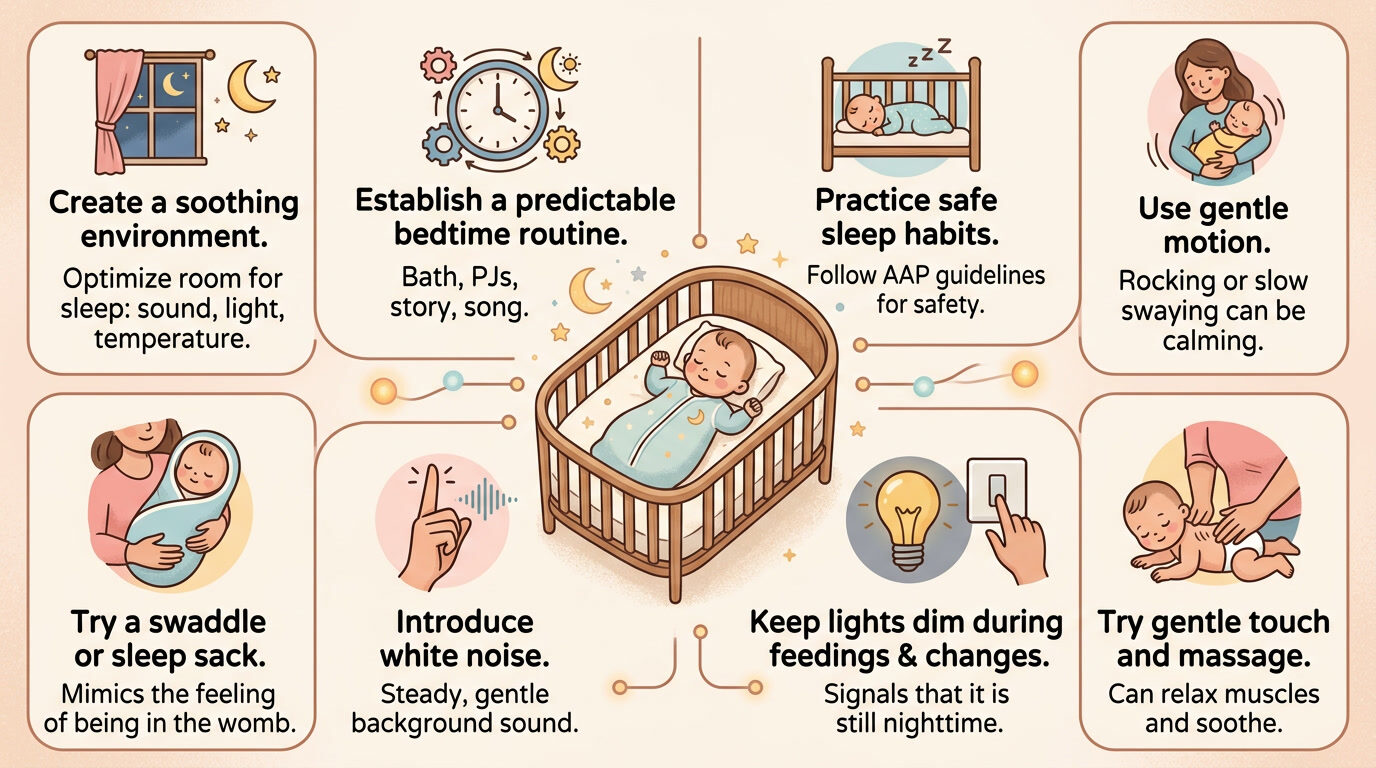
Not every method works for every baby, but these are the ones I recommend most:
Drowsy but awake: is it too early?
You may read advice to put your baby down "drowsy but awake". In the first few weeks, most babies fall asleep during feeds or while being held, and that's perfectly fine. There's no evidence that holding or feeding a newborn to sleep creates a "bad habit" at this age. You can start practising drowsy but awake settling around 6 to 8 weeks if you want to, and only if it feels right for your baby.
Sleep association worries? Not yet
Parents often ask me whether they are "creating a prop" by rocking, feeding or cuddling to sleep. At this age, that worry is premature. Formal sleep training isn't recommended for newborns. Your priority is responsive care, and you'll have plenty of time to adjust things later if you want to.
The [GLLQUEN BABY adjustable swaddle](PRODUCT_LINK_PLACEHOLDER) is one example of a design that stresses a quick, adjustable fastener, which is helpful if you're managing a hungry, wriggly baby at 2am.
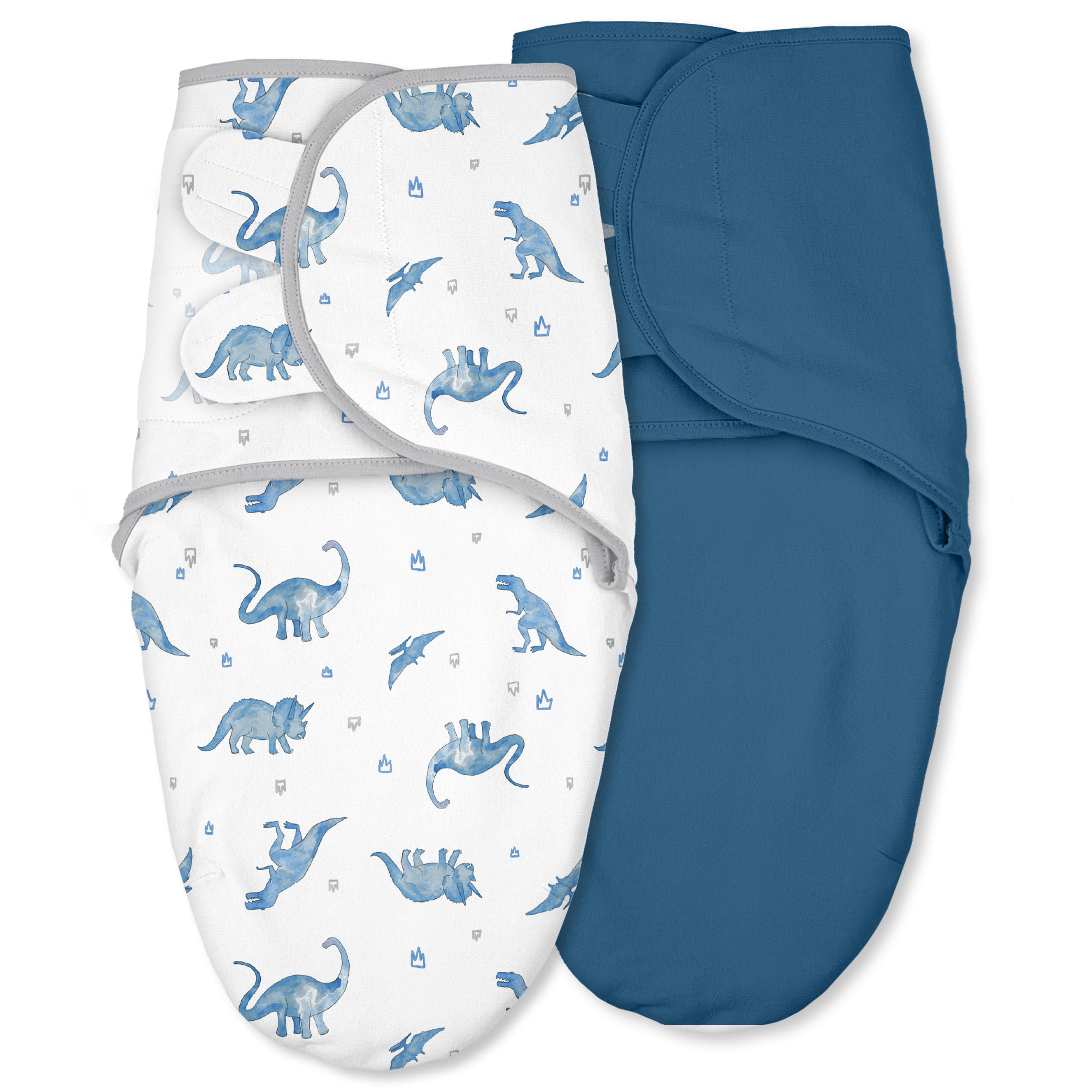



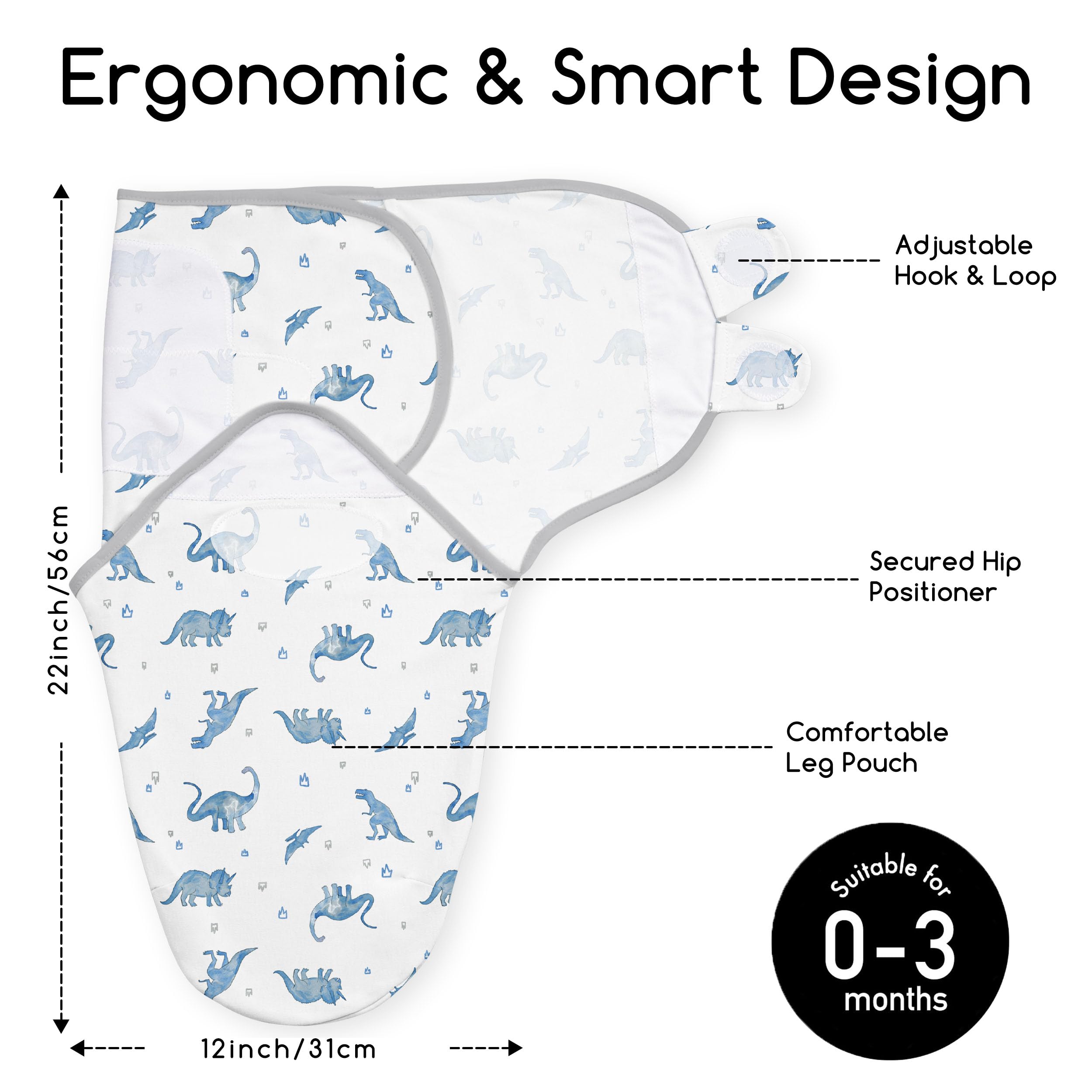
Cotton Swaddles for Newborn, Baby Newborn Swaddle 0-3 Month
- Womb-like Calm: Soothe your newborn and mimic the secure, snug feeling of the womb with the Civarua Kids Baby
- Breathable & Temperature-Regulating: Crafted from ultra-soft OEKO-100 certified organic cotton, our baby swad
- Soft & Gentle: Our baby swaddle blanket features extra-soft Adjustable tabs that are strong for secure swaddl
6. Looking After Your Own Sleep and Knowing When to Call the Doctor
Protecting your own sleep is part of keeping your baby safe, and it's also the thing most parents forget to plan for. A parent who has slept for four or five hours in one block is a safer, calmer, more responsive caregiver than one who has had 20 broken minutes at a time.
Realistic ways to get more sleep
Why this matters for mental health
Severe sleep loss increases the risk of low mood and anxiety. The CDC says about 1 in 8 women who have recently given birth experience symptoms of postpartum depression, and partners can be affected too. Warning signs include:
If any of these sound familiar, speak to your doctor, midwife or health visitor. This is a treatable medical issue, not a failure. If you have thoughts of harming yourself or your baby, seek emergency help straight away.
Red flags: when to call your doctor
Most newborn sleep behaviour is normal, but call your doctor promptly if:
Call emergency services if your baby is not breathing normally, is unresponsive, or is turning blue.
When crying isn't about sleep
Crying tends to peak at around 6 weeks and then ease. If your baby is crying for hours and nothing helps, they might have colic, reflux, or simply be overstimulated. If you feel yourself reaching a breaking point, put your baby down safely on their back in their cot, step away for a few minutes, and call someone. Never shake a baby.
If you want a few spare swaddles so laundry doesn't become another job at midnight, the [CIVARUA KIDS](PRODUCT_LINK_PLACEHOLDER) and [GLLQUEN BABY](PRODUCT_LINK_PLACEHOLDER) options both come in at around $16.

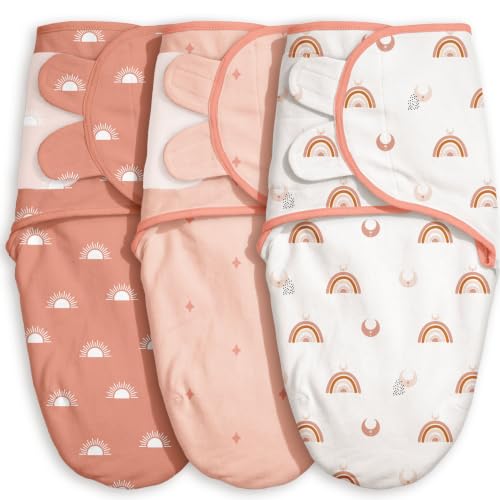


GLLQUEN BABY Swaddles for Newborns 0-3 Months, Adjustable & Easy Fastener
- 100% Cotton
- SLEEP LONGER & PREVENT STARTLE REFLEX: Mimics the snug, secure feeling of the mother’s womb to instantly sooth
- ESCAPE-PROOF & ADJUSTABLE FIT: Features premium, quiet hook-and-loop fasteners that create a customized, snug
Comparing Swaddle Options at a Glance
Every swaddle below is designed for babies roughly in the 0 to 3 month range. They are not a substitute for safe sleep practice, and you need to stop using any swaddle as soon as your baby shows signs of rolling.
| Option | Best For | Main Benefits | Things to Check | Recommended Product | Price Range |
|---|---|---|---|---|---|
| Hip healthy organic swaddle sack | Parents focused on hip development | Certified by the International Hip Dysplasia Institute, organic cotton, 0.5 TOG for warm weather | Check sizing against your baby's weight | KeaBabies Organic Baby Swaddles | $24.96 |
| Three pack swaddle with adjustable tabs | Parents who want several spares | Breathable cotton, hook and loop closures, three in a pack | Small size, so monitor how long it fits | Comfy Cubs Easy Swaddle Blanket | $29.99 |
| Budget organic cotton swaddle | Parents on a tighter budget | Lightweight, adjustable tabs, listed as organic cotton | Single swaddle, so you may want extras | CIVARUA KIDS Cotton Swaddle | $15.99 |
| Easy fastener swaddle | Babies who wriggle out of wraps | Adjustable, quiet fasteners, fits roughly 7 to 14 pounds | Always check the fit is snug at the chest but roomy at the hips | GLLQUEN BABY Adjustable Swaddle | $15.98 |
| Soft edge tab swaddle, three pack | Babies with sensitive skin | Rounded tabs, combed cotton, three in a pack | Tabs should lie flat against clothing, not skin | MOON PARK Swaddle Blanket Wrap | $21.99 |
What the Experts Agree On
When I speak with colleagues about newborn sleep, three themes come up again and again, and they match the published guidance.
Safe sleep is non negotiable. Dr Rachel Moon, a paediatrician at the University of Virginia who has led the AAP's safe sleep work, has consistently emphasised that the same few rules (back, bare, firm, flat, close by) protect nearly every baby. Parents often feel they need a sophisticated plan. In practice, the simplest setup is the safest.
Swaddling needs a deadline. The Pease meta analysis in Pediatrics is why paediatric guidance now emphasises stopping swaddling at the first signs of rolling. Swaddling is a short term tool, and the exit plan matters as much as the technique.
Parental sleep is part of infant safety. The Lullaby Trust and NICE postnatal care guidance both stress that tired parents should get practical help, plan for safe feeding if they might fall asleep, and speak up early about their own mental health. A rested caregiver is a safer caregiver.
Frequently Asked Questions
Final Thoughts
The early weeks of newborn sleep are some of the hardest and most disorienting of parenting. You're exhausted, you're learning a tiny new person, and everyone seems to have advice. But the picture is simpler than it feels: keep your baby safe, feed them well, follow their cues, and look after yourself too.
Sleep gets better. It really does, and the fragmented nights you're living through now are temporary. A safe baby and a rested parent are the real goals, and neither needs a perfect routine.
If this guide helped, save it for the 3am moments, and share it with a friend who is about to meet their own newborn.
Sources & References
- American Academy of Pediatrics (Task Force on Sudden Infant Death Syndrome). "Sleep-Related Infant Deaths: Updated 2022 Recommendations for Reducing Infant Deaths in the Sleep Environment." Pediatrics, 2022, volume 150, issue 1. https://publications.aap.org/pediatrics
- Pease AS, Fleming PJ, Hauck FR, et al. "Swaddling and the Risk of Sudden Infant Death Syndrome: A Meta-analysis." Pediatrics, 2016, volume 137, issue 6. https://publications.aap.org/pediatrics
- Centers for Disease Control and Prevention. "Sudden Unexpected Infant Death and Sudden Infant Death Syndrome: Data and Statistics." https://www.cdc.gov/sudden-infant-death/
- Hirshkowitz M, et al. "National Sleep Foundation's sleep time duration recommendations: methodology and results summary." Sleep Health, 2015, volume 1, issue 1. https://www.sleephealthjournal.org
- International Hip Dysplasia Institute. "Hip Healthy Swaddling." https://hipdysplasia.org
- The Lullaby Trust. "Safer sleep advice for parents and carers." https://www.lullabytrust.org.uk
- National Institute for Health and Care Excellence (NICE). "Postnatal care (NG194)." 2021. https://www.nice.org.uk/guidance/ng194
- National Institute for Health and Care Excellence (NICE). "Fever in under 5s: assessment and initial management (NG143)." https://www.nice.org.uk/guidance/ng143
- Centers for Disease Control and Prevention. "Depression During and After Pregnancy." https://www.cdc.gov
Frequently Asked Questions
How many hours should a newborn sleep?
Should I wake my newborn to feed?
When can my baby sleep through the night?
Is it safe for my newborn to sleep on my chest?
When should I stop swaddling?
What temperature should my baby's room be?
Is it normal for my newborn to sleep all day and be awake all night?
Was this helpful?
Thanks — your feedback helps us pick what to write next.