Parent-Child Bonding: How to Build a Stronger Connection
A strong parent-child relationship is built through consistent emotional availability, genuine listening, and age appropriate connection rituals, not grand gestures or perfect parenting.

In this article
Picture this: you've had a long day, dinner is burning, and your seven year old wants to show you a Lego build you've already seen three times. You have two choices. You can nod absently from the kitchen, or you can walk over, crouch down, and actually look. That second choice, repeated hundreds of times across childhood, is what a strong parent-child relationship is actually made of.
Research from the Harvard Center on the Developing Child shows that "serve and return" interactions, where a child initiates and a caregiver responds, are among the most powerful forces shaping a child's developing brain. It is not the holidays, the presents, or the elaborate days out. It is the daily back and forth.
In this guide you will learn:
1. What a Healthy Parent-Child Relationship Actually Looks Like
A healthy bond is not about being your child's best friend. It is about being their safe base, the person they know will show up, stay calm, and keep loving them even when things get hard.
The foundation is what developmental psychologists call secure attachment. British psychiatrist John Bowlby first described it in the 1950s, and decades of research since have confirmed that children who feel securely attached to at least one caregiver show better emotional regulation, stronger social skills, and more resilience under stress. A large 2019 analysis published in the journal Child Development found that securely attached children were significantly more likely to thrive academically and socially into adolescence.
The core ingredients
2. Newborns to Toddlers (Ages 0 to 3): Connection Through the Body
Bonding starts before birth, but the real scaffolding goes up in the first three years.
In this window, connection is almost entirely physical and sensory. Your newborn cannot understand your words, but they are reading your face, your tone, your smell, and the steadiness of your hands. Skin-to-skin contact in the first hours and days after birth raises oxytocin in both of you and has been shown by the World Health Organization to support breastfeeding, stabilise infant temperature, and calm the stress response in babies born early.
By around six to eight weeks, your baby begins social smiling, and that moment when they lock eyes with you and light up is not just adorable. It is their first experiment in relationship. They are testing: "If I smile, does something good happen?" When you smile back, you are teaching them the world responds to them.
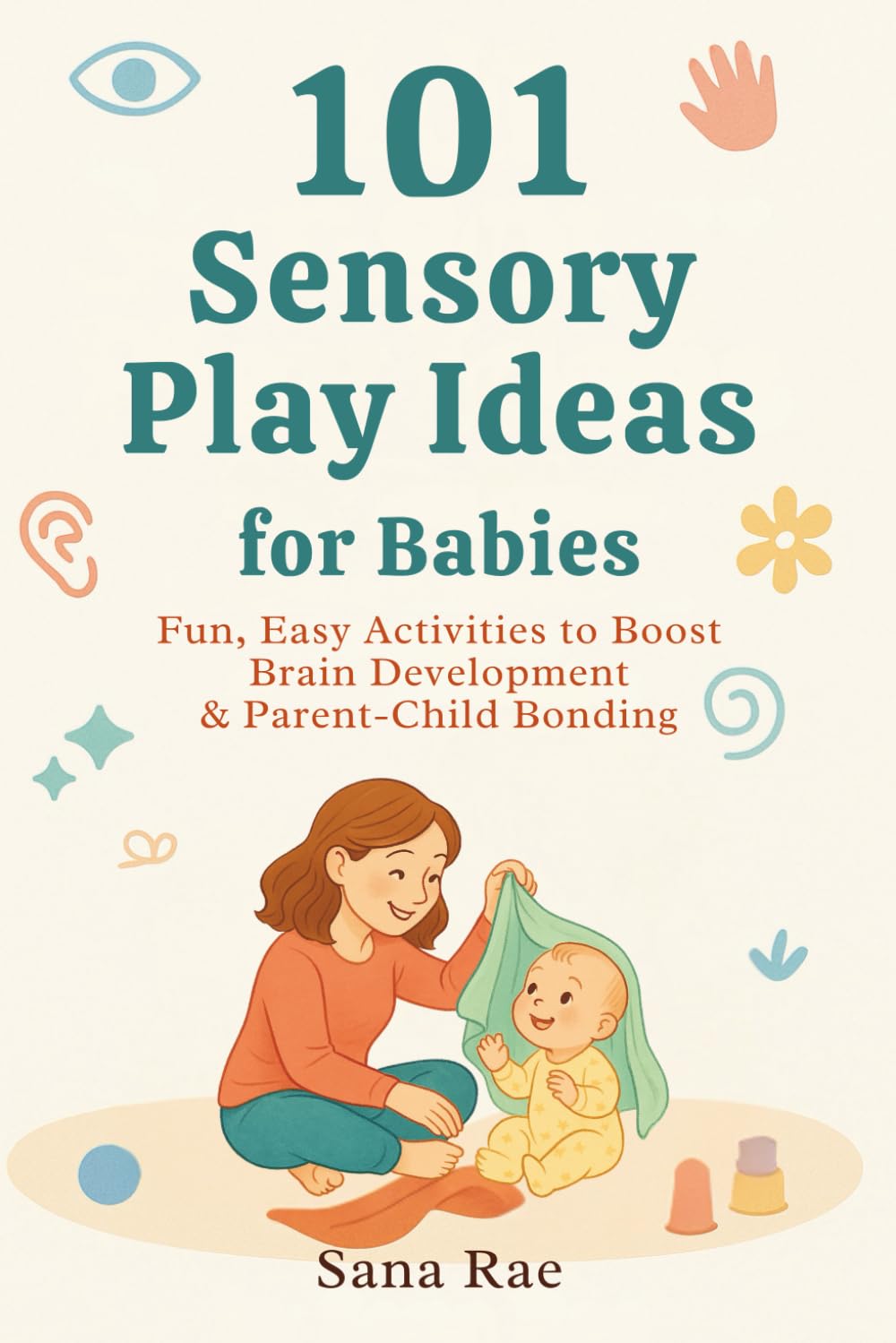
101 Sensory Play Ideas for Babies: Fun, Easy Activities to Boost Brain Development & Parent-Child Bonding (101 Parenting)
- Children's Books
- Activities, Crafts & Games
- Image Unavailable Image not available forColor:
For toddlers, connection often looks like play. Let them lead. Get on the floor. If your two year old wants to line up every single toy car in the house, that is not a waste of your evening; it is an invitation to share their inner world.
For parents navigating the fourth trimester and the blurry, sleep deprived early weeks, our guide to fourth trimester care covers what to expect physically and emotionally for both parent and baby.
3. Ages 3 to 7: Connection Through Play and Conversation
Between ages three and seven, children are making enormous cognitive leaps and desperately want you to witness them.
This is the golden age of play based connection. Play is not filler; it is the primary language of early childhood. A landmark report from the American Academy of Pediatrics in 2018 found that child led play supports self regulation, problem solving, and emotional resilience, and that parents who play alongside their children strengthen the attachment bond in measurable ways.

Our Special Time: A Parent-Child Bonding Activity Book: Interactive Games and Guided Conversation Starters for Meaningful Quality Time. Designed by a Child Psychologist. (The Connection Collection)
- Children's Books
- Education & Reference
- Reading & Writing
Conversation also becomes more possible at this age, and more important. Avoid the after-school interrogation ("How was school?" "Fine."). Instead, share something about your own day first. When you model openness, your child learns that sharing is what people in this family do. You are also building habits that will matter enormously when they are fourteen and something is actually wrong.
Learning active listening habits is one of the highest return investments you can make in any relationship, but especially with a child who is still learning to name what they feel.
4. Ages 8 to 12: Connection Through Respect and Shared Interest
The middle years are often underestimated. Parents breathe out because the intense physical demands of early childhood are over, but this is exactly the stage when children are quietly deciding how much they trust you with the stuff that matters.
Children this age are increasingly peer focused and starting to build their own identity. They still need you deeply, they just need you differently. Hovering and controlling backfires here. What works is showing genuine curiosity about who they are becoming.

Parent and Child Back and Forth Journal: A Just Between You and Me Kid Guided Book with Unique Prompts (Family Bonding)
- Parenting & Relationships
- Family Relationships
- Stepparenting & Blended Families
Find out what they love and learn enough to talk about it. You do not need to share every interest. You just need to be interested. If your nine year old is obsessed with Minecraft, ask them to show you something they built. If your eleven year old loves a band you find baffling, ask what they like about it. The content does not matter. Your attention does.
5. Teens (Ages 13 to 17): Staying Connected While Letting Go
Parenting a teenager can feel like being slowly made redundant, which is exactly the point.
Your job is shifting from caretaker to consultant. Teens need autonomy. Fighting that is like arguing with gravity. The research is clear: teens who feel connected to their parents make safer choices, have lower rates of depression and anxiety, and are more likely to come to you when something goes wrong.
The quality of the parent-child relationship in adolescence is one of the strongest protective factors we have against teenage depression and risk-taking behaviour.
— Judith Brook, Professor of Psychiatry, NYU School of Medicine (2002)
The key is staying close without crowding. That means staying curious rather than critical. When they share something, resist the urge to immediately problem solve or lecture. Ask a follow up question instead. Just one.


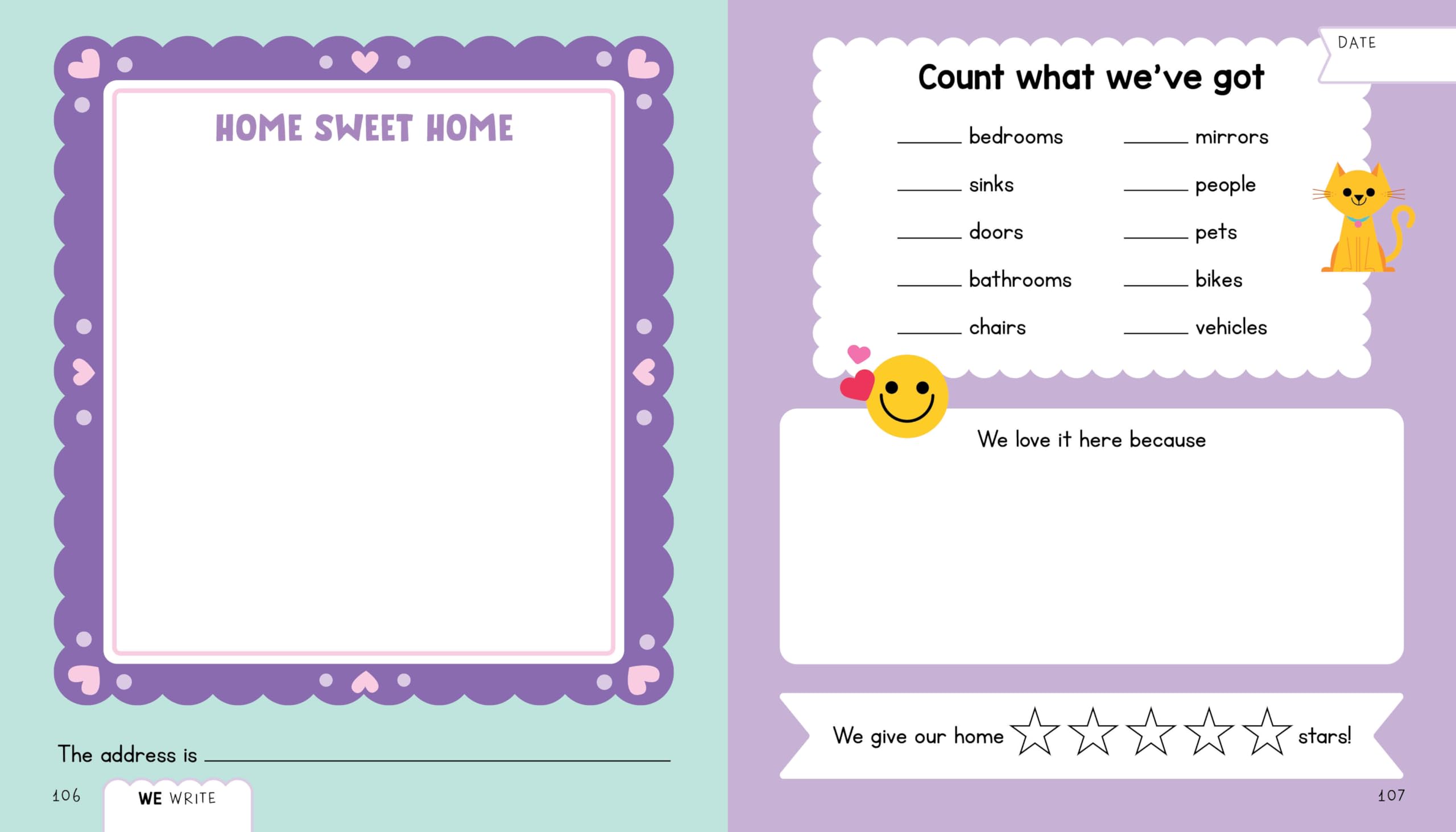
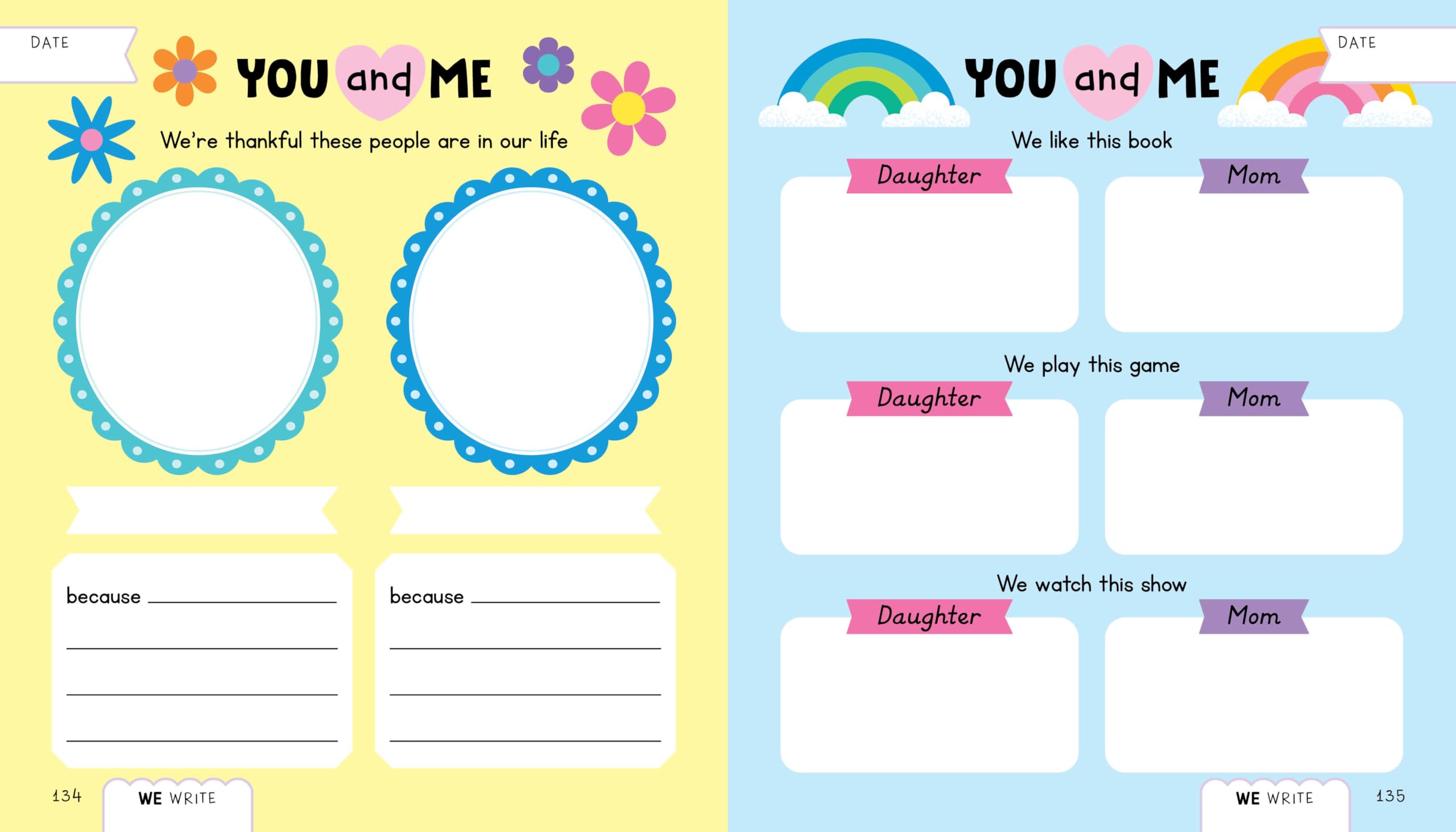
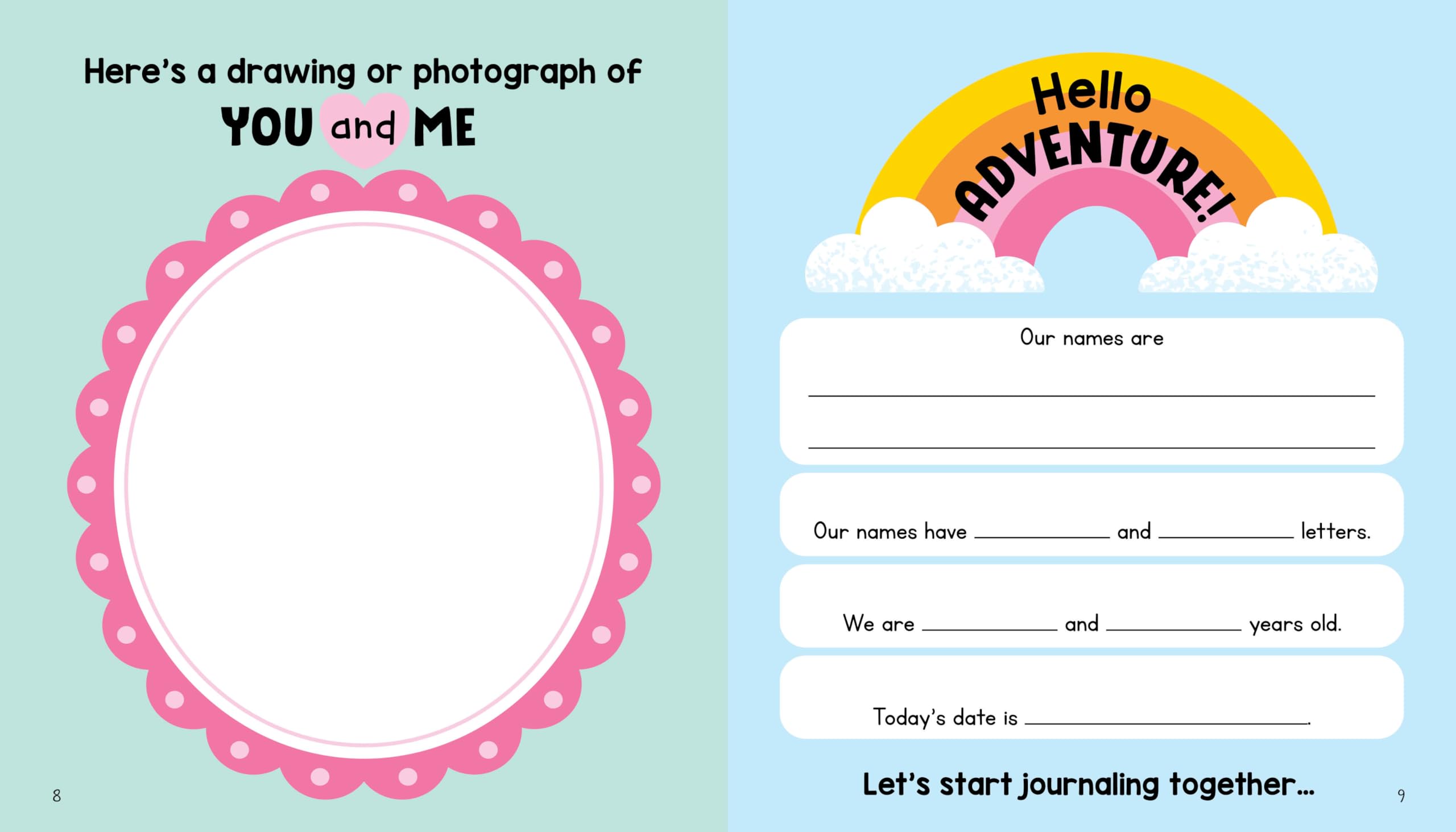
My First Mom and Daughter Journal: An activity book for girls and moms together
- Children's Books
- Growing Up & Facts of Life
- Family Life
It also means being honest about your own struggles sometimes. Teens can smell inauthenticity instantly. Admitting "I got that wrong" or "I do not actually know the answer to that" makes you a more credible, trustworthy person to them.
6. Red Flags: When the Relationship Needs Attention
Most relational difficulties between parents and children are not signs of failure. They are signals that something needs to change.
Watch for these patterns, especially if they are new or intensifying:
If you notice several of these together and they persist for more than a few weeks, it is worth speaking to your child's paediatrician or a family therapist. Early intervention genuinely makes a difference.


Play Therapy Activities: 101 Play-Based Exercises to Improve Behavior and Strengthen the Parent-Child Connection
- Health, Fitness & Dieting
- Psychology & Counseling
- Developmental Psychology
It is also worth reflecting honestly on your own stress levels. Postnatal depression, for example, is more common and longer lasting than many parents realise, and it affects attachment in ways parents rarely see in themselves. If you have been struggling since your child was born, one mother's honest account of recovery may feel familiar and point you toward support.

YOUR JOURNEY TO SUCCESSFUL PARENTING: AGES 2-11 A STRESS-FREE GUIDE TO EFFECTIVE BEHAVIOR CHANGE
- Health, Fitness & Dieting
- Psychology & Counseling
- Child Psychology
7. Everyday Habits That Build Connection Over Time
The research is consistent: it is the small, repeated interactions that matter most, not the grand occasions.
Children need love, especially when they do not deserve it.
— Harold Hulbert, paediatrician and parenting writer
Here are the highest return daily habits:
| Age Stage | What Connection Needs | Key Activities | Watch For | Recommended Product |
|---|---|---|---|---|
| Newborn to 12 months | Physical closeness, consistent response | Skin-to-skin, eye contact, singing | Postnatal mood changes in carer | 101 Sensory Play Ideas for Babies |
| Ages 1 to 3 | Presence, play, emotional labelling | Floor play, simple books, routines | Separation anxiety, regression | 101 Sensory Play Ideas for Babies |
| Ages 3 to 7 | Child led play, shared conversation | Imaginative play, family meals, drawing | Withdrawal after school, sleep issues | Parent-Child Bonding Activity Book |
| Ages 8 to 12 | Respect, shared interest, real responsibility | Hobbies together, back and forth journaling | Secrecy, peer over-reliance | Back and Forth Journal |
| Ages 13 to 17 | Autonomy, honesty, low pressure time | One on one outings, shared humour | Persistent low mood, complete withdrawal | Mom and Daughter Journal |
The relationship you build with your child is not a project you complete. It is something you tend to, every day, with small acts of attention, honesty, and repair. No parent gets every moment right. What your child actually needs is for you to keep coming back, to stay curious about who they are, and to let them know, in concrete and repeated ways, that you love them without condition.
That sticky note on their pillow. The ten minutes on the floor with the Lego. The apology after you lost your temper. Those are not small things. Those are the whole thing.
Save this article, share it with a co-parent, or come back to the age band that fits your child right now. And if something in this piece made you pause, trust that instinct.
Sources & References
- Harvard Center on the Developing Child. "Serve and Return Interaction Shapes Brain Circuitry." 2018. https://developingchild.harvard.edu/science/key-concepts/serve-and-return/
- American Academy of Pediatrics. "The Power of Play: A Pediatric Role in Enhancing Development in Young Children." Pediatrics, 2018. https://publications.aap.org/pediatrics/article/142/3/e20182058/38649
- World Health Organization. "Kangaroo Mother Care: A Practical Guide." 2003. https://www.who.int/publications/i/item/9241590351
- Groh A.M. et al. "The Significance of Attachment Security for Children's Social Competence with Peers." Child Development, 2014.
- Brook J.S. et al. "The Role of Parental Relationship Quality in Adolescent Risk-Taking." Journal of Adolescent Health, 2002.
- Search Institute. "Developmental Relationships Framework." 2018. https://www.search-institute.org/developmental-relationships/
- The Family Dinner Project. "Research on Family Dinners." https://thefamilydinnerproject.org/about-us/research/
Frequently Asked Questions
How much quality time do I actually need to spend with my child each day?
My teenager barely talks to me. Is this normal?
Can I repair a damaged relationship with my child?
What is the difference between quality time and quantity time?
My child never wants to talk about their feelings. What should I do?
How does parental stress affect the parent-child bond?
Should I worry if my child seems closer to one parent than the other?
Was this helpful?
Thanks — your feedback helps us pick what to write next.