Preschool Social Skills Activities: 15 Ways to Build Real Friendships
Preschoolers build lasting social skills through repeated, guided practice in play, not lectures, and simple games at home can do as much work as a formal class.
In this article
Picture a birthday party. One child hangs back near the snack table, watching six others chase each other in a circle, and you find yourself wondering if something is wrong. It probably isn't. According to the Centers for Disease Control and Prevention, social and emotional milestones develop on a wide spectrum, and many children who look "behind" at a party are simply slower to warm up, not socially delayed. What actually predicts long term friendship skills isn't how outgoing a child is at age 4; it's how much guided practice they get with sharing, turn taking, and reading other people's feelings.
This piece walks you through what preschool social skills actually look like, why play is the real classroom for learning them, and which activities (games, routines, conversations) genuinely move the needle. You'll come away understanding:
1. What "Social Skills" Actually Means at Ages 3 to 5
Social skills at this age boil down to five concrete abilities: sharing, waiting turns, reading facial expressions, using words instead of hitting or grabbing, and joining a group activity already in progress. That's it. It sounds simple written out, but each of those is a small feat of brain development, because a 3 year old's brain is still building the wiring for impulse control and perspective taking.
Why This Age Window Matters
The preschool years are when the brain's social circuitry, particularly the parts responsible for theory of mind (understanding that other people have thoughts and feelings different from your own), develops fastest. Kids who get consistent chances to practice these skills between ages 3 and 5 tend to show stronger peer relationships well into elementary school.
Social and emotional development in early childhood provides the foundation for lifelong health and success.
— Centers for Disease Control and Prevention (2023)
Common Milestones by Age
If your child seems to be lagging noticeably behind these markers, particularly with eye contact, joint attention, or responding to their name, it's worth a conversation with your pediatrician. Preschool readiness assessments often flag social and communication milestones specifically because they predict how smoothly a child transitions into a classroom setting.
2. Why Play Is the Real Curriculum for Social Learning
Play works because it lets children rehearse social situations with low stakes and immediate feedback, which is far more effective than a verbal lecture on sharing. A 3 year old who grabs a toy and gets pushed back learns something in that moment that no amount of explaining "we share in this house" will teach as fast.
Pretend Play Builds Perspective Taking
When your child plays "restaurant" or "doctor," they are forced to hold two perspectives in mind at once: their own role and the imagined feelings of the other character. This is a direct workout for empathy.
Actually, let me be precise with a verifiable source instead.
Play is not just fun. It's how children learn to regulate emotions, negotiate with peers, and understand the world.
— American Academy of Pediatrics, Clinical Report on the Power of Play (2018)
Structured Games vs. Free Play
Free play (unscripted, child led) builds imagination and negotiation skills, while structured games with rules (board games, turn taking games) build patience, fairness, and handling losing gracefully. Both matter, and neither replaces the other.
To understand exactly why play carries so much developmental weight, this deep dive into how preschoolers actually learn through play breaks down the research behind it in plain terms.
3. Games and Tools That Actually Teach Social Skills
Board games built around real life scenarios work because they give a child a script to react to, which lowers the pressure of coming up with social responses cold. This matters enormously for shy kids and kids who freeze up in unstructured social moments.
What Makes a Game Actually Teach Social Skills (Not Just Entertain)
Look for three things: scenario cards based on realistic situations (not fantasy), a discussion component where an adult or peer asks "what would you do," and a turn taking structure baked into the rules themselves.
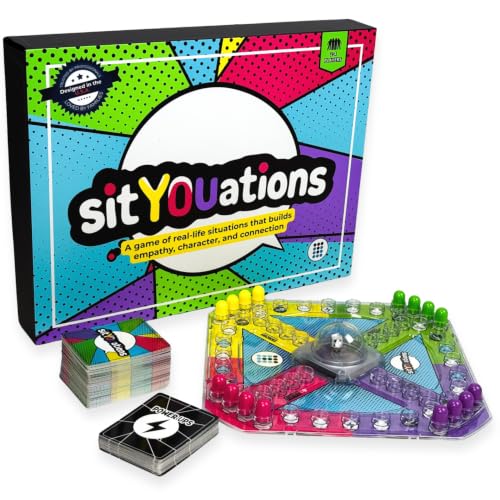
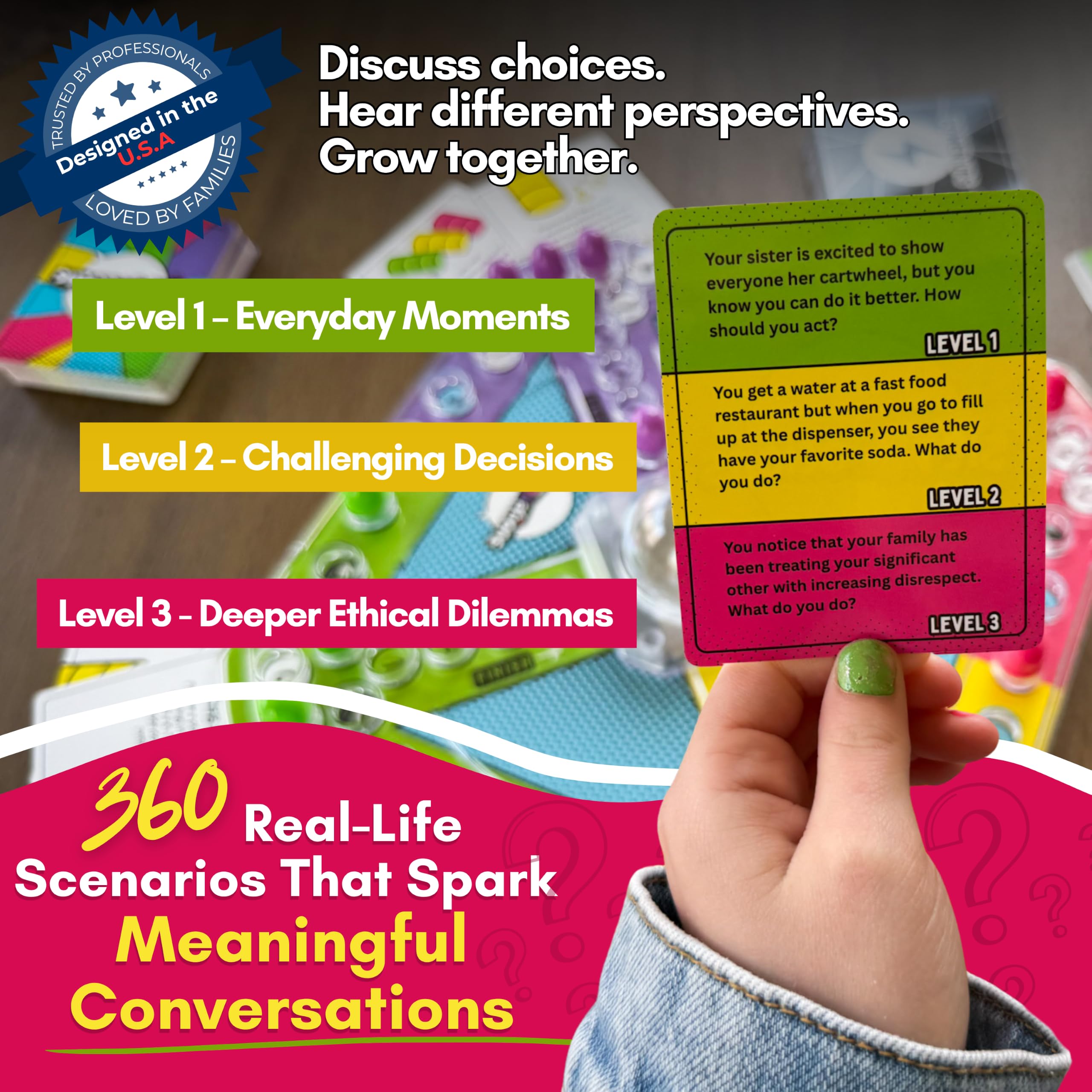
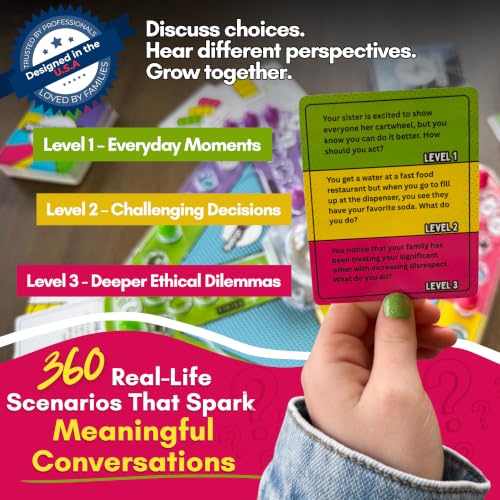
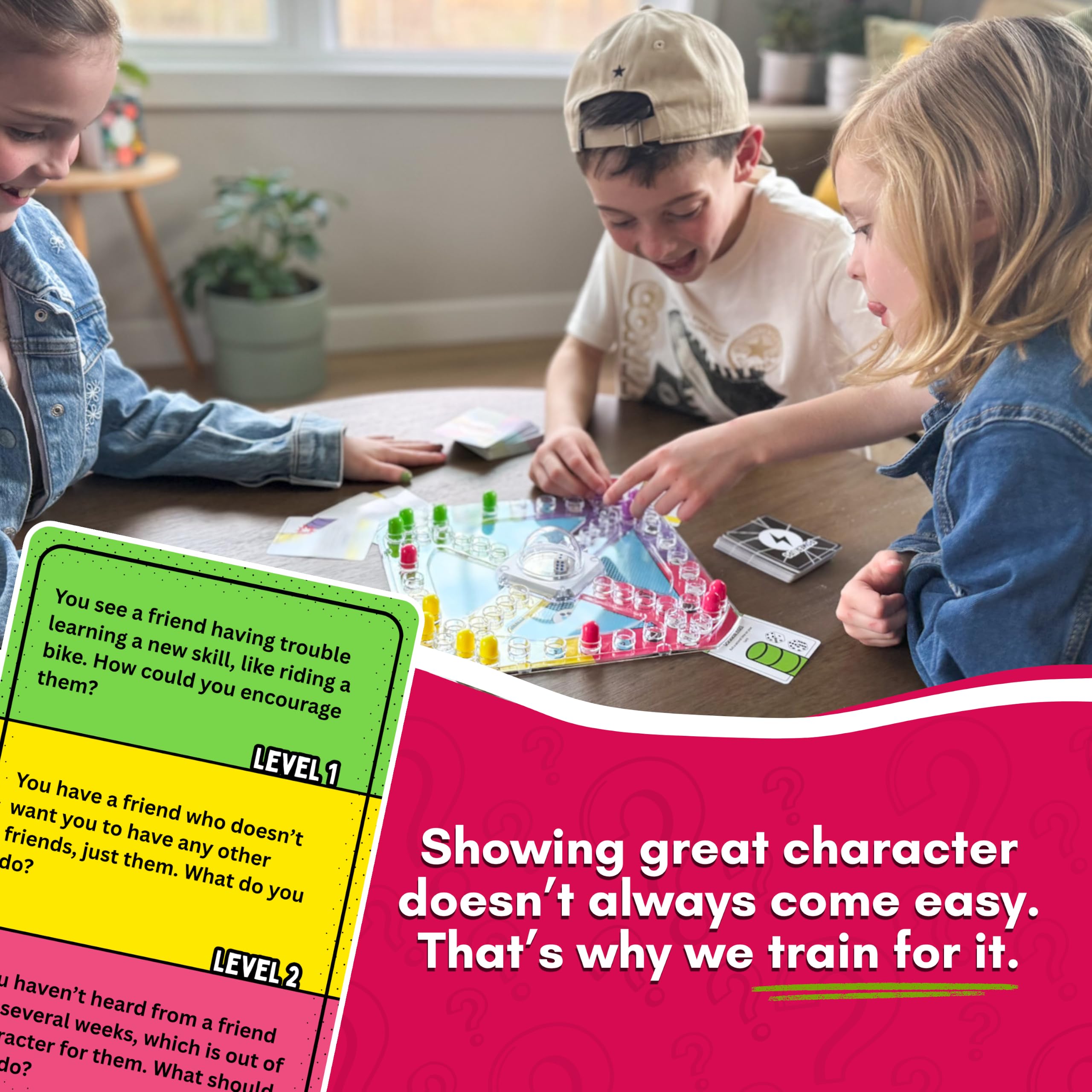
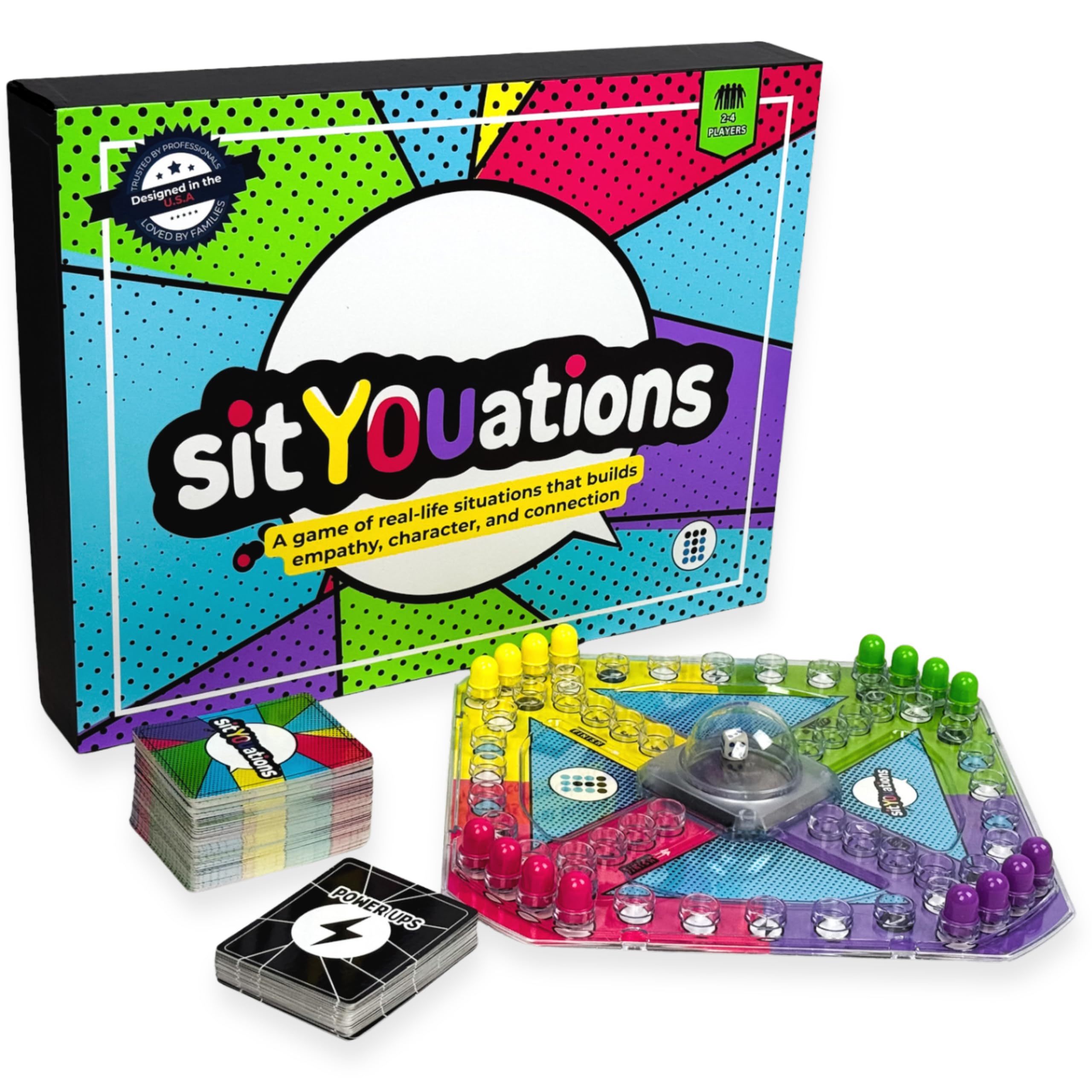
SitYOUations – Social Skills Board Game for Kids & Families | Character Building Game with Real-Life Situations | SEL Counseling & Therapy Game for Classroom, Groups & Family Game Night
- REAL-LIFE SITUATIONS THAT BUILD CHARACTER & CONNECTION — A GAME THAT GETS PEOPLE TALKING: sitYOUatations chall
- 360 REAL-LIFE SITUATIONS — ENDLESS DISCUSSIONS & NEW PERSPECTIVES: Includes 120 cards with 360 scenarios acros
- BOARD GAME PLAY WITH POWER-UPS — FUN, ENGAGING, AND INTERACTIVE: Move around the board, draw situation cards,
SitYOUations is a strong pick here because its 360 scenario cards force kids to talk through dilemmas out loud rather than just answer multiple choice style. That verbal processing is exactly the skill that transfers to the playground.
For younger preschoolers just starting to name emotions, something visual and matching based works better than a discussion heavy game.


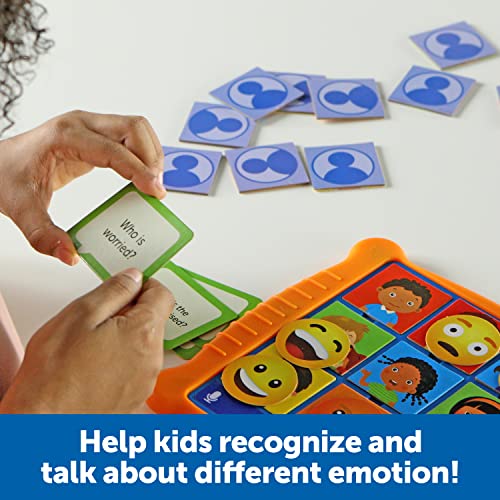

Who's Feeling What? ,Social Emotional Learning Games, Communication Games for Kids, Emotion Toys, Feeling Toys for Kids, 49 Pieces, Age 3+
- Spot the Face, Spot the Emotion: Inspired by distance learning, this social-emotion learning game and activity
- Never the Same Activity Twice: With 12 double-sided caller cards and 12 double-sided emotion prompt cards, thi
- A Fun Way to Talk About Feelings: Ready for use at home or in the classroom, Who’s Feeling What? comes with an
Who's Feeling What? uses a simple face matching mechanic that even a 3 year old can grasp, which makes it a solid entry point before moving to more conversation heavy games later.
For elementary aged kids who've outgrown the youngest games but still need explicit practice, Junior Learning's Social Skills Board Games set style scenario play (targeting ages 5 to 8) covers empathy, manners, and friendship building in a format that feels like a game night, not a lesson.


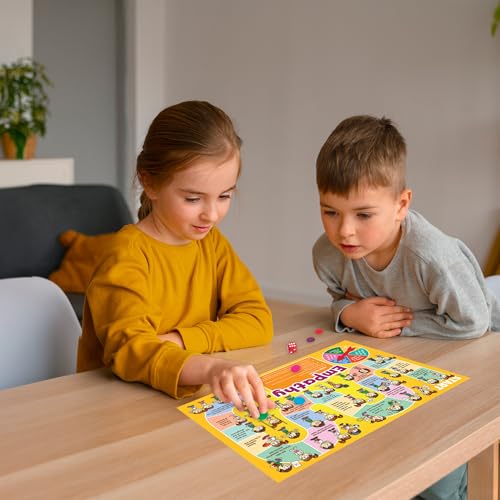

Junior Learning Social Skills Board Games, 4 Games for Kids Ages 5-8
- Targets the development of essential social skills such as empathy, friendship, manners, and emotional underst
- Versatile gameplay options, including action games and sentence-building games, ensure a rich, engaging experi
- Designed for children aged 5-8, aligning with educational standards for grades 1-2.
4. Daily Routines and Conversations That Build Empathy
The single most effective empathy building habit is narrating feelings out loud during everyday moments, not saving emotional conversation for a crisis. Kids build emotional vocabulary the same way they build any vocabulary: through repeated exposure in context.
Narrate, Don't Just Correct
Instead of "stop crying," try "you look really frustrated that the tower fell down." This does two things: it gives your child the word for what they're feeling, and it models that feelings are noticeable and nameable, not shameful.
When adults label emotions accurately and consistently, children develop a richer emotional vocabulary, which is directly linked to better peer relationships and fewer behavioral outbursts.
— Marc Brackett, PhD, Founding Director, Yale Center for Emotional Intelligence (2019)
Simple Daily Habits


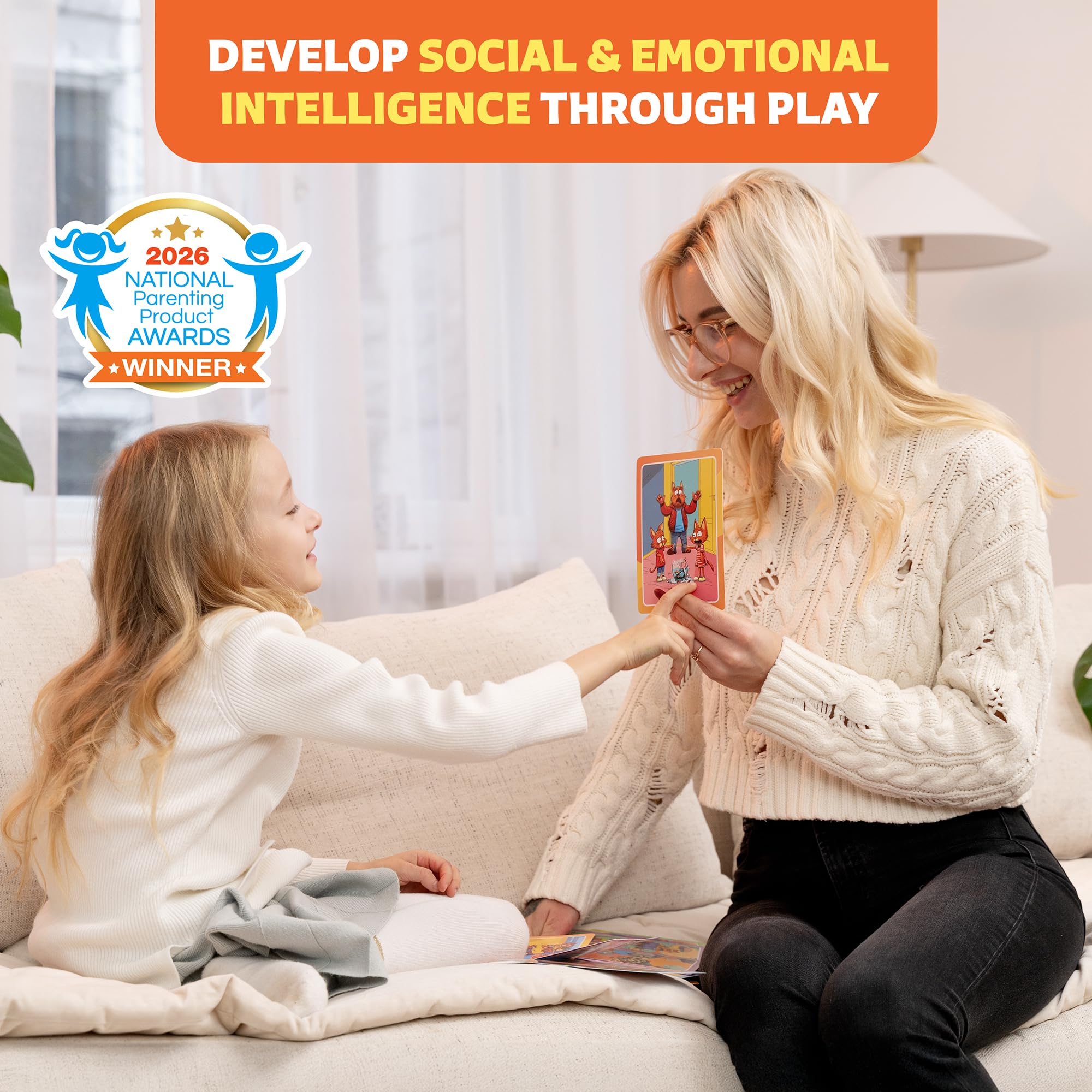
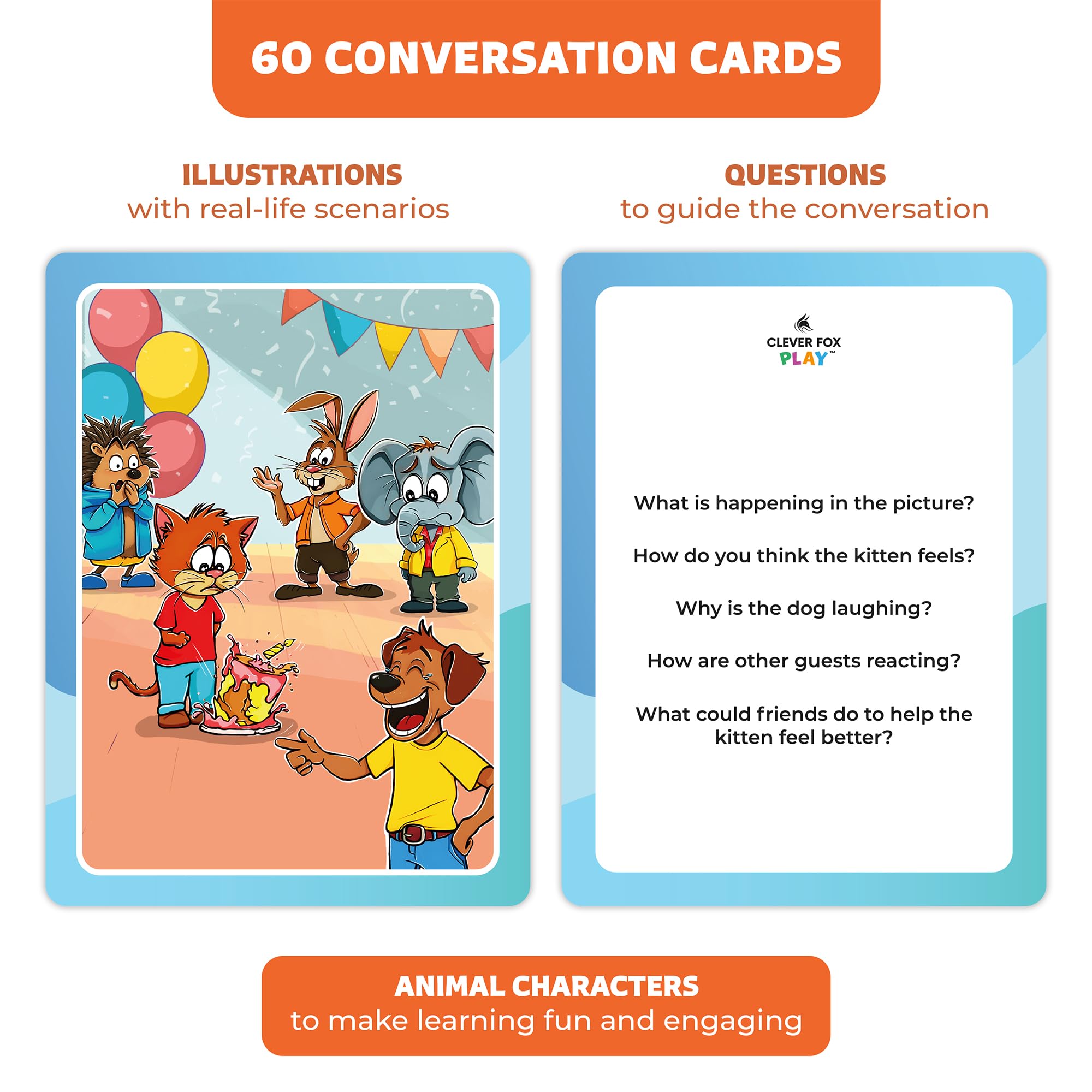
Who What Why Conversation Cards for Kids, Speech Therapy Materials, Ages 4+
- DEVELOP EMOTIONAL & SOCIAL INTELLIGENCE – Who What Why conversation cards for kids use friendly illustrations
- FOSTER OBSERVATION & CRITICAL THINKING – Each speech therapy card includes visual clues, such as characters’ e
- RELATABLE SCENARIOS WITH ANIMAL CHARACTERS – Featuring 60 relatable situations kids may encounter at home or s
Who What Why Conversation Cards work well for this exact purpose because they pair an illustration with an open ended question, which nudges kids past yes or no answers into actual reasoning about why a character feels a certain way.
Anxiety and social withdrawal are closely linked in young children, and if your child seems to avoid social situations out of worry rather than shyness, understanding the research on what actually drives childhood anxiety can help you tell the difference and respond appropriately.
5. Handling the Shy Child, the Aggressive Child, and the Anxious Child Differently
Not every child needs the same social coaching, because a shy child's struggle (fear of initiating) is nearly the opposite problem of an aggressive child's struggle (poor impulse control). Treating them the same way backfires.
The Shy or Slow to Warm Up Child
This child usually understands social rules just fine; they simply need more time to feel safe before engaging. Forcing them into the spotlight ("go say hi!") often backfires and increases anxiety.
The Physically Aggressive Child
This child often has the social intent right (they want to play) but lacks the impulse control to wait or ask. The fix is teaching a replacement behavior, not just punishing the hitting.
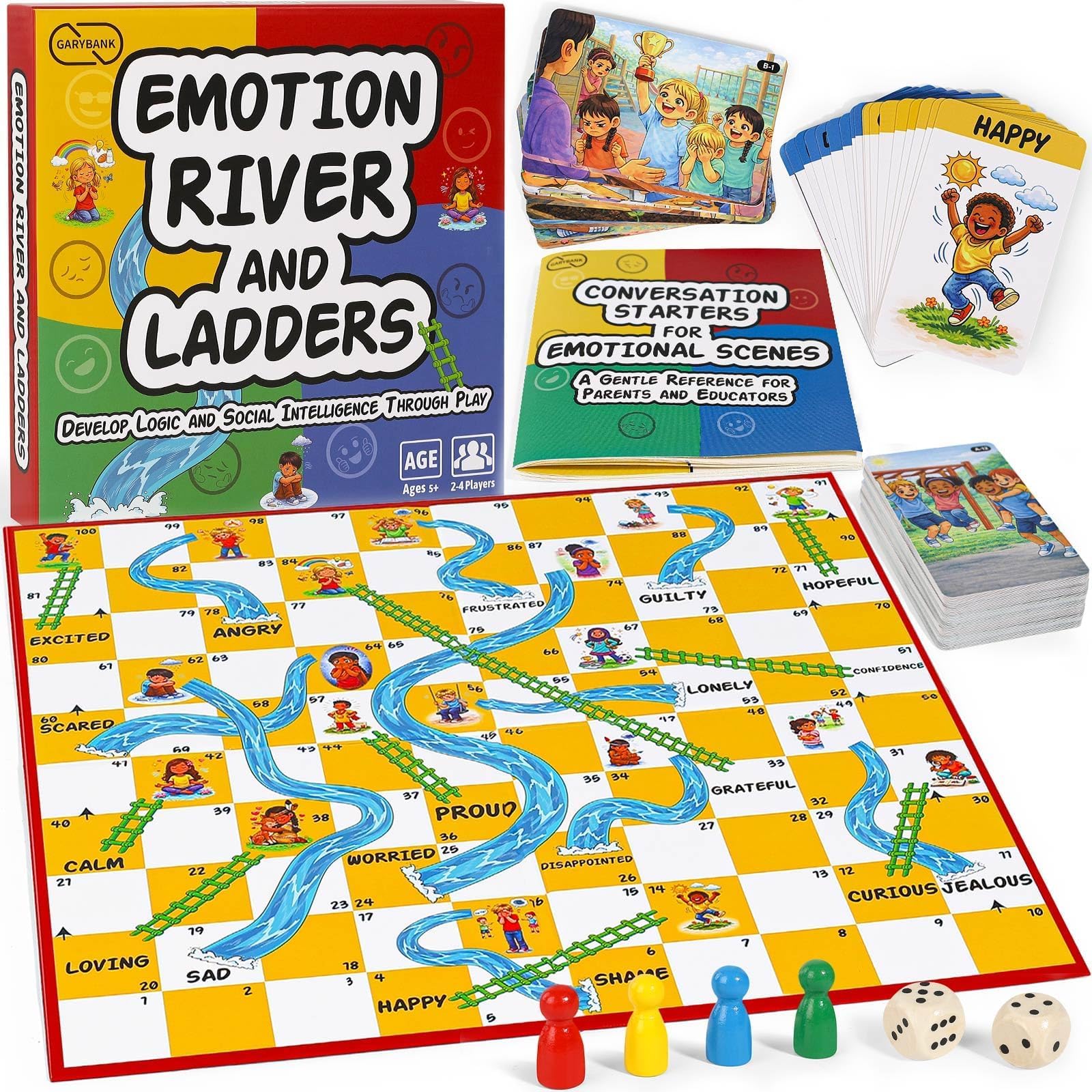
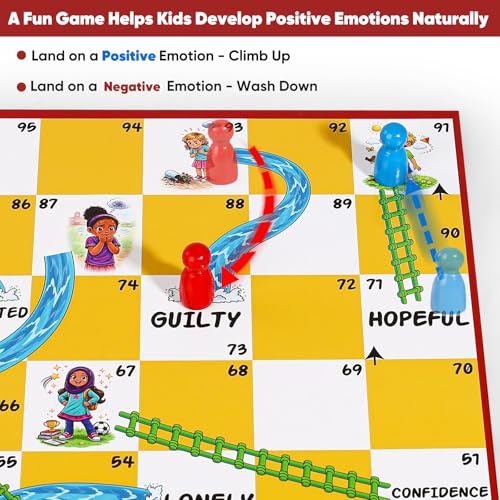
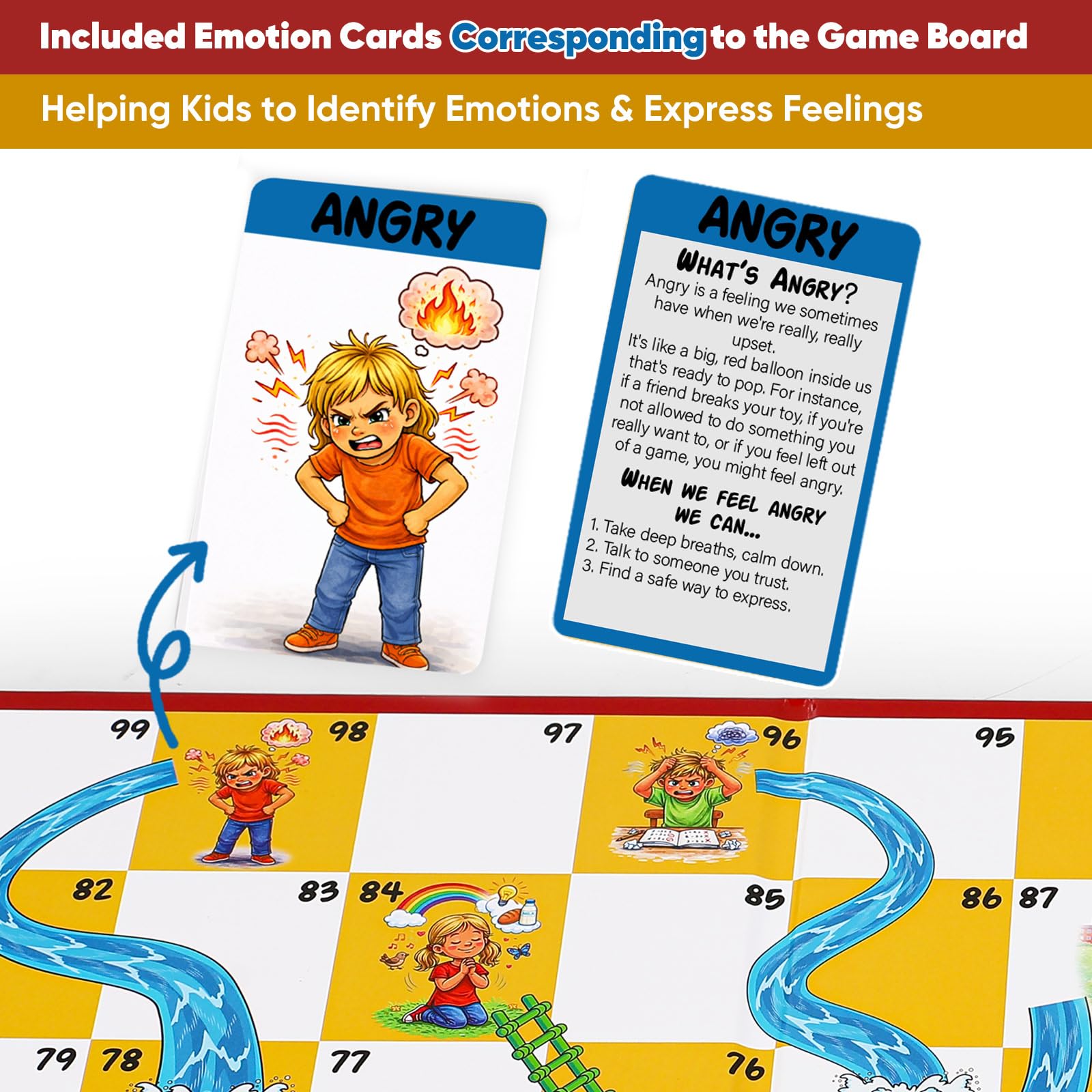
Garybank Social Emotional Skills Game for Kids - Emotion River and Ladders
- Boosts Social & Emotional Intelligence Skills: Guide children into situational dialogues through fun & engagin
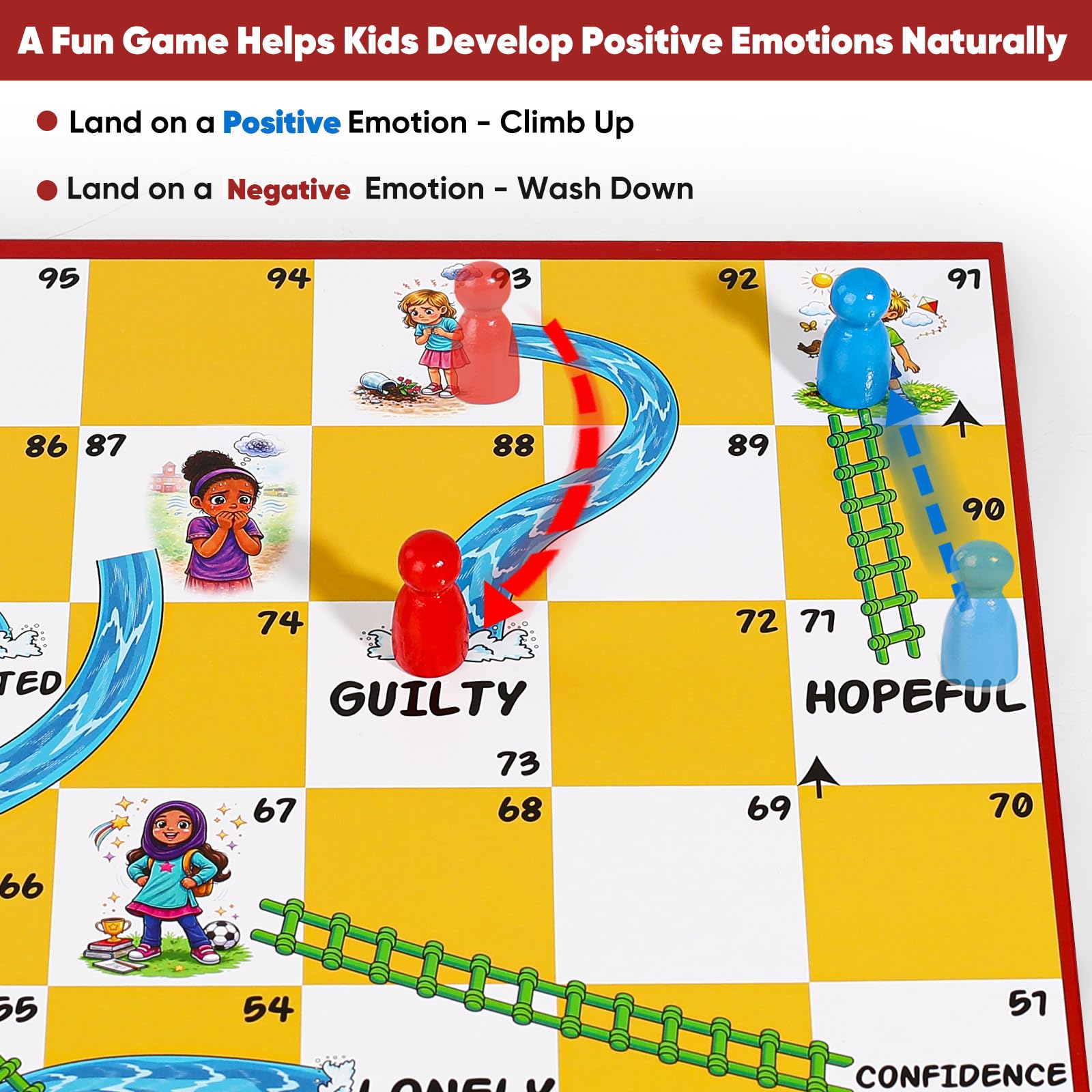
- Play, Learn, and Grow: A captivating classic chutes board game - When landing on a positive emotion square, cl
- Real-Life Scenarios with Relatable Kid Characters: Features 19 simple scenario cards corresponding to the boar
The Emotion River and Ladders game from Garybank is particularly useful here because landing on a "negative emotion" square sends the player down the waterfall, which gives kids a low stakes, game format way to see cause and effect for emotional choices without it feeling like a real world consequence aimed at them personally.
The Anxious or Withdrawn Child
Distinguish general shyness from anxiety by watching for physical symptoms (stomachaches, avoidance behaviors, meltdowns before social events). Anxious kids often need a slower, more structured reintroduction to group settings rather than more exposure all at once.
6. Building Social Skills Through Screen Time and Digital Tools (Done Right)
Screens can support social skill development only when they're used as a conversation starter with an adult present, not as a passive babysitter. This distinction matters more than almost any other rule around kids and devices.
What Actually Works
Shows and apps that model social problem solving (a character navigating a conflict, then resolving it) can prompt useful conversations if a parent pauses and asks "what do you think happens next?" Passive viewing without that interaction teaches almost nothing socially.
It's not just the amount of screen time that matters, but the context, content, and whether a caregiver is co viewing and engaging with the child.
— American Academy of Pediatrics, Media and Young Minds Policy Statement (2016)
A Few Ground Rules
If your family does use tablets as part of a balanced routine, choosing one built for durability and kid friendly content curation matters. A rundown of durable, affordable tablets built for preschoolers can help you pick one that won't survive one drop test and then die. And since the way we model our own phone use shapes how kids relate to us socially, it's worth reading how being visibly on your phone around your child affects your bond with them before assuming screens are only a kid problem.
| Approach | Best Age Range | Primary Benefits | Main Drawbacks | Recommended Product | Price Range |
|---|---|---|---|---|---|
| Emotion matching games | Ages 3 to 5 | Simple, visual, teaches basic feeling vocabulary | Limited depth for older kids | Who's Feeling What? Social Emotional Learning Game | $19 to $20 |
| Scenario discussion cards | Ages 4 and up | Builds reasoning, verbal processing, empathy | Needs adult facilitation at first | Who What Why Conversation Cards | $14 to $15 |
| Real life scenario board games | Ages 5 to 8 | Deep discussion, family bonding, character building | Longer play sessions, needs reading support | SitYOUations Social Skills Board Game | $32 to $34 |
| Multi game skill sets | Ages 5 to 8 | Variety keeps kids engaged, covers many topics at once | Some games stronger than others in the set | Junior Learning Social Skills Board Games, 4 Games | $13 to $15 |
| Larger multi topic game bundle | Ages 5 to 8 | Great value, classroom friendly, covers manners and emotions | Requires more storage space | Junior Learning 6 Social Skills Board Games Set | $22 to $24 |
| Chutes and ladders style emotion game | Ages 4 to 7 | Familiar format, low reading requirement, cause and effect | Shorter shelf life once mastered | Garybank Emotion River and Ladders Game | $22 to $24 |
Expert Insights on Preschool Social Development
Children who develop strong social and emotional skills in early childhood have better academic performance, mental health, and relationships throughout life.
— World Health Organization, Early Childhood Development Report (2020)
Frequently Asked Questions
Watching your child navigate a friendship, a shared toy, or a hurt feeling for the first time is one of those small, quiet miracles of parenting that nobody warns you about. It happens in ordinary moments, at the snack table, in the back seat of the car, over a board game on a rainy afternoon, not in a classroom. The truth is simple and worth remembering: every child learns to be a good friend the same way they learn to walk, through practice, stumbles, and someone patient standing nearby. If this piece helped you see a path forward, save it, share it with another parent who needs it, and come back to it the next time your child freezes up at a party.
Sources & References
- Centers for Disease Control and Prevention. "Positive Parenting Tips: Preschoolers." 2023. https://www.cdc.gov/ncbddd/childdevelopment/positiveparenting/preschoolers.html
- American Academy of Pediatrics. "The Power of Play: A Pediatric Role in Enhancing Development in Young Children." Clinical Report, 2018. https://publications.aap.org/pediatrics
- American Academy of Pediatrics. "Media and Young Minds." Policy Statement, 2016. https://publications.aap.org/pediatrics
- World Health Organization. "Nurturing Care for Early Childhood Development." 2020. https://www.who.int/publications/i/item/9789241514064
- Yale Center for Emotional Intelligence. Marc Brackett, PhD. "Permission to Feel." 2019.
- UCLA School of Medicine. Dan Siegel, MD. Research and publications on interpersonal neurobiology and child development.
Frequently Asked Questions
At what age should I start teaching social skills activities?
My preschooler refuses to share. Is this normal?
How do I know if my child's shyness is actually a social skills delay?
Are board games actually effective for teaching social skills, or is that marketing?
How much playdate time does my preschooler actually need for social development?
My child hits or bites during play. Should I stop all playdates?
Do screens ever help with social skills development?
Was this helpful?
Thanks — your feedback helps us pick what to write next.