Preschool Readiness Assessment: What It Really Checks at Ages 3 to 5
A preschool readiness assessment checks whether your child has the social, language, physical, and self care skills to handle a classroom setting, and most children develop these skills on a wide, normal timeline rather than a fixed checklist.

In this article
Picture this: it's the week before preschool starts, and you're watching your three year old struggle to pull on their own socks while wondering if every other kid in the class already knows their alphabet. You are not alone in that worry. According to the National Association for the Education of Young Children (NAEYC), readiness for early education is best measured across multiple domains, including physical, social, emotional, and cognitive development, not by academic milestones alone. That distinction changes how most parents should think about the whole assessment process.
This article walks through what preschool readiness assessments actually measure, how they're conducted, what the research says about timing, and what you can realistically do at home to support your child, whether they're headed to preschool in three months or three years.
What you'll understand after reading:
1. What Preschool Readiness Assessment Actually Measures
A preschool readiness assessment measures a child's development across several domains at once, not just what they know academically. Most tools used by paediatricians, early educators, and school districts look at five broad areas: language and communication, cognitive skills, social and emotional regulation, physical and fine motor development, and self care or adaptive behaviour.
The American Academy of Pediatrics (AAP) recommends developmental screening at specific well child visits (9, 18, 24, and 30 months), and many of those same tools inform conversations about preschool timing. This means the "assessment" your child undergoes may have started long before anyone mentioned the word preschool.
The Five Core Domains
- Language: Can your child follow two step instructions? Do they use sentences of four or more words? - Cognitive: Do they understand basic concepts like big and small, or notice patterns? - Social and emotional: Can they separate from a caregiver without prolonged distress, and take turns with another child? - Physical: Can they use stairs, hold a crayon with some control, and manage running or climbing safely? - Self care: Can they use the toilet with minimal help, wash their hands, and communicate basic needs?
School readiness is not simply a matter of what children know before entering school. It is also about their approaches to learning, their social and emotional development, and their physical well being.
— National Association for the Education of Young Children (NAEYC) (2019)
2. How Paediatricians Assess School Readiness
Paediatricians assess school readiness through structured developmental screening tools combined with direct observation and parent report, usually during a routine well visit rather than a separate appointment. The most commonly used validated tool in the US is the Ages and Stages Questionnaire (ASQ 3), a parent completed checklist covering communication, gross motor, fine motor, problem solving, and personal social skills.
What Happens During the Visit
Your paediatrician will typically:
If a screening raises a concern, the next step is usually a referral for a more thorough developmental evaluation, not an automatic diagnosis. Speech delays are one of the most common flags raised at this stage, and if you're curious how new screening technology fits into this picture, some researchers are exploring whether AI tools can catch speech delays earlier than traditional checklists alone.
3. Social and Emotional Readiness: The Skill Everyone Underestimates
Social and emotional readiness is, according to most early childhood researchers, the single strongest predictor of how well a child adjusts to a classroom setting, more so than early academic skills like letter recognition. This is the domain parents most often overlook because it doesn't show up on a flashcard.
What Social and Emotional Readiness Looks Like
A landmark study published by researchers at Vanderbilt University found that children with stronger self regulation skills at kindergarten entry had significantly better academic outcomes years later, even after controlling for early literacy and numeracy skills. Emotional readiness isn't a "soft skill" add on, it is foundational.
Children's early social and emotional competence predicts their academic performance more reliably than their early reading or math scores.
— Vanderbilt University, Peabody Research Institute (2015)
This is closely tied to how children learn in the first place. Preschoolers absorb most of their early skills through unstructured, child led play rather than direct instruction, which is exactly why block towers and pretend kitchens matter as much as worksheets during these years.
Anxiety in young children often gets mislabeled as a behaviour problem rather than an emotional readiness gap. If separation distress feels intense or prolonged, it's worth reading what recent research says about the actual roots of childhood anxiety before assuming your child simply needs more discipline around drop off.

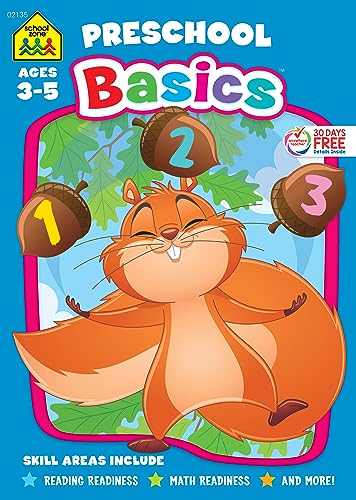


School Zone Preschool Basics Workbook: 32 Pages, Preschool, Kindergarten, School Readiness, Opposites, Beginning Sounds, Counting, Ages 3 to 5
- Children's Books
- Growing Up & Facts of Life
- Friendship, Social Skills & School Life
4. Fine Motor and Physical Readiness Milestones
Fine motor readiness for preschool means your child can hold and control small tools like crayons and scissors with enough coordination to participate in classroom activities, and physical readiness means basic gross motor skills like climbing, running, and managing stairs safely.
Fine Motor Benchmarks by Age 3 to 4
Gross Motor Benchmarks
The CDC's "Learn the Signs. Act Early." program lists these milestones publicly and notes that missing several markers by age 4 warrants a conversation with your paediatrician, though the CDC is also clear that children develop these skills at genuinely different rates.
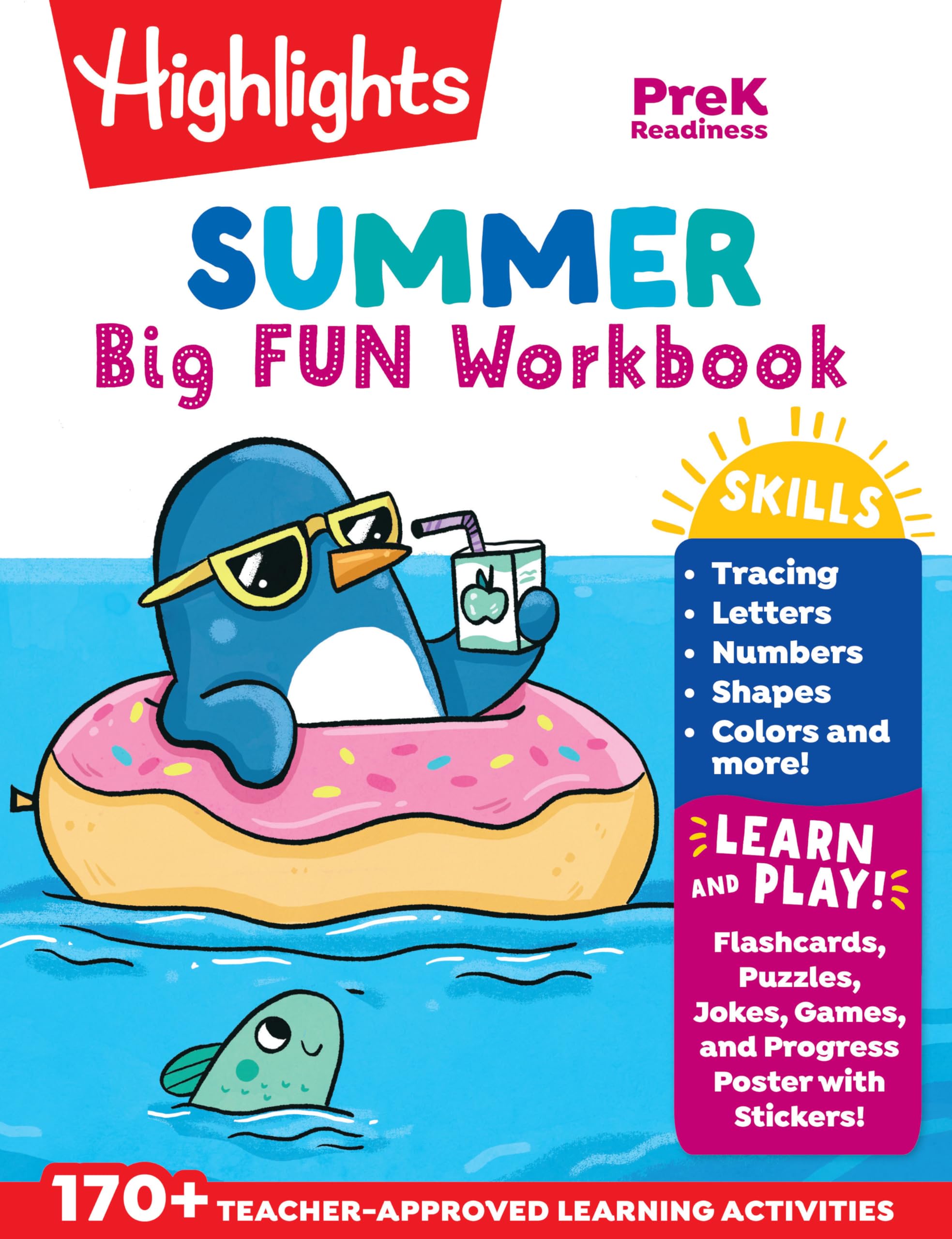
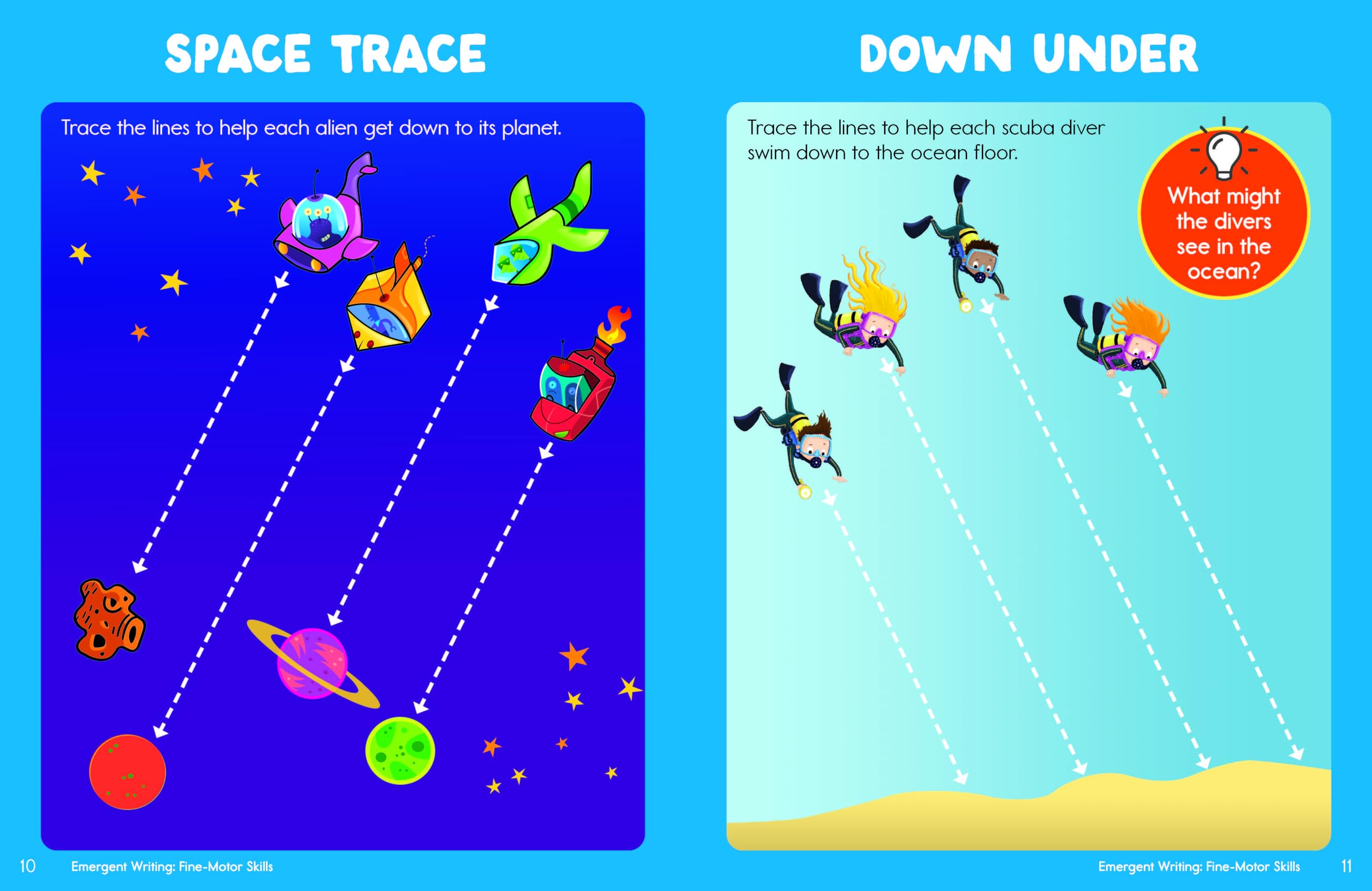
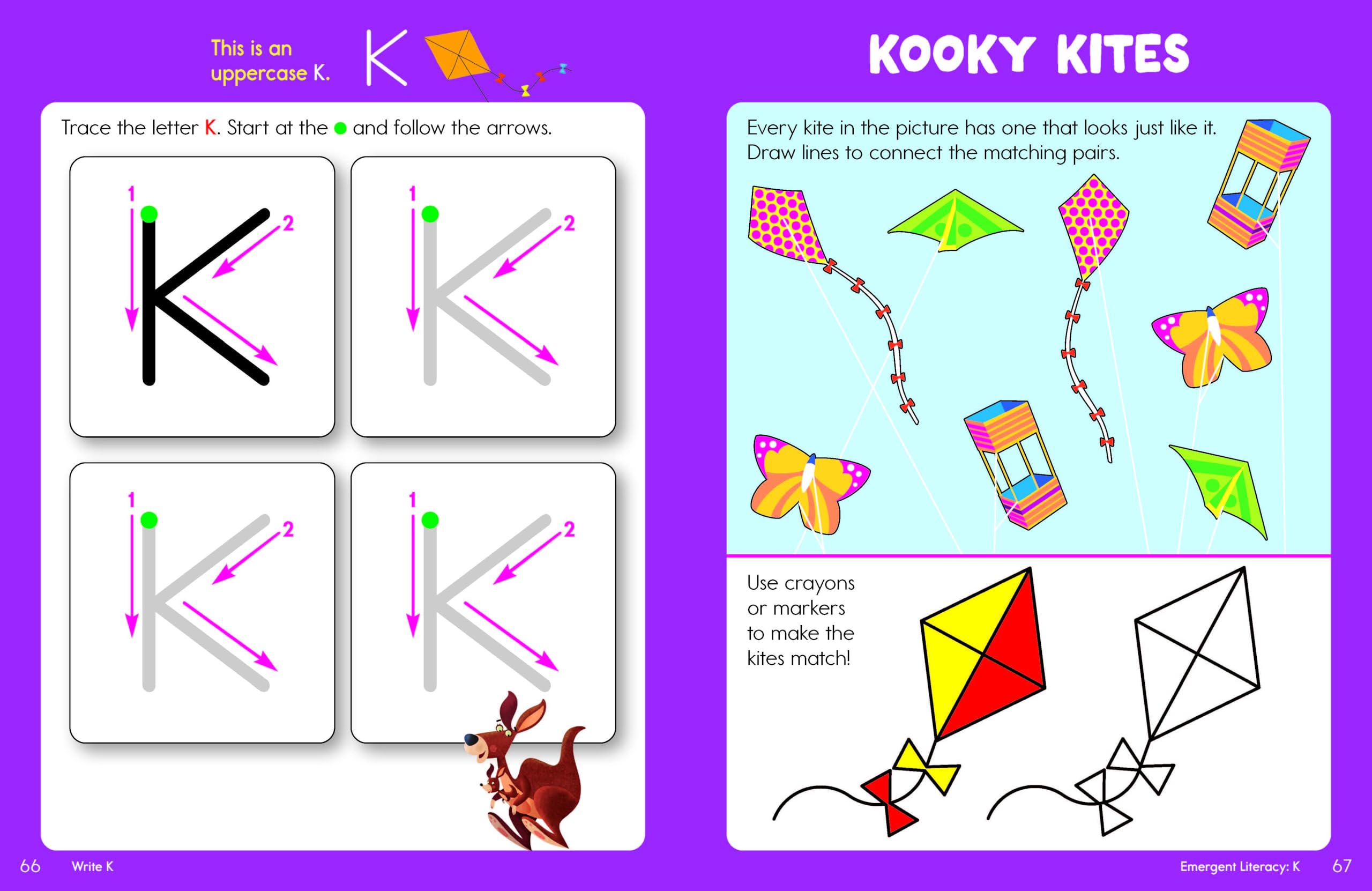
Summer Big Fun Workbook Preschool Readiness: Summer Preschool Learning Activity Book with Letter Tracing, Writing Practice and More for Kids Ages 3-5 (Highlights Summer Learning)
- Children's Books
- Growing Up & Facts of Life
- Friendship, Social Skills & School Life
Structured workbooks can still be a helpful supplement once your child shows interest in tracing and writing on their own. The Kindergarten Readiness Preschool Workbook offers step by step activities that build pencil control gradually rather than all at once, which tends to suit children who get frustrated with tasks that feel too hard too fast.
5. Cognitive and Language Milestones Before Preschool
Cognitive and language readiness for preschool means a child can understand and follow simple multi step directions, use sentences to express needs, and grasp early concepts like counting, colours, and categories, typically developing rapidly between ages 2 and 4.
Language Readiness Checklist
Cognitive Readiness Checklist
Kindergarten readiness builds directly on these preschool foundations, and the research is fairly consistent that gaps present at kindergarten entry tend to persist. If you want to understand why early readiness scores predict outcomes years down the line, it's worth reading alongside this section, since the two assessments overlap heavily in what they measure.
6. Self Care, Independence, and Daily Routine Readiness
Self care readiness means your child can manage basic bodily needs, hygiene, and daily routines with minimal adult help, and it is one of the most practical (and most overlooked) factors in how smoothly the first weeks of preschool actually go.
Self Care Skills Worth Building Before Day One
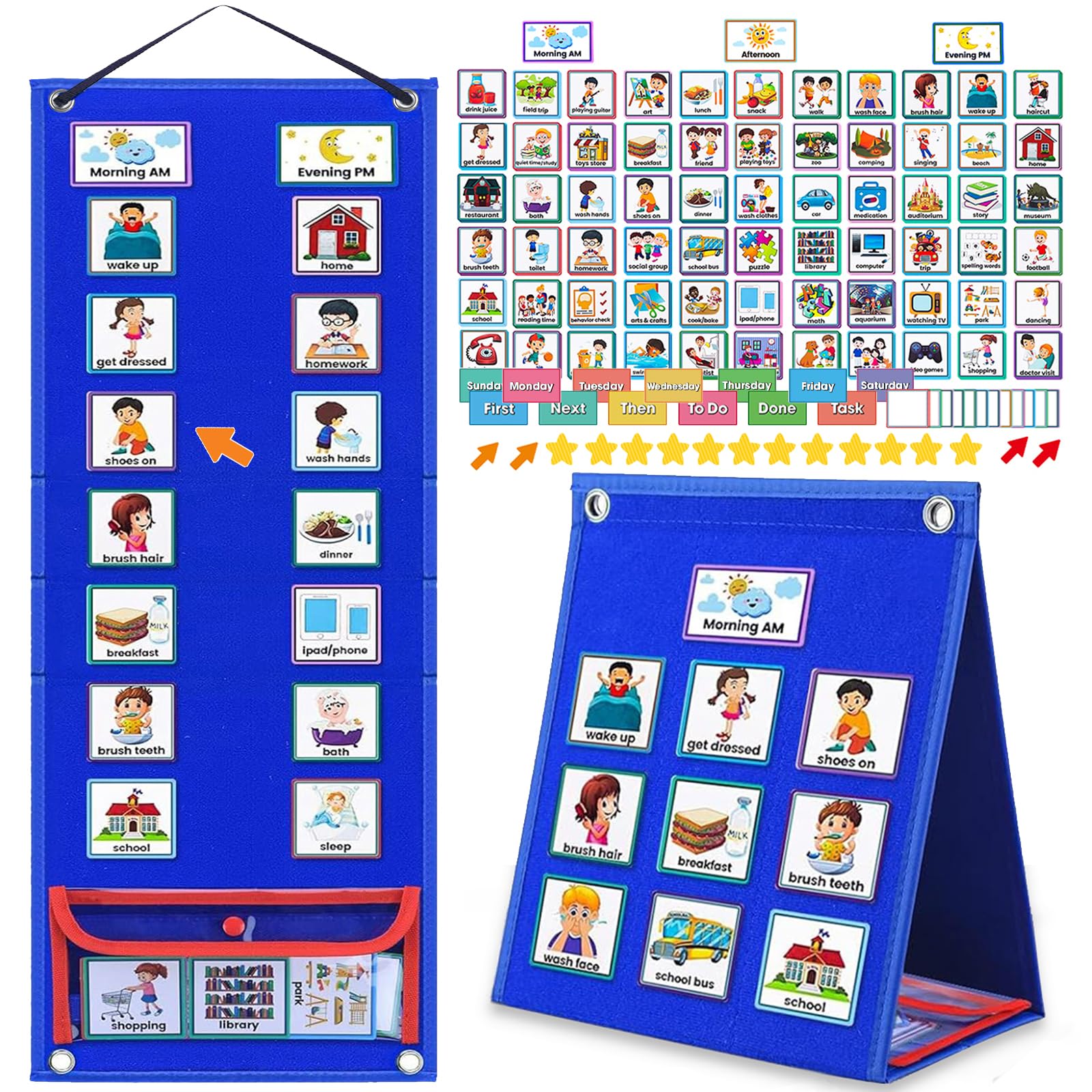
Many preschools have specific policies around toileting, and this is often the single biggest practical hurdle for families, more so than academic or social concerns. Sleep also plays a bigger role in readiness than most parents expect. A well rested child handles the sensory and social demands of a new classroom far better than an overtired one, and understanding how much sleep preschoolers actually need is a genuinely useful piece of preparation, not just a bedtime nicety.
If tablets are part of your routine already, choosing durable, genuinely kid friendly hardware matters, and a comparison of the best tablets built for preschoolers can help you pick one that survives daily use without becoming the default babysitter.
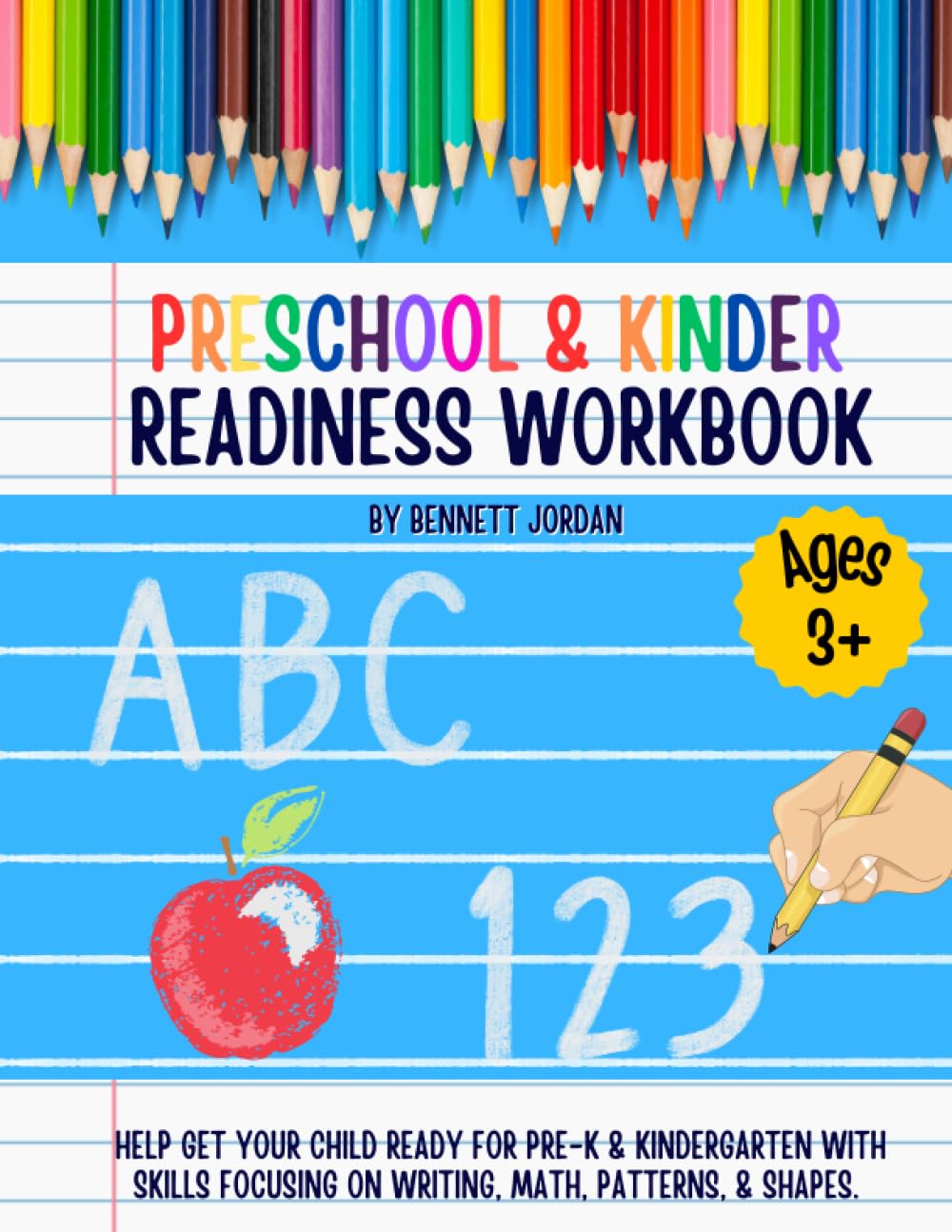
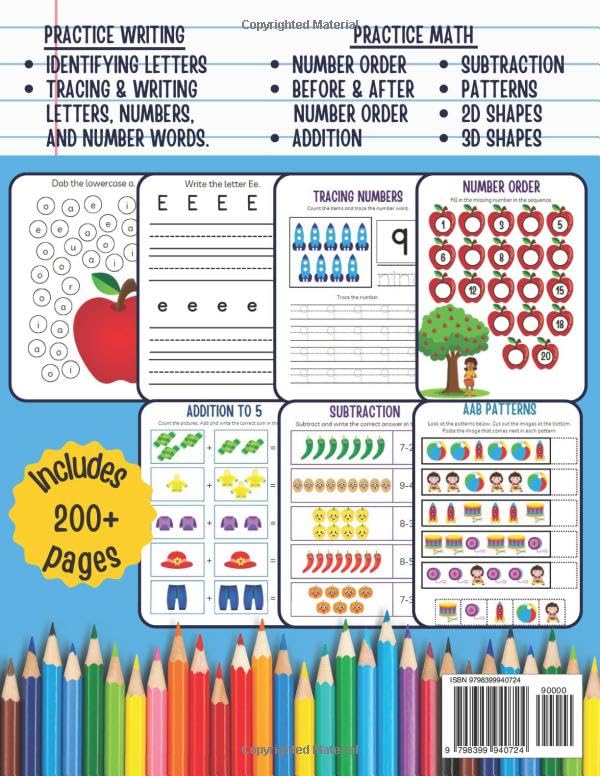
Preschool & Kinder Readiness Workbook: Help get your child ready for Pre-K & Kindergarten with skills focusing on writing, math, patterns, and shapes.
- Education & Teaching
- Schools & Teaching
- Homeschooling
Comparing Readiness Assessment Approaches
| Assessment Approach | Typical Age | What It Measures | Best For | Recommended Product | Price Range |
|---|---|---|---|---|---|
| Paediatrician screening (ASQ 3) | 2.5 to 4 years | Communication, motor, problem solving, social skills | Catching developmental delays early | School Zone Preschool Basics Workbook | $6 to $9 |
| Preschool teacher observation | 3 to 4 years | Classroom behaviour, peer interaction, listening skills | Real world classroom fit | Summer Big Fun Preschool Readiness Workbook | $8 to $12 |
| Home skills checklist | 2.5 to 5 years | Self care, fine motor, following routines | Everyday tracking by parents | Preschool and Kinder Readiness Workbook | $7 to $10 |
| Formal kindergarten readiness test | 4 to 6 years | Pre literacy, early math, classroom stamina | School entry decisions | Kindergarten Readiness Workbook | $8 to $11 |
| Speech and language evaluation | Any age with concern | Expressive and receptive language delays | Suspected speech delays | School Zone Kindergarten Basics Workbook | $6 to $9 |
| Progressive skill building workbook | 4 to 6 years | Literacy, math, pencil control across units | Structured home practice | Kindergarten Readiness Preschool Workbook | $9 to $13 |
Expert Insights
There's no version of this where your child needs to check every box perfectly before day one. Readiness is a direction, not a finish line, and the children who thrive in preschool are rarely the ones who arrived knowing the most, they're the ones who arrived curious, resilient, and supported by parents who paid attention early. If one sentence from this article sticks with you, let it be this: a child who can recover from a hard moment and ask for help is more ready than a child who can recite the alphabet but falls apart at the first bump in the day. Save this guide, share it with a co parent or grandparent helping with drop off, and revisit it as your child grows into each new stage.
Sources & References
- National Association for the Education of Young Children (NAEYC). "Defining School Readiness." 2019. naeyc.org
- American Academy of Pediatrics (AAP). "Developmental Surveillance and Screening of Infants and Young Children." Policy Statement, 2020. aap.org
- Centers for Disease Control and Prevention (CDC). "Learn the Signs. Act Early." Developmental Milestones. cdc.gov/ncbddd/actearly
- Center on the Developing Child, Harvard University. "Building Adult Capabilities to Improve Child Outcomes." harvardcenter.harvard.edu
- Peabody Research Institute, Vanderbilt University. "Self Regulation and Academic Achievement in Early Childhood." 2015.
- Children's Hospital of Philadelphia, Division of Developmental and Behavioral Pediatrics. "Language Development and Early Intervention." chop.edu
Frequently Asked Questions
What age should my child have a preschool readiness assessment?
Is it normal for my child to cry at drop off even if they're otherwise ready?
My child isn't potty trained yet, does that mean they aren't ready for preschool?
Should I be worried if my child doesn't know letters or numbers yet?
What's the difference between a readiness assessment and a developmental delay diagnosis?
Can workbooks actually help prepare my preschooler?
What should I do if the screening flags a concern?
Was this helpful?
Thanks — your feedback helps us pick what to write next.