
Screen-Free Summer for Kids: The Complete Parent Guide
A screen free summer is not only achievable for most families, it actively supports children's brain development, physical health, and social skills in ways that passive screen time simply cannot replicate.

In this article
Summer should feel expansive. Long afternoons, bare feet, the smell of sunscreen. But for a lot of families, it quietly collapses into a screen shaped holding pattern. According to the American Academy of Pediatrics (AAP), children between ages 8 and 12 are spending an average of four to six hours a day on screens outside of school. Over a ten-week summer break, that adds up to roughly 300 to 420 hours in front of a device. That is more time than most children spend in a school term.
This guide will help you understand why that matters, what the research actually says, and how to build a summer that your kids will genuinely enjoy without a screen in their hands. By the time you finish reading, you will know:
1. Why a Screen-Free Summer Actually Matters for Development
The single most important thing to understand is this: the problem is not screens themselves, it is what screen time replaces. When a child spends three hours watching videos, those are three hours not spent moving, creating, talking, or problem solving in the real world. That displacement effect is where the developmental cost lives.
The research here is consistent and worth knowing. A landmark study published in JAMA Pediatrics followed over 2,400 children and found that those who exceeded two hours of recreational screen time per day scored significantly lower on cognitive assessments, including tests of attention, memory, and language. The effect was not trivial. It was visible in brain imaging, too: kids with higher screen time showed measurable differences in cortical thickness in regions linked to literacy and attention.
It's not about the screens themselves — it's about what children are not doing when they're on screens.
— Jenny Radesky, MD, Developmental Behavioural Paediatrician, University of Michigan (2023)
What actually grows during screen free time
When children have stretches of unstructured time without a device, several things happen that are genuinely hard to replicate otherwise:
The World Health Organization recommends zero recreational screen time for children under two, no more than one hour per day for ages 2 to 5, and consistent limits for school age children. A screen free summer does not mean those limits permanently disappear come September. It means you use the summer as a reset, building habits that last well into the school year.
2. Understanding Your Child by Age: What Screen-Free Play Looks Like at Every Stage
A screen free summer looks completely different depending on whether you have a toddler, a seven year old, or a ten year old. Treating them all the same is how parents end up frustrated when activities fall flat.
Babies and toddlers (ages 0 to 3)
Babies need people, not programs. Face to face interaction, physical touch, and exploratory play with simple objects are the raw material of early brain development. For infants, screen free summer is simple: go outside every day, narrate everything you see, and let them touch grass, water, flowers, and sand.
Toddlers between one and three are in a sensory explosion phase. Water play, sand, playdough, simple art, and movement games tick every developmental box. The EPUMP Sea Shell Painting Kit idea translates beautifully at the beach: hand a toddler a shell and a brush with a little paint, and you have thirty minutes of genuine focus. For families looking for deeper strategies around screen time and digital wellness, there is a full resource worth bookmarking.
Early school age (ages 4 to 7)
This is the golden age of imaginative play. Children at this stage can sustain elaborate pretend scenarios for an hour or more. They love building, drawing, digging, chasing, and crafting. Sidewalk chalk becomes a whole city. A bucket of water and some brushes turns a patio into a painting studio. The key is providing enough materials and then stepping back.
Middle childhood (ages 8 to 12)
This group is the hardest to win over because they are the most habituated to screens and the most socially aware of what their peers are doing. The secret is making screen free activities feel genuinely cool rather than a consolation prize. Projects that produce something real, activities they can share or show off, and anything they can do with friends will land better than solo quiet crafts.
3. Outdoor Activities That Kids Will Actually Choose Over a Screen
Outdoor play is the single most powerful lever you have for a screen free summer, and the research backs this up firmly. A 2019 study from the University of Exeter found that children who spent at least two hours per week in natural settings had significantly better health and wellbeing scores than those who did not, regardless of socioeconomic background.
The challenge most parents face is not motivation, it is ideas. You know outdoor play is good. You just run out of things to suggest by day three. Here is a sustainable bank of activities organised by what you need versus what you get back.
No equipment needed
With a little kit
The Skillmatics Sidewalk Chalk Activity Kit is one of the best value outdoor purchases you can make this summer. It comes with 18 chalk sticks and 15 waterproof activity cards, so you are not just handing children sticks of chalk and hoping for the best. The cards include games, patterns, and drawing challenges that keep kids genuinely engaged for long stretches. At under fifteen dollars, it is an easy yes.


Skillmatics Sidewalk Chalk Activity Kit - Creative Outdoor Fun with 18 Washable Chalk Sticks, 15 Activities & Games for Kids, Gifts for Boys & Girls Ages 3, 4, 5, 6, 7, 8, 9, 10
- SIDEWALK CHALK ACTIVITY KIT: This kit includes 18 vibrant chalk sticks and 15 original games and activities th
- WHAT'S INSIDE: 18 Colorful Chalk Sticks & 15 Waterproof Activity Cards
- OUTDOOR FUN: Swap screen time for sunshine and encourage kids to transform ordinary sidewalks into dazzling ma
For something a little more spectacular, the JOYIN Big Bubble Wands Set delivers genuine awe for almost every age group. Giant bubbles hit something primal in children. Even jaded nine year olds will chase a three-foot bubble across a lawn. The set includes 18 wands in different sizes, a bubble tray, and concentrated solution, so you are set for the whole summer with one purchase.
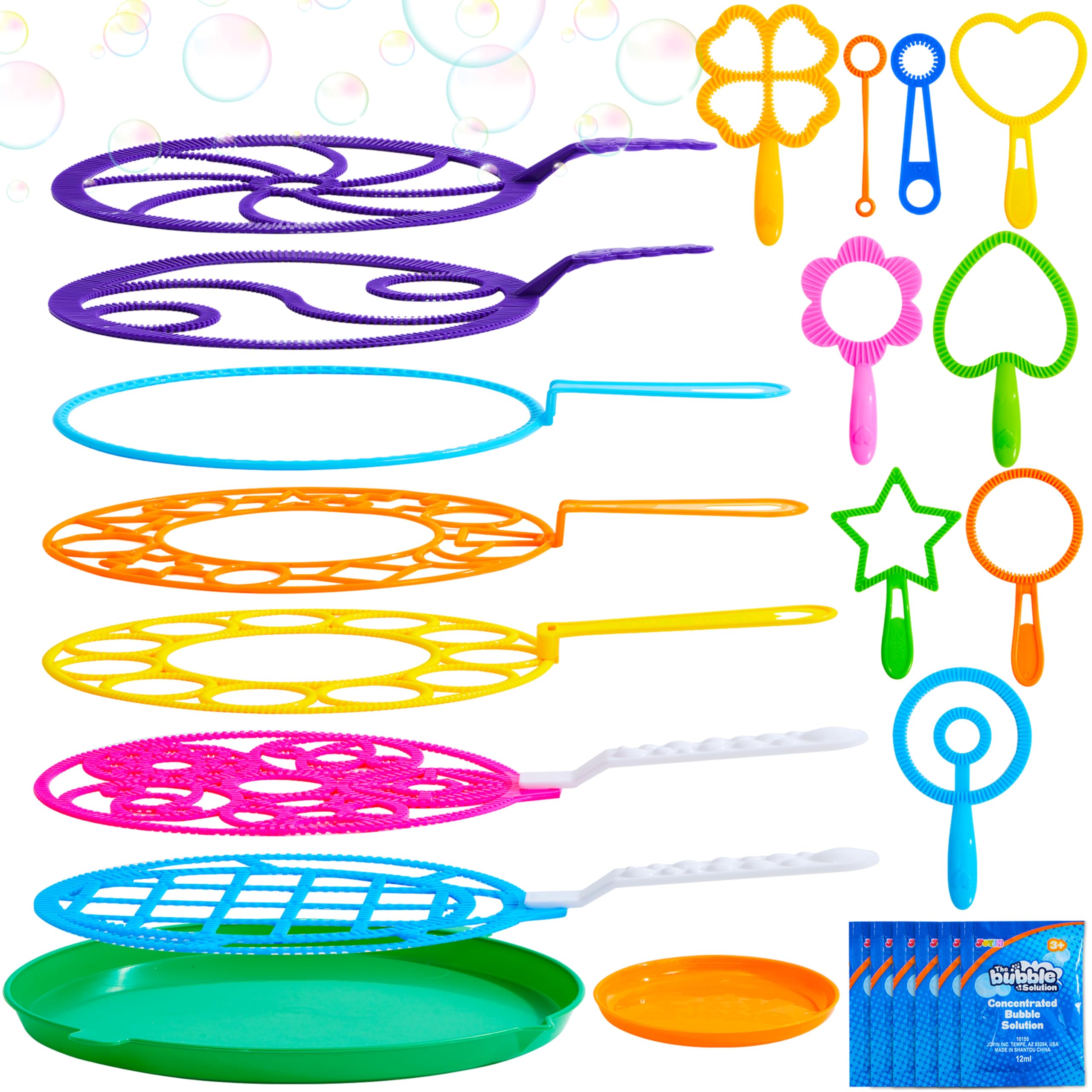

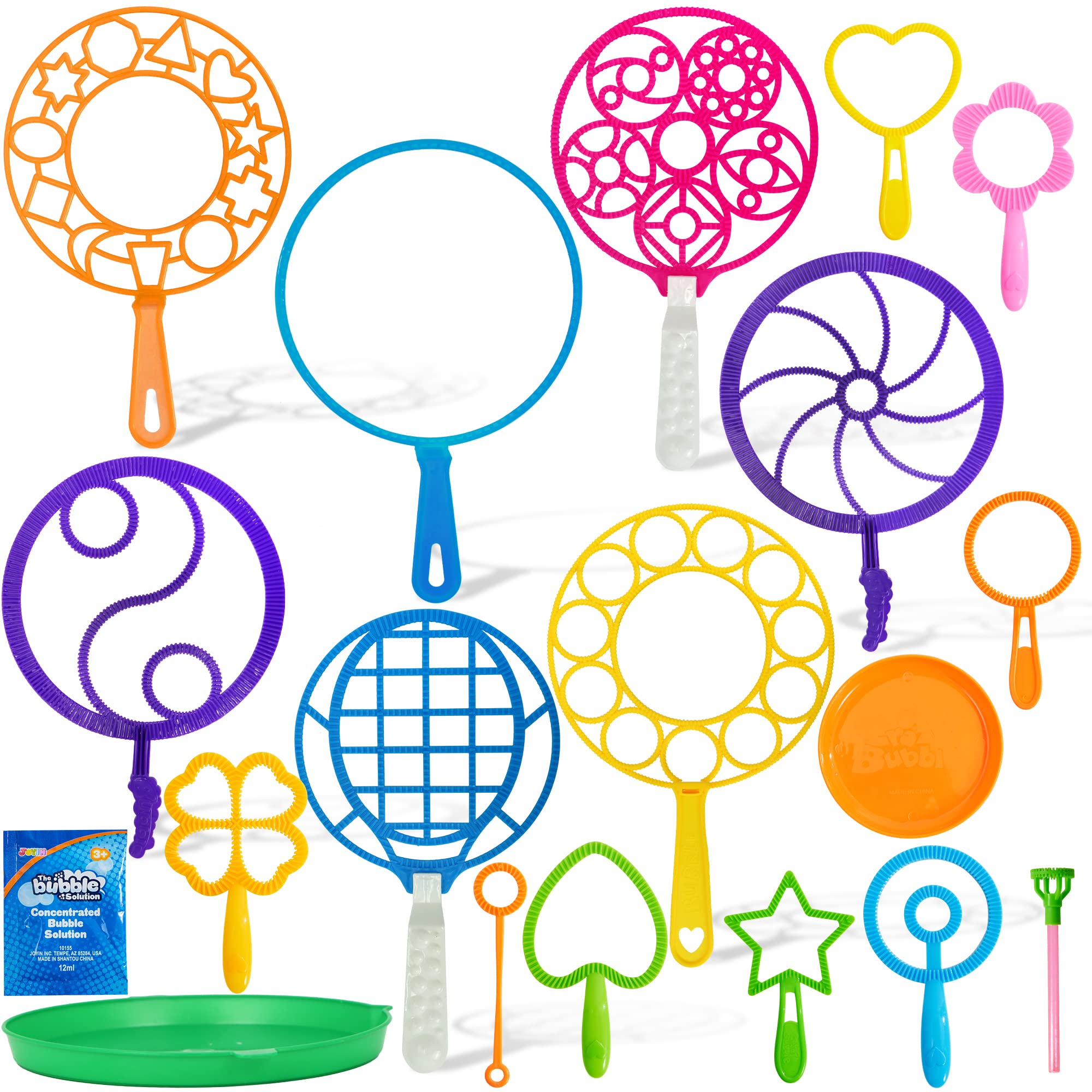


JOYIN Big Bubble Wands Set Bulk for Kids Summer Outdoor Toy Game Activity Party Favors, 18 Pcs Giant Bubble Maker with Tray, 12" Large, 6 Pcs Solution Suitable for All Age People
- SUPER VALUE PACK. Our big bubble wands for kids Summer Bubble Wands Set includes 18 pieces of bubble wands in
- Easy To use. The Biggest bubble maker with tray tools: about 7.1*12.2 inches, Middle size bubble wand: about 8
- MULTI SCENE USE. Our assortment of bubble wands creates big, funny bubbles for events like weddings, birthday
4. Creative and Craft Activities That Build Real Skills
Arts and crafts often get dismissed as a rainy day backup plan, but the evidence for their developmental value is solid. Craft activities build fine motor skills, teach children to plan and follow steps, develop patience, and produce something the child is genuinely proud of. That pride matters. It is a form of intrinsic motivation that no app can replicate.
The important thing is to choose projects that match the child's developmental stage and that result in something tangible. "Here is some paper and some pens" works for ten minutes. A project with stages and an end product works for an afternoon.
Craft projects by age and outcome
For ages 6 and up, the Dan&Darci Stepping Stones Painting Kit is one of the most satisfying craft products available right now. Each of the five stones (a unicorn, heart, medallion, turtle, and emoji) comes with its own set of seven paint colours and two brushes. The stones feel genuinely stone-like, and when finished, children place them in the garden. They become permanent. That sense of "I made something that lives in our garden now" is enormously powerful for a child's sense of competence and self esteem.


Dan&Darci Stepping Stones Painting Kit for Kids, 5 Paint Your Own Garden Stones with Paints and Brushes, Crafts for Kids Ages 6-8
- STEP INTO A MAGICAL WORLD: Unleash creativity with five unique stepping stone designs - Unicorn, Heart, Medall
- ALL-IN-ONE KIT: No need to buy anything extra! Each stepping stone comes with its own set of 7 vibrant paint c
- AUTHENTIC STONE TEXTURE: Elevate your decor with stepping stones that feel just like real stone. Paint-ready a
The EPUMP Sea Shell Painting Kit takes a similar idea in a beach direction. It includes 12 shells, standard paints, glow in the dark paints, metallic paints, glitter glues, and modelling clay. The glow in the dark element is genuinely exciting for ages 6 to 12: children paint their shells in the afternoon, then discover them glowing at night. That reveal moment is worth everything.
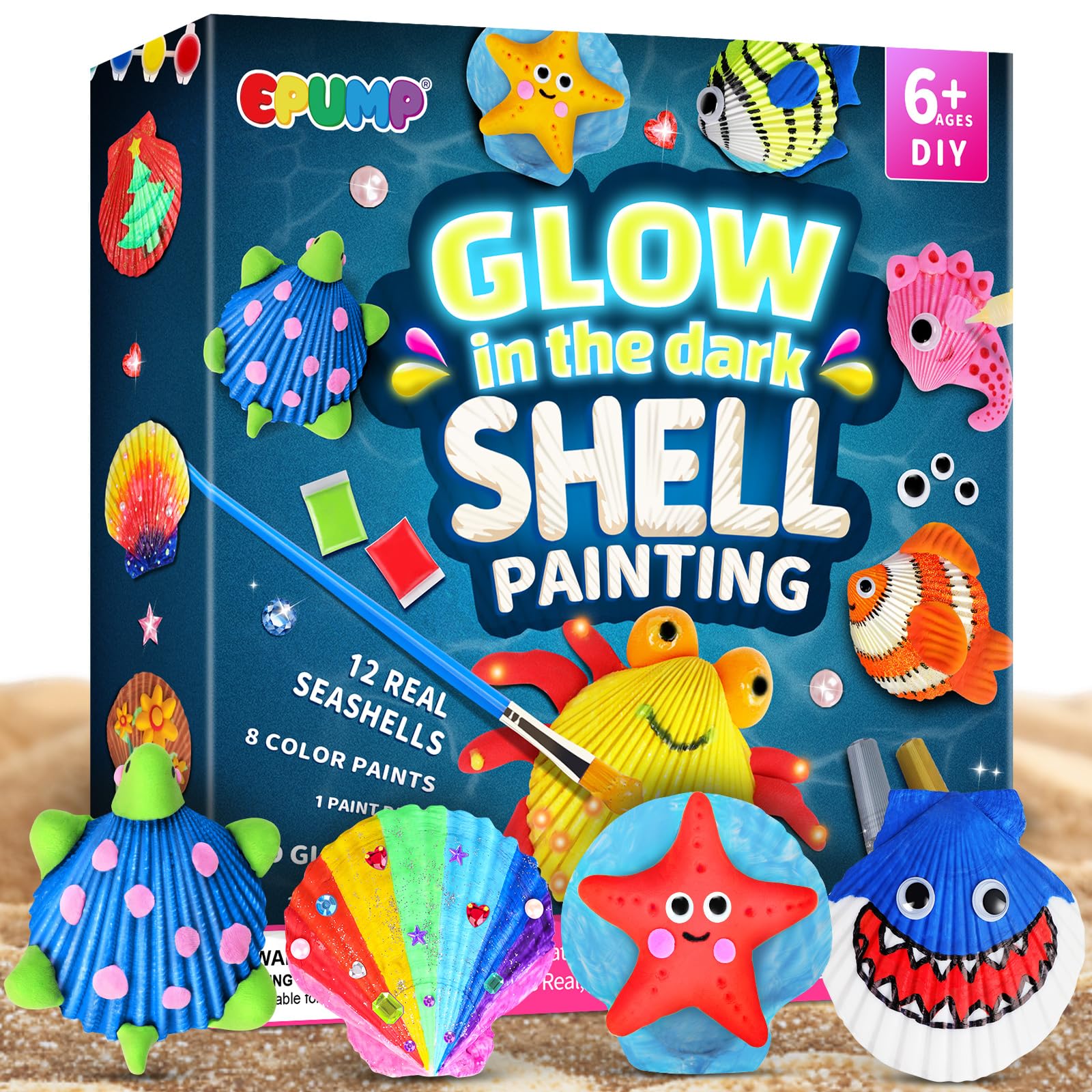

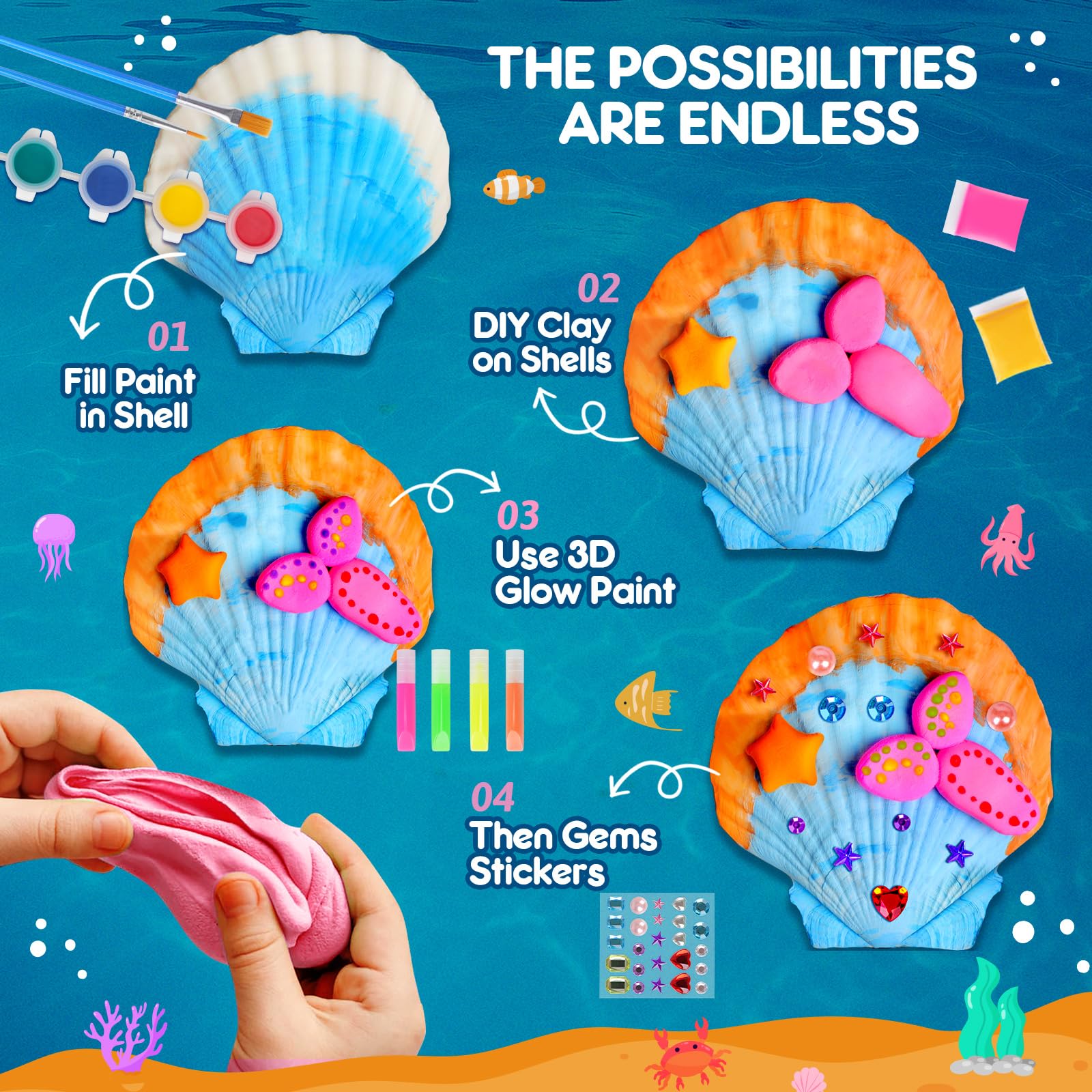
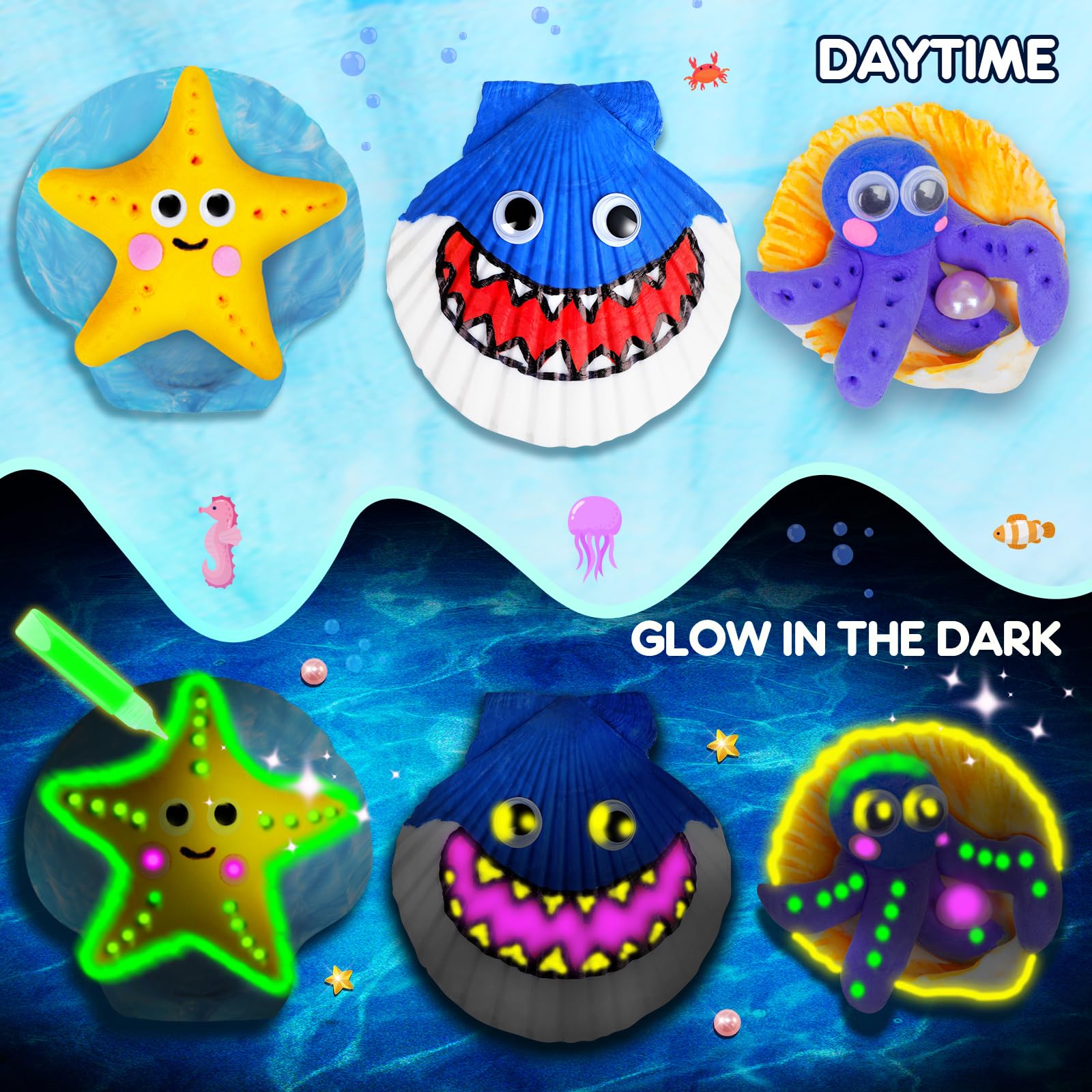
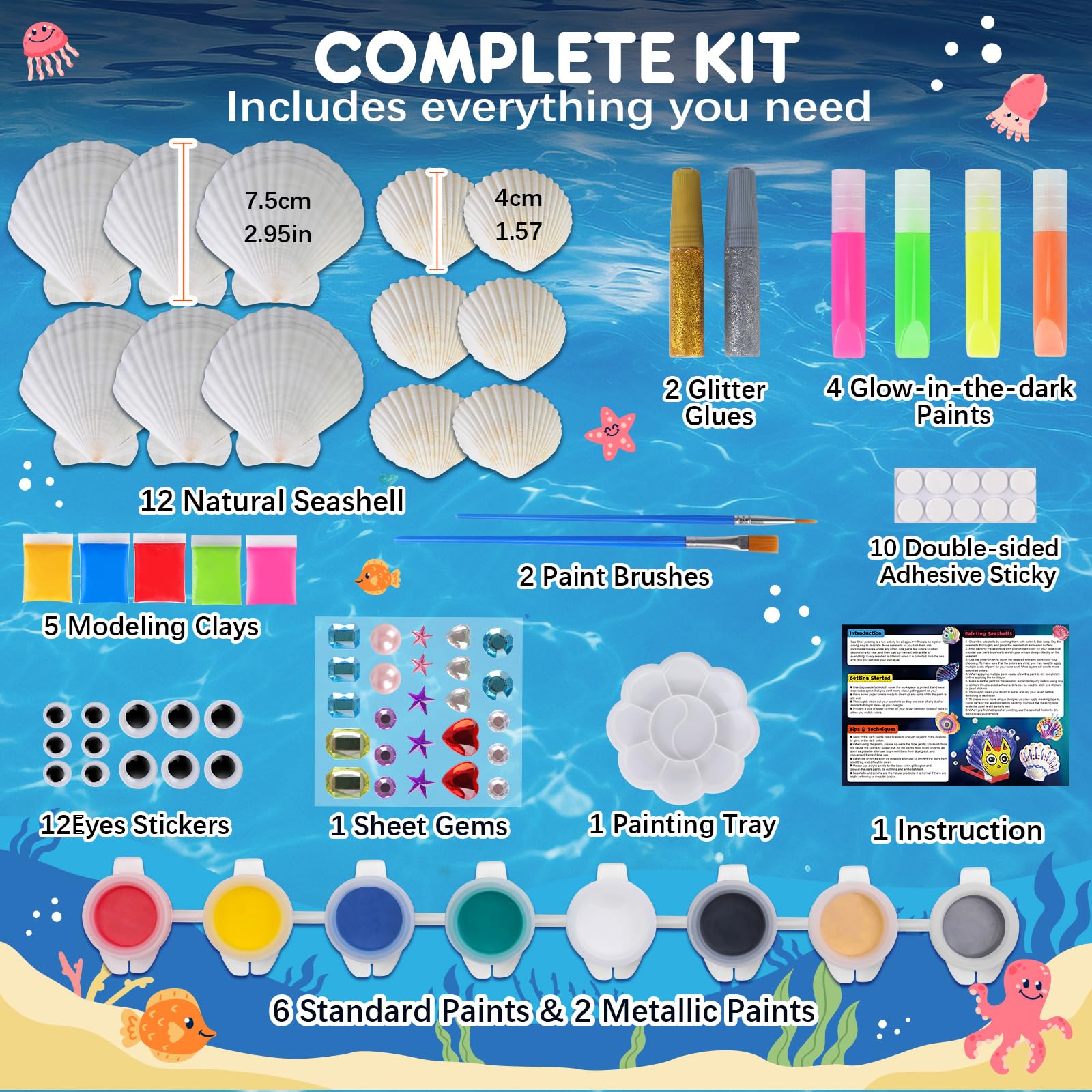
EPUMP Sea Shell Painting Kit for Kids - Glow in the Dark Beach Toys and Summer Crafts, Arts and Crafts Kit Creative DIY Indoor Outdoor Activity Toy Birthday Gift for Boys Girls Age 6 7 8 9 10 11 12+
- 【Glow in the Dark Craft Kits】Watch your child’s ideas come alive! Turn ordinary seashells into glowing treasur
- 【Complete Kids Crafts】This all-in-one DIY arts and crafts for kids ages 8-12 comes with 12 seashells, 6 standa
- 【Create, Play and Learn】Let kids imagination run wild on seashells! This painting kit is perfect for young art
For a group activity or something to do with neighbours' children, the 4E's Novelty DIY Pinwheels Craft Kit comes with 24 pinwheels to colour and assemble. Each child decorates their own, assembles it, and then runs outside to see it spin. It bridges the craft table and the outdoors beautifully, and at 24 pinwheels per pack, it is ideal for playdates, camps, or birthday parties.

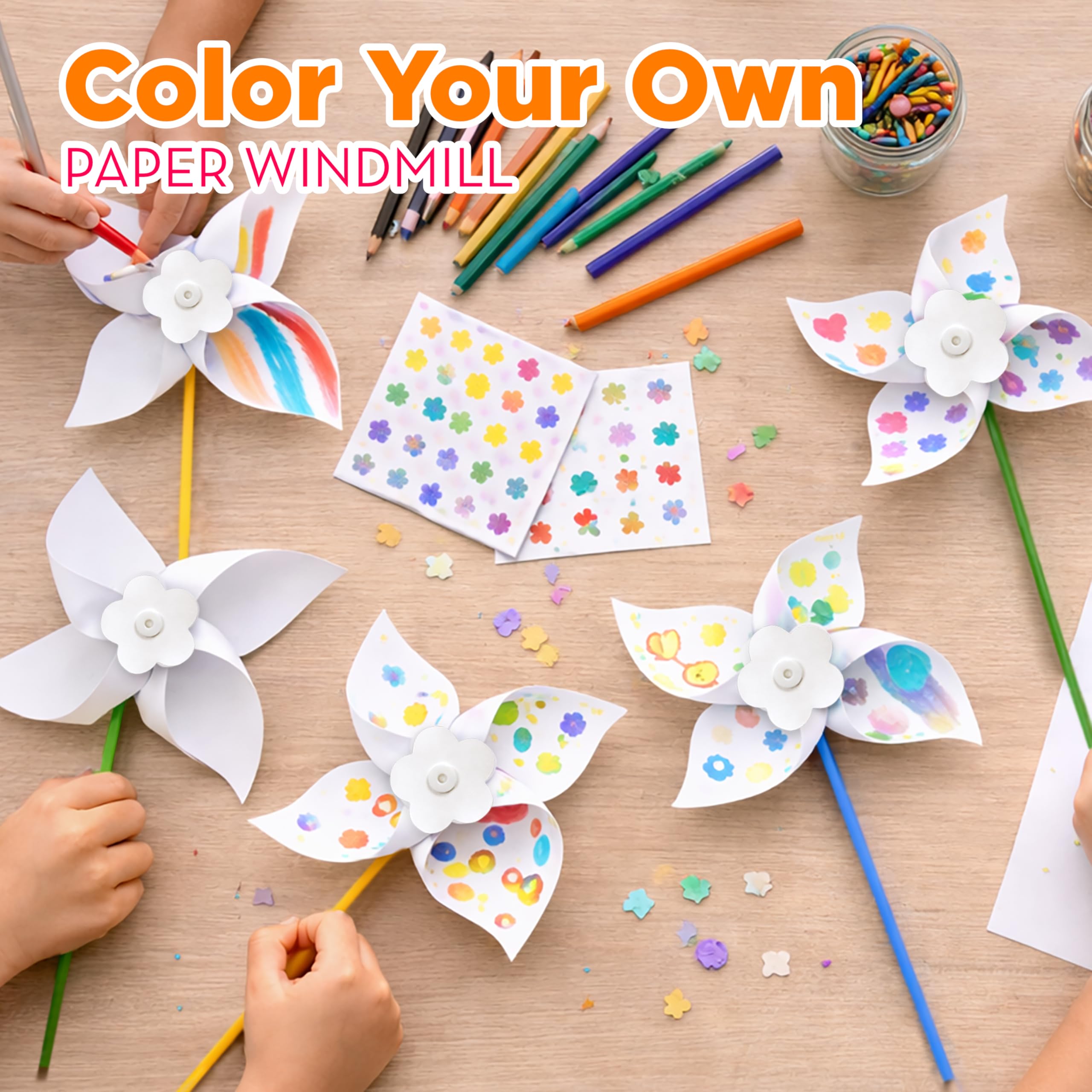
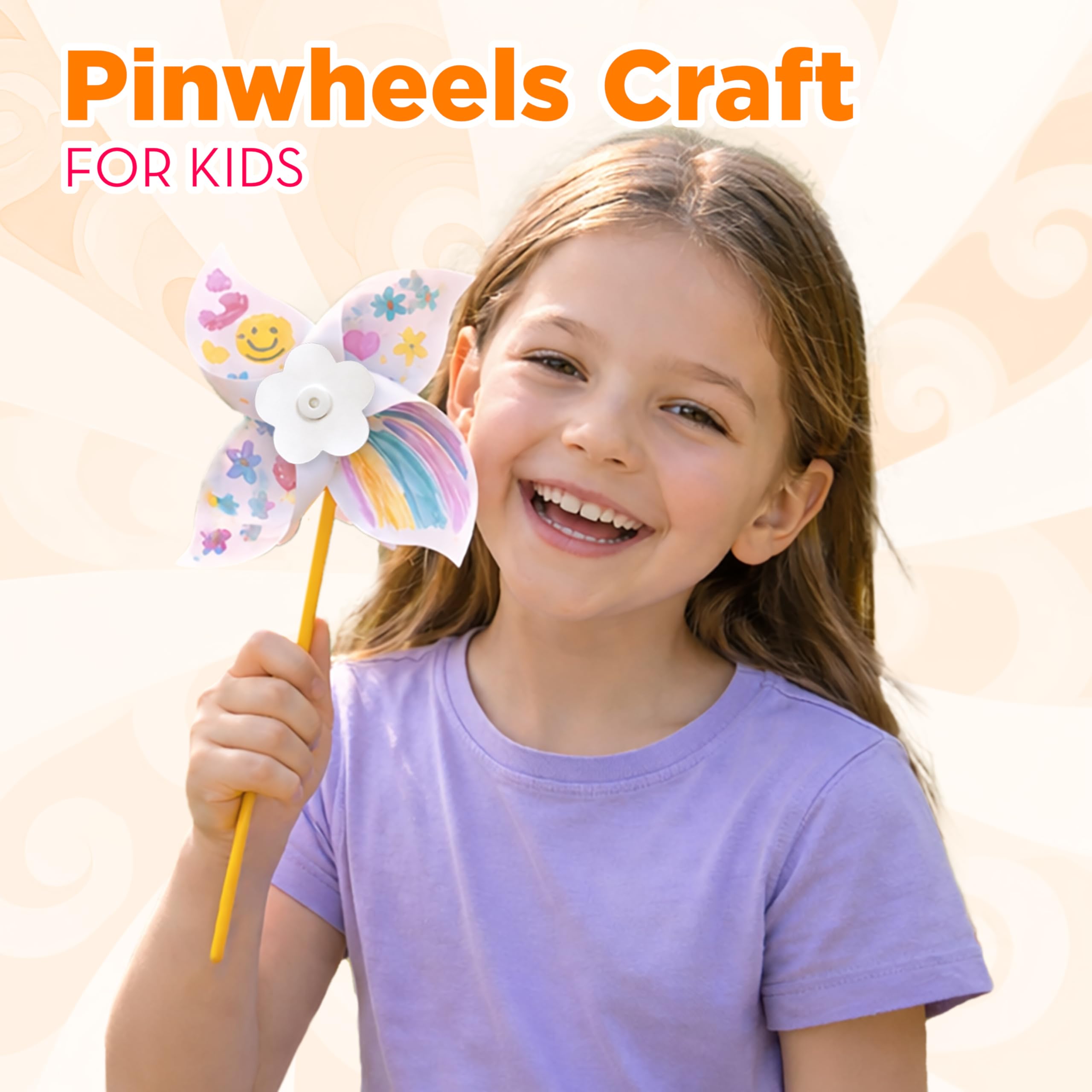

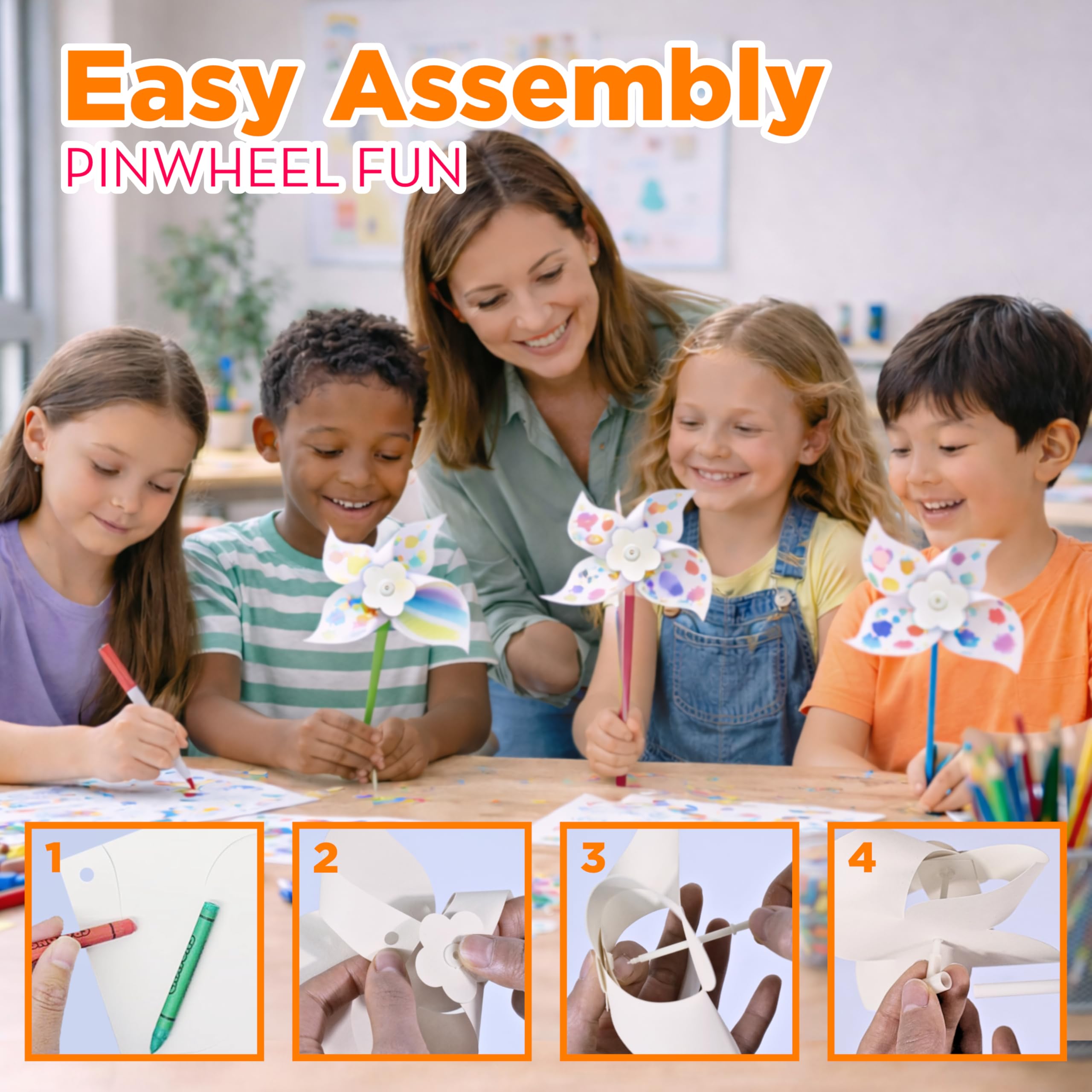
4E's Novelty 24 Pack DIY Pinwheels Craft for Kids, Bulk Summer Pinwheel Craft Kit, Color Your Own Paper Windmill for Pinwheels for Kids Bulk July 4 Craft for Kids Art Games
- 𝐂𝐑𝐄𝐀𝐓𝐈𝐕𝐄 𝐃𝐈𝐘 𝐏𝐈𝐍𝐖𝐇𝐄𝐄𝐋𝐒 𝐊𝐈𝐓: Spark joy with 4E's Novelty 24-pack DIY pinwheels craft for kids! Kids design vibr
- 𝐃𝐔𝐑𝐀𝐁𝐋𝐄 𝐏𝐈𝐍𝐖𝐇𝐄𝐄𝐋 𝐁𝐔𝐈𝐋𝐃𝐈𝐍𝐆: Craft lasting fun with this pinwheel for kids kit! Thick cardstock bulk arts and cr
- 𝐒𝐀𝐅𝐄 𝐏𝐈𝐍 𝐖𝐇𝐄𝐄𝐋 𝐅𝐔𝐍: Kid-friendly windmills for kids for ages 3+! This bulk pinwheels pack uses non-toxic mater
Research from the University of Melbourne suggests that children who engage in regular creative activities show greater emotional resilience and more sophisticated social play. Craft is not just killing time. It is building the kind of social and emotional learning that will serve children for life.
5. How to Handle Pushback, Withdrawal, and the "I'm Bored" Spiral
Let's be honest about the first few days. If your child has been used to four or five hours of screen time daily, removing that cold turkey will produce real resistance. Some children genuinely go through something that looks like withdrawal: irritability, restlessness, difficulty settling, complaints that nothing is fun. This is normal, and it is temporary.
A 2021 study published in Frontiers in Psychiatry found that dopamine regulation in children habituated to high levels of screen stimulation takes approximately three to seven days to recalibrate. In plain terms: the first week is the hardest. Hold the line, and things genuinely get easier.
Practical scripts for common pushback
"I'm bored and there's nothing to do." "I hear you. Boredom means your brain is looking for something interesting. Let's see what we can come up with together." Then offer two concrete options, not an open-ended question. Open questions overwhelm. Two choices feel manageable.
"All my friends are allowed screens." "Maybe some of them are. This summer we're trying something different. I'd love for you to invite a friend over so you can do it together." Shifting from solo screen time to social activity addresses the underlying need.
"This is so boring compared to my game." This is actually honest feedback worth acknowledging. "Games are designed by teams of engineers to be as exciting as possible. Real life is different. Give this twenty minutes and see how it feels." And then stay with them for those twenty minutes.
The spiral: how to break it
If a child is genuinely spinning out and cannot settle, a physical reset works better than reasoning. A short walk, a glass of cold water, five minutes of rough and tumble play in the garden, or a brief sensory activity (the JOYIN Giant Bubble Wands work remarkably well here) interrupts the loop.
For parents who want to explore positive ways to navigate discipline and emotional moments this summer, the complete resource on gentle discipline approaches is worth reading in full.
6. Building a Sustainable Screen-Free Summer Routine (Without Losing Your Mind)
A screen free summer does not mean an intensively programmed summer. The goal is a rhythm, not a rigid timetable. Children (and parents) thrive on predictability. When the day has a loose shape, children know what to expect and are less likely to fill every gap with a screen.
A sample rhythm that actually works
The most sustainable approach I have seen in clinical practice is what I call the "broad strokes" schedule. You anchor the day with a few fixed points and leave the middle open.
Morning anchor: Get outside within the first hour of waking. This can be breakfast on the patio, a walk around the block, or twenty minutes in the garden. Morning light and movement set the neurological tone for the rest of the day and are strongly linked to better sleep that night.
Mid-morning: This is your best window for structured creative activity. Children's attention and frustration tolerance are highest before lunch. This is when craft projects, garden projects, or cooking activities land best. The Spirograph Giant Outdoor Chalk kit is perfect for this window: it takes a little setup, produces spectacular results, and keeps children engaged and collaborative for a good stretch.
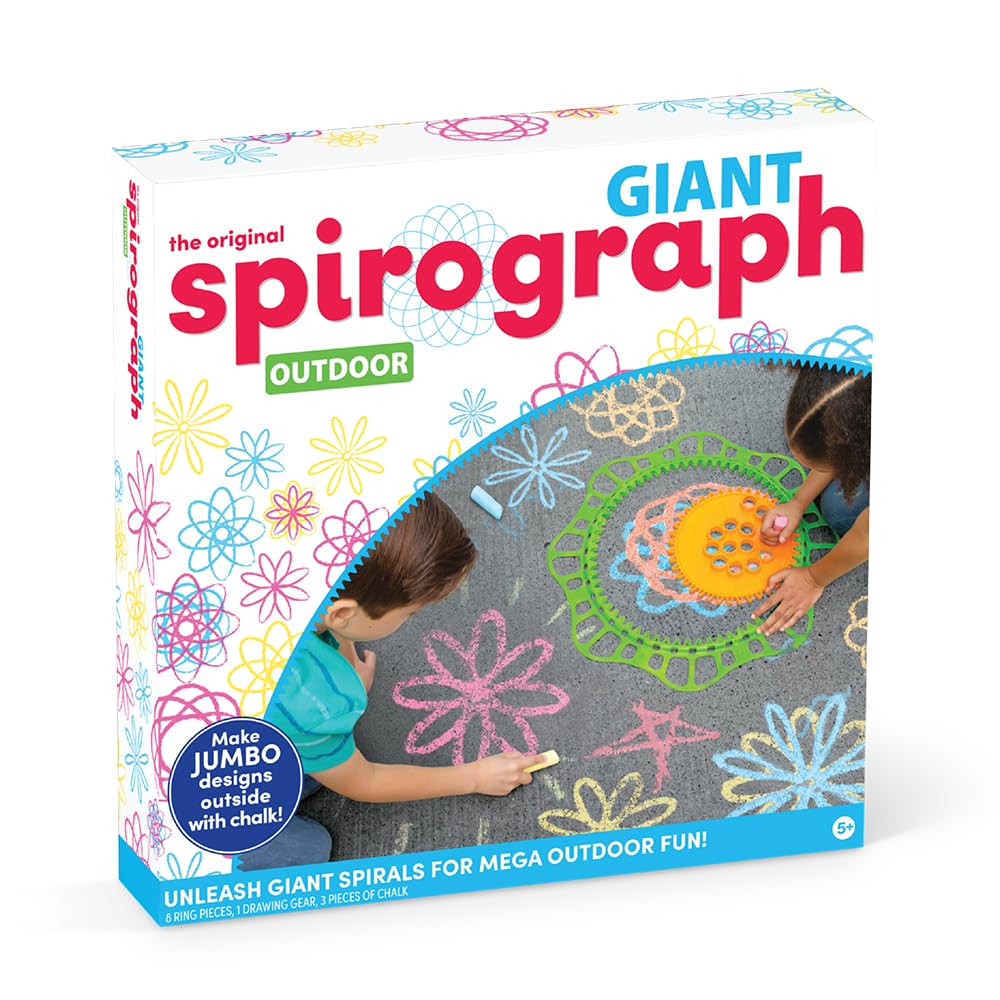
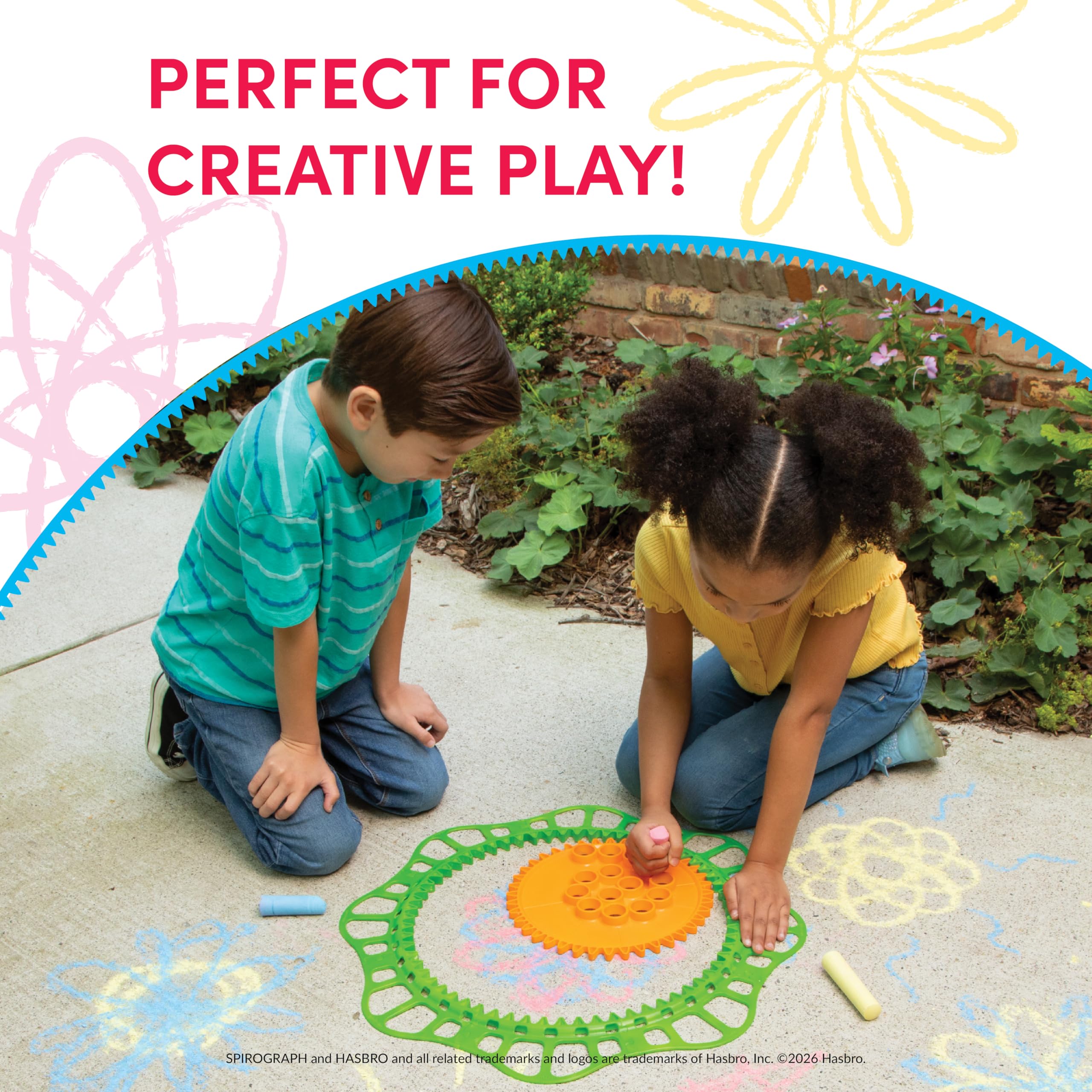
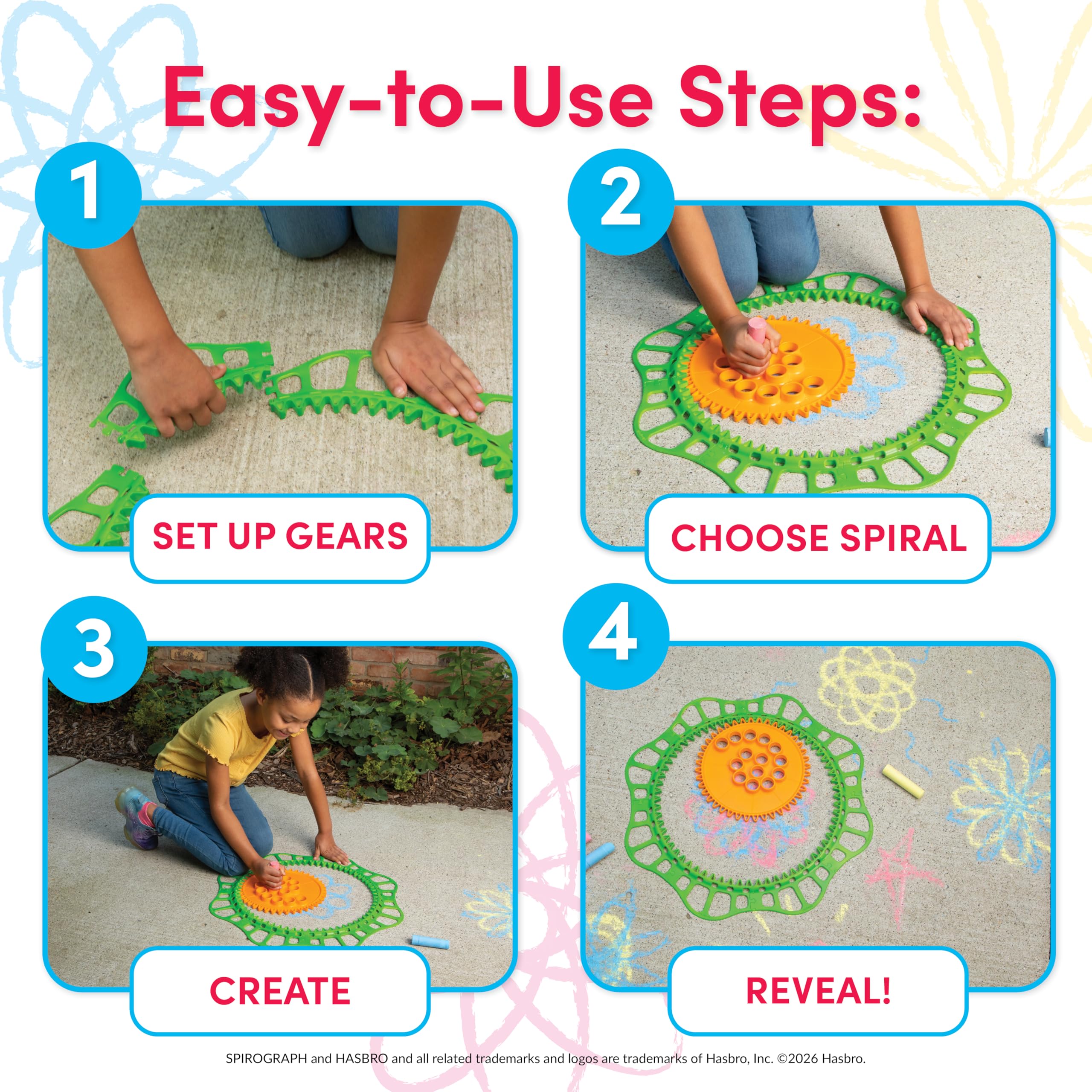
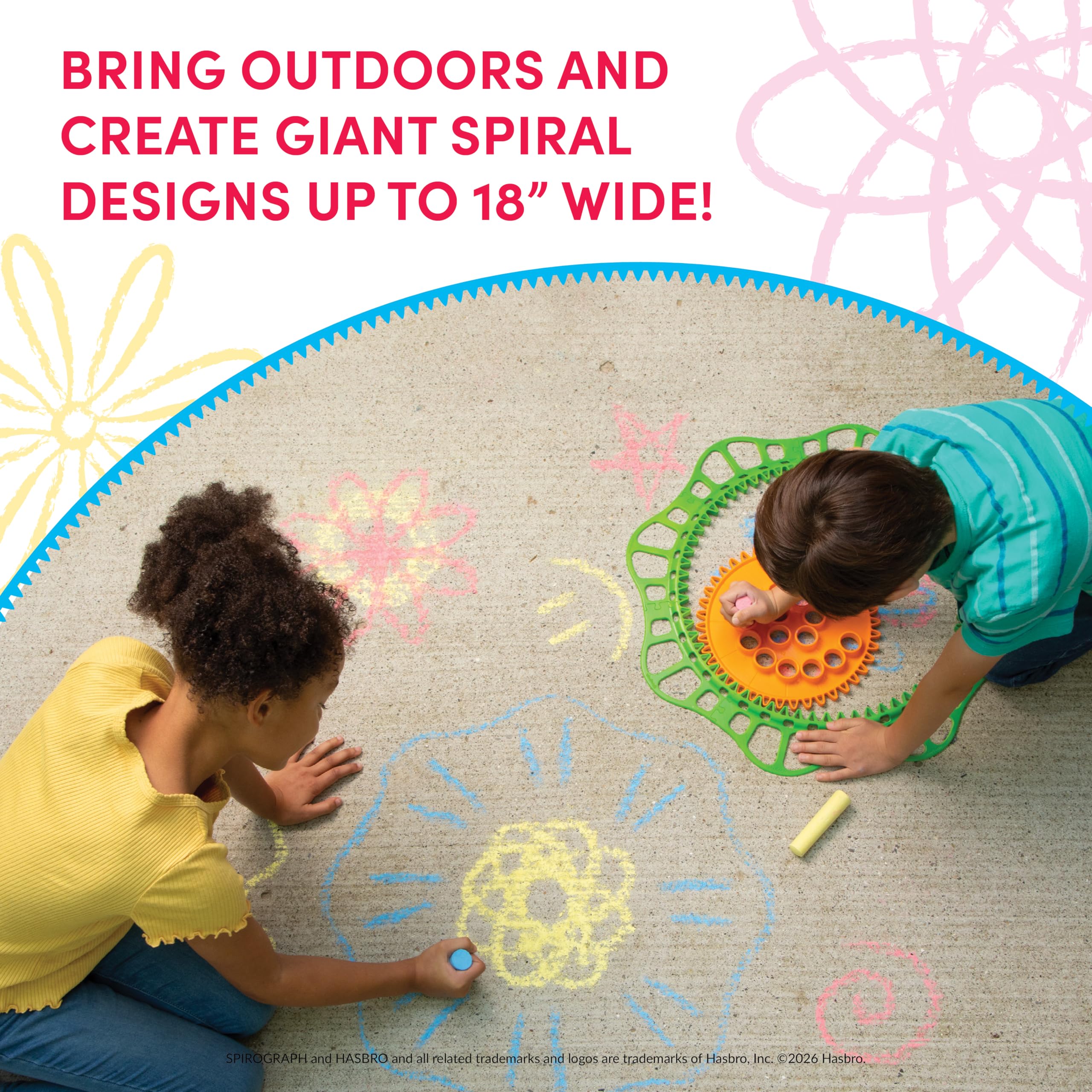
Spirograph Giant Outdoor Jumbo Sidewalk Chalk - Arts and Crafts - Outdoor Activities - Outdoor Toys, Kids Toys, Art Supplies, Craft Supplies, Drawing Kit, Spiral Art, Ages 5+
- Supersize Your Spirals: Create classic Spirograph art in a GIANT new way outdoors! Kids can spin 15" spirals u
- Endless Creativity: Works with all jumbo chalk, so the fun never runs out. Switch up colors, layer designs, an
- Collaborative Fun Under the Sun: Bring kids together for creative outdoor play! Design colorful masterpieces s
After lunch: Quiet time. This is non-negotiable, especially for children under eight. Quiet time does not have to be sleep. It can be reading, puzzles, audiobooks, or calm play. It is rest for the nervous system and makes the afternoon far easier for everyone.
Afternoon: Social and physical play. This is the window for playdates, neighbourhood games, trips to the park, or water play at home.
Evening: Wind down. The hour before bed should be genuinely low stimulation. No screens, ideally no rough play. Reading together, calm conversation, a bath.
Building in grace
There will be days when this falls apart. A rainy day when no one wants to go outside. A day when you are exhausted and the path of least resistance is a film. This is fine. A screen free summer does not mean a zero screen summer. The AAP itself recommends thinking in terms of "media balance" rather than absolute prohibition. The goal is that screens become occasional rather than default. Give yourself credit for the days you nail it and let go of the ones you don't.
7. Navigating the Social Pressure (For Kids and Parents)
One of the most underappreciated challenges of a screen free summer is the social dimension. Your ten year old genuinely cannot talk to his friends if they're all playing an online game he's not part of. Your eight year old genuinely feels left out when every playdate conversation is about a show she hasn't seen. These are real social costs, and dismissing them does not help.
When screens are social infrastructure
For many older children, digital spaces are where their friendships live. A phone group chat, a shared gaming world, a group watching the same shows, these are genuine social acts. Cutting all of that without acknowledging the social loss is asking your child to sacrifice their peer relationships, which is a bigger ask than most parents realise.
A more nuanced approach works better. Rather than banning all digital social connection, redirect it: can they set up a real world hangout with those same friends? Can they play a physical game that connects to the digital one (Minecraft fans often love real world building; gaming friends often love physical strategy games)? The goal is keeping the friendships while shifting the medium.
Managing peer pressure on yourself
Parents feel it too. The parent at the park who says "we just let them have screens during summer, it's fine" is not wrong, exactly. They're making a different choice. You do not need to justify yours, but it helps to be clear in your own mind about why you've made it. Knowing that the first week is hardest and that the research is firmly on the side of more outdoor, creative, social play makes it easier to hold steady when the pressure to cave feels real.
8. When Screens Are Fine and When They Are Not: Drawing the Right Lines
A screen free summer is a goal, not a doctrine. Understanding which screen use is genuinely harmful and which is neutral or even beneficial helps you make smarter decisions instead of blanket rules that fall apart under pressure.
Screen time that is worth limiting
Screen time that is relatively fine
Drawing the lines your family can actually keep
The rules that work are specific, predictable, and have a clear rationale your child understands. "No screens before breakfast" is clearer than "limited morning screen time." "Screens off an hour before bed" is clearer than "not too late." Write them down. Stick them on the fridge. Involve your child in setting them where possible.
| Activity Type | Best Ages | Key Benefits | Main Challenge | Recommended Product | Approx. Cost |
|---|---|---|---|---|---|
| Outdoor chalk play | Ages 3 to 10 | Physical movement, creativity, social play | Weather dependent | Skillmatics Sidewalk Chalk Kit | $14.97 |
| Giant bubble play | Ages 2 to 12 | Gross motor, awe, group fun | Solution runs out quickly | JOYIN Big Bubble Wands Set | $25.99 |
| Spiral chalk art | Ages 5 to 12 | Fine motor, maths concepts, collaborative | Needs smooth surface | Spirograph Giant Outdoor Chalk | $23.19 |
| Stone painting craft | Ages 6 to 12 | Fine motor, patience, lasting pride | Drying time needed | Dan&Darci Stepping Stones Kit | $19.99 |
| Shell painting craft | Ages 6 to 12 | Creativity, sensory engagement, glow reveal | Small parts for young children | EPUMP Sea Shell Painting Kit | $9.99 |
| DIY pinwheel making | Ages 3 to 10 | Craft plus outdoor play, group friendly | Assembly needs adult help for young ones | 4E's Novelty DIY Pinwheels Kit | $18.98 |
Expert Insights on Screen-Free Summers
How many hours of screen time is okay during summer for school age kids?[The AAP recommends consistent limits for school age children without giving a single rigid number, because context matters. A practical working target used by many paediatricians is no more than one to two hours of recreational screen time per day during the summer, with zero screens in the hour before bed. The quality of that screen time (co-viewed, creative, social) matters as much as the quantity. Total elimination is not the goal for most families; a meaningful reduction from summer averages of four to six hours daily is.
My child has meltdowns every time screens go off. Is this normal?[Yes, and it is temporary. Children who are habituated to high levels of screen stimulation have calibrated their dopamine responses to that level of input. When it is removed, everything else can feel underwhelming for three to seven days. This is not addiction in a clinical sense for most children; it is a recalibration period. Hold the limit warmly and firmly, offer compelling alternatives, and stay physically present during the transition. It genuinely gets easier within a week for the vast majority of children.
What do I do on rainy days when outdoor activities aren't possible?[Rainy days are your craft kit days. A well-stocked art and activity drawer pays for itself many times over across a summer. Shell painting, stone painting, pinwheels, drawing challenges, baking, indoor scavenger hunts, audiobooks, board games, puppet making from paper bags, building forts from cushions and sheets — these fill rainy days easily. The key is having materials ready before you need them. A frantic search for activities while a bored child is escalating is not the moment to plan.
My teenager says all their social life is online. How do I handle a screen-free summer with a 13-year-old?[Teenagers are a different conversation from younger children and need a different approach. Full screen free summers rarely work for adolescents because the social cost is genuinely high. A more realistic goal is reducing recreational solo screen time while maintaining social digital connection, adding physical and creative activities that are genuinely appealing (not "wholesome activities" that feel patronising), and having honest conversations about why balance matters. Involve them in negotiating the limits and expect them to be looser than for younger children.
Is watching TV together as a family still screen time I should worry about?[Co-viewing with an engaged parent is categorically different from solo passive consumption. When you watch something together, talk about it, ask questions, and share reactions, you are turning a passive experience into an active social one. Family film nights, documentary evenings, and watching sport together are not the screen time the research warns about. The concern is with solo, algorithmically driven content consumption that displaces sleep, play, and conversation.
How do I explain to my child why we're having a screen-free summer without them feeling punished?[Framing is everything. "We're trying something exciting this summer" lands better than "no screens." Involve them in planning activities they genuinely want to do. Acknowledge what they're giving up honestly. Celebrate the things they discover they enjoy. Share your own enthusiasm for the activities. And be honest: "I think you'll end up having a summer you actually remember, rather than one that just passed." Children respond to being treated as capable of making meaning from their experiences.
What if I need screens as a parenting tool when I'm exhausted or have a work call?[This is real life, and no one is judging you for using screens strategically. The goal of a screen free summer is not to eliminate all screen use, it is to shift the default. Using a show to get thirty minutes of quiet for an important call is a sensible parenting tool. The difference is between intentional, bounded screen use that you choose and endless passive consumption that happens by default. Be honest with yourself about which is which, and give yourself genuine credit for the hours you fill differently.
A Summer Worth Remembering
Here is what I notice in clinic every September: the children who had the richest summers are almost never the ones who describe what they watched. They're the ones who describe what they made, where they went, who they played with, and what they figured out. The garden stones they painted. The giant bubble that lasted for thirty seconds before it popped. The afternoon they caught a frog and argued about whether to keep it.
Those experiences do not happen on a screen. They happen in the gaps that screens used to fill.
A screen free summer is not about being a perfect parent or following a rigid protocol. It is about giving your children the gift of time that is genuinely theirs to fill. It will be messy. There will be bored afternoons and resistant mornings and days when the film wins. That is fine. The goal is a summer your child actually remembers.
Save this guide. Share it with someone who needs it. And if September rolls around and your child tells you this was their best summer yet, that is the only data point that matters.
Sources & References
- American Academy of Pediatrics. "Media and Young Minds." Pediatrics, 2016. https://publications.aap.org/pediatrics/article/138/5/e20162591/60503/Media-and-Young-Minds
- World Health Organization. "Guidelines on Physical Activity, Sedentary Behaviour and Sleep for Children under 5 Years of Age." WHO, 2019. https://www.who.int/publications/i/item/9789241550536
- Cheng S, et al. "Screen Time and Cognitive Development in Early Childhood: A Longitudinal Study." JAMA Pediatrics, 2020.
- White MP, et al. "Spending at Least 120 Minutes a Week in Nature is Associated with Good Health and Wellbeing." Scientific Reports, University of Exeter, 2019. https://www.nature.com/articles/s41598-019-44097-3
- Radesky J, Christakis D. "Increased Screen Time: Implications for Early Childhood Development and Behaviour." Pediatric Clinics of North America, 2016.
- Uhls YT. "Media Moms and Digital Dads: A Fact-Not-Fear Approach to Parenting in the Digital Age." Bibliomotion, 2015.
- Przybylski AK, Weinstein N. "A Large-Scale Test of the Goldilocks Hypothesis: Quantifying the Relations Between Digital-Screen Use and the Mental Well-Being of Adolescents." Psychological Science, 2017.
- Brown S. "Play: How It Shapes the Brain, Opens the Imagination, and Invigorates the Soul." Avery, 2009.
- American Psychological Association. "Children and Screen Media." APA, 2023. https://www.apa.org/topics/children-media
- Frontiers in Psychiatry. "Screen Time and Dopamine: Neurobiological Perspectives on Digital Media Use in Children." 2021.
Was this helpful?
Thanks — your feedback helps us pick what to write next.