
Tween Nutrition: What to Feed Your 8 to 12 Year Old
Tweens ages 8 to 12 are in a phase of rapid physical and brain development, so what they eat now genuinely shapes how they grow, think, and feel through puberty and beyond.
In this article
Here is a number that tends to surprise parents in the clinic: the American Academy of Pediatrics reports that up to 40% of children's total bone mass is laid down during adolescence, and that window starts earlier than most parents expect, right around age 8 or 9. What your tween eats in these years is not just about fuelling today's football practice or helping them concentrate in a maths lesson. It is literally building the bones they will live in for the rest of their life.
By the time you finish this guide, you will understand:
1. Why the Tween Years Are a Nutritional Turning Point
The tween phase, roughly ages 8 to 12, is the last developmental sprint before the full force of puberty hits. Growth plates are active, brain white matter is expanding, and for many children the hormonal changes of puberty are already quietly underway. This is not a time to coast on nutritional autopilot.
Energy requirements rise noticeably during this phase. According to the Dietary Guidelines for Americans (published jointly by the USDA and the US Department of Health and Human Services), moderately active boys aged 9 to 11 need around 1,800 to 2,200 calories per day, while girls the same age need roughly 1,600 to 2,000. Children who are active in sport or going through a growth spurt can need considerably more.
Why bone building peaks now
Calcium absorption is most efficient during childhood and early adolescence. The National Institutes of Health (NIH) recommend 1,000 mg of calcium per day for ages 4 to 8, rising to 1,300 mg per day for ages 9 to 18. That is more calcium per day than a fully grown adult needs. Milk, yogurt, fortified plant milks, cheese, canned fish with bones, tofu set with calcium, and leafy greens all contribute. If you want a deeper look at choosing the right milk for this age group, the guide to milk by age is a useful starting point.
The iron piece parents often miss
Girls who start their periods in late primary school suddenly have iron losses to make up for. Even before periods begin, iron supports the rapid increase in blood volume that comes with growth. Good sources include lean red meat, chicken, lentils, beans, fortified cereals, and eggs. Pairing plant based iron sources with a vitamin C rich food (a glass of orange juice, some kiwi, or a few cherry tomatoes) significantly improves absorption.
2. How to Build a Plate That Actually Works for a Tween
A balanced tween plate does not need to be elaborate. The framework used by most paediatric nutrition guidelines worldwide follows roughly the same principle: half the plate as vegetables and fruit, a quarter as whole grain carbohydrates, and a quarter as quality protein, with a dairy source on the side.
Carbohydrates are not the enemy
Tweens need carbohydrates. Their brains run almost exclusively on glucose, and with the amount of learning, sport, and social navigation they are doing, stable blood sugar genuinely affects how they function. The goal is not fewer carbs, it is better quality carbs. Swapping white bread for wholegrain, white rice for brown or basmati, and processed snack bars for oats or fruit makes a real difference to energy stability across the school day.
Protein timing matters more than parents realise
Spreading protein across all three meals, rather than loading it all into dinner, helps muscle repair, satiety, and concentration. Eggs at breakfast, a chicken or legume based lunch, and fish or meat at dinner is a simple pattern that works. Snacks can contribute too: Greek yogurt, nut butter on wholegrain crackers, hummus with vegetables, or a small handful of mixed nuts and seeds all provide meaningful protein.
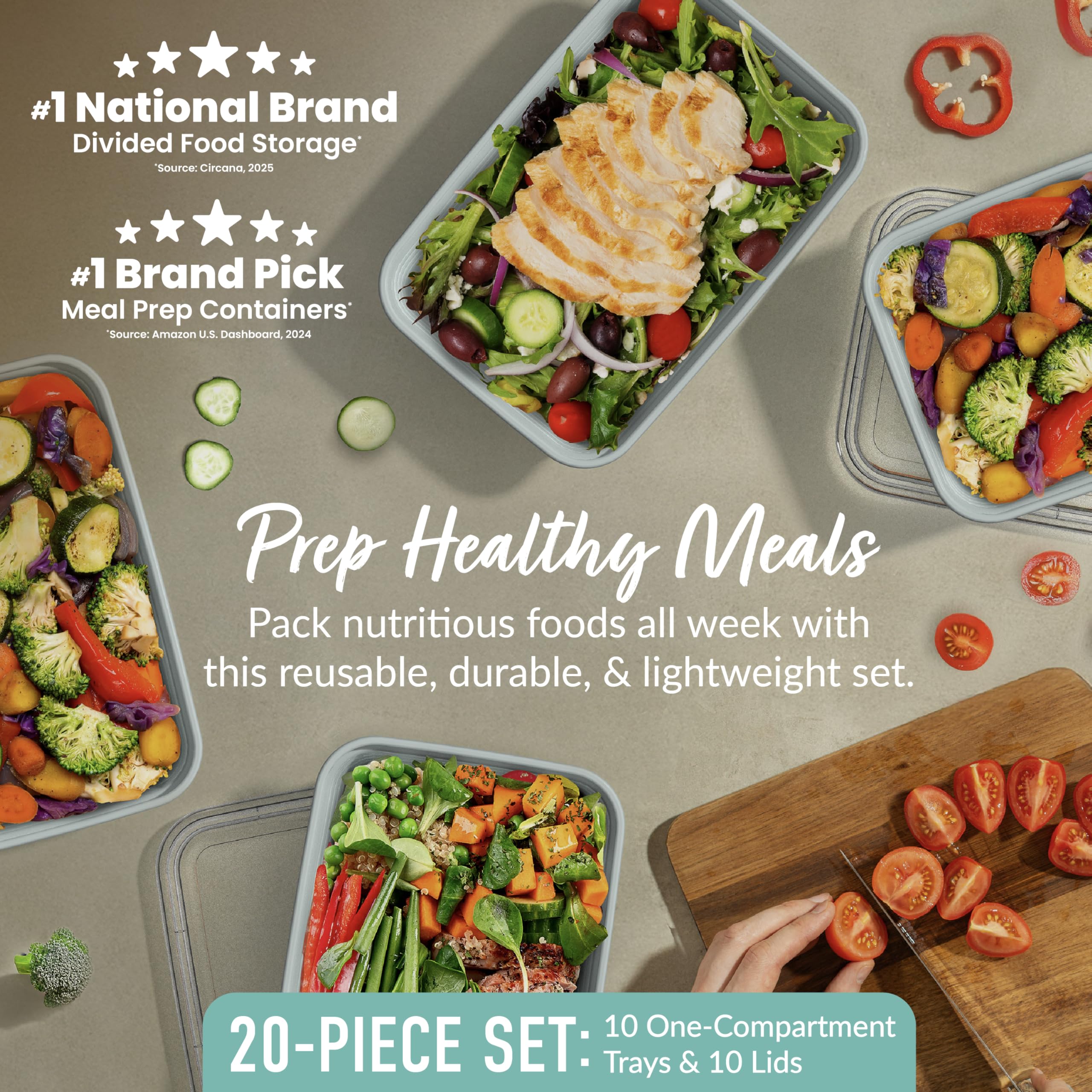
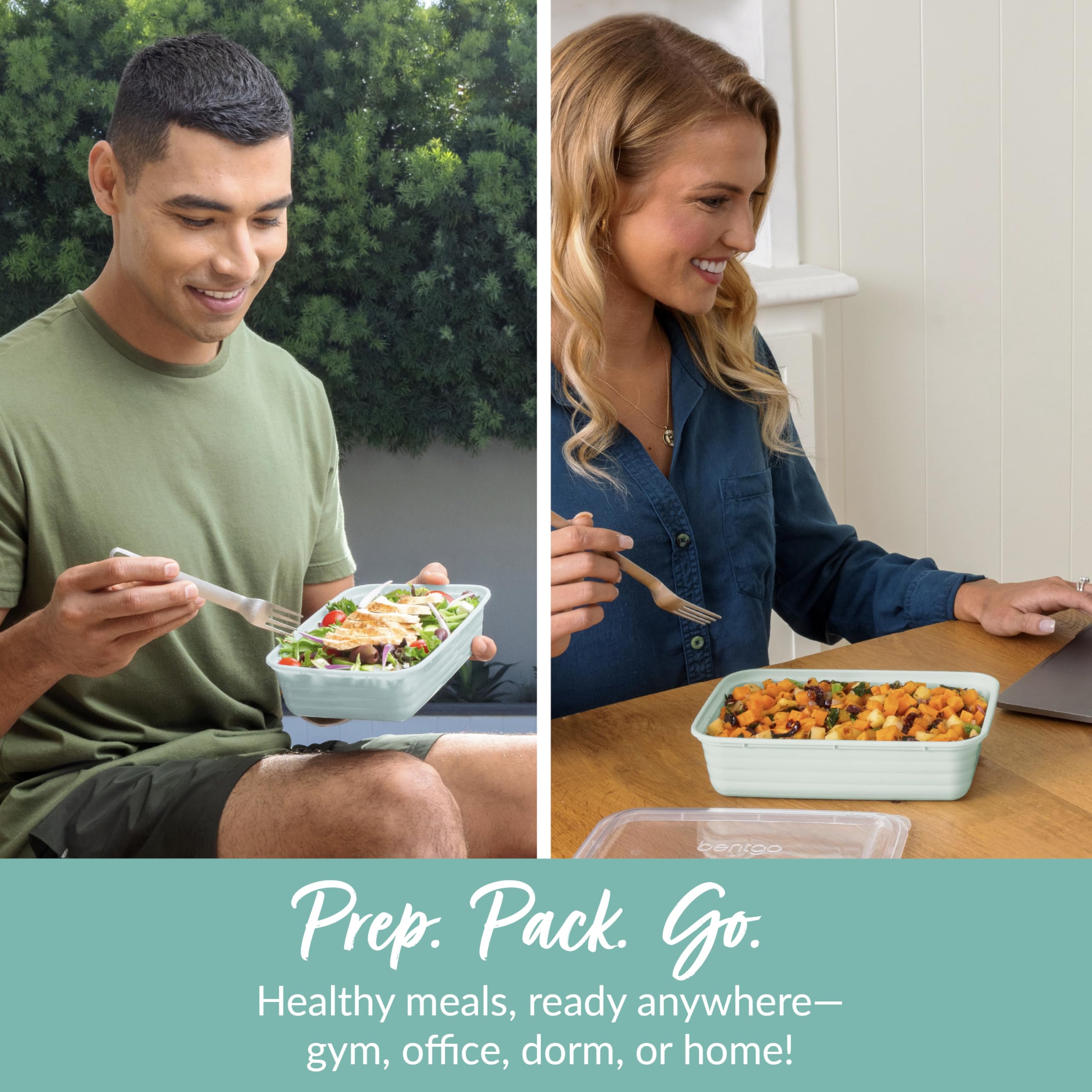
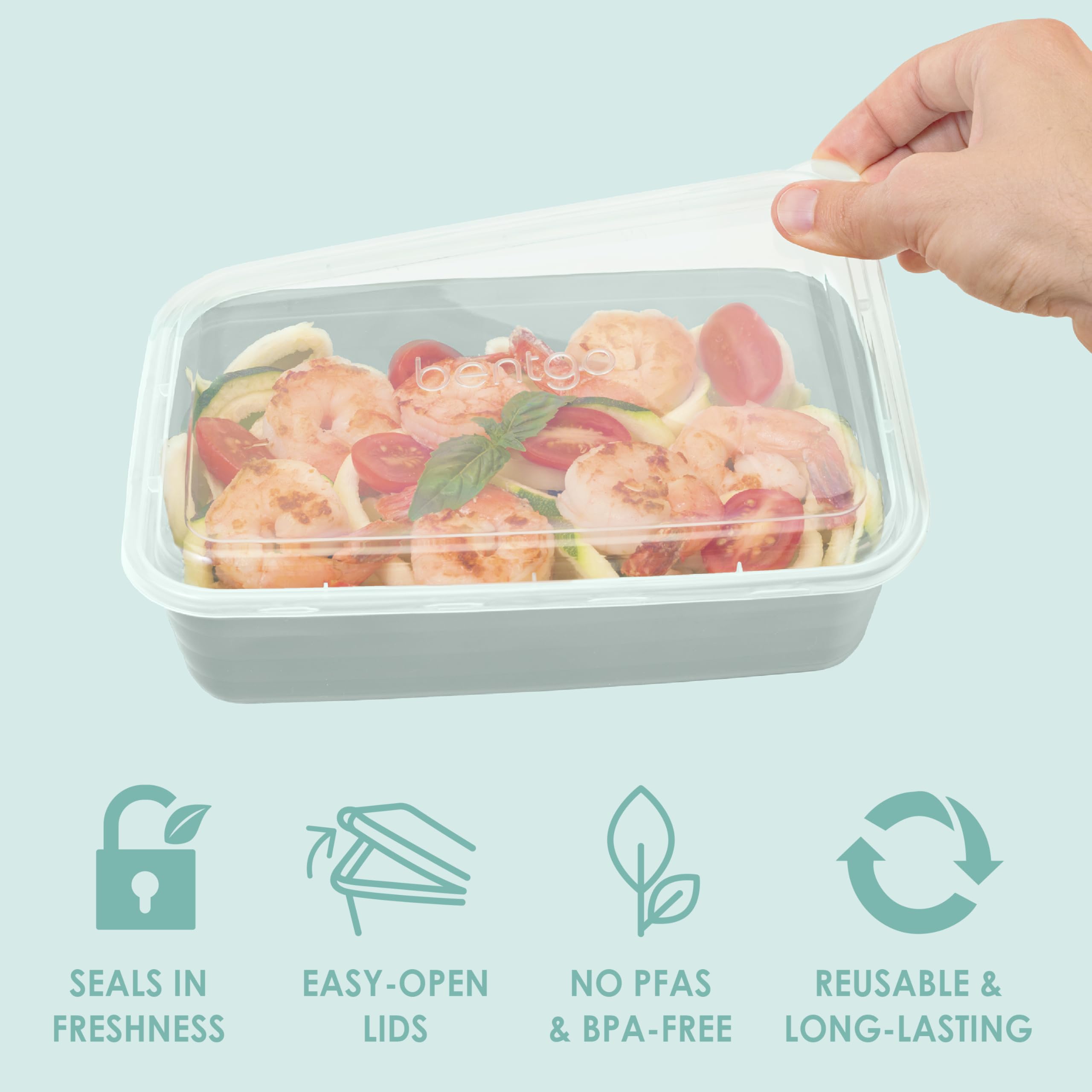
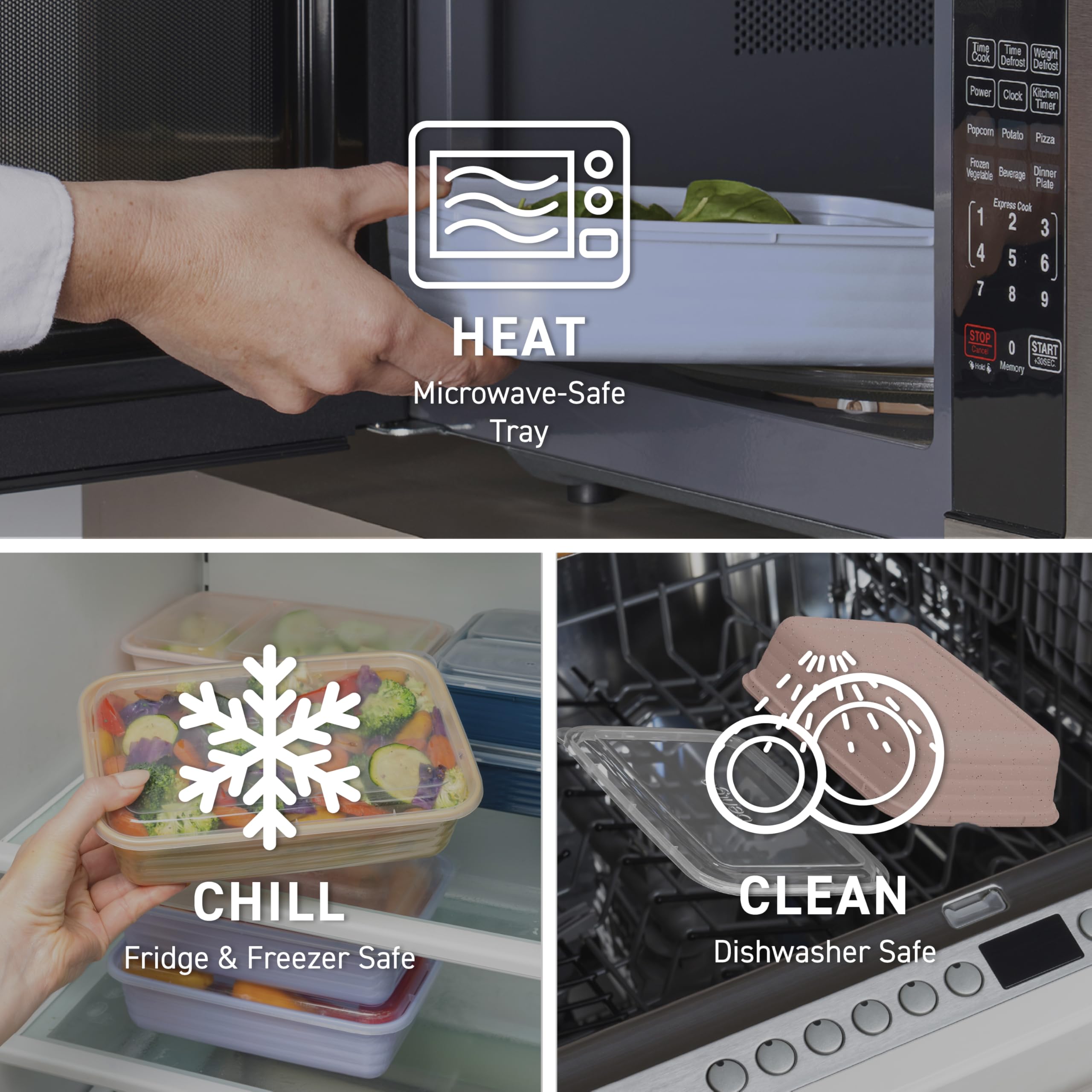
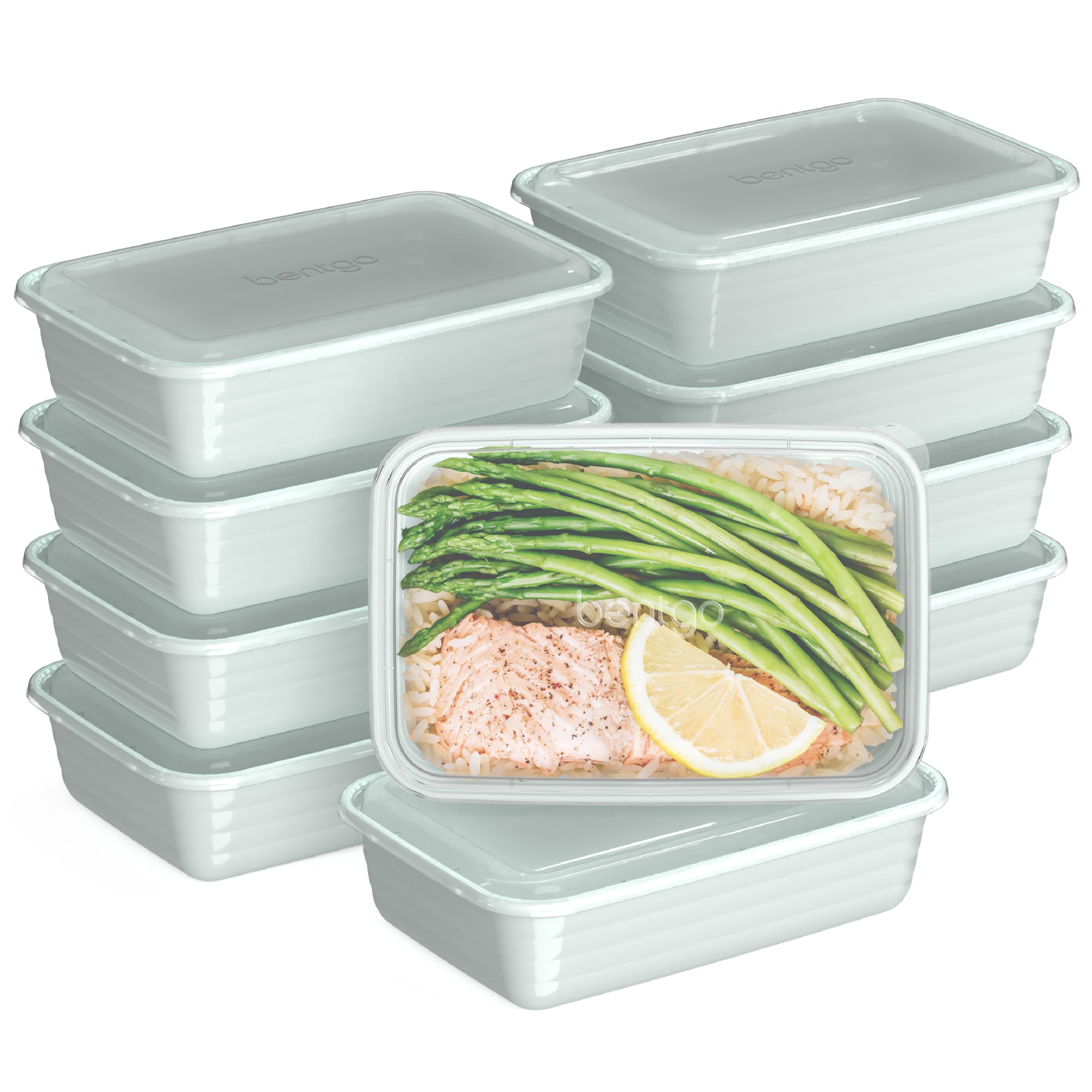
Bentgo Prep - 20-Piece 1-Compartment Reusable Meal Prep Containers with Lids, PFAS & BPA Free Materials, Durable, Microwave, Freezer, & Dishwasher Safe To Go Food Storage (Mint)
- #1 Brand Pick for Meal Prep Containers: Bentgo is the top pick for meal prep containers!* This lightweight, po
- Perfect for Portion-Control: Each container’s 4-cup capacity and embossed measurements make portioning easy to
- Durable & Reusable: Made from tough, PFAS- and BPA-free materials, these meal prep containers are built to las
3. The Snack Problem (and How to Solve It)
Tweens are hungry a lot of the time, and that is entirely normal. The problem is not the snacking; it is what they are reaching for. Ultra processed snack foods tend to be high in sodium, refined sugar, and saturated fat while delivering very little in the way of fibre, protein, or micronutrients. They satisfy momentarily and then leave a child hungry again within the hour.
The practical solution is not to ban snacks but to make the good options the easy options. If a tween opens the fridge and sees pre portioned containers of cut fruit, cheese, hummus, and vegetables right at the front, that is what they will eat. It genuinely is that simple.
Portion containers with two compartments are particularly useful here because they let you combine a carbohydrate source with a protein or fat source in the same grab, which is exactly the combination that keeps blood sugar stable. The Munchpods snack containers work well for this, with separate compartments that keep dips away from the dry snacks until your child is ready to eat.
For a lighter budget option, the Qewro double compartment containers offer the same two compartment logic at a lower price point, and at 15 sets they are practical for a whole school week of prepping in one go.
4. Navigating the Social Food Environment
By the tween years, children are eating more meals away from home, making more of their own food choices, and beginning to absorb messages about food and body image from peers, social media, and popular culture. This is the stage where food can start to carry emotional weight in ways it did not when they were younger.
The World Health Organization has noted that food marketing to children disproportionately promotes products high in fat, sugar, and salt, and that exposure to this marketing influences children's food preferences and behaviours from a young age.
The food environment that children grow up in has a profound effect on their health, their preferences, and their relationship with food for decades.
— World Health Organization, Global Action Plan on Physical Activity (2018)
Talking about food without creating anxiety
The language parents use around food has a measurable impact on how tweens relate to eating. Framing food in terms of what it does for the body ("that has calcium which is building your bones right now") rather than moral categories ("that is bad for you") tends to produce a healthier relationship with food in the long run. Similarly, commenting on a tween's body or eating habits in front of others, even with the best intentions, can embed self consciousness and disordered patterns that are hard to shift.

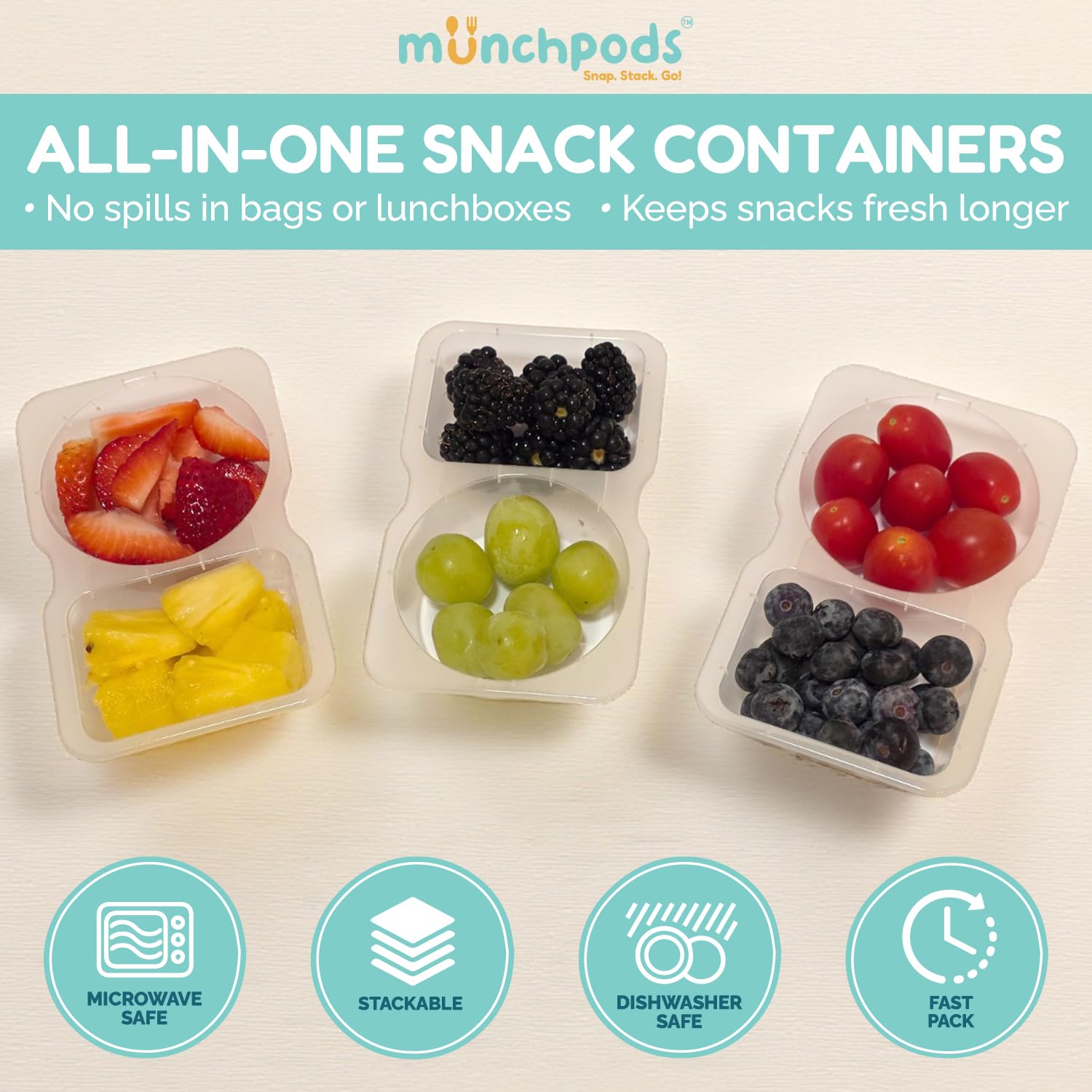
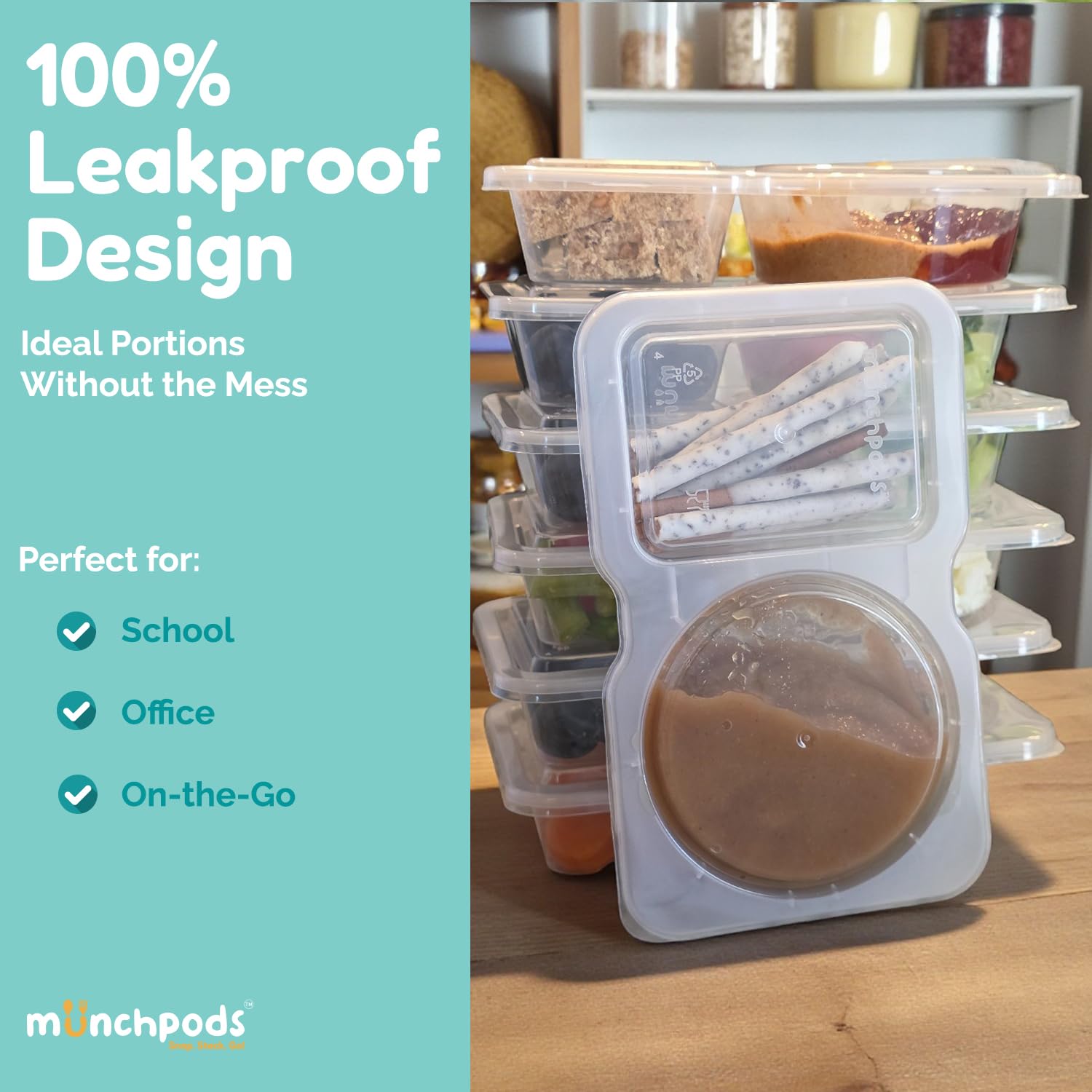
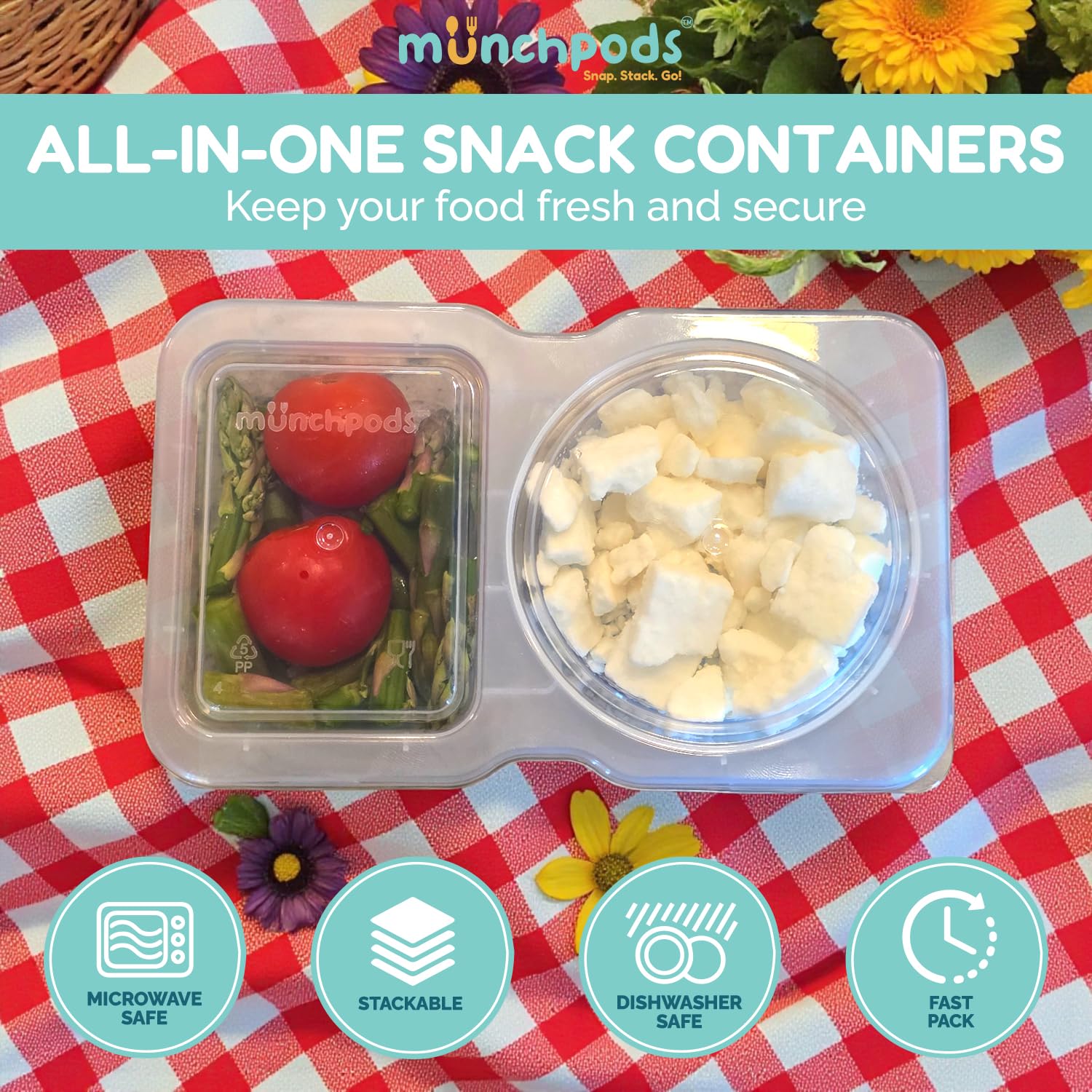
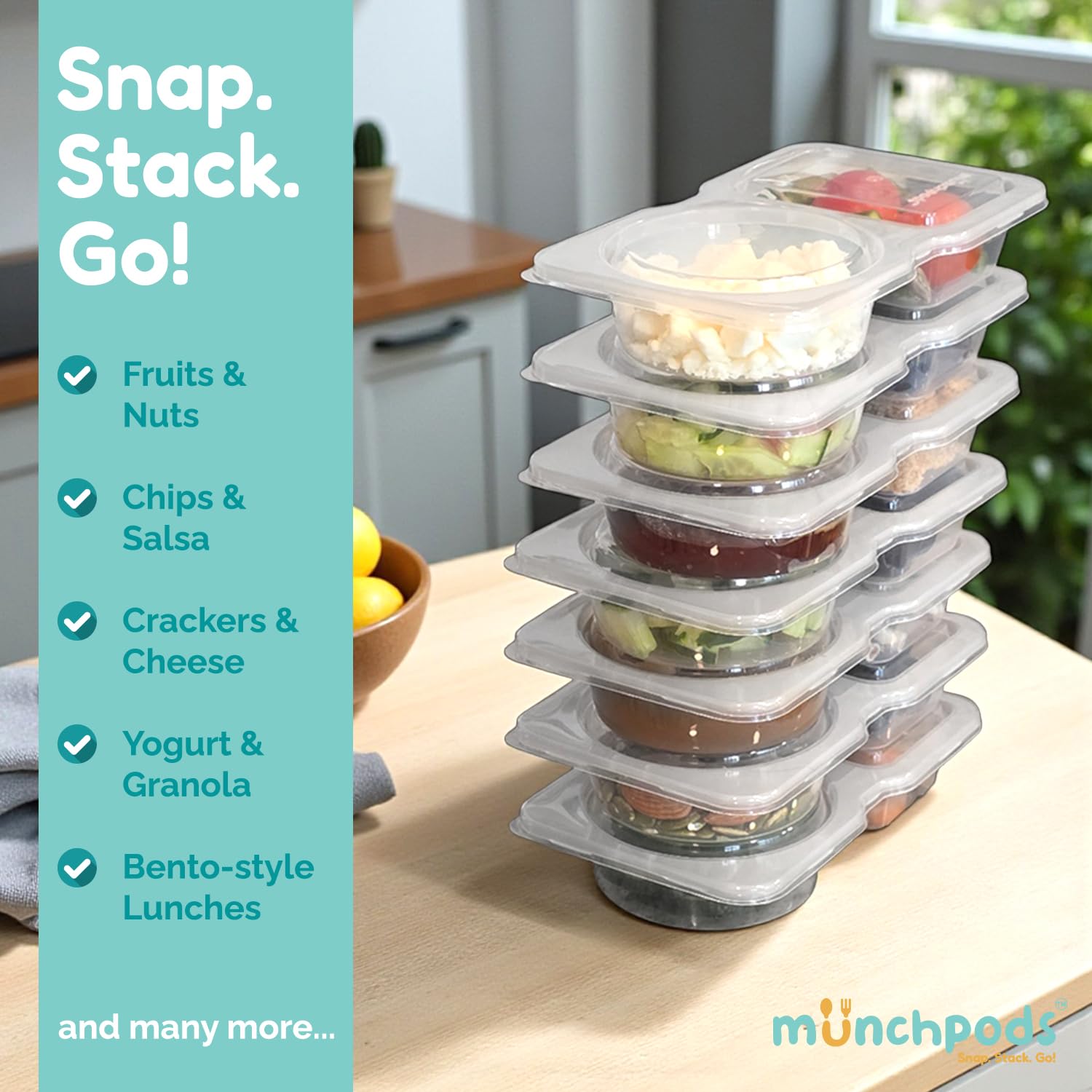
Reusable Snack Containers with Lids 20 Pack (40 Pieces) Portion control, Snack Pack Containers 2 Double Compartment Snack Containers for Kids On the Go Meals, Camping Snack Tray Prep
- 2 COMPARTMENT SNACK CONTAINERS : Munchpods have two separate compartments to store different foods, keep them
- 20 PACK (40 Pieces) REUSABLE SNACK CONTAINERS WITH LIDS : Plastic snack containers with lids are made of food-
- PORTION CONTROL CONTAINERS : Snack prep containers keep food items separate, like snacks, dips, salad dressing
5. Key Nutrients at a Glance: What Tweens Often Miss
Most tweens in high income countries are not going hungry, but they are frequently under nourished in specific nutrients that matter enormously for this developmental phase.
| Nutrient | Why It Matters at This Age | Daily Target (Ages 9–12) | Best Food Sources | Recommended Product |
|---|---|---|---|---|
| Calcium | Bone density, muscle function, nerve signalling | 1,300 mg | Dairy, fortified plant milk, tofu, canned salmon | DWTS snack containers |
| Iron | Blood volume, energy, cognitive focus | 8 mg (boys); 8–15 mg (girls) | Red meat, lentils, fortified cereals, eggs | Bentgo Prep containers |
| Vitamin D | Calcium absorption, immune function, mood | 600 IU | Oily fish, fortified dairy, eggs, sunlight | Qewro snack containers |
| Zinc | Growth, immune defence, wound healing | 8 mg | Meat, shellfish, seeds, legumes | DOSEWART snack packs |
| Fibre | Gut health, blood sugar stability, satiety | 25–26 g | Wholegrains, vegetables, fruit, legumes | Munchpods containers |
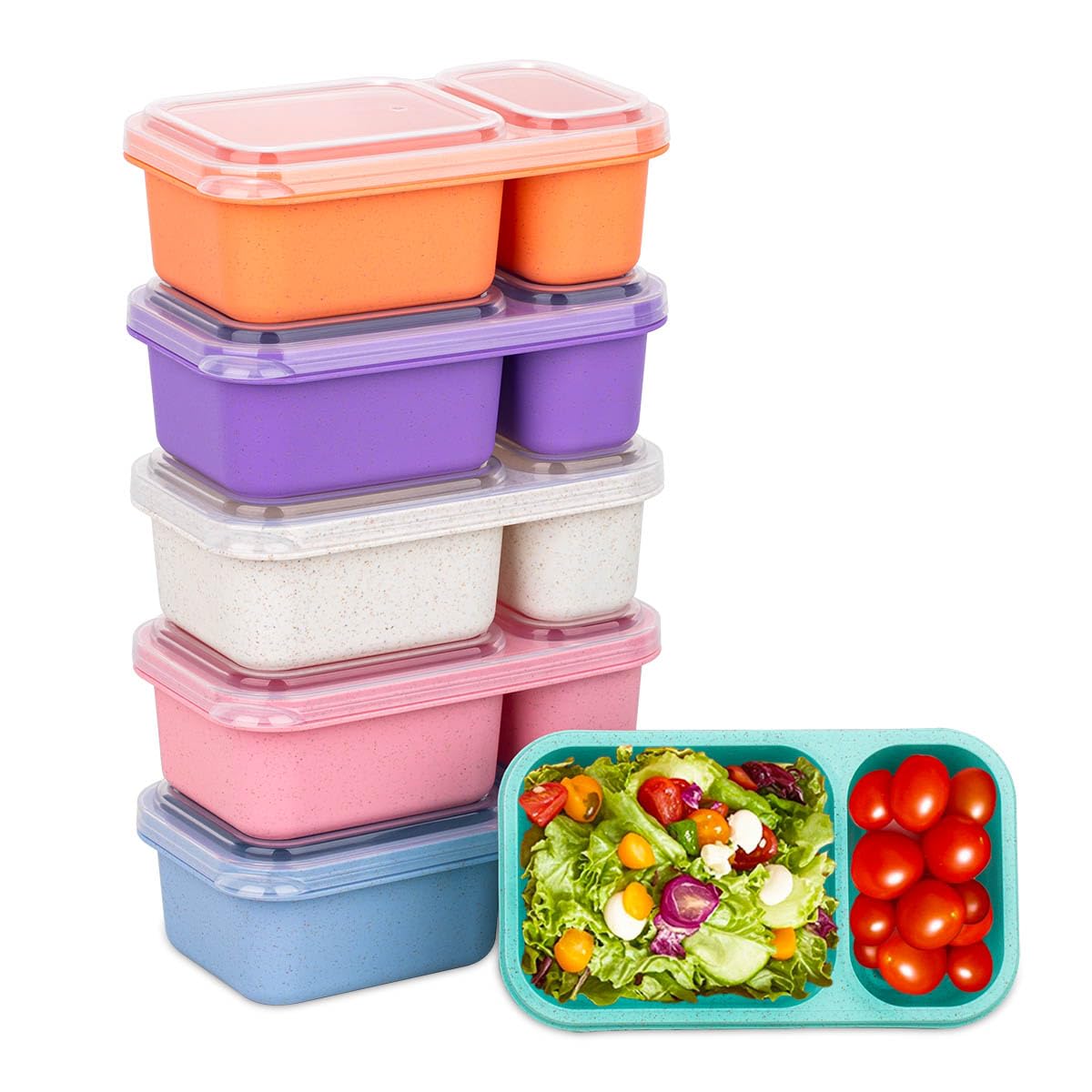
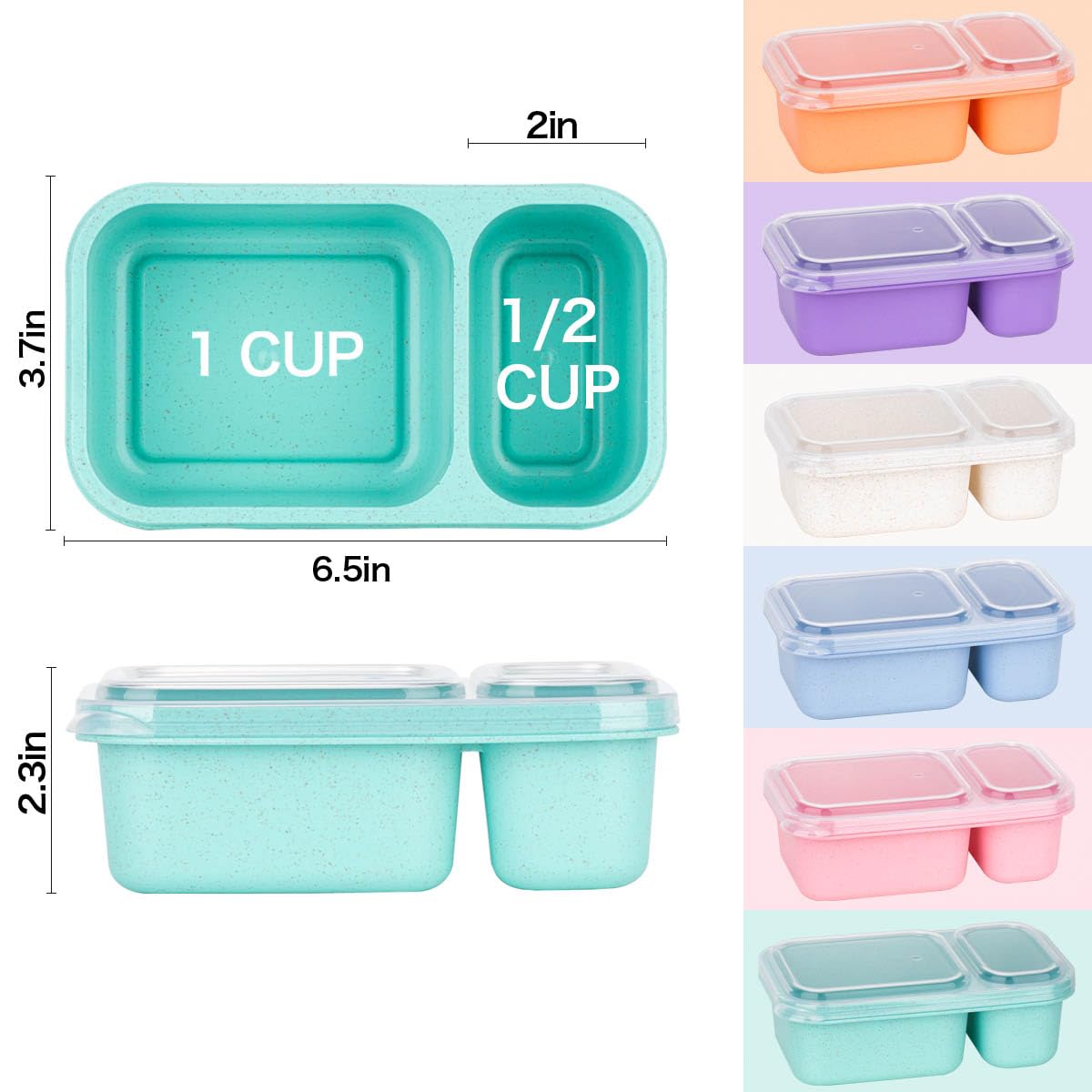
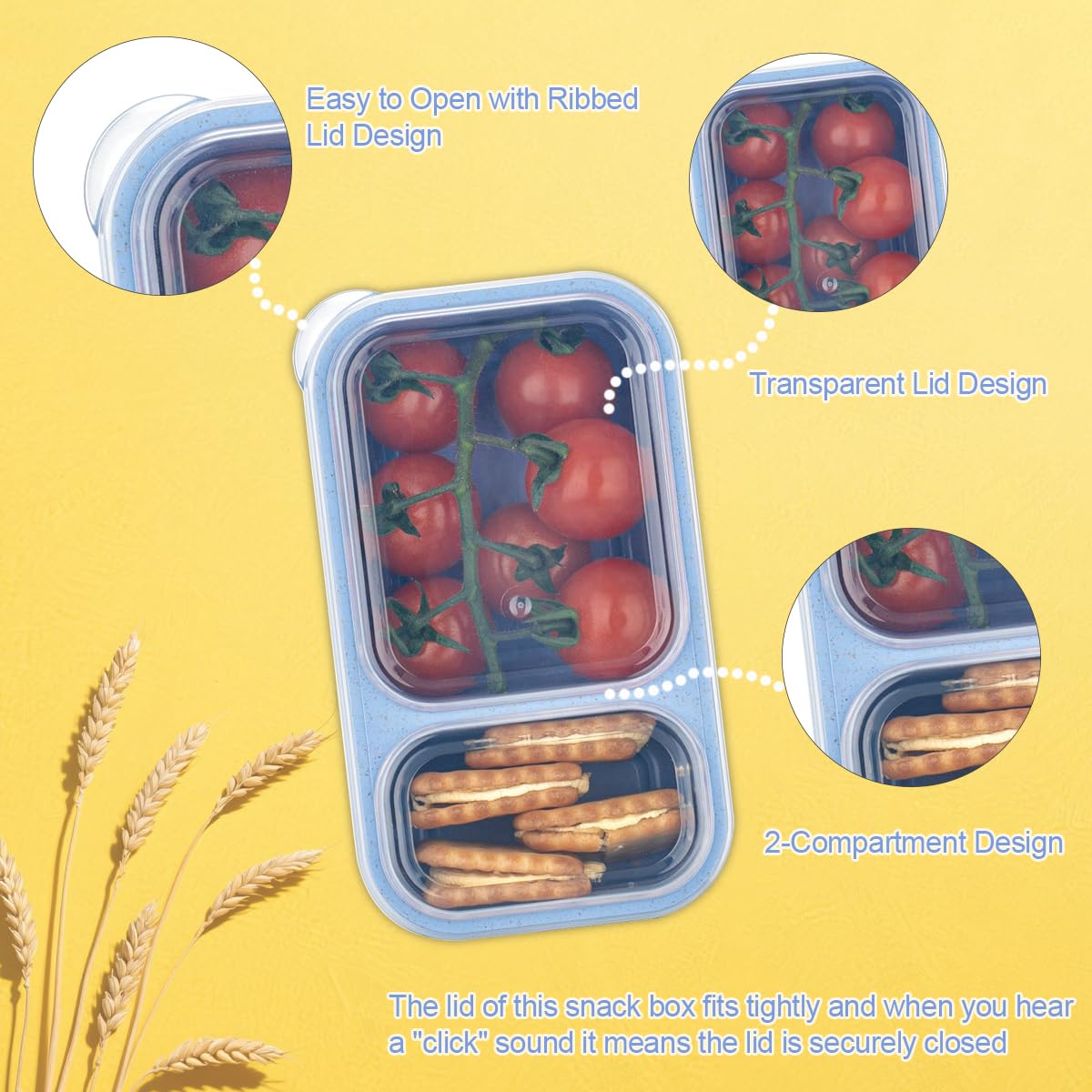
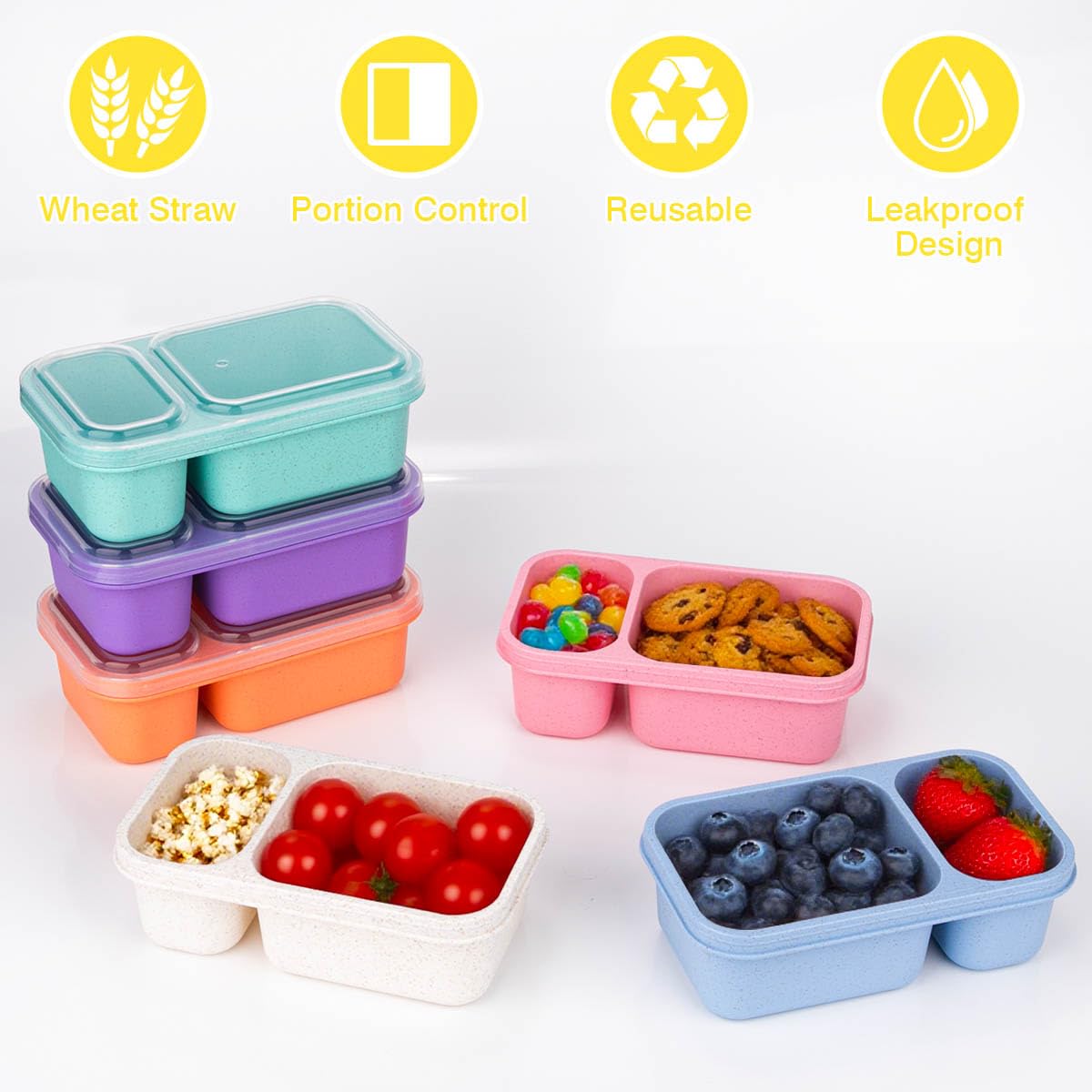
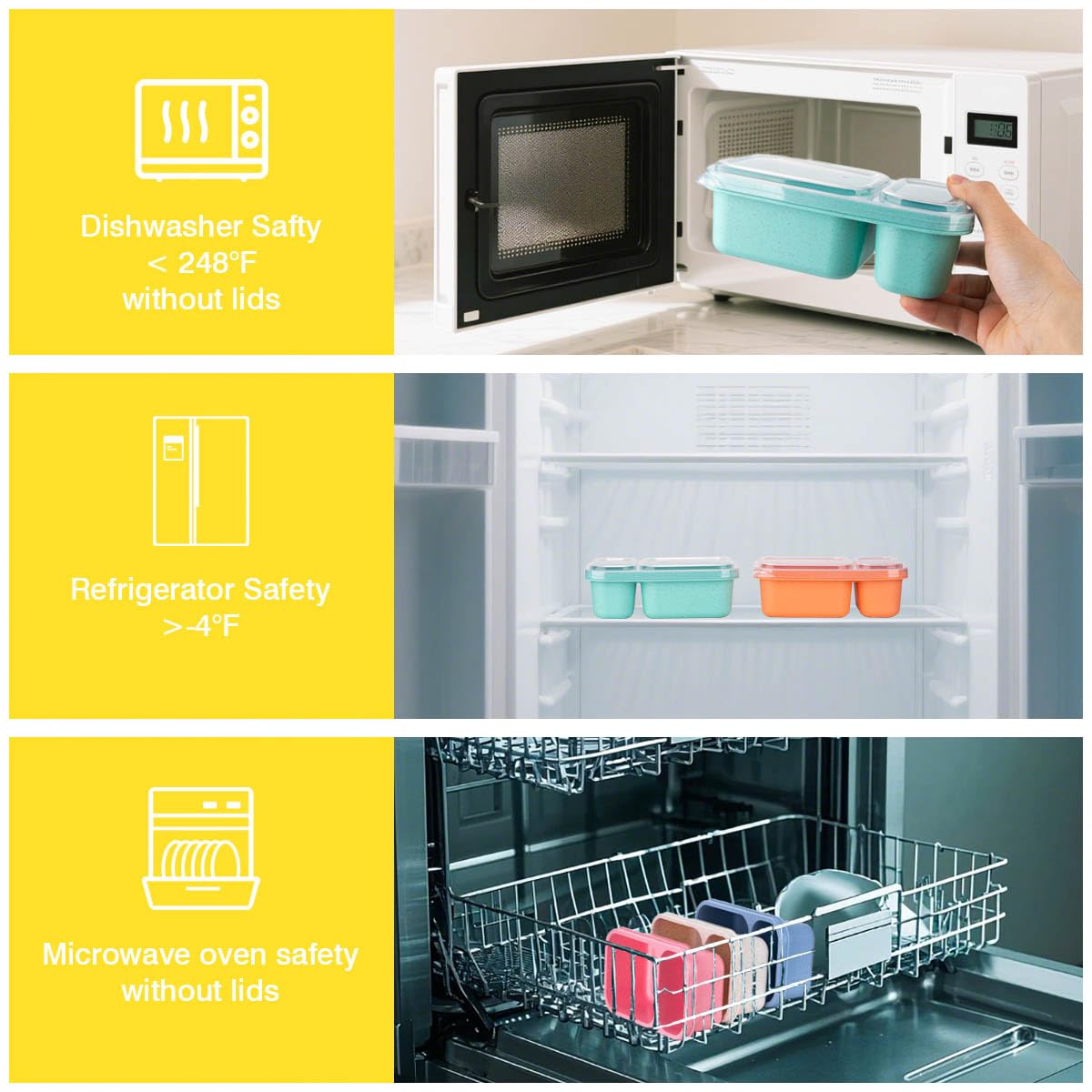
DOSEWART 2-Compartment Reusable Snack Containers with Lids Wheat Straw Reusable Snack Packs for Meal Prep Food Storage on-the-go Snacking(6Pack)
- 2 Compartment Design for Versatility - These snack containers feature two separate compartments(1cup&0.5cup),
- Custom-Fit Lids for Leak-Proof Storage - The reusable snack packs come with custom-fit lids that create a secu
- Durable and Material - Made of wheat straw and plastic, these 2 compartment snack containers are safe for food
6. Practical Meal and Snack Planning for Busy Families
The biggest barrier to good tween nutrition in most families I see in clinic is not knowledge. It is time. Parents know their child should be eating more vegetables and less processed food. They simply do not always have the bandwidth to make that happen on a Tuesday evening after a full day of work.
Batch cooking and pre portioning at the weekend is the single most effective habit shift I recommend. It does not need to take the whole Sunday afternoon. An hour of prepping — washing and cutting fruit and vegetables, portioning snacks into containers, cooking a big batch of grains or protein — sets the whole week up.
For tweens who are starting to make their own snacks and lunches (which is something worth actively encouraging for independence and food literacy), having everything pre portioned makes good choices genuinely easy. The DWTS double compartment containers are a good practical option for this: affordable, dishwasher safe, and available in a 20 pack so you can prep the full week in one session.
If you are looking for ways to streamline the whole process further, there are some genuinely useful meal prep gadgets for busy parents that can cut your Sunday prep time significantly.
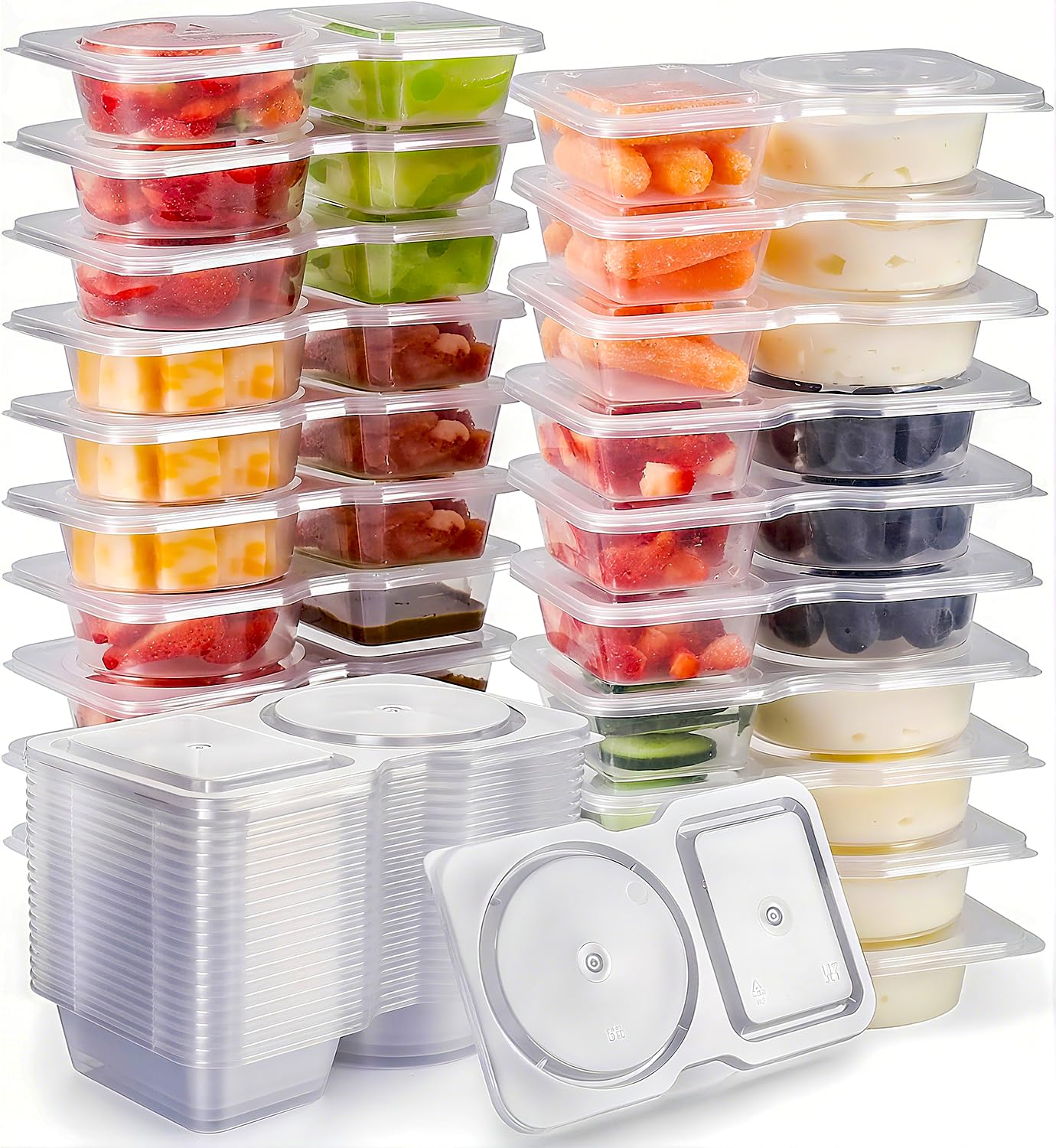
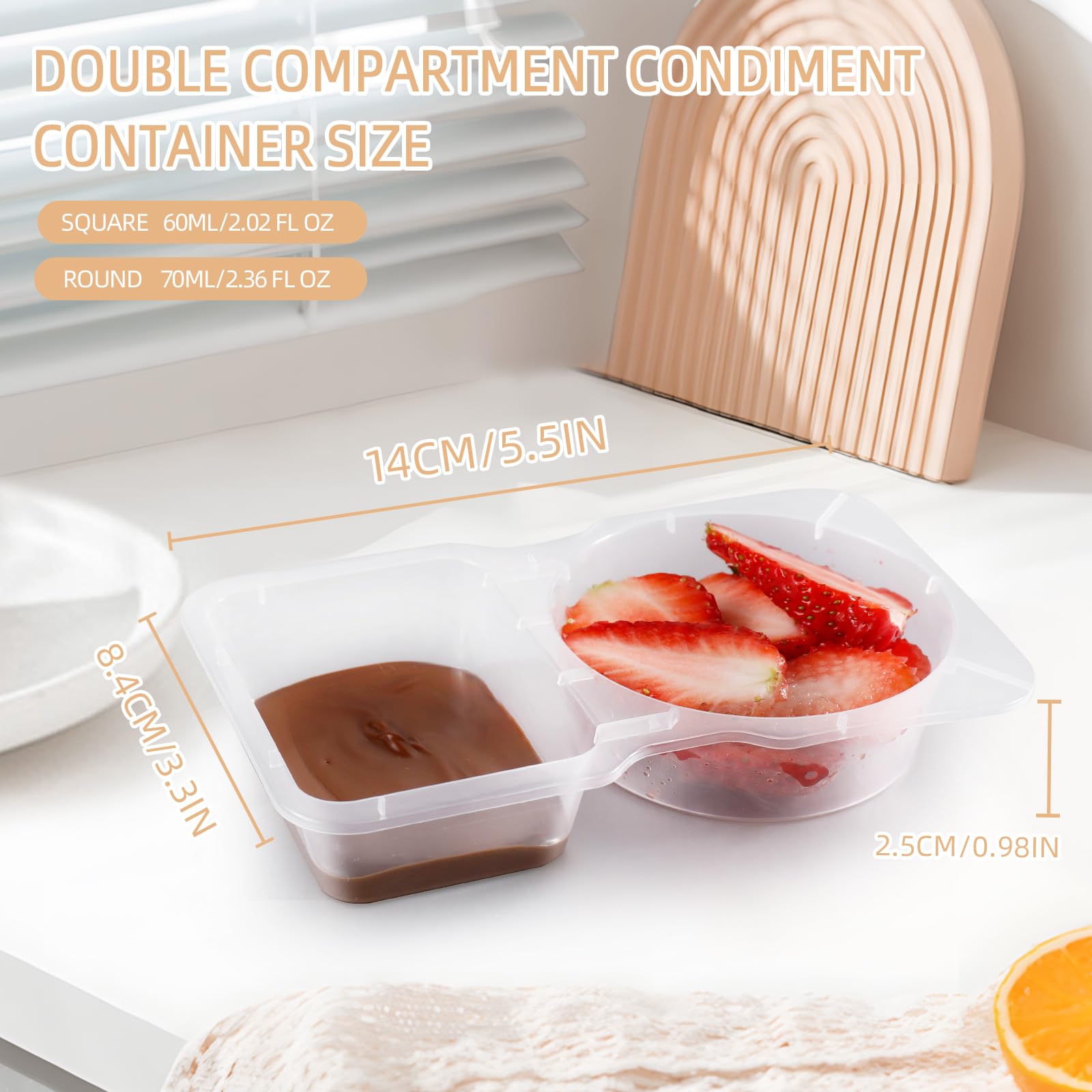
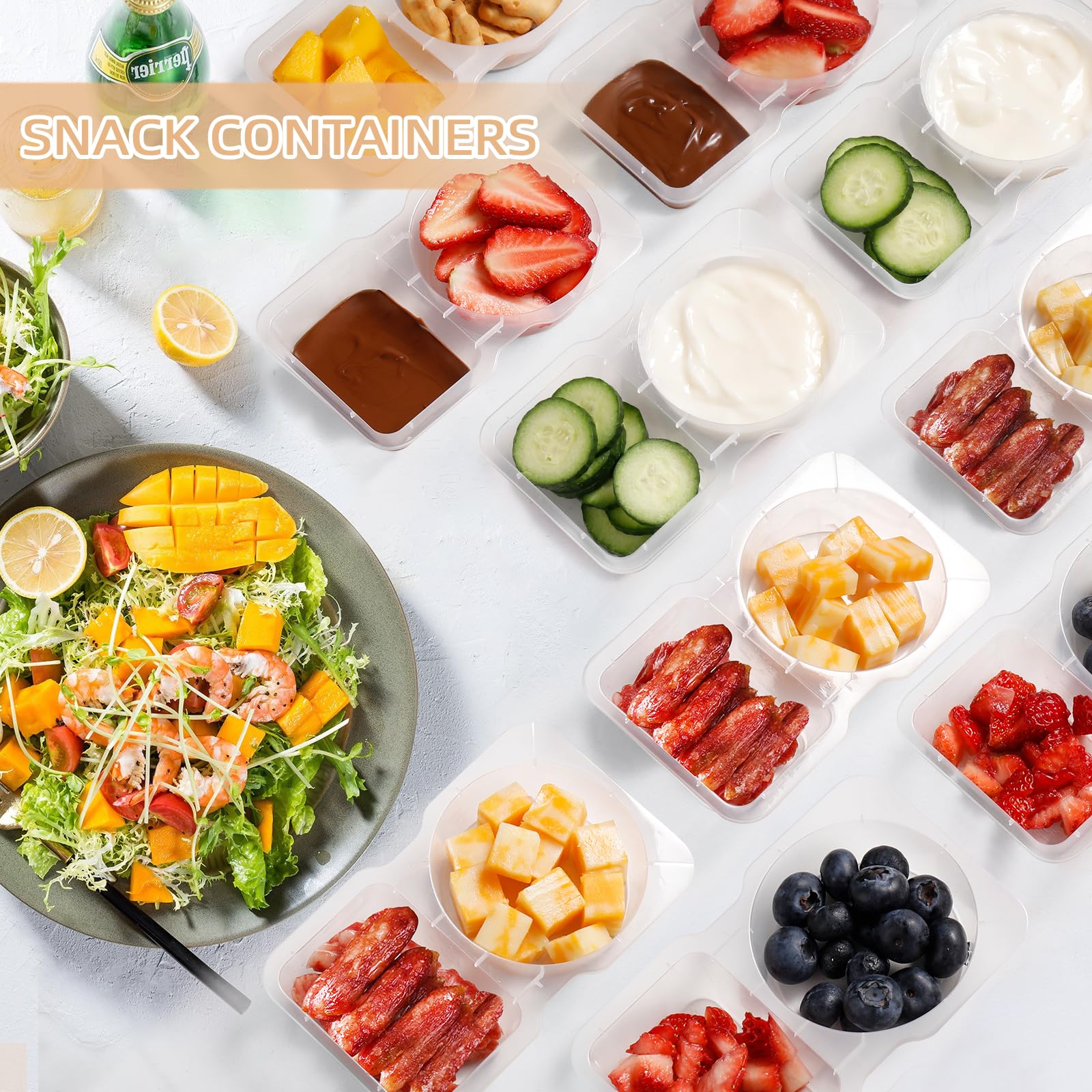
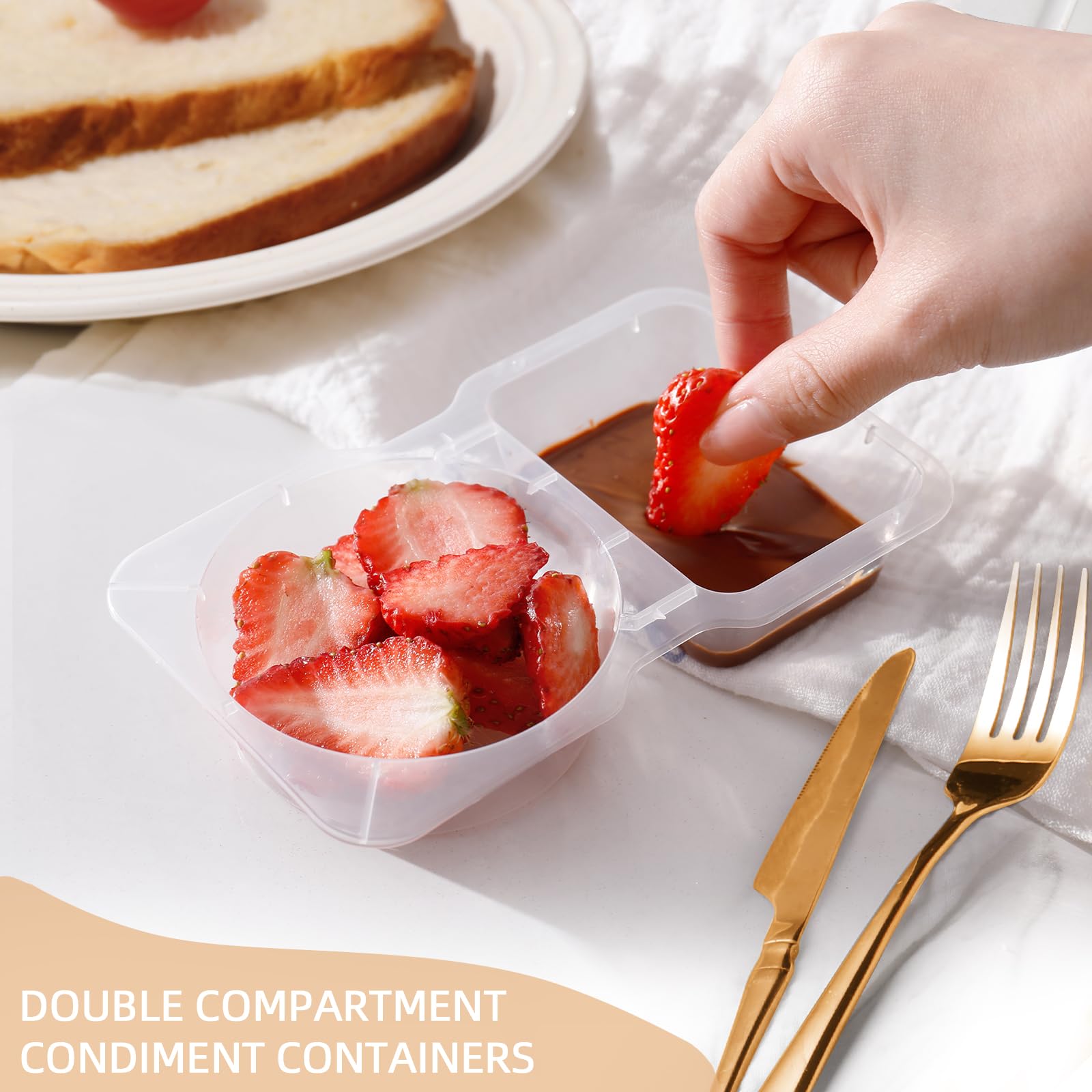

Reusable Snack Containers with Lids: Snack Pack Containers 20Pcs - Snackle Box Container Portion Control - Meal Prep Containers - Double Compartment Snack Containers for Travel - Camping Essentials
- 2 COMPARTMENT SNACK CONTAINERS DESIGN: The snackle box has 2 separate compartments to store different foods, k
- DOUBLE SNACK CONTAINERS WITH LIDS:Perfect as to go food containers,lunch box,lunchable container,lunch contain
- REUSABLE SNACK CONTAINERS:Plastic snack containers with lids are made of food-grade plastic,BPA-free,making th
7. Red Flags: When Tween Eating Warrants a Closer Look
Most variations in tween appetite are normal. Growth spurts bring huge hunger; leaner periods follow. But some patterns warrant a conversation with your GP or paediatrician.
Early eating disorders can begin in the tween years, and earlier intervention leads to significantly better outcomes. If you are concerned, do not wait for things to become more severe before raising it. A single appointment to discuss it is never an overreaction.
Tweens approaching puberty may also have questions about the physical changes they are seeing in their own body and how food relates to those changes. The article on puberty timelines and when to seek advice may help you start that conversation with context and confidence.
Expert Insights
These years go fast. One day you are cutting up their grapes and the next they are packing their own lunchbox and forming opinions about sushi. The tween phase is genuinely one of the most important nutritional windows in a child's entire life, not because getting it perfect is the goal, but because the habits formed here tend to stick. You do not need a perfect diet. You need a mostly consistent one, a fridge stocked with things worth reaching for, and enough shared meals to keep the conversation open.
The food your tween eats this year is building the bones, brain, and habits they will carry into adulthood. That is worth the Sunday afternoon prep session.
If this guide was useful, save it, share it with another parent in the tween years, or come back to it when the appetite questions start changing again around year six of primary school.
Sources & References
- American Academy of Pediatrics. "Nutrition in Middle Childhood." HealthyChildren.org. 2023. https://www.healthychildren.org
- U.S. Department of Agriculture and U.S. Department of Health and Human Services. "Dietary Guidelines for Americans, 2020–2025." 8th Edition. 2020. https://www.dietaryguidelines.gov
- National Institutes of Health, Office of Dietary Supplements. "Calcium: Fact Sheet for Health Professionals." 2023. https://ods.od.nih.gov/factsheets/Calcium-HealthProfessional/
- National Institutes of Health, Office of Dietary Supplements. "Iron: Fact Sheet for Health Professionals." 2023. https://ods.od.nih.gov/factsheets/Iron-HealthProfessional/
- World Health Organization. "Global Action Plan on Physical Activity 2018–2030: More Active People for a Healthier World." 2018. https://www.who.int
- World Health Organization. "Global Nutrition Report." 2023. https://globalnutritionreport.org
- National Health Service (UK). "Vitamins for Children." NHS.uk. 2023. https://www.nhs.uk/conditions/baby/weaning-and-feeding/vitamins-for-children/
- British Dietetic Association. "School Age Children and Healthy Eating." BDA Food Fact Sheet. 2022. https://www.bda.uk.com
- Harvard T.H. Chan School of Public Health. "The Nutrition Source: Healthy Eating Plate." 2023. https://www.hsph.harvard.edu/nutritionsource/
- National Institute for Health and Care Excellence (NICE). "Eating Disorders: Recognition and Treatment." NICE Guideline NG69. 2017 (updated 2020). https://www.nice.org.uk/guidance/ng69
Frequently Asked Questions
How many calories does my 10 year old actually need?
My tween has suddenly gone off foods they used to eat. Is that normal?
Should my tween take a multivitamin?
My tween daughter has started a period. Does she need to eat differently?
How do I handle a tween who wants to eat less because they think they are fat?
Is it okay for tweens to be vegetarian or vegan?
My son eats everything in sight. How do I know if he is overeating or just growing?
Was this helpful?
Thanks — your feedback helps us pick what to write next.