Using Screens to Calm Your Child: When It Helps and When It Hurts
Using a screen to calm a distressed child is not automatically harmful, but doing it repeatedly as the default emotional reset can interfere with a child's developing ability to manage feelings on their own.
In this article
Your toddler is mid-meltdown in a grocery store. You are 12 items deep in the queue. You hand over your phone. Ten seconds later, silence. Every parent reading this has been there, and not one of you needs to feel guilty about it.
But a nagging question sticks around: am I teaching my child that feelings disappear when a screen appears?
According to Common Sense Media's 2023 survey, children ages 8 and under now average around two hours and 27 minutes of screen time per day, a figure that has climbed steadily since 2017. Screens are woven into modern childhood. The real question is not whether your child uses them; it is how, when, and why.
In this article you will understand:
1. What Happens in a Child's Brain When a Screen Takes Over
The brain does not pause development just because a cartoon is playing. When your child is distressed and a screen appears, several things happen at once, and understanding them makes you a much more confident decision maker.
First, the immediate calming effect is real and neurologically legitimate. Screens deliver rapid sensory input: movement, sound, colour, novelty. That combination activates the brain's orienting response, a hard-wired reaction that redirects attention toward a new stimulus. Heart rate drops. Cortisol (the stress hormone) begins to fall. The tantrum stops. From a pure physiology standpoint, this works.
The problem is what gets skipped. When a child is distressed, the ideal outcome is that they move through the emotion with support: they feel it, they tolerate it, they come out the other side. That process, repeated thousands of times across childhood, is how self regulation develops. It is slow, unglamorous, and often loud. Screens short-circuit it cleanly, which is exactly why they are so tempting.
What neuroscience tells us about young brains and screens
Research from the National Institutes of Health's Adolescent Brain Cognitive Development (ABCD) study, one of the largest long term studies of brain development in US children, found that children who spent more than two hours a day on screens scored lower on thinking and language tests. Heavy screen use was also associated with differences in the structure of the cortex, the outer layer of the brain involved in processing information.
None of that means a single soothing session causes lasting harm. What it means is that the brain is actively shaped by repeated experience. Habits matter far more than individual moments.
The role of dopamine
Screens also stimulate dopamine release, particularly fast-moving content and interactive apps. Dopamine is the brain's anticipation and reward chemical. When it floods the system reliably every time a child feels bad, the brain starts to associate distress with the expectation of a screen reward. Over time, this can lower a child's tolerance for sitting with any discomfort at all, even mild boredom.
2. Age by Age: Why Your Two Year Old and Your Seven Year Old Are Not the Same Conversation
Age is the single biggest variable in the screens-as-soothing debate. What represents a reasonable occasional tool for a six year old can be genuinely disruptive for an 18-month-old. Here is what the evidence and clinical experience show for each stage.
Under 18 months
The American Academy of Pediatrics (AAP) recommends avoiding screen use for children under 18 months, except for video chatting. This is not arbitrary. Before 18 months, children cannot reliably transfer learning from a screen to the real world. They see a ball rolling on a screen and do not process it the same way they would a ball in their hands.
Using screens to soothe at this age is particularly risky because self regulation is at its most embryonic. The only true regulators available to babies are their caregivers. Every time a parent sits with a distressed infant, uses a calm voice, and helps them return to baseline, neural pathways for emotional regulation strengthen. Handing over a screen bypasses that interaction entirely.


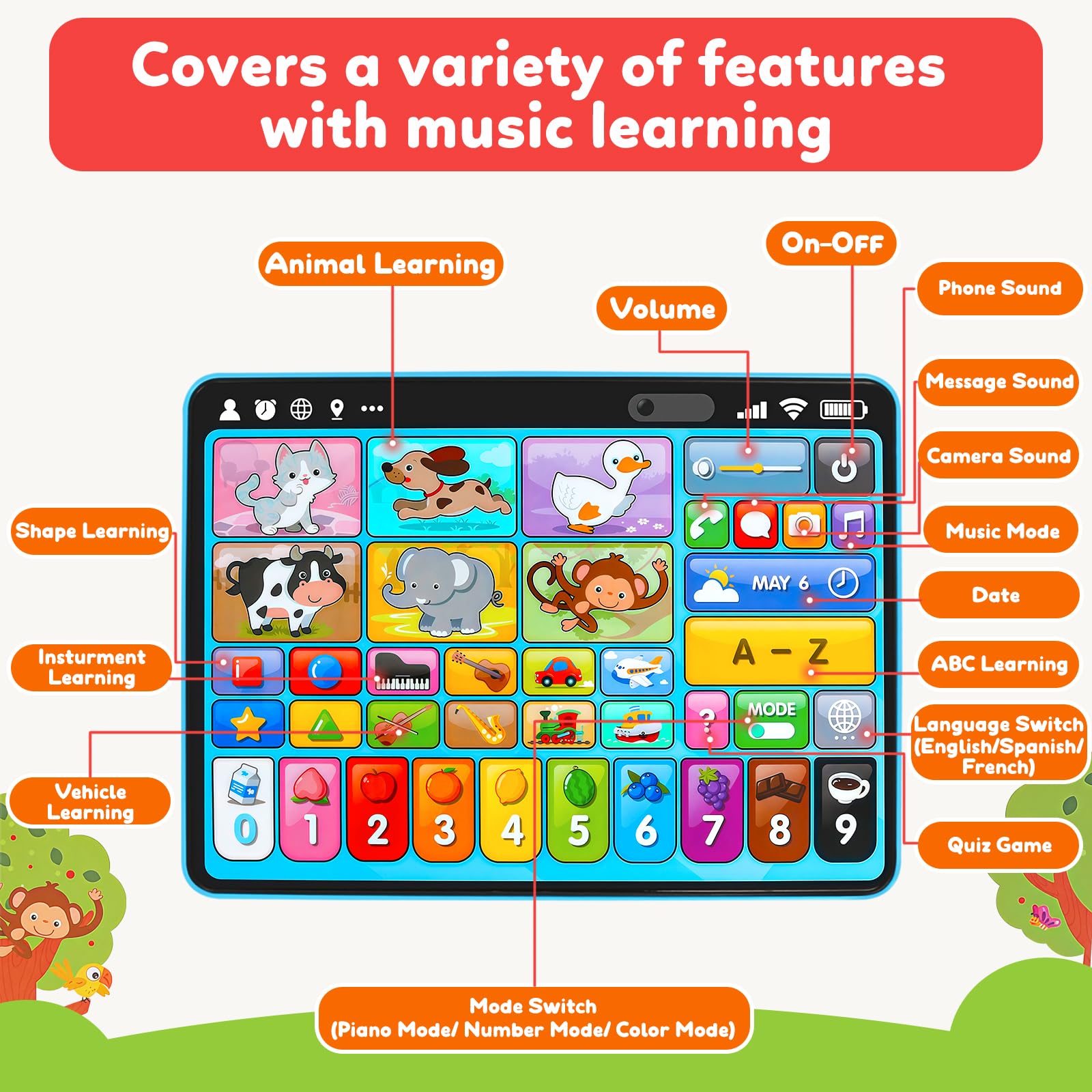
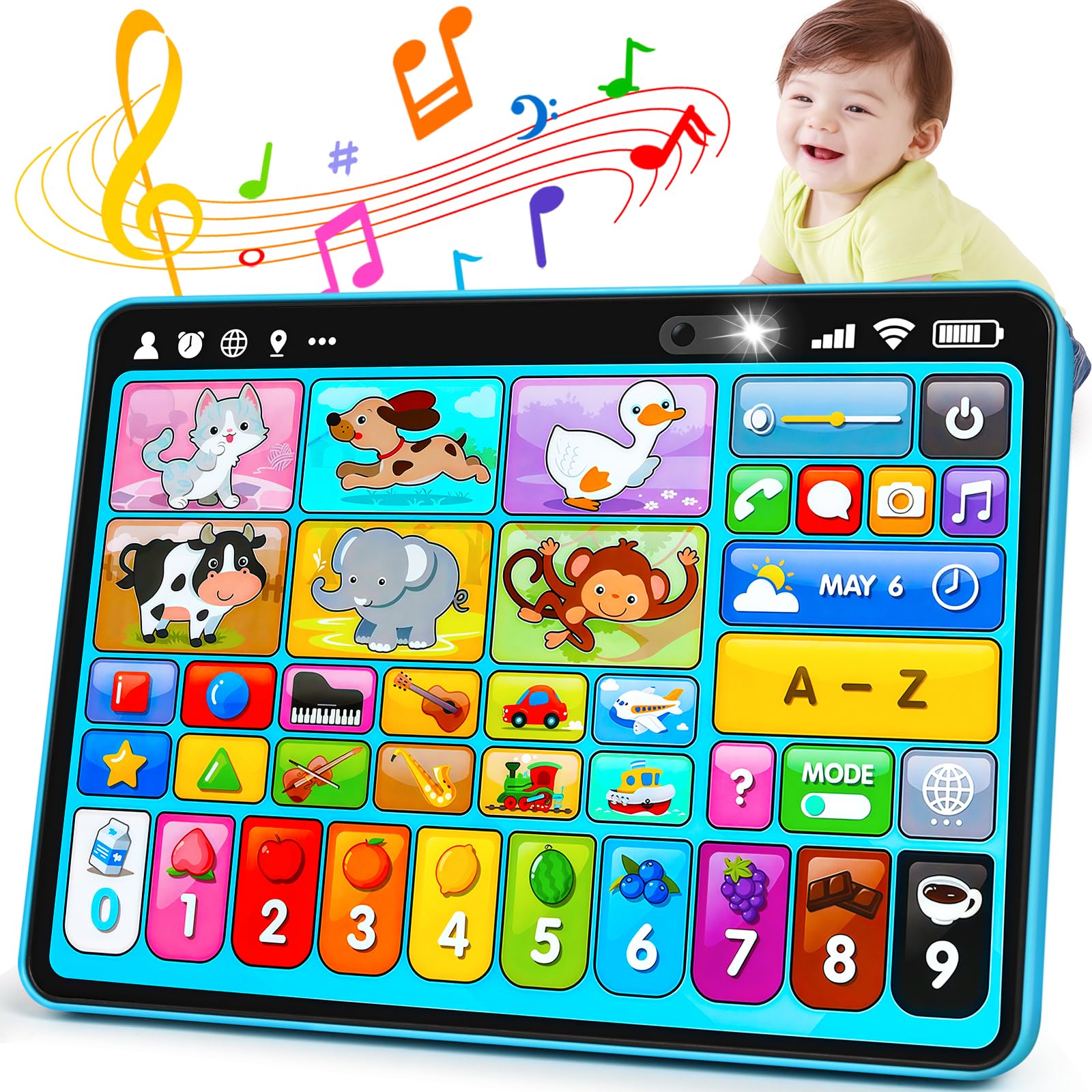

Peacurh Trilingual Learning Toy Tablet with Music & Sound, Montessori Speech Musical Therapy Toys, Gifts for Boy, Girl, Baby, Toddler, for Age 1, 2, 3 Year Old (12-18 Months)
- 【Multi-functional Learning Tablet Toy】The toddler tablet covers multiple themes, including Alphabet, Shapes, C
- 【Baby Musical Toys in Various Mode】Our baby tablet comes with 4 play modes. LEARNING MODE: Toddler can learn b
- 【Trilingual Learning Toys for Toddlers 1-3】This toddler learning tablet provides trilingual teaching including
18 months to 3 years
This is the phase where most parents start using screens to soothe, because toddler emotions are volcanic and parental resources are finite. The AAP advises limiting screen use to one hour per day of high quality programming at this age, watched with a caregiver when possible.
A short, slow-paced video when a toddler is truly overwhelmed and you have already tried other strategies is not going to derail their development. The risk comes when it becomes the automatic first response rather than a considered last resort. Toddlers at this age are also starting to build imaginative play skills that are far more powerful for emotional regulation than any screen.
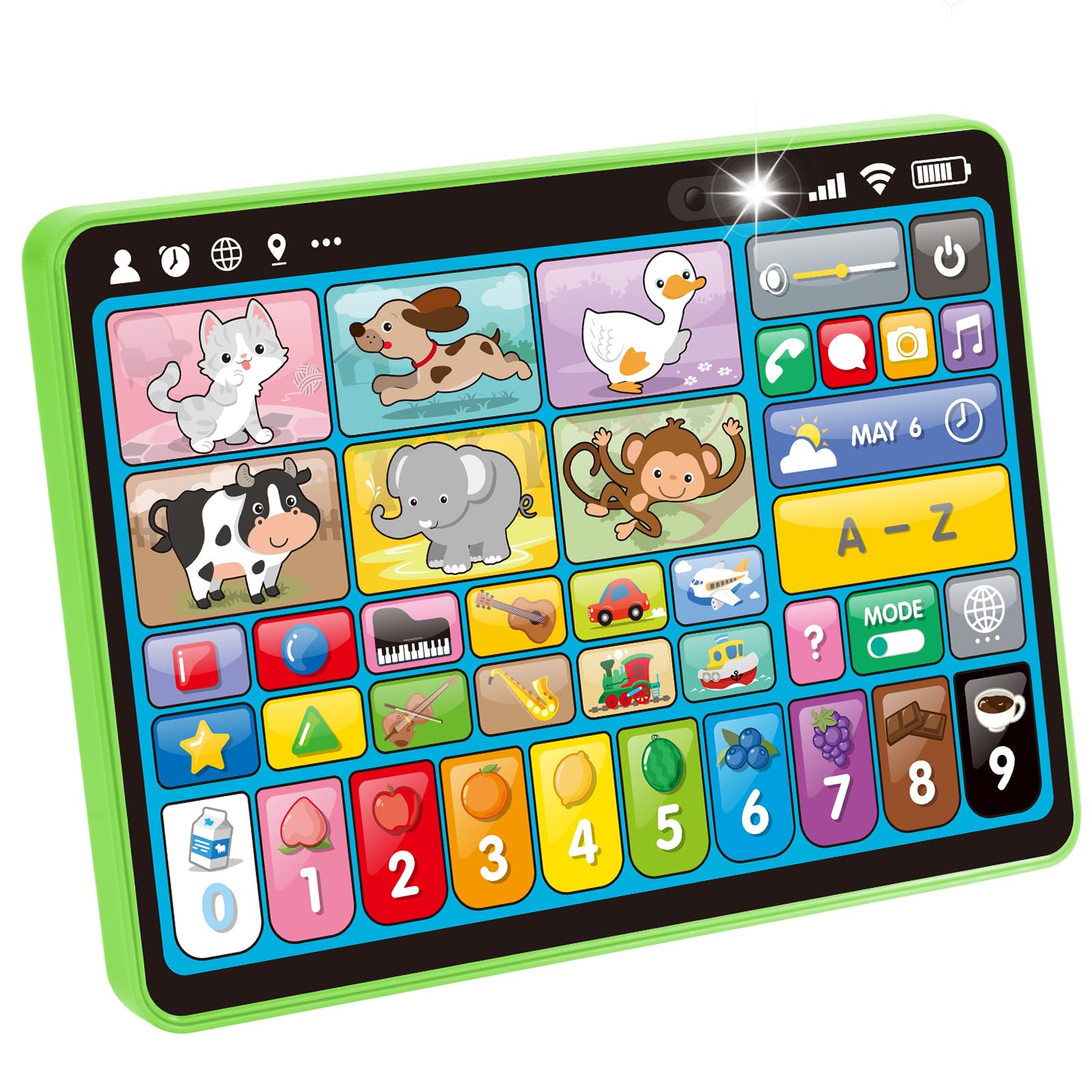
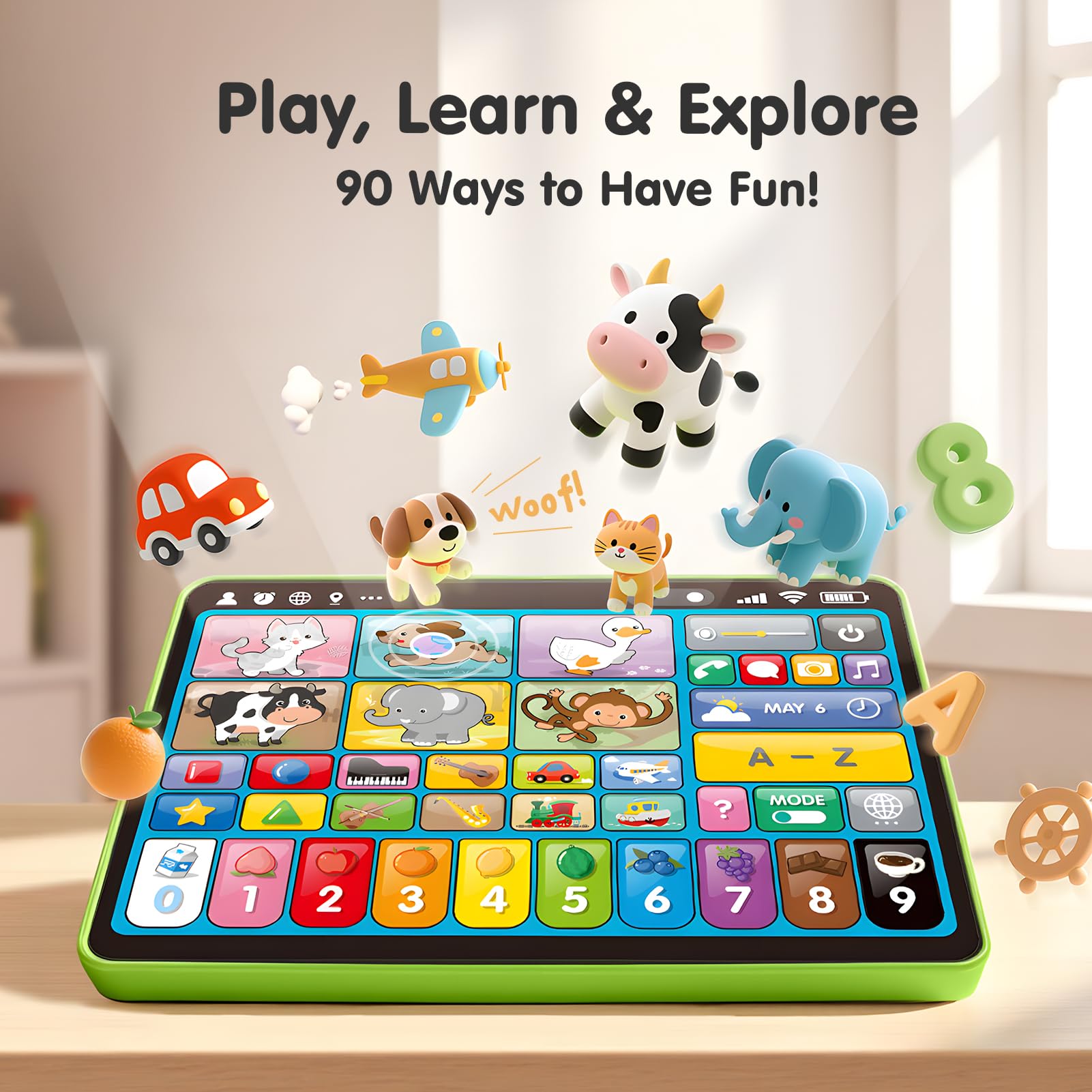
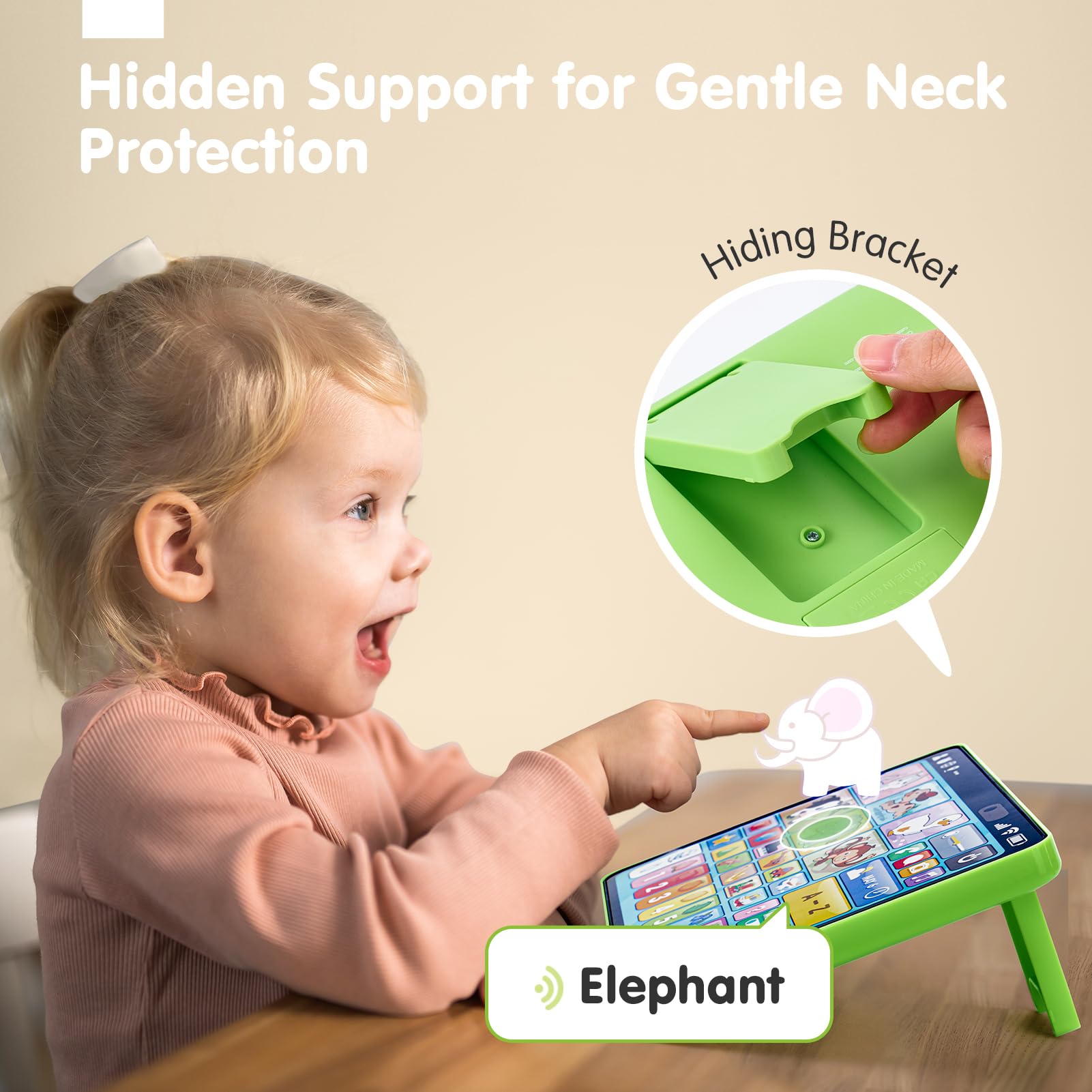
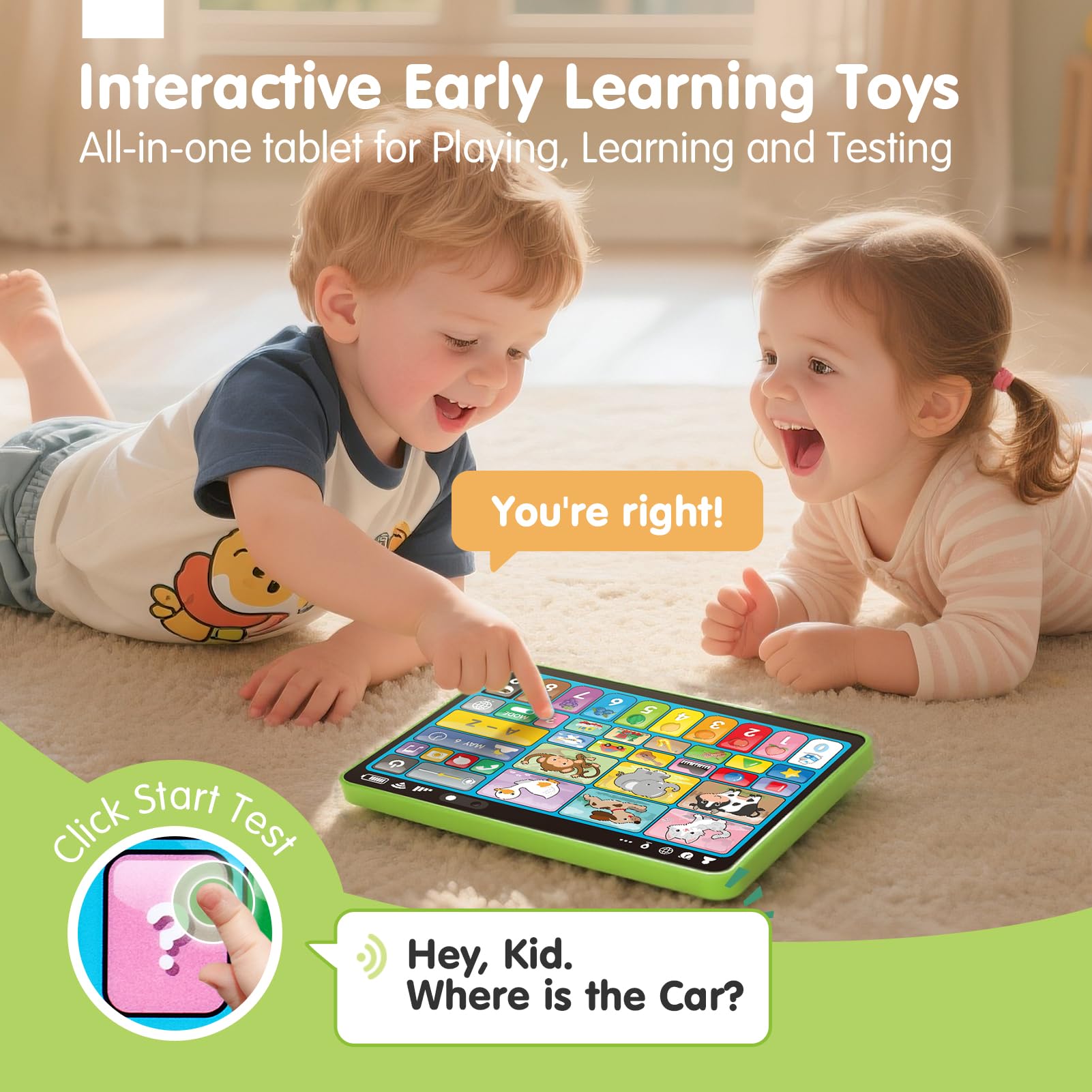
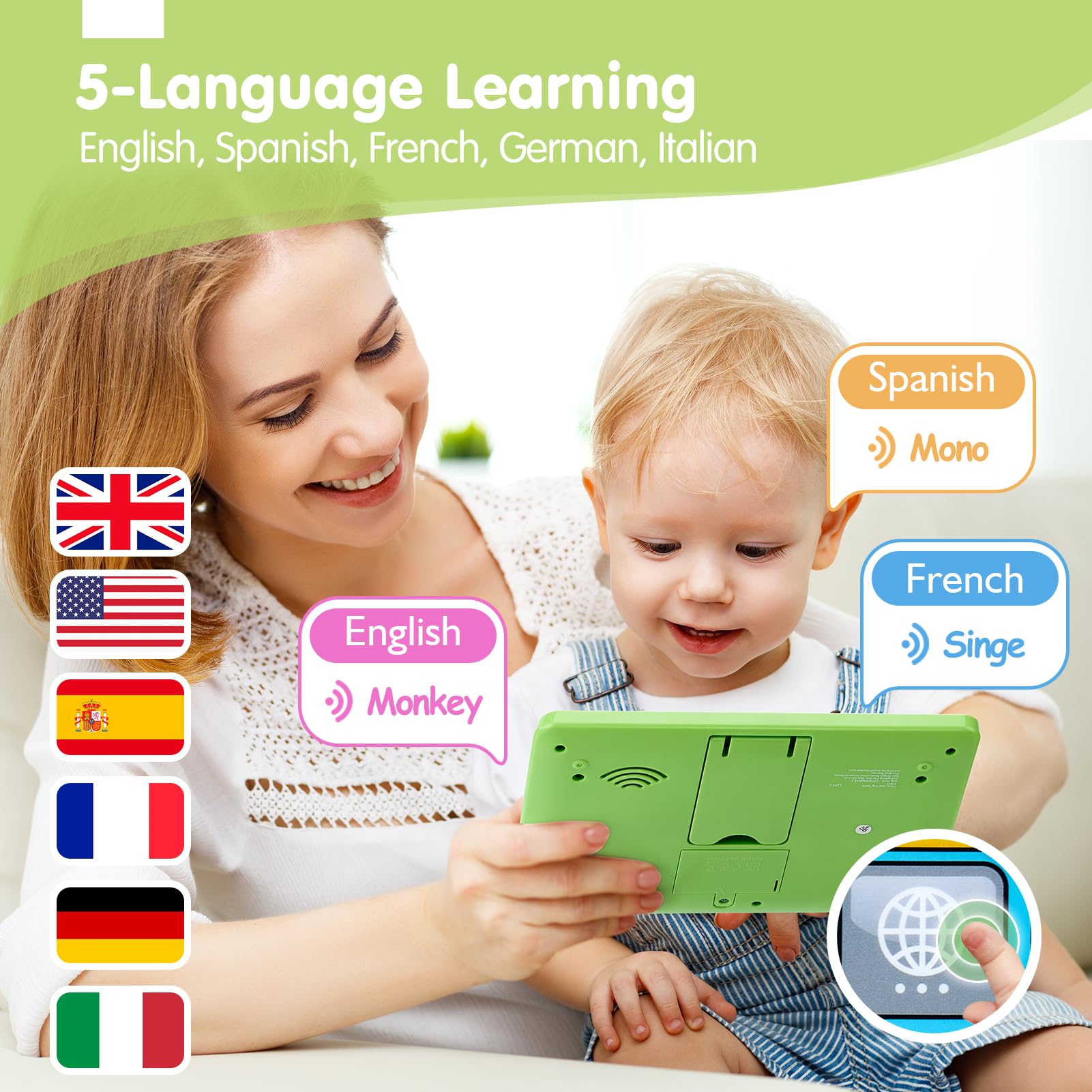
hahaland 5-Language Learning Tablet for Toddlers 1-3 – New Version Educational Toy with Sounds & Speech Therapy – Early Development Easter Gifts for Boys, Girls, Baby, Toddler, Ages 1 2 3
- Comprehensive Early Learning – This Upgrade toddler music learning tablet includes 90+ fun modules covering an
- 4 Playful Learning Modes – This toddler activity tablet offers Learning Mode to teach basic concepts, Quiz Mod
- Screen-Free Multilingual Learning – This no-screen toddler tablet supports English, Spanish, and French with j
Ages 3 to 5
Children at this age have enough language and cognitive development to begin talking about feelings rather than just reacting to them. Screens can still be a useful occasional tool, but parents have far more alternative options available. This is also the age when content begins to matter enormously. Slow, narrative programmes (think classic Mr Rogers or Bluey) actually model emotional regulation in ways that can be talked about afterward.
Ages 6 to 12
Older children use screens socially and creatively, not just passively. A ten year old watching YouTube to decompress after a hard school day is doing something qualitatively different from a toddler watching cartoons to stop a meltdown. At this age, the conversation shifts toward helping children build awareness of their own screen habits and giving them a role in setting limits.
3. When Using a Screen to Calm Is Genuinely Fine
Let us be honest about the situations where screens are a reasonable, even sensible, tool. Parents who feel constantly guilty about every screen interaction are actually less able to use them wisely, because guilt clouds judgement.
Here are the circumstances where clinical experience and research suggest screens can soothe without significant cost.
Medical or dental procedures
For children undergoing blood draws, IV placement, wound care, or dental work, screen-based distraction is actively recommended by paediatric pain management guidelines. A 2019 systematic review published in the Journal of Pain Research found that screen-based distraction significantly reduced pain and distress in children during needle procedures. This is a legitimate, well studied therapeutic use of exactly what parents do instinctively.
Long travel
A three-hour car journey or a transatlantic flight is not the time to enforce strict screen limits. Children, especially under age 6, have very limited capacity for sitting still in confined spaces. Sensible screen use during travel is not a parenting failure; it is a pragmatic response to an unusual situation.
Illness and recovery
A feverish, miserable four year old who just wants to lie on the sofa and watch television is not a moral failing. Rest and comfort are what a sick child needs. Enforcing screen limits when a child is genuinely unwell is not evidence based and adds stress without benefit.
True crisis moments
When a child is in acute distress (a significant emotional injury, a scary event, a moment of genuine overwhelm) and you need to lower the arousal level so you can actually connect with them, a brief screen can be a bridge, not a barrier. The key is what happens after the screen comes off: do you sit together and talk about what was happening?
4. The Red Flags: When Screen Soothing Is Becoming a Problem
There is a meaningful difference between using a screen to help a child through an unusually hard moment and using screens to avoid having to deal with a child's emotions at all. The second pattern is worth paying attention to.
Dr Radesky's team at the University of Michigan has published extensively on parental mobile phone use and child development. Her 2015 study in Pediatrics observed parents using phones at fast food restaurants and found that heavy phone use was associated with more child bids for attention and more conflicted interactions.
Signs to watch for
The escalation problem
One of the subtler red flags is content escalation. Children who use screens primarily to regulate their emotions tend to need increasingly stimulating content over time to get the same calming effect. A toddler who started on gentle nursery rhyme videos now only settles for fast, loud cartoon content. This is the dopamine tolerance pattern in action.
Sleep is another area where screen-based soothing creates downstream problems. Children who fall asleep to screens or use them to wind down in the hour before bed consistently show worse sleep quality in the research literature, because screen light suppresses melatonin and because the content keeps the arousal system engaged. If your child's screen habits are affecting sleep, it is worth looking at what happens during toddler sleep regressions to understand the full picture of what disrupted sleep looks like and why it matters.
5. The Content Variable Nobody Talks About Enough
Two children can watch exactly the same number of screen minutes per day and have completely different outcomes based on what they are watching. This is the most underappreciated variable in the entire screen time debate.
Not all screen time is equal. The content, context, and co-viewing relationship all matter more than time alone.
— American Academy of Pediatrics, Policy Statement on Media and Young Minds (2016)
Fast-paced vs slow content
Fast-paced content (shows with rapid scene changes, lots of action, and high auditory stimulation) maintains arousal even while technically giving a child something to focus on. After it ends, children tend to be more activated, not less. Studies from the University of Virginia (Lillard and Peterson, 2011) found that after just nine minutes of fast-paced cartoon content, preschoolers showed significantly worse executive function performance compared to children who watched slower content or drew pictures.
Slow, narrative content is a better choice for soothing. Look for shows where characters model emotional problem solving explicitly: a character feels scared, they notice it, they do something about it. Bluey, Daniel Tiger's Neighbourhood, and Sesame Street all have research-backed evidence for supporting emotional literacy.
Educational toy screens vs passive video
There is a meaningful distinction between handing a toddler your phone to watch YouTube and giving them an interactive learning toy that happens to have a screen-like interface.

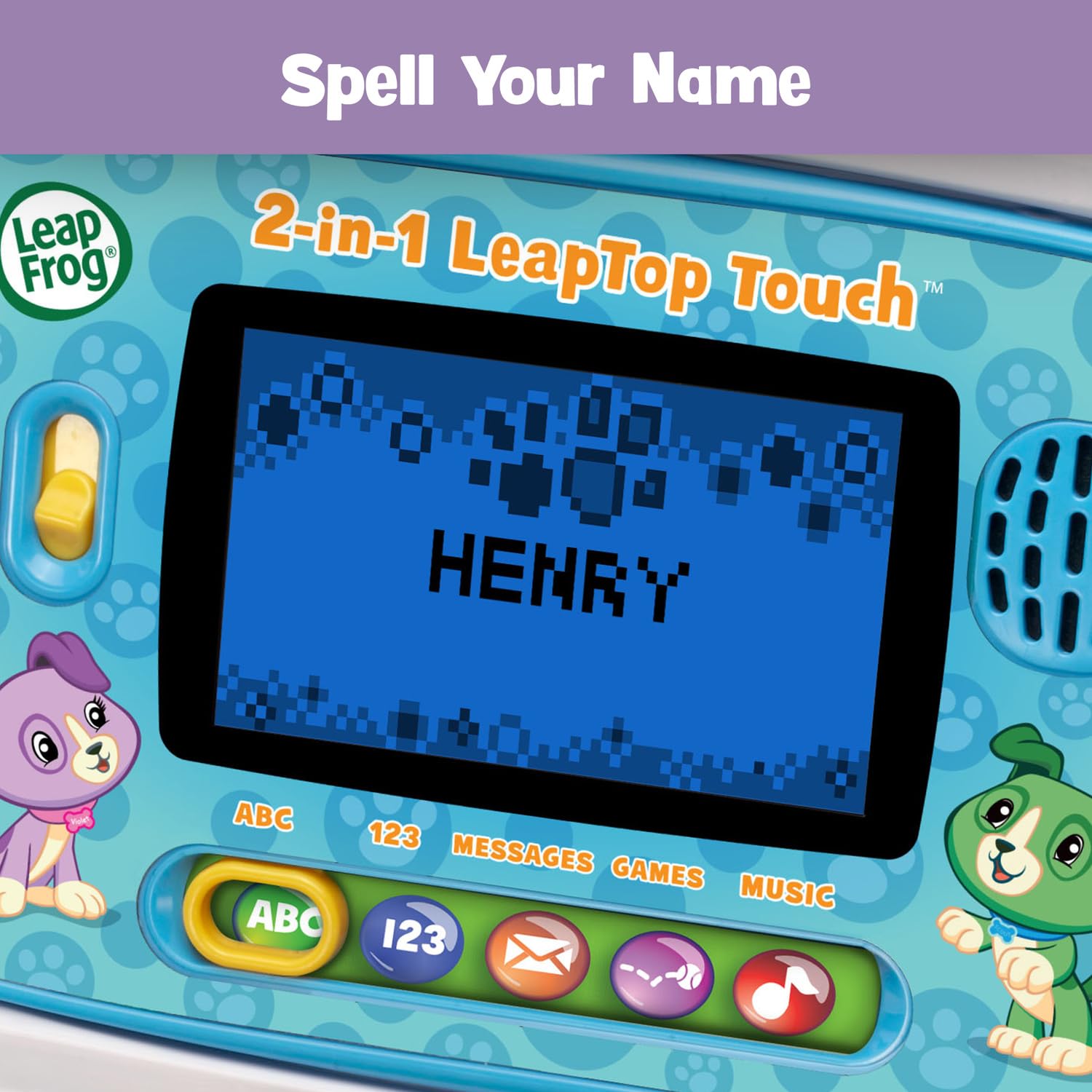

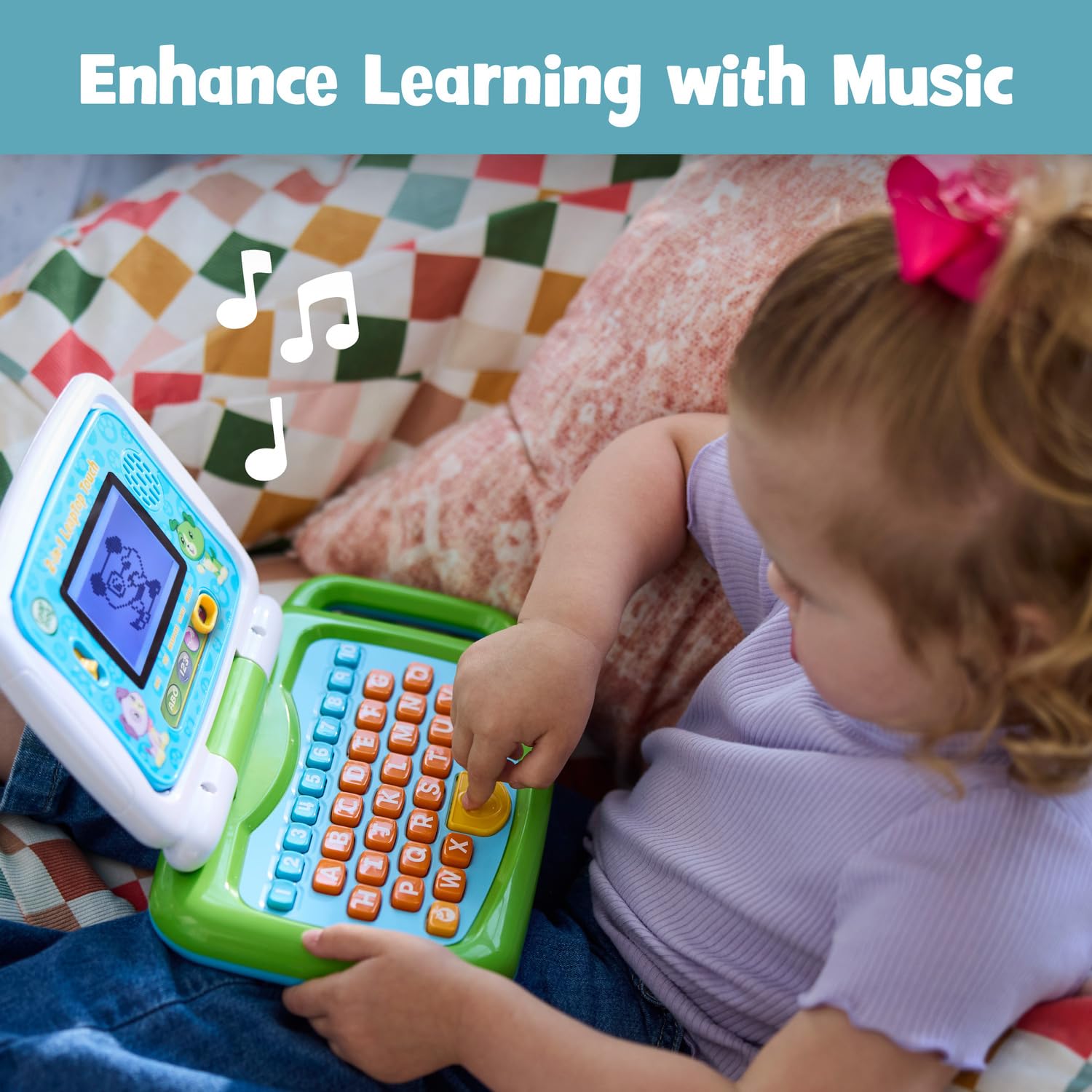
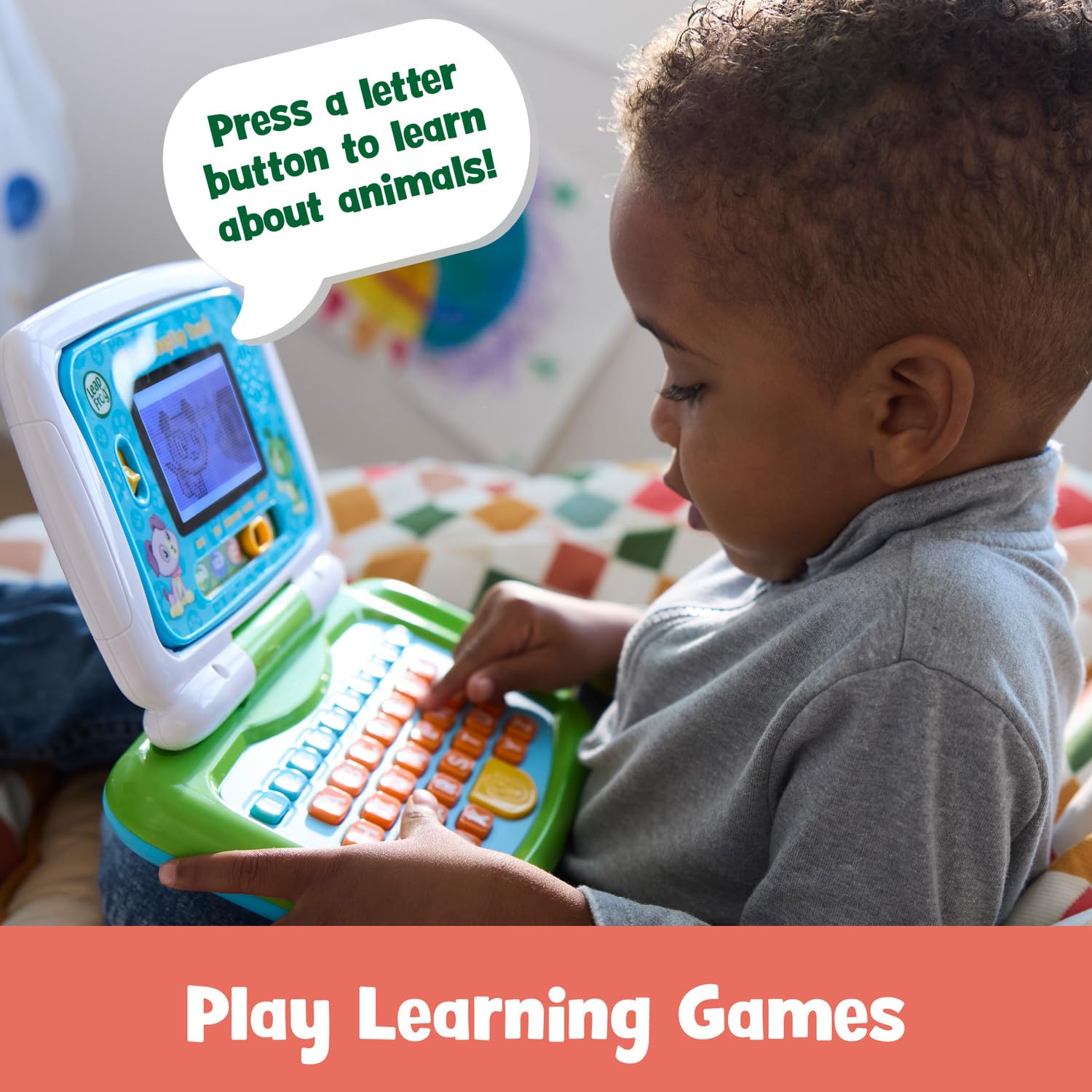
LeapFrog 2-in-1 LeapTop Touch
- 2-in-1 laptop toy for preschoolers features a screen that flips to convert from keyboard to tablet mode
- Learning laptop features a keyboard with letters A-Z and numbers 1-10, or swivel and transform it into a touch
- Kids can pretend to be like mom and dad with role-play activities like e-mailing Scout; parents can customize
Interactive learning toys like the LeapFrog 2-in-1 LeapTop Touch engage a child's hands and voice, prompt responses, and give corrective feedback. They are qualitatively different from passive video in the same way that a picture book is qualitatively different from television. When you need to redirect a toddler who is heading toward a meltdown, an interactive toy is often more effective anyway because it channels their energy into doing something rather than just watching.
For families wanting a true screen device with guardrails, the Amazon Fire 7 Kids tablet gives parents meaningful control over content and time, including parental controls that can lock the device after a set duration so you are not the one who has to physically pry it away.
The co-viewing effect
Research consistently shows that children extract more learning and show less problematic screen behaviour when a parent watches with them and talks about what is on screen. This is called joint media engagement in the research literature, and its effects are significant enough that the AAP specifically recommends it as a core part of healthy screen use for children under 5.
You do not need to sit through every episode of Peppa Pig with sustained attention. Even checking in, commenting on what a character is feeling, and being physically present changes the experience from passive consumption to something closer to shared storytelling.
6. What to Reach for Before the Screen Comes Out
This is the practical section. Not because screens are bad and you should avoid them at all costs, but because having alternatives ready makes you more intentional rather than reactive. The best parenting decisions are made in advance, not mid-meltdown.
Physical co-regulation first
Before age 5, most children cannot regulate their emotions independently. They need another regulated adult to help their nervous system settle. The most powerful tools are physical and relational: firm holding if your child accepts it, rocking, deep pressure (a tight bear hug), rhythmic movement (walking, bouncing). These activate the vagal system and bring cortisol down just as effectively as a screen, without the dopamine overshoot.
Outdoor reset
The research on nature and children's stress responses is striking. Even five minutes outside significantly reduces cortisol in children. If you are home and it is remotely feasible, going outside is often a faster emotional reset than a screen, and the effects last longer. The evidence for why time in nature supports children's development goes well beyond just mood; it has been linked to improved attention, better sleep, and stronger emotional resilience.
Sensory tools
For toddlers especially, sensory input can interrupt emotional escalation before it peaks. Cold water on the hands or face, a textured fidget toy, Play-Doh, kinetic sand, a weighted blanket. These are not fancy interventions; they work because they give the nervous system something concrete to process other than the emotion itself.
Interactive toys as a middle ground
If your child specifically wants something in their hands that feels like a screen, a physical interactive toy bridges that gap without the passive video component. The LeapFrog LeapPad Academy and the PEICHENG Kids Tablet with parental controls are worth considering here for school-age children who want device interaction with appropriate limits built in from the start.
Naming the feeling first
For children over 2, even a brief verbal acknowledgement ("You are so frustrated right now, that is so hard") activates the prefrontal cortex and reduces amygdala reactivity. This is not just feel-good parenting philosophy; it is neuroscience, first described compellingly in research by UCLA's Matthew Lieberman. The effect is small on its own but compounds with practice. Every time you name an emotion before reaching for a screen, you are adding a brick to your child's self regulation architecture.
Comparing Screen Options for Different Ages and Needs
| Screen Type | Best Age Range | Best For | Main Drawbacks | Recommended Product | Price Range |
|---|---|---|---|---|---|
| Physical interactive learning toy (no video) | 12 months to 3 years | Hands-on soothing without passive video; language building | Limited as child grows | Peacurh Trilingual Learning Tablet | ~$22 |
| 5-language no-screen interactive toy | 1 to 3 years | Multilingual families; speech and vocabulary support | Not a device; no apps | hahaland 5-Language Learning Tablet | ~$19 |
| Preschool learning laptop/tablet toy | Ages 2 to 5 | Pretend device play; letters and numbers | Not a real tablet | LeapFrog LeapTop Touch | ~$30 |
| Dedicated kids tablet (curated content) | Ages 3 to 7 | Parental controls, ad-free content, limited screen time settings | Higher cost; still a screen | Amazon Fire 7 Kids tablet | ~$110 |
| Kids Android tablet with parental controls | Ages 4 to 10 | Google Play access, camera, family sharing | Android requires more setup | PEICHENG Kids Tablet | ~$41 |
| Full-featured learning tablet with curriculum | Ages 4 to 9 | Structured learning apps, educator-approved content | Expensive; limited outside LeapFrog ecosystem | LeapFrog LeapPad Academy | ~$118 |
Expert Insights on Screens and Emotional Development
Conclusion
Here is the honest truth: parenting in the real world means using screens sometimes. Not because you gave up, but because you are human, your child is human, and some moments need a circuit breaker. The research does not ask you to be perfect. It asks you to be intentional.
When you understand what is actually happening in your child's brain, you can make that call clearly. A screen used occasionally, paired with calm and connection, is a tool. A screen used reflexively, every time feelings get hard, without any repair or conversation afterward, is something else.
The most important sentence in all of this is also the simplest one: what happens after the screen turns off matters more than the screen itself.
If this article helped you think about this differently, save it for the next time the guilt spiral starts. And share it with another parent who needs to hear that nuance exists in this conversation.
Sources & References
- Common Sense Media. "The Common Sense Census: Media Use by Kids Age Zero to Eight." 2023. https://www.commonsensemedia.org/research/the-common-sense-census-media-use-by-kids-age-zero-to-eight-2023
- American Academy of Pediatrics. "Media and Young Minds." Pediatrics, 2016. https://publications.aap.org/pediatrics/article/138/5/e20162591/60503/Media-and-Young-Minds
- Chandra, Ruchi, et al. "Screen-Based Distraction for Pain Reduction in Children." Journal of Pain Research, 2019. https://www.ncbi.nlm.nih.gov/pmc/articles/PMC6322516/
- Lillard, A.S. and Peterson, J. "The Immediate Impact of Different Types of Television on Young Children's Executive Function." Pediatrics, 2011. https://publications.aap.org/pediatrics/article-abstract/128/4/644/30051
- Radesky, Jenny S., et al. "Patterns of Mobile Device Use by Caregivers and Children During Meals in Fast Food Restaurants." Pediatrics, 2014. https://publications.aap.org/pediatrics/article-abstract/133/4/e843/32559
- National Institutes of Health / ABCD Study. "Adolescent Brain Cognitive Development Study." 2018–ongoing. https://abcdstudy.org/
- Lieberman, Matthew D. et al. "Putting Feelings Into Words: Affect Labeling Disrupts Amygdala Activity in Response to Affective Stimuli." Psychological Science, 2007. https://pubmed.ncbi.nlm.nih.gov/17437593/
- Christakis, Dimitri A. "Interactive Media Use at Younger Than the Age of 2 Years." JAMA Pediatrics, 2014. https://jamanetwork.com/journals/jamapediatrics/fullarticle/1840251
- Reid Chassiakos, Yolanda L., et al. "Children and Adolescents and Digital Media." Pediatrics, 2016. https://publications.aap.org/pediatrics/article/138/5/e20162593/60502/Children-and-Adolescents-and-Digital-Media
- World Health Organization. "Guidelines on Physical Activity, Sedentary Behaviour and Sleep for Children Under 5 Years of Age." 2019. https://www.who.int/publications/i/item/9789241550536
Frequently Asked Questions
Is it okay to use a screen to calm a toddler during a tantrum?
What age can children start using screens without significant risk to emotional development?
Does the type of content matter when using a screen to soothe?
My child screams when I take the tablet away. Have I caused a dependency?
My child is sick and all they want is to watch television. Should I enforce limits?
Are educational apps better than cartoons for soothing?
What should I do if I rely on screens heavily to cope with my child's emotions because I am overwhelmed myself?
Was this helpful?
Thanks — your feedback helps us pick what to write next.