
Child Mental Health Starts With Sleep: A Paediatrician's Guide
Sleep is one of the most powerful, controllable levers you have over your child's mental health, and fixing it often improves mood, anxiety and behaviour faster than any other single change.
In this article
Here is a number that stops most parents in their tracks: children who sleep less than the recommended amount for their age are roughly twice as likely to show symptoms of anxiety or depression, according to research published by the American Academy of Pediatrics. I see this in clinic constantly. A parent comes in worried about their child's moods, their meltdowns, their trouble concentrating at school, and we start talking, and it turns out that child has been getting six hours of broken sleep a night for months. We fix the sleep. The mood often follows.
This connection runs both ways and it runs deep, and it is one of the most underused tools parents have. In this piece, you'll come away understanding:
1. Why Sleep and Mental Health Are So Closely Connected in Children
Sleep is not just rest for the body; it is when the brain does the bulk of its emotional processing and repair work. During deep sleep and REM sleep, the brain consolidates memories, clears out metabolic waste, and processes the emotional events of the day. A child who is not sleeping enough is, in a very real sense, not getting the chance to file away and make sense of what happened to them emotionally.
The amygdala, the brain's alarm system for threat and fear, becomes more reactive after poor sleep. At the same time, the prefrontal cortex, which normally puts the brakes on emotional overreaction, becomes less effective. Put those two things together and you get a child who overreacts to small frustrations, cries more easily, and struggles to calm down once upset. This is not a discipline problem. It is a tired brain problem.
Sleep problems in children can be both a cause and a consequence of mental health difficulties, creating a cycle that's important to interrupt early.
— National Institute of Mental Health (2022)
What This Looks Like Day To Day
If you are also navigating this with a baby rather than an older child, it helps to understand what is developmentally typical first; our piece on infant behaviour and emotions in the first year walks through what babies are actually feeling and why sleep matters so much even before verbal communication develops.
2. How Much Sleep Kids Actually Need (And What Happens When They Get Less)
Most children in the United States are not getting the sleep their age group needs, and the gap tends to widen as they get older. The American Academy of Sleep Medicine, endorsed by the AAP, publishes clear guidelines by age, and they are worth knowing exactly.
Recommended Sleep by Age
Even a shortfall of 30 to 60 minutes a night, sustained over weeks, is enough to measurably affect mood and attention in children. This is not an exaggeration; it is what shows up repeatedly in sleep lab studies where children are randomly assigned a slightly earlier or later bedtime for a few weeks and then assessed by parents and teachers who don't know which group the child is in.
If your child is going through a developmental leap that's disrupting sleep, like the well known 8 month sleep regression, it's worth remembering these dips are usually temporary, but the emotional fallout while they last is real and worth addressing directly rather than just waiting it out.
3. Anxiety, Depression and Sleep: What the Research Actually Shows
Poor sleep does not just correlate with anxiety and depression in children; longitudinal studies show it often predicts these conditions before they fully emerge. A large body of research, including studies tracked by the National Sleep Foundation and published in journals like Sleep Medicine Reviews, has found that children with chronic sleep problems are significantly more likely to develop anxiety disorders and depressive symptoms within the following one to two years, even after controlling for other risk factors.
This matters because it flips the usual assumption. Many parents (and honestly, many clinicians too) assume that anxiety causes sleep problems, which it certainly can. But the research increasingly shows the reverse pathway is just as strong: unresolved sleep problems in early and middle childhood can be an early driver of anxiety and mood difficulties, not just a symptom of them.
Sleep disturbances often precede the onset of anxiety and depressive disorders in youth, suggesting sleep may be a modifiable risk factor rather than simply a downstream symptom.
— Journal of Child Psychology and Psychiatry (2021)
Red Flags Worth Taking Seriously
4. Building a Sleep Environment That Actually Supports Emotional Regulation
The physical sleep environment matters more for emotional regulation than most parents realise, because a predictable, calming space helps a child's nervous system downshift before bed rather than staying on alert. Darkness, consistent sound, and a stable routine all send the brain a clear signal: it is safe to switch off now.
Consistent background sound is one of the simplest, most researched tools here. White noise and similar steady sounds work by masking sudden noises (a door closing, a sibling coughing, traffic outside) that would otherwise jolt a child out of light sleep and back into an alert state. The AAP has noted that sound machines, used at a reasonable volume and distance, are a safe and often effective part of a bedtime routine for infants and young children.
What to Look For in a Sound Machine
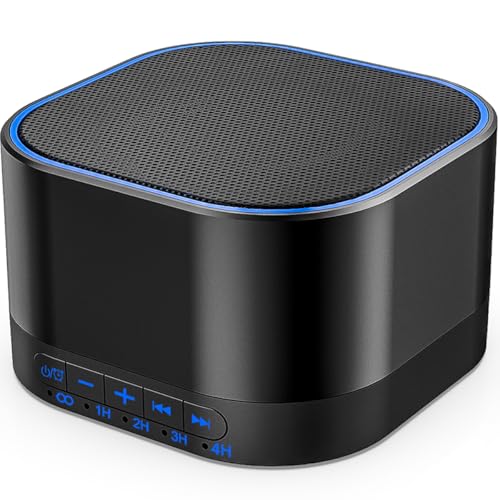


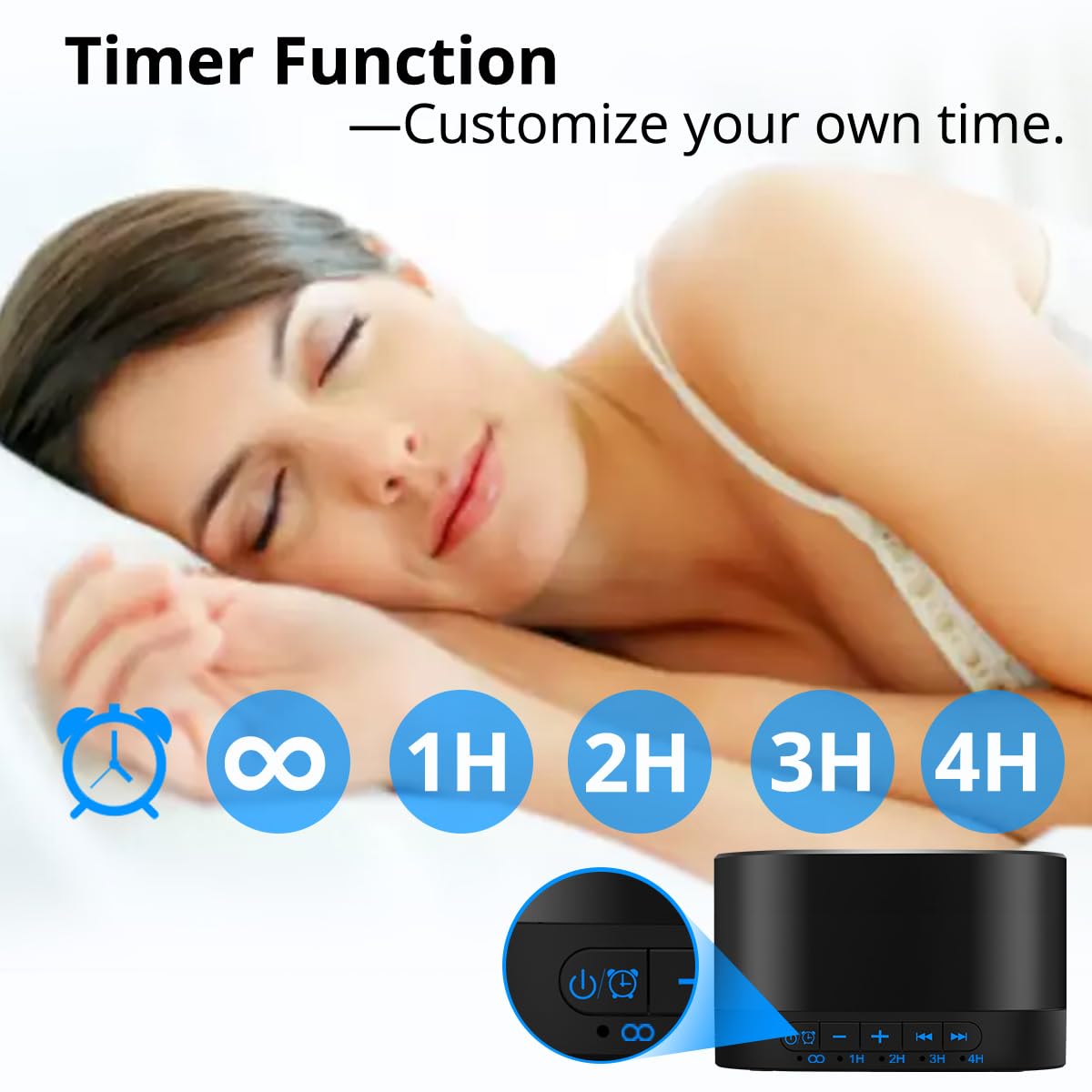
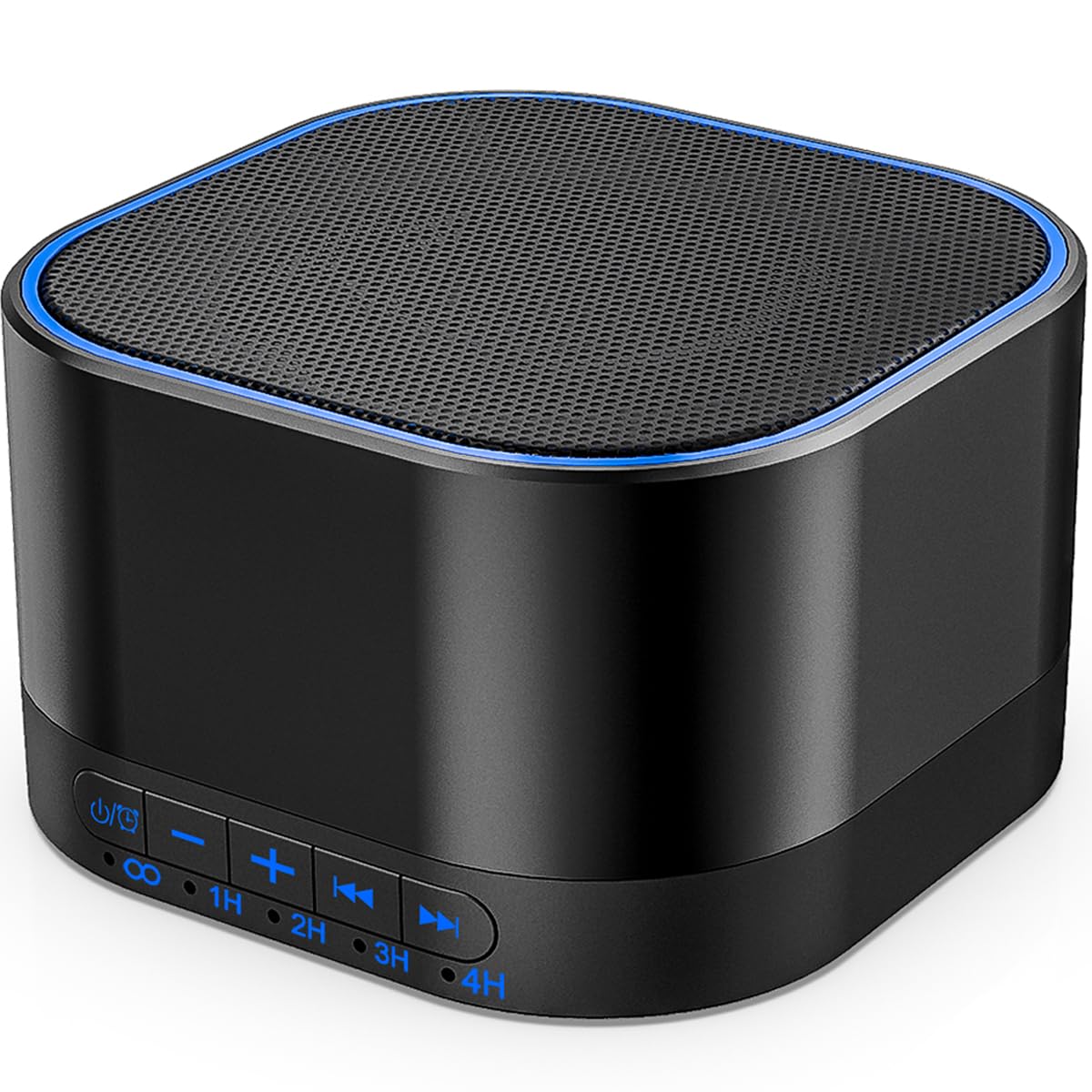
Magicteam Sound White Noise Machine with 20 Non Looping Natural Soothing Sounds and Memory Function 32 Levels of Volume Powered by AC or USB and Sleep Sound Timer Therapy for Baby Kids Adults
- ❤20 Non-Looping Sleep Sounds: White noise ,Brown noise, pink noise, blue noise, fan,brook, rain, ocean,bird an
- ❤Precise Volume & Timer Settings:With 32 Levels of Volume ,it is perfect for baby sleeping .And you can set 1
- ❤Unique Design: Solid-state design with 3.01inch*3.01inch *1.77inch,it is portable for home, office or travel,
For families dealing with a baby who has become dependent on being rocked or held to fall asleep, it's worth reading about why rocking a baby to sleep can backfire long term, since the sleep associations we build early often shape how easily a child self soothes for years afterward.
Consistency in the physical routine, same sounds, same lighting, same order of events each night, gives an anxious or overstimulated child something predictable to hold onto. That predictability itself is calming, independent of anything else you do.
5. Bedtime Routines That Support Both Sleep and Mental Health
A short, predictable bedtime routine, done consistently, does more for a child's emotional regulation than almost any single sleep product or technique. The research on this is remarkably consistent across age groups: children with a stable, calm pre bed routine fall asleep faster, wake less at night, and show fewer behavioural and emotional problems during the day, according to studies compiled by the National Sleep Foundation.
The routine itself does not need to be elaborate. What matters is that it happens in roughly the same order, at roughly the same time, most nights of the week. The predictability is doing the emotional work, not the specific activities.
A Simple, Effective Routine Structure


Soother Sleep Sound Machine Night Light White Noise Machine with 30 Soothing Sounds & 12 Color Night Lights for Baby Kids Adults Brown Noise Machine with Timer & Continuous Play for Home Travel Office
- 【30 Non-looping Sleep Sounds】 Our white noise machine has 3 white noises such as brown noise, white noise, pin
- 【12 Night Light Colors】 There are 12 kinds of light colors so that you can choose the color suitable for you a
- 【10 Brightness Levels】10 adjustable brightness levels. One-button control is simple and easy to operate. The k
For toddlers who are also working on physical milestones during the day, like learning to sit up independently, physical tiredness combined with a calm wind down routine tends to produce noticeably better sleep than either factor alone.
Resist the urge to add screens to this routine, even educational ones. The blue light and mental stimulation from a screen right before bed work against everything the rest of the routine is trying to build, delaying the natural release of melatonin and keeping the brain more alert than you want it to be at that hour.
6. When to Seek Extra Help: Sleep Problems That Signal Something More
Most sleep struggles respond to consistent routines and environmental changes within two to four weeks, but some patterns warrant a conversation with your paediatrician sooner rather than later. Trust your instinct here; you know your child's baseline better than anyone.
Signs Worth a Paediatric Visit
Persistent sleep disturbance in a child, especially when paired with mood or behavioural changes, warrants evaluation rather than assumption that the child will simply grow out of it.
— American Academy of Pediatrics, Clinical Report on Sleep (2023)
If sleep problems began around a specific developmental stage or milestone, it can help to rule out that they're simply following a known pattern. For instance, understanding typical timelines like when babies start walking can help you distinguish a developmentally driven sleep disruption from something that needs closer attention.
Your paediatrician can help rule out physical causes (reflux, eczema flares disrupting sleep, sleep apnea, restless legs) before assuming a purely behavioural or emotional cause. Sometimes the fix is medical, not routine based, and that's worth knowing before you spend another month tweaking bedtime.
| Approach | Best Age Range | Primary Benefits | Main Drawbacks | Recommended Product | Price Range |
|---|---|---|---|---|---|
| Consistent bedtime routine | All ages | Predictability lowers anxiety, improves sleep onset | Requires daily discipline from caregivers | Color Noise Sound Machine | $15 to $20 |
| White noise or sound machine | Infant through school age | Masks disruptive noise, supports uninterrupted sleep | Overreliance can create a sleep association | Magicteam Sound Machine | $15 to $20 |
| Night light with adjustable colour | Toddler through school age | Reduces fear of dark, eases night wakings | Wrong brightness can delay melatonin release | Soother Sleep Sound Machine | $18 to $20 |
| Reduced evening screens | All ages, especially school age | Faster sleep onset, better sleep quality | Requires household wide buy in | ColorsNoise Sound Machine | $18 to $20 |
| Sound plus light combo device | Infant through school age | Combines two effective supports in one routine | Slightly higher cost for premium versions | COOLNIGHT Sound Machine and Light Projector | $35 to $40 |
| Portable travel friendly sound machine | Toddler through school age | Keeps routine consistent away from home | Smaller speaker, less range in large rooms | SoundMe Sound Machine | $15 to $18 |
Expert Insights
Sleep is not a side issue in your child's mental health; it is often the foundation everything else rests on. If you take away one thing from this piece, let it be this: you don't need to overhaul your entire household tonight. Pick one thing, a fixed wake time, a calming sound machine, ten quieter minutes before lights out, and hold to it for two weeks. The research, and honestly, my own years in clinic, both say the same thing: consistent sleep is one of the kindest, most effective gifts you can give your child's developing mind. If this helped, save it, share it with another parent who needs it, and keep it close for the nights that feel hard.
Sources & References
- American Academy of Pediatrics. "Recommended Amount of Sleep for Pediatric Populations." 2023.
- National Institute of Mental Health. "Sleep and Mental Health in Children." 2022.
- Journal of Child Psychology and Psychiatry. "Sleep Disturbance as a Predictor of Anxiety and Depression in Youth." 2021.
- American Academy of Sleep Medicine. "Consensus Statement on Recommended Sleep Duration for Children and Adolescents." 2016 (updated guidance referenced through 2023).
- National Sleep Foundation. "Bedtime Routines and Child Sleep Outcomes." 2022.
- Centers for Disease Control and Prevention (CDC). "Data and Statistics on Children's Mental Health." 2023.
Frequently Asked Questions
How much does poor sleep really affect a child's mood?
Can a sound machine really help with anxiety at bedtime?
Is it too late to fix sleep habits in an older child, like age 8 or 10?
Should I worry if my child's sleep problems started suddenly?
What's the difference between white noise, brown noise and pink noise for sleep?
Does screen time before bed really matter that much for mental health?
What if my child seems fine during the day but sleeps poorly at night?
Was this helpful?
Thanks — your feedback helps us pick what to write next.


