Kindergarten Transition Program: What Actually Helps Kids Thrive
A good kindergarten transition program combines school visits, consistent routines at home, and social and emotional practice in the months before school starts, and it measurably lowers anxiety and improves adjustment for both children and parents.

In this article
Every August, pediatric offices fill with a familiar complaint: stomachaches with no medical cause, sudden bedtime battles, or a child who was potty trained for a year suddenly having accidents again. Nine times out of ten, when I ask "anything new happening at home?" the answer is kindergarten starting in a few weeks. According to the National Center for Education Statistics, roughly 3.7 million children enter kindergarten in the United States each year, and a significant share of them show some form of adjustment difficulty in the first six weeks, according to research summarized by the National Association of School Psychologists.
The good news: this is one of the most predictable transitions in childhood, which means it's also one of the most preventable in terms of distress. A structured kindergarten transition program, whether run by the school or built by you at home, changes the outcome.
What you'll understand after reading this:
1. What Is a Kindergarten Transition Program and Why It Matters
A kindergarten transition program is a structured set of activities, done by schools, families, or both, that prepares a child emotionally, socially, and practically for the shift from preschool or home care into a formal classroom setting. It matters because kindergarten is not just "one grade harder than preschool." It's a fundamentally different structure: longer days, less free play, more group instruction, new rules, and often a new building entirely.
Research from the National Education Association has found that children who experience some form of structured transition support, campus visits, buddy programs, or staggered start days, adjust faster and show fewer behavioral concerns in the first quarter of the school year compared to children who walk in cold.
Successful transitions to kindergarten set the stage for children's academic and social trajectories throughout their school years.
— Robert Pianta, PhD, University of Virginia, Center for Advanced Study of Teaching and Learning (2007)
Why the First Weeks Set the Tone
Children are pattern seekers. When the pattern of their day changes abruptly, without warning or rehearsal, their nervous system reads it as unpredictable, and unpredictable often gets processed as unsafe. That's the biology behind the stomachaches and the clinginess. A transition program essentially gives the brain a preview, so the actual first day feels like "oh, I've done a version of this before" rather than "everything is new and scary at once."
2. Signs Your Child Is (or Isn't) Ready for the Shift
The clearest sign of readiness isn't knowing letters or numbers; it's whether your child can function independently for stretches of the day without an adult managing every transition for them. Academic skills catch up quickly in a good classroom. Social and emotional readiness is harder to build under pressure once school has already started.
Pediatricians and school psychologists generally look at five domains: language, self care, emotional regulation, social skills, and attention. A preschool readiness assessment usually screens all five, not just letters and colors, which surprises a lot of parents who assumed "readiness" meant academic prep.
Green Flags to Look For
Yellow Flags Worth a Conversation With Your Pediatrician
- Frequent meltdowns that seem disproportionate to the trigger - Little interest in peers or consistent difficulty joining group play - Speech that's hard for unfamiliar adults to understand - Significant separation distress that hasn't eased with practice
If several of these ring true, it's worth reading more on preschool social skills activities that build real friendships, since social readiness is often the fastest domain to strengthen with targeted, low pressure practice.
3. Building Routines That Make the First Day Easier
The single most effective thing you can do is shift your child's daily rhythm to match the school schedule before school starts, not the week it starts. Kids don't adjust to a new wake time, new nap absence, and new pickup routine overnight; the body needs a few weeks of repetition for a new schedule to stop feeling like a fight.
The American Academy of Pediatrics recommends starting the school year sleep schedule at least two weeks in advance, moving bedtime and wake time by 15 minute increments every few days rather than making one abrupt jump. This matters more than most parents expect, because a sleep deprived five year old on day three of kindergarten looks a lot like a child having a "hard adjustment," when really they're just exhausted.
Sleep is the foundation everything else rests on during a major transition. A well rested child has more capacity to cope with novelty; an overtired one has almost none.
— American Academy of Pediatrics, Healthy Children Sleep Guidelines (2023)
Building the New Routine Step by Step
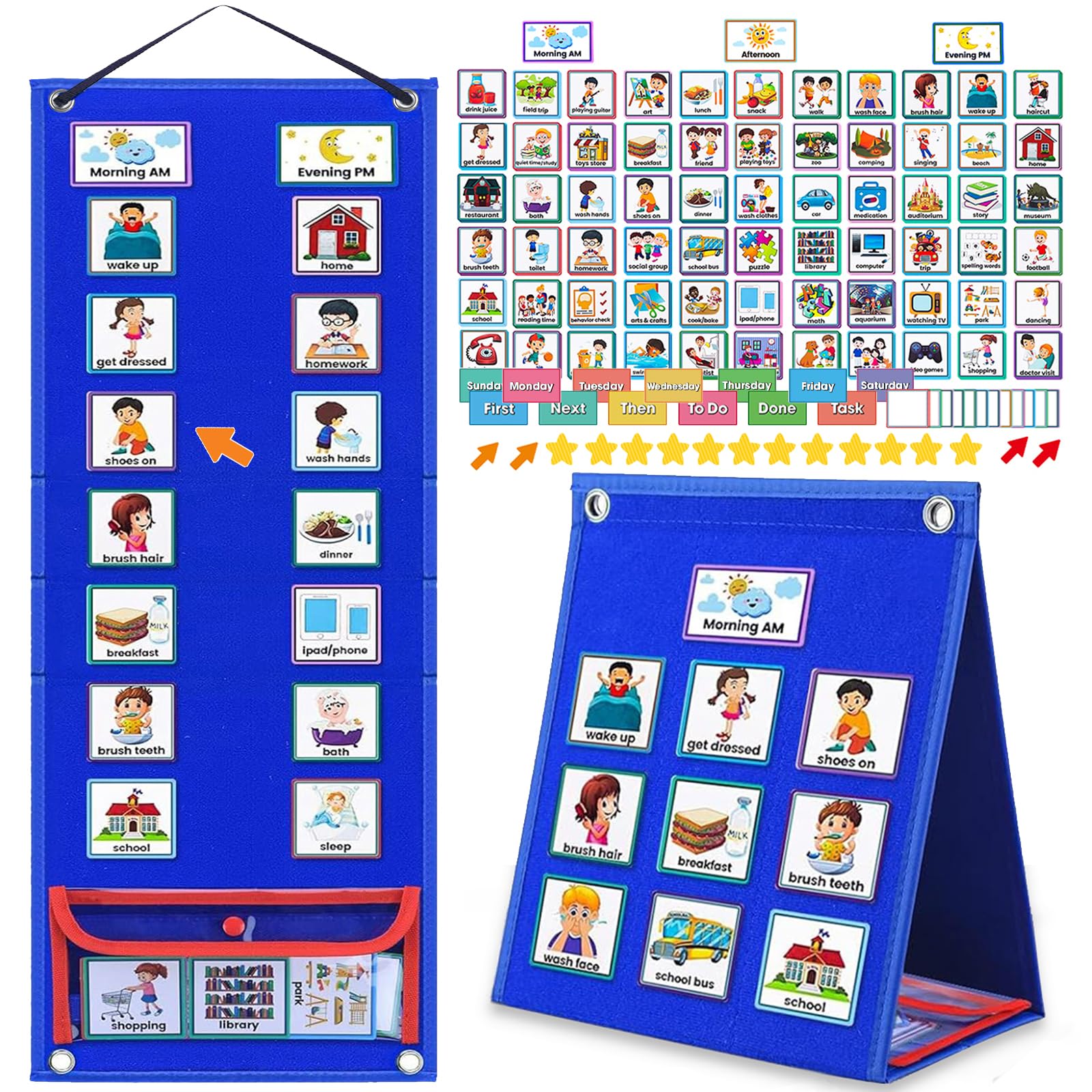
1. Two to three weeks out, shift bedtime and wake time gradually to match the school schedule 2. Practice the morning sequence (dressed, fed, teeth brushed, shoes on, bag packed) as a dry run, timed 3. Do a "school lunch trial run" at home so the lunchbox, thermos, and food choices aren't a first day surprise 4. Walk or drive the actual route to school at the actual time of day, so traffic and timing feel familiar 5. Talk through the after school pickup plan out loud, repeatedly, so your child isn't wondering all day who's coming to get them
For families still working on the basics of daily rhythm, it helps to first understand how much sleep your preschooler really needs, since kindergarten's earlier start times often require more adjustment than parents anticipate.
4. What Schools Actually Do in a Transition Program (and How to Use It)
Most public schools run some version of a transition program already, and the biggest mistake parents make is not using it fully. These typically include an orientation day, a chance to meet the teacher, a tour of the building, and sometimes a "buddy" pairing with an older student.
Kindergarten teacher and transition researcher Dr. Sara Rimm-Kaufman, who has studied kindergarten transition practices extensively, found that the number of individual transition practices a school used (not just having a policy, but actually doing multiple things: visits, letters home, phone calls) was directly linked to how well children adjusted socially and academically in the fall.
Common School Transition Activities
- Meet the teacher day, usually held a few days to a week before school starts - Staggered start (small groups attend the first day or two before the full class arrives) - A welcome letter or postcard from the teacher addressed directly to the child - A shortened first day or first week schedule - Parent orientation covering drop off procedures, communication tools, and what to pack
If Your School Offers Minimal Transition Support
Build your own version: 1. Request a brief classroom visit, even 10 minutes, outside of school hours 2. Ask for the teacher's name in advance and use it in conversation at home ("Miss Torres is going to be so glad to meet you") 3. Connect with one or two other incoming families so your child has at least one familiar face on day one 4. Take a photo of the school building and classroom door and look at it together in the days before school starts
Academic prep still has a place here, even if it's secondary to the social and emotional groundwork. Light, low pressure practice with letters, numbers, and following instructions helps kids feel competent rather than overwhelmed once formal lessons begin. The School Zone Get Ready for Kindergarten Workbook is a solid, gentle option for this kind of practice, with 256 pages that ease kids into letters, numbers, and early math without feeling like homework.
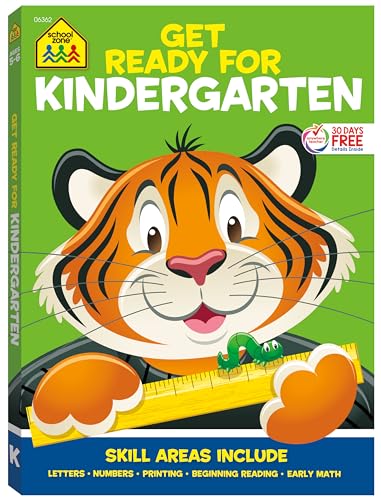

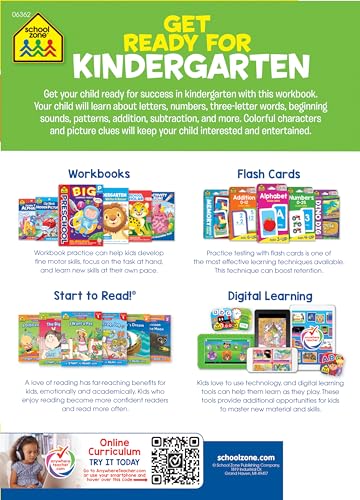

School Zone Get Ready for Kindergarten Workbook: 256 Pages, Early Learning Activities, ABCs, Letters, Numbers & Early Math, Ages 5–6
- Children's Books
- Growing Up & Facts of Life
- Friendship, Social Skills & School Life
5. Handling Separation Anxiety and Emotional Adjustment
Separation anxiety at drop off is developmentally normal at this age, and the way you handle the actual goodbye matters more than almost anything else in the transition process. A short, confident, consistent goodbye ritual, repeated the same way every day, teaches a child's nervous system that you always come back, faster than a long, drawn out goodbye ever will.
The American Academy of Pediatrics notes that prolonged or repeated goodbyes, where a parent lingers, returns, or shows visible distress, actually reinforces a child's anxiety rather than soothing it, because the child senses the parent isn't fully confident either.
A Goodbye Routine That Works
- Keep it under 60 seconds, even on the hard days - Use the same phrase and gesture every single time (a specific hug, a specific phrase like "see you after snack") - Leave, even if there are tears. Circling back rarely helps and often extends the distress - Trust the teacher's report that most kids settle within minutes of the parent leaving, which is nearly universal
Anxiety that shows up specifically around separation is common, but it's worth distinguishing from broader anxiety patterns. Some children carry a temperament that makes any novelty harder, and understanding what's really behind anxious behavior in kids can help you tell the difference between a normal adjustment wobble and something that needs more targeted support.
6. Academic and Play Based Preparation That Actually Helps
The most useful academic prep is playful, brief, and low pressure, not workbook heavy drilling that risks making a child associate school with stress before they've even started. Kindergarten curricula assume very little prior knowledge; what teachers actually need from incoming students is the ability to sit, listen, follow simple instructions, and engage with materials without falling apart when something is hard.
Research summarized in the article why play is how preschoolers actually learn, not just have fun supports this directly: children absorb early literacy and math concepts more durably through play based exposure than through rote instruction at this age.
That said, a bit of structured practice does build confidence, especially for kids who like the feeling of "doing school work" before the real thing starts. Good options include workbooks that mix letters, numbers, and fine motor practice in short bursts rather than long sit down sessions.
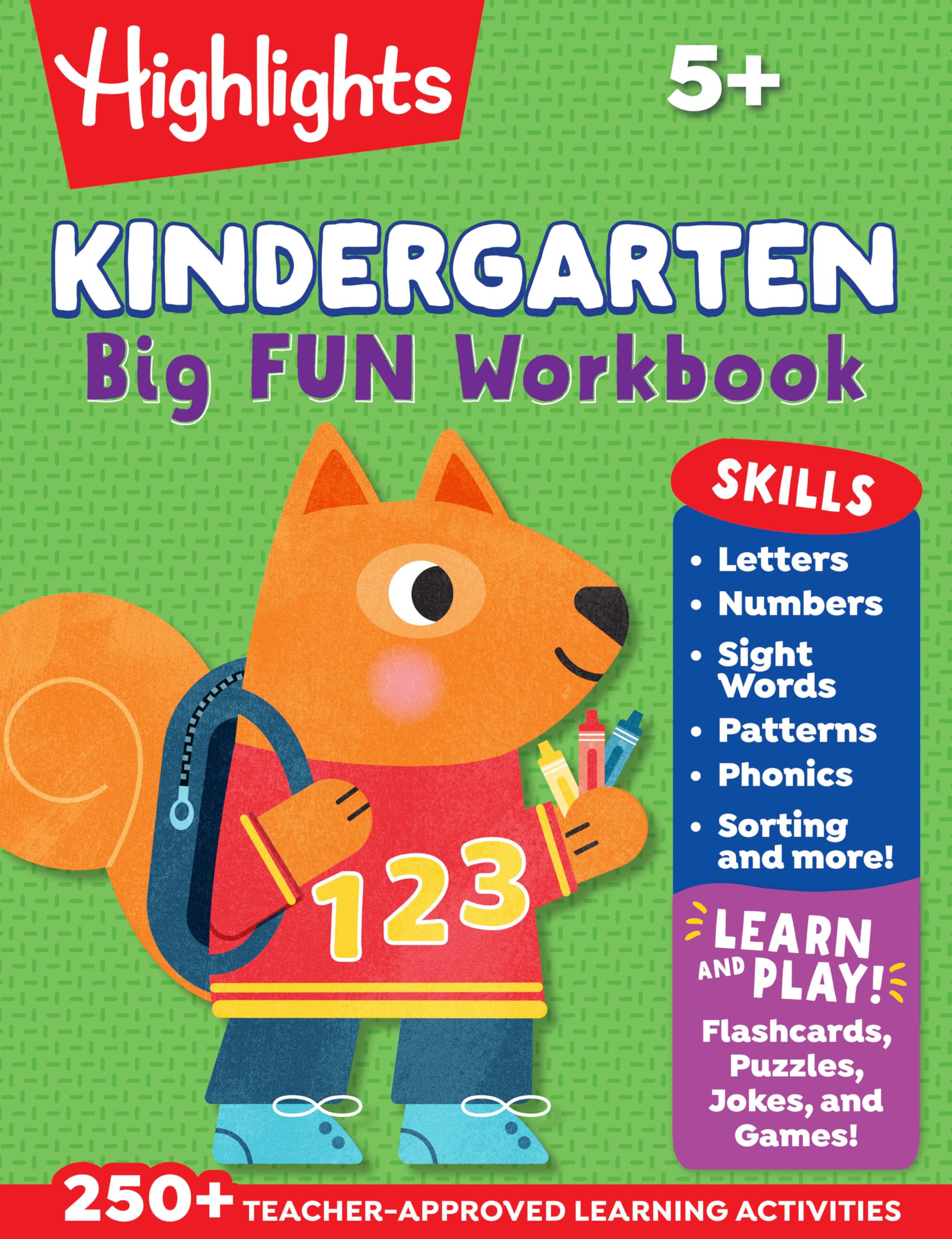
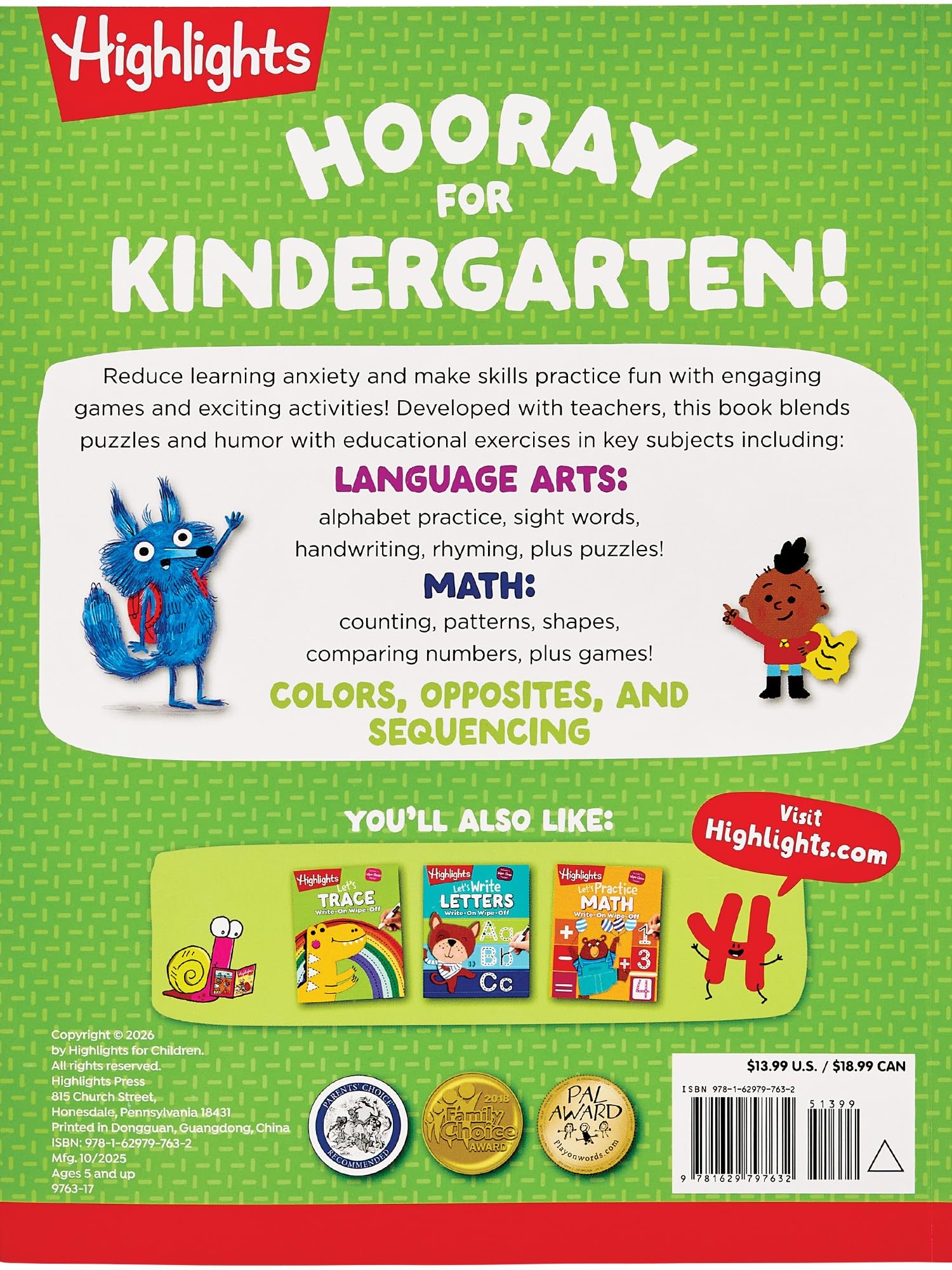
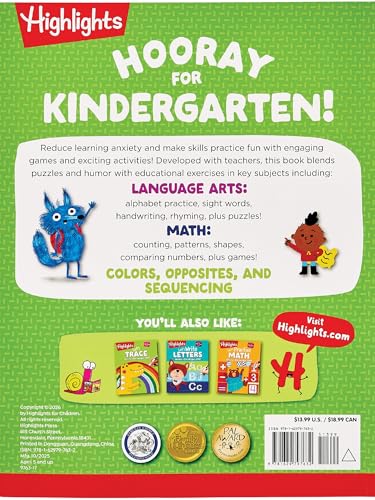
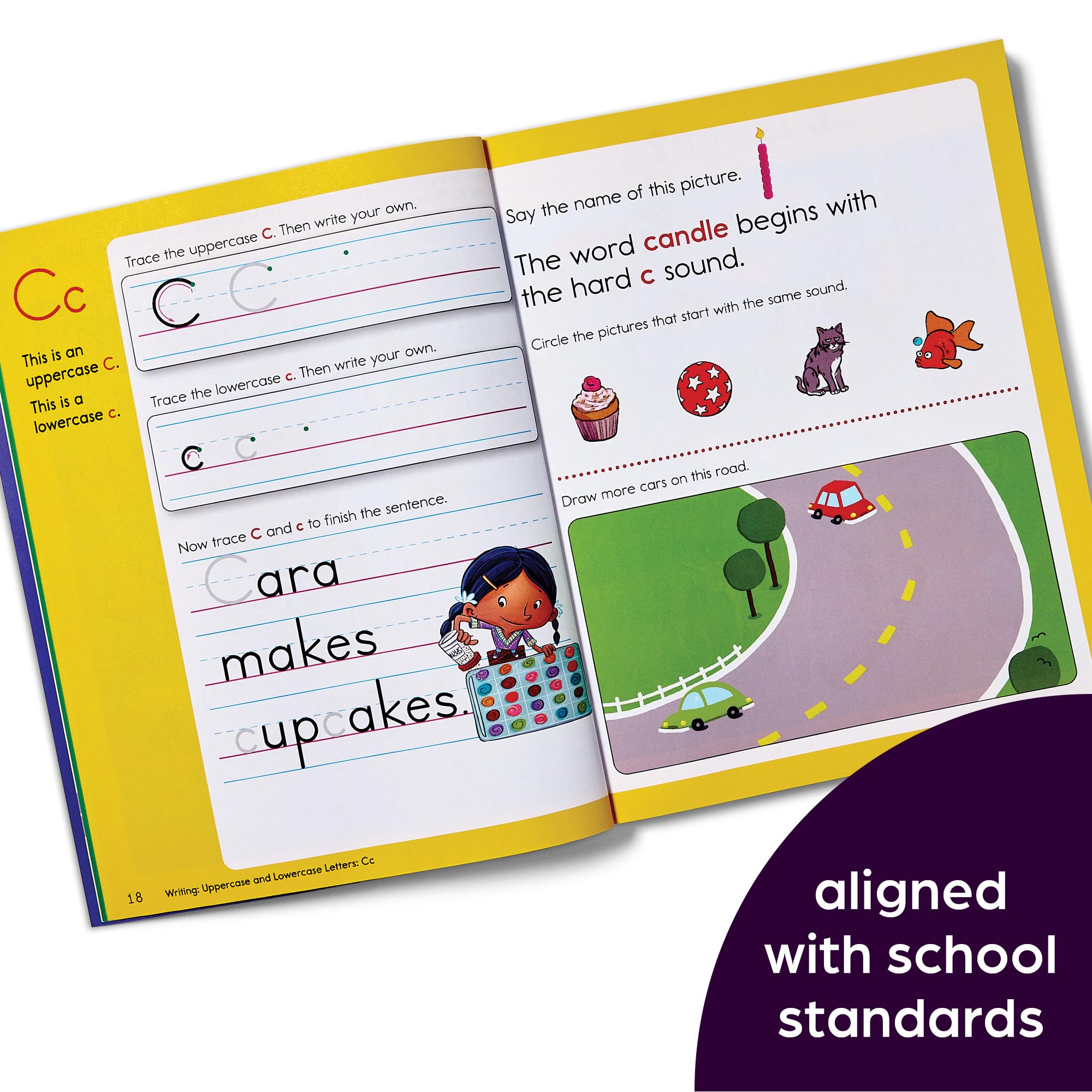
Kindergarten Big Fun Workbook: Prep Workbook with Kindergarten Learning Activities Featuring Tracing Worksheets, Alphabet Practice, Math Activities and Puzzles
- Children's Books
- Growing Up & Facts of Life
- Friendship, Social Skills & School Life
The Kindergarten Big Fun Workbook is popular with parents precisely because it's broken into short, varied activities: tracing, alphabet practice, simple puzzles, so a five year old can do 10 minutes without losing interest. Similarly, the Kindergarten Readiness Workbook leans into life skills and classroom routines alongside letters and numbers, which maps closely to what teachers say they actually want incoming students to know.
What to Prioritize Over Flashcards
For families wanting a broader, more comprehensive resource covering reading, writing, math, and science together, the Complete Kindergarten Workbook offers over 150 activities across subjects, which works well for kids who enjoy variety and don't want to repeat the same type of task for too long.
9. Comparing Transition Approaches: What Fits Your Family
| Approach | Best Starting Point | Primary Benefit | Main Drawback | Recommended Product | Price Range |
|---|---|---|---|---|---|
| School led orientation program | 2 to 4 weeks before start | Meets teacher and space directly, reduces novelty | Not all schools offer a robust version | Kindergarten Big Workbook | $10 to $14 |
| Home built routine rehearsal | 6 to 8 weeks before start | Builds independence and timing before day one | Requires parent time and consistency | School Zone Get Ready for Kindergarten Workbook | $10 to $13 |
| Social and emotional focused prep | Ongoing, ideally months ahead | Strengthens peer skills and emotional coping | Slower, less visible progress | Kindergarten Readiness Workbook | Varies by retailer |
| Academic skills workbook practice | 4 to 6 weeks before start | Builds confidence with letters, numbers, fine motor | Can feel like pressure if overdone | Kindergarten Big Fun Workbook | $11 to $13 |
| Comprehensive multi subject prep | 6 to 10 weeks before start | Covers reading, writing, math, and science together | Longer sessions may not suit short attention spans | Complete Kindergarten Workbook | Varies by retailer |
| Fine motor and tracing focused prep | 4 to 8 weeks before start | Strengthens pencil grip and handwriting readiness | Less emphasis on social or emotional skills | Evan-Moor Giant Kindergarten Workbook | $11 to $13 |
10. What Experts Want Parents to Know
Many of these same emotional and social muscles, patience, cooperation, the ability to sit with frustration, are also the ones that carry a child well beyond kindergarten. If you're curious how these early skills connect to a child's longer trajectory through school and beyond, skills that matter from preschool through career is worth a read.
Frequently Asked Questions
Kindergarten is a genuine milestone, and it's normal for it to stir up feelings in you as much as in your child. The families who navigate it best aren't the ones with the most letters memorized or the fanciest school supplies; they're the ones who gave their child a few small, honest previews of what was coming. As one longtime kindergarten teacher told me years ago, "the kids who do best in September are the ones whose parents weren't afraid of the transition themselves." Give your child that steadiness, one practiced goodbye and one dry run morning at a time, and save this guide for the weeks ahead when you need the reminder.
Sources & References
- National Center for Education Statistics. "Public School Enrollment." U.S. Department of Education, 2023.
- National Association of School Psychologists. "Transitioning to Kindergarten: Tips for Parents." 2022.
- National Education Association. "Easing the Transition to Kindergarten." 2021.
- Pianta, Robert C. "Kindergarten Transition Practices." University of Virginia, Center for Advanced Study of Teaching and Learning, 2007.
- American Academy of Pediatrics. "Healthy Children Sleep Guidelines." HealthyChildren.org, 2023.
- Rimm-Kaufman, Sara E. "Transition Practices: A National Survey of Kindergarten Teachers." University of Virginia, 2000.
- Damour, Lisa. "Untangled: Guiding Teenage Girls Through the Seven Transitions Into Adulthood." Ballantine Books, 2016.
Frequently Asked Questions
How early should we start a kindergarten transition program?
What if my child cries every single morning at drop off?
Is my child behind if they can't read yet before kindergarten?
Should we do a workbook every day over the summer?
How do I know if my child needs extra support before starting kindergarten?
Do staggered start days actually help?
What's the single most important thing to focus on before kindergarten starts?
Was this helpful?
Thanks — your feedback helps us pick what to write next.