Prenatal Nutrition: How Food Shapes Your Baby's Health
What you eat during pregnancy directly shapes your baby's organ development, brain growth, and long term health outcomes, and new research is helping us understand exactly which nutrients matter most and when.
In this article
Introduction
Here is a number that stopped me mid-coffee the first time I read it: roughly 95 percent of pregnant women in the United States fall short on choline, a nutrient so important to fetal brain development that the American Academy of Pediatrics named it one of the "critical nutrients" for early childhood in a 2018 policy statement. Ninety-five percent. And most of those women had no idea.
Nutrition in pregnancy has never been a simple "eat your vegetables" conversation, but a growing body of research is making it richer, more nuanced, and honestly more exciting than the old food pyramid ever suggested. Scientists are asking questions we didn't even think to ask a decade ago: How does the timing of nutrient intake map onto fetal organ formation? Can diet modify the effects of chemical exposures in the womb? What does the placenta actually do with the food you eat?
In this article, you will understand:
1. Why Prenatal Nutrition Is More Than "Eating for Two"
The old phrase "eating for two" is technically true but dangerously misleading. You are not eating double portions. You are eating with double precision.
During pregnancy, your body becomes a remarkably sophisticated nutrient routing system. When you eat, your gut, liver, and placenta decide together what the fetus gets, in what form, and in what order. The fetus doesn't just receive a random share of whatever you consumed; the placenta actively selects, concentrates, and transports specific nutrients to the developing baby, sometimes at levels far higher than what remains in your own blood. That's the body prioritising the next generation, and it works beautifully when the raw materials are there.
The problem is that many women arrive at their first prenatal appointment already running low on key nutrients. Folate deficiency in the weeks before a positive pregnancy test is one of the leading preventable causes of neural tube defects worldwide, according to the CDC. Those neural tubes close between days 21 and 28 of gestation, before most women even know they are pregnant.
What "nutritional programming" actually means
Researchers use the phrase "nutritional programming" or "fetal programming" to describe the way a baby's organ systems are calibrated by the nutritional environment of the womb. Think of it less like a blueprint and more like a thermostat being set. The heart, kidneys, liver, and brain all set their functional baselines partly in response to what nutrients were available during critical windows of development. A baby who grows in a consistently nutrient rich environment develops organ systems calibrated for abundance. A baby who develops in a consistently nutrient poor environment may develop organ systems calibrated to conserve, which can paradoxically increase the risk of metabolic disease later in life.
This doesn't mean one bad week of eating derails everything. It means consistent patterns over weeks and months genuinely matter in ways that last well beyond the delivery room.
2. The Four Nutrients Research Keeps Coming Back To
Iron, folate, DHA, and choline appear again and again in the prenatal nutrition literature, and for good reason. Each one is connected to a specific, measurable developmental outcome, and each one is routinely under-consumed.
Folate (and methylfolate)
Folate is the natural food form of vitamin B9. Folic acid is the synthetic form used in most supplements and fortified foods. Both support neural tube closure and DNA synthesis, but there is an important wrinkle: up to 40 percent of people carry a variant in the MTHFR gene that reduces their ability to convert folic acid into the active form the body uses. For those women, a supplement containing methylfolate (sometimes listed as 5-MTHF) may be more effective.
The CDC recommends 400 micrograms of folic acid daily starting at least one month before conception and continuing through the first trimester. Many clinicians, myself included, recommend 600 micrograms throughout the full pregnancy given how many women have that MTHFR variant.
Food sources: dark leafy greens, lentils, chickpeas, edamame, asparagus, fortified cereals.
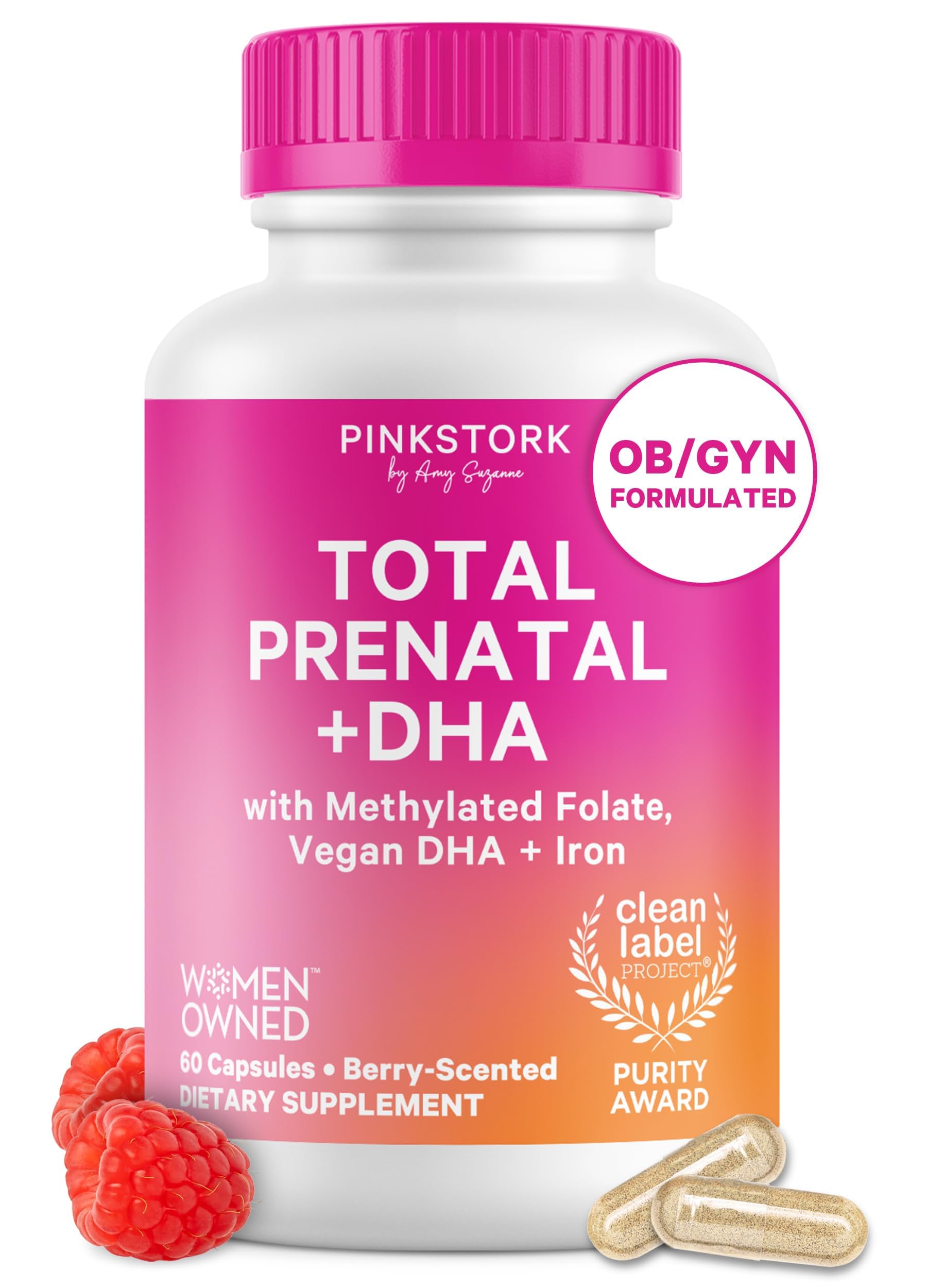
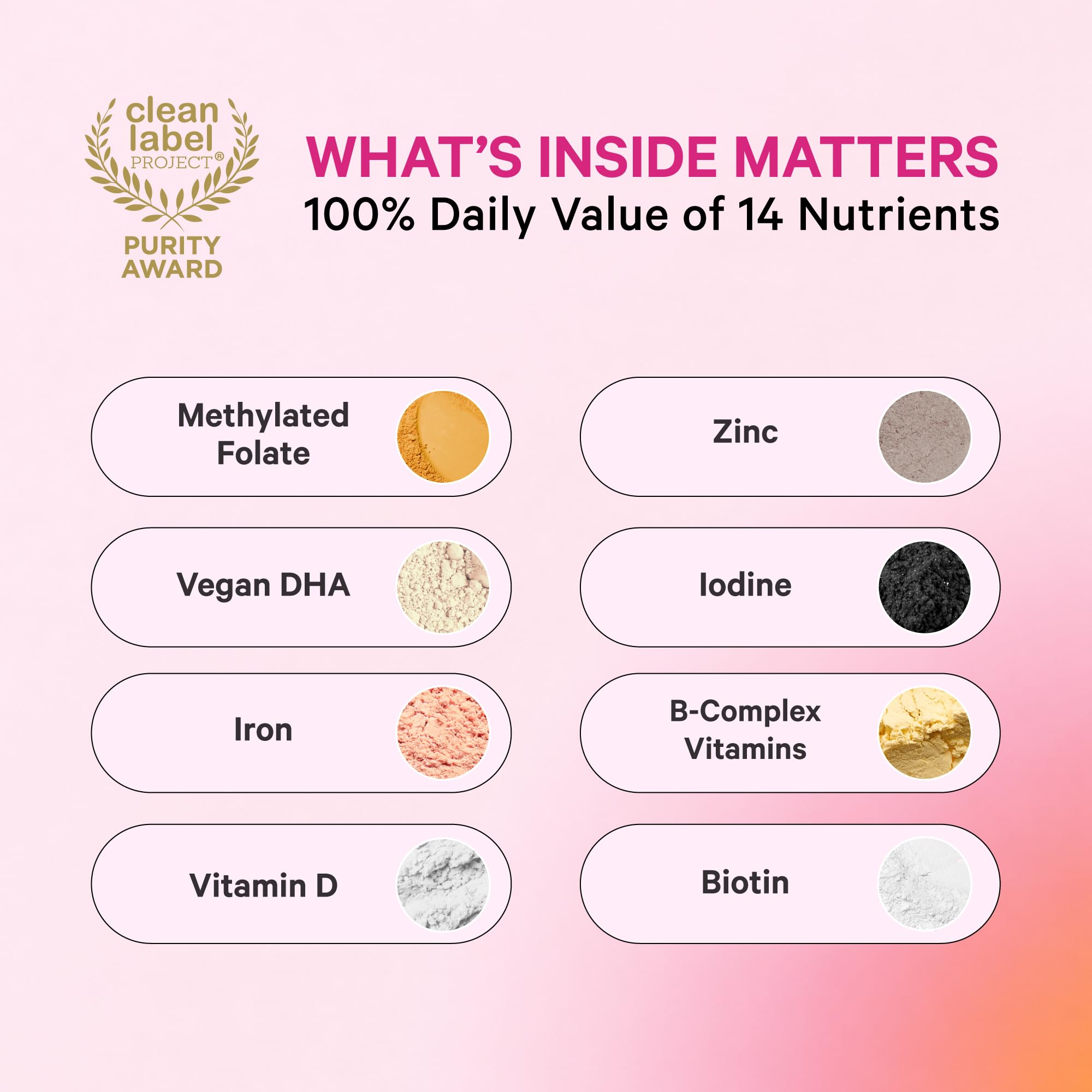
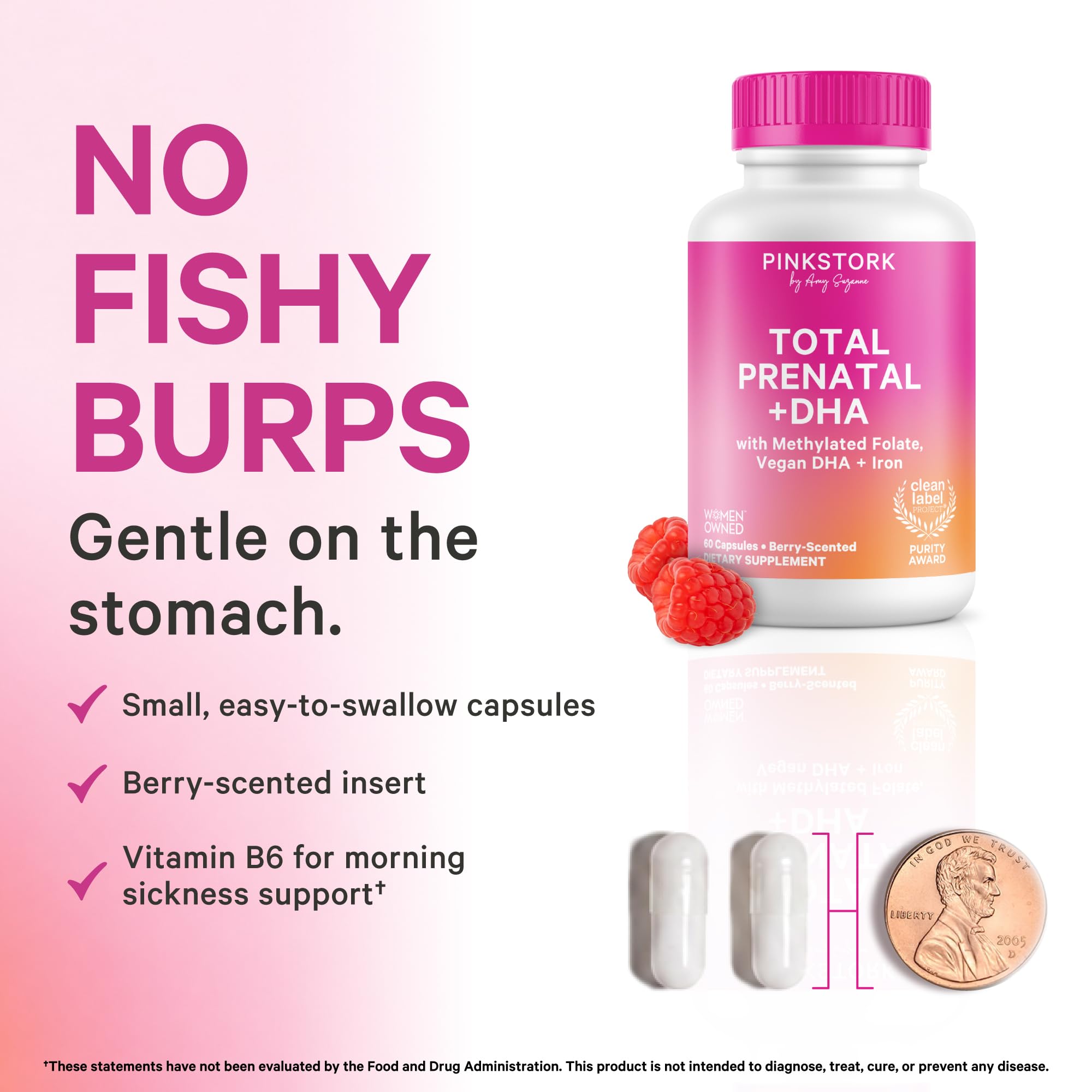
Pink Stork Total Prenatal + DHA, Vegan, No Fishy Burps, 60 Ct, Berry | Methylfolate, Vegan DHA, Non-Constipating Iron, Choline, Vitamin B12 | Clean Label Award, Gentle Stomach Formula, Made in USA
- Complete Prenatal, Doctor Recommended Ingredients: Total Prenatal + DHA delivers 100% Daily Value of 14 OBGYN-
- Vegan DHA, No Fishy Burps: Our Total Prenatal includes 200 mg vegan DHA from algae - no separate supplement ne
- Gentle on the Stomach, Easy to Take: Formulated with bioavailable, easy-to-digest ingredients, our prenatal vi
Iron
Your blood volume increases by roughly 50 percent during pregnancy. That extra blood needs iron to carry oxygen. If you don't consume enough, your body pulls from its own stores first, but fetal iron needs are prioritised even then, meaning you become anaemic before your baby does. Maternal iron deficiency anaemia is associated with premature birth, low birth weight, and impaired cognitive development in the infant.
The WHO estimates that roughly 40 percent of pregnant women worldwide are anaemic, with iron deficiency as the most common cause.
The reference intake climbs from 18 mg per day for non-pregnant women to 27 mg per day during pregnancy. Getting there through food alone requires consistent effort: red meat, lentils, spinach, tofu, and fortified cereals are reliable sources, and pairing iron rich foods with vitamin C dramatically improves absorption.
DHA
Docosahexaenoic acid is a long chain omega-3 fatty acid, and the third trimester is essentially a DHA construction project. The fetal brain grows faster in the last 13 weeks of pregnancy than at any other point in life, and DHA is a primary building block of brain cell membranes and the myelin sheaths that insulate nerve fibres. Low maternal DHA intake is associated with reduced visual acuity and lower scores on cognitive assessments in infants.
The challenge is that many women reduce or eliminate fish during pregnancy out of concern about mercury, which is a reasonable concern for certain species but not a reason to avoid fish entirely. The FDA and EPA jointly recommend two to three servings per week of low mercury fish such as salmon, sardines, trout, and shrimp.
For women who don't eat fish, algae-based DHA supplements are a well researched, vegan compatible alternative. Most algae DHA products provide 200 to 300 mg per serving, which aligns with current recommendations.
Choline
Choline is where the evidence is moving fastest. A 2018 study from Cornell University, led by Dr. Marie Caudill, found that babies born to mothers who consumed 930 mg of choline daily (roughly double the current adequate intake) showed faster information processing speeds at seven months of age compared to babies born to mothers who consumed the currently recommended 480 mg.
The American Academy of Pediatrics identified choline as one of the nutrients most critical for early brain development. Yet surveys consistently show that fewer than 10 percent of pregnant women meet even the adequate intake level of 450 mg per day, let alone the higher amounts being studied.
Eggs are by far the richest common food source: two large eggs deliver roughly 250 to 300 mg of choline. Other sources include beef liver, salmon, cruciferous vegetables, and soy products.
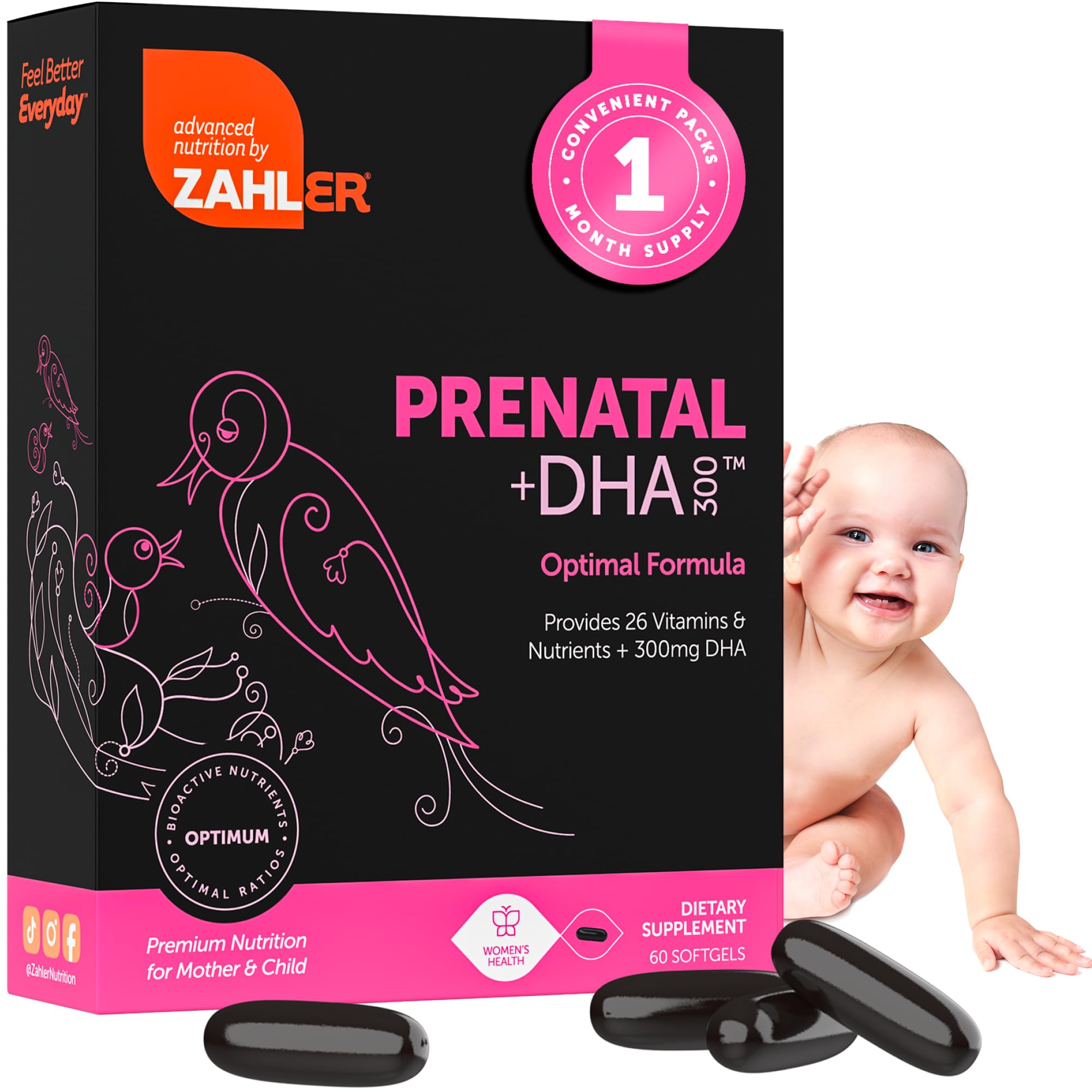
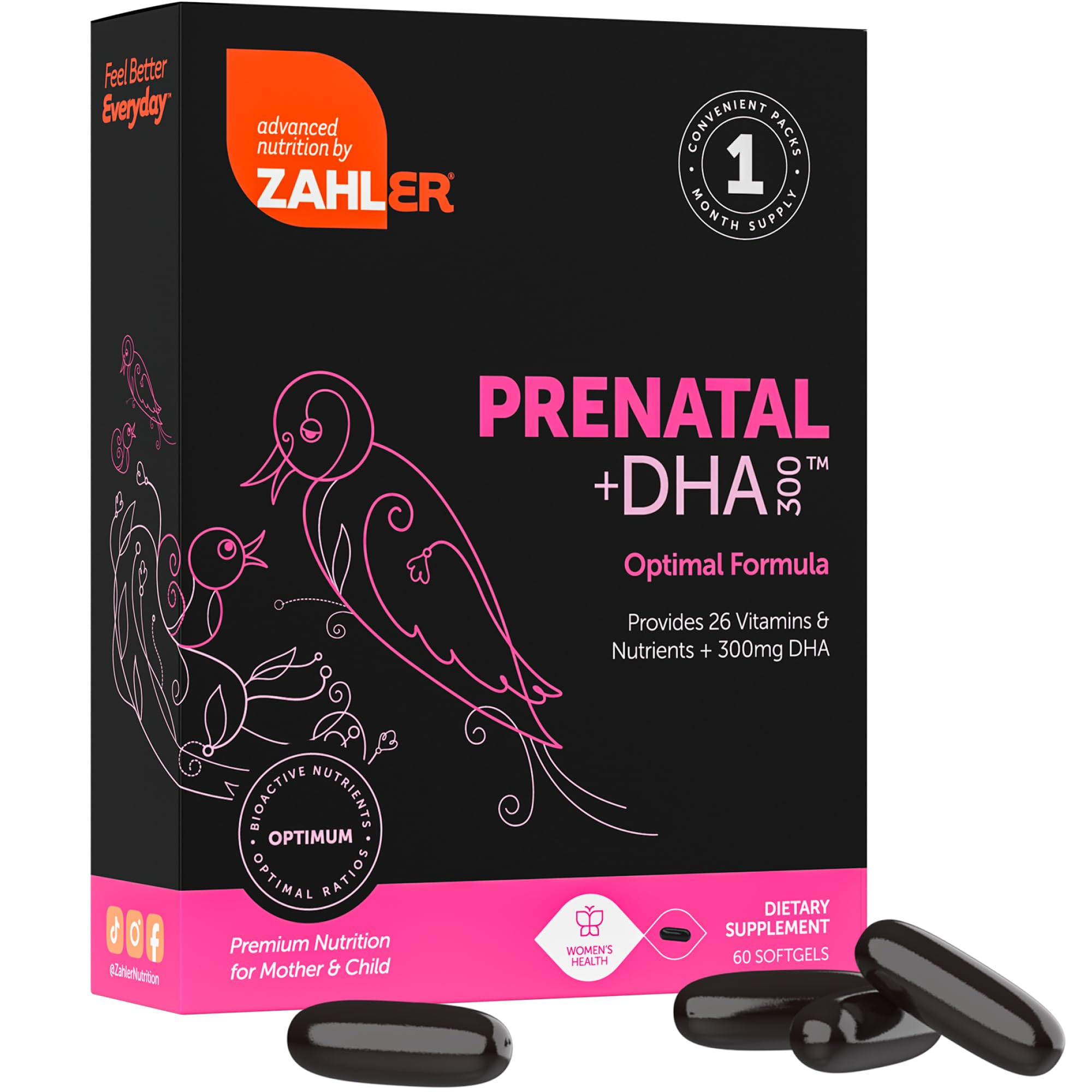
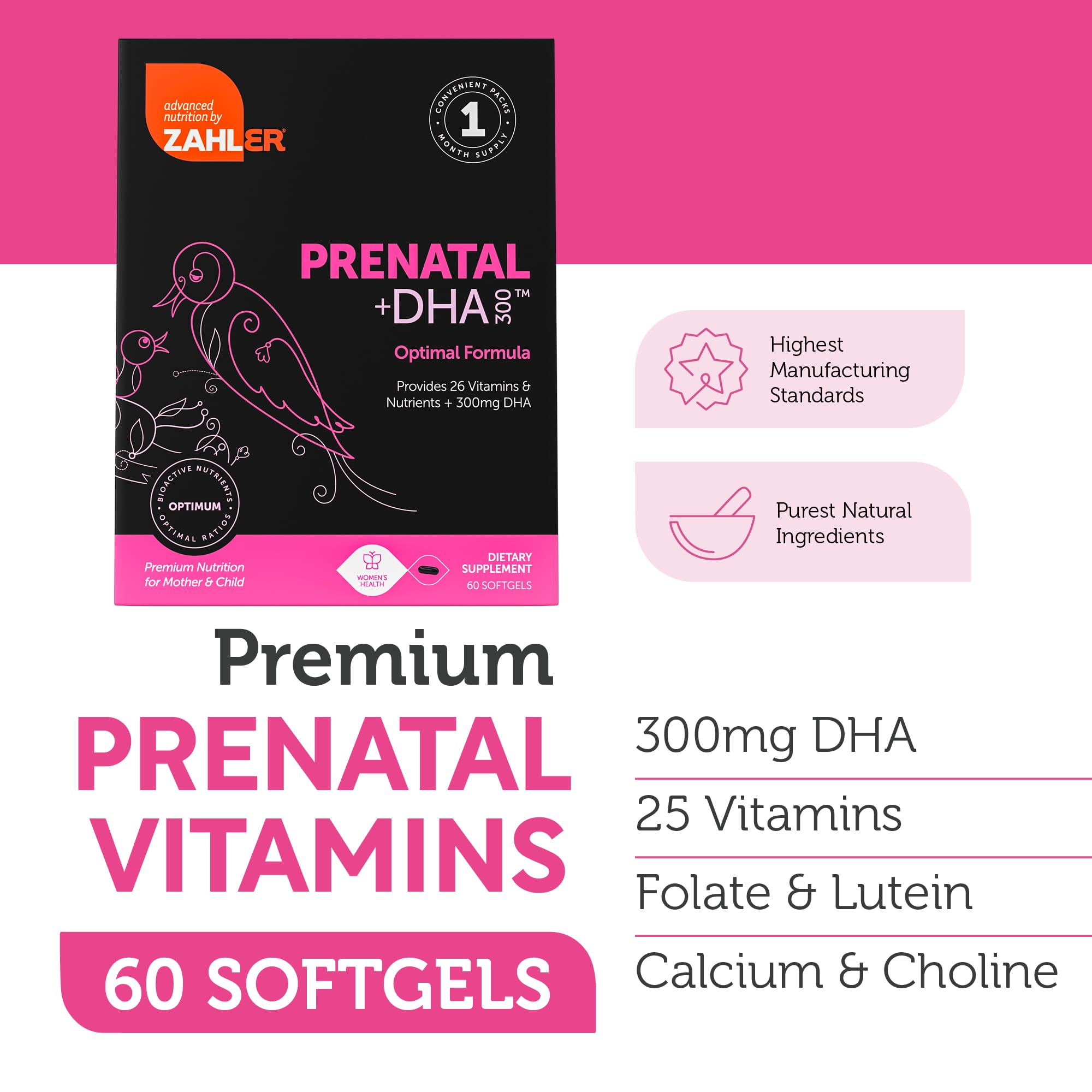
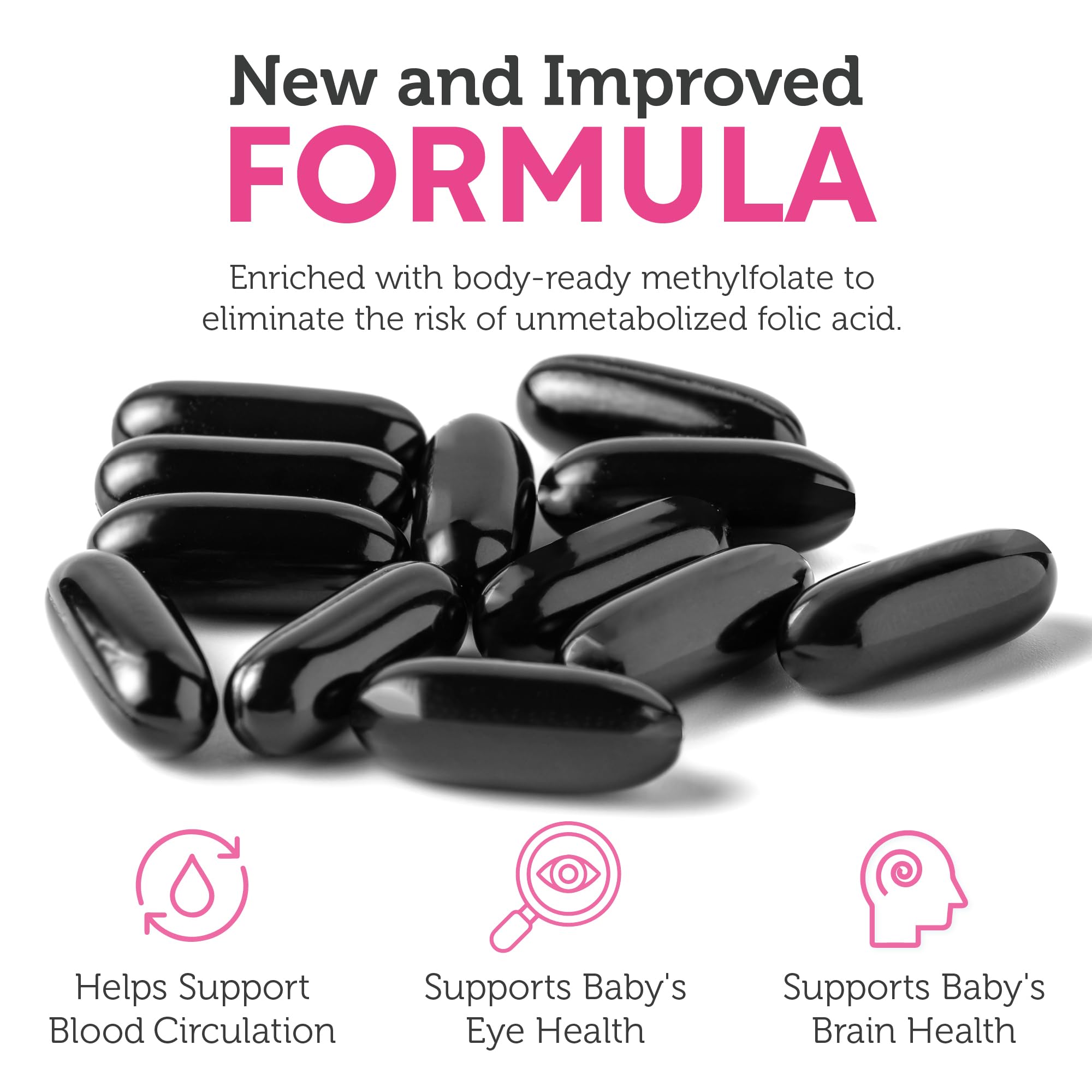
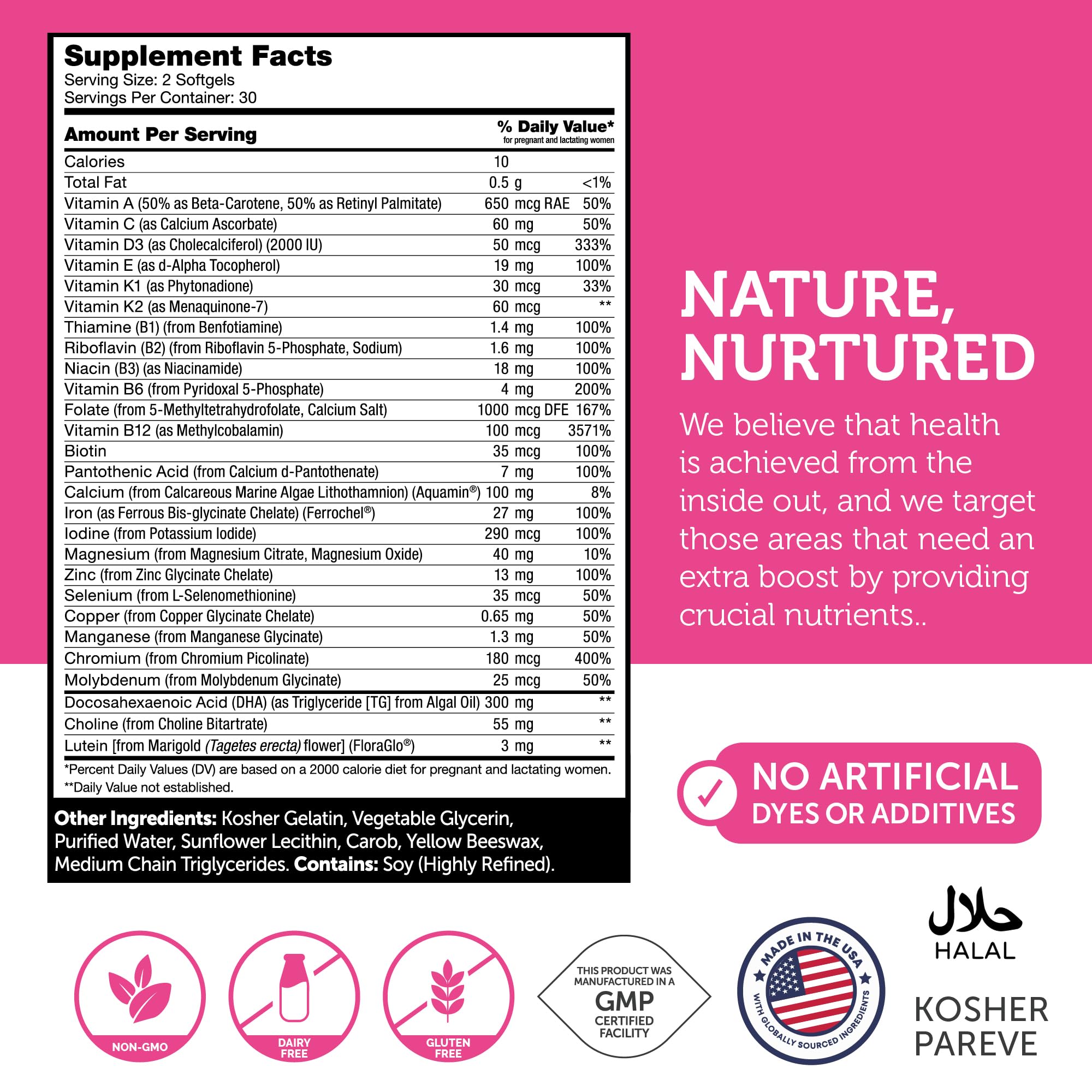
Zahler Prenatal +DHA 300 - Prenatal Vitamin with Methylated Folate & DHA for Pregnant Women - Support for Mom & Baby - Kosher, Gluten Free, Dairy Free - 60 Softgels
- Prenatal Vitamin for Pregnant Women: Zahler Prenatal +DHA 300 provides essential nutrients, including 1000 mcg
- DHA for Brain & Eye Support: Formulated with 300 mg DHA to support healthy brain, eye, and nervous system deve
- Easy-to-Swallow Softgels: This prenatal vitamin supports the nutrition for mother and baby in one easy softgel
3. What New Research Is Exploring: Beyond the Basics
The current frontier in prenatal nutrition research goes well beyond "are you eating enough folate." Scientists are now asking how maternal diet interacts with the epigenome, the microbiome, environmental toxins, and the placenta itself.
Diet and epigenetic programming
Epigenetics refers to changes in gene expression that don't alter the DNA sequence itself but do affect whether genes are switched on or off. Nutrients are among the most powerful epigenetic signals we know of. Folate, choline, vitamin B12, and methionine are all involved in a biochemical process called methylation, which essentially acts like a dimmer switch on gene activity.
Research published in journals including the American Journal of Clinical Nutrition has shown that maternal diet can alter methylation patterns in fetal genes involved in immune function, metabolism, and stress response. These changes can persist into childhood and beyond. This is not science fiction; it is the mechanism by which what you eat today influences your child's biology years from now.
Nutrition and the placenta
The placenta is one of the most underappreciated organs in human biology. It is a sophisticated filtration and transport system, but it is also metabolically active in its own right. Emerging research is examining how nutritional status affects placental function, blood flow, and efficiency.
Studies from the Barker Institute and others have linked poor placental development to later cardiovascular risk in offspring. Adequate zinc, folate, and iron are all necessary for healthy placental growth. Vitamin D, which many pregnant women are deficient in, appears to play a role in placental immune function as well.
Diet and chemical exposures
This is one of the most practically important areas of new research. We know pregnant women are exposed to environmental chemicals, including pesticides, heavy metals, plasticizers, and flame retardants, through food, water, air, and everyday products. What is becoming clearer is that maternal nutrition can modify how much of those chemicals actually reach the fetus.
For example, adequate calcium intake competes with lead absorption in the gut. Adequate iodine and selenium support thyroid function in ways that may buffer against the thyroid disrupting effects of certain environmental chemicals. A diet rich in antioxidants may reduce the oxidative damage caused by pollution and other exposures.
Research into this interaction, exploring how diet can reduce chemical exposures, is still developing, but it reinforces the case that a nutrient rich diet isn't just about building a healthy baby directly; it may also act as a partial shield against things in your environment that you cannot fully control.

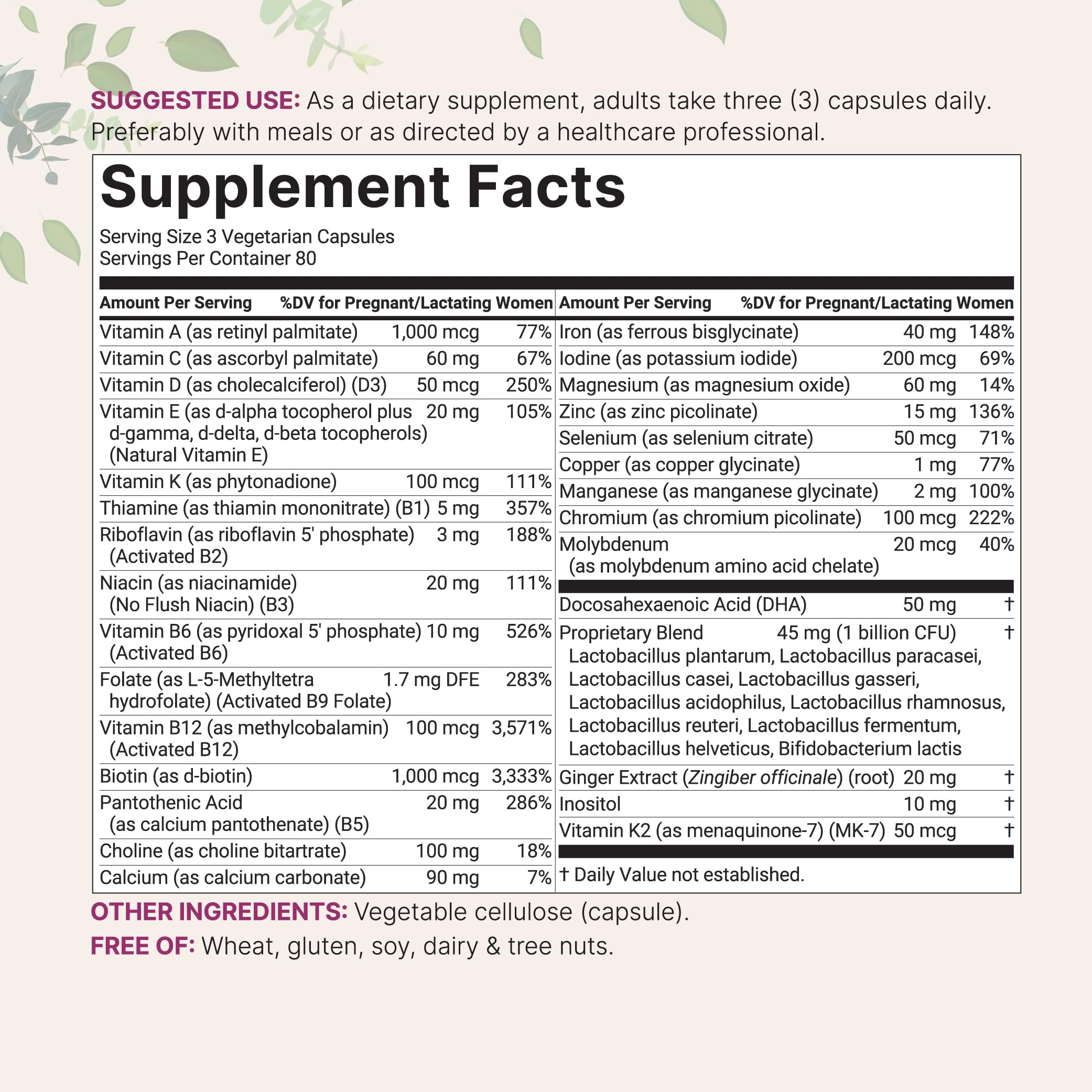
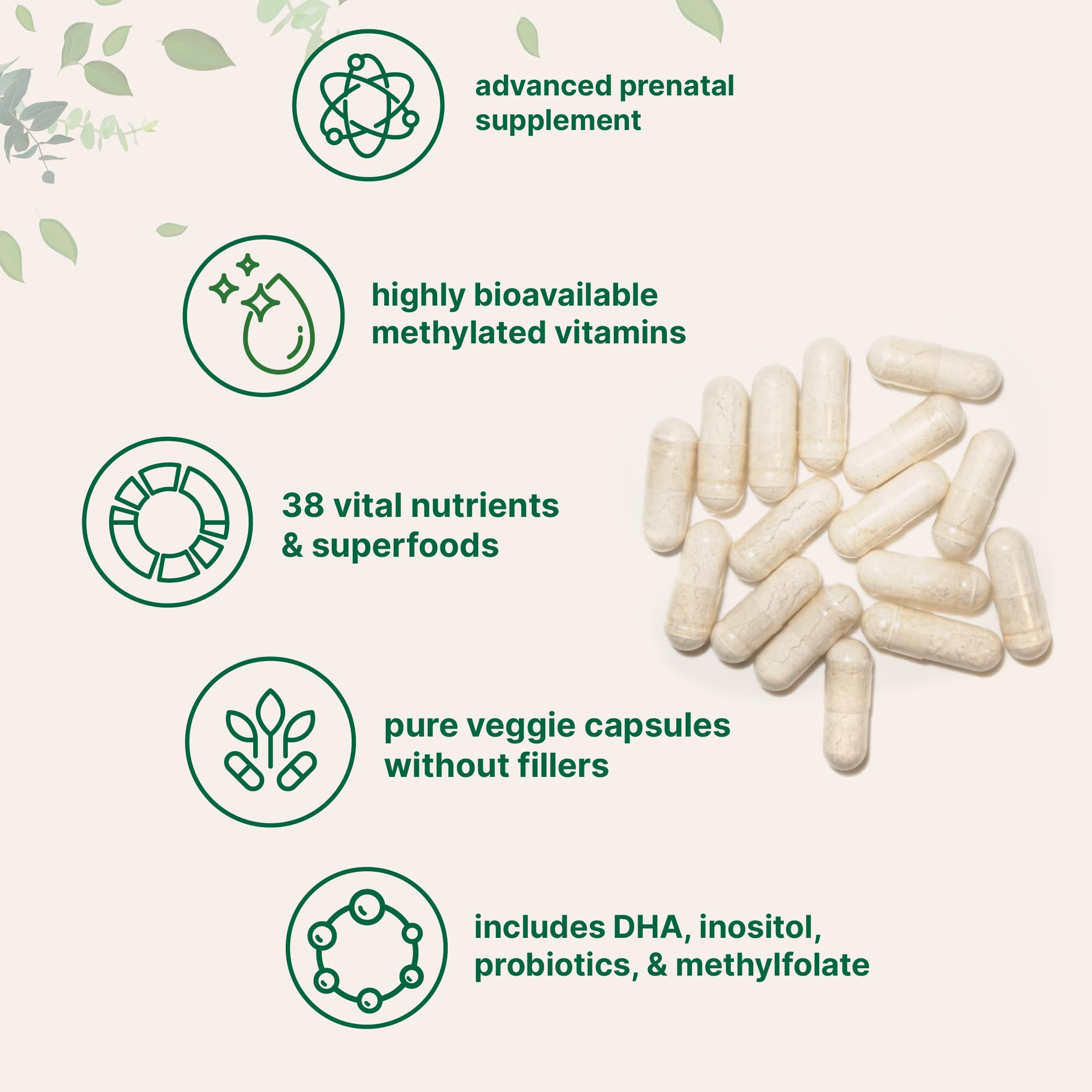
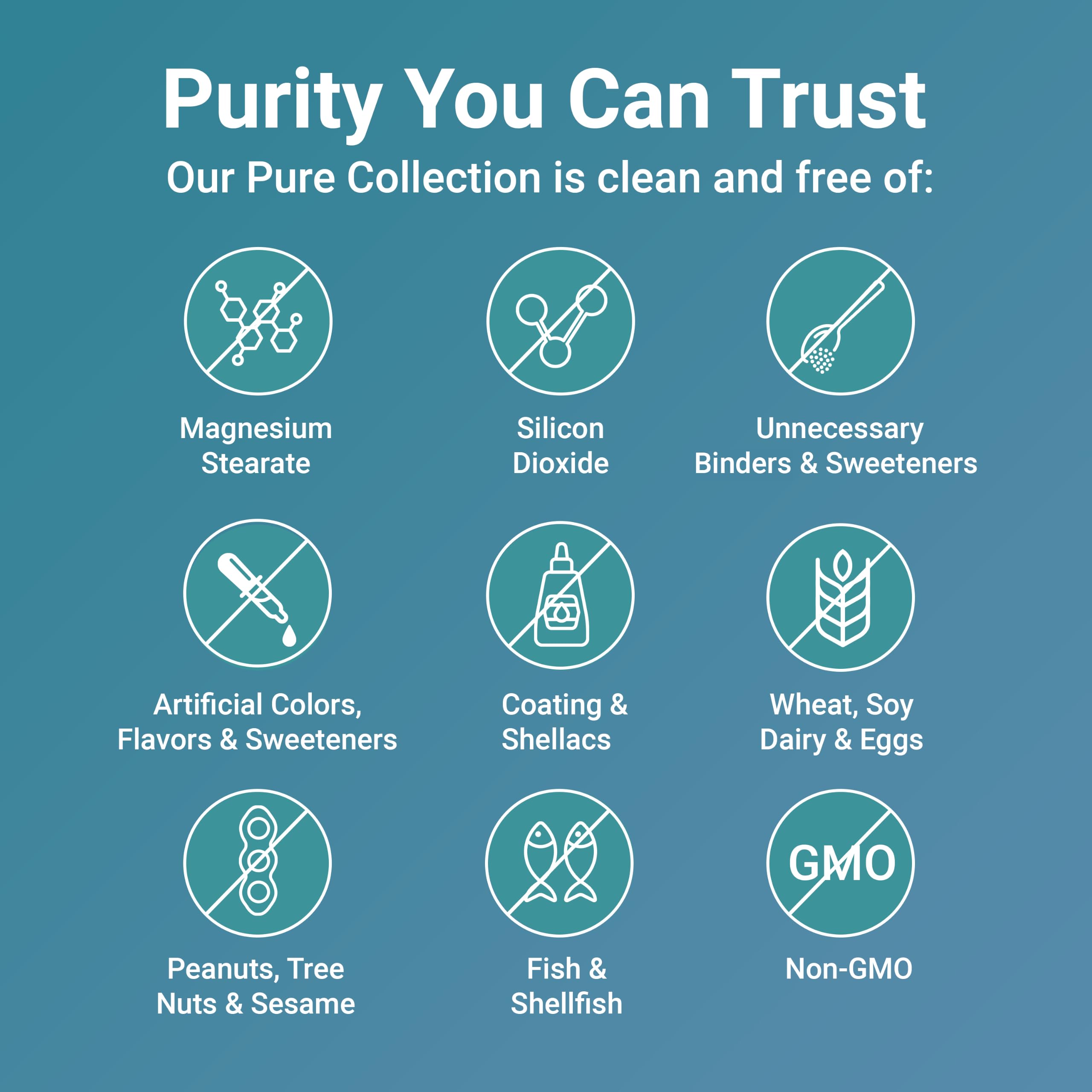
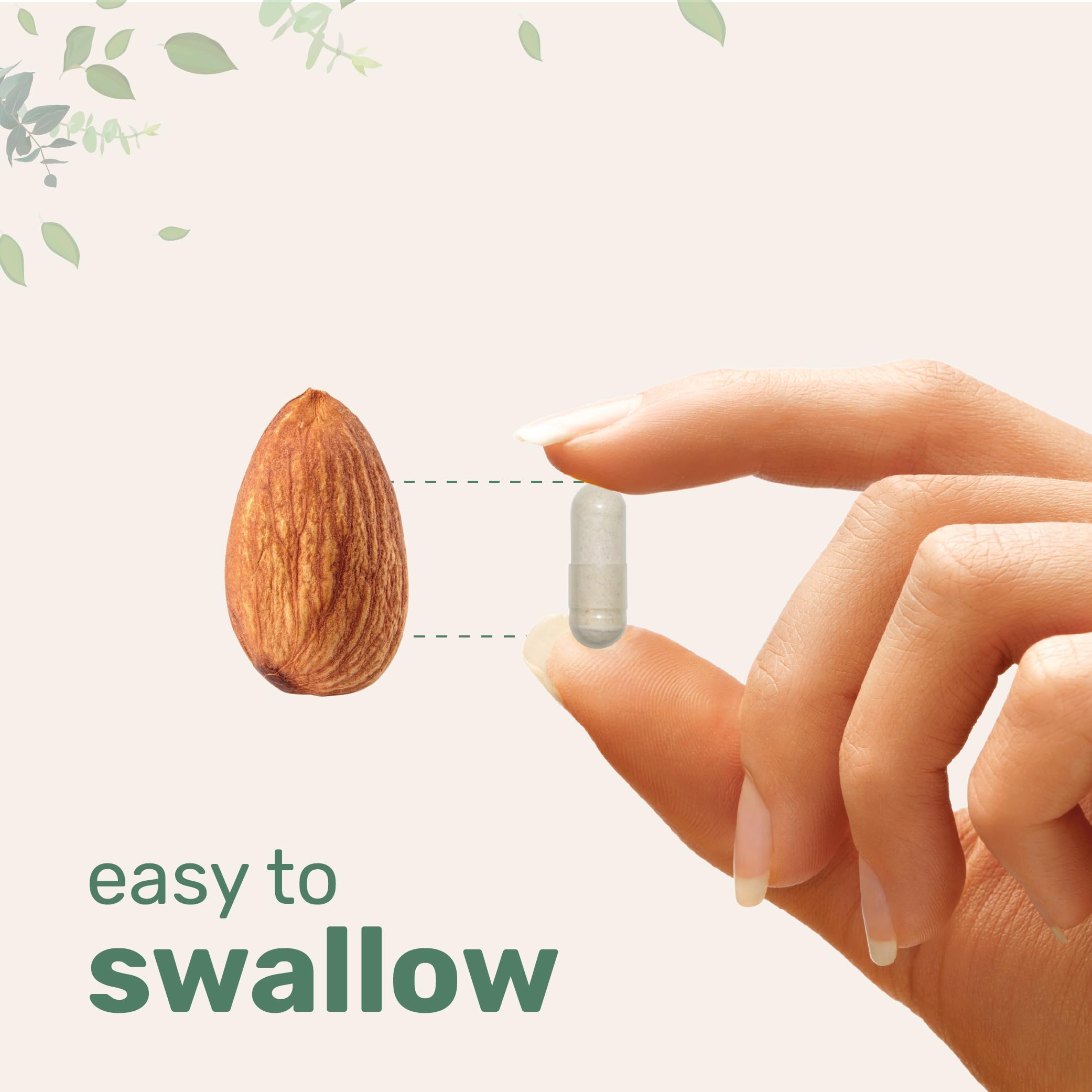
Micro Ingredients Prenatal Vitamins for Women | 38-in-1 with Folate, DHA, Choline, Iron, Probiotics, Inositol, & Vitamin C, D, B Complex | No Fillers | 240 Veggie Capsules
- Micro Ingredients offers a Pure Prenatal Methylated Vitamins supplement for women featuring 38 vital nutrients
- Enjoy daily nutritional support before, during, and after pregnancy, nourishing mother and child while promoti
- Formulated with essential prenatal nutrients including methylfolate, choline, inositol, ginger, omega-3 DHA, a
The gut microbiome connection
A mother's gut microbiome changes substantially during pregnancy, and there is growing evidence that maternal diet shapes the kinds of bacteria that colonise the infant's gut in the first days and weeks of life. The infant microbiome, in turn, influences immune development, allergy risk, and even neurodevelopment. Fermented foods, dietary fibre, and prebiotic rich vegetables are all being studied for their effects on this mother-to-infant microbial transfer.
4. Trimester by Trimester: When Specific Nutrients Matter Most
Not all nutrients are equally critical at all stages of pregnancy. Understanding the rough timeline of fetal development helps you understand why certain nutritional priorities shift as pregnancy progresses.
First trimester: foundations and folate
Weeks one through thirteen are a whirlwind of organ formation. The brain and spinal cord begin to take shape. The heart starts beating. The major organs are laid down from scratch. Folate and choline are both critical during this window because they support the rapid DNA replication and methylation that organ formation requires.
This is also the trimester most affected by nausea and food aversions, which creates a real practical tension. Many women cannot face their usual diet during weeks six to ten. A quality prenatal supplement becomes especially important during these weeks precisely because food intake may be unreliable.
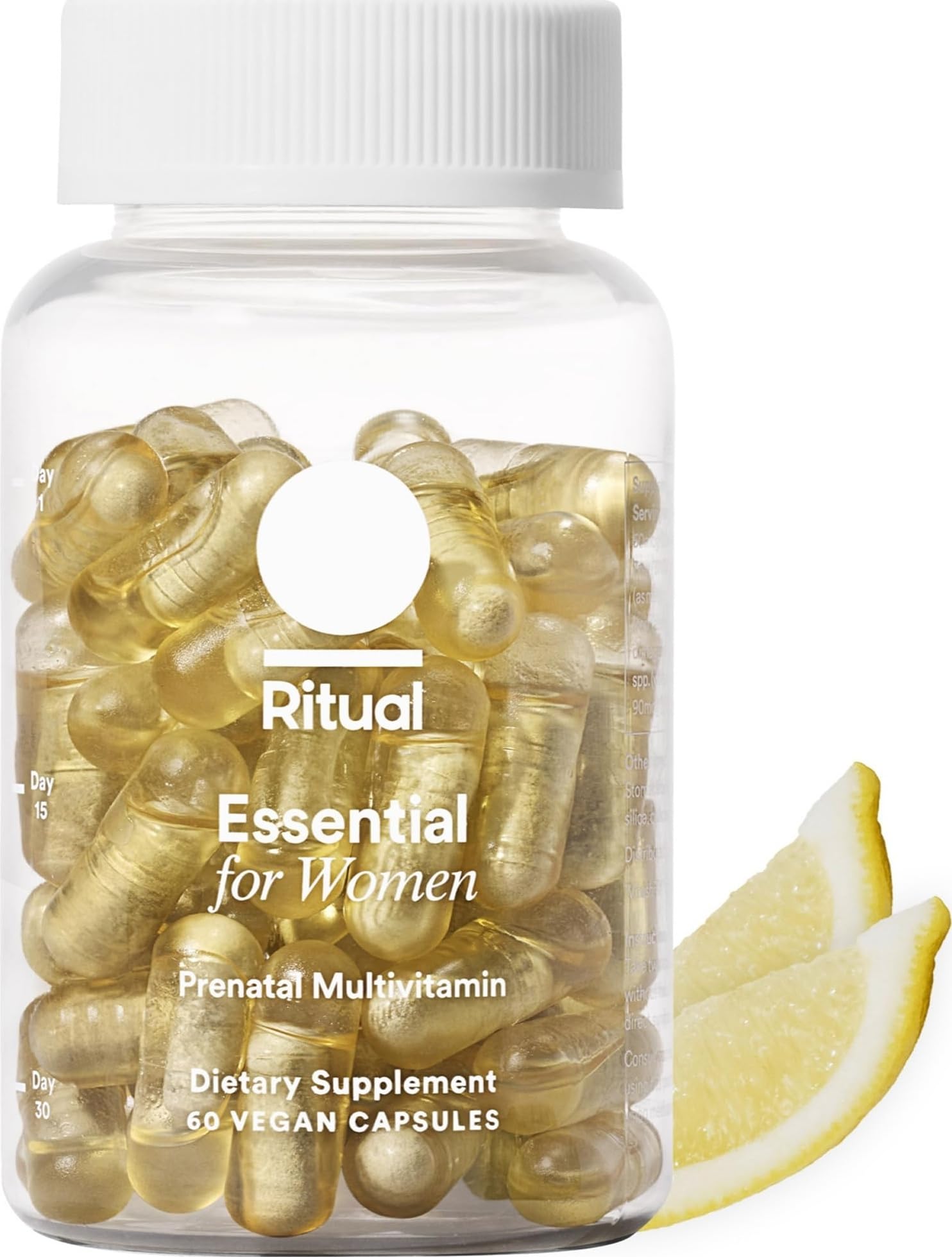
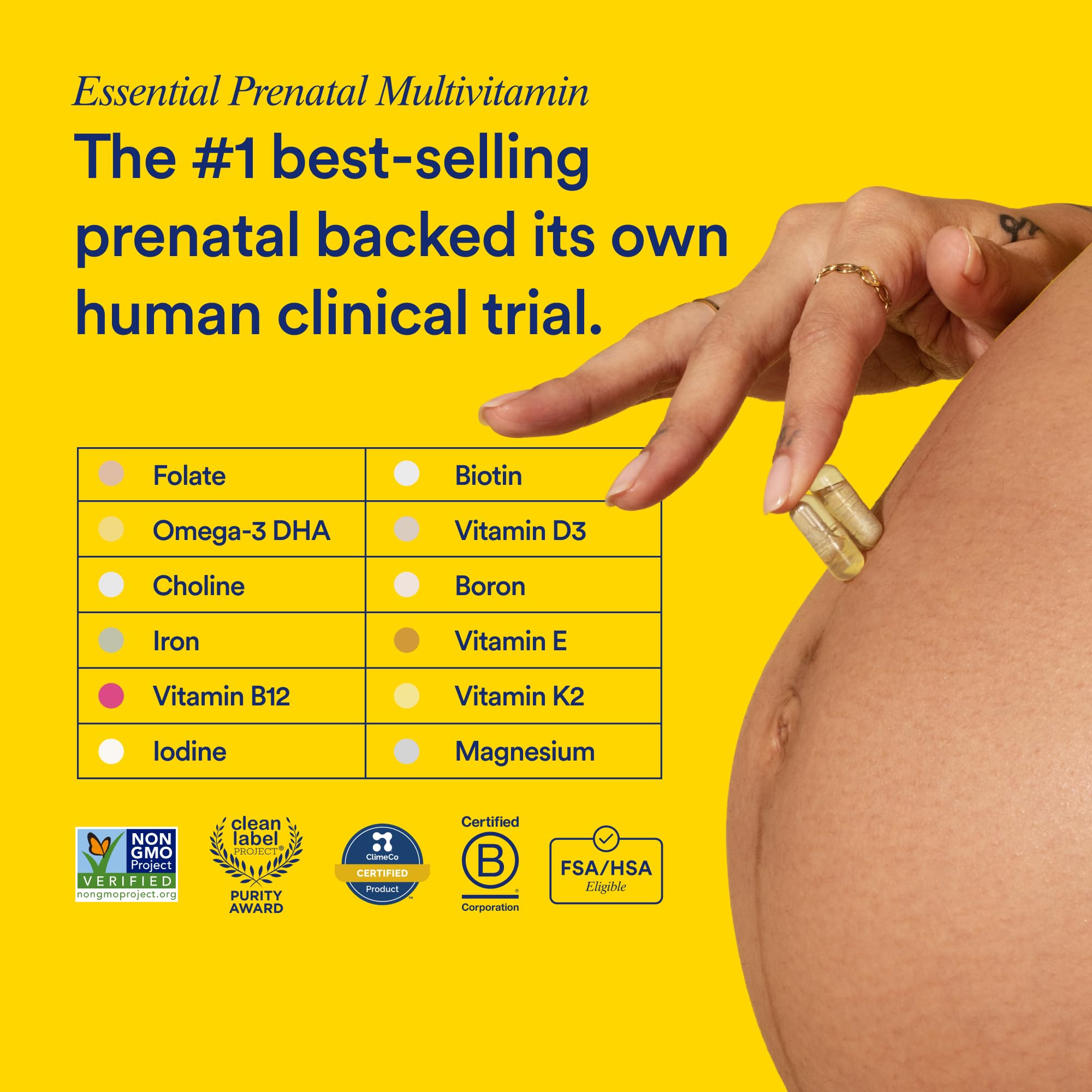


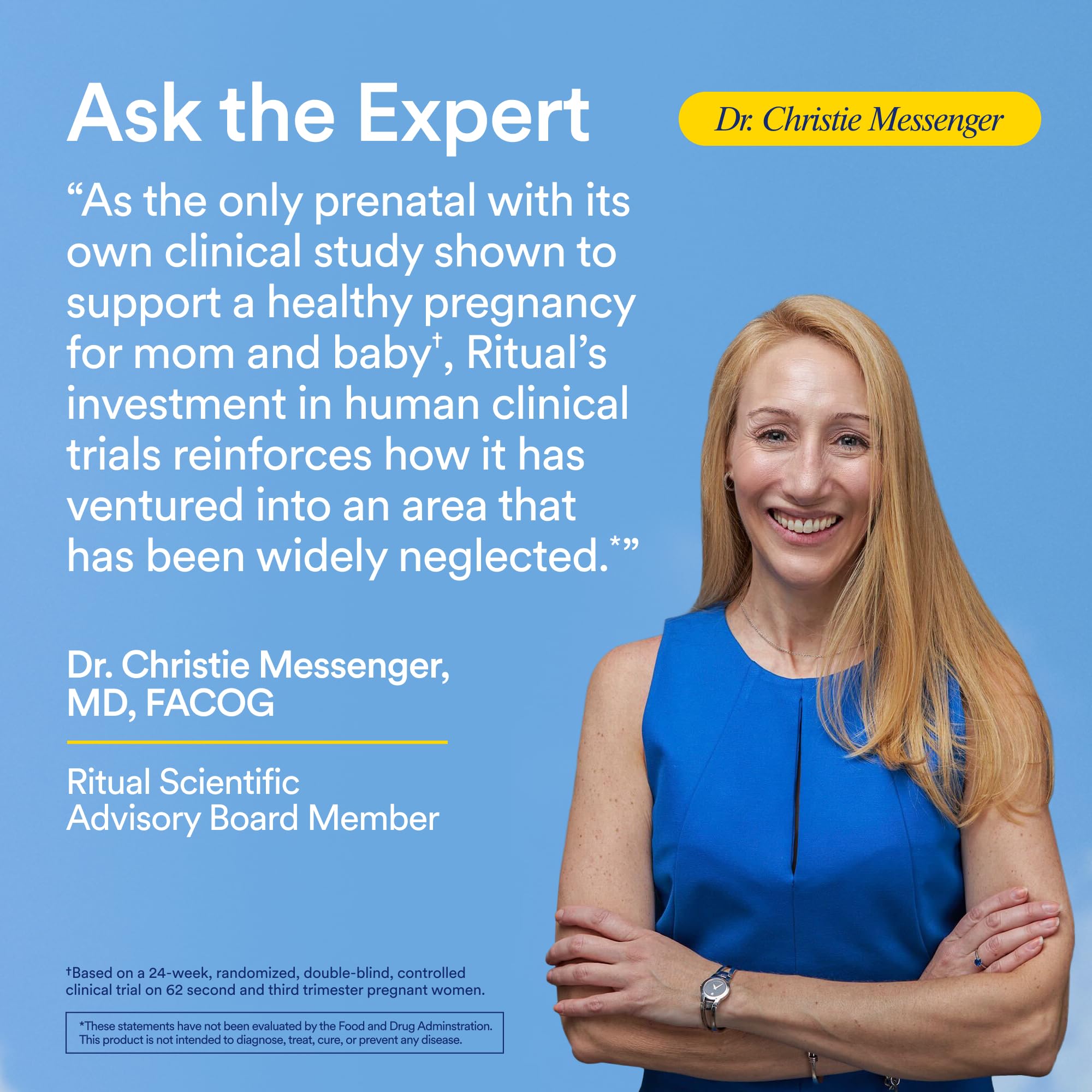
Ritual Women's Prenatal Multivitamins - 60 Capsules - 30 Servings | Clinical-Backed - Key Essential Vitamins and Minerals to Support Mom and Baby During Pregnancy* - Choline - Vegan - Citrus
- ESSENTIAL FOR WOMEN PRENATAL MULTIVITAMIN: is for thinking, trying, and when it's time. It’s formulated with k
- MADE TRACEABLE: Our world-class scientists scoured the globe for high quality ingredients when formulating Ess
- NON-GMO PROJECT VERIFIED: We trust NSF, one of the world’s leading certifying bodies to verify Essential for W
Second trimester: building blocks and blood
Weeks fourteen through twenty-six are often the "feeling human again" trimester. Appetite typically returns and you have a genuine opportunity to eat well. The fetus is growing rapidly in size, bone density is increasing, and blood volume is expanding. Iron and calcium take on greater importance during this period.
Calcium needs don't actually increase during pregnancy (the recommended intake is 1,000 mg per day for adults, same as before conception) but many women don't meet that baseline. The fetus will take calcium from your bones if your diet doesn't supply enough, so consistent intake matters for your own skeletal health as much as for the baby's.
Third trimester: brain sprint and lung development
Weeks twenty-seven through forty are the DHA sprint. The fetal brain grows more during the third trimester than at any other developmental stage, and DHA accumulates rapidly in brain tissue during these final weeks. Simultaneously, the lungs are maturing, and vitamin A plays a role in lung tissue development.
Research from the University of Kansas Medical Center found that higher maternal DHA during pregnancy was associated with longer gestation and better infant neurodevelopmental outcomes. Getting two to three servings of low mercury fish per week, or a supplement providing at least 200 mg of algae DHA daily, is a very concrete, evidence grounded action during this trimester.
DHA accretion in the brain is greatest during the last trimester of pregnancy and the first two years of life. Maternal DHA status during pregnancy is therefore a key determinant of the child's early neurodevelopment.
— Koletzko et al., American Journal of Clinical Nutrition (2008)
5. Building a Prenatal Diet That Actually Works in Real Life
Clinical guidelines are useful, but a pregnant woman eating in the real world is also dealing with fatigue, cravings, food budgets, cultural food preferences, and the fact that sometimes the only thing she can face at 7pm is buttered toast. Perfection is not the goal. Consistency and smart choices are.
The plate method, adapted for pregnancy
A simple way to structure meals without counting anything: fill half your plate with vegetables and fruit, a quarter with protein (aim for variety: eggs, legumes, fish, poultry, meat, tofu), and a quarter with whole grains or starchy vegetables. Add a dairy or calcium rich food at each meal. That framework, repeated across three meals and a couple of snacks, naturally delivers most of the nutrients you need without any spreadsheets.
Foods that pull double and triple duty
Some foods are so nutrient dense that they deserve special mention:
Managing the nausea window
Nausea in early pregnancy is not just unpleasant; it can genuinely compromise your nutrient intake during the most critical developmental window of the entire pregnancy. A few practical strategies that have evidence behind them:
When nausea makes it genuinely hard to eat, leaning on your prenatal supplement for nutritional backup becomes even more important. That is the practical case for a supplement that is designed to be gentle on an empty stomach.
For women who are also thinking about food access and growing their own produce, the growing nutritious food during pregnancy movement is worth exploring, particularly for women who want more control over what goes into their food.
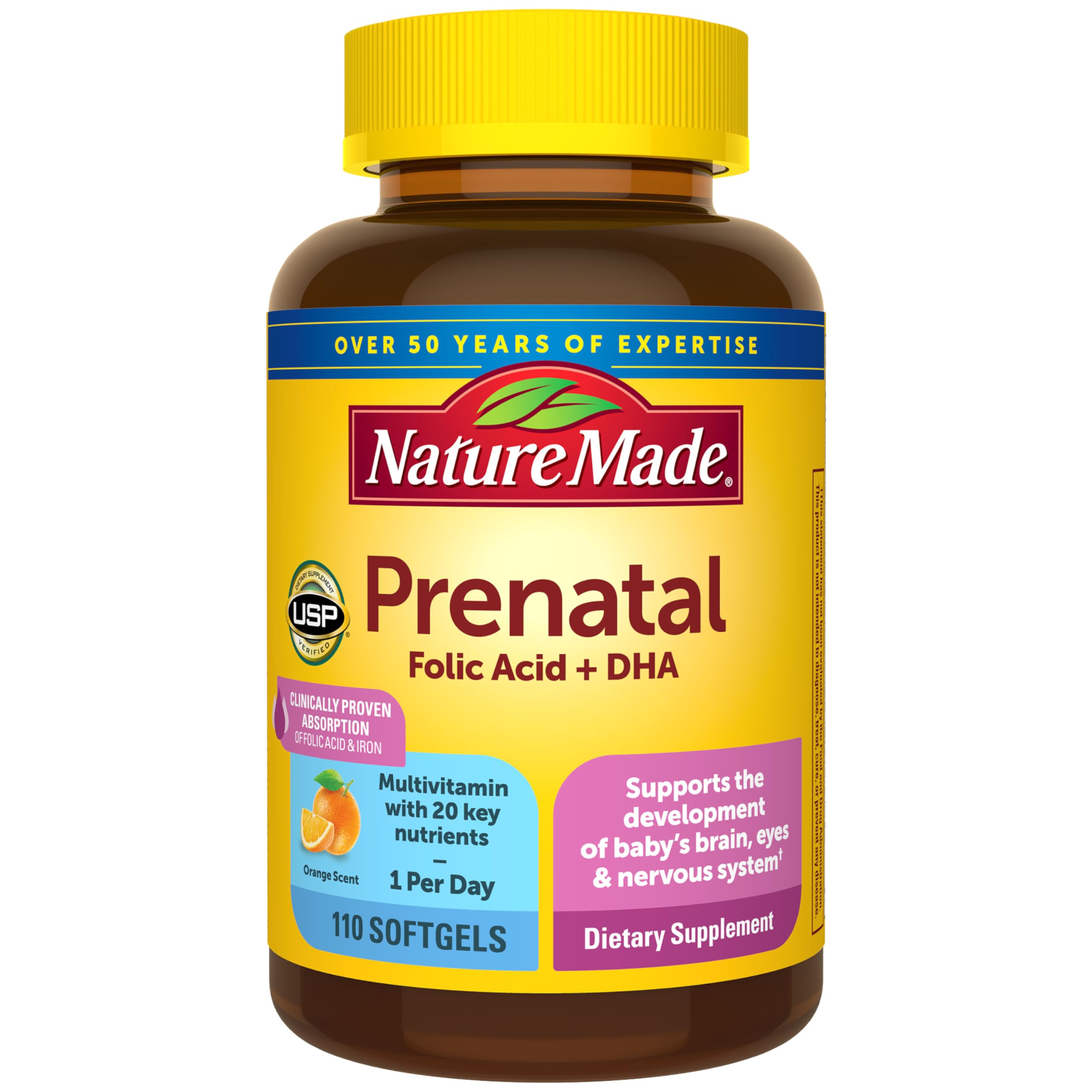
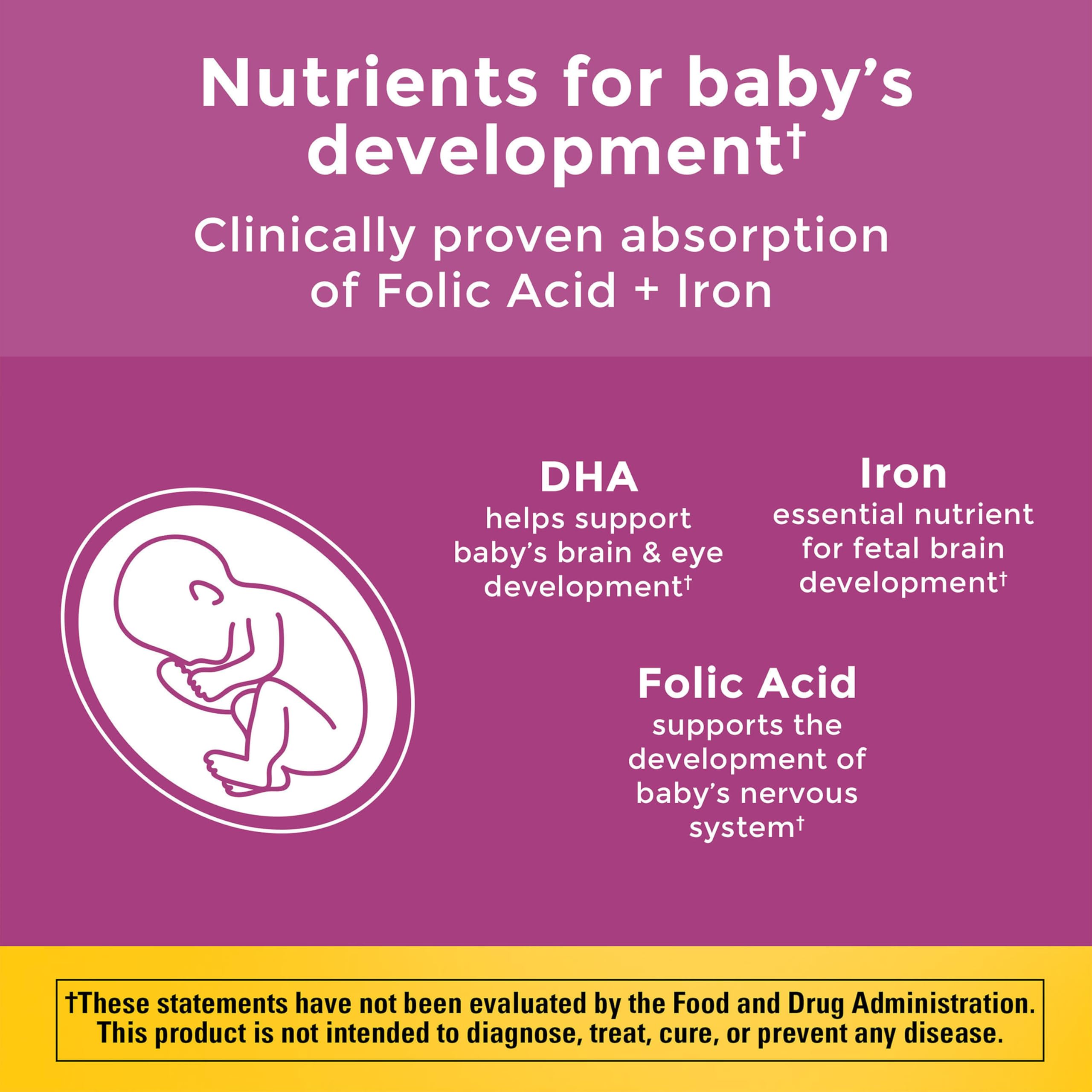
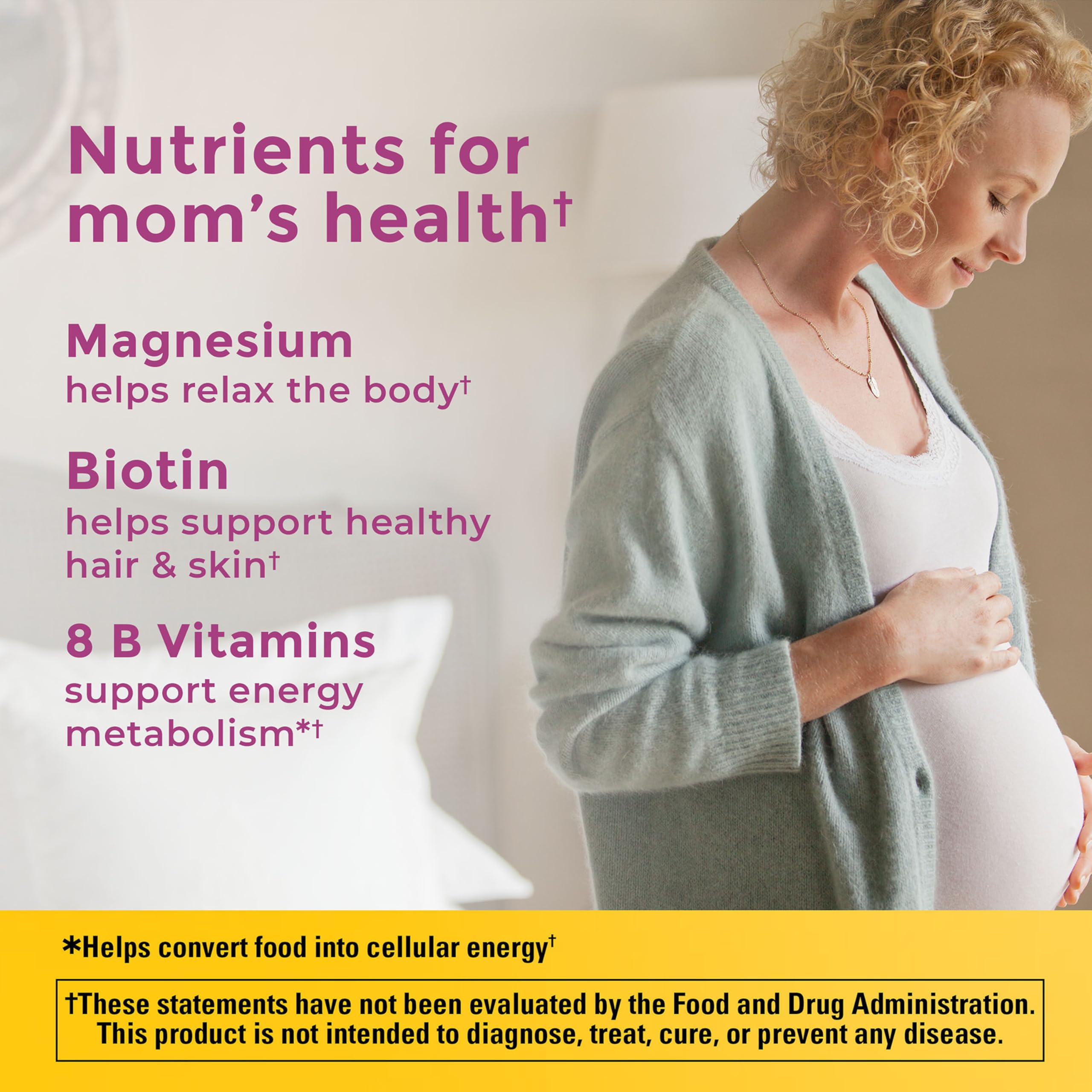
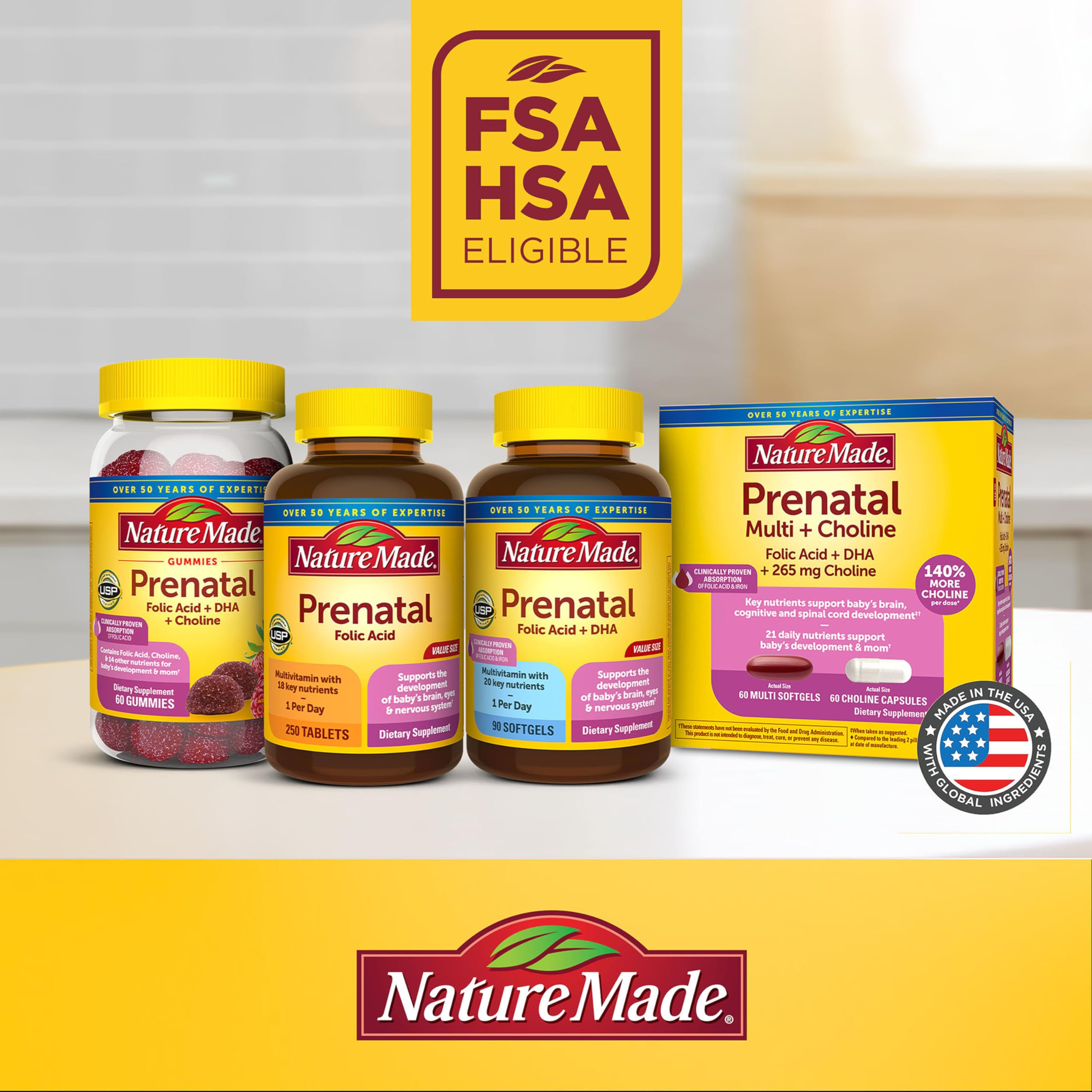
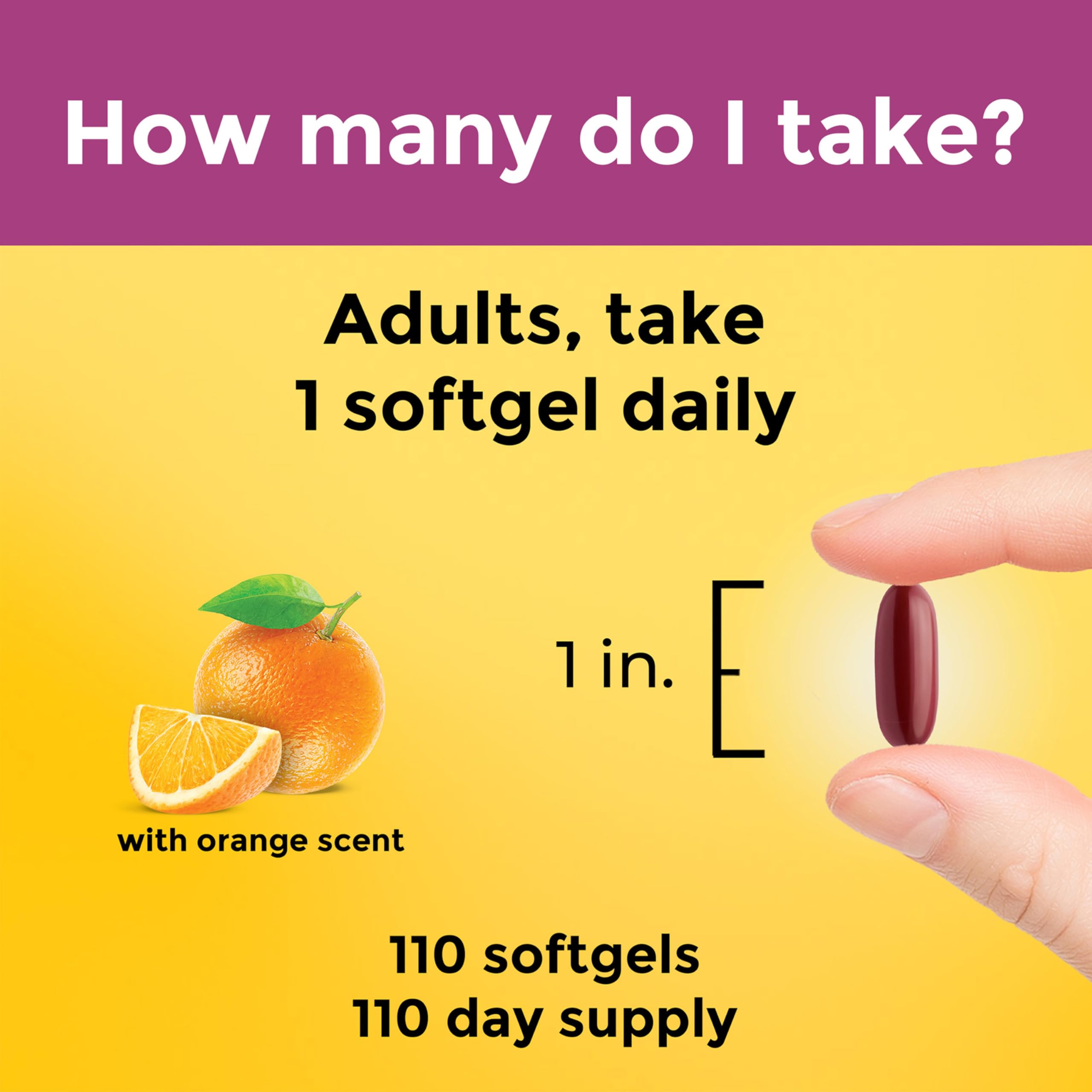
Nature Made Prenatal Vitamins for Women with Folic Acid + DHA, 110 Softgels | Prenatal Vitamin and Mineral Supplement for Daily Nutritional Support, With Folic Acid and 19 Other Nutrients, 110 Day Supply
- Now with orange scent: Adults take one pre natal multivitamin for women daily with water and a meal for optima
- Made in USA with quality global ingredients, this Nature Made womens prenatal multivitamin supplement is glute
- Prenatal nutritional support supplement: Contains one 110 count bottle of Nature Made Prenatal Vitamins with F
Foods to limit or avoid
This is where many women get overwhelmed by conflicting advice, so let me give you the simplified clinical picture:
6. Prenatal Supplements: What to Look For and How to Choose
A prenatal supplement is not a substitute for a good diet, but it is not optional either. The gap between what most pregnant women eat and what the evidence says they need is wide enough that a well formulated supplement provides genuine protection. Here is how to evaluate what you are taking.
Non-negotiables in any prenatal supplement
What the research says about supplement forms
The form of the nutrient matters. Ferrous gluconate and ferrous bisglycinate are generally better tolerated than ferrous sulfate (less constipation, similar absorption). Methylcobalamin is a better absorbed form of B12 than cyanocobalamin. Methylfolate is preferable to folic acid for women with MTHFR variants. Algae-derived DHA is functionally equivalent to fish-oil-derived DHA.
Comparing your options
| Supplement | Key Features | Folate Form | DHA Source | Best For | Recommended Product | Price Range |
|---|---|---|---|---|---|---|
| Nature Made Prenatal + DHA (110 day) | 20 nutrients, widely available, USP verified | Folic acid | Fish oil | Budget-conscious, easy access | Nature Made 110 Day Supply | $21 |
| Nature Made Prenatal + DHA (60 day) | Same formula, smaller starter pack | Folic acid | Fish oil | Trying before committing to larger supply | Nature Made 60 Day Supply | $16 |
| Pink Stork Total Prenatal + DHA | Methylfolate, vegan DHA, gentle stomach formula | Methylfolate (5-MTHF) | Algae | Women with MTHFR variant or fish aversion | Pink Stork Total Prenatal | $35 |
| Zahler Prenatal + DHA 300 | 1000 mcg methylfolate, 300 mg DHA, softgel | Methylfolate | Fish oil | Women wanting higher-dose DHA | Zahler Prenatal + DHA 300 | $36 |
| Micro Ingredients 38-in-1 Prenatal | 38 nutrients including probiotics and inositol, veggie capsule | Methylfolate | Algae | Women wanting a comprehensive formula without fillers | Micro Ingredients 38-in-1 | $25 |
| Ritual Women's Prenatal | Traceable ingredients, vegan, NSF certified | Methylfolate from Italy | Algae (Nova Scotia) | Women who want full ingredient transparency | Ritual Women's Prenatal | $43 |
Expert Insights
Frequently Asked Questions
Conclusion
Pregnancy nutrition is one of those rare areas in medicine where what you do genuinely, measurably matters, and where the evidence is both deep enough to take seriously and practical enough to actually act on. You don't need a perfect diet. You need a consistent one, grounded in real food, supported by a supplement that covers the gaps, and adjusted trimester by trimester as your baby's needs shift.
If there is one thing I want you to walk away with, it's this: feeding your baby well doesn't start at the delivery room. It starts at your kitchen table, months before you even hold them.
Start your prenatal vitamin today if you haven't already. Share this article with someone who is planning a pregnancy or newly pregnant. And if you have questions about your specific situation, take them to your midwife or obstetrician; the conversation is always worth having.
Sources & References
- Centers for Disease Control and Prevention. "Folic Acid." 2023. https://www.cdc.gov/ncbddd/folicacid/index.html
- American Academy of Pediatrics, Council on Environmental Health. "Pediatric Environmental Health: Fetal Programming and Early Developmental Origins of Disease." Pediatrics, 2018.
- Caudill, M.A. et al. "Maternal choline supplementation during the third trimester of pregnancy improves infant information processing speed." FASEB Journal, 2018.
- Koletzko, B. et al. "The roles of long-chain polyunsaturated fatty acids in pregnancy, lactation and infancy: review of current knowledge and consensus recommendations." Journal of Perinatal Medicine, 2008.
- World Health Organization. "Anaemia in pregnancy." 2023. https://www.who.int/news-room/fact-sheets/detail/anaemia
- U.S. Food and Drug Administration and Environmental Protection Agency. "Advice About Eating Fish." 2024. https://www.fda.gov/food/consumers/advice-about-eating-fish
- American College of Obstetricians and Gynecologists. "Nutrition During Pregnancy." ACOG Committee Opinion, 2023.
- Barker, D.J.P. "The origins of the developmental origins theory." Journal of Internal Medicine, 2007.
- Institute of Medicine. "Weight Gain During Pregnancy: Reexamining the Guidelines." National Academies Press, 2009.
- Mennella, J.A., Jagnow, C.P., and Beauchamp, G.K. "Prenatal and postnatal flavor learning by human infants." Pediatrics, 2001.
- National Institutes of Health Office of Dietary Supplements. "Choline: Fact Sheet for Health Professionals." 2023. https://ods.od.nih.gov/factsheets/Choline-HealthProfessional/
- Haider, B.A. and Bhutta, Z.A. "Multiple-micronutrient supplementation for women during pregnancy." Cochrane Database of Systematic Reviews, 2017.
Frequently Asked Questions
When should I start taking a prenatal vitamin?
Can I just eat well and skip the prenatal supplement?
What is methylfolate and do I need it instead of folic acid?
Is it safe to eat fish during pregnancy?
My prenatal vitamin makes me feel sick. What should I do?
How much weight should I gain during pregnancy?
Does what I eat during pregnancy affect my baby's food preferences later?
Was this helpful?
Thanks — your feedback helps us pick what to write next.